Twisted Metal's Aaron Parker Spills it All
About this episode
Aaron Parker traces his path from JDM and rotary obsession into drifting, then into stunt driving and behind-the-wheel work. He breaks down why pro credentials matter, how stunt teams get constrained by directors and budgets, and how small setup changes can unlock a shot. The conversation also dives into real production chaos—fuel mistakes, tight logistics in downtown Albuquerque, and even hydrolock fears—while Parker shares his RX-7 FD and four-rotor build plans, plus TV work like V8-swapped 350Zs and Twisted Metal.
Big Willow Raceway
"We are probably about 20 minutes away from Big Willow Raceway a historic raceway [43.9s] Did you go there as a kid as a kid?"
Big Willow Raceway is a real race track in California. People go there to drive their cars on a track instead of on public roads.
Big Willow Raceway is a motorsports venue in California known for track days and racing events. It’s the kind of place where enthusiasts go to experience car handling and lap-time driving in a controlled environment.

Honda Civic
"...time we would just look up body kits for for like civics and you know Eclipses and Rx7s and stuff. So yeah..."
The Honda Civic is a small, everyday car made by Honda. People talk about it a lot because it’s common and there are many parts available to customize it. It’s a popular choice for people who want to modify the look or performance.
The Honda Civic is a compact car known for being practical, efficient, and widely supported by the aftermarket. It’s often discussed in car communities because many owners customize them with performance parts and body kits. That’s why it comes up alongside other popular “tuner” models in conversations about styling and builds.

Rx7 FD
"It's also made in appearance as a Hot Wheels car [110.1s] It's been in a couple different other things too, but it's an Rx7 FD. Yep third gen [118.0s] FDR X7"
The Mazda RX-7 FD is a specific RX-7 generation. It’s known for a rotary engine (a different engine design than most cars) and it’s a big deal in the JDM world.
The Mazda RX-7 FD is the third-generation RX-7, famous for its rotary engine layout. Instead of pistons moving up and down, it uses a Wankel rotary design with four rotors in the FD, which is why it has such a distinctive character.
four-rotor
"Mazda's pride and joy the glory days, you know, and you have an insane four-rotor in it, right? [120.2s] Mazda's pride and joy the glory days, you know, and you have an insane four-rotor in it, right?"
“Four-rotor” means the engine has four rotary chambers instead of the usual piston cylinders. It’s a big part of why certain Japanese sports cars like the RX-7 feel and sound different.
A four-rotor engine means the car uses four rotary combustion chambers (rotors) in its Wankel rotary design. In the Mazda RX-7 FD, that multi-rotor setup is part of what gives it high-revving, smooth power delivery and a unique exhaust note.
billet
"Billet 100% billet semi-proof report it's got Titanium studs and inserts all the ports"
“Billet” means the part is cut and shaped from a solid chunk of metal. It’s usually stronger and more precise, but it takes more work and costs more.
“Billet” means parts machined from a solid block of metal rather than cast or stamped. In performance builds, billet components are often chosen for strength, precision, and custom fitment—at the cost of time and money.
Titanium studs and inserts
"Titanium studs and inserts all the ports the semi-PPs are of my design Too much money and work into the machining of it just because it was like a statement piece for me"
These are special bolts (“studs”) made from titanium, plus reinforcement pieces (“inserts”) to strengthen the threads. They help keep critical engine parts clamped and reliable under stress.
Titanium studs are threaded fasteners used to clamp engine components, chosen for high strength-to-weight and heat resistance. “Inserts” typically refer to threaded reinforcement pieces (often in softer base materials) that improve durability and allow repeated assembly.
internal dry sump setup
"It's got like an internal dry sump setup. So there's like no belt So you never have to worry about a belt falling off and losing oil pressure type."
A dry sump system uses a separate oil tank instead of just the oil pan. That helps keep the engine supplied with oil when the car is being driven hard.
An internal dry sump is an oiling system that stores oil in a separate reservoir rather than relying on the oil pan. This helps prevent oil starvation during hard cornering or acceleration and can reduce oil foaming, improving consistency under high RPM.
gear driven
"So you never have to worry about a belt falling off and losing oil pressure type. I think it's all gear driven and Yeah, I never got to to finish it"
“Gear driven” means the system is powered by gears rather than a rubber belt. Gears can be more reliable because there’s no belt to slip or fall off.
“Gear driven” means the oil pump and/or other accessory functions are driven by gears instead of a belt. Gear drives can be more durable and less prone to stretch or belt failure, which matters when you’re trying to protect oil pressure at high RPM.
upper intake manifold
"I still need the upper intake manifold and I'm gonna change it from a turbo application to naturally aspirated just because I feel like"
The intake manifold is the plumbing that directs air into the engine. If you change from turbo to naturally aspirated, you often need different manifold parts to make the airflow work correctly.
An upper intake manifold is the part that routes air (or air/fuel mixture) from the intake system into the engine’s intake ports. Changing it can be necessary when swapping between forced induction (turbo) and naturally aspirated setups because the airflow path and packaging differ.
turbo application
"I still need the upper intake manifold and I'm gonna change it from a turbo application to naturally aspirated just because I feel like"
A “turbo application” means the engine is configured to use a turbocharger to push extra air in. That usually requires extra parts and tuning to handle the boost.
A “turbo application” means the engine is set up to use a turbocharger to force more air into the cylinders. That typically requires supporting hardware (intake plumbing, fueling, and sometimes different manifolds) to handle higher boost and heat.
naturally aspirated
"I'm gonna change it from a turbo application to naturally aspirated just because I feel like"
“Naturally aspirated” means there’s no turbo or supercharger pushing extra air in. The engine just breathes on its own, which can make the setup simpler and the response different.
“Naturally aspirated” means the engine makes power without a turbocharger or supercharger, relying on atmospheric pressure and engine design to draw air in. It often changes how the car drives (throttle response and power delivery) and can simplify parts compared with forced induction.
high strung
"the wolf's gonna remain as is two rotor high strung Maybe, you know, 600 wheel max 10k rpm and sequential"
“High strung” means the engine is set up to spin very fast (high RPM). That usually requires the build to be designed to handle the stress of those revs.
“High strung” describes an engine tuned to run at very high RPM, typically with components and clearances designed for sustained high-speed operation. In rotary builds, it often goes along with higher redlines and careful oiling and cooling choices.
sequential
"Maybe, you know, 600 wheel max 10k rpm and sequential and that car will just live the rest of its existence as it was"
“Sequential” usually means the fuel is delivered in a timed sequence, not all together. That helps the engine run smoother and respond better.
“Sequential” here likely refers to sequential fuel injection, where injectors fire in a timed order to match engine rotation rather than all at once. That can improve drivability and throttle response, especially at higher RPM.
Tacomas
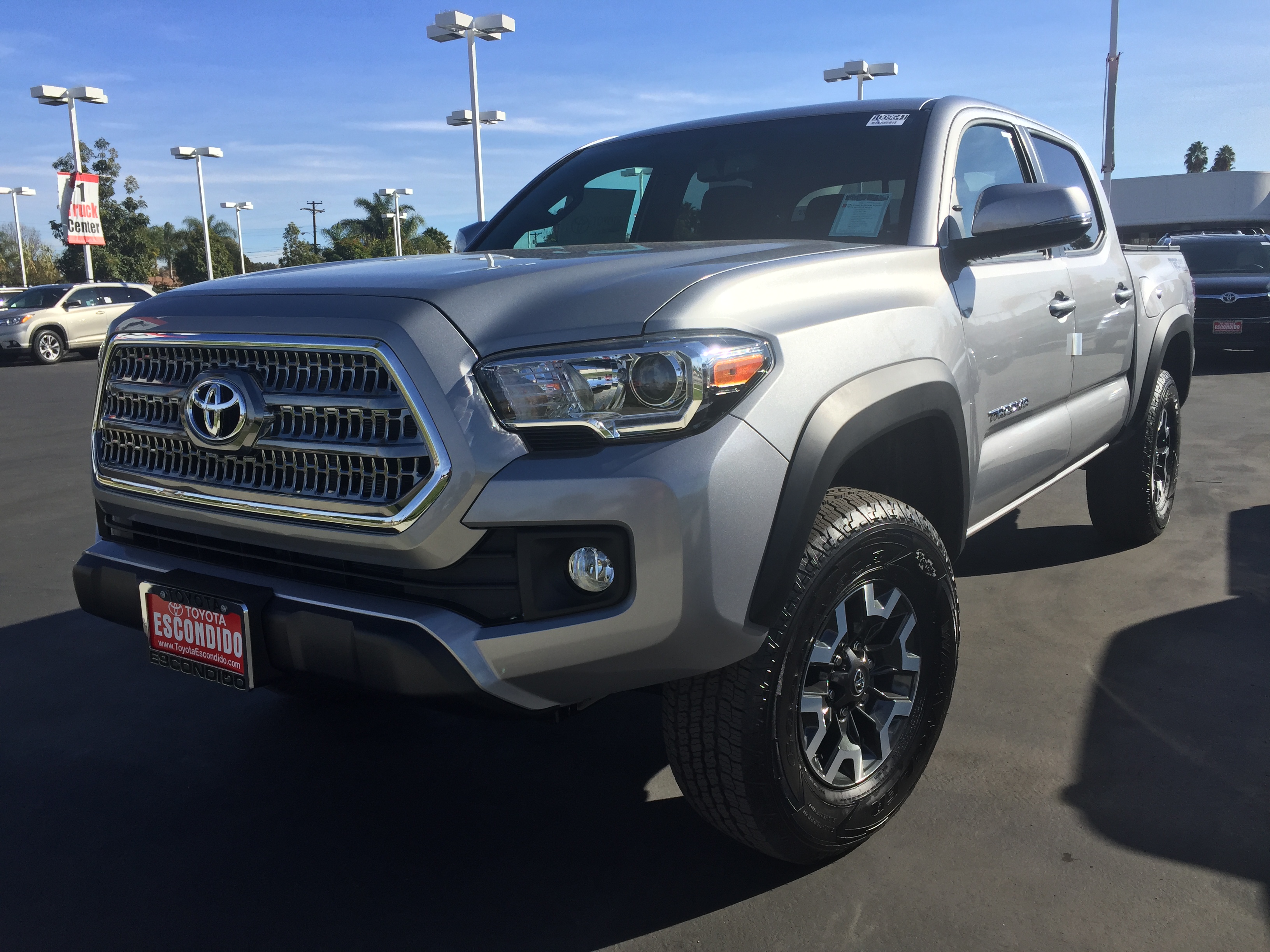
"Two might have been [252.4s] The trucks Tacomas. Yeah, maybe that was fun. Yeah, but reckless"
A Toyota Tacoma is a pickup truck. Here it’s being talked about as one of the trucks used for reckless, stunt-style driving.
The Toyota Tacoma is a midsize pickup truck known for off-road capability and durability. In this segment, it’s mentioned as one of the trucks used in the stunt-style, grip-focused driving chaos.
grip racing
"Well, you take a bunch of like [263.1s] You know like grip racing dudes and like put them out in the mountains and shit happens, right, right, right"
Grip racing means you’re going fast mainly because the tires have good traction. You’re not trying to slide the car around on purpose.
“Grip racing” refers to driving that relies on tire traction (grip) rather than sliding the car. It’s the opposite of styles like drifting, where you intentionally break traction to rotate the car.
stunt driver
"Kind of like one of those opportunities of a lifetime, you know, and yeah, I forgot to mention Aaron is also a stunt driver [287.9s] Which is probably one of the sickest thing"
A stunt driver is a professional driver who does dangerous-looking driving moves safely for movies or shows. They practice the maneuvers so they can repeat them reliably.
A stunt driver is a professional who performs controlled, high-risk maneuvers for film, TV, or live events. The job blends driving skill with safety planning, choreography, and repeatable execution under pressure.
competitive drifting
"Oh, it was my dream to to get there right like my whole goal after you know the competitive drifting thing and [290.3s] Was I was I was already getting to a point in my life where I was like, man, I can't hustle this hard"
Drifting is when a driver makes the car slide sideways on purpose while still controlling it. Competitive drifting is drifting done in competitions where judges score how well you do it.
Drifting is a driving technique where the driver intentionally over-rotates the car so the tires slide while maintaining control and speed. “Competitive drifting” means doing it in a judged format where line, angle, and control matter.
qualifying
"I would wake up like, you know, like a like a jolt like I wake up like because I was dreaming about [337.6s] How I was gonna be doing on qualifying and if the car reacted this way"
Qualifying is the part of a race weekend where drivers try to set their fastest time. Your qualifying result often decides where you start the race.
Qualifying is the timed session where drivers try to set their best lap to determine starting position for the next event. In motorsport, qualifying performance often affects track position and strategy.
dump of the clutch
"I'm like, oh [351.3s] Nothing, I was just a dump of the clutch [353.0s] You know, she's like what and now she's like go back to sleep"
A “dump of the clutch” is when you let the clutch out really fast. That can make the car lurch forward because the engine power hits the wheels suddenly.
A “dump of the clutch” means releasing the clutch very abruptly, which can cause a sudden surge in engine torque to the drivetrain. In performance driving, it’s often associated with hard launches, but it can also be stressful on driveline components.
Toyota Forerunner
"And then they say hey, we've got this prototype Toyota Forerunner or this new Mustang, you know"
The Toyota Forerunner is a Toyota SUV. Here, they’re talking about using a not-yet-finished prototype version of it for a commercial, so the production schedule has to match the car’s availability.
The Toyota Forerunner is a midsize SUV built for off-road and everyday driving. In this segment, it’s mentioned as a “prototype” vehicle used for a commercial shoot, highlighting how production teams sometimes borrow unfinished vehicles to get the right look and timing.

4Runner Forerunner
"...hen they say hey, we've got this prototype Toyota Forerunner or this new Mustang, you know"
The Toyota 4Runner is a midsize SUV made for people who want something tougher than a typical car. It’s designed to handle rough roads and off-road driving. In the podcast, it’s brought up in the context of talking about a prototype vehicle and what might be coming next.
The Toyota 4Runner is a midsize SUV known for rugged capability and a body-on-frame design that suits off-road use. In the podcast context, it’s mentioned alongside a “prototype Toyota Forerunner,” which appears to be a reference to the 4Runner/Forerunner naming in conversation. That kind of mention typically comes up when discussing new vehicles, prototypes, or what people are driving and building.

Ford Mustang
"Forerunner or this new Mustang, you know 500 whatever and it's a prototype becau..."
The Ford Mustang is a sports car from Ford. It’s designed to be fun to drive and it has a big fan base. When people mention a “prototype,” they mean an early test version that’s being developed before the final car is released.
The Ford Mustang is a classic American sports coupe/convertible line built around performance and a strong enthusiast following. In the podcast context, it’s mentioned as a “new Mustang” and even as a prototype, which highlights its ongoing development and attention from fans. That kind of talk usually centers on what the next generation might bring in design and performance.
prototype
"And it's a prototype because they haven't finished this and supposed to this commercial needs to come out before itself is like priceless."
A prototype is an early, not-final version of a vehicle used to test design, packaging, or marketing needs before production. In automotive media, prototypes are often time-sensitive because they may only exist in limited numbers and must be returned for other testing or demos.
Formula Drift
"I'm gonna I'm gonna be driving Formula Drift and if anything means like car controls like drifting"
Formula Drift is a professional drifting racing series where drivers compete by maintaining controlled slides while aiming for speed, angle, and style. The host connects it to “car controls like drifting,” implying that pro-level competition is a credibility signal for handling high-value cars safely.
pro license
"if I get my pro license to me that meant that I was Professional ready right to drive these cars"
A pro license in motorsport is a credential that indicates a driver has met the requirements to compete at a professional level. In the segment, the speaker argues that having that license is tangible proof of readiness compared with vague claims of experience.
drifted
"But just because Aaron Parker who has no fight experience other than boxing with my friends back in high school in the garage Goes to a gym and I train one day does not make me an MMA fighter You know like it same thing with a guy who goes and buys a car and goes to the track one time Yes, you have drifted, but you're not a"
To “drift” means the driver intentionally lets the rear of the car slide sideways while still steering through the corner. It’s not just spinning out—it’s controlled sliding.
“Drifted” refers to driving with intentional oversteer so the car’s rear slides while the driver maintains control and angle through the turn. In motorsport, drifting is judged on things like consistency, line, and how well the driver controls the slide.
pro drifter
"Yes, you have drifted, but you're not a Like like pro drifter. You're not a pro driver, you know, so for me"
A “pro drifter” is someone who does drifting competitively, not just casually. They’re expected to be consistent and safe, and they’re judged on how well they control the car while sliding.
A “pro drifter” is a driver who competes in drifting at a professional level, where performance is evaluated against strict rules and scoring criteria. Being a pro usually means consistent results, safety discipline, and repeatable technique—not just having one good session.
car controls
"Show that you're not reckless, you know, because there's more than just one aspect Yes, car controls one thing knowing what's wrong with the car in order to"
“Car controls” means how well you can steer and use the gas/brakes to keep the car under control. In drifting, that’s what helps you slide without losing it.
“Car controls” refers to the driver’s ability to manage steering, throttle, and braking inputs to keep the car stable and moving as intended. In drifting, it’s especially about controlling the car’s attitude (angle) and maintaining traction while the rear is sliding.
track etiquette
"And then there's etiquette like set etiquette You're not going to go up to like a director and just like start barking off I need this."
“Track etiquette” is how you’re supposed to act at a racing event. It’s about being respectful and following the event staff’s process so everything runs smoothly.
The hosts discuss “track etiquette,” meaning the expected behavior and communication style at a track or motorsport event. It includes following the event’s chain of command and coordinating with staff rather than demanding things directly.
precision driving
"But he also did some stunt work like a precision driving more, right? He's done stunt work to actually work with him last week down to Mexico."
“Precision driving” means driving very carefully and consistently, with smooth, accurate steering and pedal inputs. It’s the kind of driving used for stunts and filming because it has to look right and stay safe.
“Precision driving” is controlled, repeatable driving where inputs are measured and consistent—often used in stunt work, filming, and high-skill driving demonstrations. It emphasizes accuracy and safety over raw speed.
motor trend
"Oh, yeah, as officer Dan your old Co-star. Yep. Yeah motor trend But he also did some stunt work like a precision driving more, right?"
Motor Trend is a car-focused media outlet that publishes reviews and automotive news. Here it’s mentioned as part of someone’s career or connections.
Motor Trend is an automotive media brand that covers car reviews, motorsport, and industry news. In the context of this segment, it’s being referenced as part of the person’s background.

Plymouth Barracuda
"...t week down to Mexico. Wow. Yeah on a film called Barracuda Yeah, we spent a few weeks with each other and ho..."
The Plymouth Barracuda is an older American muscle car. People often bring it up because it’s a famous model name. In the podcast, it’s mentioned in connection with a movie, which is one reason it stands out.
The Plymouth Barracuda is a classic American muscle car known for its bold styling and performance heritage. The podcast context mentions a film called “Barracuda” and spending time down in Mexico, which suggests the car is being referenced through entertainment or a related experience. That’s why it comes up: it’s a recognizable name tied to classic car culture.
differential
"Sometimes is a constriction all by itself, you know, like maybe they don't have enough money to put this thing together [910.8s] They don't understand that they didn't need to put like 10 grand into the motor [914.2s] All we needed was a $500 differential and they would have got the shot type of thing, you know"
A differential is a part inside the car that helps the wheels spin at different speeds when you turn. For stunt driving, the right differential can make the car controllable enough to do the planned moves.
A differential is the drivetrain component that lets the left and right wheels rotate at different speeds, especially when a car turns. In stunt work, choosing the right differential can be the difference between a vehicle being able to put power down and perform the required maneuver reliably.
drift cars
"Dude, mostly like just like drift cars. He's like, dude, you want to check out my truck? And I was like, sure"
Drift cars are built or set up for drifting, where the driver intentionally oversteers so the car’s front and rear slip at different angles while maintaining control. The tires, suspension, and drivetrain tuning are usually aimed at predictable slide behavior.
stunt coordinator / stunts on set
"I had no clue about any of the etiquette part of it. He's not this guy might be like the stunt coordinator [1161.8s] I had no clue. I was like, maybe I'm working with this guy. He you know, he really wants me to check out [1166.2s] Yeah, I better go. So I went out to the parking lot..."
They talk about film/TV set roles—specifically stunt work—and how the speaker didn’t realize who the person was. Later it turns out the guy was doing stunts and loves cars.
The segment discusses how the speaker didn’t know the production etiquette and initially thought the person might be a stunt coordinator. It then clarifies that the person was involved with stunts that night and was also a car enthusiast.
donuts
"So we get in his truck and all of a sudden he starts doing donuts with all these other cars there [1183.4s] And he's just flinging rocks left and right and done and he's going up and over the all"
“Donuts” are when a car spins around in a circle on purpose, usually with the tires sliding. It’s a common stunt/drift move.
“Donuts” are a driving maneuver where the car spins in a circle while the driver keeps the tires breaking traction. It’s commonly done in drift-style or stunt contexts to show control and generate smoke/heat.
cowboy sarone
"And so I was like, dude, the guy ends up being cowboy sarone. Who's that? He's an MMA fighter [1203.9s] He's just an MMA fighter. Super cool, dude. But he's he's like a PA on set. No, no, no [1208.2s] he was with stunts that night and um, uh"
Cowboy Sarone is an MMA fighter. In this story, he’s also involved with stunts on a set and he’s a car fan.
Cowboy Sarone is identified in the segment as an MMA fighter who was working on set with stunts. The host connects his background in combat sports to his involvement in action/stunt work and his interest in cars.
car like sliding out of that
"So hey, how much uh, how much room do you need to To get this car like sliding out of that, you know, uh Out of the alley, you know enjoying this thing"
They mean the car starts to lose grip and the tires slide instead of holding the road. For stunts, drivers try to make that slide controllable so it doesn’t spin out.
“Sliding out” describes a loss of traction where the tires can’t grip as intended, so the car rotates or drifts rather than following the planned line. In stunt driving, the goal is often to induce controlled oversteer so the slide is repeatable and safe.

350 z's
"Just the overall size like it's like small. I signed up to do this new season of high low where the 350 z's get V8 swaps then we take them drifting"
The Nissan 350Z is a popular sports car. Here they’re talking about swapping in a V8 engine instead of the original engine, usually to make it faster and more fun to drive.
The Nissan 350Z is a late-2000s sports coupe known for its rear-wheel-drive layout and enthusiast-friendly tuning. In this segment, the host mentions “V8 swaps” for the 350Z, which means replacing the factory engine with a V8 to change power delivery and character.
high low
"I signed up to do this new season of high low where the 350 z's get V8 swaps then we take them drifting"
“High low” appears to be the show format the guest is filming, involving building or modifying cars (here, 350Zs with V8 swaps) and then putting them through driving challenges like drifting. The term is used as a program segment/category rather than a technical automotive definition.
V8 swaps
"I signed up to do this new season of high low where the 350 z's get V8 swaps then we take them drifting"
A “V8 swap” means putting a V8 engine into a car that didn’t originally have one. It usually takes a lot of custom work so the engine, electronics, and drivetrain all work together.
A “V8 swap” is an engine conversion where a V8 replaces the car’s original powerplant. It typically requires custom mounts, wiring/ECU work, and drivetrain compatibility, and it can dramatically change how the car accelerates and handles.
turbo motors
"Three fifths ease just no more turbo motors. Just you know ls"
A turbo motor uses a turbocharger to cram more air into the engine for more power. In this story, they’re saying they weren’t using turbocharged engines for that setup anymore.
“Turbo motors” are engines that use a turbocharger to force more air into the cylinders, which can increase power output. Parker notes “no more turbo motors,” meaning the drift-car setup they were discussing moved away from turbocharged engines.

Cadillac Escalade LS
"One of them was an escalade ls. That was our junkyard one as low car for sure."
The Cadillac Escalade is a big luxury SUV. “LS” is a trim level, and here it’s mentioned as the kind of car they used as a rough, junkyard starting point for a project.
The Cadillac Escalade LS is a full-size luxury SUV from Cadillac, and the “LS” typically refers to a trim level. In this segment, Aaron Parker uses it as an example of a “junkyard” car for the MotorTrend show, which matters because it frames the kind of donor vehicle they were working with.
LS
"Three fifths ease just no more turbo motors. Just you know ls"
“LS” is a GM V8 engine family. People like it for swaps because it’s common and has lots of parts available, and here it’s what they were using in the cars.
“LS” here refers to GM’s LS-series V8 engine family, which became popular for swaps because it’s compact, modern, and widely supported by aftermarket parts. Parker’s “just you know ls” indicates the drift-car builds were using LS V8 power rather than turbo setups.
albuquerque
"I went out to albuquerque that next week Um, the days for doughnut weren't until the following week"
Albuquerque is a city in New Mexico. In this segment, it’s where Parker traveled for the show’s next set of days.
Albuquerque is a major city in New Mexico, and Parker says he went there for the next week’s activities tied to the MotorTrend/doughnut schedule. It’s relevant mainly as the real-world location for the show’s filming or events.
time attack
"“...we go to the track... We’re going to take it to the track and do a time attack things.”"
Time attack is a racing style where you’re trying to beat the clock. Instead of racing other cars side-by-side, you make timed runs and try to set the fastest time.
Time attack is a motorsport format where the goal is to set the fastest lap (or fastest run) over a short course, usually with timed runs rather than wheel-to-wheel racing. Drivers often tune the car specifically for repeatable grip and consistent braking/acceleration rather than long-duration endurance strategy.
Pikes Peak records
"“...he had all these pikes peak records for uh motorcycles and cars...”"
Pikes Peak records refer to timed performance achievements on Pikes Peak, the famous Colorado hill climb. Because it’s a steep ascent with changing traction and elevation, records are typically tied to specific vehicle classes and conditions.
Greg Tracy
"“...and his name is Greg Tracy”"
Greg Tracy is a racing driver who’s known for setting records, including at Pikes Peak. In this conversation, the host realizes they’ve crossed paths because of the host’s show and Greg’s racing background.
Greg Tracy is a well-known motorsports racer associated with hill-climb and record attempts, mentioned here in connection with Pikes Peak records for both motorcycles and cars. In the segment, he’s also portrayed as a networking contact who recognized the host through prior media.
side car
"“...he asked me if I had my side car. I was like, yeah, have my side card...”"
A sidecar is an extra seat/wheel attached to the side of a motorcycle. It turns the bike into a three-wheeled vehicle and affects how it steers and feels.
A sidecar is a motorcycle accessory mounted beside the bike, creating a three-wheeled setup. It changes handling and weight distribution, so riders often plan route and setup differently than with a solo motorcycle.
jet skis
"[2005.4s] We weren't shooting we just rode jet skis [2008.1s] So I ended up buying a jet ski while I was there and just stand up one."
Jet skis are small personal boats you ride on the water. They use an engine to push water through a pump, which helps them turn and accelerate quickly.
Jet skis are personal watercraft (PWC): small, stand-on or sit-down boats powered by an engine that drives a jet pump. They’re designed for quick maneuvering and fast acceleration on water, which is why people often ride them in lakes and rivers.
two stroke
"[2013.3s] I'll show it to you. It's a 650. It's a 2012 super jet. Yeah, two stroke. Love the two strokes. Same as rotor"
A two-stroke engine makes power every two piston movements, so it can feel punchy and quick. It’s common on some older or performance jet skis, but it usually isn’t as clean as newer four-stroke designs.
A two-stroke engine completes its power cycle in two strokes of the piston (one crankshaft revolution), producing power more frequently than a four-stroke. On jet skis, two-strokes are often associated with strong acceleration and a simpler power delivery, but they can be louder and less emissions-friendly than four-strokes.

Ford Falcon
".... I went to his team and then od and matt were on falcon And that's when lauren and jesse shot frenemies"
The Ford Falcon is a car model made by Ford. In the podcast, it’s mentioned as part of a specific situation or group activity. Without more detail, it’s best understood as a recognizable Ford model people were talking about.
The Ford Falcon is a model line that’s known for being a popular platform in certain markets and for its strong presence in car culture and motorsport. In the podcast, it’s mentioned in a personal/production context (“on falcon”), suggesting it’s tied to a specific story or project rather than a technical deep dive. That kind of mention usually signals the Falcon as a recognizable vehicle people associate with particular scenes or builds.
wolf motor sports
"So, you know wolf motor sports wire, uh, ended up meeting Matt field through odi and then he was a dude"
This sounds like a motorsports company that does wiring for cars. The guest is saying he met someone through that motorsports wiring network.
“Wolf Motor Sports” is mentioned as a wiring-related supplier/vendor in the context of building and wiring race/drift cars. The host is describing how he connected with people through this motorsports wiring work.
mil-spec
"We'll do it all motor sports grade tef cell wire mil-spec autosport connectors"
“Mil-spec” means “military-grade.” It’s a standard that usually implies tougher, more dependable parts—here, for wiring used in high-stress builds.
“Mil-spec” refers to military-grade specifications—standards for materials and components that are designed to meet demanding performance and durability requirements. In motorsports wiring, it implies higher reliability and consistency than generic consumer parts.
autosport connectors
"We'll do it all motor sports grade tef cell wire mil-spec autosport connectors"
These are special electrical plug-and-socket connectors made for racing. They’re built to stay reliable despite vibration and harsh conditions.
“Autosport connectors” are purpose-built electrical connectors used in motorsports to handle vibration, heat, and frequent service. They’re chosen to reduce connection failures and improve repeatability when wiring race cars.
tef cell wire
"We'll do it all motor sports grade tef cell wire mil-spec autosport connectors"
This is a type of high-quality wire used in racing. The insulation is meant to handle heat and rough conditions better than regular wire.
“Tef cell wire” refers to a high-performance wiring product/insulation type used in motorsports. The key idea is that the insulation is designed to tolerate heat and harsh conditions better than typical household automotive wire.
hyperdrive
"I want to talk about hyperdrive Dude hyperdrive was a shit show."
Here, “Hyperdrive” sounds like a TV show or stunt production. The guest is saying the on-screen setup looked messy, but there was real engineering happening off camera.
“Hyperdrive” is discussed as a stunt/production setup that didn’t look well-prepared on screen but involved real behind-the-scenes engineering. The guest describes it as being built in an improvised, industrial location with “janky” engineering details.
osha certified
"I was like, there's no way that's like osha certified. No, that that was real"
OSHA is a U.S. safety agency. Saying something is “OSHA certified” means it meets official workplace safety rules—here, the guest doubts the stunt setup was built to that level.
“OSHA certified” refers to compliance with OSHA (Occupational Safety and Health Administration) safety standards in the U.S. The guest is implying the stunt setup likely wasn’t built to formal safety certification standards.
Rochester
"Where'd you guys shoot? Uh upstate new york, uh, Rochester [2714.6s] I would have never thought Rochester"
Rochester is a city in upstate New York where they shot the show. They’re also talking about an old Kodak factory building used as a location.
Rochester is a city in upstate New York that the speaker says was the filming location. They also mention the old Kodak Factory there, which is a notable industrial site that can be repurposed for productions.
Kodak
"It was the old Kodak [2721.4s] Factory, which there's like rumors of uh, there being a nuclear reactor down there, which I actually believe"
Kodak is a well-known camera and film company. Here, they’re referencing an old Kodak factory building where they shot the show.
Kodak is the consumer-imaging brand whose historic facilities are referenced here via the “old Kodak Factory.” The mention matters because it ties the filming location to a recognizable industrial landmark.
hydrolock
"There's gonna hydrolock your motor. I wasn't because my car's like two-stroke didn't happen to that south african girl"
Hydrolock is when water gets into the engine where it normally would be air. Since water can’t be compressed, it can stop the engine and potentially cause damage.
Hydrolock happens when liquid (usually water) gets into an engine cylinder and can’t be compressed. Because liquids don’t compress like air/fuel, the engine can stall or suffer serious internal damage if it tries to keep turning.
transmission
"I noticed that my transmission like it was it's like billet aluminum, right? But it was all oxidized from like the water hitting it."
The transmission is the part that sends power from the engine to the wheels using gears. If water gets into it, it can cause corrosion and later problems.
The transmission is the drivetrain component that transfers engine power to the wheels through gear ratios. In water exposure events, transmission housings and internal surfaces can oxidize/corrode, and water intrusion can lead to shifting issues or long-term damage.
oxidized
"But it was all oxidized from like the water hitting it. So it wasn't like a mirror finish anymore"
Oxidized means the metal reacted with oxygen and moisture, creating a surface change. After a water exposure, that can be a warning sign that corrosion may start.
Oxidation is a chemical reaction where metal reacts with oxygen (and often moisture), forming a surface layer that can look dull or discolored. In automotive contexts, oxidation after water exposure can be an early sign of corrosion risk.

BMW E30
"I had followed that the like she was probably 14 or something at the time the south african girl Stacey. Yeah. Yeah, she's her online presence is awesome. Yeah, she drives the old e-30 Yeah, it does all the tricks like hanging out the door and stuff right right right that south african drift culture spinners sane"
The BMW 3 Series is a smaller luxury car made by BMW. The “E30” is an older version of that model that many people still talk about. It’s known for being a driver-focused car and it’s popular with car fans.
The BMW 3 Series is a compact luxury sedan/compact car line known for its driving feel and balanced performance. The podcast mentions an “old e-30,” which refers to the first-generation E30 3 Series, a popular classic among enthusiasts. It’s discussed because the E30 has a strong reputation and a large community around it.
south african drift culture
"Yeah, it does all the tricks like hanging out the door and stuff right right right that south african drift culture spinners sane [3070.4s] Yeah, yeah spinning whatever."
“Drift culture” is a style of driving where people slide the car on purpose to look cool. In this clip, they’re saying it’s more about wild, entertaining moves than about super-precise racing driving.
“Drift culture” refers to a scene where drivers intentionally oversteer and slide the car through corners for style and spectacle, often emphasizing showmanship over lap-time precision. The host contrasts it with “precision,” suggesting the driving is more about dramatic angles and chaos than consistent racing lines.
hanging out the door
"Involved in it. Mm-hmm, but it's like hanging out the door [3084.0s] Yeah, you know like doing crazy shit while it's just pinning."
This phrase is slang for an extremely sideways, dramatic drift position. They’re describing it as the kind of move that looks wild and risky, more for show than for careful precision.
“Hanging out the door” is a slang description for a very aggressive drift posture where the car is angled so far that the body appears to be “sticking out” toward the outside. It’s used here to describe circus-like spectacle rather than controlled, precision driving.

Rx8
"When we did a conquer the cape when he drove his [3102.0s] The three rotor [3104.2s] Rx8 up and around the I forgot what they call but it's basically in Cape Town."
The Mazda RX-8 is a sports car from Mazda that’s famous for having a rotary engine, which is different from the normal piston engines most cars use. Here, they’re describing an RX-8 being driven in a dramatic, showy way in South Africa.
The Mazda RX-8 is a sports car known for its rotary engine (a Wankel design) rather than the usual piston engine. In this segment, Aaron Parker is talking about the RX-8 being driven in South Africa as part of a stunt/drift-style video shoot.
three rotor
"When we did a conquer the cape when he drove his [3102.0s] The three rotor [3104.2s] Rx8 up and around the I forgot what they call but it's basically in Cape Town."
In a rotary engine, the power comes from spinning parts instead of pistons. The “rotor” is one of those spinning chambers, and the RX-8 is typically a two-rotor design—so “three rotor” sounds like either a mistake or a special reference.
A “rotor” refers to the spinning element inside a rotary (Wankel) engine. Most RX-8 rotary engines are 2-rotor, so “three rotor” here is likely a misstatement or a reference to a specific setup in the video context.
Cape Town
"The three rotor [3104.2s] Rx8 up and around the I forgot what they call but it's basically in Cape Town. [3108.9s] Frank shook past"
Cape Town is a city in South Africa. They’re saying the driving/stunt they’re talking about happened around Cape Town.
Cape Town is a major city in South Africa, and it’s referenced here as the location where the RX-8 stunt/drift-style driving took place. The mention matters because it ties the car content to a specific local drift culture and event setting.
Request an Explanation
Heard something you'd like explained? We'll add it to this episode.
Sign in to request explanations for terms you heard.
Want to learn more?
Browse our glossary for plain-English explanations of automotive terms, jargon, and concepts.
Help improve this episode
See something that's not quite right? Our annotations are AI-generated and can sometimes miss the mark. Click the flag icon on any annotation to suggest a correction.