Ron Ananian, The Car Doctor - Classic Car Doctor - October 3, 2015 - Hour 2 - Noises, Batteries & The Truth About When Cars Fail
Ron Ananian The Car Doctor
Ron Ananian, The Car Doctor - Classic Car Doctor - October 3, 2015 - Hour 2 - Noises, Batteries & The Truth About When Cars FailRon Ananian The Car Doctor · May 29, 2026
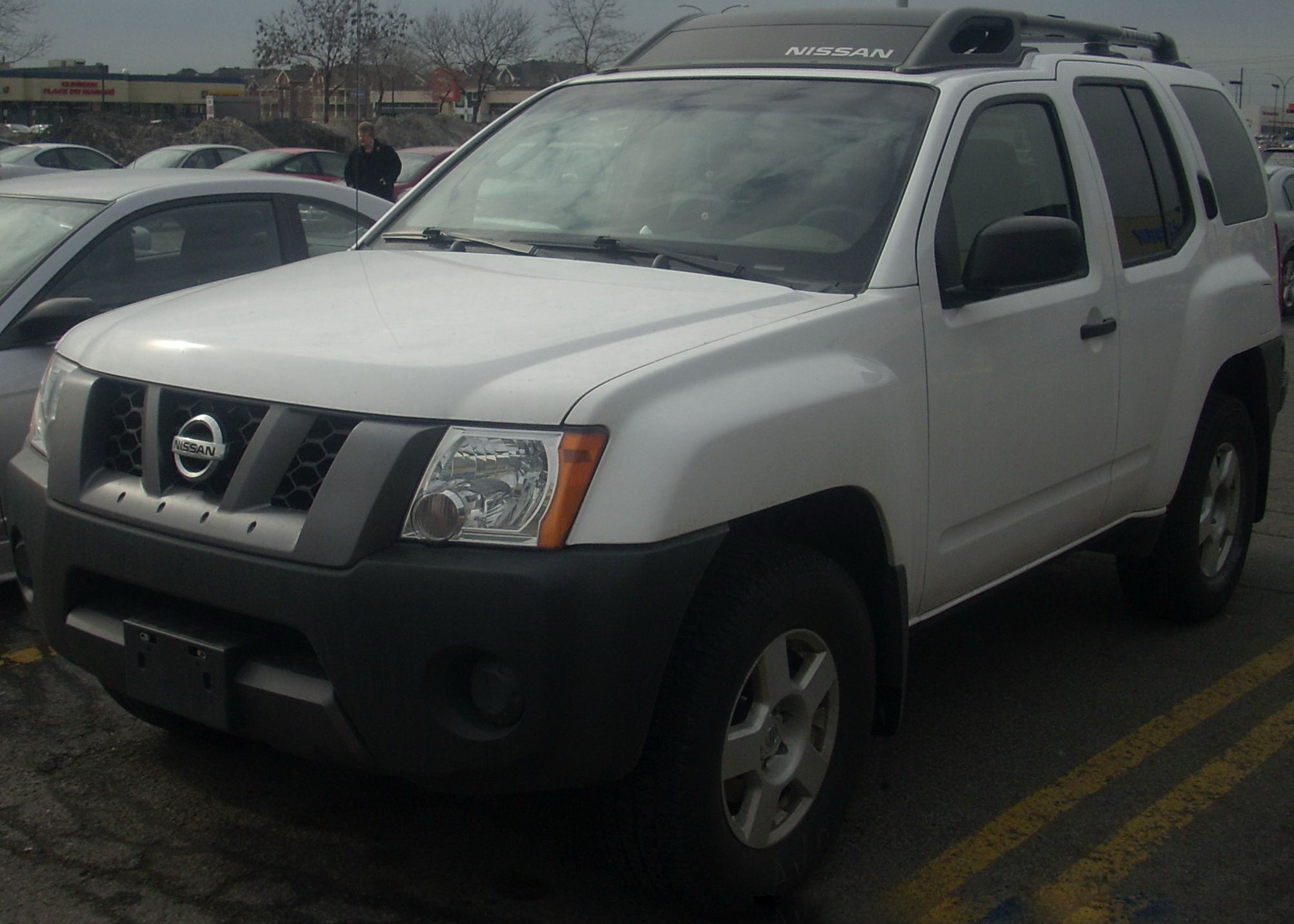
They’re working on a Nissan Exterra that has a check engine light. The problem is in the exhaust system: a catalytic converter isn’t working properly, and the shop is replacing the specific one that the car’s sensors watch.
This is a code that tells the car’s computer the catalytic converter isn’t doing its job well. The sensors compare what comes out of the exhaust to what should be happening after the converter.
A catalytic converter is a part in the exhaust that helps clean up the car’s emissions. If it fails, the car can detect it and turn on the check engine light.
This system deals with fuel vapors from the gas tank so they don’t escape into the air. If there’s a small leak, the car can detect it and store a code.
A pending code is like a “maybe” warning from the car. The problem showed up during testing, but the car hasn’t confirmed it strongly enough to fully lock in the fault.
An evaporative (evap) monitor is part of the car’s emissions diagnostics that runs only under specific driving conditions. If the car doesn’t see the right conditions (for example, fuel level range and trip type), the evap monitor may not run and can leave codes as pending or unset.
If the fuel tank rusts near the fuel level sensor (sending unit), it can cause problems with what the car thinks is happening. Here, the shop believes the rust contributed to the evap system leak warning.
The check engine light is the dashboard warning that something in the engine or emissions system needs attention. The mechanic scans it to find the specific code.
“Smoke a system” means putting special smoke into the car’s emissions/fuel-vapor lines to see where it escapes. It helps pinpoint leaks, but it costs time and money.
The EVAP monitor is the car’s self-check for leaks in the fuel-vapor emissions system. It only runs when the car’s conditions are right, so the warning may not show up immediately.
Powerframe Batteries is a battery company. They’re going to talk about what battery technology is like now and how to pick the right battery when it gets cold.
“Battery technology” means how batteries are built and what materials they use. The host is saying they’ll explain how improvements over time help batteries work better, especially when it’s cold.
They’re talking about a Subaru—specifically a 2011 Subaru Forester. The conversation is about a customer’s issues (including noise), which is the kind of problem a shop diagnosis would focus on.
Oil pressure is how strongly the engine oil is being pumped around to lubricate parts. If oil pressure is low or missing, some parts may not get lubricated right away, which can cause noisy operation—especially on cold starts.
Term
left hand tensioner
A tensioner is a part that keeps a chain or belt tight. If it isn’t working right or isn’t getting proper lubrication, it can make noise and may affect how the engine’s timing components behave.
The Chrysler Saratoga is an older Chrysler model, from a time when cars were built differently than today. If someone talks about it, it’s usually because older cars need special care and parts can be harder to maintain. The discussion may be about how it’s been cared for or what problems to expect with age.
A bulletin is an official notice from the car maker about a known problem. It explains what to look for and what repair to do, even if the maker says it’s not dangerous right away.
The timing chain tensioner keeps the timing chain tight. If it doesn’t work well—especially when the engine is cold—it can cause rattling noises and can be a sign of a timing-related problem.
They’re saying that once the warranty period is over, the car company shouldn’t just stop caring. If problems show up after the warranty, the owner still needs help.
The speaker transitions to a caller with a 1993 Cadillac Fleetwood, focusing on exhaust noises. This is a specific classic American luxury car, and the episode uses it to discuss how noises can signal problems even when the car otherwise runs.
Some repairs are so hard to reach that the mechanic has to remove the engine. That takes a lot more time and money, so it’s important to know exactly why it’s necessary.
The exhaust manifold is where the engine’s exhaust gases first gather before going down the exhaust pipe. If the bolts there get stuck, the repair can become harder and take more work to fix safely.
If a bolt is rusted or seized and won’t come out, a mechanic may drill it out. It’s a more involved fix, because they have to be careful not to damage nearby parts.
It means the battery keeps going through the same routine: charge, use, charge again, and so on. That repeated use can wear out the battery faster, especially by encouraging corrosion inside.
This is a special design inside a battery. The idea is to make the battery’s internal metal structure last longer by resisting rust (corrosion) and damage from shaking and repeated charge/discharge cycles.
Cold cranking amps (CCA) is a number that tells you how strongly a battery can crank the engine when it’s very cold. The point here is that people used to shop mainly by that number, but now battery durability under repeated use matters more.
Start-stop is the feature that turns the engine off when you’re stopped and turns it back on when you’re ready to go. It changes how hard the battery has to work compared with older cars.
Vibration is the shaking a battery experiences from the car’s movement and road impacts. Over time, that shaking can help crack or weaken internal battery parts, which can reduce capacity or cause electrical problems.
A short circuit is when electricity takes an unintended shortcut inside the battery. In this explanation, damaged or warped internal parts can create that shortcut, which can harm the battery and reduce its life.
Capacity is how much “usable energy” the battery can provide. If corrosion or damage happens inside, the battery can store less energy and won’t last as long.
Metal fatigue is what happens when metal gets stressed over and over until it starts to crack. The speaker is saying the battery’s internal metal is made to better resist that repeated stress.
They’re talking about how a battery’s internal metal parts are made. The host says the newer way is cleaner than the older method that requires melting lead.
Greenhouse gases are pollution gases that help trap heat in the atmosphere. The host is saying the battery-making method produces fewer of these gases.
Casting is an older manufacturing method where metal is melted and poured into a mold. The host says melting lead creates more pollution than the newer approach.
Instead of melting lead and pouring it into molds, they roll lead into a thin strip and stamp it into the needed shapes. The show says the leftover pieces get recycled, so the process is cleaner.
Advanced Autoparts is a store chain the host mentions as selling the Powerframe batteries. They suggest checking the battery label for the Powerframe logo.
The Aston Martin Valhalla is a very high-end sports car made for fast driving. Because it’s a specialized performance car, repairs and maintenance can be more involved than on regular cars. In a podcast, it’s likely mentioned because someone asked about ownership, reliability, or service.
The Dodge Charger is a car designed for performance, with a focus on power and acceleration. Because it’s offered in many different versions over the years, the things that need repair can vary. A podcast might bring it up to explain what to check or how it holds up with ownership.
The Ford Ranger is a pickup truck that’s built to carry cargo and handle everyday driving. People talk about it a lot because it can be used hard, so regular maintenance matters. In a podcast, it may be mentioned for typical repairs or what to watch for on certain model years.
A scan tool is a gadget that connects to your car and reads the computer’s error messages. It can also show real-time sensor readings so you can tell what’s going on instead of guessing.
This is a specific diagnostic tablet-style scan tool model. The host says it can read trouble codes and also do certain reset functions after maintenance.
This is the website for a company that sells car diagnostic tools. The host is recommending their scan tools for reading codes and doing service-related resets.
A data stream is the live information coming from the car’s sensors while the car is running. A scan tool shows it so you can see what the car is doing right now, not just stored error codes.
After you change the oil, the car often needs to be told that the service is done. “Oil light reset” is what clears the reminder so it stops showing you that the oil is due.
Steering angle reset is a calibration step that tells the car how straight-ahead steering should be. If it’s not calibrated, the car’s safety systems can get confused about how you’re turning.
Idling is what the engine does when the car is sitting still and running. If it’s struggling to idle, it usually means the engine isn’t getting the right fuel/air mix.
The fuel pump is the part that sends gas from the gas tank to the engine. If it’s not working right, the engine can get too much fuel (flooding) or not enough, and the car won’t run properly.
A fuel regulator helps keep fuel pressure steady. If pressure is too high, the engine can get flooded with extra fuel, so the car may run badly or not at all.
Dirt or debris in the fuel system can clog or interfere with parts that control fuel flow. If those parts don’t work smoothly, the engine can get too much fuel and flood.
Fuel pressure is how hard the fuel system is pushing gas to the engine. Too much pressure can cause the engine to receive more fuel than it should, leading to flooding or rough running.
The needle is a small part that helps control how fuel flows and seals it off. If it doesn’t seal correctly, fuel can leak when it shouldn’t, which can flood the engine.
“Go back to basics” is a diagnostic approach: start with fundamental checks (like fuel cleanliness and system condition) before replacing parts repeatedly. The host is arguing that if the fuel system is contaminated or the fuel sample is dirty, swapping pumps won’t fix the root cause.
LIVE
Ron An Aian. Now, I want to know what engineer
in their right mind mounts something as delicate as a fuse box and fusible links on top of a device that spews acid. The Car Doctor, a check engine light
only comes on if the vehicle is exceeding one and a half times the federal emissions level.
Welcome to the radio home of ron An Aian, The Car Doctor. Since nineteen ninety one, this is where car
owners the world overturned to for their definitive opinion on automotive repair. If your mechanics giving you a busy signal,
pick up the phone and call in the garage doors are open.
But I am here to take your calls at eight five five five six ninety nine hundred.
And now he Ronnie.
I think the reason cars break in a lot of cases, it's circumstance and situation. Hello and welcome ronin Innie in
the Car Doctor here at eight five five five six zero nine nine zero zero, here to take your call, solve your problems, answer your questions whatever you might have on your mind regarding your automobile, your mechanic, and anything automotive related. There's information about this radio show on our website.
Cardoctorshow dot com. If you want to, you can download
podcasts right from there. I should point out too, by
the way, I received a couple of email requests and more than a few conversationals requests about Uncle Steve. They've
been people have been asking, Hey, they want to hear the Uncle Steve interviews. I spoke to Tom Ray, our
chief engineer, and Tom has agreed that he is going to go back the last couple of years. We're going
to make an Uncle Steve page on the Cardoctorshow dot com page, so you can go back listen to the interviews, and we're going to provide a link there to his book Ramrod to Munster about his first combat mission in October of nineteen forty four when he was shot down.
He's talked about that here live on the show on the Memorial Day editions. So we're going to look forward
to that. That give Tom some time, but we're going
to try and get that up there in the next month or so, so you can go and reference that.
But while you're at the website, if it's not about Uncle Steve, or if you don't want to see anything about us, if you get down on the left side of the page. You will see you will have access
to tune in dot com, which is the affiliate list for the Car Doctor. There's all sorts of ways to
listen to this radio show that way, but you can also go over to iHeart or iTunes and subscribe and it will be automatically delivered to your inbox. And I
should also point out that if you want to stream this radio show you can also you can stream it during live show hours Saturday two to four pm Eastern Time, where you can stream it anytime day or night, and you can do that right from our website cardoctorshow dot com.
I think cars break because of situation and circumstance. I've
been thinking about this lately. I had a two thousand
and four Nissonic Steric come into the shop at RI Automotive this week and it was cut and dry repairs.
It's not a repair of the week worthy conversation. It's
not anything like that. The issue with it was it
had to check engine light on on a P zero four to twenty, which is a cat efficiency code, and diagnosed it and it's a bad catalytic converter on a two thousand and four Exterra there are two cats, and the one we were concerned with was the one that is monitored, or the one that the two sensors worry about, is another way of saying it is that the one in the exhaust manifold, so that had to be changed. Well,
by the time you get done with that, it's a it's a catalytic convert. You're gonna use the one from
the dealer because the ore the ones that are gonna work, and a couple of two sensors. You're gonna spend fifteen
hundred dollars in parts, every bit of five hundred dollars in labor because of all the rust and bolts and tapping and threading, and it was like building a model.
And I got done with it, decided I wanted to run the monitors, as I usually like to do when I finished in emissions repair. So I went out to
run the monitors because I was planning to inspect the vehicle and during the course of road testing getting monitors to run, it's set a pending fault code in the evaporative emission system P zero four to four to two small leak. Hmm, look at that, Why is it doing that?
Then I thought about it. I said, well, let's see,
it came in on an empty gas tank. It came
in the yellow warning light was on and the gauge was on a because the person doesn't like to put fuel in it. And I said, you know, I put
gas in it because obviously I don't want to get stuck on the road. I filled it up halfway and
I thought, maybe because now the monitor is going to run.
Because keep in mind, if you're a regular listener, you know you've heard me say that evaporative emissions monitors won't run on the majority of cars between when it's less than a quarter or more than three quarters of a tank.
It has to be between the three quarter one quarter mark.
But then I thought about it and I said, no, that's not the case. It just had to be the
situation on how she's driving, where she's driving, and not taking the right type of trips to actually allow the evapp monitor run. I never got the code to set
it came up as pending. I did a little research,
diagnosed it, and the gas tank was bad. The fuel
tank rusted away around the top where the sending unit sits, and it's a really poor design. It really is. If
you look at it. The way Nissan designed this, the
area where the fuel tank, where the fuel pump sits into the fuel tank, that unit area is recessed, so it goes down and it forms a little metal well in the top of the tank, which is really great when you think about it. You're driving down the road
at fifty five sixty miles an hour in rain, snow, slush, all the water gets up on top of the tank and it falls into the well, which is a recess and it lays there. So it's a situation and a
circumstance failure. It's the way the engineer designed it. And
this is one of those moments where I say, why didn't they just make it so that it went the other way instead of a you know, going in instead of an inny, it was an Audi. It was like
your belly button. If it was an Audi, all the
water wouldn't collect there and it wouldn't rust out. But
maybe Nissan likes selling gas tanks. I understand they had
recalls for these, but this one fell out of the guidelines of it, so it needed a fuel tank. Which
is a difficult conversation to have because you've just explained to the customer that you know, you've got a catalytic converter fault. And now they get it now, and they understood,
and they were They were great about it, they really were.
They realized that it was just something that was there.
But that wasn't enough for me. I had to go
back and dig a little bit. I went back and
I started reading through their file. About seven months ago,
the vehicle came in one time for a check engine light scanned it P zero four four two small leak.
Now you're faced with an issue here as a mechanic.
The gas tank at that time, the fuel cap, I'm sorry, the gas cap at that time wasn't on properly. It
didn't seat right, So I screwed the cap on right.
They had just purchased guests. They had put guests in
it that day. Do I recommend to diagnosis? Do I
go through one hundred and fifty six dollars chart to smoke a system and go through the usual suspects and look for an EVAP leak that may not be there.
Do I allow the vehicle to go back out and be driven and if it is at fault, if they're driving under normal conditions, normal circumstance that light'll come back on.
I opted for that because I thought it would help save them money. You know, that vehicle ran from early
April through October with no repeat, no failure, no repetitive check engine light until it set the cat fault. And
then after the cat fault, the conditions were right, it finally ran the EVAP monitor And wouldn't you know what happened?
When I was driving it and it started to tell me upending four four to two and it came up again.
Sometimes it really is all about circumstance and situations. And
when you look at it, if that engineer had only made it an OUTI instead of an INNY, that Nissan repair sure would have gone a whole lot smoother. Something
to think about. Well, and welcome Ronie in the car
doctor here eight five five five six zero nine nine zero zero. Some weeks at the shop, you just say
to yourself, how did I get into this situation? I
started out wanting to work on cars, and now it just it's just snowballs downhill. And that's part of what
a repair it goes at the territory. It's like my
friend Tim says, you know, you know, getting bruised is part of the job. Getting hit in the head is
part of the job. Having an additional problem is part
of the job. Chicks dig scars, band aids and bruises,
and Tim's always right, and uh usually says the part about getting hit in the head after working with me, And that's a story for another day. I'll tell you
that story someday. But right now, let's pull over. Let's
take a pause. Eight five five five six zero nine
nine zero zero. Running in in the car doctor. We'll
be back to open the garage doors right after this.
Welcome back, ron Ni and the car doctor. By the way,
stick around because down around the bottom of the hour, we're gonna be talking to the folks from Powerframe Batteries, talking a little bit about some of the expected battery technology, well not the expected, but battery technology as it's improved over time. We're gonna talk about powerframe grid technology, but
also a little bit of common sense on picking a battery for this coming winter as as we go forward and it is getting colder out. So I was looking
at Big Tony when he came in today from the train, and Tony was wearing his hat as glotches his overcoat a scarf. I almost didn't recognize him except for the
fact that he had the Giants beanie on and he was like, oh, pro the Giants finally won a game.
Way to go down. Okay, let's get over and talk
to Greg Greenwich, New York, twenty eleven Subaru and some issues with noise. Greg, Welcome to the Car Doctor, Sir.
You're on at eight five five five six zero nine nine zero zero.
How can I help?
Hey, Ron, good show and long time listener.
Thank you, sir.
I have the eleven Forrester. I've got issues when I
bought it at around nine thousand miles, but not really issues.
We just don't startup on a cold morning or any morning after it sits all night. It has a good noise,
almost like it's dry. It's not getting any oil pressure.
And my neighbor of mine did a all data scan and he says, oh, yeah, that's coming up as the left hand tensioner needs to be changed out, something to do with it's not getting lubricated right, which is great.
But I said, I brought it over to anything Vermont, subru and Glens Falls and in Saratoga, all three dealerships all that's fine, that's normal. And I'm worried about having
this motor die on me and we get ruined.
You know.
Yeah.
Let me let me ask you this, Greg, when when you look at this or when they when they look at this and you talk to them, do you bring up the bulletin do you have convert because you're right, there's there's actually two bulletins. There's there's one that talks
about and it's bulletin number. You got a pencil handy,
Let me ask you that real quick.
Actually I don't okay, I don't.
Trying grab one while we're talking. But if you get
the bulletin, oh two dish one seventeen dish eleven R.
And if you download the podcast of this radio show from cardoctorshow dot com, if you go to uh twenty after in the second hour, you can hear me give that number again. It's O two dish one seventeen dish
eleven R. There's issues with the pivot and the rocker
arm that are creating noise, isn't it. Yeah, it's non detrimental,
as the bulletin says, as I recall, but it is kind of unsettling and it doesn't sound right. It sounds
like a rattley clanky, old pile of bolts, and I can't imagine why anybody would want their engines to sound like that so that you can go back in the next year and say, hey, I want to buy another superrow.
I enjoy listening to the noise. So that's one bulletin.
The other bulletin is ten dish oh, seven dish eleven.
That's more common, and that's the one that deals with the timing chain tensioner. That one also says this is
non detrimental, which really boggles my mind. They've come out
with two bulletins that say, hey, it's not a problem, but just in case you want to spend money and fix it, here's the repair. Uh you know it. To me,
it's a mark on the company. It's what Subaru is
become in recent times that they've lost some of their edge for trying to make people happy. And I realized
there's a ton of just loyal Subaru owners out there that just kind of follow them along. But you know what,
it's time to wake up and stop drinking the kool aid, because to me, this is something they should repair. It's
it's it's an obnoxious noise, right, Greg, I mean it bothers you exactly.
I mean, other than the startup and then it gets oil pressure, it's fine, as quiet as a mouse. Other
than that, it works, rate, drives good. Other than you know,
when you don't put stut of snows on it like I found out, I would.
I would find an independent Subaru tech you know, there are guys out there that just specialize in Subaru, you know, or even a good quality independent shop that can deal with this particular repair that's got whatever tools they might need and scan tools, support and so forth, and just let them fix it, pay somebody to fix it, and move on. Because what Suberu doesn't realize what any whatevery
manufacturer doesn't realize. You like this car, don't you, Greg?
Yes? I do?
But this noise is bothersome And this noise puts you one brick away from going what am I driving this thing for? If anything else goes wrong with it? Because
in the back of your mind, subconsciously you're thinking, maybe this isn't such a great car. And now if something happens,
if the engine were to fail and it was somehow related to all this, you'd be over the edge and that's bad and it would prevent you from buying another one.
Car companies need to wake up and realize that the buying experience doesn't stop when the warranty expires.
All right, sir, thank you very much.
You're very welcome. Good luck to you. Let me know
if I can do anything else. Yeah, that's I mean,
it's crazy. They just, you know, well, warranties up. That's it.
Paul us back when you want to write another check, though, we'll be let to try and take care of you.
Oh yeah, yeah, yeah yeah.
Let's go over and talk to Stanley Ridge with New Jersey ninety three Cadillac Fleetwood and some exhaust noises. Stanley,
you're on with the car doctor, sir. How can I
help you at eight five five five six zero zero zero.
Yes, sir, I have a ninety three Caddy which very much.
I've had it since it was brand new, and in the last few months I've heard and smelled exosk and I brought it up to a place where I respect his work. I've been there before and he's made several
unsuccessful tries to get the leak to stop it. Apparently
a way upfront in the car okay, And he's made several attempts and I had each time bring it back because was still hearing a slight roar from the front.
And also we're smelling it, and I think he's at the end and doesn't know what to do.
All right, let me ask you, Stanley, is this front wheel or rear wheel drive?
It's real wheel.
This is real wheel. So this is the Is this
a five Leader or is this the Is this one of the hteam motors? Which engine is in this?
It's probably the former.
The former the five Leader? Yes, right, yeah, ninety three.
I'm trying to rob back to ninety three. This is
a three H seven old motor. This is the Y motor,
and it's probably a leak at the manifold where the manifold comes together. Is he having issues with getting access
to things because bolts are rustying in the way or is it a matter of parts or is it a matter of is he on a budget? Are you just
saying to him, hey fix my car, I don't care what it.
Costs, or hey fix my car, And yes, it doesn't matter what it costs. Do whatever has to be done
to get it fixed. Okay, I like the car and
I enjoy driving the car, and yes, so, but he he has mentioned that it's a manifold problem, right, And I'm going to guess that what you analyze is probably correct, right, is it?
Is it? Is it that he can't get parts for it?
I wonder I.
Haven't I haven't heard that.
How long you've been going to this guy? Sounds like
you got a relationship with him. Correct, Yeah, it's time
for that cup of coffee conversation.
You know.
You know, if you're a regular listener, you've heard me say that it's time to go in, and you know, say, listen, I've been coming here a while. I realize it's a
tough problem sometimes, and I'll fall into this trap myself.
You know, as mechanics, we're still human beings. We fall
into the trap of it's an old car, he doesn't want to spend any money. Sometimes a mechanic needs to
be taken by the hand and look straight in the eye.
And you do this with somebody who got the relationship with you know what, it's a.
Little more complicated than that, because unfortunately the man who used to work on my car all the time passed away. Okay,
but it seems that finding another person in the shop who's familiar with this and knows what to do. I
think may be part of the problem.
Well, and then in that case it sounds like this may not be the shop anymore. I can't. You know
what boggles my mind if the shop does that kind of work and you walk in and say, listen, I'm not opposed to spending money on this. Tell me what
it's going to take to do, and they say we can't fix it. It's not worth fixing. First of all,
it's it's not worth fixing, is not their judgment unless the car is there's extenuating circumstances, there's other things amiss, there are other issues. If you're willing to pay the
freight and the car you know not I'm not going to say justifies, but it's in good enough condition that other things aren't going to break as a result of trying to fix the first thing. I mean, it's a
matter of fix it. I don't see what the big
deal is. I'd have it, like I said, I'd have
a cup of coffee, conversation with the owner and say, listen, before I take it in my business somewhere else, what's it going to take to get this done. I don't
want to leave here. You'd be ten minutes and I'm
not looking And I'm not looking for that, Stanley, I'm really not. I'm trying to get this guy to look
at it. I'm trying to maintain your relationship with him.
I've never, in all my years on radio, you know, really tried to do that. And don't think anything different.
But I would just have a real candid conversation with him and just explain, you know what, do you want to work on this or don't you what's the issue now?
If the engine has to come out of the car and he doesn't want to do that, he's got to tell you that not a lot of shops pull engines anymore, and that could be part of the problem too. It
could be that the bolts are stuck in the exhaust manifold and they're not going to come out and they have to be drilled out of the heads, and then that becomes an issue. But there's got to be a logical,
clear cut decision here as to why it can't get fixed, the spending money to go nowhere. That makes about as
much sense as the government sometimes, Stanley. Good luck Tia
in if you need more help, you know where to find us. Eight five to five five six zero nine
nine zero zero questions about batteries. Batteries one on one
coming up next. I'm running aiding in the car doctor.
Don't go anywhere.
Hey, hey, listeners, welcome back. We're on any in the
car doctor. You know, this time of year, everybody's thinking.
With fall here and winter approaching, it's battery time. It's
time to look the car over, the truck over and make sure it's ready for winter and the cold weather ahead.
And we thought to bring out some of the finer points and some of the optimal things you need to know regarding your vehicle's battery. We've turned to the best,
Michael Wholesome. Michael is the manager of field sales for
Power Solutions, and we're glad to have them here with us today. Michael, Welcome aboard, sir.
Thanks ver, I appreciate you having me on batteries.
You know, let's get this out in the open. There's
two questions I want to ask you right at the top of my head. Are batteries really a full winter
concern or is it more of a year round event?
Now it really has become a year round event. And
if you look at how cars have developed over the last ten years, becoming more electrical demanding. We have more
sophisticated you know, computer management systems, we have more accessory loads on cars, and we have i've ever had before.
So all that demand has has put more and more stress on the battery.
So you know, when we look at a battery and we think what makes a battery tick, for lack of a better word to put it, it's the grid, right, So why is the grid in the battery? So gosh
darn important. I think the listeners need to hear this again.
Well, in particular the positive grid. And you know, if
you think of it, that's really the backbone of a battery.
You know, that's where you're you know, the positive grid is the delivery system for electrical energy, but it's also extremely essential for the recovery of the battery after it discharges.
So a good design and a good manufacturing process is going to you know, make that battery better. So the
positive grid gets compromised by corrosion, and you know, that's one of the leading causes of battery failure. And corrosion
comes from a couple of different sources. It comes from
repetitive cycling. We talked about the high electrical demanding platforms,
so that battery constantly going in a discharge recharge cycle, and then you have heat heats a catalyst and it accelerates the corrosion process and heat comes again from the charging cycle, but it also you can take into account the ambient temperature that's under the hood. So powerframe technology
is designed to address these stress points and it gives you up to sixty six percent more corrosion resistant than other grid designs.
Now, two questions. How long has powerframe grid technology been
available in consumer batteries? And the second part of that
question is I used to think, and I'm learning to say that a lot in my career, I used to think that the way to do things were this and that when when you purchase a battery by the biggest battery electrically you can find. Is that still a true statement? Also,
you can answer me in either order.
Well, I'll answer your first question, and it was, you know, powerframe has actually been around for over fifteen years and it was developed through field testing using taxicab fleets in Las Vegas, which you can imagine as some of the Harse's harshest driving conditions and it accelerated. You know, the
real life of the life of a battery. But yeah,
you know, you know the days of picking a battery by cold cranking amps. If you think about, you know,
back twenty thirty years ago when we actually had a crank a car and you would you know, the ignition had to work for ten to fifteen seconds before the car would start. Now, ignition systems are so efficient that
it's it's a flick of the wrist or a push of the button and there's not as much demand on the starting. But now it has to do with how
well that battery laughs in these repetitive cycling applications.
Sure, I mean, look at start stop technology now, right the car starts in the blink of an eye sitting in a traffic light or stops on and that the battery has no real load on it compared to something thirty years ago because of the way the vehicles are today.
So yeah, that makes perfect sense. So vibration is still
an issue though, right, I mean, let's talk about that the effects vibration has on a battery. Does how does
or does powerframe grid technology help prevent the bad part of vibration, bad vibrations the beach blazer.
Well, you know, you know, we can, you know, equate vibration to hitting potholes and I'm sure we've all hit our share of those while we're driving, and that impact will have a detrimental effect on the battery, and one that some of the active material we call taste on the grid will shed off, and enough of that will impact the capacity and the life of the battery. But
also when we talked earlier about the corrosion of the grids and what that corrosion does, it weakens the structure and vibration can then fracture some of these areas of the grid that show signs of fatigue, and if that happens, that can lead to short circuits in the battery, and it also diminishes the capacity of the battery. So the
manufacturing process of powerframe is basically taking a bar of lead, rolling and compressing that lead composite to precise thickness and in that density of that material, then will you resist corrosion and metal fatigue. But also you know where the
powerframe comes from, and it has a reinforced frame around the grid itself, and that protects the frame from warping, and that also leads to short circuits.
So basically, paraframe grid technology is that better mouse trap that everybody's looking for.
Absolutely?
Yeah.
So let me ask you this something we don't talk about a lot here on the Car doctor. Power frame manufacturing,
the way they make powerframe grid technology, if I can say it that way, but power frame manufacturing plants I understand, operate and produce fewer greenhouse gases.
That's correct. So if you look at the you know,
the conventional way of making grids was casting, so that grid casting required to melt lead down and pour the molten lead into molds. Well, that process of melting lead
contributes to releasing of gases into the environment. So when
I talked earlier about the power frame rolling out lead into a strip and then it gets stamped, and all that material that gets punched out is then recycled, so there's no gases that are coming from melting down the lead, and all the waste is recycled, so it it eliminates twenty percent of greenhouse gases during the manufacturing process.
Wow, sounds like a win win on all sides between the technology and the way they're made. It's good for
the environment, it's good for the vehicle, and it's good for the consumer. You can't complain about that. How do
the consumers determine what has power frame good technology and doesn't what brand aftermarket batteries use it?
Well?
Currently, Powerframe is found in battery sold by Advanced Autoparts in their carqust locations. So all you have to do
is look for that Powerframe logo on the label and at Advanced Autoparts stores you can find that in their Gold and Platinum line of batteries, and at Carquest and their silver, gold and Platinum.
Okay, cool, listen, neat stuff. I think it's got to
be comforting for people to know they have alternatives and there are ways to improve on their next battery purchase by what they can buy. They can buy into the
better technology now.
So if yeah, if you want to find a retailer near you, just go to powerframe dot com and you can search for the closest location.
Right.
Yeah. That was my next question is is there a
place the listeners can go say that again? Give that
to me again when.
We're talking powerframe dot com. Okay, And there's a search
function for finding the nearest retailer cool beans.
Hey, Mike hals them. We appreciate you taking the time
today and helping inform the listenership, and then we'll have you on again real soon. You take good care of
a good rest of the day.
Thanks Ryan, I appreciate it.
You're very welcome. I'm r on a any in the car Doctor,
and we are back right after this.
I ain't ever been with mom.
Hey, welcome back. Why don't they need the car doctor
hitting it hard and getting through the hour? Join me
as we continue this trip together, talking about your automobile here at a five five five six zero nine nine zero zero. Next up is Robbie from Valhalla, New York
with some questions and comments. Robbie, welcome to the card Doctor.
How can I help?
How are you doing all right?
How are you so?
I'm not bad? I don't know rainy some Saturday?
Yeah, sure, so.
I sent in an email, and I've got a two part question. I have a number of personal vehicles, and
then I've also got company vehicles as well. And what
I'm really looking forward for is a scan tool. Okay,
that will suffice majority of my needs for majority of the vehicles. Right, and goodhead the cars range, you know,
across the board from high end to regular. You know,
fort runs right.
That's and that's why I wanted to talk to you.
I've got your email in front of me, Robbie, just over, just so we' roll on the same page. It's quite
a list. The family vehicles are, you know, two thousand
and six, BMW twenty eleven, Mini Cooper twenty eleven, Ranger Over twenty ten, Toyota twenty ten, Mercedes seventy two, charger of fifty five to four to seventy two, Mercedes business vehicles, four trucks, Dodge trucks, Nissan, and a Volkswagen. Oh you
got one of those Folkswagen tdies. Yeah, good luck, good
good luck with that, my friend.
Yeah, it'll get.
You know, either that or they've got this phenometer doctor and you don't know the difference. That'll be the next
thing that comes out. That's yeah, that'll be it. The
scan tool I had in mind because I wanted to talk about this. I thought it was a good conversation.
You know, you have that eclectic collection of vehicles. It's
it's easy for a scan tool manufacturer to come up with something that'll work on the Ford the GM the Chrysler.
That doesn't impress me. It's you need the scan tool
that'll do the BMW, the Mini Cooper, the Range were over the Mercedes. Those are the tough ones here, all right,
and without breaking the bank and spending you know, upwards of ten to twelve thousand dollars, which is probably out of the question. I'm kind of thinking I wouldn't I
wouldn't make I wouldn't make you spend that much money anyway, because I want you to go out and buy another car.
I want to see how big we can get the fleet up to in the next year or two. I
think it's interesting the way this is growing.
Trying. Yeah, like it.
I can tell I'd like to see the size of your garage, you know. I'm thinking you want to go
to LAUNCHTECHUSA dot com and look at the launch scan tools, specifically the CRP two twenty nine android based touchscreen. All right,
good solid tool, it'll pull codes, it'll give you data stream.
They've got great tech support. It's if memory serves me correct,
And I tend to get a little confused on pricing, so don't hold me to this. I think it's in
the four to six hundred dollars range. It might be
a little less, it might be a little more, but it's definitely well under a grand from what I remember when I read about it, and I actually have one in the shop I use as a door tool. Now
you know, it's it also does some of the other things that a lot of the other scan tools won't do oil light resets. It'll do steering angle resets, because
I'm also thinking maybe somewhere down in the future you're going to have need for some of that. Of so,
and the way launch works, they're always making improvements and changes.
Their software updates I find are second to none. The
tool does it by itself. It's logging in and bang
away it goes. So take a look at launch Tech USA.
Give them a call.
You know.
The only complaint I have about launch Tech is some of their English is pigeon English for lack of a better way to put it. You know, it's it's just
it's kind of written funny, and it catches your head and you go, huh. But I'll tell you what I
can overlook that that's like one percent out of it, the ninety nine percentile, the ninety nine point nine percent tile of the Launch tools and it doesn't affect how they work. They just flat out work. So definitely worth
looking at. What's the second part of your cuts.
And that's just going to the skin tool. When you
say it's Android based, does that mean I need to have an Android help base.
Nope, that's just no, that's just the operating system. This
is a complete self this is a complete self contained unit.
And if memory serves me correct, the CRP two twenty nine from Launch will have the BMW and the Mercedes connector if not, verify that with them. What does it
take to get and what's the additional cost? And tell
them what you've got, tell them your list, what would they recommend? And they'll be very glad, you know, I'll
say this. They are a very proud company. They're always
glad to help their customers and they're always glad to make recommendations. You'll find more at launch tech USA dot com.
Second part to the.
Question, Okay, so I have the seventy two charger. It's
got a four forty in it. It's not it's not
very well worked on. It's probably taken out of an
RV or a truck or something and somebody put it in this really beautiful, beautifully restored you know, seventy two charger right, and I've got it down at a shop not too far from where you are in Boonton, and it just seems as though someone's fishing for some things.
You know. I've had it there for almost two months,
a little over two months now, and and I went to pick it up two weeks ago, and it was having trouble when they were pulling out of the garage when they're it was having trouble idling right, and it was like almost like a missile. It was flooding, or
you know, it was more flooding because I could smell the fuel right at the end of the cut.
I'll tell you what, Robbie, hold that thought. Because I'm
going to be tight against the clock. I don't want
to rush this. Let me pull over, take this plus,
stay right where you are, mon A Ny and the car Doctor. We're back right after this. Welcome back the
car Doctor. Let's get right back to our coll Robbie
from Valhalla, New York. Robbie, you're still there, sir, Yes, sir, okay,
if you could finish that and then let me get to an answer before the clock takes.
Us go ahead, so the charger and it seems like it was flooding, flooding fuel. Long story short. They're telling
me that they've replaced the fuel pump multiple times with a with a new pump that obviously knew is never ever worked. That's right, Ye, So so they've replaced it
four times now. And now he's telling me that it
might be a fuel regulator as well.
Well.
And I have a couple you know, the other cars that have car breakers on them, none of them have fuel regulators.
Yeah, why would you need a regulator on this car?
I have no idea. I think you know that it's
it seems like someone's just fishing, or they don't know, or they did something that they actually messed up. Whatever
was actually working because it didn't have any of these problems before.
Right, Well, I could buy that. You know, dirt in
the system is causing the needle to flood and you know, causing the car up to drip and creating a flooding out issue. And I guess what he's thinking is high
fuel pressure is pushing the needle off its seat. But
then what type of a fuel pump is he putting in it that doesn't make any sense to me. Listen,
older car. You got to go back to basics. And
what I would probably do is the fact that the car sat a couple of months, and maybe it sat a little bit before you gave it to him. How
clean is the fuel is they're contaminant in the fuel, and then work your way forward. If the fuel system
is clean, if the fuel sample is clean. And he's
having problems getting the pumps, there's good pumps out there.
You've got to find them good good manufacturers. To go
through four pumps and have the same repetitive problem. You know,
the definition of insanity doing the same thing over and over again expecting different results. I think it's something like that.
I think that's insane. So I would sit down and
have a conversation with him, and if you have to pay what you owe them, get it out of there and get it to somebody that can diagnose it and repair it. Because it sounds like this guy's going down
the long path. I'm on any in the car doctor
reminding you good mechanics aren't expensive, they're priceless.
See you
About this episode
Cars fail for reasons that aren’t always obvious—sometimes a code only appears when the right conditions let the monitors run. A Nissan EVAP small-leak pending code traced back to a rusted fuel tank area, and a catalytic-converter efficiency issue made sense only after the EVAP monitor finally ran. The show also tackles cold-start and timing-chain-related noise, exhaust-manifold leak diagnosis, and why stuck bolts can escalate repairs. Battery segments cover year-round electrical stress and Powerframe grid tech, plus practical scan-tool and classic-car flooding troubleshooting.
Ron Ananian, host of The Car Doctor Radio Show, kicks off this hour with a look at why cars seem to break down at the worst possible times — and how driving habits, environment, and circumstance all play a role in vehicle failure.
From there, Ron takes a call on a 2011 Subaru with a persistent noise issue, walking through the diagnostic thought process of tracking down sounds that don’t always show up when you want them to. Then it’s on to a classic — a 1993 Cadillac Fleetwood with exhaust noise concerns — where age, wear, and old-school design all come into play.
In the middle of the hour, Ron sits down with Michael Holzem, Manager of Field Sales, Power Solutions, for a conversation on modern battery technology — how today’s batteries differ from those of the past, and what drivers need to know as vehicles demand more electrical power than ever before.
The hour wraps up with a listener question about scan tools — what they can do, what they can’t, and why having the right information matters more than just plugging something in.