The transmission is what sends power from the engine to the wheels. If it fails, the car may shift poorly or not move correctly, and the fix can cost a lot.
Emotional attachment refers to how personal feelings about a car can influence the decision to repair versus replace it. Even when the math suggests one option, owners may still choose repairs because the vehicle has meaning or familiarity.
Term
tense speed transmission
They’re talking about a specific automatic transmission in the truck. The point is that this transmission type has a reputation for issues, which is why warranties and dealer paperwork keep coming up.
Powertrain coverage is the part of a car warranty that covers the big mechanical parts that move the car—like the engine and transmission. In this story, it matters because the repair may only happen once that coverage runs out.
They’re talking about the stress of not knowing if the mechanic’s diagnosis is real or if you’re being sold unnecessary work. It’s the feeling that you can’t be sure what’s wrong or what needs fixing.
They mean the car’s air conditioning was refilled with the cooling chemical it needs to work. But it leaked out again, which usually means there’s a leak somewhere.
“Diagnosed” means figuring out what’s really causing the problem. Instead of just refilling something, the mechanic tries to find where the issue is coming from.
“Freon” is a brand/trade name that people often use as a generic term for refrigerant. In the transcript, the host clarifies that the key point is the refrigerant itself—different refrigerants may be used, but the system still needs the correct one and a leak diagnosis.
Term
AC
“AC” means the car’s air-conditioning. If it’s losing refrigerant, refilling it may temporarily help, but the leak still needs to be fixed.
“Twelve thirty four YF” is the name of a newer A/C refrigerant used in many cars. It’s chosen because it’s better for the climate than older A/C fluids, but it costs a lot more. That’s why A/C leaks and repairs can get expensive.
The greenhouse gas effect is how certain gases trap heat and warm the planet. Some A/C refrigerants can contribute to that, so using the right refrigerant and fixing leaks is important. That’s part of why technicians talk about environmental impact.
The ozone layer is like a protective shield in the upper atmosphere. Some older A/C chemicals could damage that shield, which is why they were phased out. That’s another reason A/C refrigerant handling matters.
This is a tool used to find A/C leaks. It uses CO2 as a safe test gas so the technician can pinpoint where the system is leaking before adding more refrigerant. That helps avoid wasting money on a recharge that won’t last.
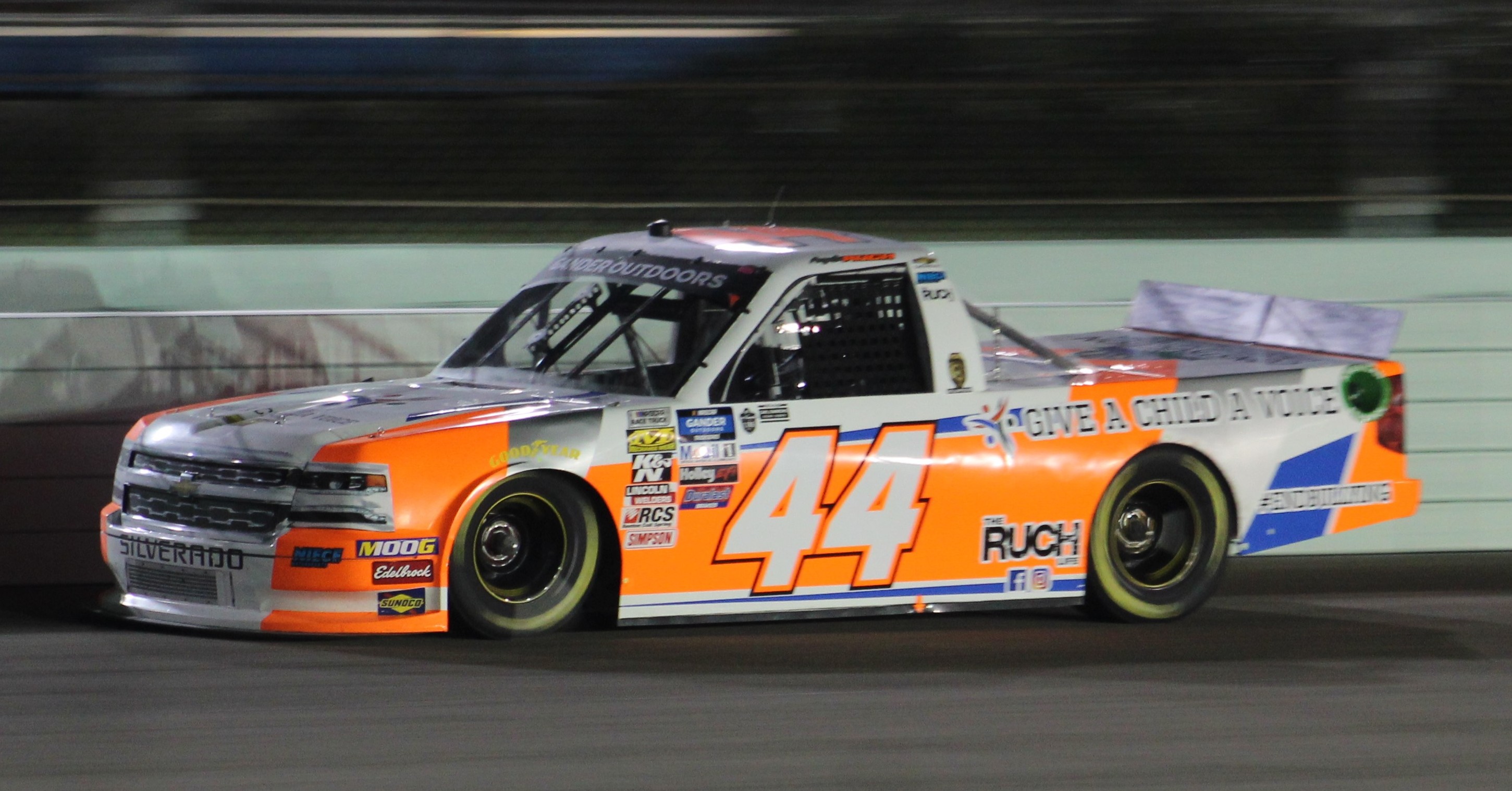
A Chevrolet Silverado is a big pickup truck. If the key won’t come out of the ignition, it’s often a problem with the lock/ignition switch area, not something like the engine.
A double cut key is a type of car key shape that’s cut in a particular way to match the lock. Here, the point is that both factory keys are the same type and both act up, so the key itself is less likely to be the cause.
The cylinder lock housing is the part that holds the ignition lock cylinder in place. If it’s faulty, the key mechanism may not work correctly, even if the key itself is fine.
The switch behind the lock housing is an electrical part that helps the car “know” what position the ignition/lock is in. If it’s not working right, the car may refuse to let you remove the key.
A solenoid is an electrical “push” device. When the car sends electricity to it, it moves a small internal part to make something lock, unlock, or shift correctly.
“Park” is a specific transmission gear state where the vehicle should be mechanically and electronically recognized as secured. If the car doesn’t correctly detect that it’s in Park, it can affect safety interlocks like key removal and can also indicate a misalignment or calibration issue in the shifter/park sensing system.
The transmission control module is the car’s computer for the automatic transmission. It reads what gear you selected, and if it thinks the gear signal is off, it can cause things like key interlock problems.
Translinkage is the physical connection between the gear shifter and the transmission. If it’s not adjusted quite right, the car may think you’re in a different gear than you actually selected.
Calibration is a “teach the computer” step. It helps the car confirm exactly what sensor readings correspond to each gear, so it can reliably know when you’re in Park.
This is when you turn the key off but it won’t come out of the ignition. Usually it’s because the ignition lock or switch isn’t returning to the right position.
The ignition switch is what the key controls to tell the car when it’s off or on. If it’s not adjusted right or is worn out, the car can behave oddly when you turn the key.
An OE part is the same type of part the car maker designed for the vehicle. It’s often a safer choice if you want the replacement to match the original specs.
An aftermarket part is a replacement made by a company other than the car’s maker. Sometimes it works great, but if it doesn’t match the original design, you can run into trouble again.
In dealer/repair contexts, “bulletins” usually refers to manufacturer service bulletins—official guidance about known issues and recommended diagnostic/repair steps. The host is saying there aren’t any known bulletins for this specific case, even though they’ve seen it before.
AFM is a system that turns off some cylinders to save fuel when you’re not using much power. The caller wants to remove it because it can add complexity and potential wear as the engine gets older.
OBD-II is the diagnostic plug under the dash that mechanics use to communicate with the car’s computer. The idea here is a plug-in device that connects to that port to change how the engine runs.
It means being realistic about what the fix can and can’t do. With an older, higher-mileage car, you don’t want to assume a repair will solve everything.
Lifters are small parts inside the engine that help open and close the valves at the right time. If you have to remove them, it often means taking off bigger engine parts, so the job gets expensive.
Pulling the heads means taking off the top part of the engine where the valves and combustion chambers are. It’s a big job, so it usually costs more than simpler repairs.
It means replacing the whole engine instead of fixing one part. If the job is so big that you’d have to take everything apart anyway, an engine swap becomes the practical option.
It means the fix can snowball. You start with one job, but once you open things up, it turns into a much bigger and pricier project.
Term
FM delete
An “FM delete” is when someone removes or turns off a factory system that changes how the engine uses fuel. People do it to change engine behavior, but it’s not the same as routine repairs. It can be done by changing the computer/module or by doing mechanical changes.
A “mechanical delete” means physically removing or bypassing a part of the car’s system, not just changing a setting in the computer. It’s usually more involved than a software-only change. The host is comparing it to a simpler “module” approach.
The “bottom end” is the engine’s lower internal parts, like the crankshaft and connecting rods. If those parts wear out or fail, the engine can start using oil or stop running reliably. The host is saying that a cheaper fix doesn’t guarantee those parts will stay healthy.
“Rings” here likely means piston rings inside the engine. They help keep oil from leaking into the combustion area. If they wear out, the engine can start burning oil and you’ll see more problems over time.
Power window regulators are the parts that make your power windows go up and down. The host is saying that as trucks get older, it can become hard to find replacement parts for things like this. That can make repairs more expensive or impossible.
A starter is the part that turns the engine over when you start the car. The host is saying that for older vehicles, even parts like this might be harder to find. That affects whether you can keep the vehicle running long-term.
The Ford F-100 is an older pickup truck. If something like the brake master cylinder needs replacement, it can be harder to find the exact part depending on the year. That’s why brake-related parts and maintenance come up when people talk about these trucks.
The Mitsubishi Outlander is an SUV made for regular family or daily driving. Some versions have different drive settings that can help the car handle slippery or changing road conditions. That’s why it may be mentioned when talking about winter driving.
“Three mode driving” means the car has a few different driving settings. You pick the one that fits the road (like normal vs. more slippery conditions), and the car changes how it responds.
Here, “handling” means how well the car stays controlled when you turn or drive on rough or slippery roads. The host is saying the driving modes change that behavior.
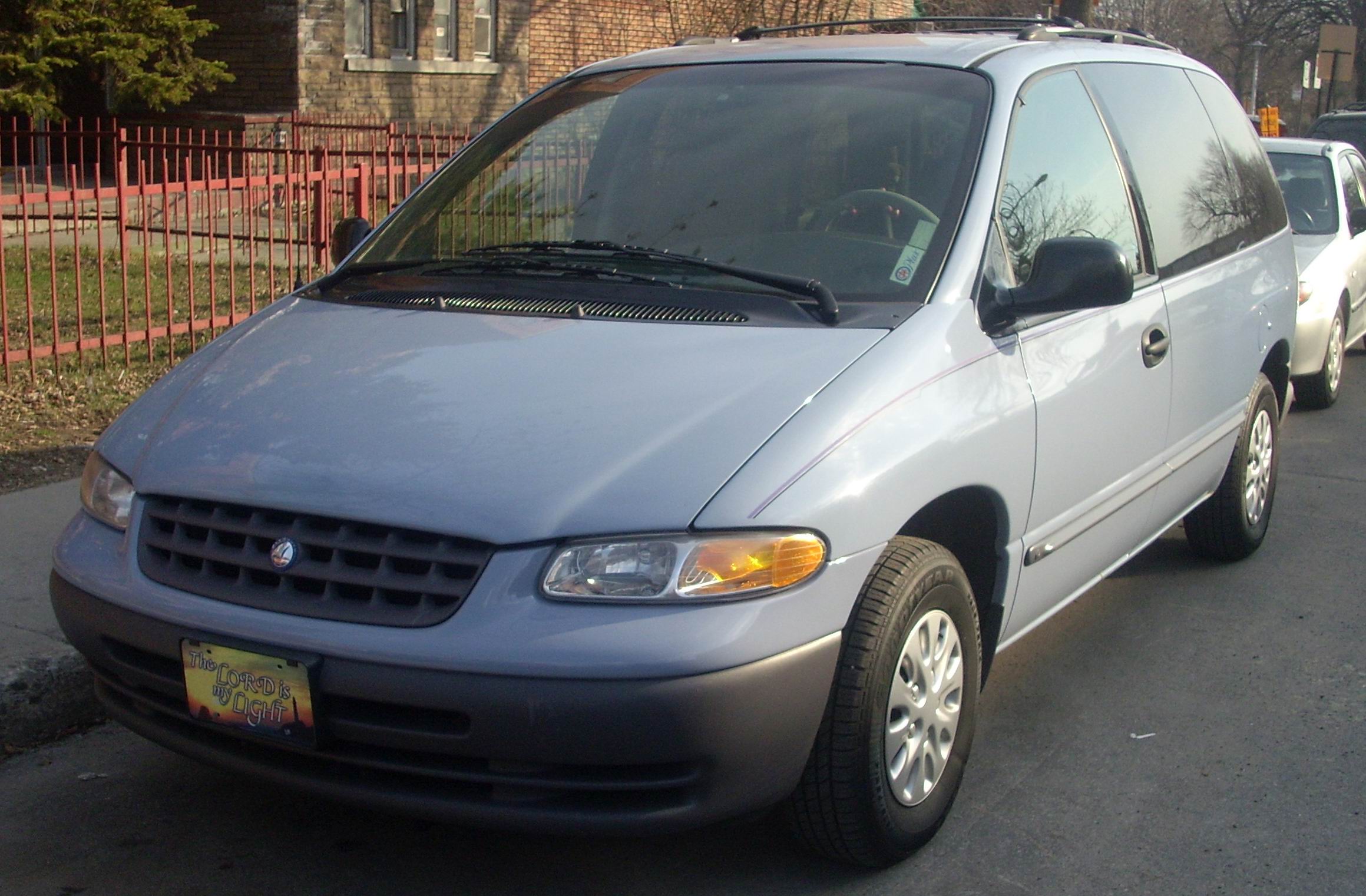
This is a minivan (a family car) from Plymouth’s Grand Voyager line. The host is talking about how long it can keep working and what it takes to keep it reliable.
The Chrysler Grand Voyager is a minivan, meaning it’s designed to carry people and gear comfortably. Over time, a minivan may need big repairs, and one of the most important is the transmission, which helps the car shift gears. The mention of a transmission replacement suggests that this was a significant repair on that vehicle.
“Lack of diagnostics” refers to skipping proper troubleshooting steps (like checking codes, measuring system behavior, and verifying the root cause) before replacing parts. Without diagnostics, repairs can become guesswork and may fail to fix the real issue.
“Bedside manner” here means how the dealer or mechanic talks to you—whether they explain things clearly and treat you well. Good communication can make repairs less stressful.
LIVE
You're listening to Ron and Nanian the Car Doctor, nationally recognized auto expert trusted by Mechanics, Weekend wrenchers and vehicle owners Alife. Ron brings over forty years of hands on
experience and deep industry insight to help you understand your vehicle.
Join the Conversation live every Saturday from two to four pm Eastern by calling eight five to five five six zero nine nine zero zero. That's a five to five
five six zero ninety nine hundred, your direct line to honest answers and practical advice. Looking for more, visit car
doctorshow dot com for past episodes, repair tips, and Ron's latest insights, and be sure to subscribe to the Car Doctor YouTube channel for exclusive videos, real repair footage and more.
Now start your engineers. The Car Doctor is in the
garage and ready to take your call.
Hey, welcome Ron an Indy and the Car Doctor here at your service. You know, give us a call eight
five to five five six zero nine nine zero zero that you've got a problem in the driveway or a question under the hood, just trying to figure out, you know, maybe you need a second opinion after your mechanic. Every week,
something rolls into the shop and it reminds me this business it's not about fixing cars anymore, at least not solely by itself. It's really about helping people, helping you
make decisions, big decisions, you know. It's it's financial decisions,
safety decisions, sometimes emotional decisions. The sixteen thousand dollars transmission
from last week's show about the suv that needed the sixteen thousand dollars transmission generated a lot of email and a lot of questions from all of you. And I
thought we would kind of not review it but mention it again. A modern suv, right, a full size suv
and even smaller SUVs, a transmission failure becomes the jumping off point for a conversation about should you shouldn't you repair cost vehicle ownership, and it shows that in some cases you've got an emotional attachment to your car. You
still do, you know? This week in the shop, we
saw a lot of examples of like goal weeks like of what you guys are struggling with. Cars are more expensive,
they really are, and I get it. I don't understand. Well,
I know why they're more expensive, and I feel bad for it. But you know, you've got to understand repairs
are more technical, parts, cost more, labor, takes longer, and you know, we're stretching vehicles to last longer than ever before because replacing them. Holy cow, do you have car
payments or repair payments? Which is it? But you can't
get it fixed. And it's not just it's not just
here on this radio show. It's not just New Jersey.
We have a house gets this weekend and she flew in.
She's a friend of my wife's and they're out, you know, girlfriending this weekend. And you know, Crystal has a problem
with the transmission in her F one to fifty pickup truck. Now,
Crystal comes from Utah, she has no clue. I don't think.
I don't even know if she knows I'm a mechanical.
I think she does now. But and the conversation at
dinner the other night was about how you know her she has to go buy a new car because the transmission in her truck is going bad and the Ford dealer can't fix it. And I'm thinking to myself, wow,
I thought it was just something in the seawater on the East coast. It's just amazing. It just stretches everywhere,
and she's got the infamous tense speed transmission in this truck, the infamous tense speed transmission that's in a lot of cases, you know, extended warranties, customer consideration, recall bulletins up the ying yang like the trans is a problem. And she
takes it to the dealer multiple times, and the dealer keeps saying, yeah, there's nothing wrong with it. Now, there's
no known problems with this treands it's a great transmission.
It never you know, And I asked her, I said, I listened to the whole conversation, and I said, do you still have a warranty on the truck? She says
a little bit. It's still under something called powertrain coverage,
but it runs out in about three months.
Uh.
She said, what do you think's wrong with it? Because
then she found out I was a mechanic, And I said, well, I think you're going to find out in four months when it's going to cost your money, because you know, as soon as it's out of warranty, then they'll magically discover the problem. You know, the truth is, you guys
don't mind maintaining a vehicle. What frustrates you is the uncertainty.
You don't know if the repair is necessary. You don't
know if the maintenance is necessary, because half the time the place you're going to, you question whether or not they're capable of fixing it in the first place, and they prove to you over and over again. But there's
this let's go back to the restaurant that gives us a digestion mentality that just let's just keep eating there because it's there. I had a conversation this week with
a customer that really really kind of stuck with me.
She came in midweek. She's driving a two year old Subaru,
or well it was two years ago. Actually it's an
older Subaru. But about two years ago she had the
air recharged and it leaked out. And she told me,
you know a shop in town not far from us, and she said, you know they're out of business now.
And she said, you know, they charged me one hundred and fifty dollars and they recharged the air conditioning and I just want to get it charged again. And I said, well,
actually you want to get it diagnosed. You want to
know why is it leaking, Where did the leak go? Where?
You know, where's the leak. Where's the refrigerant? Where did
it go? Oh, well, they didn't use refrigerant. Excuse me,
what did they use? They used Freeon? Well, no, Freon
was the trade name DuPont had, and I had to go through the whole free on and free On is like Kleenex to you guys. It's just a brand name.
But it's it's all tissues, it's all refrigerant. And I
had to explain to her that, you know, you've got to diagnose this repair. You've got to look at this failure.
Why is this bad? You know what's broken? And she
didn't get it. You know, I explained, I said, it's
going to take a couple of hours of time in material, it's going to be four five hundred dollars to diagnose the problem. But why I just want to charge my
AC for one hundred and fifty to two hundred dollars.
The other shop did it that way, And I had to point out the other shop is out of business.
The other shop lost their lease. They never grew as
a business to the point where they can own the real estate. Then I'm not trying to be prejudiced against
the business that doesn't own their property, but it does put you in a stronger position a business. In my opinion,
you have to grow to meet the demands of the customer base. You have to ensure the best you can
that you'll be there five, ten, fifteen, twenty years from now, so that you can take care of your flock, because otherwise you're going to find out one day, poof, you're gone.
And sometimes it's a sign of mismanagement. And I explained
to her, I said, you know, this is a case of mismanagement because they never grew. They were in town
thirty five almost forty years. Something's wrong, especially when I'm
hearing stories that they knew there was a leak in the AC system, but they charged it anyway, because the lure of of making a quick couple of bucks versus doing a proper repair is just so much more attractive.
Maybe it's the consumer, maybe it's the vehicle owner. I
don't know, but you have to get it through your head, you really do that. Yeah, what a repair is going
to be expensive. It just is going forward, and it's
the nature of the beast that's been created. Mechanics didn't
design the cars, that's for sure. Because if the mechanics
designed the cars, they'd be easier to fix. But it's
the surroundings, it's the circumstances. It's the consequences of modern
day refrigerant. Right, what we commonly call twelve thirty four
YF is like liquid gold. It's so expensive. If one
thirty four refrigerant, the older stuff that you find in a vehicle ten years old or older, if it's selling for three dollars an ount, twelve thirty four YF is selling for six dollars an ounce. It's double the price.
And you want to be sure that you've you've got repaired, that it's not just going to leak out, so that you're not just wasting a couple of four hundred dollars just trying to solve and charge an air conditioning system.
Not to mention it's it's bad for the environment, the greenhouse gas effect, damage to the ozone in certain cases with certain gases. So it's an issue, right, So we
want to be environmentally friendly. Understand that, you know, there's
new methods to diagnose air conditioning. We use CO two
CO two. A CO two kit with a leak detector
is about fifty five hundred bucks. We've had it now
eight nine years our CO two leak detector broke. It
finally wore out. We had to buy another one. It
was fifteen hundred dollars. The money doesn't fall out of
the sky. It's got to come from somewhere, and you've
got to diagnose to use it. You got to use
it to diagnose. There's a lot of changes coming in
order to repair and we're going to talk about them this hour and going forward. But I can just promise
you this. I'll be here to guide you every step
of the way. I'll hold your hand, I'll do what
I can. But just know that I know what you're feeling.
I know what you're talking about. You know, it's not
the repair shop that gets me. It's the restaurant in
the supermarket. But I'm a consumer just like the rest
of you, and I'm just here to try and help you make sense of it all. Let's pull over, take
a pause. When we return, we'll open up the phone
lines at eight five five five six zero nine nine zero zero. I'm running ending in the car. Doctor. I'll
be back right after this. Hey, let's get the phones open.
Let's go over and talk to Steve twenty one Chevy Silverado, Steve, Welcome to the car doctor, sir, how can I help?
Yes?
Good, what's going on?
My truck will not release the key from the ignition.
It's an intermittent problem. Sometimes it comes right out, sometimes
there's a few seconds, sometimes it's a few minutes, and sometimes it's longer.
Right, original key, factory.
K Yes, Okay, well both factory keys.
And you've tried it with both keys, correct, So it does it with both keys. So keys aren't the issue,
right if you look at both keys. As silly as
this sounds, because this is a double cut key, right, it's got the groove up the middle. It's not a
traditional key if you look, if you look at both keys, there's no physical damage to either one that they both look identical in their track. That that strip up the middle. Okay,
just I just mentioned it because sometimes I've seen where the lock cylinder will start to beat up the key and it becomes you have to do a lock cylinder and a key. But I just don't want to miss
you know, could the key be damaged at this point, so you know, just take a look at them.
Well, I'm sorry, go ahead, no.
Go ahead.
You had something, Yeah, it was diagnosed by the dealer as the problem being a cylinder lock housing.
Okay, not uncommon, okay, And.
I had that replaced, and the lock the cylinder lock housing, and there's a switch behind it, which they also replaced.
Okay, Right, there's a solenoid that helps push in position.
Okay, I guess that's the switch you referred to. Okay, Yeah,
and that didn't do it either. It's still the same,
all right.
So when this happens, you know, before I get to the switch and the housing and everything else, as I when I've seen these, when this happens, my first question is is the vehicle in park? As stupid as that sounds,
I'm not saying you haven't put it in park, but does the vehicle know it's in park? Right?
If you know?
I wonder if if you were to take your foot off the pedal with the truck roll if you were on a hill.
I haven't tried that, but I mean, I'll tell you I've been in my driveway and I can. I can
turn the ignition on and off and on and off, and the keel come out, you know, ten out of ten, pointing out a twenty times. I can go up and
down my driveway. You know, start the car up, go
up and down the drive the truck and the driveway is only seventy five feet long, and put and you know, put it back in park and the key won't come out. Okay,
and it.
Ad any other fault in any other modules. Specifically, I'm
looking for a communication fault.
Nothing else came up, okay.
Because I'm looking to see, you know, just so so to recap. Right, we've got a good key, right, we're
gonna or we're gonna look at that's just to make sure the key's not damaged. They've they've done a switch
and let's assume they did the solenoid, so they've done the electrical portion of it. Right, right, we're going to
assume it's in park, or at least you're gonna consider it.
Yep.
Okay, you know, is it possible because if the truck doesn't know it's in park, it's not going to least the key. And regardless of what the you know, you
may you may, it may say it on the dashboard, but what is the what does the trans control module think If the translinkage is off the slightest bit, it could confuse it and it may not hurt to go through a trans cable calib a trans range switch calibration on this just to see doesn't make any difference. You've
owned the truck since new yeah, okay, and then you know the last thing, uh, in the back of my mind, if we know it's not the key the switch which they've changed, it's in park, you know when it when it's in park, it's locked, it's there. Do I have
power to that switch? And do I need to set
up some sort of a test point to look to see provided I have I don't have any communication faults?
You know, is it is it possible I've got a a data module going down? Not allowed? You know, because
if the module doesn't a man that switch to release it's it's not going to happen. So are you losing
a module at that point?
You know?
Again, I'm going through the list right, trying to think outside the box. So did the dealer replace the ignition switch?
No? I had my mechanic do that.
Okay.
People want to thought what I thought was a crazy amount of money to do.
It's what's a crazy amount of money?
It was one thousand dollars.
Okay, what's your mechanic charge six hundred. Okay, you think
the dealer's expensive. Now, I hate to say it like that.
I hear you.
That sounds presumptuous. But here's why. Right. You know, you
switched horses in the middle of the river, right, you got out to the middle of the river. You got
close to it. Now if and then you jumped over,
I get it. You know what, if you don't believe
the dealer, then don't go there at all.
Right, But if you it wasn't it wasn't there for that only at the time, I was just having the oil changed.
Okay, okay, And did it happen I'm sorry, did it happen to them?
You know?
Okay?
But you know they they diagnosed it, and it was more than just the price. It was the way the
dealings I had on the phone.
Yeah, I get that. So listen, And I'm not I'm
not trying to beat up your guy or distract you or move you around. I'm just I'm just trying to
open your mind to the possibilities of the what ifs, Right, Mike, my question would be, how did the dealer diagnose it?
You know? Was it oh you know, hey, Steve, you're
here fro an oil change anything else here. Once in
a while, the lock cylinder, the ignition key won't release. Okay, Well,
our guys diagnosed it. It's a bad lock cylinder. Well
had they had they diagnosed it, if the problem didn't happen, Because everything I'm talking to you about, I kind of need to see it right otherwise it's poking. Hope, and
I hope I get lucky. Right, you know, there's and
you know, mister Goodrench could come up out of the grave himself and look at this, and unless he physically sees something, it's it's it's a difficult proposition, right, So you know, the only other question I've got is I believe there is an adjustment on the switch. I'm trying
to remember a twenty one. But did your mechanic you know,
just ask him to go over his work because I'm sure he feels bad. Right, here's your guy and all
of a sudden, you know it didn't work exactly right?
You know, is there because I thought the end of the ignition switch had an oval slot? Did he did
he verify position by scan tool?
I don't know right?
And and then did he use an oe part or did he use something after market, and I'm not saying every after market part is bad. And listen, there's times
I'll only use an aftermarket part. But in this case,
if I'm pulling it up out of thin air, I'm probably gonna want to know we part because it's gonna cut down the odds of the aggravation factor. So you've
got some homework, Steven, But there are no bulletins. Even
though I have seen this before, it's not completely uncommon.
You've got some things to do, and look at you.
Give us a call back, let us know what happens.
I'm running Ny in the card doctor. We'll be back
right after this.
Day.
Yay from the city streets to the open rolling.
If your run needs help, Ron, we'll keep you rolling. Rock.
Here's a card doctor, doctor cardvist.
Hey, let's go over and talk to Mike and Iowa. Mike,
Welcome to the card Doctor, Sir. How can I help? Yes, sir,
what's going on?
Ron? Seventeen GMC sier era five point three gas of
course and act hud and fifty four thousand.
Miles still going okay?
Active few men, Yeah, Act no problems, but I plan on keeping the truck. I'm retired, but I do put
some miles on it. And my question was, I can
get the computer flashed to eliminate the AFM system. I
can buy the module that plugs into the old dB two port if I said that, right, the mechanic the mechanical or I can do the mechanical delete, which I still have to get the computer reflashed. But I just
wanted your thoughts and opinions. And if you knew of
any of the plug in modules that were that you would even right command.
I haven't you know, there's a lot of the plug in modules, Mike, let's start there. I've seen this. I've
seen a lot of this. I like the plug in
modules as a starting point. Well, because here's why to
go through the one hundred and fifty thousand mile nine year old engine. I hate to start looking at cams
and lifters because what if at two hundred thousand it pops ahead gasket or or or I've got a valve train problem, or you know, I'm taking the engine apart twice.
So I'm sort of of the mind that, you know, I want to try and just delete the af AFM and then when I have, because it doesn't the lifters themselves for the AFM weren't great. So listen, you could
do an AFM delete module at the OBD two porter, reprogram the processor, and two weeks from today, all of a sudden end up with a tick because it's I was on the verge of failure because it's older and it's got mileage. So you know, if we would have
to do a module anyway once we did the AFM delete or reprogram the PCM anyway, once we did the AFM delete, aren't we better off just trying to eliminate the AFM and see how long it runs for it?
Because what if the truck runs a quarter million miles without changing anything, and then we don't have to go through it.
Right, That's what I'm hoping for, But you never know.
Right right? Well, yeah, and that's you know I'm trying
to do. Listen, Let's let's put cards on the table.
It's a it's a poorly designed system. It's problematic, and
it gets to be expensive and a headache over time, one hundred percent. So let's do the least and try
and get the most. If this was a thirty thousand
mile engine and I was taking it apart for the first time, I think that's a different conversation. But this
is an older engine. I'm not saying it's bad. It's
got mileage on it, and listen, god willing. I hope
it runs a half a million miles, but what if it doesn't, because the odds show us it won't. Right,
So I think this is you know, I'm here to help you manage expectations, Mike. I think this is a
case of let's do the let's do the module at the OBD two port. And there's so many of them
out there, I couldn't even megan to tell you who's right and who's wrong, who works who doesn't. You know,
That's why I always say, that's why they make forums.
I know there's a bunch of GM only forums out there, and those guys will tell you what they're using and does it work or doesn't it. But as far as
the mechanical modifications, unless I've got a really good reason, I don't see the value in that. And you know,
because it's extensive to pull lifters out of these, you have to pull the heads anyway, and at that point, why don't we just swing an engine? But we don't
need to, so all of a sudden it becomes a bigger mouse trap. You know what I'm saying.
I do that.
The mechanical deletes around five grand in my area by buy a good shop, right, and you got Shade Tree guys that will do it for three thousand and thirty five hundred.
Right and you well and you can, yeah, and you can.
You can go buy a module for one hundred and fifty bucks on Amazon plugging in and see how it works.
Gotcha.
Yeah, that's well, that's what I've been exploring those options, and uh, there's a bunch of them.
Out there, because because frankly, and think of it like this.
Let's say you do it. Let's say you do an
a FM delete, just just the module, or let's say, you know, you want to go for the mechanical delete.
What's it going to cost to put an engine in the truck? Eight nine? Yeah? So you know, why would
we spend five to do a delete on a you know, nine years, one hundred and fifty thousand mile older engine.
Wouldn't it be more practical? Because what if we get
five years out of this? We're gambling. Let's think of
it like this, all right, we're gambling one hundred and fifty bucks or five grand, and that five grand doesn't ensures that the bottom end is going to hold together and you know, or not have a ring or an oil or consumption problem.
Right, Okay, I think I think I see where you're at five grand for a mechanical mechanical elite and then have a lower end problem, right, and then I'm out five grand or I can do the module and if it runs for several more years.
And I do lose the engine, right by then, by by then a replacement Silverado will be one hundred thousand dollars and you'll be happy to spend. You'll be happy
to spend fifteen grand to twenty to swing an engine in a transit it and drive it another fifteen years, right, right.
Well, that's that was what I was wanting to hear from you, And not that I wanted to hear that exactly, but that's what I was leaning towards, and I wanted your opinion on it.
No, you know, we're trying to do the least to get the most. And frankly, if it's something you're gonna
toe with and something you're gonna put a lot of miles on and you're going to work the truck. You've
got to know, you know that you're getting the most bang for your buck, because the other side of this is if it goes another five years, in fifteen years, think of it like this, In fifteen years, will you be able to get any parts for the twenty seventeen?
Probably not right, And that's an issue. And you guys
hear me talk about this all the time, but trust me, it is. So it's such a predominant problem out there
right now, and it has been for the past five or six years, that the quality of parts, the availability of parts, the you know, it's a changing target every day.
And I really think I used to I used to say this a lot, and I still say it, but I believe it even more now if I'm saying that correctly.
That I think part of what you're paying a mechanic for is it's like you go to a restaurant. You
ever go to a restaurant and have them make you a salad, lettuce, tomatoes, onions, peppers, Right, You can do the same thing at home, but you don't why because you're counting on that chef to know where to get the ingredients from. You're counting on your mechanic where he
should get the best parts from because he knows what works and he knows what's available, and it's becoming such a parts issue that twelve to fifteen years from today, I'm sorry, another two to five years from today, when that truck is twelve to fifteen years old? Are you
gonna be able to get power window regulators? Are you gonna
be able to get a starter? You're gonna be you know,
you start thinking, you start wondering. You know, we we see,
we see some really you can't buy and I'm off topic a little bit here. You can't buy a break
master cylinder for an nine Ford f one fifty from Ford anymore? Think about that. How many f one fifties
you think are on the road from nine, ten, eleven, twelve, right, a couple million?
Oh yeah, yeah, Ford does not.
Ford no longer carries a Master cylinder for that truck.
Where are we going? All right, kiddo?
Hey Ron, thank you for your wisdom, and enjoy your show.
I listened to it on Sundays on WTAX in Springfield, Illinois.
Thank you so much, Mike. I'm happy to I'm happy
to have you all right, all right, enjoy your truck, sir, you'll be well, Yes, sir, thank you. I'm running any
in the Car Doctor. We're back right after this. Hey, hey, hey,
five five, five six zero nine nine zero zero. Let's
go over to Sandy in New Hampshire. Sandy, welcome to
the Car Doctor. How can I help?
Thank you, Ron, thank you for having your show. I
really enjoy it.
Thank you so much.
I'm in the market getting close to it anyway for a newer vehicle to couldn't show off. Maybe next Monter
or a couple more Winters. I'm looking at the Outlander
Sport series and they have this three mode drive system and it sounds really good. We get a lot of
snow up here in New Hampshire and the roads aren't the greatest. But what is your opinion?
What were you driving? What were you driving prior.
Sandy, that Toyota Tursell the nineteen ninety two that my husband sends talking to you about a few weeks now.
Have you been have you been able to well, have you been able to get around in that ninety two ter cell?
Yeah?
Yeah, And he finally had the head head gas get out and all that, and now it's in tip top shape from hedge to sow okay, and we both thank you for your help over the phone. Here.
Oh, you're very welcome. So why am Mitsubishi? And there's
a reason I'm asking this, And here's where I'm going.
Let me jump ahead to the answer. So, anytime I
buy a car, I always I you know, it's new until I roll it off the lot. And then who's
who's going to fix it? Where am I going to
get parts for it? What's what's the reliability availability? And
so on? You know, everybody, everybody's in love on the honeymoon,
and then all of a sudden we're home. You know,
things change, right, So you know, Mitsubishi, I'm not saying it's a bad car, but there's a whole lot less less Mitsubishi dealers in the country than there are Toyota, Honda, for GM, Chrysler, et cetera.
Makes you wonder why.
Okay, Right, So you know in New Jersey, let's see, I think it's probably a ratio of five Toyota dealers for every one Mitsubishi, if it's even that high. If
it's not even higher, it's it's you know, they're just so you know, it's great if you're buying from a local Mitsubishi dealer and he's a half hour from the house in New Hampshire and he's gonna be there for the next ten years. Yeah, but you know, you start
to think about what if, and you know, as long as you're able and willing to put up with the what if of well, the dealer's gone. Now I'm going
to find my local mechanic to work on it, and he's going to make a commitment to it. Because what
you're describing to me the three mode driving.
System, Yes, please tell me.
You know it's you're going into something that's all will drive with three different levels of driving capability and handling the roads. But if what you've got handles the roads,
you know, my father has been dead since nineteen sixty eight, but I still remember him telling my mother, you need a refrigerator. It's got to be white cold, the light
goes on and you can maybe have an ice maker.
Beyond that, it doesn't need to do anything else. It's
just got to keep the food cold. And if this
is if this is working, why change for the sake of change?
Yeah, Well, real quick, I don't go out too much in the winter, and either that's my husband and the Toyota.
We only put it out there if he's got to go to the store for groceries or I do. And
so it's not all that great in the snow unless it has really good tires on it. And the price
is what's getting me. I'm on my way out. I'm
figuring out maybe I have ten good years left. Okay,
So twenty eight thousand, it's like a throwaway there.
I knew that this was going to come into the conversation of Ron this is my last car. I knew
that you did.
Our Plymouth grand Voyager put it a transmission in it many years ago.
Oh good lord.
It was still in perfect condition, and we gave it to an old gentleman in Pennsylvania and he loves you for it.
I just you know what, if the dealer's going to be there, and you've got a good local guy to work on it, and you can put some extended warranty on it and have coverage. Look, if you can get
five years out of the car, great. After five years,
all bets are off. If driving that car for the
next five years sandy makes you feel comfortable and happy, yeah, then do it.
You know.
But from a longevity point of view. I don't think
mitcha Bishi's at the top of my list. I just don't.
So but go drive it and day and night. Make
sure you get a good feel for the car, and just consider it Toyota of comparable size, and think about the dollars in between. I hope I helped. I'm run
an ady and the car doctor. I'm back right after this,
So where and how do I close this hour? And
I think, you know, looking back at it, I think this hour was indicative of what we saw in the shop this week. The questions of you know, repair failure,
that the lack of diagnostics, the approach, the bedside manner of the attending physician and all. It all really comes
down to that. For Steve who went to the dealership,
and I bet it was a quote unquote cheap oil change.
That was the That was the you know, the the buy one get one free in the door. Maybe I'm assuming.
I don't want to assume. I don't want to put
Steve in a bed light, but I just wonder, you know, if you have a relationship with your mechanic, is he's your guy? Why are you getting that oil change? It's
a twenty one. It can't be covered if you don't
trust your mechanics to do the oil change, but the hard job. That doesn't make sense to me because now
you've got, like I said to him, you've got horses switched in midstream, and now we want to how do you go back over that? Do you, as a consumer,
and here's your homework, do you set yourself up to succeed or fail at order repair? Do you have a guy?
Is that guy predicated on price? You know that restaurant
that gives you indigestion, but hey, it's always there and we get great service, but the food's bad, you know?
Or or you know how good of a restaurant would that repair shop be? And that's what you got to
ask yourself, because order repair now and for the future, it's about the relationship and the diagnosis that has to be done, not just throwing parts. I'm running any in
the car, doctor, Good mechanics aren't expensive, they're priceless. See
doctor cur advice. Don't ride
About this episode
A transmission failure sets the tone for a bigger conversation about whether to repair or replace a vehicle—and how those choices ripple into finances, safety, and even emotions. The discussion then zooms into A/C problems: don’t just recharge, diagnose the leak and underlying failure, especially with costly refrigerants like “twelve thirty four YF.” Callers bring real cases: an intermittent Silverado key-release issue, AFM delete risks, and winter-focused vehicle shopping.