
Ron Ananian, The Car Doctor - May 30, 2026 - Hour 1
About this episode
A transmission failure sets the tone for a bigger conversation about whether to repair or replace a vehicle—and how those choices ripple into finances, safety, and even emotions. The discussion then zooms into A/C problems: don’t just recharge, diagnose the leak and underlying failure, especially with costly refrigerants like “twelve thirty four YF.” Callers bring real cases: an intermittent Silverado key-release issue, AFM delete risks, and winter-focused vehicle shopping.
Car Advice Done Right.
- Grab your Car Doctor gear – T-shirts & more at CarDoctorShow.com
-
Follow the wrench – Instagram @ronananian for shop life & behind-the-scenes
-
Watch & learn – Auto repair tips & videos on our YouTube Channel
-
Got a car question? Call the Car Doctor Hotline 24/7 – (855) 560-9900
-
Join the conversation LIVE – Saturdays 2–4 PM Eastern
See omnystudio.com/listener for privacy information.
transmission failure
"The sixteen thousand dollars transmission from last week's show about the suv that needed the sixteen thousand dollars transmission generated a lot of email and a lot of questions from all of you. And I thought we would kind of not review it but mention it again."
The transmission is what sends power from the engine to the wheels. If it fails, the car may shift poorly or not move correctly, and the fix can cost a lot.
A transmission failure means the car’s gearbox can’t properly transfer power from the engine to the wheels. On many modern SUVs, transmission problems can be expensive because the repair often requires significant labor and specialized parts.
vehicle ownership
"A modern suv, right, a full size suv and even smaller SUVs, a transmission failure becomes the jumping off point for a conversation about should you shouldn't you repair cost vehicle ownership, and it shows that in some cases you've got an emotional attachment to your car."
Owning a car isn’t just the purchase price. It also includes what it costs over time to keep it running, including big repairs.
Vehicle ownership is the ongoing cost and decision-making that comes after you buy a car—especially when repairs arise. In this context, a transmission failure becomes a prompt to weigh repair cost against the broader financial reality of keeping the vehicle.
repair cost
"A modern suv, right, a full size suv and even smaller SUVs, a transmission failure becomes the jumping off point for a conversation about should you shouldn't you repair cost vehicle ownership, and it shows that in some cases you've got an emotional attachment to your car."
Repair cost is what it will cost to fix the problem in the car. It matters because big repairs can change whether it’s worth keeping the car.
Repair cost is the total expense of fixing a problem, typically including parts and labor. The host frames it as a key factor in deciding whether to repair a vehicle after a major failure.
emotional attachment
"and it shows that in some cases you've got an emotional attachment to your car. You still do, you know? This week in the shop, we saw a lot of examples of like goal weeks like of what you guys are struggling with."
Emotional attachment refers to how personal feelings about a car can influence the decision to repair versus replace it. Even when the math suggests one option, owners may still choose repairs because the vehicle has meaning or familiarity.
tense speed transmission
"and she's got the infamous tense speed transmission in this truck, the infamous tense speed transmission that's in a lot of cases, you know, extended warranties, customer consideration, recall bulletins up the ying yang like the trans is a problem."
They’re talking about a specific automatic transmission in the truck. The point is that this transmission type has a reputation for issues, which is why warranties and dealer paperwork keep coming up.
The host is describing a specific multi-speed automatic transmission (they say “tense speed,” likely meaning a particular number of gears) that’s become well-known for problems. They connect it to extended warranties and dealer recall-style communications, implying a pattern of transmission failures or complaints.
powertrain coverage
"She says [235.6s] a little bit. It's still under something called powertrain coverage, [238.2s] but it runs out in about three months."
Powertrain coverage is the part of a car warranty that covers the big mechanical parts that move the car—like the engine and transmission. In this story, it matters because the repair may only happen once that coverage runs out.
Powertrain coverage is a warranty category that typically covers the major drivetrain components—most importantly the engine, transmission, and drivetrain-related parts. The host uses it to explain why the owner’s transmission problem might not be addressed until the coverage expires.
uncertainty
"You guys don't mind maintaining a vehicle. What frustrates you is the uncertainty. [262.2s] You don't know if the repair is necessary. You don't"
They’re talking about the stress of not knowing if the mechanic’s diagnosis is real or if you’re being sold unnecessary work. It’s the feeling that you can’t be sure what’s wrong or what needs fixing.
The host describes a common ownership frustration: uncertainty about whether a repair is truly necessary and whether a shop can diagnose it correctly. This is a situational concept about the customer experience in auto repair—especially when symptoms are intermittent or hard to reproduce.
air recharged
"about two years ago she had the [299.6s] air recharged and it leaked out. And she told me, [305.6s] you know a shop in town not far from us, and she said, you know they're out of business now."
They mean the car’s air conditioning was refilled with the cooling chemical it needs to work. But it leaked out again, which usually means there’s a leak somewhere.
“Air recharged” here refers to recharging the vehicle’s air-conditioning system with refrigerant after it was low. The host’s story then adds that it leaked out again, pointing to a likely leak rather than a one-time service need.
diagnosed
"[318.0s] actually you want to get it diagnosed. You want to [321.0s] know why is it leaking, Where did the leak go? Where?"
“Diagnosed” means figuring out what’s really causing the problem. Instead of just refilling something, the mechanic tries to find where the issue is coming from.
In a car context, “diagnosed” means systematically finding the root cause of a problem rather than just treating the symptom. For an A/C issue, that usually involves locating the leak and confirming what component failed.
refrigerant
"[321.0s] know why is it leaking, Where did the leak go? Where? [323.2s] You know, where's the leak. Where's the refrigerant? Where did [325.2s] it go? Oh, well, they didn't use refrigerant."
Refrigerant is the chemical that makes a car’s A/C cool. If it’s leaking out, the A/C won’t work well until the leak is found and repaired.
Refrigerant is the working fluid in a vehicle’s air-conditioning system that absorbs heat inside the cabin and releases it outside. If refrigerant is leaking, the system can’t cool properly, and simply “charging” it again won’t fix the underlying problem.
Freon
"[325.2s] it go? Oh, well, they didn't use refrigerant. Excuse me, [329.9s] what did they use? They used Freeon? Well, no, Freon [333.5s] was the trade name DuPont had, and I had to go through the whole free on and free On is like Kleenex to you guys."
“Freon” is a brand/trade name that people often use as a generic term for refrigerant. In the transcript, the host clarifies that the key point is the refrigerant itself—different refrigerants may be used, but the system still needs the correct one and a leak diagnosis.
AC
"[355.8s] going to take a couple of hours of time in material, it's going to be four five hundred dollars to diagnose the problem. But why I just want to charge my [363.0s] AC for one hundred and fifty to two hundred dollars. [365.0s] The other shop did it that way,"
“AC” means the car’s air-conditioning. If it’s losing refrigerant, refilling it may temporarily help, but the leak still needs to be fixed.
“AC” here refers to the vehicle air-conditioning system, which relies on refrigerant circulation and pressure to cool. When the host talks about charging AC after a leak, they’re describing a common symptom-driven shortcut that can miss the real failure.
twelve thirty four YF
"Right, what we commonly call twelve thirty four YF is like liquid gold. It's so expensive. If one thirty four refrigerant, the older stuff that you find in a vehicle ten years old or older, if it's selling for three dollars an ount, twelve thirty four YF is selling for six dollars an ounce."
“Twelve thirty four YF” is the name of a newer A/C refrigerant used in many cars. It’s chosen because it’s better for the climate than older A/C fluids, but it costs a lot more. That’s why A/C leaks and repairs can get expensive.
“Twelve thirty four YF” is a shorthand for R-1234yf, a modern automotive air-conditioning refrigerant. It’s widely used because it has a much lower climate impact than older refrigerants, but it’s also significantly more expensive, which can drive up A/C repair costs. The episode also references pricing per ounce and the importance of preventing leaks after repair.
greenhouse gas effect
"Not to mention it's it's bad for the environment, the greenhouse gas effect, damage to the ozone in certain cases with certain gases."
The greenhouse gas effect is how certain gases trap heat and warm the planet. Some A/C refrigerants can contribute to that, so using the right refrigerant and fixing leaks is important. That’s part of why technicians talk about environmental impact.
The greenhouse gas effect is the process where certain gases trap heat in the atmosphere, contributing to global warming. Some refrigerants can have strong climate impacts, which is why modern A/C refrigerants are chosen and regulated to reduce that effect. The host frames this as a reason repairs and correct handling matter.
damage to the ozone
"Not to mention it's it's bad for the environment, the greenhouse gas effect, damage to the ozone in certain cases with certain gases."
The ozone layer is like a protective shield in the upper atmosphere. Some older A/C chemicals could damage that shield, which is why they were phased out. That’s another reason A/C refrigerant handling matters.
Damage to the ozone refers to harm to the ozone layer, which protects life on Earth by filtering harmful ultraviolet radiation. Some older refrigerant gases were associated with ozone depletion, which is why regulations changed over time. The host mentions it as part of why refrigerant choice and leak prevention are important.
CO two kit with a leak detector
"Understand that, you know, there's new methods to diagnose air conditioning. We use CO two CO two. A CO two kit with a leak detector is about fifty five hundred bucks."
This is a tool used to find A/C leaks. It uses CO2 as a safe test gas so the technician can pinpoint where the system is leaking before adding more refrigerant. That helps avoid wasting money on a recharge that won’t last.
A CO2 kit with a leak detector refers to an A/C leak-testing setup that uses carbon dioxide as the test gas to find where refrigerant escapes. The point is to confirm the leak location before charging the system, so you don’t pay to refill refrigerant only for it to leak out again. The host also gives a real-world cost for the equipment.
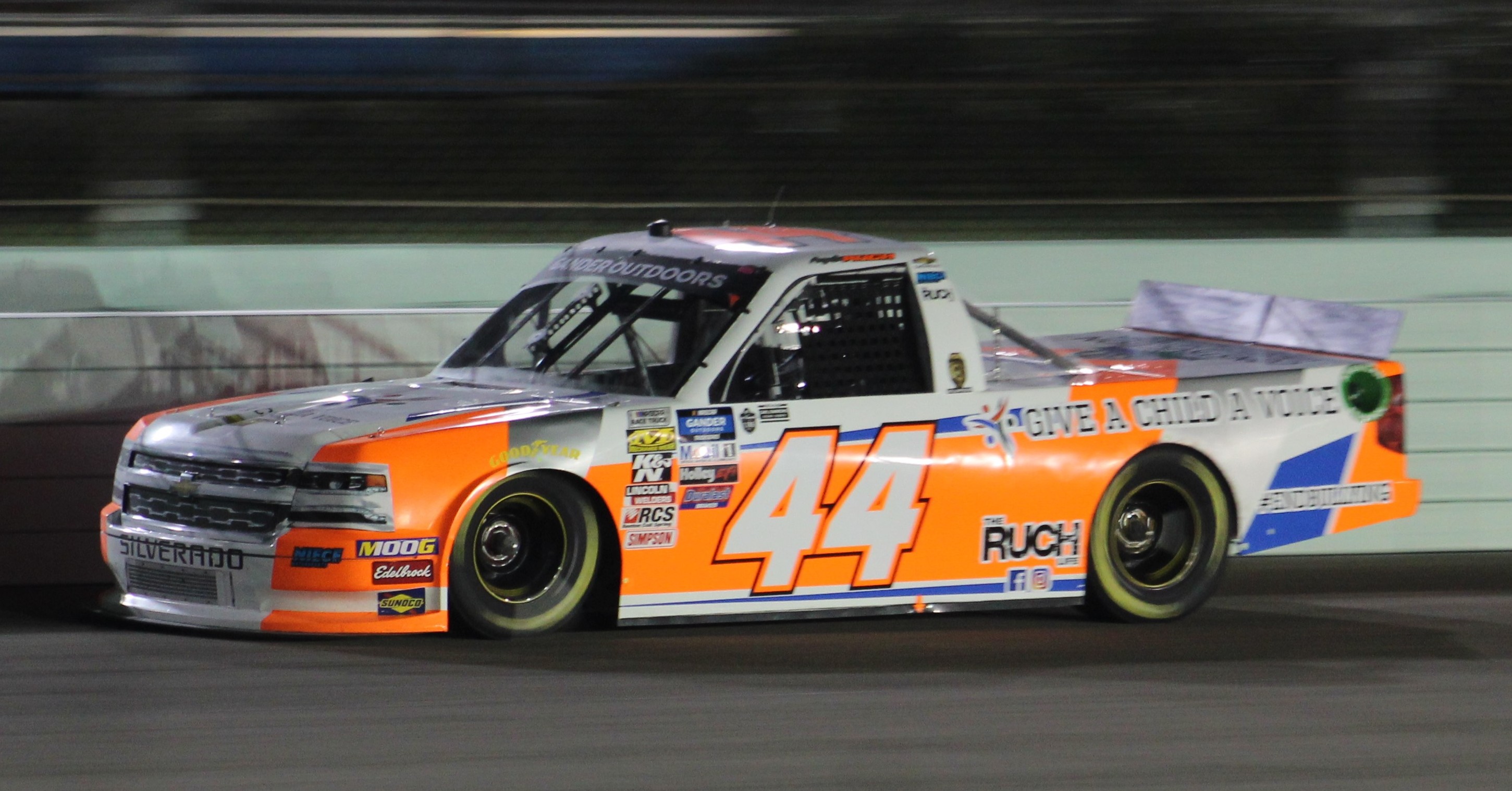
Chevy Silverado
"Let's go over and talk to Steve twenty one Chevy Silverado, Steve, Welcome to the car doctor, sir, how can I help? Yes? Good, what's going on? My truck will not release the key from the ignition."
A Chevrolet Silverado is a big pickup truck. If the key won’t come out of the ignition, it’s often a problem with the lock/ignition switch area, not something like the engine.
The Chevrolet Silverado is a full-size pickup that uses an ignition lock cylinder and key interlock to control when the key can be removed. When the key won’t release, it usually points to an issue in the ignition/lock mechanism or its associated switch, not the engine itself.
intermittent problem
"My truck will not release the key from the ignition. It's an intermittent problem. Sometimes it comes right out, sometimes there's a few seconds, sometimes it's a few minutes, and sometimes it's longer."
An intermittent problem means the problem happens only sometimes. That can make it tough to find, because the car may work fine when you test it.
An intermittent problem is a fault that appears sometimes and disappears other times, which makes it harder to diagnose. For ignition-key issues, it often suggests a worn electrical switch, a sticking lock mechanism, or a component that only fails under certain conditions.
double cut key
"And you've tried it with both keys, correct, So it does it with both keys. So keys aren't the issue, right if you look at both keys. As silly as this sounds, because this is a double cut key, right, it's got the groove up the middle."
A double cut key is a type of car key shape that’s cut in a particular way to match the lock. Here, the point is that both factory keys are the same type and both act up, so the key itself is less likely to be the cause.
A double cut key is a specific key-cut pattern where the key has a groove/profile along the middle, producing two “cut” depths/lines that match the lock’s internal wafers. In this case, the host is noting that the key design is unusual compared with a typical single-cut key, and that both factory keys behave the same way.
lock cylinder
"Okay, just I just mentioned it because sometimes I've seen where the lock cylinder will start to beat up the key and it becomes you have to do a lock cylinder and a key. But I just don't want to miss you know, could the key be damaged at this point, so you know, just take a look at them."
The lock cylinder is the internal part of the ignition that the key turns. If it gets worn or damaged, the key can start to stick or behave strangely.
The lock cylinder is the part of the ignition/door lock that the key turns; inside it, pins or wafers align to allow the lock to operate. Wear or damage to the lock cylinder can cause key-related symptoms like sticking, difficulty turning, or—depending on the design—problems with key release.
cylinder lock housing
"You had something, Yeah, it was diagnosed by the dealer as the problem being a cylinder lock housing. Okay, not uncommon, okay, And. I had that replaced, and the lock the cylinder lock housing, and there's a switch behind it, which they also replaced."
The cylinder lock housing is the part that holds the ignition lock cylinder in place. If it’s faulty, the key mechanism may not work correctly, even if the key itself is fine.
The cylinder lock housing is the mounting body that holds the lock cylinder in the ignition assembly. If the dealer diagnoses the cylinder lock housing as the problem, it usually means the housing or its internal alignment/fit is contributing to the key-release malfunction.
switch behind it
"I had that replaced, and the lock the cylinder lock housing, and there's a switch behind it, which they also replaced."
The switch behind the lock housing is an electrical part that helps the car “know” what position the ignition/lock is in. If it’s not working right, the car may refuse to let you remove the key.
A switch behind the lock housing is typically an electrical sensor/interlock that tells the vehicle’s systems the ignition/lock state (and sometimes whether the transmission is in the correct position). If that switch fails or sticks, it can prevent the key from releasing even when the mechanical lock parts seem okay.
solenoid
"Okay, Right, there's a solenoid that helps push in position. Okay, I guess that's the switch you referred to."
A solenoid is an electrical “push” device. When the car sends electricity to it, it moves a small internal part to make something lock, unlock, or shift correctly.
A solenoid is an electrically controlled actuator: when current flows, it creates a magnetic field that moves a plunger or mechanism. In this context, the solenoid is used to help move/position something in the shifter/park-lock system so the key behavior can be correct.
vehicle in park
"So when this happens... my first question is is the vehicle in park? ...does the vehicle know it's in park?"
“Park” is a specific transmission gear state where the vehicle should be mechanically and electronically recognized as secured. If the car doesn’t correctly detect that it’s in Park, it can affect safety interlocks like key removal and can also indicate a misalignment or calibration issue in the shifter/park sensing system.
trans control module
"what does the trans control module think? If the translinkage is off the slightest bit, it could confuse it..."
The transmission control module is the car’s computer for the automatic transmission. It reads what gear you selected, and if it thinks the gear signal is off, it can cause things like key interlock problems.
The transmission control module (TCM) is the car’s computer that manages transmission behavior and reads sensors that indicate gear selection. If the TCM thinks the linkage/gear range signal is wrong (even slightly), it can mis-handle interlocks and may require recalibration of the gear-range inputs.
translinkage
"If the translinkage is off the slightest bit, it could confuse it and it may not hurt to go through a trans cable calib a trans range switch calibration..."
Translinkage is the physical connection between the gear shifter and the transmission. If it’s not adjusted quite right, the car may think you’re in a different gear than you actually selected.
The translinkage is the mechanical linkage connecting the shifter to the transmission’s internal gear-range selector. If it’s misadjusted or slightly out of alignment, the sensors can report the wrong range to the TCM, leading to incorrect “in Park” recognition and related key/shift interlock behavior.
trans range switch calibration
"it may not hurt to go through a trans cable calib a trans range switch calibration on this just to see doesn't make any difference."
Calibration is a “teach the computer” step. It helps the car confirm exactly what sensor readings correspond to each gear, so it can reliably know when you’re in Park.
A trans range switch calibration is an adjustment procedure that teaches the TCM the correct sensor readings for each gear position (like Park, Reverse, Drive). This matters when the shifter linkage or range sensor is slightly misaligned, because the car may otherwise believe it’s not truly in Park.
ignition key won't release
"Once in a while, the lock cylinder, the ignition key won't release. Okay, Well, our guys diagnosed it. It's a bad lock cylinder."
This is when you turn the key off but it won’t come out of the ignition. Usually it’s because the ignition lock or switch isn’t returning to the right position.
“Ignition key won’t release” is a specific symptom that often points to the ignition lock/lock cylinder or the ignition switch not returning to its proper position. It can also be caused by misalignment or internal wear that prevents the key from fully unlocking.
ignition switch
"I believe there is an adjustment on the switch. I'm trying to remember a twenty one. But did your mechanic you know, just ask him to go over his work..."
The ignition switch is what the key controls to tell the car when it’s off or on. If it’s not adjusted right or is worn out, the car can behave oddly when you turn the key.
The ignition switch is the electrical/mechanical switch that tells the car when the key is in different positions (off/accessory/on). If it’s misadjusted or worn, the car may not recognize the key position correctly, leading to issues like key-release problems.
scan tool
"Did he did he verify position by scan tool? I don't know right?"
A scan tool plugs into the car and checks for stored error codes and sensor readings. It helps the mechanic confirm what the car is actually seeing.
A scan tool is a diagnostic device that reads fault codes and live data from a car’s electronic control modules. It helps confirm what the car is detecting (for example, switch position signals) rather than relying only on the symptom happening at the moment.
oe part
"And then did he use an oe part or did he use something after market, and I'm not saying every after market part is bad."
An OE part is the same type of part the car maker designed for the vehicle. It’s often a safer choice if you want the replacement to match the original specs.
An OE (original equipment) part is made to the manufacturer’s specifications for that exact vehicle. Using OE parts can reduce the chance of fitment or calibration mismatches that sometimes happen with non-OE replacements.
after market part
"And then did he use an oe part or did he use something after market, and I'm not saying every after market part is bad."
An aftermarket part is a replacement made by a company other than the car’s maker. Sometimes it works great, but if it doesn’t match the original design, you can run into trouble again.
An aftermarket part is a replacement component made by a company other than the original manufacturer. While many aftermarket parts are good, the host is pointing out that the wrong one (or one with different tolerances) can increase the odds of repeat problems or aggravation.
bulletins
"You've got some homework, Steven, But there are no bulletins. Even though I have seen this before, it's not completely uncommon."
In dealer/repair contexts, “bulletins” usually refers to manufacturer service bulletins—official guidance about known issues and recommended diagnostic/repair steps. The host is saying there aren’t any known bulletins for this specific case, even though they’ve seen it before.
AFM system
"I can get the computer flashed to eliminate the AFM system. I can buy the module that plugs into the old dB two port if I said that, right, the mechanic the mechanical delete, which I still have to get the computer reflashed."
AFM is a system that turns off some cylinders to save fuel when you’re not using much power. The caller wants to remove it because it can add complexity and potential wear as the engine gets older.
AFM (Active Fuel Management) is GM’s cylinder-deactivation system that shuts off some cylinders under light load. The caller is considering an AFM delete to avoid wear or failure risk associated with the AFM lifters/valvetrain on higher-mileage engines.
PCM
"But I just wanted your thoughts and opinions... I can do the mechanical delete, which I still have to get the computer reflashed... once we did the AFM delete, aren't we better off just trying to eliminate the AFM..."
The PCM is the car’s main engine computer. Reprogramming it can change how the engine runs—like disabling AFM.
PCM (Powertrain Control Module) is the engine/transmission control computer that runs the calibration (fueling, timing, and AFM logic). The caller mentions reflashing/reprogramming the PCM as part of eliminating AFM.
OBD two porter
"So listen, you could do an AFM delete module at the OBD two porter, reprogram the processor, and two weeks from today, all of a sudden end up with a tick..."
OBD-II is the diagnostic plug under the dash that mechanics use to communicate with the car’s computer. The idea here is a plug-in device that connects to that port to change how the engine runs.
OBD-II (On-Board Diagnostics, second generation) is the standardized diagnostic port used by mechanics and scan tools. The caller is describing an AFM delete module that plugs into that port to alter engine behavior without immediately doing a full bench/flash process.
tick
"So listen, you could do an AFM delete module at the OBD two porter, reprogram the processor, and two weeks from today, all of a sudden end up with a tick because it's I was on the verge of failure..."
A “tick” is a tapping noise from the engine. It can be a sign that something in the valve/lifter area is worn and may be failing soon.
A “tick” is an audible ticking/valvetrain noise that can indicate wear or impending failure in components like lifters or other valvetrain parts. In this context, the host is warning that after an AFM delete/reprogram, the engine might start making noise if it was already near failure.
manage expectations
"So I think this is you know, I'm here to help you manage expectations, Mike. I think this is a case of let's do the let's do the module at the OBD two port."
It means being realistic about what the fix can and can’t do. With an older, higher-mileage car, you don’t want to assume a repair will solve everything.
“Manage expectations” here means setting realistic expectations for what repairs or upgrades can accomplish, especially when the car is older and already has wear. It’s a practical approach to avoid spending money on work that won’t meaningfully change the outcome.
lifters
"because it's extensive to pull lifters out of these, you have to pull the heads anyway, and at that point, why don't we just swing an engine?"
Lifters are small parts inside the engine that help open and close the valves at the right time. If you have to remove them, it often means taking off bigger engine parts, so the job gets expensive.
Lifters are components in the valve train that transfer motion from the camshaft to the engine’s valves. Ron notes that removing lifters is “extensive” because it can require pulling the cylinder heads, which drives up labor cost and complexity.
pull the heads
"because it's extensive to pull lifters out of these, you have to pull the heads anyway, and at that point, why don't we just swing an engine?"
Pulling the heads means taking off the top part of the engine where the valves and combustion chambers are. It’s a big job, so it usually costs more than simpler repairs.
“Pull the heads” means removing the cylinder heads from the engine block. It’s a major disassembly step because it typically involves cooling system work, intake/exhaust removal, and careful reassembly to ensure proper sealing.
swing an engine
"because it's extensive to pull lifters out of these, you have to pull the heads anyway, and at that point, why don't we just swing an engine? But we don't need to, so all of a sudden it becomes a bigger mouse trap."
It means replacing the whole engine instead of fixing one part. If the job is so big that you’d have to take everything apart anyway, an engine swap becomes the practical option.
“Swing an engine” is shop slang for replacing the entire engine assembly rather than repairing a specific component. Ron contrasts that with doing smaller diagnostic/module work, arguing that once you’re pulling major parts, an engine swap may be the more straightforward path.
bigger mouse trap
"But we don't need to, so all of a sudden it becomes a bigger mouse trap. You know what I'm saying."
It means the fix can snowball. You start with one job, but once you open things up, it turns into a much bigger and pricier project.
“Bigger mouse trap” is an idiom used to describe how a small problem can turn into a much larger, more expensive job once you start disassembling parts. Here it’s used to warn that deeper mechanical work can spiral in cost and effort.
FM delete
"Let's say you do an [1366.4s] a FM delete, just just the module, or let's say, you know, you want to go for the mechanical delete."
An “FM delete” is when someone removes or turns off a factory system that changes how the engine uses fuel. People do it to change engine behavior, but it’s not the same as routine repairs. It can be done by changing the computer/module or by doing mechanical changes.
“FM delete” refers to removing or disabling a factory engine-management feature related to fuel management. In practice, it’s often done to change how the engine controls fuel delivery and can be paired with either software/module changes or mechanical changes. The key point is that it’s an emissions/engine-control-related modification, not a simple maintenance item.
mechanical delete
"Let's say you do an [1366.4s] a FM delete, just just the module, or let's say, you know, you want to go for the mechanical delete."
A “mechanical delete” means physically removing or bypassing a part of the car’s system, not just changing a setting in the computer. It’s usually more involved than a software-only change. The host is comparing it to a simpler “module” approach.
A “mechanical delete” is a modification where the physical/emissions or engine-control hardware is removed or bypassed, rather than only changing the vehicle’s software. That distinction matters because mechanical deletes can be more invasive, may affect drivability, and can have different legal/emissions implications than module-only changes. In this segment, it’s contrasted with “just the module.”
bottom end
"Let's think of [1392.5s] it like this, all right, we're gambling one hundred and fifty bucks or five grand, and that five grand doesn't ensures that the bottom end is going to hold together and you know, or not have a ring or an oil or consumption problem."
The “bottom end” is the engine’s lower internal parts, like the crankshaft and connecting rods. If those parts wear out or fail, the engine can start using oil or stop running reliably. The host is saying that a cheaper fix doesn’t guarantee those parts will stay healthy.
The “bottom end” of an engine refers to the lower internal components—typically the crankshaft, connecting rods, and related bearings. When the host talks about the bottom end “holding together” and avoiding ring/oil/consumption problems, they’re describing the risk of major internal wear or failure after a cheaper approach. It’s a key mechanical risk framing for the repair decision.
ring
"and that five grand doesn't ensures that the bottom end is going to hold together and you know, or not have a ring or an oil or consumption problem."
“Rings” here likely means piston rings inside the engine. They help keep oil from leaking into the combustion area. If they wear out, the engine can start burning oil and you’ll see more problems over time.
In this context, “ring” most likely refers to piston rings, which seal combustion pressure and help control oil consumption. If piston rings wear or fail, the engine can develop oil consumption and related drivability issues. The host is using it as an example of why a less-expensive option doesn’t guarantee long-term engine health.
power window regulators
"And that's an issue. And you guys [1488.0s] hear me talk about this all the time, but trust me, it is... Are you [1552.8s] gonna be able to get power window regulators? Are you gonna"
Power window regulators are the parts that make your power windows go up and down. The host is saying that as trucks get older, it can become hard to find replacement parts for things like this. That can make repairs more expensive or impossible.
Power window regulators are the mechanisms that move a car’s power windows up and down. They’re a specific wear/failure item, and the host is warning that older vehicles may become hard to repair if parts like regulators aren’t available. This is part of the “parts availability” argument for long-term ownership costs.
starter
"Are you [1552.8s] gonna be able to get power window regulators? Are you gonna [1554.8s] be able to get a starter?"
A starter is the part that turns the engine over when you start the car. The host is saying that for older vehicles, even parts like this might be harder to find. That affects whether you can keep the vehicle running long-term.
A “starter” is the electric motor that cranks the engine to start it. The host’s point isn’t how starters work, but that even common components can become difficult to source for older vehicles if parts availability drops. It supports the broader argument about long-term repair feasibility.

Ford F
"...You can't buy a break master cylinder for an nine Ford f one fifty from Ford anymore? Think about that. Ho..."
The Ford F-100 is an older pickup truck. If something like the brake master cylinder needs replacement, it can be harder to find the exact part depending on the year. That’s why brake-related parts and maintenance come up when people talk about these trucks.
The Ford F-100 is a classic pickup truck from Ford’s F-series lineup, known for its simple, work-focused design. It can come up in a “Car Doctor” style discussion because older trucks may have parts availability issues, especially for specific components. The mention of a brake master cylinder highlights how maintenance and sourcing parts can become a real consideration with older vehicles.

Mitsubishi Outlander
"...nter or a couple more Winters. I'm looking at the Outlander Sport series and they have this three mode drive ..."
The Mitsubishi Outlander is an SUV made for regular family or daily driving. Some versions have different drive settings that can help the car handle slippery or changing road conditions. That’s why it may be mentioned when talking about winter driving.
The Mitsubishi Outlander is a compact-to-midsize SUV designed for everyday driving with optional features that help in different conditions. It’s often discussed in terms of its drivetrain and selectable drive modes, which can change how the vehicle responds to traction and road conditions. In a podcast context, it may come up when someone is comparing how the SUV behaves in winter or mixed-use driving.
Toyota
"...there's a whole lot less less Mitsubishi dealers in the country than there are Toyota, Honda, for GM, Chrysler, et cetera."
Toyota is mentioned as the comparison brand. The idea is that Toyota has more dealers, so getting service and parts is usually simpler.
Toyota is being used as a comparison brand for dealer and parts availability. The host’s argument is that a brand with more widespread dealer coverage can be easier to support over time.
three mode driving
"Now I'm going to find my local mechanic to work on it... Because what you're describing to me the three mode driving System, Yes, please tell me."
“Three mode driving” means the car has a few different driving settings. You pick the one that fits the road (like normal vs. more slippery conditions), and the car changes how it responds.
“Three mode driving” refers to a vehicle system that changes how the car behaves by selecting among three different driving settings. Typically, these modes adjust things like throttle response, traction control behavior, and drivetrain/handling characteristics to match road conditions.
driving capability and handling
"You know it's you're going into something that's all will drive with three different levels of driving capability and handling the roads."
Here, “handling” means how well the car stays controlled when you turn or drive on rough or slippery roads. The host is saying the driving modes change that behavior.
In this context, “driving capability and handling” describes how the car’s control systems affect grip and stability. The host is linking the selected driving mode to how well the car can manage different road conditions.
good tires
"And either that's my husband and the Toyota... so it's not all that great in the snow unless it has really good tires on it."
In snow, tires matter a lot. If you don’t have tires that grip well in cold weather, the car may not handle snow safely.
“Good tires” in winter driving usually means tires designed for cold weather traction, such as winter tires or all-season tires with strong snow/ice grip. The host’s point is that without appropriate tire grip, even a capable drivetrain can struggle in snow.
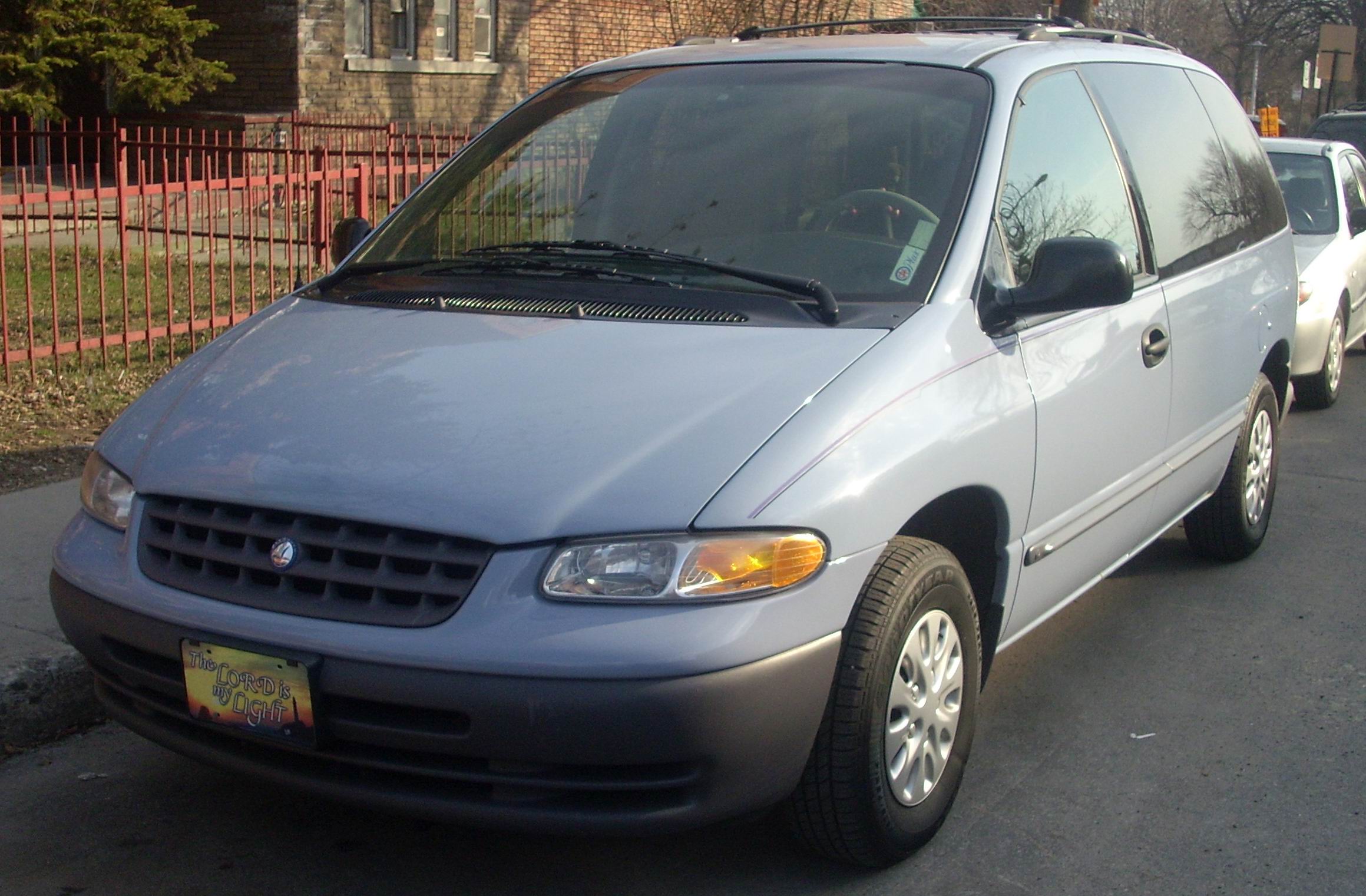
Plymouth Voyager
"Our Plymouth grand Voyager put it a transmission in it many years ago. Oh good lord."
This is a minivan (a family car) from Plymouth’s Grand Voyager line. The host is talking about how long it can keep working and what it takes to keep it reliable.
The Plymouth Grand Voyager is a Chrysler minivan from the Grand Voyager line, known for family-focused practicality rather than sports-car performance. In this segment, it’s discussed in the context of keeping it running for years and dealing with transmission-related concerns.

Chrysler Grand Voyager
"that you did. Our Plymouth grand Voyager put it a transmission in it many years ago. Oh go..."
The Chrysler Grand Voyager is a minivan, meaning it’s designed to carry people and gear comfortably. Over time, a minivan may need big repairs, and one of the most important is the transmission, which helps the car shift gears. The mention of a transmission replacement suggests that this was a significant repair on that vehicle.
The Chrysler Grand Voyager is a minivan built for family transportation, emphasizing passenger space and practicality. It’s discussed in the context of repairs because minivans can accumulate age-related issues, particularly with major driveline components like the transmission. The podcast reference to installing a transmission points to how common and costly that kind of repair can be over the vehicle’s life.
extended warranty
"if you can get five years out of the car, great. After five years, all bets are off. If driving that car for the"
An extended warranty is like extra insurance for repairs after the original warranty ends. It can help pay for costly problems later on.
An extended warranty is extra coverage beyond the original factory warranty period, typically covering certain repairs for a set time or mileage. It’s often used to reduce the financial risk of expensive failures as a vehicle ages.
lack of diagnostics
"The questions of you know, repair failure, that the lack of diagnostics, the approach, the bedside manner of the attending physician and all."
“Lack of diagnostics” refers to skipping proper troubleshooting steps (like checking codes, measuring system behavior, and verifying the root cause) before replacing parts. Without diagnostics, repairs can become guesswork and may fail to fix the real issue.
bedside manner
"that the lack of diagnostics, the approach, the bedside manner of the attending physician and all. It all really comes"
“Bedside manner” here means how the dealer or mechanic talks to you—whether they explain things clearly and treat you well. Good communication can make repairs less stressful.
“Bedside manner” is a metaphor for how a service provider communicates and treats customers—explaining what’s wrong, setting expectations, and being respectful. In a shop context, it matters because unclear communication can make repairs feel like a gamble.
Request an Explanation
Heard something you'd like explained? We'll add it to this episode.
Sign in to request explanations for terms you heard.
Want to learn more?
Browse our glossary for plain-English explanations of automotive terms, jargon, and concepts.
Help improve this episode
See something that's not quite right? Our annotations are AI-generated and can sometimes miss the mark. Click the flag icon on any annotation to suggest a correction.