
Ron Ananian, The Car Doctor - July 18, 2026 - Hour 2 - Acura Transmission Failure
About this episode
A first-time caller describes a 2014 Acura RDX that flares/jumps in RPM between 2nd and 3rd gear even after regular fluid changes, while the scan tool shows little. Ron explains how Honda-style shift issues often follow repeatable “pattern failure” tied to solenoids/fluid and how to verify power/ground and module inputs/outputs. The hosts weigh repair vs replacement costs, discuss solenoid-module pricing, and broaden into other driveline patterns (including 10-speed moisture/fluid breakdown and recall angles) before shifting to fuel-system cleanliness and intake-valve deposit prevention.
Car Advice, Done Right.
🌐Visit: CarDoctorShow.com
📸 Follow Ron on Instagram: @ronananian
🎥 Watch repair tips and shop videos on YouTube
📻 Join the conversation LIVE Saturdays 2–4 PM Eastern
See omnystudio.com/listener for privacy information.

2014 Acura RDX
"I got a. Twenty fourteen Accura RDX. It's the B six with six speed trans It's got two thirty eight on the clock..."
This is a 2014 Acura RDX, a compact luxury SUV. The caller is talking about a problem where the car seems to “rev up” briefly before it completes the shift from 2nd to 3rd gear.
The Acura RDX is Acura’s compact luxury SUV, and the 2014 model is known for using a turbocharged 4-cylinder (often referred to as a “B6” in casual speech) paired with an automatic transmission. In this call, the owner describes a specific shift flare between 2nd and 3rd gear, which points to transmission control or hydraulic/valve-body behavior rather than normal driving feel.
shift flare
"What I guess would be described as a shift maybe a flare is kind of what I've seen online between two not I went called a shutter between two and three."
A shift flare is when the car’s RPM jumps up for a moment before the transmission finishes the shift. It can feel like the engine revs too long before the gear actually changes.
A shift flare is when an automatic transmission briefly increases engine speed (or “hangs” at higher RPM) before completing a gear change. It often indicates delayed clutch engagement, valve-body/hydraulic issues, or transmission control calibration problems, especially when it happens consistently in one gear transition.
trans oil
"I've always done trans oil. The transil is pretty clean. Change it every twenty thousand..."
“Trans oil” means the fluid inside the automatic transmission. Keeping it fresh helps the transmission shift smoothly, because the fluid is what makes the clutches work.
Transmission fluid (often called “trans oil”) is the hydraulic fluid that powers clutch engagement and also lubricates internal transmission components. Fluid condition matters because low, old, or contaminated fluid can contribute to harsh shifting, delayed engagement, and shift flare behavior.
scan tool
"But this flare between two and three is something fairly new... The scan tool I have doesn't show much. It's a fox well, but"
A scan tool is a device that plugs into the car to check for stored error codes. Sometimes it won’t show anything if the problem doesn’t trigger a code every time.
A scan tool is an OBD-II diagnostic device used to read trouble codes and live data from a vehicle’s control modules. If the scan tool shows little or nothing, the issue may be intermittent, not yet stored as a code, or related to behavior that requires monitoring specific transmission parameters.
trans module
"it doesn't really get in much of the trans module. What I see in the trans modules, like some of the PIDs that I would see on engine... Nothing to do with the shifts."
It’s the car’s “brain” for the automatic transmission. It reads sensor signals and tells the transmission what to do to make the shifts happen.
The transmission module is the vehicle’s control unit for the automatic transmission. It monitors sensors and commands solenoids/valves to control shift timing and line pressure.
PIDs
"What I see in the trans modules, like some of the PIDs that I would see on engine like barometric pressure and load... Nothing to do with the shifts."
PIDs are the specific numbers/data the scan tool reads from the car. They help a mechanic see what the transmission computer is seeing and commanding.
PIDs (Parameter IDs) are specific data points a scan tool can request from a car’s control modules. In transmission diagnostics, PIDs can show sensor readings and control outputs used to infer what’s happening during shifts.
barometric pressure
"like some of the PIDs that I would see on engine like barometric pressure and load and things along those lines... Nothing to do with the shifts."
This is the outside air pressure. The car may read it for calculations, but it doesn’t necessarily mean it’s connected to the transmission problem.
Barometric pressure is the ambient air pressure outside the engine. It’s commonly used by engine control systems for calculations, but the speaker is noting it can also appear in scan data even when it isn’t directly related to transmission shift control.
trans fluid
"So in my experience, the Honda six speed generally is it's either fluid... ...it's second gear solenoid, third gear solenoid trans fluid."
Transmission fluid is what keeps the transmission lubricated and helps it apply the clutches. If it’s low or worn out, shifting can get messed up.
Transmission fluid provides lubrication and—crucially—hydraulic pressure for clutch and shift actuation. Low, contaminated, or degraded fluid can cause solenoid/valve behavior problems and shift issues.
solenoids
"So in my experience, the Honda six speed generally is it's either fluid. You know, I can tell you you don't have any check engine light or any fault codes in the trands because it's either fluid the solenoids or the trans itself."
Solenoids are small electrical valves inside the transmission. They help control when and how the transmission shifts by directing fluid to the right places.
Transmission solenoids are electrically controlled valves that route hydraulic fluid to control clutch engagement and shift timing. When a solenoid fails or sticks, you can get specific shift problems (like missing a gear or harsh/late shifts).
solenoid module
"I guess there's this this this solenoid module which is just all by sobs like seven hundred and fifty bucks, right, But how do you really get a diagnosis?"
This is the part that groups the transmission’s solenoids together. If it’s faulty, certain gears or shift moments can be affected.
A solenoid module is the packaged assembly that houses multiple transmission solenoids and their electrical connections. If it fails, it can affect specific shifts depending on which solenoids are inside and how the module is controlling them.
lab scope
"Well, you have to you'd have to, you know, hook up a lab scope, right, something with multi trace verify power, verify ground... It has good power and ground verify the inputs to the module..."
A lab scope is a tool that lets a mechanic look at electrical signals as a graph. It helps confirm whether the transmission computer is actually commanding the right electrical behavior.
A lab scope (oscilloscope) is an instrument that measures electrical signals over time. In transmission diagnosis, it can help verify whether the module is sending the correct voltage/current patterns to solenoids and whether the signals look normal at the point of failure.
pin testing
"verify the inputs to the module, verify the outputs coming from the module or where they're you know, it's called pin testing, is what we used to do back in the old days... Do I really think it's that it would be a weird failure generally..."
Pin testing means checking the wires at the connector pins. It helps confirm whether electricity is getting to the right places in the transmission system.
Pin testing is checking electrical signals and continuity at specific connector pins. It’s used to verify power/ground and to confirm whether inputs to the module and outputs to solenoids are present when the fault occurs.
second gear solenoid
"it's pretty good repetitiveness in a pattern failure, it's second gear solenoid, third gear solenoid trans fluid. Okay, not much fails outside of that."
This solenoid controls how the transmission makes second gear. If it’s failing, the car may have trouble getting into or holding 2nd gear.
The second-gear solenoid is the specific solenoid responsible for applying the hydraulic elements that create the 2nd-gear ratio. The speaker is describing a repeatable failure pattern tied to particular solenoids.
third gear solenoid
"it's pretty good repetitiveness in a pattern failure, it's second gear solenoid, third gear solenoid trans fluid. Okay, not much fails outside of that."
This solenoid helps the transmission shift into third gear. If it’s not working right, you can get problems specifically around 3rd gear.
The third-gear solenoid controls the hydraulic actuation for the 3rd-gear ratio. The speaker notes that failures show up in a pattern affecting certain gears rather than every speed.
analysis paralysis
"Because [328.8s] the other side of it, you can go into analysis paralysis. "
It means overthinking a problem until you can’t decide what to do. The speaker is saying don’t get stuck—use the evidence to choose a sensible repair.
Analysis paralysis is when too much diagnostic thinking delays a practical repair decision. In this context, the speaker warns against getting stuck debating every possibility instead of treating the transmission as a system.
low vacuum condition
"Chris has a problem with one of the engines, and for two years now he's been going through this trying to prove what's wrong with it for a low vacuum condition."
“Low vacuum” means the engine’s vacuum system isn’t pulling as much suction as it should. That can cause certain systems to work incorrectly, so it’s a clue for where the problem might be.
A “low vacuum condition” means the system is not producing the expected vacuum level, which can affect engine/boat operation. Vacuum is often tied to emissions controls, fuel/air management, or vacuum-operated components, so low vacuum can point to leaks or control issues.
dino
"I said Chris, take the engine out of the boat, put it on a dino to where you can get to everything and do your testing there, because you know it's got to come down to these three pieces."
A “dino” is a testing machine for an engine. It can apply load and measure how the engine is performing, so mechanics can diagnose problems more easily.
A “dino” is short for a dynamometer (dyno), a machine that loads an engine and measures its output. It lets you test an engine on a stand so you can access components and run controlled diagnostics without the vehicle or boat being involved.
car payments or repair bills
"We live in a world where you either have car payments or repair bills. There there is no I take the repair because I wrunch myself."
They’re comparing two ways people pay for cars: monthly payments for a newer car, or money spent on repairs for an older one. The idea is to think about which cost you’re really going to end up paying.
This frames two common ownership paths: financing a newer vehicle (car payments) versus keeping an older one and paying for maintenance and failures (repair bills). The host uses it to guide a decision about whether to keep a used Acura RDX or move to a newer car.
There is no free lunch
"All right, there is no I take the repair because I wrunch myself. All right, there is no There is no free lunch."
This is a saying meaning you can’t avoid costs forever. With cars, if you don’t pay for repairs, you’ll usually pay through car payments instead.
“There is no free lunch” is a proverb used here to frame car ownership as a tradeoff between paying for repairs and paying for new-car financing. The host’s point is that avoiding one cost usually shifts the burden elsewhere.
axle
"when you're doing the trans get two axles. Put two axles in it. Take a look at the struts, look at the control arms."
Axles are the parts that transfer power from the transmission to the wheels. If one axle is bad, the host is saying it can make sense to replace both because the job is already partially disassembled.
Axles (often meaning the half-shafts/drive shafts) transmit power from the transmission to the wheels. The host’s advice to “get two axles” during transmission-related work reflects a common shop practice: replacing both sides when one side has failed or when access makes replacement efficient.
struts
"when you're doing the trans get two axles. Put two axles in it. Take a look at the struts, look at the control arms."
Struts are part of a car’s suspension system that help control ride quality and wheel contact. When the host says to “take a look at the struts” during transmission work, they’re pointing out that suspension wear can be uncovered or worsened while the car is already apart.
control arms
"look at the struts, look at the control arms. Here's a car that probably legitimately has tied rubber bushings in the control arms."
Control arms are parts that connect the suspension to the wheel. They often use rubber bushings, and when those bushings wear out the car can feel loose or handle worse.
Control arms are suspension components that locate and guide the movement of the wheels. The host specifically mentions “rubber bushings” in the control arms, which can degrade over time and cause looseness, vibration, or poor handling.
rubber bushings
"Here's a car that probably legitimately has tied rubber bushings in the control arms."
Rubber bushings are small rubber parts that help suspension components move smoothly. If they wear out, the car can feel sloppy and tires may wear faster.
Rubber bushings are flexible mounts inside suspension links that isolate vibration and allow controlled movement. When they’re “tied” (worn/failed), the suspension can develop play, which affects alignment, braking feel, and tire wear.

Chevrolet Suburban
"In twenty fifteen, my beloved suburban, my four suburban, the buses we call it in the shop."
The Chevrolet Suburban is a big, family-focused SUV. In this part of the conversation, the host is just using it as an example from their own shop/ownership history.
The Chevrolet Suburban is a full-size SUV known for its large size, family hauling capability, and long-running popularity. The host mentions their “beloved suburban” as a personal example of ownership and shop experience, not as a detailed technical comparison.
trans cooler line
"I did trans cooler lines. The trans cooler lines led into the bottom of the then eleven year old radiator."
These are the hoses that carry the transmission fluid to a small cooler so it doesn’t get too hot. Cooler fluid helps the transmission last longer.
Transmission cooler lines are the hoses that route automatic-transmission fluid to a heat exchanger (the transmission cooler) and back. They help prevent overheating, which is a common contributor to transmission wear and failures.
2-3 solenoid
"If that doesn't seem like the other pattern failure said was two three solenoid, three four solenoid. That's all in one module."
In an automatic transmission, a solenoid is like a small valve controlled by the car’s computer. The 2-3 solenoid specifically helps the car shift from 2nd gear to 3rd gear.
A 2-3 solenoid is an electronically controlled valve in an automatic transmission that helps command the shift from 2nd gear to 3rd gear. When it fails, the transmission may slip, flare, or refuse to shift correctly.
3-4 solenoid
"If that doesn't seem like the other pattern failure said was two three solenoid, three four solenoid. That's all in one module."
This solenoid helps the transmission shift from 3rd gear to 4th gear. If it’s faulty, the car may shift weirdly or not shift at all.
A 3-4 solenoid is another electronically controlled valve in an automatic transmission that helps command the shift from 3rd gear to 4th gear. Solenoid/module failures can cause harsh shifts, slipping, or limp-mode behavior.
one module
"If that doesn't seem like the other pattern failure said was two three solenoid, three four solenoid. That's all in one module. That's like like seven hundred bucks."
Sometimes several transmission solenoids are built into one replaceable unit. If the problem is in that unit, you can fix it without tearing the whole transmission apart.
When multiple shift solenoids are packaged into one module, replacing that module can be a targeted repair instead of rebuilding the whole transmission. It’s also why diagnostic results can point to a specific part number rather than guessing at internal damage.
fault
"You know, usually those solenoids will cause a fault. I haven't seen a lot of solenoid failures where they don't cause a fault."
A “fault” is a warning the car’s computer records when it detects something wrong. It often shows up as a diagnostic code that a mechanic can read to find the cause.
Here, “fault” refers to a diagnostic trouble code (DTC) stored by the transmission’s control system when it detects an abnormal condition. Solenoid problems commonly trigger these faults so the car can alert the driver and help diagnosis.
modules
"The other thing that they have in there is that when you change the module, that is apparently like these six little round things with screens in them, And so that's another reason to pull that module at least take a look and see if those are those are dirty or you know, of course anything."
The “module” here is part of the transmission that controls fluid flow for shifting. When it’s removed, the mechanic can check small screens/filters inside for dirt that might be causing problems.
In this context, the “module” is the transmission control/valve body assembly that houses small internal components and screens/filters. When the module is changed or removed, technicians inspect these screens for dirt or particulate that can indicate internal wear.
particulate
"If those are dirty and there's particulate in there, you got to ask yourself where'd the particulate come from?"
Particulate is tiny bits of debris in the transmission fluid. If the fluid has debris, it can mean something inside the transmission is wearing down and shedding material.
Particulate refers to tiny solid debris suspended in the transmission fluid. If screens/filters are found dirty, particulate raises the question of where the debris originated—often from internal wear—rather than just from old fluid.
Robin, Delaware
"Hey, let's go to Robin, Delaware. Rob. Welcome to the Car Doctor, sir. How can I help?"
This is the caller’s location in Delaware. It’s just setting up the next part of the show where Ron takes a question.
This is a listener call-in location in Delaware. It’s included because the host is transitioning from technical discussion to taking a question from a specific caller.
ten speed transmission
"Have a two tenty eighteen f one fifty platinum three point zero diesel with the ten speed transmission. I'm sorry, Yeah, that ten speed trans is tough, brother."
A 10-speed transmission is an automatic gear system with ten different gear ratios. More gears can help with smoothness and efficiency, but here it’s the part that’s causing intermittent, harsh shifting.
A 10-speed transmission is an automatic gearbox with ten forward gear ratios, designed to keep the engine in its efficient power band. In this episode, the 10-speed is the focus because the shifts are described as intermittent and hard in certain gears.

2018 F-150 Platinum 3.0 diesel
"Have a two tenty eighteen f one fifty platinum three point zero diesel with the ten speed transmission."
This is a 2018 Ford F-150 Platinum with a 3.0-liter diesel engine. The important part is that the conversation is about its 10-speed automatic transmission acting up with weird, intermittent shifting.
This refers to the 2018 Ford F-150 Platinum with a 3.0-liter diesel engine. The key point here is that the truck is being discussed specifically because it uses a 10-speed automatic transmission that’s showing intermittent shift behavior.
fluid was breaking down
"Originally the gms, for example, the ten speeds, they've they have found that the fluid was breaking down. It was it was absorbing moisture through the vent tube and it was causing shutter and hard shifts and bangs..."
Transmission fluid has to stay in good condition to keep shifts smooth. If it breaks down, it can’t do its job well, and the transmission may start shifting harshly or inconsistently.
When transmission fluid “breaks down,” its ability to lubricate and control hydraulic pressure deteriorates. That can lead to symptoms like shuttering, hard shifts, and bangs—exactly the kind of shift problems being described for these 10-speed units.
absorbing moisture through the vent tube
"It was it was absorbing moisture through the vent tube and it was causing shutter and hard shifts and bangs..."
The transmission has a vent tube to help it breathe as conditions change. If that vent lets in moisture, the fluid can get contaminated and shifting can become rough or unpredictable.
Transmission vent tubes allow pressure equalization, but they can also let moisture enter the system. Moisture in automatic transmission fluid can contribute to fluid degradation, which then shows up as harsh or erratic shifting.
software calibration
"There are numerous software calibrations, so somebody's gonna have to plug into the trans module. Look at software calibration level."
Modern transmissions are controlled by software. “Software calibrations” are the settings that tell the transmission how and when to shift, and updating them can fix certain shift problems.
Software calibrations are the programmed settings inside the transmission control unit that determine shift timing, shift feel, and how the gearbox responds to inputs. The host suggests checking whether the calibration level is current because outdated or incorrect software can contribute to shift issues.
PCM calibration level
"Look at pcm calibration level and verify are they both current? ... Are they both the newest, latest, greatest?"
PCM is the main computer for the powertrain (engine and related controls). The host wants to verify the PCM software is current too, because it can affect how the transmission shifts.
PCM stands for Powertrain Control Module, the vehicle’s main engine/transmission control computer. Checking PCM calibration level helps confirm the engine-side software is also up to date, since transmission behavior can depend on how the PCM coordinates with the transmission module.
valve body
"There are non issues with the valve body. There are more than a few of these that have been fixed, pulling the valve body, replacing the valve body as a assembly."
The valve body is a key internal part that directs transmission fluid to make the transmission shift. If valves inside it stick or wear out, shifts can become harsh or erratic, and sometimes it needs replacement.
The valve body is the hydraulic control assembly inside an automatic transmission that routes fluid to actuators for each gear. The host notes there are cases where valve-body-related issues are addressed by pulling the valve body and replacing it as an assembly.
sticking valves
"Do we have a sticking do we have sticking valves in the valve body itself?"
Sticking valves are internal parts that don’t slide smoothly when they should. If they stick, the transmission can’t control fluid pressure correctly, which can cause harsh or inconsistent shifting.
Sticking valves are valves inside the valve body that don’t move freely, often due to contamination, wear, or varnish buildup. Stuck valves can cause incorrect hydraulic pressure, leading to symptoms like hard or delayed shifts.
pattern failure
"They all seem to suffer it's called pattern failure, and they all seem to suffer the same anomaly around the same time."
It means the same problem keeps happening to lots of cars, not just one. And it often shows up around the same time or mileage because of how the car was built or designed.
“Pattern failure” means a defect that shows up repeatedly across many vehicles, not just one unlucky car. The host is describing how the same failure mode tends to appear around the same mileage/time window due to design or manufacturing factors.
ten speed forwards
"I'm telling you these ten speed forwards, they start to go cranky in the forty to sixty range and it's this NonStop battle."
That phrase means the car has an automatic transmission with 10 forward gears. The host is saying it starts having problems after about 40,000 to 60,000 miles.
“Ten speed forwards” refers to a 10-forward-gear automatic transmission. The host is saying this transmission starts acting up (getting “cranky”) in the 40–60k mile range, suggesting a recurring shift-quality or durability issue.
NonStop battle
"I'm telling you these ten speed forwards, they start to go cranky in the forty to sixty range and it's this NonStop battle."
He’s describing a constant struggle with how the transmission shifts—like it never really feels right. In this case, it’s connected to the transmission getting worse with mileage.
“NonStop battle” is the host’s description of ongoing shift problems—repeated harsh/bad shifting rather than a one-time glitch. In context, it’s tied to transmission behavior worsening as mileage increases.
safety recall
"Okay, go look at safety recall twenty five s IS and Sam beaz In Baker Number three came out came out May twelfth of this year. It affects seventeen through"
A safety recall is when the manufacturer has to fix a problem that could affect safety. It usually comes with an official notice and a repair procedure.
A “safety recall” is an official manufacturer action required to fix a safety-related defect. The host is referencing a specific recall number and describing symptoms like harsh shifting and bad shifting tied to transmission behavior.

Ford Explorers
"It affects seventeen through twenty one f one fifties, twenty to twenty one Explorers, twenty eighteen through twenty twenty one expeditions and so on."
He’s talking about a Ford recall that includes certain Explorer years. The recall is about transmission shifting issues, so it matters if your Explorer is in the affected range.
The host is citing a Ford safety recall that applies to certain Explorer model years. The key point is that the recall is tied to transmission shift problems (harsh/bad shifting), so it’s relevant if you own one of the affected Explorers.

Ford Expeditions
"It affects seventeen through twenty one f one fifties, twenty to twenty one Explorers, twenty eighteen through twenty twenty one expeditions and so on."
He’s saying the recall also covers certain Ford Expeditions. It’s related to how the transmission shifts, including rough or bad shifting.
The host lists Ford Expedition model years as part of a safety recall affecting transmission shift behavior. The recall description focuses on harsh/bad shifting, so it’s a direct ownership concern for affected Expeditions.
harsh shifting
"And it's a safety recall twenty five SB three And they talk about harsh shifting, bad shifting, problem shifting."
Harsh shifting means the transmission changes gears in a rough, jolt-y way. The host says this is one of the problems covered by the recall notice.
“Harsh shifting” describes transmission shifts that feel abrupt, jarring, or overly aggressive. In the segment, it’s listed as a symptom in the referenced safety recall, indicating a shift-quality defect.
vin specific
"Okay, all right now, Now it's vin specific, but believe me when I tell you, kiddo, there's recalls and bulletins out there for this transmission, known failures, common issues."
It means the issue isn’t the same for every car. The manufacturer checks the car’s VIN number and only some exact cars are covered by the recall or service bulletin.
“VIN specific” means the recall or bulletin applies only to certain vehicles identified by their Vehicle Identification Number (VIN). Automakers use the VIN to narrow down which exact production batches, configurations, or software/hardware variants are affected.
bulletins
"Okay, all right now, Now it's vin specific, but believe me when I tell you, kiddo, there's recalls and bulletins out there for this transmission, known failures, common issues."
A bulletin is the manufacturer’s internal “known issue” notice. It tells mechanics what to look for and how to fix it, even if it’s not a full safety recall.
In this context, “bulletins” refers to manufacturer service bulletins (often called technical service bulletins, or TSBs). They document known problems and recommended diagnostic/repair steps, and they may apply even when there’s no safety recall.
fluid quality
"I would I would start with software fluid quality and then work my way backwards up the pile."
Transmission fluid has to be the right type and in good condition. If it’s old, contaminated, or the wrong spec, it can cause the transmission to act up and wear out faster.
“Fluid quality” refers to the condition and correctness of the transmission fluid (type/spec and contamination/aging). Bad or degraded fluid can reduce hydraulic pressure, increase wear, and contribute to shift problems or transmission failures.
AC relay
"Maybe you could have just wired in a replacement AC relay. You know, I could have."
An AC relay is like a remote-controlled switch for the air conditioner. If it’s faulty, the A/C may not turn on even though the system is otherwise okay.
An “AC relay” is an electrically controlled switch that lets the vehicle power the air-conditioning system’s compressor and related circuits. If the relay fails or doesn’t trigger correctly, the A/C can be dead even if other components are fine.

2018 Jeep Grand Cherokee
"We were talking about that twenty eighteen Jeep Grand Cherokee that the air conditioning didn't work on, and there were ways around it."
The 2018 Jeep Grand Cherokee is a popular SUV. Here it’s mentioned because the air conditioning stopped working, and the host discusses ways to diagnose or work around the problem.
The 2018 Jeep Grand Cherokee is a mid-size SUV that shares many systems with other FCA/Jeep products, so electrical and HVAC issues can have multiple root causes. In this segment, it’s specifically used as an example of an air-conditioning failure and how a workaround/repair approach can be chosen.
Rube Goldberg
"There were what I consider Rube Goldberg's there's always another way to you know, there's always a better mouse trap."
“Rube Goldberg” means a solution that’s way more complicated than it needs to be. Here it’s describing a workaround with lots of steps instead of a simple repair.
“Rube Goldberg” is a reference to overly complicated, step-by-step contraptions. In car repair talk, it’s used to describe a workaround that involves multiple indirect steps or components rather than a clean, direct fix.
power distribution center
"By the way, there's no point in trying to unsolder the relay. I've cut a few of these power distribution centers apart on the chryslers, and the location of that relay and the shape of it is something unique to that."
A power distribution center is the vehicle’s electrical box that holds fuses and relays. It’s where power gets sent to different systems, and it can be hard to repair because the parts are tightly packaged.
A "power distribution center" is the fuse/relay box area that routes electrical power to different circuits in a vehicle. The host mentions cutting these centers apart on Chryslers to access a specific relay, highlighting how packaging and design can make repairs difficult.
sticky lifter
"I've got a two thousand and one buhicle saber with a thirty eight hundred V six about ninety thousand miles. I think I have a sticky lifter."
A "sticky lifter" is a small engine part that helps open and close the engine valves. If it sticks, the engine can make a ticking sound because the valve timing isn’t being controlled smoothly.
A "sticky lifter" is a valve lifter (part of the valve-train) that doesn’t move smoothly, often sticking due to sludge, varnish, or poor lubrication. That can cause a ticking noise and reduced valve operation until oil flow and cleaning restore proper movement.
oil additive
"Would you recommend an oil additive which editive. Thanks so much for the show."
An oil additive is something you add to your engine oil to help it work better. Here, it’s used to help clean the engine so noisy lifters can quiet down.
An "oil additive" is a chemical additive mixed into engine oil to change how the oil cleans, lubricates, or protects internal engine parts. In this segment, the host discusses an additive aimed at cleaning deposits that contribute to lifter tick and poor lubrication.
Hot Shot Secret Tickfix
"I'll tell you what, Carl, I like this stuff from Hotshot Secret. Hot Shot Secret Tickfix. You'll find it on their website."
Tickfix is an oil additive product the host recommends. The idea is that it helps clean the engine so a ticking lifter problem can improve.
Hot Shot Secret Tickfix is an engine-oil additive product the host recommends for lifter tick. The host claims it’s formulated to clean deposits (like varnish and sludge) that can interfere with lifter movement and lubrication.
varnish
"And what it'll do is it will scrub away at the particulate and the crud and any of the varnish and it comes out in the next oil change and it keeps things loved up and working very nicely."
Varnish is gunk that can build up inside an engine when oil ages. It can make parts stickier and reduce lubrication, which can contribute to ticking noises.
In engine-oil context, "varnish" is a sticky, amber-like deposit formed when oil breaks down and oxidizes. The host claims Tickfix helps scrub away varnish so oil can lubricate properly and lifters can move freely.
lifter failure
"They had the Chrysler Hevy with the lifter tick in mind, and also for the af MGM V eights that have suffered camshaft and lifter failure as a result of poor lubrication and varnish and corrosion as well."
Lifter failure means the valve lifter isn’t working right. When that happens, the engine can tick and the valve-train may not operate as intended, often because oil isn’t keeping things clean and lubricated.
"Lifter failure" refers to a valve lifter not functioning correctly—often due to inadequate lubrication or deposits that prevent proper movement. The host ties it to poor lubrication and varnish/corrosion, framing Tickfix as a preventative/mitigating measure.
top tier gasoline
"“...what makes top tier gasoline better? Well, top tier gas is one of those things that has real technical merit... It's about keeping the engine clean over the long haul.”"
“Top tier gasoline” is a type of gas that’s required to have strong cleaning additives. The goal is to help keep your engine and fuel system from getting dirty over the long run.
“Top tier gasoline” refers to a fuel standard that focuses on detergent performance, not just octane. It’s designed to keep engines cleaner over time by reducing deposits in places like the fuel system and intake valves.
injector and intake valve deposits
"“...they were seeing injector and intake valve deposits that created driveability problems.”"
Deposits are the sticky/dirty buildup that can form on parts like fuel injectors and intake valves. When they build up, the engine can run rough or feel less responsive.
Injector and intake valve deposits are buildup of carbon-like material on fuel injectors and intake valves. These deposits can disrupt fuel delivery and airflow, leading to drivability issues.
detergent additives
"“...every gallon of gas sold in the United States has to contain detergent additives... Top tier gasoline contains more detergent additives than the EPA minimum.”"
Detergent additives are cleaning chemicals mixed into gasoline. They help stop gunk from building up inside the engine so it can keep running the way it should.
Detergent additives are chemical compounds blended into gasoline to reduce and prevent deposits. They help keep critical surfaces cleaner so the engine maintains proper fuel/air flow and combustion over time.
EPA minimum detergent requirements
"“The fuels met the EPA's and minimum detergent requirements... decided that the EPA minimum wasn't enough.”"
The EPA sets a minimum amount of cleaning additives that gas must contain. The point here is that “top tier” uses more (and better) cleaning additives than that minimum.
The EPA minimum detergent requirements are the baseline legal limits for how much detergent additive must be included in gasoline. The speaker argues that top tier goes beyond this minimum with more effective detergent chemistry.
emission components
"“There's stricter limits on specific editors that can create problems with emission components like metallic editors.”"
Emission components are parts that help reduce pollution from your exhaust. The speaker is saying some additives can interfere with them if they’re not within certain limits.
Emission components are parts of the exhaust aftertreatment system that reduce pollutants (like catalysts and related hardware). The speaker notes that certain detergent additives can create problems for these components if they exceed stricter limits.
octane grades
"“There's consistent detergent levels required in all octane grades, including regular top tier gas.”"
Octane grades are the “regular” vs “premium” types of gas. Higher octane generally resists engine knocking, and the speaker is saying the cleaning additives can be required even in the lower octane versions.
Octane grades are different fuel ratings (like regular vs premium) that indicate how resistant the fuel is to knocking. In this context, the speaker notes that detergent levels are required across octane grades, including regular top tier.
fuel injectors
"As carbon deposits build up in an engine, a couple of things happen. Fuel injectors don't spray evenly, the intake valves will become coated..."
Fuel injectors are the parts that spray fuel into the engine. If they spray unevenly, the engine can feel rough and may not run as efficiently.
Fuel injectors are the components that atomize and deliver gasoline into the engine. If they don’t spray evenly—often due to deposits or wear—cylinders can receive different amounts of fuel, causing rough running and drivability issues.
carbon deposits
"As carbon deposits build up in an engine, a couple of things happen. Fuel injectors don't spray evenly, the intake valves will become coated, and once they become coated, now they absorb fuel..."
Carbon deposits are gunk that can build up inside an engine over time. When they build up, they can make the engine run less smoothly and reduce how well it burns fuel.
Carbon deposits are a buildup of soot and residue inside the engine. In this context, they interfere with how fuel and air are delivered, leading to uneven fuel injection, coated intake valves, and worse combustion.
intake valves
"...the intake valves will become coated, and once they become coated, now they absorb fuel and instead of the fuel actually making its way into the cylinder..."
Intake valves are the engine parts that let the mixture of air and fuel into the cylinders. If they get coated with carbon, the engine can run poorly.
Intake valves are the valves that open to let the air-fuel mixture enter each cylinder. When intake valves become coated with carbon, they can absorb fuel instead of allowing it to mix and burn properly, which hurts performance and drivability.
emissions increase
"...excessive cranking, it's excessive start attempts, and the bottom line, emissions increase. Right what started all this..."
Emissions increase means the car puts out more pollution. The host is saying that certain deposit-related problems can make the engine burn fuel less cleanly.
Emissions increase refers to the rise in exhaust pollutants when the engine runs poorly or combustion is less complete. In the segment, the host links carbon buildup and cold-start behavior to higher emissions.
downdraft tube
"...noticed that the back roads of Cape Cod in the early sixties were being marked by downdraft tubes off of vehicle engines..."
A downdraft tube is an older emissions-related plumbing piece that routes crankcase fumes back into the engine. It’s mentioned here as part of how early emissions problems were noticed.
A downdraft tube is part of an older crankcase ventilation approach that routes crankcase fumes back into the intake system. The host ties it to early emissions-control efforts, noting that these tubes were visible on older vehicles.
crankcase ventilation
"Remember downdraft two is before crank case ventilation was a requirement where you had to reburn the crank case fumes."
Crankcase ventilation is how an engine handles gases that build up inside the crankcase. Instead of venting them to the atmosphere, the system sends them back to be burned.
Crankcase ventilation (often abbreviated PCV in modern systems) routes blow-by gases from the engine crankcase back into the intake to be burned. The host contrasts a time “before” it was required, implying it later became part of emissions compliance.
direct injection engines
"And then you get into direct injection and the difference is direct injection engines the fuel is dumped directly into the combustion chamber, so it never washes over the intake valve..."
Direct injection means the fuel is sprayed straight into the cylinder. That changes how much the fuel helps keep the intake valves clean compared with older designs.
Direct injection engines spray fuel directly into the combustion chamber rather than onto the back of the intake valves. Because the fuel doesn’t wash over the intake valves, carbon cleaning effects differ from port-fuel systems, which can affect how deposits form.
direct fuel injected engine
"So you know port fuel injected engines where the gasoline goes through the injector and sprays directly onto the back of the intake valves. That works, right, It helps to"
Port fuel injection sprays fuel into the intake area before it enters the cylinder. That can help reduce buildup on the intake valves compared with direct injection.
Port fuel injected engines use fuel injectors to spray gasoline into the intake port, typically onto the back of the intake valve. That spray can help keep intake valves cleaner than direct injection, because the fuel “washes” over them.
direct injected engine
"Now we've got top tier fuel and a port injected engine. And a port injected engine, the fuel injector goes directly into the cylinder, it doesn't go onto the back of the intake valve."
In a port-injected engine, fuel is sprayed into the intake passage before it goes into the cylinder. Because of where the fuel enters, the intake valves can collect carbon deposits over time.
A port-injected engine uses fuel injectors mounted in the intake manifold, so fuel is sprayed into the intake port before it reaches the cylinder. That placement means the intake valves can get carbon buildup over time, because the fuel doesn’t directly wash the valve surface the way some other systems do.
intake fogging
"But you've got to do a fogging... You're going to do that by an intake fogging. An intake fogging is basically taking an atomized chemical some sort of spray."
Intake fogging is when you spray a special cleaner into the intake so it can reach the intake valves. It helps break up and remove carbon buildup on those valve surfaces.
Intake fogging is a cleaning method where an atomized chemical is sprayed into the intake so it can reach and coat the intake valves. The goal is to loosen and wash away deposits on the valve surfaces that fuel alone may not clean effectively in certain injection layouts.
CRC Fuel System Cleaning Kit
"CRC makes a great kit. You'll find that they actually make a CRC Fuel System GDI cleaning kit available at your local Advanced Autoparts."
CRC makes a fuel-system cleaning kit meant to help remove carbon and deposits. In this episode, it’s described as a kit that sprays cleaner into the intake and helps clean the injectors too.
This is a specific aftermarket product from CRC intended to clean fuel systems on direct-injection engines. The kit is described as a complete service kit that can fog the intake and run cleaning through the injectors to help remove deposits around the intake valves.
GDI
"They make that as a complete service kit. And what that will do is it will allow and do a fogging of the intake... CRC Fuel System GDI cleaning kit"
GDI means gasoline is injected directly into the engine’s combustion area. Since the fuel doesn’t wash the intake valves the same way, carbon can build up there and may require extra cleaning.
GDI stands for gasoline direct injection, where fuel is sprayed directly into the combustion chamber rather than into the intake port. Because of that, intake valves may not get the same natural cleaning from fuel, so additional cleaning steps (like intake fogging) are often discussed.
top-tier fuel
"Look at it this way. If you're using top tier fuel, [1697.5s] you've got a cleaner engine than you would have if you didn't use top tier fuel... [1716.0s] Top tier gas simply makes sure that there's a stronger detergent package that keeps injectors and fuel systems cleaner longer."
“Top Tier fuel” means the gas has extra cleaning additives. Those additives help keep the engine’s fuel parts cleaner so they don’t get clogged up as easily.
“Top Tier fuel” is a gasoline certification program that requires higher levels of detergents than standard fuel. Those detergents help keep fuel injectors and the fuel system cleaner for longer, which can improve drivability and reduce buildup.
detergent package
"Everybody's got a different additive package. Top tier gas simply makes sure that there's a stronger detergent package that keeps injectors and fuel systems cleaner longer."
A “detergent package” is the set of chemical additives in gasoline that are designed to prevent and remove deposits. In this context, it’s what helps keep fuel injectors and fuel system passages cleaner over time.
glow plug
"Gary from Indiana Rights and hey, Ron, aren't you over exaggerating to the replacement procedure for a glow plug on that Chevy Silverado you were talking about?... [1865.0s] you of putting a glow plug."
A glow plug is a heater used on diesel engines to help them start, particularly in cold weather. It warms things up so the engine can ignite the fuel.
A “glow plug” is an electrically heated device used to help diesel engines start, especially when cold. It warms the combustion chamber so the diesel fuel ignites more easily.
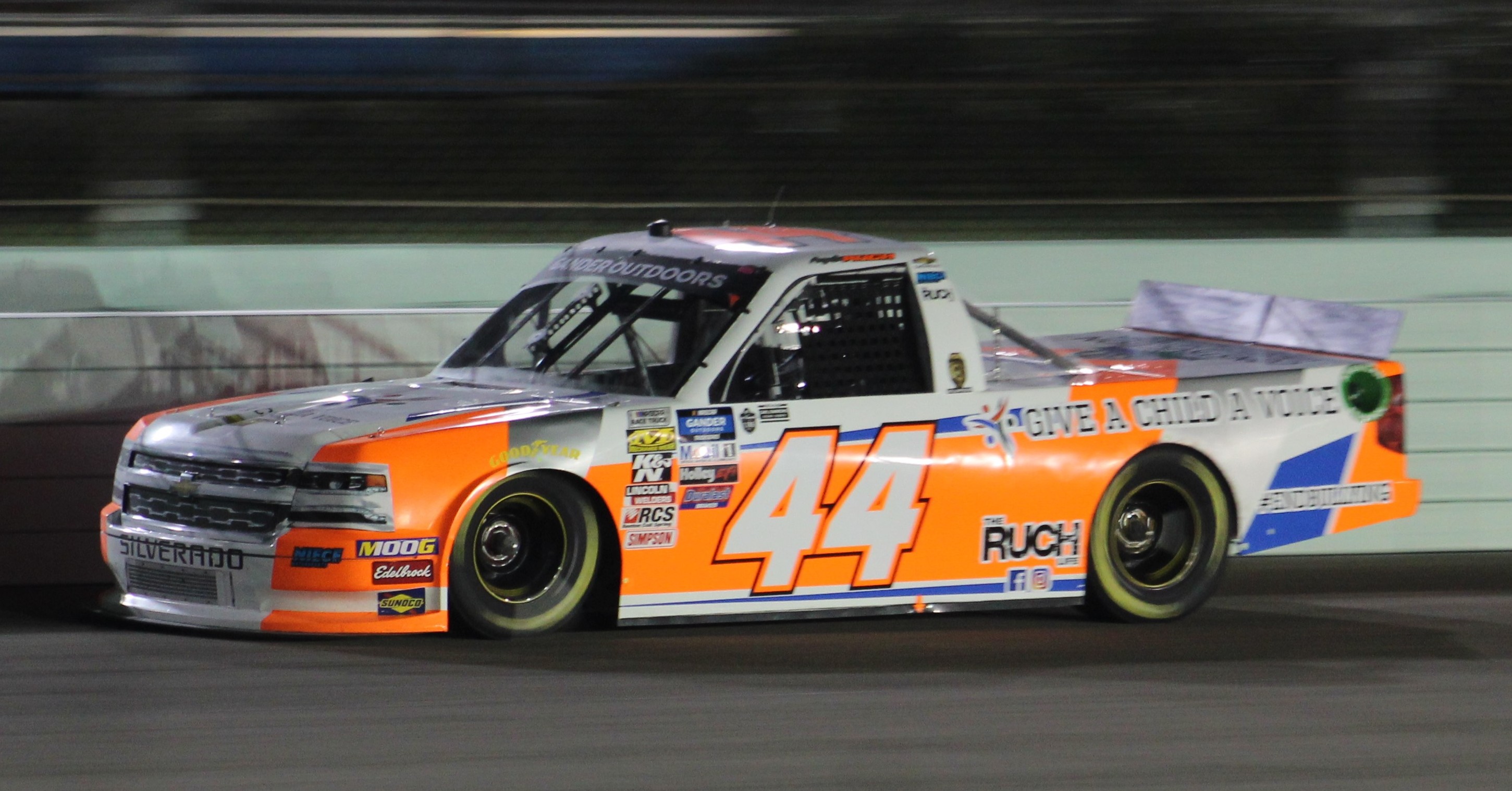
Chevy Silverado
"Gary from Indiana Rights and hey, Ron, aren't you over exaggerating to the replacement procedure for a glow plug on that Chevy Silverado you were talking about?"
The Chevy Silverado is a big pickup truck. Here it’s mentioned because the speaker is talking about replacing a glow plug, which is usually part of a diesel engine’s cold-start system.
The Chevrolet Silverado is a full-size pickup truck, and in this segment it’s referenced in the context of a glow plug replacement. Glow plugs are typically associated with diesel versions of the Silverado, where cold-start help is needed.
margin of error
"There is no margin of error, There is no there is no whoops or almost or just close as good enough all right."
“Margin of error” means how forgiving a job is. The speaker is saying some repairs are so sensitive that small mistakes can quickly turn into expensive damage.
“Margin of error” here means how much room there is for mistakes during a repair before something goes wrong. The speaker argues that certain modern designs leave mechanics with little tolerance for errors like damaging a glow plug or scraping carbon.
replacement engine
"if you break the tip of the glow plug and it stays in the engine and you're not careful, you're done. You're spending You know, what's the replacement engine?"
A replacement engine means swapping the whole engine instead of fixing one small part. The point here is that a small problem can sometimes force the repair to become a much bigger job.
A replacement engine is a full engine swap used when repairs are too risky, too costly, or the damage is severe. The speaker uses the idea to highlight how a small mistake (like a broken glow plug tip) can escalate into an engine-level repair decision.
diesel engine
"Are you going to take a part of three hundred thousand mile diesel engine? What else are you going to find when you do?"
A diesel engine runs differently than a gasoline engine: it starts by compressing air so the fuel ignites. The episode is emphasizing that even a small part like a glow plug matters a lot for keeping the engine running safely.
A diesel engine is an internal-combustion engine that uses compression ignition rather than spark ignition. The speaker’s point is that even components like glow plugs—small but critical—can compromise the engine if they’re damaged during service.
high performance engines
"they were able to put those planes back together, as Uncle Steve called them, high performance engines, right the Rolls Royce engine and a P fifty one."
“High performance engines” are engines built to deliver more power and handle tough use. The speaker is using this as an example of how people used to keep complex machines running even in bad conditions.
“High performance engines” refers to engines designed for strong output and demanding operating conditions. In the story, the speaker contrasts wartime aircraft maintenance practices with modern vehicle design, arguing that the older approach was more repairable under pressure.
Request an Explanation
Heard something you'd like explained? We'll add it to this episode.
Sign in to request explanations for terms you heard.
Want to learn more?
Browse our glossary for plain-English explanations of automotive terms, jargon, and concepts.
Help improve this episode
See something that's not quite right? Our annotations are AI-generated and can sometimes miss the mark. Click the flag icon on any annotation to suggest a correction.