
Ron Ananian, The Car Doctor - July 11, 2026 Hour 2 - The Little Things That Make Cars Last
About this episode
Ron Ananian tackles two classic-car “little things” that affect longevity: spark plug heat range availability and oil-change timing. For a 1969 Nova SS 350 (10:1 compression) using R44 plugs, he discusses why exact plugs may be hard to source, how NGK equivalents can be a practical substitute, and why modern gasoline makes old “by-the-book” tuning less reliable. He also argues oil has a time limit—especially for cars that sit—then pivots into listener questions on synthetic vs conventional and maintenance habits.
Ron answers a wide range of listener questions that all come back to one idea: smart maintenance pays off. From choosing the right spark plugs for a classic '69 Chevy Nova to synthetic oil change intervals, reviving a stored Honda CR-V, and whether to disable auto stop/start on a late-model Acura, the focus is on making vehicles last longer.
Plus, Ron explains why diesel fuel additives can be a worthwhile investment for owners of today's modern diesel trucks.
Car Advice, Done Right.
🌐Visit: CarDoctorShow.com
📸 Follow Ron on Instagram: @ronananian
🎥 Watch repair tips and shop videos on YouTube
📻 Join the conversation LIVE Saturdays 2–4 PM Eastern
See omnystudio.com/listener for privacy information.

Chevrolet Nova
"Let's go to edin, Missouri, sixty nine Chevy Nova and some sports blog questions. Welcome to the Car Doctor. Sure, how can I help? ... I've got a sixty nine Nova and it's the SS three fifty"
This is a 1969 Chevrolet Nova, a classic muscle car. The caller says it’s an SS 350, meaning it has a small V8 engine configuration that was meant to be quick and fun.
A 1969 Chevrolet Nova is a classic American muscle car platform. In this segment, the caller specifies it as an SS 350, which points to the small-block V8 setup that’s commonly associated with the Nova’s performance reputation.
SS three fifty
"I've got a sixty nine Nova and it's the SS three fifty with US, you know the standard."
“SS 350” is a way people refer to a Nova that came with a 350 V8 setup. It’s basically the car’s performance version, not just the base model.
“SS 350” refers to a performance trim/engine package built around a 350 cubic-inch V8 (a small-block Chevrolet). It’s a shorthand enthusiasts use to distinguish the car’s intended powertrain and performance spec from other Nova variants.
R forty four AC spark plugs
"And I went into Uh, I've always used R forty four AC spark plugs in it."
These are AC-brand spark plugs, and “R44” is the plug’s heat range. The heat range is important because it determines how hot the plug runs, which affects starting, misfires, and whether it gets fouled.
“AC” is the spark-plug brand, and “R44” is a specific spark-plug heat range designation. Heat range matters because it affects how hot the plug runs, which in turn influences fouling, detonation risk, and whether the plug survives under higher load.
U R forty five
"they said those are no longer available. They do make a U R forty five, right, which is a hot which is a hotter plug"
“UR45” is a different spark plug number/heat range than the R44. Shops suggest it as a substitute because the plug will run at a different temperature in the engine.
“UR45” is another spark-plug heat range/model designation used as a replacement. Moving to a different heat range can change plug temperature under driving and wide-open-throttle conditions, which is why shops recommend specific equivalents for a given engine and compression level.
hotter plug
"They do make a U R forty five, right, which is a hot which is a hotter plug"
A “hotter plug” runs at a higher temperature. That can help keep it clean, but if it’s too hot for your engine, it can contribute to overheating and knocking.
A “hotter plug” is a spark plug with a higher heat range, meaning it retains more heat and reaches operating temperature more quickly. That can help prevent fouling, but too hot can increase the risk of overheating and detonation under load.
compression racial mind
"But uh, they had the less compression racial mind they's been like nine point five minds run ten to quarter."
They’re talking about compression ratio, which is how tightly the engine squeezes the fuel-air mixture. Higher compression usually needs more careful spark plug selection to avoid problems like knocking.
This appears to be the caller referring to compression ratio (how much the engine compresses the air-fuel mixture). Compression ratio strongly affects combustion temperature and detonation tendency, which is why spark plug heat range and plug choice get discussed together.
ten to quarter
"But uh, they had the less compression ... they's been like nine point five minds run ten to quarter. Right."
“Ten to quarter” means the car is aimed at about a 10-second quarter-mile time. That kind of hard use can affect how spark plugs behave, so the plug heat range matters.
“Ten to quarter” is shorthand for running the quarter-mile in about ten seconds, a common drag-racing performance benchmark. It’s relevant here because higher performance and load can change spark plug temperature and fouling behavior.
NGK plug
"They found an n GK plug, which is US a b R six s is pretty comparedtible to the R forty four's You know anything about that plug"
NGK is a spark plug brand. The caller is comparing an NGK replacement plug to the AC plug number they used before, because the “right” plug depends on how the engine is set up.
NGK is a major spark-plug manufacturer, and “NGK plug” here refers to a specific NGK heat range/model equivalent being compared to the AC R44. Cross-referencing spark plug numbers matters because the same engine can require different heat ranges depending on compression, fuel, and driving conditions.
R six s
"They found an n GK plug, which is US a b R six s is pretty comparedtible to the R forty four's"
“R6S” is the plug’s specific number/heat range. It’s used to pick a replacement that behaves similarly to the plug you were using before.
“R6S” (as spoken) is a spark-plug heat range/model designation used to match or replace another plug’s temperature characteristics. The point is to find an equivalent plug that runs at the correct temperature for the engine’s combustion conditions.
ten to one
"I'll tell you what. The hot rod runs an NNGK spark plug and the hot rod's a ten to one."
“Ten to one” likely means the engine’s compression ratio is about 10:1. Higher compression changes how the engine burns fuel, so the spark plug choice can matter more.
“Ten to one” is likely referring to a 10:1 compression ratio. Compression ratio affects combustion pressure and temperature, which is why spark plug heat range and plug selection are discussed for engines that are tuned for drag-strip performance.
premium fuel
"But the right answer is you won't know until you try. You're running premium fuel in it anyway, right right right, You're gonna have to with that kind of compression."
Premium fuel is gas with a higher octane number. It’s used in engines that need it to avoid knocking or pinging, especially if the engine has higher compression.
“Premium fuel” means gasoline with a higher octane rating than regular. Higher octane helps prevent knock (uncontrolled combustion) in engines that have higher compression or are tuned to require it.

Chevrolet Spark
"...d I just see them. They had an abundance of older spark plugs, so. You don't get to forty five's and stuf..."
The Chevrolet Spark is a small car meant for driving around town. Spark plugs are parts that help the engine start and run smoothly, and they can wear out over time. If someone is talking about “older spark plugs,” they’re usually pointing to maintenance that may be needed on that kind of car.
The Chevrolet Spark is a small, budget-friendly city car designed for easy parking and everyday commuting. It’s often discussed in maintenance conversations because its compact engine and frequent stop-and-go driving can make routine service items—like spark plugs—show wear sooner than on larger, more lightly used vehicles. That’s why a podcast about car diagnostics might mention things like older spark plugs and mileage-related expectations.
eBay route
"But you know, have you have you been the eBay route, just just for peace of mind to see if anybody's making forty fours, I don't know."
“eBay route” just means looking for parts on eBay instead of regular parts stores. The idea here is to see if that exact spark plug is being sold by someone.
“eBay route” refers to sourcing parts through the secondary market (individual sellers and listings) rather than through mainstream distributors. The speaker is considering it as a way to find whether the specific spark plug number exists or is being made.
Rock Auto
"Here's what I would do. I would get out to Rock Auto all right, Rock Autos, the Rock Autos, the bar. I'm not a fan of everything they have, but I'll use them to gauge whether or not, g can I still get this part or not?"
Rock Auto is a website where you can buy car parts. The host suggests checking it to see if the specific spark plug is truly available.
Rock Auto is an online auto-parts retailer. In the segment, it’s suggested as a way to check whether a hard-to-find spark plug (the “forty fours”) is actually available or just being sourced from warehouses.
NGKs
"it just that well we've got the ngks, let's just sell them this... I would stay with the nngks. I would go there, and I think that'll do it for you."
NGK is a major spark-plug manufacturer, and the discussion here is about choosing the correct NGK plug for the engine’s required heat range. The host emphasizes that heat range numbering varies by brand, so matching the correct specification matters.
traction control
"on a modern day vehicle with ABS and traction control, they don't recommend number one varying tires by tread depth obviously, but don't vary tires by manufacturer because they're different."
Traction control helps stop the wheels from spinning when you accelerate on slippery ground. It monitors wheel speeds and can reduce power or brake a spinning wheel.
Traction control is an electronic stability/drive-assist system that reduces wheel spin by cutting engine torque and/or applying brakes to specific wheels. It relies on wheel-speed sensors, so tire overall size differences can slightly change the system’s behavior.
ABS
"So there's a lot of questions in life that I don't have answers to. Can just deal with the ones that I know, And I don't have an answer to why heat ranges on spark plugs were so different, or they vary from high, high to low and low to high."
ABS is a safety system that helps prevent the wheels from locking up when you brake hard. It uses wheel-speed information, so tire differences can matter a bit.
ABS (anti-lock braking system) prevents wheel lockup during hard braking by modulating brake pressure. Because ABS depends on wheel-speed sensing, tire size differences can affect how the system interprets speed across wheels.
heat range
"In I don't you know the problem is, you know, well, the problem is we're trying to gauge heat range performance of spark plug and an engine that was designed to run on gasoline that hasn't existed in forty years."
“Heat range” is how hot a spark plug runs in the engine. If it’s not the right one, the plug can run too hot or too cool, and that can hurt performance or even damage parts.
A spark plug’s heat range describes how quickly it transfers heat from the combustion chamber to the engine. Choosing the wrong heat range can cause overheating (too hot) or fouling/poor combustion (too cold), which affects engine temperatures and wear.
octane rating
"It was designed to run on leaded fuel, It was designed to run on a different octane rating, was designed to run on engine with different fuel additives to it."
Octane rating tells you how resistant the fuel is to “knocking,” which is bad, uncontrolled combustion. If the fuel’s octane doesn’t match what the engine was designed for, the engine can run hotter or knock.
Octane rating is a measure of a fuel’s resistance to knocking (uncontrolled combustion) in spark-ignition engines. If an engine is tuned for a different octane level than what’s available today, it can change combustion behavior and increase the risk of engine damage.
leaded fuel
"It was designed to run on leaded fuel, It was designed to run on a different octane rating, was designed to run on engine with different fuel additives to it."
Leaded fuel is older gasoline that had additives (like lead) to help the engine burn more smoothly. Modern fuel is usually unleaded, so older engines may need adjustments to run safely.
Leaded fuel is gasoline that contains tetraethyl lead (historically) as an additive to improve combustion characteristics and reduce knocking. Many older engines were calibrated around leaded fuel, so switching to unleaded fuel can require tuning changes and correct ignition components.
spark knock
"How are they burning? If it's not creating a spark knock, if it's not creating a noise in the engine."
Spark knock is when the fuel doesn’t burn smoothly and instead “pings” or detonates early. It’s a warning sign because it can stress and damage the engine.
Spark knock is an audible and damaging form of abnormal combustion where the fuel-air mixture detonates prematurely. It’s often linked to insufficient octane for the engine’s compression and ignition timing, and it can lead to overheating and internal damage.
inefficient combustion
"I've got to think that's the result of mechanical damage due to inefficient combustion due to incorrect octane rating of fuel."
Inefficient combustion means the fuel isn’t burning the way the engine expects. That can make the engine run hotter and can contribute to damage if the fuel and ignition setup don’t match.
Inefficient combustion means the air-fuel mixture isn’t burning in the intended way, which can raise temperatures and create abnormal combustion conditions. In this context, the speaker links it to using the wrong fuel octane and/or spark plug heat range.
piston
"burn a hole in the top of a piston if going up one heat If going up one heat range burns a hole in the top of a piston, I've got to think that's the result of mechanical damage due to inefficient combustion due to incorrect octane rating of fuel."
A piston is the part inside the engine that moves up and down to create power. They’re talking about a scenario where overheating or bad combustion could damage the piston.
A piston is the moving engine component that compresses the air-fuel mixture and transmits force to the crankshaft. In this segment, the piston is mentioned as the potential damage point if combustion becomes inefficient or overheating occurs due to incorrect spark plug heat range or fuel octane.
tuning the hot rod
"way back when in tuning the hot rod, I did go through the experience on the original car that dropping the heat range one set did change engine over all running temperature and lowered it by about twelve degrees in the car ran cooler."
“Tuning” means adjusting the engine so it runs right. They’re saying that changing the spark plug heat range made their engine run cooler.
“Tuning” here refers to adjusting how the engine runs—commonly via ignition timing and fuel/air setup—to match the fuel and operating conditions. The speaker’s point is that changing spark plug heat range altered engine running temperature in their earlier experience.
ignition system
"[545.7s] by the way, we never talked about that, what are you running for? Points? If the ignition system is stocked, [551.1s] and if you think ignition system isn't stocked, then heat range of the spark plug is a mute point,"
The ignition system is what makes the spark that lights the fuel in the engine. If it’s worn out or not correct for the car, even the “right” spark plugs may not work well.
The ignition system is the set of components that creates the spark to ignite the air-fuel mixture in the engine. On older cars, if the ignition system isn’t in the correct condition/spec, it can change how (or whether) spark plugs perform, making other plug-related details less important.
Delco family
"[597.7s] Has GM superseded or called for a from plugging the Delco family? And I would just I would want to [602.8s] verify that too, because I'm willing to bet that there's something out there that would work in the Delco family generally,"
“Delco family” means GM/Delco-made parts that were used on older cars. The idea here is that there may still be a Delco option today that fits the same role as the original equipment.
“Delco family” refers to parts made by or associated with Delco (GM’s parts brand), especially for ignition-related components on older GM vehicles. The host is suggesting that even if a car is 60 years old, there may be a current Delco-compatible option that matches the original spec.
conventional oil
"[619.8s] How are you doing all right? [620.9s] What's going on? [622.5s] My father and I we've always had this sort of asynthetic oil versus conventional oil thing. Now, even when cars"
Conventional oil is a more traditional petroleum-based engine lubricant, typically with different temperature and durability characteristics than synthetic oil. The host is framing it as an ongoing debate versus synthetic oil for car longevity and maintenance.

Hyundai Elantra
"Now, his current car, it's a twenty twenty three Hyundai Lantra. He bought it. He got it in twenty twenty two, but it's twenty twenty three."
zero W twenty
"Calls for synthetic because I think zero W twenty is only a synthetic weight if I'm not mistaken correct."
Zero W-20 is the label on engine oil that tells you how thick it is. “Zero” means it’s designed to flow well in cold weather, and “20” is the oil’s thickness when the engine is hot.
“Zero W-20” is an engine-oil viscosity grade. The “W” stands for winter performance (how the oil behaves when cold), and “20” refers to the oil’s thickness at operating temperature; it’s commonly used in modern engines that specify that exact grade.
oil in it for the same oil for more than six months
"But I told him, look, even if it's synthetic, I don't feel a car should have you know, should have oil in it for the same oil for more than six months."
This is the idea that engine oil doesn’t just “wear out” from driving—it also changes over time. The host believes you shouldn’t leave the same oil in the engine for more than about six months, even if you haven’t driven much.
This is about the time-based service interval for engine oil—how long oil can remain in an engine before it needs replacement. Even with low mileage, oil can degrade over time due to factors like contamination and chemical breakdown, which is why the host argues for a six-month maximum.
synthetic oil
"it really comes back to oil still the cheapest thing you can put in a car, and on an older car, even though this isn't that much older, synthetic oil is the best. I can't. I don't use conventional anymore."
Synthetic oil is a special type of engine oil made to stay slippery and protect your engine better, especially in hot or cold weather. If your car’s manual calls for it, using synthetic oil is usually the safest choice.
Synthetic oil is a man-made engine lubricant engineered to resist breakdown better than conventional oil. In practice, it can help with lubrication over a wider temperature range and often supports longer service intervals on cars that specify it.
valve timing
"such specific oils because the last thing oil does is lubricate. It does so many other things in terms of hydraulics and valve timing and cooling and everything else that's going on."
Valve timing is about when the engine opens its intake and exhaust valves. Oil helps keep the valve system working correctly, and on some engines it also supports parts that adjust timing.
Valve timing is when the engine’s intake and exhaust valves open and close relative to crankshaft position. Oil can affect valve timing indirectly by lubricating components and, on some engines, by controlling hydraulic systems that influence timing.
hydraulics
"It does so many other things in terms of hydraulics and valve timing and cooling and everything else that's going on."
Hydraulics here means oil under pressure moving engine parts. Many engines rely on pressurized oil to operate certain components correctly.
In an engine context, hydraulics refers to oil-driven pressure systems that move or control components. Engine oil can act as the working fluid for hydraulic lifters, tensioners, and other oil-pressure-dependent mechanisms.
fluids
"Let's change the oil, check the tire pressure, look at the fluids. You know, is everything where it's supposed to be,"
Fluids are the different liquids your car uses to run things like cooling and braking. Making sure they’re at the right levels helps prevent problems before they get expensive.
Fluids refers to the car’s various service liquids (like coolant, brake fluid, transmission fluid, and power steering fluid) that keep systems operating properly. Checking fluid levels and condition is part of preventive maintenance.
oil does break down
"oil does break down from sitting, Oil does get condensation, oil does age as it as it sits short trip driving, if you're not going five thousand miles and six months,"
Oil can wear out as it sits and as you drive. When it breaks down, it doesn’t protect the engine as well, so changing it on schedule helps keep things healthy.
Engine oil breakdown refers to the chemical and physical degradation of oil over time and use. As oil ages, it can lose its ability to lubricate and protect internal engine parts, which is why service intervals matter.
condensation
"oil does break down from sitting, Oil does get condensation, oil does age as it as it sits short trip driving, if you're not going five thousand miles and six months,"
Condensation is water that can build up inside the engine oil, especially when you only drive short distances. If it builds up too much, it can cause gunk and wear, which is why regular oil changes help.
Oil condensation is moisture that can accumulate in the crankcase, especially with short-trip driving where the engine doesn’t fully warm up. This can mix with oil and contribute to sludge or corrosion over time if not addressed with regular oil changes.
blend
"my car is conventional. They use a what do you call it? A blend? Yeah, synthetic. A blend is any better? I don't think you know."
A blend is a mix of regular oil and synthetic oil. It’s meant to be a middle ground—often cheaper than full synthetic, but still better than purely conventional for some cars.
An oil blend typically mixes conventional (petroleum-based) oil with synthetic oil. The goal is to get some of synthetic oil’s benefits while keeping costs lower than full synthetic.

Ford Fusion
"But my see mine, I'm not going to go over five thousand, you know, because it's conventional. My fusion is a seventeen, So I'm even more. I do things even more frequently with that one, right,"
The Ford Fusion is a regular everyday car model. The host mentions it to illustrate a practical point: if you’re using conventional oil, you may want to change it more often than if you’re using synthetic.
The Ford Fusion is a mainstream midsize sedan that, like most modern cars, can have specific oil requirements depending on its engine and model year. In this segment, it’s used as an example of how the host changes oil more frequently when using conventional oil.
manufacturer spec
"I think cars would benefit more from an oil that meets manufacturer spec as a synthetic than oil that meets such a high tolerance of expectation. Don't have to change it for fifteen thousand miles, because my concern is, you know, what's the filter rated for?"
Manufacturer spec means the oil is approved by the car maker for that engine. Using the right type helps the engine stay protected and perform the way it was designed to.
“Manufacturer spec” means the exact oil approval/requirements set by the automaker (often including viscosity and performance standards). Using oil that meets those specs helps ensure the engine’s lubrication system and emissions-related components are protected as designed.
oil filter
"Don't have to change it for fifteen thousand miles, because my concern is, you know, what's the filter rated for? As the little old man gets older, who's given him the physical on a regular basis."
The oil filter cleans the oil as it moves through the engine. If the filter gets clogged or can’t handle the dirt, it can limit how long you can safely wait between oil changes.
The “oil filter” removes contaminants from engine oil as it circulates. Its capacity and filtration rating influence how long oil can stay in service, because a filter that can’t handle the dirt load can become a limiting factor.
warm up
"You're not You're waking up in Pilly and you're driving twenty miles out and twenty miles back, or ten miles out and ten miles back, and there's warm up, there's cool down there, stop and go."
Warm up is the time right after you start the car when the engine is still getting up to temperature. Doing lots of short trips means the engine spends more time warming up, which can be harder on oil and the engine.
“Warm up” refers to the period after starting where the engine and fluids are below their ideal operating temperatures. Short trips increase the time spent warming up, which can accelerate oil contamination and wear compared with steady highway driving.
cool down
"You're not You're waking up in Pilly and you're driving twenty miles out and twenty miles back, or ten miles out and ten miles back, and there's warm up, there's cool down there, stop and go."
Cool down is what happens after you drive when everything gets colder again. That temperature change can affect how the oil ages, especially with frequent short trips.
“Cool down” is the period after driving when the engine and oil temperatures drop. Temperature cycling can contribute to oil degradation and moisture/condensation effects, which is why oil-life assumptions based on steady driving don’t always match real-world use.
stop and go
"You're not You're waking up in Pilly and you're driving twenty miles out and twenty miles back, or ten miles out and ten miles back, and there's warm up, there's cool down there, stop and go. There's all sorts of factors that come into play."
Stop-and-go driving means lots of idling and frequent starts. That kind of driving is tougher on the engine and oil, so you often can’t stretch oil-change intervals as far as you might with highway driving.
“Stop and go” driving is a severe-duty pattern where the engine repeatedly idles and accelerates at low speeds. It tends to increase oil stress (heat cycles, soot/contaminant buildup, and reduced time at stable operating temperature), often shortening the effective interval between oil changes.
oil change intervals
"[1102.0s] If you'll ride needs keep right, yeah, you know, I want you to think about oil change intervals, just real quick for a second. I bet in three out of [1126.3s] five oil changes at the shop we always find some legitimate something that car is due for..."
Oil change intervals are how often you change your engine oil. If you wait too long, the oil gets dirty and stops protecting the engine as well.
Oil change intervals are the scheduled mileage/time gaps between oil services. They matter because engine oil gradually degrades and picks up contaminants, so waiting too long can reduce lubrication and increase wear.
tire pressure
"[1126.3s] five oil changes at the shop we always find some legitimate something that car is due for or or you know, tire pressure, low fluid. [1142.6s] Probably four out of five times for that."
Tire pressure is how much air is in your tires. Getting it wrong can make the car handle worse and can wear the tires out faster.
Tire pressure is the air pressure inside a tire, which strongly affects grip, braking, and tire wear. Underinflation can increase rolling resistance and heat, while overinflation can reduce contact patch and ride comfort.
low fluid
"[1126.3s] five oil changes at the shop we always find some legitimate something that car is due for or or you know, tire pressure, low fluid. [1142.6s] Probably four out of five times for that."
Low fluid means one of the car’s important fluids is below where it should be. That can be a sign of a leak and can cause problems if you keep driving.
Low fluid refers to fluid levels below the recommended range for systems like coolant, brake fluid, power steering fluid, or transmission fluid. Low levels can indicate leaks or overheating risk and can lead to component damage.
oil breakdown issues
"[1151.0s] A car that sits or a car that doesn't make mileage, all right, we'll have oil breakdown issues. Now we could [1159.3s] talk about and have the deeper conversation of you know, where's that fine line where do we want to get it done?"
Oil breakdown issues mean the oil is no longer doing its job. When oil gets old or the car doesn’t run regularly, it can degrade and not protect the engine like it should.
Oil breakdown issues are problems caused when engine oil loses its protective properties over time. This can happen faster if a car sits unused or doesn’t get regular mileage, because oil can degrade and accumulate contaminants.
independent oil analysis
"[1159.3s] talk about and have the deeper conversation of you know, where's that fine line where do we want to get it done? But the fact is what will that cost? [1169.7s] What will independent oil analysis cost to do, so we have to look at the overall cost of the car."
Independent oil analysis is when you send used oil to a lab to see how worn-out it is. It helps you decide if you really need an oil change yet.
Independent oil analysis is a lab test of used engine oil to measure its condition and contamination. Instead of guessing based only on time/mileage, it can help estimate whether the oil is still serviceable or needs changing.
time becomes a factor
"[1200.6s] ...trying to get the three hundred thousand miles so by all means, time becomes a factor."
This refers to the idea that maintenance intervals aren’t only about mileage—calendar time matters too. Fluids like engine oil, coolant, and transmission fluid can degrade from heat cycles and chemical breakdown even if the car doesn’t rack up many miles.
trans fluid
"[1309.2s] But at the very least it's come and do for a sixty Oh yeah, So why do we do the sixty early? Why don't we, you know, consider changing trans fluid."
Transmission fluid is the fluid that helps your transmission shift gears smoothly. Over time it can wear out, so replacing it can help the transmission last longer.
Transmission fluid is the lubricant and hydraulic fluid used by an automatic transmission (and some other transmission types) to shift gears and protect internal components. Like engine oil, it can degrade with age and heat, so changing it can help prevent harsh shifting and wear—especially on higher-mileage cars.
coolant
"[1317.0s] It's an eighteen. When was the last time coolant was changed? [1321.1s] Right, that's questionable. I'm not I can't really answer."
Coolant is the liquid that keeps the engine from overheating. It also helps prevent rust inside the cooling system, so old coolant can lead to cooling problems.
Coolant (antifreeze) is the liquid that carries heat away from the engine and helps prevent overheating and corrosion. If coolant hasn’t been changed in a long time, its corrosion inhibitors can weaken, and the cooling system becomes more likely to develop problems—especially as the car ages.
engine oil
"[1324.9s] That engine oil without a doubt."
Engine oil lubricates the moving parts inside the engine. If it gets old or contaminated, the engine can wear faster, so it’s important for long-term reliability.
Engine oil is the lubricant inside the engine that reduces friction between moving parts and helps carry away heat. The host’s point is that even if a car sits for a long time, the condition of the engine oil still matters when you’re trying to keep the engine healthy for very high mileage.
break fluid
"[1327.3s] Oh right, I know he's there for the engine oil. [1329.6s] Right, break fluid. [1332.6s] I I'd have to ask them about it."
Brake fluid is what makes the brakes work when you press the pedal. It carries pressure through the brake lines, and if it gets moisture in it, braking can feel worse and the system can wear out faster.
Brake fluid is the hydraulic fluid that transfers your brake pedal force to the brake calipers or drums. Over time it can absorb moisture, which lowers boiling point and can contribute to brake fade or corrosion inside the system.
head gaskets
"[1362.8s] One of the problems of that generation Honda, just to be clear, is there are known failures for head gaskets. [1371.9s] Oh really, yeah, that should be the engine that they made a mistake. Honda kind of made a boo boo [1378.7s] when they designed that engine, and the gap between the gap between cylinders is so tiny. The head gaskets have"
The head gasket is a seal between the engine block and the cylinder head. If it fails, the engine can start mixing fluids or overheating, and the repair usually costs a lot.
A head gasket seals the cylinder head to the engine block, keeping combustion pressure, coolant, and oil from mixing. When head gaskets fail, you can get overheating, coolant loss, or oil/coolant contamination, and repairs are often expensive.
VIN
"[1385.3s] been failing and it's a quite costly five thousand dollars operation. [1389.4s] So you know, he could verify that with his local Honda dealer. They should be able to tell him based [1394.1s] on the vin whether or not the bulletins that are out about that engine apply."
VIN is like a car’s unique ID number. A dealer can use it to check whether your specific car is affected by known problems or official fixes.
VIN (Vehicle Identification Number) is a unique 17-character code assigned to a specific vehicle. Dealerships use it to look up recalls, service bulletins, and whether a particular fix applies to that exact car.
bulletins
"[1389.4s] So you know, he could verify that with his local Honda dealer. They should be able to tell him based [1394.1s] on the vin whether or not the bulletins that are out about that engine apply."
Service bulletins are instructions from the car maker to dealerships about known problems and how to fix them. They help the dealer figure out what applies to your exact car.
In dealer/repair context, service bulletins are manufacturer-issued documents that describe known issues and recommended repair procedures. They’re often used to determine whether a specific engine or component problem applies to a given VIN.
CVT
"[1394.1s] on the vin whether or not the bulletins that are out about that engine apply. There are some also some [1399.9s] known issues with that particular transmission to cvet another headache, all right that you know, Honda, they're taking their lumps lately."
CVT (continuously variable transmission) uses a belt-and-pulley (or chain-and-pulley) system to provide an infinite range of gear ratios instead of fixed steps. That design can be efficient, but some models/years have had reliability problems, making fluid service and correct repairs especially important.
transmission
"[1394.1s] on the vin whether or not the bulletins that are out about that engine apply. There are some also some [1399.9s] known issues with that particular transmission to cvet another headache, all right that you know, Honda, they're taking their lumps lately."
The transmission is what helps the engine deliver power smoothly to the wheels. If it fails, the car can become undrivable and repairs can be expensive.
The transmission is the drivetrain component that changes engine output to match driving conditions and sends power to the wheels. In this segment it’s discussed as having known issues on a specific Honda generation, which matters because transmission failures are major, costly repairs.
fresh fuel
"I wouldn't have a problem running that fuel forward if if it starts, I'd get the tank down under a half a tank and then go fill it up with fresh fuel and drive it around even more. And I would think you're going to be fine if it starts."
Fresh fuel just means newer gas from a recent fill-up. The idea is that older gas can cause problems, so refilling helps the car run better.
Fresh fuel refers to using newly filled gasoline rather than fuel that has been sitting for a long time. The host’s advice is to lower the tank level and refill so the engine is running on fuel that’s less likely to cause starting or drivability issues.
idling
"That's why I like idling it for longer periods of time, and obviously don't want to do it on one hundred and three scolding heat day. But you know, changing the oil before and changing the oil after is cheaper than having to change the engine."
Idling means the engine is running while the car isn’t moving. The host is suggesting longer idling to help keep internal parts lubricated when the car isn’t driven much.
Idling is running the engine while the car is stationary, typically at a low speed. Here, the host suggests idling for longer periods to keep engine seals lubricated (“keep the seals wet”) and reduce the risk of problems when the car isn’t driven often.
changing the oil
"So he was running, running the car like every week or two. We'd run it for ten fifteen minutes, which was a good. Thing, right right, kind of keep the seals wet, as we like to say. But you know that's how I would approach it, all right, kiddo."
Changing the oil means replacing the engine’s oil on a schedule. Fresh oil helps keep the engine clean and lubricated, and the host is saying it’s a relatively inexpensive way to avoid bigger engine problems.
Changing the oil is the routine replacement of engine oil to remove contaminants and replenish additives that protect internal engine parts. In this segment, the host frames it as a cheaper way to protect the engine than letting an issue escalate.

2020 Acura RDX
"Hey? Ron, good afternoon, Yes, sweat question, Yes, sir, I bought this twenty twenty actor RDX back in February, and I've never had a vehicle that had to start stop switch on it before."
The Acura RDX is a small luxury SUV. On the 2020 model, it can automatically shut the engine off when you’re stopped and restart it when you’re ready to go. That’s what’s making the caller uneasy.
The Acura RDX is Acura’s compact luxury SUV, and the 2020 model is known for using a start-stop system to reduce fuel use when you’re stopped. In this segment, the caller is surprised by the frequent engine on/off behavior.
start stop
"I like it off. I like to not use start stop. Am I gonna burn a little more fuel? Yeah? Is it less wear and tear on the car?"
Start-stop is a feature that turns the engine off when you’re stopped and turns it back on when you go again. It can save fuel, but it also means the engine restarts a lot more often than usual.
“Start-stop” is an engine system that automatically shuts the engine off when the car is stopped and restarts it when you release the brake or move again. It reduces fuel use in traffic, but it also increases the number of engine starts and can add stress to components that normally see fewer start cycles.
traditional starter
"they say that that start stop starter is about four times the price of a traditional starter. So if the average starter for today's automobile is three to five hundred dollars, that's a fifteen hundred to two thousand dollars starter."
A traditional starter is the normal starter motor in most cars. It doesn’t have to restart the engine as often as start-stop cars, so it’s usually cheaper.
A “traditional starter” is the conventional starter motor used on cars without start-stop. It’s built for a lower number of engine starts over the vehicle’s life, so it generally costs less than a start-stop-specific starter.
oil viscosity
"we were talking about oil consistency and quality in an early part of this hour this week's show, and we're talking about viscosity, incorrect oil viscosity. You know, we'll create a start stop problem."
Oil viscosity is basically how thick the oil is. If the oil is too thick or too thin for what the engine expects, it can lubricate differently and cause issues—especially with systems that rely on quick, frequent starts.
Oil viscosity is a measure of how thick or thin the engine oil is at operating temperatures. Using the wrong viscosity can affect lubrication and engine behavior, and in this context the host is linking incorrect viscosity to start-stop-related problems.
cam sprocket
"Well, what they're finding is stop start is such a sudden bang start to the engine that it shocks that cam sprocket this way or that way."
A cam sprocket is a toothed gear on the camshaft that helps control engine timing. If the engine restarts very abruptly, it can create shock loads that may contribute to wear over time.
A cam sprocket is the toothed gear component on the camshaft that interfaces with a timing chain or belt. Because it’s part of the timing system, sudden shocks can potentially affect wear or alignment-related components.
camshaft timing
"if we wanted to vary camshaft timing... if we move the dot forward a little bit, or move the dot backwards a little bit, we're going to affect power level. In the end, we're going to advance or retard timing or you know, engine operation for specific conditions."
Camshaft timing controls when the engine’s valves open and close. If that timing is moved earlier or later, the engine can make different power and run differently depending on the situation.
Camshaft timing is the relationship between the camshaft’s rotation and the engine’s crankshaft position, which determines when the valves open and close. Changing it (advance/retard) can shift power and efficiency characteristics for different driving conditions.
advance or retard timing
"In the end, we're going to advance or retard timing or you know, engine operation for specific conditions."
Advance means the engine’s timing happens a bit earlier; retard means it happens later. That shift can change how the engine performs and responds.
“Advance or retard timing” refers to moving ignition/valve timing earlier (advance) or later (retard) relative to the crankshaft position. This changes how the engine breathes and burns fuel, which can affect power output and drivability.
battery two
"[1728.4s] You know? [1730.9s] Yeah, battery two, you know, and listen, it's not gonna help because I think all batteries after after a battery is five years old."
Some cars have more than one battery. One may start the car, and another may run extra electronics or help with certain systems.
“Battery two” usually refers to a second battery in a vehicle, commonly used for functions like starting, powering accessories, or supporting an auxiliary system. In many cars, one battery may handle the main electrical load while another supports specific circuits.
air cabin filters
"[1769.1s] this is a six year old accurate nick. How many miles? [1771.7s] How many miles are on it? [1773.0s] Low miles? [1773.6s] Right now? [1773.8s] It's about forty forty two thousand. [1775.8s] Okay, air cabin filters."
Cabin air filters clean the air coming into the car’s heating and A/C. If they get clogged, the airflow can feel weak and the air can get dusty or smelly.
Air cabin filters clean the air that enters the passenger compartment through the HVAC system. Replacing them helps maintain airflow and can reduce dust, pollen, and some odors inside the car.
service the trans
"[1775.8s] Okay, air cabin filters. You know you're coming do it [1780.0s] fifty between fifty and sixty. You're going to service the [1782.2s] trans You're gonna do a fuel Yeah, sure, yeah, why not cheaper cheaper than replacing it, and you're gonna do a fuel system cleaning"
“Service the trans” means taking care of the transmission. Usually that involves changing the fluid so it can shift properly and stay cooler.
“Service the trans” means maintaining the transmission, typically by changing transmission fluid (and sometimes the filter) and checking for leaks or wear. Fresh fluid helps the transmission shift smoothly and can reduce heat-related wear.
fuel system cleaning
"[1782.2s] trans You're gonna do a fuel Yeah, sure, yeah, why not cheaper cheaper than replacing it, and you're gonna do a fuel system cleaning low miles? This car went what [1794.4s] this car six years old?"
Fuel system cleaning is meant to clear out gunk in the fuel system. That can help the engine run smoother because fuel can get delivered the way it should.
Fuel system cleaning refers to removing deposits from parts of the fuel delivery system, such as injectors and fuel passages. The goal is to restore proper fuel atomization and flow, which can help drivability and efficiency.
idle time
"[1794.4s] this car six years old? It went fifty thousand miles. [1796.9s] So this car went less than eight thousand miles a year, right? [1801.6s] Is that a lot of Is that a lot of idle time? Is that a lot of warm up time?"
Idle time is when the engine is running but the car isn’t driving. A car can rack up wear from idling even if the odometer doesn’t show many miles.
Idle time is the amount of time a car spends running while not moving. Even with low mileage, long idle periods can mean more engine warm-up cycles and different wear patterns than steady driving.
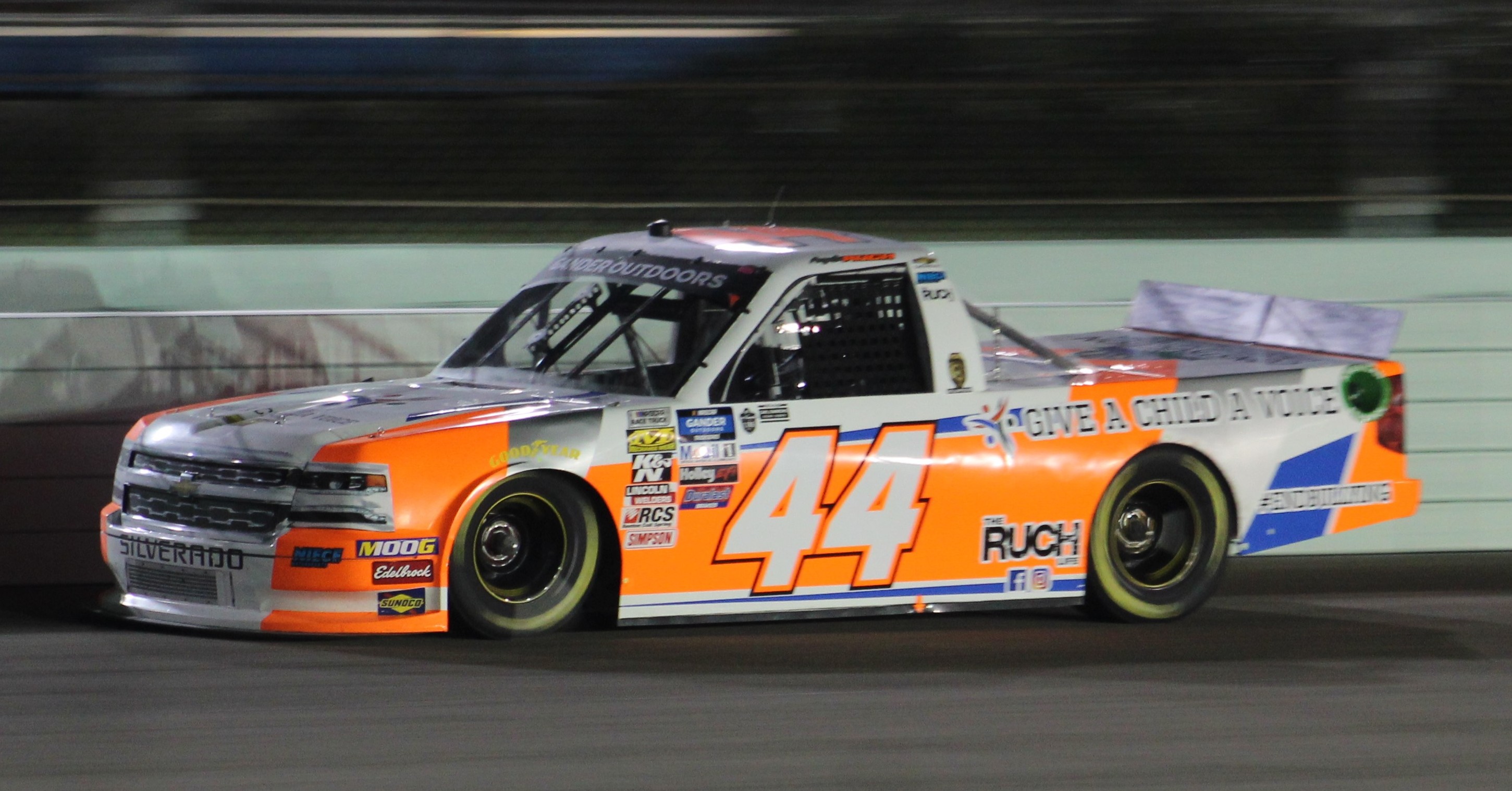
Chevrolet Silverado
"This comes to us from Mark in Bridgewater, New Jersey. Hey, Ron, I recently bought a new Chabby Silverado nice truck, three leader Duramax diesel. It's my first diesel truck."
That sounds like a Chevrolet Silverado pickup truck. The host is talking about it as a brand-new truck the listener just bought and wants to keep for a long time.
This appears to refer to a Chevrolet Silverado pickup. The key detail is that it’s being discussed as a new truck purchase, and the speaker is about to talk about long-term ownership and diesel use.
Duramax diesel
"Hey, Ron, I recently bought a new Chabby Silverado nice truck, three leader Duramax diesel. It's my first diesel truck. I'm hoping to keep it for a long time."
Duramax is a diesel engine used in some GM trucks. Since it’s diesel, it usually makes strong low-end torque and it has different maintenance needs than a gas engine.
Duramax is General Motors’ diesel engine family used in trucks like the Chevrolet Silverado. “Diesel” here matters because diesel engines have different fueling, torque characteristics, and maintenance considerations than gasoline engines.
diesel truck
"It's my first diesel truck. I'm hoping to keep it for a long time. I've been hearing"
A diesel truck is a truck with a diesel engine. People often buy them for towing and strong pulling power, but diesel engines also have extra emissions equipment that can matter for maintenance.
A diesel truck is a pickup or commercial truck powered by a diesel engine rather than gasoline. Diesel engines are typically chosen for towing/torque and fuel economy, but they also involve specific systems (like emissions equipment) that can affect long-term upkeep.
diesel fuel additives
"a lot about diesel fuel additives, especially hot shot secret, but I'm not sure if they're really necessary, just something people like to argue about online."
Diesel fuel additives are products you add to diesel to help the engine run better. They’re often used to protect parts like fuel injectors and to help the fuel burn more cleanly.
Diesel fuel additives are chemicals you mix into diesel fuel to change how it burns or how it protects engine components. In practice, people use them to address issues like lubricity (how well the fuel lubricates) and injector cleanliness.
hot Shot Secret
"a lot about diesel fuel additives, especially hot shot secret... we were actually using hot Shot Secret product hot Shot Secrets EDT or Everyday Diesel Treatment way before they became a sponsor."
Hot Shot Secret is a company that makes products you add to diesel. The idea is to help protect the engine, especially the fuel system, but the host says it’s not a magic cure-all.
Hot Shot Secret is an aftermarket brand that sells diesel fuel treatments aimed at improving lubricity and injector cleanliness. In this segment, the host frames it as part of preventative maintenance rather than a miracle fix.
lubricity
"Ultra Soul for diesel burns cleaner, but it also has less natural lubricity... and the quality of the fuel is what makes this a mandatory effect."
Lubricity is how well the diesel fuel can “lubricate” the fuel system parts. If the fuel doesn’t lubricate as well, those parts can wear faster.
Lubricity is the fuel’s ability to lubricate moving parts in the fuel system, especially components like injectors and high-pressure pumps. If modern diesel has lower lubricity, it can increase wear unless addressed with proper fuel quality and/or treatments.
fuel treatments
"and the quality of the fuel is what makes this a mandatory effect, and it's why so many diesel owners turn to fuel treatments."
Fuel treatments are products you add to your fuel to help the engine. They’re often used to protect parts and keep injectors cleaner, especially when the fuel quality changes.
Fuel treatments are aftermarket products added to fuel to improve certain properties—commonly lubricity, injector cleanliness, or combustion characteristics. Here, the host connects them to modern diesel’s reduced lubricity and the resulting need to protect the fuel system.
high pressure fuel system
"EDT from hot Shot Secret can help improve lubricity, it keeps injectors cleaner, and it supports the high pressure fuel system."
The high pressure fuel system is how a diesel engine forces fuel into the cylinders at very high pressure. If it’s not working right, you can get poor performance and more wear on parts.
The high pressure fuel system is the set of components that pressurize diesel fuel for efficient injection into the engine. Additives are sometimes marketed to support this system by improving lubricity and keeping injectors clean.
injectors cleaner
"EDT from hot Shot Secret can help improve lubricity, it keeps injectors cleaner, and it supports the high pressure fuel system."
Diesel injectors spray fuel into the engine. If they get dirty, they can spray less accurately, so the host says the treatment helps keep them cleaner.
Injector cleanliness refers to how well diesel fuel injectors remain free of deposits that can affect spray pattern and combustion. The host claims the additive helps keep injectors cleaner, which can support proper fuel delivery and reduce wear.
diesel particulate fuel regenerations
"more important than any additive is also using correct engine oil... and giving the truck enough highway driving to complete its diesel particulate fuel regenerations, which are also important the additive."
Modern diesels have systems that trap soot from exhaust. Regeneration is when the truck burns that soot off, and it usually needs steady driving long enough to finish the cycle.
Diesel particulate fuel regenerations refer to the process where a diesel emissions system burns off accumulated soot (particulates) to restore performance. The host emphasizes that the truck needs enough highway driving to complete these regeneration cycles.
Request an Explanation
Heard something you'd like explained? We'll add it to this episode.
Sign in to request explanations for terms you heard.
Want to learn more?
Browse our glossary for plain-English explanations of automotive terms, jargon, and concepts.
Help improve this episode
See something that's not quite right? Our annotations are AI-generated and can sometimes miss the mark. Click the flag icon on any annotation to suggest a correction.