This is a 1969 Chevrolet Nova, a classic muscle car. The caller says it’s an SS 350, meaning it has a small V8 engine configuration that was meant to be quick and fun.
“SS 350” is a way people refer to a Nova that came with a 350 V8 setup. It’s basically the car’s performance version, not just the base model.
Term
R forty four AC spark plugs
These are AC-brand spark plugs, and “R44” is the plug’s heat range. The heat range is important because it determines how hot the plug runs, which affects starting, misfires, and whether it gets fouled.
“UR45” is a different spark plug number/heat range than the R44. Shops suggest it as a substitute because the plug will run at a different temperature in the engine.
A “hotter plug” runs at a higher temperature. That can help keep it clean, but if it’s too hot for your engine, it can contribute to overheating and knocking.
Term
compression racial mind
They’re talking about compression ratio, which is how tightly the engine squeezes the fuel-air mixture. Higher compression usually needs more careful spark plug selection to avoid problems like knocking.
Term
ten to quarter
“Ten to quarter” means the car is aimed at about a 10-second quarter-mile time. That kind of hard use can affect how spark plugs behave, so the plug heat range matters.
NGK is a spark plug brand. The caller is comparing an NGK replacement plug to the AC plug number they used before, because the “right” plug depends on how the engine is set up.
Term
R six s
“R6S” is the plug’s specific number/heat range. It’s used to pick a replacement that behaves similarly to the plug you were using before.
Term
ten to one
“Ten to one” likely means the engine’s compression ratio is about 10:1. Higher compression changes how the engine burns fuel, so the spark plug choice can matter more.
Premium fuel is gas with a higher octane number. It’s used in engines that need it to avoid knocking or pinging, especially if the engine has higher compression.
The Chevrolet Spark is a small car meant for driving around town. Spark plugs are parts that help the engine start and run smoothly, and they can wear out over time. If someone is talking about “older spark plugs,” they’re usually pointing to maintenance that may be needed on that kind of car.
“eBay route” just means looking for parts on eBay instead of regular parts stores. The idea here is to see if that exact spark plug is being sold by someone.
NGK is a major spark-plug manufacturer, and the discussion here is about choosing the correct NGK plug for the engine’s required heat range. The host emphasizes that heat range numbering varies by brand, so matching the correct specification matters.
Traction control helps stop the wheels from spinning when you accelerate on slippery ground. It monitors wheel speeds and can reduce power or brake a spinning wheel.
ABS is a safety system that helps prevent the wheels from locking up when you brake hard. It uses wheel-speed information, so tire differences can matter a bit.
“Heat range” is how hot a spark plug runs in the engine. If it’s not the right one, the plug can run too hot or too cool, and that can hurt performance or even damage parts.
Octane rating tells you how resistant the fuel is to “knocking,” which is bad, uncontrolled combustion. If the fuel’s octane doesn’t match what the engine was designed for, the engine can run hotter or knock.
Leaded fuel is older gasoline that had additives (like lead) to help the engine burn more smoothly. Modern fuel is usually unleaded, so older engines may need adjustments to run safely.
Spark knock is when the fuel doesn’t burn smoothly and instead “pings” or detonates early. It’s a warning sign because it can stress and damage the engine.
Inefficient combustion means the fuel isn’t burning the way the engine expects. That can make the engine run hotter and can contribute to damage if the fuel and ignition setup don’t match.
A piston is the part inside the engine that moves up and down to create power. They’re talking about a scenario where overheating or bad combustion could damage the piston.
Term
tuning the hot rod
“Tuning” means adjusting the engine so it runs right. They’re saying that changing the spark plug heat range made their engine run cooler.
The ignition system is what makes the spark that lights the fuel in the engine. If it’s worn out or not correct for the car, even the “right” spark plugs may not work well.
“Delco family” means GM/Delco-made parts that were used on older cars. The idea here is that there may still be a Delco option today that fits the same role as the original equipment.
Conventional oil is a more traditional petroleum-based engine lubricant, typically with different temperature and durability characteristics than synthetic oil. The host is framing it as an ongoing debate versus synthetic oil for car longevity and maintenance.
Zero W-20 is the label on engine oil that tells you how thick it is. “Zero” means it’s designed to flow well in cold weather, and “20” is the oil’s thickness when the engine is hot.
Term
oil in it for the same oil for more than six months
This is the idea that engine oil doesn’t just “wear out” from driving—it also changes over time. The host believes you shouldn’t leave the same oil in the engine for more than about six months, even if you haven’t driven much.
Synthetic oil is a special type of engine oil made to stay slippery and protect your engine better, especially in hot or cold weather. If your car’s manual calls for it, using synthetic oil is usually the safest choice.
Valve timing is about when the engine opens its intake and exhaust valves. Oil helps keep the valve system working correctly, and on some engines it also supports parts that adjust timing.
Fluids are the different liquids your car uses to run things like cooling and braking. Making sure they’re at the right levels helps prevent problems before they get expensive.
Term
oil does break down
Oil can wear out as it sits and as you drive. When it breaks down, it doesn’t protect the engine as well, so changing it on schedule helps keep things healthy.
Condensation is water that can build up inside the engine oil, especially when you only drive short distances. If it builds up too much, it can cause gunk and wear, which is why regular oil changes help.
A blend is a mix of regular oil and synthetic oil. It’s meant to be a middle ground—often cheaper than full synthetic, but still better than purely conventional for some cars.
The Ford Fusion is a regular everyday car model. The host mentions it to illustrate a practical point: if you’re using conventional oil, you may want to change it more often than if you’re using synthetic.
Manufacturer spec means the oil is approved by the car maker for that engine. Using the right type helps the engine stay protected and perform the way it was designed to.
The oil filter cleans the oil as it moves through the engine. If the filter gets clogged or can’t handle the dirt, it can limit how long you can safely wait between oil changes.
Warm up is the time right after you start the car when the engine is still getting up to temperature. Doing lots of short trips means the engine spends more time warming up, which can be harder on oil and the engine.
Cool down is what happens after you drive when everything gets colder again. That temperature change can affect how the oil ages, especially with frequent short trips.
Stop-and-go driving means lots of idling and frequent starts. That kind of driving is tougher on the engine and oil, so you often can’t stretch oil-change intervals as far as you might with highway driving.
Low fluid means one of the car’s important fluids is below where it should be. That can be a sign of a leak and can cause problems if you keep driving.
Oil breakdown issues mean the oil is no longer doing its job. When oil gets old or the car doesn’t run regularly, it can degrade and not protect the engine like it should.
Independent oil analysis is when you send used oil to a lab to see how worn-out it is. It helps you decide if you really need an oil change yet.
Concept
time becomes a factor
This refers to the idea that maintenance intervals aren’t only about mileage—calendar time matters too. Fluids like engine oil, coolant, and transmission fluid can degrade from heat cycles and chemical breakdown even if the car doesn’t rack up many miles.
Transmission fluid is the fluid that helps your transmission shift gears smoothly. Over time it can wear out, so replacing it can help the transmission last longer.
Coolant is the liquid that keeps the engine from overheating. It also helps prevent rust inside the cooling system, so old coolant can lead to cooling problems.
Engine oil lubricates the moving parts inside the engine. If it gets old or contaminated, the engine can wear faster, so it’s important for long-term reliability.
Brake fluid is what makes the brakes work when you press the pedal. It carries pressure through the brake lines, and if it gets moisture in it, braking can feel worse and the system can wear out faster.
The head gasket is a seal between the engine block and the cylinder head. If it fails, the engine can start mixing fluids or overheating, and the repair usually costs a lot.
Service bulletins are instructions from the car maker to dealerships about known problems and how to fix them. They help the dealer figure out what applies to your exact car.
CVT (continuously variable transmission) uses a belt-and-pulley (or chain-and-pulley) system to provide an infinite range of gear ratios instead of fixed steps. That design can be efficient, but some models/years have had reliability problems, making fluid service and correct repairs especially important.
The transmission is what helps the engine deliver power smoothly to the wheels. If it fails, the car can become undrivable and repairs can be expensive.
Term
fresh fuel
Fresh fuel just means newer gas from a recent fill-up. The idea is that older gas can cause problems, so refilling helps the car run better.
Idling means the engine is running while the car isn’t moving. The host is suggesting longer idling to help keep internal parts lubricated when the car isn’t driven much.
Changing the oil means replacing the engine’s oil on a schedule. Fresh oil helps keep the engine clean and lubricated, and the host is saying it’s a relatively inexpensive way to avoid bigger engine problems.
The Acura RDX is a small luxury SUV. On the 2020 model, it can automatically shut the engine off when you’re stopped and restart it when you’re ready to go. That’s what’s making the caller uneasy.
Start-stop is a feature that turns the engine off when you’re stopped and turns it back on when you go again. It can save fuel, but it also means the engine restarts a lot more often than usual.
A traditional starter is the normal starter motor in most cars. It doesn’t have to restart the engine as often as start-stop cars, so it’s usually cheaper.
Oil viscosity is basically how thick the oil is. If the oil is too thick or too thin for what the engine expects, it can lubricate differently and cause issues—especially with systems that rely on quick, frequent starts.
A cam sprocket is a toothed gear on the camshaft that helps control engine timing. If the engine restarts very abruptly, it can create shock loads that may contribute to wear over time.
Camshaft timing controls when the engine’s valves open and close. If that timing is moved earlier or later, the engine can make different power and run differently depending on the situation.
Cabin air filters clean the air coming into the car’s heating and A/C. If they get clogged, the airflow can feel weak and the air can get dusty or smelly.
Fuel system cleaning is meant to clear out gunk in the fuel system. That can help the engine run smoother because fuel can get delivered the way it should.
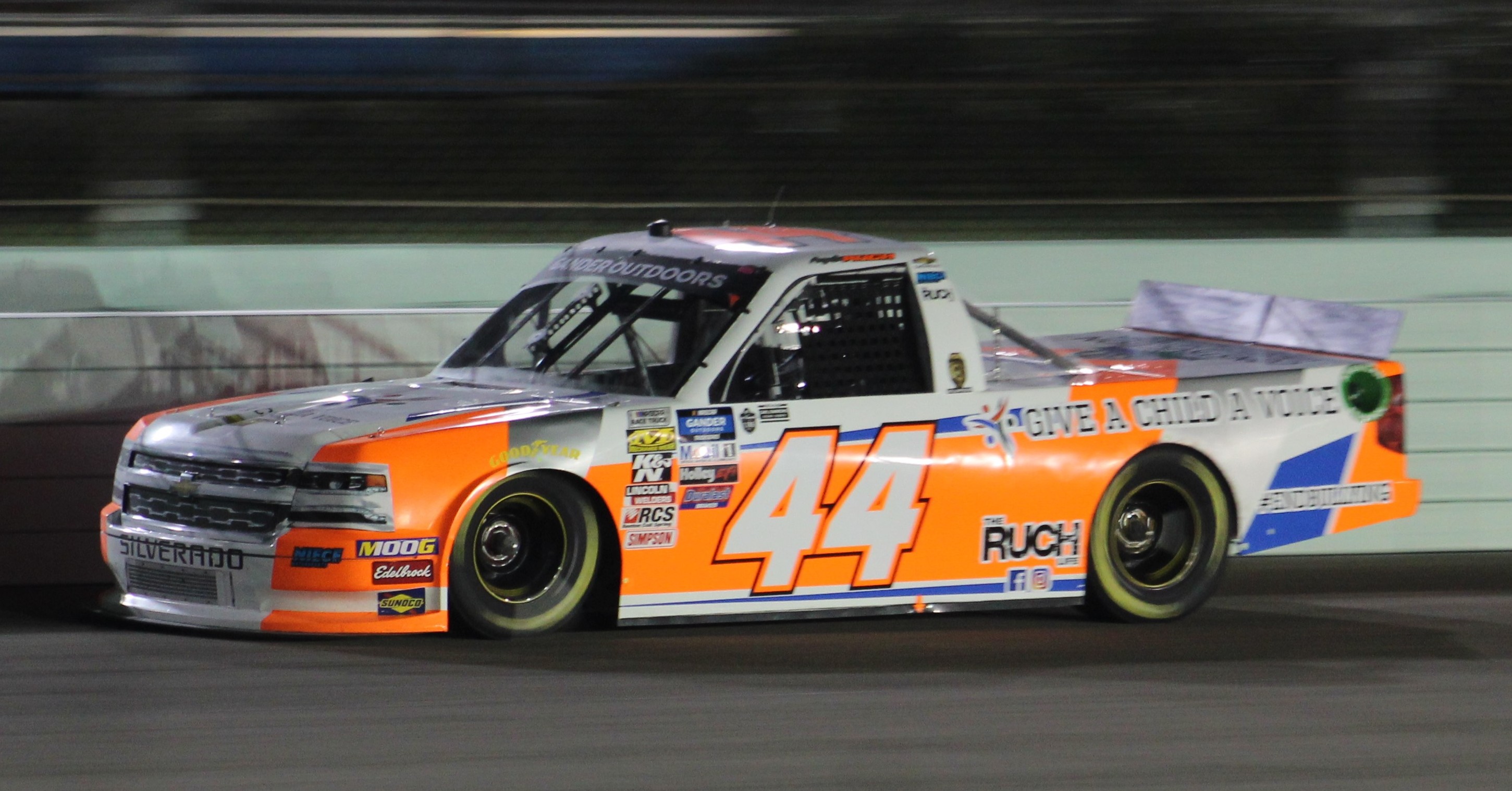
That sounds like a Chevrolet Silverado pickup truck. The host is talking about it as a brand-new truck the listener just bought and wants to keep for a long time.
Duramax is a diesel engine used in some GM trucks. Since it’s diesel, it usually makes strong low-end torque and it has different maintenance needs than a gas engine.
A diesel truck is a truck with a diesel engine. People often buy them for towing and strong pulling power, but diesel engines also have extra emissions equipment that can matter for maintenance.
Diesel fuel additives are products you add to diesel to help the engine run better. They’re often used to protect parts like fuel injectors and to help the fuel burn more cleanly.
Hot Shot Secret is a company that makes products you add to diesel. The idea is to help protect the engine, especially the fuel system, but the host says it’s not a magic cure-all.
Fuel treatments are products you add to your fuel to help the engine. They’re often used to protect parts and keep injectors cleaner, especially when the fuel quality changes.
The high pressure fuel system is how a diesel engine forces fuel into the cylinders at very high pressure. If it’s not working right, you can get poor performance and more wear on parts.
Diesel injectors spray fuel into the engine. If they get dirty, they can spray less accurately, so the host says the treatment helps keep them cleaner.
Modern diesels have systems that trap soot from exhaust. Regeneration is when the truck burns that soot off, and it usually needs steady driving long enough to finish the cycle.
LIVE
You're listening to Ron and Nanian The Car Doctor, nationally recognized auto expert trusted by Mechanics, Weekend wrenchers and vehicle owners Alife. Ron brings over forty years of hands on
experience and deep industry insight to help you understand your vehicle.
Join the Conversation live every Saturday from two to four pm Eastern by calling eight five to five five six zero nine nine zero zero. That's a five to five
five six zero ninety nine hundred, your direct line to honest answers and practical advice. Looking for more, visit cardoctorshow
dot com for past episodes, repair tips, and Ron's latest insights, and be sure to subscribe to The Car Doctor YouTube channel for exclusive videos, real repair footage and more. Now
start your enginies. The Car Doctor is into garage and
ready to take your call.
Hey, let's get the garage doors open right away. We
got a lot going on this hour. Let's go over
to Let's go to edin, Missouri, sixty nine Chevy Nova and some sports blog questions. Welcome to the Car Doctor. Sure,
how can I help?
Well?
Uh, like I said, I've got a sixty nine Nova and it's the SS three fifty with US, you know the standard. No, it's not hopped up or anything like that.
Yep.
And I went into Uh, I've always used R forty four AC spark.
Plugs in it.
That's what the magno shows. And I've went in there
and they said those are no longer available. They do
make a U R forty five, right, which is a hot which is a hotter plug, and they use that plug in the three or sevens, in the three twenty sevens in that era. But uh, they had the less
compression racial mind they's been like nine point five minds run ten to quarter.
Right.
I didn't know if you ever said hotter pug you had some pregniche and problems are now well, I find to my research and stuff and Phil Roddick's research, they came up with the same number. They found an n
GK plug, which is US a b R six s is pretty comparedtible to the R forty four's You know anything about that plug, Well.
I'll tell you what. The hot rod runs an NNGK
spark plug and the hot rod's a ten to one.
It's been a while since I thought about it. Uh,
the equivalent would have been a Delco or forty I want to say forty four or forty five. I don't
remember which now it's been a while, but you know, you're on the right path and you're thinking about the right things. But the right answer is you won't know
until you try. You're running premium fuel in it anyway,
right right right, You're gonna have to with that kind of compression. So if I could find an equivalent heat
range in that brand, I would prefer to try that.
I'm surprised that no one has the forty fours though, well those well they said, they said, or they can't get them. You know, we deal we deal with a
parts house out of New Jersey by Wise Autoparts, also known as Samuel's Autoparts, and we had a couple of older Chevyes in there in the list in the shop over the last few weeks, and we purchased some forty five ts's, which, as you said, or made we purchased some forty five s's we purchased, you know, you know, and I just see them. They had an abundance of
older spark plugs, so.
You don't get to forty five's and stuff, but not the forty fours.
Yeah, I get forty three.
I think, can't you? Well, yeah, I would see. It
probably depends on the numbers of how many people are gonna use them. But you know, have you have you
been the eBay route, just just for peace of mind to see if anybody's making forty fours, I don't know.
Start making them or not by saying some old uh old news stock on the eBay?
Yeah, right?
Have you You know which parts house are you going to for these spark plugs that don't seem to exist?
Well, well I've got I went to Rallies. I went
to three parts houses in mrraybo uh uh Ralles, in Vance Auto and h there's another one. I went to
Autopro or something like that, but we wasn't None of them had them. You know, of course said that's not available,
but he said that in k n gks pretty comparatible.
Okay, I would go Here's what I would do. I
would get out to Rock Auto all right, Rock Autos, the Rock Autos, the bar. I'm not a fan of
everything they have, but I'll use them to gauge whether or not, g can I still get this part or not?
And if they tell you they've got forty Four's all they're doing is pulling out of local warehouses and shipping it to you, right, because because what I'm wondering is are the forty four is really not available? Or is
it just that well we've got the ngks, let's just sell them this.
Well they had order the mgk's also OVID. But uh
I called a couple of Chevy dealers in town and another one out of town.
And yeah, they're not gonna don't either. Yeah they're not
gonna have Yeah, that's that they thank.
You're lucky you're talking to guy from mantal moone.
Yeah for that con You know what it's it's so said, how how much it's changed and gone away. In your
opening sentence to me, you use the word hopped up.
You know how long since I've you know how long it's been since I've heard that term? Uh right? But
you but you use the word, you know, hopped up, not hopped up. Nobody understands what that is anymore. We
speak a different language, and it's it's it's just so funny, bro there, you know, it just it just it just kind of makes me laugh a little bit. I have
no problem using the mngks to be direct if it's the proper heat range. But frankly, heat range is going
to vary slightly by manufacturer, so.
Yeah, they do. Why don't they have a standard on
heat ranges like AFC goes from one to five and five is hotter than one is cold, and other brands go from one to ten and the ten is cold and one is hot, right.
Because there is no there is no standard. Listen, I've
got news for you. A two twenty five seventy five
fifteen tire varies varies in inflated diameter by manufacturer. Think
about that. Yeah, they're they're not the same. That's why
on a modern day vehicle with ABS and traction control, they don't recommend number one varying tires by tread depth obviously, but don't vary tires by manufacturer because they're different. There's
always a slight difference in the overall size of that tire.
So there's a lot of Listen, brother, there's a lot of questions in life that I don't have answers to.
Can just deal with the ones that I know, And I don't have an answer to why heat ranges on spark plugs were so different, or they vary from high, high to low and low to high. But I would
stay with the nngks. I would go there, and I
think that'll do it for you.
All right, kiddo, you think you think he is an R forty five too hot to that engine?
In I don't you know the problem is, you know, well, the problem is we're trying to gauge heat range performance of spark plug and an engine that was designed to run on gasoline that hasn't existed in forty years.
Well that's true, that's true.
So you know where do we want to begin. It
was designed to run on leaded fuel, It was designed to run on a different octane rating, was designed to run on engine with different fuel additives to it. So
you know, I would almost think of it as I would.
I'd be willing to try the forty fives and maybe in a couple of weeks pull one or two out.
What do they look like? Are they too lean? Are
they too rich? How are they burning? If it's not
creating a spark knock, if it's not creating a noise in the engine. I mean, I've heard the story some
guys claim too high of a heat rangel burn a hole in the top of a piston if going up one heat If going up one heat range burns a hole in the top of a piston, I've got to think that's the result of mechanical damage due to inefficient combustion due to incorrect octane rating of fuel. But you know,
for what you're trying to do, I will say this.
You know, way back when in tuning the hot rod, I did go through the experience on the original car that dropping the heat range one set did change engine over all running temperature and lowered it by about twelve degrees in the car ran cooler.
Yep.
And and that made sense to me. But again that
was probably twenty five years ago. What was what was
gasoline like back in the mid nineties. I don't have
an answer to that. And you know that's that's where
I'm saying, there's a little bit of give and take here.
Remember what we're trying to do. What you're trying to
do is you're trying to you're a diagnostician, ed you just don't know it yet. You're trying to diagnose and
figure out what what what spark plug your vehicle is gonna run. Beth in the best answer is by the nngks,
by the forty fives, get the forty fours. You may
have to put a couple of sets of plugs in this to see what accommodates today's fuel in today's tune the best.
Yeah, I just thought about the fuel situation.
So all right, fair, hey.
I'll give you some information.
I guess you're very welcome, sir. You'll be well, yeah,
you've got to consider it all because there is no set factor anymore. Gasoline is the game changer. Gasoline changes
completely how that engine is going to run, and you know how it's gonna how it's going to maintain itself.
And you know, we've got to be willing to try different things because nothing's by the book on an older car like that, a classic like that. But I would
try to find the set of forty fours if you could, and buy two or three sets. I've got a bunch
of stock for the Monte Carlo, probably more than I'll need in this lifetime. So if it is stock ed,
by the way, we never talked about that, what are you running for? Points? If the ignition system is stocked,
and if you think ignition system isn't stocked, then heat range of the spark plug is a mute point, and we could have talked about that too, but I just thought of it now. Eight five five five six nine
nine zero zero. I'm running ady in the car.
Doctor.
We'll be back right after this, you know, just thinking about ED real quick. If you're still listening, did you
go in and ask for an R forty four? Did
you have them look it up by application? Because if
you're going by the owner's man no. One, assuming this
is an all original sixty nine novass. If you're going
by the owner's manual, that document is over sixty years old.
Has GM superseded or called for a from plugging the Delco family? And I would just I would want to
verify that too, because I'm willing to bet that there's something out there that would work in the Delco family generally, even though it's a sixty year old car. I'm sure
there's something there that Delco makes, So just double check that.
Brian in Philadelphia, how are you today, my friend Ron?
How are you doing all right?
What's going on?
My father and I we've always had this sort of asynthetic oil versus conventional oil thing. Now, even when cars
didn't require it. My father always put in synthetic and
he would stretch the miles to the highest level. Whatever
it was, seventy five hundred instead of five thousand. Now,
his current car, it's a twenty twenty three Hyundai Lantra.
He bought it. He got it in twenty twenty two,
but it's twenty twenty three. Calls for synthetic because I
think zero W twenty is only a synthetic weight if I'm not mistaken correct. And he's ninety years old. He
doesn't drive much anymore. So I now have his car
and mine. Now I'm coming up on six months and
I have well, I have under five thousand miles. But
I told him, look, even if it's synthetic, I don't feel a car should have you know, should have oil in it for the same oil for more than six months.
And he's debating that. I said, look, you know what
I'm saying. Because oil there is a time limit. I
said the manual. I don't know what the manual says,
but I always felt that no matter what oil or miles you have in it, you should never go more than six months. That's my opinion. See if you if
you agree with me, on this.
Has Have you and your father aged in the last six months?
He has and I have.
He's ninety. He doesn't age.
I do right, well, but you're a little more beat up, right, Life goes on, Time goes by. Yeah, we all do.
Brother.
If we sit in that chair for six months, we're getting older.
And I was a truck driver. I was. I was
a truck driver, So I'm pretty damn beat up.
But yeah, yeah, you know. But I mean, you know,
time counts, right, And where is that car sitting if it's not driven for the last six months? And is
it short trip driving? Is oh it's being driven?
No?
No, I use it. He can use it. So I
do a rotation four days a week in my fourth usion and the next four days on his. So it's
getting active use. I'm just between two cars. Since I'm
splitting two cars, I'm not getting the mile. I'm not
putting on the miles I used to, but his car gets plenty of use.
Are you changing?
Are you?
Are you changing the oil?
Brian?
Are you taking it somewhere?
All right?
Take it? I get a mechanic, okay, so say mechanic
for years?
So you know, I like the six month oil change.
I but you know, I'm weird. I think I think
changing oil is cheaper than changing cars, and.
You said, I'm sorry.
You know, I think I think the longevity comes from you know, maintenance. I think it's still a machine. Uh
you know, I see, I see some amazing things that cars do. We just had a Subaru in the shop
that was eight thousand miles overdo its oil change all right, for just eight thousand The oil was like tar coal coal, tar coal oil. It was horrible. And you know what
the problem was. The husband said he was going to
do it, the wife said she was going to do it.
Now they're not talking to each other. So more automotive
couples counseling I have to give. But you know, it
really comes back to oil still the cheapest thing you can put in a car, and on an older car, even though this isn't that much older, synthetic oil is the best. I can't. I don't use conventional anymore. I
don't even stock it. Too many cars today call for
such specific oils because the last thing oil does is lubricate.
It does so many other things in terms of hydraulics and valve timing and cooling and everything else that's going on.
And I'm with you. I think six seven months. Great,
Let's change the oil, check the tire pressure, look at the fluids. You know, is everything where it's supposed to be,
And it's it's not a matter of wasting money on doing one extra oil change every three if we want to think of it like that, are we wasting it's we don't have to go out and buy a forty to fifty sixty thousand dollars vehicle. And that's what we're chasing.
And that's just proper care and normal maintenance. You know,
oil does break down from sitting, Oil does get condensation, oil does age as it as it sits short trip driving, if you're not going five thousand miles and six months, can I ask how long is your commute, Brian? How
far is round trip?
I go about about twenty miles each way?
Right?
But like I said, I'm splitting two cars. You know,
my car is conventional. They use a what do you
call it? A blend?
Yeah, synthetic.
A blend is any better? I don't think you know.
I think they're more conventional. Between you and me, I
don't think you know A blend is in a fifty to fifty. I believe of conventional and synthetic. But the
fact that I use the cars, I split them evenly.
I'm not really putting on the miles. But my see mine,
I'm not going to go over five thousand, you know, because it's conventional. My fusion is a seventeen, So I'm
even more. I do things even more frequently with that one, right,
you know, because it's older, and you know that's five w twenty conventional, right, and I would do twenty eight.
So I'm a stickler because some people say, you know, pay now or pay later. My theory is pay now
or pay a lot more later.
Well, one hundred percent, And frankly, I wouldn't even be using a blend. I would just be poor. I would
just be pouring synthetic in it. How much more is
synthetic two dollars a quart, ten bucks extra for an oil change?
Ah, Probably it all depends. It's maybe twenty bucks more,
twenty five bucks more. But find out if.
What you're know what you're comparing, all right, I haven't stocked I haven't stocked anything but synthetic in the shop.
Probably in eight or nine years pre COVID.
I think we're getting to the point. I think we're
all cars are going to require it, am I right?
Yes, and I think all cars benefit from it. I
think cars would benefit more from an oil that meets manufacturer spec as a synthetic than oil that meets such a high tolerance of expectation. Don't have to change it
for fifteen thousand miles, because my concern is, you know, what's the filter rated for? As the little old man
gets older, who's given him the physical on a regular basis.
I've never gone more than seventy five hundred at best, winning with a lot of miles. My father and I
you know, my father would never ever you know, if they say ten thousand, he will never ever go on My father's like, you know, he taught me there's a maintenance book, you follow it.
Well. The other side of that, Brian, is that if
you got in a car and drove from New York to California at one steady speed and load and temperature, you could probably go ten thousand miles. But you can't.
You're not You're waking up in Pilly and you're driving twenty miles out and twenty miles back, or ten miles out and ten miles back, and there's warm up, there's cool down there, stop and go. There's all sorts of
factors that come into play. Could just stretch it and
make it once a year, Yeah you could, But you're really not gonna lift the hood of that car. That's
a that's a what year car? That's a twenty three?
Yours is a seventeen. You've got an almost nine year
old car. You're not gonna lift the hood of. You're
not gonna lift the hood of that nine year old car for a year.
His is a twenty three, but he bought it in the summer of twenty two. You know, I get to
come out early, but I never I've never gone over six thousand miles in any car as far as an oil.
I mean, I'm sorry. I've never gone over six months
ever in any car. I just feel like six months
is the uh. I don't know that seems like a
conservative limit.
I think it is one hundred percent. I think it is, kiddo.
I think six months, five thousand miles. We just put
somebody on a four thousand miles six month interval. I
like six months. I think a lot can change in
six months. I think as a car ages a good
mechanic set of eyes under the hood and under the chassis.
It only takes an instant for something on the road to change the light cycle of that car and compromise somebody's safety. That if you're not aware of it, well
it's a problem. So not a big argument to be had.
But six months is a good number. I'm running any
in the car doctor, I'll be back right after this from the seat streets to the open route to night.
If you'll ride needs keep right, yeah, you know, I want you to think about oil change intervals, just real quick for a second. I bet in three out of
five oil changes at the shop we always find some legitimate something that car is due for or or you know, tire pressure, low fluid. Probably four out of five times
for that. So the value in an oil change isn't
just clean oil, of course it is. That's common sense.
A car that sits or a car that doesn't make mileage, all right, we'll have oil breakdown issues. Now we could
talk about and have the deeper conversation of you know, where's that fine line where do we want to get it done? But the fact is what will that cost?
What will independent oil analysis cost to do, so we have to look at the overall cost of the car.
They say that thirty thousand dollars is the price of the average used car today, and that's something that is going to be three to five years old, something with thirty to fifty thousand miles on it or more. My god,
I saw one hundred thousand mile Toyotas for sale the other day for about twenty two thousand bucks. You know,
what's the price of the car, So what's the value in the oil change trying to get the three hundred thousand miles so by all means, time becomes a factor.
Paul in New Hampshire. How can I help you today, sir?
Run an Indian at your service?
How we're going, sir? Good sir? I'll tell you you're
lucky to have a good wing man there behind the phone line. He's doing it, does a great job.
Tom is the best, absolutely the best, the man behind the scenes. What's going on?
I got a friend that has a Honda Turbo earth streams technology for cylinder twenty eighteen c or of the touring right, and he has a second car and this car that we're talking about, the twenty eighteen he parked it in September and full tank, guess, and he talked to me about it and the winner, and I said, well, did you put edit uf And he said no, when I put some editor fin and sloshed it around, driving up and down the driveway. But it's getting close to
a year, and I'm thinking it's better to get the gas out and put frush gas in. But I tried
to siphon it out, but evidently you're not. You can't. Yeah,
I'm that out.
Why don't we just start it and let an idol for a day or two?
You think that's the best way to go.
Well, because you know, if we if we gauge cost factor. Listen,
there's a couple of things in my mind here that that go on when I get these kind of questions.
How many miles around the car? Fifty five sixty five
thousand h fifty five fifty five so it's approaching sixty So did it have a thirty thousand mile service?
Not my car, I can't say. But he's a type.
He's a Korean word a cbe uh. So probably I
would say probably, probably, I would think so.
But at the very least it's come and do for a sixty Oh yeah, So why do we do the sixty early? Why don't we, you know, consider changing trans fluid.
It's an eighteen. When was the last time coolant was changed?
Right, that's questionable. I'm not I can't really answer.
That engine oil without a doubt.
Oh right, I know he's there for the engine oil.
Right, break fluid.
I I'd have to ask them about it.
Well, my point becomes, you know, it's it's it's kind of about if it's wet, change it, right, And it's it's not so much the fact that it's sat for almost a year. It's when was it all done last?
And if we're going to start to use it again, let's ensure that we can use it with the least chance or probability of a failure or breakdown in a less than expected time frame. So, if it's wet, change it.
One of the problems of that generation Honda, just to be clear, is there are known failures for head gaskets.
Oh really, yeah, that should be the engine that they made a mistake. Honda kind of made a boo boo
when they designed that engine, and the gap between the gap between cylinders is so tiny. The head gaskets have
been failing and it's a quite costly five thousand dollars operation.
So you know, he could verify that with his local Honda dealer. They should be able to tell him based
on the vin whether or not the bulletins that are out about that engine apply. There are some also some
known issues with that particular transmission to cvet another headache, all right that you know, Honda, they're taking their lumps lately.
I had a long term associate call me the other week.
His girlfriend was driving her that generation Honda suffered a transmission failure, and after the trans was replaced three weeks later, the engine failed, probably because of dealer install Geene was telling me some stories and comments about how the vehicle was put back together. But it just makes you wonder,
you know, what's the validity of those cars? Just how
good are they? So some things to consider and be
aware of, all right, kiddo.
Yeah, you remember the proverbial free lunch that nobody can find?
Right?
Well, I found it today. I was in a parking
lot with my pickup truck, silver pickup truck, and it was there for two weeks and it was old, dusty, It looked brown, and coming home, I went by the golf course and their irrigation was on, and it arched over the parking lot to get to the griff on the other side, and I pulled underneath and got a free car wash.
Look at that. Huh, how much better can you get
than that in the course of a day. As long
as the windows were closed, you were good.
Right, Well, it definitely was well good.
I'm glad it worked out for you, Paul, in any event, But yeah, this is just a common sense thing. Let's
and of course how old is the battery, so it's just a matter of you know. But I would just
I wouldn't have a problem running that fuel forward if if it starts, I'd get the tank down under a half a tank and then go fill it up with fresh fuel and drive it around even more. And I
would think you're going to be fine if it starts.
It's got enough pop in it to make it run.
I just wouldn't put a lot of load on the engine.
That's why I like idling it for longer periods of time, and obviously don't want to do it on one hundred and three scolding heat day. But you know, changing the
oil before and changing the oil after is cheaper than having to change the engine.
So he was running, running the car like every week or two. We'd run it for ten fifteen minutes, which
was a good.
Thing, right right, kind of keep the seals wet, as we like to say. But you know that's how I
would approach it, all right, kiddo.
A thank you Ron very much.
You're very welcome. Paul, you'd be well, and I appreciate
the call. Bye bye, Yeah, I'll listen. Just I always
say fluids are cheaper than a car, and that's the bottom line. Eight five five five six oh nine nine
zero zero. I'm run any of the car. Doctor. We're
back right after this. Let's cruise over and talk to Nick.
Nick in Virginia. Twenty actor. What's going on, Nicholas? How
can I help?
Hey?
Ron, good afternoon, Yes, sweat question, Yes, sir, I bought this twenty twenty actor RDX back in February, and I've never had a vehicle that had to start stop switch on it before.
Little unsettling, isn't it?
It is a little annoying.
Yep.
My question is and I'm retired, I just adm mainly driving around Virginia beach. Is it best to leave that
switch on or or shut it off?
When I'm grabbing?
I like it off. I like to not use start stop.
Am I gonna burn a little more fuel?
Yeah?
Is it less wear and tear on the car? In
my mind as a mechanic, yeah, it is. You know,
they say that that start stop starter is about four times the price of a traditional starter. So if the
average starter for today's automobile is three to five hundred dollars, that's a fifteen hundred to two thousand dollars starter.
Wow.
Don't I kind of want that to last longer? Well,
you got to think about it, right, it's gear driven differently, and it has to wind up. You ever notice how
fast it starts right? You know? And we were listening
we were talking about oil consistency and quality in an early part of this hour this week's show, and we're talking about viscosity, incorrect oil viscosity. You know, we'll create
a start stop problem. The other thing that comes up
with start stop is and this just came out this year.
They finally had enough data to prove it that. Think
of a bicycle sprocket, right, if you painted a red dot on a bicycle sprocket. On the big sprocket, it
was pointed straight up. That's top, that's top that center. Okay,
if we wanted to vary camshaft timing, and you don't have to be a mechanic to understand this, but just know that if we if we move the dot forward a little bit, or move the dot backwards a little bit, we're going to affect power level. In the end, we're
going to advance or retard timing or you know, engine operation for specific conditions. Well, what they're finding is stop
start is such a sudden bang start to the engine that it shocks that cam sprocket this way or that way.
For the sake of this conversation, and I'm making it very simple, they're finding that starts stop is having an effect on the longevity of variable valve timing and timing components.
And if you think about it, it makes sense. The
engine's off, everybody's relaxed, and all of a sudden bang, you're pushed to the limit. You know, you're shoved against
the wall. You're shoved against the wall. You're shoved against
the wall. Isn't that a shock to your system? What
do you think it does. What do you think it
does to the mechanics of the engine?
You know?
Yeah, battery two, you know, and listen, it's not gonna help because I think all batteries after after a battery is five years old. If you're still driving around on
a five year or older battery, I think you might as well go to Vegas and bet the house. You know,
it's it's you're just you're you're just looking for the problem, no matter how you look, no matter how I look at it, I just you know, the road is a very unforgiving place. I swear I'm gonna put that on
one of the coffee cups in the store. The road
downhill is paved with ice, and it's just a steep slide after you get started. So I for me, I
would drive around with it off. All right, it's it's now,
this is a six year old accurate nick. How many miles?
How many miles are on it?
Low miles?
Right now?
It's about forty forty two thousand.
Okay, air cabin filters. You know you're coming do it
fifty between fifty and sixty. You're going to service the
trans You're gonna do a fuel Yeah, sure, yeah, why not cheaper cheaper than replacing it, and you're gonna do a fuel system cleaning low miles? This car went what
this car six years old? It went fifty thousand miles.
So this car went less than eight thousand miles a year, right?
Is that a lot of Is that a lot of idle time? Is that a lot of warm up time?
Is that lack of warm up time? You know what?
Everybody needs a vitamin B one shot every once in a while. Sure, sure, so just just my two cents,
all right, kiddo.
Yeah, yeah, okay, ron, So thanks for you.
You're very welcome, sir, and listen, if you want to do it on your own, get down to your local Advanced Audo Parts. Let me just explain this real quick.
Get down to your local Advanced Audo parts. C RC
makes a GDI fuel system cleaning kit. It's something you
can do as a non mechanic. There's there's a bunch
of videos out on the web. You can look at
them and you can do a fuel system cleaning on your own. You can have a professionally done either way,
but getting it done will be the most benefit to that particular vehicle, all.
Right, kidd, Ron, can't you just put those those little bottles of fuel cleaner right in the gas tank?
Well, well you should be. But bottles of bottles of
cleaner in the gas tank? Are that? Are that vitamin?
They're there?
You know?
Do you take a vitamin in the morning?
Nick?
All right, so you take that vitamin in the morning, But don't you go in for a more extensive check up and and a physical and a little bit of a better work up once a year?
Sure?
Well, one's the vitamin. One's the annual all right. And
that's and and that's the whole purpose of it. Brother,
And trust me, I take my vitamins in the morning too.
So we're we're all at that age, all right, kidd You're very welcome, you'd be. Well, it's the truth. It's
it's we're at that stage and age. It's it's what
would that coffee cup look like? We should do it?
I think we did do Did we do it? You
know we did do a two hundred and fiftieth anniversary coffee cup. I think I think we're about to. I
know the T shirts are out there. Boy, nobody asked
me for a T shirt today. Tom, you were wrong
and I had the perfect answer. You know what it
was going to be. If somebody asked me for a
T shirt today, I was going to ask if they could I was gonna ask if they could cluck like a chicken.
Right, I thought you were going to say that I was wearing them, so they couldn't have one.
Well that's the couldn't have that one, nor would they want it. But I would ask him if they can
make a chicken sound, maybe we should do that. The
next person that makes a chicken sound won't be this week because I don't think we're taking any more calls this week, so I'm off the hook for a week.
But the next person that clucks like a chicken, let's see what our listener base comes up with. God, I
can only imagine. Boy oh boy, So we want to
hear the chickens out there? Eight five five five six
nine nine zero zero. We're back right after this. See
if I touch the button right then we have studio problems today. Tom, Look at that, So I'm back. I
had hit the button all the way.
No, no, no, I think it's I think it's operator error.
It's I D ten T error, you know it's it's I'm tired. It's the end of the It's the end
of the week of the show. No, I D ten
T error. You need to write that I D ten
T I'll after Yes, you'll figure it out. Yeah, I'll
figure that out. Listen, let me do the mail bag.
This comes to us from Mark in Bridgewater, New Jersey. Hey, Ron,
I recently bought a new Chabby Silverado nice truck, three leader Duramax diesel. It's my first diesel truck. I'm hoping
to keep it for a long time. I've been hearing
a lot about diesel fuel additives, especially hot shot secret, but I'm not sure if they're really necessary, just something people like to argue about online. You ever noticed that.
I don't know if the Internet was meant for information or for people to argue. That's all they seem to do,
is they argue online. Mark concludes by saying, should I
use an editor with every tank once in a while or not at all? Mark, First of all, congratulations nice truck,
the three liter Duramax. A lot of improvements, a lot
of changes in the last couple of years. It's become
a very strong engine. It's smooth, it's quiet, it makes
like five hundred foot pounds of torque, and if you take care of it, it's got the potential to go for a long time. But here's the thing. Today's diesel
fuel isn't the same as it was years ago. And
that's again we're talking about fuel this week. Right, Ultra
Soul for diesel burns cleaner, but it also has less natural lubricity. I think we mentioned that in the show
somewhere today. You know, it's got less lubricity than older
diesel fuel, and the quality of the fuel is what makes this a mandatory effect, and it's why so many diesel owners turn to fuel treatments.
Right.
I'm not a believer in miracle products, you guys know that, But I am a believer in preventative maintenance. And we
were actually using hot Shot Secret product hot Shot Secrets EDT or Everyday Diesel Treatment way before they became a sponsor.
EDT from hot Shot Secret can help improve lubricity, it keeps injectors cleaner, and it supports the high pressure fuel system.
And that's an expensive insurance mark compared to the cost of modern diesel injectors and fuel pumps. Wait, don't Heaven
forbid if you ever get into fuel system repair, so more important than any additive is also using correct engine oil, changing it on schedule, buying fuel from busy fuel stations, and giving the truck enough highway driving to complete its diesel particulate fuel regenerations, which are also important the additive.
It's one part of an overall maintenance plan. It's not
a magic fix, but it is something you should be doing on a regular basis. And if I owned a diesel,
the Hotshot Secret website would be the toy store to me where I'd be going out to buy all my favorite stuff to keep that diesel running a good long time.
I hope that does it for you. Enjoy the truck
I'm running dy in the car doctor. The mechanics aren't expensive,
They're priceless.
See ya, he's a car doctor.
curR Advice to ride
About this episode
Ron Ananian tackles two classic-car “little things” that affect longevity: spark plug heat range availability and oil-change timing. For a 1969 Nova SS 350 (10:1 compression) using R44 plugs, he discusses why exact plugs may be hard to source, how NGK equivalents can be a practical substitute, and why modern gasoline makes old “by-the-book” tuning less reliable. He also argues oil has a time limit—especially for cars that sit—then pivots into listener questions on synthetic vs conventional and maintenance habits.
Ron answers a wide range of listener questions that all come back to one idea: smart maintenance pays off. From choosing the right spark plugs for a classic '69 Chevy Nova to synthetic oil change intervals, reviving a stored Honda CR-V, and whether to disable auto stop/start on a late-model Acura, the focus is on making vehicles last longer.
Plus, Ron explains why diesel fuel additives can be a worthwhile investment for owners of today's modern diesel trucks.
Car Advice, Done Right.
🌐Visit: CarDoctorShow.com
📸 Follow Ron on Instagram: @ronananian
🎥 Watch repair tips and shop videos on YouTube
📻 Join the conversation LIVE Saturdays 2–4 PM Eastern