
Ron Ananian, The Car Doctor - July 4, 2026 - Hour 1 - Automotive Couples Counseling
About this episode
Ron Ananian argues the best diagnostic tool in his shop is the waiting-room chair—not the scan tool. He recounts a case where a husband and wife brought in a late-model SUV with repeated, expensive parts swaps and no codes, yet the stalling persisted. By listening to both stories, he noticed the issue only happened under one routine: the wife’s short, steep-drive-to-stop-sign pattern. A throttle-body relearn after proper cleaning resolved it, and the car returned fixed within a week.
🌐Visit: CarDoctorShow.com
📸 Follow Ron on Instagram: @ronananian
🎥 Watch repair tips and shop videos on YouTube
📻 Join the conversation LIVE Saturdays 2–4 PM Eastern
See omnystudio.com/listener for privacy information.
fuel pump
"He walked up to the counter carrying a folder like an inch thick, and there were repair invoices inside of it. Fuel pump, battery, throttle, body, tune up."
A fuel pump is what sends gas from the tank to the engine. If it’s not working right, the car can run poorly or even stall.
The fuel pump is the component that pressurizes and delivers fuel from the tank to the engine. If it’s weak or failing, the engine may stall or not start, and the symptoms can be intermittent.
tune up
"He walked up to the counter carrying a folder like an inch thick, and there were repair invoices inside of it. Fuel pump, battery, throttle, body, tune up."
A tune-up is a service meant to get the engine running right again. It usually involves replacing or adjusting common parts that wear out over time.
A tune-up is a scheduled service intended to restore proper engine operation by replacing or adjusting common wear items (often ignition and fuel/air related). It can help if the issue is caused by routine maintenance items, but it won’t fix deeper electrical or sensor faults.
throttle
"He walked up to the counter carrying a folder like an inch thick, and there were repair invoices inside of it. Fuel pump, battery, throttle, body, tune up."
The throttle controls how much air the engine gets. If it’s not responding correctly, the car can hesitate or stall.
The throttle controls how much air enters the engine, which directly affects engine power and idle behavior. Problems with the throttle (or its control system) can contribute to stalling or poor running, especially when symptoms are intermittent.
battery
"He walked up to the counter carrying a folder like an inch thick, and there were repair invoices inside of it. Fuel pump, battery, throttle, body, tune up."
The battery powers the car’s electronics and helps start the engine. If it’s weak, the car can act strange or stall.
The battery provides the electrical power needed to start the engine and run vehicle electronics. A failing battery or weak charging system can cause weird, intermittent behavior and may not always trigger obvious warnings.
no warning lights
"Thousands of dollars had been spent over time, the vehicles still stall. There was no warning lights, there was noes, there was no pattern anyone could find."
Even though the car is having a problem, the dashboard didn’t show any warning message. That can make it tougher to figure out what’s wrong.
“No warning lights” means the car’s dashboard didn’t show check-engine or other alerts, even though the vehicle still stalls. That can make diagnosis harder because many faults only reveal themselves through specific sensor data rather than obvious indicators.
diagnostic process
"And that bothers me, not just in the vehicle, but in the repair process itself. So I didn't grab the keys, I didn't write up the order. I just pointed to two chairs."
The diagnostic process is how a mechanic figures out what’s wrong—by asking questions, checking clues, and testing possibilities. If someone loses faith that the process can work, it can slow down getting to the real cause.
The diagnostic process is the structured method a technician uses to narrow down a fault by gathering evidence, testing, and forming hypotheses. In this story, the technician is frustrated because the husband believes the car can’t be fixed, which undermines the iterative troubleshooting needed for intermittent, no-warning-light problems.
engine stumbled
"The next morning, we went for a ride, same routine, same stop sign a couple hundred feet away, all right. I made her duplicate the condition, and the engine stumbled. It didn't set a code, it didn't turn on the light."
An engine stumble is a hesitation or misfire-like behavior where the engine doesn’t respond smoothly to throttle input. It often points to an air/fuel delivery or throttle-control issue, even if no diagnostic trouble code is stored.
scan tool
"Back in the shop after she left it, I hooked up a scan tool. Not because I expected it to tell me the answer, because I didn't because I knew exactly when to watch it."
A scan tool is like a computer reader for your car. It can check for error codes and sometimes show live information from sensors while the problem is happening.
A scan tool is a diagnostic device that reads data from a car’s onboard computer (ECU). It can pull trouble codes and also show live sensor readings so you can see what the engine is doing when the symptom happens.
fuel trim
"I watched the way she stepped on the gas pedal, and I was able to track down looking at the way it was working, watching the sweep rate of the throttle angle, and watching some of the other factors fuel trim and some of the other things."
Fuel trim is the car’s way of fine-tuning how much fuel it injects. If the car has to constantly add or subtract fuel to stay on target, it can hint at what’s wrong even if no warning light appears.
Fuel trim is the ECU’s ongoing adjustment to injector pulse width to keep the air-fuel mixture at the target ratio. Abnormal fuel trim can indicate issues like unmetered air leaks, sensor problems, or throttle/airflow control problems—sometimes without triggering a code.
carbon build up
"there was this one corner off to the side where the bushing is where the shaft comes through, where there was still a good bit of carbon build up. I cleaned the throttle body."
Carbon build up refers to deposits that form inside intake and throttle components from combustion byproducts. Over time, these deposits can interfere with airflow and throttle plate movement, leading to drivability issues. Cleaning is often part of restoring proper idle and response.
bushing
"there was this one corner off to the side where the bushing is where the shaft comes through, where there was still a good bit of carbon build up."
A bushing is a small support piece that helps a moving shaft slide smoothly. In a throttle body, it’s part of the area where the throttle shaft moves. If carbon builds up there, it can make the throttle action less smooth.
A bushing is a wear surface that supports a rotating or sliding shaft with controlled clearance. In the throttle body, the bushing area around the throttle shaft can collect carbon deposits, which may affect smooth movement. Cleaning that region helps restore proper operation.
trailerable house boat
"to be very soon and pulling a ten thousand pound trailerable house boat. That's the vehicle..."
A “trailerable house boat” is a boat you can haul behind a truck on a trailer. That means the truck has to be able to tow it safely and handle the extra load for trips.
A “trailerable house boat” is a boat designed to be transported on a trailer rather than only launched and used on the water. It matters because towing capacity, cooling, and drivetrain durability become the key requirements for the tow vehicle.

Byd Seal
"..., since it sat so long, is that going to hurt the seals? And it's never leaked any oil, it has the same t..."
The BYD Seal is an electric car. When a car sits for a long time, some rubber parts can dry out, and that can sometimes lead to leaks. The podcast is asking whether sitting could damage the seals, and it notes that the car hasn’t leaked oil so far.
The BYD Seal is an electric sedan, and it’s discussed in the context of how seals and fluids hold up when a car sits unused for a long time. Questions like “is that going to hurt the seals?” point to concerns about potential leaks or drying/aging of rubber components after storage. The mention that it “has never leaked any oil” suggests the conversation is evaluating whether storage has caused any problems.
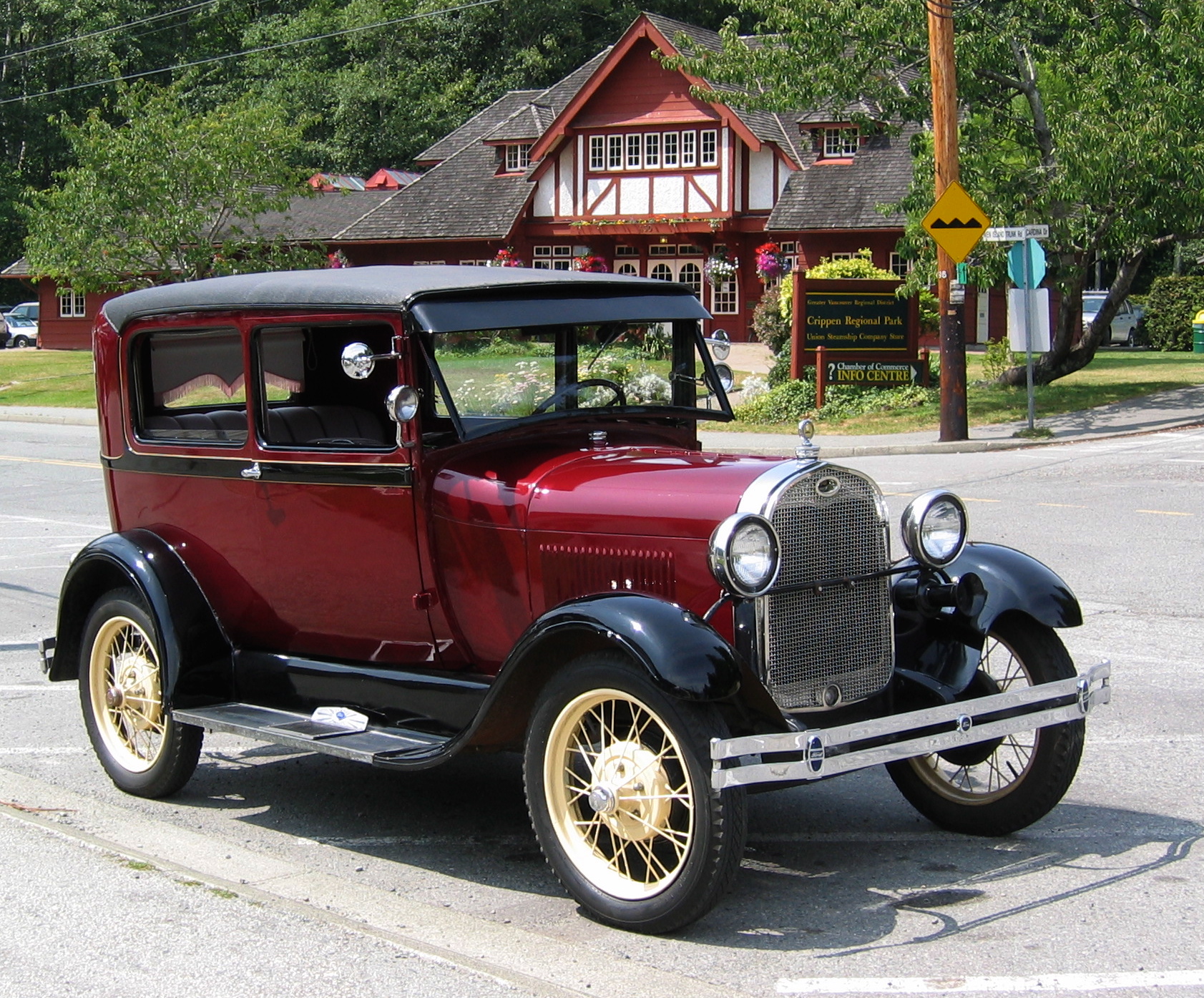
seven three power strokes
"Boy, that's a tough question. Bill. I like the old seven three power strokes. I think there's such a strong motor. I've seen them go a million miles with proper care."
“7.3 Power Stroke” is a Ford diesel engine (7.3 liters). The host is saying it’s a tough, long-lasting engine, which is why the owner is considering fixing the older truck instead of replacing it.
The “7.3 Power Stroke” refers to Ford’s 7.3-liter diesel engine used in Super Duty trucks. It’s known in enthusiast circles for durability—people often cite very high mileage when it’s maintained properly—so it’s central to the owner’s decision about whether to keep and fix the older truck.
computers and modules
"keep in mind, any newer vehicle is going to have three times as many computers and modules on it as that older truck, and therefore it makes it, you know, just as well, if not more complicated to deal with and work on."
Modern vehicles use lots of electronic computers and control boxes to run different systems. The more of them a truck has, the more complicated it can be to diagnose and fix problems.
“Computers and modules” are the electronic control units (ECUs) and related electronics that manage modern engine, transmission, emissions, and body functions. The host’s point is that newer trucks have far more of these systems, which can increase diagnostic and repair complexity.
electronic diesel
"It's more of an electronic diesel than that seven to three power stroke. So I think the game changer' here..."
An “electronic diesel” is a diesel engine that’s run by electronic controls and sensors. That can make it more complicated to troubleshoot than older, simpler diesels.
An “electronic diesel” is a diesel engine controlled heavily by electronics (sensors, actuators, and engine control software) rather than relying mostly on mechanical systems. The host is using this to explain why newer diesels can be more complex to service than older ones.
pre-purchase inspection
"to throw them away as long as the vehicle meets your need, as long as and maybe we should leave it up to this as the tiebreaker, you know, get it down to your diesel mechanic, let them look it over. If it's been sitting any length of time, it's probably got to have the fuel system gone through."
A pre-purchase inspection is a focused check of a vehicle before buying, often aimed at uncovering hidden mechanical issues. Here, the speaker emphasizes having a diesel mechanic inspect the truck—especially if it’s been sitting—so you can estimate real repair costs.
fuel system
"If it's been sitting any length of time, it's probably got to have the fuel system gone through. And if you know, maybe put a number on it."
The fuel system is everything that gets fuel from the tank to the engine. If a diesel truck has been sitting for a while, the fuel system may need attention before you rely on it.
The fuel system is the set of components that stores, filters, pressurizes, and delivers diesel to the engine. On diesel trucks, fuel system problems can be triggered or worsened by long periods of sitting, so a pre-purchase inspection often includes having it checked and serviced.
pull the motor
"By the time you overhould a fuel system, if you had to pull the motor and reseal it and freshen it up a little bit, and if you spend twenty five grand..."
“Pull the motor” means taking the engine out of the truck. It’s a big, expensive repair because it takes a lot of labor to do.
“Pull the motor” means removing the engine from the vehicle to access internal components or do major repairs. It’s a labor-intensive job, which is why the speaker ties it to potentially high costs.
reseal it
"By the time you overhould a fuel system, if you had to pull the motor and reseal it and freshen it up a little bit..."
“Reseal it” means replacing the gaskets or seals that prevent leaks. If the engine has been opened up, resealing helps stop oil or other fluid leaks.
“Reseal it” refers to replacing seals/gaskets to stop leaks and restore proper sealing surfaces after disassembly. In an engine context, resealing is often part of a deeper repair when components have been opened or removed.

Ford Mustang
"Ron, Hey, you caught me at a car show over here in my local town with my sixty six Mustang. Cool but the twenty twenty Silverado."
The Ford Mustang is a long-running American pony car, and “sixty six Mustang” indicates a 1966 model. The host uses it as context for where John was when he was caught—at a car show—before the conversation shifts to the Silverado problem.
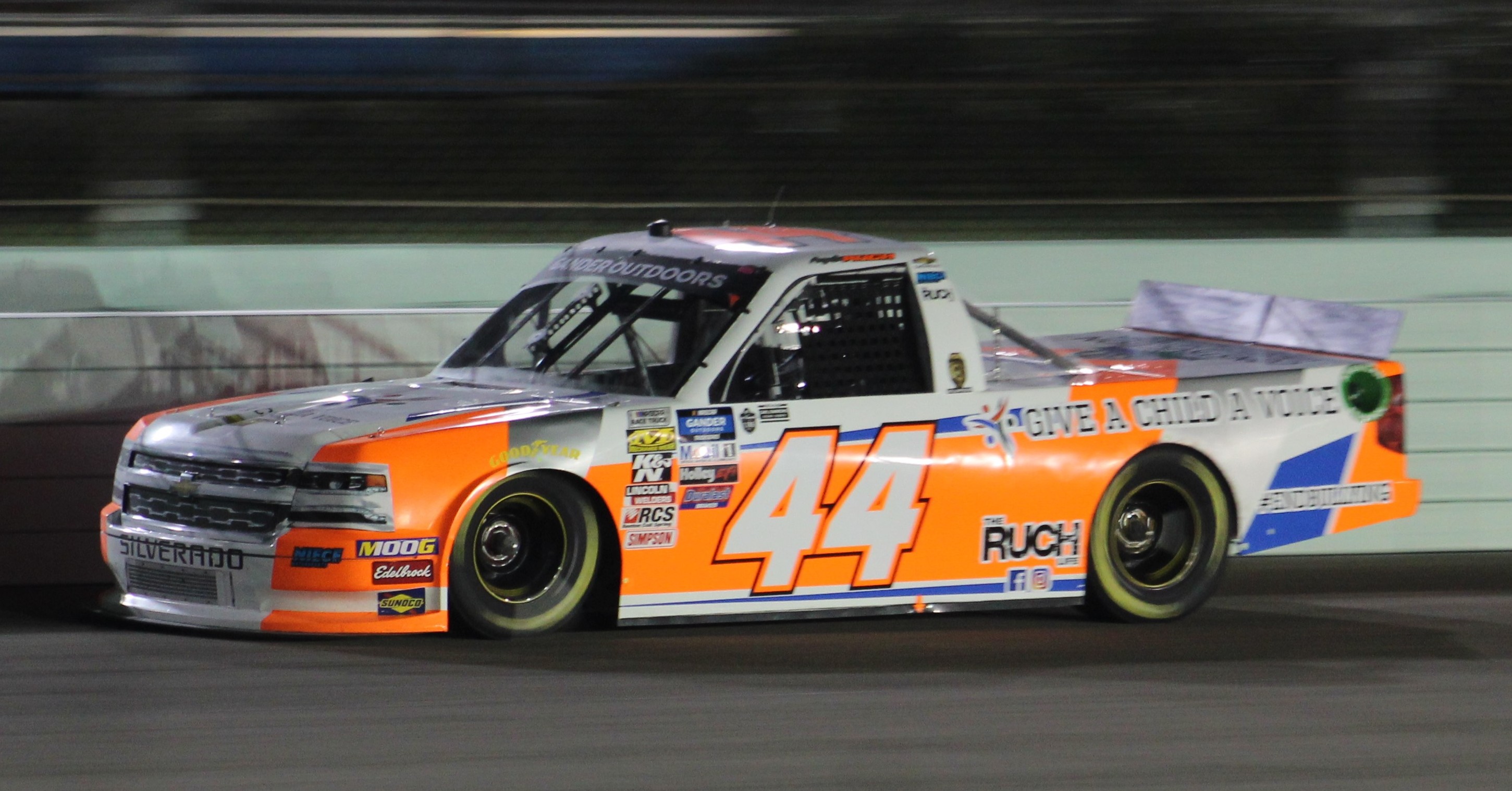
2020 Silverado
"Cool but the twenty twenty Silverado. Okay, So my son's got an O three Silverado and the rats must have gotten to the fuel line and it's dripping. So I collected the fuel... and I put it in my twenty twenty Silverado and I make it then and make it down the road about a mile and crank, no start."
A Silverado is a big Chevrolet pickup truck. Here, the 2020 Silverado is the one that wouldn’t start after the owner put in fuel that had been collected from another vehicle’s leaking fuel line.
The Chevrolet Silverado is a full-size pickup known for its V8/engine options and heavy-duty use. In this story, the 2020 Silverado is the truck that was filled with fuel from a leaking 1966 Mustang fuel-related incident and then developed a no-start condition.
fuel line
"Okay, So my son's got an O three Silverado and the rats must have gotten to the fuel line and it's dripping."
The fuel line is the part that moves gas from the gas tank toward the engine. If it’s leaking, you can lose fuel and the fuel you collect might not be safe to use.
A fuel line is the hose/pipe system that carries fuel from the tank to the engine. In this story, rats damaged the fuel line, causing it to drip—creating a situation where the collected fuel may have been contaminated or degraded.
crank no start
"and I make it then and make it down the road about a mile and crank, no start. So call the wrecker taking the mechanic."
“Crank no start” means the engine turns over when you try to start it, but it doesn’t actually run. That usually points to a problem with fuel, spark, or something mechanically preventing normal operation.
“Crank no start” describes a situation where the starter turns the engine over (cranks), but the engine won’t fire up. It narrows troubleshooting toward fuel delivery/quality, ignition, engine immobilization, or severe mechanical problems.
cloudy fuel
"They took a look at it and diagnosed that it was cloudy fuel. Okay, So he dropped the tank, cleaned it out, put it back up."
“Cloudy fuel” means the gas looks dirty or mixed with something it shouldn’t be. If fuel is contaminated, the engine may not be able to burn it correctly, so the truck won’t start.
“Cloudy fuel” usually means the gasoline has become contaminated or has separated components, often from water, debris, or long storage. Mechanics commonly suspect fuel contamination when a car cranks but won’t start.
click click click
"Try to start a click click click, oh crank no start. The motors seized."
That “click click click” sound usually means the car is trying to start, but the engine isn’t actually turning over. It can be caused by electrical problems—or if the engine is stuck, it can also make the starter just click.
“Click click click” is a common description of a starter/starting-system symptom where the starter solenoid clicks repeatedly but the engine doesn’t turn over. It often points to issues like insufficient battery voltage, a failed starter, or a mechanical lockup.
motors seized
"Try to start a click click click, oh crank no start. The motors seized."
When an engine “seizes,” it means it gets stuck and can’t spin. That’s serious damage, and the car usually needs major work to fix it.
“Engine seized” means the engine’s internal moving parts have locked up and can’t rotate. That’s a severe failure mode—often requiring major repair or replacement—because the engine can’t be freed by normal starting attempts.
gas losing its pop
"Yeah, okay, three months shouldn't do it. Three months should cause it to lose its pop and maybe not start."
“Losing its pop” means the gas doesn’t behave the same after sitting. Some parts of gasoline evaporate or break down, so the engine may have trouble starting.
"Losing its pop" is a colloquial way of describing how gasoline degrades over time, especially when a car sits. As volatile components evaporate and fuel chemistry changes, the engine may struggle to start.
contaminated gas
"So then the question, the question I've got is did you drain your son's tank? Is your son's tank still got the alleged contaminated gas in it?"
Contaminated gas is gasoline that got mixed with something bad, like water or rust. That can make it harder for the engine to start, especially if the car has been sitting.
Contaminated gas means the gasoline has picked up something it shouldn’t have, such as water, rust particles, or debris. Even small amounts can interfere with fuel delivery and combustion, leading to starting problems—especially after the car sits.
rust came off the frame rail
"So maybe maybe some maybe some rust came off the frame rail and got mixed in with the gas."
Rust can flake off metal parts like the frame. If that rust ends up getting into the fuel tank or fuel lines, it can dirty the gas and cause problems starting the car.
Rust from nearby metal—like a frame rail—can break loose and mix into the fuel area if it gets into the tank or fuel lines. That debris can then show up in the fuel and contribute to contamination and starting issues.
fuel sample
"I've got to see what kind of fuel is coming out of that tank. Can we disconnect the line and get a fuel sample out of the tank. What does it look like?"
A fuel sample is a small cup of gas taken from the tank. A mechanic checks it to see if the fuel is contaminated (like with water or dirt), which can cause the car to not start or run poorly.
A fuel sample is a small amount of gasoline collected from the tank or fuel system to inspect its condition. Mechanics use it to check for contamination like water, rust, or debris that can prevent proper combustion and starting.
contaminated fuel
"Right, you know, because to seize the engine, to go three miles down the road and seize the engine, I could see contaminated fuel here think of it like this."
Contaminated fuel is fuel that has something bad mixed into it, like water or dirt. That can plug up parts of the fuel system and prevent the engine from running correctly. In extreme cases, it can even cause serious engine damage.
Contaminated fuel means the gasoline/diesel has unwanted substances mixed in—like water, rust, or debris. In modern fuel systems, that contamination can clog filters and restrict flow, then reach the high-pressure pump and injectors. The result can range from hard starting to injector clogging and, in severe cases, engine damage.
fuel filter
"there's a filter in the tank, so that filter would clog or restrict a greater portion of it, some of the if some of the crud made it through, and it probably would, all right, maybe it made its way, if you know, maybe it's way made its way up to the high pressure fuel fuel pump if it has one."
A fuel filter is like a screen for your fuel. If the fuel is dirty, the filter can get clogged and slow or stop fuel from reaching the engine. When that happens, the engine may run poorly or not start.
A fuel filter is the component that traps debris and contaminants before fuel reaches the rest of the fuel system. If contaminated fuel is present, the filter can clog or restrict flow, starving the engine of proper fuel delivery. That can then lead to issues at the high-pressure pump and fuel injectors.
injectors
"it would get down to the injectors. I could see clogging injectors. Yeah, but to do physical damage to the engine."
Fuel injectors are the parts that spray fuel into the engine. If the fuel is dirty, the injectors can clog and the engine won’t get the right amount of fuel. That can lead to starting problems and running issues.
Fuel injectors are the valves/nozzles that spray pressurized fuel into the engine in precise amounts and timing. When contaminated fuel is involved, injectors can clog, causing misfueling and hard starting. The speaker also discusses how injector clogging can be part of a chain that leads to severe engine failure.
cranking
"This is crank. This is cranking in the shops, so it'll crank. Well, it was cranking. Now it doesn't."
Cranking means the starter is trying to turn the engine. If it cranks but won’t start, that points to fuel or ignition problems. If it stops cranking or the engine is locked up, it suggests a mechanical problem.
Cranking is when the starter motor turns the engine over to attempt ignition. The speaker contrasts “it was cranking” with “now it doesn’t” and then describes the engine being locked up. That distinction helps diagnose whether the issue is fuel/spark versus mechanical seizure.
locked up
"we took a uh, we took a ranch to the uh crank and it doesn't turn. How many miles around the Silverado fifty? I don't know."
“Locked up” means the engine can’t rotate at all. The host is saying they tried to turn it by hand with a tool and it wouldn’t move. That usually indicates serious internal damage, not just a fuel problem.
When an engine is “locked up,” the crankshaft can’t rotate due to internal mechanical failure or seizure. The speaker supports this by describing using a breaker bar on the front of the motor and finding the engine won’t turn. That’s a major diagnostic clue because it rules out many simple fuel-delivery issues.
breaker bar
"You put a you put a ratchet or I'm sorry, a breaker bar in the front of the motor and this thing's locked up."
A breaker bar is a strong tool used to apply a lot of turning force. The host is using it to try to turn the engine manually. If it still won’t turn, the engine is likely mechanically stuck.
A breaker bar is a long, heavy-duty wrench used to apply high torque to loosen or test stubborn fasteners. Here, the speaker uses it as a diagnostic tool to try turning the engine by hand at the front. If the engine won’t move even with a breaker bar, that strongly suggests mechanical seizure.
water in the fuel
"Yeah, it's got to have water in the fuel. Then it's got to have an extreme amount of water in the fuel."
Water in the fuel means there’s water mixed into the gas or diesel. Water doesn’t burn like fuel, so it can cause the engine to run badly or fail. It can also lead to clogged fuel system parts over time.
Water in the fuel is contamination that can disrupt combustion and fuel metering. The speaker argues that water would need to be present in an extreme amount to cause the kind of seizure they’re discussing. In practice, water can also promote corrosion and contribute to clogged filters and injectors.
PV Blasser and Marlboro mister oil
"So we put we pulled the plugs. We put in PV Blasser and Marlboro mister oil. We're let this soap over the weekend, and I hope that will help it."
This sounds like a special oil they put into the engine after removing the plugs. The goal is to help loosen things that are stuck. They’re trying it as a last step before deciding what the engine needs next.
This appears to be a specific engine-soak or penetrating-oil product used after pulling spark plugs to help free a stuck engine. The speaker says they “pulled the plugs” and then used this product over the weekend, hoping it would help. Without clearer brand names, it’s best treated as an “engine soak/penetrating oil” approach rather than a universal procedure.
hydrostatic lock
"maybe something hydrostatic locked. But even in the event of [1465.7s] a hydrostatic lock, I should I should be able to crank this."
Hydrostatic lock means liquid got into the engine cylinder. Since liquid can’t be squeezed like air, the engine can’t turn over the way it should.
Hydrostatic lock happens when liquid (often water or fuel) gets into a cylinder and can’t be compressed. Because liquids don’t compress like air, the engine can’t rotate normally, even if the starter is working.
pull the heads
"Let me the next The next The next step is they're going to pull the heads. [1498.8s] And you know, well, because before I pull the heads, if if the crank won't turn with the plugs out of it, pulling the heads is useless"
“Pull the heads” means taking off the top part of the engine that covers the cylinders. Mechanics do it to look for serious internal damage that you can’t see without opening the engine.
“Pull the heads” means removing the cylinder heads to inspect internal engine damage. It’s a major diagnostic step because it lets you check for issues like bent valves, scoring, or coolant/fuel-related damage inside the combustion chambers.
crank won't turn
"before I pull the heads, if if the crank won't turn with the plugs out of it, pulling the heads is useless, [1500.8s] okay, right, because it's the bottom end that's locked up"
“Crank won’t turn” means the engine can’t rotate at all. That usually points to a serious mechanical problem, not just a sensor or fuel issue.
“Crank won’t turn” refers to the engine’s crankshaft being unable to rotate. In diagnostics, this strongly suggests a mechanical lock-up (like liquid in a cylinder or internal damage), and it helps determine whether deeper teardown (like pulling the heads) is actually warranted.
bottom end
"because it's the bottom end that's locked up right or or or is the trans got a problem and the trans is keeping the engine from turning over?"
The “bottom end” is the lower part of the engine that includes the crankshaft. If that part is stuck, the engine may be seized and needs serious inspection.
The “bottom end” is the lower portion of the engine—components like the crankshaft and connecting rods. If the bottom end is “locked up,” the engine may be mechanically seized, and that changes what repairs or inspections are needed.
trans is keeping the engine from turning over
"because it's the bottom end that's locked up right or or or is the trans got a problem and the trans is keeping the engine from turning over?"
Sometimes a car’s transmission can stop the engine from turning. The mechanic is saying you should figure out whether the problem is inside the engine or in the drivetrain connection.
This refers to a scenario where the transmission (gearbox) prevents the engine from rotating, even if the engine itself might be fine. It’s part of the diagnostic logic: if the crank won’t turn, you have to consider whether the lock-up is inside the engine or caused by the drivetrain.
initialization
"I went in and did an initialization through the screen. All day on the app button turned the lights twice."
They’re talking about a screen setup/reset process. It can make the touchscreen learn how to line up your touches correctly, and if it doesn’t finish right, the buttons may not respond where you tap.
In this context, “initialization” refers to a touchscreen/infotainment startup routine that reboots the system and can trigger a calibration or alignment mode. Doing it incorrectly—or interrupting it—can leave the touch screen’s inputs not matching what you press.
calibration problem
"It's fixable. I've seen this before, Bob. And sometimes you can buy the bottom half because it's it's it's a calibration problem."
Calibration is how the car “maps” your finger taps to the correct spots on the screen. If it’s wrong, the screen can register your tap in the wrong place.
A “calibration problem” means the touchscreen’s touch coordinates don’t match the display. When calibration is off, the car may think you tapped one spot while you actually pressed another, causing misaligned radio/touch controls.
bottom half
"And sometimes you can buy the bottom half because it's it's it's a calibration problem."
“Bottom half” here likely refers to replacing part of the touchscreen assembly or bezel area rather than the entire control head. The host’s point is that a partial replacement can be cheaper when the issue is localized to the touchscreen/digitizer rather than the whole infotainment unit.
control head
"Toyota wants to sell you a new control head and I've seen numbers one thousand and fifteen dollars, just stupid numbers."
The control head is the main brain/module behind the infotainment screen. If it’s failing or can’t be calibrated, the dealer may suggest replacing that whole unit.
The “control head” is the main infotainment unit that houses the screen interface and electronics. When Toyota replaces it, it’s typically because the touchscreen input system or related electronics can’t be calibrated or repaired cheaply.
digitizer screen
"There's something, there's a piece called the digitizer screen. It's referred to as and I've seen it replaced in the aftermarket."
The digitizer is the part of the screen that detects where you’re touching. If it’s bad or out of alignment, the car can think you pressed the wrong button.
The “digitizer screen” is the touchscreen layer that converts your finger presses into electrical signals the car can interpret. If it’s worn out or misaligned, the touch points won’t match where you tap, even if the display itself looks normal.
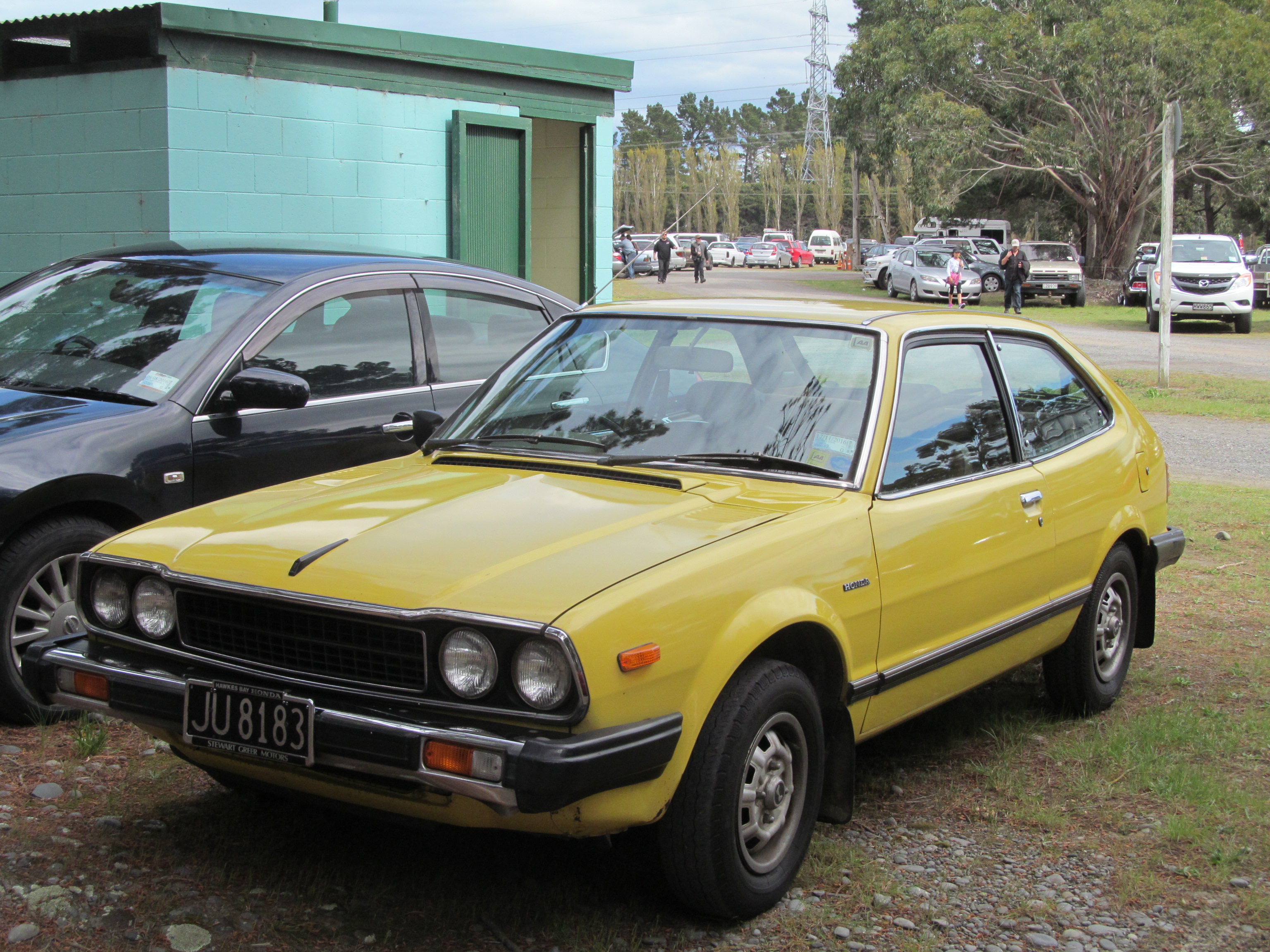
Honda Accord
"Dear car doctor, [1835.0s] I recently had my late model Honda. What year Honda [1838.8s] is this? Nineteen A nineteen Honda Accord and an extensive accident, [1842.5s] So you got to be specific. My nineteen Honda Accord [1845.2s] in a front end collision. Ever since I got it [1846.9s] back from the body shop, it has overheated on me each and every time I take it out."
The Honda Accord is a very common everyday car. In this story, the Accord is overheating after a crash repair, which is a big deal because overheating can damage the engine.
The Honda Accord is a mainstream midsize sedan that’s often used as a daily driver, so cooling problems can quickly become a major reliability and safety concern. Here, the host is responding to a late-model Accord that overheats after a front-end collision and body shop repair.
cooling fan
"I do notice the cooling [1853.9s] fan running, and I'm about to service the cooling system because even though Honda says it should go longer, I'm wondering if maybe put the right coolant back in it, and I'm considering running straight cooling to give myself some extra cooling ability. What do you think? I think that's [1867.7s] a mistake. So first of all, let's let's cover the [1870.0s] Let's cover the obvious first. If the overheat condition wasn't [1874.6s] there prior to the accident, and I doubt that it was, because the way you're worded it sounds like this is something new since the accident. The cooling fan is running, [1882.2s] as you say, all the time."
The cooling fan helps keep the engine from getting too hot by pulling air through the radiator. If it runs all the time or blows the wrong direction, the engine can still overheat.
A cooling fan is the electric fan (or fans) that pulls air through the radiator to remove heat from the engine coolant. If the fan runs constantly or is blowing the wrong way, it can prevent proper heat transfer and contribute to overheating.
coolant
"I do notice the cooling [1853.9s] fan running, and I'm about to service the cooling system because even though Honda says it should go longer, I'm wondering if maybe put the right coolant back in it, and I'm considering running straight cooling to give myself some extra cooling ability."
Coolant is the liquid that carries heat away from the engine. Using the wrong type or mixture can hurt cooling, so the host is addressing whether coolant choice could be involved.
Coolant is the fluid that circulates through the engine to carry heat to the radiator for dissipation. The caller is considering whether using the correct coolant (and not “straight cooling,” as phrased) could be part of the overheating issue after the crash repair.
cooling system
"I do notice the cooling [1853.9s] fan running, and I'm about to service the cooling system because even though Honda says it should go longer, I'm wondering if maybe put the right coolant back in it, and I'm considering running straight cooling to give myself some extra cooling ability."
The cooling system is everything that keeps the engine from overheating. It includes the radiator and the parts that move coolant and air, and the host thinks the crash repair may have affected how it works.
The cooling system is the network of components that moves coolant and manages engine heat, typically including the radiator, hoses, thermostat, water pump, and fan control. The host frames the problem as likely related to airflow direction and wiring after the accident, rather than simply needing routine service.
radiator
"Is the cooling fan running all [1892.8s] the time because it's overheating because the cooling fan is blowing hot air onto the radiator instead of blowing it forward, instead of pulling it in to create proper air distribution and heat and cooling."
The radiator is the part that helps dump heat from the engine coolant. If airflow through the radiator is wrong, the car can’t cool down properly.
The radiator is the heat exchanger that transfers heat from hot engine coolant to outside air. The host is specifically concerned that the fan may be blowing hot air onto the radiator rather than pulling air through it, which would reduce cooling effectiveness.
wiring harness
"and I've seen [1916.4s] accident cars where harnesses get damaged and they'll rewire the harness and they'll get creative and they'll do all kinds of goofy things, and you find out they've got the cooling fin run in the wrong direction. That's number one."
A wiring harness is the car’s wire system that connects sensors and fans to the power they need. If it gets damaged in a crash and is reconnected wrong, the fan can behave incorrectly.
A wiring harness is the bundled set of wires that routes power and signals to vehicle components. The host suggests that accident damage can damage the harness, and that incorrect re-wiring can cause the cooling fan to run in the wrong direction.
fifty to fifty mixture
"[1935.9s] or flow the heat away correctly like a fifty to fifty mixture. You know, you've really got to give credit"
This is the common idea of mixing coolant and water about equally. That balance helps the cooling system move heat the right way.
A “fifty to fifty mixture” refers to mixing coolant concentrate with water at roughly a 1:1 ratio. That ratio affects coolant density, heat transfer, and how well the system circulates to remove heat.
air conditioning
"[1957.6s] three year old suburban air conditioning on the ace's blowing forty five degrees. It's one hundred and three degrees out"
Air conditioning can affect how hard the engine has to work. He mentions A/C vent temps as part of his real-world check while talking about cooling performance.
Air conditioning (A/C) load can correlate with engine temperature because the system adds heat and can change cooling demands. The host uses A/C vent temperature as a practical clue while discussing cooling-system health.
overheats
"[1995.5s] which way the cooling fan is running, because I think that's going to be your problem. And last, you don't [2001.1s] mention whether this overheats whether you're traveling down the road at speed or whether you're idling in a parking lot."
Overheating means the engine is getting too hot. In this segment, he’s saying it can happen if the cooling system isn’t working right or if airflow to the radiator is blocked.
“Overheats” here refers to the engine temperature rising beyond safe operating range. The host connects overheating to airflow problems (missing aero pieces) and to cooling-fan operation and coolant choice.
air dams
"[2001.1s] mention whether this overheats whether you're traveling down the road at speed or whether you're idling in a parking lot. [2007.0s] Are all the air dams, all the little air deflectors. [2011.0s] You know, there's a lot more going on to these cars today than just a fan, a radiator and a bumper."
Air dams are parts at the front of the car that help direct air where it’s needed. If they’re missing, the engine may not get enough cooling airflow.
Air dams are front-end aerodynamic panels that help manage airflow around the radiator and underbody. Missing or damaged air dams can reduce airflow to the radiator, increasing the chance of overheating.
air deflectors
"[2007.0s] Are all the air dams, all the little air deflectors. [2011.0s] You know, there's a lot more going on to these cars today than just a fan, a radiator and a bumper."
Air deflectors are small aerodynamic parts that steer airflow. If they’re missing, the car may not cool as well, especially around the front radiator area.
Air deflectors are aerodynamic pieces that guide airflow to improve cooling and reduce drag. The host groups them with air dams as items that, if missing, can prevent proper airflow and contribute to overheating.
lower spoilers
"[2016.2s] There's a lot of panels that direct there. There's a [2018.4s] lot of places where if they're missing lower spoilers, lower balances, that car won't have proper airflow, and that car will have a tendency to overheat."
Lower spoilers are front aerodynamic pieces that help direct air under and around the car. If they’re missing, the radiator may not get the airflow it needs.
Lower spoilers are aerodynamic panels near the bottom of the front bumper or underbody that help control airflow. Ron Ananian suggests that missing lower spoilers can disrupt airflow enough to cause overheating.
lower balances
"[2018.4s] lot of places where if they're missing lower spoilers, lower balances, that car won't have proper airflow, and that car will have a tendency to overheat."
He’s talking about lower front trim/aero pieces. If those parts are missing, air can’t be guided correctly, and the engine may run hotter.
“Lower balances” appears to refer to lower front bumper balance panels/trim pieces that help shape airflow. The host’s point is that missing lower aero pieces can reduce cooling airflow and lead to overheating.
Request an Explanation
Heard something you'd like explained? We'll add it to this episode.
Sign in to request explanations for terms you heard.
Want to learn more?
Browse our glossary for plain-English explanations of automotive terms, jargon, and concepts.
Help improve this episode
See something that's not quite right? Our annotations are AI-generated and can sometimes miss the mark. Click the flag icon on any annotation to suggest a correction.