The diagnostic process is how a mechanic figures out what’s wrong—by asking questions, checking clues, and testing possibilities. If someone loses faith that the process can work, it can slow down getting to the real cause.
An engine stumble is a hesitation or misfire-like behavior where the engine doesn’t respond smoothly to throttle input. It often points to an air/fuel delivery or throttle-control issue, even if no diagnostic trouble code is stored.
A scan tool is like a computer reader for your car. It can check for error codes and sometimes show live information from sensors while the problem is happening.
Fuel trim is the car’s way of fine-tuning how much fuel it injects. If the car has to constantly add or subtract fuel to stay on target, it can hint at what’s wrong even if no warning light appears.
Carbon build up refers to deposits that form inside intake and throttle components from combustion byproducts. Over time, these deposits can interfere with airflow and throttle plate movement, leading to drivability issues. Cleaning is often part of restoring proper idle and response.
A bushing is a small support piece that helps a moving shaft slide smoothly. In a throttle body, it’s part of the area where the throttle shaft moves. If carbon builds up there, it can make the throttle action less smooth.
Term
trailerable house boat
A “trailerable house boat” is a boat you can haul behind a truck on a trailer. That means the truck has to be able to tow it safely and handle the extra load for trips.
The BYD Seal is an electric car. When a car sits for a long time, some rubber parts can dry out, and that can sometimes lead to leaks. The podcast is asking whether sitting could damage the seals, and it notes that the car hasn’t leaked oil so far.
“7.3 Power Stroke” is a Ford diesel engine (7.3 liters). The host is saying it’s a tough, long-lasting engine, which is why the owner is considering fixing the older truck instead of replacing it.
Modern vehicles use lots of electronic computers and control boxes to run different systems. The more of them a truck has, the more complicated it can be to diagnose and fix problems.
An “electronic diesel” is a diesel engine that’s run by electronic controls and sensors. That can make it more complicated to troubleshoot than older, simpler diesels.
A pre-purchase inspection is a focused check of a vehicle before buying, often aimed at uncovering hidden mechanical issues. Here, the speaker emphasizes having a diesel mechanic inspect the truck—especially if it’s been sitting—so you can estimate real repair costs.
The fuel system is everything that gets fuel from the tank to the engine. If a diesel truck has been sitting for a while, the fuel system may need attention before you rely on it.
The Ford Mustang is a long-running American pony car, and “sixty six Mustang” indicates a 1966 model. The host uses it as context for where John was when he was caught—at a car show—before the conversation shifts to the Silverado problem.
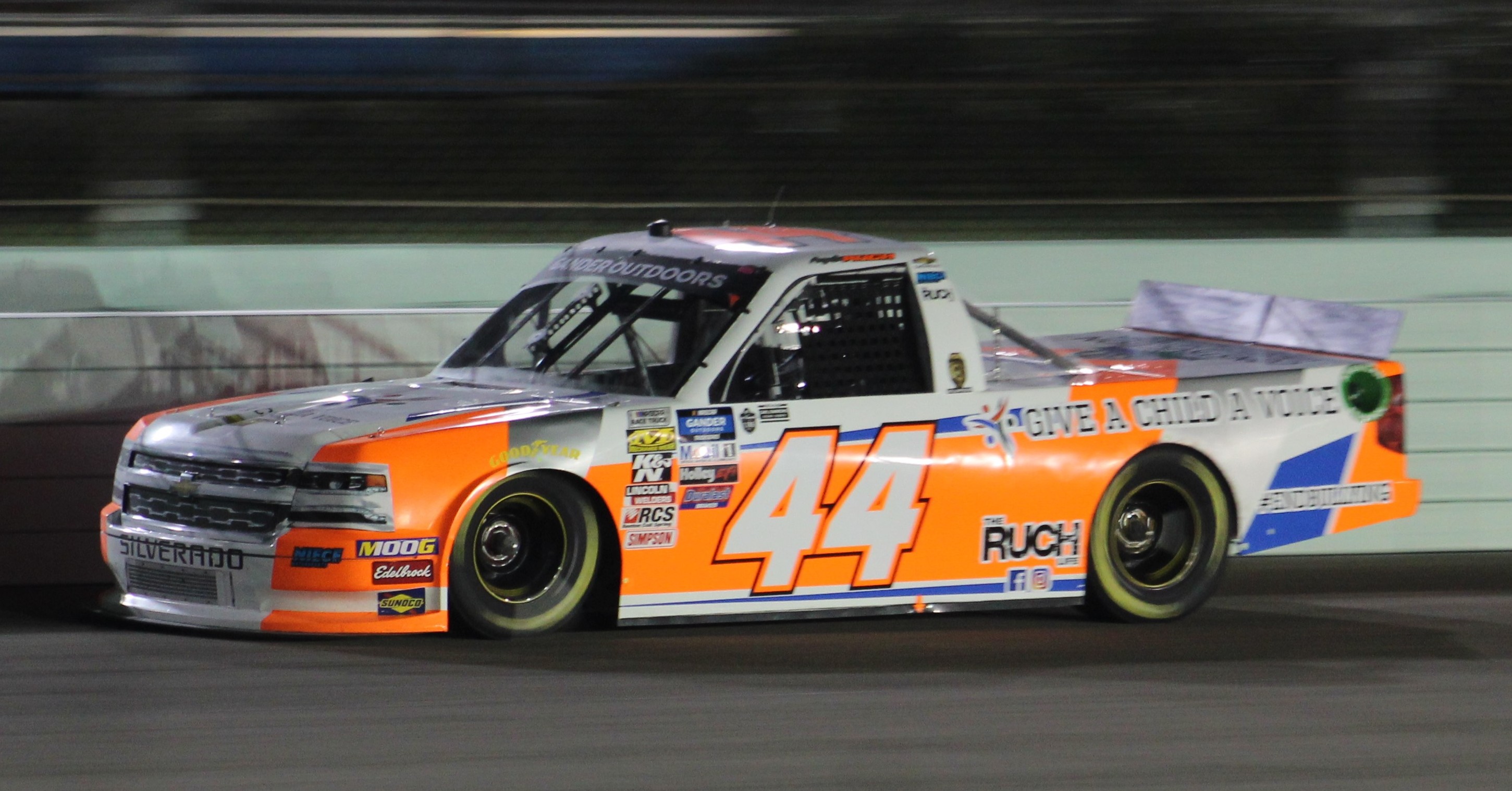
A Silverado is a big Chevrolet pickup truck. Here, the 2020 Silverado is the one that wouldn’t start after the owner put in fuel that had been collected from another vehicle’s leaking fuel line.
The fuel line is the part that moves gas from the gas tank toward the engine. If it’s leaking, you can lose fuel and the fuel you collect might not be safe to use.
“Crank no start” means the engine turns over when you try to start it, but it doesn’t actually run. That usually points to a problem with fuel, spark, or something mechanically preventing normal operation.
“Cloudy fuel” means the gas looks dirty or mixed with something it shouldn’t be. If fuel is contaminated, the engine may not be able to burn it correctly, so the truck won’t start.
That “click click click” sound usually means the car is trying to start, but the engine isn’t actually turning over. It can be caused by electrical problems—or if the engine is stuck, it can also make the starter just click.
When an engine “seizes,” it means it gets stuck and can’t spin. That’s serious damage, and the car usually needs major work to fix it.
Concept
gas losing its pop
“Losing its pop” means the gas doesn’t behave the same after sitting. Some parts of gasoline evaporate or break down, so the engine may have trouble starting.
Contaminated gas is gasoline that got mixed with something bad, like water or rust. That can make it harder for the engine to start, especially if the car has been sitting.
Term
rust came off the frame rail
Rust can flake off metal parts like the frame. If that rust ends up getting into the fuel tank or fuel lines, it can dirty the gas and cause problems starting the car.
A fuel sample is a small cup of gas taken from the tank. A mechanic checks it to see if the fuel is contaminated (like with water or dirt), which can cause the car to not start or run poorly.
Contaminated fuel is fuel that has something bad mixed into it, like water or dirt. That can plug up parts of the fuel system and prevent the engine from running correctly. In extreme cases, it can even cause serious engine damage.
A fuel filter is like a screen for your fuel. If the fuel is dirty, the filter can get clogged and slow or stop fuel from reaching the engine. When that happens, the engine may run poorly or not start.
Fuel injectors are the parts that spray fuel into the engine. If the fuel is dirty, the injectors can clog and the engine won’t get the right amount of fuel. That can lead to starting problems and running issues.
Cranking means the starter is trying to turn the engine. If it cranks but won’t start, that points to fuel or ignition problems. If it stops cranking or the engine is locked up, it suggests a mechanical problem.
“Locked up” means the engine can’t rotate at all. The host is saying they tried to turn it by hand with a tool and it wouldn’t move. That usually indicates serious internal damage, not just a fuel problem.
A breaker bar is a strong tool used to apply a lot of turning force. The host is using it to try to turn the engine manually. If it still won’t turn, the engine is likely mechanically stuck.
Term
water in the fuel
Water in the fuel means there’s water mixed into the gas or diesel. Water doesn’t burn like fuel, so it can cause the engine to run badly or fail. It can also lead to clogged fuel system parts over time.
Term
PV Blasser and Marlboro mister oil
This sounds like a special oil they put into the engine after removing the plugs. The goal is to help loosen things that are stuck. They’re trying it as a last step before deciding what the engine needs next.
“Pull the heads” means taking off the top part of the engine that covers the cylinders. Mechanics do it to look for serious internal damage that you can’t see without opening the engine.
The “bottom end” is the lower part of the engine that includes the crankshaft. If that part is stuck, the engine may be seized and needs serious inspection.
Term
trans is keeping the engine from turning over
Sometimes a car’s transmission can stop the engine from turning. The mechanic is saying you should figure out whether the problem is inside the engine or in the drivetrain connection.
They’re talking about a screen setup/reset process. It can make the touchscreen learn how to line up your touches correctly, and if it doesn’t finish right, the buttons may not respond where you tap.
Calibration is how the car “maps” your finger taps to the correct spots on the screen. If it’s wrong, the screen can register your tap in the wrong place.
Term
bottom half
“Bottom half” here likely refers to replacing part of the touchscreen assembly or bezel area rather than the entire control head. The host’s point is that a partial replacement can be cheaper when the issue is localized to the touchscreen/digitizer rather than the whole infotainment unit.
The control head is the main brain/module behind the infotainment screen. If it’s failing or can’t be calibrated, the dealer may suggest replacing that whole unit.
The digitizer is the part of the screen that detects where you’re touching. If it’s bad or out of alignment, the car can think you pressed the wrong button.
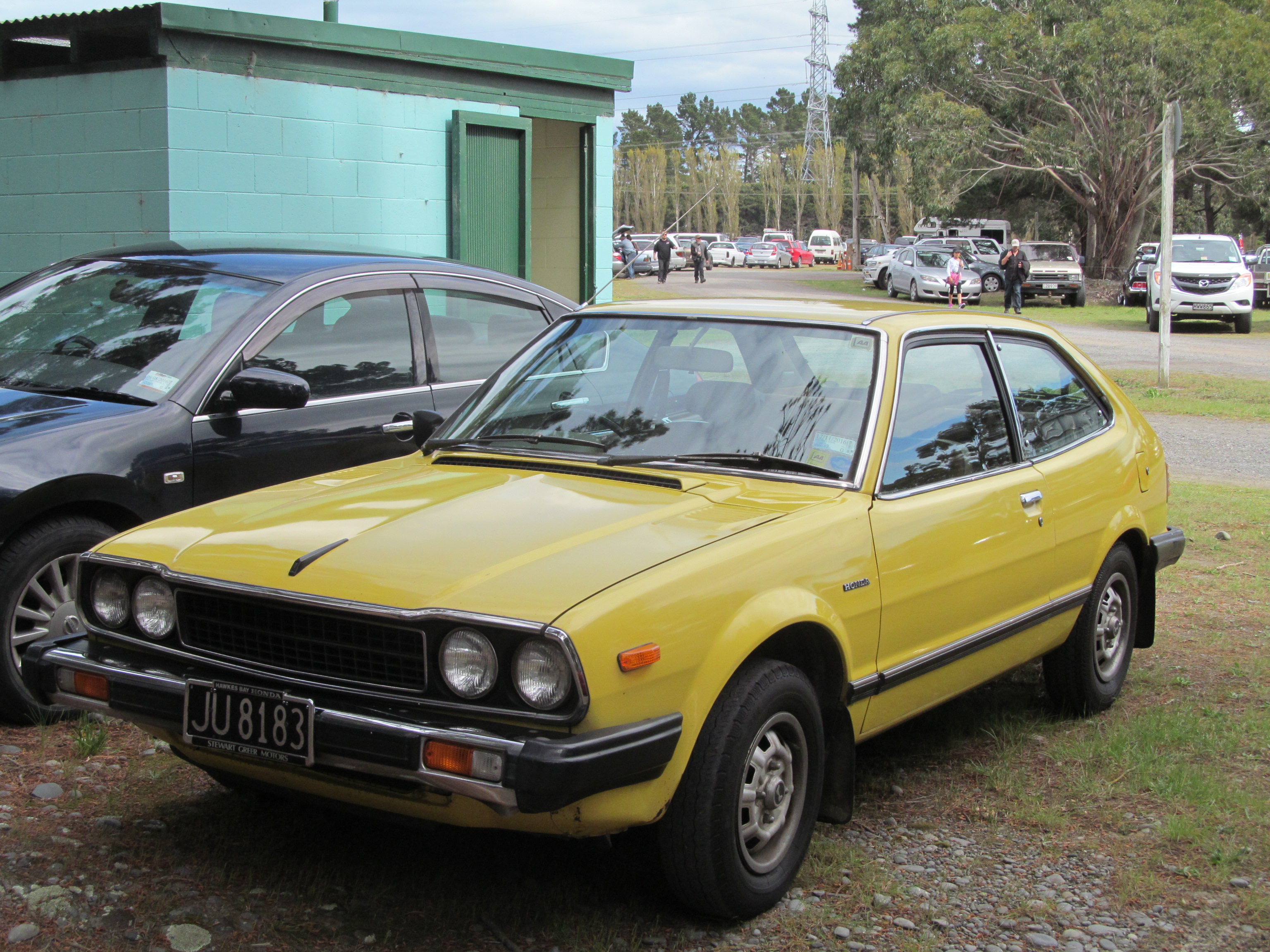
The Honda Accord is a very common everyday car. In this story, the Accord is overheating after a crash repair, which is a big deal because overheating can damage the engine.
The cooling fan helps keep the engine from getting too hot by pulling air through the radiator. If it runs all the time or blows the wrong direction, the engine can still overheat.
Coolant is the liquid that carries heat away from the engine. Using the wrong type or mixture can hurt cooling, so the host is addressing whether coolant choice could be involved.
The cooling system is everything that keeps the engine from overheating. It includes the radiator and the parts that move coolant and air, and the host thinks the crash repair may have affected how it works.
A wiring harness is the car’s wire system that connects sensors and fans to the power they need. If it gets damaged in a crash and is reconnected wrong, the fan can behave incorrectly.
Air conditioning can affect how hard the engine has to work. He mentions A/C vent temps as part of his real-world check while talking about cooling performance.
Overheating means the engine is getting too hot. In this segment, he’s saying it can happen if the cooling system isn’t working right or if airflow to the radiator is blocked.
Air deflectors are small aerodynamic parts that steer airflow. If they’re missing, the car may not cool as well, especially around the front radiator area.
Lower spoilers are front aerodynamic pieces that help direct air under and around the car. If they’re missing, the radiator may not get the airflow it needs.
Term
lower balances
He’s talking about lower front trim/aero pieces. If those parts are missing, air can’t be guided correctly, and the engine may run hotter.
LIVE
You're listening to Ronananian, the Car Doctor.
Nationally recognized auto expert trusted by Mechanics, Weekend wrenchers and vehicle owners alike. Ron brings over forty years of hands
on experience and deep industry insight to help you understand your vehicle. Join the Conversation Live every Saturday from two
to four pm Eastern by calling eight five to five five six zero nine nine zero zero. That's eight five
to five five six zero ninety nine hundred, your direct line to honest answers and practical advice. Looking for more,
visit cardoctorshow dot com for past episodes, repair tips, and Ron's latest insights, and be sure to subscribe to the Car Doctor YouTube channel for exclusive videos, real repair footage and more.
Now start your enginies. The Car Doctor is in the
garage and ready to take your call. Happy Birthday, America.
Welcome to two fifty Roninanian, the Car Doctor at your service.
You know, after nearly fifty years of fixing cars, I learned and I believe, and this will kind of surprise people.
The most valuable tool I own to repair a car isn't my scan tool. It isn't my labscopes. It isn't
my smoke machine, my toolbox, the lift. Heck, it isn't
even the service bay. It's the front counter, it's the
waiting room. It's the chairs that sit in front of me.
And I've learned this since Jeez, I've been working on car since Jimmy Carter was in the White House. Because
the best tool in my shop is a chair. Before
I plug in a vehicle, before I open the hood, before I even write the repair order, I want to listen.
I want you to sit down and talk to me.
I want to hear what you have to say. And
it may sound very old fashioned, because every car in the world today has twenty or thirty computers and enough software to rival your home computer. And here's the thing.
Cars don't lie, and people usually don't either. They just
remember different parts of the story. And that's what happened
this past week at the shop. A husband and wife
came into the shop together with a late model SUV.
Now you ever check in a husband and a wife together, and you have to listen to both of them. And
I'm not picking on husbands and wives, and I'm not trying to make this about marriage, but it's interesting two people live together, and they experienced the same things side by side, and yet they tell the story a different way.
They'd been to several repair shops. The husband looked exhausted,
the wife looked well. She had that look on her
face that said, I've had enough. He walked up to
the counter carrying a folder like an inch thick, and there were repair invoices inside of it. Fuel pump, battery, throttle, body,
tune up. Even one invoice even had a note that
read no problem found. Thousands of dollars had been spent
over time, the vehicles still stall. There was no warning lights,
there was noes, there was no pattern anyone could find.
Some of the parts had been reinstalled, some of the parts had been swapped around, some of the parts had been changed multiple times. And I started to ask a question,
but before I could, the husband said to me, Ron, I'm going to tell you right now. If you can't
figure this out, I understand. And that bothered me. It
caught my attention not because he doubted me, but because somewhere along the way he stopped believing the car could be fixed. He lost confidence in the process. And that
bothers me, not just in the vehicle, but in the repair process itself. So I didn't grab the keys, I
didn't write up the order. I just pointed to two chairs.
There's three in the front. I pointed to the two
chairs and I asked them both to sit down, and I said, tell me everything. The husband started first. You know,
I often think about I used to go to breakfast with my friend Richie, who's gone gosh fifteen years now.
And I'd spend every Friday morning with Richie. We'd have
coffee and eggs at the local get together, and my wife would ask me at night. I said, how's Richie?
He's great? How's his wife she's good? How's his kids good?
What did you guys talk about? I don't know what?
Did he say? Nothing? And you know, it was just
men have a very unique way I've learned of describing things.
We're noncommittal. We kind of grunted and grown a lot
and where one word answers, whereas the wife is more descriptive.
And I asked him, I said, when does it stole?
He said, I don't know, hot or cold, I don't know, highway or city. I don't know. Then the wife started
to talk, which I was grateful for at that point, she said, well, no, she goes and she looked at him and smiled and said, no, dear, it's not like that.
And I've been doing this long enough. I leaned back
and I decided to let them talk for a while.
And you have to do that, because that's one of the things as an older technician it's a hard thing for a young technician to do, I think, is to let people talk. People need time, They need to process this.
They need to tell you about the vacation they were on.
They need to tell you where they bought the car.
You know what, I start running the diagnostic clock whether we're sitting in the waiting room or whether we're working on the car out on the road. But either way,
somewhere in all those words that they tell you is the clue. The husband kept talking about all the money
they spent, the wife kept talking about what the car actually did. And it's two very, very different conversations. And
it's something you've got to be aware of. And I
noticed as they went back and forth, the husband kept describing the problem. He used words like always and every time,
but the wife would describe it. She'd say things, well,
not exactly. It seems like I think, and those words
matter because he said something almost in passing. She said,
you know, I don't think it's ever happened coming home.
And I looked up and I said, what do you mean it doesn't happen coming home? Why doesn't it happen?
You know, if you go down to a stop sign anywhere in America, shouldn't it stall if that's where it's stalling.
And the husband looked surprised, and he said, I never thought about that. And then she added another little detail.
She says, I back out of the driveway, I put it in drive, and by the time I get to the stop sign, it sometimes it just quits. And that
was interesting because their driveway, they explained to me, was fairly steep. She backed down the driveway every morning, shifted
into the drive started rolling. The first stop sign was
just a couple hundred feet away. The husband he did
it different on the days that he drove the car.
He backed it into the garage, he said, and I just pulled straight out and I go in the other direction up the hill, same vehicle, same family, just two completely different routines. Now, before anybody starts blaming the wife,
you can't she wasn't doing anything wrong. She was just
operating the same vehicle under a different set of conditions, because I learned in talking to them that they were doing two different things with the same vehicle. He went left,
she went right. He had about a six minute ride
before he hit the first stop sign, you know, flat Plaine Hill. Whatever. He just kept going. She took the
direction that she had a stop sign a couple hundred feet away. And that was the answer. Because sometimes, and
I say this all the time, you can't look for broken.
You've got to look for different. You got to look
for what's good. So I asked her one more question.
I said, tomorrow morning, can you drive exactly the way you you normally drive? I said, just come down to
the shop. She said sure. She came into the shop.
The next morning, we went for a ride, same routine, same stop sign a couple hundred feet away, all right.
I made her duplicate the condition, and the engine stumbled.
It didn't set a code, it didn't turn on the light.
It just stumbled. It hesitated long enough to make you
wonder if it was going to die. Back in the
shop after she left it, I hooked up a scan tool.
Not because I expected it to tell me the answer, because I didn't because I knew exactly when to watch it.
I knew what I was trying to duplicate. I watched
the way she stepped on the gas pedal, and I was able to track down looking at the way it was working, watching the sweep rate of the throttle angle, and watching some of the other factors fuel trim and some of the other things. The throttle wasn't really moving smoothly.
Now this was it had gone back to the original throttle because after the throttle body had been replaced, that shop replaced the original throttle body back in, so I was still working with the original throttle body. What happened,
It wasn't enough to set a code. It wasn't enough
to cause a light. It was just enough that between
all the parts that were changed. My suspicion is but
in reality, when I took the throttle body off to clean it and I looked behind it, it had a really good carbon ridge that you could see. The throttle
body cleaning had been done poorly, and they just they cut like seventy percent of it. But there was this
one corner off to the side where the bushing is where the shaft comes through, where there was still a good bit of carbon build up. I cleaned the throttle body.
And then I did something that I didn't see anywhere on any of the invoices. I did a throttle body relearn.
I did a real throttle body releader as per the book, looked it up in all data went through the procedure.
While data laid it out for me on this particular car, you have to do this. You have to do this.
You have to do this. Gave him back the car
at the end of the day, no charge. Drive the car.
Come back in a week. They came back Thursday morning.
You know what, the car's fixed. What'd you do? And
I told him. I sat them down and I listened
to them and they were shocked. They said, you know,
nobody's ever done that. And I said, well, patience is
part of the game. Patience is an important part of it,
you know. It's what I always say. It's not how
many parts do you need to fix the cards? How
many parts can you avoid putting in to repair the vehicle?
Mary told me that. Mary taught me this week the
value of listening, the importance of listening. And I tell
you this because sometimes you just gotta let them talk.
You gotta let them finish, you gotta let them have their say, because sometimes the answer is in what they say and how they say it. It's just that important.
More often than not, people don't realize it. Repairing a
car starts with a conversation, and sometimes I find the answer is sitting right across from me in a chair while I'm standing at the counter. I'm ronning any in
the car doctor, and together we're going to fix all all the cars you call me about today. I'm just
getting warmed up. Let's open the garage doors right after this.
Don't go anywhere. Speaking of ron By the way, today
is T shirt Day. We're giving away our two hundred
and fiftieth anniversary, America's birthday, the forest Power to Horsepower t shirt. So when we're done with the call, everybody
calling in gets a T shirt today both hours. So
when we're done with the calls today and we're done with your call today, make sure you give Tom your information, name, address, t shirt size. Please, we have to go ahold of
Donald from I think Louisiana Lyst Week. You forgot to
give us his T shirt size and we can't guess. So, Donald,
if you're out there, if you can't call in, we're going to call you after the show today and find that out. But today's T shirt day. We're up celebrating
America here on the fourth of July. Bill in East Tennessee.
How are you, Bill? What's going on?
Couldn't be better. I'm sitting on the side of a
crystal clear river flowing out of the mountains with my wife eating chicken salad sandwiches, enjoying our freedom.
Brother, that sounds wonderful. You got that, Ran. We need
to appreciate our freedom in this crazy world of ours.
So what can I do for you today? Sir?
Do you want to hear the backstory on my truck or do you want to jump right into it?
Well, I don't give me, give me, give me the first minute, just the highlights.
Just bought the truck brand new. It's one f two
fifty seven point three diesel. I had it for three
hundred and fifteen thousand miles.
My wife drove it, my.
Kid grew up in the back seat in it, you know, in the car seat. That's why I attribute Hurst Marts too. Anyhow,
I use it hunting and fishing on the weekends. I
decided to start my own business back in twenty sixteen.
I used the truck to pull a bunch of logs that I cut up on my sawmill to make my business on the side of the river over here, and dubn't truck means so much to me. And I'm going
to be very soon and pulling a ten thousand pound trailerable house boat.
That's the vehicle. Love, that's the vehicle to do it with.
Let me tell you.
I know, I know. And I've also I like the Godzilla.
The new Godzilla is in all, I'm just going to be traveling to different lakes in East Tennessee and spending.
Two or three nights.
But I love my old truck and it's got a lot of memories in it, and I'd love.
To get that fixed up.
But it's been sitting for a year, maybe longer. I
drove it there to my house and it's been sitting there. Yeah,
and all the fuels drained out of the fuel filter and you know, can't start it, blah blah blah. And
I'm wondering, since it sat so long, is that going to hurt the seals? And it's never leaked any oil,
it has the same transmission, It's never given me any problems, it's always started. It's been a wonderful truck. But is
it worth fixing up or just selling it and getting a new one with a Godzilla motor in it?
Boy, that's a tough question. Bill. I like the old
seven three power strokes. I think there's such a strong motor.
I've seen them go a million miles with proper care.
So this is really a question also about what does the rest of the truck look like any rot and he rust any structural issues it is. It is twenty
six years old now. And the other factor that comes
into this is parts availability. As always, you know, we
can find parts for anything, and we can fix anything.
It's just how much do you want to put up with and what's your downtime like? Now, keep in mind,
any newer vehicle is going to have three times as many computers and modules on it as that older truck, and therefore it makes it, you know, just as well, if not more complicated to deal with and work on.
It's more of an electronic diesel than that seven to three power stroke. So I think the game changer' here
and to. You know, the decider is going to be
who's working on it, the local garage, the dealer. Do
you have a competent dealer with a good diesel mechanic, a good diesel crew.
Oh man, I've got a certified master powerstroke mechanic three miles from my house that owns his own shop.
Well, younger guy, you always have to have a doctor younger than you. I've learned that.
You know.
Remember remember what, Remember what George Burns said that Johnny Carson sitting in the chair in one of his last interviews, and George was smoking his seventeen cigar the day and Johnny Carson goes, what does your doctor saying? George burn says,
my doctor is dead, So you know it's it's George Burns was like ninety seven at the time. So I've learned.
You know, you've got to You've got to have a younger doctor. I kind of like fixing the powerstroke bill.
You know, you'll you'll you'll spend a bunch of money, but at least you know what you got and there's nothing that you know. It's it's an emotional thing, right,
You're gonna look around that truck and remember when the kid was riding around in the back seat. And you know,
memories in a vehicle can't be purchased. They're made, and
to throw them away as long as the vehicle meets your need, as long as and maybe we should leave it up to this as the tiebreaker, you know, get it down to your diesel mechanic, let them look it over.
If it's been sitting any length of time, it's probably got to have the fuel system gone through. And if
you know, maybe put a number on it. By the
time you overhould a fuel system, if you had to pull the motor and reseal it and freshen it up a little bit, and if you spend twenty five grand, I'm gonna put a scary number or what I think is a scary number on the table if you had to put twenty five grand in it. Right, what does
the body look like? What does the rest of it
look like? Now, by your own admittance, you're gonna take
this thing through rough country, right, You're gonna be pulling trees, You're gonna be driving around to different lakes.
You're gonna be it's already done. It's worked. Like me,
I'm sixty five you know, and I cut down my trains on the property and all the logs to my thamba blah blah blah, and then all the eighty eight and eight by twelve to the to get it planed and everything. So it's got dance on it for me
accidentally hitting you know, tree beames on the truck. So
it's got quite a few dents on it. But I'm
the only thing it's gonna do is pull that house boat to the lake.
Well, it's the only thing it's gonna do.
Then maybe it's talked to your mechanic. Let him be
the typebreaker. Hey, if we overhold a fuel system, if
the engine leaks a little oil, who cares. It'll keep
it from rusting. And if it's got a couple of
dense in it, well it's it sort of looks like the owner. You've got a couple of dents in it,
and you've got a couple of dents in you. The
truck's got a couple of dents in it, and maybe you guys will match. I say, let your mechanic look
at it fuel system wise and make the decision from there.
Appreciate it, build t shirts on its way. I'm running
any of the car doctor We're back right after this from city streets to the open road and.
Leave you riding.
He's hell, Ron, we'll keep you rolling right.
He's a car doctor, doctor, car and fast.
The guys in the band get a T shirt. I
wonder which size are they? Say again, Tom, I don't
hear you. They should. I don't know why they shouldn't.
Well they should, Okay, Well they have to call in with a question, though, So I want to hear something more than just singing. By the way, Yeah, did you
have a good time last night? I had a great
time last night. Oh good, y'all good. So you went
to taylor Swiss wedding. Oh yeah, I was there. I
didn't want to ask you. I didn't want to tell
you about it because a matter of fact, Taylor Taylor says, Hi, Travis says. Travis didn't say, well she is. But and
Travis didn't say much because he knows what a Giants fan you are. So he said, he said, you're raut.
That's why, and that's why you didn't get to go to the wedding. Me, on the other hand, I'm a neutral,
so well, I forgured you were an a lister, so you had to go, well, you know, I'm an A lister, I'm a B lister, I'm a I'm more whatever you want to be. I'm flexible. So but in any event,
back to shirts. Just remember give Tom your address name
and the T shirt size. Let's go over to John
and Oregon. John, what's going on? Twenty Silverado? What did
you do to this?
Hey?
Ron, Hey, you caught me at a car show over here in my local town with my sixty six Mustang.
Cool but the twenty twenty Silverado. Okay, So my son's
got an O three Silverado and the rats must have gotten to the fuel line and it's dripping. So I
collected the fuel, you know, and I got about three gallons worth, okay, and I put it in my twenty twenty Silverado and I make it then and make it down the road about a mile and crank, no start.
So call the wrecker taking the mechanic. They took a
look at it and diagnosed that it was cloudy fuel. Okay,
So he dropped the tank, cleaned it out, put it back up. Try to start a click click click, oh
crank no start.
The motors seized.
Wait a minute, time, Yeah, time. Wait a minute, was
your son Silverado running at the time?
No, it was parked and it was dripping gas.
Well, how long had it been since it was since it was run?
Oh uh, I'm not sure I've driven ed it. It
ran fine when I parked it, and it was just.
Dribbling out gas? Was it time?
Was it was?
It?
Was it parked more than a month?
Had it been?
Yeah?
Yeah, but it had pretty fresh gas in it?
Okay? But I mean was it was it? You know?
Was it parked a month? Three months, six months, a year?
Probably probably three months?
Yeah, okay, three months shouldn't do it. Three months should
cause it to lose its pop and maybe not start.
But you know, listen, I can't tell you the number of classic cars we've had in the shop where it'll be a three or four month project and yeah, they still start. They start every time.
So don't put gas in your car that you don't have any knowledge about.
So then the question, the question I've got is did you drain your son's tank? Is your son's tank still
got the alleged contaminated gas in it?
Well, I don't know if it was contaminated.
By rain water or what.
But no, I haven't drained the tank.
Well, but but why would rainwater get in the tank?
And help me understand that?
Well, you know, I don't know, but I like I say, I caught it from underneath the car when it was dripping, because the fuel line was was penetrated by rats.
So maybe maybe some maybe some maybe some rust came off the frame rail and got mixed in with the gas.
Is that what you're thinking? Yeah, well, but I'm thinking bigger.
I'm thinking bigger chunks of rust and crud. I would
think you would see that pouring it out. Uh, you know, listen.
It would be easy for me to sit here and say listen, you know, and and I don't want to yell at you. You feel bad enough. I got I got
a hard time buying that this is a result of the fuel. I've got to see what kind of fuel
is coming out of that tank. Can we disconnect the line.
Let's solve this one step at a time. Can we
disconnect the line and get a fuel sample out of the tank. What does it look like?
Yeah?
Right, you know, because to seize the engine, to go three miles down the road and seize the engine, I could see contaminated fuel here think of it like this.
Let's say let's say it was pure rust in the in the fuel, right, What don't you think? First of all,
there's a filter in the tank, so that filter would clog or restrict a greater portion of it, some of the if some of the crud made it through, and it probably would, all right, maybe it made its way, if you know, maybe it's way made its way up to the high pressure fuel fuel pump if it has one.
Depending upon what engine this is, it might affect that, and then it would get down to the injectors. I
could see clogging injectors. Yeah, but to do physical damage
to the engine.
This is crank. This is cranking in the shops, so
it'll crank. Well, it was cranking. Now it doesn't. And
we took a uh, we took a ranch to the uh crank and it doesn't turn.
How many miles around the Silverado fifty?
I don't know.
I don't buy that this is fuel. I'd want to
see a fuel sample, I really would. I'd want to.
I'd want to see a fuel sample. You put a
you put a you put a ratchet or I'm sorry, a breaker bar in the front of the motor and this thing's locked up. Yeah, it's got to have water
in the fuel. Then it's got to have an extreme
amount of water in the fuel.
I guess, all.
Right, I would take a fuel sample, just say, you.
Know, okay, all right, that's for the other one. Yeah, yeah,
So we put we pulled the plugs. We put in
PV Blasser and Marlboro mister oil. We're let this soap
over the weekend, and I hope that will help it.
You have any other ideas.
Any any any any liquid come out of the cylinders? Well, again,
I'm having a hard time buying that this this this failed because of the fuel. I want to see a
fuel sample. I want to see a fuel sample. I
want to see how cloudy and dirty it is, all right, I want to see an extreme amount of water. All right,
maybe something hydrostatic locked. But even in the event of
a hydrostatic lock, I should I should be able to crank this. I should be able to move it forwards
or backwards, and and at least get it to move it.
Damaged it one way, not the other. But it just
sounds like something else failed here, and it's just coincidental.
We're missing a piece of the story. Get a fuel sample.
Pull a fuel sample out of the tank, and let's see what it looks like, all right, and if it looks if it looks clean like gasoline, then then you got to look for another reason why that engine failed, all right, sir?
Let me the next The next The next step is they're going to pull the heads.
And you know, well, because before I pull the heads, if if the crank won't turn with the plugs out of it, pulling the heads is useless, okay, right, because it's the bottom end that's locked up right or or or is the trans got a problem and the trans is keeping the engine from turning over?
Like I said, I don't think. So let's run a
fine one. It's all right.
Right, well it was, it was running fine until you put the alleged contaminated gas in it too, you know.
But I mean, if you've got all the plugs out of it, you can't crank it over. I don't see what.
I don't see what pulling the heads is going to do, because you should be able to spin it by hand.
Yeah, So so let's let's.
Let's let's eliminate the obvious. Let's let's uh, let's get
a fuel sample. And see what we might have put
into the tank. Stand the line, John, give Tom your name,
address and T shirt size. Let me ease your pain
and send you out a Roninani and the our Doctor twenty fiftieth anniversary Celebrate America T shirt. We'll get that
out of your way and keep us posted. This is
a good story. I'm curious to hear what happened, all.
Right, sir, Okay, Love, thanks a lot.
You're very welcome. Enjoy the rest of your car show.
I'm running any in the car Doctor. We're back right
after this. Hey, coming into us live from upstate New York.
Let's go to Bob. I always wanted to do that, Bob.
How are you welcome? What's going on?
Hey?
Ryan? So I'm trying to find out whether I hurt
myself or whether this is just a problem with the car.
So my entertainment system on this twenty fifteen at the Camery XS, the GBL Premium system was giving me some inconsistent performance on the GPS system. I went in and
did an initialization through the screen. All day on the
app button turned the lights twice. I hit the button,
and ever since then, some of the touch positions on the screen when you're trying to use the radio and things are not lining right? Did I break the alignment?
Is that fixable?
It's fixable. I've seen this before, Bob. And sometimes you
can buy the bottom half because it's it's it's a calibration problem. You hit the audio nod for like three
to five seconds of display turned off and and came back up right. Yeah, and so now it's at of
calibration and this, this era Camra doesn't provide for complete calibration like that. Toyota wants to sell you a new
control head and I've seen numbers one thousand and fifteen dollars, just stupid numbers. There's something, there's a piece called the
digitizer screen. It's referred to as and I've seen it
replaced in the aftermarket. You've got to find a source.
What you could try is and at this point it's broken, so you can't break it any worse, right, is try taking a playing card or a thin credit card and go underneath the bottom bezel and can you gently push on the button, so line it up with a button you're trying to push. Can you physically get to the
button with the card and push it does the system then work.
And it's it's just out of alignment, right, I mean.
Right, so, so so if you can physically access those buttons, chances are if you can find just that what they call the digitizer screen or the inter inter uh what's the word, the screen in between? All right, you can
the interface, thank you, the if you can find in Bob's a lot going on today. If you can find
the interface, that screen sometimes called the digitizer, and get that replaced, you'll end up saving a bunch of money and that will work.
I mean, it's an eleven year old car, it.
Works right sort of?
Okay, right, okay.
But that's that's that's your answer. So how's life upstate?
You miss New Jersey?
You know, it's just different.
It just moving up here is just different than it was in the New York City metropolitan area.
Yeah, it's fine.
Not here.
Some family's up here now.
So it's great.
Slower pace, right.
It is much slower pace.
Yeah. Well, cool beans. It's always good to hear from you,
my friend. Listen, whether if you did you did, if
you didn't, make sure you stand on the line. Get
your car doctor two and fiftieth anniversary T shirt coming all right, you'd be well.
I appreciate you. Have a great Fourth of July.
Thanks Bob, you two longtime customer right moved out of the area, retired. Just a real fun guy, a real
car guy too. Uh. He's always he's he's drive he
drives cars like he's driving a fifteen camera. I guarantee
you that thing's got well over one hundred and fifty thousand miles on it now, and it just just always made sense. Just a real practical kind of guy. But
that's a common issue, by the way, with the Toyota's with the cameras. I see that at the fourteens, the fifteens,
the sixties, and as good as Toyota is every once in a while, sometimes you you know, they have their issues too, but they do, they do make good on it.
There's always a way to fix it. Eight five five
five six oh nine nine zero zero. I'm running ad
in the car doctor. We'll be back right after this.
Don't go anywhere, Let's go to the mailbed. This one
comes to us from Sue down in Florida. Dear car doctor,
I recently had my late model Honda. What year Honda
is this? Nineteen A nineteen Honda Accord and an extensive accident,
So you got to be specific. My nineteen Honda Accord
in a front end collision. Ever since I got it
back from the body shop, it has overheated on me each and every time I take it out. Nobody can
seem to solve the problem. I do notice the cooling
fan running, and I'm about to service the cooling system because even though Honda says it should go longer, I'm wondering if maybe put the right coolant back in it, and I'm considering running straight cooling to give myself some extra cooling ability. What do you think? I think that's
a mistake. So first of all, let's let's cover the
Let's cover the obvious first. If the overheat condition wasn't
there prior to the accident, and I doubt that it was, because the way you're worded it sounds like this is something new since the accident. The cooling fan is running,
as you say, all the time. Why does the cooling
fan run all the time? Is the cooling fan running
in the correct direction? Is the cooling fan running all
the time because it's overheating because the cooling fan is blowing hot air onto the radiator instead of blowing it forward, instead of pulling it in to create proper air distribution and heat and cooling. Right stand in front of the
car when the fan comes on, Is it blowing hot air onto your legs? Or is it? Is it not?
So that's my first question. Okay, which way is the
air blown when the cooling fan runs? And I've seen
accident cars where harnesses get damaged and they'll rewire the harness and they'll get creative and they'll do all kinds of goofy things, and you find out they've got the cooling fin run in the wrong direction. That's number one.
Number two, don't run straight coolant. You can't run straight coolant.
Straight coolant has a different density. It will not transmit
or flow the heat away correctly like a fifty to fifty mixture. You know, you've really got to give credit
to companies like Peak Peak Coolant. All right, we talk
about them all the time. I was driving around in
my four suburban the other day. It was one hundred
and three degrees here in New Jersey and I'm driving around in my twenty five year old suburban. Whatever twenty
three year old suburban air conditioning on the ace's blowing forty five degrees. It's one hundred and three degrees out
and I'm thinking to myself, I'm so glad I serviced it recently with correct coolant, using peak of course, like I always do, and it worked and the cooling system's holding up. Well, you know, consider maybe the body shop
didn't service the cooling system properly. If it was a
big enough hit that it got to the radiator, as you indicate elsewhere in your email, then perhaps they've assembled something wrong. Perhaps they ran straight coolant and they're creating
their overheating condition. I would look back at the work
that the body shop did. I would look back at
which way the cooling fan is running, because I think that's going to be your problem. And last, you don't
mention whether this overheats whether you're traveling down the road at speed or whether you're idling in a parking lot.
Are all the air dams, all the little air deflectors.
You know, there's a lot more going on to these cars today than just a fan, a radiator and a bumper.
There's a lot of panels that direct there. There's a
lot of places where if they're missing lower spoilers, lower balances, that car won't have proper airflow, and that car will have a tendency to overheat. So in order correct coolant peak.
You can find that it advanced autoparts. You can also
go back over the work that was done and look at this from that particular perspective. I'm running any in
the car doctor till the next time. Good mechanics are
and expensive, they're priceless.
See Yu, He's a car doctor.
Carr Advice dot rye
About this episode
Ron Ananian argues the best diagnostic tool in his shop is the waiting-room chair—not the scan tool. He recounts a case where a husband and wife brought in a late-model SUV with repeated, expensive parts swaps and no codes, yet the stalling persisted. By listening to both stories, he noticed the issue only happened under one routine: the wife’s short, steep-drive-to-stop-sign pattern. A throttle-body relearn after proper cleaning resolved it, and the car returned fixed within a week.