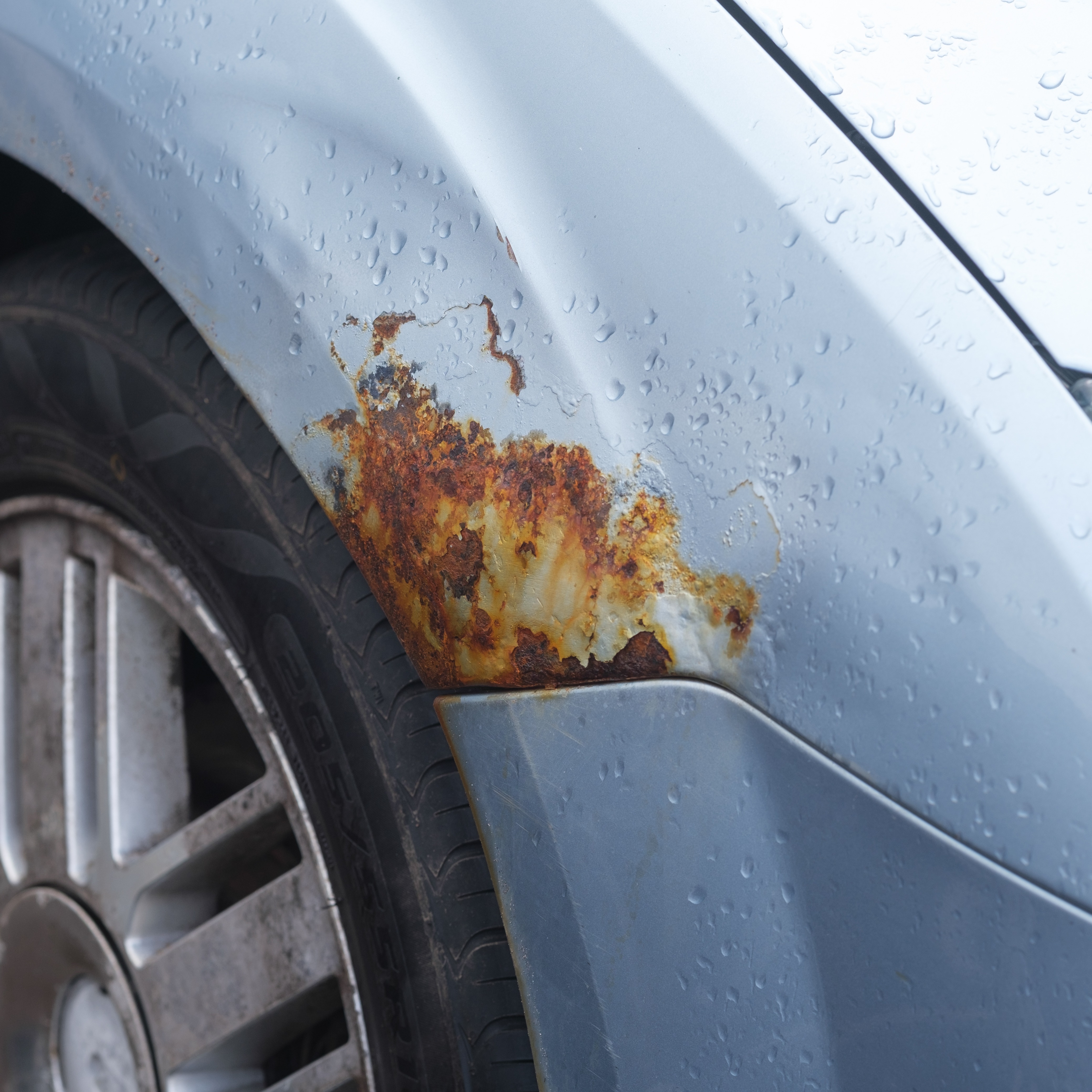
Rust proofing is a way to protect your car from rust, which can happen when metal gets wet and starts to corrode. It's like putting a shield on your car to keep it safe from damage, especially in places where there's a lot of snow and salt on the roads.
The undercarriage is the bottom part of a car that you can't see when looking at it from the outside. It's important to keep it clean and protected to prevent rust, especially if you live in a place where roads are salted in winter.
A block heater helps your car start in very cold weather by warming up the engine. It's plugged into electricity to keep the engine warm when it's really cold outside.
Diesel operated means the vehicle runs on diesel fuel, which is different from regular gasoline. Diesel engines are often stronger and better for heavy work.
The 1997 Ford Explorer is a type of SUV that many families used for its spaciousness and ability to drive on rough roads. It was one of the first SUVs to gain popularity in the U.S.
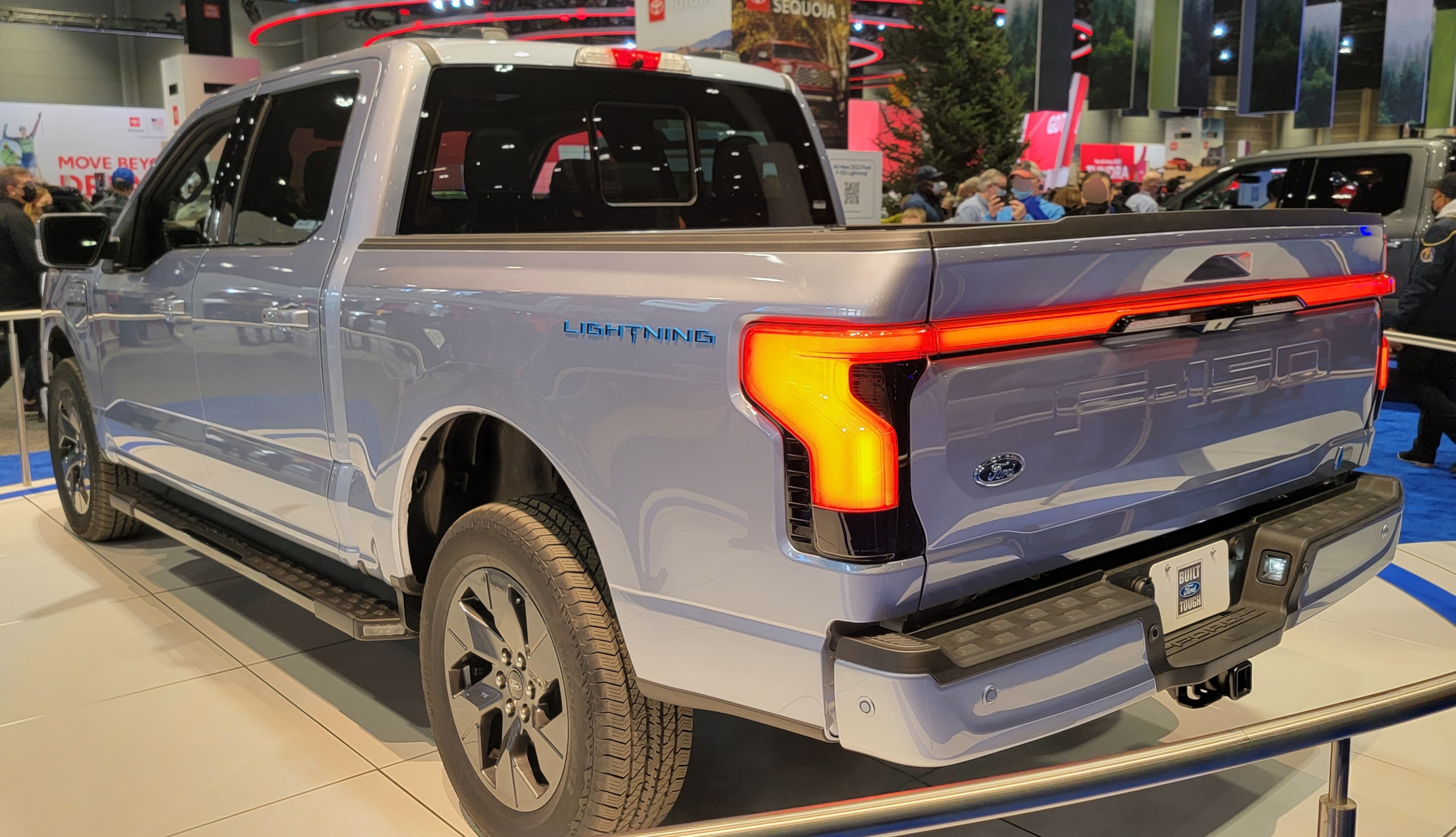
The Ford F-150 is a well-known truck that many people use for work and personal use. Some versions have an aluminum body, which helps prevent rust better than traditional steel.
An aluminum body means the outer parts of the car are made from aluminum instead of steel. This helps the car be lighter and less likely to rust, but it can still get damaged by salt and other things.
The Corvette is a famous sports car made by Chevrolet. Older versions were made with fiberglass, which is a type of plastic that is lighter than metal, helping the car go faster.
Transmission fluid is a special oil that helps your car's transmission work smoothly. It keeps everything cool and clean so that the gears can shift properly.
A dipstick is a long, thin tool that you can use to check how much fluid is in your car, like oil or transmission fluid. It helps you know if you need to add more fluid.
The Volkswagen Rabbit is a small car that's easy to drive and great for everyday use. It's known for being reliable and having a lot of room inside for its size. When people talk about going down a 'rabbit hole' with this car, they mean that fixing or changing things on it can sometimes get complicated.
Carbureted means that the car uses a device called a carburetor to mix fuel and air. This was how many older cars worked before newer technology made it easier to start and run engines.
Fuel injection systems are a way to deliver fuel to a car's engine more efficiently. They help the car start better and run smoother than older systems that used carburetors.
An automatic transmission is a system in cars that changes gears for you, so you don't have to do it manually. It makes driving easier, especially in traffic.
A thermostat is a part in a car's engine that helps keep it at the right temperature. It opens and closes to let coolant flow when the engine gets too hot or too cold.
Synthetic oil is a special kind of oil made in a lab that helps engines run better and last longer than regular oil. It's designed to work well in different temperatures.
The BMW X5 is a fancy SUV that offers a lot of space and a smooth ride. It's designed to be powerful and comfortable, which is why people like to drive it. When someone talks about having bigger tires on the back, they're usually referring to how it can handle better on the road.
A fuel pump moves fuel from the gas tank to the engine. If it stops working, the car won't get the fuel it needs to run, which can cause it to stall or not start at all.
LIVE
and thanks to the help we get from ASC certified technician Nick Stoffel who
runs a place called Lloyd's Automotive in St. Paul. We're gonna help you keep it
running. Nick, good morning to you and happy New Year. Good morning to you
Denny. Yeah, I've heard that forecast. It looks like you and your crews will be
busy probably plowing a little bit of snow before people bring their vehicles
in come Monday. I think it does look that way and I'm sure the kids will be
happy being off of school for the next week here. They'll enjoy that their white
stuff. Well, it'd be interesting to see if again this forecast comes true
because we just heard there is a winter storm watch goes into effect noon
tomorrow to noon Monday three to seven inches of new snow tomorrow two to four
Sunday night. Obviously affecting Monday morning drive time. So stay tuned to
CCO will keep you informed of that. In the meantime, if you have problems with
your car, your truck, your van and you're going to bring it in for service, but
you kind of want to know what could be ailing. It's always kind of good to get
a little heads up information from Nick. He'll give you a little analysis over
the radio. Now you don't have to be some motorhead or gearhead or mechanic
yourself. If you have any kind of a car care question, we'd love to hear from
you, but we want to hear from you sooner rather than later. Nick takes his leave
about 745 this morning, making way for Ted Ferrell's wine chat. So if you have
any kind of a car care question, call us or text us. Just one number will get you
either a phone call or a text. That number is 6514619226 6514619226. Here we
are Saturday, December 27th, making way for a brand new year coming up and some
questions already. Here's one we get from time to time, not often, because I
don't really hear from it. We used to see commercials ads for, excuse me, rust
proofing and a listener wants to know, is that still around? Is it worth it?
That's a good question, you know, and we've discussed in the past and I think
a lot of those products do a fine job, you know, do your research, you know, ask
friends, neighbors, as always, see if anyone has any experience with it. I also
believe, though, if you on a regular basis, even through the winter months, when
you have a warmer day, run it through the car wash and pay the extra buck or two to
have that undercarriage sprayed down. I think that that does an amazing job
keeping things from that buildup of salt, which will create the rust and all
that. And, you know, I think as vehicles have evolved, if you can remember, you
know, a few years ago that the cars would rust out, it seemed like in a few
years and now it seemed that cars are 15 years old and they still look new.
So if you take care of your car wash it, I think that's probably the best plan.
Even vehicles that are parked outside and have no garage, they're lasting a lot
longer. Yeah, so that's a Bravo to the manufacturers for doing that.
I'm looking at another one here. Oh, yeah, there's something wants to know if
there are still block heaters. If those are still available, the manufacturers
still make them or are there after markets? Tell us what is a block heater?
Are they still around?
Not as common as it used to be. To be honest, my truck, like I've mentioned,
is about a year old and I don't think it even has one. And to be honest, I don't
think it's necessary. You know, I think with the evolution of cars have gotten
better and they figured out fuels and the coolants and, you know, the electrical
systems, they found ways to make it so the cars much more efficient and will
start on the coldest days. And essentially what a block heater did,
there were a couple of different versions. Sometimes there's a core plug,
which is something that heating element that was put into the base of the engine
block or the core where they poured or built that block from. And that heating
element would heat the coolant to keep things from getting too cold. The other
version, which was probably more common, would be a magnetic one. And as cars
have evolved, a lot more of them are built with an aluminum block. And the
magnet won't stick to that. So it's a change in evolved. I don't think it's
necessary. You know, if you have a big truck or, you know, a piece of farm
equipment, obviously it's diesel operated, it's out in the cold weather,
something in that type of situation, you might need some extra power or heat to
get things going a little bit quicker for a passenger vehicle. I don't think
it's necessary at all. I remember we, many years ago, and we had it for years,
was a 1997 Ford Explorer and it had a plug, electrical plug, three prong, you
know, grounded plug coming out of the, by the front bumper in that area, coming
out by the radiator. Now was that kind of a built in block heater? Is that what
that was? That's what that was. And as you mentioned, that vintage, a probably
more helpful, and a lot of vehicles used to have them. You know, if you can think
far enough back, even pickup trucks, they were, you know, they ran off a diesel
would have that netting on the front of the grill to keep the heat in there to
allow things to run properly and keep warmed up. And like I said, with
technology, I think they found ways that that's not necessary. And the cars
seem to start on, you know, well maintained vehicles seem to start on
even the coldest days. And boy, you guys at Lloyd's kept that thing running for
what, 21 years or so? Amazing. I remember the Explorer. Yeah. Well, did you pass
it on to somebody? Is it still on the road? We don't know. I think it may be
somewhere in Mankato. Last I heard. But speaking of that, even the it started
to rust a little bit. But I tried to patch it. So who knows if and when that
thing is still around. But yeah, even after all those years, 21, I had about
106,000 miles on as I recall. But yeah, well, we may find out from from
someone if that vehicle is still around. I'm looking at another text Nick from
a listener saying, Merry Christmas. Thank you. And to you, when doing your
5000 oil chain mile oil changes, is it preferable to do tire rotations as well
or do the rotation every other oil change? What do you guys do with Lloyd's?
You know, I would say that that depends on the vehicle setup, the tire design.
My truck has got these knobby tires on it. So we need to rotate them every oil
change to keep them running smoothly to keep that road noise down. I would say
it's probably more common on most passenger vehicles, you know, the run of the
mill vehicle, it's every other oil change. But I probably want to go much
longer than that because the tires are going to start to wear and you want them
to wear evenly and rotating the tires to different corners of the vehicle help
them last longer because you're wearing different edges of the tires. So to get
the most out of the tires, which have gotten very expensive, performing that
rotation, you know, if it's every oil change or every other oil change will
prolong the life of those tires.
Absolutely. 651-4619-226. We'd love to hear any, any kind of a car care question
you may have, who's on your mind if you drive and have problems, give us a
call or send a text 651-4619-226. This listener sent this text, is the
aluminum F-150 body rust proof? Does that F-4 pickup have an aluminum body?
There are some vehicles that have aluminum panels and it crows differently. It's
not the traditional rust. Obviously, salt will react with the aluminum and
corrode also, but it's much more probably less likely to rust out like you're
thinking of how vehicles used to corrode and rust away. But even at that, the
coatings and the protection that they put in the paint and the panels as they
assemble the vehicles is so much better where, you know, running through the car
wash on a semi-regular basis will do wonders for the longevity of that paint
job and the body of that vehicle. I was talking to my son Tony a couple of
weeks ago about the old Corvettes. I'm not sure about the new ones, I assume
they are sheet metal, but the old ones, were they not fiberglass bodies? Yes, they
were. They've tried a lot of things. You know, if you remember, Saturn, they had
plastic panels on the on the vehicle. So they've tried every product they can
find. And I think that the metal bodies that are, like I said, the
panels are protected much better than they were years ago. So I think they've
kind of figured the trick out to that rust problem. Absolutely. Nick, hang on.
We're going to take a quick break. Let's invite our listeners to join in. Any kind
of a car care question if you wanted to always ask a mechanical question.
Today's your lucky day. 651-4619226. Hey, you can call it in if you want to chat
with Nick or just send a text like other folks are doing. 651-4619226. I want to
reiterate the winter weather advisory. There's a winter storm watch out that is
in effect now for the Twin Cities surrounding area, in effect tomorrow 6th
in the morning until Monday at noon. What are we talking about? We're talking
about during the day tomorrow. There'll be chance of rain. It's going to be really
a mixed bag. But the National Weather Service is saying there's about a 90%
chance this is going to happen. New snow accumulation. This is just during the
day throughout the day tomorrow. Three to seven inches for your Sunday. Sunday
night we could get another two to four inches, obviously affecting Monday
morning drive time. You stay with us here and CCO will keep you posted on these
ever-changing conditions. Again, a winter weather outlook, the winter storm watch
not a warning yet, but a watch in effect December 28th, 6 a.m. until the 29th at
noon. Right now we're 32 heading for 42 on Newstalk 830. This is WCCO and we're
back. It is a Saturday morning on CCO when we talk cars, trucks, vans, problems
you may be having with yours. Nick Stoffel from Lloyd's Automotive at St. Paul
answering those questions. It's 651-4619226. Nick, again we always like
to have you give us more information and folks may be needing the help at
Lloyd's. How do we find you? Absolutely. If you ever have a question as we always
say, you don't have to bring it to us, but we can always help you prepare for
that visit to your dealership or shop and you can reach us at 651-228-1316. If
you happen to be in St. Paul doing maybe a little post-Christmas shopping or
getting a bite to eat, we're at 982 grand. It's on the corner of Grand and
Chatsworth to Black's east of Lexington Parkway and if you need more
information you can always look at our website which is LloydsAutomotive.net.
Very good Nick. We'll get you that information before Nick takes his leave
which is about 7.45 this morning. So if you have a car care question any kind
let's hear from you sooner rather than later 651-4619226. This comes from
Jeff and Maple Grove. Is it still necessary to change and flush the
transmission fluid every 50,000 miles? It's a real pain to do so on the
Volkswagen iDrive. I don't know how many folks are able to do that themselves, but
what do you think? Is it necessary? We talked about flushing transmission fluid
once in a while here. What do you think? We do and you know as I'm going to say
check the maintenance and in your manual kind of have an interval that they're
looking for you to perform a service and the transmission fluid services has
evolved as we've mentioned before. You know it used to be if you go back years
ago you'd pull the pan down take out the filter you'd end up replacing maybe a
third of the fluid with that process and then we started doing flushes which
would exchange all the fluid and now that I guess most commonly now it's a
drain infill where there's a drain plug just like your engine that the
fluid will drain out and there's a procedure or process to refill it and I
think that's what the text is referring to because some of them are a little
complex. Temperature can be sensitive having the right tooling a lot of times
even they have any physical access yet they have it up in there so if you have
the capabilities by all means I appreciate it I think it's great that
you're doing those tasks but for most of us you probably need to bring it into
the shop or they can get it up in there and do it do it properly make sure you
get that fluid back in the right spot in the right amount because the last we
want to do is run a transmission low on fluid because that could create bigger
problems for you. You mentioned temperature and I was watching a
video of I can't remember what vehicle but it was they were talking about it
must at least in this case was had to be like between 195 and 200 or something
pretty precise I'm not sure why but how do you how do your crews know if you're
just flushing it and filling it how do you know you're putting the right
amount in there's no dipstick right? Oftentimes there's not a dipstick we
first check to see how much that comes out right you know and if there was any
signs of leaking you know because some is coming in for a service we want to
make sure we do you know the full the full inspection so if we see any
signs of leaking from any seals or joints or anything we're gonna document
that and then when we remove the fluid we're gonna kind of collect it and
determine the level that was in there. Now obviously we have resources that give us
quantities and fluid types because that's the other the other piece of this
puzzle is that transmission fluids I can't tell you how many we have up on the
shelf upstairs but it's it's a growing number I can promise you that it's not
like where there was just one or two and there's a probably couple dozen
different varieties depending on the making model so and the reason why
temperature becomes in place some of them are at a certain temp and as that
fluid heats up it starts to expand which can change the level of the fluid so
you have to make make sure you read that procedure correctly and take your time
when you're performing that task. That's why we leave it up to your crew to check
on their computer right you you'll have whatever the manufacturer recommends
it'll be right there in your computer. Yeah you know quantity fluid type and
even the procedure because you know you know they as soon as they figure out a
really easy way to do something they say this is too easy we need to make it
more complicated so let's let's change how you refill that transmission.
Again I was going to comment I saw something on the internet of course we
all know that it's always true what you see in the internet. This had to do with
the BMW and again this may have been a joke there was a picture of a it could
have been a bolt or maybe a screw whatever it was it was just a piece of
hardware that this thing on Facebook said BMW and is moving toward certain
hardware that the do-it-yourself or can't do it's you need a special tool for
so those people who are really good do-it-yourselfers would not be able to
do it they'd have to bring it in for service I don't know if that's true or
not. Well there are some tamper proof type hardware that will take a certain
inverted torques but you can still get the tool they're available there's not
the common tools that most of us have in our little handy toolbox at home and I
think for part of the reasons of safety liability you know you know like once
again if you have the tooling and the resources I think it's great that people
repair their own stuff whether it's a vehicle or their dishwasher or whatever
it may be I think it's great that we use our minds and hands together yeah but
if you don't have the know-how and you go down go down that rabbit hole you
oftentimes can make things more complicated more expensive for yourself
right we were talking about block heaters earlier in the show and this
listener said I came from rich in St. Paul I had an inline heater that was in
one of the coolant lines love the show thanks rich have you heard of that one
there were you know the heater hoses used to also add those flushing tees if you
remember and you know same thing I think if you went back a couple decades it
was a product and an item that helped us get the cars on the coldest days
especially when they were carbureted you needed every and a little luck to I
would say some starting fluid a screwdriver block heater you know you
name it to get those cars running years ago was a little more of a dance but now
with the fuel injection systems and the way cars are designed like I said on the
coldest of days if your vehicle is maintained properly it's going to start
up yeah let us grab a phone call this morning Nick Jim checking in from my
aisle I believe this morning Jim thank you what is your question for Nick well
good morning happy new year Danny I have a question I'm 85 years old and for the
last 50 years someone told me back way back when when you're warm up your
engine to put it in neutral put the automatic transmission in neutral that
warms up to transmission now I've been doing that with my new vehicle which it
doesn't even have a shift lever it's just got a dial now does that still make
sense or is that just a fallacy no I think years ago that the transmission
fluid didn't circulate everywhere until it was in neutral or whatever it was
reversed that you know until a certain temperature then once things warmed up it
would circulate through the rest of the unit there and even at that time I don't
think it was ever really necessary because the idea is it's like that kind
like a thermostat on your engine that thermostats can stay closed until the
engine warms up once the engine is up to running temp it'll open and circulate
through the radiator and the rest of the cooling system the transmission was
kind of doing the same thing so I don't I don't think it was ever really
necessary you know people had their own their own their own steps and procedures
which is fine but I even on today's vehicle you definitely don't need to do
that I think you start the vehicle I think within a few moments the car is
satisfied to get going it's more to our comfort to make sure we got our windows
cleared and a little bit of warmth in the vehicle before he had down the road very
good thank you Jim happy new year to you thanks for the call keep in mind that
Nick will be with us for right about now maybe another 15 minutes 13 14 minutes
so don't hesitate give us a call send a text any kind of a car care question we
welcome your 651 4619 226 Jim had mentioned and you had mentioned brother
thermostats and we had a text that came in earlier about thermostats are they
are they still change regularly or like they used to many years ago what's the
story on thermostats do they just last forever well I think they kind of fall
in line with the everything we've kind of touched on here that I think the way
they're designed and manufactured is much better we still replace them they
still people will come in with an overheating situation or a poor a poor
heat type situation where that thermostats bypassing but I think you know
with it with the changing the coolant itself you know we should change our
antifreeze every other year now they'll go 100,000 miles so I would say as
things have evolved most all items have gotten better in thermostat included so
I don't think it's something that would be on a regular interval or scheduled to
replace it's more of on a and I need base as something were to fail that makes
sense hang on Nick we'll take a break we're gonna look at that important
forecast stay with us and again you can give Nick a call with any car care
question that's on your mind 651 4619 226 either a phone call or a text from
news talk 830 this is WCCO and welcome back CCO's car care show we're around
thanks to Nick Stoffel from Lloyd's Automotive every Saturday right after
the 7 o'clock news break answering any kind of a car care question you may have
just call us or text us 651 4619 226 here is another text for you Nick
2023 GMC Yukon XL that recurrently goes into something called limp mode in cold
weather only always appears to occur at freezing temperatures it is characterized
by loss of power steering power brakes with a maximum speed limit of 43
miles per hour any idea what causes this well usually if there's something with
one of the safety the throttle something with a braking system if there's a
reason why the computer system would be concerned about our safety it will go
into a limp and mode is the easiest way to describe it typically though if it
goes in a limp and mode finding that reason or the source is pretty
straightforward you know we'll connect our scan tool record a bunch of data
figure out from that data or the codes what part of the vehicle we need to
assess you know from there kind of break it down and figure out what happened
but they've limp in modes been around for a while a lot of times related to the
throttle the lesson they want is the vehicle accelerating what it shouldn't
be so they sense one of those sensors or switches is not working properly the
car kind of locked itself down to keep us safe and still able to move but not
you know how we would like so you got to get that in to the shop to figure out
what had happened and how to get it repaired very good comes from Dave
north folks thanks Dave I love your show texture says I own a 1993 Chevy Cavalier
wagon well very rare I have to add coolant every so often no physical
leaks so I assume the head gasket has the leak is it being burned off in
combustion to think that that would be my suspicion I would take a look at the
coolant maybe test it oftentimes if coolant is getting into the combustion
chamber exhaust is getting out and that's the case that coolant might need
some new servicing cleaned out and such it's an older vehicle depending the
amount and the quantity kind of based on the recommendation there if it's still
operating fine you're getting good heat good power we're doing that we're
replacing the cylinder head gasket a machine in the head can be quite costly
obviously the vehicle is a little bit older not sure if the cost is worth the
return on investment I guess you could say so I would I do a little more
research check the coolant I think if you have flushed it out keep it full by
yourself some more time and hopefully you don't have to go down the road of
replacing that looking another by the way Nick will be here for another few
minutes or so and we still have time for yours we have a couple of texts to get
through in the meantime 2024 Buick 9500 miles on it texture says I had an oil
change of 5000 miles when do I need to get the next change well I probably
there's a candidate to read the manual right absolutely and you know each
manufacturer has their own recommendation personally you know I've done this my
whole my whole life pretty much I think 5000 miles on a synthetic oil is the
right interval I think at that point the vehicle gets a good check over you get a
new clean filter good clean oil in that engine and I think with the type of
mechanical repairs that we are doing these days I think an oil change on a
regular basis will help minimize or prevent some of those mechanical failure
so I feel pretty strongly about five miles obviously read your owner's manual
talk with your shop your dealership take their recommendation consideration
but I think if you do a little homework you'll get the answer that you need I've
probably asked you this before Nick but in your experience you've been at Lloyd's
a long time what have you seen as far as people maybe never changing their oil
in X amount of miles what have you seen once you you tried to change that
whatever's left we've seen it we've seen where people never ever changed oil and
then their engine stopped ran out of oil that's an extreme case but I think more
commonly what we see is we're busy and we forget and then we're a month late two
months late you know we go a couple thousand miles over you know doing that
one time isn't the end of the world but that's part of the normal practice when
there's a issue or a problem we see excessive wear and camshafts we see
rocker arms push rods we see oil sludge you know a lot of these smaller engines
have smaller turbos and those ports that use the oil to lubricate it are very
small they get filled with sludge and crud oil can't flow through and lubricate
it and then we have component failure and that's what I'm referring to is that
these are very expensive repairs and just doing that oil change on a regular
basis saves yourself a lot of headache a lot of money and it gets the car into
the shop they can prevent other failures you know maintenance is a lot more
reasonable than a repair because when you have the repair you still have to do
the maintenance in addition to that repair so try to avoid that piece of it
just take care of your vehicle like we we talk about every week to be honest and
I was thinking of all the maintenance so we can not do ourselves but but have done
would you say that an oil change or regular oil change whether you're
using you know most places are all new cars have the synthetic right there's
no yeah for the vast majority is a synthetic oil though the weights keep
changing as you know you go far enough back you know years in straight weight
and then 1040 and 530 and 1030 and now we're down to 016 in some some
manufacturers so just yeah doing the oil change because the oil change itself the
new filter are just probably the biggest thing you can do for your vehicle but in
addition to that the car is getting looked at it's up in the air we're
checking out the front end with the steering the suspension making sure
there's no worn parts your brakes your tires all these things that keep us safe
on the road get a good look at when that happens it helps you know what the
condition of your vehicle if you're headed on a long road trip you want to
know if you're gonna make it there not not get stranded somewhere yeah it makes
sense texture says I drive a BMW X5 that has larger size tires in the rear than
on the front do I still need to rotate the tires but just from side to side you
can yet them check to see if the directional also because in some cases
when they have two different size front and rear wheels sometimes those tires
are directional which means that they're on that corner meaning if you move it
from left to right it's gonna be going the wrong direction so you know rotating
your tires is an important piece to I think maintenance but in some situations
like that vehicle and some other other sportier vehicles out there that'll
have different size front and rear tires you have to keep in mind that you
can't necessarily rotate those other than side to side as long as they're not
directional tires yeah that's a whole different animal one more here any
recommendations texture says on products to add to gas as an injector cleaner
there's a lot of products out there and I think that they're fine but I'm not you
know here's why this is what I know factually you cannot fix a car from a
can meaning if there's some sort of problem that problem has to be resolved
now can you add some of these products as maintenance for sure you can and do
they help I'm sure they do but if you have a known problem or a failure once
it's that point like if you have a fuel injector that's leaking or failed that
can of products not gonna fix that fuel injector if your fuel pump is going out
I mean those types of things there just failed components now keeping things from
sludging up and gumming up I think those products can definitely help you'll
have to figure out if it's worth the cost to you you know there's a trade off
there also some of them are quite expensive so just do your research you
know you know careful reading what you see online as you mentioned earlier but
talk to your friends your mechanic see what people have done in the past that
they have a common a common product that they like to keep that thing running on
the road I you know it's worth a try I guess very good I want to alert our
listener listeners Nick that those that we didn't get to and if you add to them
via text I'll save those and we'll open up the show with those next week that
we didn't get to so thanks for your patience Nick for those that again need
help from Lloyd's on a motive tell us how we find you guys yes sir if you have a
question before you take it into your shop or dealership we can absolutely help
you with those questions you can reach us at 651-228-1316 if you need to stop
and say hi we'll have you anytime we're at 982 Grand Avenue in St. Paul which is
two blocks east of Lexington Parkway and if you need more information you can
always find that on our website which is Lloyd's automotive.net some of the
nicest most knowledgeable people you will ever meet right there at Lloyd's
Nick thank you so much happy new year to you and your family and all the good
crew at Lloyd's let's do this again next week in the new year that sounds good
Danny you have a good safe new year and as all of our listeners too very good
thank you Nick next awful from Lloyd's automotive
About this episode
Nick Stoffel from Lloyd's Automotive shares valuable insights on vehicle maintenance, including rust proofing, transmission fluid flushing, and the importance of regular oil changes. He discusses the effectiveness of rust prevention methods and the evolution of vehicle materials that reduce rust issues. Listeners also learn about the necessity of tire rotations, the role of block heaters, and the implications of missing oil changes. The episode features practical advice for maintaining older vehicles and understanding modern automotive technology.
Is rust proofing your vehicle worth it? Are block heaters necessary? Why a car wash is worth the investment. How important is it to flush transmission fluid? What to know when warming up your vehicle. Changing the thermostat. What does limping mode mean for a vehicle? How coolant loss could happen without a leak? What happens when oil never gets changed. Ask our car care expert Nick Stoffel of Lloyds Automotive. Visit lloydsautomotive.net 651-228-1316.