Suzuka Circuit is a well-known race track in Japan. It’s the kind of place where major racing moments happen, and it’s part of why Japanese motorsport became a big deal.
In car talk, “specs” means the technical details about a car. People compare those numbers and features to figure out what’s better or more interesting.
JDM means “Japanese Domestic Market.” It refers to cars that were originally made for Japan, and enthusiasts seek them out because they’re often different from what other countries got.
“Critical mass” means the moment a trend gets so popular that it starts feeding itself. The host is wondering when JDM will hit that point—either topping out or continuing to grow.
“S chassis” refers to a Nissan lineup (like the Silvia) that became famous in the JDM scene. It’s the kind of car people associate with the 90s/2000s tuner era.
“E36” is BMW’s code name for a 3 Series generation from the 1990s. It’s a popular car among enthusiasts, and the host is saying it still feels “cool” today.
The R34 Skyline is a famous Japanese performance car from Nissan, especially the GT-R version. The host is saying even a rental company keeps one around for Lewis Hamilton when Formula One is in Japan.
“Kanjo” is a Japanese car-scene term for late-night street driving on city expressways. It’s often organized around clubs, and the segment explains how crackdowns shut many of them down.
The “Osaka loop” is a particular highway route around Osaka. In car culture, it’s known as a place where people used to do organized late-night street driving.
The Honda S2000 is a small two-seat sports car made by Honda. It’s designed to be exciting to drive, especially at higher engine speeds. The podcast mentions it because it’s part of someone’s family and racing memories.
Gymkhana events are competitions where drivers show off precise control. It’s more about handling and maneuvering than just going fast in a straight line.
Term
death tones effect
It’s a slang idea that when people think a car scene is in danger, more people get interested and the community grows. Social media can make that “this might disappear” feeling spread fast.
A rotary engine is an engine design that spins instead of using pistons. It’s known for a unique feel and sound, and it’s a big part of why some Japanese cars became legends.
The Shuto Expressway is a major highway system in Tokyo. Car fans connect it with the late-night street-car culture because it’s where a lot of that activity is talked about.
Term
Plus 5
“Plus 5” here sounds like a specific car-scene thing people get into online. The host is saying someone is about to learn what that scene is really like.
The Nissan GT-R is Nissan’s famous high-performance sports car. It’s known for being very fast and capable, and the hosts are saying Nissan’s leadership problems hurt the confidence behind that kind of product.
The host is talking about companies trying to save money everywhere. Their point is that if you cut too much, the car can end up not being built as well, so it may break or wear out sooner.
Nissan is a Japanese car company. The host is saying Nissan has been dealing with quality/reliability complaints and big competitive pressure, especially in China.
The Nissan Versa is a budget-friendly small car. The host is saying that their wife’s 2014 Versa felt like it was breaking down even though it was still fairly new.
A merger means two companies try to combine into one. The host says Honda and Nissan discussed it as a way to compete better with other automakers, especially in electric vehicles.
Tesla is an EV-focused automaker used in the segment as a benchmark for competitive pressure. The host mentions it alongside BYD and Chinese EV manufacturers to explain why Japanese automakers feel market-share erosion.
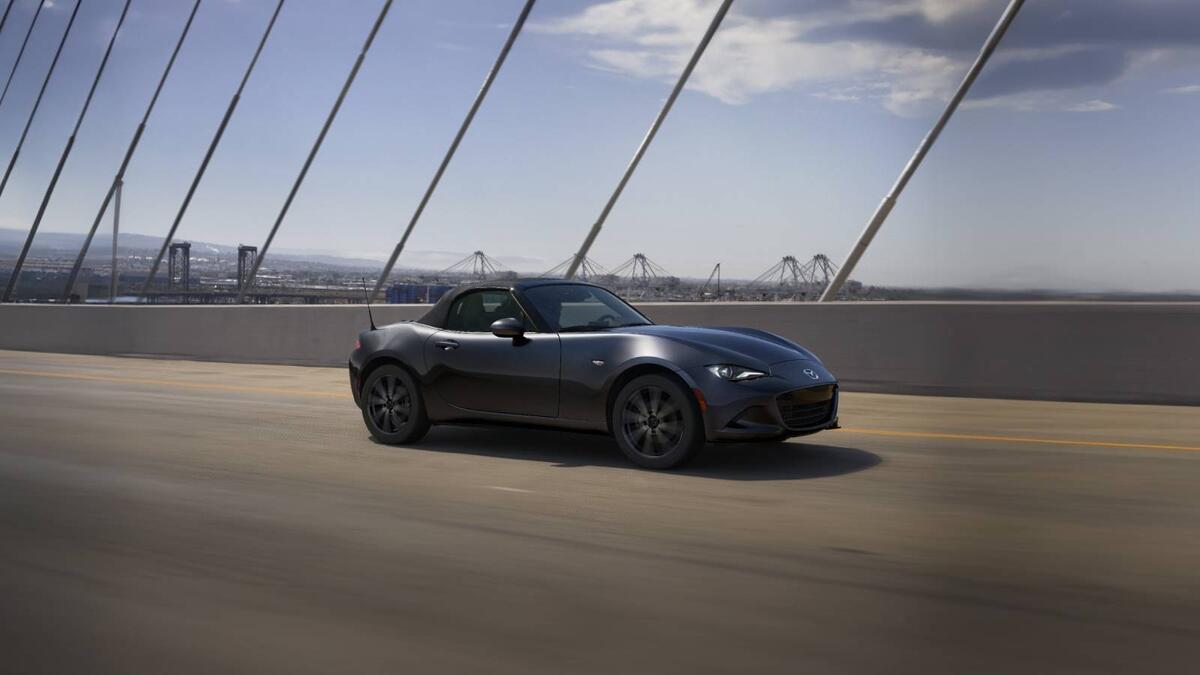
The Mazda MX-5, or Miata, is a small two-seat convertible. It’s made to feel quick and responsive without being complicated. People like it because it’s fun to drive and has a reputation for lasting a long time.
Alexi Smith is described as an Australian who moved to Japan in 2008 and documented Japanese car meets and parking-lot scenes. His online persona “Noriyaro” became a trusted window into Japanese car culture for English-speaking viewers.
Ken Block is a famous car driver and video creator. The hosts say his Gymkhana video in 2008 helped change how car videos were made and watched online.
“Budget DIY” means doing car upgrades yourself without spending a huge amount of money. The idea is learning as you go, instead of buying everything fully built.
Term
slow motion tire smoke
It’s a video editing trick where they slow down the footage so you can clearly see the tires losing grip. That makes the driving look more dramatic and easier to understand.
Option is a Japanese automotive media brand known for covering tuning culture and motorsport-adjacent street scenes. In this segment, it’s used as an example of how traditional car media adapted to changing ways audiences consumed content.
Street drag racing is when people race cars in a straight line outside of an official race track. It’s part of car culture history because it was a way to prove which cars were faster.
Best Motoring was a long-running Japanese car video magazine that covered track racing and performance testing. The host says it didn’t make it through the move to online/digital content.
Digital piracy means people copying and sharing digital videos or files without paying. The segment uses it to explain why older car video magazines struggled when everything went digital.
GT Channel is a company that helped put old Japanese car videos online. They worked with the rights holder so the content could be shared on YouTube with English narration.
A gray market connection means getting something through unofficial channels. The point here is that older JDM videos were hard to find unless you knew the right backdoor sources.
A VHS player is an old-school video tape machine. The host is saying that getting these car videos used to take a long time—like waiting for tapes to show up.
Twin-turbo means the engine uses two turbochargers. That helps the car make more power by pushing extra air into the engine.
Brand
Bayside Blue
Bayside Blue is a specific factory paint color associated with the Nissan Skyline GT-R (commonly referenced by enthusiasts). Color can matter in collector pricing because it affects how “correct” and desirable a car looks to buyers.
The Mark IV Supra is a famous Toyota sports car. The big point here is that it went from relatively affordable to very expensive as collectors started chasing them.
The collector car market is where people buy cars mainly because they think they’ll be valuable or special later. The hosts say this happens in cycles as new groups discover older cars.
Drive-by-wire means the car doesn’t always use direct mechanical connections for things like throttle. Instead, sensors and computers translate your pedal input into commands, which can make the driving feel different.
Big Willow is a race-track where people go for track days. It’s the kind of place where you can feel how fast and how stable a car is when you’re braking and turning at speed.
The host is saying some older stuff feels better or more satisfying, even if newer options are more advanced. It’s about the experience—how it responds—more than just specs.
The Toyota Corolla is a regular, everyday car made by Toyota. It’s usually chosen for reliability and low running costs. The podcast mentions a special version (AE86) that people used for drifting, showing it can be more than just a commuter car.
The Nissan 240SX is a compact sports car made by Nissan. It became popular with people who like to modify cars and practice drifting. The podcast mentions it because the prices and availability of these cars can be surprising.
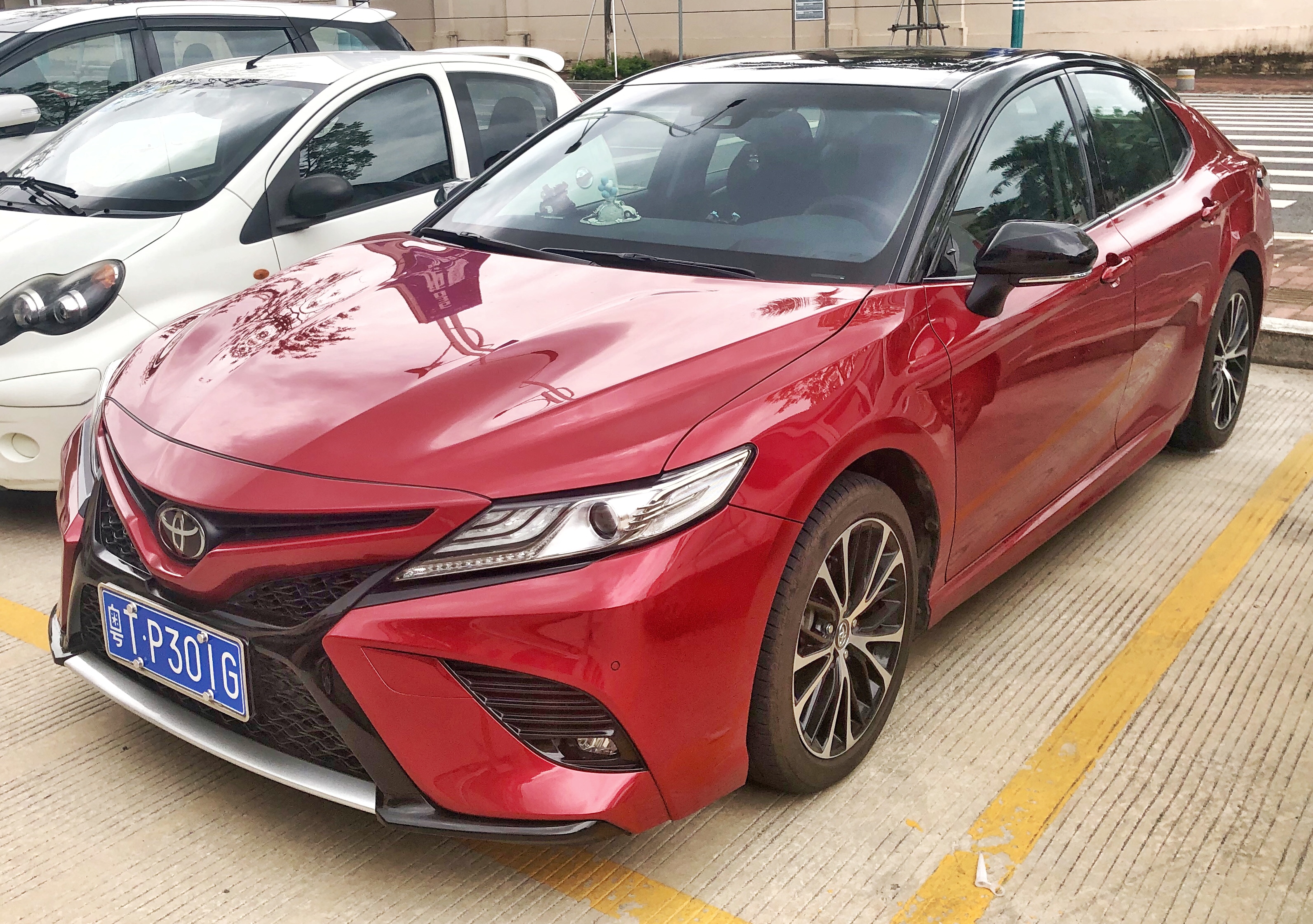
The Toyota MR2 is a mid-engine, two-seat sports car line known for being lightweight and driver-focused. The host is saying Toyota is reviving the MR2 as a production car, which matters because a mid-engine layout is a big part of why the MR2 is so fun to drive.
“Mid-engine” means the engine sits closer to the middle of the car, which can help it handle more smoothly. “Two-seater” just means it’s designed for two people, usually to feel more like a sports car.
The Toyota Celica is a sporty Toyota model that used to be popular with car fans. The host is saying it’s been gone for a while, and that it might be coming back.
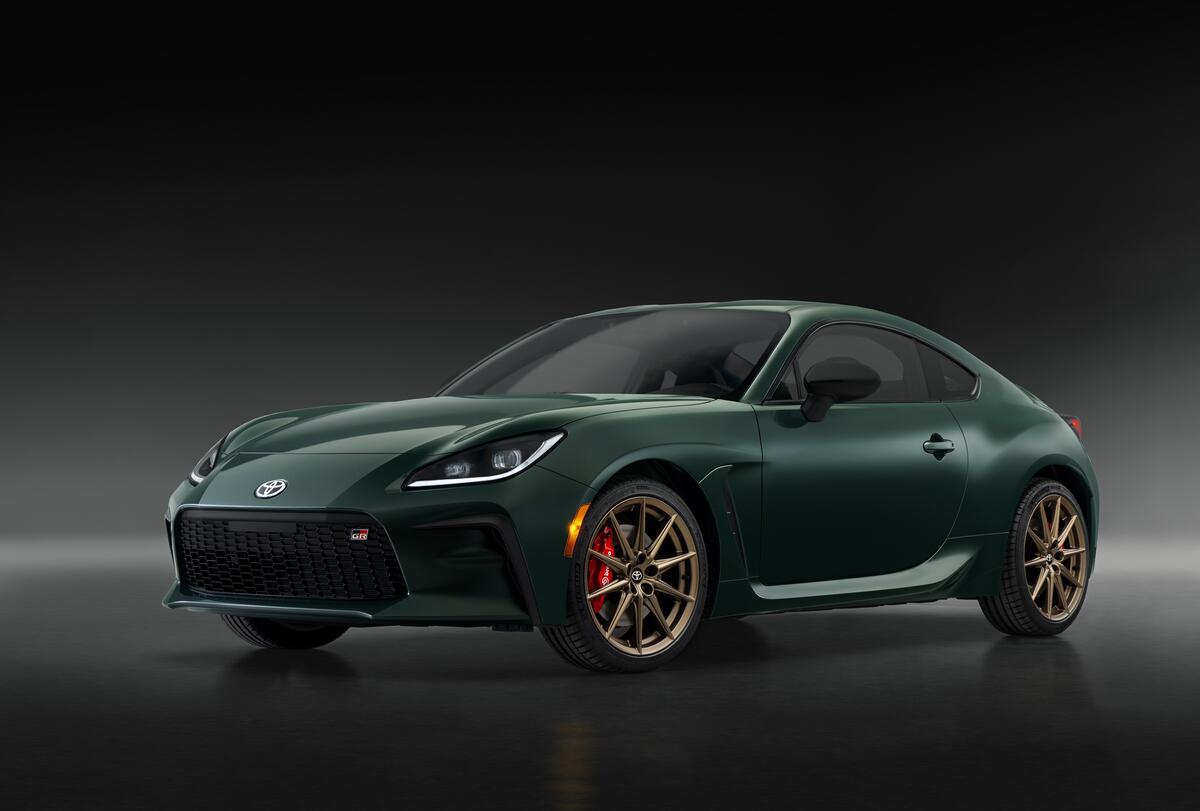
The Toyota GR 86 is a small sports car made for driving enjoyment. It’s meant to be light and fun, not a big, heavy luxury car. The podcast brings it up as part of a continuing series of sports coupes.
Car
Lexus Sport concept
The Lexus Sport concept is a preview vehicle that Lexus has used to telegraph design and performance direction before production. Here, the host says it’s confirmed for production alongside a V8-powered Gazoo Racing GT car, implying a more serious, higher-performance Lexus than typical “daily” models.
The Toyota GR GT is a performance-focused Toyota model that the podcast says is no longer just an idea. It’s meant to be a sporty car, and the conversation treats it as a new real release. The details in the episode are about what it will become and when it’s expected.
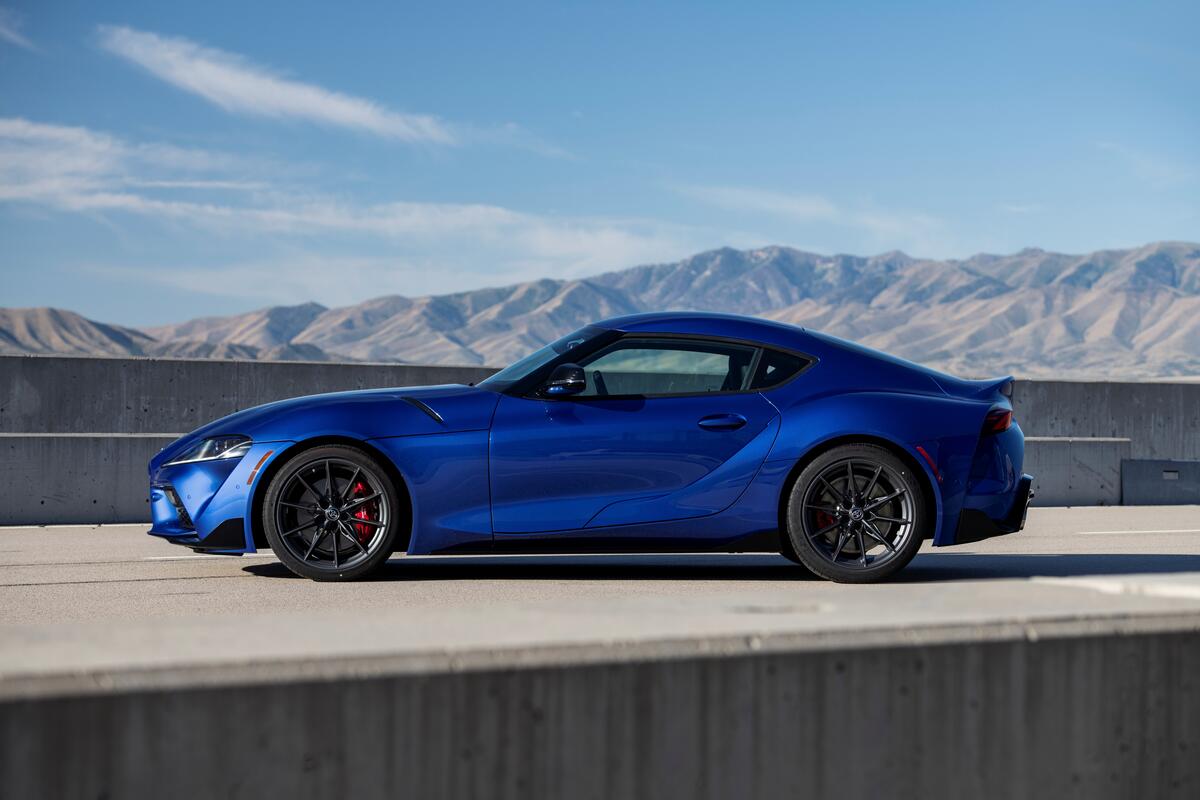
The GR Supra is Toyota’s sports car that car fans really care about. The host says a new (sixth) generation is expected around 2027 and that Toyota’s been making a lot of sports cars again.
The NSX is Honda’s well-known high-performance supercar. The host mentions it because Honda previously canceled it, and that context is part of the story about Honda changing direction.
The Prelude is an older Honda model name that fans associate with sporty coupes. The host is saying there’s an HRC concept version, which hints at a racing-influenced comeback idea.
The Civic Type R is Honda’s high-performance hatchback. This “HRC concept” is a show preview that suggests Honda’s racing division is influencing the idea.
Honda Racing Corporation (HRC) is Honda’s racing-focused team. When they’re involved, it usually means the car ideas are influenced by motorsports experience, not just regular consumer-car design.
Tokyo Auto Salon is a big car show in Japan where companies reveal new concepts and performance ideas. The host is saying these Honda HRC concepts will be shown there in 2026.
Car
Subaru STI
STI is Subaru’s performance version, built for enthusiasts rather than just commuting. The host says STI is coming back after being discontinued in 2022, and they’re promising a hatchback, around 300 horsepower, and a manual gearbox.
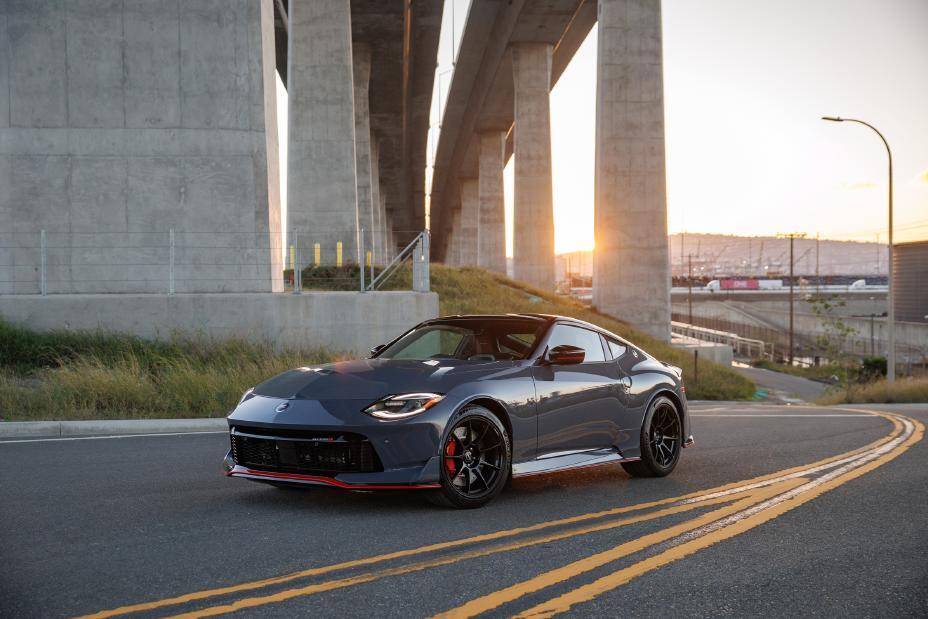
The Nissan Z is a sports car, and Nismo is Nissan’s performance package. The host says Nissan will offer a stick shift on the Nismo Z starting in 2026 because fans pushed for it.
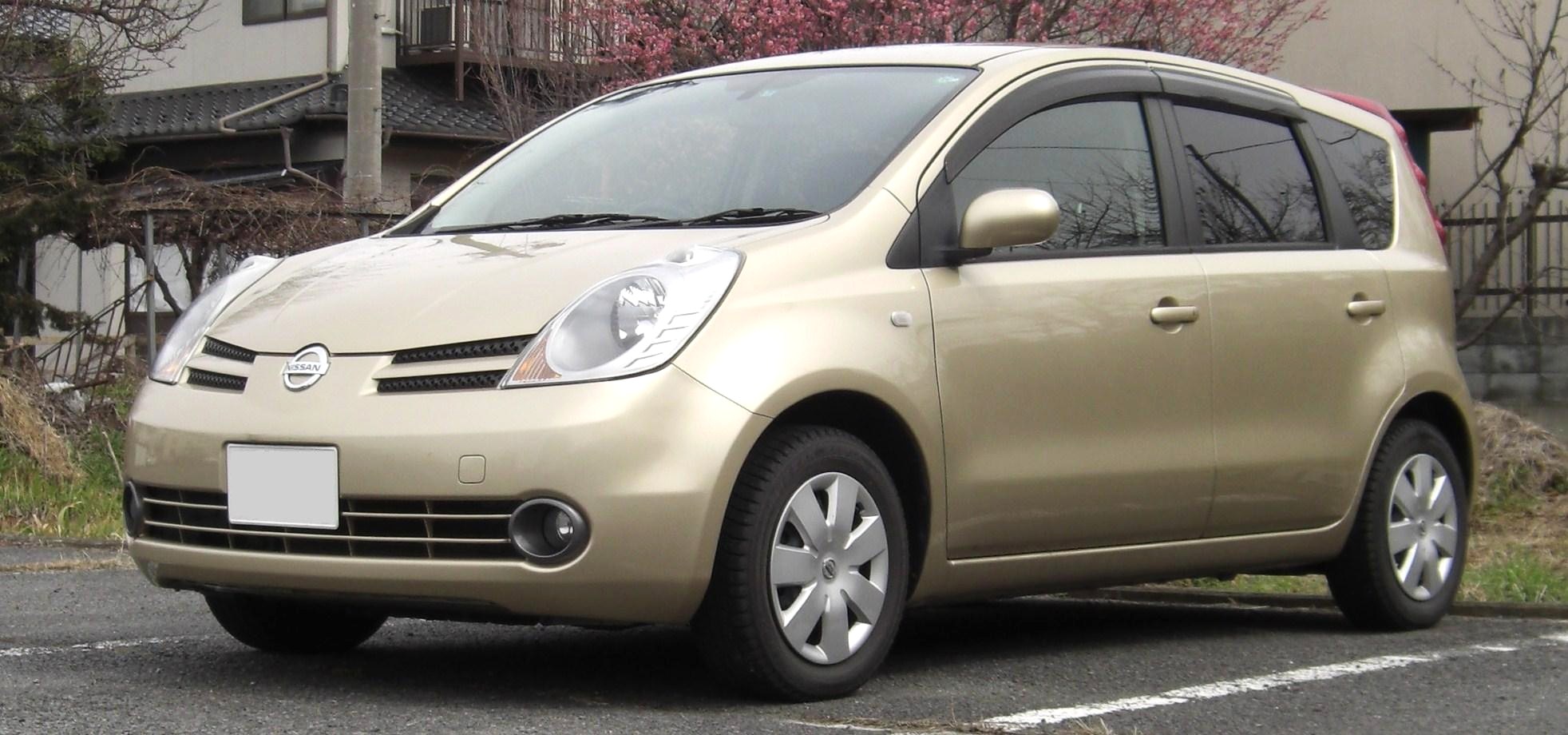
The Nissan Note is a small hatchback car. The podcast talks about a performance version that’s expected to be a hatchback and to come with a manual transmission. It’s mentioned because it’s aimed at people who want something practical but still sporty.
The JCCA meeting is a get-together for owners of Japanese classic cars. Instead of big press events, it’s mostly enthusiasts sharing their cars and stories.
“Out-of-production performance parts” are aftermarket or enthusiast components that are no longer being manufactured. In classic JDM circles, these parts become harder to find, which can increase their cultural value and drive demand among restorers and collectors.
This is a car museum in Nagoya, Japan run by Toyota. In this episode, they mention it added a special exhibit focused on JDM cars.
Term
fender mounted mirrors
“Fender mounted mirrors” are side mirrors attached to the front fenders rather than the door or A-pillar. In this segment, they’re called out as a defining visual signature of a Japan-only 1983 Toyota model, showing how regulations and packaging can create recognizable JDM styling cues.
The Ford Mustang is a performance car from Ford. It’s built to be fast and exciting, and many people customize them. The podcast mentions it because the speaker is talking about how the car feels and fits for driving and visibility.
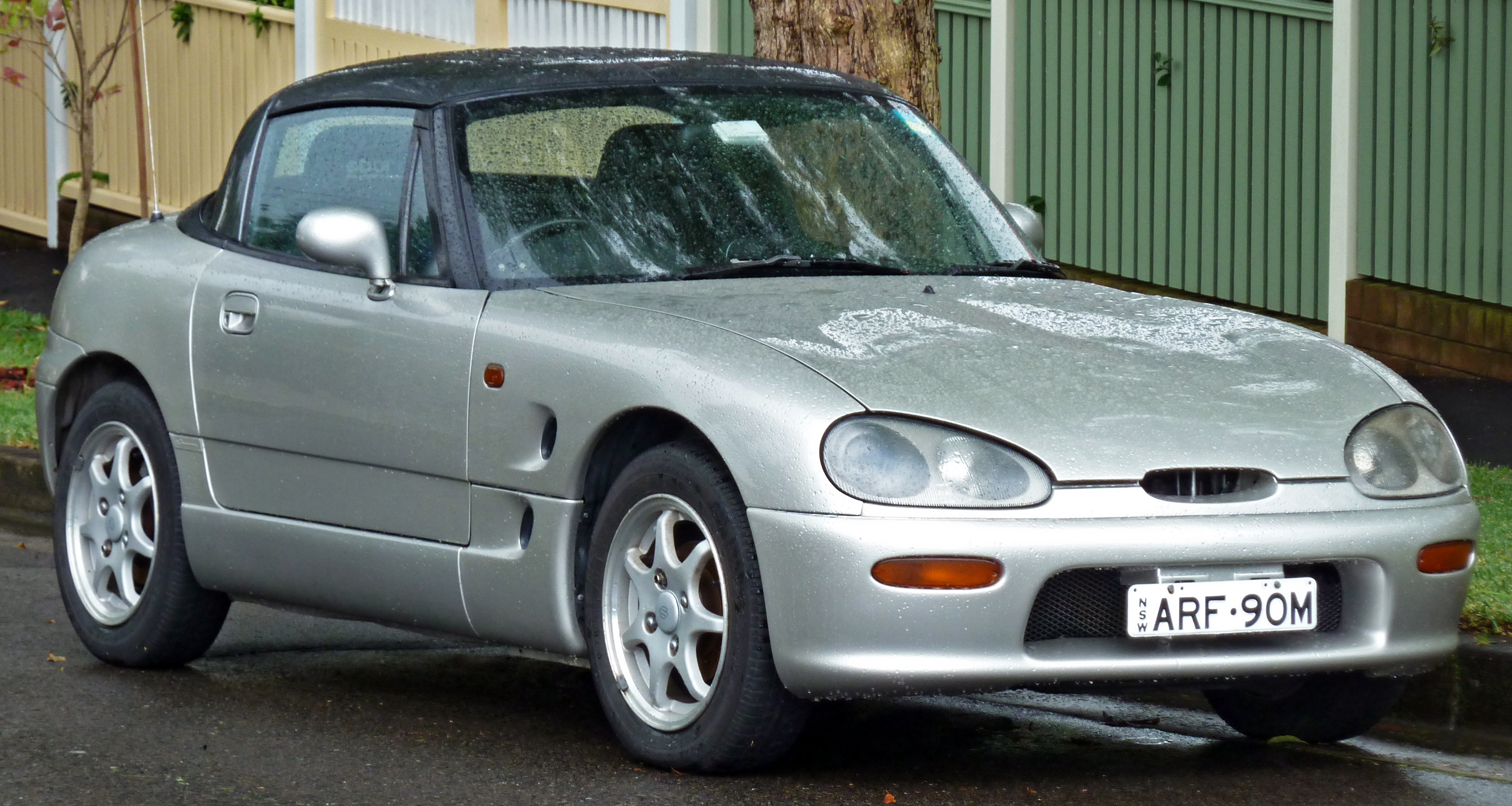
The Suzuki Cappuccino is a small Japanese sports roadster. It’s mentioned as an example of the kind of compact, fun-to-drive cars that were popular in Japan during the JDM era.
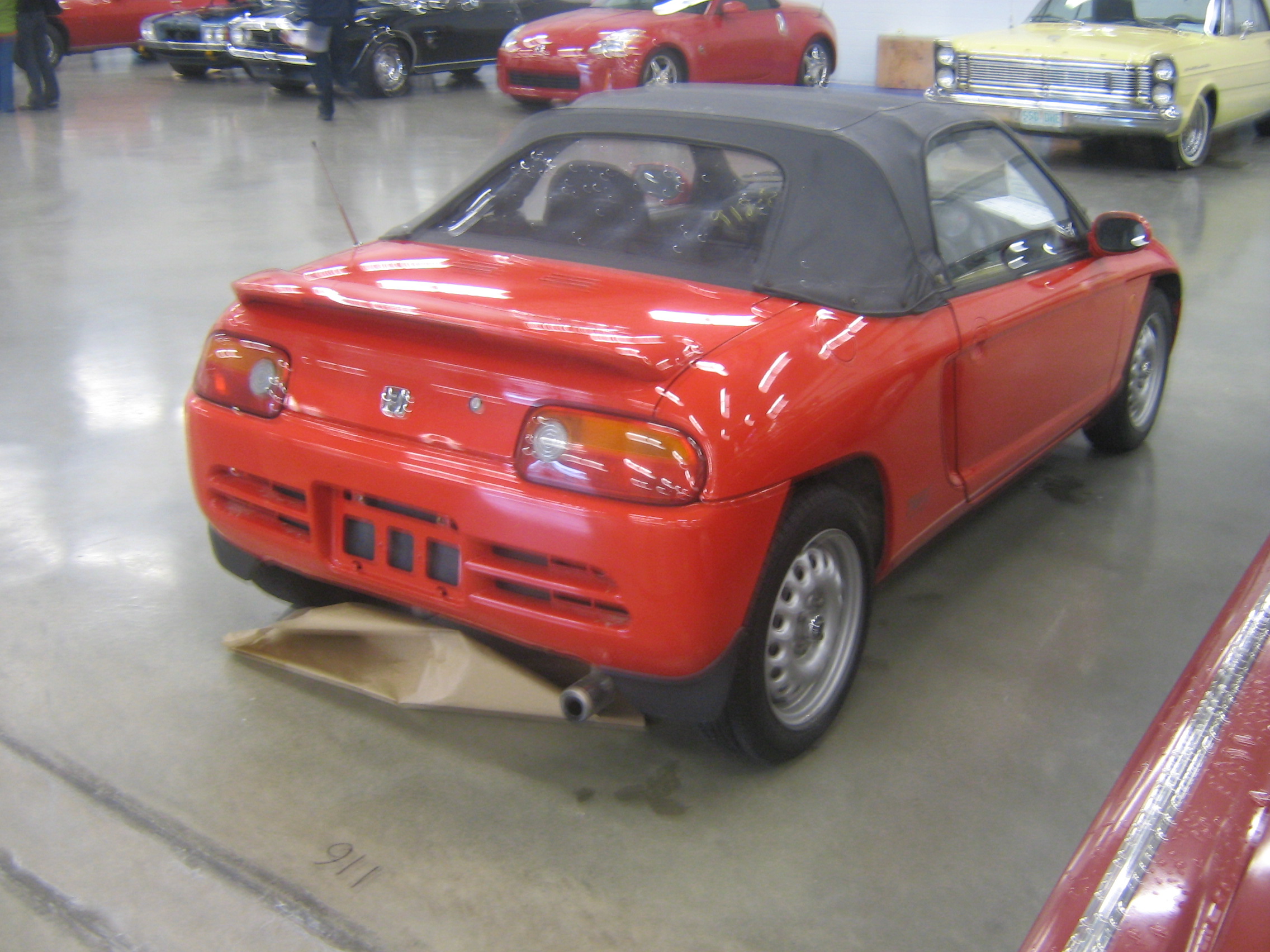
The Honda Beat is a tiny Japanese sports car. It’s brought up as part of the group of small “kei” sports cars that were popular in Japan but less known elsewhere.
Car
AutoZam AZ1
The AutoZam AZ-1 is a small Japanese sports car. It’s mentioned here as one of the kei-car “tiny sports” models that were big in Japan but not widely known overseas.
This is a big car show in the U.S. focused on classic Japanese cars. The hosts say it helped popularize the whole JDM idea for people in places like Southern California.
A blowoff valve is a turbo part that releases extra pressure when you lift off the gas. The host’s point is that some people wear tuning logos without knowing what parts like this do.
The Ford Fusion is a regular mid-size car made by Ford. It’s designed for everyday commuting and family use. The podcast mentions it because it became a well-established model by the early 2010s.
HKS is a Japanese company that makes aftermarket performance parts for cars. Here it’s used to show when someone starts tuning their car for real, not just liking the scene.
Company
K Street
K Street is mentioned as a streetwear partner in a limited-edition collab. It’s an example of how car culture and fashion started overlapping more publicly.
Super GT is a major Japanese racing series where teams race modified versions of real cars. Mentioning it is a way of saying the engineering behind these parts is proven in top competition.
Daikoku is a rest-stop area in Japan that turned into a famous car-meet spot. Because it’s easy to enter/exit quickly and it’s quiet enough at night, car people used it as a place to gather and show off.
LIVE
Let's go back, 1963, the Suzuka Circuit, Japan's first Grand Prix, a generation that
grew up in a country defined by devastation, watches machines built by their own people
get pushed to the limits for the very first time. 1988, the Shudo Expressway, Tokyo, 2am,
that Jira Inada filmed something that has no name yet. He wants to make sure that the people
who can't be there to feel it can get as close as possible. He has no idea how far that impulse
is going to travel. The early 2000s, all around the world, a new generation finds its way into
Japanese imports through every door available. Kids play Gran Turismo on the living room sofa.
Online enthusiasts trade specs over dial-up connections. Movie stars drive Supras and
skylines on the big screen. Over the last 60-plus years, Japanese car culture kept moving, kept
mutating, kept finding new people to pull in and new forms to take on. But that kind of growth comes
at a cost. The cars that used to sit and use lots for $15,000 now clear half a million in
auction. The parking lots kept alive by informal rules now show up on TripAdvisor.
Japanese car culture has survived every transformation it's been put through. It's bigger than it's
ever been. It's also more complicated than it's ever been. And figuring out what that means is
exactly what we're here to do today on the Season 2 finale of Past Gas.
That's right, it's episode 12. It's the last one of our story here. It's the golden age of JDM.
Guys, if you have made it this far, thank you so much for joining us on this journey. This has
been so much fun. Very fascinating too. And I'm hoping that you now have a pretty much complete
picture of the Japanese auto industry just by listening to this. That was our goal starting
out here. Again, just want to thank you guys so much for listening. And I hope you guys have
enjoyed it. I know we've been doing things a little differently around here. We'll get to
that maybe at the end of the show, or maybe in our next episode, which is kind of like a
conversation episode, not a story episode. Maybe we'll talk more about that. But the Japanese
auto industry and the car scene itself now, I mean, it's just it's it's a phenomenon. We're
recording this a few weeks after the release of Forza Horizon 6, which takes place in Japan. Long
awaited installment, long awaited location, a perfect location for that game with the size
that that game is going to be. How successful that game is going to be. Does that mean that the
phenomenon is over? Or is this another stepping stone for the JDM scene? Like, are we at critical
mass? Are people going to be bored of this subject? I don't I don't know. The Japanese OEMs, you
know, they're still making big moves, they're still innovating, and their cars are still very
exciting. So I still think there's momentum there, obviously. But I don't know, that was just
something I was thinking about the other day is like, what will be the critical mass moment for
the JDM craze? Because kids these days, too, like they, they're still into the the 90s and 2000s
JDM cars, because there wasn't like a next wave of affordable cars for them to come scoop up. And
you know, I feel really bad for the younger generation, because they don't have like the
income to necessarily buy cars, even they're not even interested in cars, at least in big cities.
But the ones that are they still love, you know, cars of that era, S chassis and E 36s and civics
are like still the cool cars. So not much has changed in the last 20 years. You know, these
cars will still be desirable. And these companies will still be lauded and all that. So I don't know,
just something to keep in mind as we go through this last episode here, like, what is the ceiling?
What is the peak? Is this linked to new metal? Like lint biscuit and deaf tones are more popular
than they were at their height these days, because like younger people are finding the music and
being like, Oh, this is actually really good. Still, it's always been good. Is that the same
thing with the cars? Like, these cars have always been good. They've always been cool.
And now we're seeing resurgence. We'll just keep going coming and going in waves throughout time.
Who knows? So anyway, let's get into the story. Enough of me blabbering on my trenching insights.
Let's get into it.
Every year when Formula One comes to Japan, Lewis Hamilton arrives a few days ahead of
the rest of the paddock, because he's got somewhere to be. A rental car company on the
edge of Tokyo reluctantly keeps an R34 Skyline readily available just for him.
And for a few hours between sessions of the world's most technically demanding motorsport,
the seven time champ, should be eight time champ, does what anyone who loves Japanese car culture
would do when given the opportunity. He goes driving. The Shudo Expressway at night. The
same elevated highway the Midnight Club ran in the 1980s, the same infrastructure that appeared in
Tokyo drift for several years running. It has also made space for one of the most celebrated racers
of his generation.
Hamilton has been posting these videos since 2022.
Flying through the city at speed, then the parking lot, then donuts. In 2022,
the rental company publicly complained that this kind of driving was strictly prohibited.
Japan had recently tightened its grip on public road behavior with an amendment that introduced
an entirely new category of offense, aggressive driving, carrying penalties of up to three years
in prison. The Kanjo Racing Clubs, the ones who had been running the Osaka loop since the 1980s,
took the biggest hit. After years of weaving through traffic and outrunning the police,
they faced enforcement so thorough that most clubs dissolved entirely. The ones that remained
stopped racing and started cruising. Japan had made its position on public roads very clear.
Hamilton kept showing up and doing his thing anyway.
In 2025, he arrived at Daikoku in a Ferrari F40, completely unannounced. No corporate
infrastructure, no staging. Well, I mean, it's a F40 though, and he's like the Ferrari guy,
so maybe a little bit of staging. He just blended into the Friday night crowd like everyone else
who turns up there because the cars pull them in. I mean, he didn't blend in, he's in a freaking F40.
But Hamilton isn't alone in this. He's just the most famous person doing what many car lovers
have also been doing. Liam Lawson owns a heavily modified A90 Toyota Supra and documents the build
on social media. Yuki Sonoda grew up riding in his father's S2000 and watches his dad compete in
an NSX at Gymkhana events. And those are just the people whose names we know. Behind them is a
generation of drivers, athletes, musicians, and designers who found their way into Japanese car
culture and made it part of their lives. I want to give a shout out to YouTuber Jeffrey Pang,
who has a really interesting channel about, you know, he splits his time between Japan and Canada
and has a really awesome video about his dad being a Formula One photographer in the 80s and 90s.
But yeah, I mean, you watch his videos and you can just feel this exact passion that we're talking
about. Really great channel. Go check him out, Jeffrey Pang. You could make the case that more
people care about Japanese cars in 2026 than at any point during the era that this series has covered.
Again, the death tones effect. The community is larger, more diverse, and more internationally
distributed than anything DiGiro Anata could have planned for. But here's the uncomfortable truth.
The culture has never been bigger. And it has never been more at risk. The same manufacturers
that built the GTR and the rotary engine are facing an existential moment.
The world in which these companies built their reputations no longer exists.
Question now is whether they'll survive long enough to help write the next chapter of the story.
I mean, there's an undercurrent in the entire car industry. It's fear of the Chinese manufacturers
with their extremely cheap EVs. It's no secret the Chinese manufacturers have a huge leg up
on the rest of the world with their ability to price their car so low. And all these companies,
especially the Japanese manufacturers, are very worried about it because the Japanese,
their bread and butter is making affordable cars. So what happens when you get undercut to such a
degree? I guess we'll see in the next 20 years for sure. The answer has not been written yet,
this is a moment we're living through. And yet, in spite of all that, Hamilton keeps coming back
to Tokyo every year to drive an R34 on the Shuto Expressway and post it to Instagram.
Daikoku is full every Friday night. Someone right now is discovering Plus 5 for the first time
through a YouTube rabbit hole and has no idea what they're about to get into.
The golden age has supposedly ended, but the cars keep going.
Let's start with Nissan.
The company's global sales peaked at 5.8 million vehicles in 2017. Then, in November of 2018,
police arrested Carlos Ghosn, the man who had rebuilt the company from near bankruptcy on charges
of underreporting his salary for over a decade. What followed was over a year of detention,
bail conditions so strict he wasn't allowed to contact his own wife, and a trial that he believed
he had no chance of winning fairly. They usually don't prosecute unless they know they're gonna win,
and when cases go to trial, the state usually wins. That's just how it is over there.
And one of the most extraordinary exits in corporate history, Ghosn walked out of his
Tokyo apartment on the afternoon of December 29, 2019. He was dressed casually, behaving completely
as he prepared to take a bullet train from Shinagawa to Osaka.
What nobody around him knew was that a team of operatives later reported to include former
US Special Forces soldiers hired by Ghosn's associates had already put a plan in motion.
At a hotel near Kansai International Airport, Ghosn was loaded into a large audio equipment box
and placed onto a private jet. The box was too large to fit to the airport's x-ray machine
and was never scanned. The plane left around 11 p.m. He first landed in East Emble,
where he transferred to a second jet bound for Beirut. By the time Japanese authorities
understood what had happened, Ghosn was already in Lebanon, which has no extradition agreement with
Japan. And there he remains to this day. And if you want to hear more about his day-to-day life,
check out the interview that the drive secured with him. Really fascinating stuff.
What he had left behind was a company in Freefall. The CEO who replaced Ghosn was himself
forced out after an investigation uncovered that he too had falsified documents to boost his own
compensation. Two more CEOs took the helm in the years that followed, each inheriting the same
unresolved problems. In the years since Ghosn's arrest, Nissan has lost billions. Global sales
fell to 3.3 million by 2022, a collapse of more than 40%. Share prices dropped 60%. The man who
rebuilt the company was gone, and with him went the institutional confidence that had made the R35
possible. The GT-R was still being sold, but nobody inside Nissan had stepped forward with a clear
vision of what came after it. I mean, Ghosn was brought in because he had a reputation for
writing failing companies. They called him Lekost Kele, like he would come in and cut costs anywhere
possible. That's great for the bottom line, but I think as a result, this is part of why at least
Nissan's reputation for build quality and unreliability started becoming more and more
prominent. You can't cut costs across the board and expect your quality to stay the same. I just
don't think that's how it works. When my wife and I first started dating, she had a little Versa,
it was like a 2014, and that thing was like falling apart. And it was not that old at the time that
we started. It was only like a six-year-old car at that point in retrospect, kind of charming.
But at the time, you know, I was like, yeah, no wonder like Nissan is going through some shite.
Nissan isn't alone. Honda is facing its first annual net loss since going public in 1957,
and the reason is China. Honda's China sales fell 31% in 2024. Japanese manufacturers overall
have seen declining Chinese sales for three consecutive years, as domestic EV manufacturers
have started producing cars that are equal or better at prices Japanese companies simply cannot
match. In late 2024, Honda and Nissan announced they were in talks to merge. The idea was to combine
two of Japan's most storied automakers into a single company that would become the world's
third largest, with enough scale and resources to compete with Tesla, BYD, and the Chinese EV
manufacturers that have been steadily eroding their market share.
It was an extraordinary thing to even propose, but the talks fell apart within months. Honda
wanted to make Nissan a subsidiary, essentially absorbing it into Honda's corporate structure,
and Nissan refused. Yeah, I mean, it was just insane. And still, when we read this, it's like,
yeah, I don't know, I don't think that would work. It would be one thing if it was like Honda and
Mazda or something like that. Like Mazda is still an independent company much smaller and like,
could probably stand to gain an ally like Honda or Nissan in that way. But like, Nissan and Honda,
they're just their peers, you know, if you've listened to this podcast, you know,
that Nissan, even though they're kind of like, in some shit right now, Nissan is a heavy hitter.
And so is Honda. Like, there's just no way that would have worked.
And the problems don't stop at corporate haggling. In the first half of 2025, U.S. tariffs of up to
27.5% on vehicles and parts cost Japan's seven major automakers nearly $10 billion combined
in one half of the year. The companies that built their global businesses around decades of open
trade are now navigating a world where that framework is actively being dismantled.
The domestic market is no rescue. The number of Japanese people getting driver's licenses has
been falling steadily for years. Teenagers and people in their 20s account for nearly all of this
decline. The generation that should be buying entry level sports cars has largely decided it
doesn't need to drive at all. Even the Miata hasn't been immune. The car that survived everything
the industry threw at it for 35 years has taken a hit during this period. Nobody has been spared.
The Japanese car industry is struggling. But the culture it produced is doing something unexpected.
While manufacturers are cutting jobs and losing market share, millions of people around the
world have been watching 40 year old VHS footage of cars running mountain passes at 2 in the morning.
The platform that made this possible is one you already know. It might be the one you're
listening to the show on right now. And it might be the most important website of the 21st century,
YouTube. Did you quit smoking? smoking with vaping and now find yourself
addicted to vaping instead? Well, fume is a flavored air device designed to help people quit vaping
and smoking by breaking the hand-to-mouth pattern. It's simple, natural, and honestly
pretty genius. There's no nicotine. There's no batteries. Great. No vapor. Just a weighted,
twisty, fidget-friendly tool that gives your hand something better to reach for when cravings show up.
Cravings aren't just about nicotine. It's about the habit, the hand-to-mouth motion,
oral fixation, the momentary pause. When that loop is broken, cravings spike. Fume replaces your
habit with a flavored air fidget device that gives your hands and mouth something to do,
distracting cravings without nicotine, vapor, or batteries. So if fume can let you satisfy your
craving without throwing batteries into the ground, I'm all about it. Check out fume. Fume has already
helped over 700,000 people take steps towards better habits. And now it's your turn. Use our
code PASCAS to get a free gift with your journey pack. And to try fume, that's T-R-Y-F-U-M dot com.
Use code PASCAS to claim your free gift today. Thank you so much, fume.
When YouTube first launched in 2005, the pitch was simple. Anyone could upload a video. Anyone
could watch it. And it cost nothing at either end. All that was needed was an internet connection
and an audience of anyone in the world who happened to find you. One of the first people to
understand what this meant for Japanese car culture was an Australian named Alexi Smith.
He moved to Japan in 2008 and did what Anata had been doing since 1987,
showed up at car meets and parking lots with the camera, and documented everything he found there.
He kept doing it for 15 years. His channel and online persona Noriyaro became one of the most
trusted windows into Japanese car culture for an English speaking audience that had no other
inside access. Two more Australians broken to the scene early. Marty Mulholland and Blair Jocelyn,
known online as Marty and Moog, launched mighty car mods in January of 2008 with a video titled
How to Pimp Your Ride for Under 500 bucks. They filmed it in Marty's mother's driveway in
suburban Sydney with a 2001 Daihatsu as their subject. What followed was 17 seasons and nearly
a billion views. They tackled Sylvia builds and Subaru projects with names like Supergramps.
They collaborated with the makers of Mad Max Fury Road to create the V8 S15 Mod Max.
Their significance and the explanation for their rise traced back to the message of that first video.
You don't need a lot of money, just the willingness to learn in public.
Mighty Car Mods put him on the Mount Rushmore of car YouTube for sure.
I mean, dude, I remember watching all those early videos. It was just such a fun, different,
more innocent time on the platform as well. We've had the pleasure here at Donut to meet Marty.
He's come by the office. Super nice guy. Still haven't met Moog yet. I mean, dude, I just don't
think car YouTube looks the same without those guys. Then there was Ken Block. His Gymkhana
practice video landed in 2008 and rewrote what car content on YouTube could look like.
If Mighty Car Mods is like budget DIY, like using that zine energy that we talked about
previously on this on the show, Gymkhana is Hollywood. That's big budget. That's big infrastructure.
That's, you know, using Ari Alexa cameras and insane stunt coordinators to make a video.
It's like two completely different sides of the spectrum. Ken Block and his Suburban Pretza
on an abandoned airfield created a template that every subsequent car YouTuber built on.
Slow motion tire smoke, close angles on steering inputs, sound mixed for emotional effect,
cinematic techniques delivered on a platform that cost nothing to access.
The wall between professional and amateur had fallen again, but this time you didn't need
a gray market connection and three weeks of shipping time to get your hands on it.
This was a problem for the old guard. Companies like Option had adapted to every
previous shift in how the culture consumed itself. When the culture needed video, they invented
option video. When D1 needed institutional legitimacy, they created it. But YouTube was
different. It didn't need option to exist. Anyone could do what option did for free
from anywhere in the world. And for the first time, the gatekeepers had no gate.
What Option did next said a lot about where they found themselves. They looked backwards.
They launched Legend of Option, a new run of magazines that revisited the early years,
with sidebars featuring famous tuners and drivers talking about what it used to be like
and retrospectives on street drag racing with before and after photographs of the places where
it all happened. The magazine that had documented the culture as it was being built had become
nostalgic. A publication that had always pointed forward was now looking back.
American magazines kind of go through the same thing because as the audience grows older,
they want to talk about the good times. They want to talk about the good old days.
Option's rival, Best Motoring, a video magazine that had been documenting circuit
battles and performance car tests since 1987 didn't survive the transition at all.
In 2011, it ended physical production after 24 years, killed by digital piracy,
and a generation that stopped paying for content. Option magazine still publishes in print,
but the content it spent decades producing has found a second life far beyond what a print
magazine could ever reach. In 2013, a company called GT Channel struck a licensing deal with
Option's parent company and put the entire video option archive on YouTube with English narration.
Every plus by tape, every D1 run, every circuit battle, every video that had previously required
a gray market connection three weeks of waiting in a VHS player was now available instantly
for free to anyone on earth with an internet connection.
GT Channel's founder was direct about what he was building. This was not going to be
traditional automotive content aimed at existing enthusiasts. It was going to be
action-oriented, visually driven, and built specifically for a generation that had grown
up on YouTube. The archive was the foundation, the platform, and the audience were the point.
What followed was an explosion.
Japanese car culture exploded online in a way that many other enthusiast cultures didn't,
in part because it was built from materials the algorithm was specifically designed to amplify.
Drifting is visually dramatic. The mountain pass is cinematic. The builds produced are somehow
relatable and aspirational at the same time. Plus, they photograph perfectly. Even the mythology
surrounding forbidden cars like the R34 suited the modern internet's appetite for things that feel
exclusive and transgressive. Social media platforms extended that reach further. Where YouTube offered
breadth, Instagram and TikTok offered curation. A digital garage became a swipe away. Out of that
content explosion came the largest community Japanese car culture has ever seen. Driven largely
by millennials who grew up with the culture on a screen before they ever experienced it in person.
These were people who found cars through a video game or a manga series,
or a YouTube rabbit hole at 2 in the morning. Kids who spent hours tuning in Gran Turismo 4
are in their 30s now. Our knees hurt. We should get colonoscopies earlier because we're getting
colon cancer from all the stress and microplastics floating around in our bodies. I know you still
have that physical copy of hybrid theory at your parent's house, Ethan. Go to the doctor. We've got
jobs now. We've got families. We've got family. And at some point during the last decade,
they simply stopped watching option videos and started asking the question that had been building
their entire lives. What would it cost to actually buy one of these cars? In the early 2010s,
a standard R34 Skyline GT-R could be bought for somewhere between $40,000 and $70,000,
depending on the variant and the condition. It's not cheap, but somewhat within the reach of someone
who wanted one badly enough. Today, though, entry-level examples sell well above $150,000,
and the rarest variants have cleared a million easily. I met a guy, we were shooting for bumper
we met a guy who owned some cool cars that we shot with. He had a Bayside Blue R34 GT-R,
very expensive car. This dude's a little younger than me, I think. We asked him how he made money
to buy these cars because this was not his only car, he had a bunch of other cool cars.
And he's dropshipping license plate blockers. It was how he made his money. And I'm like,
good for you, man. But internally, I'm like, man, I've been working so hard these past 10 years
that I do not, I don't have R34 money. Good times. Anyway.
In 2005, a clean twin-turbo Mark IV Supra with a six-speed could be bought for under $35,000.
By 2021, though, a low mileage example cleared $126,000 at auction. Clean stock examples
in 2025 routinely sold above $60,000. According to Hagerty, the Mark IV Supra's value rose over
300% between 2015 and 2023 alone. The FD RX-7 tells a similar story. Running FDs were available for
$10,000 on Craigslist in 2013. A decade later, three sold for over $100,000 in a single year.
Then in July of last year, a 1992 Veilside Fortune Coupe, the specific RX-7 body style
that appeared in Tokyo Drift, sold at auction for around $1.2 million. What are we doing?
That's gotta be some money laundering or something going on there, bro. Check the bank
account. Check the paper trail and that. That's crazy. The people that Tokyo Drift introduced
to this culture are now the ones paying $1 million for the cars they first saw through a screen.
The price spike follows a pattern the collector car market has repeated with every generation.
Baby boomers spent their peak earning years buying muscle cars that they had posters of
as teenagers. Gen X spent theirs on the European sports cars they grew up watching in films.
Millennials are spending theirs on the 90s Japanese cars they fell in love with as teenagers.
With one crucial difference.
Millennials relationship with these cars was never fully built on driving.
According to Hagerty, eight of the top 10 cars Millennials love most are JDM vehicles that were
never legally sold in the United States. The cars they fell in love with were on the other
side of the import law. And for most of them, the only place those cars existed was a screen.
The R34 wasn't on American roads when a generation of teenagers fell in love with it.
The FDRX7 was discontinued before most Millennials could even drive.
They were the first generation of car buyers whose formative relationships with cars
was built almost entirely through media. There's also a second factor.
These cars also sit at a very specific moment in automotive history. They're the last generation
of performance cars built before electrification and drive by wire systems fundamentally changed
what it feels like to be behind the wheel. Modern enough to be reliable. Analog enough
that the relationship between the driver and the car still feels direct and unmediated in a way
that cars built in the last decade largely don't. Dude, I finally took my Civic out to Big Willow
a few weeks ago. You know, it's an 88 Honda Civic. And driving that thing going down the
main straight into turn one at Big Willow at speed, it felt like being in like an escape pod
from the space station or something re-entering the atmosphere. Like power steering, you know,
the brake booster on it is pretty powerful, but like still feels pretty good. You know,
I've stripped out half the interior, so it's pretty loud in there too. But like,
it felt like I was going three times the speed. I was one of the slowest cars there that day,
but I felt like I was the fastest.
This feel phenomenon is the same logic that makes vintage digital cameras desirable
in a world of smartphones. It's the same logic that makes a CRT television desirable in a world
of OLED screens. I still have my PS2. I want to get a CRT TV at some point. What people are
reaching for isn't the flaws, it's the texture. The specific feeling of something that was built
before every rough edge got smoothed away. When a car becomes an asset stored in a climate-controlled
garage and tracked for its collector value, something gets lost.
The connection between driver and machine was always the heart of what this culture was built
around. It's what Kaichi Succio was expressing when he took a stock AE86 to the mountain passes
and figured out drifting before the industry had a word for it. It's what the tuning culture was
all about. Collectors don't erase that entirely, per se, but there are enough Mint R34s sitting
in shipping containers as appreciating investments to suggest that for a growing number of people,
the car has become the point rather than the driving. The thing that made these cars worth
loving has now made them expensive to love. And the expense changes who can afford to be
inside the culture. That's the real problem. Not because the buyers are wrong, but because
of what their purchasing power does to the next person who discovers all this. And there will
always be a next person. Right now, somewhere a 17-year-old is finding their way into Japanese
car culture through TikTok or YouTube. They're feeling that first shift, drift clips leading to
rabbit holes leading to names they don't have a context for yet. Hachi Roku, Godzilla, Rotary,
an entire culture built before they were born, suddenly pulling them in.
At some point, that search leads to a price. Half a million for an R34, six figures for an FD,
numbers that make stories of finding a 240SX for a few grand at a used car lot sound like they
happen back when movie tickets cost a nickel. The 17-year-old stares at the number for a moment
and closes the tab. I mean, I can definitely relate to this as well, like growing up from a
different angle though. I mean, I grew up loving muscle cars and this was at the boom of like
million-dollar kudos and all that kind of stuff. Yeah, like all those A-tier muscle cars. I don't
know if they'll ever be affordable, you know? But luckily, there's hope.
Toyota is reviving the MR2, not as a concept, but as a production car. A mid-engine two-seater
with a target price below $25,000. Yeah, we'll see about that. The Celica, also absent since 2006,
is also in development, with Toyota's own executive vice president confirming it publicly
in late 2024 and prototypes already on the road. A third-generation GR86 is expected around 2027.
I know GR86 is like the default answer for like, I want a cheap sports car, but dude, it is so good.
So good. The Lexus Sport concept has been confirmed for production alongside a V8-powered
Gazoo Racing GT car. Yeah, I mean, it's not a concept anymore. It's the GR GT. It's sick as hell.
I mean, that's going to be really expensive though. That's not, that's any from beginners.
Okay. The GR Supra is also set to receive a sixth generation around 2027. That's exciting,
because as we learn from our I drove every Supra video, the even number generations are the best
cars. Toyota hasn't been building this many sports cars simultaneously since the late 1990s.
Why? Well, despite the overall state of the industry, the demand among enthusiasts is real,
and the manufacturers know it. I mean, the younger kids, they think crossovers are boring
parent cars now. They want sedans. They want something more sporty.
Honda has confirmed plans for an S2000 revival. The company that canceled the NSX and the S2000,
while withdrawing from Formula One in a single speech, is now building its biggest annual show
appearances around Honda Sports DNA. The Civic Type R HRC concept and the Prelude HRC concept
both developed with Honda Racing Corporation involvement, where headline reveals at the
Tokyo Auto Salon in 2026. The Rebel founders company may be returning to its roots.
The most affordable, serious performance Subaru in years is also on the way,
with the STI returning after its discontinuation in 2022. With it comes promises of a hatchback
body style, 300 horsepower and a manual only transmission. On that note, Nissan gave the
Nismo Z a manual option for 2026, specifically because the community asked for it loudly enough
that Nissan listened. A company cutting 20,000 jobs and navigating an existential financial crisis
still gave the people who love cars exactly what they asked for.
None of this is guaranteed though. Cars get canceled. Plans change. But the fact that these
announcements are happening at all, that Japanese manufacturers are committing to this specific
range of sports cars in this specific moment says something. The 17-year-old who closed the tab on
a half million dollar R34 still has cars being built for them. The culture can still make itself heard.
Shopify is the only game in town. Get started with your own design studio. With hundreds of
ready-to-use templates, Shopify helps you build a beautiful online store that matches your brand
style. Shopify will also help you get the word out about your brand like you have a dedicated
marketing team behind you. Easily create email and social media campaigns wherever your customers
are scrolling or strolling. Best yet, Shopify is your commerce expert with world-classed expertise
and everything from managing inventory to international shipping to processing returns
and beyond. So it's time to turn those what-ifs into with Shopify today. Sign up for your $1
per month trial today at Shopify.com slash gas. Go to Shopify.com slash gas. Again,
that's Shopify.com slash gas. Thanks Shopify.
Late January in Tokyo. The Japanese Classic Car Association New Year Meeting is a different
kind of event than the Tokyo Auto Salon. It's been running for decades without much fanfare,
long before the international attention and the auction records and the YouTube rabbit holes that
introduce this culture to the rest of the world. There are no manufacturers, no press events,
no new product reveals. Just an annual gathering of owners who show up because the cars pull the
men the same as they always have. The atmosphere at the JCCA meeting is worth describing because
it's different from what you might expect. It's unhurried. Owners take their time showing off
personal touches on cars they've spent years keeping alive. Stalls sell vintage option magazines,
the same issues that documented the culture as it was being built alongside out-of-production
performance parts, scale models and original brochures. The average owner age at a JCCA
meeting hovers around 55. The question nobody can answer yet is what the event looks like 20
years from now. Whether the cars on display will represent the highlights of the 2020s
or whether the timeline will stop somewhere in the early 2010s.
Then there's the Toyota Automobile Museum in Nagoya, a three-story complex covering the
full history of the automobile. As of October of 2025, it added a dedicated special exhibition
titled, What's JDM? The Timeless Allure of Japan's Rad Era Cars. The entrance sets the tone
immediately. A 1983 Toyota Sorer sold exclusively in Japan and never officially exported with
Defender Mounted Mirrors that became one of the defining visual signatures of the JDM era.
Dude, I should have put some fender mounted mirrors on my Mustang. The automine kind of tight.
It greets visitors before they've even entered the main exhibition space.
Inside, approximately 10 cars from the 1980s and 90s are organized under three themes.
State of the art technologies of the time, unique designs, and compact cars with high performance.
Here you find the Toyota Supra MA70 and the Toyota MR2 SW20. A Suzuki Cappuccino sits alongside a
Honda Beat and an AutoZam AZ1. The three Japanese K sports cars that existed in Japan while the
rest of the world had no idea. The museum rotates through Japan's automotive history,
making sure different vehicles from the Golden Age get their proper time on the floor.
It's striking that the exhibition uses an abbreviation invented overseas, JDM. The
Japanese domestic market was a term invented by foreign enthusiasts trying to describe cars they
couldn't legally import. Now, a Japanese museum is using it to explain those cars to Japanese visitors.
Another event throwing the term JDM around heavily is the Japanese classic car show,
which isn't in Japan, but rather across the Pacific, here in SoCal, in Long Beach,
California. JCCS, great event, love going to it. Koji and Terry Yamaguchi founded the Japanese
classic car show in 2005 around a simple question. If a 1965 Mustang or 1963 Ferrari deserved a place
in the collector car world, why not Japanese cars? They gathered a handful of like-minded people and
launched a show in Southern California dedicated exclusively to machines from Japan. We actually
couldn't bring our merch van into the event space because it's not a Japanese car. That's how,
like, devoted it is. Like, everything has to be Japanese.
20 years later, it is one of the largest Japanese classic car events in the world.
The 20th anniversary in October 2025 drew over 10,000 people and more than 500 cars on display,
with lines forming hours before the gates opened at Marina Green Park. All four major Japanese
manufacturers showed up with their own booths, Honda, Mazda, Nissan, and Toyota lending institutional
weight to an American show built around preserving their own heritage. Organizers hold the cars to
strict restoration standards, screening out project cars in favor of properly preserved examples.
It's an approach that feels entirely in keeping with the culture that produced these cars.
Craftsmanship and attention to detail expect it at every level, including from the people tasked
with keeping the artifacts alive. For the 20th anniversary, the organizers chose the Japanese
word for Phoenix as their theme. The cars on display were supposed to be forgotten,
written off as used imports from another era. Instead, they've been restored, preserved,
and given a second life that nobody who first drove them could have imagined.
Then there are the aftermarket brands. HKS, Gretti, Spoon Sports, Nismo. What happened to them is
unlike what happened to Thrasher Magazine. The skateboarding publication whose logo became
one of the most recognizable pieces of street wear on earth, now worn by people who have never
set foot on a skateboard, aka posers doing mall grabs. They've never done a slappy on a curb
outside of Kmart, and I'm acting like I'm a skater. I rode longboards, I'm a poser too.
Brands that spent decades building reputations in engine bays and on racetracks now have their
logos functioning as cultural signifiers for people who couldn't tell you what a blowoff valve does.
The crossover didn't happen overnight. By the mid-2000s, a generation of people had been
seeing these logos for years without the technical context that originally produced them. By the
early 2010s, that fusion was fully established. Osaka and Nagoya street wear scenes had incorporated
motorsport branding into daily fashion, and these logos communicated belonging to a specific
subculture without requiring active participation in it. You didn't need to skate to wear Thrasher,
you didn't need to drift to wear HKS. This might sound like a dilution of what those brands stood
for, but it isn't entirely. The kid who starts wearing an HKS snapback because it looks cool
is the same kid who eventually turns to HKS when they start modifying their first car,
or maybe the second car HKS is pretty expensive. The logo on the hat and the part in the engine
bay are connected by the same thing, familiarity built long before the technical knowledge arrived.
Nismo formalized this understanding when they partnered with K Street and an automotive street
wear brand for a limited edition collaboration sold to the skateboarding and street wear chain
Zoomies. This put the company that built engines worthy of Super GT in malls across America,
next to Supreme and Vans. The lifestyle layer has kept these brands in front of people during a
period when the cars they built their reputations on are either out of production or out of reach.
Through community, institutions, diaspora, and commerce, the culture has used every tool available
to make sure it doesn't disappear, and it hasn't. Of all those things, the JCCA meetings,
the museum exhibitions, the show in Long Beach, the logo on the snapback, they matter,
but none of them are the culture itself. They are the scaffolding around it. The culture is
what exists underneath all that and the places where nobody commissioned anything and nobody
screened anyone, where people just showed up because the cars pulled them in.
This brings us back to Daikoku. It was never designed to be what it became. It was designed
to be a highway rest stop, a practical piece of infrastructure with a loss and convenience store,
a police station, an observation deck facing the Yokohama Bay Bridge,
a place where truck drivers could rest, refuel, and continue. Then, as we talked about in Episode 5,
the car people found it. Multiple Expressway access points, a loop road that lets you leave
and return in 15 minutes without touching a public road. Enough space, far enough from
residential areas that noise didn't matter at two in the morning.
The midnight clubs started staging their operations there. Video options showed up
with VHS cameras. Tokyo Drift put it on the big screen. YouTube and Instagram put it in everyone's
hands. One parking lot. 30 plus years of the culture's most significant moments
pass through the same concrete. It's remarkable how much the meaning of Daikoku has grown since
it was built. Because now you can pull up to that lot not in the early hours of the morning,
but first thing on a weekday morning and find it completely full.
The lot fills fast and fills with the kind of lineup that sounds mythical when described.
A 1960s print skyline parked next to a Ford van from the 1980s tied together by a Lancia Delta
Integrale between them as if all three had been chosen by someone who understood exactly what
they were doing. A McLaren P1 directly behind a Ferrari 575 Super America, a Datamaso Pantera,
a Daihatsu Charade Datamaso. When the police arrived to clear the lot, the cars file out in an
impromptu parade. Some owners launch up the spiraling exit ramp just because the moment calls for it.
Just like that, they're gone. Back up onto the expressway, back into the city.
No other car me in the world looks quite like Daikoku. You can see skylines in Los Angeles
and supercars in Dubai, but only at Daikoku do you see an R34 next to a bozozoku kaizu racer
next to a Ferrari F40 next to a beat-up Hachi Roku drift car all at the same time,
all at one highway rest stop. 60 years of Japanese car culture represented in a single floodlit
parking lot on a Friday night. The place has changed in recent years, no drifting inside
the lot anymore, no excessive revving or burnouts. The local government has installed concrete
walls and gates to block views of the drift intersection. You can now book a guided Daikoku
experience through TripAdvisor, where a local guide picks you up from your hotel in a Maserati
and takes you to the lot to translate conversations between you and the owners. That's a thing that
exists. In some ways, all of that is a problem. In other ways, it's proof of something. The culture
that started in those Suzuki stands in 1963 that traveled through VHS tapes and gray market
shipping containers and video games and YouTube rabbit holes has reached so many people that a
highway rest stop in Yokohama has become a global pilgrimage site. That was never the plan, but
it's not the worst outcome either. The lot still fills up every Friday night, the cars are still
coming, and somewhere in that crowd, there's always someone showing up for the first time,
finding their way through whatever door was available to them the same way people always have.
That's how the culture has always traveled, and that's how it keeps going.
Amid industry-wide struggles, nobody knows what Japanese car culture will look like in a few
decades. Then again, nobody watching Japan's first Grand Prix in 1963 could have predicted any of what
came after. But it all happened that way. And the idea at the center of everything, the belief
that the process matters as much as the outcome, that a machine is worth understanding from the
inside out, that craft and passion and the relationship between a person and car are worth
taking seriously turned out to be something people really needed. And not just people in Japan,
people everywhere. That belief doesn't require a specific car or a specific era,
it just needs to be people who feel it. And they keep coming, generation after generation,
drawn in by different things but carrying the same impulse that produced everything the series
has been about. So are there reasons to be optimistic? Of course. Japan built its car
culture from almost nothing, driven by a passion and craft and the stubbornness of people who
decided it was a thing worth doing. What they built has outlasted every threat to its existence,
and it's still here. That's not just a reason to be optimistic, it's a reason to celebrate.
And that has been the Golden Age of JDM. Thank you so much for listening. Join us next week
where we're going to be having a little conversation about this entire series.
What's up Wink Wink Nation? This is Joe G. Weber. I've been behind the computer this entire series.
Next week I'll be in front of the camera with Nolan and we're going to talk about
the whole series, our thoughts on it. We're going to unpack a lot of stuff that didn't make it into
the script and do the more subjective stuff, our thoughts on it. So look forward to that and
thank everyone for listening. This has been a huge passion project for a lot of people
and we took a big swing. We made a couple of mistakes here and there, but we learned from them
and we're going to talk about it next week. So tune in. Big thank you to everyone who's
working on this show. We got our writer Tony Bones, Anthony Harden, Audrey Holden, Joe Weber,
you know. Greg Nicks, Mark Schroeder, editing this all together and I've been your host,
Nolan Sykes. We really thank you for listening from the bottom of our heart. This has been really
great. Follow the show on social media at Donut Podcast. You can find all of us stuff there on
YouTube as well. Donut Podcast. Follow me at NolanJ Sykes if you'd like for whatever reason.
Hey, I want to know what this voice looks like. I look like the human Shrek mixed with Old Man
from Up. That's what I look like. All right. Goodbye.
About this episode
Daikoku’s rise from a highway rest stop into a global JDM pilgrimage is traced through media, shifting local rules, and even guided tours. The show then zooms out to explain why Gen Z grew up without cars: tightening Japanese enforcement, corporate turmoil at Nissan, and a YouTube-fueled archive that made JDM content instantly accessible. That visibility helped drive collector demand and price spikes, while preservation efforts like JCCA meetings and museum exhibits keep the culture alive.
From legendary 90s JDM icons skyrocketing into the millions, to corporate scandals, economic crashes, and a generation forced to trade the steering wheel for a smartphone, this is the true story of how we lost the greatest automotive era in history, and why the "car dream" is now completely out of reach for most of us.
The golden era of Japanese sports cars is officially dead... or is it?