They’re referencing World War II as the earlier conflict that sets the stage for what comes after. The discussion is about how someone’s wartime record is judged differently than their later help rebuilding Japan.
Concept
Korean War
They mention the Korean War as the reason industries had to ramp up production. The hosts connect that surge to Toyota’s early vehicle-building history and how it influenced later SUVs.
The Toyota Land Cruiser is a tough, off-road SUV that’s been around for decades. Here, the hosts are saying Toyota’s older military vehicle history helped shape the company’s later SUV lineup.
The first Japanese Grand Prix in 1963 was a big moment for racing in Japan. It’s when Japanese cars and teams got a chance to prove themselves in a major international event at home.
Suzuka Circuit is a well-known race track in Japan. The hosts mention it because it was built for major racing, and it helped turn the Grand Prix into a huge event.
The “Prince Skyline” is an early version of the Skyline that Nissan made under a different company name. It matters because it was one of the cars that helped prove Japanese performance cars could compete with the famous European ones.
Concept
toe to toe
“Toe to toe” just means going head-to-head and competing directly. In this context, it means Porsche was taking on top competitors in a way that felt evenly matched.
The Porsche 911 is Porsche’s most famous sports car model. The host is pointing out that, at the time they’re talking about, the 911 hadn’t been introduced yet.
The Porsche 912 is another early Porsche sports car model. The host mentions it to explain that Porsche hadn’t reached the later lineup you might associate with the brand today.
Car
Honda CVCC
The Honda CVCC is a Honda model known for an engine design that burns fuel more efficiently. The big idea is that it helps the engine use the fuel better and can meet emissions goals without needing a catalytic converter right away.
A CVCC engine is Honda’s special way of burning fuel. It uses a small chamber to help the air-fuel mix ignite and burn more completely, which can make the engine more efficient.
A pre-combustion chamber is like a small starter area inside the engine. It helps kick off the burning process in a controlled way so the main cylinder can burn the fuel more efficiently.
The fuel-air mixture is just the fuel and air that get mixed together inside the engine before it’s ignited. If that mix burns well, the engine can use more of the energy instead of wasting it.
A catalytic converter is a part in the exhaust system that helps clean up the car’s fumes. The discussion here is about whether you can make the engine burn cleaner in the first place, instead of fixing emissions only after they leave the engine.
A “Band-Aid solution” means a quick fix that doesn’t solve the real problem. In this context, the host is saying it’s better to make the engine burn cleaner than to just clean up the exhaust afterward.
The Honda Civic is a small car meant for daily driving. A lot of people buy them, and some modify them, including changing the exhaust so they sound louder. The podcast mention is about that kind of modified Civic.
“Fart can” is slang for a very loud car exhaust, usually from an aftermarket muffler. People say it because it sounds obnoxious, and it’s often more about noise than real performance.
This is about OPEC and an oil-supply disruption. When oil got harder to get (and more expensive), carmakers had to change course because big, thirsty engines weren’t as practical.
Term
8.3-liter engines
“8.3-liter” is the engine’s size, based on how much space the cylinders have. Bigger numbers usually mean the engine drinks more fuel, which is why it’s brought up as irresponsible.
Term
159 horsepower
Horsepower is a way to describe how much power the engine makes. They’re saying that even with a big engine, the power number wasn’t as high as you’d expect.
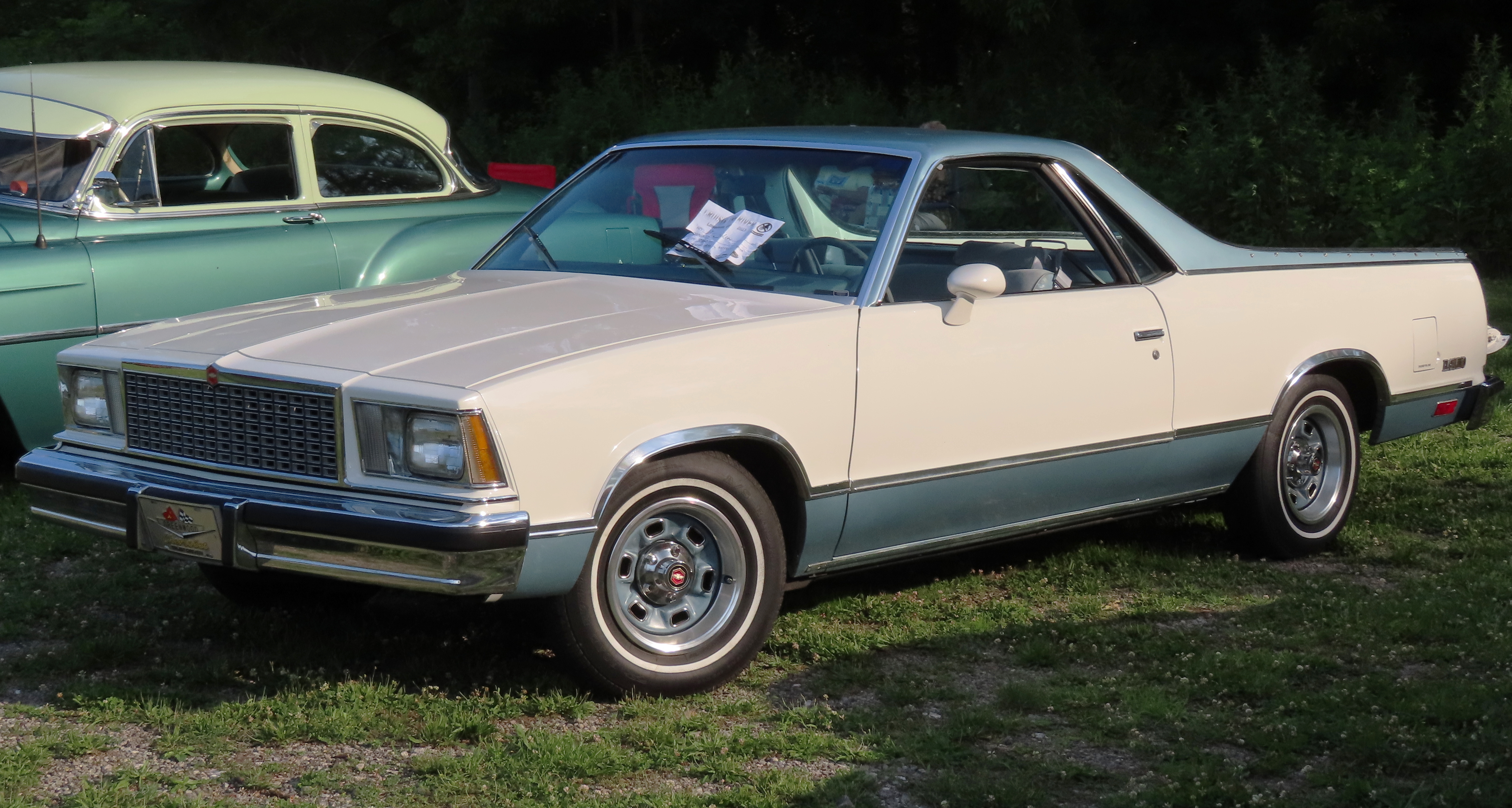
The El Camino is a Chevrolet that looks like a car but has a truck bed. The hosts mention it to make a joke about using huge engine power in something that’s more lifestyle than utility.
The Cadillac El Dorado is a big, luxury Cadillac. The hosts are using it as another example of how people used to put very large engines in cars that were mostly about comfort and style.
The Cadillac ELR is a luxury car that uses both electricity and a gas engine. It’s shaped like a coupe, so it’s more about style than being a big family car. The podcast brings it up as part of a comparison between different car types.
They mean Chinese car brands are becoming a big competitive force worldwide. The hosts are comparing that pressure to earlier moments when older automakers felt blindsided.
A tariff is a tax on imported products. If the government adds a big tariff to cars coming from China, the car costs more in the US, even if the original price in China is lower.
The BYD Dolphin is an electric car made by BYD. In this episode, they’re saying tariffs can make it cost about twice as much in the US compared to what it costs in China, so it stops feeling like a bargain.
Car
Honda
Honda is mentioned as a well-known car brand. They’re basically saying that if a cheaper electric car gets priced up by tariffs, you might as well buy a Honda instead for similar money and features.
Car
Dodge
Dodge is the brand the host says they currently have. They’re saying after reviewing a Dodge video, they’re not sure they want to buy another one because newer cars are getting too expensive.
The Ford Maverick is a small pickup truck. It’s built to cost less and be easier to drive than bigger trucks. The podcast is mainly talking about its price and what it’s based on.
The Ford Escape is a compact SUV. It’s made for everyday driving and practical use. In the podcast, it’s mentioned because the Maverick is related to it.
The Nissan Frontier is a pickup truck. It’s meant for people who want truck utility but in a smaller, more manageable package. The podcast is saying it seems like a decent option.
“Midnight Club” is being talked about like a street-racing group whose reputation became bigger over time. The hosts are basically saying the story is hard to verify, because people tell a lot of tales but few admit they were actually involved.
The De Tomaso Pantera is a classic Italian sports car with its engine mounted in the middle. The hosts mention it as one of the unexpected cars connected to the Midnight Club story.
Twin Ring Motegi is a race track in Japan. The hosts mention it because they’re talking about speed runs and how those stories got tied into the Midnight Club legend.
A street racing syndicate is basically a group of people who coordinate illegal street races together. The hosts are saying that kind of organized scene is harder now because it’s easier to get caught or have it posted online.
L.A. (Los Angeles) is referenced here as a major U.S. city where street-racing and drifting culture is discussed. The hosts use it as an example of big-city locations where surveillance and posting online make illegal driving harder to do discreetly.
Here, surveillance means being watched—like cameras and people recording what you do. The point is that it makes street racing harder because someone can catch it and post it.
Kaichi Tsuchiya is a famous Japanese drifter. The hosts are saying he helped make drifting popular by sharing it through video tapes, so more people could discover the sport.
Drifting is when a driver intentionally makes the car slide sideways through a turn while still steering and controlling it. It’s a skill-based way of cornering that looks dramatic and requires practice.
“Unsanctioned” means it’s not an official, approved event. Here, it suggests people are doing dangerous driving on public roads without the safety setup you’d get at a track.
They’re talking about a BMW that was being driven aggressively—sliding around—on a regular road. They later say it was an E36, which is a BMW 3 Series from a specific generation that a lot of people modify for drifting.
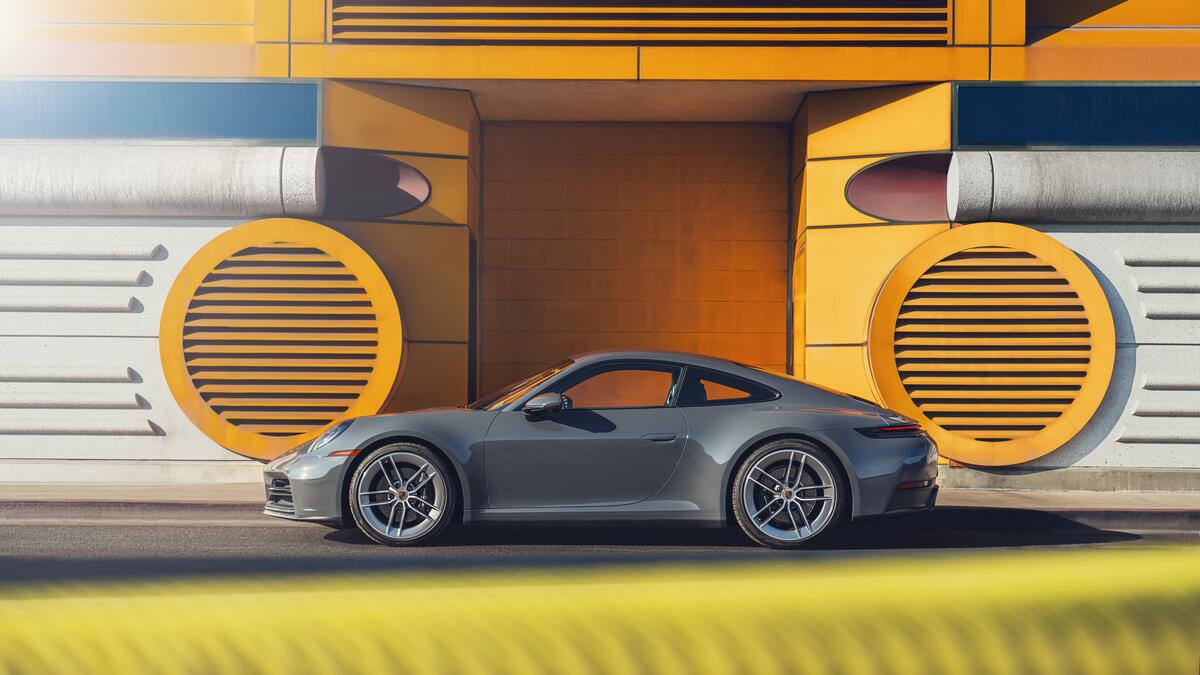
The Porsche 911 GT3 RS is a very track-oriented Porsche 911. It’s the kind of car people bring to the track, and the host is basically criticizing how someone uses it—like not driving fast or not respecting track rules.
Most race tracks have rules about where you’re allowed to drive. If you cross the painted lines or go onto the wrong part of the track, it’s called breaking “track limits.” People try to stay inside those lines because it’s part of the challenge.
“Cutting across” means taking a shortcut through the track area instead of following the normal racing line. It can make you go faster, but it can also break the track’s rules about where you’re allowed to drive.
“Donuts” are when a car spins around in place in a circle, usually by spinning the tires. People do it for fun, but it can be dangerous and can get you in trouble depending on where you do it.
Drifting is when a driver intentionally makes the car’s rear end slide while still steering through the turn. The “drift guys” are people who practice that style on purpose.
The “Tokyo drift aesthetic” refers to the visual style popularized by Japanese street-racing culture—especially the look and vibe around drifting cars. It’s mentioned here as something Fast & Furious brought to a wider audience, helping make JDM cars more recognizable in the US.
JDM means “Japanese Domestic Market.” It refers to cars that were made for sale in Japan, and it’s become a shorthand for Japanese cars and parts that enthusiasts especially like.
The Volkswagen Jetta is a regular compact sedan. It’s designed for everyday driving like commuting and errands. The podcast is basically saying they were thinking about it and that it’s not a bad idea.
“Hooning” means driving in a reckless or showy way—like speeding up hard or doing stunts just for fun. Here they’re saying people do that with Jettas on the highway.
Term
VW's Altima
They’re comparing the Jetta to the Altima as a common, everyday sedan. The idea is that because it’s so widespread, some people drive it aggressively even if it’s not actually a fast car.
The Nissan Altima is a regular mid-size sedan meant for everyday driving. The podcast compares it to another common sedan type, basically saying they feel similar. It’s brought up as a mainstream car example.
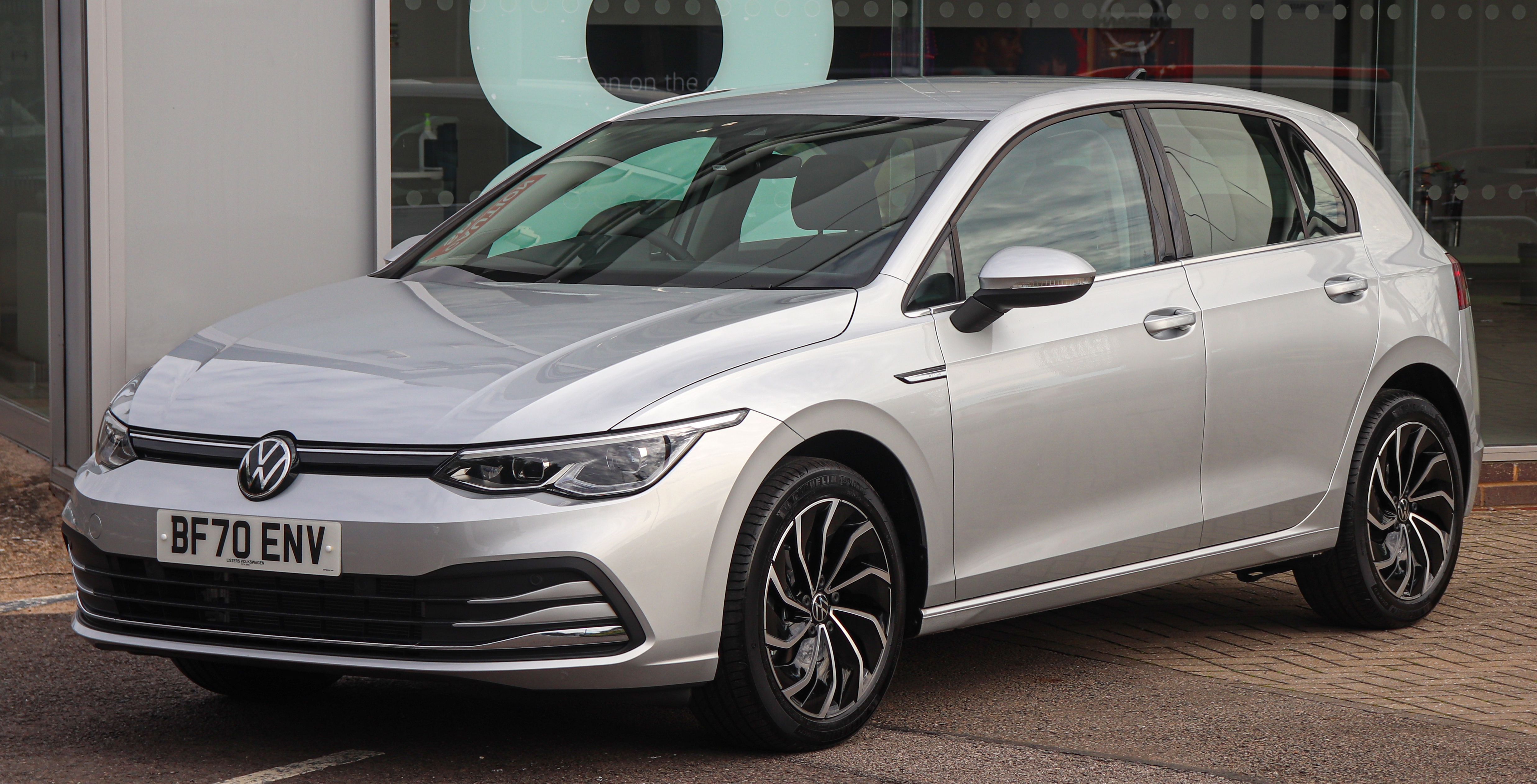
The Volkswagen Golf is a compact car made for everyday driving. The podcast is talking about compact performance cars in the Volkswagen lineup, which is why the Golf comes into the conversation. It’s basically part of the same “small but fun” idea.
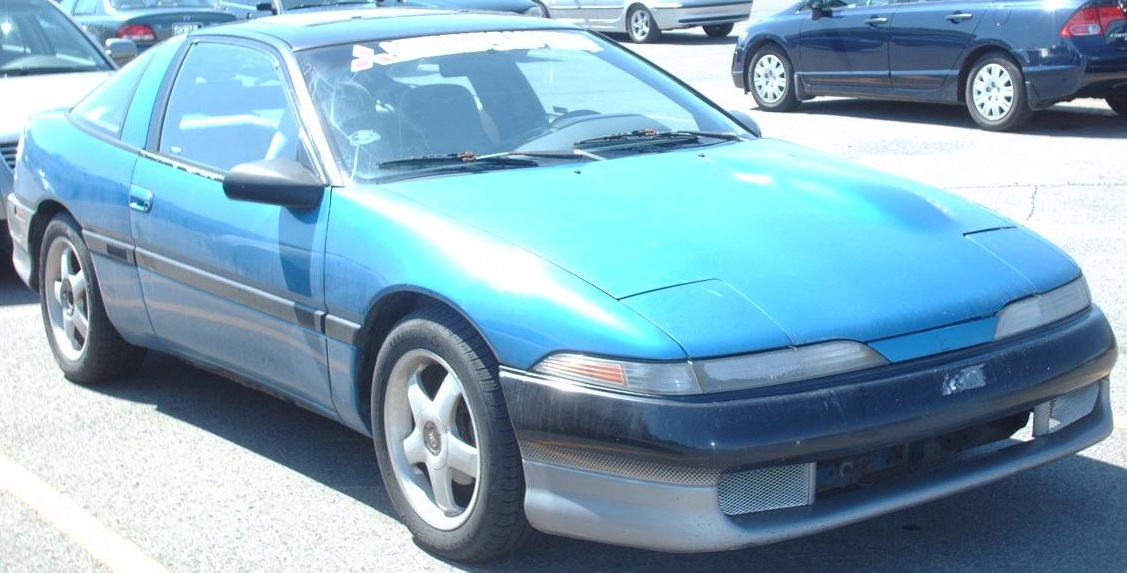
The Mitsubishi Eclipse is a sporty car that a lot of car fans love, especially the versions people modify. The point here is that good, well-kept examples are getting rare.
“Clean stock” means the car is basically how it came from the factory and looks/works well. For older enthusiast cars, that’s harder to find because many people modify them.
The Plymouth Laser is an older sporty car from the 1980s that’s related to the Mitsubishi Eclipse. The hosts are basically saying one is for sale right now, but it may sell before they finish the episode.
The Eagle Talon is a sports car model. In the podcast, it’s mentioned as part of a list of similar cars. The context suggests they’re talking about how these models are connected or grouped together.
“Red Line” is a show the hosts say they watched on TV reruns. They’re using it to explain how people were seeing drifting and Japanese cars before it became super mainstream.
Ken Gushi is a famous professional drift driver. He was one of the drivers people watched during the early days of Formula D, when drifting became huge.
The Ford Falcon is a Ford car model name. In the podcast, it’s brought up in the middle of a discussion that includes a Mustang. The point seems to be comparing or connecting those cars.
Car
2JZ
The 2JZ is a Toyota six-cylinder engine that’s become famous in the car world for being strong and easy to modify. People often build it with turbocharging to make big power.
Car
B58
The B58 is a BMW six-cylinder engine that’s popular with modifiers because it can make good power and handle upgrades. It’s commonly used in turbo-style builds.
“LS” is a type of Chevy V8 engine people love to modify. “Blown” means it’s been upgraded with a forced-induction system (usually a supercharger) to make more power.
A “turbo four banger” is a turbocharged four-cylinder engine. It was a common recipe in earlier JDM drifting because turbo fours can make a lot of power for their size.
“NA” stands for naturally aspirated, meaning the engine makes power without a turbocharger or supercharger. “V8s” are eight-cylinder engines with a V-shaped cylinder layout, and naturally aspirated V8s were a common contrast to turbocharged four-cylinders in older eras of car culture.
Roger Ebert was a well-known movie critic. Here, the host mentions his review because it’s an example of a mainstream critic who actually liked “Tokyo Drift.”
Gran Turismo is a racing video game series. The developers tried to make the cars and driving feel realistic, and that’s part of why it got a lot of people interested in cars.
The Nürburgring is a very famous race track in Germany. Car fans use it as a benchmark because it’s challenging, and how a car does there says a lot about how it drives.
The Acura NSX is a Japanese supercar. It’s famous for being a serious performance car, not just a styling exercise, and it helped make Japanese sports cars more popular.
They’re saying video games help keep cars interesting to younger people. If you learn about cars through games, you’re more likely to care about them in real life too.
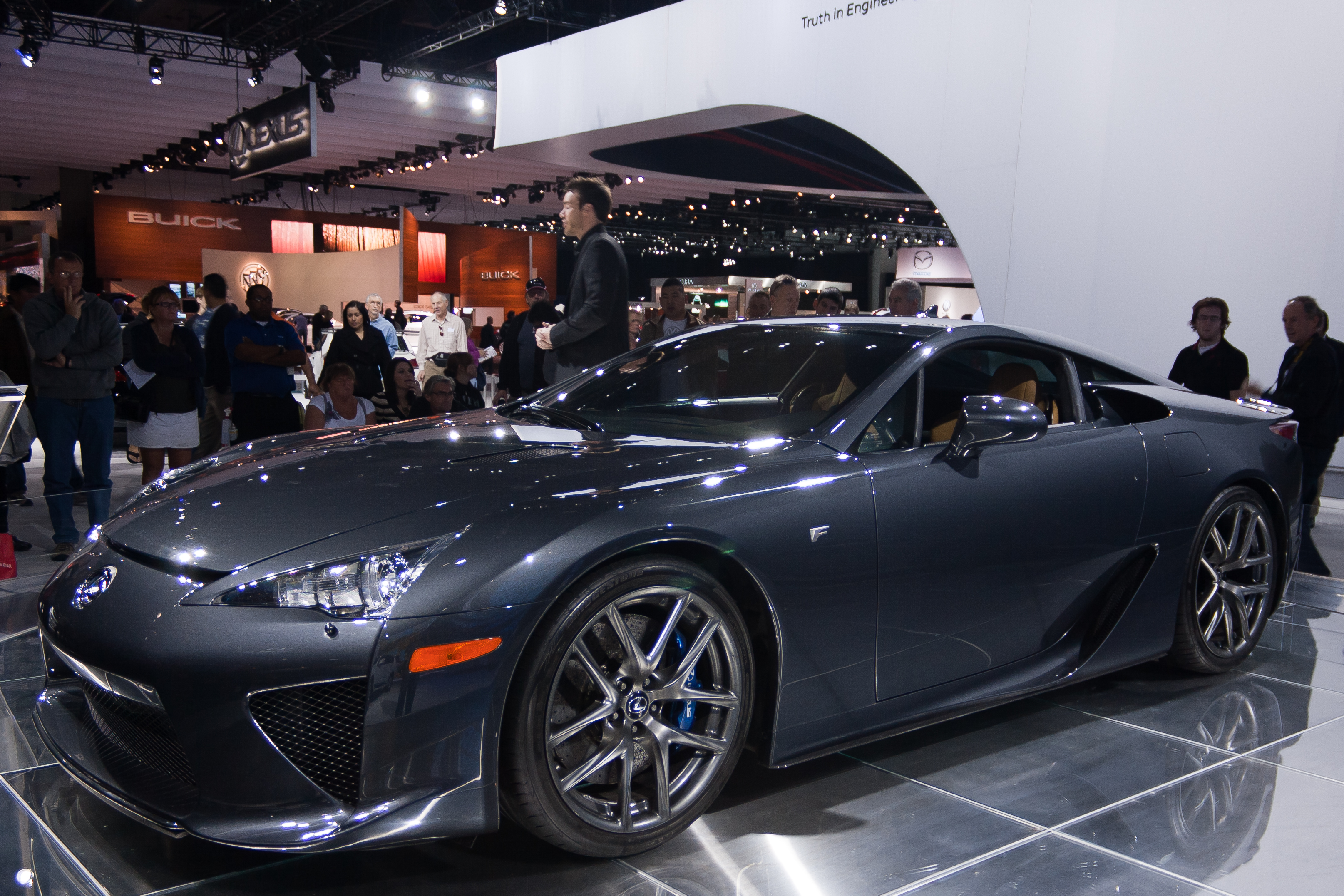
The Lexus LFA is a very expensive, limited-run sports car. It’s designed to be extremely fast and special compared to normal cars. The podcast mentions it as one of the big-name performance cars.
The Nissan GT-R (R35) is a high-performance sports car. It’s built to be very fast and capable, not just stylish. The podcast mentions it as one of the major cars in the modern supercar era.
A “spiritual successor” is basically a “spiritually next” version of something—same idea or vibe, even if it’s not the exact same model. In this case, they’re saying the new Audi is meant to feel like the next R8.
The Audi R8 is a supercar from Audi with its engine placed in the middle of the car. The hosts are basically saying a newer Audi model is meant to feel like the next version of the R8.
Car
Dodge SRT Durango
The Dodge SRT Durango is a high-performance version of the Dodge Durango SUV, built by Dodge’s SRT performance division. The hosts reference it as an example of how limiting production can affect collector interest and resale value—especially when a model is discontinued and then later brought back for another run.
Here, “collectible” means the car is treated like a collectible item—people expect it to be rare or desirable enough to keep its value. The hosts are saying owners can get upset if the company later makes more, because it can reduce the car’s rarity.
They’re talking about “value” as in what the car is worth to buyers and collectors. Their point is that if a new model is limited (like 500 cars), it may help keep the older R8s expensive.
A powertrain is basically the car’s “go” system. It includes the engine and the parts that send power to the wheels. So when they say they’ll use the same powertrain, they mean the mechanical parts that make it move.
The “FD RX7” is the Mazda RX-7 from the FD generation. It’s famous because it uses a rotary engine, which feels and sounds different from normal piston engines. They’re naming it as one of the classic 1990s JDM picks.
A rotary engine is a special type of engine where a rotor spins to make power instead of pistons moving. It can be trickier to maintain than a normal engine, which is why the speaker is thinking about the upkeep.
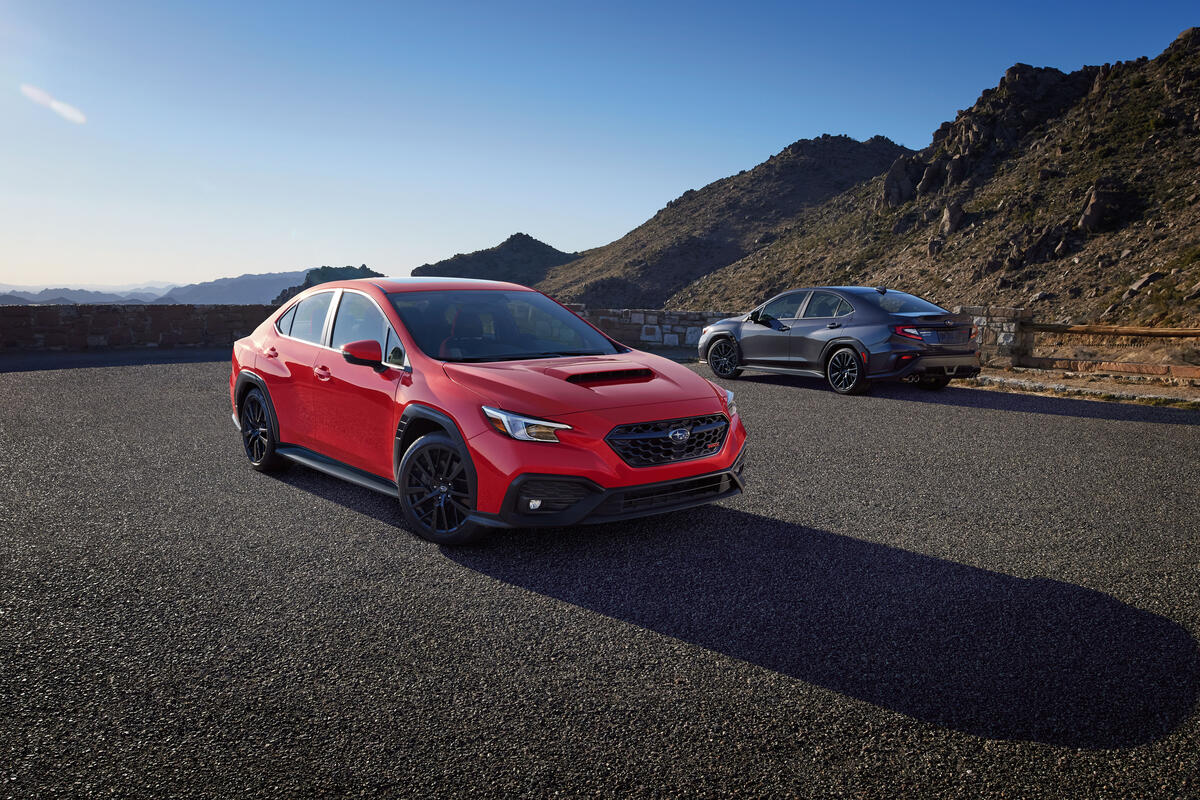
The Subaru 22B WRX STI is a rare, special Subaru from the 1990s that fans love because it looks unique and has rally roots. People talk about it like a “holy grail” JDM car. When someone says it “looks the best,” they’re usually reacting to that iconic widebody style and limited status.
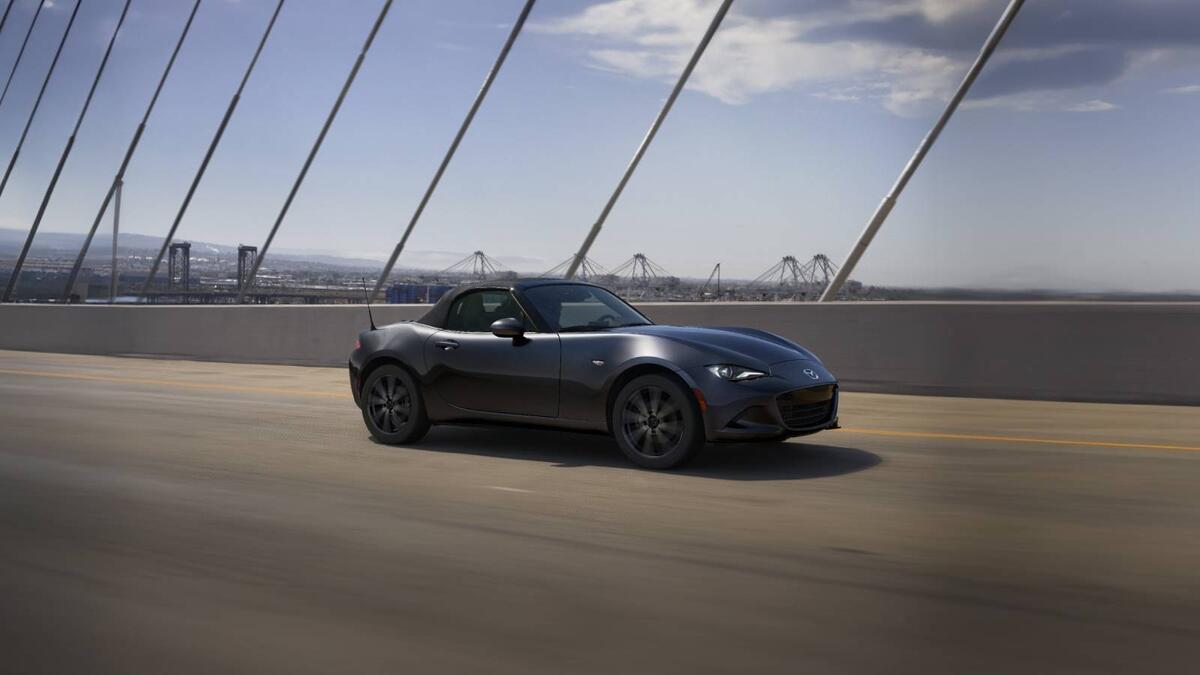
Miata is a nickname for the Mazda MX-5, a small, lightweight roadster. It’s famous for being a “smile” car—easy to enjoy—more than for being the most extreme choice. The host is joking that it’s the one car they wouldn’t pick in this lineup.
The Mazda Miata is a small two-seat sports car. It’s made to be fun to drive, especially on twisty roads. The podcast is saying it’s a safe, easy choice for people who want that kind of car.
An inline-six is an engine with six cylinders lined up in a row. It’s a specific engine design, and the host is saying Nissan had several different versions of these back then.
A V6 is an engine with six cylinders arranged in two groups that make a V shape. The host is using it to explain that Nissan offered multiple different six-cylinder engine designs.
“Trickle down” here means advanced engineering and design ideas moving from higher-end or experimental models down into more mainstream “commuter” cars. The speaker is describing how excess engine variety and development eventually influenced everyday vehicles.
K cars are small Japanese cars made to fit special rules that keep them cheap to run and easy to drive. Even though they don’t have huge power, people still find them fun and stylish.
AutoZam is a Japanese car brand name. The host brings it up as an example of the small, stylish kei-car type that people still like today.
Car
Miata
The Mazda Miata is a small, lightweight sports car that’s famous for being easy to drive fast on twisty roads. Here, they’re saying it’s fun and agile in a way a big, powerful truck isn’t.
“10 tenths” is a way of saying you’re driving as hard as the car can handle. It doesn’t just mean fast—it means you’re right at the edge of traction and control.
“400 horsepower” means the engine makes a lot of power. They’re saying even with that much power, the truck still isn’t as fun or nimble as a small Miata.
The DeLorean DMC-12 is a sports car with a very unusual look. It’s famous for its stainless-steel body and for showing up in popular media. The podcast mentions it while talking about notable automotive personalities.
LIVE
Hello everybody, welcome to the epilogue of our Golden Age of JDM series here.
My name is Nolan Sykes.
I've been your host this season, season two.
And next to me is a face that you probably recognize.
He was with us the whole time, in fact.
It's Joe Weber.
I was right behind you.
He was.
Holding you.
He was.
He was holding it down, making sure that I was saying things correctly in the scripts,
all that kind of stuff, and manning the recorder right there.
But Joe and I wanted to come together for this kind of...
We had the finale episode of our story last week, but we wanted to just kind of like discuss
the season a little bit, do some unpacking some stuff.
Maybe going into a little bit deeper conversation on some of these episodes, and also taking
care of some housekeeping for the show, I thank for you guys, for our dedicated listeners
who are no doubt listening and watching to this one.
I guess right up top, first of all, I just want to thank you guys for listening to the
season.
I'm going to thank you guys again at the end of this episode.
But right up top, I just want to thank you guys so much.
We've got a lot of cool and really nice comments.
Yeah.
Particularly.
Some mean ones.
Yeah.
Well, who is the guy that you sent?
Oh, the guy that texted that.
I want to call him out, or not call him out, but thank him.
Yeah.
I want to give a big thank you to A2KLAU, A2Cloud, basically, who left a really nice comment
on our last episode there.
Thank you so much, and got a lot of cool messages from people over the last few weeks.
I do have an ask for anyone listening right now.
If you enjoyed this series, and you loved it, and you subscribed, you did whatever.
If you loved it, tell your friends.
Yes, please.
Tell your dad who might like it.
Tell your grandma, whatever.
Whoever you think might like this series.
Word of mouth is how we grow, and we'd love to broaden our horizons and get a bunch of
new listeners for season three.
So tell them about this.
If they like JDM, just drop a hint.
We would appreciate it.
Yes, we would.
Very much.
Thank you.
We really appreciate all the positive stuff coming in, and we do listen to the negative
stuff too, which is why we're doing this episode, because we want to approach the third season,
the next season, with some of your notes in mind.
This was a huge swing for us.
We deviated from our format that we've been doing for six years, just out of necessity.
Our scheduling was getting insane.
Trying to get three people together to shoot like that every week was unsustainable.
So we're retooling for season three.
We're going to come back with a different format.
We're going to do a narrator, color commentary, joint host format.
Yes.
Do you want to talk about that at all, or should we just leave it for speculation?
Well, we can keep this in or out.
But I also just want to be a little frank with you guys.
I think the reason that we did a big swing, at least for me, one of the reasons I want
to take this big swing was, one, I'm a big fan of other shows that do this sort of thing
with the soundscapes and the music and the storytelling and all that.
I think it's really fun and cool, and I just wanted to see if we could pull that off.
And two, I think it played into our strengths at least at the time of what we're doing
right now.
I think when we first started PASCAS, having a great comedic duo between you and James,
I think was really...
You're funny too.
I know, but I'm the straight man.
I do the straight man thing, I think.
And losing James, I think, affected the show, obviously.
And we wanted to see if we could, or I'll rephrase that.
I wanted to see if we could do something in another direction, play to some of our other
strengths that don't rely too much on the comedy side of things, and see if we could
still make an interesting show, which I think we did.
But listening to some of your guys' criticisms, we're going to try to take at least a few
steps back in that direction.
Not fully try to recapture that, because I don't know, it's different.
That was an era.
It's an era.
I feel like that has passed.
But we're still homies, and there's a lot of stuff that didn't get picked up, because
I recorded every episode that we did this season with Nolan, and I could not turn it
off that part of my brain that wants to just interject with some stupid shit and joke to
make Nolan laugh.
Exactly.
And so...
You can't turn it off.
You're right, though.
Yeah.
So Mark had to edit around all that kind of background noise of me just kind of chiming
in and then Nolan laughing.
But next time, we're going to have a mic on me, and we're going to show the cars.
That was another big note.
People wanted to see the cars on YouTube for the audio listeners.
We can also be more visual with our language, too.
But for me, the biggest change and why we took a big swing in this direction was because
we had told so many stories, and things were just kind of connecting, but we didn't want
to touch on them, because we had already explained that part of the story already.
And we're like, well, this is a huge...
This is like a movie, and why would you just follow one character around the whole time?
There's like arcs that involve many different companies, race car drivers, like CEOs and
stuff like that, designers.
And so what we wanted to do was do this all-encompassing story arc that lasted 12 episodes and kind
of wrapped up really neatly, and there's no better subject than some of our favorite
cars, the Japanese Golden Era, like in the late 80s to mid-2000s.
And so we started with that, and next season is going to be, should we talk about next
season at all?
Let's wait till the end of that.
Okay, yeah.
We'll leave that little nugget with you if you want to skip ahead and spoil it for yourself.
Do that.
But we're going to talk about...
We're going to kind of unpack this season because there's so much information in it,
and there's rarely any discussion.
Nolan kind of gave us thoughts on it, but there's so much to be said about this whole
year.
I kind of want to...
I have come up with some questions here that I wanted to hear Joe's take on just because,
again, we had to kind of cut around it, unfortunate, but yeah.
So the season starts with the Japanese auto industry kind of rising from the literal ashes
and rubble and just devastation of World War II, and we see guys building machines in
their sheds out of necessity.
How does an industry that basically runs like a huge portion of the car industry today,
how did it just start from guys in their sheds?
Well, we had a little agency called MIDI or the Ministry of International Trade and Industry,
a joint venture between the Japanese and US governments at the time to kind of help Japan
get back on its feet.
But also, it's weird, isn't it?
Because it is almost a humanitarian effort in that way, but also with the US now coming
in to a post-Imperial Japan.
It's also a capitalistic and industrial endeavor as well.
Yeah, but it's also a way for the US to kind of make sure that they have control over Japanese
industry for the moment.
It ended up hindering innovation a lot because of it, and Douglas MacArthur was head of it
for a little bit, and then I think he passed it on to someone who was not as kind.
Dude.
To Japanese people.
Douglas MacArthur, we didn't talk about him very much at all during the season just
because it wasn't super pertinent to the story, his personal life, but he is a fascinating
figure in that he's one of those guys, you know, he's the guy with the corn cob pipe.
You've probably seen him in pictures, you know, walking on the beach during the island
hopping campaign.
So there's this great podcast that I found a few months ago called The Unauthorized History
of the Pacific War to like Navy veterans and historians talking about World War Two in
the Pacific, and they have a great episode on Douglas MacArthur that will kind of shatter
your view of him if you don't know about his life already, because he was very good at
marketing himself as a war hero, as like one of the guys, he would send his own press releases
to the press, which was like very strange because normally that there's like a secretary.
There's exactly, the Navy has its own PR department that would do that and he would send
his own press releases to the media.
So he was good at his own PR is what you're saying?
He's very good at his own PR, very good at like myth making around himself and actually
ended up, I think it was a marrying, I think a actress from the Philippines who was like 16.
So not good, not a good look, but he actually did do a great job with MIDI and like rebuilding
Japan like he has these days historians do not give him any points for his combat during World
War Two, but they'd now give him a lot of credit for his effort to help genuinely help Japan rebuild
and he was a big part of that with MIDI.
That was also the governing body that kind of consolidated industry to ramp up for the Korean
War because that was such a strategic hub to watch from.
Yeah, we talked about that.
Toyota building Jeeps.
I didn't know about that.
That's pretty crazy.
Yeah, and that's where the FJ came from.
Yes, yeah.
And now like Land Cruiser, like the expensive ass Lexus SUVs and Land Cruiser and stuff that
you can buy right now all trace their lineages back to building Jeeps for the Korean War,
which is kind of crazy to think about.
And I think it did help because obviously people started making stuff by their own means
and like you were talking about like the sheds and stuff, but it also helped these companies
that were damaged by the war like Toyota, it helped create a pipeline for them to get supplies
because they are an island nation.
A lot of their shipping was probably messed up by World War II.
So MIDI did help kind of funnel resources towards those companies.
Absolutely, yeah.
Was it ball bearings or something?
There was some component that a lot of these companies weren't allowed to have because
the Americans were like, but wait a minute, what do these companies want with these ball bearings?
There's a lot of that.
There's a lot of suspicion and a lot of kind of like oversight as far as
can they make weapons out of this?
Are they going to retaliate?
Are they going to supply our enemies that are still healthy?
Which still persists today.
Like Japan has its own defense force, but they don't have their own military.
I mean, it's a military, it's military force, but it's not like it's being kind of like
sculpted in a way where it can't be like an offensive military.
It's strictly defense.
And it's just wild to me that that's still 75 years later, still a thing.
I don't know.
I bet that'll change in the next decade.
I'm not a geopolitical expert.
I'm not a geopolitics expert, but...
I doubt Japan's going to launch an offensive, but they want the option, maybe, I don't know.
Man, what I also loved about this kind of part of the story was how really stubborn guys,
like so each year a Honda...
Honda was like the standout star of this arc for me.
Just because he had the least amount of means going for him.
He had to fight tooth and nail for every single step and prove himself too,
not only to the Japanese government and MIDI, but also to America.
And he won everyone over and also raced at the same time.
So like he was kind of having his cake and eating it too, but he really had to work for it.
Yeah, I think what you can take from your own or take from that episode and apply to your own life
is like, one, the squeaky wheel gets the grease, but also he was just so persistent
at pursuing his passion and his goal of making this company happen.
And sometimes to make things work, you just have to be a huge pain in the ass.
Honestly, it's true, dude.
I think about the people that have been hired at Donut over the years and I'm like,
oh, it is the people that, you know, they'll email first and then they'll hit you up in DMs
and then they'll like see you at a car show and be like, hey, what's up?
Can I get a job?
Those people are annoying at first, but then you have to eventually respect their persistence
and be like, okay, this dude really wants it.
If they're qualified, yeah, but...
Well, even then, that's how I got my job.
I wasn't really qualified.
So I don't know if you're persistent and you're hungry, you'll get what you want.
Yeah, that's true.
I think that's very true.
Even I think that's a constant throughout history.
And that's what we can take from this.
This part of the series is just persistence can take you a long way.
Big thanks to Shopify for sponsoring this episode of PassGas.
Starting something new isn't just hard.
It's terrifying.
So much work goes into this thing that you're not entirely sure will work out
and it could be hard to make that leap of faith.
It also helps to have a partner like Shopify on your side to help.
Shopify is the e-commerce platform behind millions of businesses around the world
and 10% of all e-commerce in the US.
From household names like Jim Shark and Mattel, to brands just getting started.
Get started today with your own design studio.
With hundreds of ready to use templates,
Shopify helps you build a beautiful online store that matches your brand's style.
Get the word out like you have a marketing team behind you.
Easily create email and social media campaigns wherever your customers are
scrolling or strolling.
Best yet, Shopify is your commerce expert with world-class expertise
in everything from managing inventory to international shipping to processing returns
and beyond.
It's time to turn those what-ifs into
with Shopify today.
Sign up for your $1 per month trial today at Shopify.com slash gas.
Go to Shopify.com slash gas.
That's Shopify.com slash gas.
So another great standout moment from the series
was the first Japanese Grand Prix 1963.
20 years after the time period we're talking about
with Soichiro Honda and everything.
Like the industry has found a little bit of a foothold,
they're at least making cars for themselves in their home country.
They had just built Suzuka circuit, which was like
200,000 people convened to see this first Grand Prix.
And they really had the European roadsters in their sights
and they wanted to not only compete with them but beat them.
And I think they didn't achieve it that year,
but they went back to the drawing boards.
We had Prince Skylines back then.
I think there was a Datsun in the mix too,
but the Skylines were the real star of the Grand Prix the next year.
1964, they went back to the drawing board.
They really figured a lot of shit out.
And at one point they were leading the race over the Porsches
and I think it was a 904.
And I think they ended up losing,
but they proved that they were like
willing to go toe to toe with these European roadsters.
They could at least hang.
And man, the theme of that episode is just the impact of seeing
the output of your country on the world stage
like toe to toe with some of the world's best.
Porsche going against Porsche too is such a cool thing.
At the time the Porsche wasn't as established as they are now.
Obviously they didn't have the 911.
They didn't even have the 912 at that point.
I could be wrong, but I think they were still producing 356s.
And so that was like their bread and butter.
But still that was looked at as like a great thing to aspire to.
It's a huge accomplishment, especially at that time in the decades
following World War II like that.
It's like everybody's kind of recovering from the war,
except for maybe the American manufacturers,
which we'll talk about in a sec.
But Porsche was still known as the high watermark for the sports cars.
A lot of those old school makers, maybe like the Austins.
They were still very capable obviously,
but it was clear that Porsche was going to be the leader in that space.
So just go toe to toe with them.
Huge accomplishment.
Very motivating for the Japanese people and the manufacturers there,
which leads me like it's a very proud moment for them.
Which brings me to the next question.
What's something our nation has accomplished that you're proud of Joe?
What do you feel national pride about?
Well, with the 250th birthday coming up.
I mean, dude, that Artemis mission that happened a few months ago was pretty sick.
That was cool.
I thought they were going to land on the moon though and they didn't.
I think that's the next one though.
The moon is hot now, dude.
For some reason, we kind of forgot that everybody went to the moon
already without everybody, but that we've been there.
I think it's okay.
This is a hot take.
I love NASA.
I love space travel.
It's super exciting to me.
I think going to the moon is kind of a lost cause.
We know what its makeup is.
Unless there's, you know, it seems like someone found out there's some kind of like
rare metal on there.
Oh, there's something up there.
I know.
I feel like something is happening where they're trying to like claim it.
Interesting.
Why would they go back to the moon?
They've been there.
The logic is that we're going to go back to the moon, we're going to build a base there,
which makes it easier to launch other interstellar missions as the moon is your home base.
This seems like a birthday boy's sketch to me where they're like,
all right, we've done everything.
We've played golf, but we've never played basketball on the moon.
We've never played rugby on the moon.
Dude, moon basketball would go pretty crazy.
Yeah, you would lose your ball.
Also, the hoop would have to be like 30 feet tall.
30 feet in the air and see what, yeah, get Wemby in like a custom giant state suit.
Yeah, anyway, I do the moon.
I think the moon being overrated is hilarious.
The moon is overrated.
It's amazing.
It's amazing that, you know, like.
But this is kind of like rock up there.
It is a rock and it's like, I feel like let's send people to Mars already.
Well, yeah, let's get there.
Yeah.
Okay.
So another favorite moment of mine, and this is like, not just in this series,
but something I love talking about in the first place,
is the oil crisis and how that gave the Japanese manufacturers a real
in to the American market.
As we covered in the episode, gas got super expensive in the United States during the,
in the gas crisis era in the 70s.
The dark and poor war.
Yes.
OPEC said, no more oil for you, America.
So gas was very expensive.
And people driving their big American cars with big American V8s that got literally
like nine or 10 miles to the gallon, suddenly were hurting pretty bad.
They needed some smaller cars with smaller engines that weren't as thirsty.
And that's where cars like the Honda CVCC came into the picture.
Yeah.
That I think is Honda's single most important innovation is the CVCC engine.
It was like a really innovative vortex combustion engine.
It basically had like a pre-combustion chamber that shot,
you know, like a more aspirated version of the gas into the cylinder so that it exploded more and
less, you know, more efficient, less waste.
Very efficient because it used all of the, not all of it, but like a very high percentage
of the fuel-air mixture in there to make the combustion.
Did not even need a cat.
Exactly.
Which was, they were kind of ahead of the curve on that.
So each of your Honda himself was like, a catalytic converter is an engineering failure.
You know, if like you can't, if you can't extract all of the energy, the potential energy
from your free-all air mixture, you have engineered a bad engine and we're not going to do that.
It wasn't good enough for him to use a Band-Aid solution like the catalytic converter
for his CVCC engine.
And I just think that's, again, before working at Donut, I was not a Honda guy at all.
I actively disliked them.
I did not like Civics with huge fart cans rolling down the road.
Well, you lived in an area where you couldn't go to sleep because there was constantly
fart cans going past.
Yeah, a lot of fart cans out there in Central California.
But now that I've learned this history, it turns out my derision towards a certain manufacturer
was actually driven by ignorance rather than anything else.
Now that I've learned about it, I love Hondas.
I've got my own as I've stated many times now.
But just the cool, I don't know, just like seeing the opportunity, the opening in the market
and going for it, which leads me to this question.
Can we blame Detroit's hubris for the invention of the fart can in the first place?
That was the exact word that came to mind when you brought it up.
I think hubris is the right word because we were so short-sighted.
And no one could have seen the OPEC boycott coming.
But having 8.3-liter engines is kind of irresponsible.
It's crazy.
Even for the time, just because you can do that doesn't mean you need to do it.
Waste so much gas making 159 horsepower.
This is crazy, dude.
A lot of torque to pull down a house if you wanted to.
Yeah, with your El Camino for some reason.
Yeah, or you're a Cadillac El Dorado.
But I think there's some parallels we can draw to today, obviously, too, with like,
now the Chinese cars are like the biggest threat to every automaker in the world.
Even the, I think we mentioned in a previous episode, maybe the last episode,
like the Japanese manufacturers especially are very, very concerned about the Chinese competition.
Over here in the US, we have that 100% tariff on Chinese cars,
which means a car that would normally sell in China for $20,000 is now a $40,000 car.
And I was gonna say, it's actually to the point where cars are just getting so expensive anyway,
that a $40,000 car like a BYD Dolphin, it would be a pretty big ripoff,
but like the features you would get are pretty similar to like a $40,000 Honda.
But still, I just don't know how in the same way where you're talking about
putting these big ol' engines and not worrying about the future and just assuming everything's
gonna work out, I think like we're at risk of being in a similar situation with the Chinese cars.
Canada is opening to the Chinese, that's a new development.
UID is now legal in Canada.
And Mexico as well, there are a fair amount of Chinese manufacturers down there.
If you go down to Mexico, you'll see BYDs, you'll see what the MG, MG's been brought back.
Yang Wang?
Yang Wang?
Who the hell is Yang Wang?
Yeah, Yang Wang, like you'll see these manufacturers down there,
and I think it's only a matter of time, cars are just too expensive these days.
I've been like kind of looking at, I like my Dodge, but after doing the Dodge video recently,
I'm kind of like, do I want this?
Don't get another Dodge.
That's what I'm saying, I'm looking around at other manufacturers.
But the problem is, is everything like a entry level car now is like $40,000.
Maybe not 40, like $35,000.
I'd say the Maverick is what, 37?
A Maverick, which is based on the Escape, which is a cheap car.
Like that shouldn't be 37.
I've been looking at, I was recently looking at the Nissan Frontier truck.
It's not bad.
It's not bad.
I like it.
I like them, but to get one that's like well-equipped is like $45,000.
I'm like, that's a Nissan truck, bro.
I'm not, that's a lot.
I'm not going to do that.
So what you're saying is we're kind of in the same situation.
We're like, this is 2026 is basically 1972.
Yeah, I mean, yeah, I think things like this just happened.
Like history rhymes and you know, things come in waves.
And I just think like, I have a theory that like the way that auto companies are like now
structured with like, you have a lot of like CEOs that are not from the auto industry.
They're brought in, they're hired on by the boards of directors and like the shareholders
to be like, hey, you've made a lot of money for other companies.
You should do that for our company.
And like also we'll give you like this golden parachute if you fail.
So like these CEOs, I think are really thinking short term.
Well, there's just no consequences for bad decisions anymore.
Like you get fired and you get, you know, 120 times what a normal employee makes in a year.
Exactly.
You can fail sideways into a nice gig, seen it happen.
Yeah, it's not good and you're right.
Like there's lack of consequences for bad decisions.
Let's move on to maybe some more bad decisions on the subject of bad decisions.
The Midnight Club is another one of my favorite parts of this story.
You think that was a bad decision for them?
Well, let's talk about this because it's the Midnight Club,
a group of affluent and connected businessmen.
They're not all businessmen.
It was like enthusiasts, I think is the catch all term for midnight.
Because there were, you know, like rumored Toyota executives in there.
I've met a rumored member, not a Toyota person, but yeah.
Like there's people you meet in this business and then you'll get like,
you'll meet someone and then you'll have another conversation like five minutes later.
It's like, hey, do you know he's a member of the Midnight Club?
And you're like, no way.
And you don't know.
I mean, it's possible you could see it, but like that's kind of...
And you're scared to say their name?
I'm not going to say it.
Okay.
Yeah, but it's, that's the attraction, I think,
that people have towards Midnight Club is that like anybody could be a member, you know?
And it like, it's a very cool idea of like this group of guys going out,
they have a code that they abide by, you know?
They have rules to their law breaking, you know?
It's badass.
It's badass.
I don't think it was a bad, oh, that's what you meant by bad.
Yeah, that's a good kind of bad.
Well, just because someone has a code about how they break the law, does that make it?
Okay, is my question.
No, because like the KKK has a code.
I did not think of that when I thought of that question.
Thank you, Joe.
I think, and that all stems from people wanting to be a part of something special and secret.
This is a side note, but I heard this really...
It was on Drunk History a while ago, but this guy who worked for the Superman radio show back in
the 40s infiltrated the KKK and exposed their secrets in the scripts of Superman.
And like exposed exactly what the handshake was, what the password was at the door,
exactly what their plans were, and then they would have Superman defeat the KKK.
And the KKK got so pissed off and they're like trying to figure out who the rat was.
But I think that's so funny that a bunch of grown ass men are like,
oh, they figured out like our little like finger tickle handshake.
We got to switch it up now.
Like it's just so dumb.
It's great.
Yeah.
But you're right.
We love pageantry, I think.
We love like...
I think it's the same way that Facebook is.
What it is now is because it was exclusive at one point and people wanted to get in as,
you know, and they wanted and then built up the myth of it.
But the myth of Midnight Club is so big now that who knows what actually happened because like...
Well, we think our episode is pre-acted.
Oh, we did a ton of research.
But I'm saying like there's accounts of people burning cars because they were
trying to pretend like they were in the Midnight Club and they put a sticker on their windshield.
So like one of the members or one of the pledges, you know, burn the car to like
impress the elders in the club or whatever.
But it's to the point where there's been, you know, like movies, video games,
like a million stories told about the Midnight Club without anyone really coming forward being
like I was part of the Midnight Club, you know.
Yeah.
Which to me makes it seem the story seemed a little bit more plausible because, you know, like...
Yeah, it is incriminating yourself.
I understand why people wouldn't want to come forward and be like, I did, you know, speed.
I set that dude's Suzuki on fire, bro.
That was me.
That was cool.
But I think what they did was cool and also the car choices they had were cool and surprising.
You know, they had like the two that come to mind that were like, why would they pick those
cars are the 911 that was nicknamed Blackbird and then also the Datamaso Pantera, which was used,
I think, in one of the first option things around the twin-ring Motegi speed runs they did.
And I think they used that as like a benchmark to get up to with the Japanese cars.
Yeah.
I think people kind of want to like bring a Midnight Club sort of like...
There's a desire for like, I think it just stems from wanting to like hang out with like-minded
people and have friends and stuff, but like the idea of a street racing syndicate in the U.S.,
in big cities like L.A., New York, or whatever like is pretty cool.
But I just don't know if this sort of thing is even possible these days anymore without getting
caught.
There's just so much like surveillance.
Surveillance and big brother.
And you know, you can't trust anyone to not post about it too.
That's the other thing, dude.
I guess we'll just roll this right into the next topic, but like we talked about the Drift King,
talked about how Kaichi Tsuchiya popularized drifting through his tapes like Plus Spy,
which again, pronounced Plus Spy.
Plus Spy, which doesn't...
It's still, it's like, you know, it's like saying GIF to me instead of GIF.
GIF, but like there is definitely a rise now.
Or maybe it's just because I've been looking for it more on social media, but there's a lot of
channels and pages cropping up now of dudes doing like toge drift, like runs in L.A.,
like going up into the mountains, doing that crazy shit.
Now that the snake is open, people are doing it on the snake.
Yeah.
And I'm just thinking, but the main differences between like these, the originators like Tsuchiya,
who before he was on Plus Spy was just going out and doing it in private, is like a lot of
these guys are just tagging each other.
And I'm like, dude, if there's a police department out there that is actually
dedicated to like actually finding you, you were making it so easy.
So easy.
They're just compiling all that shit.
You think you're getting away with it?
They're just banking that and building a case against you.
Yeah, dude.
Building the case, they're gonna go in, they're gonna get you, and they're only gonna...
I don't know, it sucks because like these guys are doing it in the middle of the night
out on these highways that are pretty banded.
They've got radios, they're doing it as best you can, I would say, in an unsanctioned way,
but like it's still pretty dangerous.
Like I watched one yesterday, dude, there's this guy, I don't know the channel,
or I won't call him out to keep his profile down, but he's got this BMW that he was sliding,
and he's trying to keep up with this one car and flies off the road.
He easily could have died.
And had he hit like one more tree, he'd be up.
But it's like, dude, you guys...
All goes back to like, if you can afford a BMW, you can probably just go to the track.
It was like an E36, but yeah, yeah, no, it wasn't like a super nice car, but like
you're right though, in that like if you can build up a car that can drift at speed
on these highways, like yeah, you could just go to the track, you know?
Yeah.
Like I don't believe that, that you can.
I just thought of this now, but I think a lot of the reason that,
you know, we want to always kind of blame that the reason is because
drift tracks and race tracks are disappearing, or there's not as many opportunities.
There's plenty of opportunities.
I think they don't look good on social media.
You know, it's like skating at a skate park versus a spot that you find in the wild.
Like everyone can get clips at the skate park, but if you find a rail that no one has
Smith grinded before, you want to get that clip.
So if there's mountains in the background, if you're doing it at night, it looks really cool.
There's always the allure to like do that.
Yeah, like the aesthetic plays such a big part in this, especially the tow gate,
like the drifting scene, especially drifting, aesthetic is pretty much everything.
And you're right.
It's like, okay, am I going to get it?
If I get a sick clip at AVS, like, okay, that's cool.
And like it shows up on my scope.
There's millions of that same clip.
Exactly, exactly.
So like, I definitely understand that.
I don't know.
I've also been trying to be less of a square too lately.
It's like, okay, like they got the radios.
Like they're being as safe as they can.
They're only hurting themselves.
So like, I don't sign off on it necessarily, but I'm starting to see the appeal more and more,
I guess, like, I don't know.
I used to be such a square, bro.
I did used to be.
I try to not be like a NIMBY or, you know, like a Karen or whatever, a Ken.
As Jimmy calls it.
There's a couple of things that bug me though, and I can't get it out of my head.
And I think a lot of it has to do with like, of recent memory, what's his name?
Court Wagner, the dude who the Canyon Carver called out.
I think that is whack as f***.
You drive with GT3RS, go to the track.
You're not even driving fast.
And you're not even like, even at the track, you have track limits,
and that's what makes it fun is like trying to stay within those limits, cutting across,
like going 35 miles per hour and cutting across the yellow is dumb and doesn't look cool.
Totally agree.
And you're lame.
So I will happily call those kind of people out.
If you're doing something, you know, if you're doing donuts in the parking lot,
I don't give a s***.
That's fun.
I used to do that.
Whipping shitties, dude.
It's all about whipping shitties.
Yeah, I agree.
But again, now I'm contradicting myself.
I'm saying, okay, like those drift guys are doing it right or within reason.
They're doing it at night.
They're doing it remotely.
They've got communications.
Like they're doing their best to stay safe.
That's not too many degrees separated from this GT3 guy.
You know, I mean, he's driving during the day on like a road where like people,
like civilians are driving on and like cutting the monster and stuff.
My line of visibility is unbroken.
I can see whatever.
You're still leading four or five other GT3 RSs that don't have experience.
And also you're teaching them bad habits.
And then they're going to go do that on their own
and maybe not take as many precautions as you.
Plus, like you describe yourself as an X race car driver.
Just go to the track.
Just go to the track, man.
So I guess my point is like I'm not qualified to give a pass to either of those guys
if like the degrees of separation are like not too far separated.
I don't know.
It's easy to romanticize and I think a lot of people get caught up in that.
Because of the aesthetic.
Yes.
The aesthetic really plays into the whole lifestyle.
Very interesting.
Let's see here.
Let's get back to the story though.
The story.
So we talked a little bit about fast and furious bringing the Tokyo drift aesthetic
but also bringing like the JDM cars to the big screen helping to popularize them
in the US these cars.
They already had a strong and dedicated following among those who people who already own them.
But like this was like the big, big spark for their popularity in the US these movies.
Joe, what's your favorite fast and furious car from the first movie?
Oh, from the first movie?
Yeah.
I was just thinking about the Jetta this morning.
And it's not.
Jesse's Jetta.
It's not my favorite per se.
But it's kind of sparked this like I see a lot of Jettas hooning on the highway.
Really?
I'm like why is that?
It's not because of fast and furious.
It's just because it's like basically VW's Altima.
Yeah, okay.
It's just kind of entry level sedan and people don't really care about it.
So they huck it around or think it's faster than it actually is.
Yeah.
When I was in college, I was very intrigued by the Jetta GLI.
Yeah.
Which is like the GTI but a sedan.
I thought it was really cool.
Yeah.
And the TDI is cool.
Yeah.
But that, the white Jetta from the first fast and furious, it's just so wack.
And the character that it's attached to is also wack.
And then it's also his dad's car, right?
Or something.
He's like, my dad's going to kill me.
It's like, I've always, that's always cracked me up because it's like,
your dad is like into like a white Jetta with these crazy wheels.
With a body kit.
And I'm like, I want to know more about Jesse's dad at this point.
Like I'm very intrigued by that.
Jesse's dad is kind of going on.
But my favorite car, I don't know.
All those cars from that movie are so played out in my mind that I can't think of,
they're all the same to me.
I would say, except for the Eclipse now, like those are so hard to find in good condition.
When you see a clean Eclipse these days, you're like, oh, they like care about their car.
Yeah, there's not a lot of clean stock out there.
There's not.
I will say it.
There's a Plymouth laser on sale.
It'll probably be over by the time this is done, but there's a new auction site called
Low Miles, No Miles.
And there's like a 3,000 mile Plymouth laser.
Yeah, pull it up right now.
It's sick.
I know it's going to go for like 20,000.
No Miles.
Low Miles.
Low Miles.
There it is.
Whoa, no reserve line either, bro.
Isn't that clean?
That is nice.
Wow.
Current bid $10,000 with six days left.
That is going for at least 20,000.
I was going to say at least 25.
I wouldn't be surprised if this sits 30.
It's a really nice car.
I would say the Plymouth version is like, it goes Eclipse, Eagle, and then, wait.
Yeah, so it goes Eclipse, Talon, and then Laser for me.
Just because Plymouth is like, I don't want to like ret Plymouth.
If I don't have to.
I mean, I think these are all built in normal Illinois, right?
I don't know.
I think.
I'm not a big fan of that bumper, but like.
I love those headlights.
Yeah, those are like, given like S14.
This is so cool.
So sorry, back to Fast and Furious, especially Tokyo Drift.
I just remember that time when that movie came out.
It was just like an onslaught of drifting in pop culture.
You had that movie, of course, but you also had show.
Do you remember that show Red Line?
Does that bring a bell at all?
I remember the movie Red Line.
There's a show called Red Line.
It was on, they were doing like reruns on G4TechTV, which was also showing.
Red Line.
Formula D, right?
The early days of Formula D.
And I just remember thinking, I was like 10 years old when this was all going on.
I was like, huh.
Yeah, sliding cars, pretty cool.
That's pretty neat.
And like seeing guys like, like it was Reese Millen driving like a GTO versus
Ken Gushi, the yellow one.
He had Ken Gushi who was also driving a Mustang, I think, for Falcon.
Pretty sure.
But yeah, all these other Japanese cars too.
Formula FD is like so different these days.
Like everything's like a blown LS or a 2JZ or a B58.
But back then it was a lot of like four turbo four bangers versus NA V8s and stuff like that.
Just a really fascinating time.
And I think in the last couple of years, concerning Tokyo Drift,
there's definitely been some revisionism around how good that movie is.
Like you see people going, hey, Tokyo Drift's the best one.
And it's like, you go back and actually watch it without, again, the aesthetics attached to it.
Not a great film.
It is the most love lettery to car culture.
That's fair.
And I think I didn't really clock that until I read Roger Ebert's review of it,
which is the only Fast and Furious movie that he recommended.
He gave it three out of four stars.
Three out of four?
Yeah.
And I thought he did thumbs.
On his show.
And his columns, he was still a star system.
Ebert and Roper did thumbs.
Yes, yes, yes.
And they each had one thumb.
So it was like thumbs up, thumbs down, whatever.
Exactly.
But his website, he gave it three out of four stars and was like
really praising its authenticity and appreciation for cars and car culture.
And I really get that out of it.
The acting is not great.
The story is not great.
Vin Diesel showing up in the last second in Stupid as Hell.
Sick as Plymouth speaking of Plymouth.
But also, he was like, hey, you guys making this without me?
I got to be in it.
Like it just felt like, you know.
Well, it was like a reshoot, wasn't it?
Yeah, it was a reshoot.
It was obviously a reshoot.
The tone didn't match at all.
But I was re-watching clips because I was trying to get a picture for the thumbnail
for this episode.
And when he's racing around in the garage, he just crashes like 10 times.
He crashes no less than 10 times and he keeps going, ah, dang it.
It's like, dude, you are destroying your car that Han lets you, right?
Yeah, dude.
I don't have to re-watch that.
It's been, I guess, a few years since I've seen it.
And I guess I'll check it out again.
It used to get clowned on so hard.
Like from people outside of the Fast and Furious sphere, I remember at Two Fast
and Furious and Tokyo Drift where those got clowned on so hard at the time.
Well, people still, the movies are so bad that people still,
Two Fast, Two Furious and Tokyo Drift are like memes for like, I mean, it's a joke.
It's just weird.
It's so crazy how those movies are simultaneously like the most popular
movies in the world and also just like middle of the road.
Well, they're just blockbuster hits.
You have to take them with a grain of salt because they're just made for the masses.
Like, I've seen all of them in theaters.
You have an allegiance to them.
I do.
And you're like, you know, we've watched them every six months.
Our creative directors like, let's watch all the Fast and Furious movies again
and do another video of like.
It's been a while since we did that, but yeah.
But there was two or three years where we had to all watch them every six months.
For a video and it's like, I've only grown to appreciate them more,
but they continue to get more ridiculous.
I can't even imagine what kind of stunts are going to happen in this last chapter.
That's right.
It's a final installment.
I wish they would reach out to us and be like, doughnut should do a cameo on this one.
I'd be lying if I said I didn't think that was going to happen at some point.
Yeah, I thought like two years ago they were going to have us in the other one.
I thought they were going to be like, you and Cyber are going to go to the moon.
Oh, I would love to be one of Cyber's goons.
Yeah.
Just get shot right away.
Yeah.
I've always wanted to be a goon that gets shot.
Yeah.
And an 80s bully that doesn't get shot, but gets like mess, gets his comeuppance.
Like you get a truckload of newer dumps.
Yeah, yeah.
After you chase someone on a skateboard.
Yeah, that'd be kind of cool.
But yeah, again, I think like we said in the episode, like Tokyo Drift especially,
like the big spark point for like a mainstream appreciation for these cars along with video
games, of course, which I don't have list on here, but like.
I think we should talk about video games because that was another wave, you know,
like people who aren't paid attention to Fast and Furious might have been playing
Gran Turismo or what's the rally one?
There's Dirt, there's Call of McCray Rally.
Yeah, Call of McCray is one.
And then there's also, I don't know, there's a million.
I mean, Need for Speed was a huge one too.
Need for Speed.
Especially the underground games that had more Japanese cars than them.
I mean, I could talk forever about these games, but like for me, like for me growing up,
like my real ins to this, the scene and like what really got me in the cars was
Top Gear, obviously, but also the other side of it was video games.
And like, I think not breaking any molds by saying that, I think like probably 75% of our
audience probably say the same thing, but like, again, talking and bringing it back to like
stubborn, determined, persistent people, cause at Polyphony Digital,
building Gran Turismo, sleeping in the office to make this game happen, making sure that
everything was as realistic as possible.
Scanning asphalt at the Nurburgring or you know, like crazy shit.
Yeah, exactly.
He and his team were so persistent and so dedicated to bringing as accurate a representation of their
scene that they were so passionate about to the world is the reason that so many more people
are now interested in cars.
Dude, I don't, I think without video games like Gran Turismo,
I don't think the car scene is where it is today.
Like just with how expensive cars are and how also not sexy, so many new cars are.
Yeah.
I don't think without the persistence, the everlasting allure of these cars through video
games, like people still love the S15 because of video games.
You know, like without them, I think that just, that stuff just kind of gets forgotten.
You know, it's so important.
I was thinking about that because when we did our, Spike's car radio,
Spike was like, yeah, being a car guy in the 90s, you kind of had to hide it because it was dorky
and you're like, yeah, I'm a car guy and kind of like sheepishly talk about it until you found
your own kin and you're like, okay, I get to talk to these guys about cars.
This is really exciting.
It's not, you know, when I was growing up, when I was a teenager, it was getting more
mainstream, but I think it is like video games like, since when did like a jock know what a
yellow bird was?
It's because he's playing Gran Turismo, like that is a dude that I played.
Yeah, a jock would be like, what?
Like the bird on Sesame Street?
That's a yellow bird?
Yeah, like this, literally a jock that I went to high school with.
We would go over to play Gran Turismo and he showed me what these cars were and I didn't,
he wasn't necessarily a car guy, but he was like, yes, this is a yellow bird.
This is an NSX.
That's when I started appreciating them.
And I don't think it would be as mainstream as it is now.
It wouldn't without video games.
I think like maybe get appropriate level of appreciation, but like, I'm kind of of the
opinion that the role of video games in keeping the car industry relevant for young people,
I think is like underappreciated at the moment.
Yeah, definitely.
So let's see here.
Okay, so we close out the season with some discussion on the JDM manufacturers,
like the second golden age ish, you know, cars that came out after the great recession or during
the great recession, even cars like the R35 GTR, the new era, Acura NSX, LFA, we talked about.
And now, I mean, Toyota talk about keeping the dream alive, dude.
They are full into like a third golden age for them, I would say.
I do the GRGT.
So sick.
So sick.
I think there's not a lot of companies doing that kind of stuff right now.
Like Ferrari is doing that.
I guess that the new Audi, new Volari is kind of like the spiritual successor to the R8.
By the way, for some reason, I don't know what it is.
R8 people are so sour about that car right now.
Why?
I don't understand why.
I don't, I couldn't tell you why.
I don't even know what, who are R8 people?
Just R8 owners.
Maybe it's because I follow a couple of them and it's a very small sample size,
but like they're all sour about this car.
I'm like, it's almost, I wonder if it's the same reason as like,
Dodge quit making the SRT Durango and like the current owner's like,
yes, it's going to stay a collectible.
And then Dodge like announced another run of it and then they got pissed.
I don't know.
Do you think it's just their investment is getting watered down?
Maybe, but they're only building 500 of these new Volaris.
And it's not, it's only going to make R8s go up in value.
I don't think it's going to affect it.
I don't know what it is.
I love the way the new Volari looks too.
It's pretty sick.
I think it's like, I like that it's an Audi,
but it looks like if a Lamborghini had a baby with a Bugatti.
Bugabi.
Yeah, I could see that, but I mean, they're owned by the same people too.
I know it is, it is all the same.
Might be the same stylist too.
And you know, they're going to use that powertrain for a new Lamborghini.
If they're not already.
But anyway, it's cool.
But sorry, back to JDM.
Would you rather, I pose this question to you,
would you rather have a new R35 GTR or take your pick of like the golden age,
90s golden age like Acura NSX, FDRX7?
No question.
What have you?
I would 100% take a car from the 90s, even though it's, you know,
not hitting the performance standards of a GTR.
There's just, I don't need, you know, I love the GTR.
I would actually take like a 2017 NSX over the GTR.
So the new NSX.
For the, yeah.
That is probably a hot take.
That is a, I don't know.
That'd be a tough one for me, I think.
I think it's cool.
I just think it looks like it's kind of got the stylings of a Z,
but I think a Z does a better job.
Like it's mostly how it looks to me.
Gotcha.
And I think those 90s cars, you know, smaller footprint,
even though it's less powerful, less performance out of it,
I'd have to go with any of the 90s cars.
And I actually like, I wanted to ask you this, but maybe like at the end,
but I think we should talk about it now because we're already talking about it.
Out of every car that we've mentioned in this story,
what are you, what are you taking home?
What is like, what are you putting up on the pedestal?
I think I'm honestly, the more I've seen them and like we've talked about it too,
is like the FDRX7 is just such a sleek, just timeless looking car.
Timeless is a good word for it.
It looks amazing now as it did the day it came out.
And it's just so beautiful.
And also the rotary, you know, I'm not even going to think about
the maintenance on one of those and like trying to keep that thing alive.
This rhetorical question is kind of assuming that we have a million dollars to spend on this car.
I think FDRX7, I think is what I'm choosing.
I just think you, any car show where if you have a clean RX7 and you're rolling into the part,
everybody's going to look, everyone's going to give you props.
And also it's this amazing driving car too.
So I think I'm taking that.
That's a good one.
This, you know, like this is middle of the road by every standard,
but I think like the 22B WRX STI looks the best.
They look great.
Best colors, great lines.
You know, the gold wheels are amazing.
And I just like if it, if I'm playing a video game and that is an option,
I'm always going to pick that car.
I mean, you know, I asked earlier if you take the R35 over like one of these 90s ones,
but like, I mean, this, it's kind of a silly question or it's not a wrong answer to choose
either, but like, I think in the context of the show,
it like validates the point we're making with the show and that there's something so special
about that era that of course you're going to choose the 90s one.
And you, and you say like middle of the road for the 22B, but like,
I don't know if there is a wrong answer you could choose.
No.
Except Miata.
No, there's no wrong answer because, and again, that just validates like the entire story that
we told is like, they're all so special in their all, in their own unique ways.
All these companies were coming out the same questions with wildly different answers,
sometimes similar answers, but different approaches.
And like, that's what makes it so special.
And that's why it's been so cool to kind of like dive into this and why it persists
still to this day.
We're 30 years removed now from the 90s and people are still in love with these cars.
We're talking about a time of unlimited access.
The yen was doing so good and people were so juiced up about cars at the time that they would
spend endless amounts of money, you know, on R&D and stuff.
And I think at Nissan, I read this stat when we were doing something on Nissan,
but like at the late 80s, I think they had six different six cylinder engines.
And it was like two different inline sixes, two different V6s, like insane amount of excess.
That's what I mean by excess is like, and then you saw real trickle down
stuff to, you know, the commuter cars in the Akano boxes.
Like those are still, if you see, you know, an impulse or like these crazy little blob cars,
they're still fun.
And they're still, you know, like even though they don't make a ton of power,
you get stuff like the AutoZam and these crazy little K cars that look sick
and people spend a lot of time on R&D with.
Yeah. And I think that's why, you know, I kind of asked in the last episode,
are we at peak JDM right now?
I think like media wise, yes, like it's just, it's everywhere.
It's inescapable, but I think because of all the reasons that we talked about,
like I don't think the hype is going to go away anytime soon, you know.
Yeah, cars are so boring now and they're good.
They're great.
Amazing. And also at the same time, boring.
Two things can be true at the same time.
Absolutely.
You know, we're kind of numb to cars coming out that have a thousand horsepower.
That's like, you know, pretty standard now, which is crazy to think about.
And no one, no one, you know, old guys who buy those cars don't need a thousand horsepower.
And you're going to be hitting their brick wall at 400 miles per hour and those things.
But to me, it's still exciting to, you know, like drive 120 horsepower
little tiny Miata at 10 tenths.
Yeah. I mean, there's been, how many times you've been driving in your, I know in my truck,
just driving around LA and some of the Canyon roads around here, it's like,
man, I wish I was in a little NA Miata right now instead of this, you know.
My truck has 400 horsepower, but like can't go around it now.
And it can't go around the, that's another thing.
Now my truck's got 400 horsepower and I haven't done anything to it.
It's like, it's crazy, but like it can't dance.
Can't dance like a Miata can.
So I don't know.
That's, that's all the questions I got and all the reflections I've got on this series so far.
Yeah.
Unless you wanted to talk about anything else.
We got some more, a little more housekeeping.
I just, uh, I just, we put a lot of effort into this series and I really appreciate
everyone sticking with us and following along and, you know, listening to the whole series.
And I hope you can appreciate the, the effort that went into this because it was a lot of like
deciphering Japanese text and translating it and getting stuff that, you know, like
going to depth that we've never gone to, to get the right information.
Truly.
And, uh, it made me appreciate all these cars so much more.
It just so happened to coincide with like the release of Forza Horizon 6,
which takes place in Japan.
And I like, I'm fully immersed in it to the point where like I'm, I'm on day like 75 of
learning Japanese on Duolingo.
I love it.
It's just like fully, I, I want to go to Japan now and like do some of this auto tourism that
I've been hearing about from Jimmy.
I want Jimmy to be my guide.
Honestly, like that would be a sick vacation.
For that auto erotic tourism.
Auto erotic tourism asphyxiation.
Yeah. Again, like I'm right there with you.
Man, we used to write these episodes in like a week and just be churning them out and
not churning them out in like a negative way, but like,
We needed to keep the machine going.
We needed to keep the machine going.
Yes, exactly.
And we did for 319 episodes and dude, like I just remember specifically like the
The Hell's Angels series and like the McLaren series because like those were days.
I was just ripped off of the, uh, the, uh, the rich energy.
Rich energy.
Joe got me a case of rich energy back in 2020 and honestly, if not for that case,
there'd be some missing episodes of past gas.
It's all gives them some credit there, but like,
we used to just turn those out really fast at a fast clip and listening back to something
we're like, no, that's not correct, but made it in.
Whereas this series, like Joe said, we put in just so much time and effort into this.
We are trying to reformulate the format as well, uh, to kind of take in your notes.
We're going to have me, you know, I'm going to be on Mike a little bit to add a little
color commentary, maybe some facts that didn't make it into the script or other insights.
And I think you guys are going to like this next season we have cooking up for you.
It's on one of Nolan's, I'd say Nolan's, Nolan's wheelhouse, no pun intended, but
it's on muscle cars and the advent and rise of muscle cars.
There's so many good characters in this.
We're going to, you know, like base the whole story arc around these characters.
We got guys like John DeLorean, Lee Iacocca, Carol Shelby, uh, a million insane cars that
came out that you're like, they made what?
And I'm excited to revisit some of the stuff we touched on this season, like the gas crisis,
but now from the American perspective, we can see what exactly was fueling that hubris that
we talked about a little bit. I'm really excited for it.
There's a lot of stakes and whiskey and two hour boozy lunches.
Chloe and I are watching Mad Ben right now and they bring it, they talk about that,
Volkswagen ad campaign where the guy has like one, he's like a one-trick pony and they're like,
well, we're still in season one, we're on like halfway through it, but it'll be that time,
the stakes and the, the cigarettes and the, and the stealing people's identities after World War
II, I'm sure. Uh, that's a plot point, right? I'm pretty sure. Dick Whitman.
Yeah, that's Don Draper. Don Draper is not Don Draper.
I think we can spoil it. It's like 12 years removed.
Yeah. Anyway, that's like the third episode you learned that.
Yeah.
Or it's like hinted. Anyway, um, so when can we expect this new season?
Well, we're doing, uh, we're taking a quarter off to write all the episodes, do insane research
again, uh, and write and we're going to come back Q four.
Q four.
So first week of October, the first two episodes drop. We're going to do the same kind of thing
we did with this season, which is give you two episodes the first week, because we don't want
you to wait, you know, to hear the second episode. Um, and yeah, that's about all the news that I
want to divulge right now. Uh, we're going to also have longer episodes because the thing about this
season, there's only so much information that we can get before we have to take that next step
and translate a bunch of like stuff, dark web stuff from Japanese. There's the good thing about
this stuff is it's all in English. It's all at our fingertips. Our writer is reading a ton of books,
so stuff that's not even out on the internet.
Yeah. Also, you know, more soundscapey stuff will be in English, so we can play with that more.
So like more ads and quotes and stuff like that will be in English.
You get to hear Leigh Iacoco's real voice instead of us just going Leigh Iacoco.
Yes, exactly. So really excited for that. We'll see you guys then. Before we go,
I just want to one more time thank everybody that's watched, but also thank everybody who's
worked on the show. Huge thank you to our writers, Tony Hardin, Greg Nix, Mark Schroeder doing the
editing, and Audrey. Audrey, you know, keeping everything on track. And thank you, Joe. Oh,
thank you for lending your sweet, dulcet tones to this. For everybody here at Donut Podcast,
thank you guys so much for listening. Make sure you watch Talk Talk Nation. Yeah. Make
sure you listen to Jimmy Eats Cars. We got plenty of shows for you guys to listen to by the time
this next season comes out. So we'll see you there in the meantime. Goodbye. Bye.
About this episode
Wrapping up the JDM “Golden Era” arc, Past Gas thanks listeners, asks for word-of-mouth help, and teases season three. The hosts explain upcoming production changes—adding a mic and showing the cars more for YouTube—while framing the theme as the Japanese Golden Era from the late ’80s to mid-2000s. They also revisit how pop culture and games (Fast & Furious, Gran Turismo) kept JDM alive, then look ahead to a muscle-car-focused next season.
From the early days of innovation after WWII to the brand new supercars coming out of Japan, "The Golden Era" of the Japanese Car Industry spans many generations and is more far reaching than anyone realizes. In this final installment of Season 2 of Past Gas, Nolan Sykes and Joe Weber recap their favorite parts and unpack what didn't make it to the episodes.
This episode is brought to you by Shopify! Sign up for your one-dollar-per-month trial today at https://www.Shopify.com/Gas