CAFE standards are rules that tell car manufacturers how many miles per gallon their vehicles need to get on average. The goal is to make cars more fuel-efficient and better for the environment.
Miles per gallon (MPG) tells you how far a car can go using one gallon of gas. The higher the number, the more efficient the car is, meaning it uses less gas for the same distance.
The aftermarket is where you can buy parts and accessories for your car after you buy it. This includes things like custom wheels or performance upgrades.
SEMA is a big automotive trade show where companies show off new car parts and accessories. It's a popular event for car lovers and businesses in the automotive industry.
ADAS refers to smart technologies in cars that help drivers stay safe. They can do things like help keep the car in its lane or automatically stop if there's an obstacle ahead.
Automatic emergency braking is a feature in some cars that helps stop the vehicle if it senses that a crash is about to happen. It does this automatically to help avoid accidents.
Adaptive cruise control helps your car keep a safe distance from the car in front of you by automatically adjusting your speed. It makes driving easier, especially on highways.
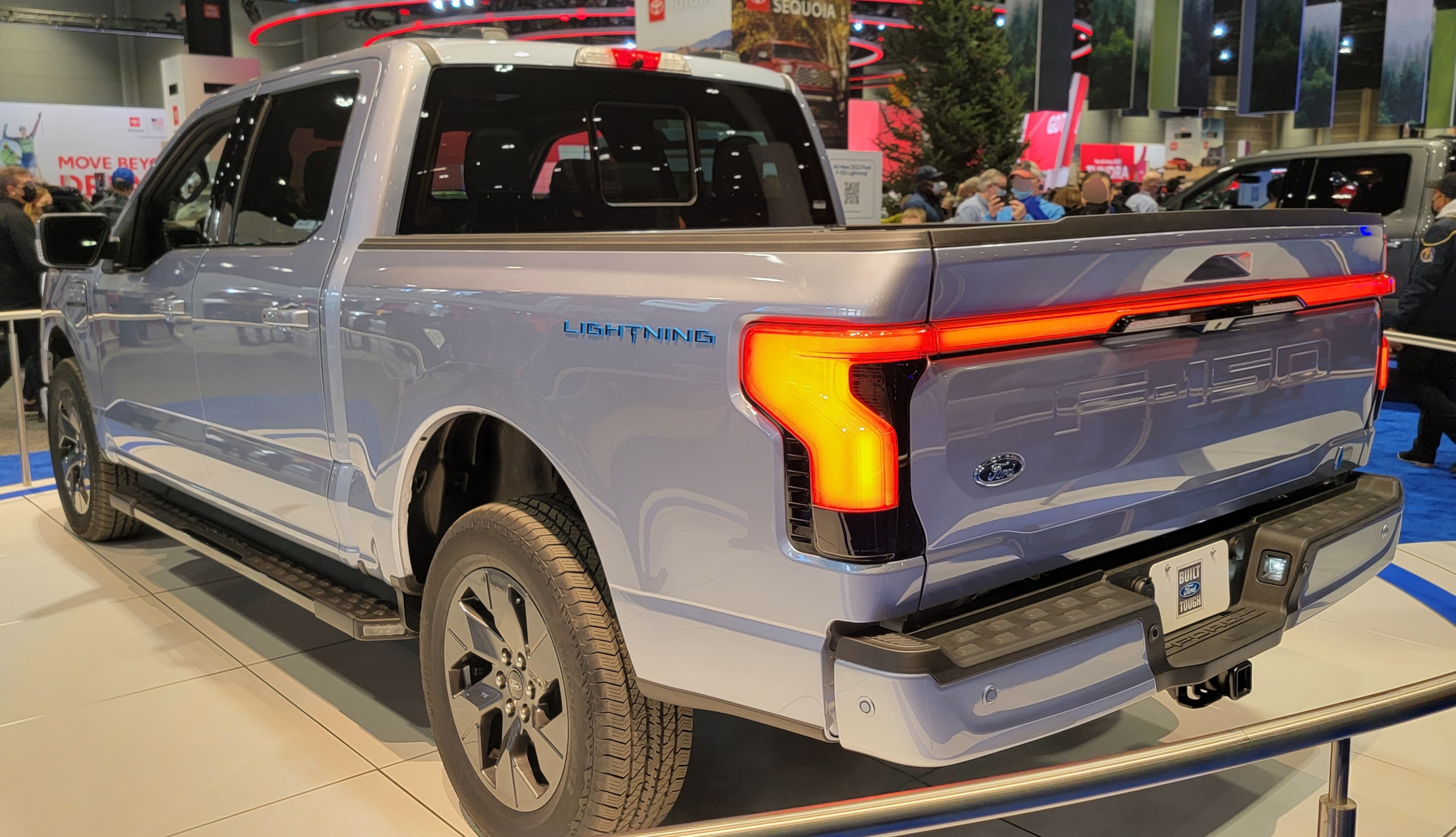
The Ford F-150 Lightning is an electric truck that is part of Ford's F-150 lineup. It's designed to provide the same functionality as a regular truck but runs on electricity instead of gasoline.
An aluminum shortage means there isn't enough aluminum available for companies to use in making products, like cars. This can cause delays in making new vehicles because aluminum is a key material for many parts.
The Lancia Delta is a small car that was really popular in racing back in the day. It's known for its cool design and how well it performed on the track. People talk about it because it represents a special time in car history when small cars could be very powerful and stylish.
A battery pack is like a big container of batteries that gives power to electric cars. The bigger it is, the further the car can go before needing to recharge.
Range is how far an electric car can go before it needs to be charged again. It's important for drivers to know this so they don't run out of power while driving.
An electric vehicle is a type of car that runs only on electricity, using batteries instead of gasoline, which means it doesn't produce exhaust fumes.
Car
International Scouts
The International Harvester Scout is an old-school SUV that was built for tough outdoor adventures. It’s known for being strong and able to go anywhere, which makes it a favorite among fans of classic cars. People often talk about it because it has a lot of history and is fun to drive off-road.
The Ultium platform is a new system that GM is using to build electric cars and trucks. It helps them make different types of electric vehicles more easily and efficiently.
The GMC Sierra is a large truck that can be used for work or personal use. It's known for being powerful and having lots of technology to help drivers.
The Volkswagen Bus is a famous van that people loved in the 60s for its fun and roomy design. It’s often associated with road trips and a carefree lifestyle. Now, there's talk about making an electric version, which shows that this classic vehicle is still popular and evolving.
The fifth generation Camaro is a model of the Chevrolet Camaro made between 2010 and 2015. It's popular for its sporty style and powerful engines, making it fun to drive.
The Cadillac CTS-V is a fast version of the Cadillac CTS car. It's designed for people who want a luxury car that can also go really fast and handle well.
The Nissan Pathfinder is a family-friendly SUV that can carry a lot of people and gear. Recently, it has been redesigned to be tougher and better for off-roading, which means it can handle rougher roads and outdoor adventures. It's popular because it combines comfort with the ability to go off the beaten path.
The Nissan Frontier is a smaller pickup truck that is great for both work and play. It can carry heavy loads and is designed to handle rough terrain, making it popular for outdoor activities. Some special versions of this truck are rare and can be more expensive because of their popularity.
A rear locker is a feature in some vehicles that helps both back wheels turn together, which is useful for driving on rough ground where one wheel might slip.
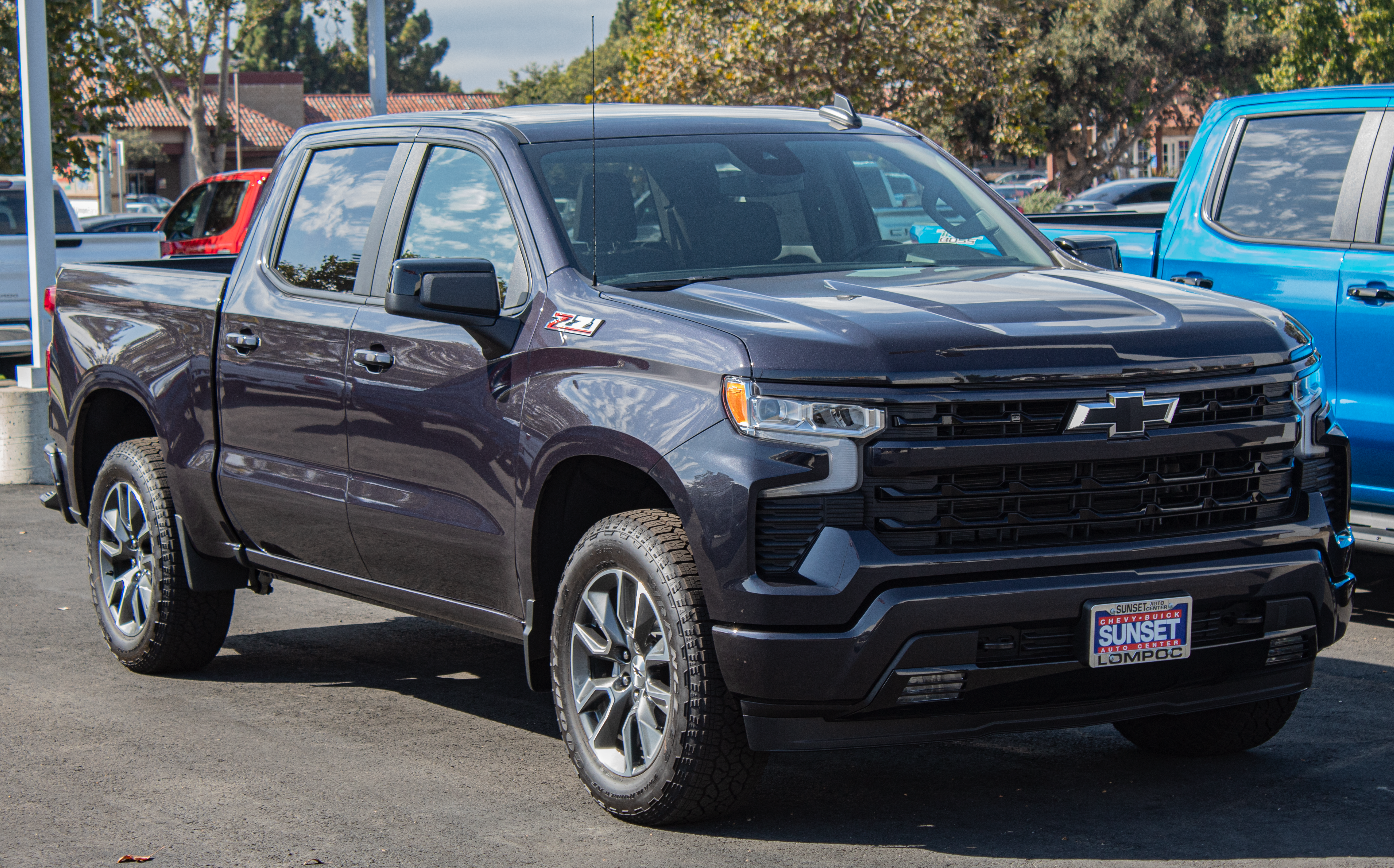
The Ford Super Duty Lariat Tremor is a big truck that can handle heavy loads and rough terrain. It's built for people who need a tough vehicle for work or outdoor activities. Some recent models have had recalls, so it's good to check for any issues before buying.
LIVE
Have you heard? It's Truck News!
It's the Truck Show, with your host, Holman.
That's right, welcome back to the Truck Show Podcast. Have you heard? It is proudly brought to
you in partnership with Amsoil, the maker of the best synthetics and the same ones we
use in our rigs. From now until December 31st, take advantage of Amsoil's holiday offer,
spend $125 or more on synthetic oil, lubricants, greases, car care products, and yes, even
merch. Get the Amsoil Blocks UTV set for free. Use the promo code Holman2025 at checkout
on Amsoil.com. We use Amsoil products to protect our rigs, and you should too. And while
you're thinking about gifts, consider getting your loved ones or yourself, a brand new
Kershaw Knife for 40% off MSRP. This includes automatics, USA made knives, and the code can
be used more than once. Please feel free to gift the promo code to your friends for their
use. Write this down or take note. The code is 2, TSP 2025, and get that holiday shopping
crossed off your list today at Kershaw.chi, USA.com. And OVR Magazine also makes a great gift
if you want the latest adventure, gear, and upgrades for your vehicle. Go to OVRmag.com
and use the code at Truckshaw Podcast for a discount on print or a one-year digital
subscription for free. The Truckshaw Podcast survives off of sponsorships and your reviews.
Please help me to keep it free by supporting our sponsors and leaving reviews and comments
on Apple Podcasts and Spotify. Have you heard? No, no, no, no, no, no, no, no, no. Well, a
whole lot has been going on when we took our new sabbatical over the past, I don't know
a couple of months. And I don't even know where to start. So I think for a little while,
we're going to do a little bit of current news and a little bit of catchy up news. So
in this episode, we have all sorts of stuff to talk about. And the first one is the Trump
Administration's proposed rollback of cafe standards. So there's a lot of opinion
out there and a lot of people who are bouncing the claims and what we're actually going
to get out of it this and that I thought SEMA had a really nice release on it. And I
think it, I think it kind of sets the right tone. So SEMA's release says President Trump
has announced plans to significantly rollback federal field economy standards to levels
established prior to the Biden administration, using the federal rulemaking process, the
US Department of Transportation proposes, relaxing federal field economy standards for
model year 22 through 31 light duty vehicles to 34.5 miles per gallon down from the 50.4
miles per gallon threshold set by the Biden administration under the proposed rulemaking,
and winding will be complete by 2031. Additionally, crossovers and small SUVs would be reclassified
as passenger vehicles rather than as light trucks. SEMA supports the proposed standards
which help automakers to produce vehicles that the marketplace demands. While after market
businesses are not subject to cafe standards, this proposal is expected to provide automakers
with a flexibility they need to produce the types of vehicles that are embraced by automotive
enthusiasts and are often modified. This policy shift follows the adoption of the one
big beautiful bill in July, which eliminates penalties, assess the automakers that fail
to meet the fuel economy targets. This represented a significant change in federal law and
reflects a broader move by President Trump and congressional Republicans to provide automakers
with greater flexibility to produce and sell vehicles based on consumer demands. It's
also a significant move away from previous federal policies that pushed OEMs and consumers
to favor electric vehicles over those with internal combustion engines. SEMA will review
the proposed cafe regulations and provide official comments to DOT on the proposal and
that comment deadline will be in mid-January. I think you guys know where I stand on
this, right? I want consumer choice. I don't think the federal government should necessarily
put their fingers on the scales and choose winners and losers when it comes to technology,
but there are a lot of opinions out there on this one. I'm glad to see it, but there's
an argument of $1,000 cheaper for a new vehicle on average versus saving $1,000 over the
vehicle's lifetime at the higher mile per gallon on fuel, but there's plenty of places
to get that commentary. Then there's also the protectionism argument of free market versus
tariffs. It's actually a pretty fasting debate if you dig down into it a little bit. Again,
I'm all for consumer choice, especially when it means killer enthusiast vehicles will
continue to be made. I'm in favor of this. I know there's probably some valid arguments
of why I shouldn't be, but I'm sorry, I like the V8s. I'm all for it, but I think this
is a win for automotive enthusiasts. On another SEMA note, this one is huge. You guys
remember I was talking about being at SEMA and moderated a panel on Ados. Ados is coming
in hard, it's coming in fast, and the way the regulations are sort of coming together
right now, it's possible we could hit Model Year 29, which is not that far away in Model
Year 26 starting right now, where you will not be able to modify your vehicle. This is
another major SEMA step here. SEMA put out a article on SEMA.org on the SEMA news page.
SEMA is celebrating the US House of Representatives introduction of the Ados Functionality and Integrity
Act, HB6688. SEMA worked closely with lawmakers from both parties to secure bipartisan support
for the legislation, which ensures that the aftermarket businesses have the information
needed to properly calibrate advanced driver assistance systems or Ados after vehicles
are modified. This legislation is critical to being able to safely make common modifications,
including installing bike racks, wrapping a vehicle, installing larger wheels and tires,
or installing a winch or aftermarket bumpers without compromising the functionality of Ados.
The bill is timely because a forthcoming federal mandate requires new Model Year 29 vehicles
feature automatic emergency braking, bringing important safety systems to all new vehicles
sold in the US. Now, the Ados Functionality and Integrity Act would require NITS of the National
Highway Traffic and Safety Administration to establish Ados guidelines to create modification
ranges and tolerances for new vehicles starting with the Model Year 28. Essentially, what
that means is rather than the manufacturer hoarding the data and saying, oh, no, we won't
tell you what the range that you have to work with is. When you modify a vehicle, let's
say if the sensors can be adjusted within a 4-inch lift and the manufacturer knows that
and the manufacturer says, well, check it out. We're going to keep that information to ourselves
so that we can sell the aftermarket lift kit or whatever and keep it in our dealerships
and not let the aftermarket get any and block them out. This law would require the manufacturers
to share that data so manufacturers on the aftermarket side know exactly what they can get
away with while keeping the vehicle safe and in compliance. If you remember when we had
so-called AutoGlass Kings on and they were talking about how adaptive cruise control
issues were popping up with a aftermarket windshield, which otherwise passed the optic
and clarity test. So it's going to get even worse than that. We talked about how sometimes
when you are adjusting those systems, there are ways to cheat it, some are dynamic, some
are static, some have a target that just sits out in the vehicle, sometimes people will
lower the air out of the tires so they can lower the lift vehicle closer to stock to get
the green check boxes, all that kind of stuff. So as you can see, this is really important
for the aftermarket to know what they're working with, right? And a little background
from SEMA, if you quick note, SEMA research indicates that more than 50 million cars
and trucks in the United States are modified or access rights each year. A number that
both underscores the urgent need for Ados standards that account real world vehicle modifications
and a significant number of consumers who modify their vehicles. SEMA has released a series
of white papers examining how aftermarket modifications affect Ados performance across
popular vehicles. These vehicles that they included were the Chevrolet Silverado 1500,
Ford F-150, Ford Bronco, Toyota Tacoma and the Ram 1500. That research provided clear
data-driven insight into how changes such as lift kits, wheels and suspension components influence
sensor reliability, the finding self-manufactures, installers and enthusiasts understand when
recalibrations needed and to preserve full Ados functionality. So SEMA once again is going
after legislation to make sure that the rules are in step with what the consumers demand
and also what's available and what's realistic from the technology we have. This is huge. We'll
stay on top of it here at the Truck Show podcast. As you guys know, this is something that
I brought up quite a bit and I don't know about you. I don't want to be three years away
from not being able to modify a vehicle. Now the other huge big giant story, Ford killed
off the F-150 Lightning. Dead. Gone. So if you've been following the news maybe not
from here because this happened, I think after we went on our news hiatus, Novelis, Ford's
aluminum supplier in New York had a huge fire. So Ford paused Lightning production, which
probably helped them out because they weren't selling. And basically said, hey, we're going
to make another shift of F-150 ice and hybrids. We're going to divert those resources over
there because of this aluminum shortage. We're not going to have enough to make the electric
truck as well. And guess what? December, it's coming back online. And nope, Ford puts out
a statement saying that the Lightning is forever discontinued, at least in its current
Bev form. Now, you know, the F-150 Lightning had some issues, mostly pricing. The truck
itself was pretty good, although at that size you get to this kind of delta of diminishing
returns of how big your battery pack has to be so that you can still get range while
towing and hauling and things like that. As an air hauler, as a everyday vehicle, they
were great. Lots to like about it. But they weren't great at doing truck things. So I think consumers
who wanted to personally use pickup really loved it and fleets and consumers who wanted
truck that could work. It wasn't enough. And the batteries just weren't big enough to make
you have over 150 miles range while towing, for example, things like that. So three and
a half years, the other issue was pricing. The pricing fluctuated all the time as did the
mix of trims and things like that. And it was a little bit confusing as they sort of tried
to get their ground. But this is an interesting quote from Doug Field, Ford's chief EV digital
and design officer. And he says quote unquote, the F-150 lighting is a groundbreaking product
that demonstrated an electric pickup can still be a great F series. Our next generation
lightning e rev is every bit is revolutionary. It keeps everything customers love 100% electric
power delivery sub five second acceleration and adds an estimated 700 plus mile range
and toes like a locomotive. It will be an incredibly versatile tool delivered in a capital
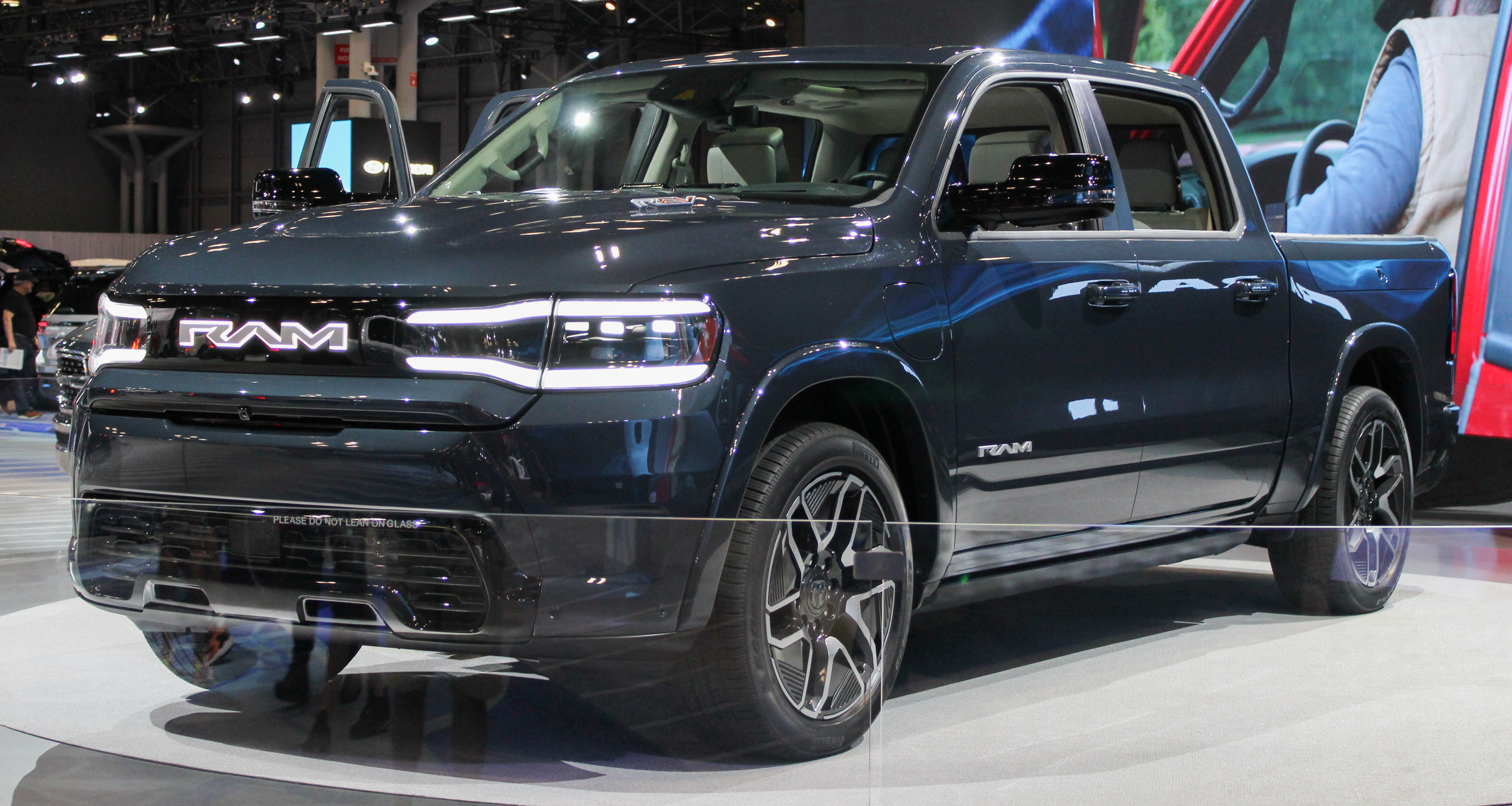
efficient way. So what does that tell you? Well, remember when we talked about ram dropped
their battery only bev ram 1500. And they said, nope, we're going with the extended range.
They called it a rave range extended electric vehicle. Ford calls it the e rev. So essentially
Ford is following ram's lead saying no more all electric pickup truck. We're going to go
with the one that's electric, but has a generator on board. Now keep in mind, it's not a hybrid
because that engine doesn't turn the wheels. It doesn't act on the drive frame. What it does
is it charges the battery and provides power to the motor. So still an all electric vehicle
and experience, but you can go to your local gas station to fill up the tank. That's where
ram's going. That's where scouts going. That's where Nissan's going. That's where Ford
is now going in vehicles that are the half 10 size or bigger. This really excites me.
I think this makes the most sense from a technology standpoint and getting the most performance,
but also capability out of the vehicle. There's a lot to like with EVs, but there's also
massive drawbacks, such as extended charging times and range, especially when you're maxing
out the capability. So I think this e rev version is the best of all the worlds, at least where
technology sits today. So now ram's gone e rev. Ford's going e rev. They will not have
a lightning next year. So if you want that truck, go buy it now because stocks are going to
dwindle on that and you can probably get a great deal. I would imagine. Where does that
leave GM? Because GM's really committed to the ultium platform. You've got the Hummer.
You've got the GMC Sierra and the Evalanche Silverado. Those are out there. They're going
to be kind of a loan with the battery only truck in that size. So it's going to be really
interesting to see lots of crazy stuff going on in the automotive world, especially when
it comes to battery vehicles. So one more note on Ford killing the electric pickup truck.
So while the next generation will come back with the range extender, they are pivoting to
hybrids and to gas engines. And that means that because of this EV bus, and I don't know
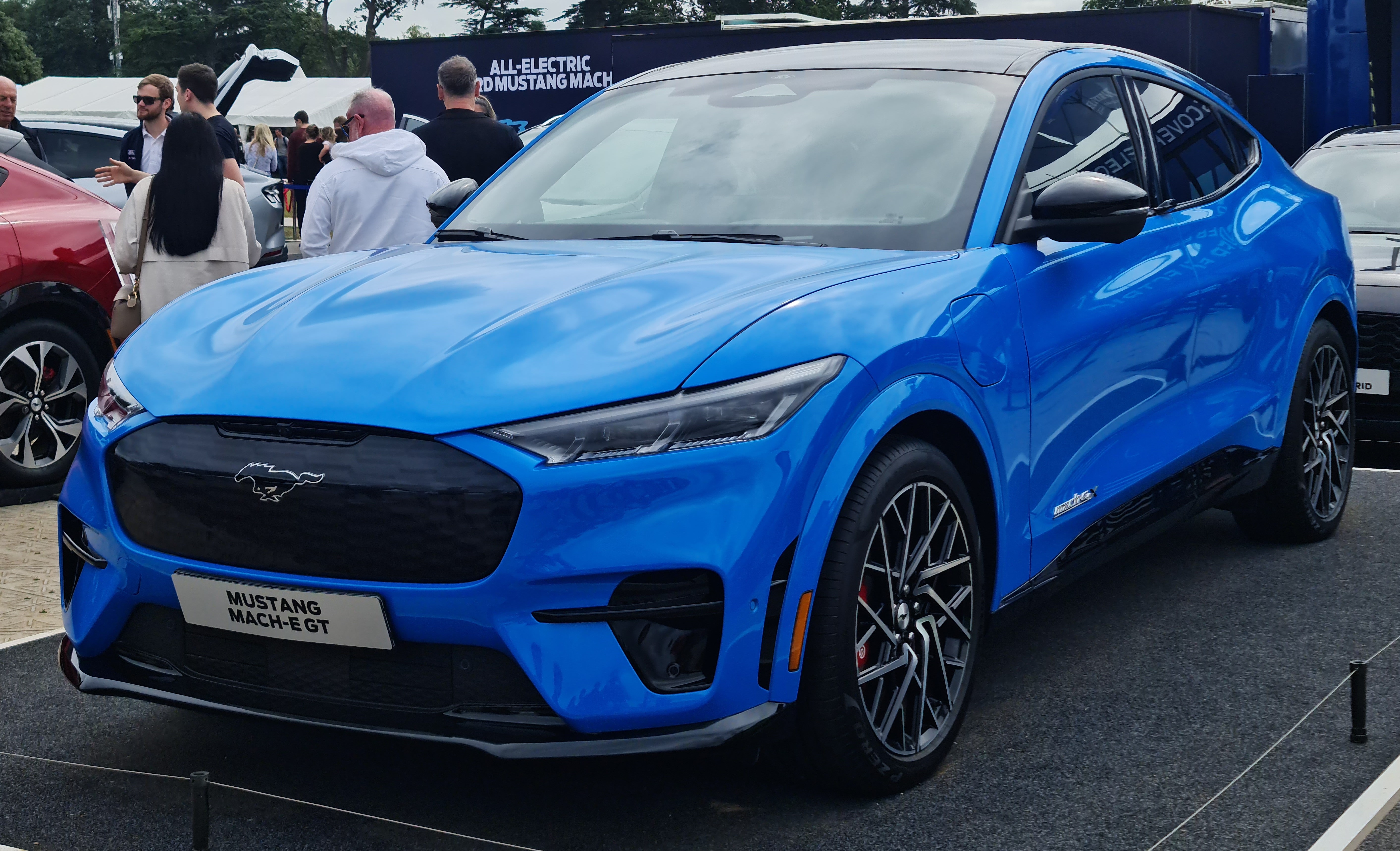
if this includes just the lightning, or if it also includes Mach E, which apparently
is still in production, but Ford is going to take a 19.5 billion as in B, billion dollar
charge to its bottom line and its books because of this EV decision. Dude, that was painful
is what the counting office is saying within the halls of Ford. So, but you know, sometimes
you take a big swing in business and sometimes you miss. I don't expect Ford to be on the
ropes long. They they know trucks and they know what their customers want. All right, next
up on news. Here's another big one that happened while we were away from doing news. And
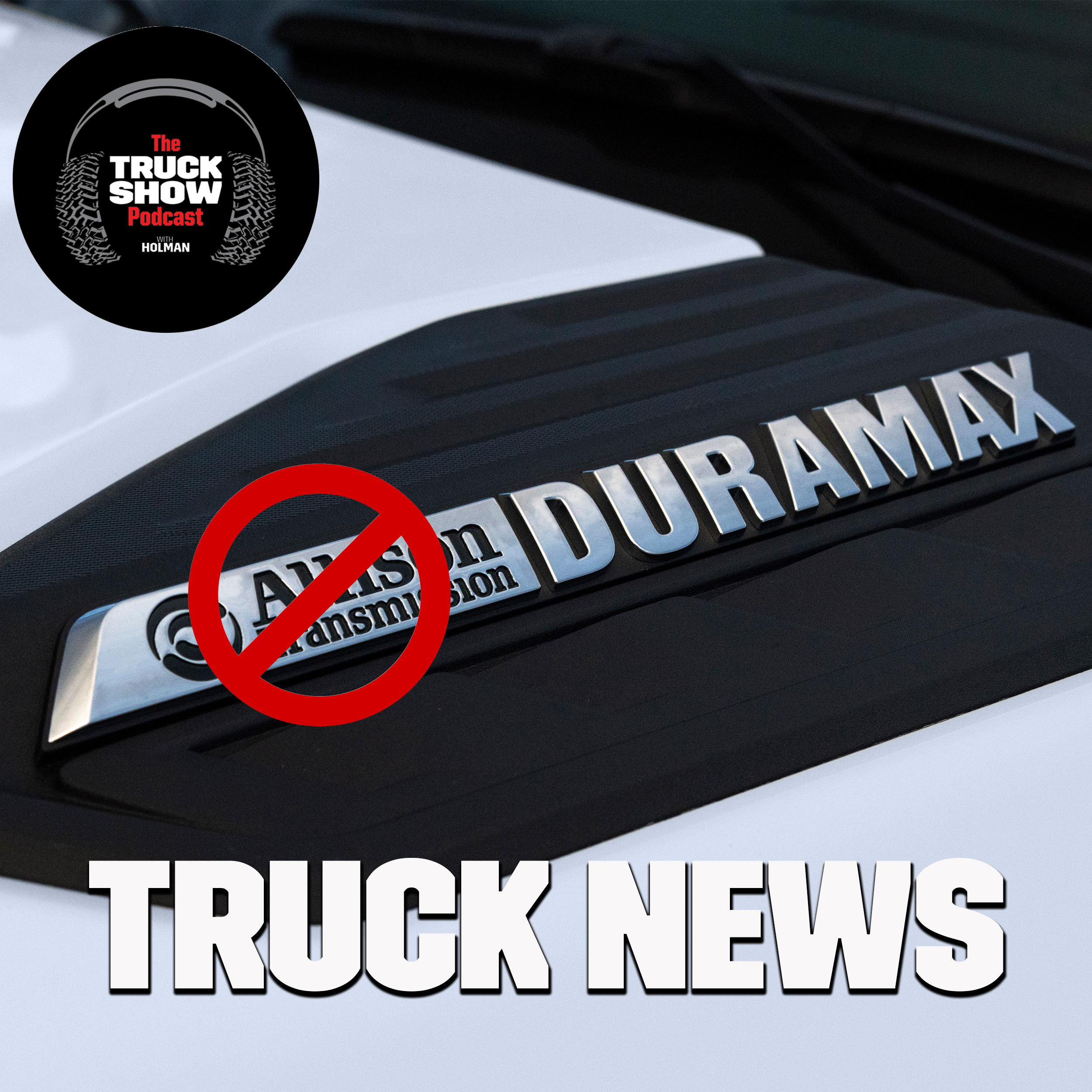
that is the fact that Allison and GM are well breaking apart. So kind of interesting. Allison
back in. I want to say 2001 GM really was trying to make the Duramax engine a leader in
the diesel space. And they paired it with an Allison transmission from their medium duty
trucks as they really wanted Allison to bring that name and that durability recognition to
their vehicles. And then sometime in. If I had to think I want to say it's a 2018. And that's
when GM said, Hey, we're doing this 10 L 1000, which we developed in house with a little bit of
help from Allison. And it's a GM transmission, but we're going to call it a Allison transmission
on the badging. And so since 2020 plus, I think all the HD pickup trucks have all had the
Allison branded 10 speed transmission. So this is the announcement that came out. General Motors
license to use Allison transmission trademarks in connection with Chevrolet Silverado HD and GMC Sierra
HD 2500, 300 trucks will expire at the end of the day on December 31st, 2025. Upon expiration,
all sub licenses to authorized dealers are also automatically terminated. Following expiration
the license agreement, GM and its authorized dealers are permitted a single 180 day period from
January 1st, 2026 through June 29th, 2026 to market, advertise and sell the remaining inventory
of products bearing the licensed Allison marks provided all such uses remain compliant with the
terms of the licensing agreement. What does this mean for you? Beginning with early December
production, Silverado and Sierra HD trucks will no longer be equipped with Allison badged
transmissions. As of this date, you must not create publish new advertising and marking materials
using Allison trademarks for newly produced Silverado and Sierra HDs that do not carry Allison badging.
You may however continue to market, advertise and sell on hand inventory that bears Allison
trademarks through the 180 day selldown window ending on June 29th, 2026. After that date,
any and all use of Allison marks to promote and sell Allison badged inventory must cease to that and
by June 29th, 2026, you must pull down all digital website references, remove point of sale
materials and discontinue publishing or advertising. Prior to June 29th, 2026, GM will initiate a field
action to retrofit any remaining Allison badged dealer inventory with a non Allison badged. Again,
this is required as GM dealers will not be permitted to advertise or sell new Allison badged inventory
after June 29th, 2026. More details will be shared at a later date. And so if you caught that thing at
the end, a field action, yes, GM is actually going to go not only on the production line and swap out
that Allison badged. They've also created those non Allison badges that are going to be going on
the ones that are in inventory on new trucks. So I don't know the full story of how the separation
happened. If it was something GM decided, hey, we're tired of having a third party on our trucks.
We know we make a great transmission. So we're going to get rid of that and just have everything
consumer facing point back to us. And that way there's no confusion in the marketplace.
Or if Allison said, hey, we're out or they just couldn't come to an agreement or it was planned,
I have no idea. But Allison will still be on the medium duty GM trucks. And so it'll be interesting
to see what effects if any of this has on the industry. I honestly don't think it matters anymore.
I think today's diesel trucks and trans are pretty darn good. They've come a long way in last
20 years. But that's a big one. I don't know if anyone saw that one coming or if it was on your
2025 bingo card. Hey, if you want to be a Oscar Meyer winner mobile driver or what they call a hot
dogger, until the end of January, Oscar Meyer is looking for a college graduate to want a full-time
job driving the winner mobile. I think they said they had six vehicles and 12 slots and they want
those 12 recent college grads to drive the 27 foot hot dog shaped trucks. And normally they say they
receive more than 5,000 annual applications, which is, that's a lot of people. And a couple of
quick facts coming from car and driver on the Oscar Meyer winner mobile. The original winner
mobile made his debut in 1936. Now they've got six hot dogs on wheels. The winners are 27 feet long
and based on ASUSU MPR HD cab over truck. But they've got a bunch of GM parts bin pieces and
components from a lot of performance vehicles like the C6 Corvette fifth generation Camaro 01 and the
Cadillac CTSV, although they don't tell us which ones they have. According to the listing hot
doggers are also expected to engage in media appearances and work as content creators. So
sounds like a fun job. I missed my calling. So maybe you could pick me up on that. But if you're
interested and you think you've got the skills to pilot the winner, then head over to Oscar Meyer.com
slash winner mobile. Nissan is exploring a bunch of body and frame vehicles including the return of
the Xtera and also making the pathfinder a body on frame SUV again, which I think would be awesome.
Here's a quote on the drive from the LA Auto Show where Nissan SVP Michael Souter exclusively told
the drive that the Xtera has got to start sub $40,000 and it's got to come in yellow, which I think
on both counts are awesome. If you know anything about the old Xtera, it was a great vehicle off road
at one four wheelers SUV of the year or four wheeler of the year, I guess more appropriately.
And if you're in the secondary market and you try and find an Xtera with the off road package,
which is the equivalent of the Nismo or the pro four X on the frontier, they are a hard to find
and be pretty darn pricey because everybody in the secondary market knows what a great vehicle that
is. So if you're going to bring a fun to drive sub $40,000 body on frame SUV, which can be
optioned with, well, a rear locker, 33s or better, sign me up. I mean, those things were awesome.
So what do they want the Xtera to be? Well, Souter continued the capability, fun, adventure,
hardening back to the original Xtera and that the Xtera needs to be very competent off road.
And yes, it will have a two-speed transfer case. So we think about body on frame, rear locker,
two-speed transfer case, most likely going to be built on the front tier platform, which is great
and see what happens. But I hope they make it a little bit asymmetrical like the original,
because it didn't look like anything else. It had a ton of personality. And the fact that they
want to bring it back in yellow is all the things that are right with the world. So I can't wait
for Nissan to finally give us some details on what the Xtera will be. I think it's coming out for the
27 or 28 model year. I can't remember off the top of my head, but it's coming. You go, Nissan.
Do it. You'll have buyers lined up because it's the vehicle that you need.
All right, one last news piece before we go today. Let's get into a recall.
All right, on this version of Have You Heard, the recall goes to the 2026 Ford Super Duty. So
looks like Ford had an issue where the right rear axle shaft may have been improperly
heat treated during manufacturing by its supplier. And of course, the broken rear axle shaft can
result in a loss of dry power, could have the vehicle roll away, loss of control, crash,
all those things. But Ford's not aware of any reports of accidents or injuries related
to the issue. And the fortunate thing is they caught it pretty quick. So the affected vehicles
are 26 Ford Super Duty F250 and 350 trucks produced between October 2nd and November 5th of 25. And it
only affects 6,819 vehicles. So the fix is dealers will inspect the right rear axle shaft
date code and replace the axle shaft as necessary free of charge. There'll be some communications
coming from forward beginning on January 5th. So you should get that in your mailbox if you had
the truck. Just for your reference, the recall number is 2, 5, s, d8. And you can call
Ford customer service or your local dealer to get your truck scheduled for an inspection.
All right, well, that's the end of this episode of Have You Heard. We got a lot more news,
we got days of this stuff. So expect a few more podcasts coming out soon. Don't forget,
please follow us on social at Truckshow podcast or email us if you want to be part of the show.
Truckshow podcast at gmail.com. And of course, we'd love to hear you 657 205 6105 leave a message on
the five star hotline and be part of the show. And lastly, we have to thank Amz Oil,
Kershaw and OVR Magazine for making this show possible. And don't forget to leave us a review.
Looking forward to doing it again soon.
And if you're a fan, there's no better way to support the show than by sharing it and patronizing
our sponsors. Some vehicles may have been harmed during the making of this podcast.
About this episode
Truck enthusiasts will find plenty to discuss in this episode, which dives into significant industry news. The Trump Administration's proposed rollback of CAFE standards sparks debate about consumer choice and the future of internal combustion engines. SEMA's push for legislation on Advanced Driver Assistance Systems (ADAS) modifications is also highlighted, ensuring aftermarket modifications won't compromise vehicle safety. Additionally, Ford's discontinuation of the F-150 Lightning and the separation from Allison transmissions are major talking points, alongside Nissan's plans for a new Xterra. The episode wraps up with a recall notice for the 2026 Ford Super Duty.
SEMA's work on CAFE rollback and ADAS regulations, Ford cancels the F-150 Lightning, GM and Allison break-up, Oscar Meyer Weinermobile needs drivers, Nissan's return to body-on-frame SUVs, and the latest recall news. The Truck Show Podcast is brought to you in partnership with AMSOIL, Kershaw Knives, and OVR Mag. Don't forget to check out truckshowpodcast.com for special offers from our friends and sponsors, including:
AMSOIL
Use promo code HOLMAN2025 on amsoil.com until 12/31/25 to get a free AMSOIL UTV Blocks Kit with any purchase of $125 or more.
Kershaw Knives
Use promo code 2TSP2025 for 40% of MSRP and free shipping on great, high-quality knives from Kershaw.kaiusa.com.
OVR Magazine
Use promo code @truckshowpodcast for a free annual digital subscription or a discount on a print subscription on ovrmag.com.