
fast lane 2030
“Fast lane 2030” is a company roadmap for the next several years. It’s about building new cars faster and selling more electrified models by 2030.
plug-in hybrids
Plug-in hybrids are cars that can drive on electricity like an EV, but they also have a gas engine. You can charge them at home or at a charger, and the gas engine helps when the battery runs low.
range extended EVs
A range-extended EV is mostly an electric car, but it has a backup system that helps keep the battery charged. That can make the car go farther without needing to stop and charge as often.
Stellantis
Stellantis is a big car company that owns multiple brands. Here, they’re talking about their plan for what kinds of cars they’ll sell and where.

Dodge Copperhead
Dodge is bringing back the “Copperhead” name for a new high-end hypercar. They also say it will use the new Charger platform, which is basically the car’s main engineering “foundation.”

Dodge Charger
The Dodge Charger is a car built for performance, usually with strong engine options. The podcast is talking about a new “base” design it’s using, which can change how the car drives and what kinds of engines it can use.
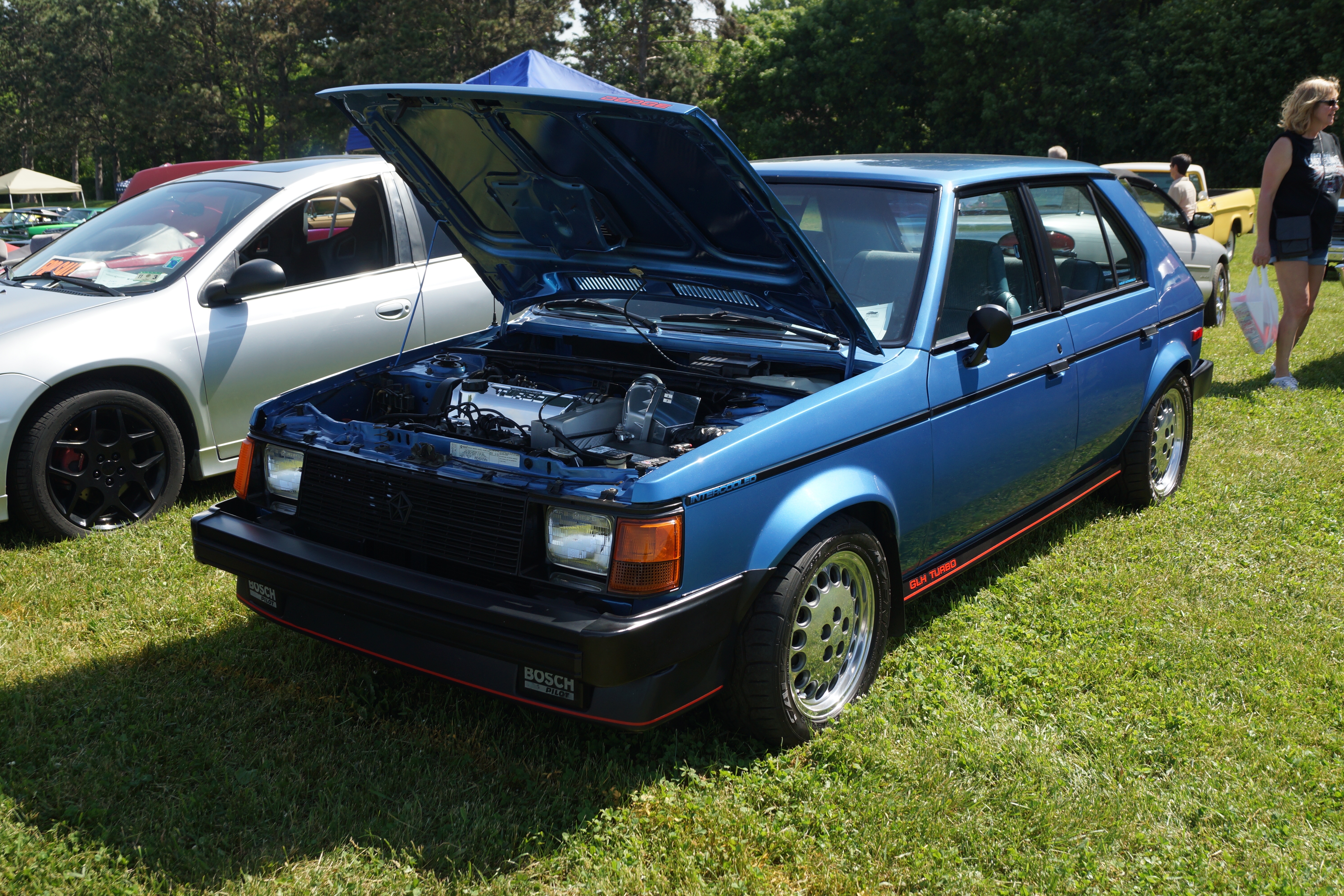
Dodge GLH
Dodge is talking about a new “GLH” sporty crossover/SUV. They also mention the old Omni GLH, so the name is meant to suggest a performance version, not just a regular family SUV.
badge engineering
Badge engineering is when the same basic car gets sold with different badges and logos. Sometimes it’s not a totally new design—more like a re-skin or re-label.

Dodge Omni
The Dodge Omni is a smaller car model from Dodge’s past. The podcast mentions the Omni GLH, which was a performance-themed version, and uses it as an example of how car names can be used to suggest performance.

Dodge Hornet
The Dodge Hornet is a small SUV/crossover. The podcast is saying it hasn’t been doing well and discussing whether Dodge will replace it with something new.
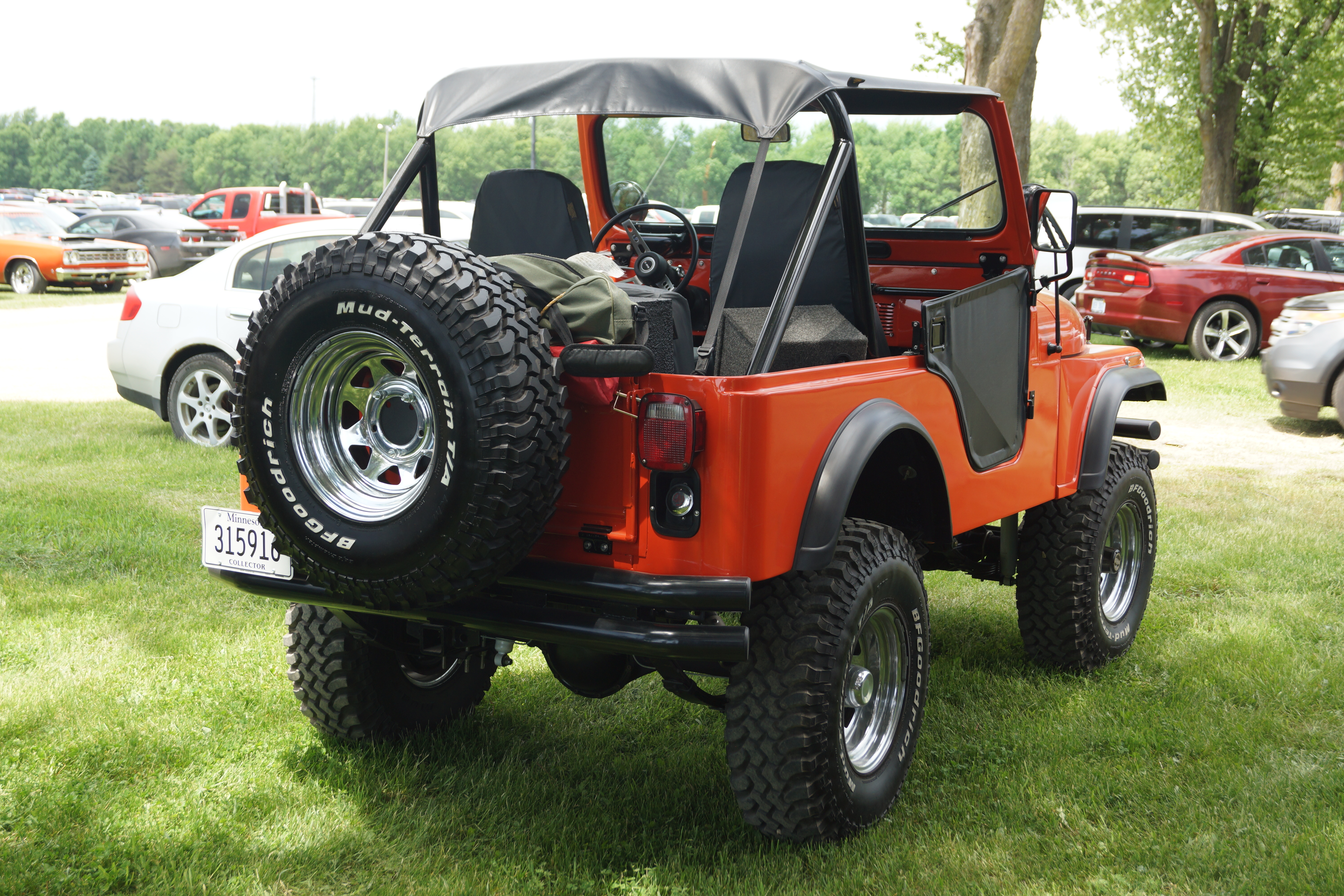
Jeep Scrambler SRT
They’re talking about a Jeep Scrambler with an SRT performance version. The big point is it’s meant to look and act like a dirt-capable Jeep, but with more power and sportier handling.

Jeep Gladiator
The Jeep Gladiator is Jeep’s pickup. They’re saying the Scrambler SRT would use the Gladiator’s basic structure, which affects how it rides and handles.
IFS
IFS means the front wheels don’t have to move together as one unit. That helps the truck keep better control over bumps and ruts.
IRS
IRS means each rear wheel can move on its own. That typically makes the vehicle ride smoother and grip better on rough ground than a solid rear axle.
solid axle
A solid axle connects the two wheels so they move together. They’re saying this new Jeep might avoid that design in favor of suspension that can react to bumps more independently.

F-150 Raptor
The Ford F-150 is a large pickup truck. The podcast is talking about whether a new version could be tuned to feel more sporty than a normal F-150.

Ford Bronco
The Bronco Raptor is Ford’s off-road performance Bronco. They’re comparing it to the kind of handling and attitude they think the Jeep Scrambler SRT could have.
392
Here, “392” is shorthand for a big V8 engine option used in certain high-performance Mopar vehicles. They’re wondering if the Scrambler SRT would use that engine.
Easter Jeep Safari Jeep scrambler concept
They’re bringing up a Jeep concept shown at Easter Jeep Safari. The idea is that this concept could hint at what a future production Scrambler might look like or how it might be set up.

Challenger Hellcat
The Dodge Challenger is a muscle car, meaning it’s built for strong acceleration and performance. The podcast is discussing which engine to put in it and whether the top-level option is more than some buyers want.

Jeep Recon
The Jeep Recon is an upcoming electric Jeep. The podcast is talking about an EV version and what it might include, since it’s a way for Jeep to bring its SUV style into electric power.
two-liter hurricane
“Hurricane” here is the name of an engine family, and “two-liter” tells you it’s a 2.0L engine. The hosts are saying the new Jeep might use that specific engine as its gas option. Knowing the engine name helps you predict how it might drive and what tech it uses.

Jeep Grand Cherokee
The Jeep Grand Cherokee is one of Jeep’s bigger, more mainstream SUVs. In this segment, the hosts say a new Jeep (the EV recon) might use an engine that’s already showing up in the newest Grand Cherokee. So it’s a clue about what kind of gas engine you might expect.

Jeep Wrangler
The Jeep Wrangler is a popular off-road SUV that’s famous for being able to remove the doors and roof for an open-air driving experience. The hosts are basically asking whether a new Jeep product will feel like a Wrangler, but without some of the downsides. So Wrangler is the benchmark for that “want it, but not all of it” buyer.

Dodge Ram
Ram is a truck brand. The podcast is saying Ram is expanding or updating its truck lineup, and it also mentions suspension choices like solid axles that can affect how well the truck handles rough roads.

Ram Rampage
The Ram Rampage is a small pickup truck that the hosts say is being brought to the U.S. from Brazil. They compare it directly to the Ford Maverick, which is a similar size and buyer. They also hint at what engines it might offer.

Ford Maverick
The Ford Maverick is a small pickup that many people use as the reference point for the “compact truck” market. The hosts are saying the Ram Rampage will compete with it in the U.S. So it’s a clue about who the Rampage is aimed at.

ProMaster Pro Master City
The ProMaster City is a small van made for everyday driving and deliveries. The podcast is saying it’s coming back with a redesigned version, which could change what it’s like to own and use.
unibody
Unibody means the truck’s body and frame are built as one integrated structure. The hosts are pointing out that the U.S. version of the Rampage uses this design. That can affect how the truck rides and how it’s put together compared with more traditional truck designs.
25% chicken tax
The “chicken tax” is a nickname for a U.S. import tariff that can make it more expensive to bring certain light trucks into the country. The hosts are saying the Rampage might be moved to U.S. production so it doesn’t get hit with that extra cost. That’s why manufacturing location matters for pricing.

Ford F-150 Lightning
The Ford F-150 Lightning is an electric pickup truck. The podcast is discussing when it’s expected to start being produced and how it might be positioned compared with other very high-performance trucks.

Dakota SRT
“SRT” usually means a more aggressive, higher-performance version of a Dodge. They’re discussing a possible Dakota SRT and whether it could come with a V8 engine.

Ford Ranger
The Ford Ranger Raptor is a tougher, off-road version of the Ranger pickup. Here it’s mentioned because it’s currently the most powerful midsize truck they’re talking about.

RAM charger SUV
The Ram Charger SUV is a planned Ram SUV, and they’re talking about the gas version (not the electric one). They also suggest it could get a very powerful Hellcat-style engine to take on big luxury SUVs.
platform
A “platform” is the car’s underlying structure and engineering base that other models can share. Sharing a platform usually helps manufacturers build related vehicles more efficiently.

Cadillac Escalade
The Cadillac Escalade is a big luxury SUV. The podcast is talking about making it a high-performance version, meaning a much stronger engine than a typical luxury SUV would have.
Hellcat powered
“Hellcat” is Dodge’s name for a super-powerful engine. They’re guessing the SUV could use that same kind of high-performance setup.
Godzilla
“Godzilla” is a nickname for Ford’s large 7.3-liter V8 gas engine. It’s the engine Ford puts in many Super Duty trucks, and the show is talking about Ford changing which size engine is the default.
D stroke
“Stroke” is how far the piston moves up and down inside the engine. A “D stroke version” means Ford changed that piston travel to make a different displacement/character from the original engine.
upcharge
An “upcharge” just means the added price for upgrading to a better option. Here, it’s the extra money to get the bigger 7.3-liter engine instead of the smaller one.
split outputs
“Split outputs” means the same engine can be sold in two different power levels. The hosts are saying Ram decided to stop offering the lower-power version and just make the higher-power one the default.
Peterbilt 536
The Peterbilt 536 is a commercial truck model. In this story, U-Haul is using it for a medium-duty moving truck, and they’re pointing out the size and engine setup.
six point seven liter gas Cummins
That’s a 6.7-liter engine made by Cummins, and it’s the gas version. The hosts mention it because the engine choice is a big part of what makes this moving truck work well.
gross vehicle weight rating
GVWR is the maximum weight the truck is allowed to be when it’s loaded. It includes the truck itself plus whatever you put in it, and it affects what kind of license you need.
commercial driver's license
A commercial driver's license (CDL) is the special license needed to drive many heavier trucks. In this case, the truck’s certified weight is set just under the threshold that would normally require a CDL.
direct injection
Direct injection is a way of feeding fuel into the engine. Instead of fuel being added before the air enters the cylinder, it’s sprayed right inside the cylinder to help it burn more efficiently.
estimated eight miles per gallon
MPG is how efficiently the truck uses fuel—how many miles it can go on one gallon. The host uses that number to estimate how far the truck can travel before refueling.
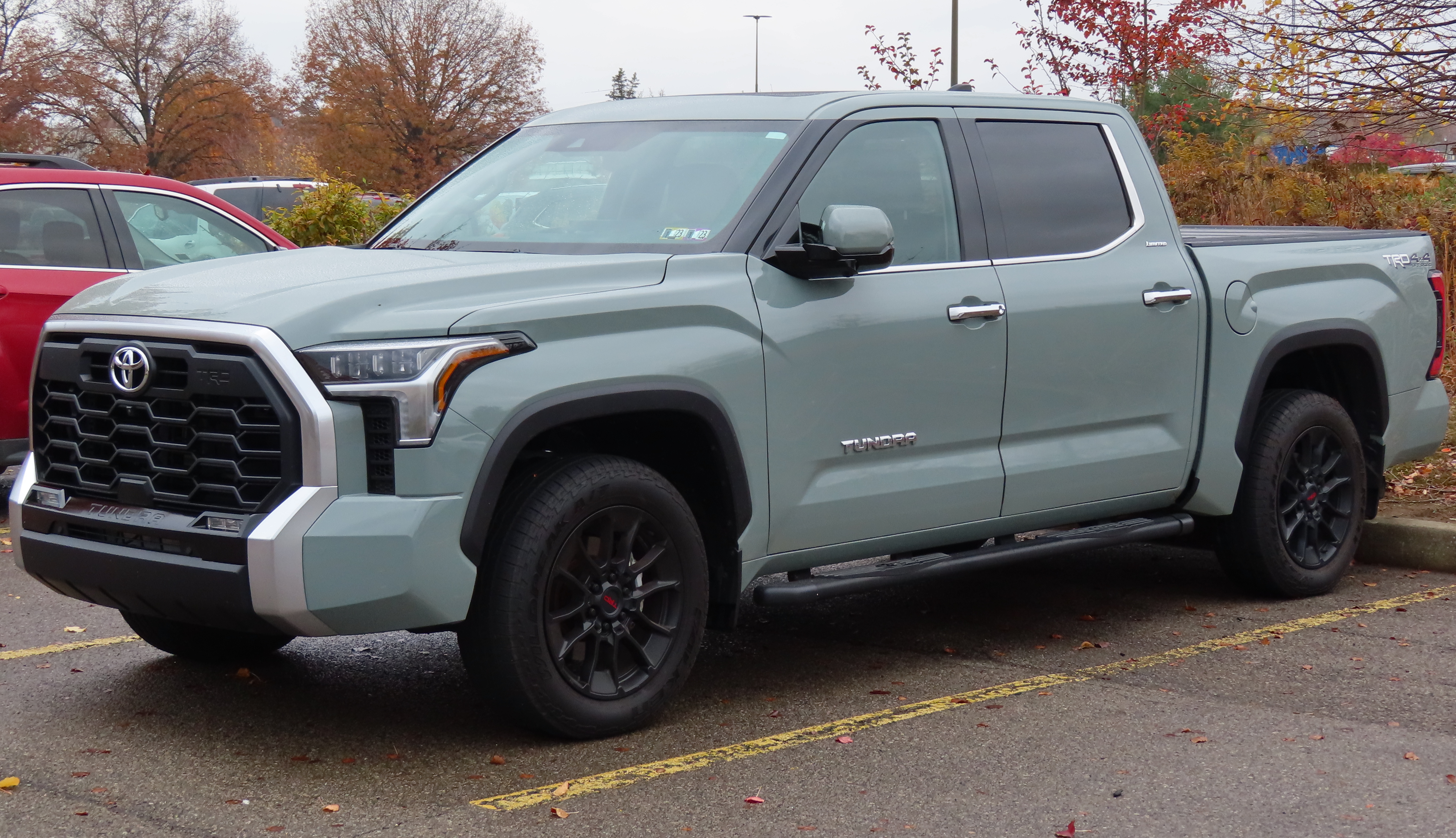
Toyota Tundra
The Toyota Tundra is a large pickup truck used for work and towing. The podcast is pointing out that some versions can rack up a lot of miles, which usually means they’re built to last if they’re maintained.
twin turbo v6
A twin-turbo V6 is an engine with six cylinders where two turbochargers help it breathe better and make more power. Here, the recall is about leftover manufacturing debris inside the engine that can damage internal bearings.
machining debris
Machining debris means tiny bits of metal that can be left inside an engine during manufacturing. Toyota says some engines may have had debris that wasn’t fully removed, and that debris can lead to internal bearing problems.
number one main bearing
A main bearing is a critical part that helps the crankshaft spin smoothly inside the engine. Toyota says debris may cause the number one main bearing to fail, which can lead to serious engine problems.
