

Ford Bronco
This is a special Ford Bronco edition made in a collaboration with Philson. It’s meant to look and function more like an outdoors/off-road setup than a standard Bronco.
SAS Squatch package
The SAS Squatch package is an off-road option bundle for the Bronco. It’s basically a set of upgrades that make the truck more capable on rough trails.
35s
“35s” refers to 35-inch tires, a common off-road sizing shorthand. Larger tires increase ground clearance and help with traction over rocks, ruts, and uneven terrain.
Fox shocks
Fox shocks are special suspension parts that help the truck stay controlled over bumps. They’re designed to work well on off-road trails.
front and rear locking diffs
A locking diff helps the truck keep power going to both wheels on an axle. It’s especially useful when one wheel is spinning because it’s on slippery ground.
twin turbo 3L
“Twin turbo” means there are two turbochargers helping the engine make more power. “3L” means the engine is around 3.0 liters, and turbocharging helps it pull harder.
Bronco Raptor
The Ford Bronco Raptor is the Bronco model tuned for serious off-roading. It’s described here as having a lot of power and torque, and it uses a 10-speed automatic gearbox.

F-150 Raptor
The Ford F-150 is a large pickup truck. It’s built for hauling and towing, but it’s also used for everyday driving. The podcast mentions it when talking about how much power the engine makes and how it’s matched to the transmission.
10-speed automatic
A 10-speed automatic is an automatic gearbox with ten different gear ratios. It helps the engine stay in the right “sweet spot” for acceleration or smooth cruising.
selectable performance exhaust
Selectable performance exhaust means the car can change its exhaust behavior, usually between a quieter mode and a louder, more aggressive one. This model is said to skip that feature for a more luxury-oriented setup.
acoustic glass
Acoustic glass is special glass that’s built to cut down noise. It helps make the cabin quieter by reducing how much outside sound gets through.
digital rear view mirror with washer
A digital rear view mirror is a screen-based mirror that shows what’s behind you using a camera. The washer is there to clean the camera so the view stays clear.
power retractable steps
Power retractable steps are motorized steps that come out to help you get in and out, then fold back away. They’re meant to make a taller vehicle easier to use.
Bronco Philson
The Ford Bronco Philson is a luxury version of the Bronco. It’s aimed at a quieter, more upscale feel, with comfort features like heated/ventilated seats and convenience items like power retractable steps.
ventilated and heated front seats
Heated seats warm you up, and ventilated seats blow air to help you stay cooler. Having both makes the car more comfortable in hot and cold weather.
B&O audio system
B&O is a well-known premium audio brand. If a car has a B&O audio system, it usually means the sound system is upgraded and tuned for better audio quality.
Bronco Philson first edition
The Bronco Philson First Edition is a limited, more exclusive version of the Bronco Philson. It’s described here as having unique styling details like special color and special badges.
serialized console badging
Serialized badging means the car has a unique numbered badge. It’s a way to make the special edition feel more exclusive and collectible.
collectible
When people call something “collectible,” they mean it’s the kind of car that enthusiasts want to own because it’s special or hard to find. The host is saying these Philson editions may become harder to get and more sought after.

GMC Hummer concept
This is a future-looking GMC Hummer concept vehicle. The big idea is that it’s meant to look and act like a serious off-road truck/SUV, with big tires and measurements that help it handle rough terrain.

Ford Flex
The Ford Flex is a crossover vehicle with a very roomy interior. It’s known for its unusual, box-like shape compared with many other cars. It’s mentioned because it was part of a discussion about how Ford built certain vehicles.

GMC Canyon
The GMC Canyon is a midsize pickup. They mention it to compare the concept’s size—especially wheelbase—against what’s already on sale.

Chevy Colorado
The Chevrolet Colorado is a midsize pickup. They’re using it as a measuring stick for size—specifically wheelbase—so you can picture how big the concept is.
approach and departure angles
These angles are basically how well the truck can go up and down obstacles without scraping the front or back. Bigger numbers usually mean it’s better at handling steep bumps and dips.
break over
Break-over angle tells you how well the vehicle can go over a hump or ridge without scraping the bottom. Higher is usually better for rough trails.
ground clearance
Ground clearance is how much space there is between the bottom of the vehicle and the ground. More clearance helps it avoid getting stuck or scraping on obstacles.

Gladiator Rubicon
The Jeep Gladiator Rubicon is a rugged off-road pickup. They’re using it as a comparison to show the new concept has strong off-road measurements.
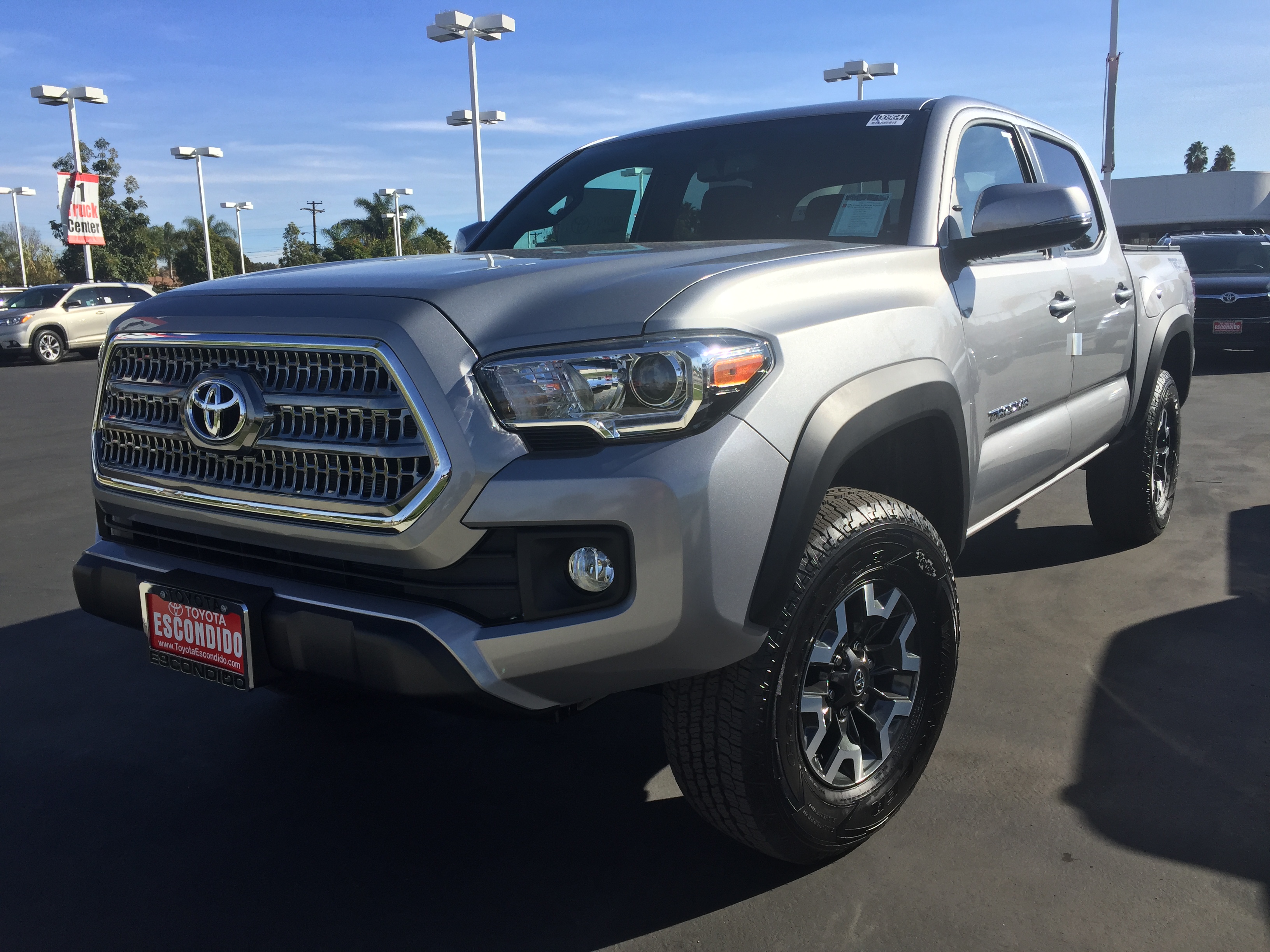
Toyota Tacoma TRD
The Toyota Tacoma TRD is a more off-road-ready version of the Tacoma. They mention it to compare how much clearance the new concept has.

Nissan Frontier
The Nissan Frontier is a midsize pickup truck. Here, they’re saying Mitsubishi would build its new truck using the same basic truck “foundation” as the Frontier, which can make it cheaper to develop.
platform
A “platform” in automotive terms is the shared set of core engineering pieces—like the chassis and mounting points—that multiple vehicles can use. When the host says Mitsubishi’s pickup will be on the Nissan Frontier platform, it implies shared underpinnings to cut development cost and time.

Mitsubishi Triton
The Mitsubishi Triton is an overseas-market pickup that the host says continues to do well for Mitsubishi. It’s mentioned to contrast Mitsubishi’s success outside the U.S. with its weak presence in the U.S. pickup market.

Mitsubishi Raider
The Mitsubishi Raider is a pickup that Mitsubishi sold in the U.S. that was built on a Dakota platform. The host brings it up to explain that Mitsubishi’s last U.S. pickup effort was based on another manufacturer’s truck architecture, and that history may repeat with a new collaboration.
full-size EV trucks don't make sense
This is a viewpoint about how battery-electric powertrains fit (or don’t fit) certain truck sizes. The host argues that the weight and energy needs of full-size EV trucks make them a poor match compared with smaller trucks, which they say is why a midsized EV truck is the “maximum place” for weight.
point of diminishing returns
It means that after you add enough battery, the extra battery helps less than you hoped. In trucks, bigger batteries also make the truck heavier, which can cancel out some of the benefit.
negative impacts they have on range
Range is how far an EV can go before it needs charging. When you tow, the truck has to work harder, so it uses up the battery faster and can’t go as far.
pure EVs
A “pure EV” is a fully electric truck that runs on battery power. It doesn’t primarily rely on a gas engine to keep it moving.
e-rev
“E-REV” is an electric truck concept where the main drive is electric, but there’s a backup way to keep the battery going longer. Think of it like an EV with a built-in range extender.

Honda Ridgeline
The Honda Ridgeline is a midsize pickup that’s designed to feel more like a regular car to drive. The episode says Honda may pause production for about 18 months, so if you want one, timing could be important.
single overhead cam 3.5 liter v6
This describes the engine layout. “SOHC” means one camshaft controls the valves, and “3.5-liter V6” means it’s a 6-cylinder engine with a V shape and 3.5 liters of total size.
IV tech
“IV tech” is Honda’s system for adjusting how the engine’s valves work. The episode says that even with this technology, the current engine setup can’t meet the latest emissions rules.
emission goals
“Emission goals” are government rules about how much pollution a vehicle is allowed to produce. If a truck can’t meet the rules anymore, the maker may need to change the engine or pause sales.

Honda Odyssey
The Honda Odyssey is a minivan meant for families. It has features like sliding doors and roomy seating to make everyday trips easier. It’s sometimes mentioned because it shares the same type of engine as some other Honda vehicles.
dual overhead cam
“Dual overhead cam” means the engine has two camshafts up in the cylinder head that control the engine’s valves. More precise valve control can help the engine meet emissions rules.
J35 y6 engine
Honda uses internal codes to identify different versions of the same engine family. “J35 y6” is the specific V6 version they’re saying the Ridgeline has, and it’s being compared to a newer version that can meet emissions rules.
J35 y8 engines
This is a different version of Honda’s J35 V6 engine. The host is saying the “J35 y8” version is the one that meets emissions requirements, which is why other Honda models aren’t affected the same way.

Honda Passport
The Honda Passport is a mid-size family SUV. It’s made to carry people and gear comfortably, and it can handle rougher roads better than a typical sedan. It may be discussed because it uses the same basic engine family as some other Honda vehicles.

Jeep Grand Cherokee
They’re talking about a super high-performance Jeep Grand Cherokee Trackhawk. “Hellcat powered” means it would use the same kind of big, high-output engine hardware that’s known for very strong acceleration.

Challenger Hellcat
The Dodge Challenger is a two-door sports car built for performance. It’s known for having strong engines and a muscle-car style. The podcast brings it up because people are talking about whether a very high-power version might come back.
Hellcat powered
“Hellcat” is a name for a very powerful engine package used in certain Dodge/Chrysler performance cars. If something is “Hellcat powered,” it means it would likely use a supercharged, high-output V8.

2027 Ford Expedition
The Ford Expedition is a big family SUV. For 2027, they’re talking about making the windshield upgrade standard on every trim, and it’s described as laminated glass for added safety.
laminated glass
Laminated glass is made from layers bonded together. If it cracks, it’s more likely to stay together instead of falling apart, which is safer for passengers.
non e-torque Hemi
“e-Torque” is a mild-hybrid add-on that helps the engine with extra electric assistance. A “non e-torque Hemi” means you get the Hemi V8 without that hybrid assist system.
5.7 liter V8 Hemi
This is a specific engine: a 5.7-liter V8 from the Hemi lineup. They’re saying that exact engine won’t be used in the Grand Cherokee going forward.
Hurricane Six
“Hurricane Six” sounds like a new engine name. Here, they’re saying it could replace the current 5.7-liter V8 Hemi in the Grand Cherokee.
ORC module
The ORC module is the car’s control computer for safety systems like airbags and seatbelt tensioners. If there’s a software problem, it could change how those safety features work during a crash.
side airbags
Side airbags are safety cushions that deploy in a crash from the side of the vehicle. They’re meant to protect you when the car gets hit from the side.
Federal Motor Vehicle Safety Standard FMVSS 214
FMVSS 214 is a U.S. safety rule for how well cars protect people in side crashes. If a car doesn’t meet the rule, the manufacturer may have to recall it.
airbag warning light
The airbag warning light is a dashboard light that tells you there’s a problem with the airbag system. If it stays on, the airbags may not work as intended.
instrument cluster
The instrument cluster is the dashboard area with your gauges and warning lights. That’s where the airbag warning light shows up.
Jeep Grand Cherokee L
The Jeep Grand Cherokee L is a bigger, longer version of the Grand Cherokee. It’s also part of the recall because the side airbags may not deploy correctly.
impact pressure sensor
An impact pressure sensor is a crash-detection part that senses how hard the car is hit. The airbag system uses it to help decide when to deploy the airbags.
recall number 01D
A recall number is like a reference ID for a specific recall. Using it helps the dealer or customer service find the right fix for your vehicle.
VIN
VIN means Vehicle Identification Number. It’s a unique code for your specific car, and dealers use it to see if recalls apply to it.
tire speed rating
Tire speed rating is the maximum speed the tire is designed to handle. If the truck can go faster than that, the tires may not be safe.
speed limiter
A speed limiter is an electronic limit that keeps a vehicle from going above a certain top speed. In this recall, the limit was set too high for the tires.
R rated tires
“R rated” is a tire label that tells you the tire’s maximum safe speed. The show says these trucks have R-rated tires, which correspond to a 106 mph limit.

Alpine A106
The Alpine A106 is a small sports car made in limited quantities. In the podcast, it’s mentioned with details about when it was built and what kind of tires it uses. Those tire ratings relate to how fast the car is allowed to go.
NHTSA recall number 26V288
NHTSA recall numbers are official IDs for recalls in the U.S. You can use the number to check if your car is part of the recall.
