S6E - Porsche Latin America Celebrates 25 Years of Growth and Innovation
About this episode
Celebrating 25 years of Porsche Latin America, this episode features insights from José Carlos de Miel and Rodrigo Fonseca on the brand's growth and innovative projects. They discuss the launch of the 'Icons of Latin America' series, starting with the 911 GT3 Touring, and the unique cultural inspirations behind it. The conversation also touches on Porsche's strategic realignment in response to global market challenges, the future of electric vehicles, and the importance of experiential driving events in Latin America. Listeners will gain a deeper understanding of Porsche's commitment to regional identity and performance.
In this episode we visit the Porsche Experience Center in Atlanta to mark the 25th anniversary of Porsche Latin America. The conversation features Rodrigo Fonseca, Lead for Product, Pricing, and Strategy Planning at Porsche Latin America, who reflects on the brand’s first quarter-century in the region and the strategic milestones that shaped its growth.
Hosted by Simplecast, an AdsWizz company. See pcm.adswizz.com for information about our collection and use of personal data for advertising.
Porsche
"Well, actually, we're celebrating this year, 25 years in Porsche Latin America. It's been a long period."
Porsche is a German company that makes fast and fancy cars, like the famous 911.
Porsche AG is a German luxury automobile manufacturer known for its high-performance sports cars, SUVs, and sedans.
icons of Latin America series
"We also use the chance to celebrate with the launch of a special series that we're calling icons of Latin America, that we have started with a very beautiful card, a 9-11 GT3 Touring as a code name like Ocelot, that we have announced recently."
It’s a special line of cars that Porsche is releasing to honor Latin America, with each car named after something important in the region.
A limited edition collection of Porsche cars celebrating Latin American culture, each model named after a local animal or symbol.
Carrera Panamericana
"And it was not only a local celebration, but I think the Carrera Panamericana is just one of the many examples that we have that really connects with the Porsche history."
The Carrera Panamericana was a famous race in Mexico that ran on public roads. Porsche named some of its cars after this race to honor it.
The Carrera Panamericana was a legendary Mexican road race held in the 1950s. It inspired Porsche’s naming of several models, including the 911 and Panamera.
battery transition
"So originally, Porsche has planned a certain level of bath transition. And we have talked about this over and over about the 80% target of bath sales by 2030."
Cars are moving from gasoline engines to electric motors that run on batteries. This change is called the battery transition.
The battery transition refers to shifting from internal combustion engines to electric powertrains, requiring new battery technologies and infrastructure.
EV transition
"And right now, what we see as a trend is globally that the EV transition is not happening as fast as we initially thought."
Electric cars use batteries and motors instead of gas engines. The EV transition is the worldwide move toward these vehicles.
The EV transition describes the global shift toward electric vehicles (EVs), which are powered by electricity rather than gasoline.

Cayenne
"And now finally, some days ago, we just launched the Cayenne."
The Porsche Cayenne is a big, sporty SUV that can go fast and handle rough roads. It’s like a cross between a sports car and a family vehicle.
The Cayenne is Porsche’s mid‑size luxury SUV, introduced in 2002. It combines high performance with off‑road capability and has been offered in several powertrain options, including gasoline, diesel, hybrid, and fully electric variants.
V6 engine
"Porsche has been a very unique brand because we have always offered rear-engine, front-engine..."
A V6 is a type of engine with six cylinders that can give good power without being too big.
A V6 engine has six cylinders arranged in a V shape, balancing power and efficiency.
all-wheel-drive
"Porsche has been a very unique brand because we have always offered rear-engine, front-engine..."
AWD means the car can send power to all four wheels at once, helping it grip the road better.
All-wheel-drive (AWD) powers all four wheels simultaneously, improving traction and handling.
mid-engine
"Porsche has been a very unique brand because we have always offered rear-engine, front-engine..."
In a mid-engine car, the engine sits between the front and back wheels for better balance.
A mid-engine layout places the engine between the front and rear axles, often used for balanced handling.
rear-engine
"Porsche has been a very unique brand because we have always offered rear-engine, front-engine..."
In a rear-engine car, the engine sits at the back of the vehicle instead of the front.
A rear-engine layout places the engine behind the passenger compartment, common in some Porsche models like the 911.
front-engine
"Porsche has been a very unique brand because we have always offered rear-engine, front-engine..."
In a front-engine car, the engine sits at the very front of the vehicle.
A front-engine layout places the engine at the front of the vehicle, typical in many cars.
rear-wheel-drive
"Porsche has been a very unique brand because we have always offered rear-engine, front-engine..."
RWD means the car’s engine pushes only the back wheels, which can make it feel sporty.
Rear-wheel-drive (RWD) powers only the rear wheels, common in performance cars for better handling.
V8 engine
"Porsche has been a very unique brand because we have always offered rear-engine, front-engine..."
A V8 is a powerful engine with eight cylinders that can make the car go fast.
A V8 engine has eight cylinders in a V configuration, known for high power output.
powertrain
"So now having this three approaches to the powertrain is basically the best way to move forward."
The powertrain is everything that makes the car move—engine, gearbox, and how power gets to the wheels.
The powertrain includes all components that generate and deliver power to the wheels, such as engine, transmission, and drivetrain.
sport utility vehicle (SUV)
"You can have a sport, utility vehicle, not losing performance..."
An SUV is a big car that can drive on roads and rough terrain, like a truck but with more seats and comfort.
An SUV blends features of passenger cars with off-road capabilities, offering higher ground clearance and larger cargo space while maintaining on-road comfort.
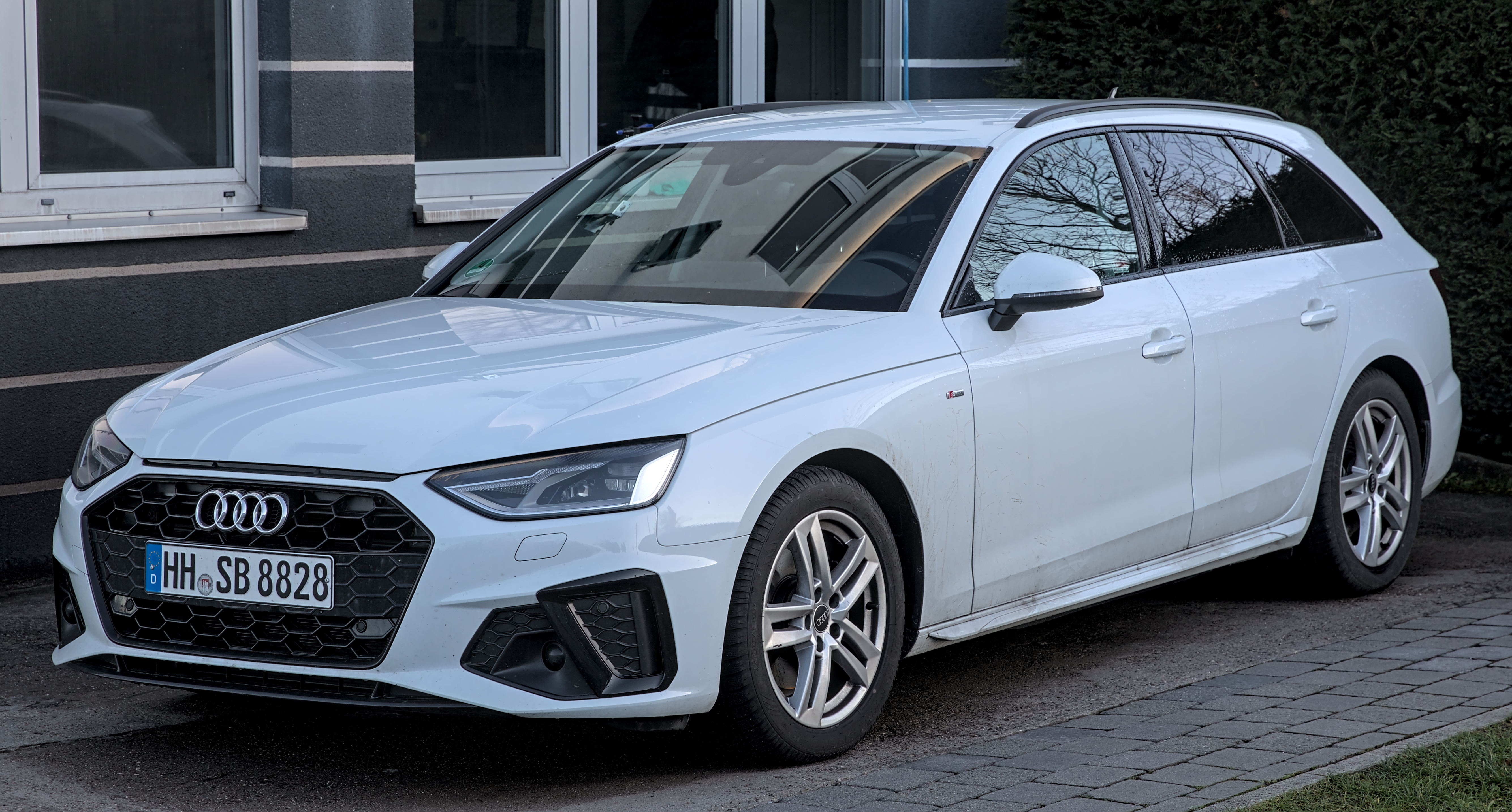
Audi A4
"And now, finally, coming with the A4, that is introducing a lot of technology and transmitting all of that DNA..."
The Audi A4 is a popular small luxury car from Germany that offers good handling and comfortable interiors.
The Audi A4 is a compact executive car produced by the German automaker Audi, known for its blend of performance and luxury.
VGT
"This title, so to say, was originally to tie onto a VGT."
VGT is a special kind of turbo that can change its shape to give the engine better power at different speeds.
VGT stands for Variable Geometry Turbocharger, a type of turbo that adjusts its turbine geometry to improve performance across a wide range of engine speeds.
electric car
"the electric car, the Cayenne"
An electric car runs on batteries instead of gasoline, so it doesn’t give off exhaust fumes and can be cheaper to run.
An electric car (EV) is a vehicle powered entirely or partially by electricity stored in batteries, producing zero tailpipe emissions and often featuring regenerative braking.
overlanding
"I mean, off road, because I'm an off roading guy, and I love over landing."
Overlanding means driving a vehicle over rough terrain for long trips, usually with camping gear so you can stay on the road for days.
Overlanding is a style of long‑distance off‑road travel that combines adventure, self‑sufficiency, and exploration. It often involves traveling in a vehicle equipped for camping and extended trips.
behind the wheel strategy
"You have to be in the car, right? That's what we like to call internally, the behind the wheel strategy."
It means you get to actually sit in the car and drive it, so you can feel how it handles instead of just talking about it.
The "behind the wheel strategy" refers to a hands‑on approach where customers experience driving a car directly, rather than just viewing it or reading about it.
Request an Explanation
Heard something you'd like explained? We'll add it to this episode.
Sign in to request explanations for terms you heard.
Want to learn more?
Browse our glossary for plain-English explanations of automotive terms, jargon, and concepts.
Help improve this episode
See something that's not quite right? Our annotations are AI-generated and can sometimes miss the mark. Click the flag icon on any annotation to suggest a correction.