
2027 Infinity QX 65
They’re talking about the next Infiniti QX65 coming out in 2027. The point is how Infiniti is trying to make the SUV not only drive well, but also feel easier and more enjoyable to use day to day.
vehicle marketability
Marketability is basically how “sellable” and appealing the car is to real people. It means the car needs to do what customers want, feel easy to use, and be presented in a way that makes people trust and want the tech.
autonomous drive interface
The autonomous drive interface is how the car talks to you when it’s doing driving help. It includes what you see on the screen and what warnings you get, so you know what the car is doing and what you still need to do.
user experience
User experience (UX) in a car is about how intuitive, comfortable, and satisfying the vehicle feels to use—especially through screens, controls, and driver-assistance systems. Here, it’s mentioned alongside performance and autonomous-drive interfaces, implying the team designs the tech so drivers can understand and operate it easily.
Kelly Blue Book
Kelly Blue Book is a well-known guide people use to estimate a car’s value. The hosts are saying that years ago it was more common to rely on that “book,” while today there are lots of websites giving pricing and info.
how customers shop for cars (pre-shopping, information overload, showroom focus)
They’re talking about the steps people go through before buying a car. It includes searching online, reading a lot of info, and then how dealerships try to get you to come in and decide.
focus messaging
It means companies try to say the most important things to the right people. Rather than throwing lots of details at you, they focus on the points that help you choose.
research online and then have very short time period where they're making a decision
People often look things up online first, then decide pretty fast after they’ve found what they want. That means the last part of the buying process has to be clear and persuasive.
third generation wireless charger
They’re calling it a “third generation” wireless charger, meaning it’s a newer improved version. They built it to charge faster and keep your phone from overheating or slipping while you drive.
15 watts
“15 watts” is how strong the charger is. More watts usually means faster charging, but it can make the phone warm—so they add cooling to help manage that.
fan
They put a small fan in the charger. Wireless charging can warm your phone up, and the fan helps keep it cool so charging works better and doesn’t overheat the device.
magnet
They also use a magnet to help hold your phone in the right spot. That way it stays lined up for charging and doesn’t slide around while you’re driving.
handling loop in our test track
A test track “handling loop” is a route engineers drive to simulate real driving stresses like cornering and braking. They use it to make sure the phone stays put on the charger when the car is moving.
real world problems
They’re saying wireless charging has to work in everyday driving, not just on a bench. They test things like whether the phone stays in place and how it behaves when the car is moving.
customer engineering group
A customer engineering group is a team that focuses on what customers actually want. They help turn those needs into real features in the car.
customer focused, customer centric
Being “customer focused” or “customer centric” means decisions are guided by user needs and experience rather than internal preferences. In car development, this often shows up in how features are designed, tested, and refined for real-world ownership.
volume knob
A volume knob is the dial you turn to make the music louder or quieter. Cars often use it so you can change volume without digging through menus.
knurling
Knurling is the rough, patterned grip on a knob. It helps your fingers hold on better so you can turn it smoothly.
real gold in the paint
This means the paint isn’t just dyed gold—it has actual gold flecks mixed into it. That’s why the car can look like it “glows” or sparkles when the light hits it.
gold flecks get layered into the paint
The gold flecks are added during the paint process, not sprayed on afterward. How they’re layered affects how the car looks—especially how sparkly or reflective it is in sunlight.
audio system
They’re talking about the car’s audio system, not just the speakers. Good sound depends on how the system is built into the cabin, not only on what hardware is installed.
aniline leather seat
Aniline leather is a nicer kind of leather that keeps more of the hide’s natural look. It usually looks richer and more “alive,” but it can be more sensitive to stains than tougher, more coated leathers.
pattern on the seats...meant to represent a kimono
They’re saying the seat pattern isn’t random—it’s designed to look like the way a kimono wraps. It’s a design idea that brings cultural inspiration into the car’s interior.
Authentic wood
They’re saying the trim is real wood, not a fake wood pattern. Real wood looks more natural and upscale, but you should clean it gently so it doesn’t get damaged.
Klipsch
Klipsch is a well-known audio brand, and the segment credits its audio system as part of the QX65’s luxury experience. The important context is that the audio is tuned for the vehicle’s cabin acoustics.
Farmington Hills, Michigan
They say the sound system was tuned in Farmington Hills, Michigan. That suggests they adjust the audio specifically for how the car’s interior sounds.
VC turbo engine
They’re describing the QX65’s turbocharged engine setup. The main idea is that it’s tuned to feel quick and responsive, so you don’t have to wait for power.
nine speed automatic transmission
This is the QX65’s automatic gearbox with nine different gears. More gears can help the car feel smoother and more responsive when you accelerate or slow down.
no compromise ride and handling
They’re describing a goal where the car feels comfortable but still drives confidently. It means the suspension and tires are set up so bumps don’t feel too harsh, but the car still sticks to the road.
21 inch tire
A “21 inch tire” indicates a larger wheel/tire package, which often changes ride feel and grip characteristics. The segment claims it maintains good grip without becoming jarring, implying careful suspension tuning to offset the larger tire’s impact.

Infiniti QX60
The Infiniti QX60 is a mid-size luxury SUV meant for everyday driving with extra comfort and space. The podcast calls it important because it sells the most for Infiniti. That means it’s a major part of the company’s business.
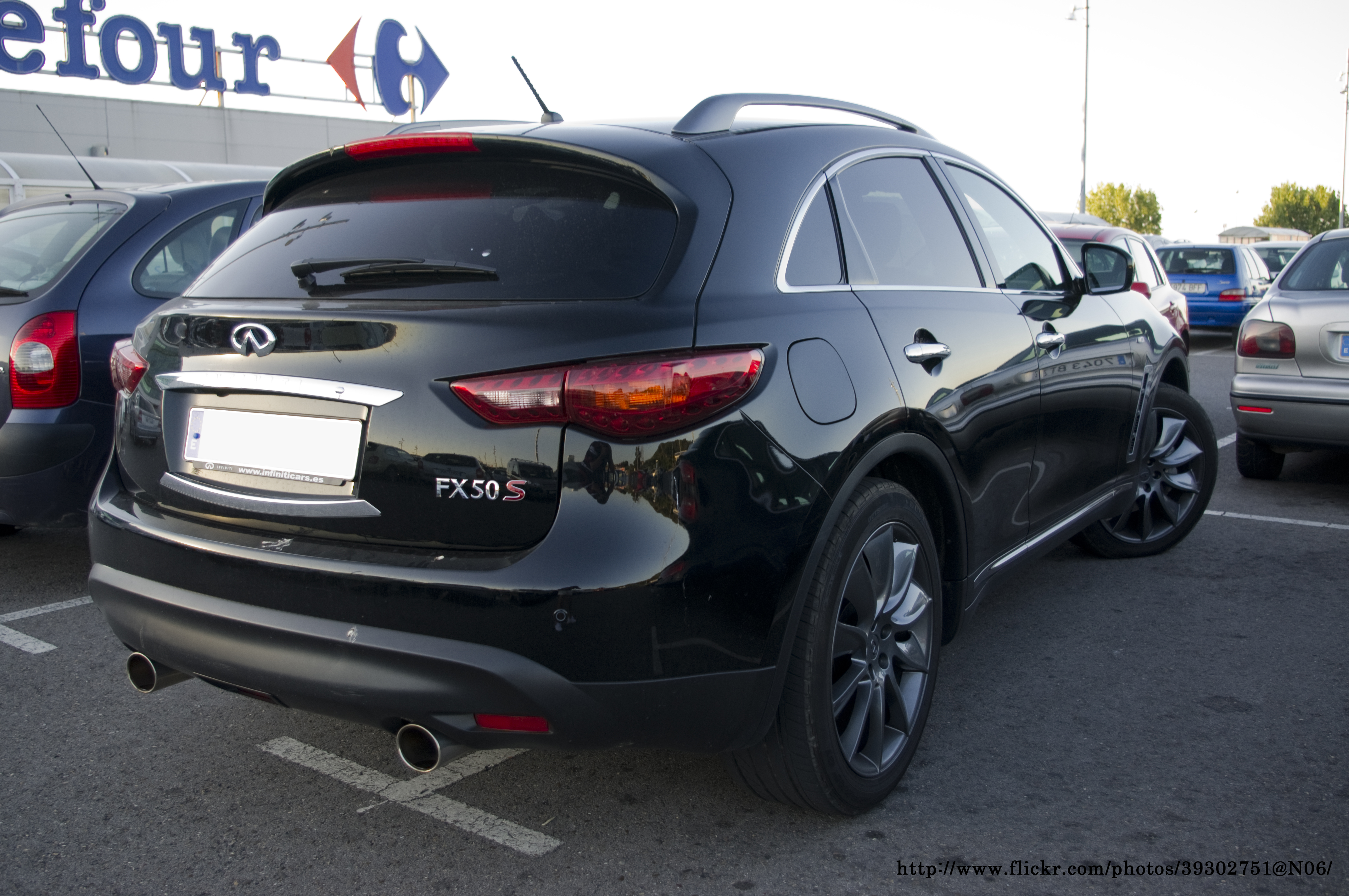
Infiniti FX series
They mention the Infiniti FX series as an earlier model line that the QX 65 is paying respect to. It’s a way of saying the new SUV keeps some of the same “good things” people liked before.

Infiniti QX 80
The Infiniti QX 80 is Infiniti’s bigger, more upscale SUV. They’re saying the QX 65 takes some styling ideas from the QX 80 so it feels like it belongs in the same family.
D platform, D segment SUV platform
A platform is the car’s main “skeleton” and engineering base. They’re saying the QX 65 uses a different base than the QX 80, but still borrows some design features.
on frame vehicle
“On-frame” means the car has a strong separate frame underneath, like a truck. They’re pointing out that the QX 80 is built that way, while the QX 65 is built differently.
front grille resembles a bit of the QX 80
They’re talking about how the QX 65’s front grille is designed to look similar to the QX 80’s. It’s a styling trick to make the cars look like they’re from the same family.
bamboo
They mention “bamboo” as part of the car’s design. That usually means there’s a bamboo-like material or accent used in the interior to give it a more upscale look.
digital piano keys headlights
These are headlights designed to look like thin, evenly spaced “keys,” similar to a piano. They help the car look sharper and more sporty, and they also make the car’s front lighting easier to recognize.
infotainment system
The infotainment system is the car’s main screen and controls for things like music, maps, and settings. They’re about to explain what’s improved or added in this new QX65.
ProPilot assist 2.1
ProPilot Assist 2.1 is Infiniti’s semi-automated driving help. It’s meant to reduce driver workload by assisting with things like staying in the lane and maintaining speed.
Google built in
“Google built in” means the car’s screen and voice features can use Google services. It’s meant to make it easier to find things like music, directions, and information without using your phone as much.
put content in the car that customers are using
This is a concept about infotainment strategy: instead of adding features for their own sake, the manufacturer tries to deliver content and services that match real customer usage. It’s essentially about tailoring the in-car experience to what people actually want day-to-day.
affordable price
They’re saying the goal is to offer these newer tech features without charging a huge premium. It’s about making the upgrades easier to afford.
personalized sound profile
It’s a feature that “tunes” the car’s speakers to you. The car plays a quick test sound, you tap what you can hear, and then it adjusts the music so it sounds better for your ears.
Google app
They say there’s a Google app already in the car. That app helps run the features they’re talking about, like the personalized audio setup.
hearing test
The car plays different tones and you tell it which ones you can hear. That information helps the audio system adjust the sound for you.
10 band equalizer
A 10-band equalizer splits audio into multiple frequency ranges (“bands”) and lets the system boost or cut each range. Here, the system uses your hearing-test results to automatically adjust those bands so the overall balance matches what you can hear best.
moving parts
“Moving parts” just means there are a lot of different pieces involved. In cars, that usually means lots of systems have to work together.