The Ferrari F40 is a legendary Ferrari supercar from the 1980s. People love it because it feels exciting and “old-school,” not like modern cars that are more comfortable and computerized.
They’re basically saying that even if the F40 is awesome, owning just that one car might not work for everyday needs. It’s about whether one car can handle family, errands, and normal driving.
They’re saying the car should be able to pull a trailer. That means it needs the right setup and enough power to handle extra weight safely.
Concept
lowered pickup truck
A lowered pickup truck sits lower than stock. People lower them to look better and sometimes feel more “connected,” but it can make everyday driving less comfortable.
“Pre runners” are off-road trucks built for desert-style driving, typically with long-travel suspension and protection for rough terrain. They’re often associated with off-road racing and are optimized for speed over uneven ground rather than rock crawling.
The Audi RS2 is a fast Audi wagon from an older generation. The speaker is saying it’s fun, but it might be too old to live with day-to-day in a modern household.
This is an Audi RS4 wagon from the B5 generation. The speaker prefers it because it’s sporty but still practical enough to carry stuff like a normal wagon.
Cosworth is a company that has a big reputation in racing and performance engineering. The speaker is saying the engine’s design has some cool, performance-minded development behind it.
The Audi RS6 is a very fast, performance-focused version of the Audi A6. Here, the speaker says they’d rather build an older Audi instead of buying an RS6 new, because they like the older car’s feel more.
The “B5 chassis” is an older Audi platform the speaker likes better than newer cars. They’re saying it feels lighter and more fun to drive, especially through the steering.
This is a kind of car modification where people take an older car and strip it down to make it faster for drag racing. The idea is to remove weight and make it more focused on straight-line speed.
Concept
previous air car
The host is talking about a specific kind of modified/styled car concept from the past. They’re saying they’ve always liked that look, and they recently found a 1950s-style Ford that caught their attention.
“Shoebox” is a nickname for the boxy, straight-edged look of many 1950s cars. It’s basically describing the shape and style, not a specific trim level.
Auburn was a car brand from the early 1900s that made more upscale, special cars. Today, Auburn cars from that time are often treated like collector pieces.
Brand
Packers
This sounds like it means Packard, a luxury car brand from long ago. Packard cars are now seen as classic collector cars.
Concept
hot rotting
The host is talking about hot-rodding culture—people taking older cars and modifying them to make them faster and more exciting. It’s basically the roots of the car-modification hobby.
Muscle cars are older American performance cars that were built to be quick, usually with large engines. People still talk about them a lot because they’re a big part of car history and modification culture.
“Souping up” means making a car faster or stronger by adding performance upgrades. It’s the general idea of turning a regular car into a more exciting one.
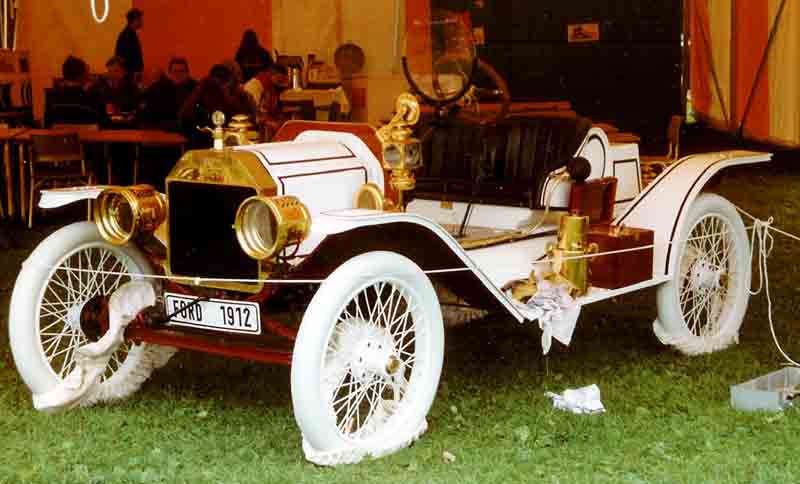
The Ford Model T is one of the first cars that many people could afford. It’s old-school and often used as a starting point for custom builds, like hot rods.
A hot rod is a car that someone has customized, usually an older one, to make it look cooler and drive better. It often involves changing parts to improve performance.
Concept
street rotters
Street rodders are people who build hot rods to drive on regular roads. It’s more about the whole custom vibe and everyday usability than racing-only setups.
Topic
Race to gentlemen
“Race to gentlemen” is mentioned as an example of a hot-rod revival. In this context, it functions as a reference point for how certain events or scenes bring back interest in traditional builds.
Bring a Trailer is a website where car enthusiasts buy and sell cars through auctions. The host is using it to show how what people want to buy has changed over time.
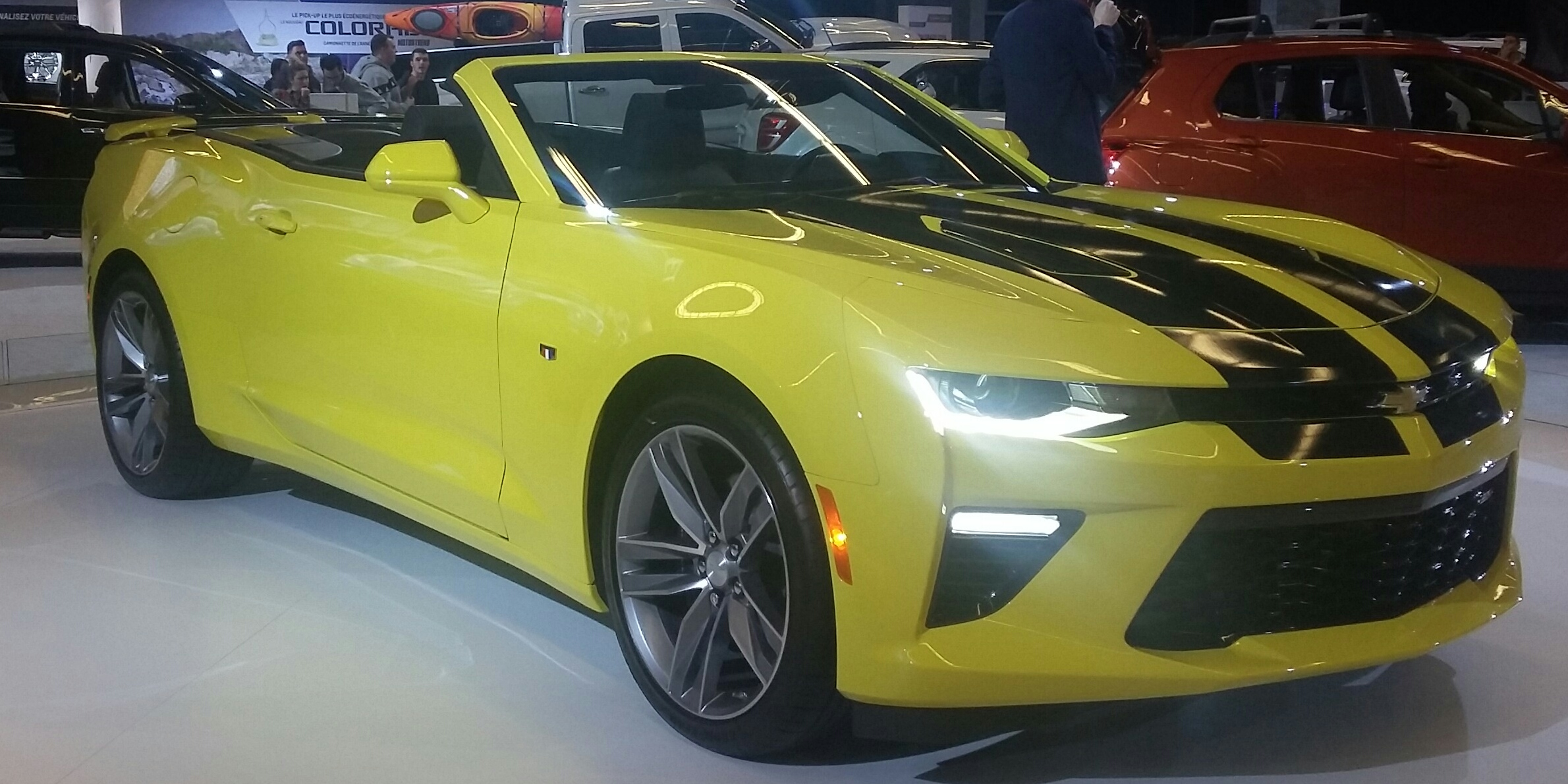
They mean the 1969 Chevrolet Camaro, a classic muscle car. It’s still valuable to collectors, but the host says it’s not selling for the same wildly high prices it did during the auction boom years.
They’re talking about the Porsche 911—one of the most popular collectible sports cars. When the “911 market” is strong, it usually means people are paying more for these cars at auctions.
The Nissan GT-R is a high-performance sports car made by Nissan. The podcast is talking about how much GT-Rs cost and why they’re in demand, especially in markets that focus on Japanese cars. That’s why the GT-R comes up in a discussion about pricing.
ICE cars are regular gas or diesel cars with an engine. The host is saying that if those cars eventually disappear, the kinds of cars people want to buy and modify could change too.
EV means electric vehicle—cars that run on electricity instead of gasoline. The host is suggesting EVs could create new trends in what people want to buy.
They mean the Volkswagen Rabbit, a small Volkswagen that became popular in the U.S. The point is that car enthusiasts sometimes get excited about smaller, non-traditional cars.
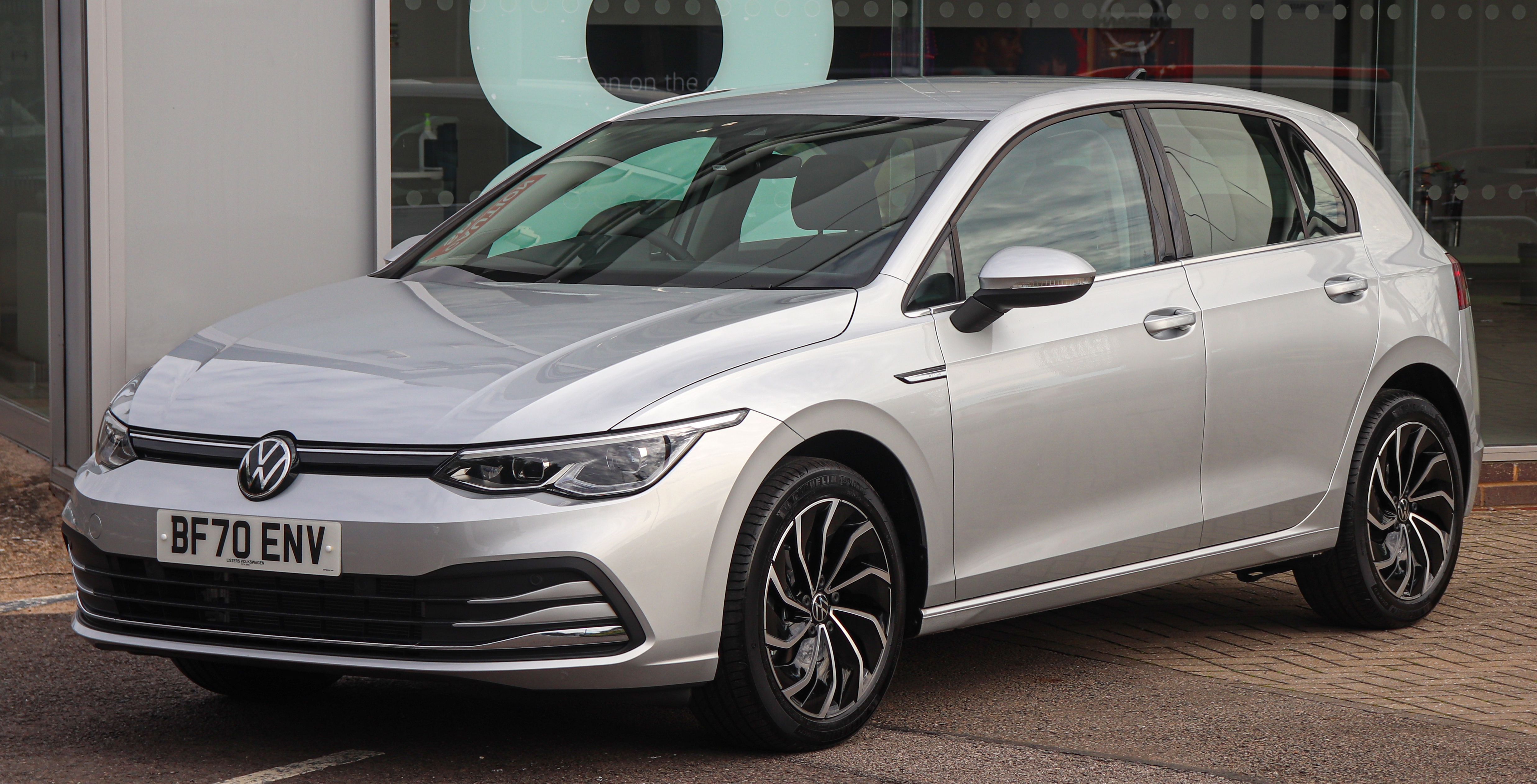
That’s a Volkswagen Golf from the Mark III generation. It was the speaker’s first car, and he later made a bunch of changes to it.
Term
dual rounds
“Dual rounds” here likely refers to running two round exhaust outlets (or dual round exhaust tips) as part of a classic “Volkswagen boy” styling/modification look. It’s a visual and sometimes sound-related change rather than a performance system by itself.
“Slammed it” means the car was lowered a lot so it sits closer to the ground. That usually looks cool, but it can make bumps and parking curbs more annoying.
“Two liter” is the engine size, measured by how much space the cylinders have. Bigger displacement often helps an engine make more power, but it’s not the only factor.
“Black Magic Metallic” is the name of a specific metallic black paint color. If you ever need touch-ups, using the right color name helps match the finish.
The BMW 3 Series is a popular BMW model line that’s known for being a compact car with a sporty feel. Some versions, like the E36 M3, have distinctive styling parts that people like and copy. The podcast is pointing out specific looks from that era.
The E36 M3 is a BMW M3 from the E36 generation. The speaker is saying they liked how it looked—especially the front bumper and mirrors—and used those parts on another car.
Term
grafted
“Grafted” here means they took parts from one car and attached them to another. That typically requires cutting and fitting so everything matches up.
Term
D stock mirrors
“D stock mirrors” appears to refer to a specific mirror style or trim level, likely tied to a particular donor car or parts catalog. The exact meaning isn’t clear from the excerpt, but it’s being used as a detail about the speaker’s custom exterior choices.
Electric vehicles are cars that run on electricity from a battery instead of gasoline. The speaker says people aren’t buying them as fast as many companies expected.
An early adopter is a person who tries something new before it becomes popular. The speaker is saying they were one of the first people to try electric cars, but it didn’t go well for them.
The Audi RS 3 is a high-performance version of a smaller Audi car. It’s designed to be quick and sporty without being a large vehicle. The podcast is talking about Audi’s RS lineup and how the RS3 fits into it.
“Diesel era” means a time when race teams leaned heavily on diesel engines. Diesel engines can go farther on less fuel, which matters a lot in endurance racing.
Unintended acceleration is when a car speeds up on its own, even though you’re not pressing the gas. The hosts are saying this issue made Audi’s U.S. sales and reputation suffer at the time.
Brand
Vorsprung
“Vorsprung” is tied to Audi’s marketing message about technology and progress. Here it’s being used to point out that Audi used to lean hard into an engineering-and-racing image.
Audi of America is Audi’s U.S. team. The hosts are saying the U.S. side may make different choices than the German side, which can change how the brand is perceived.
The RS4 is Audi’s performance model. Calling out the 2008 RS4 convertible is the host’s way of saying Audi used to make more exciting cars for drivers who care.
The Audi R8 is a supercar, but the host is saying it was designed to be practical enough to drive often. It’s an example of Audi making something exciting.
Cross shopping means you’re looking at several choices instead of sticking with one. In this case, it’s people comparing different cars before buying.
Concept
fun driver's car
A “fun to drive” car is one that feels exciting and enjoyable behind the wheel, not just practical. The speaker is saying some buyers aren’t getting that feeling anymore.
Topic
Jim Carner films
They’re talking about a set of skate/film videos called the “Jim Carner” films. The question is basically: what non-car movies and scenes inspired the creators?
They’re talking about skateboarding culture. The idea is that in skateboarding, getting a great “video part” is important, and that same structure inspired the video’s style.
Gymkhana is a type of driving challenge that’s often filmed in cities or special locations. The goal is to show off how well the driver can control the car with cool maneuvers, not just race around a track.
Concept
backwards entry into a corner
This is a stunt where the driver lines up for a turn while the car is going the “wrong way” (backwards relative to the corner). It’s hard because you still have to steer and control traction so the car doesn’t spin out.
Concept
dooring competition
“Dooring” in motorsport/video contexts usually refers to a close-quarters driving challenge where two cars run side-by-side with very little clearance. The term implies the cars are positioned so tightly that contact with a “door” area is a risk, emphasizing precision and control.
The Chevrolet Monte Carlo is a car model from Chevrolet with a classic, sporty style. In the podcast, “Monte Carlo” is also a place name, and the speaker is referencing being there while making a video. So the mention is likely about the location, not a detailed car review.
They mention “Monaco” as a place they planned to film, and then actually did. It’s a famous city that’s often used for dramatic-looking street scenes.
Topic
Ronin
They’re talking about an earlier project called “Ronin” and specific moments from it. They considered redoing those scenes, but that plan never came together.
“Gymkhana 7” is the name of one of Ken Block’s stunt-car video episodes. They’re saying the gritty Los Angeles vibe helped shape how that episode looked.
“Gymkhana 5” is another Ken Block stunt-car video episode. They’re using it as an example of what influenced the feel of the earlier series.
LIVE
Hey, what's up everybody?
This is Very Vehicular and as always, I am your host, Brian Scotto.
Today, we got a slightly different episode.
You know what you're getting?
You're getting a lot of meat.
That's right.
You guys ask questions and we are answering them today.
So strap in and enjoy.
This episode is dedicated to all of you who say the host talks too much because guess
what?
You're getting just me today.
Here's how we're going to do this one.
We picked 10 great questions.
We put them in an order that we think tells a good story.
Nick's going to read off the questions and I'm going to kind of go through them in a
somewhat rapid fire response.
I say somewhat because we all know there's no real brevity in the way I talk, but we're
going to try to get through 10 good questions that we think actually do a really nice job
of carving up a pretty good episode.
So without further ado, let's get into it.
So Nick, hit us with the first question.
OK, so our first question today is from Abraham Ali D8K and he asks, if you can consolidate
your entire collection for one dream car, what would that one car be?
OK, I want to start off by saying the idea of consolidating all 25 to 27, I remember
of my cars to only be one.
That is my nightmare car.
Like I like having lots of cars that I don't have a single dream car that serves them all.
I know it'd be some of us on sale, sell them all and buy an F40.
One, I don't think I could sell all my cars on a Ford F40.
That's the first.
The second, the practicality of only owning an F40 just doesn't make sense for my lifestyle.
But I did put a little bit of thought into this.
So this is a world of, you know, of dreaming, we should say, or, you know, if possible,
how could I manage this?
So the first thing I thought about was that this is my only car, like this is the only
vehicle I have.
So it has to check a lot of boxes and those boxes for me are like one, it has to service
my family, right?
So like it needs to have four doors.
It needs to service being fun.
So that means it has to sound good and it also needs to be fun to drive and and like
still have a rawness to it.
So that pretty much cuts out anything that's probably too new.
It needs to be able to do work on some level, meaning I have to be able to go to Home Depot
and pick up a sheet of plywood or supplies or do something like that or possibly, you
know, maybe even tow a trailer, trying to fit all of, but it has to really enjoy driving.
So that kind of cuts out like the pickup trucks because for a while I thought maybe just like
a really well sorted, like lowered pickup truck would service me well.
I was like, I just don't think I would enjoy driving that every day.
I've done the having a pickup truck as a daily.
And while it is really functional, the minute you get back into a car, you're like, oh,
right, this is why I enjoy cars and no knock to pickup truck drivers.
Like I've had a ton of fun off road in different types of pre runners, Raptors,
TRX's, whatever, a lot of fun, but for just, I gravitate more to windy roads.
That's what I really enjoy.
Like if I only got to do one fun thing in cars for the rest of my life, it would be driving
windy roads.
So here's what I've kind of put together.
I think to no one's shock, it's an Audi.
I was thinking about the different Audi's and actually I was thinking maybe my RS2 could
serve this, but I realized that the RS2 is just a tad too old for sort of everyday life
with other people.
I don't mind it all the time, but I think having a car that feels slightly newer and
there was a huge jump between the B4 chassis and the B5 chassis.
So I think to start the chassis itself would be a B5 RS4 Avant because you got to have
a wagon.
Like if you're only going to have one car and it needs to be sporty, but you also need
to be able to fit stuff in it, the Avant's the way to go.
You could put a roof rack on it and you could store stuff up top.
I know I would definitely get mean by being the guy putting plywood on the roof of my
car at Home Depot.
Shout out to Lumberjetta meme from those who remember way back in the day.
But then from there, I was thinking like, look, I'm not going to knock the V6 in it.
Cosworth developed really, really cool.
It just doesn't float it for me.
So it would either be an i5 turbo swap.
So think like an AN or ADU motor or something like that, or a VR6 turbo swap.
One of those two.
And when I, because it's a dream car, it's the perfect swap.
Like it runs perfect.
It starts every time because if we can have a dream car, the second part of it would
be developing some sort of suspension that actually could raise up.
So in the winter months, I could have a lot more travel to be able to set up with snow tires.
Not that I live in a winter climate, but I want to be able to go there, right?
Because again, this is my one vehicle.
I'd also want to be able to drive it off road.
So I think like a little bit of rally armor underneath, again, that adjustable suspension.
I'm sure KW could figure out an HLS system for me that would sort of operate full time.
It would be kind of the model for that.
And back to the engine.
I think the sweet spot is about 550 horsepower, somewhere between 500 and 600 horsepower.
Like that's like it's still rowdy, but it's not absolutely ridiculous.
And you can probably still have a tune that gets somewhat decent gas mileage for kind of getting around.
Yeah. And then interior has got to be, you know, really fresh Alcantara.
Oh, I think I said Imola, but it needs to be Imola yellow, because if you're going to have only one car, it should be pretty shocking.
Oh, and last but not least, the vehicle absolutely needs to have a tow hitch.
I do actually have a tow hitch on my RS2.
But yeah, nice little, you know, one of those hideaway European style tow hitches that sort of look like a dildo.
That those ones, one of those so that I can tow, you know, just a small trailer or do whatever.
Because again, this is my one car and it's got to do the job of all.
I do realize that for a lot of people sitting here listening to this or probably like, why not just pick a brand new RS6?
And I'll tell you why.
I just enjoy the lighter weight drivability of the B5 chassis, then how sort of large and crazy the RS6 is.
The RS6 is absolutely fantastic.
It's really cool, but I'd rather build up the B5.
I just enjoy how the steering feels and all of that a little bit more than the newer cars.
I also like that those cars just feel a little bit more analog.
But yeah, the RS6 is if you had, if it had to be, I had to go buy it from the dealership and that was the only car.
I guess it's the RS6, but yeah, but for me, I'd rather build a Frankenstein RS4 that is part rally car, part everything else and can tow stuff.
All right, next question, Nick.
Our next question is from J.M.
Boucher One, who has asked, go through different eras of cars, i.e.
Hot Rod, 50s, muscle cars, et cetera, and where you think their popularity will be in the future?
You know, I actually think about this a lot because I like a really, really wide range of cars, right?
I mean, we joke about me loving rail car.
Rail car is a 1950s style of modifying pre-war cars to just be fast, which is basically just removing the body from them and making them into rail car dragsters.
I really love a previous air car.
And just over the weekend, as I was scrolling marketplace as I do, I found an old 50s Ford and like a shoebox Ford.
And it just looked really cool.
And I got to say that era has always escaped me.
Like the late 40s into early 50s is sort of a window that like, I don't know, I respect them.
But it's never been something that I've outwardly looked to go say, oh, I want one of those.
And I looked at this thing and it was just speaking to me.
And I'm like, man, I don't know, do I kind of want one of those my life?
And then I started thinking, who does want one of those anymore?
So when I saw this question, I was like, you know what, this is already sort of top of mind to me.
I, you know, I bought my first car in the 90s, right?
So like, and it was a current car at the time.
And I liked cars that were made pretty much back into the 80s.
It didn't stretch further when I first got into cars.
I sort of liked cars that were really only a decade or two old.
As I got more into cars, I started to appreciate, you know, different stuff.
I appreciate older and older things.
But I grew up with a grandfather who really molded me into the person
I am today of like someone who loves cars and loves a really wide range of stuff.
I'll tell his story another time.
But, you know, he was a rags to riches story.
He kind of grew up with very little raised his family with very little.
And then his wife actually started a business that made a lot of money.
And unfortunately, he died when I was eight.
But up until that point, he spent a lot of that money on cars.
And he had a really crazy wide range of stuff.
But a lot of it was cars from like the thirties and forties.
Like they were, he had a lot of interest on those things.
I mean, he was around in that era.
So he looked at things like Auburn's and Duesenberg's and Packers, right?
And I think about it now.
It's like, to me, those feel like museum cars.
And I think that that's where we may find a lot of cars
that to us felt at one point to be enthusiast cars start to fall out
because who here cares about a Duesenberg?
I'm sure there's a couple of people.
But the reality is it's a much and much smaller group
because as that audience dies off, right?
So like that's what the greatest generation like those are people
who fought in World War Two, like my grandfather did.
Like they're most of them, unfortunately, are gone.
So it's like their love for those cars are now gone.
And that means that those cars either end up as art,
meaning people own them because they're worth something
or they end up in certain collector hands like a Jay Leno
or they end up in museum collections.
And that really changes where the future is.
So, you know, this is something we've already seen happen.
I think what we're going to see happen next is like how that may affect
hot rotting and muscle cars.
And I do think that hot rotting and muscle cars
may be served up a little bit differently.
And the reason I think that is because like hot rotting started at all.
Right. I mean, the reason you're listening to this podcast
is because of hot rotting, because hot rotting is what really started everything.
Like if you like JDM tuners or you like, you know,
Euro cars or anything, if you like pre-runners like modifying cars
to make them go faster and literally the term souped up came from that era.
Souping up cars is something out of hot rotter culture, which began in the 50s.
So it's weird because I think that that actually feels like more of an anchor
to modern day car culture to me than like the early cars,
which is the anchor of like original the original automobile, right?
And caring about like, oh, this is steam powered or whatever.
Like I said, we got the Jay Leno's who care about that.
I don't really care as much.
It's not what floats my boat.
I like the world of performance cars and when that started,
like if I reach back as far as I can and I start thinking about cars,
I'd really want to own probably like the earliest cars is a model T or a model A
in a hot rod for me like format.
Like I don't care to own a stock model.
I like that doesn't excite me.
So for me, it's the world of modification that moves forward.
And I think that's true for a lot of enthusiasts.
You know, hot rods are a weird one
because I think they come in and out of fashion.
Obviously, you know, they were super, super cool in the 50s and 60s.
There was sort of a revival of that in the 80s and 90s with like street rotters.
And then we saw it just 10 years ago with traditional hot rods,
like traditional hot rods got super cool again.
Race to gentlemen is a good example of that.
But we we started to see people go back and building 50s era cars.
So but right now that feels like it's at a lull again, not super lull,
but it doesn't seem as big as it did, you know, 10 years back.
So I think we may see a return to that muscle cars feels feel really soft to me.
And again, I think it's it's the standard math, which is
look at the cars that a generation that has just come upon disposable income.
Look at the cars that they loved during high school.
And those are going to be the cars that all of a sudden is what's exciting,
what's moving across the auction.
You know, think about what you see on bring a trailer compared
to what we saw on Barrett Jackson, you know, 10 and 15, 20 years ago, right?
The 69 Camaro, which was like peak Barrett Jackson era,
like they still command some money, but they're not going at those kind of crazy prices,
where now we're seeing, you know, you see the 9-11 market,
but BMW market, Mercedes market.
Obviously, the JDM market, you look at what GTRs go for and all of that.
You know, that's because right now the audience that is in their 30s to 50s,
that has a good job, maybe has some disposable income and wants to go buy the car
they wanted in high school, like they're doing that right now.
So I think that as we continue to move forward, where does that go?
This is actually a thing that came up with Nads and I, because is there going
to be an audience of kids who are lusting after, you know, first generation Teslas?
I don't know. I don't know.
Maybe maybe we do end up going backwards because we see the end of ice cars
and because we see the end of that modifications and all that changes,
or maybe there's a whole new world that goes forward with the EV.
I'm telling you, when muscle car guys and hot rodders were looking at Volkswagen,
you know, rabbits and old Hondas being, you know, being brought to the US,
I don't think they thought that there was going to be an entire generation
of enthusiasts around that.
So to answer your question, I think that certain pieces of that culture will
stay through, mostly early, early hot rodding and some of the really important,
I think kind of muscle cars, I think Chevalpe and Camaro, you know,
think that kind of era because they're like the, the archetype for what we do
with everything else. But I don't know.
I think unfortunately a lot of it's going to get forgotten.
And like, we don't know, we don't care too much about, you know,
cars of yesteryear, like a LaSalle, although I do own a LaSalle engine.
Anyway, next question, Nick.
All right, question three from NoBoostTM.
If you could rebuild your first car again, how would you do it differently?
Well, first off, my first car.
My first car was a 1995 Volkswagen Golf Mark III and I bought it in 1997.
So it was pretty new.
Good news is, is those things just depreciated pretty quickly back then.
I think I bought it for like 10 grand.
And I did all the classic Volkswagen, you know, Volkswagen boy stuff to it.
I did dual rounds.
I slammed it. I bought it as a two liter.
It was a four door.
I converted it to be a VR6.
I then painted it, although I painted it the same color, it was black
and I painted it black magic metallic, which is basically just a metallic version.
But I then kind of went down a slippery slope.
This was sort of during the height of of really like building show cars in like
early 2000s, you know, H2O, water fast, hot, important nights were all sort of booming.
And I think there was this big strive to do something different.
And I worked at a body shop.
So I built, you know, I did like shave trunk, which was pretty standard.
But I built a M3 front bumper weirdly as a guy who doesn't really like BMWs.
I did really like some of the aesthetic pieces of the E36 M3, which was the front bumper,
the mirrors.
So I grafted those onto the car, did like D stock mirrors.
Anyway, a lot of that's what I wouldn't do again.
But I'm actually in the process of doing this.
Like I am out of the age right now where I'm rebuilding my first car.
Like that I'm embracing that that when you get to an age where like I want
to nostalgia build a car, I have a 911 and a Ferrari parked behind me.
And I seem to be more excited about building a grocery
gather from the 90s because it connects me back to being a teenager.
But OK, so here's what I'm building right now.
And I'm building the car I would have bought if I had access
to European market cars in the 90s and I had the funds to buy it,
which is a 1995 Volkswagen Golf Synchro 2.9 VR6.
That is an all wheel drive car with a slightly bigger displacement.
We got the 2.8 here in the US.
And there's some things that I'm carrying over from the first car.
First off, this one also is a four door.
It is also black and eventually I will make the dumbest decision
to spend a ton of money to do black magic metallic because I, you know,
might as well repeat your mistakes in life.
But what I won't do is any crazy body kits or any of that.
I'm just going to keep the Euro bumpers on it.
I kind of like how all of that looks.
I've got a couple of small parts on it that really kind of nod back to that,
which is the dual round headlights.
I have went and found the exact same ones I had, which were the Carrillo style.
It's probably a little nerdy for anyone who doesn't know that stuff.
But, you know, that stuff I like, single wiper mod.
But otherwise, like, you know, obviously slam it, put it on Opt A9s.
Actually, yeah, put on Opt A9s, which I think is probably one of the best
fitting wheels for for a Mark III.
My friend, Jason Whipple, has a almost perfect two door Mark III VR,
and it looks perfect on the ops.
Kamai Grill, you know, a couple of things like that.
And those are all just nods to the first car I ever built.
But I'm doing it.
I'm actually at that age where I am rebuilding my original car.
Feel bad for me. Nick, next question.
All right, this is question four from RR3 Euro.
There are talks about Audi Germany changing tactics on how to attract more
buyers and going back to appeal to Audi enthusiasts again.
How would you do this if you were the head of marketing?
Oh, boy. First off, I'm not going to give them too much, because who knows?
A few people from Audi might listen to this podcast and, like,
I'd rather just be head of marketing than not get paid to be head of marketing for Audi.
But, um, OK, a couple of things here.
One, I just want to put out that I actually have insider knowledge of the future
of Audi, some of which lives behind a non-disclosure agreement.
So I know a lot of the cars that they're making all the way through 2030
because I got to work directly with Audi, with Ken Block, when we did ElectroKana.
So I got to go through the design facility.
I know what's coming up, which is one of the hardest secrets I've ever kept
because I would love to share with you guys all of the really cool stuff
that's coming up, you know, like
like that's really cool, and I wish I could tell you more about it, but I can't.
But what I can say is that I think very much like a lot of the other automakers,
Volkswagen included, but also US automakers, a lot of the other Europeans,
some of the Japanese automakers very much invested in the idea that electric was the future.
I'm not saying it's not.
I'm not looking for Johnny Lieberman to fight me on this one.
But I do think that the growth at which we thought it was going to happen
and how fast we thought that was going to happen is not happening.
There has definitely been a slowdown to people's want for EVs.
Myself included, I was an early adopter for electric vehicles and it just didn't work for me.
I tried to make it work.
I wanted to make it work.
And I actually at one point got so annoyed at owning an electric vehicle
that I almost left it at the charging station and called an Uber
and just was going to just leave it there.
I was so done with it.
So I think that everyone moved into this idea that EV was the future.
And you heard Audi saying, you know, we're no longer going to race ice
or no we're going to stay just in the EV space.
That's why we had to make electrocana.
But at the same time, that company released the RS6.
And they have the RS3 on the market.
And I think that they should look and study what the RS6 did for that brand
because I think it woke it up a little bit.
I would say that the best era of Audi in the United States,
I feel different in Europe, but in the United States,
is sort of that 2000 to 2010 era, right?
You've got, you know, one, we're coming out of the B5, which was a great car, the B5 S4.
It had its issues, but a great car.
We've got the introduction of the TT.
We've got the R8.
Later on, the RS4 comes here.
We have an RS6 that's available here in the US, the sedan.
There's just a bunch of great offerings, you know, kind of all through.
They bring in the A3, which is kind of like a fun, smaller car.
There's just a great collection of stuff that we can get here.
Not to mention S6, you know, S8, all these other things.
But they're also like doing really well in motorsports.
And I know Audi is headed into Formula One.
I think that's slightly different audience, but, you know,
Audi was just crushing Le Mans, right?
I mean, the diesel era and all that and the R10s and Le Mans.
There is just this massive push at that point.
And I think that that was a time in the US market
where all of a sudden Audi was seen as a stable mate to BMW and Mercedes.
We're in the 90s. That was not true, right?
I mean, there was a group of people in the US who really appreciated Audi's,
but they were a small seller because of unintended acceleration,
which is a whole other thing.
You can look it up.
They almost had to leave the country in the 90s.
So, you know, this was really Audi emerging as a brand, setting themselves up.
And I think they did it by making one really good cars
that were entertaining, enjoyable to drive.
They still leaned very heavily into, I think, their German engineering and motorsports side,
like, you know, Vorschsprung, like all those things were that.
They've moved away from that.
And I don't know how much of that is an Audi Germany thing
versus an Audi of America issue.
AOA seems to operate very different in the US than Audi Germany does.
So, Audi AG being Audi Germany, you know,
Audi Germany still seems very much interested in their history in motorsports.
Audi tradition is a good example of that and still care about all of that,
where the US seems to be less interested in that
and they see themselves more as a luxury brand.
I think that this is a massive problem because Audi US is so big,
even if you live in Europe, you need to worry about what AOA does
because the cars that AOA sells to a consumer or the consumer they create for that car
really adjusts how Germany is doing things because of how big the market is here in the US.
And I think that Audi has really moved more into the luxury car market
and is less of a fun performance car,
which I think is what sort of built their name in the mid-2000s
because they had fun performance car offerings.
I mean, they built an RS4 convertible in 2008.
I mean, there was some really good stuff there that was really fun.
And I go back to it and I don't talk about it much,
but like the R8, for example, was a fantastic,
they entered into the supercar market into a vehicle that could be daily driven.
And I think they've lost some of that excitement.
Like that, I think right now it's like look at models.
The RS6 I think is the first car that actually brought excitement to Audi,
where people who weren't Audi files were talking about Audi in over 15 years.
So that I think is part of the problem.
How to fix it?
Yeah, I mean, it's an interesting, look, build more exciting cars.
The RS3 is fantastic.
The RS6 is super great.
But build and support those cars, support the enthusiast market more.
Don't forget that there's an audience of people who grew up on your cars
and now are cross shopping other stuff because they're no longer getting a fun driver's car.
I think that's one of the things that always made Audi fun.
And for me, I think Audi just needs to embrace an entirely different marketing strategy,
especially here in the US.
Like I can't even think of an Audi ad or promotion outside of something I've been involved in
in the past five years.
I can't even remember one.
That's probably a problem, Audi.
Anyway, you know how to contact me,
head of marketing, Audi Germany.
I'll come on over.
Anyway, Nick, pack your bags.
Oh, no, next question.
Tufter Motorsport asks,
inspiration of the Jim Carner films outside of the automotive world,
which films, subcultures and vibes inspired them in different ways?
That's a really good question.
The first one was probably inspired by something inside of automotive mostly,
but its format and its structure was 100% inspired by skateboarding, right?
Like the concept of the Jim Carner video to begin with was inspired by what we called the video part,
right?
And for those who didn't grow up in skateboarding, culturally,
it was really important for a skater to have a sick video part.
Like that is most of where, especially before things like X Games,
and obviously way before social media,
where you got to sort of pick your favorite skater.
It was like, oh, this crazy part that he did, right?
I mean, as a kid, I loved Danny Way.
He had this really fun part when he was like nine or 10 years old.
I don't even remember what video it was in.
He later on obviously did the Mega Ramp,
which was probably one of the craziest parts of all time.
And that was this idea that really kind of grew from skateboarding,
which was like build this thing.
It's maybe three to five minutes long.
It's, you know, it's your style.
It's got your music.
It's, and it's you doing something that probably no one else has done before,
if it's going to be good.
So that in itself, that format, that structure,
is what the whole Gymkhana series was built off of.
But the first actual one was basically a highlight clip
of different amazing rally moments
that Ken wanted to see happen in tarmac,
in urban environments, or non-rally environments, right?
And there's this one crazy slide that Gigi Gali did.
And I remember like watching it over and over and over,
where he basically does a backwards entry into a corner.
You know, it's like, he's doing this dooring competition.
You know, and it was like, man, take that
and be able to just really enjoy that moment.
And that is what inspired the Subaru
in the first video, Sliding Around the Cone, right?
So, you know, a lot of that was taken from automotive,
but it was taking it from a competition world
and applying it to something that felt more like fun entertainment
that we were grabbing from the skateboarding world.
For me personally, and I've said this a thousand times before,
but the movie Ronin was a massive driver for me.
If you go back and watch it now,
I don't know if it holds up to, actually it doesn't.
It doesn't hold up to modern day sort of stunt work that you've seen.
But what I loved about it was it felt very real
and it felt very practical because it was.
And that I think is what stayed true to me
is that, you know, they actually drove the cars
in a lot of those scenes.
You can feel the cars being driven the way the cars are reacting.
Yeah, just the energy of that.
I've always tried to recreate that.
I don't know if I ever told this,
but I actually went and scouted all the original Ronin locations
in Nice while I was in Monte Carlo
while we were working on a video
that we were going to potentially do in Monaco that we did and do.
But I ended up working with someone
who was on the original Ronin project
and she brought me to all the original locations.
And I was considering trying to do something fun with Ken
where we went and redid the Ronin moments, unfortunately.
That never happened.
To live in Diane LA was a massive influence
on the aesthetic of Gymkhana 7, the Hunicorn,
just the seedier and gritty side of Los Angeles,
South of Adams, like that kind of look and feel
really kind of drove that for us.
Bullet was obviously a big driver for Gymkhana 5.
The, you know, in terms of just sort of vibes,
there was an early YouTube vibe.
I can't explain it.
If you weren't there, it's hard to explain.
The vibe wasn't a particular style.
That there was no style was that you could make something
and if it's good, people are going to watch it.
And I look back at it now,
it's like early YouTube felt so exciting and so refreshing.
It was so different from television.
The things that were working were all over the place.
Like if you looked at like the top 10 videos in 2008,
like none of them had a commonality between them.
They were all completely different stuff.
There were things that were educational.
There was obviously the Gymkhana film.
But there was just this wide range of things
and it felt like a no man's land
where you could just make whatever you want.
The algorithm wasn't even a word that I knew at the time.
It was just like make something cool
and people are going to go watch it.
And that, I think, gave us this...
It was definitely the impetus for us to say,
hey, we could try whatever.
Like we can just go make something.
We could just go do it and it might work.
And that vibe is probably one of the most inspiring things
that ever happened in Gymkhana.
Because if you think about it,
Gymkhana 1 was sort of this like skate part.
Gymkhana 2 was a mega-mercial.
I mean, Ken's idea was like,
let's make a commercial for DC shoes and put it out there.
And then it went on to do tens of millions of views.
That was unheard of before that, right?
I mean, the idea of making a commercial
that people watched on purpose
and not just because they were still awake at 2 o'clock
in the morning and that's what Cable switched over to.
So that, I think, was just a really, really,
really big driver of it.
Yeah, I don't know.
That's it.
And like I said, a couple movies,
really older action movies, the 70s and early 80s stuff.
Because after that, everything kind of got fake.
So that didn't, you know,
Fast and Furious wasn't influencing us at all.
Ken never even watched that episode of Fast and Furious
because all the driving was mostly faked
or very far from practical.
Definitely not in the way we were trying to approach it.
So yeah, if I had to pick one thing or two things,
skateboarding and just the magic that was early YouTube.
Biggest inspirations on Jim Connell.
Nick, next question.
Okay, question six is from Mike FPE.
And he asks,
I'm always in awe of what you have achieved
and the work that you have produced over the years.
Thanks, Mike.
But is there anything that you would have done differently
with hindsight in mind?
Loving the podcast, by the way, you're very welcome.
First, Mike built some really cool cars.
Throw them up for all people to see.
But I don't know.
I mean, I guess the glaring one was maybe not sell Hoonigan.
But I have to, I can't just say that
because Hoonigan would have fallen apart
if we didn't change things.
So it's not just, oh, don't sell it.
The reality is, is if we hadn't sold Hoonigan,
it would have been out of business in a year.
Because probably the structure of how things were changing
and we were unaware of how it was changing.
And look, the same thing happened in Motor Trend
and a bunch of other brands.
The large multi-character universe on YouTube hasn't done well.
If you look across the entire climate of that,
that is not really succeeding anymore.
The individual creator or one or two creators as a team,
that's sort of the model forward.
If I could, knowing what I know now, and I had a gut feeling
it was going this direction early on,
but we were already too much in a direction to shift it.
I think what would have made sense was
after about the first two years of us making content together,
would have been to build out individual channels
for different characters.
Hurt has his own space, Vinny has his.
Zack has his.
Maybe I would share one with someone else
because I wasn't making as much content as those guys were.
And the reason is that as the algorithm got more
and more fine-tuned during that period.
So we're talking 2017 to 2024, right?
2023 actually really was when I left.
That would be the moment where you're looking at it and saying,
that algorithm delivers when every day
the same person shows up on the channel.
One of the biggest problems for Hoonigan was
every day you could get someone different.
You could see Hurt drifting arc sevens one day,
and then the next day,
Chop Lord himself, Zack, is trying to stick a NASCAR motor
in a truck or something, right?
And this difference meant that our audience was always sort of,
you know, not, they didn't know what they were going to get.
And yes, there was an audience that loved all of it.
But I think that instead of breaking the company
into different channels, which we did,
which I still don't, I know a lot of people didn't like that,
but we sort of, it was a necessity
because we were making so much content
that we were starting to cannibalize our own content on one channel.
But instead of breaking it into like project cars and burnouts
and then the main channel,
I think if we would have done that instead and said,
hey, the main channel is for when all the guys do things together.
And that's just like the special content.
And that's like the bigger shows.
Or it's the shows where everyone shows up to
and then built out this individual thing
that each of those guys had a bit more ownership over.
Because I think that in the modern day world,
you know, everyone's biggest sort of carrot to stay
or attraction to leave is the idea
that they can build their own kingdom, right?
So it's like, if you know,
think imagine how different it would have been
if Vinny had started, you know, the Ventura channel in 2020.
One, you know, and also had the funding and the support
and the shared services of all things Hoonigan.
And because that's the business side of it,
that like if you talk to any creator,
they're going to tell you it's really hard to run a company
with, you know, which is a YouTube channel with only one or two people.
It's hard for, it's hard to run this podcast like that.
There's just a bunch of other things that you don't see
that's beyond not just the filming, you know, the and the editing,
but like the invoicing of partners and the figuring this out
and having money in capital to front new projects
or to buy equipment.
That would have been this great way
to kind of reimagined how we did Hoonigan.
I think it would have made for a different way forward
for all of the guys who were involved.
I think it would have allowed the brand to go
sort of in different ways individually,
where we were always sort of pulling different directions
because so many of us were different.
And then keep, you know, keep that on the main channel, right?
There was, there was a chemistry of everybody together
that certainly worked, but there was also the want
for everyone to go and chase their own dreams.
And I think the one thing everyone has learned about YouTube
is that if the people on camera are not doing something
they want to do, it doesn't, it doesn't turn out well, right?
And I think that the audience can see that.
None of us are actors.
So if the audience sees that you're maybe not fully enjoying
what you're doing, that's just not as good a content.
So if you gave everyone the opportunity
to go chase their things, do the stuff that they wanted to do
that was very core to them, kind of build out their own channels
and really their own companies inside of each of that
and have them have ownership on that.
And then the team comes back together
to do some of the bigger projects, whether, you know,
those were the road trips.
I hate to say it, but things like this versus that
worked well as a group.
Even if you didn't like that show,
we all liked making it as a group.
It was, it was fun to kind of do those pieces.
Obviously early, you know, daily transmission
fell into that world as well.
But yeah, that's probably the one change I would have made.
Other than that though, like, I don't know, man,
I don't really have that many hindsight changes.
I mean, we did what we did and a lot of it worked really well.
And I'm really fortunate to say that.
But yeah, I think if we could have moved to and again
into more of a hive network, you know, earlier on,
I think that would have been, would have worked.
But I don't know, maybe one enough.
Who knows?
Oh, you know what, one last thing before we move forward.
In hindsight, personally, I wish I enjoyed it more.
I didn't really enjoy it.
It was work and I was always scared
that it wasn't going to work.
I was always afraid it was going to fall apart
and I was always concerned how we were going to pay everybody.
And that was a constant stress.
And now that I'm through it and we got through it and I was,
you know, I mean, yeah, there's, there's ups and downs of it.
But overall, it was an amazing experience
that I would do again and do it the same way I did it again,
just because it was an amazing experience.
I didn't stop enough to smell the roses along the way.
So me personally, I would have tried to enjoy it more.
All right, next question.
Despite all the constant changes to social media platforms.
Oh boy.
That's like a whole podcast.
And that's like a podcast.
I think it's a great conversation for other people.
I don't know, maybe one day we need to do a business podcast
because that's like, anyway, I don't know.
That's a difficult one.
I think I was sort of lucky in that my creative voice, right?
So just the way I see things was pretty forged
through my time in zero to 60.
And I think one of the great things about zero to 60 era
was it was pre-social media.
So there wasn't all this other input.
I was living a bit more in my own vacuum.
I was taking inspiration that I had to go physically
find that inspiration to inspire me
versus letting an algorithm feed me inspiration.
And this, well, there's maybe a little bit off topic.
I highly recommend this.
If you haven't listened to the John Chase episode,
we talk a lot about that in that app.
Like going and searching for inspiration
versus letting inspiration come to you is super important
because when I say come to you, I mean,
letting the algorithm feed you inspiration
because trust me, it is feeding the same inspiration
to thousands and thousands, if not millions of other people.
And therefore it is not unique.
So going and finding books, especially finding books
on like an old bookstore, just finding signs
and whatever it might be that inspires you,
whatever you do, if it's design, whatever it might be,
watching old movies, but putting the work in.
Like putting the work in and finding that stuff
is super important.
And I was lucky because I'm an uncle and I'm old now.
I got to do all this before there was social media
and when the internet was actually not a place
that we trusted.
I mean, there's a reality that when I was a journalist,
like you were not allowed to use the internet
as like a real source of fact checking.
And if you did, it was only certain places that you could use
because the internet was just not the source it is today.
And there's good and bad out of that, but the good of it
was that I really was finding inspiration
by looking for it and developing that.
And that inspiration helped me create my voice
and decided like what I wanted to tell.
Another part of that though is Ken helped me with my voice.
And in that, I think Ken really fortified that.
And Ken also came, Ken was more than 10 years old than me.
So he also came from sort of that same era of,
I remember me and him would be traveling
and we would find like some cool store
and we would just walk through it just to get inspired
or find like a bookstore and just sit in there
and just like flip through stuff.
And you'd find something that was completely
in a different space.
It wasn't from automotive.
It may not even have been from like pop culture.
It was just some random thing and you're like,
damn, that's really cool.
How can we make that into something that fits our needs?
But he was one of those people who had a more
mathematical approach to creativity.
One, data driven.
Hey, I did this and then I did this and because of this,
it proved that it works.
So I'm going to do it again.
I always say, I'm not an artist.
I'm a creative and the difference is creatives know.
Creatives know how to make money because they have to
because that's their job.
So it's like for me, it's like I make a product.
It's something that needs to be sold.
That product could be a physical product like a t-shirt
or it could be a product like the Jim Conner series
where you want to go watch it or a movie.
It's a product like people have to pay for it.
There's a transactional element to that,
which whatever you want to say about that,
but it makes you think differently
and it makes you read how people respond to things.
All right.
Now how that all relates to the social media piece,
that gets a lot more difficult because I think it's very easy
to lose your voice here.
And one of the reasons is that the algorithm decides.
I mean, think about how different it is to tell a story
where the most important part of your story
is hooking people in the first two seconds.
Think of all the great movies you've seen
and think of like, you know, no country for old men.
Do you remember how it opens?
It's not with a massive hook.
And it's like, at least I don't remember being one,
but like it's one of those things where we in tradition
have build up, right?
Like there's this build up to a moment to a crescendo
and it's like, that is something that doesn't really exist
in social media.
The reality is, is because of viewer falloff,
the first second is the most important thing
and then the next 10 seconds.
And then after that, it's like you continually lose
an audience.
Building a voice for that is difficult.
So I think one of the things you have to do
is you either have to decide that you don't care
about going viral and about being successful
on the algorithm and you make two and a half hour
podcast for YouTube and you decide like,
hey, that's just going to be my model
and that's what I'm going to do.
I don't know if I would be,
I don't know if that would be my move
if I was just starting out though,
because like I have luck because I was able to,
or I would say I have privilege
because I was able to build this to this point.
I had already done this.
I chased the algorithm.
I did all of that stuff with Hoonigan.
I did a bit of it with Gymkhana.
But I'm now in a place where it's a little bit more
like somewhat algorithm be damned.
Not entirely.
There's still a lot of stuff I certainly pay attention to
because I'm going to put the work in.
I want people to watch it,
but it is really difficult to do that and keep your voice.
Especially I think when you're younger
because you're still finding your voice.
I'm older.
I have a voice that I developed,
started developing 20 years ago and I still have it now.
So it's like, it's a question now.
It's like, do I continue with that?
Or do I change?
And it's like, I don't know.
You ever listen to rappers,
all of a sudden start like rappers from the 90s
trying to rap like mumble kids?
It doesn't work.
I think you find something that works for you.
You modify a little bit as time goes on,
but it's important to sort of stay true
and then just realize that you will have that audience
that goes with you.
It's probably more important to be authentic
to what you are, what you want to make,
than what the trends run.
Because you could run a trend,
be really successful for six months
and then lose that connection entirely with your audience.
Connection is probably the most important thing
in creativity and it doesn't matter
whatever type of it is.
If you write books,
if you make Instagram content or YouTube content,
if you're an artist,
if you create a parallel connecting deeply with an audience
so that they really like what you make
and then staying true to what you think they want
based on what you want to make for them
is probably the best way forward.
I hope that answers that.
Nick, what do we got next?
Okay, question eight is from SirStrombomb.
I'm not sure you're really a sir.
I don't know how we feel about that,
but that's fine.
When you think of starting a brand or creating a product,
where do you look to see
if this is something that the market needs or is missing?
Have you used your intuition,
research, word of mouth, or any other tools?
I have an idea for a line of automotive related products
that I feel are missing in the market,
but I don't know if people actually want them.
Thanks for any advice and words of wisdom.
That's a good question.
And I think there's probably,
my answer might not be the best answer
because I've always been very lucky
because I am very much my own audience.
I very much have always made content
that I enjoy.
Like I am my own litmus test.
So when I look at things,
I sit there and I say, you know,
would I watch this?
Do I like this?
Right?
Like zero to 60 was a magazine that I wanted to read.
I mean, it was just,
I made a magazine that I wanted to read
because I absolutely ate up British car mags in the era,
but was always bummed that they didn't have
like an American sensibility to them
and like didn't have American jokes and all of that.
I mean, I ended up developing a,
it's funny because still to this day,
I use words like proper or mental
because I picked them up from reading British mags
when I was younger.
But, you know, I always put myself
as the first customer and audience.
And I'm also very,
I'm a very discerning customer.
So I can, I would very quick to look at something
and say, hey, I don't think that's going to work.
But that being said, that has worked for me in content,
for product, it's a little bit different
because the kind of stuff that I would build for myself,
no one would buy because I like cars that no one buys, right?
The amount of the audience that cares about,
you know, quantum synchros is pretty small.
So investing into building a motor swap kit
for a 1.8 turbo into a quantum synchro,
which would also serve as an Audi 4,000,
may not have the largest audience for it.
So in those situations, I think you start looking at like,
you know, what is the size of the audience
and what are you going to build, right?
And can you build it and get enough return back from it?
But I think, you know, the first litmus is always yourself.
And then after that, doing the research into the audience size.
So if you want to build a product for a car,
and it's a particular car,
look at how many were sold in the United States
and then question how many of those are actually owned by enthusiasts
and how many of those enthusiasts might need the part.
And then probably subtract that or divide that by five
of how many may actually, you know, be your audience to buy it.
And you'll see, you know, what that looks like, right?
Like what that pool of customers are.
And that should help feed whether or not you're going to make it.
Now, if you're making something that's for all vehicles,
I think one, make sure that no one else makes that product
and it hasn't already been served.
And then talk to people.
Like I, there's something I learned about.
This is actually something I learned from the movie world.
I read a book and it said, like,
tell everyone you can about your script.
Tell everyone you can about your script because,
like, they're not going to steal the idea faster
than you'll probably get yours done.
And they're going to tell it differently anyway.
But just keep trying it out on people
and use their response to help modify and make your script better.
And I think the same thing can go with any idea.
Some of the best ideas that we had at Hoonigan,
or just any of the best ideas I've had in my life,
are ideas that I had thought about for three or four years
before we made them happen.
And it's not because I waited four years to make them happen.
It's because sometimes it just takes that long
for an idea to come to fruition.
So during that time, you know, I would constantly pitch it
and repitch it and repitch it until it was really fortified.
I have this project that I'm working on right now
in the background that kind of goes hot and cold
because there's moments where I pitch it
and it feels really good.
And then three or four days later,
it doesn't feel as good to me anymore.
And I go pitch it to someone else
and I get a lukewarm response and I think,
okay, how can I make it better?
How do I continue to fortify it?
The term we used for that inside of Hoonigan
was bulletproofing, right?
I'm going to give you an idea
and I want you to shoot holes through it
because if this isn't bulletproof,
it's not worth going to market to, right?
And we did that from all the way from creative ideas,
like content and shows, right?
Scumbag Labs is a show that got bulletproofed, right?
We even did a test version of it
and kind of went out there with a test
before we did sort of the main show.
But also in product, you know?
I mean, maybe not so much in t-shirts
because we were making enough of those at the time,
but you know, there was a bit of, you know,
would I wear that?
Not always.
A lot of stuff I sold for Hoonigan
I would absolutely not wear.
But there was other ideas
of things that we took a little bit more investment in,
like the luggage thing, you know, jackets, right?
Like those were things that we had to bulletproof
and really kind of test them and, you know,
and put the work in.
So yeah, I think it's a mixture,
just to try to sum that up,
I think it's a mixture of would you buy it yourself?
Are you the customer?
If you're not the customer for the product,
I wouldn't make it
because I don't think you know it well enough.
Unless it's just this brilliant idea
that's missing in the marketplace
and it's going to make you a ton of money.
But if you're not the customer,
then you're not going to be passionate about it
and passion I think drives the most successful things.
And then second, just do some simple research
and some of that research is focus grouping
and that could be your group of friends,
people you run into at part stores,
people on the internet,
just get it out there and keep tweaking it.
You know, maybe you don't give the idea away
to someone who you know is going to steal it,
but word it in a way
where you can get that good information back from people.
Anyway, hope that helps.
Nick, what's next?
From AJ Gilchrist,
not expecting you to produce a Scottos Farm series,
but how's farm life?
Are you heavily involved
or is most of the work contracted out?
Okay, so first off, why we bought the farm?
I think I may have told this before.
I think I may have told this on Faris podcast,
but I am what you would refer to as an accidental farmer.
I was looking for land.
I was not looking for a farm.
Very short, I knew that my time at Hoonigan
was coming to an end
and I realized that I owned a lot of cars
as well as a lot of stuff.
So I started looking into commercial real estate
in Long Beach
and realized that for the price
of what I could rent a building in Long Beach for,
I could buy a farm in like,
you know, in an area nearby,
build some storage facilities there
and keep it all there for the same price
that the mortgage would be.
And that just made a lot more sense financially to do that.
Plus I got a cool space out of it.
And as a kid who grew up in New York City,
I have always wanted land.
I think I mentioned before,
Ken's love for his ranch
is one of the things
that really kind of pushed me over the edge to say,
yeah, I want to own and live on land.
But we bought the farm so quickly
because long story short,
it was sort of priced under market.
There was kind of a thrash to get in there
and one of the agreements
was that they wanted to do a three-day escrow.
So I looked at the property on Saturday
and I owned it on the following Saturday,
which is absolutely wild
to have moved into that so quickly.
But in doing so, it was right after harvest.
So there was not that much fruit on the property.
They did mention that there's some fruit trees.
But if you live in Southern California,
fruit trees are pretty normal.
Most people have lemon trees and things like that.
I've got passion fruit in the backyard here in Long Beach.
It's not abnormal to see that.
So I didn't really think much about it.
And it wasn't until a guy approached me on the farm
and told me that he had worked on the farm.
And at that time, I wasn't calling it a farm.
I was just calling it property.
A guy approached me on my property and said,
you know, are you going to hire me back?
I've worked on this farm for 25 years.
And at that moment, queue up the montage of all of the trees
and all of the irrigation I saw on the property.
And I thought to myself,
oh, I wonder what that would all look like with fruit.
And I realized that almost all of the things
growing on the property outside of a couple palm trees
and a few oak trees and, you know,
and some birds of paradise were all fruit producing
or nut producing trees.
And that all of those things were a potential business.
I will be honest, I think if I knew it was a farm,
I might not have bought it
because I definitely bought myself a job.
It is not something that I currently make money from.
The cost of water in North San Diego County
sort of outweighs what I make on selling stuff.
I've also realized in the past two years that I no longer,
I'm no longer really an avocado farm,
even though we call it avocado farms,
because the price of avocados
has been sort of decimated in the US.
The Mexican avocado is sort of through the roof now
and that's kind of where it's all gone.
And the price of water in California is so high
and avocados are a water rich fruit.
So yeah, that's just not really the business
that I thought it was going to be.
I'm actually moving more into cumquats right now.
I actually spent the past couple of days
mapping out new cumquat trees.
Cumquats is something I have 30 cumquat trees
already on the property
and they have yielded more money and more fruit
than anything else on the property per investment.
So without getting too detailed on that,
like that is my cash crop.
I'm thinking, but at the same time,
I don't think we're going to rename the property
to maybe scumquado.
I don't know if that works as well.
But anyway, yeah, that is where we're at right now.
And I've got someone who helps me on the property.
He helps me pick, maintain the property and stuff like that.
But we're not, we're far from being like a real farm
at the moment.
So we, this is harvest season.
So it's a good time to ask this question
because if you ask me in September,
I'm like not even paying attention to it.
But most of the farm for me is property management,
which means removing things that could catch fire
from the property, making it look nice,
cutting roads, getting to drive my Kubota tractor,
just doing a lot of just moving land around.
The farm part of it is mostly trimming.
I haven't even begun fertilizing.
That's something I'm learning about right now.
Keeping my irrigation system intact
because it always breaks and it always has leaks.
And then during this season right now,
which is harvest, which is harvesting all the fruit
and then finding people who will buy it,
which no one tells you that that is also
a really difficult part of farming.
So yeah, that's the farm.
But if you would ask me two months ago,
I would have told you I don't really care much about it
and I kind of wish I could shut it all down.
And now I'm really excited about the new future endeavor
of Scumquatto, the Cumquat farm at Avoscato Farms.
Anyway, yeah, I'm auditioning that name.
All right, next question, Nick.
All right, for our last question from VortexFlyer,
I'd love to hear more about how you processed your ADHD
and what you've done to cope with it
and to use it to your advantage.
I was recently diagnosed myself, in fact, so was producer Nick,
and hearing you talk about it has really opened up my eyes
about how it has affected me.
Yeah, sure.
Look, I want to start by saying,
I think I struggle with ADHD probably more
than other people realize I do.
And I think a lot of people have ADHD,
they struggle with it and they kind of mask it and they hide it.
So I don't want to sit here and just say,
it's a superpower and if it wasn't for ADHD,
I wouldn't be able to do all the things I can do.
There's a truth to that.
But the downside of ADHD are there are also days
where I get nothing done,
where I spend the entire day looping
or doing things that I wasn't supposed to do
or just burnt out or I end up what they call task paralysis.
For people who are listening to this who either
don't have ADHD or do and aren't that familiar with it,
task paralysis basically means you have something you need to do
and it's really important for you to do it.
And for some reason, you just can't get it.
You just can't start it.
You can't get it moving forward.
And to people who don't have ADHD,
I think that you don't understand that.
But the best way I've heard it explained
is the equivalent of having an open flame
and putting your hand over it.
And it's very hard to convince your body
to put yourself in danger.
Task paralysis sort of feels the same way.
It's really hard to break that moment.
And there's a lot of things you can do to get it done,
but you just sort of kind of get stuck.
And for those of you who are listening,
this is the last question,
so if you don't care anything about ADHD,
you can jump off or you can clip to the end.
But I think the first thing to understand about ADHD,
and this is what I've learned in my own journey,
is that the name ADHD really kind of sucks
because it doesn't really speak to what it is.
For a lot of us, it's not about an attention deficit.
It's about attention control.
I can put a lot of focus into something.
It's just sometimes it's not the thing I should be focusing.
So that's why I know so much about so many random things
because I can spend hours and hours and hours,
days upon days, upon days, researching how the valve train
of Cadillac Flathead engine works.
But at the same time, I probably wasn't doing the work
I was supposed to be doing that week.
And that's where the problem is.
The hyperactive part of it,
I think a lot of people think hyperactive is little boys
running around bouncing off the walls,
which is really where the original diagnosis came
was diagnosing young boys in school who couldn't sit still.
But hyperactive can all be in here.
So you could be sitting perfectly still, not moving at all,
but your brain is moving at 3,000 miles an hour.
You have four different conversations going on
at the same time.
They're all blending into each other.
That is the hyperactive piece,
is that you can't turn your brain off.
A lot of people with ADHD will either try to do things like
listen to podcasts to fall asleep
or do something like watch TV to fall asleep
or smoke weed to fall asleep
because they need to shut their brain off
because it's really hard to turn that off.
And I explain this for those who are listening
who haven't dealt with it.
Those pieces are all really, really difficult to manage.
And it's kind of like an everyday thing.
I currently am not medicated.
I don't have anything against medication.
I just want to kind of make a run at it without first
to see how it works.
For me, the past two years has been learning,
basically taking that hyper focus
and putting that hyper focus into understanding ADHD more
and more.
And here's how I understand it.
And how I understand it helps me deal with it.
Forget the name ADHD.
What I have is I have a dopamine deficiency.
So on average, I don't make as much dopamine
as other people, which means I'm not as happy
as other people on a regular day.
So I need to create that dopamine.
How can I create that dopamine?
I can do something I really enjoy doing,
like searching marketplace that creates dopamine
but sometimes brings me in the wrong direction.
I can eat certain foods I really like
that makes me happy and that creates dopamine.
A lot of times that's sugar or like a cream cheese bagel
with bacon.
Those also obviously have bad side effects to them
because you can eat too much and you can also then,
once the sugar drops, you no longer can ride that.
Obviously that's what a lot of the drugs do
is they keep your dopamine levels high.
For me, as long as I'm doing something
that I really enjoy doing, I don't have a problem with ADHD.
ADHD becomes a superpower.
So if I'm on set, there is no, my ADHD is great.
I can handle all these things at once.
So six different conversations happening in my head
becomes this thing called multitasking.
It all sort of works.
The hardest days for me are the days
where I don't have a plan or a routine.
I wake up, there's a bunch of things I've got to get done
but I don't really have like a method for getting them done.
Working remote is absolutely miserable for me.
I don't enjoy it.
It's good one day a week, not every day a week.
I think I miss having the office space that was Hoonigan.
Even if I spent half my day doing other people's jobs
instead of my own, you do that a lot with ADHD.
It at least left me leaving every day feeling
like I was productive and got something done.
Yeah, I don't know.
I guess I think maybe you were hoping
I would give you the answer for this and say,
oh, I figured it all out.
I haven't figured it out.
Like I'm so far from figuring it out.
There are days where I'm like, or I feel like,
yeah, I've really got this, I've really got this sorted.
It's like a project car, right?
Like you drive it one day and you're like, this,
oh, it's great.
Everything's fine.
And then the next morning you go to start it
and the car doesn't start.
You're like, what the fuck?
That's ADHD for me, right?
It's like one day everything works fine.
It's like an intermittent wiring issue in my head.
It's like, oh, I don't get it.
The car worked fine today and now it's misfiring.
Yesterday the car ran great and today, for some reason,
when I turn this wiper on, the car stalls
or it makes the AC turn on, it's that.
There's a bit of this, there's a bit of miss wiring
and I don't always know what I'm gonna get.
Some of the things that I try to do,
and I'll leave you guys with this one,
getting your day sorted and planned
to what you're gonna do.
It's not always easy to do, but getting up in the morning,
meditating, clearing your brain,
and then writing down what you need to do
and being very honest with yourself
and giving yourself enough grace to realize
that if you write 37 things down on that list,
you're not gonna get 37 things done.
So make a list that's really manageable.
One thing that I was once told was if you do something else
that's not on your list, add it to your list
just so you can get the dopamine hit of crossing it off,
which oddly works, even though it sounds dumb,
making yourself accountable to other people.
So I think if there's a name for this,
I think they call it body doubling.
So working with somebody else
and telling that other person what you're trying to get done.
By just telling them what you're trying to get done,
there's an accountability that you will get that done
and trying to get through it.
But the biggest one for me that has been working now,
and I realize this doesn't work for everyone
because depending on the business you're in
and what you do is being able to pivot
and move to something different.
So if I'm trying to just do this thing
and it's just not getting done, go do something else,
something that maybe I can do for like a half an hour
that I can feel, that I can get accomplished,
I can check it off, gives me a little dopamine hit
because for me, I don't know this is for everybody,
but for me, being productive is a dopamine hit.
Like I feel like, okay, boom, I got that done.
I get the next thing done, right?
I can move through the next thing.
And then the other one is sometimes,
and I don't, I'm not a therapist, so like don't listen to me,
but I'm just a guy trying to figure this out
who kind of was raw dogging life for, I don't know,
25 years creatively before I started to figure this out.
And I guess in some ways I'm still raw dogging it
because I'm not using medication,
but I have been trying a bunch of different stuff
just to try to keep myself more focused.
Food, the what you eat and all of that does change things.
I use caffeine because it keeps me going through the day
and hey, whatever, it works for a lot of people.
But one of the other pieces I was gonna get to,
I fucking got off track, classic ADHD,
is giving yourself that grace to go
and just try to get something else done
that is gonna make you check the box and say,
oh cool, that got done, I feel good about myself,
I'm willing to go try something else now
and eventually get back to it.
The last one, and I know you've heard,
if you've read anything or you have,
if you have Instagram feeding you ADHD tips
or any of that, which I think is good and bad,
forcing yourself to start something
and tell yourself I'm gonna do this for five minutes
and if after five minutes I don't wanna do it anymore,
I will stop doing it.
That has been really helpful for me.
I sat down once, I'm working on a script right now
and I sat down, I hadn't started the script yet,
I had all these notes and I told myself,
it was like a random Wednesday night, I said,
I'm gonna sit down, I'm gonna set the timer for 10 minutes
and I'm going to just get going.
Three and a half hours later,
I was like 25 pages into the script
and it was middle of the night, it was time to go to bed.
Sometimes the hardest thing in task paralysis
is just getting started and playing games with yourself
and gamifying it makes it oddly interesting.
There's all these great tips,
there's this book that anyone ever asked me,
I recommend it, it's called Extra Focus,
we'll put the link in the description.
It's like a two and a half hour read on
or a two and a half hour listen on Audible,
so it's less than the normal episode of Very Vehicular,
if you have ADHD, listen to it.
If you love someone who has ADHD
or you have the unfortunate task of working with someone
who has it, maybe you should also give it a listen
because understanding that their brain works differently
is I think one of the biggest issues.
3% of the population last time I checked
is diagnosed with ADHD.
He had somehow 70% of my friend base seems to have it
and I think that's because I work in creative
and I work in entertainment.
People with ADHD do well and survive well in those spaces.
I don't know how people with ADHD work in the finance space
or mortgages or insurance.
I don't think those areas are as popular.
I think when you go there, that's where you see
you may only be part of the 3%.
I don't know, hopefully that helps.
Again, I'm not a therapist.
I think the best thing I can tell anyone
is do as much research as you can.
Read good books.
Don't follow everything you listen to or see on Instagram.
Some of those are good kernels,
but it's better to understand something deeper,
not just 60 seconds of it
or not just the 10 or 11 minutes that I just spoke about it.
You need to understand it so that you know
how to diagnose the problem
and then it's a constant thing.
Like I said, it's a project car.
It's living with Bosch, CIS.
Like you're always dealing with it.
And you just figure out, you know,
they're good days, they're bad days.
And the most important thing is,
once you, and I'll leave on this,
once you know that you are diagnosed
and you have this and that you're dealing with it,
I keep saying that word grace.
Like give yourself grace,
but also like stop beating yourself up.
I think the most painful part of having ADHD
is sort of the shame that comes with it.
And this idea that like you're broken.
You just start to realize that this is who you are.
Stop the self-loathing, just deal with it.
You only get one life and this is what you,
these are the cards you were dealt with.
There will be days that you will be
the smartest person in the room.
I'm sorry, neurotypicals.
You are not as smart as neurodivergence.
Unfortunately, there's a lot of other days
that you can't get the most basic of things done,
like your laundry.
So you don't fit into society the same way.
And that part's really difficult.
But yeah, we're out of questions, right, Nick?
Yep.
All right guys, thank you very much for another episode.
I do want to touch on something that was asked
in a lot of questions,
and I'm not going to answer it as a question,
but a lot of people keep asking,
what about everything else?
What about the 26 project cards?
What about doing content about the farm?
What about, you know, all of these things, right?
My AE86, VR6 swap.
Yes, I still have it.
Yes, I'm still going to try to get it done.
Are you going to make content on that,
is what everyone is asking.
I plan to.
The first thing coming up that I promised everybody
is basically a listing of all the cars,
everything I have,
and the breakdown of what I'm going to do with it.
I really thought I was going to have that out a month or two ago.
Life's gotten busy.
Other things have come up.
But I am going to try to have that by start of summer, right?
So what's that?
Junish.
I'm going to try to get that out.
Yeah, so another series that I'm working on
is Van Van Chronicles,
which is basically a story of my love affair
with Vans being both my Vanagon and my 4x4 E350.
I've done a lot of work to that
since you guys probably last saw it on Hoonigan.
There's a new JNK engine in it that makes a ton of power.
I'm about to do a pop-top system for it.
And this is like sort of my perfect vehicle.
Like if I had to cut down my cars to only three,
that would be one of them.
So I'm going to do a series on that as well.
Yeah, there's just a lot.
I want to make more,
but right now that's just not where my focus is at.
But that stuff will be coming out,
but it won't be a weekly thing.
It'll probably be like a once a month I drop a special
on one of those cars or one of those projects.
And as for him doing a farm video, I don't know, man.
I've said this multiple times before,
like I'm not Jeremy Clarkson.
I don't think I can make as good of a show as he can
on doing the farm stuff.
His show is fantastic.
But yeah, enough people have asked about it,
that I'll do it.
But part of what I love about the farm is when I'm there.
I can't see my neighbors and cameras can't see me.
And I get to just live my life privately.
So I won't make much of it.
I'll say that.
All right, well, that's it.
I hope you guys enjoyed this little special bonus.
Kind of became a bit of a monologue.
Thanks again to producer Nick to lending his voice
for the questions.
Otherwise you would have heard nothing but me
grading at you for this entire time.
Although apparently some of you enjoy that.
We all have our kinks and I will not judge you.
But what I will do is thank all of the partners
for this bonus episode.
So big thanks out Heatwave, FCP Euro, Wearer Tools,
KW Suspension, and of course our title partner,
Viper Industrial.
I've been sitting on this chair for a few hours now
and it is always comfortable.
Again, we'll see you guys next week.
Thanks again.
About this episode
Brian Scotto uses the Q&A to map out his ideal one-car garage, revisit the first Volkswagen he bought, and reflect on how Audi and enthusiast culture have changed. He also digs into the origins of Gymkhana, the rise and limits of Hoonigan’s multi-personality format, and why authenticity matters more than chasing trends. The back half turns personal, with candid thoughts on his farm, ADHD, and the systems he uses to stay productive.
This week we’ve got something a little different for you: Scotto is answering your questions! We’ve received so many good questions from all of you that we may have to do a second round at some point. Scotto gives some long-awaited updates on a few pressing issues – Cough his car collection cough! Meanwhile, if you’ve got any questions of your own, please post them in the comments and as ever, enjoy!