
Scotto Answers Your Questions! Q&A Special
About this episode
Brian Scotto uses the Q&A to map out his ideal one-car garage, revisit the first Volkswagen he bought, and reflect on how Audi and enthusiast culture have changed. He also digs into the origins of Gymkhana, the rise and limits of Hoonigan’s multi-personality format, and why authenticity matters more than chasing trends. The back half turns personal, with candid thoughts on his farm, ADHD, and the systems he uses to stay productive.
This week we’ve got something a little different for you: Scotto is answering your questions! We’ve received so many good questions from all of you that we may have to do a second round at some point. Scotto gives some long-awaited updates on a few pressing issues – Cough his car collection cough! Meanwhile, if you’ve got any questions of your own, please post them in the comments and as ever, enjoy!
Mentioned in this episode
Extra Focus: The Quick Start Guide to Adult ADHD - https://amzn.to/4cKngwo
Jon Chase Studios - Dstroyr - https://jonchasestudios.com/
Partners:
Vyper Industrial
FCP Euro
Heatwave Visual
Wera Tools
KW Suspension
Producer: Nick Rutter @nickrutterarts
Music: SlikSound
Patreon: https://patreon.com/u37266647
https://bio.site/321actionaction
00:00 - Welcome to Scotto’s Q&A
01:22 - What Is Your One Car Solution?
07:48 - Future Popularity of Different Car Eras?
15:35 - If You Could Rebuild Your First Car, What Would You Do Differently?
19:18 - What Would You Do if You Were the Head of Audi Marketing?
26:34 - What Were Your Gymkhana Inspirations Outside of Automotive?
33:18 - In Hindsight, Would You Have Done Anything Differently in Your Career?
40:08 - How Did You Find Your Creative Voice and Keep it?
47:31 - Thinking of Starting a Brand - Does the Market Need it?
53:29 - How’s Farm Life?
59:11 - How Are You Processing Your ADHD?
01:12:05 - News on Upcoming Projects

Ferrari F40
"I know it'd be some of us on sale, sell them all and buy an F40. One, I don't think I could sell all my cars on a Ford F40."
The Ferrari F40 is a legendary Ferrari supercar from the 1980s. People love it because it feels exciting and “old-school,” not like modern cars that are more comfortable and computerized.
The Ferrari F40 is a famous 1980s supercar known for being loud, raw, and mechanically focused. It’s often treated as a “dream car” because it’s fast, lightweight, and has a very analog, driver-centric feel.
only owning an F40
"The second, the practicality of only owning an F40 just doesn't make sense for my lifestyle. But I did put a little bit of thought into this."
They’re basically saying that even if the F40 is awesome, owning just that one car might not work for everyday needs. It’s about whether one car can handle family, errands, and normal driving.
This is about the trade-off between a single “dream” car and real-world practicality. Even if a car is amazing, daily life needs can make one-car ownership unrealistic.
four doors
"So like it needs to service my family, right? So like it needs to have four doors."
They want a car with four doors because it’s easier for family members to get in and out. It’s a practical choice for everyday life.
Four doors is a practical requirement for family use because it makes getting passengers in and out easier. In car-shopping terms, it’s a key “box to check” when balancing daily usability with driving enjoyment.
tow a trailer
"or possibly, you know, maybe even tow a trailer, trying to fit all of, but it has to really enjoy driving. So that kind of cuts out like the pickup trucks..."
They’re saying the car should be able to pull a trailer. That means it needs the right setup and enough power to handle extra weight safely.
Towing a trailer requires the car to have the right hardware and capability, typically including a tow rating, hitch mounting, and adequate cooling. It also affects how the car drives and brakes under load.
lowered pickup truck
"because for a while I thought maybe just like a really well sorted, like lowered pickup truck would service me well. I was like, I just don't think I would enjoy driving that every day."
A lowered pickup truck sits lower than stock. People lower them to look better and sometimes feel more “connected,” but it can make everyday driving less comfortable.
A lowered truck has its suspension adjusted so the body sits closer to the ground. Enthusiasts do this for handling feel and appearance, but it can reduce ride comfort and practicality for some daily driving.
pre runners
"Like I've had a ton of fun off road in different types of pre runners, Raptors, TRX's, whatever, a lot of fun, but for just, I gravitate more to windy roads."
“Pre runners” are off-road trucks built for desert-style driving, typically with long-travel suspension and protection for rough terrain. They’re often associated with off-road racing and are optimized for speed over uneven ground rather than rock crawling.

Audi RS2
"I was thinking about the different Audi's and actually I was thinking maybe my RS2 could serve this, but I realized that the RS2 is just a tad too old for sort of everyday life with other people."
The Audi RS2 is a fast Audi wagon from an older generation. The speaker is saying it’s fun, but it might be too old to live with day-to-day in a modern household.
The Audi RS2 is a performance-focused wagon built around the early-1990s era of Audi’s “RS” lineup. In this segment, the host is considering it as a daily-capable option but feels it’s too old for modern everyday life.

B5 RS4 Avant
"there was a huge jump between the B4 chassis and the B5 chassis. So I think to start the chassis itself would be a B5 RS4 Avant because you got to have a wagon."
This is an Audi RS4 wagon from the B5 generation. The speaker prefers it because it’s sporty but still practical enough to carry stuff like a normal wagon.
“B5 RS4 Avant” refers to the Audi RS4 wagon built on the B5-generation platform. The speaker likes the idea of a sporty daily driver that’s also practical, and specifically calls out the Avant (wagon) body style.
V6
"But then from there, I was thinking like, look, I'm not going to knock the V6 in it."
A “V6” is an engine with six cylinders. The speaker is basically saying they’re okay with a V6 and not worried about it.
“V6” describes an engine with six cylinders arranged in a V shape. In this segment, the speaker is saying they’re not going to “knock” (criticize) the V6 in the proposed car.
Cosworth
"Cosworth developed really, really cool. It just doesn't float it for me."
Cosworth is a company that has a big reputation in racing and performance engineering. The speaker is saying the engine’s design has some cool, performance-minded development behind it.
Cosworth is an engineering and motorsport company known for developing high-performance engines and components. Here, the speaker credits Cosworth with developing a “really, really cool” V6, implying the engine has an enthusiast-focused pedigree.
suspension that actually could raise up
"because if we can have a dream car, the second part of it would be developing some sort of suspension that actually could raise up. Like it runs perfect."
They want suspension that can lift the car higher. That helps when roads are snowy or uneven, because the car sits farther off the ground.
This describes an adjustable suspension that can increase ride height. The goal is more ground clearance for winter conditions and rougher roads, while still being usable as a normal daily.
snow tires
"So in the winter months, I could have a lot more travel to be able to set up with snow tires. Not that I live in a winter climate, but I want to be able to go there, right?"
Snow tires are tires made to work better in winter weather. They grip better on snow and ice than regular tires.
Snow tires are specialized tires designed for cold temperatures and snow/ice traction. They use rubber compounds and tread patterns optimized to grip when it’s below typical “all-season” operating conditions.
adjustable suspension
"So I think like a little bit of rally armor underneath, again, that adjustable suspension. I'm sure KW could figure out an HLS system for me that would sort of operate full time."
Adjustable suspension means you can change how the car rides. Here, it’s mainly about raising the car for rougher conditions.
Adjustable suspension lets you change ride height and/or damping characteristics. In this context, it’s being discussed as a way to switch between comfortable street use and more capable settings for snow or off-road driving.
rally armor
"So I think like a little bit of rally armor underneath, again, that adjustable suspension. I'm sure KW could figure out an HLS system for me that would sort of operate full time."
Rally armor is protective stuff under the car. It’s meant to shield the underside from rocks and bumps when driving on rough roads.
“Rally armor” typically refers to underbody protection used for rally-style driving, such as skid plates and guards. It helps protect the oil pan, transmission, and other vulnerable components from impacts.
HLS system
"I'm sure KW could figure out an HLS system for me that would sort of operate full time. It would be kind of the model for that."
HLS is a suspension system that can change how high the car sits. The goal is for it to adjust automatically instead of you doing it manually.
HLS (as used in suspension discussions) generally refers to a height/ride-height system that can automatically adjust suspension height. The idea here is “full time” operation—keeping the car at the right height depending on conditions.
KW
"I'm sure KW could figure out an HLS system for me that would sort of operate full time. It would be kind of the model for that."
KW is a company that makes performance suspension parts. They’re being asked to create an automatic ride-height system.
KW is a well-known suspension brand, especially for performance coilovers and adjustable damping systems. The speaker is asking KW to build a system that can manage ride height automatically.
550 horsepower
"And back to the engine. I think the sweet spot is about 550 horsepower, somewhere between 500 and 600 horsepower."
They’re saying they want the car to make about 550 horsepower. The point is to feel fast and fun, but not so extreme that it’s annoying to live with.
The speaker is targeting a specific power level—around 550 hp—as a “sweet spot” for being exciting without being unmanageable. This is a common enthusiast way to describe the balance between performance and drivability.
tune
"And you can probably still have a tune that gets somewhat decent gas mileage for kind of getting around. Yeah. And then interior has got to be, you know, really fresh Alcantara."
A tune is software changes for the car’s computer. It can adjust how the engine runs so it can be both strong and not too wasteful.
A “tune” usually means reprogramming the engine control unit (ECU) to change fueling, ignition, and boost behavior. The speaker is implying a calibration that can still be relatively efficient for everyday driving.
Alcantara
"Yeah. And then interior has got to be, you know, really fresh Alcantara. Oh, I think I said Imola, but it needs to be Imola yellow, because if you're going to have only one car, it should be pretty shocking."
Alcantara is a soft, suede-like material used inside cars. It’s chosen because it looks and feels premium.
Alcantara is a premium synthetic suede-like material used for interiors. It’s popular because it feels grippy and upscale, and it’s often used on seats, steering wheels, and headliners.
Imola yellow
"Oh, I think I said Imola, but it needs to be Imola yellow, because if you're going to have only one car, it should be pretty shocking. Oh, and last but not least, the vehicle absolutely needs to have a tow hitch."
Imola Yellow is a particular bright paint color. They want that color because it stands out.
Imola Yellow is a specific paint color name associated with certain Volkswagen models. It’s being referenced as the “shocking” look the speaker wants for a one-car garage.
tow hitch
"Oh, and last but not least, the vehicle absolutely needs to have a tow hitch. I do actually have a tow hitch on my RS2. But yeah, nice little, you know, one of those hideaway European style tow hitches that sort of look like a dildo."
A tow hitch is what you use to attach a trailer to your car. It’s the part that lets the car pull something behind it.
A tow hitch is the mounting system that allows a vehicle to pull a trailer. It typically includes a receiver that accepts a hitch ball or other towing hardware.

RS6
"I do realize that for a lot of people sitting here listening to this or probably like, why not just pick a brand new RS6? ... The RS6 is absolutely fantastic. It's really cool, but I'd rather build up the B5."
The Audi RS6 is a very fast, performance-focused version of the Audi A6. Here, the speaker says they’d rather build an older Audi instead of buying an RS6 new, because they like the older car’s feel more.
The Audi RS6 is a high-performance version of the A6, known for big power and a fast, confident “super-sedan” feel. In this segment, the host compares it to an older platform (the B5 chassis) and prefers the older car’s lighter, more engaging driving character.

B5 chassis
"I just enjoy the lighter weight drivability of the B5 chassis, then how sort of large and crazy the RS6 is. ... I'd rather build up the B5."
The “B5 chassis” is an older Audi platform the speaker likes better than newer cars. They’re saying it feels lighter and more fun to drive, especially through the steering.
“B5 chassis” refers to the Audi B5-generation platform (commonly associated with the Audi A4/S4 era). The speaker prefers this older chassis for its lighter feel and more engaging steering compared with newer, heavier cars like the RS6.
rail car dragsters
"Rail car is a 1950s style of modifying pre-war cars to just be fast, which is basically just removing the body from them and making them into rail car dragsters."
This is a kind of car modification where people take an older car and strip it down to make it faster for drag racing. The idea is to remove weight and make it more focused on straight-line speed.
“Rail car” (as used here) describes a style of modifying older cars into drag-focused machines by removing much of the body and building a lightweight, straight-line racer. The speaker frames it as a pre-war-car modification trend aimed at making cars faster.
previous air car
"I really love a previous air car. And just over the weekend, as I was scrolling marketplace as I do, I found an old 50s Ford and like a shoebox Ford."
The host is talking about a specific kind of modified/styled car concept from the past. They’re saying they’ve always liked that look, and they recently found a 1950s-style Ford that caught their attention.
“Previous air car” appears to refer to an “air car” style—an enthusiast term for a car built/modified with a strong focus on a particular aesthetic or concept, often tied to older-era styling. In this segment, the host says they’re drawn to that era and found a 1950s-style Ford that “looked really cool.”
shoebox Ford
"...I found an old 50s Ford and like a shoebox Ford. And it just looked really cool."
“Shoebox” is a nickname for the boxy, straight-edged look of many 1950s cars. It’s basically describing the shape and style, not a specific trim level.
“Shoebox” is a nickname for the boxy, slab-sided look of many 1950s cars, especially Fords. It’s used as a shorthand for that era’s styling rather than a single official model name.
Duesenberg's
"So he looked at things like Auburn's and Duesenberg's and Packers, right? And I think about it now."
Duesenberg was a famous luxury car brand from the early 1900s. Cars from that brand are considered extremely collectible today.
Duesenberg was an American luxury and performance car brand famous for top-tier engineering and prestige in the 1920s and 1930s. Enthusiasts often cite Duesenberg as a benchmark for “museum-level” classic American cars.
Auburn
"So he looked at things like Auburn's and Duesenberg's and Packers, right? And I think about it now."
Auburn was a car brand from the early 1900s that made more upscale, special cars. Today, Auburn cars from that time are often treated like collector pieces.
Auburn was an American luxury car brand that was especially known for stylish, high-end vehicles in the early 20th century. When someone mentions Auburn in an enthusiast context, they’re usually talking about rare, historically significant cars from that era.
Packers
"So he looked at things like Auburn's and Duesenberg's and Packers, right? And I think about it now."
This sounds like it means Packard, a luxury car brand from long ago. Packard cars are now seen as classic collector cars.
“Packers” here likely refers to Packard, another major American luxury car brand from the early 20th century. Packard cars are commonly discussed as high-status classics and are often preserved as collector vehicles.
hot rotting
"So like that's what the greatest generation like those are people ... I think what we're going to see happen next is like how that may affect hot rotting and muscle cars. ... Souping up cars is something out of hot rotter culture, which began in the 50s."
The host is talking about hot-rodding culture—people taking older cars and modifying them to make them faster and more exciting. It’s basically the roots of the car-modification hobby.
“Hot rotting” appears to be the host’s way of referring to hot-rodding culture—an American tradition of modifying older cars for better performance and style. The segment links it to the era when enthusiasts started “souping up” cars and developing a broader aftermarket culture.
muscle cars
"I think what we're going to see happen next is like how that may affect hot rotting and muscle cars. And I do think that hot rotting and muscle cars may be served up a little bit differently."
Muscle cars are older American performance cars that were built to be quick, usually with large engines. People still talk about them a lot because they’re a big part of car history and modification culture.
Muscle cars are American performance cars (typically from the 1960s–1970s) known for big engines and strong acceleration. In enthusiast talk, they’re often discussed alongside hot-rodding because both communities shaped how people modify cars for speed.
souping up
"if you like pre-runners like modifying cars to make them go faster and literally the term souped up came from that era. Souping up cars is something out of hot rotter culture, which began in the 50s."
“Souping up” means making a car faster or stronger by adding performance upgrades. It’s the general idea of turning a regular car into a more exciting one.
“Souping up” means modifying a car to improve performance—often by upgrading the engine, exhaust, suspension, or other systems. The host ties the phrase to hot-rodding culture, implying it became popular as enthusiasts began pushing cars beyond stock.
Euro cars
"Like if you like JDM tuners or you like, you know, Euro cars or anything, if you like pre-runners..."
“Euro cars” just means cars from Europe—like a lot of European brands. The host is grouping different types of car fans who like modifying cars.
“Euro cars” is a broad enthusiast term for vehicles from European brands, often associated with different engineering philosophies and tuning scenes than American or Japanese cars. In this context, it’s used to describe another group of enthusiasts who share a love of modifications.
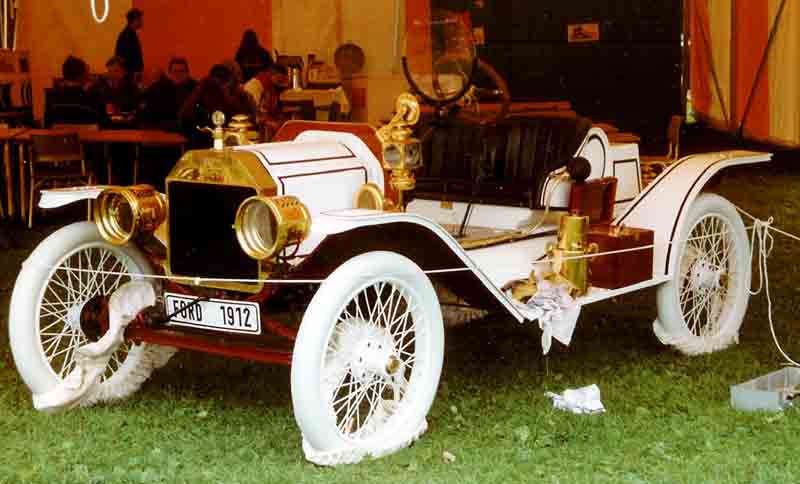
Ford Model T
"...I'd really want to own probably like the earliest cars is a model T or a model A in a hot rod for me like format."
The Ford Model T is one of the first cars that many people could afford. It’s old-school and often used as a starting point for custom builds, like hot rods.
The Ford Model T is an early mass-produced car from the 1900s that became a symbol of how cars entered everyday life. When someone says they’d want to own a Model T, they’re usually talking about its historical significance and simple, classic hot-rod potential.
hot rod
"...like the earliest cars is a model T or a model A in a hot rod for me like format. Like I don't care to own a stock model."
A hot rod is a car that someone has customized, usually an older one, to make it look cooler and drive better. It often involves changing parts to improve performance.
A hot rod is a customized car—typically an older model—built for a more aggressive look and driving feel. The key idea is modification: enthusiasts swap parts, improve performance, and update the car while keeping the classic vibe.
street rotters
"...Obviously, you know, they were super, super cool in the 50s and 60s. There was sort of a revival of that in the 80s and 90s with like street rotters."
Street rodders are people who build hot rods to drive on regular roads. It’s more about the whole custom vibe and everyday usability than racing-only setups.
“Street rodders” (as referenced here) are enthusiasts who build and drive hot rods for street use rather than racing. The term often implies a focus on style and drivability, not just track performance.
Race to gentlemen
"...And then we saw it just 10 years ago with traditional hot rods, like traditional hot rods got super cool again. Race to gentlemen is a good example of that."
“Race to gentlemen” is mentioned as an example of a hot-rod revival. In this context, it functions as a reference point for how certain events or scenes bring back interest in traditional builds.
bring a trailer
"...think about what you see on bring a trailer compared to what we saw on Barrett Jackson, you know, 10 and 15, 20 years ago, right?"
Bring a Trailer is a website where car enthusiasts buy and sell cars through auctions. The host is using it to show how what people want to buy has changed over time.
Bring a Trailer (BaT) is an online auction platform focused on enthusiast cars. The speaker compares what’s selling there now versus what sold at major traditional auction houses years ago, using BaT as a proxy for shifting collector tastes.
Barrett Jackson
"...compared to what we saw on Barrett Jackson, you know, 10 and 15, 20 years ago, right? The 69 Camaro, which was like peak Barrett Jackson era..."
Barrett-Jackson is a major auction for collectible cars. The point here is that some cars used to sell for even crazier money back then.
Barrett-Jackson is a well-known collector car auction company, famous for high-profile sales and big crowds. The speaker contrasts the “peak Barrett-Jackson era” pricing for certain muscle cars with today’s auction results.
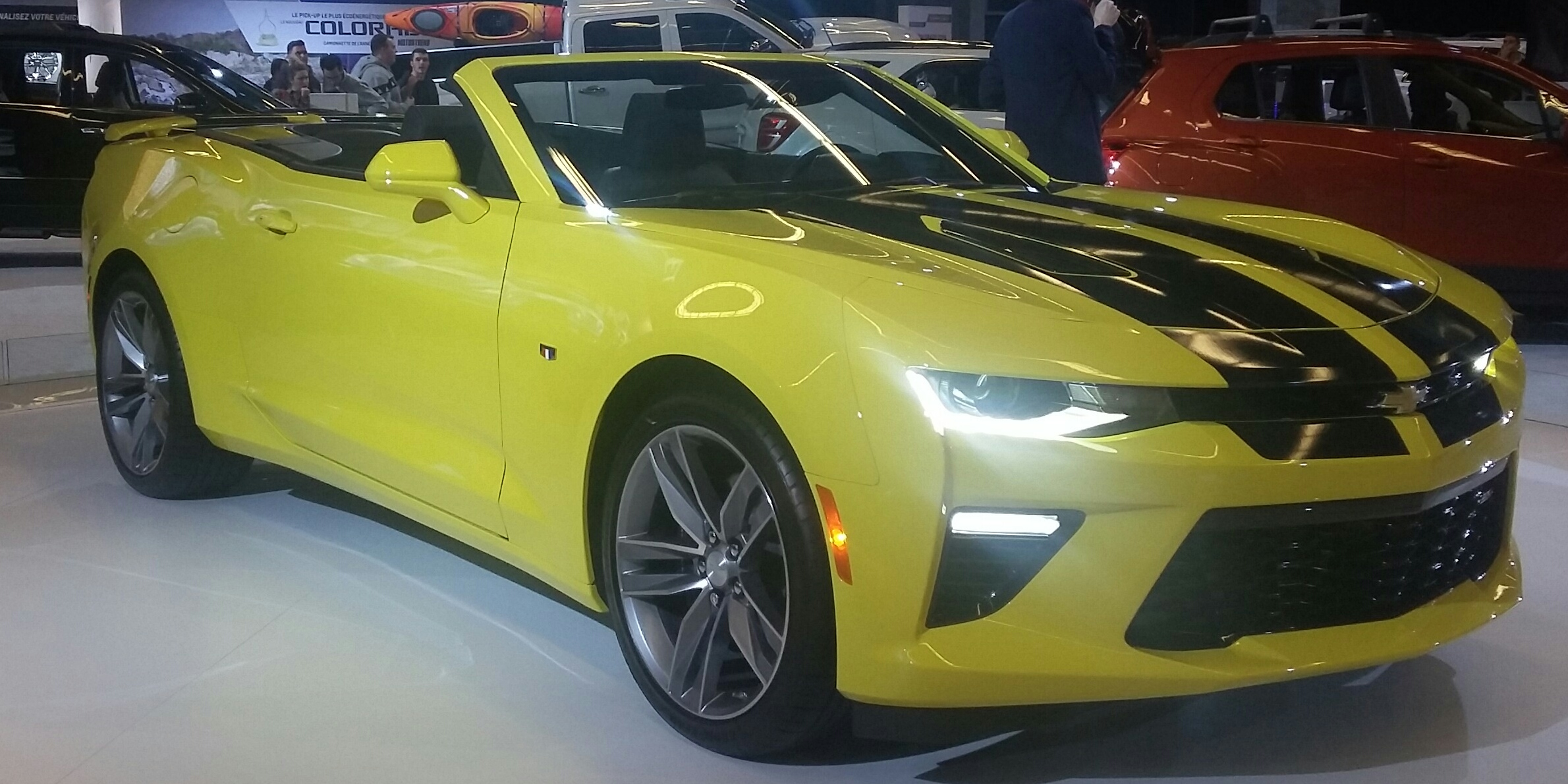
Chevrolet Camaro
"The 69 Camaro, which was like peak Barrett Jackson era, like they still command some money, but they're not going at those kind of crazy prices..."
They mean the 1969 Chevrolet Camaro, a classic muscle car. It’s still valuable to collectors, but the host says it’s not selling for the same wildly high prices it did during the auction boom years.
The speaker refers to a “69 Camaro,” meaning the 1969 Chevrolet Camaro. This generation is a benchmark muscle car in the collector market, and the host notes it still commands strong money even though it doesn’t hit the same extreme auction prices as in the past.
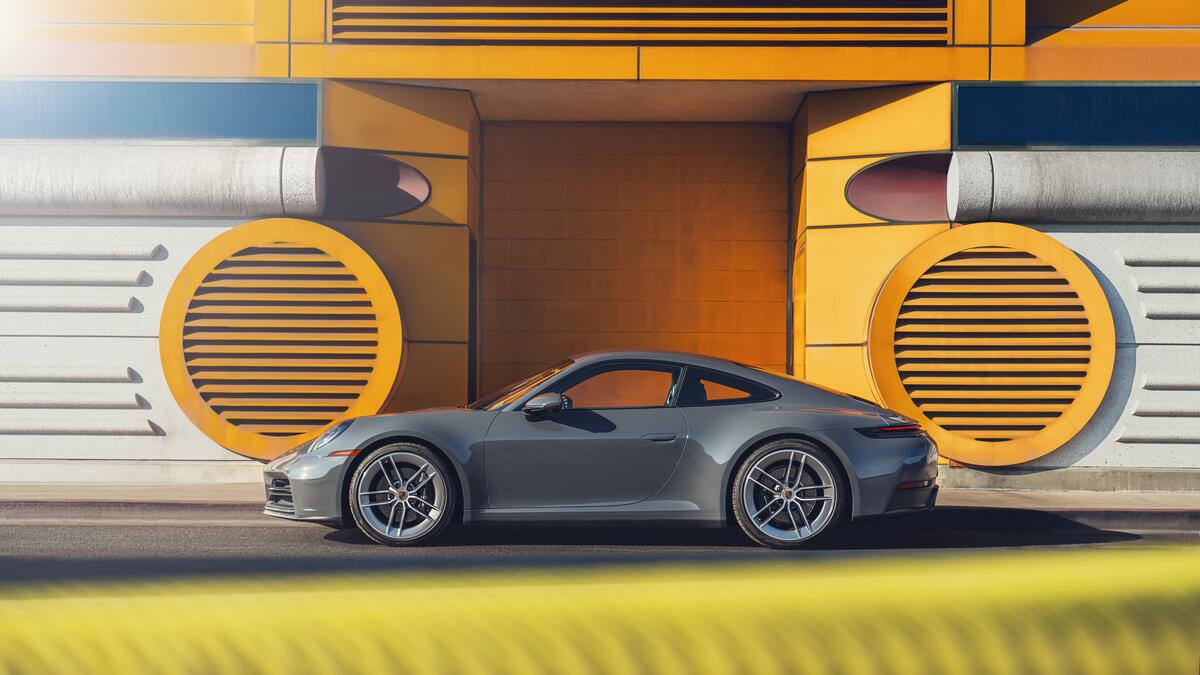
Porsche 911
"...where now we're seeing, you know, you see the 9-11 market, but BMW market, Mercedes market."
They’re talking about the Porsche 911—one of the most popular collectible sports cars. When the “911 market” is strong, it usually means people are paying more for these cars at auctions.
The speaker mentions the “9-11 market,” which is a common shorthand for the Porsche 911 collector market. The 911 is one of the most liquid and widely traded classic/sportscar models, so its auction pricing often reflects broader collector demand.

Nissan Gtrs
"...ket. Obviously, the JDM market, you look at what GTRs go for and all of that. You know, that's because..."
The Nissan GT-R is a high-performance sports car made by Nissan. The podcast is talking about how much GT-Rs cost and why they’re in demand, especially in markets that focus on Japanese cars. That’s why the GT-R comes up in a discussion about pricing.
The Nissan GT-R is a performance sports car known for its ability to deliver very fast performance, especially relative to its reputation and tuning potential. The podcast references the JDM market and how GT-R prices are influenced by demand, which is why it comes up in value discussions. It’s also mentioned in the context of what GT-Rs “go for,” tying the car to collectability.
end of ICE cars
"Maybe maybe we do end up going backwards because we see the end of ice cars and because we see the end of that modifications and all that changes,"
ICE cars are regular gas or diesel cars with an engine. The host is saying that if those cars eventually disappear, the kinds of cars people want to buy and modify could change too.
“ICE cars” means internal-combustion-engine vehicles—cars powered by gasoline or diesel engines. The speaker suggests that as ICE cars disappear, the collector and modification culture may shift, potentially changing what younger buyers lust after.
EV
"...or maybe there's a whole new world that goes forward with the EV."
EV means electric vehicle—cars that run on electricity instead of gasoline. The host is suggesting EVs could create new trends in what people want to buy.
EV stands for electric vehicle, meaning a car powered primarily by an electric motor and battery rather than a gasoline engine. The speaker frames EVs as potentially creating a “whole new world” for future enthusiasts and collector demand.

Volkswagen Rabbit
"I'm telling you, when muscle car guys and hot rodders were looking at Volkswagen, you know, rabbits and old Hondas being, you know, being brought to the US,"
They mean the Volkswagen Rabbit, a small Volkswagen that became popular in the U.S. The point is that car enthusiasts sometimes get excited about smaller, non-traditional cars.
“Volkswagen rabbits” refers to the Volkswagen Rabbit, a compact car that became popular in the U.S. and is often associated with early enthusiast modifications. The speaker is using it as an example of how enthusiast demand can shift toward unexpected models.
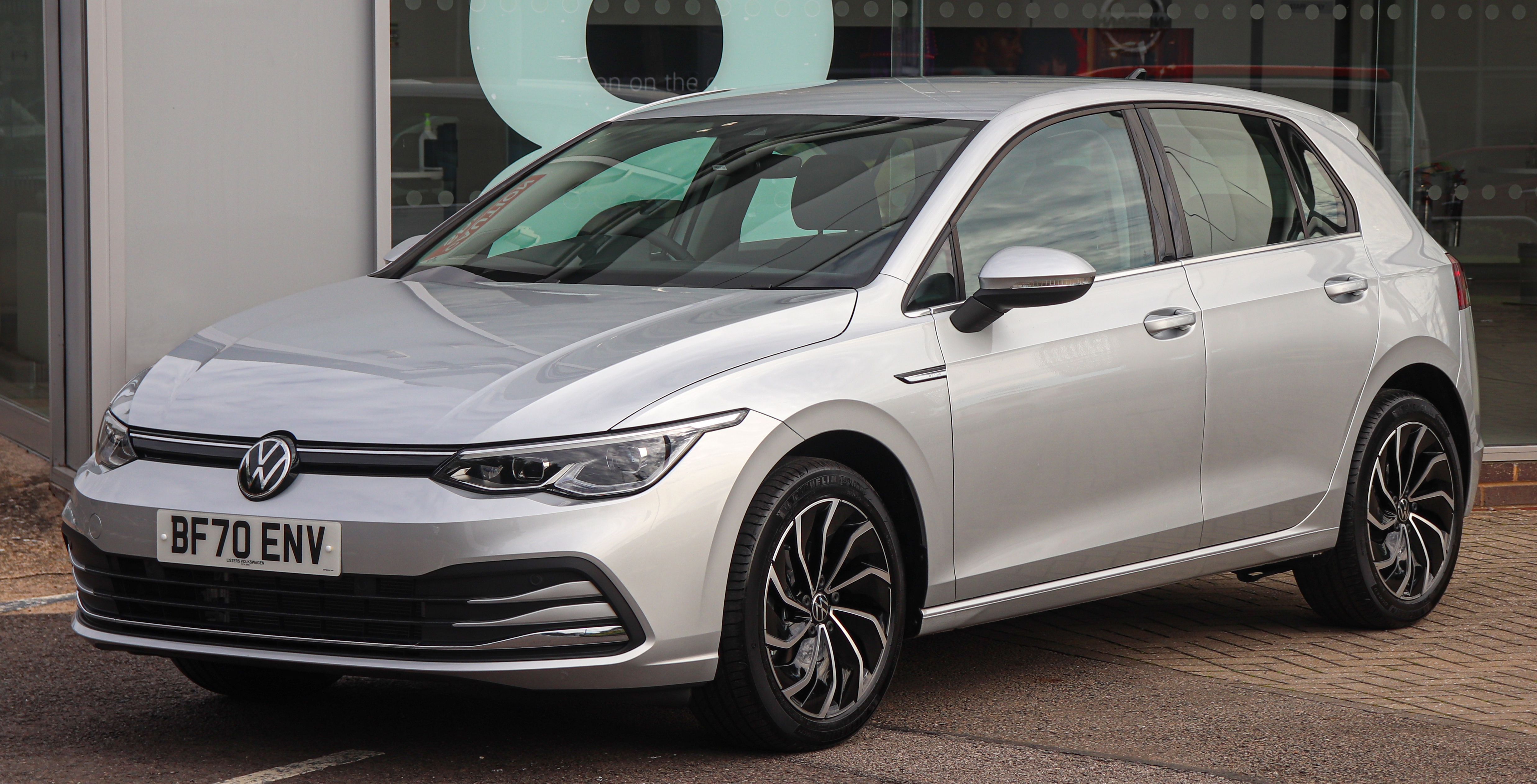
Volkswagen Golf
"Well, first off, my first car. [947.2s] My first car was a 1995 Volkswagen Golf Mark III and I bought it in 1997. [954.3s] So it was pretty new."
That’s a Volkswagen Golf from the Mark III generation. It was the speaker’s first car, and he later made a bunch of changes to it.
The Volkswagen Golf Mark III is the third-generation Golf, sold in the mid-1990s. In this Q&A, it’s the host’s first car, and he describes modifying it over time.
dual rounds
"[959.5s] I think I bought it for like 10 grand. [962.7s] And I did all the classic Volkswagen, you know, Volkswagen boy stuff to it. [967.9s] I did dual rounds."
“Dual rounds” here likely refers to running two round exhaust outlets (or dual round exhaust tips) as part of a classic “Volkswagen boy” styling/modification look. It’s a visual and sometimes sound-related change rather than a performance system by itself.
slammed it
"[967.9s] I did dual rounds. [969.2s] I slammed it. I bought it as a two liter. [971.3s] It was a four door."
“Slammed it” means the car was lowered a lot so it sits closer to the ground. That usually looks cool, but it can make bumps and parking curbs more annoying.
“Slammed it” means lowering the car’s ride height significantly, typically by changing suspension components. The goal is a lower, more aggressive stance, but it can affect ride quality and clearance.
two liter
"[969.2s] I slammed it. I bought it as a two liter. [971.3s] It was a four door. [972.3s] I converted it to be a VR6."
“Two liter” is the engine size, measured by how much space the cylinders have. Bigger displacement often helps an engine make more power, but it’s not the only factor.
“Two liter” refers to engine displacement—about 2.0 liters of total cylinder volume. Displacement is a key spec that influences how much air/fuel the engine can move and often correlates with power potential (though not perfectly).
VR6
"[971.3s] It was a four door. [972.3s] I converted it to be a VR6. [974.8s] I then painted it, although I painted it the same color, it was black"
VR6 is a special type of Volkswagen engine. It’s a compact design that can make more power than smaller engines, which is why people swap to it.
VR6 is Volkswagen’s engine design that combines a narrow-angle V configuration with a single cylinder head. It’s known for fitting more power and character into a relatively compact engine bay compared with straight-six layouts.
black magic metallic
"[976.8s] and I painted it black magic metallic, which is basically just a metallic version. [978.5s] and I painted it black magic metallic, which is basically just a metallic version. [982.3s] Anyway, next question, Nick."
“Black Magic Metallic” is the name of a specific metallic black paint color. If you ever need touch-ups, using the right color name helps match the finish.
“Black Magic Metallic” is a paint color name (a specific metallic black) used on some Volkswagen models. Color names matter for matching paint during repairs or resprays.
show cars
"“...during the height of of really like building show cars in like early 2000s...”"
A show car is a car modified mainly to look impressive at events. The goal is often style and presentation, not just normal commuting.
Show cars are vehicles built or modified primarily for display at events, where appearance and presentation matter as much as (or more than) everyday drivability. In the early 2000s context here, the speaker is describing a trend of distinctive styling modifications.

BMW E36
"...d really like some of the aesthetic pieces of the E36 M3, which was the front bumper, the mirrors."
The BMW 3 Series is a popular BMW model line that’s known for being a compact car with a sporty feel. Some versions, like the E36 M3, have distinctive styling parts that people like and copy. The podcast is pointing out specific looks from that era.
The BMW 3 Series is BMW’s long-running compact executive sedan/compact car platform, and it’s the base that many performance variants are built on. The podcast references the E36 M3’s aesthetic elements like the front bumper and mirrors, which shows how the 3 Series lineage influences what enthusiasts like visually. It comes up because the E36 era is a common starting point for styling and customization discussions.
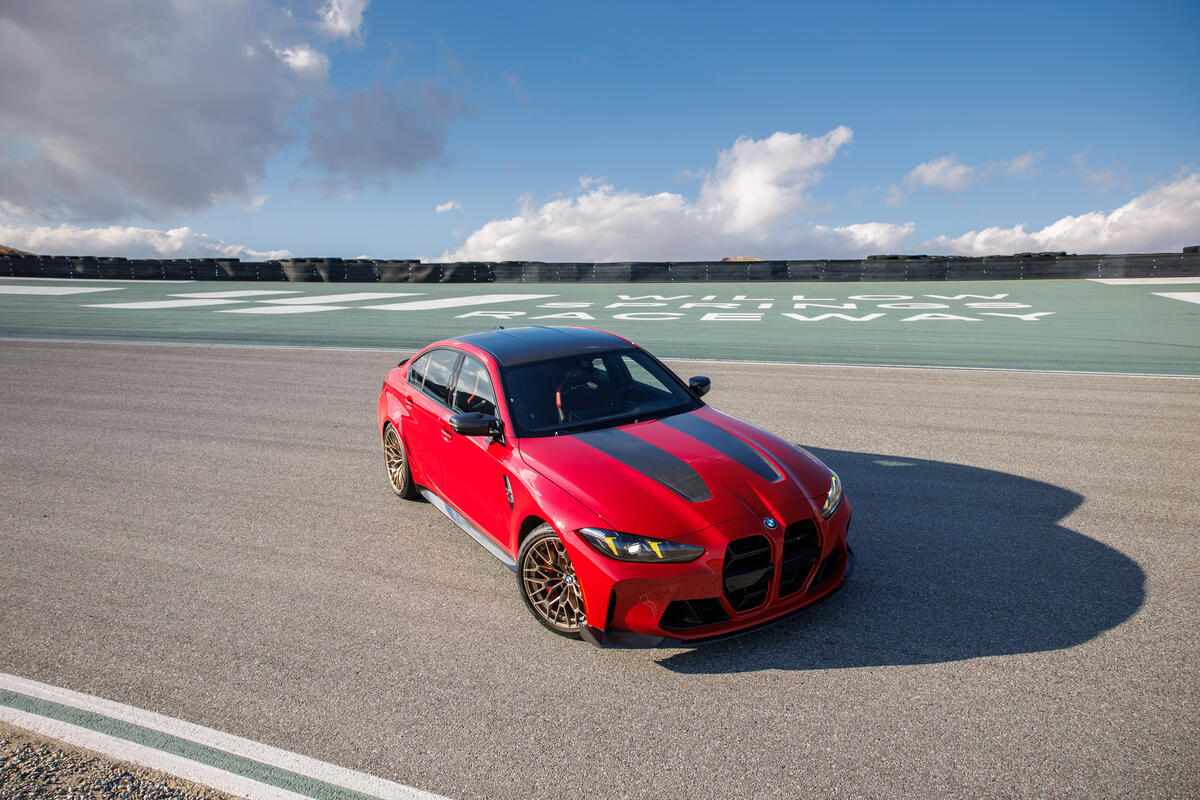
E36 M3
"“...I did really like some of the aesthetic pieces of the E36 M3, which was the front bumper, the mirrors.”"
The E36 M3 is a BMW M3 from the E36 generation. The speaker is saying they liked how it looked—especially the front bumper and mirrors—and used those parts on another car.
The E36 M3 is the third-generation BMW M3, known for its classic styling and strong enthusiast following. In this segment, the speaker specifically references E36 M3 exterior pieces like the front bumper and mirrors as aesthetic parts to adapt.
grafted
"“...So I grafted those onto the car, did like D stock mirrors.”"
“Grafted” here means they took parts from one car and attached them to another. That typically requires cutting and fitting so everything matches up.
In custom car building, “grafted” means combining parts from one vehicle onto another by physically fitting and integrating them. It usually involves cutting, reshaping, and reattaching bodywork to make the parts line up.
D stock mirrors
"“...So I grafted those onto the car, did like D stock mirrors.”"
“D stock mirrors” appears to refer to a specific mirror style or trim level, likely tied to a particular donor car or parts catalog. The exact meaning isn’t clear from the excerpt, but it’s being used as a detail about the speaker’s custom exterior choices.
Synchro
"“...a 1995 Volkswagen Golf Synchro 2.9 VR6. That is an all wheel drive car...”"
Synchro is the name Volkswagen used for all-wheel drive on some cars. It helps the car grip better when roads are wet or slippery.
Synchro is Volkswagen’s all-wheel-drive system used on certain Golf models. It’s designed to send power to more than just the front wheels for better traction, especially in slippery conditions.
all wheel drive
"“That is an all wheel drive car with a slightly bigger displacement.”"
All-wheel drive means the car can send power to more than just one axle. That usually helps it grip better, especially on wet or slippery roads.
All-wheel drive (AWD) is a drivetrain setup that can send power to multiple wheels, improving traction compared with two-wheel drive. The speaker uses it to explain what makes the Volkswagen Golf Synchro different from the U.S. version.
body kits
"But what I won't do is any crazy body kits or any of that. I'm just going to keep the Euro bumpers on it."
A body kit is a set of add-on parts that changes how a car looks. It can include things like new bumpers or side skirts.
A body kit is an aftermarket set of exterior parts—like bumpers, side skirts, and spoilers—meant to change the car’s look and sometimes its aerodynamics. They’re often chosen for styling rather than performance.
Euro bumpers
"I'm just going to keep the Euro bumpers on it. I kind of like how all of that looks."
“Euro bumpers” means bumpers from a European version of the car. People like them because they usually look different from the U.S. ones.
“Euro bumpers” refers to bumper designs commonly associated with European-spec versions of a model. Enthusiasts often prefer them because they change the front/rear styling and sometimes fitment details.
dual round headlights
"I've got a couple of small parts on it that really kind of nod back to that, which is the dual round headlights."
That just means the front headlights are two separate round lights. It’s a specific look that some classic cars have.
Dual round headlights describe a lighting setup using two separate circular headlamp units. This is a common styling cue on certain classic European cars and can affect how the front end looks.
Carrillo style
"I have went and found the exact same ones I had, which were the Carrillo style."
This sounds like a specific headlight design people recognize. It likely means the lights match a certain “Carrillo” look or spec.
“Carrillo style” likely refers to a particular headlight design or brand/model of headlamp associated with the Carrillo name. In enthusiast circles, “style” often means a specific look or spec rather than a generic part.
single wiper mod
"that stuff I like, single wiper mod. But otherwise, like, you know, obviously slam it, put it on Opt A9s."
That’s a modification to how the windshield wipers work. Instead of the usual setup, it changes it to one wiper.
A “single wiper mod” is an aftermarket modification that changes the windshield wiper setup from the factory configuration to a single-wiper arrangement. It’s typically done for styling or packaging reasons.
slam it
"But otherwise, like, you know, obviously slam it, put it on Opt A9s. Actually, yeah, put on Opt A9s, which I think is probably one of the best fitting wheels for for a Mark III."
“Slam it” means lowering the car so it sits very close to the ground. People do it for the look, but it can make the ride harsher.
“Slam it” is enthusiast slang meaning to lower the car’s ride height significantly. It’s usually achieved with suspension changes like lowering springs or coilovers, and it can affect ride comfort and tire wear.
Opt A9s
"slam it, put it on Opt A9s. Actually, yeah, put on Opt A9s, which I think is probably one of the best fitting wheels for for a Mark III."
Those are a specific set of wheels the speaker is recommending. Wheels can change the car’s look and how it sits.
“Opt A9s” refers to a specific wheel model/finish the speaker wants to run. Wheel choice affects fitment, stance, and how the car’s proportions look.
Kamai Grill
"and it looks perfect on the ops. Kamai Grill, you know, a couple of things like that."
That’s a specific grille (the front opening/mesh) they’re mentioning. Changing it is mostly about the car’s look.
“Kamai Grill” refers to a specific grille style/brand the speaker wants on the car. A grille swap is usually a visual modification that changes the front-end appearance.
Audi Germany changing tactics
"All right, this is question four from RR3 Euro. There are talks about Audi Germany changing tactics on how to attract more buyers and going back to appeal to Audi enthusiasts again."
They’re talking about Audi Germany changing how they market cars. The idea is to bring in more buyers by focusing more on car enthusiasts.
This is a discussion topic about Audi Germany adjusting marketing strategy to attract more buyers. The speaker frames it as shifting back toward appealing to Audi enthusiasts.
electric vehicles
"some of the Japanese automakers very much invested in the idea that electric was the future. I'm not saying it's not. But I do think that the growth at which we thought it was going to happen and how fast we thought that was going to happen is not happening."
Electric vehicles are cars that run on electricity from a battery instead of gasoline. The speaker says people aren’t buying them as fast as many companies expected.
Electric vehicles (EVs) are cars powered primarily by electric motors using energy stored in batteries. The host argues that EV adoption has slowed compared with earlier expectations, even though many automakers invested heavily in electrification.
EVs
"But I do think that the growth at which we thought it was going to happen and how fast we thought that was going to happen is not happening. There has definitely been a slowdown to people's want for EVs."
EVs just means electric cars. The speaker is saying fewer people are jumping into them than expected.
EVs is the common abbreviation for electric vehicles. Here it’s used to describe consumer demand and adoption trends, with the host claiming there’s been a slowdown in interest.
early adopter
"There has definitely been a slowdown to people's want for EVs. Myself included, I was an early adopter for electric vehicles and it just didn't work for me."
An early adopter is a person who tries something new before it becomes popular. The speaker is saying they were one of the first people to try electric cars, but it didn’t go well for them.
An early adopter is someone who buys or tries a new technology before most people. The host uses this to explain their personal experience with EVs and why it ultimately “didn’t work” for them.

Audi Rs3
"...that company released the RS6. And they have the RS3 on the market. And I think that they should look..."
The Audi RS 3 is a high-performance version of a smaller Audi car. It’s designed to be quick and sporty without being a large vehicle. The podcast is talking about Audi’s RS lineup and how the RS3 fits into it.
The Audi RS 3 is a compact performance car from Audi’s RS lineup, built to deliver strong acceleration and handling in a smaller package. The podcast references Audi’s RS model strategy and suggests that the RS3 should be looked at or supported, implying it’s part of the brand’s performance lineup. It comes up because it’s a more accessible “RS” option compared with larger, more extreme models.

B5 S4
"You've got, you know, one, we're coming out of the B5, which was a great car, the B5 S4. It had its issues, but a great car."
The B5 S4 is an older Audi performance sedan from the A4 family. The host is saying it was a really good car, even if it wasn’t perfect.
The Audi S4 (B5 generation) is a performance-focused version of the A4 from the 1990s/early 2000s era. The speaker calls the B5 S4 a “great car,” while noting it had some issues—suggesting it’s remembered as a strong chapter in Audi’s U.S. history.

TT
"We've got the introduction of the TT. We've got the R8. Later on, the RS4 comes here."
The Audi TT is a small sporty Audi, usually a coupe or convertible. The speaker is mentioning it as part of Audi’s strong lineup in that time period.
The Audi TT is a compact sports coupe/roadster known for its distinctive styling and balanced driving feel. In this segment, it’s listed as one of the key Audi models that defined the 2000–2010 era in the U.S.

A3
"There's just a bunch of great offerings, you know, kind of all through. They bring in the A3, which is kind of like a fun, smaller car."
The Audi A3 is a smaller Audi model. The host is saying it’s fun and helps show Audi offered a wide range of cars in that era.
The Audi A3 is a compact car line that serves as Audi’s smaller, more accessible model family. The speaker calls it “a fun, smaller car,” using it to show how Audi’s lineup spanned from mainstream-sized vehicles to high-performance RS models.

Audi S6
"Not to mention S6, you know, S8, all these other things. But they're also like doing really well in motorsports."
The Audi S6 is a sportier version of the A6. The host is just listing it among other Audi models that were doing well.
The Audi S6 is a performance-oriented version of the A6, typically tuned for stronger acceleration and sportier driving than standard trims. It’s mentioned here as part of the broader set of Audi models the speaker says were available in that period.

Audi S8
"Not to mention S6, you know, S8, all these other things. But they're also like doing really well in motorsports."
The Audi S8 is a faster, sportier version of Audi’s big luxury sedan. It’s mentioned here as one of the many models Audi offered.
The Audi S8 is a high-performance luxury sedan in the A8 family, built for a blend of comfort and speed. In this segment it’s name-dropped as part of Audi’s lineup breadth during the 2000–2010 era.
Formula One
"And I know Audi is headed into Formula One. I think that's slightly different audience, but, you know,"
Formula One is the highest level of race car competition in the world. It’s where big car brands go to prove their engineering.
Formula One (F1) is the top tier of open-wheel racing, where manufacturers invest heavily in engineering and technology. The segment mentions Audi “headed into” F1 to frame how the brand’s motorsports focus evolved.
Le Mans
"Audi was just crushing Le Mans, right? I mean, the diesel era and all that and the R10s and Le Mans."
Le Mans is a long-distance race where cars have to last and keep performing for hours. It’s one of the biggest racing events for sports cars.
Le Mans is a famous endurance race in France that rewards reliability and efficiency as much as outright speed. The hosts connect Audi’s success there—especially during the diesel era—to the brand’s motorsports credibility.
diesel era
"I mean, the diesel era and all that and the R10s and Le Mans."
“Diesel era” means a time when race teams leaned heavily on diesel engines. Diesel engines can go farther on less fuel, which matters a lot in endurance racing.
“Diesel era” refers to the period when diesel engines were a major focus in top endurance racing, largely because of their fuel efficiency and torque. The segment uses it to explain why Audi’s Le Mans dominance stood out at the time.
unintended acceleration
"but they were a small seller because of unintended acceleration, which is a whole other thing. You can look it up."
Unintended acceleration is when a car speeds up on its own, even though you’re not pressing the gas. The hosts are saying this issue made Audi’s U.S. sales and reputation suffer at the time.
Unintended acceleration is when a vehicle speeds up without the driver requesting it—often due to a malfunction in the throttle control system or related sensors/inputs. The hosts mention it as a factor that hurt Audi’s reputation in the U.S. during the 1990s.
Vorsprung
"like, you know, Vorschsprung, like all those things were that."
“Vorsprung” is tied to Audi’s marketing message about technology and progress. Here it’s being used to point out that Audi used to lean hard into an engineering-and-racing image.
“Vorsprung” is part of Audi’s branding language (commonly associated with the slogan “Vorsprung durch Technik,” meaning “progress through technology”). In the segment, it’s referenced to highlight Audi’s historical emphasis on engineering and motorsports identity.
Audi of America
"And I don't know how much of that is an Audi Germany thing versus an Audi of America issue. AOA seems to operate very different in the US than Audi Germany does."
Audi of America is Audi’s U.S. team. The hosts are saying the U.S. side may make different choices than the German side, which can change how the brand is perceived.
Audi of America refers to Audi’s U.S. organization, which can differ in marketing, product strategy, and priorities compared with Audi’s German operations. The segment uses it to explain why Audi’s brand image may have developed differently in the U.S. than in Germany.
Audi AG
"So, Audi AG being Audi Germany, you know, Audi Germany still seems very much interested in their history in motorsports. Audi tradition is a good example of that and still care about all of that,"
Audi AG is the main company behind Audi. The hosts are saying the German side of Audi focuses more on its racing history than the U.S. side does.
Audi AG is the corporate entity behind the Audi brand, often associated with Audi’s headquarters and operations in Germany. In the segment, it’s contrasted with Audi of America to explain different decision-making or priorities between regions.
Audi US
"I think that this is a massive problem because Audi US is so big, even if you live in Europe, you need to worry about what AOA does"
This is Audi’s U.S. business. The host is saying what Audi does in America affects what the company focuses on globally.
“Audi US” refers to Audi’s operations and brand presence in the United States. The speaker argues that Audi’s U.S. strategy and market size can influence how the brand prioritizes decisions back in Germany.
AOA
"even if you live in Europe, you need to worry about what AOA does because the cars that AOA sells to a consumer"
AOA is Audi’s U.S. side that handles the cars sold to customers. The host is saying those choices can change what Audi builds.
“AOA” is used here as an abbreviation for Audi’s U.S. organization that sells cars and shapes the consumer lineup. The speaker connects AOA’s decisions to how Audi’s priorities evolve, including the balance between luxury and performance.
Audi RS4 convertible
"I mean, they built an RS4 convertible in 2008. I mean, there was some really good stuff there that was really fun."
The RS4 is Audi’s performance model. Calling out the 2008 RS4 convertible is the host’s way of saying Audi used to make more exciting cars for drivers who care.
The Audi RS4 is a high-performance version of the A4 line, and the “convertible” indicates a roof-down body style. Mentioning an RS4 convertible in 2008 highlights the speaker’s point that Audi once offered more enthusiast-focused, fun-to-drive models.

Audi R8
"but like the R8, for example, was a fantastic, they entered into the supercar market into a vehicle that could be daily driven."
The Audi R8 is a supercar, but the host is saying it was designed to be practical enough to drive often. It’s an example of Audi making something exciting.
The Audi R8 is a supercar that’s known for being usable day-to-day compared with many track-focused exotics. The speaker uses it as an example of Audi entering the supercar market with a car that could be driven regularly.
cross shopping
"and now are cross shopping other stuff because they're no longer getting a fun driver's car."
Cross shopping means you’re looking at several choices instead of sticking with one. In this case, it’s people comparing different cars before buying.
“Cross shopping” means comparing multiple products—here, different cars—before deciding what to buy. The speaker is describing how people who used to buy “fun driver” cars are now looking at other options.
fun driver's car
"and now are cross shopping other stuff because they're no longer getting a fun driver's car."
A “fun to drive” car is one that feels exciting and enjoyable behind the wheel, not just practical. The speaker is saying some buyers aren’t getting that feeling anymore.
A “fun driver’s car” is a car that feels engaging to drive—often meaning responsive steering, good chassis balance, and an overall sense of connection. The host uses it as a shorthand for why some buyers used to stick with certain brands.
Jim Carner films
"Tufter Motorsport asks, inspiration of the Jim Carner films outside of the automotive world, which films, subcultures and vibes inspired them in different ways?"
They’re talking about a set of skate/film videos called the “Jim Carner” films. The question is basically: what non-car movies and scenes inspired the creators?
The speaker references “Jim Carner films” as a creative influence outside of cars. In this Q&A, they’re discussing how film format and culture can shape automotive-adjacent storytelling.
skateboarding
"but its format and its structure was 100% inspired by skateboarding, right? Like I can't even think of an Audi ad or promotion outside of something I've been involved in in the past five years."
They’re talking about skateboarding culture. The idea is that in skateboarding, getting a great “video part” is important, and that same structure inspired the video’s style.
Skateboarding is discussed as the cultural template for the video’s “format and structure.” The host explains that, in skate culture, having a “video part” is a big deal and helps define a skater’s reputation.
Gymkhana series
"So that in itself, that format, that structure, is what the whole Gymkhana series was built off of. But the first actual one was basically a highlight clip of different amazing rally moments..."
Gymkhana is a type of driving challenge that’s often filmed in cities or special locations. The goal is to show off how well the driver can control the car with cool maneuvers, not just race around a track.
The Gymkhana series is a motorsport-style video format focused on car control in tight, urban, or non-traditional locations. It’s built around showy driving maneuvers—like drifting, slides, and precision turns—rather than racing on a standard track.
backwards entry into a corner
"And I remember like watching it over and over and over, where he basically does a backwards entry into a corner. You know, it's like, he's doing this dooring competition."
This is a stunt where the driver lines up for a turn while the car is going the “wrong way” (backwards relative to the corner). It’s hard because you still have to steer and control traction so the car doesn’t spin out.
A “backwards entry” describes entering a corner while the car is moving in reverse, or with the car oriented backward relative to the direction of travel. In drifting/slide contexts, it’s a highly controlled maneuver that requires precise steering, throttle modulation, and traction management.
dooring competition
"You know, it's like, he's doing this dooring competition."
“Dooring” in motorsport/video contexts usually refers to a close-quarters driving challenge where two cars run side-by-side with very little clearance. The term implies the cars are positioned so tightly that contact with a “door” area is a risk, emphasizing precision and control.
Sliding Around the Cone
"And that is what inspired the Subaru in the first video, Sliding Around the Cone, right? So, you know, a lot of that was taken from automotive, but it was taking it from a competition world..."
This sounds like a named driving challenge or video segment. The idea is to drive in a controlled way around cones, showing off how the car handles.
“Sliding Around the Cone” appears to be the name of a specific driving video segment. It likely involves controlled oversteer/drifting-style maneuvers around cones to demonstrate handling and stunt technique.

Chevrolet Monte Carlo
"... original Ronin locations in Nice while I was in Monte Carlo while we were working on a video"
The Chevrolet Monte Carlo is a car model from Chevrolet with a classic, sporty style. In the podcast, “Monte Carlo” is also a place name, and the speaker is referencing being there while making a video. So the mention is likely about the location, not a detailed car review.
The Chevrolet Monte Carlo is a classic American personal luxury/pony-car style coupe that’s known for its distinctive look and heritage. In the podcast, it’s mentioned in connection with being in Monte Carlo while working on a video, which ties the name to a location rather than a technical discussion. It still comes up because the Monte Carlo name is strongly associated with the car model.
Monaco
"that we were going to potentially do in Monaco that we did and do. But I ended up working with someone who was on the original Ronin project and she brought me to all the original locations."
They mention “Monaco” as a place they planned to film, and then actually did. It’s a famous city that’s often used for dramatic-looking street scenes.
“Monaco” is referenced as a filming location they planned to do something in, and then ended up doing. In car-video contexts, Monaco is often associated with glamorous, tight street settings that affect how stunts and visuals are staged.
Ronin
"who was on the original Ronin project and she brought me to all the original locations. I was considering trying to do something fun with Ken where we went and redid the Ronin moments, unfortunately. That never happened."
They’re talking about an earlier project called “Ronin” and specific moments from it. They considered redoing those scenes, but that plan never came together.
“Ronin” is referenced as an “original Ronin project,” and the speaker talks about revisiting “Ronin moments.” This indicates a prior car-video concept/production that they later tried to recreate, but it didn’t happen.
Gymkhana 7
"To live in Diane LA was a massive influence on the aesthetic of Gymkhana 7, the Hunicorn, just the seedier and gritty side of Los Angeles, South of Adams, like that kind of look and feel really kind of drove that for us."
“Gymkhana 7” is the name of one of Ken Block’s stunt-car video episodes. They’re saying the gritty Los Angeles vibe helped shape how that episode looked.
“Gymkhana 7” refers to the seventh installment of Ken Block’s Gymkhana video series. The hosts are discussing how Los Angeles aesthetics influenced the look and feel of that specific film.
Gymkhana 5
"Bullet was obviously a big driver for Gymkhana 5. The, you know, in terms of just sort of vibes, there was an early YouTube vibe."
“Gymkhana 5” is another Ken Block stunt-car video episode. They’re using it as an example of what influenced the feel of the earlier series.
“Gymkhana 5” is the fifth installment in Ken Block’s Gymkhana stunt-video series. The speaker uses it as a reference point for how certain “vibes” or creative drivers showed up in earlier episodes.
Request an Explanation
Heard something you'd like explained? We'll add it to this episode.
Sign in to request explanations for terms you heard.
Want to learn more?
Browse our glossary for plain-English explanations of automotive terms, jargon, and concepts.
Help improve this episode
See something that's not quite right? Our annotations are AI-generated and can sometimes miss the mark. Click the flag icon on any annotation to suggest a correction.