
What are the Most Overhyped Hero Cars? Matt Farah [The Smoking Tire], Vin & Scotto Debate
About this episode
Season four kicks off with Matt Farah and Vin/Scotto debating “overhyped hero cars,” grounded in their own recent drives and track time. The conversation ranges from iconic disappointments like the DeLorean—“It’s terrible at like mobbing canyons and it’s terrible at bumper to bumper traffic”—to supercar letdowns such as the Ferrari SF90’s boring feel and rapid price collapse. They also weigh why modern “fast and precise” cars can lack personality, and why some cars only make sense with the right driving mode or expectations.
Firing Order is BACK for Season 4 of Very Vehicular, and we’re bringing you an absolute heater of a first episode with veteran motoring journalist and podcaster Matt Farah (The Smoking Tire) as well as Our Cousin Vinny: Vin Anatra. If you’re new around here, the aim of the show is simple: to form a definite ranking (which definitely isn’t just the opinions of whichever three lovable idiots are on that particular week), and this week it’s the most overhyped hero cars, that you wish you’d never met! Our hosts have decades and decades (and dec—) of seat time between them across a plethora of automotive heroes: from the pedestrian (ha) to the decidedly exotic! Stay tuned, to find out which one will top the list. Enjoy.
Mentioned in Episode:
Racing FIVE Cars up America’s Most Brutal Mountain with Betim Berisha and Steven Wetterau
Greatest Camaro Ever Built? 8500rpm LS7 DSE-Z 3rd Gen
1100hp 1972 AMC Javelin, Ringbrothers' Defiant //DT224
CHEAP FERRARI, EXPENSIVE HONDA. THE TABLES HAVE TURNED!
I Rescued This Original Owner Twin Turbo Supra!
GTR-Registry.com - EN-R35-Colours
1975 Lancia Stratos HF Group 4 Works - One Take
LEGEND!! 1988 Callaway Twin Turbo C4 Corvette - One Take
First to Get A Ticket Challenge - Full Video
Partners:
FCP Euro
Heatwave Visual
Wera Tools
KW Suspension
Producer: Nick Rutter @nickrutterarts
Music: SlikSound
Patreon: https://patreon.com/u37266647
https://bio.site/321actionaction
00:00 - Welcome to Season 4
02:19 - Why Matt is Real-life Bowser in Mario Kart
05:39 - Let’s Go Over the Rules… So We Can Ignore Them
06:46 - Matt’s List
29:56 - Vinny’s List
35:22 - Mileage Prison and Odo Tricks
50:42 - Barrett-Jackson Cheap Thrills
52:54 - Sponsor: FCP Euro
54:20 - Pikes Peak Showcase
54:43 - Scotto’s List
01:16:16 - Blindspots (from Patreon)
01:31:04 - Final Round Setup
01:40:15 - Sponsors: Heat Wave Visual, Wera Tools & KW Suspensions
01:41:56 - Ranking the Five
01:50:28 - Final List Revealed

Ford Fiesta St
"...s all the time. I smoked Ken at Autocross for the Fiesta ST. And he was mad."
The Ford Fiesta is a small car, and the Fiesta ST is a sportier version. The podcast talks about autocross, where small cars can do well because they’re quick to change direction. It’s mentioned because it can be a strong performer in that kind of driving.
The Ford Fiesta is a small car that’s often used in motorsport-style driving due to its size and agility. The podcast mentions the Fiesta ST and an autocross experience where it smoked someone, which highlights how well it can perform in tight, technical courses. It’s discussed because the Fiesta ST is a common enthusiast “driver’s car” choice.
Autocross
"Bro, I did Autocross in a rented BMW Z4 like three days ago. Sick."
Autocross is a timed driving event on a closed lot with cones. You drive a twisting course to see how well the car handles and how quickly you can steer and accelerate through it.
Autocross is a timed motorsport where drivers navigate a marked course (usually with cones) at relatively low speeds but with lots of steering and braking changes. It’s a great way to evaluate a car’s grip, balance, and driver feel because the course is tight and reaction-heavy.
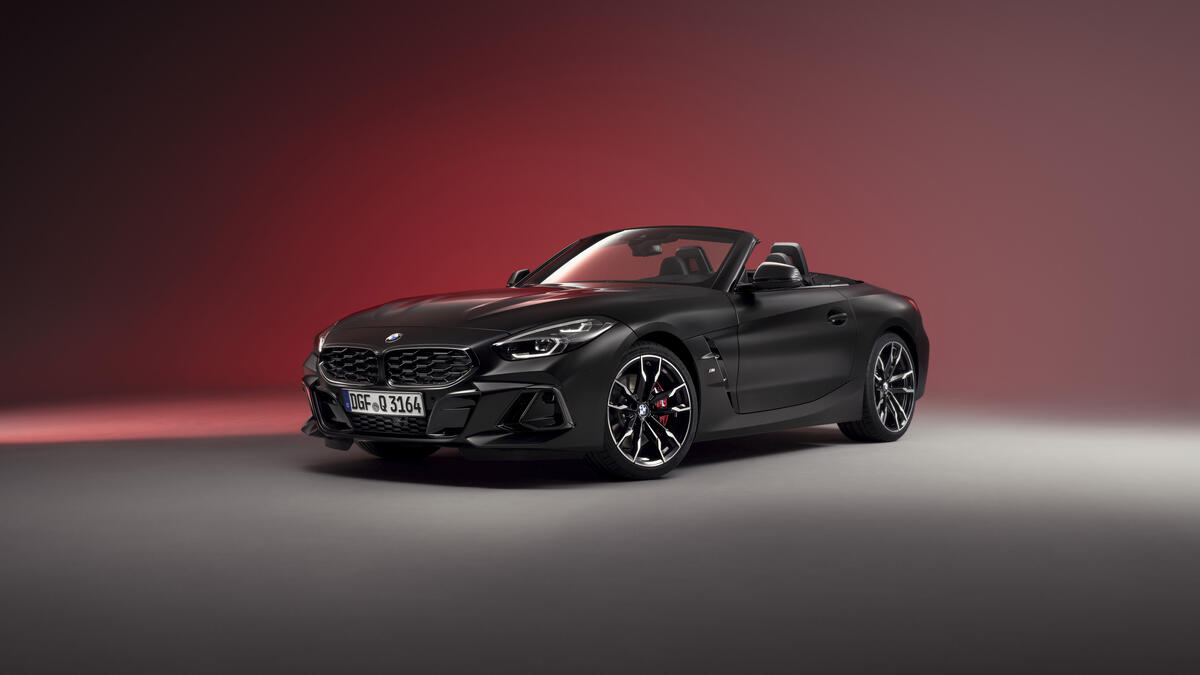
rented BMW Z4
"Bro, I did Autocross in a rented BMW Z4 like three days ago. Sick."
The BMW Z4 is a sporty two-seat roadster from BMW. Here, the speaker says they recently tried it in an Autocross event, which is a timed driving course that tests handling.
The BMW Z4 is a two-seat roadster designed around a sporty driving feel and rear-wheel-drive balance. In this segment, the host mentions doing Autocross in a rented Z4, using it as an example of a “hero car” they’ve actually driven in a performance-focused setting.
episode of firing order
"So what are we doing today, Brian? All right. So episode of firing order."
“Firing order” is the name of a recurring segment on the show. They’re using it to set up a debate/list about cars people hype up too much.
“Firing order” is the show’s episode format/segment name in which the hosts debate or rank automotive topics. In this case, they’re setting up a list-style discussion about overhyped “hero cars.”
most overhyped hero cars
"And we are going to list, I guess you would say probably the most overhyped hero cars or at least the ones we've had experience in. So these are cars like poster cars."
This is about cars that get a lot of hype and are treated like legends, but might not be as great as people claim. The hosts are basically asking which famous cars don’t actually impress when you drive them.
“Overhyped hero cars” refers to cars that have a big reputation or fan-favorite status, but may not live up to the hype once you drive them. The hosts frame these as “poster cars” people talk about constantly, then contrast that with cars they’ve personally experienced.

Ferrari SF90
"The Ferrari SF90, which I consider to be the most boring 1,000 horsepower car I've ever driven."
The Ferrari SF90 is a high-tech Ferrari supercar that uses a hybrid setup (gas plus electric). It’s known for being incredibly powerful, so it stands out when someone says it feels boring.
The Ferrari SF90 is a modern Ferrari supercar built around a hybrid powertrain, combining an internal-combustion engine with electric motors. It’s often discussed for its extremely high output and high-tech all-wheel-drive feel, which is why calling it “boring” is a notable, contrarian take.

Mercedes SLR McLaren
"And the worst supercar of all time, the Mercedes SLR McLaren. Nice lineup. Good lineup."
The Mercedes SLR McLaren is a rare, expensive supercar made with help from McLaren. It’s known for its dramatic doors that open upward, and the host is saying it’s a bad one.
The Mercedes SLR McLaren is a halo supercar co-developed by Mercedes-Benz and McLaren, known for its distinctive styling and performance-focused engineering. It’s also famous for its “flip” (scissor-style) doors, which the speaker references while criticizing it as the “worst supercar of all time.”
flip doors
"Just so we're clear, the SLR McLaren is that really, like looks like a really long nose. Yeah, it's bad. With the flip doors."
“Flip doors” are doors that open upward in a scissor-like motion instead of opening normally. They’re part of the car’s design and can make the car feel more dramatic to get into.
“Flip doors” refers to scissor-style doors that pivot upward and outward rather than swinging open like conventional doors. They’re a styling and packaging choice that can make entry/exit feel different and can affect how the car looks at rest.
slush box automatic transmission
"[455.8s] The engine isn't the problem. [457.3s] No, it's this slush box automatic transmission [460.0s] that belongs in like a truck."
A “slush box” is an automatic transmission that feels kind of lazy. Instead of snapping into the right gear quickly, it tends to feel smooth but not very responsive when you press the gas.
“Slush box” is a nickname for an automatic transmission that feels soft and slow to respond. It usually refers to older torque-converter automatics that prioritize smoothness over quick gear changes, which can make the car feel less engaging and less direct under acceleration.
overheated the transmission
"[467.6s] I was, for the most random of reasons, [470.6s] I had it at Irwindale, and was doing drag runs with it, [474.6s] and overheated the transmission forward."
When a transmission overheats, it means it got too hot from hard use. On an automatic, that heat can build up in the fluid and can cause the car to shift worse or even get damaged if it keeps happening.
Automatic transmissions can overheat when they’re worked hard—especially during repeated acceleration runs like drag racing. Heat builds up in the torque converter and transmission fluid, and once temperatures rise too far, shift quality can degrade and damage risk increases.
Irwindale
"[467.6s] I was, for the most random of reasons, [470.6s] I had it at Irwindale, and was doing drag runs with it, [474.6s] and overheated the transmission forward."
Irwindale is a racing track in California. It’s known for drag racing, which means lots of hard acceleration—exactly the kind of driving that can overwork a transmission.
Irwindale refers to Irwindale Speedway in California, a venue known for drag racing and track events. It’s the kind of place where repeated hard launches can stress components like automatic transmissions.

AMG GT3 cars
"[490.6s] It's just like when you're hearing from the side, [492.5s] it's very farty. [493.5s] Even the AMG GT3 cars, the race cars, sound bad."
The AMG GT3 is a Mercedes-AMG race car version built for track competition. The speaker is saying that even these race cars don’t sound great, describing the V8 sound as kind of dull or “boat-like.”
The Mercedes-AMG GT3 is a race-prepped version of the AMG GT platform built for customer endurance and sprint racing. The host is comparing its sound to a “boat V8” note, arguing that even the track-focused GT3 cars don’t sound as good as expected.

C63
"But then at the same time, you do have the C63. Doesn't sound good. I think the C63 sounds good."
The Mercedes-Benz C63 is a sporty, high-performance Mercedes. Here, they’re talking about whether it sounds good and whether it’s as satisfying as a BMW M3.
The Mercedes-Benz C63 is a performance version of the C-Class, known for its V8 sound and rear-wheel-drive (or all-wheel-drive in some years) attitude. In this debate, the hosts are judging it mainly on how it sounds and how it stacks up against BMW’s M3.

Mercedes-Benz Clk Dtm
"I think 63 engine sounds good. How about the CLK DTM? That's not a real car."
The Mercedes-Benz CLK is a Mercedes performance car line. The podcast mentions the CLK DTM, which is a version connected to racing. It’s brought up because it’s not just a normal CLK—it has a motorsport background.
The Mercedes-Benz CLK is a performance-oriented coupe/convertible line, and the podcast specifically references the CLK DTM. That points to a motorsport-derived variant associated with the DTM racing series, which makes it a special collector/enthusiast topic. It’s discussed because the CLK DTM is tied to racing heritage and distinctive engine sound/character.

BMW E90
"...one of those cars that you have that car, and the E90 M3 going neck and neck, and nobody cares about th..."
The BMW 3 Series is a luxury car that’s meant to be comfortable for daily driving but still fun to drive. The podcast mentions it because the performance version (the M3) from that generation was a major benchmark. People often talk about it when comparing sporty BMWs from that time.
The BMW 3 Series is a compact luxury sedan that’s known for balancing everyday usability with sporty driving. In the podcast, it’s brought up in the context of the E90 M3 era, where performance versions were a big deal and drew comparisons. That makes it relevant when discussing what “serious” BMW ownership and performance culture looked like.
gearbox
"I think the sound of the M3 is better. And the gearbox is better. Everything."
A gearbox is what lets the engine spin at the right speed while you drive. They’re saying the BMW’s gearbox feels better than the Mercedes’ in their comparison.
A gearbox is the transmission system that changes engine speed to match road speed and driving demands. In performance-car debates, people often judge gearboxes by shift feel, how quickly they respond, and how well they keep the engine in the right rev range.
burnouts
"The Mercedes has like one good redeeming quality, which is that. It does burnouts."
Burnouts are when you spin the tires on purpose to make smoke and heat the rubber. They’re saying the Mercedes is good at that, even if they don’t like much else about it.
Burnouts are deliberate tire-spinning maneuvers where the driver forces the car to lose traction briefly to heat up the tires and produce smoke. The hosts mention the Mercedes has “one good redeeming quality” because it can do burnouts, implying it’s easier to provoke wheelspin than the alternatives.
wide body front end
"and put a wide body front end, and then it was just like, we don't need to do the rear."
“Wide body” means the car’s fenders are widened. Doing it on the front usually lets you run wider tires and gives the car a more aggressive stance.
A “wide body” conversion widens the car’s fenders and bodywork to fit larger tires and improve stance. A “wide body front end” specifically means the front fenders/arches were widened, often to allow more grip or a more aggressive look.
235s
"we don't need to do the rear. Enjoy your 235s on the back."
“235s” refers to tire width: the tire is about 235 millimeters wide. Wider tires can grip more, but the speaker is saying you don’t necessarily need to go wider in the back.
“235s” is shorthand for tire width—235 millimeters—used when discussing tire sizes. The speaker is implying a setup where the rear doesn’t need wider tires because the chosen tire width already provides enough grip for the intended use.

BMW E63
"The E63 is a better like Hooligan's car. Like it's good for shitheads."
BMW uses codes like E63 to identify car generations. This one is the 6 Series generation, and the speaker is basically saying it’s better for rowdy, chaotic driving than for serious performance bragging.
The BMW E63 is the generation code for the 6 Series (not the M3). Here it’s being described as a more “hooligan” style car—less about peak track performance and more about fun, attitude, and aggressive use.
Hooligan's car
"The E63 is a better like Hooligan's car. Like it's good for shitheads."
“Hooligan’s car” is slang for a car that’s fun to drive in a reckless, playful way. The speaker is basically saying one BMW is better for that kind of chaos than the other.
“Hooligan’s car” is enthusiast slang for a car you can drive aggressively and mess around in—often prioritizing fun, attitude, and easy-to-abuse dynamics over refined “serious performance.” In the segment, it’s contrasted with the M3 being the more straightforward performance pick.
doors that do this
"Of course, are you kidding? Oh, yeah. It's got doors that do this. They're like investment grade for some reason."
They’re talking about the SLR’s special door style. Instead of opening like normal doors, they move upward in a distinctive way, which makes the car stand out.
The “doors that do this” is a reference to the SLR’s distinctive door design, commonly known as scissor doors. These doors pivot upward rather than swinging outward, and they’re a big part of why the car looks dramatic in photos and videos.
appreciating in value
"They're like investment grade for some reason. They're appreciating in value. You know what? I don't know why that is."
They’re saying the car is worth more later than it is now. Some people use that as proof it’s special, even if others think it’s not actually that great to drive.
“Appreciating in value” means the car’s market price tends to rise over time. In enthusiast circles, this is often discussed as a reason certain cars become “hero cars,” even if some people think the driving experience doesn’t match the hype.
The SF90
"You know what I would rather talk about? The SF90. But let's finish this one out because I actually think that hip hop had a lot to do with the production of that car because that car was like a rapper's cover car."
They mean the Ferrari SF90 Stradale. It’s a high-end Ferrari that uses a hybrid setup, so it can use electricity along with the gas engine for extra punch.
“SF90” is the Ferrari SF90 Stradale, a modern Ferrari known for being a plug-in hybrid supercar. It’s a big deal because Ferrari combined high-performance hardware with electric assist, which changes how the car accelerates and how it’s marketed.
prices of SF90s went from like near a million dollars to like 200,000 dollars
"731.8s] you're not the only person with this opinion. [734.3s] And here's how I know the prices of SF90s [737.0s] went from like near a million dollars to like 200,000 [741.2s] dollars in the last year."
They’re talking about how the Ferrari SF90 got dramatically cheaper very quickly. When that happens, it can suggest the car wasn’t worth the hype price people were paying.
This is a discussion of rapid depreciation/price collapse in the used market for the Ferrari SF90. When supercars drop that sharply, it can make the “hero car” appeal feel overhyped because the market stops rewarding the hype.
surged in price
"748.4s] you got even worse. [749.7s] Yeah, they were like surged in price. [751.2s] And now they have crumbled."
They mean the car got much more expensive quickly. That kind of jump often happens when lots of people want it at the same time, and then prices can fall later.
“Surged in price” describes a fast run-up in market value, usually driven by hype, limited supply, or demand outpacing availability. In enthusiast car markets, these spikes can be followed by sharp corrections when buyers realize the car doesn’t meet expectations.
on the flip
"If you bought an SF90 in 2022 on the flip, [755.4s] you are deeply upside down."
“On the flip” means buying a car mainly to sell it again soon. They’re saying that in 2022, the market didn’t pay enough when it was time to resell, so the buyer ended up losing money.
“On the flip” refers to buying a car with the intention of reselling it quickly for a profit, often exploiting a hot market. The host says buying an SF90 this way in 2022 left the buyer “deeply upside down,” meaning the resale value didn’t match the purchase price.
Bentley
"would want. [771.3s] would want. [773.2s] And it's what it is what people want from a Bentley."
Bentley is a luxury car brand. The speaker is saying the SF90 feels more like what people expect from a Bentley (luxury/traffic use) than what people expect from a Ferrari (driver-focused excitement).
Bentley is a luxury automaker known for comfort-focused grand touring cars. The host contrasts what buyers want from Bentley versus what they want from a Ferrari, implying the SF90’s character is more aligned with Bentley-style expectations than Ferrari-style excitement.
quarter mile
"will beat it in the quarter mile. [797.6s] It the 296 came out afterwards for half the price."
A quarter mile is a straight-line race distance used to see which car accelerates faster. They’re using it to compare how quickly the 296 and SF90 can get going.
The quarter mile is a common drag-racing distance (about 402 meters) used to compare straight-line acceleration. In this discussion, it’s used as a measurable test to argue that the Ferrari 296 can outperform the SF90 in certain situations.
hybrid system is very finicky
"The hybrid system is very finicky. [814.4s] And Ferraris are already known for kind of that."
A “finicky” hybrid system means it can behave in a less predictable or less seamless way—such as how and when the car switches between electric and gas power. The hosts connect this to Ferrari’s reputation for complex powertrain behavior, implying the SF90’s hybrid operation may not feel effortless.

Ferrari 296
"It doesn't feel athletic in the corners the way either an F8 or a 296 feels."
The Ferrari 296 is a newer Ferrari supercar. The speaker is saying it drives more like what you’d want from a Ferrari—especially in cornering—than the alternative they’re talking about.
The Ferrari 296 is a modern Ferrari supercar built around a hybrid powertrain concept, and it’s widely discussed for its performance and sharp steering response. Here, it’s referenced as another example of a Ferrari that feels more “athletic” in corners than the car the speaker is criticizing.

Ferrari F8
"It doesn't feel athletic in the corners the way either an F8 or a 296 feels."
The Ferrari F8 is a mid-engine Ferrari supercar. The hosts are comparing how it feels to drive—especially how it handles in turns—versus another Ferrari they think is disappointing.
The Ferrari F8 is a mid-engine supercar from Ferrari, known for its sharp handling and driver-focused feel. In this segment, it’s used as the benchmark for what the speaker expects from a Ferrari in corners—something they say the other car doesn’t deliver.
electric range
"It has electric range, which who the hell wants to spend 800 grand on a Ferrari to drive around an electric..."
Electric range is the distance a plug-in hybrid or electric vehicle can travel using only its electric power before it needs to switch to another energy source or recharge. The speaker criticizes the idea of spending a very large amount on a Ferrari while still being concerned about driving it in an “electric” way.

MC20
"deviation from the topic. But a lot of these modern super cars think like MC 20, 296, all these cars."
The Lamborghini MC20 is a modern supercar from Lamborghini. The podcast groups it with other newer supercars when talking about how today’s cars are different. It’s mentioned because it’s part of Lamborghini’s newer lineup.
The Lamborghini MC20 is a modern Lamborghini supercar, discussed in the podcast as part of a group of newer “modern super cars.” The mention suggests the speaker is contrasting newer designs and engineering approaches with older or different eras of supercars. It’s relevant because the MC20 represents Lamborghini’s current-generation direction.

MC 20
"But a lot of these modern super cars think like MC 20, 296, [886.5s] all these cars."
The Lamborghini MC 20 is a modern Lamborghini supercar. It’s built to be fast and exciting, but the speaker’s point here is that newer supercars can start to feel kind of interchangeable.
The Lamborghini MC 20 is a modern supercar from Lamborghini, known for its mid-engine layout and carbon-fiber construction. In this segment, it’s used as an example of today’s “super cars” that feel similar to each other rather than having a distinct character.
no personality
"Like they all are like precise, comfortable, fast, but like they [900.2s] have no personality. They're just like fast car."
They’re basically saying that some modern supercars all feel the same. Even though they’re fast and smooth, they don’t give you a unique “character” or special feel.
The speaker is criticizing a common modern supercar trend: cars can be engineered to be extremely competent (precise, comfortable, fast) while still feeling emotionally similar. “Personality” here means distinct character—how the car communicates, responds, and feels different from other high-end cars.

Bugatti Veron
"We're like, to me, I think the Bugatti Veron was like the end of supercars mattering on like a really big hero car level."
The Bugatti Veyron is a famous ultra-expensive supercar/hypercar. People bring it up because it was among the first cars that could go insanely fast in everyday production form.
The Bugatti Veyron (often misspoken as “Veron”) is a landmark hypercar known for being one of the first production cars to break the 250+ mph barrier. It’s a key reference point in “hero car” discussions because it symbolized the era when supercars became true top-speed machines.
supercars
"We're like, to me, I think the Bugatti Veron was like the end of supercars mattering on like a really big hero car level."
A “supercar” is a very high-end, very fast sports car. It’s usually more extreme and expensive than a normal sports car.
“Supercar” is a category for very high-performance, premium cars—typically with exotic styling and advanced engineering—positioned above regular sports cars. In this discussion, it’s used as the baseline “hero car” tier before the conversation shifts to hypercars and even faster machines.
hypercars
"despite what the three of us old people now think like kids under 21 are obsessed with hypercars."
A “hypercar” is basically the most extreme kind of supercar. Think huge power, cutting-edge tech, and often very limited availability.
“Hypercar” generally refers to the top tier of performance cars—usually limited-production, extremely powerful, and technologically advanced. The hosts are arguing that younger enthusiasts are still obsessed with these “hypercar” level machines, even if their tastes have shifted compared with older generations.

Ferrari
"Do you think Ferrari really even understands what people want anymore though? And I know you're about to walk into a Ferrari press."
Ferrari is a famous Italian car brand that makes some of the most exciting high-performance cars. The hosts are basically debating whether Ferrari is still meeting what people want today.
Ferrari is an Italian brand known for producing high-performance sports cars and hypercars, with a strong focus on driver appeal and racing heritage. In this segment, the hosts question whether Ferrari understands what buyers want as the market shifts toward new powertrains and tech.
electric car
"[1002.2s] So it's not like they decided six months ago to build an electric car. [1005.1s] And so whatever at the time they started developing that car."
An electric car runs mainly on electricity stored in a battery. The hosts are saying it takes years of planning and development, so it’s not something companies can decide to do overnight.
An electric car is a vehicle powered primarily by one or more electric motors drawing energy from a battery. The hosts are discussing how long automakers need to develop EVs, and how that timeline affects which brands can realistically “switch” quickly.
pull the ripcord
"[1023.3s] They just didn't pull the ripcord. [1025.2s] So you're thinking they looked at the Tesla and said somebody wants the Ferrari"
“Pull the ripcord” is a figure of speech meaning “make a quick emergency decision.” In this context, it means they didn’t abruptly stop or change course on the EV plan.
“Pull the ripcord” is a metaphor for making a sudden, decisive change—here, canceling or abandoning an EV effort. It’s used to contrast long development timelines with the idea of quickly switching strategies.
Ferrari SF 90
"[1053.8s] I personally think that like if you're buying an SF 90, that's like [1058.2s] it's not like you have a daily driver and an SF 90."
The Ferrari SF 90 is a supercar that uses both gas power and electric power. The point here is that it’s the kind of car people buy as an extra—alongside a daily driver—not as their only car.
The Ferrari SF 90 is a plug-in hybrid supercar from Ferrari, combining an internal-combustion engine with electric motors for very high output and performance. In the discussion, it’s used as an example of a “third or fourth car” rather than a single daily-driver replacement.
third or fourth car
"[1065.3s] That's a third or fourth car. [1066.5s] So it's like a third or fourth car."
A “third or fourth car” means people own more than one car, each for a different purpose. The idea here is that a supercar like the SF 90 is usually an extra car, not the only one you drive every day.
A “third or fourth car” framing describes households that keep multiple vehicles for different roles—like a daily driver plus additional specialty cars. The hosts use this to argue that ultra-luxury supercars (like the Ferrari SF 90) are often bought as extra toys rather than replacements for everyday transportation.
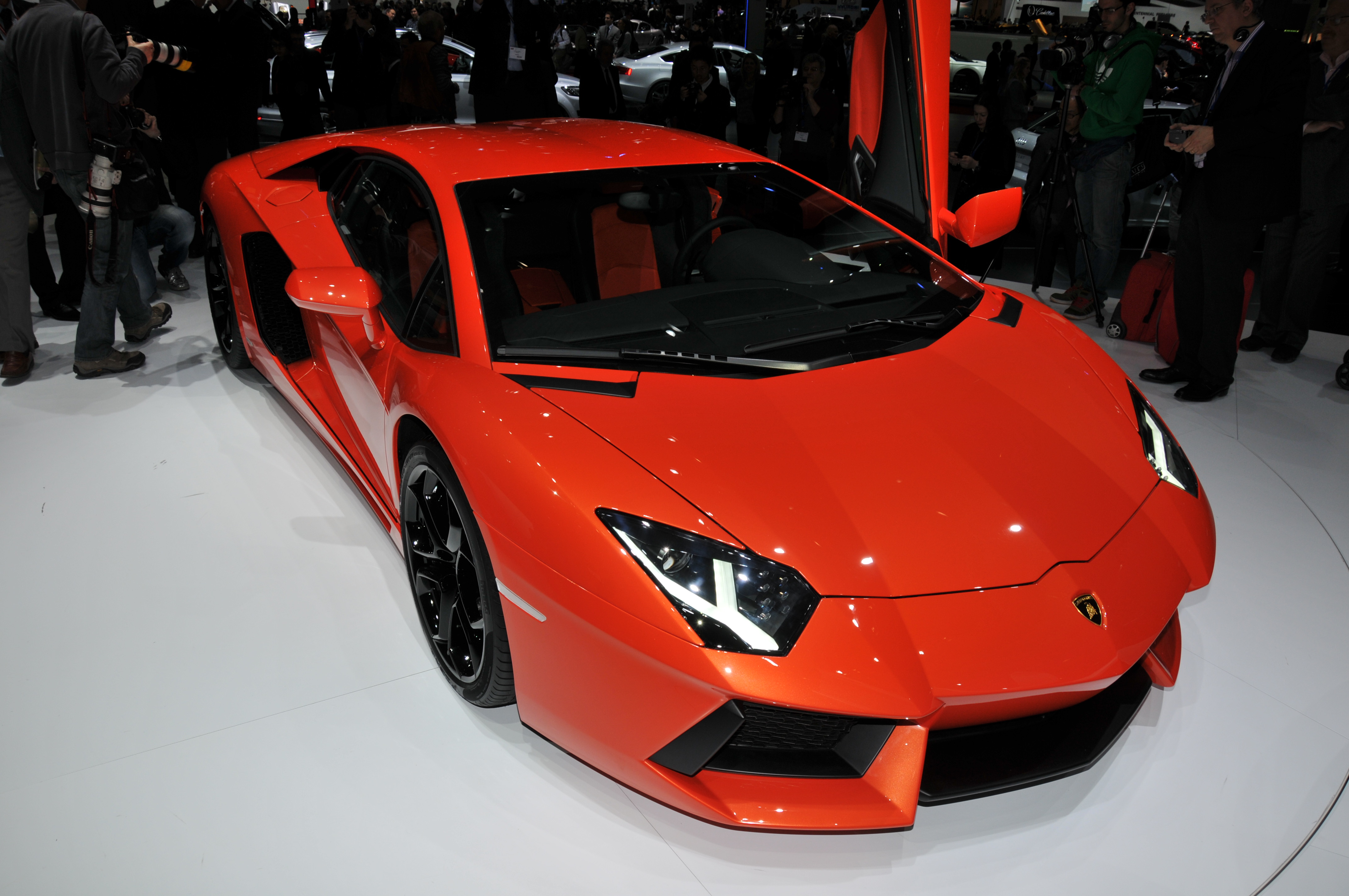
Lamborghini Aventador
"Like the Lamborghini Ravuelto, I think is like kind of better than the Aventador. [1092.5s] It in the way it uses the hybrid and stuff like that."
The Aventador is Lamborghini’s famous big V12 supercar. Here it’s mentioned mainly to compare it to a newer hybrid Lamborghini.
The Lamborghini Aventador is the brand’s iconic, high-performance V12-era supercar. In this segment it’s used as the comparison point for the Ravuelto, with the host arguing the newer hybrid approach is the differentiator.

Porsche Cayenne
"Yeah. I I understand Ferrari wanting to give their sports car customers [1125.1s] something to drive every day. [1126.5s] Look at Cayenne, look at Urus."
The Cayenne is Porsche’s SUV. The point here is that it’s a successful “daily driver” option that keeps the brand’s customers happy beyond just sports cars.
The Porsche Cayenne is Porsche’s mainstream luxury SUV that helped make the brand’s modern lineup financially viable. The host brings it up as an example of Porsche’s (and Ferrari’s) strategy: offering a daily-drivable model to sports-car customers.

Lamborghini Urus
"Look at Cayenne, look at Urus. [1130.2s] Yeah. And like I don't like the Urus for myself."
The Urus is Lamborghini’s SUV. The host is using it as an example of how people can get the Lamborghini lifestyle while still driving something practical every day.
The Lamborghini Urus is Lamborghini’s high-volume luxury performance SUV. In this segment, it’s cited as proof that an “exotic-looking” daily driver can be hugely successful with customers who want the Lamborghini identity without owning a traditional supercar.

Audi RS Q8
"Yeah. And like I don't like the Urus for myself. [1133.0s] I think it's kind of ugly, like the RS Q8 is way sure. [1136.0s] Beautiful, but it totally does the job..."
The RS Q8 is a fast, sporty Audi SUV. In this segment, it’s brought up as the better-looking option if you want that exotic vibe but don’t want the Lamborghini.
The Audi RS Q8 is a high-performance version of Audi’s Q8 SUV, tuned for serious power and handling. The host calls it “way sure” (i.e., much better-looking) than the Lamborghini Urus, while still fitting the “daily driver exotic look” idea.
platform to share
"But you know, Ferrari doesn't have a platform to share with anybody. They don't have a, you know, they don't have that. So but maybe then they should just stay in a line."
A “platform” is the main underlying structure a car is built on. “Sharing a platform” means different cars use the same basic design to save money and speed up development. The speaker is saying Ferrari doesn’t do that, which puts them at a disadvantage when competing on new tech.
“Platform sharing” means multiple car models use the same underlying engineering architecture (like chassis and major components) to reduce cost and speed up development. The host is arguing Ferrari doesn’t share platforms with other brands, unlike Lamborghini’s ties to a larger group, which affects how quickly and efficiently they can develop new technology.
Volkswagen Audi group
"I'm not interested in a full like because Lamborghini gets to lean on so much technology from the Volkswagen Audi group."
Volkswagen and Audi are part of the same big corporate group. When brands are in the same group, they can share engineering and technology. The host is arguing that Lamborghini benefits from that shared development, while Ferrari doesn’t have the same advantage.
The Volkswagen Group (including Audi) is a large automaker that shares engineering and technology across many brands. The hosts are saying Lamborghini can “lean on” that shared technology, which helps it develop systems like hybrid tech faster than Ferrari can.
mobbing canyons
"there are a couple good things about it. It's terrible at like mobbing canyons and it's terrible at bumper to bumper traffic."
“Mobbing canyons” means driving hard and fast through twisty mountain roads. The host is saying the DeLorean isn’t good at that kind of aggressive driving.
“Mobbing canyons” is enthusiast slang for driving aggressively through twisty mountain roads. The host says the DeLorean is “terrible” at that kind of spirited, high-load driving, implying it lacks the handling/response you’d want for canyon runs.
bumper to bumper traffic
"It's terrible at like mobbing canyons and it's terrible at bumper to bumper traffic."
“Bumper-to-bumper traffic” describes stop-and-go driving where you’re constantly accelerating and braking at low speeds. The host uses it to argue the DeLorean is unpleasant in real commuting conditions, not just on track or open roads.

Kia Stinger
"...Yeah, he's the man that car was sick It was a Kia Stinger GT engine swap portion 996 gearbox Ferrari 355 ch..."
The Kia Stinger is a Kia that’s designed to feel more sporty than a typical family car. The podcast talks about a Stinger GT and how people can modify them. It’s mentioned because it can be turned into a more performance-focused project.
The Kia Stinger is a performance-oriented sedan/coupe-style car that aimed to bring more power and driving excitement to Kia’s lineup. The podcast mentions a “Stinger GT” and even references an engine swap and transmission pairing, which underscores how the Stinger can be a platform for enthusiasts. It’s discussed because it’s not just a commuter—it can be modified and driven hard.

Ferrari 355
"996 gearbox Ferrari 355 challenge brakes a Porsche steering rack and like the craziest Coney coilover dialed in that's a corner balance."
The Ferrari 355 is a classic Ferrari with a V8. They’re saying the project used Ferrari 355 “challenge” brakes—brakes meant for harder driving.
The Ferrari 355 is a mid-engine Ferrari from the 1990s known for its naturally aspirated V8 and track-focused braking hardware. In this segment, “Ferrari 355 challenge brakes” implies the builder used Ferrari 355 braking components intended for more aggressive use.
coilover
"and like the craziest Coney coilover dialed in that's a corner balance. Did you drive it?"
Coilovers are suspension parts that let you adjust how the car rides and handles. They’re often used on project cars because you can fine-tune the car’s stance and grip.
Coilovers are adjustable suspension units that combine a coil spring and shock absorber, letting you tune ride height and damping for handling. In this segment, the speaker says the coilovers were “dialed in,” implying careful setup for performance driving.
corner balance
"Coney coilover dialed in that's a corner balance. Did you drive it? Yes, did it fix the car? It fucking ripped"
A corner balance is a way to set up the car so each wheel is supporting the car in the right way. It helps the car handle more evenly instead of feeling lopsided or unpredictable.
Corner balance is a suspension setup method where each wheel’s ride height and weight distribution are adjusted so the car sits correctly and handles predictably. It’s commonly used for track-focused cars because small setup changes can significantly affect balance and tire grip.
X chassis
"It was great. Yeah, but this is a little bit weird. It has that weird X chassis Yes, which is like no there's they put so much you saying that is how Brian justifies like most of his budget car desires"
An “X chassis” is the car’s frame/structure design. They’re saying that particular chassis layout makes the project more difficult and can lead to weird behavior even after lots of upgrades.
“X chassis” here refers to a chassis design/layout that the speaker considers unusual or problematic for the build. The point is that the car’s underlying structure (not just the powertrain) can create handling or packaging challenges that are hard to fix with parts alone.
plastic parts
"Yeah, you get it replacing like some of these plastic parts cost thousands of dollars impossible to find Yeah, like you have to dedicate your whole life to finding the nonsense and then somehow it still feel shitty"
Plastic parts are the non-metal pieces on the car—covers, trim, and other small components. On older cars, they can break or wear out, and replacements can be expensive or hard to find.
In older performance cars, “plastic parts” often refers to trim, underbody pieces, ducts, and other non-metal components that can become brittle or break with age. The speaker’s point is that replacing these can be surprisingly expensive and difficult to source.
ash trade
"“It's like the it's the clip for the you know ash trade Oh, I was driving my super the other day right…”"
They’re talking about small interior parts that are annoying to fix. Even if the problem is tiny, you may have to take things apart, which makes it costly.
“Ash trade” here sounds like a mis-transcription of “dash”/“dash trim” context—i.e., the small interior pieces that are hard to repair without disassembly. The key point is that minor trim components can be expensive and labor-intensive to replace.
corner dash speaker grill
"“And I'm like driving and I'm like how are the two corner dash speaker grill things like rusted Mm-hmm. I gotta change those you gotta take the dash out.”"
That’s the little cover/grille over a speaker in the dashboard. If it’s rusted or damaged, fixing it can mean taking apart the dash, which is a big hassle.
A “corner dash speaker grill” is the grille covering a speaker mounted in the dashboard area. Replacing or repairing these can require removing the dash (or major dash trim), which is why the host calls it a job they’re “never gonna” do.
map light
"“You're like, oh now just gonna spend 300 dollars on a map light Surround and you're like this is the worst money ever spent.”"
A map light is the small light used for reading inside the car. Even though it’s minor, replacing it can still be expensive.
A “map light” is a small interior reading light typically mounted near the front seats. It’s a good example of how seemingly minor electrical/trim components can cost a lot when you factor in parts pricing and labor.

DeLorean
"“Is the DeLorean a special car for you then totally? Yeah, I had never personally wanted one… Like me no, but I mean you gotta think back to the future was such a big movie back”"
The DeLorean is a famous sports car, especially because of the movie Back to the Future. People love the look and the story, but owning one can be surprisingly costly to fix and maintain.
The DeLorean is a stainless-steel sports car best known for its pop-culture fame from the movie Back to the Future. In enthusiast circles, it’s also a cautionary example of how expensive-to-own “hero car” dreams can be, because the car’s parts and repairs can add up quickly.

Chevrolet Nova
"Up until yesterday [1556.4s] I only owned one car that a woman approached me in and was like that was my 72 Nova [1564.5s] yesterday a woman approached me in my rabbit and was like"
A “72 Nova” is a 1972 Chevrolet Nova, an older American car from the muscle-car era. The host is saying it was a car people found cool and it got noticed.
The Chevrolet Nova is a classic American muscle-era car, and the “72 Nova” refers to the 1972 model year. In this conversation it’s mentioned as a personal car that drew attention from women, showing how certain hero cars can be more about vibe and styling than outright performance.

rabbit
"[1564.5s] yesterday a woman approached me in my rabbit and was like [1568.7s] These are the kind of cars that women so the the Manx women love I can see that my pink Porsche women fucking"
“Rabbit” is a nickname for a Volkswagen compact car. The speaker is just using it as another example of a car that people react to.
“Rabbit” here refers to the Volkswagen Rabbit, a compact car that’s often associated with the enthusiast community (especially in earlier generations). In the segment, it’s used as another example of a car that gets approached/noticed in everyday life.
oil temp
"It's got so much oil... It takes like 30 minutes to warm it all... so when it's ice cold, it's clunky... also takes 30 minutes to get oil temp in the thing"
Oil temp just means how warm the engine oil is. When it’s cold, the car can feel rough or clunky until the oil heats up and starts working the way it should.
Oil temperature (“oil temp”) is how hot the engine oil gets during operation. Many high-performance cars need time to warm up so the oil can lubricate properly, which is why cold starts can feel clunky.

Subaru 360
"...so when it's ice cold, it's clunky I don't really 360s like that to the ferrari's like that also takes 3..."
The Subaru 360 is a very small older car. The podcast says it can feel rough or clunky when it’s cold. It’s mentioned because older tiny cars don’t drive like modern cars.
The Subaru 360 is a small, early kei-class car known for its compact size and simple, lightweight design. The podcast mentions it being clunky when cold and compares that experience to other cars, which highlights how these older microcars can feel different from modern vehicles. It’s discussed because the 360 is a distinctive piece of automotive history and driving character.
Gordon Murray
"I'll tell you what I interviewed Gordon Murray [1764.5s] Yeah, the gist of G's [1766.9s] He hates it"
Gordon Murray is a famous car and race-car designer. Here, the hosts are saying that if he dislikes a car, that’s a strong sign it may not be as great as people think.
Gordon Murray is a well-known Formula 1 designer and automotive engineer who has also built road cars. In this segment, the hosts use his opinion as a credibility check on whether a specific car is “good” or not.

Acura NSX
"Matt may disagree with me here one of the most overhyped cars. I was really let down by [1827.8s] NA1 NA2 Acura NSX shit. That's my number four nice. Yeah"
The Acura NSX is a famous high-performance sports car that’s known for being well-engineered and fun to drive. In this segment, they’re saying it didn’t live up to the hype for one of the hosts.
The Acura NSX is a mid-engine supercar that helped define the modern “everyday supercar” idea, with a reputation for balance and engineering. Here, the hosts call out the NSX as an overhyped “modern disappointment” based on personal letdown.

Lamborghini Rivalto
"...isappointed you had just mentioned it Lamborghini Rivalto. Mmm. Oh v12 new modern"
The Lamborghini Revuelto is a newer Lamborghini supercar. The podcast describes it as a modern V12 car. It’s mentioned because it’s a recent model that stands out to enthusiasts.
The Lamborghini Revuelto is a newer-generation Lamborghini supercar, and the podcast references it as a “V12 new modern” type of car. That matters because the Revuelto is part of the brand’s shift toward modern performance while still aiming to keep the V12 identity. It’s discussed because it’s a current, headline-grabbing Lamborghini model.
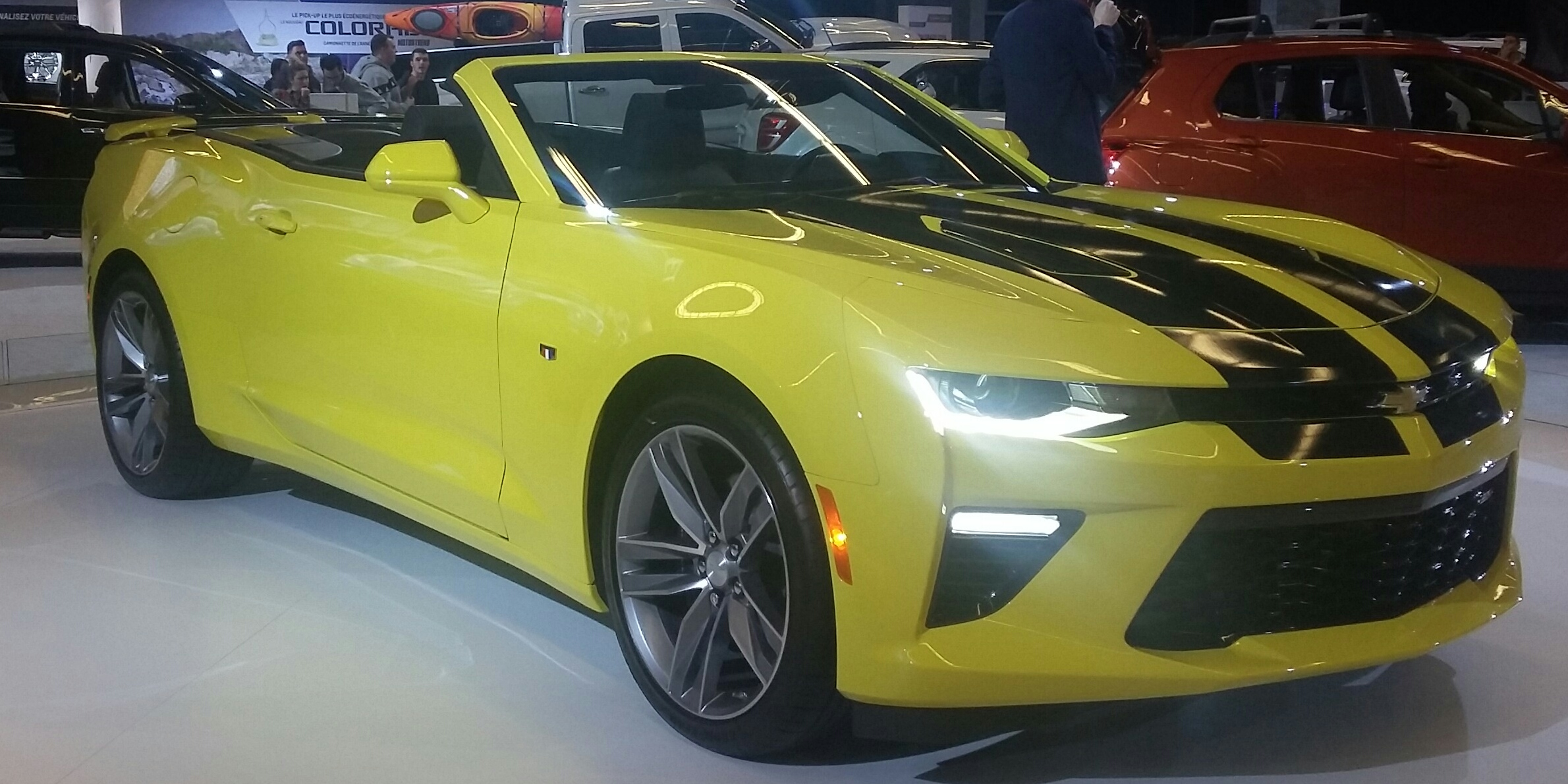
third-gen Camaro
"My dad works. Yeah, my dad works at a Chevrolet dealership and this old couple turned in a third-gen Camaro How I rock I was like 20. Okay, I was like 18 They turn they turn that in for a trade-in and it had like 3000 miles on it"
This means an older Chevrolet Camaro generation. The hosts are talking about one that had low miles when it was traded in, and they’re discussing how it can be improved to drive more like a modern car.
A third-gen Camaro is the Chevrolet Camaro generation from the late 1960s to early 1970s (often associated with the 1967–1969 styling era). In this segment, it’s the specific Camaro the dad brings home from a dealership trade-in, and it’s discussed as a “dream car” that can be made to drive better with modern parts.
trade-in
"They turn they turn that in for a trade-in and it had like 3000 miles on it And the dealership offered them like 500 bucks"
A trade-in is when you give your current car to the dealer and it counts toward the price of the next car. They’re talking about the Camaro being traded in and what the dealer offered for it.
A trade-in is when a dealership takes your current vehicle as part of the purchase price for another car. In this segment, the third-gen Camaro is described as being turned in for a trade-in with about 3,000 miles, and the dealership’s offer is discussed.
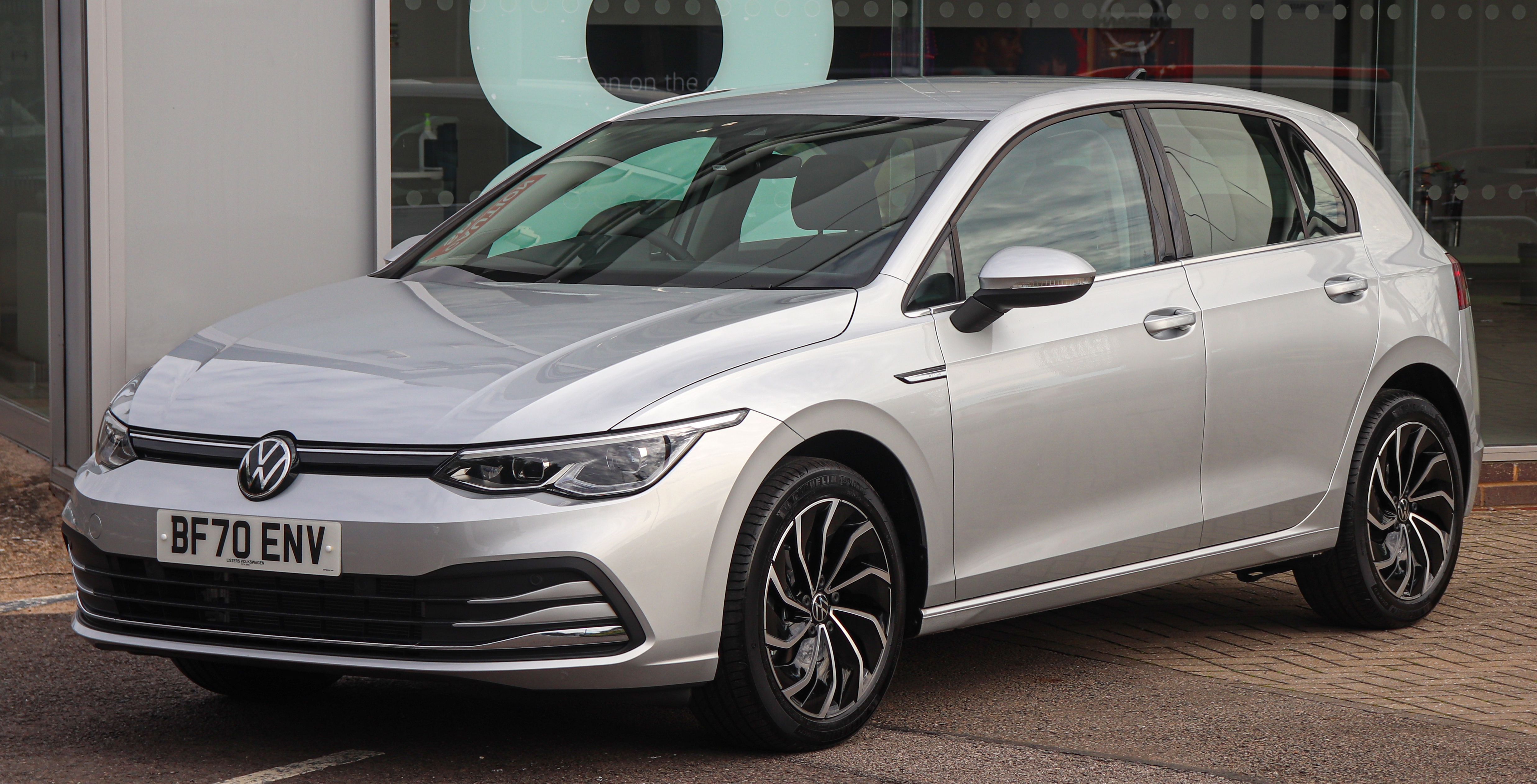
Volkswagen Gti
"...it And at the time I was building the motor in my GTI so my dad took it and I was like I'm a daily that..."
The Volkswagen Golf is a compact car that many people use every day. The podcast mentions it as a reliable daily while someone was working on a different car. It’s brought up because it’s practical and easy to use.
The Volkswagen Golf is a compact car known for being practical and easy to live with, often serving as a daily driver platform. The podcast mentions building an engine for a GTI and having a parent take the Golf, which frames it as a dependable “daily that works” while other projects were happening. It’s discussed because the Golf/GTI ecosystem is a common entry point for enthusiasts.
automatic with the 350
"It was it was an automatic with the 350. Oh, yeah, okay. Yeah, so I think actually The styling of that car has begun to age"
“350” means the engine size—about a 5.7-liter V8. Saying it was an automatic means it shifts itself, not with a clutch and gears.
“350” here refers to a Chevrolet 350 cubic-inch V8 engine (a common small-block V8 displacement). Pairing it with an automatic transmission changes how the car drives—typically more relaxed than a manual—while still delivering V8 torque.
QA one
"I think with like a QA one. Yeah, they drive the stock they drive like QA one and Detroit speed make a lot of cool parts for it"
QA1 is a company that sells aftermarket suspension parts. The hosts are saying you can use parts like these to improve how an older Camaro handles.
QA1 is an aftermarket brand known for suspension components, especially for classic and muscle cars. In this segment, it’s mentioned as part of the parts ecosystem that can help a third-gen Camaro drive better.
Detroit speed
"Yeah, they drive the stock they drive like QA one and Detroit speed make a lot of cool parts for it You could probably make it a pretty nice handling car"
Detroit Speed makes aftermarket parts, especially for improving suspension and handling. The point in this segment is that you can buy upgrades to make an older Camaro drive much better.
Detroit Speed is an aftermarket performance brand focused on suspension and chassis upgrades for classic American cars. Here, it’s paired with QA1 to suggest that modern parts can transform a third-gen Camaro into a much better-handling car.
LT4 motor
"You could probably make it a pretty nice handling car and you put like a newer LT4 motor in it But then you're talking you got a $200,000 bill."
The LT4 is a Chevrolet small-block V8 engine family (commonly associated with the Corvette Z06 era), known for being a high-output, modern pushrod V8. The speaker suggests swapping an LT4 into a third-gen Camaro as a way to dramatically increase performance, but notes it quickly becomes a very expensive “pro touring” build.
pro touring bill
"But you're basically backhaving the car for sure. Oh for sure I think with like a QA one. Yeah, they drive the stock they drive like QA one and Detroit speed make a lot of cool parts for it You could probably make it a pretty nice handling car and you put like a newer LT4 motor in it But then you're talking you got a $200,000 bill. Yeah. Yeah. Yeah, you know, that's a pro touring bill"
“Pro touring” is when people take an older car and upgrade it so it handles and drives more like a modern sports car. The speaker is saying the cost can get huge once you start doing real upgrades.
“Pro touring” is a build philosophy that modernizes an older car’s handling and drivability—often with suspension upgrades, steering improvements, and sometimes newer engines—so it can be driven hard like a modern performance car. The “bill” comment highlights that doing this properly can become extremely expensive.
rack and pinion steering
"All it needs is like rack and pinion steering dual a arm front suspension all new arms Sidebar the first strobes LS the first C3 Corvette"
Rack-and-pinion steering is a steering setup that turns the wheels using a gear and a bar. The host is saying upgrading to this can make an older Camaro feel more accurate and easier to drive.
Rack-and-pinion steering is a steering system where a gear (“pinion”) moves a linear gear rack to turn the wheels. The speaker lists it as an upgrade for a third-gen Camaro, implying the goal is more precise, modern steering feel.
dual a arm front suspension
"All it needs is like rack and pinion steering dual a arm front suspension all new arms Sidebar the first strobes LS the first C3 Corvette"
This is a type of front suspension that uses two arms to control how the front wheels move. Upgrading to it can improve handling and steering response on an older car.
A dual A-arm (double-wishbone) front suspension uses two control arms per side to locate the wheel, helping tune camber and ride/handling behavior. The speaker is describing a chassis refresh path to make the older Camaro handle more like a modern performance car.

AMC Javelin
"...ther day and they they said man I just saw a real javelin in life and I've only seen with the ring brothers..."
The AMC Javelin is an older American muscle car. The podcast talks about seeing one in real life and being excited about it. It’s mentioned because it’s a notable classic that not everyone sees often.
The AMC Javelin is a classic American muscle car, and the podcast mentions seeing a “real Javelin” and referencing the Ring Brothers. That kind of mention usually points to the Javelin’s rarity and collector appeal. It’s discussed because it’s a memorable piece of muscle-car history beyond the most commonly talked-about models.
air-cooled
"That's like being like yeah, I love air-cooled 9-elevens like the Gunther works cars. So good. You're like Yeah, go drive a G body like"
“Air-cooled” means the engine is cooled by air flowing over it, not by coolant in a radiator. It can change how the car feels and how it behaves compared to liquid-cooled engines.
Air-cooled engines rely on airflow over the engine to remove heat instead of using liquid coolant. That design choice changes how the engine runs and how it feels over time, which is why enthusiasts compare “air-cooled” experiences across different cars.
third gear
"By in third gear Imagine imagine like your first experience in air-cooled was a singer. Yeah, and then you just got dropped off one day in a G body"
“Third gear” is one of the gear positions in the transmission. Mentioning it usually means the speaker is describing how the car felt at a particular speed and engine RPM range.
“Third gear” is a specific transmission ratio used to describe where in the rev range or speed band a driving impression happened. In performance talk, it helps listeners understand the context of throttle response and how the car behaves under load.

NSX
"But then the car for me the NSX I think is a really like interesting one because I know you've had one I did you for quite like three years. I had mine. I had mine for like two."
The Honda NSX is a mid-engine sports car that’s famous for being smooth and easy to live with for a car in the supercar world. They’re arguing about whether it’s great for long road trips or whether it feels worse in twisty canyon driving because of how the brakes and steering behave.
The Honda NSX is a mid-engine supercar with a reputation for being unusually usable and well-balanced for daily driving. In this segment, the hosts debate its “grand tour” strengths versus how it can be frustrating in certain canyon conditions, specifically calling out brake and steering feel.
brakes
"It's a fabulous road trip sport. Oh, yeah You got a long trip. It's a grand tour. Yeah, it is absolutely grand tour The brakes and the steering in the canyons are fucking heinous and the cars and the"
They’re talking about the car’s brakes and how they feel when you’re driving hard in twisty roads. The complaint is that the braking behavior in the canyons isn’t good.
In canyon driving discussions, “brakes” often refers to more than stopping power—it can include pedal feel, modulation (how smoothly you can control deceleration), and how consistent the braking performance is through repeated turns. Here, the speaker says the brakes are especially bad in the canyons.
steering ratio
"I had three point two the steering ratio, which is like three point fucking nine to one Dude is it it's a terrible thing to steer."
Steering ratio is basically how “quick” the car’s steering is. It tells you how much you have to turn the wheel to make the tires turn, and it affects whether the car feels easy or twitchy to drive.
Steering ratio is how much the steering wheel must turn to rotate the wheels a given amount. A higher ratio (more wheel turns) feels slower and easier to control, while a lower ratio (fewer wheel turns) feels quicker but can be twitchier and harder to steer precisely.
mileage prison
"It sucked it sucked the mileage prison is the lamest thing because it was nice to drive But not like mind-blowing you want to hear okay, just pleasant and"
“Mileage prison” is a joking way to say people get obsessed with the odometer number. The point is that a higher-mile car can still be fun, even if it’s worth less to some buyers.
“Mileage prison” is an enthusiast phrase for the idea that a car’s value and desirability get heavily punished by high odometer readings. The hosts argue that this can be misleading—some cars are still enjoyable to drive even when they’re not “low-mile” examples.
timing belt
"I immediately sent it to a shop. We did an engine out service timing belt water pump all the stuff all right"
The timing belt is a belt inside the engine that keeps the engine’s moving parts working in sync. If it’s due for replacement, changing it on schedule helps avoid major engine damage.
A timing belt synchronizes the crankshaft and camshaft so the engine’s valves open at the correct time. Many engines require scheduled timing belt replacement, and doing it proactively can prevent expensive failures.
water pump
"We did an engine out service timing belt water pump all the stuff all right"
The water pump moves coolant through the engine to keep it from overheating. It’s commonly replaced when doing big timing-related work because it’s easier to do while everything is already apart.
The water pump circulates coolant through the engine to control temperature. It’s often replaced during major timing-belt service because it’s labor-intensive to access and failures can cause overheating.
engine out service
"I immediately sent it to a shop. We did an engine out service timing belt water pump all the stuff all right"
“Engine out” means the mechanic takes the engine out of the car to do work that’s hard to reach. It usually costs more, but it lets them replace parts properly.
An “engine out” service means removing the engine from the car to access components that are otherwise difficult to reach. It’s typically used for major jobs like timing belt replacement on certain layouts, and it increases labor cost but can improve thoroughness.
speedo
"First big road trip on it take it up to this first that drive it up there on the way Down my speedo stopped working. So I'm gonna fuck so I call the shop"
“Speedo” is just the speedometer. If it stops working, the car may have a problem with the sensor or the wiring that tells the gauge how fast you’re going.
“Speedo” is shorthand for the speedometer, the gauge that displays vehicle speed. A speedometer that stops working can point to issues with the speed sensor, wiring, or the instrument cluster.
Car Fax
"That's when I was looking for when I was looking for NSX is when I was looking for NSX is I remember a car faxed"
Carfax is a report that tracks a car’s history from records. People use it to see things like reported mileage and ownership events to spot inconsistencies.
Carfax is a vehicle history report service that compiles records like title events, odometer readings, and service history. Hosts often use it to cross-check whether the mileage and ownership story match what the car shows in person.
smogged
"and then every year or like two years and it would get smogged it would have like 300 more miles on it and you're like you really only drove this car 300 miles a year"
“Smogged” means the car had to pass an emissions test. In this story, the emissions paperwork keeps happening, but the car isn’t actually being driven much, which raises suspicion.
“Smogged” refers to passing a vehicle emissions inspection (smog test) required in many regions. The host is using it to show a pattern of paperwork that doesn’t match real driving—suggesting the car’s mileage may have been manipulated.
pop the hood
"And I was like, oh no, you literally pop the hood you reach in and you just unplug the fucking speedo sensor and the car drives a hundred percent normal"
“Pop the hood” just means open the hood so you can look under it. Here, it’s part of checking whether someone tampered with the speed sensor.
“Pop the hood” is the act of opening the engine bay for inspection. In this segment it’s used to describe a hands-on check that reveals the speedometer sensor has been disconnected.
fraud
"So now I'm just gonna like incrementally. Thanks for telling me now. I could have been doing fraud this whole yeah"
Here, “fraud” means someone is tricking you about the car’s real mileage. The idea is that the records and the car’s condition don’t line up because the readings were manipulated.
In this context, “fraud” refers to intentionally misrepresenting a car’s true mileage—commonly by tampering with sensors or the odometer/speed readouts. The host implies that the mismatch between paperwork and physical wear could be evidence of odometer-related deception.
undercarriage
"Already had high mileage And the undercarriage of my car absolutely reflected the accurate miles"
The undercarriage is the bottom of the car. People look at it to see if the wear and dirt seem to match the mileage the seller claims.
The undercarriage is the underside of a vehicle, including areas like the floorpan and suspension components. Enthusiasts use it to judge whether wear and grime match the claimed mileage—if it looks too clean or too worn, it can signal odometer or maintenance inconsistencies.
enormous trunk
"Well, I'm gonna get the seat redone like like certain things about it Are amazing for the car. Yeah, so like the fact that it has this enormous trunk is amazing"
A trunk is where you put luggage. They’re saying this car has a surprisingly big one for a sports car.
A “trunk” is the cargo compartment, and “enormous trunk” highlights unusual practicality for the car being discussed. The host is pointing out that this specific car layout provides a large rear storage area despite being a sports car.
take the top off
"Yeah, the fact that you can take the top off was yours a tee No, I'm not 91 so you could take the top off mine and it goes on top of the engine"
“Take the top off” means removing the roof so the car is open to the air. They’re talking about how that roof piece is stored.
“Take the top off” refers to removing the roof/upper section to open the cabin to the air. The host is describing a convertible-like feature and how it affects storage packaging.

718 spider
"Had a Ferrari 328 the NSX and my 718 spider all at the same time ... Let's fucking dump this thing your spider ... why because because the car is just going up my my specific car ... my spider miles cost nothing"
The Porsche 718 Spider is a Porsche sports car you can drive with the top down. They’re arguing about whether driving it “costs” you much money, and they also talk about how it fits different drivers.
The Porsche 718 Spider is a mid-engine Porsche convertible (with the 718 family’s flat-four/flat-six depending on year) built around balance and open-top driving. The hosts focus on ownership economics—how depreciation and demand affect whether “miles” feel costly—and also on the car’s seat/ergonomics compared to the NSX.

Ferrari 328
"Had a Ferrari 328 the NSX and my 718 spider all at the same time and you could draw a straight line to those cars"
The Ferrari 328 is an older Ferrari with a V8 engine in the middle of the car. The hosts mention it to compare it with other “special” cars they’ve owned.
The Ferrari 328 is a classic mid-engine Ferrari from the 1980s, known for its V8 layout and driver-focused feel. In this segment it’s used as part of a “hero car” comparison set alongside Honda’s NSX and Porsche’s 718 Spider.

Porsche Boxster
"...zing last year Why am I taking miles away from my Boxster where miles cost me fucking nothing and driving t..."
The Porsche Boxster is a Porsche roadster, meaning it’s a smaller sports car with an open-top style. The podcast mentions it because the speaker feels it’s enjoyable to drive and not as expensive to rack up miles on. It’s brought up as a practical choice for fun driving.
The Porsche Boxster is a mid-engine roadster that’s designed to deliver Porsche driving feel in a smaller, more approachable package than the 911. In the podcast, it’s mentioned in a way that suggests the speaker values the cost-to-run and the enjoyment of driving it. That makes it relevant when discussing which Porsche models make sense for regular use.
Request an Explanation
Heard something you'd like explained? We'll add it to this episode.
Sign in to request explanations for terms you heard.
Want to learn more?
Browse our glossary for plain-English explanations of automotive terms, jargon, and concepts.
Help improve this episode
See something that's not quite right? Our annotations are AI-generated and can sometimes miss the mark. Click the flag icon on any annotation to suggest a correction.
4 community members have helped improve this episode.