
Scotty's dilemma and Car of the week!
About this episode
The hosts kick off with light banter about aging performers and the pressure of staying “in prime,” then pivot to car talk. A big highlight is Scotty’s fresh praise for the Honda Prelude, calling it more engaging than reviews suggest—especially thanks to Type R-style suspension and gearbox/paddle simulation. David also discusses getting his SI Chord back after fuel/starting issues, with a cautious fuel-tank and filter cleaning fix. Scotty then lays out “homework” for a future car: around $15k, potential power upgrades, handling-focused, manual-friendly conversions, and good looks—while staying open to front-wheel drive.
On this episode of Car Torque, Matty, Scotty, David and Anthony discuss their latest updates. Scotty discusses moving on the R31 and has a dilemma of what to get next?
The boys then choose a car each for Car Of The Week and battle it out in Scotty's version of the quiz with a twist!
Don't forget to subscribe, rate and review!
Please follow this show on Spotify. It really helps!
Support us and become a Patreon! https://www.patreon.com/cartorquepodcast
Check out our merch here!
https://cartorquepodcast.secure-decoration.com/
Check us out on YouTube: https://www.youtube.com/channel/UCybzrcsj4nhADsyfYKtXPzwhttps://
carloop.com.au
David and Eds Podcast Autoretro
https://open.spotify.com/show/5aOi9R8WfqOccEfnm2vslQ
#Carupdates
#2026
#controversial
#opinions
#caroftheweek
#facebookmarketplace
#carshow
#carpodcast
#car
#volvo
#s80
#xjjeep
#xj
#Cherokee
#w123
#mercedes
#Corolla
#sportivo
#toyota

Ford Mustang
"...t as far as, it's not a Toyota A6, and it's not a Mustang. It's not as sporty, it's not as powerful, all th..."
The Ford Mustang is a sports car made by Ford. It’s known for having a powerful engine and a classic muscle-car look. People talk about it when comparing what kind of performance a car is supposed to deliver.
The Ford Mustang is a long-running American sports coupe/convertible known for its strong V8 heritage and performance-focused styling. It often comes up in discussions about what “sporty” means in different markets and how it compares to other performance cars. In this episode, it’s referenced as a benchmark for sporty/powerful expectations.
Type R suspension
"I think the fact they've done the Type R suspension [389.0s] and the electronic controls with the gearbox and the paddles"
This is Honda’s “Type R” suspension, which is tuned for more fun driving. It usually feels tighter and more responsive than a normal suspension, especially when you turn or drive quickly.
“Type R suspension” refers to Honda’s track-focused suspension setup used on the Civic Type R. It typically means firmer springs and dampers, more aggressive geometry, and tuning aimed at sharper steering response and better body control.
electronic controls
"and the electronic controls with the gearbox and the paddles [392.0s] and the blip on the downshift and stuff like that"
This means the car uses computers to manage how it drives. Instead of everything being purely mechanical, the computer helps coordinate things like shifting and response to your pedal and steering inputs.
“Electronic controls” in this context means the car’s computer-managed systems that coordinate how the gearbox behaves and how the car responds to your inputs. It’s part of what makes modern driving feel consistent and “engaging,” even when the hardware is automated.
paddles
"and the electronic controls with the gearbox and the paddles [392.0s] and the blip on the downshift and stuff like that"
These are the shift buttons on the steering wheel. They let you tell the car when to change gears yourself, instead of relying only on automatic shifting.
“Paddles” refers to the steering-wheel-mounted shift paddles that let the driver manually command upshifts and downshifts. Even when the transmission is automated, paddles give a more direct, driver-controlled feel.
blip on the downshift
"and the paddles [392.0s] and the blip on the downshift and stuff like that, all simulated"
When you downshift, the car can briefly raise the engine revs so the next gear lines up smoothly. That makes the downshift feel more seamless and less jerky.
A “blip on the downshift” is when the engine briefly revs up (a quick throttle “tap”) during a gear change downward. The goal is to match engine speed to the lower gear so the shift feels smoother and more immediate, often with less driveline shock.
better in person than it is on paper
"It's one of those rare cases of it's better in person than it is on paper. [411.0s] Yes."
Sometimes a car’s specs don’t tell the whole story. You might read about it and think it’s just okay, but when you drive it, it feels better than expected.
“Better in person than it is on paper” describes a common car-evaluation mismatch: the spec sheet and reviews don’t fully capture how the car feels in real driving. Things like steering feel, throttle response, and ride quality can make a car seem more impressive once you experience it.
float in the petrol tank
"and he said he wasn't happy with the float in the petrol tank. [481.0s] He said that it wasn't sort of moving freely, [483.0s] and he wonders if that was sort of blocking it, you know,"
Inside the fuel tank there’s a small float that moves up and down with the fuel level. If it gets stuck, it can cause problems like incorrect fuel readings or trouble getting fuel where it needs to go.
The fuel tank “float” is part of the fuel-sending unit that measures fuel level and helps the system know how much fuel is available. If the float doesn’t move freely, it can indicate a stuck sensor or related fuel-delivery issue, which the speaker suspects could interfere with fuel flow into the lines.
inline filters
"He cleaned out a couple of filters that had been missed previously, [496.0s] sort of inline filters,"
Inline filters are small parts in the fuel line that catch dirt before fuel reaches the engine. If they get clogged, the car can run poorly or not run at all, so cleaning them can help.
Inline filters are fuel filters placed along the fuel line to trap debris before it reaches the engine. Cleaning them can restore proper fuel flow if they were partially clogged, which is relevant to the “failed to proceed” issue the speaker is troubleshooting.
front-wheel drive
"Are we opposed to front-wheel drive cars or are we talking rear-wheel or wheel drive in there?"
Front-wheel drive means the front wheels are the ones that get the engine’s power. They also steer the car, so the driving feel can be different from cars where the rear wheels do the pushing.
Front-wheel drive (FWD) means the engine’s power is sent to the front wheels, which handle both steering and propulsion. Because the front wheels do double duty, packaging and traction behavior can feel different than rear-wheel drive.
rear-wheel
"Are we opposed to front-wheel drive cars or are we talking rear-wheel or wheel drive in there?"
Rear-wheel drive means the back wheels get the engine’s power. The front wheels steer, so the car can feel more balanced when you’re accelerating.
Rear-wheel drive (RWD) sends power to the rear wheels, separating steering (front wheels) from propulsion (rear wheels). This often gives a different balance and handling feel, especially when accelerating through corners.

Volvo C30
"I mean, my suggestion, which was going to come into it, was going to be a C30 T5 because I do have the manual variance on it, which is the same as the XR5 engine."
This is a Volvo C30 variant with a turbo engine (the “T5” part). The speaker is saying it’s a car you can still support with aftermarket parts, and that it can be had with a manual transmission.
The Volvo C30 T5 is a compact hatchback with a turbocharged engine, known for being a “modern classic” that still has an active parts scene. In this segment, the host also ties it to the T5 engine family and notes it’s available with a manual gearbox.
XR5 engine
"I mean, my suggestion, which was going to come into it, was going to be a C30 T5 because I do have the manual variance on it, which is the same as the XR5 engine."
This phrase refers to a specific engine variant the speaker believes is shared across cars. They’re basically saying the C30 T5 uses the same engine type as that XR5 setup.
“XR5 engine” is being used here as shorthand for a specific turbocharged engine family used in certain Ford/Volvo-era performance applications. The key point in the discussion is that the speaker claims the C30 T5’s engine is the same as the XR5 engine.

GMC Typhoon
"...ave chased each other through the mountains in my typhoon, but like an XS6 turbo, like a BA one you could g..."
The GMC Typhoon is a fast SUV that uses a turbocharged engine. It was built to be quicker than most SUVs of its time. The episode mentions it because it can handle aggressive driving routes, not just normal commuting.
The GMC Typhoon is a turbocharged performance SUV known for being unusually quick for its class when it was released. It’s significant because it combines practicality with surprising acceleration, which makes it a memorable “sleeper” type of vehicle. In the podcast, it’s referenced as a car that can keep up in spirited mountain driving.
coilovers
"And you can buy sway bars and coilovers and all sorts of bits and pieces that make them really handle very well."
Coilovers are upgraded suspension parts that can be adjusted. They can improve how the car grips and how it sits, especially when you drive it hard.
Coilovers are adjustable suspension setups that combine springs and shock absorbers. They let you tune ride height and damping, which can significantly improve handling compared to stock suspension.
sway bars
"And you can buy sway bars and coilovers and all sorts of bits and pieces that make them really handle very well."
Sway bars help keep the car flatter when you turn. Upgrading them can make the handling feel more controlled and less “wobbly.”
Sway bars (anti-roll bars) reduce body roll when you corner. Upgrading them can make a car feel more stable and responsive, especially on twisty roads.
240 kilowatt
"And you can have a bit, and they're not overly powerful, like 240 kilowatt and stuff."
Kilowatts measure engine power. 240 kW is a fairly strong amount of power, and the point here is that it’s not so extreme that the car becomes difficult to enjoy.
“Kilowatt” is a unit of power, and 240 kW is roughly in the mid-to-high performance range for a turbocharged compact. The host is framing it as “not overly powerful,” meaning it’s enough to be fun without being overwhelming.

BMW E36
"What else could you get? Probably an E36 BMW."
An E36 is an older BMW 3 Series from the 1990s. People like it because there are lots of aftermarket parts available, so it’s easier to customize than many newer cars.
The BMW 3 Series E36 is a 1990s-era chassis that became a favorite for enthusiasts because it’s relatively affordable and has huge aftermarket support. In this segment, Matty J is using it as an example of a platform you can modify extensively without spending supercar money.

Honda Jazz
"But something like that, a Ford Fiesta ST, or, which I think is probably the way to go, a Honda Jazz. Generally, like a Honda Jazz is the aftermarket for a Honda Jazz, Scotty, is ridiculous."
The Honda Jazz is a small Honda hatchback that’s usually bought for practicality. The interesting part here is that it also has a lot of aftermarket parts available, so people can modify it heavily.
The Honda Jazz (Fit in some markets) is a small, practical hatchback known for packaging and usability, but it also has a surprisingly deep aftermarket scene. In this segment, Matty J argues that the Honda Jazz has “ridiculous” aftermarket support, meaning you can buy many parts—like turbo kits, intakes, exhausts, and suspension upgrades—without exceeding a modest budget.

Ford Fiesta
"...e up in price as well. But something like that, a Ford Fiesta ST, or, which I think is probably the way to go, ..."
The Ford Fiesta Active is a small car with a more rugged, SUV-like look. It’s designed for everyday driving and practicality. In the podcast, it’s brought up as an option compared with a sportier Fiesta version.
The Ford Fiesta Active is a crossover-styled version of the Fiesta, aimed at buyers who want a higher-riding look and practical daily usability. In the episode, it’s mentioned alongside the Fiesta ST as part of a decision about what kind of driving experience to prioritize. That makes it relevant when discussing “what to buy” within the Fiesta lineup.

Ford Fiesta ST
"cause like there's lots of that, like a 328, you know, you can get like a, I mean, they've gone up in price as well. But something like that, a Ford Fiesta ST, or, which I think is probably the way to go, a Honda Jazz."
The Fiesta ST is a small Ford hatchback that’s tuned to be fun to drive. It’s also popular with modifiers, so there are lots of parts you can buy to improve it.
The Ford Fiesta ST is a hot hatch built around a turbocharged engine and a compact, tossable chassis. Here it’s mentioned as a practical “car of the week” style option with strong aftermarket availability for upgrades.
Turbo kits
"Turbo kits and intakes and exhausts and suspect like every suspension mod known to man, interiors, body kit, whatever you want, you can get them for that."
A turbo kit is a set of parts that adds a turbo to the engine. The goal is usually to make more power than the car makes stock.
A turbo kit is a packaged set of parts used to add forced induction (a turbocharger) to an engine that may not have been turbo from the factory. It typically includes key hardware like the turbo itself, piping, and supporting components so the engine can make more power.
intakes
"Turbo kits and intakes and exhausts and suspect like every suspension mod known to man, interiors, body kit, whatever you want, you can get them for that."
An intake is how air gets into the engine. Aftermarket intakes are meant to help the engine breathe better, which can improve response and power.
An intake is the air path from the airbox/filter into the engine, and aftermarket intakes are often designed to improve airflow and throttle response. On turbo builds especially, intake changes can be part of the overall setup for making more power.
exhausts
"Turbo kits and intakes and exhausts and suspect like every suspension mod known to man, interiors, body kit, whatever you want, you can get them for that."
The exhaust is the system that sends gases out of the engine. Upgrading it can change the sound and help the engine move gases out more efficiently.
An exhaust system manages how engine gases exit the car, and aftermarket exhausts are commonly used to reduce backpressure and change sound. On modified cars, exhaust upgrades are often paired with intake and turbo changes to support the new power goals.
suspension mod
"Turbo kits and intakes and exhausts and suspect like every suspension mod known to man, interiors, body kit, whatever you want, you can get them for that."
Suspension mods are changes to the parts that control how the car rides and handles over bumps and turns. People do them to make the car feel more stable and responsive.
A suspension modification changes how the car handles by altering components like springs, dampers, bushings, and alignment geometry. The goal is usually to improve grip, ride control, and steering feel compared with stock.
V8
"So, you know, then they're all under 15 grand. Like all those cars I just mentioned to you are under 15 grand. And I think, I think from what you've said that you can make them handle, you can play around with them, auto and manual options and, you know, under 15K, I think those ones are pretty good. If you want to V8, you could even, you could even like, you know, put in like a, like an SVA to, or a, like a VXSS or something, which would be pretty cool."
A V8 is an engine with eight cylinders arranged in a V shape. It’s often associated with big power, and here it’s mentioned as a more extreme upgrade idea.
A V8 is an engine with eight cylinders arranged in a “V” shape, typically producing strong power and torque. In this context, Matty J is talking about swapping or building toward a V8 setup as an extreme modification path for a small car platform.

Mercedes-Benz Ones Amg
"Or even, I mean, what are some of those old Merc VAs going for these days? Like a 450 or a, or the other new ones, AMG ones? Yeah, like an early AMG, like a C43 is out at your price range these days,"
The Mercedes-Benz AMG One is a very rare, very expensive supercar made by Mercedes-AMG. It’s built to be extremely fast and technologically advanced. The podcast mentions it in the context of how much these special cars go for.
The Mercedes-Benz AMG One is a very high-tech, limited-production hypercar from Mercedes-AMG, built around advanced racing-inspired technology. It’s discussed because it represents an extreme, expensive end of the performance spectrum. In the episode, they reference what early AMG models and “AMG ones” cost, tying it to collector pricing.

AMG C43
"Yeah, like an early AMG, like a C43 is out at your price range these days, but like a W203, could you probably get something AMG like a C55 or something?"
AMG is Mercedes’ performance brand. The C43 is a faster version of the Mercedes C-Class, and the point here is that you might be able to find one near the budget being discussed.
AMG is Mercedes-Benz’s performance division, and the C43 is a high-performance variant of the Mercedes-Benz C-Class. The host is using it as a price benchmark, saying an early C43 can land around the listener’s budget.
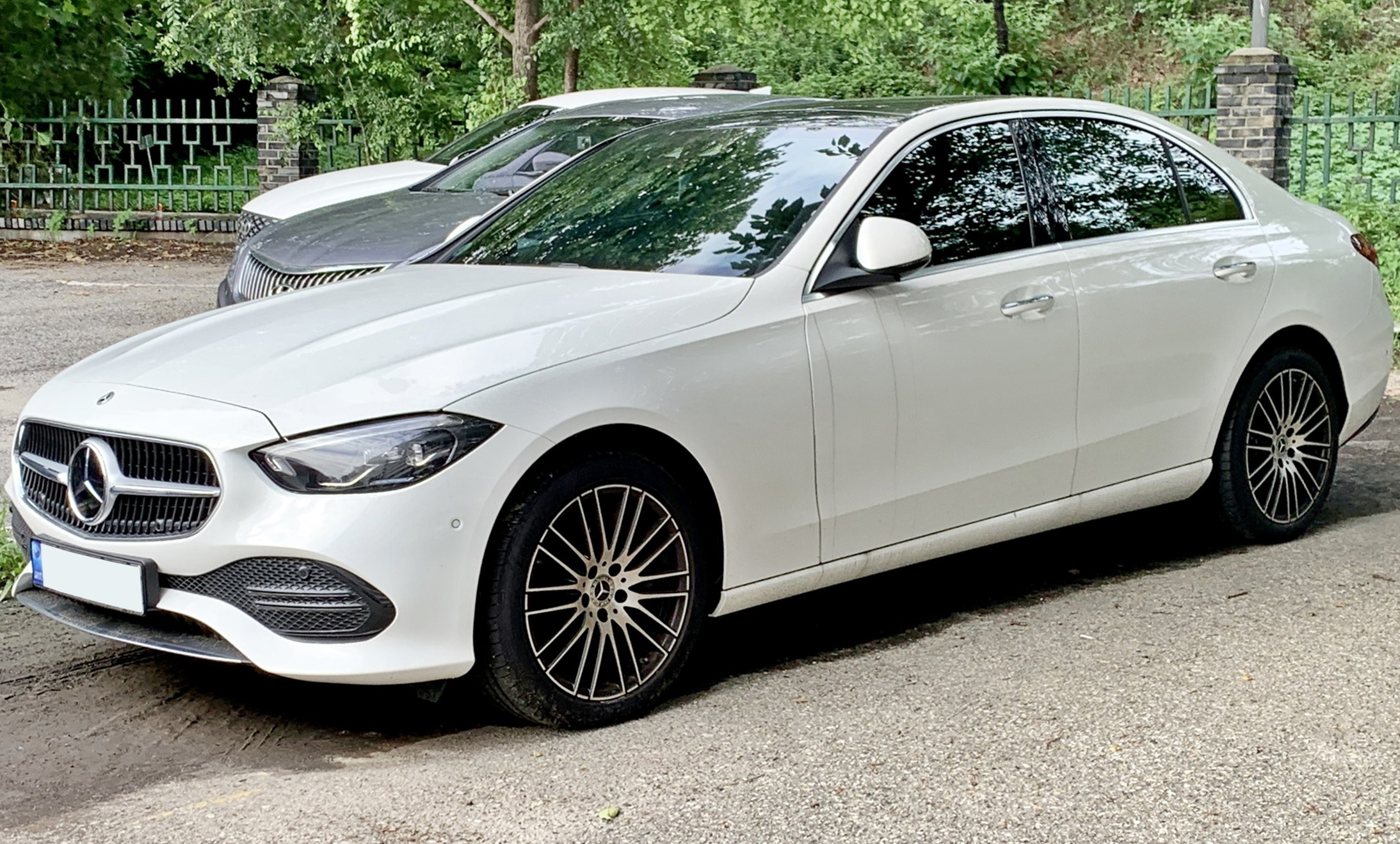
W203
"Yeah, like an early AMG, like a C43 is out at your price range these days, but like a W203, could you probably get something AMG like a C55 or something?"
W203 is the internal code for a Mercedes C-Class from the early 2000s. The host is talking about whether you can find an AMG version of that generation within a certain budget.
W203 refers to the Mercedes-Benz C-Class generation from the early 2000s. Here it’s used as the base platform for considering an AMG upgrade like the C55, which would significantly change the car’s performance character.

AMG C55
"but like a W203, could you probably get something AMG like a C55 or something?"
The AMG C55 is a high-performance Mercedes C-Class. The host is basically asking whether you can find one of these older AMG models for the money being discussed.
The AMG C55 is a performance-focused Mercedes-Benz C-Class variant from AMG’s lineup. In this segment, it’s brought up as a possible target if you’re shopping within a budget and considering an older W203-era car.

Suzuki Swift
"And the other addition I was going to throw in there was the, because we mentioned last week at the Suzuki Swift as well."
The Suzuki Swift is a small hatchback. It’s often chosen because it’s easy to drive and can be pretty fun, even if it’s not a big performance car.
The Suzuki Swift is a compact hatchback known for being lightweight and fun to drive, especially in enthusiast trims. In this segment, it’s referenced as a prior example of a “not everyday car” discussion, implying it can still fit into a practical enthusiast setup.

Viggen
"I mean, the good thing about like the Viggen and an XR6 Turbo and stuff, like if you're getting a real early one, they're club-plateable."
The Viggen is a special, sportier version of a Saab 9-5. In this segment, they’re saying older Viggens can sometimes be registered in a simpler way because they’re old enough.
“Viggen” is a performance variant of the Saab 9-5, known for its turbocharged power and more aggressive tuning. The host mentions it in the context of being old enough to qualify for special registration (“club-plateable”), which is why it’s being considered as a second-car option.
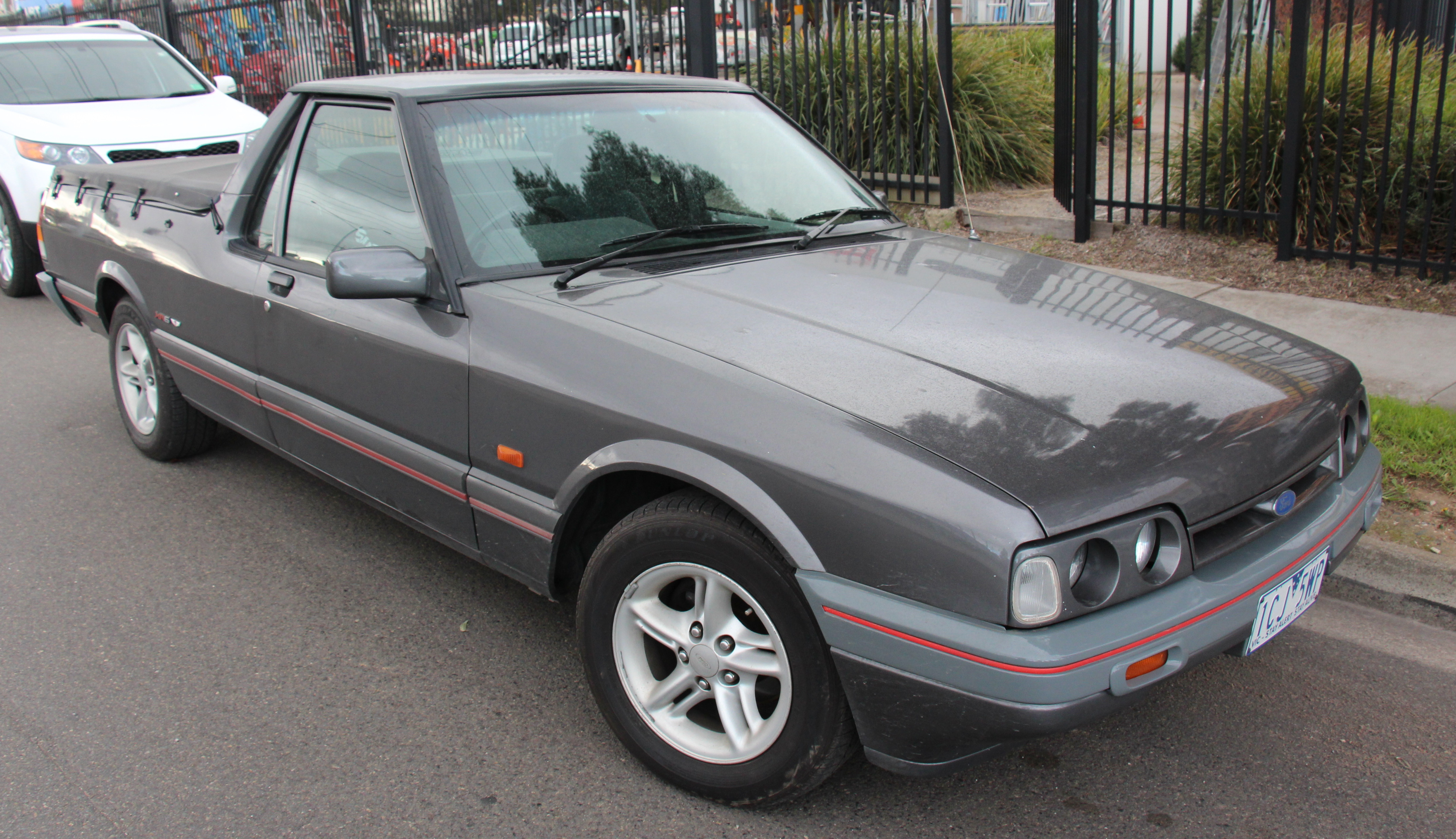
XR6 Turbo
"I mean, the good thing about like the Viggen and an XR6 Turbo and stuff, like if you're getting a real early one, they're club-plateable."
The XR6 Turbo is a Ford Falcon model with a turbocharged engine. Here, they’re talking about it as a fun option that could qualify for easier registration because it’s old enough.
The XR6 Turbo refers to the Ford Falcon XR6 Turbo, a performance-focused variant built around a turbocharged inline-six. In this discussion, it’s brought up as a candidate “second car” that may qualify for special registration treatment due to age.
club-plateable
"I mean, the good thing about like the Viggen and an XR6 Turbo and stuff, like if you're getting a real early one, they're club-plateable."
“Club-plateable” means some older cars can be registered through a car club program instead of the normal process. It’s usually tied to the car being old enough and meeting the program rules.
“Club-plateable” refers to a registration pathway where certain older vehicles can be registered through an approved car club scheme rather than standard registration. The key idea is that age and eligibility can make it easier (or cheaper) to legally put the car on the road for limited use.
aftermarket support
"So, I'm just trying to think that's got a bit of aftermarket support that you can have a bit of fun with and do some stuff."
Aftermarket support means other companies make parts for that car. It’s what lets owners upgrade or modify the car more easily.
Aftermarket support means there are third-party parts, accessories, and/or tuning options available for a car. That makes it easier for owners to modify the vehicle (“tinker”) and customize it beyond what the factory offers.
1.5
"So, but you've got to make sure it's a 1.5 and a manual."
“1.5” means the engine is about 1.5 liters. They’re saying you should look for the Jazz with the 1.5 engine (and a manual) rather than other versions.
“1.5” refers to a 1.5-liter engine displacement, which is the engine’s approximate size. In this context, the host is advising that the Jazz you want is the 1.5 variant (and manual), implying that other engine options don’t match what they’re looking for.
manual
"So, but you've got to make sure it's a 1.5 and a manual."
A manual is a car where you change gears yourself using a clutch and a stick. The host is saying the best version to look for is the one with a manual.
A manual transmission is a gearbox where the driver selects gears using a clutch pedal and gear lever. The host specifically recommends the Jazz with a manual because it’s often more engaging and can be easier to keep consistent for driving preferences.
CVTs
"The early CVTs were fixable, but often by now they're too old to be serviced and use the right fluid and they shudder and they..."
CVT is a type of automatic transmission that changes ratios smoothly. Older ones can get worn out, and using the wrong fluid can make them feel rough or start shuddering.
CVT stands for continuously variable transmission, a gearbox that can smoothly change gear ratios instead of using fixed steps. The speaker is pointing out that older CVTs can become hard to service and may need the correct fluid to avoid symptoms like shuddering.
right fluid
"and use the right fluid and they shudder and they..."
CVTs rely on specific transmission fluid to work smoothly. If you use the wrong one, the car can start acting rough, like shuddering.
For CVTs, using the correct transmission fluid matters because the fluid provides hydraulic pressure and lubrication for the belt/chain and control system. Wrong fluid can contribute to drivability issues like shuddering.

Toyota MR2
"you can get an SW20 MR2 for around the 15 grand. You won't probably get a turbo one, but you'll get an NA one."
The Toyota MR2 (SW20) is a small sports car with the engine in the middle, behind the front wheels. That layout can make it feel more “balanced” and fun to drive compared with many front-engine cars.
The Toyota SW20 MR2 is a mid-engine sports car, meaning the engine sits behind the front axle for a more balanced driving feel. The speaker suggests it as a cheaper, different choice (often naturally aspirated rather than turbo) and implies it’s a fun way to experience mid-engine dynamics.
NA
"You won't probably get a turbo one, but you'll get an NA one."
NA means naturally aspirated—no turbocharger or supercharger. It’s a simpler setup than a turbo, and it’s often what you find when shopping for older, cheaper versions.
NA here means naturally aspirated, referring to an engine that makes power without a turbocharger or supercharger. The speaker contrasts it with a turbo version of the MR2, implying the cheaper SW20s are more likely to be NA.

NB or NC MX5
"What about an NB or NC MX5? Yeah, heaps of parts for those."
The Mazda MX-5 (Miata) is a small, fun roadster, and NB/NC are different generations of it. The big advantage is that there are lots of replacement and upgrade parts available.
The Mazda MX-5 (Miata) comes in generations like NB and NC, and both are popular lightweight roadsters with lots of aftermarket support. The speaker’s point is that there are “heaps of parts” available, making ownership and modifications easier.
Fiesta
"Do you have the Fiesta? Do you have the Camry?"
The Ford Fiesta is a small car that’s generally known for being simple and fun to drive. They mention it while talking about which cars they’ve tested.
The Ford Fiesta is a small, front-wheel-drive car that’s often praised for being easy to drive and efficient. In this segment it’s brought up as part of a list of cars the host has (or hasn’t) driven.
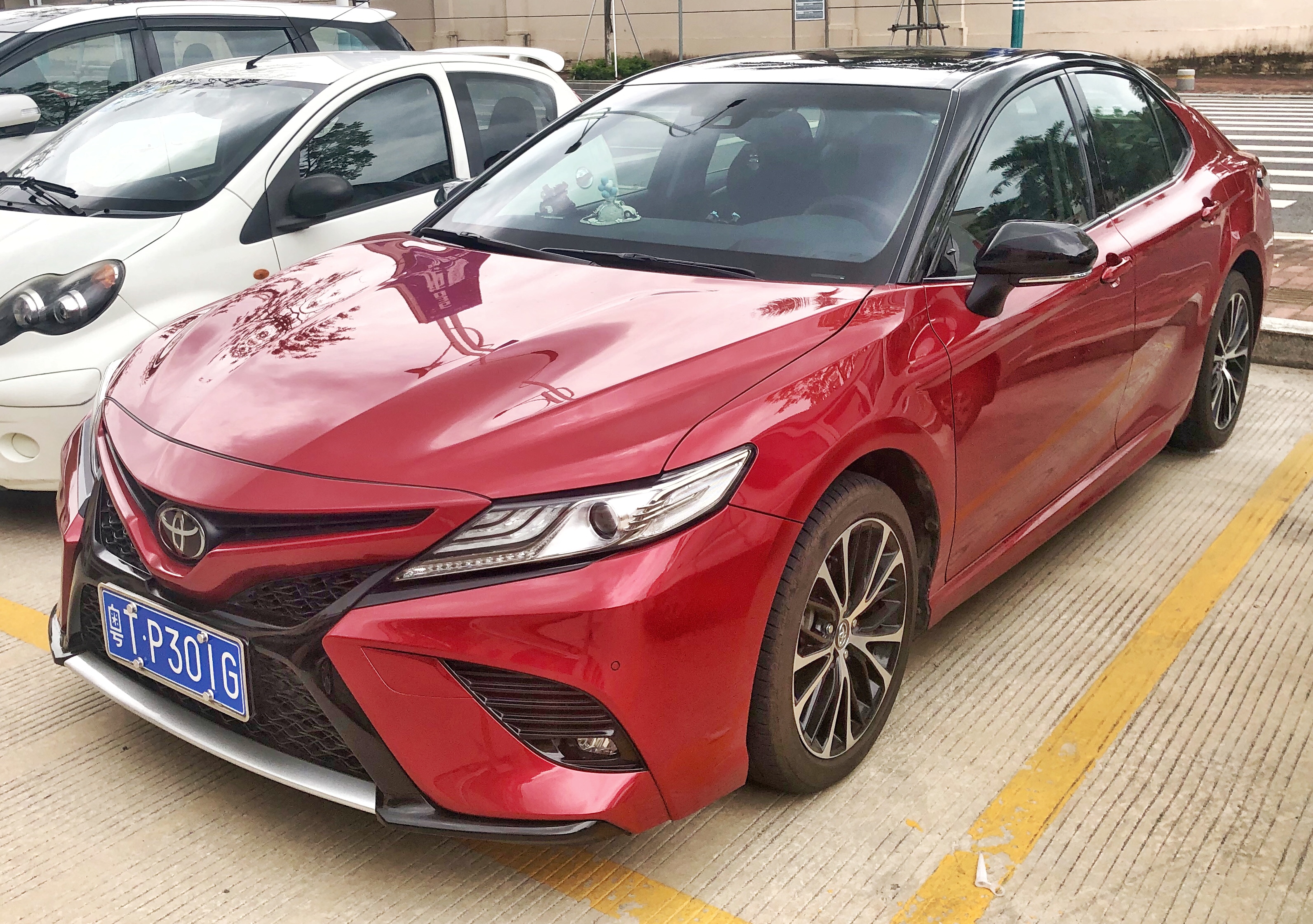
Toyota Camry
"Do you have the Fiesta? Do you have the Camry?"
The Toyota Camry is a common, comfortable mid-size sedan that many people use as a daily driver. They’re just listing cars they’ve been asked about.
The Toyota Camry is a mid-size sedan known for comfort, efficiency, and being a dependable everyday choice. Here it’s mentioned alongside the Fiesta as another car the host may or may not have driven.

Forester
"Steph had a puncture in the Forester."
The Subaru Forester is a popular family SUV/crossover that’s built for everyday driving and bad weather. They’re talking about it because it had a puncture and needed to be fixed.
The Subaru Forester is a compact crossover/SUV known for practical all-weather capability and a comfortable daily-driving layout. Here it’s mentioned because Steph had a puncture and the car is being taken in for repair.
new tires
"So I got hustled out of new tires, but that's okay. So funny thing was he had just gotten his test set of Continentals in,"
This is just the car getting fresh tires because the old ones were worn out. Fresh tires help the car grip the road better, and the alignment makes sure the tires wear evenly.
The speaker is talking about replacing worn tires with a fresh set. New tires improve grip and braking consistency, and they often come with a fresh alignment afterward to keep the car tracking straight.
realignment
"So that had a new four new set of tires and realignment. So that's that car's a lot happier."
Realignment means adjusting the wheels so they’re pointed the right way. It helps the tires wear evenly and makes the car track straight instead of pulling.
A realignment (wheel alignment) adjusts the suspension angles so the tires point in the correct direction. After tire replacement—especially if the old tires were worn unevenly—alignment helps prevent rapid tire wear and improves steering feel.
cats
"Tomorrow dropping off my mom's camera to get serviced, as well as her XR8 to get the cats done. As I was saying that to Sebastian,"
“Cats” means the catalytic converters in the exhaust. They help clean the car’s exhaust, and replacing them usually means they’re worn out or not working right anymore.
“Cats” is shorthand for catalytic converters, the emissions-control devices that reduce harmful exhaust gases. Replacing them is often done when they’re failing or clogged, while “taking them out” is commonly referred to as removing or deleting the catalytic converters.

XR8
"Tomorrow dropping off my mom's camera to get serviced, as well as her XR8 to get the cats done. As I was saying that to Sebastian,"
“XR8” is a performance version of the Ford Falcon. The speaker is saying they’re bringing that car in to have the emissions parts (catalytic converters) replaced.
“XR8” refers to the Ford Falcon XR8, a performance-focused variant known for its V8 muscle-car character. In this segment, it’s the specific car the speaker is taking in to have catalytic converters replaced (“cats done”).
lane keeping
"I think it like had lane keeping in there or something like that, which when I was just sort of pressing buttons, things were just doing different things."
Lane keeping is a safety feature that helps the car stay in its lane. When it’s enabled, the car may adjust steering to keep you from drifting.
Lane keeping (often part of a driver-assistance suite) uses cameras and steering control to help keep the car centered in its lane. It can make the car “do different things” when you press buttons because it’s tied into the vehicle’s driver-assist settings.
as is
"So yeah, 44,800 Ks, I think it's what it's got on the clock, ballpark, and it is one new newer. ... the only downside, which I've sent an email to the dealership. So when we've gone and purchased it, it was as is."
“As is” means the car is sold in its current condition. If something is wrong later, the dealership may not be obligated to fix it.
“As is” is a sales condition meaning the vehicle is sold without the seller guaranteeing repairs or condition beyond what’s already stated. It matters because any issues found later may be the buyer’s responsibility.
registration plate
"And on the contract, you know, it had the registration plate on there,"
A registration plate is the license plate on the car that identifies it legally. The host is noting it was included on the paperwork/contract details.
A registration plate is the legal license plate used to identify a vehicle to authorities. In car purchases, it’s often tied to registration status and whether the paperwork and plates are included or handled by the dealership.
roadworthy certificate
"But the new one is booked in for a roadworthy certificate, given I don't have any plates on Thursday. I managed to get into a, I think it was a rapid tune or something like that out my way on short notice."
A roadworthy certificate is basically a safety check that says your car is fit to drive on public roads. If it passes, you get a document that lets you register or legally use the vehicle.
A roadworthy certificate is an official inspection result that confirms a vehicle meets minimum safety requirements to be legally driven on public roads. It’s typically issued after a mechanic or inspection authority checks key systems like brakes, lights, tires, and steering.
rapid tune
"I managed to get into a, I think it was a rapid tune or something like that out my way on short notice. So that was pretty good that they could get in basically Thursday, Friday or Saturday."
A rapid tune is when a shop quickly updates your car’s engine settings (usually through the computer) to change how it runs. It’s meant to be done fast, often without major parts changes.
A rapid tune refers to a fast turnaround engine calibration/ECU tuning session, usually aimed at improving drivability and performance. The exact changes depend on the tuner and the car, but it generally involves reprogramming engine parameters rather than changing hardware.
XR6 turbo
"You got to choose. I got to choose. That's tough. I was kind of flicking through, flicking through some of the options there. It was like XR6 turbo is pretty good, but I feel too big."
The XR6 Turbo is a Ford Falcon model with a turbocharged engine. People like it because it can feel quick and fun without being a full-on race car.
The XR6 Turbo is a performance variant of the Ford Falcon, known for its turbocharged inline-six and strong aftermarket support. In enthusiast circles, it’s often chosen for a balance of everyday usability and real power potential.
Bogan
"But then on that front, I'm like, I still always love the look of a VYSS, but then I'll be turned into a Bogan. You're going to embrace it, Scotty."
“Bogan” is Australian slang used as a joke to describe someone with a stereotypically rough or uncool style. In this context, it sounds like a playful way of saying the car choice would change his image.
“Bogan” is Australian slang for someone perceived as having a rough, uncultured, or flashy style—often associated with certain fashion choices and attitudes. In car talk, it can be used as a teasing label for people who embrace a particular “local” vibe, sometimes tied to older muscle cars or loud aesthetics.
supercharged
"And the only way to kind of get more luxury V8, the only way to get more out of that is [1794.0s] supercharged. [1795.0s] And then you're looking at like 89 grand to do that in a small car."
A supercharger is a device that forces extra air into the engine. More air helps the engine make more power, which is why it’s mentioned as the way to get more performance.
A supercharger is a forced-induction device that uses a belt-driven compressor to push more air into the engine. More air (and fuel) generally means more power, which is why the speaker links “more luxury V8” output to going supercharged.
hatchback
"I probably wouldn't go with the jazz or anything because it's still just another hatchback. [1809.0s] You know, I've already, I've already got a hatchback. [1812.0s] My wife has a hatchback, her original car she had before that was a hatchback."
A hatchback is a car where the back door opens upward and the cargo area is part of the same space as the rear seats. The speaker is saying they don’t want another one because they already have that type of car.
A hatchback is a car body style where the rear door opens upward and the trunk area is integrated into the cabin. The speaker uses it to explain their preference and why they’re avoiding another hatchback since they already have one in the household.
drive sedan
"So a real drive sedan. [1819.0s] I just had a quick look at ISFs."
A sedan is the classic car shape with a separate trunk. They’re basically saying they prefer a sedan instead of another hatchback.
“Drive sedan” here appears to be the speaker’s way of describing a sedan (a traditional car body style with a separate trunk) as the opposite of a hatchback. It’s used to contrast their current vehicle choices rather than to name a specific model.

ISFs
"I just had a quick look at ISFs. [1821.0s] They're still too expensive. [1823.0s] But what about like an IS 350?"
The Lexus IS F is a sportier, higher-performance version of the Lexus IS. In this conversation, they’re saying it’s too pricey, so they’re looking at the IS 350 as a more realistic option.
The Lexus IS F (often spoken as “ISF”) is a performance-focused version of the Lexus IS sedan, known for a higher-output V8 compared with standard IS models. Here, the speaker says they looked at ISFs but found them too expensive, which frames why they’re considering the IS 350 instead.
JDM
"Had a few JDM things out the front. I said to the people I was working for, I said, Oh, but what's next?"
JDM means “Japanese Domestic Market.” It refers to cars that were made and sold in Japan, and car people like them because they can have unique versions or features compared to cars sold elsewhere.
JDM stands for Japanese Domestic Market, meaning cars that were originally sold in Japan. Enthusiasts often seek JDM models because they can have different trims, engines, or equipment than what was sold in other countries.

Toyota pro boxes
"And there was a row of Toyota pro boxes. Yeah, the pro box."
The Toyota Probox is a simple, practical wagon from Japan. People like it because it’s affordable and easy to customize, and it can be set up to look tough with different wheels and styling.
The Toyota Probox is a practical Japanese wagon built around cargo space and durability, often used as a no-nonsense daily or work vehicle. In enthusiast circles it’s popular because it’s cheap to buy, easy to modify, and can be made to look surprisingly cool with wheels and stance changes.
hybrid station wagon
"You've got a, you've got a little hybrid station wagon that'll do anything go anywhere. Some fat wheels on a bit of a roof rack."
A hybrid station wagon is a wagon that uses both a gas engine and an electric motor. The goal is better fuel economy, and you still get the extra space a wagon offers.
A hybrid station wagon combines a gasoline engine with an electric motor to improve efficiency and reduce fuel use. Pairing that with wagon packaging gives you extra practicality—more space for people or cargo—while still being able to drive around normally.

Toyota Prius
"...m, 70 on some, 120 on some, but they're basically Prius drivetrain. I mean, there's not much goes wrong w..."
The Toyota Prius is a hybrid car, which means it uses both a gas engine and an electric motor. It’s popular because it uses less fuel than many regular cars. People often mention it when talking about how dependable the hybrid system can be.
The Toyota Prius is a hybrid electric car best known for its fuel efficiency and widespread adoption of hybrid technology. It’s frequently discussed because its drivetrain is relatively straightforward compared with many performance or luxury systems, which can make it easier to live with. In the podcast, it’s mentioned in the context of what “goes wrong” and how little tends to fail.
Prius drivetrain
"but they're basically Prius drivetrain. I mean, there's not much goes wrong with them."
A drivetrain is basically the car’s power system—how the engine and/or electric parts send power to the wheels. Here, they’re saying the Prius setup is known for being trouble-free.
“Drivetrain” is the set of components that deliver power to the wheels, and in a Prius it refers to the hybrid system working together (engine, electric motor(s), power electronics, and the drive unit). The speaker is using it to emphasize that the Prius’s hybrid layout is robust and low-failure compared with many conventional setups.
battery
"They've just replaced the battery after 25 years. So, you know, the batteries can, can last."
In a hybrid, the battery is what stores electricity to help the car move. The speaker is saying that battery can last a long time—around 25 years in their friend’s case.
In a hybrid like the Prius, the “battery” is the high-voltage pack that stores electrical energy for the electric motor and hybrid operation. The key point here is longevity: the speaker cites a replacement after 25 years, implying the pack can last a very long time.
four door sedan
"So, a two door coupe or a four door sedan? [1982.0s] Four door. [1983.0s] It was four door."
A sedan is a car with a separate trunk and usually four doors. Here it’s just the body style they’re confirming—four doors, not two.
A "sedan" is a car body style with a separate trunk and typically four doors. The host uses it to clarify the specific body style they’re talking about (four-door, not two-door).
two door coupe
"So, a two door coupe or a four door sedan? [1982.0s] Four door. [1983.0s] It was four door."
A coupe is a car with a fixed roof and usually two doors. It’s being compared here to a four-door sedan, which is more about easier access for passengers.
A "coupe" is a passenger car body style with a fixed roof and typically two doors. In this context, the host is contrasting it with a four-door sedan, which changes how many doors you have and usually the cabin/entry layout.
L series motors
"Don't mind the old L series motors. [2018.0s] Oh, no, no. [2020.0s] Ed or did you say when he's on the show, you know, I mean, they're incredibly customizable"
“L series” is a family of Nissan engines that were used in a lot of older cars. The point here is that people considered them a solid, mod-friendly engine choice back in the day.
The "L series" refers to Nissan’s L-series inline engines (a long-running family used across many models). The host is also hinting at how these engines were known for being workable and adaptable, especially in older enthusiast circles.
gearboxes
"Ed or did you say when he's on the show, you know, I mean, they're incredibly customizable [2025.0s] and interchangeable between all the, you know, the gearboxes and the blocks and all that"
A gearbox is what lets the engine spin at the right speed for different driving situations. The host is saying the parts were easy to mix and match.
A "gearbox" is the transmission unit that changes engine speed and torque delivery to the wheels through different gear ratios. The host is saying these components were designed to be swapped around with different combinations.
blocks
"and interchangeable between all the, you know, the gearboxes and the blocks and all that [2030.0s] sort of thing."
The engine block is the main part of the engine that holds the cylinders. The host is saying these engines were set up so you could swap parts more easily.
In engine talk, "blocks" usually means the engine block—the main casting that houses the cylinders and provides mounting points for many other engine components. The host is describing how the engine family parts could be swapped between setups.
inline sixes
"Look, in my defense, the inline, inline sixes are probably one of the few reliable BMW engines."
An inline-six is an engine with six cylinders lined up in one row. The host is saying BMW’s straight-six engines are generally more dependable than some other BMW engine types.
An inline-six is an engine layout where all six cylinders are arranged in a single straight line. This layout is often praised for smooth power delivery, and the speaker is specifically claiming BMW’s inline-six variants are among the more reliable BMW engines.
engine swap
"Exactly. Why not just, just mash the two together? Yeah. That'd be kind of a cool thing. Now let's swap the RX eight. That's one way to make it reliable."
An engine swap means putting a different engine into a car. Here, they’re talking about swapping the RX-8’s engine to try to fix reliability problems.
An engine swap is when you replace a car’s original engine with a different one, usually to improve reliability, performance, or parts availability. In this segment, the idea is to swap the RX-8’s setup to make the overall car more reliable.
one owner
"141,000 K's on it. One owner from you. Full Volvo service history behind it."
“One owner” means the car was only owned by one person. That often makes it easier to judge how the car was treated and maintained.
“One owner” indicates the car was owned by a single person before being sold. Fewer owners often means less variation in how the car was driven and maintained, which can make a used-car purchase feel lower-risk.
141,000 K's
"So 141,000 K's on it. One owner from you. Full Volvo service history behind it."
“K’s” means kilometers on the odometer. So 141,000 K’s is how far the car has been driven.
“K’s” is shorthand for kilometers on the odometer, so 141,000 K’s means the car has traveled about 141,000 km. Mileage in kilometers is common in many countries and helps buyers estimate wear and remaining life.
full Volvo service history
"One owner from you. Full Volvo service history behind it. Wow."
A full service history means the car’s oil changes and other scheduled maintenance were done and recorded. It’s a good sign because it helps you trust that the car was looked after.
A full service history means the car’s maintenance has been documented and performed at scheduled intervals, typically with receipts or dealer records. For used-car buyers, it’s a strong indicator that the car was cared for and can reduce uncertainty about hidden wear.
transversely mounted turbocharged inline six
"Obviously has all the keys, has two keys behind it. [2316.9s] It is the transversely mounted turbocharged inline six. [2323.9s] You have all those?"
It’s an engine where the six-cylinder motor sits sideways in the car, and a turbocharger helps it make more power. The turbo basically stuffs extra air into the engine so it can burn more fuel and feel stronger.
This describes an engine layout where an inline-six cylinder engine is mounted sideways (transversely) in the engine bay, and it uses a turbocharger to force more air into the cylinders. The turbo helps the engine make more power without needing a larger displacement.
cruiser spec
"Again, it's not in the performance spec of things. [2345.8s] It's very much in the cruiser spec of things, [2350.0s] but all things considered,"
“Cruiser spec” basically means the car is set up to be an easy, comfortable daily driver. It’s not necessarily focused on maximum performance, even if you can still make it faster.
“Cruiser spec” is a shorthand for a setup aimed at relaxed, comfortable everyday driving rather than peak track-style performance. In this context, it suggests the car is tuned/optioned for smoothness and usability, even if it can still be made quicker with tuning.
flash tune
"but all things considered, [2351.1s] it doesn't take much to have a flash tune on it [2353.1s] and you get yourself an extra second off the car."
A flash tune is when someone updates the car’s engine computer software to make it run a bit differently. That can improve power and acceleration, but it’s still software—so what you get depends on the car.
A flash tune is an ECU remap (software update) that’s loaded into the car’s engine computer to change how it controls fueling, boost, and timing. It’s often used to unlock extra performance without changing hardware, though results depend on the specific engine and calibration.
V8 variant
"I was trying to find the V8 variant on it, but I sadly could not in the short timeframe."
A “V8” is an engine with eight cylinders arranged in a V shape. It’s usually the bigger, stronger engine option, but it can use more fuel than smaller engines.
A “V8 variant” means a version of a model that uses a V8 engine layout, where eight cylinders are arranged in a V shape. V8s are generally associated with smooth power delivery and strong torque, though fuel economy can be worse than smaller engines.

2010 S80 T6 all-wheel drive
"So when brand new in Australia, the 2010 S80 T6 all-wheel drive had an original retail price of $79,950."
This is a Volvo S80 with the “T6” engine, which is the stronger, turbocharged version. “All-wheel drive” means power goes to more than just the front wheels, which helps the car grip the road better.
Volvo’s S80 T6 is a performance-oriented trim that uses a turbocharged “T6” engine. In this case, the speaker specifies an all-wheel drive version, which typically improves traction and stability compared with front-wheel drive.
titanium sort of color
"Okay, the example you've sent around, the 9991, is a really lovely titanium sort of color."
“Titanium” is a paint color description—usually a metallic gray look. It’s basically how the car’s paint appears in different light.
“Titanium” here is a paint-color description, typically referring to a metallic gray/brown-tinted tone. Color names like this are often marketing terms that describe the visual effect under different lighting.

1979 Mercedes-Benz W123 280 CE Coupe
"So there's a 1979. Actually, can I just say, both of my cars are not Hondas. So there's a 1979... This is a 1979 Mercedes-Benz W123 280 CE Coupe."
This is a Mercedes-Benz from the W123 generation, from 1979. It’s a coupe version (the “CE”/coupe trim) and the “280” points to the engine size category, which helps explain what kind of power and character to expect.
The Mercedes-Benz W123 is a late-1970s/early-1980s model line known for its durable, long-running reputation. This specific one is a 1979 W123 280 CE Coupe, with the “280” indicating the engine displacement class and “CE” referring to the coupe trim/market designation.
MBTex
"Most of them had MBTex, needs a good clean."
MBTex is a fake-leather type of material Mercedes uses for seats and trim. It can look like leather, but it needs different cleaning and can wear differently over time.
MBTex is Mercedes-Benz’s brand name for a synthetic leather upholstery material. It’s commonly used in place of real leather and can look similar, but it has different cleaning and aging behavior than genuine leather.
sitting idle
"two owners, fair condition, has been sitting idle for a few years, but engine was started every few months."
When a car “sits idle,” it’s parked for a long time without being driven much. That can cause problems like a dead battery and stale fluids, even if someone starts it now and then.
“Sitting idle” refers to a vehicle being parked and not regularly driven for an extended period. That can lead to issues like battery drain, fuel degradation, and corrosion, even if the engine is occasionally started.
towed
"Last register 2021, will likely need to be towed by the new owner, sitting on behalf of the parent."
Towing means getting the car moved by a truck or another car because it can’t drive itself. If a car has been sitting a long time, it may not start or may be unsafe to drive.
Towing is moving a non-running vehicle using another vehicle or a tow truck. When a car has been sitting for years, towing is often the safest way to get it to a shop for inspection and recommissioning.
factory mudflaps
"It's also got Mercedes-Benz factory mudflaps, but it looks like a few weekends work would certainly make it look a lot better."
Mudflaps are the flaps behind the wheels that help stop dirt and debris from being thrown up. “Factory” mudflaps means they were part of the car when it was built, not added later.
“Factory mudflaps” are mudguards installed by the manufacturer on the production line (or specified as original equipment). Having them can be a sign the car is more stock/original, which can matter for value and authenticity.
two-owner car
"Obviously, a two-owner car, it said, as I said, fair condition."
A “two-owner car” means it hasn’t changed hands many times. Fewer owners can sometimes mean the car’s history is easier to track and may be better cared for.
A “two-owner car” means the vehicle has had only two previous owners before the current one. Lower owner count can be a positive sign because it may imply more consistent maintenance and fewer handoffs.
sunroof
"It has the sunroof, which nearly all the coups had."
A sunroof is a panel in the roof that lets in extra light and sometimes opens for fresh air. On older cars, it’s worth checking for leaks around the edges.
A sunroof is a glass or metal panel in the roof that can open for ventilation and light. On older cars, it’s also something to inspect carefully because seals and drains can wear out and cause leaks.
alloy wheels
"It's got the Bunt alloy wheels. Nefautis wheels, yes. Alloy wheels."
Alloy wheels are the wheels made from metal like aluminum instead of steel. They usually look nicer and can be a bit lighter than steel wheels.
Alloy wheels are wheel rims made from aluminum (or similar alloys) rather than steel. They’re typically lighter and can improve appearance and, in some cases, handling feel compared with basic steel wheels.
sitting around
"So sitting around does nothing for any car, really. Just ask any of my cars."
The point here is that a car that just sits can get worse over time. Even if it was fine before, things can dry out or fail, so it may need more attention when you bring it back.
The host is emphasizing that leaving a car unused for a long time can cause problems, even if it was previously reliable. Many systems degrade with time (for example, fluids and rubber components), so “sitting around” can create extra work later.
recommission
"But yeah, I mean, that it would recommission, well, all the parts are available."
Recommissioning means waking up a car that’s been parked for a while so it can be driven again. It usually involves inspections and making sure important fluids and parts are in good shape.
Recommissioning is the process of getting a car back into usable condition after it’s been sitting for a long time. It typically involves checking and replacing fluids, inspecting systems, and making sure the car can run safely again.

2003 Toyota Corolla Sportivo
"So mine is a 2003 Toyota Corolla Sportivo, [2787.3s] is what I've gone with. [2790.3s] It does say 11,000, but as I said, [2792.1s] I'm sure you can smack it down into the 10 grand, pretty easy. [2797.4s] It's got 158,000 kilometers."
This is a specific version (trim) of the Toyota Corolla from 2003 called the Sportivo. The host is basically talking about whether the asking price makes sense for a used one, based on how many kilometers it has and what extra features it includes.
The 2003 Toyota Corolla Sportivo is a trim level of the Toyota Corolla, aimed at adding visual and equipment “sport” touches over a base model. In this segment, the host focuses on the specific Sportivo variant details and the car’s listed price and mileage (158,000 kilometers), which are key for judging a used-car deal.

Corolla Sportivo
"...me many other people do. So mine is a 2003 Toyota Corolla Sportivo, is what I've gone with."
The Corolla Sportivo is a sportier version of the Toyota Corolla. It’s still a small, practical car, but it’s tuned to feel more fun to drive. In the podcast, they mention a specific year they chose.
The Toyota Corolla Sportivo is a performance-oriented trim of the Corolla, typically aimed at buyers who want a sportier feel without moving up to a full sports car. In the episode, it’s specifically identified as a 2003 model, tying it to a personal build or ownership story. That makes it relevant as an example of a budget-friendly enthusiast car.
gear lever
"Okay, interesting. [2830.2s] No, this is in the gear lever. [2833.4s] I think it's missing all the whole rubber surround bit, [2836.1s] but you can fix that."
The gear lever is the part you grab to shift gears. Here, the host says a rubber piece around it is missing, but it’s a fixable, replaceable item.
A gear lever is the shift lever you move to select different gears in a manual or sequential transmission. In this segment, the host is pointing out a missing rubber surround around the gear lever area and notes that it’s something you can replace.
rubber surround
"No, this is in the gear lever. [2833.4s] I think it's missing all the whole rubber surround bit, [2836.1s] but you can fix that."
That rubber surround is the protective cover around the shifter. It helps keep grime out and makes the interior look complete, and the host says you can replace it.
The rubber surround is the protective boot/trim piece around the gear lever that helps keep dirt and moisture out and provides a finished look. The host mentions it’s missing on the car shown, but that it can be replaced.
shifters
"That's one of those expensive $1,000 shifters [2839.2s] that come right up to your steering wheel. [2844.2s] Right, it makes the gear travel like three times [2848.1s] longer than it needs to be."
A shifter is the part you use to change gears. The host is saying there are aftermarket shifters that cost a lot and can make the shifting feel longer or more “stretched out.”
A shifter (in this context, the gear shifter/shift knob and its linkage) is the driver interface for selecting gears. The host calls out an expensive shifter setup and claims it changes the feel by increasing the gear travel compared with what they consider “normal.”
timing chain snapping
"Yeah, he installed due to timing chain snapping on me over a year ago now, got all receipts, new clutch installed at the same time."
Many engines use a chain to keep the engine’s moving parts in sync. If that chain breaks, the valves can open at the wrong time, and the engine can get badly damaged.
A timing chain synchronizes the crankshaft and camshaft so the engine’s valves open at the right time. If the timing chain snaps, the cam timing can jump or stop, which can cause severe engine damage because pistons may hit valves.
CVs
"So the chassis has 158,000, while the engine only has 18,000. New CVs, new rear wheel bearings, new clutch."
CVs are joints that help send power to the wheels while the suspension moves and you steer. If they wear out, you can hear clicking and feel vibration, especially when turning.
CVs usually means constant-velocity joints, which are part of the drivetrain that allow power to be transferred smoothly while the suspension moves and the wheels turn. Worn CV joints can cause clicking/knocking noises and vibration, especially during turns.

Audi RS5
"Extras include the BC coil overs, 17-inch Lenzo RS5 rims. I'm not sure which one the Lenzo ones are."
The Audi RS5 is a high-performance Audi based on the A5. It’s meant to drive more aggressively than a regular A5. In the episode, they’re talking about upgrades that affect how it rides and handles.
The Audi RS5 is a performance version of the Audi A5, tuned for stronger acceleration and a more aggressive driving setup. The podcast mentions specific options like coilovers and wheels, which highlights how owners can tailor ride and handling. It’s discussed as part of a performance-car build or spec conversation.
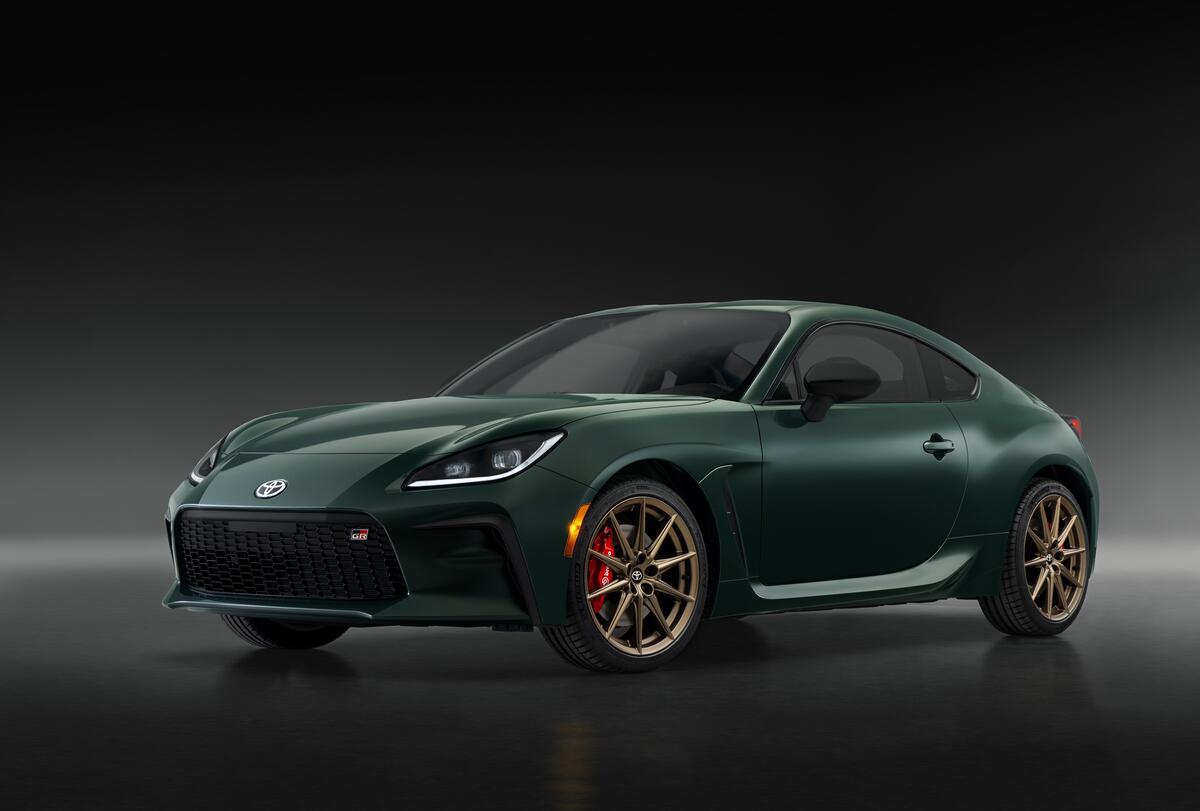
Toyota 86
"So there you go, you got another set. Nice. Toyota 86 driver's seat. I don't really notice the driver's seat."
The Toyota 86 is a small rear-wheel-drive sports car made to feel fun and nimble. People like it because it’s easy to upgrade and it handles in a very “driver” way.
The Toyota 86 is a lightweight, rear-wheel-drive sports coupe known for its balanced handling and driver-focused feel. It’s especially popular with enthusiasts because it’s relatively simple to modify and responds well to suspension and brake upgrades.
Request an Explanation
Heard something you'd like explained? We'll add it to this episode.
Sign in to request explanations for terms you heard.
Want to learn more?
Browse our glossary for plain-English explanations of automotive terms, jargon, and concepts.
Help improve this episode
See something that's not quite right? Our annotations are AI-generated and can sometimes miss the mark. Click the flag icon on any annotation to suggest a correction.