
If you bought that new, what would you tick?
About this episode
The conversation ranges from “what would you tick?” factory-spec ideas to real-world maintenance and used-car realities. They compare drivetrain and gearbox concerns, including a long-drive DSG stuck in one gear, and swap stories about servicing a Honda Accord and fixing a Toyota Corolla hybrid rental’s EV-mode quirks. A big thread is used-car shopping and pricing across Australia/NZ, plus how options—especially colors and comfort features like sunroofs, cruise control, and ABS—shape desirability and value.
On this episode of Car Torque, Matty is joined by Alam, David, Scotty, Chad and Rob as they discuss their latest updates as well as discuss If they could buy their cars new, what they would have optioned/chosen from the factory!
The boys battle it out in the quiz at the end of the show!
On this episode of Car Torque, Matty, Scotty, David and Anthony discuss their latest updates. Scotty discusses moving on the R31 and has a dilemma of what to get next?
The boys then choose a car each for Car Of The Week and battle it out in Scotty's version of the quiz with a twist!
Don't forget to subscribe, rate and review!
Please follow this show on Spotify. It really helps!
Support us and become a Patreon! https://www.patreon.com/cartorquepodcast
Check out our merch here!
https://cartorquepodcast.secure-decoration.com/
Check us out on YouTube: https://www.youtube.com/channel/UCybzrcsj4nhADsyfYKtXPzwhttps://
carloop.com.au
David and Eds Podcast Autoretro
https://open.spotify.com/show/5aOi9R8WfqOccEfnm2vslQ
#Carupdates
#2026
#controversial
#opinions
#caroftheweek
#facebookmarketplace
#carshow
#carpodcast
#car

Honda Jazz
"My sister is prowling around the Honda Jazz because as I've already mentioned the program before, I have expressed an interest in the new Honda super one as of many of us."
The Honda Jazz is a small hatchback (a car with a rear door that opens upward). It’s popular because it’s roomy for its size, and here it’s the car your sister is considering buying.
The Honda Jazz is a subcompact hatchback known for its practical packaging and efficient use of space. In this segment, the host mentions the Honda Jazz as the car his sister is “prowling around,” tying it to a shopping/budget decision.
k's
"No, it's still going. I think it's at 400,000 Ks now. Real engine too."
“Ks” means kilometers—the distance a car has driven. So “400,000 Ks” is about 400,000 km on the odometer.
“Ks” is shorthand for kilometers on a car’s odometer. Saying the car is at “400,000 Ks” means it has roughly 400,000 km of use.
Real engine
"I think it's at 400,000 Ks now. Real engine too. And speakers like Subaru's are unreliable."
“Real engine” is a non-technical phrase used to contrast a conventional internal-combustion engine with alternative powertrains like hybrids or fully electric vehicles. In this context, it’s used to emphasize that the car still runs with a traditional engine.
unreliable
"Real engine too. And speakers like Subaru's are unreliable."
“Unreliable” is a reliability judgment about a brand’s cars—meaning they’re more likely to have problems or require repairs. Here, the host is making a claim about Subaru reliability as part of the ownership/buying conversation.

Toyota Corolla hybrid hatch
"And my rental car was a lovely Toyota Corolla hybrid hatch. And I think we've made this joke on the group chat a few times before the had the infamous"
This is a Toyota Corolla hatchback that uses both a battery and a gas engine. Sometimes it can drive like an electric car, and other times it turns the gas engine on when the battery isn’t enough.
The Toyota Corolla hybrid hatch is a hybrid version of Toyota’s Corolla, using an electric motor plus a gasoline engine to move the car. In practice, that means it can run in an “EV mode” when conditions allow, then switch to the engine when the battery state drops.
B mode
"And I think we've made this joke on the group chat a few times before the had the infamous gear selected with the B, which is, you know, from the Simpsons, it's a put it in H. ... Like it said, cannot probably, yeah, cannot apply cruise control in B mode. You have to take it back to regular drive mode."
B mode is a hybrid setting that helps slow the car down more using the electric system (and the engine’s braking effect). It can change how the car behaves, and in this case it also disables cruise control.
B mode (often “brake” mode) in many hybrids increases regenerative braking and engine braking behavior to slow the car more aggressively. The speaker also notes a limitation: cruise control can’t be applied in B mode, so you have to return to regular drive mode to use it.
EV mode
"because I did my best to keep it into like EV mode only. And obviously, you know, you'd see once the battery power kind of dipped down and the engine would turn on again."
EV mode is when a hybrid tries to drive using only electricity from the battery. If the battery gets low, the car switches back to the gas engine to keep things going.
EV mode is a hybrid-car setting where the car prioritizes driving using the electric motor and battery. When the battery charge drops, the system will automatically bring the engine back online to recharge and provide additional power.
cruise control
"And then you're not allowed to put the cruise control on in that mode for some reason. Oh, yeah. Like it said, cannot probably, yeah, cannot apply cruise control in B mode. You have to take it back to regular drive mode."
Cruise control lets the car hold a steady speed for you. In this case, the speaker says it won’t work in the car’s B mode, so you have to switch to normal drive mode first.
Cruise control is a driver-assistance feature that maintains a set speed without you holding the accelerator. Some hybrid drive modes restrict it—here, the speaker says cruise control can’t be applied in the “B mode,” so you must switch back to regular drive mode.

Mitsubishi Outlander
"...lso one of my co-workers who was there, he got an outlander. And for some reason, I was dooted with driving m..."
The Outlander is an SUV from Mitsubishi. It’s made for carrying people and gear comfortably. People often choose it because it’s practical for daily life.
The Mitsubishi Outlander is a family-oriented SUV built for everyday comfort and practicality. It comes up in conversation because it’s a common choice for people who want space and usability rather than pure sports performance. The podcast mention sounds like someone got to drive one and shared their experience.
HollyCarb
"pulled the carby off the HollyCarb... I've been trying to fix the carby on this years... never got the carby rebuilt."
“HollyCarb” is a Holley carburetor. It’s a fuel-and-air mixing part for older or performance engines. If it’s worn out or dirty, it can cause rough running, so rebuilding it can help.
“HollyCarb” refers to a Holley carburetor. Holley is a well-known aftermarket brand of carburetors used on many performance and classic cars, and the host is discussing getting one rebuilt because it was dirty and not running correctly.
carbys
"And today I actually spent a bit of time down at a workshop and pulled the carby off the HollyCarb... Looked pretty tired and dirty and never ran properly on the carby."
A “carby” is just a carburetor. It’s the part that helps mix fuel and air for the engine. If it’s dirty or worn out, the engine can run badly, so people rebuild it.
“Carby” is Australian slang for a carburetor—the device that mixes fuel and air before it goes into the engine. In this segment, the host is removing and getting a carburetor rebuilt because it “never ran properly” and required running on gas instead.
Holly600
"It's a Holly600 off there for 100. Looked pretty tired and dirty and never ran properly on the carby."
“Holly600” is a Holley carburetor size—often meaning it can flow about 600 (CFM). A bigger or smaller carb can change how the engine runs, especially at different RPMs.
“Holly600” is shorthand for a Holley 600 carburetor (commonly referring to a 600 CFM class). CFM is a measure of airflow capacity, and the carb’s size affects how it meters fuel across different engine speeds.
Sydenham
"we went to a footy game a couple of weekends ago down in Sydenham on the hillside."
Sydenham is just a place name the host mentions while talking about where they went and where the workshop is.
Sydenham is a suburb/location mentioned in the context of where the host went to a footy game and where the carburetor repair shop is. It’s not an automotive concept, but it anchors the story around the workshop visit.
hillside
"it's this big HollyCarb you're at a repair shop in hillside. So I walked in there."
“Hillside” is where the repair shop is located, according to the host.
“Hillside” is used as the location descriptor for the repair shop where the host took the carburetor. It’s a geographic anchor for the workshop story rather than a technical automotive term.
bonnet
"I might look at getting a new bonnet for it because the bonnet's sort of rusted out at the front and inside and just sort of clean it up a bit more..."
A “bonnet” means the hood of the car. They’re saying they may replace it because it’s rusted through, then clean things up so the truck looks and stays solid.
A “bonnet” is the hood panel on cars (the exterior cover over the engine bay). The host mentions getting a new bonnet because the current one is rusted out at the front and inside, which is a common restoration task on older vehicles.

76 F100
"Is that one? It's a 76 F100."
They’re talking about a 1976 Ford F-100 pickup. The conversation is about fixing it up—especially rust—so it can keep driving reliably.
This is a 1976 Ford F-100, a classic full-size pickup from the mid-1970s. The host is talking about getting it sorted and running, then addressing body rust—typical of how these trucks are maintained and restored.

Opel Astra
"Okay. Can you do the old Astra steering pump as well? No."
The Astra is a compact car from Opel. The podcast mention is about the steering pump, which is part of the system that helps you steer more easily. It sounds like someone is asking about fixing or replacing that component.
The Opel Astra is a compact car line that’s typically discussed as a practical, everyday vehicle. In the podcast context, the mention is about a specific repair-related question—whether the “Astra steering pump” can be done—suggesting a mechanical troubleshooting or parts job. That makes it relevant as a real-world ownership topic rather than pure performance.
parts because
"I do actually have another F100 or Tali's F100 that we bought as a wreck and parts because it's an automatic and it's got power steering in it."
They bought a wrecked truck mainly to take usable parts off it. Then they can install those parts on another truck that needs them.
This segment describes buying a wreck “for parts,” meaning the vehicle is used as a donor to harvest usable components. That’s a common approach when you’re trying to swap specific hardware (like power steering) onto another truck.
power steering
"it's an automatic and it's got power steering in it... I could strip the power steering out of that... But seriously considering changing it and putting power steering in it... That'll sort of help sort of the drivability of the car."
Power steering makes the steering wheel easier to turn. Without it, you have to use more strength to steer, which can make the truck feel harder to drive.
Power steering uses a pump and assist mechanism to reduce the effort needed to turn the wheels. When a truck is missing power steering, steering inputs require more physical effort, which directly affects drivability—especially at low speeds.
manual transmission
"But a manual and no power steering really makes you think about a manual and how you drive a manual."
“Manual” means you change gears yourself with a clutch and shifter. It can make driving feel more involved, especially if the truck also doesn’t have power steering.
A “manual” here means a manual transmission, where the driver selects gears using a clutch and gear lever. The hosts connect having a manual (and no power steering) to how you have to drive—because steering effort and gear selection both become more hands-on.
302
"Is that a 351 or a 302?... Apparently a 302 say it's a Cleveland."
“302” is another Ford V8 engine size (302 cubic inches). They’re comparing it to a 351 to figure out which engine is actually in the truck.
“302” refers to the Ford 302 cubic-inch V8 (often called the 5.0L in later contexts). The hosts are using “351 vs 302” as a key clue to identify the engine, since those engines are different displacements and often have different parts and characteristics.
351
"Is that a 351 or a 302?... I compared it to his 351 and we think it's a 351."
“351” is the engine size in cubic inches for a Ford V8. They’re trying to figure out which exact V8 they have in the truck.
“351” is shorthand for the Ford 351 cubic-inch V8 family, commonly associated with engines like the 351 Windsor or 351 Cleveland. In this segment, they’re trying to identify which engine is in the truck by comparing it to a known 351.
Cleveland
"Apparently a 302 say it's a Cleveland."
“Cleveland” is a specific type of Ford V8 engine. It’s basically an engine variant with different cylinder heads, and the hosts are trying to identify which variant they have.
“Cleveland” refers to the Ford 351 Cleveland engine family, which is known for its distinct cylinder-head design compared to other 351 variants like the Windsor. In this segment, the hosts are debating whether the engine they’re looking at is actually a 302 or a Cleveland-type setup.

89 Galant GSR
"There was originally that 89 Galant GSR that I saw pop up. That was very cool."
They’re talking about a 1989 Mitsubishi Galant GSR. They’re deciding whether to buy it (or pass) based on whether the engine is turbo or not, because turbo engines are set up differently than non-turbo ones.
The speaker references a Mitsubishi Galant GSR from 1989. They’re evaluating it based on what engine was installed and whether it was turbocharged, which matters because turbo setups typically change power delivery, cooling needs, and how the car should be inspected.
turboed
"…because I thought the engine that he put in it might have been turboed, but it's not."
In this context, “turboed” means the engine has a turbocharger. A turbo helps the engine make more power, but it also adds extra parts that you’d want to make sure are working properly.
“Turboed” here means the engine has been fitted with a turbocharger to force more air into the cylinders. That typically increases potential power compared with a naturally aspirated (non-turbo) setup, but it also adds complexity and makes the health of the turbo system important.
non turbo six straight
"So it's a non turbo six straight. Yeah. Non turbo six straight."
They’re saying it’s a non-turbo inline-six engine. “Inline-six” means six cylinders in a row, and “non-turbo” means it makes power without using boost from a turbo.
“Non turbo six straight” describes a naturally aspirated inline-six engine (straight-six) without a turbocharger. The “straight-six” layout is known for smoothness, and being non-turbo means it won’t rely on boost pressure for power.
oversized pistons
"…he said he got it all rebuilt and oversized pistons and everything. And I thought, oh, okay, cool."
“Oversized pistons” means the engine was rebuilt with pistons that are slightly bigger than the original ones. That usually happens when the cylinders are bored out, so it’s a clue the motor has been worked on internally.
“Oversized pistons” are pistons made larger than stock, usually installed after cylinder boring to restore compression and fit. This often indicates the engine was rebuilt due to wear or damage, and it’s a key detail when assessing how fresh and correctly assembled the build is.
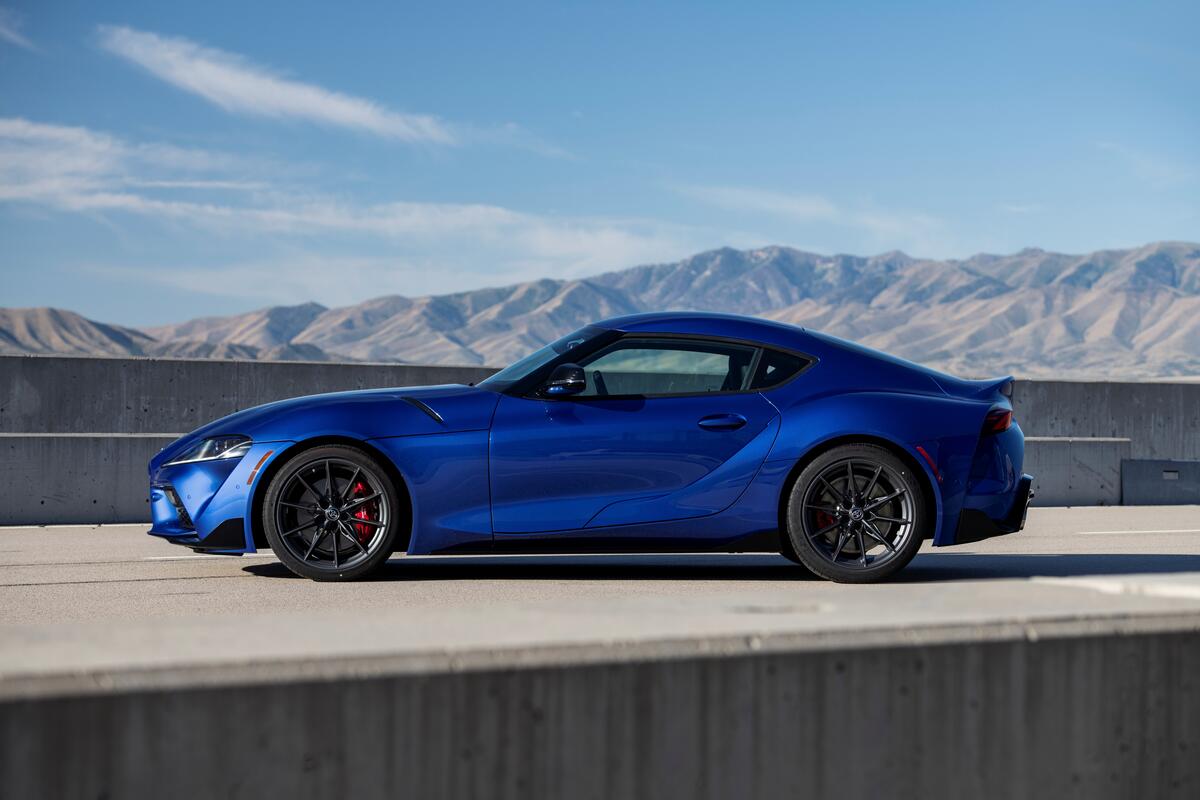
Toyota Supra
"...t, it looked pretty clean. There was a mark three Supra guy never got back to me. And then I tried to con..."
The Supra is a sports car made by Toyota. It’s built to be fun to drive and has a reputation for performance. People often bring it up because it’s a well-known model with a big fan base.
The Toyota Supra is a performance sports car that’s become a major icon for driving enthusiasts. It’s discussed because it blends everyday usability with strong performance, and because the model has a long history that people recognize. In the podcast context, it sounds like the conversation is about a specific Supra example and getting back to someone about it.

XR six turbos
"You know, there's cheap, very high horsepower XR six turbos. Yeah, they do exist."
“XR6 Turbo” is a Ford performance car (the XR6) with a turbocharged six-cylinder engine. People like it because it can make a lot of power for the money.
“XR six turbos” points to the XR6 Turbo, a performance variant of the Ford Falcon that’s especially known in Australia for making big power with turbocharged inline-six engines. The speaker is describing a specific kind of enthusiast car they’re considering—cheap examples with very high wheel output.
kilowatts of the wheels
"between eight and 12 grand and they're making 380 kilowatts at the wheels."
“Kilowatts at the wheels” (often written as wheel power) is the power measured after the engine’s output passes through the drivetrain. It’s commonly lower than engine “advertised” power because some power is lost in the transmission and differential.

Ford Mustang
"...sic Ford show or something. You know, and see old Mustangs and everything like that. That'd be cool."
The Mustang is a performance car from Ford. It’s popular because it can be made to go fast and it has lots of parts and upgrades available. People talk about it a lot at car shows and events.
The Ford Mustang is a classic American muscle car and pony car, known for its strong engine options and wide aftermarket support. It’s frequently discussed because it’s an easy entry point into performance car culture and has a huge enthusiast community. The podcast mention fits the idea of seeing and appreciating older Mustangs at events or shows.
Sakura Picnic
"And then every other Sakura picnic will be just just the blades."
A “Sakura picnic” is a springtime cherry-blossom hangout. The speaker is using it as a fun image of a Japanese-style car meet.
A “Sakura picnic” is a fan/enthusiast-style social event centered on spring cherry blossoms (“sakura”) in Japan. In car-culture context, it’s often shorthand for a casual meet-up vibe where people bring cars and enjoy the scenery together.
sports and enthusiast vehicle scheme
"They started coming in as gray imports under the sports and enthusiast vehicle scheme. And yeah, we're a bit of a dumping ground, really."
This is a special import program that helps certain “enthusiast” cars come into the country more easily. In the conversation, it’s used to explain why those cars started showing up there.
The “sports and enthusiast vehicle scheme” is a government or regulatory program that can make it easier to import certain performance/enthusiast cars. The host connects it to the arrival of Japanese cars as gray imports, implying the scheme influenced which models and what time periods showed up locally.
gray imports
"They started coming in as gray imports under the sports and enthusiast vehicle scheme. And yeah, we're a bit of a dumping ground, really."
“Gray imports” are cars that get brought into a country through unofficial routes, not the normal dealer network. That can mean more cars show up, but also more of them are older or in rougher condition.
“Gray imports” are vehicles brought into a country through unofficial channels, not the manufacturer’s authorized distribution. Enthusiasts often care because it affects availability, documentation, and how many cars show up in local markets—sometimes leading to lots of older, higher-mileage, or cosmetically tired examples.
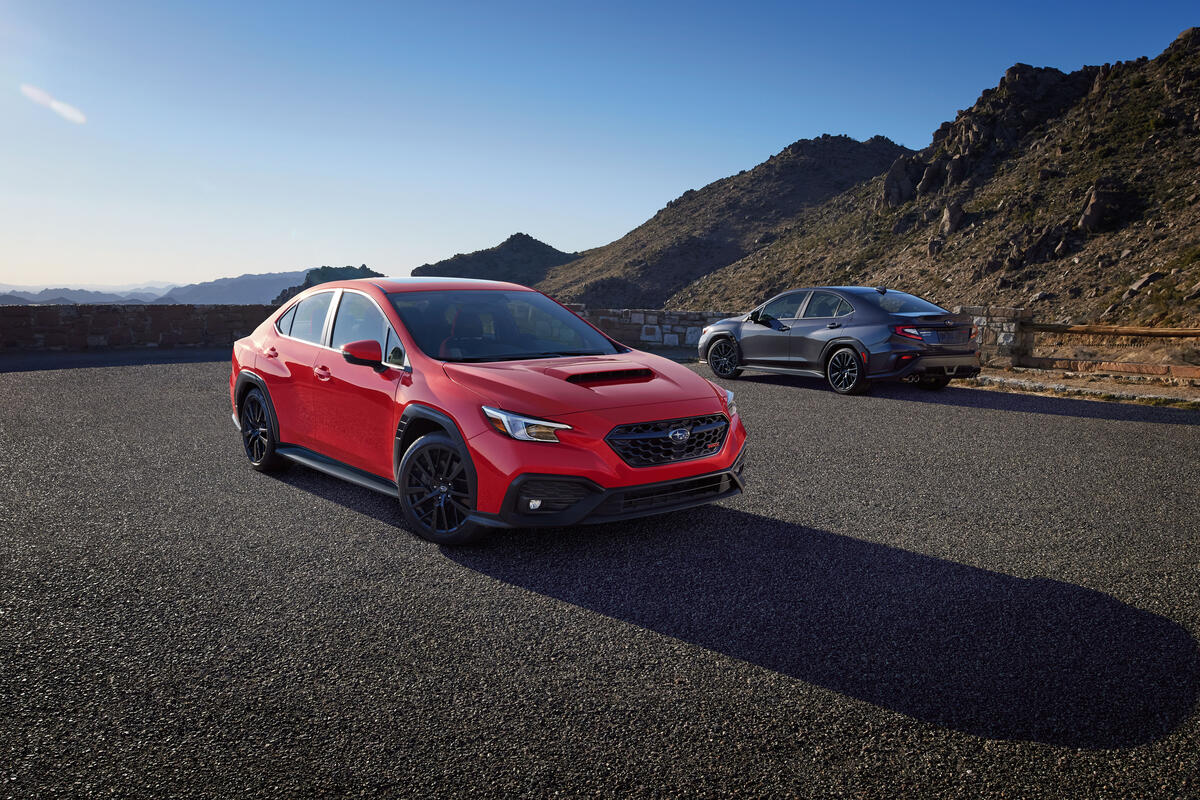
GC8 WRX
"What about like a GC8 WRX? Like you like Subaru. You've had a Subaru and there's plenty of things you can do with those."
A GC8 WRX is an older Subaru WRX model (from a specific generation) that people love because it’s a turbocharged, rally-style car. It’s also a popular platform for upgrades, but the hosts say the good, cheap ones have gotten harder to find.
The GC8 WRX is a Subaru WRX from the “GC8” generation, known for its classic turbocharged rally heritage. Enthusiasts often buy them as “classic Japan” cars and modify them for handling and power, but this segment notes that prices have risen.
rehydrated ones
"Because all the rehydrated ones have finally died. I swear they're cheaper."
“Rehydrated ones” is a slang way of talking about used cars that were basically revived after being stored or neglected. The host is saying that a lot of those revived cars have now failed, so the remaining ones cost more.
“Rehydrated ones” is slang for cars that were previously dried out or stored (often imported/auctioned) and then brought back into usable condition. In the used-JDM market, that can describe cars that were revived after sitting, and the segment claims those have “finally died,” affecting prices.

350Z
"Well, for you, what about like a 350Z? I never like to look a 350Z. Fair enough."
The Nissan 350Z is a popular older sports car. Here, the speaker is saying they don’t like how the lights look—front and rear have a similar, “samey” design.
The Nissan 350Z is a late-1990s/2000s-era sports coupe known for its naturally aspirated V6 and classic “Japanese sports car” feel. In this segment, the host dislikes the 350Z’s exterior lighting design—specifically the front headlights and rear tail lights looking too similar.
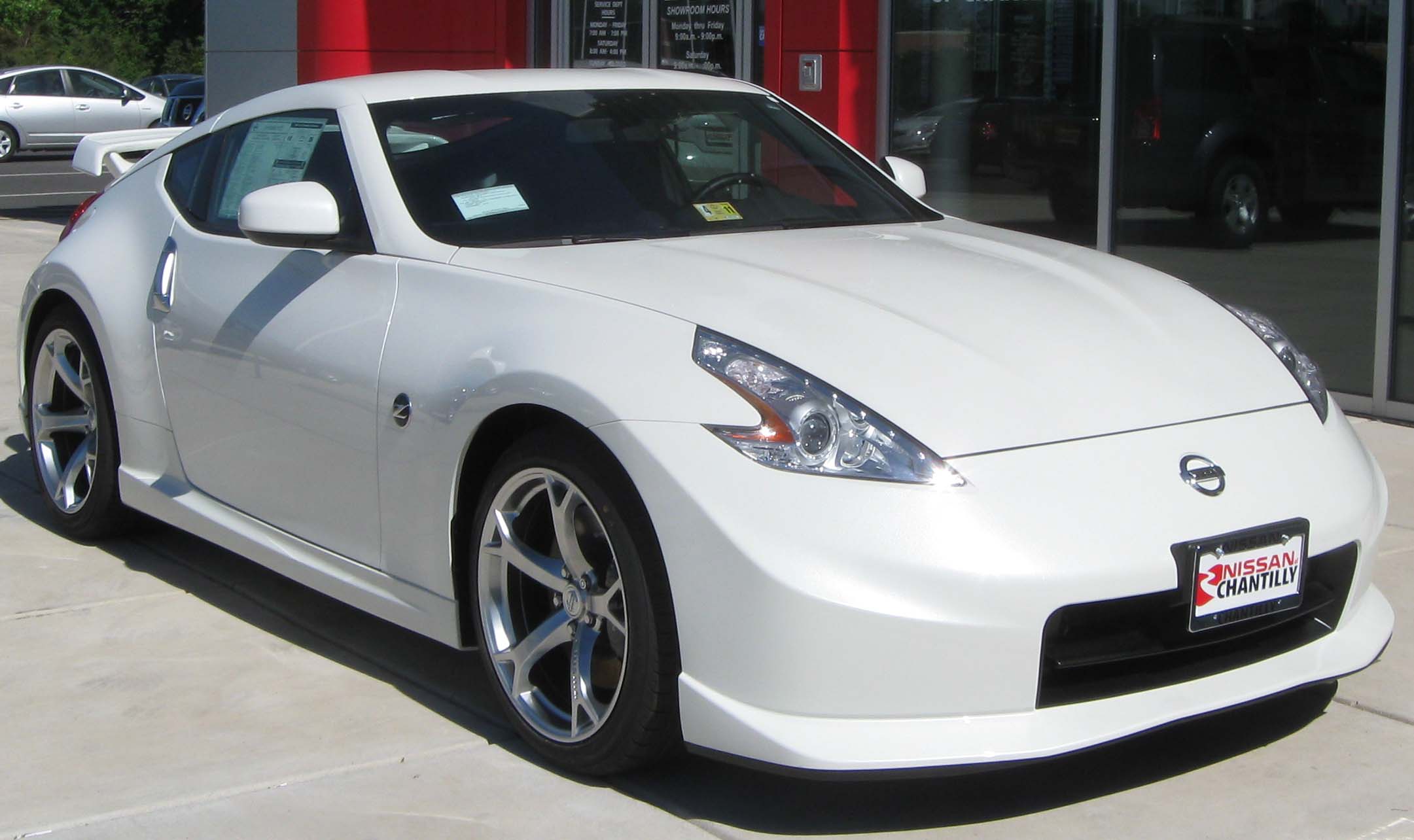
Nissan 370Z
"Listen to the show. 370Z. 370Z is a bit better, but."
The 370Z is a sports car from Nissan. It’s built to be fun to drive, with power sent to the rear wheels. People talk about it because it’s a newer Z model that still feels like a traditional sports coupe.
The Nissan 370Z is a modern-generation Z-car sports coupe known for its rear-wheel-drive layout and driver-focused feel. It’s often discussed because it offers a classic sports-car formula with contemporary performance. In the podcast context, it’s mentioned in comparison to another Z-related topic, suggesting it’s part of a “which one is better” conversation.
front wheel drive
"I've already got a hatchback in front wheel drive. I think I'd like to go at least three wheel drive or all wheel drive."
Front wheel drive means the front wheels do the work of moving the car. Many hatchbacks use it because it’s efficient and space-friendly.
Front wheel drive (FWD) means the engine’s power is sent to the front wheels. It’s common in hatchbacks because it packages well and can be efficient, but some drivers prefer the balance and traction characteristics of other layouts like all-wheel drive.
all wheel drive
"I think I'd like to go at least three wheel drive or all wheel drive. Yeah."
All wheel drive means power goes to all four wheels. That can help the car grip better on slippery roads and feel more stable.
All wheel drive (AWD) sends power to all four wheels, typically improving traction in low-grip conditions like rain, snow, or uneven roads. In enthusiast buying decisions, AWD is often chosen for confidence and stability, especially if you’re moving from a FWD hatchback.

BMW 335I
"I did. I did see a 335i. You don't do it."
The 3 Series is a BMW car that’s meant to drive well and feel more “sporty” than a basic commuter. The podcast mentions a 335i, which is a stronger version of the 3 Series. People talk about it because it’s a well-known model with different power levels.
The BMW 3 Series is a compact executive car known for its balanced driving dynamics and wide range of engine options. It’s discussed frequently because it’s a popular platform and many variants exist, including higher-performance models. In the podcast context, the mention of seeing a 335i suggests interest in a specific 3 Series variant.
full service history
"It comes with full service history, roadworthy certificate and everything like that that you need. That's like eight grand."
Full service history means the car’s maintenance has been recorded—like receipts or dealer logs. It helps you trust that the car was looked after.
Full service history means the car has documented maintenance records for scheduled work (oil changes, inspections, and other service items). It’s a key used-car credibility signal because it suggests the car was maintained consistently rather than neglected.
road worthy certificate
"It comes with full service history, roadworthy certificate and everything like that that you need. That's like eight grand."
A roadworthy certificate is paperwork that says the car is safe enough to drive legally. It’s a good sign, but you should still check the car carefully before buying.
A roadworthy certificate is an official document stating the vehicle meets safety requirements to be driven on public roads. When buying used cars, it can reduce the risk of buying a car with obvious safety issues, though it doesn’t replace a pre-purchase inspection.
oil leaks
"It might come with a roadworthy, but I'm sure there's going to be hidden oil leaks everywhere at leaks from the valve covers, the oil filter housings."
Oil leaks are when engine oil seeps out from places like seals or gaskets. If it keeps leaking, the car can run low on oil and start causing damage.
“Oil leaks” means engine oil escaping from seals, gaskets, or housings. On a used car, small leaks can become bigger problems because they can lower oil level and contaminate other components.
valve covers
"I'm sure there's going to be hidden oil leaks everywhere at leaks from the valve covers, the oil filter housings."
Valve covers are covers on top of the engine that keep oil inside. If the gasket underneath them gets old, oil can leak out onto the engine.
Valve covers are the housings over the top of the engine’s cylinder head(s) that protect the valve train area. Leaks from valve covers usually come from the valve cover gasket/seal and can be common on higher-mileage engines.
oil filter housing
"leaks from the valve covers, the oil filter housings. Yeah."
The oil filter housing is where the oil filter sits. If a seal there gets worn, oil can leak around the filter area.
The oil filter housing is the part that contains the oil filter and routes oil through it. If the housing gasket or seal fails, oil can leak around the filter area even if the filter itself is new.
remain seal
"And remain seal is another spot that's very, very common. Much anything around the engine."
This sounds like they mean a crankshaft oil seal at the back of the engine. If that seal leaks, oil can drip and the repair can be more involved than a simple gasket.
“Remain seal” appears to be a transcription error for a common leak point like a “rear main seal.” The rear main seal is a crankshaft oil seal at the back of the engine, and leaks there can be especially annoying because they can require significant disassembly to fix.
leaky injectors
"And it has that injector problem too. Leaky injectors. They make incredible power."
Fuel injectors spray fuel into the engine. If they “leak,” they can drip fuel when they shouldn’t, which can mess up how the engine runs and can even contaminate the engine oil.
Leaky injectors are fuel injectors that don’t seal properly, allowing fuel to seep when they should be closed. That can cause hard starting, rough running, fuel dilution of engine oil, and other drivability issues.
cooling systems
"He had to replace the whole cooling system this time. Yeah."
The cooling system prevents the engine from overheating by circulating coolant. If it’s failing, the car can run hot and you may need to replace parts to keep it safe.
The cooling system keeps engine temperature under control using coolant, a radiator, hoses, and a water pump. If it needs replacing, it often points to leaks, failed components, or age-related wear that can lead to overheating.
out the door price
"It's still out of my budget, but like, I'm just amazed what price it's at. It's sitting at, I think very low 20s."
“Out-the-door price” means the full price you actually hand over at the end. It includes things like taxes and fees, not just the base price.
“Out-the-door price” is the total amount you pay to buy the car, including taxes, registration, and dealer fees—not just the sticker price. In the segment, they’re talking about how the car’s total price has dropped over time.
Pickles
"It was an A 53 up for auction at Pickles, Pickles the other day and it got passed in at 20,000. Hmm. Geez."
Pickles is a car auction business. Cars go up for bidding there, and if the bids aren’t high enough, the car can be “passed in” instead of sold.
Pickles is an Australian vehicle auction company where cars are sold to the highest bidder (or “passed in” if bids don’t meet reserve). The hosts use it as a reference point for how these cars are pricing in the used/auction market.
passed in
"Pickles the other day and it got passed in at 20,000. Hmm. Geez."
“Passed in” at an auction means the car didn’t sell. Usually it’s because the bids weren’t high enough for the seller’s minimum price.
“Passed in” is auction jargon meaning the car didn’t sell because bidding didn’t reach the seller’s reserve price. In this segment, the A 53 is described as being passed in at 20,000.
insurance warranty
"Lucky I bought the insurance warranty with that."
An “insurance warranty” sounds like extra coverage you buy so repairs cost less if something breaks. The host is saying they bought that coverage to protect themselves.
An “insurance warranty” in this context likely refers to an extended warranty/vehicle service contract sold alongside insurance, intended to cover certain repair costs after purchase. The host mentions buying it as a way to reduce risk of unexpected bills.
transmission rebuild
"Transmission rebuild, AC rebuild, drive shaft rebuilds. That's just a name a few."
A transmission rebuild means taking the gearbox apart and repairing worn or broken internal parts. It’s a bigger job than routine service and is usually done when the car’s shifting starts acting up.
A transmission rebuild is a major repair where the gearbox is disassembled, inspected, and typically fitted with new or refurbished internal parts. It’s usually done when the transmission develops problems like slipping, harsh shifting, or internal wear.
drive shaft rebuilds
"Transmission rebuild, AC rebuild, drive shaft rebuilds. That's just a name a few."
The drive shaft is part of the power-transfer system that helps get power to the wheels. A rebuild means fixing worn or damaged parts so the car stops vibrating or driveline issues go away.
A drive shaft rebuild repairs the components that transfer power from the transmission to the differential/axles. Rebuilding is often needed when there’s vibration, imbalance, worn universal joints, or damaged shaft components.
AC rebuild
"Transmission rebuild, AC rebuild, drive shaft rebuilds. That's just a name a few."
An AC rebuild is when the car’s air-conditioning system gets repaired or overhauled. It’s usually needed when the A/C isn’t cooling well anymore or has leaks or component failures.
An AC rebuild refers to repairing or overhauling the car’s air-conditioning system components. It’s typically done when the system stops cooling properly, leaks refrigerant, or has failing compressor/evaporator/condenser parts.
cat S
"I took the XR8 to get the cats done. So that is now fixed. There's no more rattled cats. The car actually runs and drives a lot better."
“Cats” are the catalytic converters in the exhaust. They clean up the car’s exhaust gases, and if they get damaged (like rattling), the car can run worse until they’re fixed.
“Cats” is short for catalytic converters, emissions devices that help turn harmful exhaust gases into less harmful compounds. When catalytic converters rattle or fail, they can cause exhaust noise, poor engine behavior, and reduced drivability—exactly what Matty J describes improving after the work.
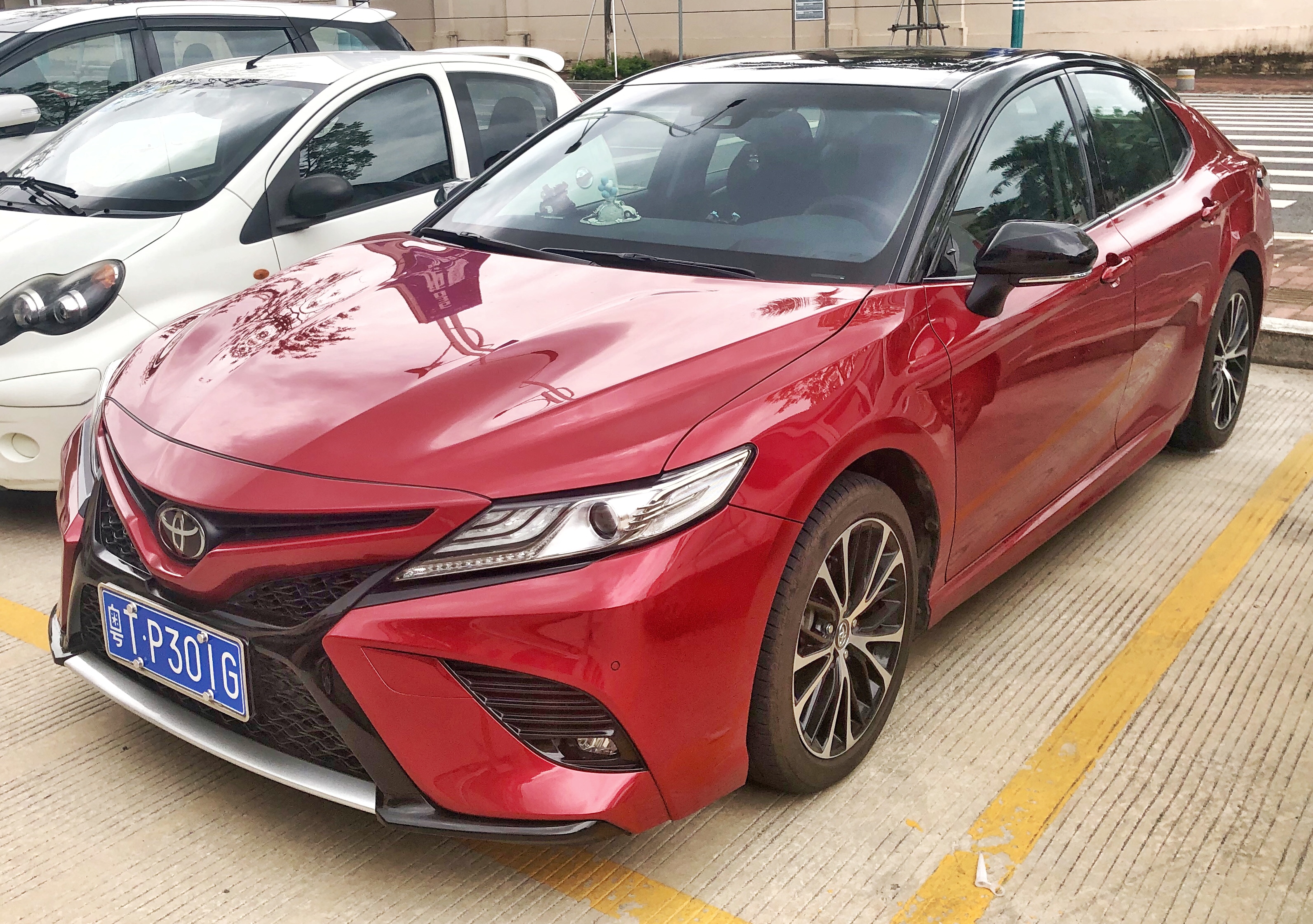
Camry
"Got mom's Camry servers as well... So the XR8 has been put in for Beta Birdwood. As has my Camry and MR2."
The Camry is a common Toyota family sedan. They mention it because it’s also part of what they’re dealing with at the moment, not because they’re reviewing its performance here.
The Toyota Camry is a mainstream midsize sedan known for comfort and reliability rather than hardcore performance. In this segment, it’s mentioned alongside the XR8 and MR2 as another car that’s been “put in” for storage/transport (or a similar status), implying ongoing ownership and maintenance planning.
Beta Birdwood
"So the XR8 has been put in for Beta Birdwood. As has my Camry and MR2."
“Beta Birdwood” appears to be a specific location or facility name in the speaker’s context, likely tied to where the cars are being put/handled next. It’s not a standard automotive term, but it functions as a named destination for the vehicles.

Toyota MR2
"...een put in for Beta Birdwood. As has my Camry and MR2. That's ready to go."
The MR2 is a small sports car from Toyota. It’s designed to feel nimble and fun to drive rather than to be a big family car. People talk about it because it’s a compact, sporty option.
The Toyota MR2 is a small sports car known for its lightweight feel and driver-focused layout. It’s often discussed because it’s a relatively affordable way to experience a true sports-car style of handling. In the podcast context, it’s mentioned alongside other cars the host has put in for, suggesting it’s part of their personal lineup or plans.

GMC Typhoon
"...orward to going there for that. Went to drive the Typhoon yesterday. Completely dead battery."
The Typhoon is an SUV from GMC, but it’s built to be fast for an SUV. It’s not just for carrying people—it’s meant to perform. The podcast mention is about a real-world problem: the battery was dead when they tried to drive it.
The GMC Typhoon is a performance-oriented SUV that’s known for being unusually quick for its class. It’s discussed because it combines the practicality of an SUV with a more aggressive, performance-focused setup. In the podcast context, the host tried to drive one but found it had a completely dead battery, pointing to a practical ownership issue.
rubber mats
"It came with factory mats, but also I ticked the rubber mats. I ticked the boot liner."
Rubber mats are protective floor covers. They help keep dirt and water off your car’s carpet and are usually easier to clean than cloth mats.
Rubber mats are floor liners designed to protect the carpet from mud, water, and road grime. Compared with fabric mats, they’re usually easier to remove, rinse, and dry—especially in wet or messy climates.
boot liner
"I ticked the rubber mats. I ticked the boot liner. I ticked the umbrella holder."
A boot liner is a protective cover for the trunk area. It helps stop scratches and mess from things you carry, and it’s easier to wipe clean.
A boot liner is a protective tray or cover for the trunk/cargo area. It helps prevent scuffs, spills, and wear from luggage, groceries, or tools, and it’s typically easier to clean than the bare carpeting or trim.
umbrella holder
"I ticked the boot liner. I ticked the umbrella holder. I ticked the carbon fiber gear knob."
An umbrella holder is a built-in spot in the car where you can store an umbrella. It’s meant to keep it from rolling around and to keep it handy.
An umbrella holder is a storage feature integrated into the car’s interior (often in the center console or door area) to keep an umbrella secured and accessible. It’s a convenience option that can be part of a specific trim/accessory package.
carbon fiber gear knob
"I ticked the umbrella holder. I ticked the carbon fiber gear knob. I think that was virtually all you could tick"
A carbon fiber gear knob is the part you grab to shift gears, made with carbon-fiber material. People choose it because it looks cool and can feel nicer in your hand.
A carbon fiber gear knob is a shift knob made with carbon-fiber composite materials, usually chosen for its lightweight feel and distinctive look. It’s an interior upgrade that changes both the tactile experience and the visual “spec” of the cabin.
sunroof option
"because I got rid of the sunroof option. And the mean green paint, which is the best part of the car. Would you have got the sunroof if it was an option?"
A sunroof option is when the car is ordered with a roof panel that can open. It lets in more light and fresh air, and it’s something people often decide on when buying new.
A sunroof option is a factory-installed opening in the roof that can tilt or slide to let in light and air. It’s a common “tick-box” option because it affects weight, cost, and sometimes noise/maintenance considerations compared with a fixed roof.
black roof
"Oh, the other option I could have ticked was the black roof, but I didn't want a black roof."
A “black roof” means the car’s roof is a different color (black) than the rest of the body. It’s mostly a style option, not a mechanical one.
A “black roof” is a two-tone exterior option where the roof is finished in black while the rest of the body is another color. It’s a common factory customization that changes the car’s visual proportions and styling without affecting performance.
Blobby STI
"Would have bought myself a Blobby STI, easy."
“STI” is Subaru’s higher-performance WRX variant, typically with stronger drivetrain components and more track-focused tuning. Matty J says he would have bought a “Blobby STI” brand new, highlighting how trim/spec choices can change the character of the same basic model family.
factory
"No, on STIs they were factory. They were factory at the time?"
“Factory” means the car came with that feature installed when it was built, not added later. It’s generally more “correct” and consistent than aftermarket add-ons.
“Factory” here means the option was installed by the manufacturer (as original equipment) rather than added later by a dealer or aftermarket. That usually matters for fitment, finish, and resale value because the parts match the car’s build spec.
rain guards
"So I might have gone at least for that era if they offered the window, the rain guards."
Rain guards are little add-ons that sit by the windows to help keep rain from blowing in. They also make it easier to crack the window for airflow without getting as wet.
“Rain guards” (also called window visors) are small exterior pieces mounted above the side windows. They help reduce rain intrusion and can let you vent the windows slightly even in wet weather.
diff controller
"So STI's got your six speed, got your diff controller, I think. And the only, I guess, the only up to that would be the spec Cs,"
A “diff controller” is the electronics/controls that manage how the differential behaves, especially in traction-focused cars. In an STI context, it typically relates to controlling limited-slip behavior so power can be distributed more effectively when grip changes.
six speed
"So STI's got your six speed, got your diff controller, I think. And the only, I guess, the only up to that would be the spec Cs,"
“Six speed” means the car has six gears. Having more gears can help the engine stay in the right rev range so it feels quicker and easier to drive fast.
A “six speed” refers to a six-gear manual transmission (or six forward gears in general). More gears can help keep the engine in its power band across different speeds, which matters for rally-style driving and responsiveness.
Australian market
"And the only, I guess, the only up to that would be the spec Cs, but those weren't exactly available in the Australian market. "
They’re talking about what cars were actually sold in Australia. Some special versions were easier to find in Japan than in Australia.
The “Australian market” is referenced as the availability boundary for certain Subaru STI variants. The host is implying that some Japan-focused trims (like Spec C) weren’t commonly offered through Australia’s distribution channels.
Mugen catalogue
"I reckon he spent another 10 grand on that car. He's gone through the Mugen catalogue and he's ticked everything from the oil cap and the little sock that sits around the brake fluiders of all."
The “Mugen catalogue” is basically a parts list from Mugen, a company that makes performance and style upgrades. The speaker is saying the previous owner bought a bunch of those parts.
The “Mugen catalogue” refers to Mugen’s aftermarket parts catalog—Mugen is known for producing performance and appearance parts for certain Japanese cars. In this context, it’s shorthand for the previous owner systematically adding lots of Mugen-branded accessories.
oil cap
"He's gone through the Mugen catalogue and he's ticked everything from the oil cap and the little sock that sits around the brake fluiders of all."
An “oil cap” is the cap that seals the engine’s oil fill opening. Upgraded oil caps are often about fit/finish and sometimes branding, but they can also be part of a broader engine bay appearance package.
brake fluiders
"He's gone through the Mugen catalogue and he's ticked everything from the oil cap and the little sock that sits around the brake fluiders of all. Yeah."
This sounds like a small protective cover the previous owner added near the brake fluid area. The idea is to keep things protected from dirt or accidental contact.
“Brake fluiders” appears to be a mis-transcription of a protective accessory around the brake fluid reservoir area. The speaker describes it as a “little sock” meant to protect components and reduce damage from everyday contact.
door handle
"Things to protect your doors from the, your door handle, but perhaps to go behind the door handles to protect your, the paint from the fingernails and stuff."
They’re talking about protecting the paint around the door handle area. The goal is to prevent scratches from things like fingernails.
The “door handle” is being referenced in the context of paint protection—specifically, accessories placed around/behind the handle area to prevent fingernail scratches and wear. This is an example of the kind of detail-focused “tick” that enthusiasts care about.
Seeker tailgate spoiler
"And then it's got the, the Seeker tailgate spoiler. It's got the, let's see. You upgrade."
A “tailgate spoiler” is a wing-like piece on the back of the car. It helps the airflow over the rear, and “Seeker” is the brand of that specific spoiler.
A “tailgate spoiler” is an aerodynamic add-on mounted on the rear hatch/tailgate to improve airflow and reduce lift. “Seeker” here is the brand or model name of that spoiler, and it’s being listed as part of the car’s enthusiast look and aero package.
spoon suspension
"It's got the, let's see. You upgrade. It's got the spoon suspension and the Mugen exhaust."
“Spoon suspension” means upgraded suspension parts from Spoon. These changes usually make the car sit differently and handle more tightly than stock.
“Spoon suspension” refers to suspension components from Spoon (a performance parts brand), typically including springs/coilover-style setups that change ride height and handling response. In enthusiast builds, suspension upgrades are one of the biggest contributors to sharper steering feel and reduced body motion.
mugen exhaust
"You upgrade. It's got the spoon suspension and the Mugen exhaust. And all of the things when I saw it, I thought, oh, I can,"
An “exhaust” upgrade changes the way the car breathes out. A “Mugen exhaust” is a specific aftermarket exhaust system from Mugen, often chosen for better sound and fitment.
An “exhaust” upgrade changes how exhaust gases flow out of the engine, which can affect sound and sometimes performance. “Mugen exhaust” specifically means a Mugen-branded exhaust system, typically chosen for its fitment, materials, and enthusiast-approved sound.
N1 manual
"We look at a book because I told her I was looking at an N1 manual. She thought I was just going to look at it."
“Manual” means you shift the gears yourself with a clutch and gear lever. The host is saying they were looking at an N1 RS that came with that kind of gearbox.
A manual refers to a driver-operated gearbox (as opposed to an automatic), and “N1 manual” here means the N1 RS configured with a manual transmission. Enthusiasts often seek manual versions because they offer more direct control over gear selection.
stripe kit
"They've got a really nice stripe kit that just fits in the, you know, on the sort of bulge in the center of the bonnet, which would be pretty cool."
A stripe kit is basically a set of racing-style stickers/decals that go on the car in a specific pattern. People add them to get a particular look, like the stripes you’d see on a sportier version.
A stripe kit is a set of pre-cut decals or graphics designed to be installed on specific body panels. On cars like the Honda N1 RS discussed here, it’s used to create the factory-style racing look (and it can be positioned to match the hood’s contours).
Mugen body kit
"I'm taking the Mugen body kit off the car. But anyway, the yellow one with the black roof just a bit too much"
A body kit is a set of add-on parts that change how a car looks from the outside. "Mugen" is a well-known Japanese company that makes these kinds of styling parts.
A "body kit" is an aftermarket set of exterior pieces—like bumpers, side skirts, and spoilers—that changes a car’s look. "Mugen" refers to M-TEC Co., Ltd., a Japanese tuner known for styling and performance parts, so a "Mugen body kit" is their branded kit.
console box
"I've got the little, there's a console box in the center that's just hard plastic, but it does, you can get a like a silicon liner for it."
The center console box is the little storage area in the middle of the car. A liner helps keep things from sliding around and making noise.
A center console box is a storage compartment mounted in the middle of the cabin, often near the armrest. People add liners or covers to reduce noise and prevent small items from rattling while driving.
silicon liner
"I've got the little, there's a console box in the center that's just hard plastic, but it does, you can get a like a silicon liner for it. So things don't rattle around."
A silicone liner is a soft insert you put inside a storage area. It helps stop small items from banging around and making rattling sounds.
A silicon (silicone) liner is a flexible sheet or insert placed inside a storage bin to cushion items. In this context, it’s used to stop loose items from rattling against hard plastic.
Alcantara gear boot
"And I've got a little Alcantara gear boot, which is every time I drive it, I'm glad I got that because it's Alcantara with orange stitching, which matches the rest of the interior"
A gear boot is the cover around the shifter area. Alcantara is a soft, suede-like material that looks nicer and feels better than plain plastic or leather.
A gear boot is the protective cover around the gear shifter’s base, usually made to keep dust out and improve feel. "Alcantara" is a suede-like synthetic material often used for a premium look and grip, and the mention of orange stitching suggests a custom interior trim style.
aftermarket thing
"And that was, and that was a factory, the accessory. Actually, that's an aftermarket thing. That's not factory, but I saw it on a, an Instagram, a guy in Japan had put one on his car."
Aftermarket just means it wasn’t installed by the car maker. It’s an add-on you buy and fit yourself (or have fitted).
"Aftermarket" means parts or accessories made by companies other than the vehicle’s original manufacturer. The speaker is distinguishing between what’s sold as a factory accessory versus what was added later.
panoramic roof
"I'd love a sunroof. I'd love a panoramic roof in that. Did like, could you get a roof on those?"
A panoramic roof is like a bigger sunroof—more of the roof is glass. It makes the cabin feel brighter and more open, but it can also let in more heat depending on the car and weather.
A panoramic roof is a larger, often mostly-glass roof section than a standard sunroof, typically spanning more of the cabin. Because it covers more area, it can significantly affect interior light, heat gain, and how the car feels overhead.
Prestige sunroofs
"I'm very tempted to take it down to Prestige sunroofs, which is just around the corner from where I live. And Rob Shaker, he said, he's like, don't do it."
Prestige sunroofs sounds like a local shop that installs or upgrades sunroofs. The host is considering having them do the work instead of leaving the car as-is.
Prestige sunroofs is referenced as an aftermarket specialist the speaker is considering for adding or modifying a roof/sunroof setup. Shops like this typically handle installation work that may not be available through the original manufacturer.
privacy glass
"The one thing I don't like about it actually, as far as it's not so much the optioning, I suppose is the model, but it's got privacy glass. So the rear, the rear windows are so darkly tinted."
Privacy glass is darker-tinted windows, usually in the back of the car. It helps people inside feel more private, but it can also make the cabin darker and reduce how well you can see out.
Privacy glass refers to factory-tinted or darker glass—usually rear side windows and sometimes the rear windshield—to reduce visibility into the cabin. It’s often chosen for aesthetics and perceived privacy, but it can also affect rear visibility and lighting inside.
privacy tint
"So I was lucky that whoever bought mine, the series two, he ticked quite a lot of boxes from car mats to the little blade light up logo on the doors along there and privacy tint as well."
Privacy tint is darker tint on the windows. It makes it harder for people outside to see into the car and can reduce glare.
Privacy tint is darker window tint applied to reduce visibility into the cabin from outside. It’s usually an optional factory or dealer-installed appearance/comfort feature that can also help with glare and heat.
mood lighting
"The mood lighting as well. So you can change it from a white light to a blue light in the middle. So that was an optional extra."
Mood lighting is the soft interior lighting that changes the vibe in the cabin. Here, it can switch colors like white to blue.
Mood lighting is interior ambient lighting designed to set the cabin atmosphere rather than provide primary illumination. In this segment, it’s described as an optional feature that can be changed from white to blue.
boot mat
"There are the boot mat. I think when it comes to the boot mat, I would have gone the rubber instead of the carpet boot mat."
A boot mat is a protective cover for the trunk floor. Rubber is usually better if you haul dirty stuff because it’s easier to wipe clean than carpet.
A boot mat is a protective floor liner for the trunk/cargo area. The host compares materials—rubber versus carpet—because rubber mats are typically easier to clean and better for wet or muddy cargo.
series one
"Maybe that was only series one. [2624.1s] I'm not sure if there was any series two [2625.5s] that came out in that dark green."
“Series one” just means an earlier version of the same model line. They’re saying that the dark green color might only have been offered on that earlier version.
“Series one” is being used here to distinguish between different production/trim phases of the same model. The hosts are implying that certain exterior colors (like the dark green) may have been available only on the earlier series.
metallic kind of green
"I mean, you can't really go wrong with a green, [2635.8s] especially a nice metallic kind of green as well."
“Metallic” paint means the color has tiny reflective particles in it. That makes the green look more vibrant and shiny as the light hits it.
A “metallic” paint finish uses metallic flakes in the clear coat to create sparkle and depth as light changes. The hosts are specifically praising a metallic green look on the car, suggesting it reads richer than a flat or non-metallic color.
beige leather trim
"with a S660 in dark green with the beige leather trim, [2649.6s] which looked amazing."
“Beige leather trim” means the car’s interior has leather parts in a light beige color. It’s a styling choice that can make the cabin look nicer and contrast well with a dark exterior color.
“Beige leather trim” refers to leather upholstery and/or leather interior surfaces finished in a light beige color. Pairing beige leather with a dark green exterior is a classic contrast that can make the cabin feel more upscale and visually cohesive.

Honda S660
"...urn up at a cake club event on the weekend with a S660 in dark green with the beige leather trim, which ..."
The S660 is a small Honda sports car. Because it’s light and compact, it’s meant to feel quick and easy to drive. The podcast mention is about seeing one at an event with a particular color and interior.
The Honda S660 is a small, lightweight sports car known for its compact size and fun, nimble driving character. It’s often discussed because it’s a modern take on the “small roadster” idea, making it stand out at car events. In the podcast context, it’s mentioned as being seen at a cake club event in a specific color and interior setup.
pearl white
"It would either be that one or the Pearl White,"
“Pearl White” is a special kind of white paint that can look different depending on the light. They’re basically saying it’s another great color option compared with the dark green.
“Pearl White” is a specific paint style that typically uses pearlescent pigments to create a subtle color shift (often slightly warm or silvery) rather than a flat white. The hosts are comparing it as an alternative exterior color choice to the dark green.

Toyota Hilux
"[2704.3s] Yeah, literally. [2706.2s] Hiluxes, MR2s. [2708.3s] So, you know, they've used that, it's called Super White 2."
The Toyota Hilux is a tough pickup truck that’s often used for work. The hosts are basically saying the same white paint shows up on lots of different Toyota models.
The Toyota Hilux is a globally popular pickup truck line built for durability and work use. Mentioning Hiluxes alongside MR2s and paint codes highlights how certain “default” colors get reused across different Toyota models.
Super White 2
"[2706.2s] Hiluxes, MR2s. [2708.3s] So, you know, they've used that, it's called Super White 2. [2711.4s] They've used that color on everything for God knows how long."
“Super White 2” is a specific factory paint color name/code used by Toyota. The hosts are comparing it to other whites and pointing out that this particular white is so common on Toyota models that they can often guess the color code just by sight.
Request an Explanation
Heard something you'd like explained? We'll add it to this episode.
Sign in to request explanations for terms you heard.
Want to learn more?
Browse our glossary for plain-English explanations of automotive terms, jargon, and concepts.
Help improve this episode
See something that's not quite right? Our annotations are AI-generated and can sometimes miss the mark. Click the flag icon on any annotation to suggest a correction.