The Scout brand is a name that used to belong to a company that made off-road vehicles. Volkswagen is bringing it back for new electric SUVs, which is part of a trend to make more electric cars.
International Harvester was a big company in the U.S. that made farming equipment and vehicles. They created the Scout, which helped start the SUV trend.
The Hyundai Genesis is a fancy car that feels very nice to drive and has lots of cool features. It’s a good choice if you want a luxury car without spending too much money.
Pickup trucks are vehicles with a separate cab and an open area in the back for carrying things. They're popular for work and outdoor activities because they can carry a lot of stuff.
Rugged SUVs are tough vehicles built to drive on rough roads and off-road. They are good for outdoor adventures and can handle difficult conditions better than regular cars.
Scout Motors is a new car company that makes tough vehicles for off-road driving. It's based on a brand that used to be popular for making strong and reliable cars.
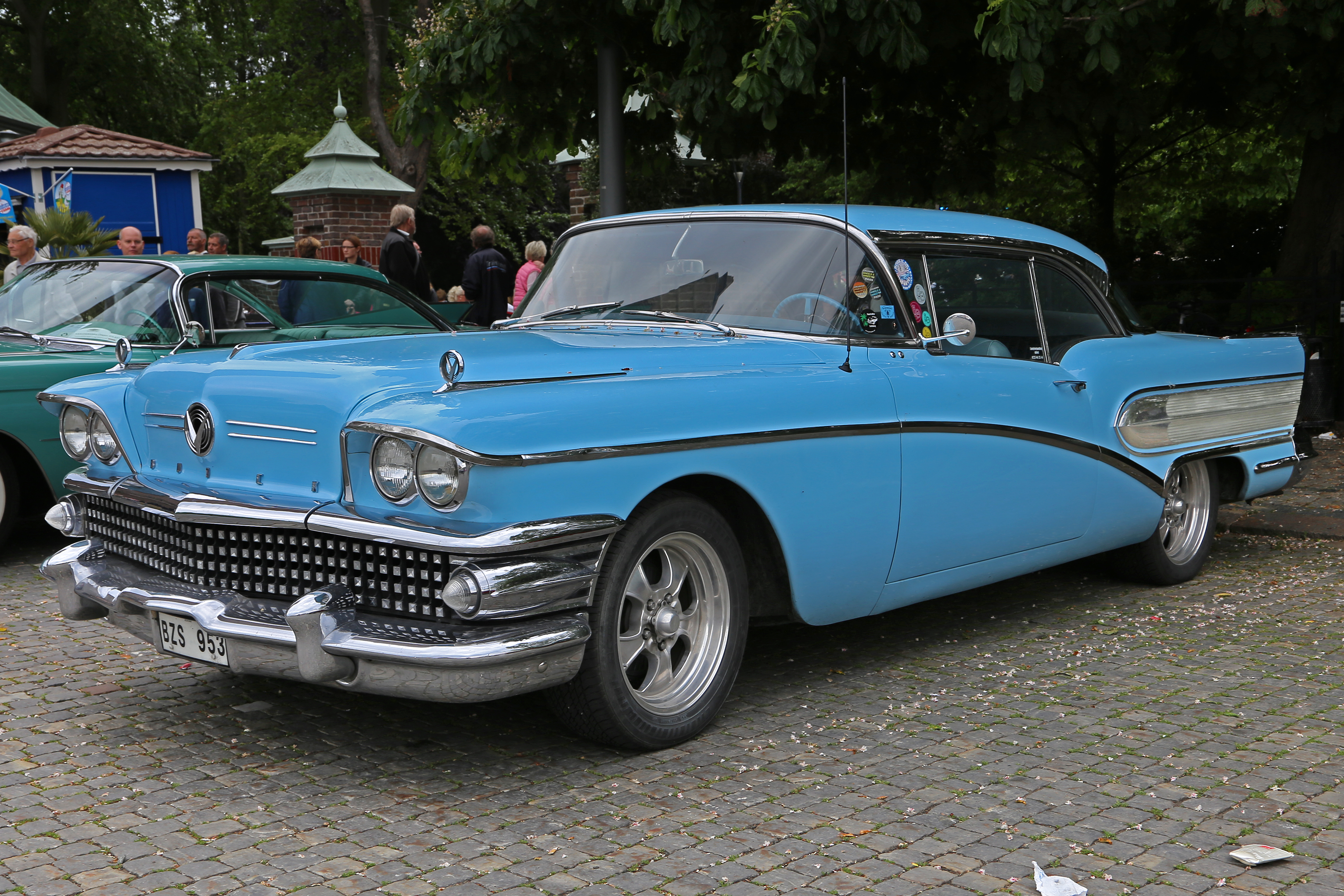
The Buick Century is a comfortable car that many families like to drive. It’s known for being reliable and has a classic look that appeals to a lot of people.
Solid rear axles are a part of the car that connects the back wheels together. This helps the car stay strong and stable, especially when driving off-road.
A four by four drive train means that all four wheels of the vehicle can move at the same time. This helps the car drive better on rough or slippery surfaces.
An EREV is a special kind of electric car that can also use a gas engine to help it go further when the battery runs out. This means you don't have to worry as much about running out of power while driving.
The Toyota Supra is a fast and stylish sports car that many people admire. It's famous for being fun to drive and has a long history of being a favorite among car enthusiasts.
Charging anxiety is the worry that you might run out of battery power in an electric car before you find a place to recharge it. This can make people hesitant to buy electric cars.
The Jeep Wagoneer is a big SUV that can handle tough terrain and is also very comfortable inside. It’s great for families and adventures, with lots of room for passengers and gear.
The Ram 1500 is a big truck that can carry heavy loads and is great for both work and family use. It’s known for being comfortable to drive and has lots of modern features.
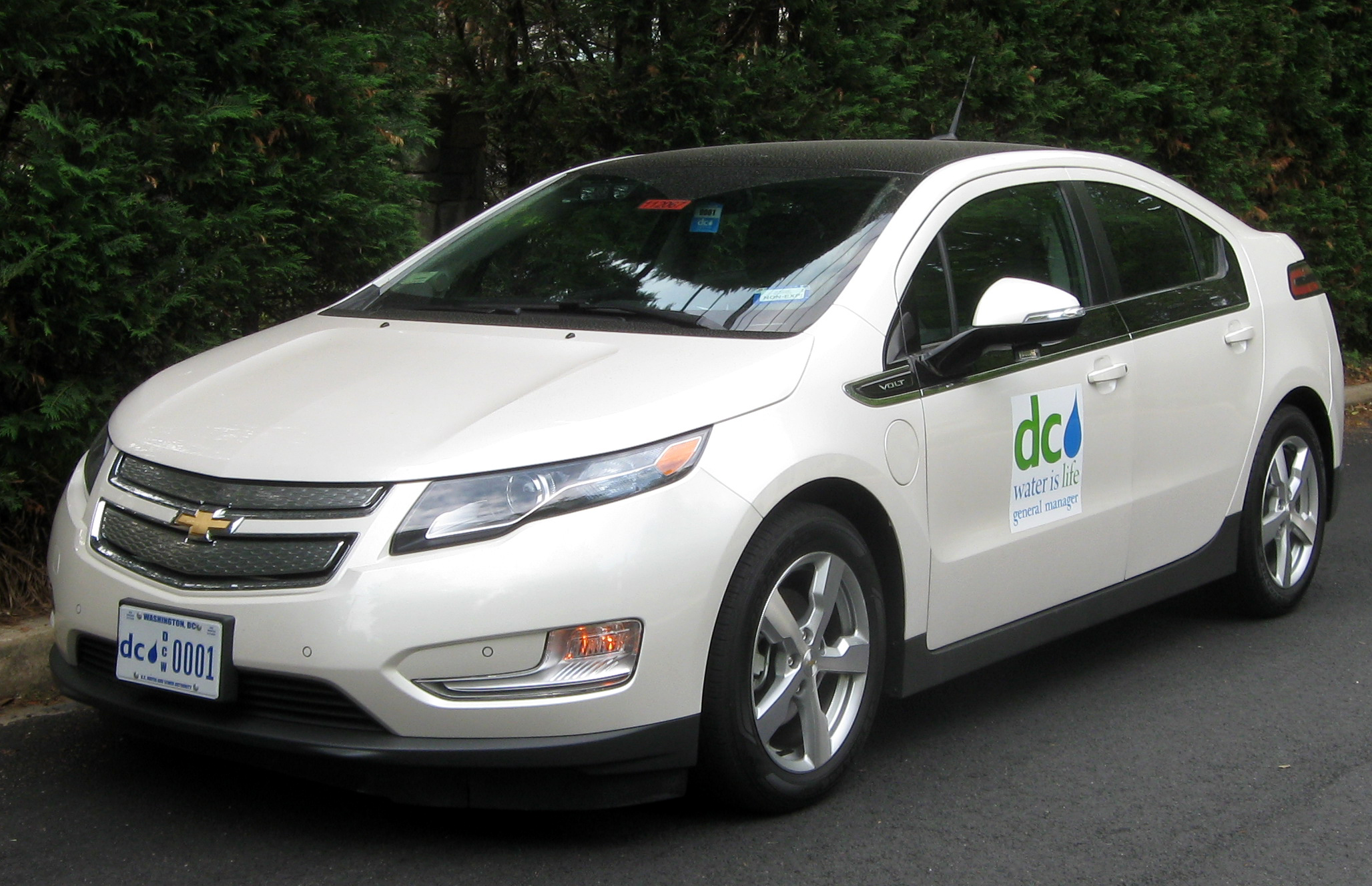
The Chevrolet Volt is a car that can run on electricity or gas, which means you can drive it without worrying about running out of battery too quickly. It’s a good option if you want to save on fuel and reduce emissions.
The BMW i3 is a small electric car that's different from most because it has a special feature that helps it go further when the battery runs low. It’s designed to be eco-friendly and has a cool, modern look.
When we say a car has a 300 miles range, it means you can drive it for about 300 miles before needing to recharge the battery. This can change depending on how you drive and the conditions.
A daily driver is just a car that you use every day for normal activities like going to work or shopping. It's usually a car that's easy to drive and dependable.
The Indy 500 is a famous car race that takes place every year in Indianapolis. It's known for being very long and exciting, with many cars racing at high speeds.
This saying means that if a car company wins races, it helps them sell more cars to regular people. Winning makes the brand look good and attracts buyers.
The chassis is the main structure of a car that holds everything together, like the engine and wheels. It's important for how the car drives and how safe it is.
Electrification means adding electric power to cars, which helps them use less gas and be better for the environment. This can be done with hybrid cars or fully electric ones.
Dallara is a company that makes race car parts and complete cars, especially for racing series like IndyCar. They are known for creating high-performance vehicles.
A twin turbo V6 engine has two turbochargers that boost the engine's power. This means the car can go faster and use fuel more efficiently than engines without turbos.
LIVE
Hello and welcome to the gas everyone. I'm Gary Gastelou and we've got our foot on the
gas this week. Lots of guests, lots of things to talk about. But first let me introduce
my cohost Alex Nunez, the Alex in the Gary and Alex show. How are you doing today?
I'm great, Gary. How's it going?
It's going great. I know you saw the Daytona 500 as I did and we're going to be dissecting
that kickoff to the NASCAR season later in the show and talking about the one thing
everyone is complaining about. You know, people are really happy about those changes NASCAR
have been making so they have to find something new to complain about. And that's what makes
it great. NASCAR, that's an acronym like the gas is an acronym, but IndyCar is a compound
word and the combination of Honda and Chevrolet as its engine suppliers has extended their
agreement with the series for the next couple of years. We were talking about that last week,
but this week we're going to be talking to Chuck Schiffsky, the national manager of Honda
and Acura Motorsports in the US about the deal and what it means for Honda. But first,
Alex, back to the gas. It's called the gas, but of course we talk about other types of
vehicles, including electric vehicles. But this week we're going to be talking about
electric vehicle that can also run on gas. Can you believe that?
I can't believe that because we have seen this in the past, right?
Not quite like this. Scout Motors, it's Volkswagen's reboot of the legendary American SUV
brand. It's got a new US based headquarters in Charlotte and a factory in South Carolina
that's going to be building electric and electrified off road SUVs. Hopefully starting
next year and joining us now to talk about how the brand got to this point and where it's
heading is Scout's vice president of strategy and brand. Ryan Decker, Ryan, thanks for joining
us on the show.
Glad to be here, Gary.
So just to catch people up who aren't familiar with what's going on with Scout. First of
all, can you tell us how Volkswagen, which is back in this project, ended up with the
Scout brand? Because I think it's a fascinating tale how that came up together.
It's a minor but important clarification from the start, Gary, is our relationship is with
the Volkswagen group, not with the Volkswagen brand. So again, a minor thing, but I do want to
reiterate that. So the Volkswagen group acquired the Scout brand or the rights to the Scout
brand through a long series of meandering corporate acquisitions, I would say. So to go
way back when to the beginning, you have to look at where Scout came from, right? International
Harvester. At one point, IH was basically one of the world's most valuable companies that had
several different businesses. They had tractors, they had earth moving vehicles, they had
military and defense vehicles. And then of course, they had why we're here, a line of
passenger vehicles that for several decades, sort of defined became the SUV category as we
know it. That started with the Scout. From the Scout, they had pickup truck derivatives, they
had long wheel based derivatives. And they had a lot of success from 1968 to 1980, when a
bunch of bad things happened kind of all at once, right? I think you had an oil crisis, you
had some labor activities that were ongoing, to be clear, a strike that happened. And International
Harvester made the decision to shutter the Scout passenger vehicle business. And with that, of
course, they closed their factory in Fort Wayne, Indiana. And with closing the factory meant of
course, people losing a lot of jobs, just across the board, bad. And what really made it
worth this is that Scout was really on its way to earning sort of a beloved place in the
automotive vehicle landscape. Yeah. And I think when you look across the last several decades,
there's not too many products that people have made their living restoring and sort of keeping the
flame burning, right? And Scout is one of those products that people kept the flame burning.
And that's for a reason, people love them, people wanted to see him come back. So, so what
happened? So that the rights to the passenger vehicles made their way to a commercial truck
business, of course, International, International was acquired or became a commercial truck
business called Navistar. Navistar was over the years acquired by a Volkswagen Group commercial
truck business called Trayton. And then with that acquisition, the Volkswagen Group ended up
with the rights to Scout. So that's sort of the long and winding multi decade story of how the
Volkswagen Group ended up with the rights to Scout. So what was the genesis of rebooting it?
Was Volkswagen Group thinking we should be in the electric off-road truck game? What should we
call it? Or was it more, hey, we've got this great brand sitting on the shelf. What could we do
with it? Look, I never speak for the Volkswagen Groups. I can only offer sort of my observations
of it. And my observations are that we know the Volkswagen Group was looking for opportunities
to grow in North America. That's clear. We know that the Volkswagen Group has a strong portfolio
of brands and products in North America. You all know the brands and products, some iconic,
really great brands and products. But what they didn't have was a way in sort of the largest
American segments, which are pickup trucks and more rugged SUVs. And these are large segments in
terms of volume. But these are large segments in terms of reaching really unique customer
profiles, right? Off-roads, outdoors, DIY, hands on, you can name it. And sort of a completely
unaddressed space for the group to go in and participate in. Now, one thing that's clear,
right, is if you're going to go into those American segments, you can't do it as a poser,
right? Anyone who's been paying attention knows that you have to be legit. And being legit in
these segments means typically, you know, things like body on frame, legit credibility, right,
platforms that are designed to do these types of things. And it also does mean the brand. And
there is a lot of sort of American pride in purchasing vehicles in these segments. And so
the decision was made to use Scout as a way to sort of tap into that cultural resonance that
these segments have. And to do it in a way that's a no joke, credible, legit off-road product,
like Scout always was. So that, of course, came with the decision to do ground up new platform
that came with the decision to do a greenfield factory that knows how to make these this new
platform and these new products. And it also came with the decision to establish a completely new
company. Yeah, so so Scout isn't just a brand. Scout Motors is a completely new independent
company, Delaware Corporation, American style board of directors that started hiring from
employee number one, which was our CEO, Scott Keough. Of course, I was employee number two.
And I think we just cracked 1300 or so as we're continuing to build and scale up this company.
You've been there since the start. I know you had Volkswagen Group behind you, but how do you
just start a car company? What's the first thing you do?
Well, first, you got to figure out how to pay people and give them laptops and email addresses
and where are they going to sit? And, you know, but once you get over those very tactical things,
the clear focus was we had a dream and an ambition, and I think a great strategy.
But really, to create a car company, it's focus, focus, focus, execution, execution, execution
across every single part of the company. And going back to those early days, it's of course,
step one is building a great team, hiring well, right? Because it's one thing if you're one
employee in a, you know, 60,000 person company, it's another thing if you're one employee in a
company that has 20 people, right? So, you know, you really have to hire well, you need to establish
that entrepreneurial culture. So that was job one, you need to build out the technology environment.
Of course, that means in its simplest form, giving out laptops and email addresses, but
you have to enable engineers to work, you have to enable yourself to design a factory.
And that means getting into the teeth of, of course, as you all know, vehicle projects are
hard cross functional, always solving for conflicting interests, trying to deliver upon
the requirements that will make these car vehicles great. And just focus, focus, focus,
execution, but nail the team and nail the culture because you can't undo it.
You unveiled them after a couple of years of teasing them, you unveiled the production versions
last fall. They really do look like 21st century versions of the old Scouts. You've got the
Terror Pickup, the Traveler SUV. They both have four by four drive trains and up to 350 miles of
range plus some old school features. You've got solid rear axles. We haven't seen this
in electric vehicles in the US before and available front bench seats,
which is very much a throwback. But the big surprise was the Harvester versions of these,
which are technically called series hybrids, but what's become known as range extended
electric vehicles to the electric motor. You've added a small internal combustion engine that
works as a generator to provide an extra 150 miles of range. And I hear most of the 150,000
reservation holders you already have are opting for the Harvester models.
That's correct. I mean, that's kind of taken over the brand as it is almost.
It, what started as a strategic pivot, you know, listening to the market, listening to
what customers were telling us has sort of, yeah, become the defining characteristic of the company
now. And if you think about, you know, what we're doing, we're, we're building a company that really
has a unique opportunity to define itself around EREV leadership. And what I mean by that is our
engineers know how to engineer these things. The vehicles are designed to package this additional
hardware. The factory knows how to install it. The supply chain includes all of the necessary
parts and components to do it. You can keep going throughout the value chain all the way up until
the customer experience, right? We will deliver upon a sales experience where people know how to
educate and enthusiastically sell these products. And then of course, we'll also know how to service
them. And so, you know, we're really building the company around this EREV leadership idea now.
And I think it's no surprise, Gary, why the majority of our reservations are for it.
It really delivers upon a lot of really unique customer value that frankly,
customers have been asking for. You can still get really exciting zero to 60 times,
you can get by far a class leading torque really compelling four by four and driving dynamics,
you can do things like over the air updates, of course, you still have a front trunk, which is
kind of a cool feature. But you get the confidence of having 500 miles of combined range. And frankly,
what we're delivering, we have more range than any of our target competitors, whether they're EV,
plug-in hybrid or gas, we have a class leading torque, we have almost class leading zero to
60. So when you look at our full value proposition, we're really delivering a lot of very interesting
things that no surprise customers are finding to be very exciting and compelling. We've had a
handful of extended range ranges, extended electric vehicles in the US, none of them have been
successful up to this point. And we haven't any trucks, certainly not any off-road trucks to date.
What makes you confident that you could pull this off? Do you have the prototype of people
driven it? Have they said, wow, this is great, our customers are going to love this? Or is it still
a conceptual work in progress that you got to dial in over the next year or so? On the concept
that on the project, we're definitely doing all of said dialing in. And for us, that's things like
durability testing and performance testing, and of course, safety testing, we're going to keep
doing all that hard work. But we have a couple of proof points. Proof point one is the reservation
demand. When people read about the specs that we've reported upon, they say, oh, I like that.
I want to reserve my place in line. And they're doing that. And that's not a surprise to us,
because of course, leading up to this decision, we did do a fair amount of research, understanding
customer interest, customer requirements, customer willingness to pay, et cetera. And we saw lots
of really interesting proof points. And across the board, from our reservations and from that
research, two things really stood out. EREVs have sort of 50 state appeal, unlike a lot of new
entrants and unlike a lot of new EV brands that bias heavily towards the coast, we see and we saw
much more, I would say, normal 50 state geographic distribution. We're seeing reservations across
the country, unlike what we've seen from a lot of our EV peers that are heavily sort of New York,
California, and along the sort of smile states, if you will. And the second thing we saw, again,
from our reservations is what they're driving today. And historically, when you look at source of
sales in the industry, there's always sort of been two camps, right? There's been EV people,
and then EV haters to a certain degree. And they hardly kind of go back and forth. And what we're
seeing is that we're able to appeal to the EV people out there, as well as to the people who
have been sort of EV skeptics who are still driving gas vehicles, because they see that number of 500
miles of combined range. And they know that they have that confidence of that gas engine on board
and that they can refuel that way. And that solves the anxieties that we know they have.
Are you getting a lot of people who actually did own scouts in the past, or is this a new
audience and maybe just people that are getting tired of Rivians and are looking for something new?
I was looking at that the other day, actually. So there is, of course, there is a large fleet of
scouts out there, and they're passionate, and they're loyal, and they're doing everything they
can to find spare parts and barn finds. But let's be honest, it's not the biggest car park.
That's probably an operation today. But I do love seeing, when we ask, you know, what are you driving
today? It's all the normal off-roaders that you would expect. But I do always love seeing a scout
too in the list. So we are seeing some of them. But I think more importantly than what we're seeing
in the data, we know that the scout community is out there, and it's big, and that they're rooting
for us. And frankly, I think we're doing a pretty good job of leaning in and listening to them.
And what I mean by the scout story, or the scout community, is not just the people who are driving
one or who own one today. There's a much bigger community of people who simply recall scout.
Yeah, either their parents had one, or their grandpa taught them how to drive on one, or they
remember going fishing with their uncle and one. And we love that nostalgic connection that people
still have to this brand. Last year, you were talking about a ballpark starting price around
60 grand. Is that still the target or have things changed? 100% that is still the target. We're
holding the line on that starting and retail pricing below $60,000 without any incentives.
It's really important that scout still hits the core of the market. And we think that's a very
competitive price point for the future values and the characteristics that we're delivering with
these products. I believe the plan is being built to have an eventual capacity of around 200,000
units a year. I mean, given the changes in the EV market and the disappearance of the federal
tax credits, has your long term outlook, your five year, 10 year outlook for how big this company
scales to, changed at all? Or do you think those are really going to be a factor?
No, I'd answer your question directly. And we have a lot of confidence and we are fighting hard
to deliver what we think will be a really cool, really innovative product in the core of the market.
These are the largest segments. These are the largest customers. We like the opportunity in
front of us. We have to go deliver upon it. But that's what we're fighting to do.
As far as when you are going to deliver them, 2027 was the target. I know you know that there
was a report in Spiegel this week saying that you guys were a year behind schedule now. I've
seen a few comments come out from Scout throwing some cold water on that story. What's your official
response to what Spiegel had to say? What's the timeframe for this?
Look, what we always said was target initial production in 2027 deliveries after that.
I think if you look at a project of this ambition level to the scale, things will change. No doubt
about it. Where we are today, we will actually start building our first validation models this
year in 2026 that matures through next year into 2027. We go from validation models to
pre series bills, ultimately building cars for customers. We're going as fast as we can with
a milestone that we're focused on. Let's start building the first cars this year and keep on
going from there. Bottom line, you're telling Scout fans the brand's healthy. You're going full
steam ahead. Nothing to worry about. We're going full steam ahead. Lots to worry about internally.
But we're fighting like crazy to deliver upon our commitments. What we said,
and right now, we're holding the line. We're still doing it. Nothing to worry about.
You mentioned in terms of the reservation numbers that you're seeing people reserve Scouts from
across the country, not the usual EV corridor states, for lack of a better term. Is there a
particular state outside of, I believe, just in general, California is obviously number one. I
think Florida is number two for EV sales in general, or at least it was at some point last year.
Is there a state that has taken you guys by surprise in terms of the concentration of people
that have shown interest in the form of making reservations? I don't have our exact 50 state
mixes in front of me, but I certainly do look at that data from time to time. One thing I do love
to see is how we're over indexing in the Carolinas. Again, these are not necessarily number one,
five, but our performance in the Carolinas is over indexing versus expectations. It is great to
see that in our home states and where our factory is, we're seeing that fandom being built on the
ground floor by our neighbors. I think that's a really important proof point. You got to have
success where these cars are being built, and we're seeing that interest in that demand happening
in both South Carolina and North Carolina, which I think is pretty cool. That is pretty cool.
How do you build that fan base when you don't have the car or the truck to show them yet?
I mean, they see it, but I know other brands have done this, but getting people psyched about
something that doesn't yet exist, what's the move there? Well, Gary, you've seen, we do have a few
show car properties, and it is important for us to physically get those show car properties in
front of people. What we have said from the beginning is those aren't completely fancy full
show cars. Those are dang near reality show cars, and so they are very well representative of what
the actual production product will look like, and we want to get them out in front of people.
So we have just gone to events. We'll continue to go to events. I think most recently,
we were at the Los Angeles Auto Show, and beyond getting the vehicles just in front of people,
Scout employees love to go to those events, because we frankly want the direct conversations.
We want to hear from the people who are our reservation holders. We want to hear from the
market in general. We want their feedback. We want their dialogue. I think that's part of
how what Scout always was. It always was a community, and we want to keep sort of honoring
that community orientation by physically showing up shaking hands and talking to people.
All right, Ryan, thanks for catching us up with Scout. We love the US built trucks here,
whether they have gas or electric powertrain, so we cannot wait to check this out when we get a
chance. Thank you, guys. I can't wait for you to get up close to them soon. Appreciate you both.
Alex, this is like a big deal for the Volkswagen group. I know it's a separate company,
but Volkswagen itself hasn't been having the best time in the US the last couple of years.
It really seems like this is a huge opportunity if they could pull it off.
Huge opportunity. Important opportunity. It's an actual American brand. Headquartered here.
Vehicles could be built here. The vehicles are objectively great looking. Those show cars,
they are awesome looking. I think, as you mentioned in the interview, they really do
give you that sort of genetic Scout look while still being this very modern thing.
So there's a lot of positives there. Very hard to launch the car brand, and as we all know,
very difficult in this environment to launch an electrified brand. The fact that Scout had the
e-rev option from Go is super duper important. It would not shock me if this is a 90% plus
e-rev brand to the point where it almost would make sense for that just to be what it is, because
it takes out any sort of hesitation somebody might have, or I'm going to buy the electric one,
or I'm going to buy the range extended one. The e-rev, I mean, just on its face, the e-rev
package, 500 miles a range, zero charging anxiety, any of that stuff, because there's always a
solution no matter where you are. That just seems like a winning combination, and it probably is
going to be, in my opinion, the winning combination that gets the overwhelming majority of orders
and deliveries ultimately when they finally go into production. Ram and Jeep also allegedly
going to be launching e-revs, or they call them revs, this year with the Wagoneer and the Ram 1500.
Folks, for those of you who aren't familiar, all this works. This is different than a typical
hybrid. A typical hybrid has an engine, electric motors, and they can all drive the wheels,
even the plug-in hybrids work like that. The series hybrid, the extended range electric vehicle,
it takes the connection from the motor totally away from the wheels. All it does is work as a
generator, and there have been a handful of cars on sale up till now that have offered this. The
Fisker Karma was the first. The BMW i3 Rex range extended was another. Chevy Volt, obviously.
Well, Chevy Volt, technically a range extended electric vehicle, but they did have a little hack
where on the highway, there was a transmission that could connect the gas motor to the wheels at
certain speeds. It worked. It worked great. That was a great vehicle. I love driving that thing.
But just from that technical standpoint, that was kind of what made it work. So it's going
to be interesting to see how this works in the real world. All I can tell you about the
BMW i3, for instance, I really enjoy that. You drive it normally, it's great. But I was able
to get the battery drained, find a hill that was big enough where it was only running off of its
little basically a scooter motor because that was a tiny car and it couldn't do more than 25 miles an
hour going up this hill because the battery had been drained. Obviously that happens with a larger
vehicle or really with any vehicle. That's kind of disastrous. Now I went out of my way to make
it happen, but it was public roads. I didn't do anything too out of the ordinary. And you know,
when you talk about big, heavy truck, this is the concern I personally have and the one that I'm
going to have to get proved works well. I mean, 300 miles range baseline, even without the additional
power unit or generator is a lot. And as I think we just talked about on either the last show or
the show before, the reality is, as we know, most people are driving their daily drivers far less
than that. They're never going to run out of range if they're not going to go off road. They're
not going to do all that stuff. They're going to charge at home overnight for the most part,
especially in a suburban garage use type thing. But this, I kind of like to have your cake and eat
its option that you get with the generator. It's priced if it's five grand, 10 grand extra. I mean,
just getting bigger batteries in electric vehicles like the Rivians could cost you 10 grand extra
or more. So this is definitely a viable option. And even if you never get around to using it,
you know, that one or two times a year, you're going on a long road trip. You don't want to deal
with it. You got it right there. It's nice to hear that everything seems like it's still full steam
ahead. That Spiegel article, it was the sort of thing that gives you pause, but it's not like
Scouts were ready to go on sale tomorrow. You know, we're still well into next year, no matter
what, before we were going to see retail vehicles at the earliest, right? Yep. And given all the
other vehicles we're seeing getting canceled electric vehicles, it's impressive that they are
sticking with this. I found it interesting that they have this sort of hometown
concentration of reservation holders, which you actually do like to see because, listen,
when you're making the investments in a region to have your headquarters there and manufacturing
there, I do take it as a positive that they're seeing a lot of response in terms of people,
like at least ponying up and reserving their spot in line for when they go on sale.
Well, Alex, Scouts not the only one working on a new hybrid vehicle. IndyCar is as well. It's
got hybrids now, and it's got a new one coming in 2028. And now we know who's going to be making
the engines for the IndyCars because Honda and Chevrolet have just inked a new deal with the series
to be its powertrain supplier for many years to come. Don't know exactly how many years,
but at least until the new cars show up in 2028, and I'm sure a few years beyond that.
But to tell us a little bit more about what's going on is the national manager of Honda and
Acura Motor Sports in the US, Chuck Schiffsky, who joins us right now. How you doing, Chuck?
I'm doing good. How are you guys doing today? We're great. So listen, there was a little
consternation about whether Honda and Chevy were going to stick with IndyCar,
whether they're going to have to find some new people to work with. How did this deal finally
come together last week? Sure. So yes, lots of decisions to make in motorsports. As you guys
know, it's not a decision that an OEM takes lightly. It's a fairly big investment for us.
And for Honda, it was or has been 30 plus years that we've been an engine supplier in the IndyCar
series all the way back to 1994 for our first run. And that includes lots of championships. Indy500
wins 16 of them and counting, including this past year, with Chip Ganassi racing and Alex Polo.
And so for us, we love IndyCar. We love the Indy500. We love racing of all kind. And so
when we sat about trying to figure out what do we want to do? Do we want to continue?
Do we not? Do we look at other things? We wouldn't be doing our jobs if we weren't looking at all
the options available to us in North America. And IndyCar was a pretty big one, 30 plus years,
a big number. And so for us, we decided to renew, as you said, a multi-year agreement with the
Penske organization and IndyCar, the owners of IndyCar. And yes, us and Chevrolet will be the
two engine suppliers going forward. Why is this a good series for Honda? You know,
it's a little odd compared to some other series. You got the spec chassis, the two brands,
but lots of different teams using the engines. Are wins on Sunday selling Hondas on Monday?
Yeah, it comes down to, for us, IndyCar is a series that helps us align with kind of brand
components that Honda has going for it. I mean, you guys review cars, you know this.
A lot of our cars, we pride ourselves on having them be fun to drive, exciting and innovative. And
IndyCar really matches well with that. So we find that the fans of IndyCar can relate to that.
We find that they definitely gravitate towards our brands. And we've got plenty of research that
tells us that that is the case. So yes, the win on Sunday sell on Monday is certainly still alive
with Honda. They got the new chassis coming in 2028, which has been delayed a couple of years now.
Are the powertrains already basically done and just waiting for the car to get finished up?
Because I know it's supposed to launch a few years ago actually. So basically the chassis,
they've delayed one year on the chassis. There was a previous delay on the hybrid unit itself,
which came on a couple of years ago and has been wonderful, been great for competition.
As you guys know, almost every vehicle that is being sold now, there's some kind of a hybrid
or electrification component to it. And certainly hybrid was a big item that we wanted to see in
IndyCars. And so that's happened. The actual chassis itself will be done by Delara, which is the
company that is doing the current chassis. And so this chassis has been around for a number of years,
quite a few years actually. And the new chassis will hopefully improve on all of the areas that
we would like to see improved. Lighter weight, of course, safer for the drivers, better to drive in
traffic, all of those kinds of things. And so when this car launches in 2028, we will have a new
2.4 liter V6 twin turbo engine that will come along with that. Currently there is, we use a 2.2 liter
twin turbo V6. So this will be an all brand new engine for us. And we're definitely excited.
Testing will get started in not too many months from now, because as you can imagine, you know,
get those cars on track early in 2028, you've got to have plenty of testing across all five of the
teams. So it's an exciting time. I'd heard a part of the delay was also just to make the cars look
better. Have you seen the final product? Is it a good looking car? I've seen renderings of it.
I've not seen the actual car yet. I think it looks pretty cool. And yeah, I think IndyCar has taken
to heart all the input they've gotten from the teams, the drivers, fans, of course, the OEMs,
everybody involved. And yeah, I've said for a long, long time, the fans want three things out of a
race car, especially an open wheel car like an IndyCar. They want cars that are fast. They want
good close racing and lots of passing. And they want them to sound cool. They don't want them to
sound lame. And I know that might be an odd thing to say, but everybody loves a cool sounding race
car. And IndyCar fans are no different. One of the other parts of this deal was that IndyCar
issued new team charters. One to you, one to Chevrolet, you can start your own factory team
with that now. And I understand, Honda, you already decided you are going to start your own team
rather than loan it to somebody else. Yeah, you got it. Yeah. So there's some rules around how you
can use these charters. It is essentially a way for the OEMs to have a further stake in
IndyCar racing and not just the investment that we make on the technical side, but also have some
kind of skin in the game, if you will, on the team side. So yes, we have decided that we will
operate our team. We are going to work this car in conjunction with Myershake Racing. We have a
similar relationship with Myershake with MSR already on the Acura side in IMSA Racing, where we
engineer and strategize one of the units that MSR races. They race two in IMSA, two GTP cars.
And so one of those is operated by HRC, Honda Racing Corporation, USA. And so HRC will be
doing the same thing with Myershake with this IndyCar entry. And it's the first time that
this has happened. And we're quite excited that we're going to get that underway in 2028 with a
new car. My question is, IndyCar this year, in my opinion, much better schedule, a lot more action
to start the season from the manufacturer, partner perspective. I've got to believe
more is better from as far as Honda is concerned in terms of cars on the track.
Yeah, it is. I would say that a lot of that, a lot of the credit goes to kind of two different
areas. One is the IndyCar management team themselves, Mark Miles, Doug Bowles, CEO and
president of IndyCar. And then Fox has come on as the broadcast partner, came on a year ago.
And partway through the year, took a one-third stake, equity stake in IndyCar, which is
good for a number of different reasons. All the races are now on network TV. So there's no
discussion about which streaming platform or where do I see it or any of that. It's pretty simple.
And then Fox, if you've seen any of the commercials they've run recently, they just debuted the Will
Power one the other day, which is Will, all the different versions of Will Power. It's kind of
funny. And so they've really leaned in on helping IndyCar and the partners like Honda
promote the series, get the word out about the series. And so that's good. As a part of that,
one of their efforts was to try and get more of the races back to back to back at the start of
the season. So we'll start out with the place where we always have opened the series for a
Petersburg. Then we've got Phoenix and then we've got the brand new race in Arlington.
And then we've got several others. We're going to race at a different place in Canada outside of
Toronto and Markham. And then DC, a race to honor the 250th anniversary or birthday of the country,
will come on in August, as you noted. The HRC red, white and blue colors will look good down there,
for sure. Yeah, red, white and blue. Everybody loves the old red, white and blue. So there's no
doubt about that. Your future in IndyCar secure. Honda is also back in Formula One this year
with Aston Martin. Gotta ask you, I'm sure you don't have any news to share right now.
But there's been a lot of action in NASCAR with new manufacturers. Ram coming back, Dodge is
clearly on the way. I know Honda's been chatting with them for a couple of years, dancing around
that. Is that something NASCAR fans should be keeping an eye on at this point? Yeah. So I'll
touch on the Formula One effort. Our 2026 car, where we are the engine supplier to Aston Martin,
has gotten kicked off. Testing is going pretty hot and heavy as we speak in Bahrain. Lots of
lots of things happening there. I don't know that anybody really knows what anybody's got yet.
I think, you know, we'll know more once they get to Australia and get on the track and
really get practicing and qualifying. We're optimistic, but it's a whole new
formula. It's a new engine formula. The hybrid system is much larger and much more capable than
the outgoing units. And so we're just going to have to wait, I think, as fans and have to wait
to see how all that goes. The question about NASCAR is when we get quite a bit, we would not be
doing our jobs. As I said earlier, if we were not always looking at what should we be doing? Where
do the fans want to see us? Where are the opportunities for Honda and racing? NASCAR is
certainly a very large series and one that we have looked at and we will continue to look at,
but no news to share yet. You know, I think, you know, we've heard from the fans that they'd like
to see us there. But like anything, and as I mentioned earlier, anything involving racing,
it can be quite an expensive endeavor to get into. And so you have to kind of, you know,
weigh all these things out. For us right now, we've renewed with IndyCar. That's the big push
that we'll have here in the short term. And we'll see where things go in the future.
All right, Chuck Schifsky, I hate to have to wait till 2028 to see this new car, but at least we know
what kind of engines are going to be in it. Thanks for joining us. It'll be cool. I think
everybody will be happy with it once you get your eyes laid on it. I think everybody will go,
that's pretty cool. So yeah, we'll see. 2028 will be here before you know it.
Best of luck this season and thanks for joining us on the show. All right guys, take care. Thank you.
Alex, IndyCar has got plenty of momentum right now. I mean, it is going to be a couple of years
until it really kicks into high gear, but it is nice to have this kind of certainty for the series.
Super important. The series has some juice right now. I know Chuck mentioned it. Fox is all in
promoting it, spotlighting drivers, which is very important. These guys do need to be sort of
name brand. And the more recognizable the drivers, the better it is for everybody. We see this in
that. I mean, look at NASCAR. NASCAR is very, very driver driven series, obviously. Plus,
this March schedule for IndyCar, it's awesome. We go from St. Pete directly to Phoenix,
then this new inaugural street race in Arlington, and then to Barber, you know,
one of the traditional, you know, stop for IndyCar. But that's a full month of March,
whereas before you had St. Pete and Barber, and then you had the sort of the thermal club
experiment, which almost made it worse that that was there. It was so weird. It was very weird.
So this is much better. You have four straight championship races, all in like solid venues.
You have a new street course. I mean, you go street course, St. Pete, Phoenix, which is going
to be great street course with Arlington, and then Barber, your first actual dedicated road
course. And then you get into the thick of the season in the month of May from there.
I'm very enthusiastic. I'm always enthusiastic about the IndyCar season. It's fun to watch.
To give it that kind of momentum going into, you know, before they go to Long Beach and then
spend all of May in Indy, it's very different for what we've seen for a long time for the sport.
Well, no gaps in the NASCAR series, which is entering 2026 with all kinds of juice coming
off last year and the new changes they've made for the fans. Daytona 500, 7.5 million viewers,
best since 2023, 9 million tuned in for the end of the race that saw Tyler Reddick win a real
thriller of a final four lap sprint to the checkered flag. During the race, though,
a lot of snoozing going on. We had this issue with the fuel saving that just seems to get worse
every year at Daytona. The teams figured out like formula one teams that you can
pass people in the pits easier than you can on the track. So if you save fuel,
your pit stops shorter and you come out of the pits in front of the people that you were cruising
behind for the last 30 laps, which nobody enjoys watching. NASCAR fans always have to have something
to complain about this. We're going to be hearing about all year. Fortunately, it only happens at
Daytona and Talladega. It won't even really be a problem at Atlanta, even though that's technically
a super speedway. The fuel saving just doesn't become as much of an issue there. Do you think
this is something that NASCAR needs to fast track? They've been fast tracking a lot of changes lately.
Do you think they need to fast track a solution to the fuel saving at the super speedways this
season or let it mull a little bit and come up with a solution that they can maybe try out next
year? I don't know what kind of solution you can put in place before Talladega that is going to
be really effective. The reality is these crew chiefs are extremely smart people. They're going
to figure out a way. I saw in a post race interview with Denny Hamlin, what he said was the solution
is ultimately going to come down to something that is speed and handling related that's going
to basically force teams to actually race. Right now, it really is a video game, foot to the floor
or not to the floor. You don't have to steer. The cars just handle way too well at the speeds
they're racing at. If they're talking about taking maybe take drag away, make them slip it and slide
a little bit. Listen, something's got to happen because a place like Daytona should be exciting.
Those fuel saving stretches, you're less likely to have one of these cataclysmic crashes that
takes out eight, 10 cars when everybody's just cruising along from a NASCAR perspective would
be like the equivalent of highway speeds. It was interesting to watch on TV because the commentators
are just calling out. It's like you would see when the fuel saving periods were coming to an end
because it showed up immediately in terms of lap times. It was a five second swing of lap times.
They were doing less than 180 miles an hour at times with the front runners at 50% throttle,
which is just mind boggling. The thing is, it still turns into chaos the minute it gets
racy towards the end as we saw. Credit were due. Whoever swallowed the whistle on that last lap,
not throwing a caution causing that race to go to overtime, is to be commended. I think it was
that much more dramatic because it wasn't overtime, which I feel like overtime turns into five, six
over times because it's just the nature of those kinds of restarts. This was a thrilling finish.
Toyota, listen, Toyota was basically running that whole fuel saving period. They blocked out the
whole field three across. In the end, it was Toyota who came out up front with Tyler Redick
with what was a pretty awesome move. If you're going to lead one lap of the race, the same,
that's the one you want to lead. Pretty awesome move to get there and take that checker. It was,
I think, hugely positive for NASCAR also to have 2311 and Michael Jordan who is visibly
ecstatic about the whole thing. Windey Tona. Any of those top eight cars could have won. It was
kind of cool to see at the end where it's like you thought, oh, looks like it might be, you know,
host of our, oh, here we go. And, you know, that's NASCAR. You know, wild finish, super speedways,
it's going to be wild. You're going to have the big one or more than one big one. You had all of that
with the fuel saving mixed in, but in the end, you got the action that you really wanted for
and a really awesome dramatic finish, at least from where I sat.
And this really shows you the power of Michael Jordan. I mean, I don't even remember the last
time I saw any NASCAR on ESPN, but with him winning this one, they were all over the story.
Every news outlet was over the story. We were here in Daytona 500. We're seeing them on the news,
on the morning shows, much more than in the past couple of years. So it's pretty exciting to see
the new attention come into the series. The other thing that's really highlighted for me,
you know, this is known as the Super Bowl of stock car racing to a lot of people.
Big difference between the Daytona 500 and the Super Bowl, the Super Bowl might just be boring,
like this series was, a bad game. When the Daytona 500 is actually boring most of the way,
you still get a great finish and you forget about how boring the rest of the race was.
And you also had some, you had some guys running up front who you didn't normally,
you don't normally see. So I think that it bodes well. I think you're going to have a really
interesting season, especially with this revised, you know, playoff system. Yeah, John Hunter,
Umacek running up front for a substantial amount of time there is. Bubba up front,
40 lead, 40 laps, I think it was different teams, you know, running up front, at least at Daytona,
again, you know, week to week of changes, depending on the, you know, on the track and set up and
tires and all that stuff. Atlanta should be a lot of fun this weekend. I thought there were a lot of
good signs for a season that's going to be really interesting to follow where I don't know that you
could necessarily just, you know, call it and say, Oh, X from team X is a lock here. I think there's
going to be a lot of interesting names battling for those playoff positions in the chase.
Well, I wish our show had as exciting as an end of the Daytona 500. Really not sure how to pull
that off. But like NASCAR, we will be back next week. So thanks for listening and we'll see you then.
Next week, I'll do it from the car and I'll wreck to end the show.
I like the sound of that. As long as you're wearing a helmet.
The gas is a production of a car media and American cars and recent.com.
About this episode
Scout Motors is making waves by reviving the iconic Scout SUV brand under the Volkswagen Group. With a new headquarters in Charlotte and a factory in South Carolina, Scout aims to produce electric and hybrid off-road vehicles. Vice President Ryan Decker discusses the brand's origins, the strategic pivot towards range-extended electric vehicles, and the unique features of their upcoming models, including solid rear axles and impressive range capabilities. The episode dives into the challenges of starting a new car company and the excitement surrounding Scout's innovative approach to the American SUV market.
Gary and Alex are joined by Scout Motors Vice President of Strategy and Brand Ryan Decker to talk about the startup US-based truck company's history and future as it prepares to launch a lineup of electric and extended-range electric off-road SUVs. Chuck Shifsky, National Manager of Honda and Acura motorsports also drops in to discuss Honda's new deal with IndyCar to remain an engine supplier for years to come.