A hybrid uses a gas engine and an electric motor together. It can save fuel because it uses electricity some of the time and can also recharge the battery when you slow down.
The Toyota RAV4 is a very popular SUV/crossover. In this discussion, they’re comparing how it works for families—like getting kids in and out—against the Camry.
A liftback is like a hatch that opens upward at the back of the car. It usually makes loading groceries or kids’ stuff easier than a traditional trunk opening.
A hatchback has a rear door that lifts up, so you can load things more easily. The hosts are saying that a Camry with that kind of rear opening would be more convenient.
A crossover is a car-SUV hybrid that’s usually easier to get into and out of. The hosts think this is a big reason people prefer the RAV4 over a sedan.
A child seat is the car seat used to keep kids safe. They’re talking about how the back-seat space and how close the seats are can make it harder to install and use correctly.
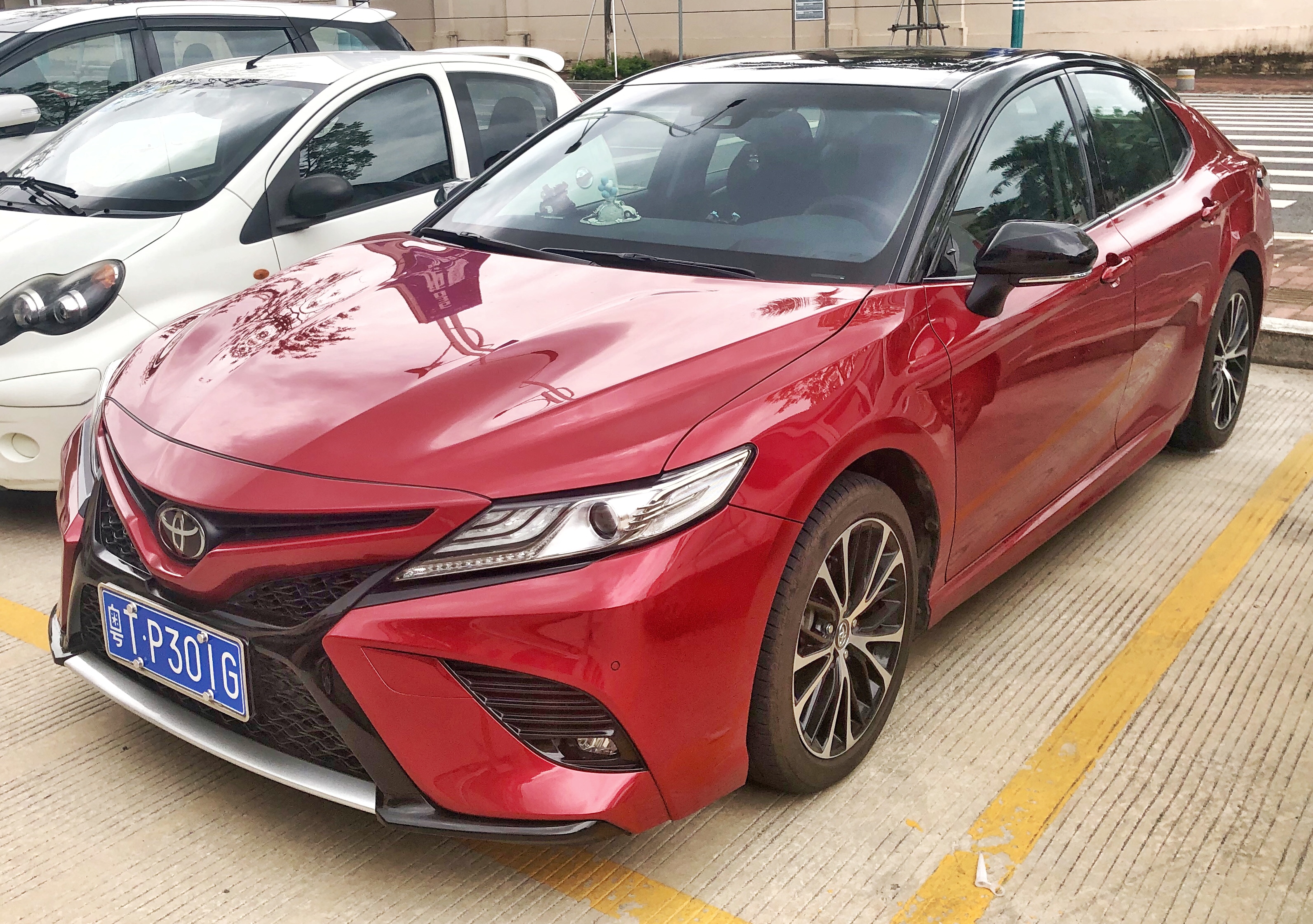
The Toyota Camry is a popular family sedan. Here, the host is saying it can cost less to own than an SUV like the RAV4 when you add up fuel and payments over several years.
This is about how much gas you’ll likely spend overall, not just one MPG rating. The host is saying you should add gas costs to your monthly payment to see the real cost of owning the car.
“Monthly ownership cost” is the all-in cost of having a car each month, typically including the loan payment plus operating costs like fuel. The host argues shoppers often focus only on the monthly payment, not the full monthly cost of ownership over the time they plan to keep the vehicle.
The Toyota Crown Signia is a Toyota model that’s meant to feel more wagon-like. The host says it costs a lot more than a Camry, so it may not be the best deal if you’re trying to keep monthly costs down.
Horsepower is a number that describes how much power the engine can make. The host is saying that a bump from 220 to 243 horsepower may not feel dramatically different in real life.
The Toyota Venza is a crossover SUV-style vehicle. The podcast says it used to be one of the nicer options in its lineup. It’s mentioned because some people choose it for a more comfortable feel.
“Cubic feet” is how car makers measure how much stuff a trunk or cargo area can hold. The host is comparing those numbers to show whether one car really has much more room than another.
This is about how you actually pack your trunk. Even if a car has a big cargo number on paper, you might not want to pile things on top of each other if they could shift around or be annoying to load.
The Toyota Crown is a more upscale Toyota sedan nameplate. In this discussion, they’re talking about whether Toyota should sell it in the US and how big it really is compared with other Toyota sedans.
The Lexus ES is a comfortable luxury sedan. In this segment, it’s being compared to the Toyota Crown to argue which one makes more sense for buyers in the US.
The Buick Century is a car name from Buick’s past, known for being a larger sedan. The podcast mentions it because someone wishes a big sedan like that were available again. It’s brought up as part of a conversation about what types of cars are missing.
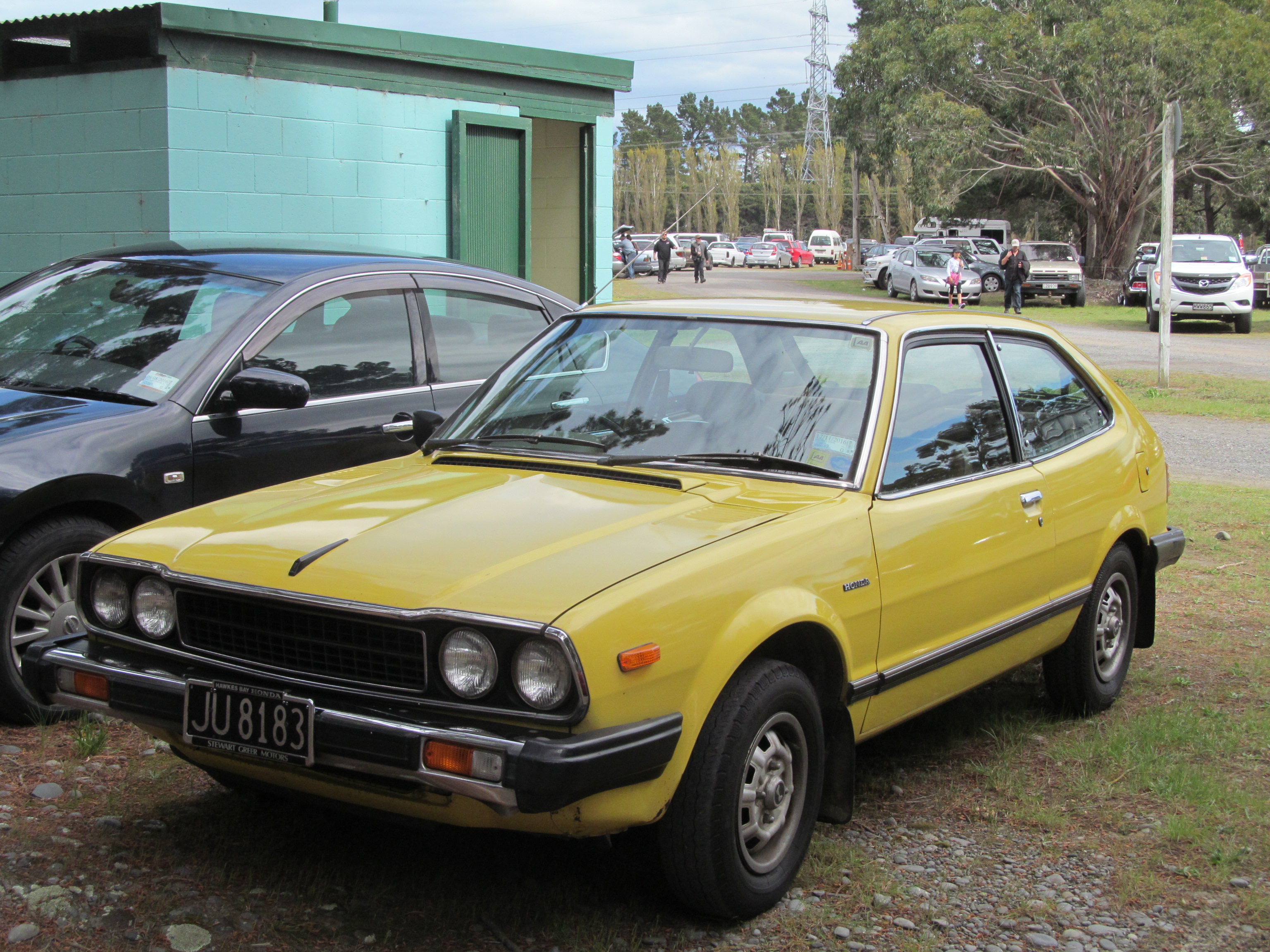
The Honda Accord is a very common midsize sedan. The hosts say sedan sales are generally rising, but the Accord was the one they weren’t seeing rise the same way in 2025.
The Honda Civic is a very popular small car. The hosts are talking about whether sales of this model are going up or down, as a clue to how the sedan market is doing.
The Audi A8 is a large luxury sedan, meaning it’s built to feel premium and comfortable. The podcast mentions it as a style reference for a more “boxy” look. It’s brought up because it represents a top-tier sedan design.
“Fuel economy numbers” are the efficiency ratings that tell you how far the car can go on a gallon (or equivalent). The host is saying those ratings matter most once you’re driving faster on the highway.
The Subaru Outback is a practical car that’s like a wagon but with a higher ride height. The hosts are using it as the example of the kind of vehicle Honda might compete with.
Front-wheel drive means the front wheels do the work of moving the car. It’s common on many family cars because it’s efficient and makes the car easier to package.
The Mazda5 is a small minivan made to carry people and stuff with easy access. Here, the host says it was one of the only rentals they could find that fit six people.
The Chrysler Pacifica is a popular family minivan. Here it’s mentioned because people were comparing it to a Mercedes minivan and talking about whether they were related.
The gauge cluster is the dashboard screen/area that shows your speed and other info. The host says the Prius’s version looks unusual, while the Camry’s looks more normal.
The Toyota Prius is a car that’s built mainly to save gas using a hybrid powertrain. Here, they’re basically saying it looks good, but it doesn’t drive as well as the Camry.
A suspension tune is how the car’s ride and handling are set up—basically how firm or soft it feels and how it reacts when you turn or hit bumps. A different tune can make the car feel more stable and responsive.
This means the tire is made to grip the road more than a basic all-season tire, while still being okay for most weather. It helps the car feel more confident when turning, even though it’s not a dedicated summer tire.
HEV means hybrid electric vehicle. It uses both a gas engine and an electric motor, and you usually don’t plug it in—the car charges the battery as you drive.
A “fuel economy crunch” is when gas gets expensive or people start feeling pressure to use less fuel. Here, it’s what makes the neighbor rethink whether he really needs a big truck.
The Hyundai Ioniq plug-in hybrid can be charged like an electric car, and it also has a gas engine for longer trips. In the segment, it’s the next step after the Prius for saving fuel.
A Volkswagen Beetle convertible is a Beetle with the roof down. In the story, it’s the “fun” car the wife drives when she’s not using the truck for camping.
The Chevrolet Sonic is a small, everyday car. The podcast mentions it as something someone has at home, likely for regular driving. It’s brought up because compact cars are often chosen for being practical and easy to use.
A consumption tax is a tax you pay based on how much you use something. In this case, it would mean paying road costs based on how much you drive or use fuel.
Studded tires have little metal spikes that help on ice. The downside is they can be harsher on roads, so the speaker wants rules to limit when people use them.
Level 1 and Level 2 are categories of EV charging. Level 1 typically uses a standard household outlet, while Level 2 uses dedicated charging equipment with higher power, allowing faster charging.
This is the electric version of the Dodge Charger. The hosts are talking about how much more expensive it’s getting—basically, the sticker price is going up for the next model year.
MSRP before destination is the car’s sticker price before the shipping/delivery fee is added. Your final price at the dealer will be higher once that delivery charge is included.
CAFE rules are U.S. requirements that car companies have to hit average fuel-economy targets across all the cars they sell. If they don’t, they can face penalties, and electric cars can help them earn credits.
CAFE fines are penalties car companies can owe if they don’t meet fuel-economy rules. The hosts are saying those penalties got reduced/removed, which changes how companies think about EV credits and pricing.
This is the automaker behind brands like Dodge and Chrysler. The hosts are saying the company is adjusting pricing based on how government rules and EV credit incentives work.
The idea is that EVs can earn special compliance credits under government rules. Those credits can be used to make up for other cars that don’t meet targets, and changing the penalty system changes how valuable those credits are.
The Jeep Wagoneer is a large SUV made for families and people who want lots of space. The podcast mentions a Wagoneer S, which suggests there are different versions of the same SUV line. It’s brought up because people are deciding which version fits their needs.
Powertrains are the full set of components that generate and deliver motion—on an EV, that includes the electric motor(s), battery, and drivetrain hardware. The hosts say the Wagoneer S and other models are using the “same powertrains,” implying similar mechanical/electric architecture.
The Jeep Grand Cherokee is an SUV that’s made for normal driving but can also handle rougher roads. The podcast brings up the idea of an electric version, which changes what the car is like to own and drive. It’s mentioned because people debate what the name should mean when the power source changes.
“Out the door” (OTD) price is the total amount you pay to drive the car home, including taxes, registration, and dealer fees beyond the base sticker price. The hosts use it to argue that a vehicle’s MSRP may look unreasonable, but the final OTD deal could be more acceptable.
Porsche is used as a comparison point for buyer demographics and perceived customer sophistication. The hosts contrast Porsche buyers (described as more affluent and educated) with Dodge’s “every man” marketing positioning.
Lucid is a company that makes electric cars. The host is saying Lucid’s cars were built as EVs from the start, so they feel more polished and intentional.
The Dodge Ram is a pickup truck, which is a vehicle built for hauling and tough everyday tasks. The podcast mentions it along with other Dodge-related brands while talking about how they market their vehicles. It’s brought up because Ram is part of that broader lineup.
Term
Fratsonic exhaust
It sounds like they’re talking about a way to make the car “sound” more like a traditional Dodge. Instead of only relying on the exhaust pipe, the car can use sound engineering to create a more exciting noise.
The Challenger is a sporty muscle car. The podcast says it’s especially known for its high-performance engine versions. It’s mentioned because people often choose it based on that performance reputation.
All-wheel drive means the car can send power to more than just the two wheels on one axle. It helps the car grip the road better, especially in slippery conditions.
Donuts are when a car spins in a circle with the tires sliding and making smoke. It’s used here to mean the car should still be fun and easy to drive aggressively.
A “slant six” is a type of older straight-six engine from Chrysler. The cylinders are tilted (slanted), and it’s remembered as a classic, popular engine in some Dodge/Chrysler models.
“Inline six” means the engine has six cylinders lined up in a row. BMW sometimes tilts that engine to make it fit better under the hood. That packaging choice can affect the car’s design and space.
The Dodge Charger is a well-known American performance car. The host mentions driving it to compare the “feel” and audience expectations to what Dodge would need to deliver with an EV. It’s basically the reference point for what people expect from Dodge.
EV means electric vehicle. Instead of using gasoline, it runs on electric motors powered by a battery. The host is saying the EV has to be exciting enough to match what people expect from a performance brand.
“Banshee drivetrain” refers to a specific EV powertrain concept associated with Dodge’s electrification plans. The host is arguing that using the Banshee setup (rather than what’s in the current EV) would make the car faster and better aligned with the performance expectations of Dodge buyers. In other words, the drivetrain choice is central to whether the EV “slots” into the muscle-car lineup.
Car
SRT Hellcat replacement
The Hellcat is Dodge’s badge for very high-power performance cars. The host is saying Dodge might want an EV to replace that role—so it has to feel just as exciting and fast. They’re comparing what the EV would need to match the Hellcat reputation.
A drag strip is a race track made for quick straight-line acceleration. The host is saying the EV would need to be able to do repeated hard launches without problems. It’s basically about whether it can keep performing under repeated stress.
The Dodge Challenger is a popular American coupe (a two-door car) that’s been sold for many years. The host is saying it sold really well because it stayed true to that “big coupe” idea.
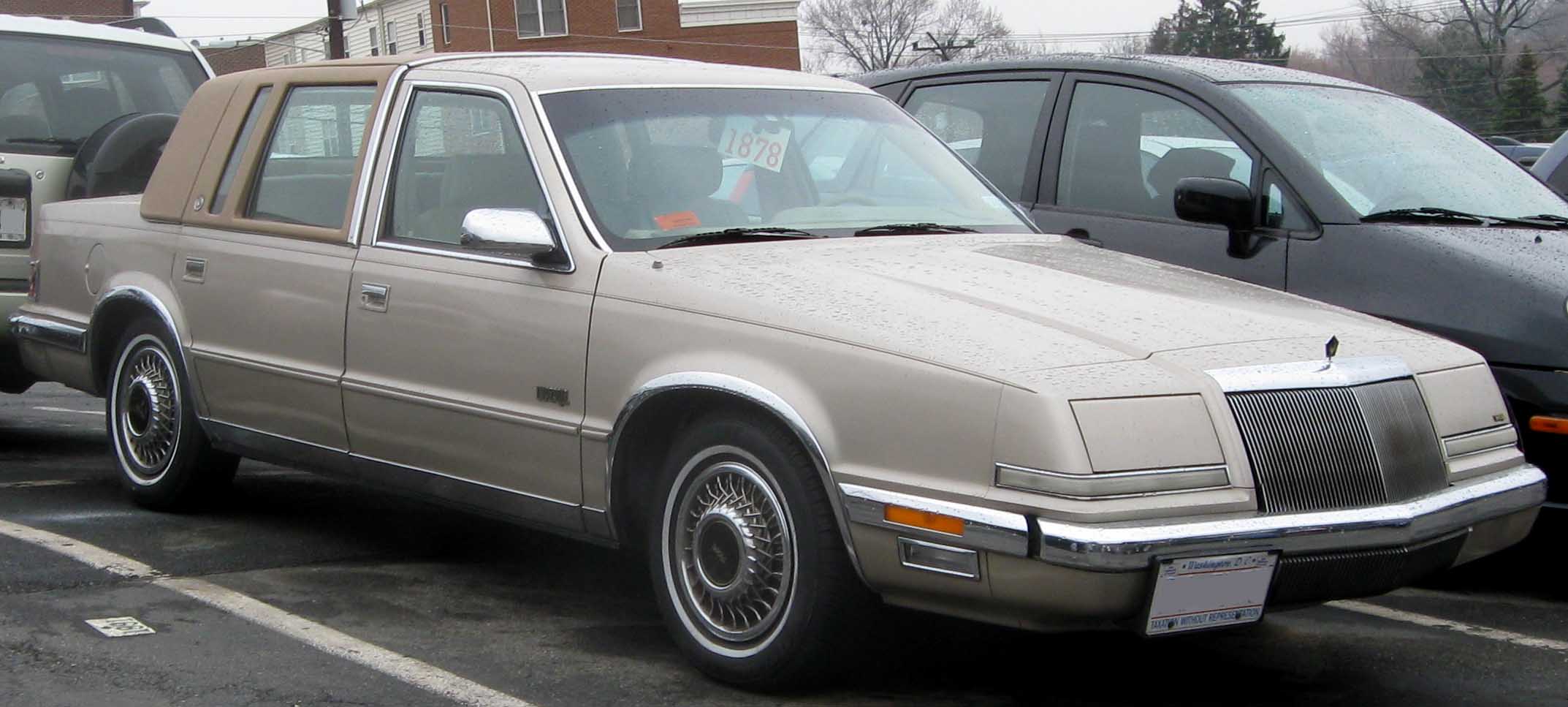
The Chrysler Imperial is a luxury car name from Chrysler’s past. The podcast talks about the idea of bringing that name back. It’s mentioned because a revived luxury model would need to match expectations for comfort and quality.
Jeep Recon is a Jeep EV that the host is talking about. They’re wondering if Jeep might later offer a gas version if the electric version doesn’t sell well because of limited driving range.
A platform is the shared “base” that multiple cars are built on. If two cars share a platform, they can often share engineering and parts, which makes it easier to offer different powertrains.
Internal combustion means a traditional gas or diesel engine. The host is saying they might add a gas version later if the electric version doesn’t sell.
For an electric car, range is how many miles it can drive before the battery runs out. The host thinks that if the range isn’t great, fewer people will buy it.
The Jeep Cherokee is another Jeep model the host brings up as a close relative. They’re talking about rumors that it could use a hybrid system, and whether that same idea could carry over to the Recon.
“Solantis” sounds like Stellantis, the big company that owns multiple car brands. The host is saying the shared platform strategy comes from that corporate structure.
Structural rigidity means how “stiff” the car body is when forces act on it. If the body flexes and the door is part of the structure, you can get squeaks as everything shifts.
The Honda Prelude is a Honda sports coupe that’s known for being fun to drive. Here, the host is talking about what tires it can use and comparing it to the Civic Type R.
The Civic Type R is Honda’s high-performance Civic. In this segment, the host is saying you can use Civic Type R tires on another Honda because the tire sizes can match up.
“Wide track” means the car sits with a wider stance—its wheels are farther apart than usual. That can affect how the car handles and what tire sizes you can run safely.
Here, “practicality” means how easy and useful the car is in real life. The host is talking about things like how the seats fold and how well the car fits your needs.
The Honda Fit EV is an electric version of a small Honda Fit. The podcast mentions it as a practical car that makes good use of space. It’s relevant because electric cars can still be easy to live with in a compact size.
The Honda Element is a compact SUV with a very practical interior. The podcast points out that it has a cargo area that’s easy to use. It’s mentioned because it was designed to be flexible for everyday needs.
The Honda CR-V is a popular small SUV. The host is pointing out that some earlier versions had a clever interior feature—like a fold-out table—that made everyday use easier.
Floor pans are the metal panels that make up the bottom of the car’s cabin. If a company reuses the same floor design across many models, it can limit how they can redesign the interior space for each one.
The Honda HR-V is a small crossover. The host thinks it doesn’t use its space as well as the Honda Fit, partly because newer cars are built on shared platform designs that limit how much they can tailor the interior layout.
The Honda DelSol is an older Honda model known for a convertible-like design. The host is using it as an example of how Honda could have made a small car feel more special or flexible.
The Acura RSX is an older Acura model that was aimed at drivers who wanted something sportier than a basic compact. Here, the host mentions it mainly as a name that could have been used for a small-car concept.
Car
Acura Prelude
The Acura Prelude is a sporty Honda-based coupe. Here, the discussion is about whether it feels special and fun to drive, or whether it mostly feels like a regular Civic inside.
The Honda CR-Z is a small sporty coupe that was also meant to be efficient. The hosts are saying the Prelude does a better job of being fun without giving up too much efficiency.
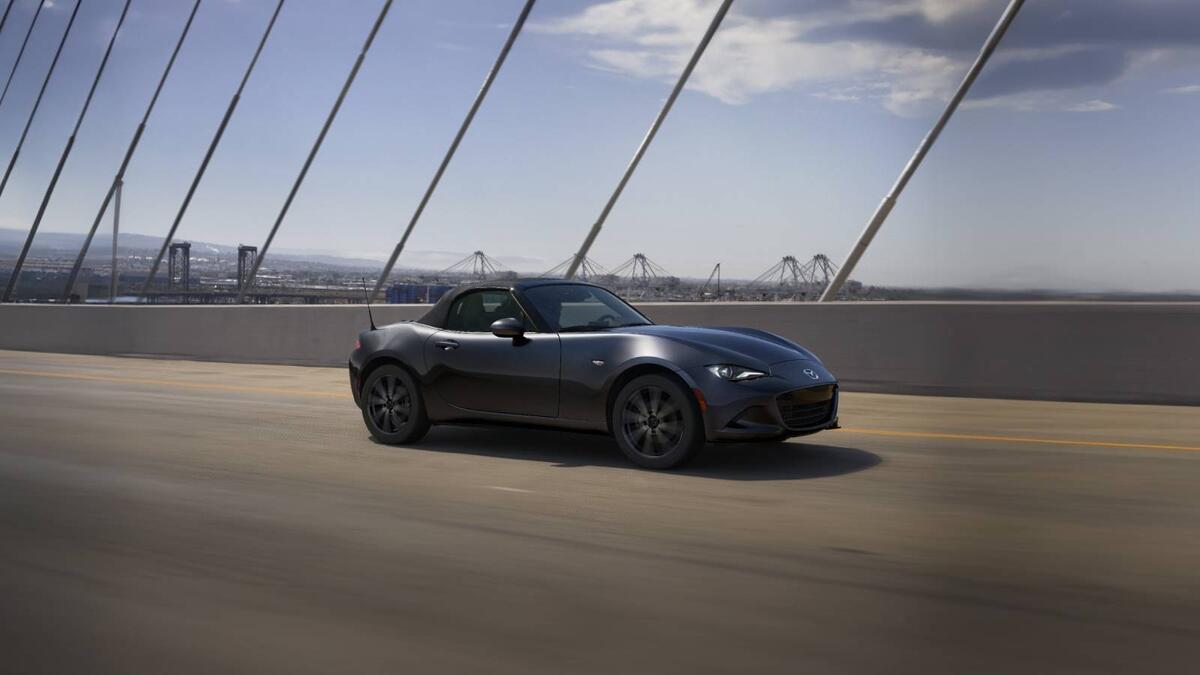
The Mazda MX-5 Miata is a small two-seat roadster designed to be fun and easy to drive. People often think it’s the fastest car, but the podcast points out it can be slower than you might assume. It’s mentioned in the context of real-world stoplight comparisons.
The host is talking about the Acura TLX Type S, which is the more powerful, performance version of the TLX. They’re imagining taking its engine and putting it into another car, but they say that Type S is no longer around.
LIVE
Hey everybody, welcome to another episode of the Autobire's Guide podcast.
Today, it's the No Plans edition because we did not do anything to prepare for today's show.
So the problem is we've done too much on our own, but don't worry, we have questions.
We have questions from viewers. We also have questions amongst ourselves. So yes,
it can be a little bit of an ad lib. We'll do something a little bit different.
If you love it, let us know. If you hate it, don't worry. We'll be a little bit more prepared next
time. And sorry in advance.
You know, Travis, I'm feeling a tiny bit old right now because I have a Camry in my driveway
and it's kind of comfy.
Oh, are we feeling the Camry love right now?
The Camry has always intrigued me and maybe not the Camry. Maybe it's the Camry shopper
because over the last few generations, it always receives weird press, right? You know,
oh, it's boring. I mean, they even call boring cars Camcords, right? You know,
the Camry and Ford combo is the ultimate boring car in America. It's the, you know,
used to be the mom or dad car. It used to be the family car. Now it's just the beige car, I guess.
Yeah, in a way. Yeah.
Age sales a lot. So it's not, it's not a huge dig, but yeah, yeah, yeah.
But it flies in the face of all the conventional automotive enthusiast wisdom. You know, they're
like, uh, Henny pennies were like, the sky is falling. They killed the V6. No one's going to
want a Camry. That didn't happen. The sky is falling. Camry went all hybrid and hybrid
sales actually went up like 5% in the first full year of production.
Yeah. Well, overall sales, which are now all hybrid, right?
Yes. Indeed. And, um, yeah. Hardly in front of record and those folks who jumped in, uh,
right now, every time they go to the pump, they appreciate that.
They're laughing. Yeah. Cause you'll get 46 to 51 miles per gallon in your Camry. But, but here's
how big of a deal I think this really is. So it's the best selling hybrid in America, technically
currently still beating the RAV4 last year by 150,000 units. But RAV4 obviously will take the
lead this year because it's all hybrid as well. But, uh, but here's how many Camrys there are
rolling out the door. They outsold Mercedes in North America last year and not like one Mercedes,
the whole, everything that Mercedes built and sold America collectively did not equal Camry.
In fact, they only Volkswagen collectively in the U S only outsold Camry by 12,000 cars.
That is not as big of a margin as Volkswagen would want it to be for sure.
It is an insane number of Camrys. And, you know, I think it's kind of easy to see why it's,
it's just sort of an easy to live with thing. It just does its thing. It's roomy enough on the
inside. It's not huge. Um, but ponder me this, it's 3000 to $4,000 less than a RAV4 with slightly
better performance, definitely better handling and more leg room, but a smaller cargo area.
Well, some of that's going to be how upright the RAV4 ends up being, right? And the fact that we
don't have a lift back or a hatchback over in the, uh, Camry, which would be interesting, right?
And Camry lift back would just be Camry wagon thing in the world, right? Well, I mean crown
signia is along that line. And obviously wagons don't do as well here as we would like them to.
But I mean, I think the bigger disappointment is that the, the Camry doesn't outsell the RAV4
the way that, that I think it should, right? Because if you and your family need to go somewhere,
your family is going to be comfortable. You're going to be comfortable. Your miles per gallon are
better, but it's, it's the rise of the crossover. I mean, literally and figuratively that's,
that's what does it for folks.
And I, I find myself on either end of this, this debate because getting a child in and out of the
backseat of the Camry is more difficult than in the RAV4. But I can actually be more comfortable
in the Camry because there's enough room that I can sit the way I want to sit without worrying about
my child seat, uh, you know, my child seat, rather hitting the driver's seat and that being a concern
as far as safety goes. Since you need an inch to two inches of clearance, depending on, uh, which
owner's manual you, you want to put your trust in. So, and the door openings are not as large.
Everything is a little bit lower. The headroom up front is slightly more generous than RAV4,
but in the back it's definitely more limited. And then there is that trunk rather than the hatch.
Right. Now that's, I understand why everyone's gone that direction, but I, I tend to be a
Camry over a RAV4. And, and I'll admit, you know, in the world of the beige, no, that's not,
neither of those are actually what I gravitate towards if I was shopping, but we talked about
this in our, in our, you know, deep dive on Honda is that you have to look at the numbers to go in
and bother looking at it. And that's one of the reasons Toyota does so well is these numbers
are fantastic. And, and for the, it's going to be a big difference for a lot of people in,
in cost really, because when I crunched the numbers, the cost difference total fuel economy
plus car payment on a five year note, keeping the car for five years, as a lot of people do,
and then kicking it off for a new car after five years, it's going to be about a hundred dollars
a month more to have a RAV4 than a Camry because of the additional three to $4,000 you have to
spend on the RAV4 and the slightly lower fuel economy, even though it's still pretty good.
And I think that's something that a lot of shoppers don't consider. And I don't blame them,
but they go, how much does my monthly cost? They don't look at how much my monthly ownership cost
is. And I would so much rather get a hundred dollars in something like features, if you wanted
to pay the exact same amount, if you didn't need to save, you said, here's what I can spend. I'd
rather get that in features rather than fuel costs. I just wish I kind of wish there was a
Camry wagon, the Crown Signia wagon, good thought, but it's awfully expensive. And that's the other
thing that kind of gets me. How is it the Camry is that 28, 29,000 thing? And let's see what a Crown
Signia is. Well, they definitely start higher, no doubt about it. It's 44. Yeah, I'd say mid 40s,
for sure. Yeah, so at least 15 grand. And then it doesn't have, I mean, what is different in it?
243 horsepower instead of 220, big deal, you know, not a huge difference. No,
I had an exit. I mean, that's true, right? It's a little bit higher off the ground. So that's
going to make things a little bit easier. Yeah, it's a little bit more storage capacity. And I'll
admit, you know, the Crown does this thing where it flows between Toyota and Lexus. And it's sort
of like the Venza did, right? The Venza for years was the nicest, basically, like the Venza and the
Avalon were just these like higher tier Toyota models. And I still think you'd get that in the
Crown. But yeah, it doesn't say, Hey, I have a completely different experience. It's just an
elevated version of it. And not everyone's willing to pay for that. And the weird part is you actually
get less leg room than you get in the Camry. And you don't get much more rear seat headroom.
This 37.6 inches in Camry looks like Crown Signis 38.9. So it's not an enormous difference.
And you go from 15 cubic feet up to 25 cubic feet. So you do gain some, but it's not like
outback, you know, outback has a much bigger cargo area. No, and with any of those, I mean,
it's not to counter any argument that we make for hatchbacks, wagons, whatever. But when you look
at the cubic feet of storage, you have to be willing to stack your stuff. And some of the times
you do not want to go stack your stuff. You know, it's some of it's a stability issue. Some of it's
what if you break real heavy and you got stuff flying around. So the maximum technical capacity
is not always what you're going to be shooting for. So it comes down to your suitcases fit.
And that's sort of a yes or no. How wild do you want to be when you're stacking things? And
but I think to your point, there's a reason the crown isn't flying off the shelves
in the way the Camry was. If it was a Camry wagon, then we would see much higher sales numbers,
even if the Camry or even if wagons aren't the hot thing in the US right now.
I mean, in that regular crown is not flying off the shelves either. But I also think it's
relatively hideous looking. So that may have something to do with it.
Let's see how many crowns they sold last year. I mean, some of them don't look bad,
but the two tone one, that's bad. They only sold 12,000. They sold 316,000 Camry's,
only 12,000 crowns. Yeah, that's a big drop. Yeah, we actually sold 20,000 of them though.
Well, and now that we've got an updated version of the ES, it's like,
do you go get a crown or an ES? And I think that actually is even harder to look at a crown and
say that's the way to go. Because I think the ES is a generally much more accepted,
let's just say shape, right? Even though there is a bit of a crown in it.
Even as old as ES is now, it still sold 40,000 last year.
Yeah. So if Toyota is going to do anything, I'd say drop the crown. Keep the crown signia.
I think that's the one that makes the more sense. But I don't know if we need the crown here
in the US, at least not right now. I kind of wish they had tried the whole global crown lineup thing
here and brought all of them because there are a few that we don't get. But sadly, that is not what
they did. And just doesn't have enough models available, obviously. No, there's just no selection
when you go to a Toyota dealer. Yeah, I also kind of wish they just brought the century here instead
and given us a big sedan. But that's the kind of funny part is that I think when they brought
the crown here, a lot of people thought it would be bigger than it is because there was this moment
where Toyota said it was a full size. It's like, whoa, hang on a minute. Yeah, Camry's a midsize
and that's a full size. Then why is the one bigger than the other inside? And it's not the one you
think. Yeah, right. And I don't have any crowns around. That's for sure. Also interesting news.
I think the hybrid movement makes sense for Camry. But Sonata's sales are up 40%.
Hybrid sales are up 250% in this not a lineup. And generally speaking in the Hyundai Envelope,
the hybrid sales are up 90% over last year. So hybrids seem to finally be taking on their
move. And also, I'm surprised that it does appear that almost all the sedans are on an
upward trend. Accord seems to be the one exception in 2025. I don't know how Accord's been selling
this year though. Well, I was going to ask, are those sales in 25 from Hyundai or is that the
first quarter of 26 compared to last year's first quarter? What are those jumps from?
That was May to May. So May 2026 versus May 20, same time period last year, basically.
Right. Yeah, that's a significant jump. And if we look at Honda sales for
2026, the last date they had here was March. Accord does show a strong upward trend as well
for 2026. 25 total was down versus 24. It looks like 26 is reversing that trend.
On the downside, Civic sales are apparently down. Well, I've got a quarter view going live here
soon. And again, a mid-sized sedan is never what's going to draw me in personally.
Oh my gosh, this is so incredible. However, when you look at it, you drive it, you go,
man, this is, it's about as much as you want to stretch that hybrid powertrain. At some point,
you're going to start to feel like it's a little underpowered, especially for what we want here
in the market. But it's a nice vehicle to ride around. I remember when it went upscale, I want
sort of the boxier look to more like Audi A8 almost. And it really felt like an upscale swing.
They're great vehicles. And they do everything except ride higher off the ground and have hatchbacks.
So again, the wagon is a little too tight to me in the Accord. But I'd like to look better than the
Camry. And so do I, right? And I enjoy driving a hybrid around town more. But the fuel economy
numbers really start to bite you once you get on the highway. That's where Toyota has always been
on top. And again, that's the numbers game. But does what Honda really need, is it in the
Accord wagon to just mix things up and draw in an audience that just doesn't have very many
options right now? You know, I would love it if they did. Prolog is basically a wagon. And I think
it's actually doing better than Honda would like to admit, even though they've canceled the agreement,
you know, under which it's being sold. I would think that that would actually do well for a brand
like Honda to have an Outback competitor, you know, maybe another name. We can't call it a
Crossture though. I think that's why they would not do it, because that didn't sell as well as
they thought. But you know, let's go back and look.
Call it the Accord Trail Sport, right? Just give it a little bit of a lift and give it the wagon
and keep the Accord name. Yeah, but this goes back to something that I've said before is,
you know, Crossture was claimed as this, this, you know, horrific failure. But it looks like
they sold around 20,000 units a year for a while. And then later as it got long in the tooth, it
started flopping. But you know, I actually don't think that that was a failure. I think they just
didn't give it long enough. It's just like the original Chrysler Pacifica was supposed to be
this failure. And I don't think it really was. So you had 2010 first year sales, they sold 28,000,
then it went down to 17, then they refreshed it, it went up to 20,000 down to 16, etc. So,
you know, I think the problem was sometimes manufacturers are a little too, too quick on
the jump. And then they pull back without really, without really giving it time to sort of settle in.
I mean, I'm not going to, you know, die on the hill for the Crossture, but I was working
out a Honda dealer at the time. And I really enjoyed it. I mean, it felt refined. It gave you
easier access in and out. It had more storage capacity than a standard Accord. And you still
had the same powertrains. So front wheel drive for a four cylinder and you had the V6 all wheel
drive. It just felt like it was a little bit ahead of its time, right? And Honda's done that a
couple times where they say, Oh, we've got this new product. And I have to admit, and I will admit,
you know, the shape is one that a lot of people made fun of. They didn't really enjoy. It wasn't
just that it was a cool fight crossover. It was a dog going to the bathroom. But there was no
second gen, right? There was no version two. There was a light refresh, but they didn't,
they didn't keep it around long enough. And yeah, I think, but because of that,
you can't bring it back and call it a Crossture. You could. I don't think it's a world, maybe,
or they could, they could just call something a trail sport. Could be the Honda trail sport,
instead of a trail sport trim, maybe have all of them. I don't know. That reminded me the
Pacifica somehow popped in my brain in this, in this thought process, because that was Chrysler's
arguably first modern crossover, the first front wheel drive thing that they tried. And that was
seen as an abject failure, but it blew a cord Crossture out of the water. 2003, they sold 56,000,
first full year production, 92,000. And it didn't drop down into the four digit lane until 2008.
It lasted quite long above 50, 70,000 units a year. They made, they made 380,000 of those
things actually. Wow. You know what I saw the other day that I have not seen very often,
and certainly they're on the downswing is the Mazda five. And I have to tell you,
just from a, just from a conceptual standpoint, I loved the Mazda five and I rented 11 time
through Turo, I think it was supposed to have been a Mercedes R because we needed a van of sorts.
And it was, and I don't remember the designation, right? But the R was like this, this sliding door
van situation from Mercedes. They've done at the same time as Pacifica and a lot of rumors were
like, they're the same thing, but one was front wheel drive, one was rear wheel drive. They were
unrelated. They just happened to follow the same format. General genre. I was excited for it because
it was a good deal. Oh, this is cool. Great. We're just putzing around. We need room for people and
stuff. They canceled last minute. And one of the only things I could find that would fit six people
was a Mazda five. And that is a mini mini van. But I loved it. And that's,
that's what we need some more of giving a small functional, easily accessible, you know,
many, many more than a few people that had a Mazda five. I did not find them overly attractive.
I'm not, and I'm not saying they are, but they're not, they're not a go. I mean,
it's not that far off. I'm like a Prius V. That's true. The Prius V, the pregnant Prius,
it was, it was never quite right either. I do know, again, some people that were
so dead fast to their V that they're like, I'm going to keep this until the wheels fall off
because there's nothing that can replace it, which actually I admit is true because yeah,
this actually struck me with the Camry as well. Why would you buy a Prius over a Camry?
It's only about $200 less expensive than a Camry. And the fuel economy difference
is on paper, great, because it's almost 60 miles per gallon, but going from the high 50s
to 60 miles per gallon doesn't save you that much. So the annual fuel savings at $4 a gallon,
Prius over Camry is only about 120 bucks, something like that a year. It's not a lot,
I was surprised. And I would stick to the Prius, well, I would lean towards the Prius. I don't
know if I'd stick with it because it does have the funky gauge cluster and you don't get that in
the Camry, right? You get a much more professional look. You want the funky gate? No, and that's
what I'm saying. That's kind of the only thing that really draws me. I know it doesn't have nearly
the rear headroom. Yeah, and not nearly as much legroom or front headroom or width. I still fit
there. I don't need much room above me. I just need to fit. That's the key. But it's a good
looking Prius. It is good looking. Is it better looking than the Camry, though, is the question?
And it doesn't handle as well as the Camry. You could get a Camry SEX SE with the different
tune of the suspension and the more aggressive tires. It's not a summer tire, but it's a pretty
aggressive all-season tire for a mainstream OEM tire, mind you, disclaimers. That will
definitely run rings around the Prius and it's quicker. Yeah, like I said, I like a smaller
package, but it's not nearly as practical as it used to be. Well, is it? Or is she picking the
We just have the NS. We have the not safe for work episode today. Where did that come from?
Anyway, absolutely. You don't have a plan. Either way, somebody or Toyota needs to put a wagon on
one of these midsize sedans. I think that's clear. I wish it would happen. If fuel prices stay high,
this sort of thing is bound to happen. But if fuel prices don't, we have the attention span
of a guppy. So I think we're all going to go back to buying big fuel hungry things.
Let's take a second to talk about fuel prices and then we can move on from it because
they are not getting better anytime soon. I'll admit that they're down a little bit at the moment,
but I have read more than one article that says unless something happens two weeks ago,
these prices are going to continue to climb. And I think those hybrid sales will continue to
increase. I mean, nobody is going to sell. Well, nobody should run out and sell what they have to
hurry up and buy a fuel efficient vehicle out of out of dire desperation to try and save a couple
bucks because that is ultimately likely not going to save a couple bucks. But for the folks who have
been planning to buy a new vehicle anyway. Yeah, I think it was Hyundai that said over 450 gallon.
I quoted another episode, I don't remember, but it was there was a dollar amount that says
that's when people are going to really start to consider looking at EVs,
I mean, much less hybrids in general, the whatever EV designation, HEV, PHEV, BEV.
But we're at that price and continuing to climb. At what point does somebody say,
I will not do this anymore? What's that dollar? $7 a gallon? Is that when people say I am done
buying gasoline? It is. It's an interesting question. We had one of my next door neighbors
live in rural America. So who knows what's the next door neighbor exactly? Anybody that lives
on the street, even though it's long, basically, because there aren't that many of us, but
he's a general contractor and he always drove pickup trucks, obviously, as most contractors
tend to do. And the last fuel economy crunch circa 2008-ish got him to start thinking,
do I really need this truck? So he bought a used Prius and he's like, I'll just drive the Prius
here and there and I'll leave the truck wherever and I'll drive to the truck, that kind of thing.
And that got him thinking it wasn't half bad. So then he bought a plug-in hybrid Ioniq,
interestingly enough. He had that for a really long time. And then he finally agreed. He was like,
well, you know, this isn't quite what I'm after. It's a little on the too small side. Can't quite
put what he wants to put in it. So he now has a plug-in RAV4 that he's been quite happy with.
And I'm kind of surprised. Like, you know, gas prices did get someone that was generally in this,
you know, dutiful truck category always had trucks, trucks.
Now all of a sudden he's like, maybe we'll do a RAV4. And then he actually got rid of his own
truck. So he doesn't even have a truck anymore. Do you have a trailer that's got all the stuff in there?
His wife has a truck that she uses for her travel trailer because she likes to go camping with the
ladies all the time. So she has a truck, which is kind of the fun thing. So she's now the one with
the truck, different truck entirely. And that one just doesn't move unless there's a trailer
connected to it. So they treat it like, like I treat my Durango, like the truck is not in motion
unless there's a trailer on it. She drives a Beetle convertible around everywhere else,
which is very her. And he drives a RAV4 Prime, which still strikes me as an interesting choice.
See, my truck has basically been doing the same thing. It doesn't move unless there's a hauling
need, right? Whether it's towing or hauling. But it's been pulled into some very, very light hauling
duty. But I've been sharing that with somebody and I said, Hey, listen, you drive about an hour
and a half each way to get to where we're at. Just just drive your car and you can take my truck,
right? I mean, you can fill it up or whatever. But it's just a cost of gas is Hey, leave your,
you know, it's a diesel truck and it's in the 10 mile per gallon range, something like that.
I'm like, why don't you just leave that one at home, drive? I think it's a Chevy Sonic.
And you can just, you can just take my truck. I mean, these are the things that are happening
just because of, because of fuel prices. It's not likely to get better anytime soon. But also,
there are lots of, lots of strong winds on trying to recapture the lost gas tax revenue from
electrified people. So there's definitely a lot of interest lately in the US on,
on having additional yearly fees, not just on EVs now, but plug-in hybrids as well as regular
hybrids because they use less gas. I mean, and I guess we can touch on that for a second because
I have never bought an EV to not pay my fair share of taxes, right? I bought an EV because I
like the way it drives. I also like the cost of electricity where I live, but I don't mind
paying for the roads I use. However, however, the, the arbitrary number that's been applied to,
we're going to put this on EV registrations is not one that really pans out and makes sense.
It, if we have not raised the gas tax or the road use tax or whatever, if we have not raised that
in a long time, slapping an arbitrary number on EVs is a band-aid solution that, that does not
average out to everyone paying their fair share. Well, admittedly, EVs have not been paying in.
Now they're going to be overpaying in. I don't think it's going to stop anyone from doing it,
but, you know, I don't think the alternative is better though, because the alternative would be
a consumption tax with monitoring. So you'd have to monitor everybody, sort of annual,
annual inspection, which then would encourage odometer tampering, right? If you had an annual
inspection, that's how you did it. If you had digital, digital, you know, monitoring, then you
have the privacy concerns, and everyone's going to be like, Oh my God, the government's looking at
my whatever. So I don't think either of those things necessarily work any better. But so it does
end up becoming a question of fairness, like the gas cap taxes. So roads are not necessarily paid
for entirely with gasoline taxes, because we haven't increased the gasoline tax in a long time.
So it's actually moved away from a consumption tax in a way, which I think is probably personally
the best way to do this thing. We should bet definitely as a state, as a federal government go,
how much are we spending on roads? That amount should be entirely funded by a consumption tax
of some sort on whoever uses it. And that's where it does get tricky, because EVs being generally
speaking, heavier than average, are going to wear the roads more than average. Ditto for the plug in
hybrids, maybe for the hybrids, depending on the hybrid that we're talking about.
See, and I'm on board for that. Again, and I know I'm not going to be the majority here. Go ahead
and check my mileage every year. I'll pay again, I'll pay my taxes. It's never a problem. I don't
want to pay more than I have to, but I'll pay my taxes. So check my mileage, weigh my car, average
it out. But I want the penalties for everyone running studded tires, running them ever, and then
also definitely past season. That's the hill I'll die on. I'll pay whatever is fair, but you better
start charging those folks with studded tires, especially here in Washington, where 99 don't
need it. Yeah. And my question is, how often does it happen? Because I still see too many people
running studded tires. We need winter tire advertisements that say winter tires don't
mean studs. There are better alternatives. Please, please, please use those. Thinking out loud here,
if you could get part of the way here, if you simply added a gas tax like tax to public EV
charging. So anytime you publicly charge your EV level one or level two, there is a tax associated
with that that mirrors roughly the gas tax on a gallon of gasoline or diesel, et cetera, based on
whatever number. You could also come meet my EV charger at home. I have a meter, it gets read.
You could meter the charger itself. That one doesn't bother me too much.
That bothers me maybe a tiny bit less. I don't think everybody would be on board with that,
and it's still going to encourage evasion because I would think in a logical world, you just go,
hey, home charging is a gimme, and we're just going to give up something here because I could
just go buy a cheap charger from China that's not going to have that kind of monitoring and who's
going to be out there inspecting whatever. Right. That reminds me of something entirely different.
Journalist who remains unnamed here in this video, I don't think he's actually with us
anymore in the journal in the auto side of things, but he's complaining about California fires.
He's like, oh, mind you, he lived in Southern California, and he's like, oh, well, you know,
up there in your neck of the woods, we shouldn't be doing this. We shouldn't be doing that. You
know, this should be all this responsibility heaped on the homeowner. It was this very like,
government should be out of it. Heaped the responsibility on the landowner. Everybody
up there should be, it was around the Paradise fires and the Santa Rosa fires. Everybody up there
should be clearing the brush. I have to clear the brush because I get fined if the city comes
around and sees the brush and whatever. And so you guys should up there should be monitored all
the time and the county or the city should be out there issuing citations. And I was like,
whoa, back that train up buddy. How big would this government bureaucracy that you're proposing,
as a limited government person, how big would this bureaucracy have to be and how invasive
would it have to be? You can't see my house from the road. Right. They're all up in your property
to do that. I have 13 acres. They're going to go and search them all to see if I cut all the weeds
on 13 acres. My next neighbor's got 180 acres. Yeah, team of 10. Just spread out arms. Here we go.
If you stand in the middle of his property and murdered someone, A, no one would hear the screams,
B, they'd never find the body, let alone a blade of grass that wasn't trimmed, right? Not that I'm
recommending anything. That's a bad, bad idea. Everybody, of course. But like, but then multiply
that by just the sheer volume and vastness of the forests that are out here in the West, Oregon,
Washington, California, huge portions of all three of those states are a little on the dry side in
the summer and really empty of people with really big landowners. And so it's like, and not in state
control, the whole thing like, Oh, California is not doing enough. The state of California doesn't
own that land. That's that's huge tracts of private ownership. It's not their thing. Yeah,
it's like, how do you fix that? It's just a thing that you have to live with, I think, you know,
I think the alternative is bigger ban or bigger fines on, you know, burn ban violations, right?
That could be an easier way to try and tackle some of that.
And I don't recall any fire actually starting in any major one in recent memory that was the
result of a burn ban not being heated here at least. Probably not. But I'm saying this is one of
those where you can try and get close because the effort it takes to dial it in and say, this is a
higher risk or this caused this. And it shouldn't have been there. It's enormous. So how do you
have people are always stupid? You know, it's like, last time we did a burn pile, I kind of sort of
caught a tree on fire as a small one. But, you know, it was very wet. And we were in burn season,
et cetera, which is why you're allowed to do it in certain times, not other times. So, you know,
we were able to put it out without resorting to the fire hose, which we have lots of but, you know,
regular hose was like, oh, you know, a 25 foot tall tree is a little singed. Maybe we shouldn't
have, maybe we should let the fire get that big. Let's put that way. Yeah, lesson learned for next
time. But then at the same time, you know, some of the burn rules are a little bit silly. Some of
them are air quality focused and some are fire not crawling focused. So the weird part that always,
always makes me laugh a little bit is you're not supposed to burn in the rain.
Oh, is there a reason for that? It keeps the smoke low and causes more smoke. So supposedly,
supposedly bad for air quality. But then rain is good for air quality. Right. So I do have to
wash perhaps. Hopefully no one from the Monterey County Air Resources Board is listening. I do
tend to burn when it's drizzling because that makes me feel better. Yeah, exactly. I'm like,
everything is nice and wet. Let's hope that nothing that's not supposed to burn
does anything it's not supposed to. Right, right. But confirmed wet is good for those situations.
Yes. And it's also strikes be funny to people that will inevitably write in I'm sure and be like,
why are you burning user compost bin? Like 13 acres worth of fire prevention is not compost
bin time, right? This is not. Yeah, I mean, even God, the resources to write it down to get it to
a compost bin. And then what are you doing with that compost? That is a lot of just the maintenance
of that compost bin would be we have a big diesel chipper and things that are accessible to the
chipper do get shipped. We don't burn everything. But in areas where we're dealing with, you know,
brush that gets out of control, some invasive species that we have here that are very, very,
very flammable and tend to die. They have very short lifetimes. So they die at exactly the
wrong moment. And they're very flammable. Those sorts of things are the ones that we make sure
we keep trimmed and under control. And you pile it up and you set it ablaze because it's better
to burn in a drizzle in the winter than when you don't want it to accidentally in the summer. That's
bad, right? That's really bad. That's bad. Also bad. Speaking of bad, the price bump on the dodge
charger here apparently this time last year was 59 995 for the charger EV adding the next port
has somehow bumped the MSRP before destination to 72,495 for 2027.
The cost of supercharging access is not zero. However, that is also not the whole story. So
so what are what's what is really happening there? I mean, are we talking about different
in trim levels available? Is it here? No, there's an increasing cost for parts perhaps.
I have a feeling it's simply that at the moment, at least, Stalantis is doing the math due to the
rollback of of cafe fines. Cafe rules still exist. The fine is just zero. So since they don't need
the effective credits generated by electric vehicles to offset fines elsewhere, they're going to go. Oh,
instead of instead of and this is kind of the weird twisted logic before. So EVs were never
sold at a loss, quote unquote, their their their value even including Tesla's their value is more
than just the revenue generated by the vehicle. It's the fact that you can sell credits for them,
trade credits for them, you need credits here and there. So since vehicles need to be x percent,
you know, improvement in fuel economy over time periods with the previous legislation,
you could get there by either a making everything more efficient or B making a few things that are
really efficient or electric or whatever, and then they can kind of balance the pool out. Well,
if you no longer have a fine, the pool doesn't need to be balanced. So then you're probably going
to go, I want my margin to be the same on everything. And now I think that's what we're
seeing is I think we're seeing what that margin looks like on a low volume vehicle in the Dodge
envelope, which is the Daytona. Right. And yeah, it makes sense. And I don't think it's really
going to sway anyone who wanted a charger EV. Again, they were talking about a fairly hefty
price tag anyway, right at 60. And that's that's not a cheap vehicle. And it is it is unique in
what it is and what it offers. And who is that person that wants a Daytona EV?
That one's harder. I could much more easily tell you who would want, you know, a Wagoneer S.
I could maybe want that one either. Well, you know, we're talking about the same powertrains,
right? So yes, yes, yes. So it's a more usable daily driver on paper.
I know I know who would want an electric Grand Cherokee, which is what should have been called,
but right as it is, I think it's price tags a little weird. That's another one of those another
one of those MSRP versus actual price tag out the door because Wagoneer S as it actually transacts,
I think is not mad. Right. But as it is MSRPed makes zero sense. I'm betting charger is going to
be the same thing. I bet the price tag bumped up that 12,000 something odd some odd dollars,
but it's going to have $10,000 on the hood. So at that point, why what's the deal? They'll still
make money back on it, but, but the starting price. Yeah. But here's the thing. Like I just,
I do not to my core understand who wants an electric Dodge charger. I understand the Tycon
because that customer makes more sense. You think of who's buying a Porsche and this is going to
sound very classist and it's not meant to be, but like the average Porsche buyers more affluent,
you think they're probably more educated, you know, to higher advanced degrees, whatever.
And Dodge has been selling themselves as the every man's car. They're the,
they're the plumbers car and the electricians raw raw dude car. Right. I mean,
it's very, right. It's a very targeted advertisement for Dodge to be that. Let's look at their
commercials for instance, et cetera. They've really been doing that and I own a Dodge. I've
had some too now. So, you know, I am, I am not bashing myself here necessarily. I thought,
I do live in the country down a gravel road and I like country. So, you know, any rate.
But who was going to buy a Dodge EV? I buy EVs. I buy Dodges. I would not buy a Dodge EV.
I've driven the Dodge EV and it didn't make me want the Dodge EV and I also buy EVs.
Less Dodges, but I buy EVs. It feels like they just haven't captured what a Dodge EV feels like,
right? Because one of the, so I drive a Tesla. Teslas feel like very natural EVs.
It doesn't feel like there's any weird conversion or because obviously they've been EV from the
get go. You look at something like a Lucid and that again, pure EV from the beginning and that
feels like a very high-end super tuned engineered experience. And then you say, what's Hyundai
doing? And Hyundai's made it pretty approachable, sort of an everyday easy to get into. A little
hint of futuristic, a little hint of advanced tech. But that, you can also get most of that
advanced tech and all their other models, right? But it just feels like a good fit. What is Dodges?
Because their Dodge, Ram, Jeep, they've really emphasized just the absurd from time to time
to be, right? I mean, they're known for the Hellcat. They're known for the Hemi. So how do
you capture that? And the Fratsonic exhaust has not been the answer somehow. Just haven't stuck.
Yeah. In an odd way, I think they were so close, but they shot themselves in the foot in a bunch
of different ways. My personal opinion here, I think that they should have, A, had a shorter
break between Charger and Charger, like the previous generation Charger Challenger. And this one,
it shouldn't have taken, pardon me, shouldn't have taken quite so long for them to get this one
off the ground. They should have started with the inline six first. They should have launched with
the rear wheel drive one, said, Hey, you want more traction? Here's an all wheel drive one. And
then people's minds would have been blown anyway. Inline six turbo 550 horsepower. Oh my God,
it's got all wheel drive. But oh, wow, it's fun. And you can turn off the all wheel drive and you
can still do donuts and you're thinking that thing. And it's like, we're bringing back that.
They could have doubled down on the slant six, you know, name from, from back in the day with,
with Chrysler. That was a very popular engine in Dodges and Chrysler's has a really good name.
And fun fact, everybody, very few vehicles have an inline six, actually vertical almost every
inline six is a slant six BMW, especially has been an angle because they don't fit well under a hood
any other way. Anyway, they could have done that. And then they could have done the Banshee,
which is what they kept talking about. Remember, with that, because when I drove the charger,
it's like, guess it is. If there is a world and that maybe this is the problem for me.
If there is a world where you could get the people you were trying to sell,
you know, brass monkeys, and was not one of their things, the sock monkey puppet
blind thing. That sounds right. Yeah. If there is, if there is going to be a moment where you're
trying to do this whole rah rah American, you know, big brawny thing for the people that think
they're big and brawny compensation machine. If, if you're going to try and sell them an EV,
it's got to be that kind of EV. And I think they almost did it. They're really close.
And you could see the components that are there with this thing that like, oh,
if this had the Banshee drivetrain and it charged even faster with that different battery,
and it did all these fun things to the next level, then this would slot neatly in between.
And that could be the SRT Hellcat replacement. You know, if you had a thousand horsepower thing,
you'd have all sorts of people doing stupid stuff in, right, in a Dodge EV.
Every parking lot, every stoplight, every, yeah. As long as it could do the drag strip, you know,
10 or 12 times in a row without breaking anything, you probably would have won. But that's not what
they did. No, it, so it lends to a question that I've been thinking in, in just these general
categories, what are things that could be more practical and what are things that could be
less practical? So a full-size EV like this, right, a full-size sedan. Is it too practical? Is
there too much passenger volume? Did it need more wings and wider tires and, you know, flame
throwing, you know, like nostrils? Is that, is that a thing that we needed to add here to make it
more interesting? Is it actually too practical for what it is? No, I don't think it's practical
enough. I think that's the other problem. I think the four-door model as, as enormous as it is,
it is truly a very big sedan. I think that the rear line is wrong and the roof line should have been
a little higher towards the rear because the, the general format of the vehicle actually is,
I think a little too close to sedan. The sedan should have been a return to a more classic
upright American full-size sedan because I don't think the gas model is going to sell as well as
the previous generation did for that reason. The back seat is just not as American back seat for a
big sedan. And the coupe could have been coupier. I think the coupe is fine the way that it is because
Challenger sold because it was a big coupe. It was like, Hey, you want, you know, it outsold Mustang
and Camaro fantastically for ages. And it actually outsold Mustang coupe and Camaro coupe combined
for almost its entire run. Mustang sometimes beat it, but you had to add Mustang convertible to
that. And there was never a factory convertible Challenger. So that sold really quite well when
you think about it that way. I think that part's fine. I think that just the, the loss of American
family sedan practicality just fills me with sadness. Maybe there could have been a Chrysler
one that could have resurrected the Imperial name and had, you know, Mercedes S class Mybach like
room only with a mainstream badge on it for that big American sedan feel. Cafe is one reason why we
don't get that because the fuel economy restrictions there, but on the electric side, they could have
tried it doesn't matter. Yeah. Yeah, there are things that could have done. And I don't think
we're going to see any changes anytime soon, except for the addition of a V eight coming back
under the hood. But and I also wonder something like the Jeep recon, which is built on the same
general platform, you know, is that something that we're going to see a internal combustion
come into at some point because, because the EV is not going to sell well, just based on its
overall range, like it's great for around town. I mean, again, on paper, I haven't done one yet.
Because the rumor mill is pointing to the Cherokee's hybrid system. Okay. Is it going to be a little
bit heavy for that? We don't know because the Cherokee is also built on that same platform. So
Cherokee Wagoneer S. Yeah, it's weird that the closest direct relative to Cherokee
is a charger and a Wagoneer S. But that's how it works under the Solantis envelope.
And so recon is going to be similar. And it's actually not far off in size. And once you take
the doors off, I would assume it would get lighter. Yeah, but because the doors have to be able to
come off, I assume the structure is a little bit different than we get there on the Cherokee,
just a little more reinforced here and there, probably not a world of difference.
But no, probably not actually, because if your structure isn't stiff enough to,
let's put it this way, the door is not adding any structural rigidity because if it were,
it would be squeaking. Right. So when you're flexing the vehicle, you don't, you don't want
the flex in anything because otherwise the door is squeak as the door is moving around in those
openings. So no, it's just sort of an ease of door removal and how does it look when the
door is on and off is really the only difference in the recon. I'm just intrigued to see what they
do because part of me had hoped that recon's gasoline incarnation would be rear wheel drive
because that is the weird twist with this, with this Solantis platform is that it spans vehicles
as large and sedan shaped as a charger as, you know, compact in big air quotes as a,
as a Cherokee and front wheel drive, all wheel drive and rear wheel drive all are supported in
this thing. Yeah, just a, just a huge mishmash, but really making the most of the platform. So
that's, I mean, good on them for that. Seemingly. I'm curious to see what else pops out of this,
this interesting, unholy platform that is electric and plug in hybrid and hybrid and
front wheel drive and root all the drives.
Well, we've seen the list. There's a, there's a big list of things coming.
I'm excited. I'm still waiting to, you know, it shouldn't be too long before we get a chance
to drive that Rumblebee. I guess sort of hanging into the question I asked earlier though is,
you know, so the Rumblebee is a less practical version of the 1500 that exists, but is there
still enough function baked into it? And obviously I know we're getting a little tighter here. It's
a sport truck. It's the muscle truck. It's not going to be for everyone, but is the short bed
and the four doors still enough? I mean, have, have full size trucks gotten to the point where
they are like, they're almost doing too much with these enormous cabs. And, and obviously you can
get an eight foot bed. Most people don't, they get a, they get, you know, the larger cab and the
smaller bed, but is there, is that being less practical going to hurt it really in any way?
Probably. I mean, as low as the Rumblebee sells because of its smaller cab, if it was a regular
cab truck, it'd sell an even smaller numbers. It seems to be the way of the bit.
Standard cab. Yeah. I mean, it sounds like the Honda Prelude that I was driving not that long ago,
which I actually really loved by the way, other than its price tag, which I think is hideous.
But the Prelude itself, I think is a fine thing. Not quite what I would want a Prelude to be,
but as it is a lot of fun, solid handling vehicle, et cetera. A fun fact, you can
apparently stick a Civic Type R tires on it because it has skinny tires, even though it has
the wide track type R. It has the tire size from a Civic Hybrid, slower than Civic Hybrid as well.
But anyway, back to your thought. I think that they could have easily deleted the
second row seats in my personal opinion, although I know that would have made it sell
less. It would not have sold as well. Although that might be one of the ones where maybe you
could get your way there because Honda's not going to be building that many of them.
More people want them than can buy them. And I don't know if that number would change dramatically
if it ditched two seats. They're useless anyway. So the Rumblebee needed four doors.
I fully agree with that. I think that helps it sales versus a standard cab.
I don't know how much it hurts it versus the crew cab. Obviously, some people say,
no, no, no, I can't fit blank in there. But I don't know if it's going to be the majority.
I do think, though, that when we get into the subcompact and compact world,
I think we're missing some practicality there. I think things like the Honda fit,
where you really got the most out of the vehicle, you could fold the seats flat,
you could lift them up. They were egg shaped. They were accessible. Is that one of the
problems we see on the Prius? The Prius is now less practical than it used to be.
We get a lot of cars from overseas that are, you talked about the Hyundai you drove over there.
I can't remember the name, but just bolt upright. Even more pragmatic version of the
Soul that we get over here. And obviously, the Soul isn't what it used to be. Is that what we're
missing? Do we need more or more function less form from our small cars?
You know, I am sad about the loss of the Honda fit. I think that with it, a bigger problem with fit
was the platforms that Honda had available going forward that were available for global use,
especially North American crash tests. I think that they spent more on creating the model variety
that they had than working on the little details that made Honda what Honda was back in the day.
You know, fit with the magic seats and that really practical cargo area, the element back then.
But also just other innovations like the CR-V with the old foldout table and things like that
that they used to have and the really practical interior volumes. When you look at the way
Honda designs their vehicles now, they're trying to reuse so many components from other vehicles
together in these global platforms that I think it really precludes some of that creative out of
the box thinking just due to the way the floor pans are stamped and things are shaped in there.
The current HR-V is just not a very well-packaged vehicle, I think, compared to like a Honda fit.
And I don't know if there's a fix for that. But I don't know if there's a fix for that in the modern
world where a company like Honda can't afford to create a brand new floor stamping for each of
these iterations and a new crash structure and a new this that. They have to do these
multi-use platforms. So Honda's become as inefficient as other car companies. And I'm not
saying the Honda's worse at this than other car companies. I'm saying they used to be better
and now they've moved to average in a way for the same reason other car companies did.
Right, right. Just efficiency, budget, those sorts of things. Yeah, I think it would have been a
DelSol. Oh, I mean, to be a DelSol, you'd have to be able to take the roof off.
They could have given it a innovative something top and deleted the back seats called it a DelSol.
Or at least a power rear window. Yes, I mean, or they could have gone Acura RSX because they
didn't end up using that name anyway. Yeah. To be perfectly honest, the Prelude would have made
more sense to me as an Acura because it was always going to be pricey. And they could have
justified that. And they could also have used the Acura logo and name to justify making it nicer
inside. That's part of my, you know, I'm torn here because Prelude is a lot of ground of the
Honda lineup right now. Kind of. It's a lot of fun to drive, but it also feels too civic inside.
Yeah, it's a blast to drive. I mean, the suspension is fantastic. And yes,
you're going to be lower on grip, but the ride is... Grip is easy to fix. Well, above your...
Yeah, tires are the easy one, but the suspension is great. The fuel economy is good. Obviously,
not... You know, you've taken a hit because of performance, but really it's grip, not performance.
Yeah, that's one where I think it kind of ends up the way the CR-Z did, which was not quite
sporty enough and not quite efficient enough. But I'll also admit, I still like the CR-Z, but again,
what do you shop it against? What do you shop a Prelude against? Whatever you're going to get is
a Civic that's more spacious and more fuel efficient and cheaper, or you get something in
that price tag that's way more performance oriented. But I think they did manage to escape the CR-Z
trap because it is faster than most people will be in an MX-5 Miata. If you have manual Miata next
to you at the stoplight races, don't worry, you'll beat them every single time in your Prelude.
And it also is truly fun to drive in a way that the CR-Z never was. So I think on those two fronts,
it is true to the Prelude name because Prelude was never lightning quick. It was never a sports car.
It was always a sporty car, not a sports car. So I think in the driving dynamics and acceleration,
it was like actually totally fine. Check, check. I think the problem is the specialness of some
of the parts inside. But that even must be tempered by the fact that in real dollars,
in terms of actual cost to buy this for you, it is actually less expensive than the last Prelude
we had in the US. It's effectively versus the 97 Prelude. If we translated that MSRP to today's
dollars, the Prelude's coming in $7,000 to $10,000 less. So it actually is a good deal,
on that front. And I think, is that enough compensation for it not being an Accord Coupe
anymore though? Yeah, I think so. I think so, especially because if you're trying to
build a corollary between the last generation Prelude, the new Civic is so much bigger and
so much more grown up that it's stepping into previous Accord shoes. I think it's kind of
absorbed that space. So yeah, it doesn't feel like, oh, it's the cheap Civic alternative
because the Civic isn't a cheap Civic anymore. I mean, obviously it's not quite Accord.
A Prelude Type R that wasn't a hybrid would be a blast. That would be definitely fun. I think
that's something they could easily do without ruining the Type R name because it's a Civic
already. So I think that could work. But I think what would have been even more interesting somehow
is if they had cupified an Accord and taken the engine out of the TLX Type S that is now dead
and jammed that under the hood, you know, over 300 horsepower with all-wheel drive and torque
vectoring, that could have been fun. But that's not... I still think the answer would have been a
plug-in because you could do it in somewhat limited volume. You could boost performance
by the electric powertrain. That's what I would have liked to see. Honda just doesn't have the
battery technology and expertise, I think, to make a high-performance plug-in because it wouldn't
share parts with anything else. That's kind of their problem. They've been using the same battery
and the same hybrid and everything out there, even where it's an edge case where maybe it works,
maybe it's not the best fit, et cetera. To an advantage, though, on the Civic and the Prelude
because, you know, when Civic Hybrid was coming out, it was kind of like, well, are they going to
use the smaller engine that they used to have in the Clarity because they could have given this the
1.5 and back there, that version. And no, they were like, yeah, this is the same one that's in
Sierra. It's the Civic Corp. Yeah, just jam it in there. It does save money because it's the same
system, which is part of the problem I would say with Prelude because they could have given it
just a slightly bigger battery and a more powerful motor and 250 horsepower, you know, something like
that. But that is not the world we live in. So the last one in this, should it be more or less
practical line of thinking, is fun to drive cars. I won't call them sports cars because that's a
totally different world and people don't buy sports cars, but sport e-cars, whatever that means to
you. Let's say your MX-5s, your 86s, and they're on their way out right by like a Supra, Z4,
Nissan Z, are these vehicles too practical, trying to reach too many people, or are they
too fun and not reaching enough? I mean, there's a big range there because it's a weird category
because a lot of those cars don't directly compete. But if you're looking at fun cars,
are they just not fun enough or are they too tough to sacrifice to get?
Hmm. I don't know. I would argue that the 86 BRZ is not fun enough, but it's not because of the
back seats, etc. It's because it never got enough power. Yeah, as a packaging one. Yeah.
I don't quite understand why they could never have jammed the Subaru turbo engine under the hood,
but they never have. Obviously, there are people out there that have done crazy things to their 86
BRZ. If there's a world where Toyota doesn't bring us a turbocharged 86 BRZ later, because
supposedly we're getting another version of this thing, then I would hope at least they would give
us something that the aftermarket community could do something easily with. Deliberately design in
a slightly bigger engine bay or something like that, so that we could be more accommodating of
maybe somehow making tuning or aftermarket stuff a little bit easier or more accessible
some way. That would be interesting to me. Yeah, and at that point, then it doesn't get more
expensive because it was trying to be an entry-level accessible fun car. Even like a Civic Si,
those are not cheap these days, and are they fun enough? I worry that we're losing fun cars
in mass, right? People just aren't buying them. There's the rumor of a Toyota MR2 coming back,
and that would be... I think we need some more convertibles or T-tops in some capacity, open
things up. I think we're losing loud cars that are sound good. Fun affordable cars. I would say
fun affordable cars are waning, but we're not lacking for any fun cars. BMW and Mercedes lineup
have exploded. Compare how many models were in a BMW lineup in showroom 40 years ago versus today.
Holy shit, there's so many more models there. Ditto Mercedes, Ditto Audi, etc.
So many more performance vehicles are available to you in the US now than ever before. We just
don't have that weekend car for the high school graduate who married a high school
graduate and has two and a half kids in suburban Ohio, and they want a fun weekend car. We don't
have a car for them anymore. I definitely think we're missing a domestic option, right? Because
there is no Dodge Neon. No, but we have Mustang that is arguably more affordable than it has been
in a long time. Mustang is kind of the only one hanging on there, right? Because the charger
isn't the charger it used to be. Camaro is gone. There's no Fiesta ST, no Focus ST. Those things,
there's not Pontiac G8. Those are some of these performance type cars that came from those domestic
brands that those are all completely gone. But I think that the problem in a way is that that
segment of the buying public is too squeezed to be able to afford it anyway. So, I mean,
using this example, if we're talking about someone your age that had a high school degree,
he and his wife have a high school, both have high school degrees with decent jobs,
they are in the Midwest, and they want to buy a house, and they can finally buy a house at,
you know, 35 years old, something like that. And they've got two kids and a dog and whatever,
and they're trying to manage all these things. Can that person really afford a $50,000 third car?
That's the problem with all the costs that are going on for that family, especially if they're
deciding they want their kids to go to college because everybody's going to need to go to college,
in order to find a job in the future. How does that factor into that question? And I think that's
why we're seeing what we're seeing now. And then the side piece to that is, you then come to the
Bay Area, especially to the South Bay Area, where in San Jose, we have the highest collection of
ultra high net worth individuals in the United States, depending which report you're looking at,
something like one in every 700 people in San Jose, a city of a million people, to tell you how
many people there are that meet the subscription, has a liquid net worth over 25 million, because of
all the stock options, and the huge tech booms that we've seen down here. So those people are the
ones running out like, oh, I'll buy a Taycan, 911, oh GT3 RS, yeah, I'll have one of those,
and I'll have a Corvette, and I'll have it, whatever. That's why I don't want to go to San Jose,
because I wouldn't stand out anymore, right? I just mean one of the people.
But they're like, but they're like, I wouldn't want an FRS or a BRZ. I don't know who buys those,
right? Because they're the ones going out and buying a Zonda or a this or a that, and they're
like, well, you know, I'll just have one of those, because they can afford any of them. I think that's
the problem. And so when we look at that change in America's demographic, we see that reflected
in the cars that are available. Yeah, I will say it's a shame, and it's going to be a shame for,
you know, a lot of listeners, for a lot of folks who watch the channel who go, oh my gosh,
that's such a cool, interesting thing, a GR Corolla. And it's like, yeah, you got to be able to afford
the GR Corolla in the first place. Yeah. Let's move on with our last email, or sorry, actually
our first email here from Phil, who emailed in asking us about the measurements on the vehicles
commenting about what we were suggesting previously, that we're trying to figure out how we describe
vehicle sizes and turning radiuses and all that. So maybe you want to go through that and see what
we can talk about here? Yeah, so Phil's got a 2003 Prius and with almost 300,000 miles. So Phil is,
Phil's our kind of listener. And really appreciate, yep, really appreciates the 30 and a half foot
turning circle. So a website I haven't used, he says you go to carsize.com to get relative
comparisons for car sizes. I mean, and to be fair, Phil says, don't trust the pictures. And that's
true because there's a lot of different angles and a lot of different things that will stand out or
usually change the shape of a car. But definitely says, let's keep using measurements. And I know
we will, right? That's one of the things we want to focus on is what, what's your daily use case?
That's what we're talking about hatchbacks versus sedans and those sorts of things. But he had a
further question about Honda and Nissan. And we did touch on this, not in our, you know, Honda
deep dive episode, we talked about this one that was, it was fresh news about what happens with
Honda and Nissan merger and how that fell apart. And the question essentially is, is that still
something that is on the table or should be on the table? Saying that Honda, his argument here is
Honda has moved up in the category, right? We just said there's no cheap Honda fit available.
The Civic isn't the cheap and cheerful. It's a more premium product than it used to be.
That's kind of how they're segmenting it. But Nissan is still really leaning into the
inexpensive offering. Should that merger still take place? Should they consider it since neither
of them are in incredible positions still at the moment? Although I think Nissan is on an
upward trend, Honda seems to be down. And would they benefit from, from finding a middle ground
there between the two? Yeah. It's an interesting question there on the, the, the stratification
there of the two brands. And I would agree with that in large part, that theory that,
that Nissan is targeting a more entry level vehicle in most of the segments and Honda is going after
not necessarily a premium vehicle in the same way that Hyundai is going after a more premium
shopper, but certainly more premium than Nissan is working with. And I think that,
I think that personally, my, my own opinion here, I think that that kind of merger would work
for both, met both companies if they did a few things that are unpopular in this process.
And the first thing I think they need to do is kill off Acura. I think Acura just needs to die.
It's already, it's already, you know, dying on the vine. We've got, you know, a year off for,
actually more than a year off for the RDX. When it comes back, I'm not sure why it's coming back.
It's exactly MDX sales are down. A large portion of their volume was the, the General Motors made
ZDX. They're not going to have the EV anymore. So, so what is Acura? Acura has always been
a fancy Honda. And arguably it's less veiled than it ever has before, has been before with the
Integra and the ADX in the lineup being very, very civicky, right? At least the MDX really hides a
lot of the pilot bones from the customer, as did the TLX and RDX more. But now we've got like ADX
and Integra that are like, forget that part. At any rate, I think if you stuck a fork in that,
you actually could have that same level of stuff in a Honda. Like you just pull those models in.
So we're creating a new RDX anyway, pull that model in as a Honda, allow it to be sold at a Honda
dealership and make it a Buick. I think Buick is doing better than they have in a long time in the
US because General Motors is being really honest in their positioning. They're like, it's not a
Cadillac. It's not trying to compete with Lexus or anything. It's this more premium interpretation
of a mainstream thing. And there's a little bit nicer, nicer trims, but more
mainstream pricing. I think that would actually work well for Honda, but it would also allow,
in a world where Honda and Nissan were together, it would allow Honda as one brand to then move
themselves up a little bit higher, I think, as well. So you have a Honda in the vertical direction.
So Honda and Acura goes away, gets absorbed in, and then you have more of a passport support.
But Honda's not trying to be accurate in this theory. Acura is just dying and those customers
are more or less served inside Honda's envelope with like a next generation pilot that also has
a more luxurious model. Like you have the Palisade calligraphy. So you have a pilot with nice wood
trim and better color schemes and more options available, that kind of thing.
It would just cost a lot less. And then of course, there would have to be a lot of part sharing
with Nissan. And that's the thing that would take a long time. And probably the reason that
some of these corporate mergers don't work out well, long term, is that if the two car companies
are in troubled times, then how do you stay with it long enough to get out of the troubled times?
So it takes time. Right. Stalantis did not go into the merger that they have this awkward,
weird merger. We got the Chrysler and the Fiat and the French things, all that jammed in there
together. They didn't go into that in in a weak state like Nissan is in. Like they weren't flying
high, but this huge conglomerate that was cooked up was not in a bad place necessarily.
And when you look at how long it's taking them to start pushing these things together,
you know, we're finally starting to see an engine in North America that has a European
pedigree, right, in the Cherokee. So resources and and R&D costs saved because they were
able to take the Prince engine, refresh it a little bit, jam it in North American factory.
We're starting to see the new STLA platforms proliferate, and we're going to finally start
seeing some other European models on these joint platforms that we see in the US. But
I mean, Stalantis has been around for a while. So up to this point, it's just been a big old
conglomerate that had all the same craziness that multiple car companies would have. Only they had
some supplier leverage, I guess you'd say integration takes time. Yeah, it just takes a
long time. The things they could do right away would be Honda could work on an actual body on
frame truck, for instance, because Nissan does have truck platforms that sell well globally.
You'd be able to sell Hondas in Europe, because maybe the Honda, maybe the Nissan franchise
dealers in Europe would be able to sell Hondas on their lots. And Honda has a very tiny footprint
in Europe. I think that's the bigger help globally would be some of that brand retail space being
able to be shared. In North America, they're more of a direct competitor. But outside of North
America, Nissan and Honda definitely have different strengths and footprints globally.
How long do you think before we see some manufacturers truly drop off? Someone sent me a
day of a Datsun, and I said, you're lucky I even know what that is, because I am not in an age
where those existed, especially new cars, they were all Nissan's at that point. And I was telling
them, I said, I know most of them, but look at things like Saab, Saturn, Scion, Pontiac, a lot
in the US. These brands that used to make cars that you'd find on the road, they're gone. They do
not exist. That's an interesting thing. Suzuki is almost as big of a car company as Honda is,
interestingly. And actually, if you really consider that half of Honda's production in China belongs
to their Chinese partner, Suzuki is bigger than Honda. Just not in North America. I mean, you had
Eagle, obviously the Mitsubishi is still around, but like hanging by a thread.
These are all brand Plymouth. Those are all things that used to exist. And a lot of them in my time
that don't anymore. But what we have seen is we've seen Tesla, Rivian, Lucid, Polestar. We've seen,
we've got Scout, maybe, Slate, maybe, these things that are adding to, but when are we going to hit
too many because there's always got to be a reshuffling. Now, General Motors has done a good
job of pulling a lot of those things closer and not being as large. Ford's sitting there with
Ford and Lincoln, but what's Lincoln doing these days? I'm just wondering, are we ready to lose
somebody? Is Honda going to end up falling by the wayside because Toyota's involvement with
Mazda and Toyota is going to end up pushing them out of market? Is Nissan just a little bit too
small? Does somebody pick up Mitsubishi for some reason or are we looking at in 10, 15,
20 years losing a couple more nameplates? I think there's always going to be a consistent
shuffle through time. I don't think Slate's got the best possibility of really achieving
escape velocity. Let's put that way. It would not surprise me at all. Ford will start on June 24th.
I'd love to take bets on what the starting price is because it's not $25,000. I'm going to go for
the turn into a Fisker Ocean at some point. Let's put it that way. I would say Infinity is not
long for the world. That would be my personal guess that they'd probably be the first one to get
whacked in any future Nissan problems. Mitsubishi does not have the most stellar product lineup in
the US, so we have seen some dealer contraction as I recall there. If I'm recalling my statistics
right, I would assume in a world that's rational, we would see nibbling away at the edges of some
of these mainline car companies. Does Chrysler need to exist anymore as a matter of pride maybe,
but as an actual brand? Probably not. Do we need that in the US? Do we need Fiat in the US?
Because you've got the other Stellantis things. I think that was a matter of pride for the FCA
conglomerate, which is now Stellantis even bigger arms outstretched. So why do we have Fiat in the
US? Just cross that one off the list. Did you do a Chrysler 500? I mean, if you want to keep
something of that category, lose a whole brand. Exactly. If you want to sell that thing here,
keep the same product, stick another logo on it, sell that here. But as a brand, Fiat makes no
sense in the US. I would argue it was actually Fiat 500. Right. I would argue that the alpha
brand doesn't make sense either. That alpha should be just discontinued. And the alpha things that are
there that are interesting, you either stick on the Maserati side, which has a better brand name
apparently in the US, according to most polls, you jam the ones that make sense over there on
Maserati, maybe you make them a little nicer or you stop making the cheap ones and only make
them more expensive ones, given the Maserati only in the US. Like outside the US, yeah,
you got the alpha and you got the Maserati. And I know Italian mines would explode,
but companies do this all the time with shuffling of brands. And maybe the fun one you give to
Dodge and you're like, oh, there's a new, you know, new little rear wheel drive thing. Well,
give that to Dodge. They could have that thing. And then Dodge sells a Dodge 500 for the five
people that want one. Yeah, I do think it is probably Silantis that's closest to consolidating,
right? It's the, like I said, the big GM consolidation. Silantis is the other biggest
arm that that starts to make sense for, you know, Toyota is pretty tight and pretty locked in with
what they've got. You know, they did drop Scion so that they could just focus back on Toyota. They
absorbed the models that made sense for them. And as few of those still exist, right? Like the
Corolla hatch is, you know, not that far off of what the IM used to be and the 86 still exists for
the moment. But Lexus is far enough away where that's where Honda and Acura are too close.
Toyota and Lexus are just far enough apart. I think that that helps them out.
They're far enough apart and Lexus is volume is enough to make it work. I think it's the other
part. Right. So I'm just wondering, you know, as we add to manufacturers, it's like no doubt
Tesla pulled sales from somebody. I don't know exactly who I think it came from a lot of interesting
places. Polestar said, ooh, we want to capitalize on what some of that is. Rivian said we can do
that, but differently. And obviously they're EV manufacturers. You don't have anyone coming in
with a brand new car that doesn't have an EV powertrain. And the closest thing was supposed
to be Scout, which is still years out from anything. And it seems like their their reason
for existing is going to be with the range extended version not built solely on that electric car.
So it's a shuffling of electric vehicles coming in and maybe mixing things up. But we haven't
really lost anyone in the last couple of years. So I'm kind of curious,
when do we see another shuffle? And is it a big one or just, you know, do we lose Mitsubishi?
Does infinity not make the cut? Like the bigger one would be, you know, again,
name brand wise, Honda. Yeah. The supposedly on the on the Tesla front, I think this is part of why
maybe Souls Terra and the BZ have sold better than they thought. A quarter of all Tesla sales
conquests came from the combination of Toyota and Honda. But by and large, most Tesla buyers,
especially at the beginning, came from established luxury brands, which is part of why
they they perpetuated that that premium branding and why even now a lot of car reviewers really put
Tesla in the luxury segment, not the mainstream segment, which always it makes me funny that
there are people that will argue that left, right and center, you know, you're looking at a hundred
thousand dollar model S and they're like, it's not a luxury car, it's a mainstream car. And I'm like,
that's not a dodge. That's definitely trying to be a five series, something, you know.
Yeah. And I am primarily in the premium category, but that's that's just me. I mean, Tesla Tesla's
Model 3 is competing very directly with three series and C class, etc. It's not a Camry sized
thing. And it's priced more like the European luxury segment than a Corolla, because it's,
you know, Corolla sized, not Corolla priced. So that's where I'm like,
the premium thing is bullshit. It's a luxury car based on price and the buyer demographic and
the brand positioning and how they want to be seen, etc. But does the luxury segment accept them
as luxury? Do you do the luxury club? Oh, yes. Oh, yes. You're there. They hate the other people
assign them to you. No, like you talked to BMW and BMW and and Mercedes, they're, they're very
clear headed about Tesla being a, you know, a competitor and that their products need to compete
in some way. They'll, they'll argue around. They're like, well, you know, the, the Model
3 or the Model Y lacks these things. And we think our customers want these things and whatever,
but they will, they won't argue. They won't try and tell you that it's not a luxury car.
They're not to our taste. I'm just, I'm just, and I hear your argument and I don't, I don't
fully disagree with that. I'm just saying, did somebody else vote them in the club or did the
club welcome them into the club? I think they've been put upon the luxury club and, and by the
stringent, you know, by the rule they meet, but do they, but are they really the same?
There's the question of welcomed into the club. There, I mean, there's, there's no club manager,
but when, when model, when Tesla started selling Model S's and those Model S's started eating into
and taking customers away from E class and five series, I think it was also stupid that they
tried to make it an S class. Model S has never been S class or seven series. It's not big enough.
It's very firmly that mid-sized luxury category, but, um, you know, BMW and Mercedes were
instantly like, yeah, that's a competitor. And I think that's the main thing. So firmly accepted
into the club in that it rolls onto the scene and immediately they're like, that's the one,
that's the one we're worried about, which is also why I sometimes on the Korean front, it's,
it's funny that the, that there's still a massive perception out there among consumers that the
Koreans are less than that, you know, Hyundai and Kia are just awful little cars and they're not worth
any time. And we shouldn't, we should never be even comparing them against Toyotas and Hondas.
And that is not what you hear from Toyota and Honda. Toyota and Honda are companies that are
very worried about Hyundai and Kia in terms of competition. And they will be the ones that are
like, I'm worried about the Kia. I'm not worried about the Ford or the GM thing or the Chrysler
thing because the people that are actually buying new cars, Toyota's actual and Honda's actual
customer base, that group is actually cross shopping a Hyundai and a Kia and they're losing sales
to Hyundai and Kia. But they're saying that in that circle, that in this Venn diagram of people
that are shopping Toyota, Honda, Hyundai, Kia, that is not quite the same Venn circle that's over
here buying Ford Jeep, Chevy, et cetera. There's some overlap, but these are two kind of circles
that are treading along near each other. And that I think is the interesting position of the
Hyundai's and the Kias of the world is that, that their position in this Venn diagram used to be in
the circle with the American car companies. And the Hyundai Kias were cross shopped against the
cheap Chevy's and whatever's previously. And that's not what that customer looks like today.
No, but they do still compete well against the cheap options. So they still
have their foot in that segment, you know, even if it's not the top dog, they're still in that
segment. And then of course they branched out into Genesis. So they really are, they are going for
the luxury segment. I think a lot of those models stack up very well. And their prices have come
up appropriately. Because I think that the one unfortunate thing, which is logical, is that
as Hyundai and Kias fortunes have risen, so to have their MSRPs. So some of them are still good
value in the segment, but they're not the screaming deal that they were even 10 years ago.
So I think that what is missing, and they are in just about every category, we mentioned that
when you're looking for a very large SUV, you're still looking at the domestic brands,
you don't see that, you know, the Telluride and the Palisade are not
suburban and expeditions, right? No. But where there's still room, and you know,
Hyundai is knocking on the door is that mid-sized truck, a full-sized truck,
that would be really interesting to see. Because I can't think of hardly anything else they haven't
reached out, branched into and done pretty well in. That would be the one where it goes,
oh boy, are they are hopes, not just as car reviewers, but car buyers of the next push for
development, you know, the need to stay competitive. Is it coming from South Korea?
I'd go with probably not for a mid-sized truck, and on that bombshell, we must leave you.
All right, adios. See you every next week.
About this episode
Sedans are making a comeback, and the Camry is a big reason why: “Camry went all hybrid” and “hybrid sales actually went up like 5%,” with real-world efficiency like “46 to 51 miles per gallon.” The hosts weigh sedan practicality against crossovers, noting “getting a child in and out of the Camry is more difficult than in the RAV4.” They then pivot to pricing and brand strategy—especially a fiery take that “kill off Acura” and a skeptical look at electric Dodge’s direction.
This week on Auto Buyer's Guide, the crew goes unscripted and ends up covering more ground than most planned episodes ever do. It starts with a Camry in the driveway and spirals into a genuinely compelling argument for why Toyota's all-hybrid midsize sedan is one of the shrewdest value plays on the market right now — outselling the entire Mercedes lineup in North America and costing buyers roughly $100 a month less than a RAV4 when you run the real numbers. From there the conversation widens into the broader sedan and hybrid sales resurgence, the questionable economics of the Prius versus Camry, why manufacturers keep killing promising vehicles too early, and a tour through what Honda used to get right with packaging that it no longer does.
The back half of the episode gets into some of the thornier issues shaking up the industry: Dodge's $12,000 price hike on the Charger EV and the deeper identity crisis behind it, a candid review of the new Honda Prelude hybrid, the vanishing breed of affordable fun cars for everyday buyers, and a long-form discussion on what a Honda-Nissan merger might actually look like — including which brands (Acura, Fiat, Alfa Romeo, Infiniti) probably shouldn't survive it. Tesla's luxury market positioning, Hyundai and Kia's dramatic move upmarket, and a listener question on vehicle sizing graphics round out a wide-ranging, opinion-heavy hour that sounds nothing like it wasn't planned.
00:00:00 - Intro: No Plans, No Filter Edition
00:00:33 - Camry Hybrid Deep Dive: Sales, MPG & the RAV4 Cost Math
00:10:30 - Sedans & Hybrids Are Making a Comeback
00:13:48 - When Manufacturers Kill Good Products Too Soon
00:34:48 - Dodge Charger EV: $12K Price Hike & the CAFE Connection
00:40:06 - What Dodge Should Have Done with the Charger
00:48:41 - Honda Prelude Review: Fun, But Is It Enough?
00:51:27 - Honda's Lost Packaging Magic & the Death of the Fit
01:00:28 - Affordable Fun Cars Are Disappearing
01:06:08 - Honda-Nissan Merger: Kill Acura? Brand Rationalization Debate