
Sedans Are Back, Dodge Is Confused & Should Acura Just Die?
About this episode
Sedans are making a comeback, and the Camry is a big reason why: “Camry went all hybrid” and “hybrid sales actually went up like 5%,” with real-world efficiency like “46 to 51 miles per gallon.” The hosts weigh sedan practicality against crossovers, noting “getting a child in and out of the Camry is more difficult than in the RAV4.” They then pivot to pricing and brand strategy—especially a fiery take that “kill off Acura” and a skeptical look at electric Dodge’s direction.
This week on Auto Buyer's Guide, the crew goes unscripted and ends up covering more ground than most planned episodes ever do. It starts with a Camry in the driveway and spirals into a genuinely compelling argument for why Toyota's all-hybrid midsize sedan is one of the shrewdest value plays on the market right now — outselling the entire Mercedes lineup in North America and costing buyers roughly $100 a month less than a RAV4 when you run the real numbers. From there the conversation widens into the broader sedan and hybrid sales resurgence, the questionable economics of the Prius versus Camry, why manufacturers keep killing promising vehicles too early, and a tour through what Honda used to get right with packaging that it no longer does.
The back half of the episode gets into some of the thornier issues shaking up the industry: Dodge's $12,000 price hike on the Charger EV and the deeper identity crisis behind it, a candid review of the new Honda Prelude hybrid, the vanishing breed of affordable fun cars for everyday buyers, and a long-form discussion on what a Honda-Nissan merger might actually look like — including which brands (Acura, Fiat, Alfa Romeo, Infiniti) probably shouldn't survive it. Tesla's luxury market positioning, Hyundai and Kia's dramatic move upmarket, and a listener question on vehicle sizing graphics round out a wide-ranging, opinion-heavy hour that sounds nothing like it wasn't planned.
00:00:00 - Intro: No Plans, No Filter Edition 00:00:33 - Camry Hybrid Deep Dive: Sales, MPG & the RAV4 Cost Math 00:10:30 - Sedans & Hybrids Are Making a Comeback 00:13:48 - When Manufacturers Kill Good Products Too Soon 00:34:48 - Dodge Charger EV: $12K Price Hike & the CAFE Connection 00:40:06 - What Dodge Should Have Done with the Charger 00:48:41 - Honda Prelude Review: Fun, But Is It Enough? 00:51:27 - Honda's Lost Packaging Magic & the Death of the Fit 01:00:28 - Affordable Fun Cars Are Disappearing 01:06:08 - Honda-Nissan Merger: Kill Acura? Brand Rationalization Debate
V6
"You know, they're like, uh, Henny pennies were like, the sky is falling. They killed the V6. No one's going to want a Camry."
V6 is a type of gas engine with six cylinders. The hosts mention it because some people thought dropping a V6 would make the Camry less desirable.
V6 refers to an engine with six cylinders arranged in a “V” shape. It’s often associated with smooth power delivery, and in this segment it’s mentioned because some enthusiasts expected the Camry to lose appeal after moving away from a V6 setup.
hybrid
"The sky is falling. Camry went all hybrid and hybrid sales actually went up like 5% in the first full year of production... overall sales, which are now all hybrid, right?"
A hybrid uses a gas engine and an electric motor together. It can save fuel because it uses electricity some of the time and can also recharge the battery when you slow down.
A hybrid vehicle uses both an internal-combustion engine and an electric motor/battery to move the car. The goal is to improve fuel economy by using electricity for some driving and by recovering energy during braking.
miles per gallon
"right now, every time they go to the pump, they appreciate that... Cause you'll get 46 to 51 miles per gallon in your Camry."
Miles per gallon (MPG) tells you how efficiently a car uses gas. Higher MPG usually means you spend less on fuel for the same miles.
Miles per gallon (MPG) is a fuel-economy measurement that tells you how far the car can travel using one gallon of fuel. Higher MPG generally means the car uses less fuel for the same distance.

Toyota RAV4
"currently still beating the RAV4 last year by 150,000 units. But RAV4 obviously will take the lead this year because it's all hybrid as well."
The Toyota RAV4 is a very popular SUV/crossover. In this discussion, they’re comparing how it works for families—like getting kids in and out—against the Camry.
The Toyota RAV4 is a compact crossover/SUV that’s especially popular in the U.S. market, and this segment highlights its hybrid version’s sales strength. The hosts compare the RAV4’s crossover shape and access to the back seat versus the Camry sedan’s packaging.
cargo area
"ponder me this, it's 3000 to $4,000 less than a RAV4 with slightly better performance, definitely better handling and more leg room, but a smaller cargo area."
The cargo area is the trunk/back space where you put stuff. They’re saying the Camry may have less room there than the RAV4.
The cargo area is the space in the rear of the vehicle used for luggage, groceries, and other items. The hosts note that the Camry can have a smaller cargo area than the RAV4, which ties back to sedan trunk design versus crossover practicality.
lift back
"Well, some of that's going to be how upright the RAV4 ends up being, right? And the fact that we don't have a lift back or a hatchback over in the, uh, Camry, which would be interesting, right?"
A liftback is like a hatch that opens upward at the back of the car. It usually makes loading groceries or kids’ stuff easier than a traditional trunk opening.
A liftback is a body style where the rear hatch lifts upward, combining sedan-like proportions with SUV/wagon-style access to the cargo area. The hosts argue that if the Camry had a liftback, it would likely be more practical for families than the current trunk-style opening.
hatchback
"And the fact that we don't have a lift back or a hatchback over in the, uh, Camry, which would be interesting, right?"
A hatchback has a rear door that lifts up, so you can load things more easily. The hosts are saying that a Camry with that kind of rear opening would be more convenient.
A hatchback is a car with a rear door that swings upward, giving direct access to the cargo area. Here, the hosts use it to compare practicality: a hatchback-style opening on the Camry would help with everyday family use versus a sedan trunk.
crossover
"but it's, it's the rise of the crossover. I mean, literally and figuratively that's, that's what does it for folks."
A crossover is a car-SUV hybrid that’s usually easier to get into and out of. The hosts think this is a big reason people prefer the RAV4 over a sedan.
A crossover is a vehicle that blends features of SUVs (higher seating position, easier ingress/egress) with unibody car construction. The hosts connect the rise of the crossover to why families choose RAV4-style packaging over traditional sedans like the Camry.
child seat
"getting a child in and out of the Camry is more difficult than in the RAV4. But I can actually be more comfortable in the Camry because there's enough room that I can sit the way I want to sit without worrying about my child seat, uh, you know, my child seat, rather hitting the driver's seat and that being a concern as far as safety goes."
A child seat is the car seat used to keep kids safe. They’re talking about how the back-seat space and how close the seats are can make it harder to install and use correctly.
A child seat (car seat) is a safety restraint designed for infants and children, installed in the back seat. The hosts discuss how the Camry’s sedan layout can make it harder to get a child in and out, and how clearance matters so the child seat doesn’t interfere with the driver’s seat—relevant to safe, proper installation.
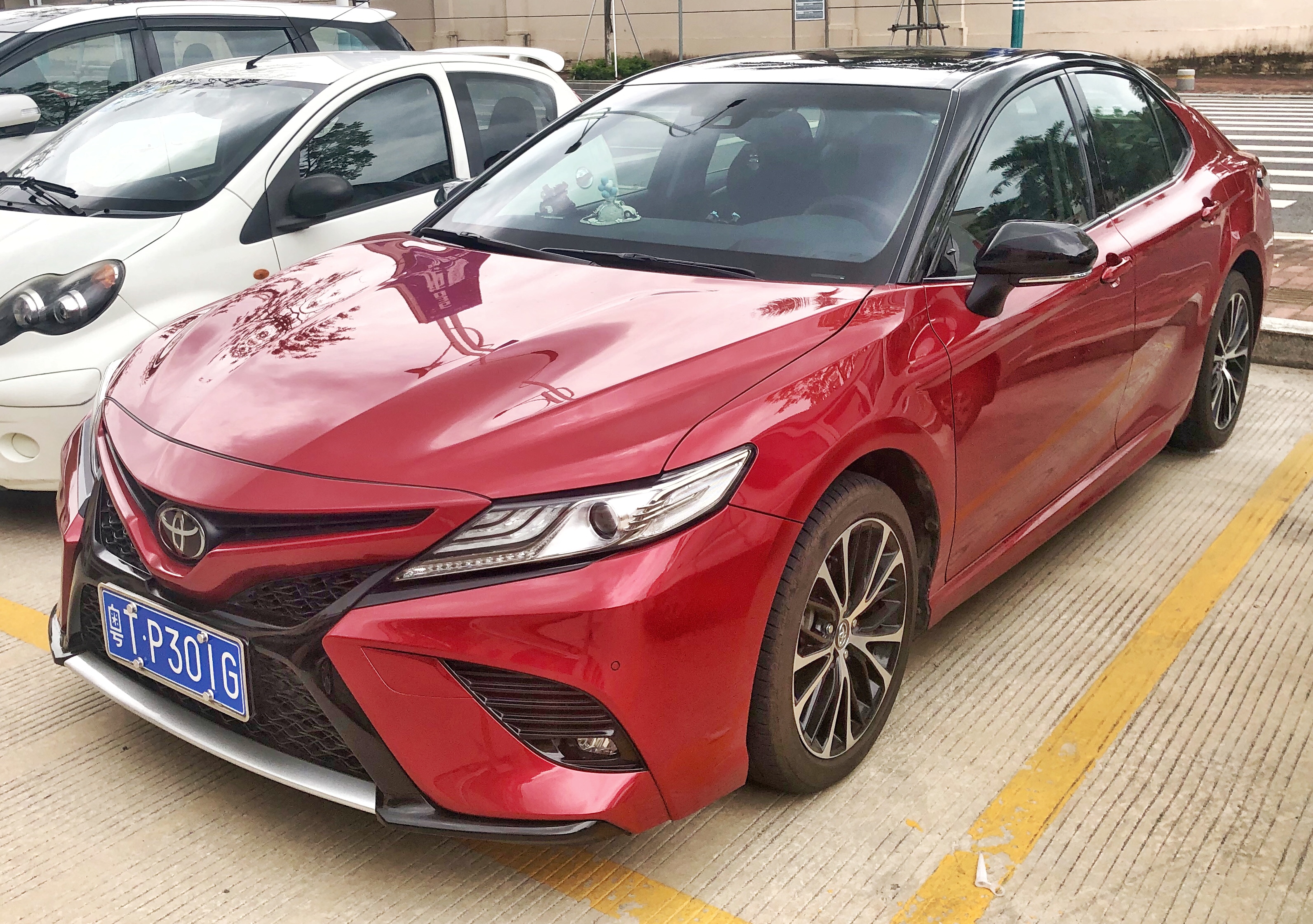
Toyota Camry
"I tend to be a Camry over a RAV4. And, and I'll admit, you know, in the world of the beige..."
The Toyota Camry is a popular family sedan. Here, the host is saying it can cost less to own than an SUV like the RAV4 when you add up fuel and payments over several years.
The Toyota Camry is a midsize sedan known for being practical and cost-conscious, which is why it often shows up in “monthly ownership cost” comparisons. In this segment, the host contrasts it against the Toyota RAV4 to argue that the Camry can be cheaper to own over a typical five-year plan.
total fuel economy
"when I crunched the numbers, the cost difference total fuel economy plus car payment on a five year note, keeping the car for five years..."
This is about how much gas you’ll likely spend overall, not just one MPG rating. The host is saying you should add gas costs to your monthly payment to see the real cost of owning the car.
“Total fuel economy” here means the overall fuel-cost impact over time, not just the single EPA-style MPG number. The host combines fuel economy with the monthly car payment to estimate the difference in monthly cost over a five-year ownership period.
five year note
"the cost difference total fuel economy plus car payment on a five year note, keeping the car for five years..."
A “five year note” means the car loan is paid back over five years. The host uses that loan length to compare the total monthly cost between two cars.
A “five year note” is a common auto-loan term length where the buyer finances the vehicle over five years. In this segment, the host uses that typical payment schedule to estimate how much more the RAV4 would cost per month versus the Camry over the same holding period.
monthly ownership cost
"but they go, how much does my monthly cost? They don't look at how much my monthly ownership cost"
“Monthly ownership cost” is the all-in cost of having a car each month, typically including the loan payment plus operating costs like fuel. The host argues shoppers often focus only on the monthly payment, not the full monthly cost of ownership over the time they plan to keep the vehicle.

Toyota Crown Signia
"I just wish I kind of wish there was a Camry wagon, the Crown Signia wagon... How is it the Camry is that 28, 29,000 thing? And let's see what a Crown Signia is... It's 44. Yeah, I'd say mid 40s, for sure."
The Toyota Crown Signia is a Toyota model that’s meant to feel more wagon-like. The host says it costs a lot more than a Camry, so it may not be the best deal if you’re trying to keep monthly costs down.
The Toyota Crown Signia is a Crown-branded wagon-like crossover that the host brings up as a “Camry wagon” alternative. They highlight that it starts much higher in price (mid-$40k range) and only offers modest differences versus a Camry, making it hard to justify purely on value.
horsepower
"it doesn't have, I mean, what is different in it? 243 horsepower instead of 220, big deal, you know, not a huge difference."
Horsepower is a number that describes how much power the engine can make. The host is saying that a bump from 220 to 243 horsepower may not feel dramatically different in real life.
Horsepower is an engineering measure of engine power output, often used as a shorthand for how strongly a car can accelerate. Here, the host compares 243 horsepower versus 220 horsepower and argues the difference isn’t huge for most shoppers.

Toyota Venza
"...tween Toyota and Lexus. And it's sort of like the Venza did, right? The Venza for years was the nicest, b..."
The Toyota Venza is a crossover SUV-style vehicle. The podcast says it used to be one of the nicer options in its lineup. It’s mentioned because some people choose it for a more comfortable feel.
The Toyota Venza is a crossover that sits between mainstream and more upscale positioning, and the podcast compares it to the relationship between Toyota and Lexus. It’s mentioned as having been “the nicest” for years, implying it offered a higher-comfort feel compared with typical crossovers. It’s discussed because buyers often look at Venza as a comfort-focused alternative in the crossover market.
cubic feet
"This 37.6 inches in Camry looks like Crown Signis 38.9... And you go from 15 cubic feet up to 25 cubic feet."
“Cubic feet” is how car makers measure how much stuff a trunk or cargo area can hold. The host is comparing those numbers to show whether one car really has much more room than another.
“Cubic feet” is a volume measurement used to quantify cargo space in vehicles. The host compares cargo capacity between the Camry and Crown Signis in cubic feet to show that the difference may not be as dramatic as buyers expect.
stacking your stuff
"when you look at the cubic feet of storage, you have to be willing to stack your stuff... it's some of it's a stability issue. Some of it's what if you break real heavy and you got stuff flying around."
This is about how you actually pack your trunk. Even if a car has a big cargo number on paper, you might not want to pile things on top of each other if they could shift around or be annoying to load.
“Stacking your stuff” refers to how cargo capacity numbers assume you can arrange items vertically or in layers to maximize volume. The host argues that real-world use depends on whether you’re willing to stack items and whether safety concerns (like items shifting during hard braking) make that less desirable.

Toyota Crown
"do you go get a crown or an ES? And I think that actually is even harder to look at a crown and say that's the way to go... But I don't know if we need the crown here in the US, at least not right now."
The Toyota Crown is a more upscale Toyota sedan nameplate. In this discussion, they’re talking about whether Toyota should sell it in the US and how big it really is compared with other Toyota sedans.
The Toyota Crown is a nameplate that’s known for being a more premium, larger sedan than the typical mainstream Toyota lineup. In this segment, the hosts debate whether Toyota should emphasize the Crown in the US and how it compares in size and positioning versus other sedans.

Lexus ES
"do you go get a crown or an ES? And I think that actually is even harder to look at a crown and say that's the way to go. Because I think the ES is a generally much more accepted, let's just say shape, right?"
The Lexus ES is a comfortable luxury sedan. In this segment, it’s being compared to the Toyota Crown to argue which one makes more sense for buyers in the US.
The Lexus ES is a mainstream luxury sedan from Lexus, typically positioned as a comfortable, family-friendly alternative to sportier luxury sedans. Here, it’s used as a comparison point against the Toyota Crown, with the host arguing the ES is more broadly accepted in terms of styling and market fit.

Buick Century
".... Yeah, I also kind of wish they just brought the century here instead and given us a big sedan. But that's..."
The Buick Century is a car name from Buick’s past, known for being a larger sedan. The podcast mentions it because someone wishes a big sedan like that were available again. It’s brought up as part of a conversation about what types of cars are missing.
The Buick Century is a nameplate for a midsize sedan that the podcast references as something they wish had been brought back. The comment about wanting “a big sedan” frames it as a discussion about missing mainstream sedan options. It’s discussed because buyers sometimes want larger, traditional sedans rather than only crossovers.

Hyundai Sonata
"I think the hybrid movement makes sense for Camry. But Sonata's sales are up 40%... And generally speaking in the Hyundai Envelope, the hybrid sales are up 90% over last year."
The Hyundai Sonata is a popular midsize sedan. The hosts mention its sales are up, and they connect that to the growing interest in hybrid versions.
The Hyundai Sonata is a midsize sedan that’s been a key volume model for Hyundai in the US. In this segment, the hosts cite Sonata sales growth alongside the broader rise of hybrid demand, suggesting hybrids are helping sedans regain momentum.
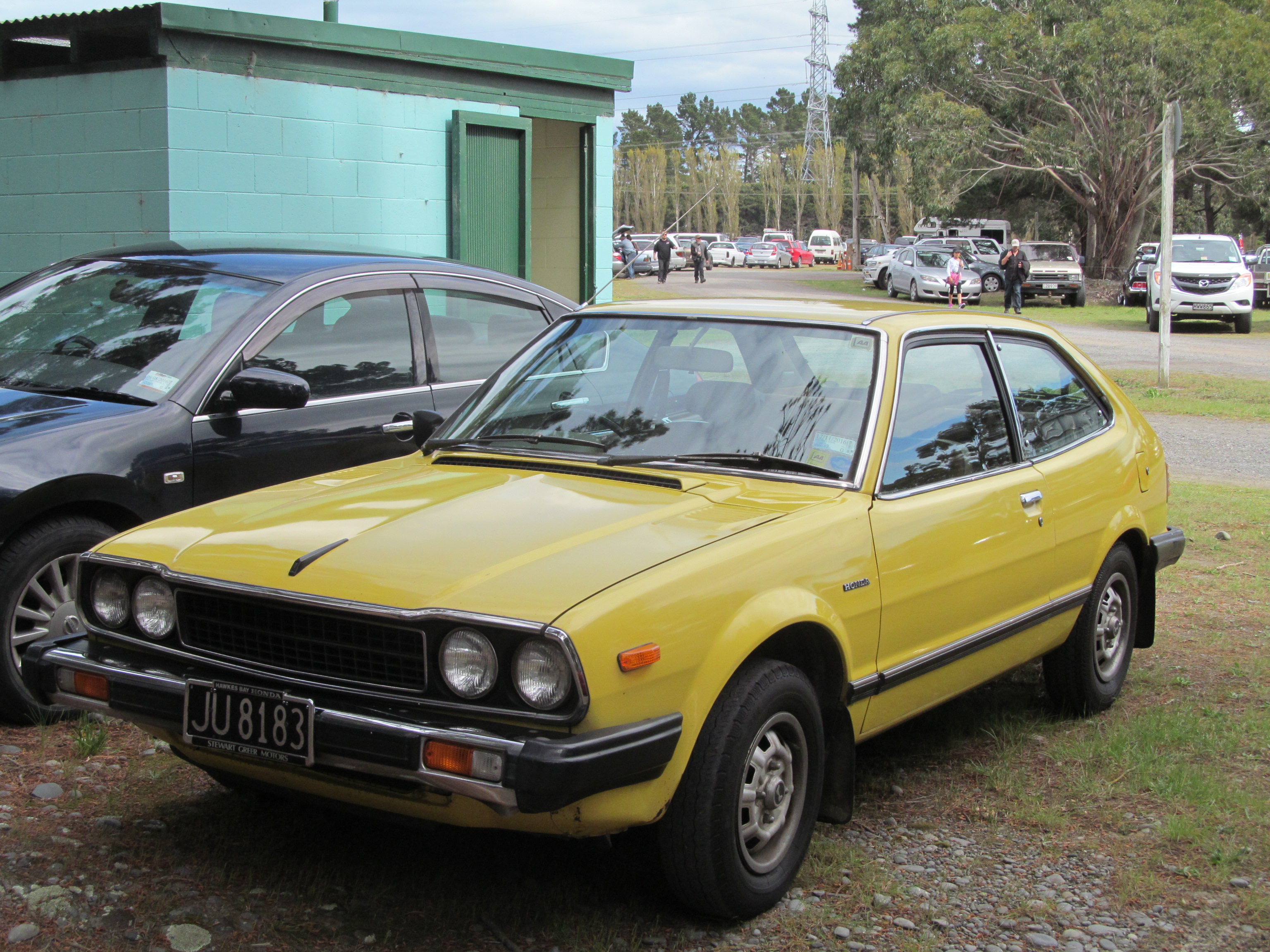
Honda Accord
"Accord seems to be the one exception in 2025. I don't know how Accord's been selling this year though... Accord does show a strong upward trend as well"
The Honda Accord is a very common midsize sedan. The hosts say sedan sales are generally rising, but the Accord was the one they weren’t seeing rise the same way in 2025.
The Honda Accord is a long-running midsize sedan and one of Honda’s core models in the US. The hosts say most sedans are trending upward, but they call out the Accord as an exception in 2025, then discuss its sales trend again for 2026.
May 2026 versus May 2025
"That was May to May. So May 2026 versus May 20, same time period last year, basically."
They’re comparing sales from May 2026 to sales from May 2025. That’s a “same month last year” comparison to see if things are really improving.
This is a year-over-year comparison using the same month across two different years (May to May). The hosts use it to clarify that the “jumps” they cited are based on comparing May 2026 sales to May 2025 sales, not a quarter or a rolling average.

Honda Civic
"On the downside, Civic sales are apparently down."
The Honda Civic is a very popular small car. The hosts are talking about whether sales of this model are going up or down, as a clue to how the sedan market is doing.
The Honda Civic is a compact sedan (and hatchback) that’s one of the most important nameplates in the U.S. market. In this segment, the hosts mention Civic sales trends as part of a broader discussion about whether sedans are “back.”

Audi A8
"...cale, I want sort of the boxier look to more like Audi A8 almost. And it really felt like an upscale swing...."
The Audi A8 is a large luxury sedan, meaning it’s built to feel premium and comfortable. The podcast mentions it as a style reference for a more “boxy” look. It’s brought up because it represents a top-tier sedan design.
The Audi A8 is a full-size luxury sedan known for a high-end, upscale driving experience. The podcast mentions wanting a “boxier look” similar to the A8, which suggests it’s being used as a style reference for what someone wants in a vehicle. It’s discussed because the A8 represents the luxury end of the sedan market.
fuel economy numbers
"But the fuel economy numbers really start to bite you once you get on the highway."
“Fuel economy numbers” are the efficiency ratings that tell you how far the car can go on a gallon (or equivalent). The host is saying those ratings matter most once you’re driving faster on the highway.
“Fuel economy numbers” refers to measured efficiency figures (typically expressed as miles per gallon or equivalent). The hosts argue that these figures become more noticeable on the highway, where they say Toyota tends to do best.

Subaru Outback
"I would think that that would actually do well for a brand like Honda to have an Outback competitor"
The Subaru Outback is a practical car that’s like a wagon but with a higher ride height. The hosts are using it as the example of the kind of vehicle Honda might compete with.
The Subaru Outback is a wagon-based crossover that’s popular with buyers who want extra ground clearance and versatility. The hosts use it as the reference point for what an “Outback competitor” would mean in the Honda lineup.
front wheel drive
"And you still had the same powertrains. So front wheel drive for a four cylinder and you had the V6 all wheel drive."
Front-wheel drive means the front wheels do the work of moving the car. It’s common on many family cars because it’s efficient and makes the car easier to package.
Front-wheel drive (FWD) means the engine’s power is sent to the front wheels, which typically improves packaging and traction in everyday conditions. The host specifically ties FWD to the Crosstour’s four-cylinder setup, contrasting it with the V6’s available all-wheel drive.

Mazda five
"And one of the only things I could find that would fit six people was a Mazda five. And that is a mini mini van."
The Mazda5 is a small minivan made to carry people and stuff with easy access. Here, the host says it was one of the only rentals they could find that fit six people.
The Mazda5 is a compact minivan from Mazda built around the idea of practical, easy access for passengers. In this segment, the host highlights it as one of the few options that could fit six people when a rental van fell through.

Chrysler Pacifica
"And it was, and I don't remember the designation, right? But the R was like this, this sliding door van situation from Mercedes. They've done at the same time as Pacifica and a lot of rumors were like, they're the same thing..."
The Chrysler Pacifica is a popular family minivan. Here it’s mentioned because people were comparing it to a Mercedes minivan and talking about whether they were related.
The Chrysler Pacifica is a mainstream minivan known for being a family-focused vehicle with practical interior space. In this segment, it’s used as a comparison point for rumors about whether the Mercedes R-Class is essentially the same vehicle.
MPG
"because it's almost 60 miles per gallon, but going from the high 50s to 60 miles per gallon doesn't save you that much."
MPG means miles per gallon, or how many miles you can drive with one gallon of gas. The host uses MPG numbers to estimate how much money you’d save.
MPG (miles per gallon) is a measure of fuel economy: how many miles you can drive per gallon of fuel. The host cites MPG differences between the Prius and Camry to estimate annual savings.
funky gauge cluster
"I don't know if I'd stick with it because it does have the funky gauge cluster and you don't get that in the Camry, right?"
The gauge cluster is the dashboard screen/area that shows your speed and other info. The host says the Prius’s version looks unusual, while the Camry’s looks more normal.
A gauge cluster is the instrument panel behind the steering wheel that displays speed, fuel level, and other driving information. The host calls the Prius’s gauge cluster “funky” and says it’s one of the few things that would make them hesitate compared with the Camry’s more conventional look.

Toyota Prius
"I still fit there. I don't need much room above me. That's the key. But it's a good looking Prius. It is good looking. Is it better looking than the Camry, though, is the question?"
The Toyota Prius is a car that’s built mainly to save gas using a hybrid powertrain. Here, they’re basically saying it looks good, but it doesn’t drive as well as the Camry.
The Toyota Prius is a mainstream hybrid hatchback known for prioritizing fuel economy over sporty driving feel. In this segment, the hosts compare its packaging and ride/handling character against the Toyota Camry, framing the Prius as less involving to drive but efficient.
suspension tune
"You could get a Camry SEX SE with the different tune of the suspension and the more aggressive tires."
A suspension tune is how the car’s ride and handling are set up—basically how firm or soft it feels and how it reacts when you turn or hit bumps. A different tune can make the car feel more stable and responsive.
A suspension tune is the specific calibration of a car’s suspension components—how stiff or soft it feels, how it responds to bumps, and how it behaves during cornering. Changing the tune (and pairing it with different tires) can make the same model feel more controlled and quicker through real-world driving.
aggressive all-season tire
"It's not a summer tire, but it's a pretty aggressive all-season tire for a mainstream OEM tire, mind you, disclaimers."
This means the tire is made to grip the road more than a basic all-season tire, while still being okay for most weather. It helps the car feel more confident when turning, even though it’s not a dedicated summer tire.
An aggressive all-season tire is a tire designed to provide better grip than typical “comfort” all-seasons while still being usable year-round. The tradeoff is that it may not be as good in extreme winter conditions as dedicated winter tires, but it can improve steering response and cornering performance on a mainstream car.
BEV
"the whatever EV designation, HEV, PHEV, BEV."
BEV means battery electric vehicle. It runs on electricity stored in a battery, and you charge it from a plug (or charging station).
BEV stands for battery electric vehicle. A BEV is powered by an electric motor and runs on battery power only, requiring charging from an external power source.
HEV
"the whatever EV designation, HEV, PHEV, BEV."
HEV means hybrid electric vehicle. It uses both a gas engine and an electric motor, and you usually don’t plug it in—the car charges the battery as you drive.
HEV stands for hybrid electric vehicle. In an HEV, the gasoline engine and electric motor work together, but the battery is typically charged by the engine and regenerative braking rather than by plugging in.
fuel economy crunch
"And the last fuel economy crunch circa 2008-ish got him to start thinking, do I really need this truck?"
A “fuel economy crunch” is when gas gets expensive or people start feeling pressure to use less fuel. Here, it’s what makes the neighbor rethink whether he really needs a big truck.
“Fuel economy crunch” refers to a period when fuel prices and/or fuel-efficiency pressure rise enough that people reconsider how much they drive and what they drive. In the segment, it’s the trigger that pushes the neighbor away from always using a pickup truck.

plug-in hybrid Ioniq
"So then he bought a plug-in hybrid Ioniq, interestingly enough. He had that for a really long time."
The Hyundai Ioniq plug-in hybrid can be charged like an electric car, and it also has a gas engine for longer trips. In the segment, it’s the next step after the Prius for saving fuel.
The Hyundai Ioniq (in plug-in hybrid form) is designed to run on electricity for short trips, then switch to a gas engine when the battery is depleted. The neighbor moves to it after trying the Prius, suggesting he liked the idea of reducing gasoline use even more.

Volkswagen Beetle
"She drives a Beetle convertible around everywhere else, which is very her."
A Volkswagen Beetle convertible is a Beetle with the roof down. In the story, it’s the “fun” car the wife drives when she’s not using the truck for camping.
The Volkswagen Beetle convertible is the open-top version of the classic Beetle shape, typically chosen for style and casual driving rather than practicality. The host uses it as a contrast: the wife has a fun, non-towing car for everyday use while the truck is reserved for camping/travel trailer duty.

Chevrolet Sonic
"...ave that one at home, drive? I think it's a Chevy Sonic. And you can just, you can just take my truck. I ..."
The Chevrolet Sonic is a small, everyday car. The podcast mentions it as something someone has at home, likely for regular driving. It’s brought up because compact cars are often chosen for being practical and easy to use.
The Chevrolet Sonic is a compact car that’s often discussed as an affordable, practical option. The podcast mentions having one at home and pairing it with a truck, which suggests it’s being used as a daily or secondary vehicle. It’s relevant because compact cars are commonly chosen for cost and convenience.
consumption tax
"So it's actually moved away from a consumption tax in a way, which I think is probably personally the best way to do this thing. We should bet definitely as a state, as a federal government go, how much are we spending on roads?"
A consumption tax is a tax you pay based on how much you use something. In this case, it would mean paying road costs based on how much you drive or use fuel.
A consumption tax is a tax tied to using a product or service—here, using roads via fuel use. The idea is to fund road spending based on how much people consume (or pay for) road usage rather than collecting a flat fee unrelated to use.
EVs
"And that's where it does get tricky, because EVs being generally speaking, heavier than average, are going to wear the roads more than average. Ditto for the plug in hybrids, maybe for the hybrids, depending on the hybrid that we're talking about."
EVs are electric cars that run on batteries instead of gasoline. Because they can be heavier, they may wear out roads faster than some lighter cars.
EVs (electric vehicles) are cars powered primarily by electric motors and batteries rather than gasoline engines. In road-funding discussions, EVs can be “heavier than average,” which can increase pavement wear compared with lighter vehicles.
mileage
"Go ahead and check my mileage every year. I'll pay again, I'll pay my taxes. It's never a problem."
Here, mileage just means how much you drive. The speaker is talking about using driving distance to figure out what’s fair to pay for road use.
In this context, mileage is being used as a proxy for how much a driver uses roads. The speaker suggests using mileage checks (and averaging) to determine fair taxes or penalties.
studded tires
"But I want the penalties for everyone running studded tires, running them ever, and then also definitely past season. That's the hill I'll die on."
Studded tires have little metal spikes that help on ice. The downside is they can be harsher on roads, so the speaker wants rules to limit when people use them.
Studded tires have small metal studs in the tread to improve traction on ice and packed snow. They’re controversial because they can increase road surface wear when used outside of winter conditions, which is why the speaker argues for penalties or enforcement.
level one or level two
"So anytime you publicly charge your EV level one or level two, there is a tax associated with that that mirrors roughly the gas tax on a gallon of gasoline or diesel, et cetera, based on whatever number."
Level 1 and Level 2 are categories of EV charging. Level 1 typically uses a standard household outlet, while Level 2 uses dedicated charging equipment with higher power, allowing faster charging.
meter
"You could also come meet my EV charger at home. I have a meter, it gets read."
A meter is a device that tracks how much electricity you used. The speaker is saying it’s already possible to measure EV charging at home.
A meter measures electricity usage so charging can be billed or taxed based on how much energy was drawn. The speaker mentions having a meter read at home to argue for a simpler, usage-based approach.

Dodge Charger EV
"Speaking of bad, the price bump on the dodge charger here apparently this time last year was 59 995 for the charger EV adding the next port has somehow bumped the MSRP before destination to 72,495 for 2027."
This is the electric version of the Dodge Charger. The hosts are talking about how much more expensive it’s getting—basically, the sticker price is going up for the next model year.
The Dodge Charger EV is a fully electric version of the Charger nameplate, and the hosts are discussing a major price increase. They reference the Charger EV’s MSRP before destination and how it changes for the 2027 model year, which directly affects what buyers pay.
MSRP before destination
"…adding the next port has somehow bumped the MSRP before destination to 72,495 for 2027."
MSRP before destination is the car’s sticker price before the shipping/delivery fee is added. Your final price at the dealer will be higher once that delivery charge is included.
MSRP before destination is the manufacturer’s suggested retail price excluding the delivery charge that covers getting the car to the dealer. It’s a common way automakers quote pricing, but the final “out-the-door” number is higher once destination and other fees are added.
cafe rules
"…Stalantis is doing the math due to the rollback of of cafe fines. Cafe rules still exist. The fine is just zero."
CAFE rules are U.S. requirements that car companies have to hit average fuel-economy targets across all the cars they sell. If they don’t, they can face penalties, and electric cars can help them earn credits.
“CAFE rules” refers to U.S. Corporate Average Fuel Economy standards, which require automakers to meet fleet-wide fuel-economy targets. The hosts connect these rules to how automakers earn or lose credits, and how electric vehicles can affect those credit calculations.
cafe fines
"…due to the rollback of of cafe fines. Cafe rules still exist. The fine is just zero."
CAFE fines are penalties car companies can owe if they don’t meet fuel-economy rules. The hosts are saying those penalties got reduced/removed, which changes how companies think about EV credits and pricing.
CAFE fines are penalties automakers pay when they fail to meet the fuel-economy requirements under CAFE standards. In this segment, the hosts say the fines were rolled back to zero, which changes the incentives for how automakers price and market electric vehicles.
Stalantis
"I have a feeling it's simply that at the moment, at least, Stalantis is doing the math due to the rollback of of cafe fines."
This is the automaker behind brands like Dodge and Chrysler. The hosts are saying the company is adjusting pricing based on how government rules and EV credit incentives work.
Stalantis appears to be a transcription of Stellantis, the automaker formed from the Fiat Chrysler and PSA mergers. Here, the hosts attribute the pricing logic to Stellantis’ compliance math under CAFE-related credit and fine rules.
credits generated by electric vehicles
"…since they don't need the effective credits generated by electric vehicles to offset fines elsewhere, they're going to go…"
The idea is that EVs can earn special compliance credits under government rules. Those credits can be used to make up for other cars that don’t meet targets, and changing the penalty system changes how valuable those credits are.
Under CAFE-style compliance systems, electric vehicles can generate regulatory credits that automakers can use to offset shortfalls elsewhere in their fleet. The hosts argue that if the penalty (fine) is removed, the “credit balancing” incentive changes, which can affect pricing and margins.

Jeep Wagoneer
"... more easily tell you who would want, you know, a Wagoneer S. I could maybe want that one either. Well, you ..."
The Jeep Wagoneer is a large SUV made for families and people who want lots of space. The podcast mentions a Wagoneer S, which suggests there are different versions of the same SUV line. It’s brought up because people are deciding which version fits their needs.
The Jeep Wagoneer is a full-size SUV positioned with a more premium, family-focused approach. The podcast mentions it in the context of deciding who would want a “Wagoneer S,” which implies discussion about different trims or variants within the nameplate. It’s discussed because buyers compare size, comfort, and how “premium” the Wagoneer experience is.
powertrains
"Well, you know, we're talking about the same powertrains, right? So yes, yes, yes."
Powertrains are the full set of components that generate and deliver motion—on an EV, that includes the electric motor(s), battery, and drivetrain hardware. The hosts say the Wagoneer S and other models are using the “same powertrains,” implying similar mechanical/electric architecture.

Jeep Grand Cherokee
"...n paper. I know I know who would want an electric Grand Cherokee, which is what should have been called, but right..."
The Jeep Grand Cherokee is an SUV that’s made for normal driving but can also handle rougher roads. The podcast brings up the idea of an electric version, which changes what the car is like to own and drive. It’s mentioned because people debate what the name should mean when the power source changes.
The Jeep Grand Cherokee is a midsize SUV built for both everyday driving and off-road capability. The podcast references an “electric Grand Cherokee,” pointing to how the model name can be used for different powertrains and expectations. It’s discussed because buyers often weigh practicality, capability, and how electrification changes the vehicle.
out the door
"MSRP versus actual price tag out the door because Wagoneer S as it actually transacts, I think is not mad."
“Out the door” (OTD) price is the total amount you pay to drive the car home, including taxes, registration, and dealer fees beyond the base sticker price. The hosts use it to argue that a vehicle’s MSRP may look unreasonable, but the final OTD deal could be more acceptable.
Porsche
"I do not to my core understand who wants an electric Dodge charger. I understand the Tycon because that customer makes more sense. You think of who's buying a Porsche..."
Porsche is used as a comparison point for buyer demographics and perceived customer sophistication. The hosts contrast Porsche buyers (described as more affluent and educated) with Dodge’s “every man” marketing positioning.
Lucid
"You look at something like a Lucid and that again, pure EV from the beginning and that [2362.8s] feels like a very high-end super tuned engineered experience."
Lucid is a company that makes electric cars. The host is saying Lucid’s cars were built as EVs from the start, so they feel more polished and intentional.
Lucid is an EV brand positioned as high-end, with vehicles designed from the start as electric rather than adapted from older gas-car architectures. The host contrasts Lucid’s “pure EV from the beginning” feel with what they perceive as Dodge’s less convincing EV direction.

Dodge Ram
"advanced tech and all their other models, right? But it just feels like a good fit. What is Dodges? Because their Dodge, Ram, Jeep, they've really emphasized just the absurd from time to time to be, right? I mean, they're known for the Hellcat. They're known for the Hemi. So how do"
The Dodge Ram is a pickup truck, which is a vehicle built for hauling and tough everyday tasks. The podcast mentions it along with other Dodge-related brands while talking about how they market their vehicles. It’s brought up because Ram is part of that broader lineup.
The Dodge Ram is a pickup truck line known for emphasizing practicality, capability, and a wide range of configurations. In the podcast, Ram is grouped with Dodge and Jeep, with a comment about how the brand sometimes leans into bold or “absurd” themes. It’s discussed because truck buyers often look at how these models fit their lifestyle and how the lineup is presented.
Fratsonic exhaust
"So how do [2398.6s] you capture that? And the Fratsonic exhaust has not been the answer somehow. Just haven't stuck."
It sounds like they’re talking about a way to make the car “sound” more like a traditional Dodge. Instead of only relying on the exhaust pipe, the car can use sound engineering to create a more exciting noise.
“Fratsonic exhaust” appears to be the host’s nickname for an exhaust-sound strategy used on some modern Dodge/EV models. The idea is to simulate or enhance the sound experience electronically rather than relying purely on mechanical exhaust note.

Challenger Hellcat
"... time to be, right? I mean, they're known for the Hellcat. They're known for the Hemi. So how do you captur..."
The Challenger is a sporty muscle car. The podcast says it’s especially known for its high-performance engine versions. It’s mentioned because people often choose it based on that performance reputation.
The Challenger is a performance-focused muscle car known for its powerful engines and enthusiast appeal. The podcast specifically references it being “known for the Hellcat” and “known for the Hemi,” which points to its performance reputation and engine options. It’s discussed because buyers often associate the Challenger with high-output trims when evaluating what to buy.
all wheel drive
"Here's an all wheel drive one. And [2433.1s] then people's minds would have been blown anyway... And you can turn off the all wheel drive and you [2441.6s] can still do donuts"
All-wheel drive means the car can send power to more than just the two wheels on one axle. It helps the car grip the road better, especially in slippery conditions.
All-wheel drive (AWD) sends power to both the front and rear axles to improve traction. The host suggests offering AWD as an option for more grip, while also noting you can disable it for different driving behavior.
donuts
"And you can turn off the all wheel drive and you [2441.6s] can still do donuts and you're thinking that thing."
Donuts are when a car spins in a circle with the tires sliding and making smoke. It’s used here to mean the car should still be fun and easy to drive aggressively.
“Donuts” are a driving maneuver where the car rotates around with the tires spinning to create a circular skid. The host uses it as a shorthand for playful, controllable traction and torque delivery.
slant six
"They could have doubled down on the slant six, you know, name from, from back in the day with, [2450.2s] with Chrysler."
A “slant six” is a type of older straight-six engine from Chrysler. The cylinders are tilted (slanted), and it’s remembered as a classic, popular engine in some Dodge/Chrysler models.
The “slant six” is a historically significant Chrysler straight-six engine family known for its distinctive angled cylinder block design. The host is referencing it as a brand identity anchor for Dodge/Chrysler fans.
inline six
"inline six is a slant six BMW, especially has been an angle because they don't fit well under a hood"
“Inline six” means the engine has six cylinders lined up in a row. BMW sometimes tilts that engine to make it fit better under the hood. That packaging choice can affect the car’s design and space.
An inline six is an engine with six cylinders arranged in a single straight line. The speaker calls it a “slant six BMW,” meaning BMW’s older inline-six layouts were sometimes tilted to fit packaging under the hood. This matters because engine angle affects how the engine bay is packaged and how the car can be styled.
Dodge Charger
"Remember, with that, because when I drove the charger,"
The Dodge Charger is a well-known American performance car. The host mentions driving it to compare the “feel” and audience expectations to what Dodge would need to deliver with an EV. It’s basically the reference point for what people expect from Dodge.
The Dodge Charger is a performance-focused sedan/coupe that’s known for big power and a muscle-car identity. In this segment, the host references driving the Charger to set up a comparison to what Dodge might do with an EV. That context frames the Charger as the benchmark for what “Dodge” needs to feel like to its audience.
EV
"If, if you're going to try and sell them an EV,"
EV means electric vehicle. Instead of using gasoline, it runs on electric motors powered by a battery. The host is saying the EV has to be exciting enough to match what people expect from a performance brand.
EV stands for electric vehicle, meaning the car is powered primarily by one or more electric motors and a battery. In this segment, the host argues that Dodge’s EV needs to match the brand’s performance persona to sell to the intended audience. The discussion is about how EVs are marketed and engineered for “muscle-car” expectations.
Banshee drivetrain
"you could see the components that are there with this thing that like, oh, if this had the Banshee drivetrain and it charged even faster with that different battery,"
“Banshee drivetrain” refers to a specific EV powertrain concept associated with Dodge’s electrification plans. The host is arguing that using the Banshee setup (rather than what’s in the current EV) would make the car faster and better aligned with the performance expectations of Dodge buyers. In other words, the drivetrain choice is central to whether the EV “slots” into the muscle-car lineup.
SRT Hellcat replacement
"And that could be the SRT Hellcat replacement. You know, if you had a thousand horsepower thing,"
The Hellcat is Dodge’s badge for very high-power performance cars. The host is saying Dodge might want an EV to replace that role—so it has to feel just as exciting and fast. They’re comparing what the EV would need to match the Hellcat reputation.
The SRT Hellcat is Dodge’s high-output performance badge, historically tied to extreme horsepower and drag-strip style launches. Here, the host is speculating that an EV could serve as the Hellcat replacement—meaning it would need similar “wow” power and repeatable acceleration. The key point is that the EV would be judged against Hellcat-level performance expectations.
drag strip
"As long as it could do the drag strip, you know, 10 or 12 times in a row without breaking anything,"
A drag strip is a race track made for quick straight-line acceleration. The host is saying the EV would need to be able to do repeated hard launches without problems. It’s basically about whether it can keep performing under repeated stress.
A drag strip is a straight, marked racing track designed for acceleration runs from a standing start. The host uses it to describe the kind of repeated hard launches an EV would need to handle—“10 or 12 times in a row”—without overheating or breaking. It’s a shorthand for real-world performance durability under repeated stress.
Challenger
"The coupe could have been coupier. I think the coupe is fine the way that it is because Challenger sold because it was a big coupe. It was like, Hey, you want, you know, it outsold Mustang and Camaro fantastically for ages."
The Dodge Challenger is a popular American coupe (a two-door car) that’s been sold for many years. The host is saying it sold really well because it stayed true to that “big coupe” idea.
The Dodge Challenger is a long-running American muscle-car-style coupe known for strong sales in the pony/muscle segment. In this segment, the host uses Challenger’s sales history to argue that a “big coupe” formula can work better than a more sedan-like design.
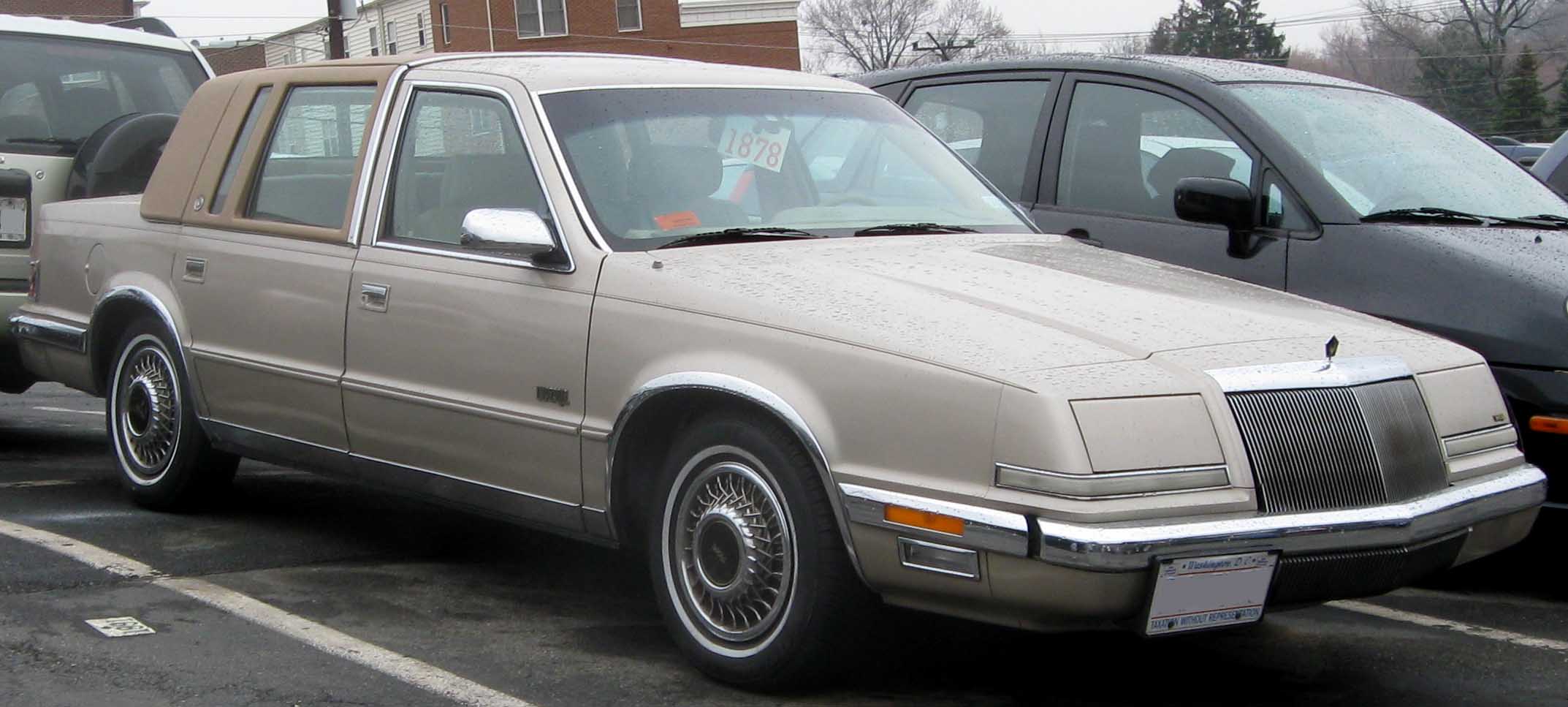
Chrysler Imperial
"...en a Chrysler one that could have resurrected the Imperial name and had, you know, Mercedes S class Mybach l..."
The Chrysler Imperial is a luxury car name from Chrysler’s past. The podcast talks about the idea of bringing that name back. It’s mentioned because a revived luxury model would need to match expectations for comfort and quality.
The Chrysler Imperial is a historic luxury nameplate that the podcast discusses as something that could have been revived. The mention of a “resurrected” Imperial and comparisons to top-tier luxury cars frames it as a question of branding and positioning. It’s discussed because nameplates can carry expectations about size, comfort, and status.

Jeep Recon
"And I also wonder something like the Jeep recon, which is built on the same general platform, you know, is that something that we're going to see a internal combustion come into at some point because, because the EV is not going to sell well, just based on its overall range"
Jeep Recon is a Jeep EV that the host is talking about. They’re wondering if Jeep might later offer a gas version if the electric version doesn’t sell well because of limited driving range.
The Jeep Recon is an upcoming Jeep EV concept/vehicle discussed here as sharing a platform lineage with other Stellantis products. The host is questioning whether it will eventually get an internal-combustion (gas) version if the EV doesn’t sell well due to range limitations.
platform
"And I also wonder something like the Jeep recon, which is built on the same general platform, you know, is that something that we're going to see a internal combustion come into at some point"
A platform is the shared “base” that multiple cars are built on. If two cars share a platform, they can often share engineering and parts, which makes it easier to offer different powertrains.
In automotive terms, a platform is the shared underlying architecture—things like the chassis structure, mounting points, and major engineering modules—that multiple vehicles can be built on. The host uses “same general platform” to argue that powertrain and packaging decisions (EV vs internal combustion) could carry across related models.
internal combustion
"is that something that we're going to see a internal combustion come into at some point because, because the EV is not going to sell well"
Internal combustion means a traditional gas or diesel engine. The host is saying they might add a gas version later if the electric version doesn’t sell.
Internal combustion refers to engines that burn fuel (like gasoline or diesel) inside the engine to create power. The host is speculating that if an EV like the Jeep Recon doesn’t sell well, Stellantis could bring back an internal-combustion version for the same vehicle family.
range
"because the EV is not going to sell well, just based on its overall range, like it's great for around town."
For an electric car, range is how many miles it can drive before the battery runs out. The host thinks that if the range isn’t great, fewer people will buy it.
In EV context, “range” means how far the vehicle can drive on a full battery charge. The host argues that limited overall range is a key reason an EV might not sell well, even if it’s good for short trips around town.

Cherokee
"Because the rumor mill is pointing to the Cherokee's hybrid system. Okay. Is it going to be a little bit heavy for that? We don't know because the Cherokee is also built on that same platform."
The Jeep Cherokee is another Jeep model the host brings up as a close relative. They’re talking about rumors that it could use a hybrid system, and whether that same idea could carry over to the Recon.
The Jeep Cherokee is referenced as a related platform vehicle that could influence what powertrains show up in the Recon. The host mentions a “hybrid system” rumor for the Cherokee, implying the Cherokee’s hybrid approach might be adapted for the Recon.
Solantis
"But that's how it works under the Solantis envelope."
“Solantis” sounds like Stellantis, the big company that owns multiple car brands. The host is saying the shared platform strategy comes from that corporate structure.
“Solantis” appears to be a mis-transcription of Stellantis, the automaker formed from the merger of Fiat Chrysler Automobiles and PSA. The host attributes the vehicle-family/platform strategy to this corporate group.
structural rigidity
"because if your structure isn't stiff enough to, let's put it this way, the door is not adding any structural rigidity because if it were, it would be squeaking."
Structural rigidity means how “stiff” the car body is when forces act on it. If the body flexes and the door is part of the structure, you can get squeaks as everything shifts.
Structural rigidity is how resistant a vehicle’s body is to twisting and flexing under load. In this discussion, the host argues that the door itself shouldn’t be relied on for rigidity—otherwise you’d hear squeaks when the body flexes.
rear wheel drive
"front wheel drive, all wheel drive and rear wheel drive all are supported in this thing."
Rear-wheel drive means the back wheels provide the driving power. Some drivers like it because it can feel more balanced and “sporty.”
Rear-wheel drive (RWD) sends power to the rear axle, which can help with handling balance and is often favored by enthusiasts for driving feel. The host notes that the Solantis platform can support RWD alongside FWD and AWD.
short bed
"is there still enough function baked into it? And obviously I know we're getting a little tighter here. It's a sport truck. It's the muscle truck. It's not going to be for everyone, but is the short bed and the four doors still enough?"
A short bed means the truck’s cargo area is shorter. It usually makes the truck easier to drive and park, but you lose some space for hauling.
A short bed is a truck bed length choice that prioritizes easier parking and maneuverability over maximum cargo volume. In the segment, it’s part of the practicality debate for the Rumblebee’s configuration.

Honda Prelude
"Standard cab. Yeah. I mean, it sounds like the Honda Prelude that I was driving not that long ago, [2924.9s] which I actually really loved by the way..."
The Honda Prelude is a Honda sports coupe that’s known for being fun to drive. Here, the host is talking about what tires it can use and comparing it to the Civic Type R.
The Honda Prelude is a sporty Honda coupe known for its driver-focused handling and, in many generations, a reputation for being fun to drive. In this segment, the host compares it to other Honda models and discusses how its tire fitment relates to Civic Type R sizes.
Civic Type R
"A fun fact, you can [2941.8s] apparently stick a Civic Type R tires on it because it has skinny tires, even though it has [2947.0s] the wide track type R."
The Civic Type R is Honda’s high-performance Civic. In this segment, the host is saying you can use Civic Type R tires on another Honda because the tire sizes can match up.
The Honda Civic Type R is a performance version of the Civic, typically associated with track-capable handling and wider “Type R” stance. The host mentions using Civic Type R tires on the Prelude due to tire sizing/fitment, including the idea that the Prelude can accept “skinny tires” despite having a wider track Type R setup.
wide track
"A fun fact, you can apparently stick a Civic Type R tires on it because it has skinny tires, even though it has [2947.0s] the wide track type R."
“Wide track” means the car sits with a wider stance—its wheels are farther apart than usual. That can affect how the car handles and what tire sizes you can run safely.
“Wide track” refers to a wider wheel/tire stance than a standard configuration, usually achieved via different suspension geometry and/or wheel/tire width. A wider track can change steering feel and stability, and it can affect what tire sizes fit without rubbing.
practicality
"I do think, though, that when we get into the subcompact and compact world, [3006.2s] I think we're missing some practicality there. I think things like the Honda fit..."
Here, “practicality” means how easy and useful the car is in real life. The host is talking about things like how the seats fold and how well the car fits your needs.
In this context, “practicality” is about how usable the car is day-to-day—especially interior packaging and how easily you can carry people or cargo. The host uses examples like the Honda Fit’s folding seats and compares that to perceived changes in the Prius.

Honda Fit
"... some practicality there. I think things like the Honda fit, where you really got the most out of the vehicle..."
The Honda Fit EV is an electric version of a small Honda Fit. The podcast mentions it as a practical car that makes good use of space. It’s relevant because electric cars can still be easy to live with in a compact size.
The Honda Fit EV refers to an electric version of the Honda Fit, a small car known for practicality. The podcast mentions it as an example of getting “the most out of the vehicle,” which fits the Fit’s reputation for smart packaging. It’s discussed because electric versions of small cars can be appealing for everyday use and efficiency.

Honda Element
"...c seats and that really practical cargo area, the element back then. But also just other innovations like t..."
The Honda Element is a compact SUV with a very practical interior. The podcast points out that it has a cargo area that’s easy to use. It’s mentioned because it was designed to be flexible for everyday needs.
The Honda Element is a compact SUV known for its practical, boxy design and flexible interior layout. The podcast highlights its “practical cargo area” and mentions it as having useful innovations. It’s discussed because the Element is remembered for being unusually adaptable compared with typical SUVs.
magic seats
"You know, fit with the magic seats and that really practical cargo area, the element back then. But also just other innovations like the CR-V with the old foldout table..."
“Magic seats” refers to how the Honda Fit’s rear seats fold and move in different ways. It helps you fit larger or oddly shaped items in the back.
“Magic seats” is Honda’s marketing term for the Fit’s flexible rear-seat system. The seats fold and reconfigure to create different cargo layouts, which is a big part of why the Fit is so practical.

Honda Crv
"But also just other innovations like the CR-V with the old foldout table and things like that that they used to have and the really practical interior volumes."
The Honda CR-V is a popular small SUV. The host is pointing out that some earlier versions had a clever interior feature—like a fold-out table—that made everyday use easier.
The Honda CR-V is a compact SUV that the host highlights for a specific interior practicality feature: an older “foldout table.” This is an example of how Honda used to add clever, niche utility details rather than focusing only on shared platform components.
floor pans
"they're trying to reuse so many components from other vehicles together in these global platforms that I think it really precludes some of that creative out of the box thinking just due to the way the floor pans are stamped and things are shaped in there."
Floor pans are the metal panels that make up the bottom of the car’s cabin. If a company reuses the same floor design across many models, it can limit how they can redesign the interior space for each one.
Floor pans are the stamped metal panels that form the vehicle’s floor structure. The host suggests that because floor pans are shaped and stamped in specific ways, shared platforms can limit how much engineers can rethink interior packaging and layout for each model.

Honda Hrv
"The current HR-V is just not a very well-packaged vehicle, I think, compared to like a Honda fit. And I don't know if there's a fix for that."
The Honda HR-V is a small crossover. The host thinks it doesn’t use its space as well as the Honda Fit, partly because newer cars are built on shared platform designs that limit how much they can tailor the interior layout.
The Honda HR-V is a subcompact crossover, and the host criticizes its packaging—saying it’s not as well laid out as the Honda Fit. The point is that modern Honda is constrained by shared global platforms, which can limit how creatively the floor and crash structure are designed.

Honda DelSol
"Yeah, I think it would have been a DelSol. Oh, I mean, to be a DelSol, you'd have to be able to take the roof off. They could have given it a innovative something top..."
The Honda DelSol is an older Honda model known for a convertible-like design. The host is using it as an example of how Honda could have made a small car feel more special or flexible.
The Honda DelSol is a late-1990s/early-2000s Honda that’s remembered for its convertible-style concept—specifically, the host mentions the idea of being able to take the roof off. The discussion uses it as an example of how Honda could have offered a more distinctive, practical twist on a small car.

Acura Rsx
"Or at least a power rear window. Yes, I mean, or they could have gone Acura RSX because they didn't end up using that name anyway. Yeah. To be perfectly honest, the Prelude would have made"
The Acura RSX is an older Acura model that was aimed at drivers who wanted something sportier than a basic compact. Here, the host mentions it mainly as a name that could have been used for a small-car concept.
The Acura RSX is a performance-oriented compact from Acura, and the host brings it up as an alternative name Honda/Acura could have used. In this segment it’s part of a broader discussion about how Honda/Acura branded and packaged small-car ideas.
Acura Prelude
"That's part of my, you know, I'm torn here because Prelude is a lot of ground of the Honda lineup right now. Kind of. It's a lot of fun to drive, but it also feels too civic inside. Yeah, it's a blast to drive. I mean, the suspension is fantastic."
The Acura Prelude is a sporty Honda-based coupe. Here, the discussion is about whether it feels special and fun to drive, or whether it mostly feels like a regular Civic inside.
The Acura Prelude is a sporty coupe from Honda’s luxury brand, known for balancing everyday usability with driver-focused handling. In this segment, the hosts debate whether the latest Prelude feels “too Civic inside” and whether its suspension and acceleration are enough to keep the Prelude identity.
grip
"you're going to be lower on grip, but the ride is... Grip is easy to fix. Well, above your... Yeah, tires are the easy one, but the suspension is great."
Grip is how well the tires can hold the road. They’re saying if grip feels off, tires are the easiest thing to change, and the car still drives well.
Grip is how much traction the tires can generate, which determines how well the car can accelerate, brake, and corner. The hosts say the Prelude may have lower grip than expected, but that it’s “easy to fix” with tires and that the real issue isn’t outright performance.

Honda Crz
"Yeah, that's one where I think it kind of ends up the way the CR-Z did, which was not quite sporty enough and not quite efficient enough. But I'll also admit, I still like the CR-Z, but again,"
The Honda CR-Z is a small sporty coupe that was also meant to be efficient. The hosts are saying the Prelude does a better job of being fun without giving up too much efficiency.
The Honda CR-Z is a sporty hybrid coupe that tried to blend efficiency with fun, but it often got criticized for not being “sporty enough” or “efficient enough.” The hosts say the Prelude avoids the CR-Z’s “trap” by being quicker and more genuinely fun.
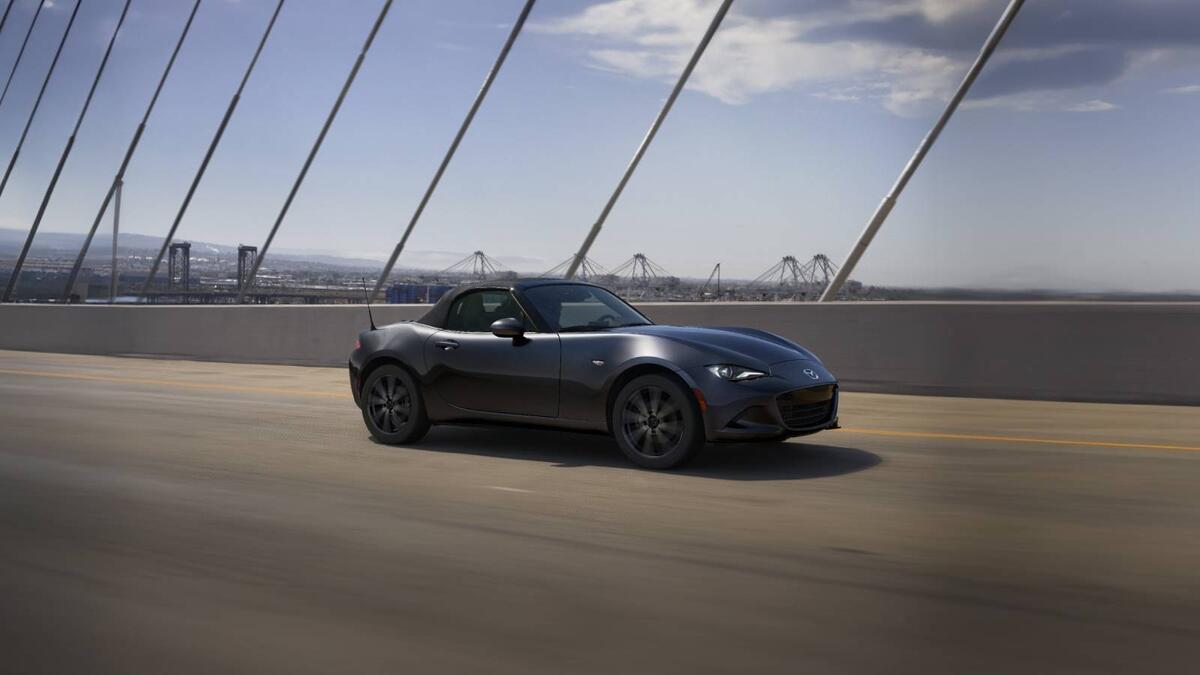
Mazda MX-5 / Miata
"... it is faster than most people will be in an MX-5 Miata. If you have manual Miata next to you at the stop..."
The Mazda MX-5 Miata is a small two-seat roadster designed to be fun and easy to drive. People often think it’s the fastest car, but the podcast points out it can be slower than you might assume. It’s mentioned in the context of real-world stoplight comparisons.
The Mazda MX-5 Miata is a lightweight, small roadster known for being fun and engaging to drive. The podcast notes that it can be slower than many people expect, even when compared to faster cars at the same stoplight. It’s discussed because the Miata’s reputation is about handling and driving feel, not straight-line speed.

TLX Type S
"if they had cupified an Accord and taken the engine out of the TLX Type S that is now dead"
The host is talking about the Acura TLX Type S, which is the more powerful, performance version of the TLX. They’re imagining taking its engine and putting it into another car, but they say that Type S is no longer around.
The Acura TLX Type S is Acura’s performance-oriented TLX variant, and the host treats it as a source of a strong engine for a hypothetical swap. They also mention it as “now dead,” implying the Type S trim is discontinued, which is why the idea is framed as a missed opportunity.
Request an Explanation
Heard something you'd like explained? We'll add it to this episode.
Sign in to request explanations for terms you heard.
Want to learn more?
Browse our glossary for plain-English explanations of automotive terms, jargon, and concepts.
Help improve this episode
See something that's not quite right? Our annotations are AI-generated and can sometimes miss the mark. Click the flag icon on any annotation to suggest a correction.