“Bullspend” means spending money on marketing that seems impressive in reports, but doesn’t really help the business. The CFO is basically saying, “Show me results, not just numbers.”
LinkedIn ads can be shown to specific types of people based on their work details. That helps advertisers reach the right audience instead of everyone.
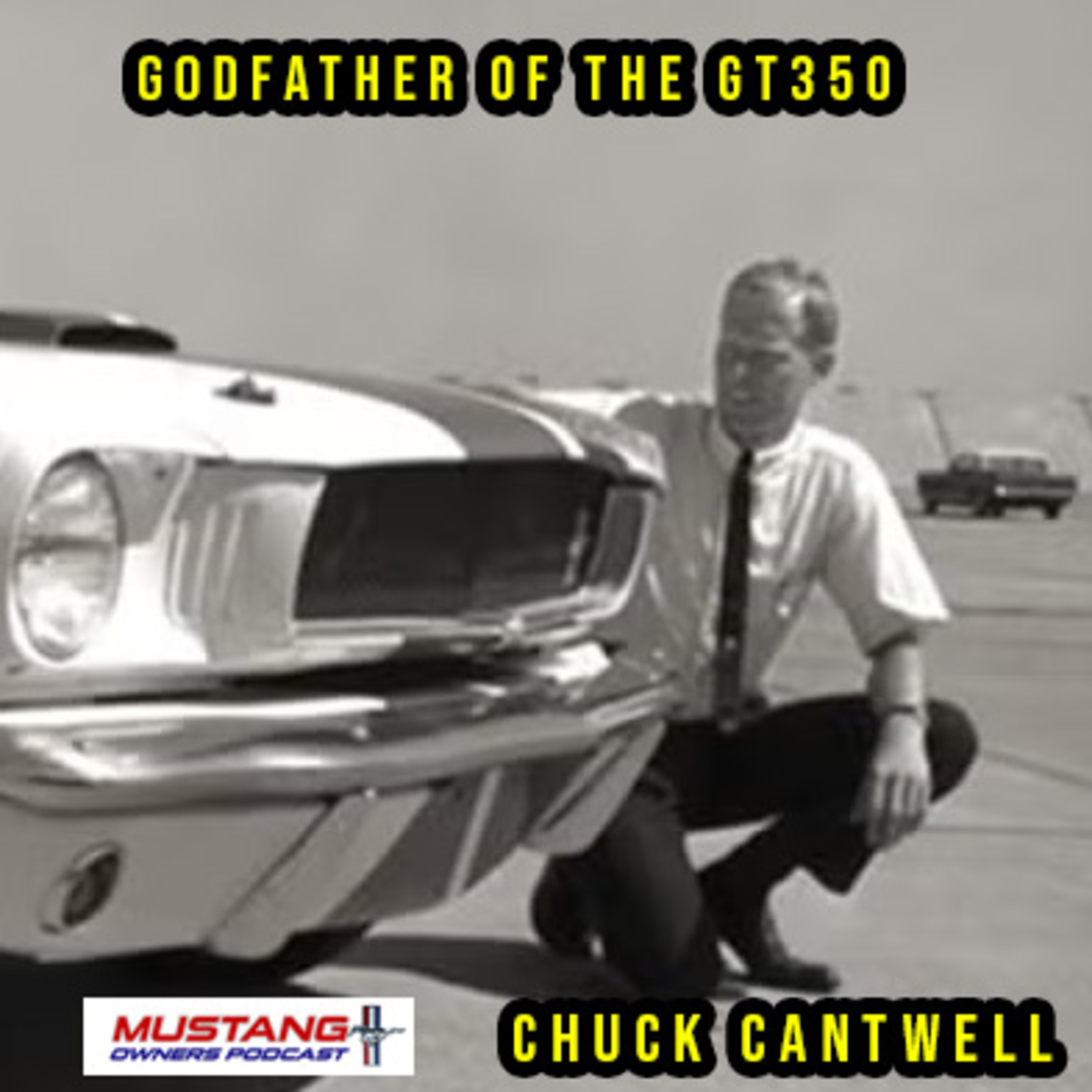
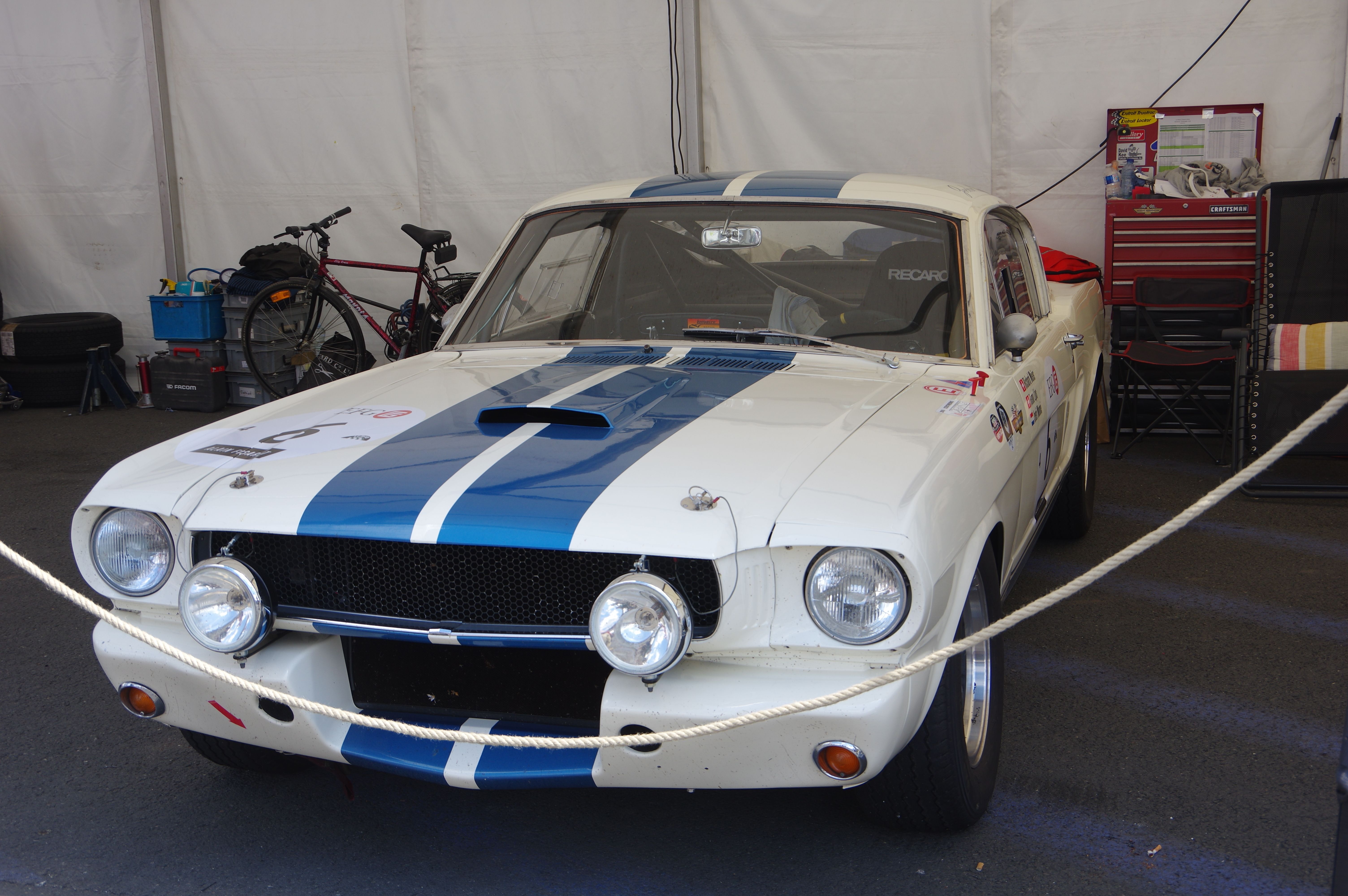
The Shelby GT350 is a special, high-performance Mustang made with Shelby branding. People love it because it’s built to feel sporty and exciting, not just comfortable.
The Kia Soul is a small SUV-style car made by Kia. It’s built for everyday driving and is known for its distinctive, boxy look. The episode brings it up because they’re talking about its engineering.
Concept
race cars vs road cars
They’re comparing two different jobs: building a car to win on a track versus building a car you can actually live with on the street. The race version has to be fast, while the street version has to be comfortable and practical too.
Ford is the automaker behind the Mustang platform that the Shelby GT350 is based on. The hosts mention “Ford input” to highlight how the street-car development required coordination with the manufacturer’s requirements, not just racing goals.
The Lamborghini 350 GT is an older, classic sports car made by Lamborghini. It was designed for comfortable, fast driving rather than just everyday use. The episode mentions it as part of a discussion about classic performance “GT” cars.
SCCA is a racing organization with rulebooks for different classes. If a car has to follow SCCA rules, it means the design has to fit what that rulebook allows for racing.
This describes the balancing act of building a car that can be used on public roads while also being competitive under racing regulations. In practice, that often means meeting homologation-style constraints (what must be produced/approved for street use) while still targeting track performance.
They’re saying the project eventually got the “350” name, which points to the Shelby GT350. That’s the well-known Mustang-based Shelby performance car people recognize today.
The transmission is the drivetrain component that selects gear ratios to transfer engine power to the wheels. In this segment, it’s specifically about choosing which Ford transmission and gear-ratio setup to use in the program.
“Close ratio” means the transmission’s gears are spaced closer together. The goal is to keep the engine revs in the sweet spot so the car feels quicker when you accelerate.
An assembly line is how factories build cars step-by-step in a set order. They’re saying it was simpler when Ford could install the parts during the normal factory process.
“Hot race car” just means a serious, performance-focused car built for racing. It’s not the same as a normal street car—it’s tuned and prepared for track use.
They’re talking about two different goals: building a race car for track performance versus building the street version people can buy and drive daily. The street car has to be reliable and practical, not just fast.
They’re describing how you plan a build by making a list of parts for two versions of the car—one for the street and one for racing. That way you don’t miss anything and you can compare what changes for track use.
The segment focuses on project scheduling and production targets—starting in October/November, completing at least one race car by early January, and then having a dozen street cars done by the same period. This is a “how they got it done” story tied to racing timelines.
“K code” is basically a factory designation for a particular high-performance setup. Here, they’re saying that code helped make the Mustang seem more serious and capable.
“Hypo 289” means a more performance-oriented version of the 289 V8. The point here is that this engine helped the Mustang feel like a real contender, not just a regular car.
Racing series often allow only certain modifications to keep the car close to what people can buy. Those rules determine what parts you’re allowed to change and how much you can tune the car.
Suspension is what helps the tires stay in contact with the road and controls how the car handles bumps and turns. In racing, getting it right can make the car faster and more predictable.
Concept
testing and Willis Springs
They tested the car at a track called Willis Springs to see how fast it could go. By comparing times there to other cars, they could estimate whether they’d be competitive in the race.
Ken Miles was a legendary race driver known for his speed and feedback, especially in the Ford racing world. In the transcript, his “extra emphasis” suggests he influenced how the team approached setup, driving, or preparation to maximize performance.
A “point race” is a race where you earn points based on where you finish. They’re saying they won some races that weren’t for championship points, but the competition was still tough.
A “halo car” is the coolest, most exciting model a brand makes. It’s meant to turn heads and make people want the brand, even if they don’t buy that exact car.
A Mustang GT is the more performance-oriented version of the Ford Mustang. Here it’s mentioned as the normal option, compared to the more special Shelby GT 350.
This is basically a clever marketing idea: instead of only selling to racing fans, they got the Shelby GT 350 into rental fleets. That way, more people could drive it and see what it was like.
Hertz is a company that rents cars. The hosts are describing a marketing stunt where a performance Shelby GT 350 was treated like a rental car to get more people experiencing it.
SCCA is a racing organization that makes the rules for what cars can compete. In this case, the car had to begin as a normal passenger car, then be modified into a race car to fit the rulebook.
Concept
street version vs racing version
Some race cars are based on cars you can buy on the street. The idea is that the street version exists, and the racing version is developed from it so the competition is “fair” and the performance is proven.
They’re talking about how car companies used to promote new models by letting important people drive them right away. The stories suggest some people would take the car home and even mess with it before returning it, which shows how valuable and exciting the car was.
The engine is the main mechanical unit that makes the car move. The story is basically saying some people supposedly rented the car, took the engine out, and then returned it—though they’re unsure if it really happened.
A “walk around” is when you circle the car and check it over before and after. Here, it’s mentioned to suggest that if people were taking parts out, they should have been noticed during that check.
Concept
race-prepped vs street setup
A race car is set up differently than a street car. It usually has extra performance parts and is tuned to handle hard driving better, even if it’s less comfortable.
A “stiff” clutch means higher pedal effort and often a heavier or more aggressive clutch pressure plate. Performance clutches can feel harder to drive day-to-day, but they may offer better durability or more consistent engagement under hard use.
“Launch timing” refers to the precise timing and procedure used to get the car moving at the start of a race or event. Spreadsheets suggest a highly organized process—often coordinating driver actions, staging, and vehicle behavior to maximize consistency and performance.
Team Shelby is associated with Shelby-branded racing and events, often involving organized participation, track activities, and community around Shelby performance cars. In this segment, it’s referenced as the context where Chuck’s stories and connection to the brand show up.
They’re talking about people building newer versions of an older car from 1965. The goal is usually to match the original look and feel, and that can make the cars more collectible.
Trans Am is a well-known kind of American racing series. Mentioning it here means the person’s career wasn’t only about Mustangs—it was tied to racing at a high level.
They mention “Camaros,” which are a Chevrolet model. In racing, certain Camaro versions were used and competed in Trans Am, so it connects to performance history.
They’re saying the cars sold at auction for huge money. Collector value usually comes from things like how rare the car is and how well it’s been preserved.
The Mustang is Ford’s sports car. It’s known for performance and for having many special versions over the years. In this episode, it’s mentioned because the conversation is about the history of designing and racing the GT350.
The phrase describes the full development loop for a performance car: designing the parts and systems, testing them (often repeatedly), and then racing to validate real-world performance. For enthusiasts, this matters because racing feedback is what turns a “fast on paper” idea into a car that’s consistent under stress.
Concept
processing of the cars and the parts
They’re talking about the step-by-step work of turning ideas into real cars. That includes how parts are made and put together, then checked so the final car performs the way it’s supposed to.
They’re comparing the Mustang program to Chevrolet Corvettes. Corvettes were one of the cars the Shelby team wanted to beat, so it sets the competitive standard for how serious the development effort was.
Car
Shelby Mustang GT 350
The Shelby GT350 is a special, performance-focused Mustang made with Shelby’s racing know-how. People talk about it because it’s one of the most famous “track” Mustangs ever built.
Concept
sticky collector
“Sticky collector” is basically a joke way to say the person is a car collector who doesn’t let cars go. That can be a good sign because the car may have been cared for and kept longer.
Car
Ford Gt350
Ford is the company that makes cars like the Mustang. In this episode, it’s mentioned because the discussion is about a person and a classic performance car history connected to Ford. It’s part of the background for the GT350 conversation.
The Ford Expedition is a large SUV made by Ford. It’s meant for carrying people and gear comfortably, especially on longer trips. The podcast mentions it as a family-oriented vehicle choice.
“Legacy” here means the lasting impact—like how a car or a person’s work becomes part of the story for future fans. It’s not just about the car you own today, but the reputation it carries.
They’re talking about Chuck Cantwell’s personal stories and why his connection to the GT350 matters. The hosts are basically setting up the value of his book and stories.
Brand
SVT store.com
SVT Store is a place linked to Ford’s performance branding. In this segment it’s mainly being mentioned for buying podcast or performance-themed merch.
True Green is a lawn care service. It’s just an ad in the middle of the podcast, not something car-related.
LIVE
Flowing ad budget on metrics that look great, till the CFO sees them, that's bullspend.
And marketers are calling it out in dashboard confessions.
I remember telling my boss, it'll be good for the brand when leads were slow.
Yeah, it wasn't.
Cut the bullspend.
LinkedIn lets you target by company, job title, and more.
Advertise on LinkedIn.
Spend $250 on your first campaign and get a $250 credit.
Go to LinkedIn.com slash campaign terms and conditions apply.
Hello Mustang fans and welcome to another episode of the Mustang Owners Podcast.
I'm your host, John Clore, along with my co-host, Mike Ray.
And Mike, we've said for what, 15, 16, 17 years now, we coined that phrase.
Everybody's got a Mustang story.
Well, if you've got a Mustang story better than our guest tonight, I want to meet
you.
Yeah, because he's probably got a million of them.
Too many of them.
We are so pleased to bring to the podcast the, what they call the Godfather of the
Shelby GT350.
Chuck Cantwell.
Chuck, welcome to the Mustang Owners Podcast tonight.
Well, thank you, John.
It's a pleasure being here and talking to all the Mustang fans and GT350 fans around
the world that I keep meeting in various places.
And it's a real pleasure to be able to do that, to meet all these good people that have
enjoyed the cars for 50, 60 years, whatever it is now.
Yeah.
Well, it's your own fault, Chuck, because you made such a damn good car.
You know, Mike, there's somebody who's over at the Kia Soul engineering department
kicking himself.
I wish I could be like Chuck stickers everywhere, right?
Well, Chuck, I know, it was like four years ago.
In fact, right around your 88th birthday that you got on to the Mustang Owners
Podcast with the founder of our podcast, the late Steve Hall.
And I went back, Chuck, and I listened to that, that podcast and all the answers.
He threw all the millions of answers at you that I know you've probably got sick
of answering at all the shows you go to.
And I got to give Steve credit.
Mike, you'd think Steve had really emptied the bin on what can you ask Chuck Cantwell.
But guess what, Chuck?
He doesn't know Mike Ray and John Clore.
Steve didn't know us well enough, because we just had to have you back for your
92nd birthday week.
And we got a couple of fun ones with you, Chuck.
I hope that you're not going to say, you know, what's, what's, what are these
guys going to ask that I haven't answered already?
And this one's on video as well.
That's right.
So this time, yeah, they get to see a smile about these because I think
if you had heard the question, how did the GT 350 get its name one more time?
Then you just say, guys, I'm not doing this tonight.
But in case you haven't heard that, we invite everybody to go back onto Spotify
and listen to Chuck's first podcast with us four years ago.
But Chuck, we all know those stories.
You've told them so many times and our audience is pretty well versed on that.
But I think what people really wanted to know, some of the people that heard
that we were going to talk to you tonight, they said, would you ask
Chuck a couple of questions for me?
And I said, sure, what?
They said, you know, Chuck, you did both the race cars, the GT 350 race
cars for the team, and you did the road cars.
So they asked, what was the tougher one to do?
Is was the race cars, you loved racing, it's kind of fun to do that.
Or the road cars, you got to work with Ford.
And Mike and I both know how that is.
So which ones for you was the Chuck Cantwell favorites?
Working on the race GT 350s or the road GT 350s?
Well, it was all a lot, a lot the same.
The both both had a lot of Ford input, of course.
And what the car was to be and what they wanted the car to be like
when when it hit the road.
And so it was there were separate problems for each one.
The three cars were, of course, had to be halfway decent cars.
You could take take out the road and take your kids around or whatever.
And then the race cars had to go fast, but they had to be
linked into the SCCA system and rules as a group.
So they had they had to meet the street requirements and and race requirements,
but but have a separate design that made them appropriate for each one.
So Chuck did.
I mean, Mike and I have worked both with a lot of Ford engineers
and, you know, some of them are nerds, we know, right, Mike?
Yeah, but sometimes they're more fun to be with because they seem to be more
like the marketing guys to me sometimes are harder to work with.
And I guess you had to work with both both sets of people
because the street cars had to meet certain parameters
and the race cars hanging out with the engineers had to meet certain
performance parameters.
So so were the marketing guys easier or were the engineers more fun?
Well, it was sort of all hooked together through Ray Gettison
and his group there and the
the original plan layout was done in about three weeks
with myself and Sam Smith, who worked for Ray Gettison,
was a liaison between Ray Gettison and Shelby
if we're on this Mustang program as it was called.
And we got a name three fifty later, but it was.
There were there were so many things we had to line up
and we tried to do that.
And in the first three weeks, I were I worked for Shelby.
I was spent that time at Ford Engineering
special vehicles with Sam Smith and Ray Gettison.
And we detailed
as many parts and pieces and
details that we could think of everything.
We had a big, big huge
spreadsheet, which was
was a mathematical spreadsheet,
but it was big and we were able to put
all of all of our questions down
on the sheet and get answers to most of them.
We had a we had a Ford
purchasing guy, Jerry Nuznoth, who helped us out a lot
on
sourcing the parts.
There's a lot of parts we got from from Ford, like the transmission was
you know, what was the born, born or transmission that Ford used.
And and it was we could get a close ratio version
that we decided and picked the years that we could
we could have and put that in the program.
And then we decided whether whether they put that in the system
where do we try to do it at Shelby or do we
do we do it at at Ford?
And of course, it was easier if we could do stuff at Ford.
I mean, put it on the assembly line and they were extremely cooperative
with the any effort we had to try to do that.
But there they had their limits,
whereas the car had to run off the assembly line.
So we had some some limits there that we couldn't
transcend because of the Ford operating
speed and everything on there's a semi line.
So everybody had to work together
on what we wanted to do.
And they were very cooperative with that effort.
Enjoy more ways to save at Fred Meyer like low prices in every aisle.
And when you download the Fred Meyer app, you can clip and save more
with digital coupons every week.
Plus, you can earn fuel points to save up to one dollar per gallon at the pump.
At Fred Meyer, you can enjoy more ways to save and more rewards every time you shop.
So it's always easy to save big every day with savings and rewards.
Fred Meyer, fresh for everyone.
Savings may vary by state.
Fuel restrictions apply.
Seasite for details.
Spring Black Friday is on at the Home Depot.
Save on grills and patio sets that will be sure to bring
your hosting game up a notch.
Fire up your fees with help in the Home Depot and save on grills
like the next grill for burner propane gas grill was two hundred forty nine
dollars now in special by for one ninety nine or give everyone the best seat in
the yard with the Hampton Bay Mayfield Park four piece conversation set for only
three hundred ninety nine dollars.
Save on grills and patio sets with low prices guaranteed during Spring Black
Friday only at the Home Depot now three April twenty second while supplies
last exclusion supplies at Home Depot dot com slash price match for details.
Well, I know, Mike, how when we work with the different teams
within Ford, especially on performance cards, everybody's interested.
But we want to know, Chuck, you know, there's there was a lot going on.
Carol had a very big deal with Ford for that.
And I didn't know.
I mean, being that he was a racer, was he just naturally more interested
in your progress on building the hot race car, the GT 350 race versions
or the SCCA, or was he just as interested in production of the road car?
Well, I guess it seemed to me that he was just as interested in
the production of the road car, because that's that's
I guess what was going to be paying for a lot of
what he was doing with the race cars.
Well, he he he he kept his nose in both parts of it.
There was there was an interesting
operation that I have going on at that when we were doing these things
sort of at the same time.
And though the race car started out with one car
in the hallway between in the race shop, between one side of the race shop
and the other side of the race shop.
So we had one little stall and it was being we by then
we had a plan of what we at least a list of all the parts
we had to have for both the street and the race cars.
And over the race car, we had our list.
And it was being built with a couple of guys that
were experienced race race guys.
One of them was worked on Formula One, in fact, and
in England. And so we had a very concentrated effort
on make getting the first race car out.
We wanted to do that by the sort of started in
October, November, and we wanted to have a race car done by
at least one race car and we done by the first of the year
and then have a and have a dozen done by
of the street cars done by the same period of time.
And then that was complicated because I
came back to Michigan and got married the day after
after Christmas and then drove back to California.
So that was sort of in the schedule.
But I left enough plans, enough work to do that
they no way was sitting around.
You know, Mike, that's proof that Chuck Cantwell's wife
absolutely loved him because he get married and he throws her in
the back of the he's got to drive all the way to California.
They, you know, and, you know, living out there, you know,
it's cold out there. I know I heard you guys had just a bare
bones place to stay in. You were under incredible pressure
for the deadlines of these cars.
And Chuck, the rumor is you're supposed to pay attention
to your wife on your honeymoon, not to GT 350s.
Right, Mike?
Yeah.
We stopped at some some hotels got a nap or two on the way out
there. I was going to say, I had to take like a week to go to
California, right? Driving?
Yes, I did.
Well, I know this, Mike.
Those timing for first of all, Chuck, we're so appreciative
that you got the chance to not only get the opportunity to
do that race car, because, you know, Iacoco wanted the
street cred for that car. And as it came, but even Carol
himself, over the secretary's car. And, you know, everybody
else was a little bit ahead of Ford. We know we started out
with a 260. And by having that K code that having a race
car motor and then taking that to go compete, it changed the
way people looked at Mustang that first year. Had you
waited to like 66 or 67, it wouldn't have counted as much.
And plus, by getting that motor into the system and
having Ford put it on the assembly line, that allowed the
Mustang to have the K code have a hypo 289, which I don't
think Chuck, it may have gotten without, you know, the push
from the Shelby effort to go racing. I think you guys
really kind of stuck that in or was that more? Do you
have any pressure from Iacoco to get that thing going or
whose idea was to go racing with it? Was it
Chuck Passano?
It started. No, it was Iacocas was Iacoco.
The initial one and for he had when the Mustang before the
Mustang came out, he had talked to some of his race people and
had them go to SCCA and put a little leverage on them to get
this car approved as a Mustang approval. At that time, it
hadn't been a, it wasn't a fastback yet. It was a sedan
for four passenger thing and Ford just down flat down, down
right rejected the car. And so they had to come back. And that
was when Shelby got in the Iacoco said, well, Shelby knows
these guys, he can talk to them. And, and that was what
happened. They they had their own rules, what you can do with
a production car. And, and they had the Ford people that had
built some couple rally cars that were pretty fast. And, and
in the summer before the summer of 64, I guess we, they sent a
couple of the rally cars that have been brought back from
England to Shelby and Shelby Miles and Bill Remington took the
car out to Riverside and ran a lot of tests with that. And so
they, they had an idea of what the suspension and some of the
different main components were going to do for for the cars
performance.
Well, you know, Mike, that means the moon and the
stars must have been aligned. Ford really wanted this SCCA car.
They really wanted Carol to get it. I mean, the inroads that
Alan Mann racing under the home of Moody car to the Tour de
France, to go rallying. If that didn't happen, that that would
be take more time. I think everything I think God wanted
Chuck Cantwell to succeed with this.
I think I had a lot of help from a lot of good people.
Yeah.
Well, I mean, there had to be some sense of satisfaction. But
were you nervous? I mean, you can be honest now, because it
was a while back. And when this thing went out and went to
compete, were you thinking to yourself, oh, geez, if we finish
like sixth, and we don't do well in SCCA, we're going to
hear it from Iacocca. I mean, were you nervous that this
car wouldn't compete?
Well, not really. We've done a lot of testing and Willis
Springs. And we knew what comparative prices are not
prices. The comparative times were on Willis Springs for
different cars that were competitive last year. And we
were we were adequately prepared to go that fast. And so
we were, of course, Ken Miles gives extra emphasis on
everything. And we went to the first race with Ken and we
didn't even have any of the Mustang guys that worked on
the Mustang itself. Go there sent two or three over guys
with the car to crew it. And it won two or three races that it
ran. They weren't point races, but they were against
competitive cars. And we came out on top and Miles was jumping
through the air at the racetrack. There was a place
where they ran it in a different way than they'd run
before. And then it gave them entrance in the one particular
turn the loft of the car about three feet off the ground. So
they made a big splice with that kind of action.
Well, it was kind of like a double halo. You know, Mike, we
talked about some of the performance cars that came out
of Ford, and it was about the halo cars. You know, the
standard model. And then there's the halo model.
Yeah, and Shelby took it to a yet another level. You could buy
a Mustang GT back then. But if you got a Shelby Mustang, that
was something else. And the fact that Carol took these cars
and Chuck somehow made them run and win. That just made it
better. But Mike, I know you're gonna ask this. So go
ahead and throw it out. One of Mike's favorite things about
the whole Shelby GT 350, the original cars is where in the
heck did you guys come up with this idea? I don't know
if it's Carol or what, to go out and rent a racer through
Hertz and and make these these GT 350s, which are not the
typical rental car, you went and stuck them in a rental car
dealership. Mike loves the rental car story. Tell us a
little bit of how did that happen? Was Carol just being
crazy?
Well, probably a lot of people thought so. Peyton Kramer was
a general manager of Shelby American at that time. Okay, I
might start and for a while. And he's somehow or other got the
idea that we should do a rental car. He had friends of Hertz and
they they discussed stuff back and forth. Who knows what they
were drinking when they were doing that. But they came up
with the idea of a high speed personal rental car was was the
thing to have and and by then, you know, we first, we didn't
have a two door car. But but that came on when we finally
decided to to go ahead with the program and make it make a
car. It was it was a two passenger had to be a two passenger
car to match the SCCA rules because you had to start with a
passenger car. We had to start with a car and then rework it
into a race car. It's like they did with an MZ or or Corvette.
And being a Corvette, the basic reason that we built the cars was
to beat the Corvette. That was I Koker's
challenge to Shelby who who passed it on to the rest of us.
And and Ray you get us was involved in that too. And so that we
had
we had the program idea was to beat the Corvettes for the beat the
Corvettes who had to have a
street version of the Corvettes had their street versions and
they they had a racing version. And so we had to do essentially
the same thing with the with the Shelby. And so that the
program was laid out that way, sort of in two parts. And when
we were in
what October, I guess, when I came on board and we laid out
the big spreadsheets
with all my objective there was I want to see all the pieces. I
didn't want to get started an assembly line and get halfway down
and have four or five pieces missing. We had we hadn't
provided for so we worked pretty hard at that. And we're well
prepared when when the car started to be produced.
Well, we know the marketing side, Mike. And remember, they told
us, Well, you know, we wanted to get young executives getting
off the plane. And what would they drive home? What would be
neat? And then when it showed up? But I mean, can you imagine
Mike's 1965 stepping off the plane with your sport jacket
in your briefcase and going to what is that? No, that's a
Hurt Shelby GT 350. Well, I'll rent that. And Mike, were you
the one that said you really didn't believe those stories
that people to rent them and take them home and take the
engines out and return them? I mean, is it you that through
cast Susan shade on that? Chuck, you don't do that.
My dad told me that story as a kid. And you know, I'm like,
that really ever happened? Like, I didn't believe it as a
kid. Yeah, everybody used to do that. So he knew people
that would would go rent the Shelby. And then you mean to tell
me those guys with the to do the walk around and return the car
didn't notice that your head year old six on there in it?
There's all kinds of stories. And I'm sure some of them are
true. I know that all of them are but but guys would take
him to a race. A street Shelby was a decent race car, but it
wasn't as fast as the race car when you had all the equipment
on it. And but people were taking the cars to the races,
and they'd have a problem. And I mean, there are stories
that sea brings some people having a problem with
something and they had to go strip a street car to get
some parts to do that. I'm sure that happened some but
well, Mike's right, Chuck, because one guy I knew years back
told me that he actually rented one of your rent erasers. And he
told me it's an awful rental car. The clutch is stiff. It's
loud. It's it's right. It drives like a the suspension's
hard. It steers on a dime. He goes, This is not a
comfortable car.
No, it's not. It was a you wanted to take a few bumps and
knocks. And the thing that you wanted to go fast and we were
only too happy to provide that. And one day it could be in a
street car, forming by one or we'd rent you range to be
rented. And so people went both ways of that extra
exposure, Mike, you know, how many times when you were in the
launch team, did you get those big, long spreadsheets like
Chuck had to deal with, you know, all the launch timing and
all that. What a what a challenge, Chuck. And, you
know, we were so thrilled when we listened to your stories,
we come and hear you talk at all these events, especially
with Team Shelby. Now you're still connected with
those guys. And what did you think about the original
Venice crew going back to their roots and getting a
building and now trying to remake some of those cars from
1965?
Well, I don't I particularly don't think too much of that
actually having that was their privilege and they got a
group of guys together and a couple of them has been around
and in the in the around the race shop when the cars were
being built. So they they had an example. So they pretty much
copied the car and then duplicated them. And they must
have had a pretty good business plan because for the prices
that came out okay, I think. But I mean, they made a good
quality car and they had a standard to work toward and and
they managed to put enough money together to sell and make
make some money. So that's what a lot of it's about.
Well, Chuck, back then, did you ever dream, even though I
know you, you know, you eventually left forward and
Mike, you do know that he wound up in what was it? Was
it 69 when you wound up going over to Penske? And he ran for
the manage the Trans Am general manager for the Trans Am series
for the Camaros. So your knowledge is goes beyond just
Mustang. But I don't think any of those Camaros went to
auction last month. The cars you made at auction are worth
a fortune. Chuck, did you have any inkling that these cars
would be so crazily coveted by the Mustang collector
community? No, but no, of course not. And I didn't get
it in my share either. That's right.
Oh, and you know, I don't know if anybody knows, you know, you
did do that book a while back Shelby Mustang GT 350 my
years of designing, testing and racing. Carol's legendary
Mustangs, which you did with was a great call scum.
Great Colasa. Colasa he what what a book that is the memories
that must have been a very taxing to try to go back. I know I
was at SVT in 95. I can't remember what happened in 97. But you
had to go back all those years and try and all the names to
remember all the how did you guys sit down and put all that
down on paper?
Well, great Greg and Greg is a historian and he likes details and
he kept kept the details and I was there when all this was
happening and and I guess I had a good enough memory to remember
a lot of the names and so forth and what happened during the
processing of the cars and the parts and everything to make the
car a viable car and saleable and fast enough to beat the
Corvettes. So it's it was a real worker. Well, I shouldn't
say worker mark, but I was really proud of the book. And I did
a we Greg and I worked together as good as I could imagine two
people working together, writing a book. Yeah, it's definitely
that's a big labor of love. Yes, it is. And and we covered
each other on stuff we that we questioned each other's accuracy
and why things were done. You know, all of it had to do with
matching SCCA rules and stuff and still come out with the
product that you wanted. And we had done a good job of that,
I thought. Yeah, I mean, Mike, I'm just getting lost in
that book you once you open it. I hope you don't have to get up
early in the morning because you can be staying up late. Chuck's
Chuck storytelling, which I highly recommend everybody on the
podcast to grab that Shelby Mustang GT 350 my years of
design testing and racing carols, legendary Mustang, make
sure you go out and get Chuck's book it's still available out
there Chuck, you know, one of the things that really shocked
a lot of people when I used to hang with Gail and and
Mike and I found this very interesting and because when
you're working it on any kind of project, you're working so hard
you're going, you're flying through your career, just trying
to keep your whole life together. We asked Gail Holderman,
hey, so you designed the original Mustang, did you ever own
one? And you know what he said? No. Oh, really? So he said
he's I didn't drive him. I was just driving whatever Ford was
designing. And he didn't get one till he founded his
museum. But Mike, six, seven, eight years ago. And so the
question he wanted me to finish up with you tonight is, have you
ever owned your own Shelby GT 350, or maybe rented one, or
maybe driven somebody's for a week? I mean, have you don't
do you wish you had one in your garage? Well, I do have I
have a 66 in the garage and I bought it in about 2010 or
something like that from a friend that had become a friend
through racing the cars and when we raced in New Hampshire, he
worked for the dealer there. And they provided a place for us
to work and prep the cars for the weekend. And so it was I had
met him. And then he had one he had, he was about the fourth
or fifth owner, but he had it wasn't run very much. And he
had it in his garage. He had he had a cobra with $5,000 miles on
it. So he was a sticky collector. Yeah. And so he had this this
car in there. He kept telling me he said, you need to have this
car. Well, how much? Well, we put it around on that for a
while before. Yeah, cheap Chuck. Yeah, my treasure chest.
New markdowns up to 70% off are at Nordstrom rack stores now. And
that means so many new reasons to rack because I always find
something amazing. Just so many good brands. Because there's
always something new. Join the Nordy Club to unlock
exclusive discounts shop new arrivals first and more plus
buy online and pick up at your favorite rack store for free. Great
brands, great prices. That's why you rack.
To good and co coffee creamers are made with farm fresh cream,
real milk and contain three grams of sugar per serving. That's
40% less than the five grams per serving and leading
traditional coffee creamers for a rich, delicious experience.
Whether you enjoy your coffee hot, cold, bold or frothy,
two good coffee creamers make every sip a good one. Two
good coffee creamers, real goodness in every sip. Find them
at your local Kroger in the creamer aisle.
But Mike, what does that say about Chuck Cantwell, the God
father of the GT 350 that, you know, I'm gonna eventually put one
of these in my he has a 66 GT 350 that he actually owns as
opposed Mike to how many Ford guys have we met that don't
have those cars in their garages? Because their wife
wants them to drive that black expedition. No, that's the way
it should be. I mean, part of the legacy and now he owns it and
it'll forever be embedded. Yeah, Chuck Cantwell, we thank you so
much for your time. Happy birthday again. We can't wait to
get other people to go read your book that was what what a
great, great legacy you've left for all of us. We really
appreciate you coming on the podcast tonight. How can we
thank you maybe by your lemonade the next time we
see a car while
to see a car line this year or root beer. Okay, you got
yourself a deal. You got a podcast root beer. John, we always
have root beers with us. That's right. We'll get that's
right.
Chuck Cantwell, thank you again for joining us. Shall be legend
the man behind the GT 350. Happy birthday. And I really
appreciate your time. And I appreciate being able to talk
to you folks and and go over some of the stories that
we've created over the years and that's been my lifetime
pleasure to be able to have done this.
Oh, what a great job, Mike. A legend and not only the Shelby
world, but in the Mustang world as well. Well, folks, you're
truly an honor, Chuck. Yeah, it's been an honor really. We
hope you guys enjoyed this little trip down memory lane
with Shelby legend Chuck Cantwell. And if you
like this kind of content, make sure you hit that like
button and subscribe or get we're closing in our 1000 we
want to hit it as soon as we can. So don't miss it. Make sure
you do that. Or if you want to catch some podcast merch, get
on SVT store.com and grab yourself something nice like
Mike's got right there. Good job, Mike. So until next time, I
guess, folks, we're just gonna have to catch you down the
road.
We're back in the Miller's picture perfect yard who made the
switch to true green pick out a lawn like a golf course here in
Oregon without wasting a weekend and PJ to a golf study
chewing up like this pro lining up his next shot without a weed
in sight has to create a trampoline and the kiddie pool. Oh,
perfectly struck true green the easiest way to get a golf
course quality lawn click the screen now and get started
today at true green.com exclusions apply see true green
com for details
About this episode
Chuck Cantwell, Shelby GT350 “godfather,” shares how the original street and race cars were engineered in tight coordination with Ford and SCCA rules. He explains the spreadsheet-driven planning, sourcing parts through Ford, and why both road and race versions faced different constraints. Cantwell recounts the push to get the Mustang approved for racing, the early testing, and Ken Miles’ involvement. He also covers the wild Hertz rental-car concept and why the GT350’s collector value surprised him. He ends by revealing he owns a 1966 GT350.
Yes, it’s true that the Mustang Owner’s Podcast was previously able to sit down for a long interview with Chuck Cantwell, the legendary project engineer for the original Shelby GT350, back in the spring of 2002. That’s when our podcast’s founder, the late Steve Hall, steered Cantwell through a load of questions with Chuck offering up story after story on this historically significant Mustang. But that was also when we were only on Spotify, and didn’t have the video to witness Chuck’s smile as he fondly recalled what went on behind the scenes introducing the Shelby GT350 to the motoring public. This time around John and Mike were able to get Cantwell join us for a recording session where we were able to ask his views on things we’ve never heard others ask him before. Listen in as we celebrated Chuck’s 92 nd birthday with more great stories behind the development of the Shelby GT350 that you won’t want to miss.