Cindy Iodice joins John Paul to discuss the importance of the 'Slow Down or Move Over' initiative, which aims to protect emergency responders on the road. After losing her brother in a roadside accident, Cindy founded Flagman, an educational program targeting K-12 students to raise awareness about roadside safety. The conversation highlights the alarming statistics of first responders being struck while on duty and the proactive steps being taken to change driving culture through education and community involvement. Cindy shares insights on how the program is expanding and the impact it's having on young drivers.
On this the shortest day of the year, we talk with Cindy Iodice who is a film maker but also comes from a towing family. Every 6 days a tow truck driver is killed (one was her brother) helping stranded motorists and https://flagmansafety.com/ is teaching kids about roadside safety.
"... to another edition of the car doctor program on 959 W-A-T-D. My name is John Paul, the car doctor he..."
The Porsche 959 is a super-fast sports car made by Porsche in the 1980s, known for being one of the best cars of its time. It has special features that help it handle well on the road, making it very exciting to drive. People talk about it because it's rare and was really advanced for its day.
The Porsche 959 is a high-performance sports car that was produced in the late 1980s and is renowned for its advanced technology, including all-wheel drive and turbocharged engines. It was one of the fastest production cars of its time and is often celebrated for its engineering excellence and rarity. The 959 is frequently discussed among car enthusiasts for its historical significance and impact on the development of modern supercars.
"..., you know, up a tilted flatbed and went into the air like a, you know, like a movie stunt. And, you k..."
The Lucid Air is a fancy electric car that can go really far on a single charge. It's designed to be both high-tech and comfortable, making it a big deal in the world of electric vehicles. People talk about it because it's trying to compete with well-known luxury cars but without using gas.
The Lucid Air is a luxury electric sedan produced by Lucid Motors, known for its impressive range, high performance, and advanced technology features. It represents a significant step forward in the electric vehicle market, combining sustainability with luxury and performance. The car is often discussed for its innovative design and capabilities, particularly in comparison to traditional luxury sedans.
"...one of the other guys without missing a beat reached over pulled a coil wire out and the cars came to a stop. So my answer to this comment was, yeah, there was some problems with these cars slipping out of park."
The coil wire helps send electricity from the ignition coil to the spark plugs, which are responsible for starting the engine. If this wire is disconnected, the engine won't run.
A coil wire is part of the ignition system in a vehicle, connecting the ignition coil to the spark plugs. It plays a crucial role in delivering the electrical current needed to ignite the fuel-air mixture in the engine's cylinders.
"...there was never any real recall. And I look back and the National Highway Traffic Safety Administration has recall information when I looked up a recall for this vehicle."
The NHTSA is a government agency that makes sure cars are safe to drive. They keep track of recalls and help inform the public about vehicle safety issues.
The National Highway Traffic Safety Administration (NHTSA) is a U.S. government agency responsible for ensuring the safety of motor vehicles and their equipment. They oversee vehicle recalls and provide safety ratings.
".... Somebody on the team happened to be behind the bus when we left Orange Avenue school and he got off ..."
The Volkswagen Bus is a classic van that looks very unique and is loved by many people. It was popular in the 1960s and is often used for family trips or as a fun way to travel. People enjoy talking about it because it has a lot of history and is a favorite among collectors.
The Volkswagen Bus, also known as the VW Type 2 or Kombi, is an iconic vehicle that became popular in the 1960s for its distinctive shape and versatility. It has been used for various purposes, from family transport to mobile businesses, and is celebrated for its cultural significance, especially in the counterculture movement. The VW Bus is often discussed for its nostalgic value and enduring popularity among collectors and enthusiasts.
"...they actually really wanted an enclosed carrier truck."
An enclosed carrier truck is a truck that transports cars inside a closed trailer, keeping them safe from rain, dirt, and other potential damage during transport.
An enclosed carrier truck is a transport vehicle that carries cars inside a fully enclosed trailer, protecting them from weather and road debris. This method is typically more expensive but provides better protection for the vehicle.
"...the car was shipped in an open carrier truck. And they were concerned because they actually really wanted an enclosed carrier truck."
An open carrier truck is a truck that transports cars without any cover, meaning the cars are exposed to rain, dirt, and other things that could cause damage during transport.
An open carrier truck is a type of vehicle transport that carries cars on an open trailer, exposing them to the elements. This method is often less expensive than enclosed transport but can lead to potential damage from weather or road debris.
"...Sometimes you get some stone chips. Maybe you're going to lose a hubcap or something."
Stone chips are tiny marks on a car's paint that happen when small stones hit the car, which can happen during transport or while driving.
Stone chips are small dents or scratches on a car's paint caused by small rocks or debris hitting the surface, often during transport or driving. They can lead to rust if not addressed.
"It's a Toyota RAV4 and they're wondering, you know, could it be something because of the transport? Possibly."
The Toyota RAV4 is a small SUV that many people like because it's practical and reliable. It's good for families and everyday use.
The Toyota RAV4 is a compact SUV known for its reliability and versatility. It has been a popular choice among consumers for its spacious interior and fuel efficiency.
"Could it be that they bent the dust shield on the back of a brake rotor and it's making a little rubbing noise? Possibly."
The brake rotor is a round part that helps your car stop. When you press the brake pedal, the brake pads squeeze against it to slow down the car.
The brake rotor is a crucial component of a vehicle's braking system. It provides a surface for the brake pads to clamp down on, creating friction that slows the vehicle.
"The other thing is, and I've seen this in a bunch of cases on cars that still have hubcaps. The hubcap will start to squawk and squeak and make funny noises as the wheel flexes."
A hubcap is a round cover that goes over the wheel of a car. It makes the car look nicer and helps keep dirt out of the wheel.
A hubcap is a cover that fits over the wheel of a vehicle, often used for aesthetic purposes. It can also protect the wheel from dirt and debris.
"Somebody wrote to me and said, I have seen many Tesla vehicles on the road, and some of them say dual motor. What does that really mean? Are there indeed two motors?"
Dual motor means the car has two electric motors, which helps it drive better and faster. It's common in electric cars like Teslas.
The term 'dual motor' refers to a vehicle that has two electric motors, typically one for each axle. This setup can improve traction and performance, especially in electric vehicles like Tesla.
"Yeah, there is. Actually, you can get a Tesla, it's rear wheel drive. So that could be a Model S, it could be a, it could be the Model 3."
The Tesla Model 3 is a smaller, more affordable electric car compared to the Model S. It also has different driving options, like rear-wheel drive and all-wheel drive.
The Tesla Model 3 is a compact all-electric sedan that offers impressive performance and range at a more affordable price compared to the Model S. It is available in various configurations, including rear-wheel drive and all-wheel drive.
"The Model Y and Model X, so they're SUV-ish kind of thing. The Model Y is the SUV version of the smaller Model 3."
The Tesla Model X is a larger electric SUV that has unique doors that open upwards. It is designed for more passengers and has lots of space inside.
The Tesla Model X is a luxury all-electric SUV known for its distinctive falcon-wing doors and spacious interior. It offers advanced technology and high performance, making it a unique option in the electric vehicle market.
"And the Model X is the SUV version with the gull wing doors in the back, sort of weird, you don't see a lot of those."
Gull wing doors are special car doors that open up instead of out. They look cool and make it easier to get in and out of the car.
Gull wing doors are a type of automobile door that is hinged at the roof rather than the side, allowing them to open upward. This design is often associated with high-performance and luxury vehicles, providing a unique aesthetic and easier access to the cabin.
"And then there's the high performance plaid version, which I think I've only seen one."
The plaid version is a super fast type of Tesla that has more power and can go from 0 to 60 very quickly. It's designed for performance.
The plaid version of Tesla vehicles refers to the high-performance variants that feature enhanced acceleration, speed, and overall performance. These models utilize multiple electric motors to achieve impressive power outputs.
"And that will do zero to 60 in what they claim is two seconds, so ridiculously fast."
Zero to 60 is a way to measure how fast a car can go from a complete stop to 60 miles per hour. It's often used to show how quick a car is.
Zero to 60 time measures how quickly a vehicle can accelerate from a complete stop to 60 miles per hour. It's a common performance metric used to evaluate a car's acceleration capabilities.
"...who lives in New York in West Palm Beach, has a Honda CR-V that continues to drift to the right."
The Honda CR-V is a type of SUV that is popular for being spacious and reliable. Many people use it for everyday driving and family trips.
The Honda CR-V is a compact crossover SUV known for its practicality and reliability. It has been a popular choice among families and individuals looking for a versatile vehicle.
"...tires rotated, wheel alignment done, tires are wearing evenly."
Wheel alignment is when the car's wheels are adjusted to make sure they are straight and not tilted. This helps the car drive better and the tires last longer.
Wheel alignment refers to the adjustment of a vehicle's suspension system to ensure that the wheels are set to the correct angle. Proper alignment is crucial for even tire wear and handling.
"...it's probably out of alignment still. You know, and there's alignment that is within specification."
Out of alignment means the wheels of the car are not straight and can cause problems like uneven tire wear and making the car hard to steer.
Being out of alignment means that the wheels are not properly aligned according to the manufacturer's specifications, which can lead to uneven tire wear and handling issues.
"Camber is kind of the, if you looked at the tire straight on the left and right tilt of the tire."
Camber is how much the top of your car's tires lean in or out. If they lean in, that's negative camber; if they lean out, that's positive camber. It can change how your car handles and how the tires wear out.
Camber is the angle of the wheels in relation to the vertical axis of the vehicle. Positive camber means the top of the tire is tilted outward, while negative camber means it tilts inward. This adjustment can affect tire wear and handling characteristics.
"Caster is the angle of the steering axis. So, for instance, a bicycle, if the fork of a bicycle or the fork of a motorcycle has positive caster because the fork sticks out in the front and leans back in the back."
Caster is the angle of the steering part of your car when you look at it from the side. A positive angle helps your car go straight and feel stable, while a negative angle can make it feel wobbly.
Caster is the angle of the steering axis in relation to the vertical axis when viewed from the side of the vehicle. Positive caster helps with straight-line stability and steering feel, while negative caster can lead to less stability.
"And tow in is just that. If you look at your feet and put them straight ahead, that would be the equivalent of zero tow. Push your toes together. That's tow in."
Toe in means that the front of the wheels is pointed slightly towards each other. It helps the car drive straight and can reduce tire wear.
Toe in refers to the alignment of the wheels where the front of the wheels is closer together than the back. This setting can improve stability and tire wear.
"And a good alignment technician will add a little bit more positive camber to the left front wheel, even though it's within specification."
An alignment technician is a mechanic who makes sure the wheels of your car are lined up correctly. This helps the car drive better and makes the tires last longer.
An alignment technician specializes in adjusting the angles of the wheels to ensure they are set to the manufacturer's specifications. This is crucial for optimal vehicle handling and tire longevity.
"And we'll use a little bit of positive camber to the left front wheel, still within specification, to offset the crown in the road. And all roads are crowned somewhat."
Road crown is when the road is slightly higher in the middle than on the sides. This helps rainwater run off the road instead of collecting in puddles.
Road crown refers to the slight arch built into the road surface, typically higher in the center, to facilitate water drainage. This design helps prevent water from pooling on the road.
"Our 2016 Hyundai Elantra only has 53,000 miles. It runs well and has been maintained according to Hyundai recommendations."
The Hyundai Elantra is a small car that is popular for being dependable and good on gas. The 2016 version has a nice interior and comes with various technology features.
The Hyundai Elantra is a compact car known for its reliability and fuel efficiency. The 2016 model features a comfortable interior and a range of tech options.
"I would say it's a bad speedometer cable because speedometer cables would get sticky."
A speedometer cable is a part that helps the speedometer show how fast the car is going. If it gets stuck, it can make weird noises or not work properly.
The speedometer cable is a mechanical component that connects the speedometer to the transmission, allowing it to measure the vehicle's speed. If it becomes sticky or damaged, it can cause inaccurate readings or noise.
"The Hyundai doesn't use that, uses an electronic speedometer, uses a speed sensor on the transmission and a speed sensor on the back of the dashboard and it sends an electronic pulse."
An electronic speedometer is a type of speedometer that uses sensors to show how fast the car is going, instead of using a cable. It's usually more accurate and can display information digitally.
An electronic speedometer uses electronic signals from sensors to determine the vehicle's speed, rather than relying on a mechanical cable. This technology allows for more accurate readings and often integrates with other digital displays in the vehicle.
"and there's basically a stepper motor of sorts, a little motor up there that runs the speedometer."
A stepper motor is a small motor that can move in small steps. In a speedometer, it helps the needle show how fast the car is going by moving it to the right position.
A stepper motor is a type of motor that moves in discrete steps, allowing for precise control of position and speed. In a speedometer, it drives the needle to indicate speed based on electronic signals.
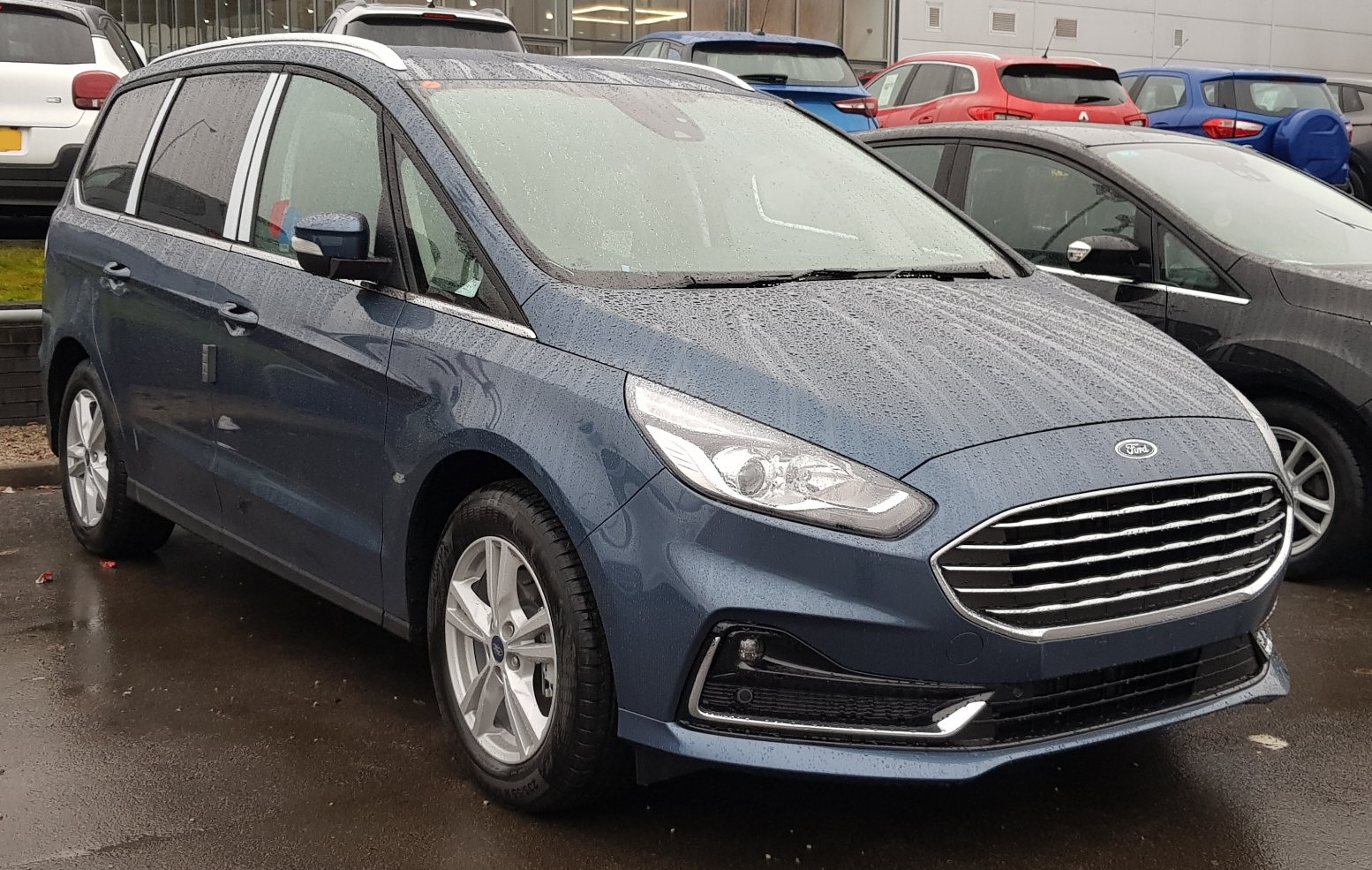
"This came from the, this wasn't a radio question. This was a newspaper question. Says you recently answered a question about a person with a 1966 Ford Galaxy not going into or slipping out of park."
The Ford Galaxy is a large car made by Ford, popular in the 1960s. It had a lot of space inside, making it a good choice for families.
The Ford Galaxy is a full-size car that was produced by Ford from 1959 to 1974. It was known for its spacious interior and was popular among families during its time.
"So I had it towed to the mechanics by AAA and turned out to be a VSA system issue and a main computer relay."
VSA is a safety feature in cars that helps keep them stable and prevent skidding. It works with the brakes to help the driver maintain control, especially in tricky driving situations.
VSA stands for Vehicle Stability Assist, a system designed to enhance a vehicle's stability by detecting and reducing loss of traction. It works in conjunction with the anti-lock brake system to help maintain control during slippery conditions or sudden maneuvers.
"The VSA is related to the anti-lock brake system. And, you know, you know, although I don't, I don't know that I see that causing, causing an issue though."
The anti-lock brake system is a safety feature that helps prevent the wheels from stopping too suddenly when you brake hard. It helps you keep control of the car while stopping.
The anti-lock brake system (ABS) prevents the wheels from locking up during braking, allowing the driver to maintain steering control. It uses sensors to monitor wheel speed and modulates brake pressure to prevent skidding.
Select text to request an explanation
W-A-T-D presents John Paul, the car doctor, All Things Automotive.
Have questions?
Call or text 7-8-1-837-4900.
Now, here's John Paul, the car doctor.
Well, good Sunday morning everyone and welcome to another edition of the car doctor program
on 959 W-A-T-D.
My name is John Paul, the car doctor here to help you with your car problems on this Sunday,
which is also the first day of winter, the shortest day of the year, and perhaps a chance of clowns.
I'm not sure, but, you know, you never know.
Small chance.
Small chance.
You want to rule it out.
Yeah, it could happen.
Yeah, you know, it's live radio.
That's what happens.
So, but anyway, you know, when I end the program, every, every program for the past couple of years,
I think I always end it with, you know, where your seatbelt drives safely, be good to your car.
And if you see an emergency vehicle by the side of the road, slow down or move over.
And, and I also say, because it saves lives.
I mean, I remember talking to my boss at work and we had, we were doing a slow down, move over thing.
And he said, well, you know, slow down, move over.
It's a law.
I'm like, you know, there's a lot of laws that people ignore.
But how about appeal to people like it can save someone's life.
And that's why I say it.
Slow down.
You know, if you see somebody by this side of the road and doesn't orange lights, blue lights, red lights,
somebody changing a flat tire, whatever the case is, slow down or move over.
It could save someone's life.
And with us on the phone is Cindy Ayadeis.
She, well, she comes from a towing background, but she started a program called Flagman.
And Cindy, good morning and welcome to the car doctor program.
Good morning and thank you for having me.
Well, almost, almost every week, there's an emergency responder who's struck and killed working on, you know, today's roadways.
And they're the people out there trying to do good.
And unfortunately, you know, what is it?
It's almost every five or six days.
Someone, someone gets killed by the side of the road.
And this happened to a family member of yours, right?
Yeah, my brother Corey Ayadeis, who has been a lifelong tow operator, was working on Route 15 in Trumbull, Connecticut, when he was struck and killed by a guy under the influence driving 90 miles an hour who did not heed for his emergency light.
In fact, the driver was in such a hurry during early COVID, right?
This is April of 2020 that he went off onto the shoulder to try to pass the traffic.
And once he popped out from where he should have been driving, it was too late and he lost control, you know, totaled two cars, three cars and the flatbed.
And my brother was killed instantly.
And it's sort of amazing.
I was at a AAA event back in September, I guess, and we were talking about roadside safety and they had some videos of people working by the roadway and either tow trucks getting hit or cars getting hit.
And when the driver of the tow truck didn't get hurt, the first thing they did was ran over to the vehicle that ran into them to try to help them.
And those are the people, you know, those are the people, unfortunately, they're getting injured and killed, is the same person that just ran over your tow truck, drove over, you know, up a tilted flatbed and went into the air like a, you know, like a movie stunt.
And, you know, and the folks by the roadway run over to try to check and see if they're okay, running towards them and not away.
And it just gives you that idea of what, you know, these people by the side of the road, you know, what their real feelings are.
Their real feelings are to be out there to help people and the idea that, you know, they're getting injured and in some cases killed doing the job that they can make a living at and enjoy.
So tell us about Flagman. How did how did that start? What is that all about?
Yeah, so when once Corey was struck and killed, I realized that every state has a slowdown move over and the language and the penalties vary state to state.
In Connecticut, the penalty is up to a $10,000 fine. There's no jail time associated with killing a first responder or even a highway worker in the state of Connecticut.
And I, my family and I, my family's been in towing my dad started Mickey's in Fairfield with his father back in the 50s.
And he raised all seven of us kids in the towing business.
So even though I didn't want to be a tow truck driver and moved to Hawaii when I was 18.
It's telling us once it's in your blood, it's in your blood when you're from a tow family.
So I realized that as a media maker and a filmmaker that I could bring my team together and come up with an idea.
We were like, do you think like we need a different slogan? Do we need a character?
We ultimately decided on the flag man sign that you often see the construction site that we would animate that guy.
And he would be the voice for drivers, you know, sort of the trusted voice for the slowdown move over movement.
So we did a 32nd PSA out in Honolulu about within six months of my brother dying.
And then in 2023 in April, we launched in Connecticut in Fairfield.
We launched the flag man K through 12 education outreach program.
And the reason why I picked her field is my that's where I'm from, but also my dad and my brothers, my family had decades and decades of relationships with the first responders.
So it seemed reasonable to ask them if they would come to these schools and stand in front and teach the kids who not only who works on the side of the road, how dangerous it is, what they're wearing, what they're driving and how we can do better.
And so for the little, little kids, we're teaching them that they can be an active passenger and they can tell their parents when they see something ahead on the road.
And, you know, the idea is that we're going to change the driving culture in the long game.
And by the time these kids are driving, they already are well aware of it, whether it's in their driving, their drivers at manual or not.
So we're, we're, we're targeting full communities, introducing the kids to the first responders and vice versa.
And that's really where it needs to start.
I mean, it's, you know, when, you know, somebody who's, you know, 50, 60, 70, 80 years old, you know, it may not work.
And I have to admit, since we have seen, like you said, nationwide passage of some form of slowdown, moveover law, I do notice it more often.
I see, you know, a police car by the side of the road, I see people move over and get out of the way.
But still the idea of kind of ingraining it into the kids while they're, you know, you know, their, their big driving experience is probably their first bicycle,
but kind of ingraining it into them when they're little kids.
So by the time they get their driver's license, they already know, well, if I see an emergency vehicle by the side of the road, I need to either slow down or move over.
Yeah. And little kids really want to be the voice in the car.
We're already experiencing that people are reporting back to us that their kid is telling them when they see something on the side of the road.
And that's really the goal, make the massive passengers that grow into mature, responsible drivers.
And how does, you know, you said, you know, you're working with, you know, kind of K through 12, have you created curriculum?
Do you have videos to watch?
How does, how does the educational aspect of this work?
Yeah. So my team, pretty much everybody in my team is a media maker or filmmaker.
So we, we film everything and we interview the kids after we interview the teachers after we interview the first responders and we're growing a movement, a national movement for education.
So basically a, we've been in Fairfield all week and we've got two more schools Monday and Tuesday.
We will have reached 5000 kids in eight days of work when we were here in Connecticut before we did 8500 kids on our pilot launch.
The school assembly, police fire, AMR or EMS, tow and DOT come in uniform.
And we do three roadside scenarios where the kids, we have 20 kid volunteers and it gets to drive our little cars down the road.
They get to volunteer to be a first responder and the kids who don't get selected to volunteer are active passengers in the audience letting their friends know, hey, you need to slide on and move over.
There's something on the road.
So we do a very immersive assembly where the kids are fully participating in the school assembly.
And so we do a two car crash and we show how the police send the fire and then the AMR comes and then we bring the tow truck out and we just say, look, there's a lot of people on the side of this road here.
This is a good example of why we need to go down and move over.
After the kids run through that scenario, we let DOT set up a roadside scenario with their safety cones.
We run the kids and the traffic down the road.
We've got a school bus and ice cream trucks and cardboard cars.
Once that scenario is over, we do sometimes you'll only see a tow truck operator on the side of the road, which is what happened with Corey.
He didn't have Connecticut State Police up there.
He was alone.
So not only was he first responder, he was an only responder.
So we just run through these three scenarios and we do these assemblies in less than 30 minutes and the kids are high-fiving the first responders on the way out the door.
Well, and I think especially the younger kids, the idea of seeing the people in uniform and getting used to that, working with the safety community and where I'm from in Massachusetts, we had something called the Mass Safety Officers League.
And having kids getting familiar with cops and getting comfortable with them and becoming friendly with them really helped, especially when they had a story to tell and work with them.
Do you ever see a point where, I mean, it's great where you guys could come out and talk to thousands of kids.
Do you ever see a point where somebody will be able to just kind of download your whole program and do it just in your classroom?
Yeah, absolutely.
So we've been around for two and a half years and we've already reached 30,000 kids between Hawaii and Connecticut, which is phenomenal, quite honestly.
So I got some support from Honda every year for three years and this year I asked them for funding to help me build a train-the-trainer platform.
So if you're a pre-author and you want to participate in a flagman school assembly, you can jump on this platform, this app, and you can kind of run through what the expectations are, how we behave at schools.
You know, all the kind of the correct ethics and what's expected of you.
They can see a video, several videos of what's going on in the flagman school assembly so that they're sort of warmed up before they got there.
That will be ready by the end of the year.
And so what I'm going to do is we're going to be launching in California in Torrance in early 2026 with the help of Honda.
So once the platform is done, I'm going to test it on the new first responders in that community and our new project specialists who help set up and run the whole thing and get people educated on how we can do this.
So yes, we are heading in that direction.
We've been talking about licensing the program.
Look, John, the main thing is that we're building a brand and people need to, you know, stay in our lane, use our language, hit the talking points, active passengers, go down, move over, responsible driver.
And we're building a brand and then we're going to share that brand so that people can help us scale up so that we're in every state across the country every year.
Like my goal is that every kid will have a flagman in school every year, K-12. That's my goal.
Well, I used to joke at work when we were talking about things like child pass or safety.
And I said, it's great when you can get to go out and put a car seat in, you know, a parent's car.
It's even better when you can go out and train someone to be able to train other people to do the same thing.
So now, all of a sudden, instead of spending an hour teaching someone, teaching one person how to do it, you spend three days and teach 20 people how to do it.
And those 20 people can go out and spend the hour per person.
So sort of the steal from the Bible a little bit, you know, teach someone how to fish.
Yeah, well, I have to tell you.
Which was a terrible connection there.
But anyway, there's a there's a lot of buzz in Fairfield because we're back and we have a lot of support.
And a little boy ran into the gym at McKinley Elementary School this week and he said, this is the best day of my life.
The kids are so jazzed.
Like we had a kid in Milford jump off the bus.
Somebody on the team happened to be behind the bus when we left Orange Avenue school and he got off the bus waving his flagman pencil case over his head as he sprinted up the driveway to his mom.
So I know that we're reaching I know that we're reaching the kids and they're going taking the message home.
It's really, look, somebody was asking me yesterday if this is somehow healing for my family's grief and I would say there is a there is an element of joy that it comes out of watching first responders work with kids and vice versa.
And know that we are one school at a time.
We do two to 400 kids for assembly were changing the driving culture.
That's the goal flagman first.
Our first goal is to save lives.
And our second goal is to just change to completely change the way we think when we get into a car.
And that really, you know, that's sort of like you get into a car with little kids and the first thing they try to tell people is put on your seatbelt because they've sort of learned it from, you know, the very first time and and I always, you know, always tried to tell parents, you know, basically your kids been watching you do whatever you do.
Since the day they came home from the hospital.
Realistically, they were real facing and they didn't but the idea the idea is there that by setting an example as the parent.
But in this case, the kids sometimes can really say, you know, mom or dad, you know, hey, there's a tow truck up there, or there's a police car up there or ambulance up there.
You need to slow down or move over.
We did Melissa in the morning show on WICC. I've been doing it every year.
Unfortunately, she's also a big advocate for so done move over and she, you know, she interviews the guys at AAA and DOT and all that.
So in Blumenthal, but we're happy that we get a spot on that show.
So I intentionally went to her son's school and did an assembly and then invited her.
And when he was six years old, he he's obsessed with like man.
And he this year, he was in his friend's car and the mom was picking up her phone and texting or whatever.
And he said, can you please call my mom because I'm not comfortable riding with you because this is what I learned at a flagman assembly.
Wow.
I'm kind of looking over some of your stuff on your website.
It's flagman safety dot com and looking at some of, you know, it has a whole explanation and has everything that that we have talked about.
But also, like you said, gives a little bit of the history how this all started.
If somebody who's listening either now or when this becomes a podcast thinks it's a good idea and they really like it and either they would love to have you come to their city town state.
Or if they just say, you know, I want to help some way.
Is there a way that I can send them $25 or $100 or whatever the case is because because this is important.
Are there ways to do that within the website?
Yeah, so the website's got a donate now button.
We also offer two tiered sponsorship packages.
So if you're a, you know, a small business owner or a private donor, you know, we offer some incentives up to $10,000.
But if you're a corporation and you really want to get behind the movement, we have a higher level sponsorship package that we can collaborate and work together.
And that's really the goal is to get road safety organizations, trucking manufacturers, insurance companies to really come in and start throwing money at Flagman because if we had money, we would be in every state.
But the slowdown for us is having to find money and then identify a school district and then schedule.
Like there's it's still a little bit clunky that way.
But John, we have a flagman safety YouTube page and I have been uploading the videos video shorts this week from all of the interviews that we've been doing with kids after faculty first responders to the YouTube page.
And I would say that even more so.
So the website is a good place to go and see why why we exist.
The YouTube page is if you want to see what exactly happens at a flagman school assembly.
That's where I'm uploading all those videos.
Flagman safety.
And is there a link from flagman safety to your YouTube channel or just or just search flagman safety on YouTube.
Yeah, I would just search it on YouTube.
We're moving in the direction of adding the train the trainer platform tab to the website.
So we've got a little work to do before before it's effortless.
We built the website, not only to, you know, be a legitimate organization, but to find out who our supporters are out there and actually you mentioned AAA.
I reset to AAA mad toying companies.
I was looking for any kind of support fire departments where they would let me use their logo to show that we've got this collaboration in this partnership.
So we built the website sort of as a landing page in the early days.
So that was two and a half years ago, three and a half years ago, we built the website.
So we'll be updating the website in 2026 and adding the train the trainer tab.
We have a media tab on there.
We do a lot of media and the podcast will be located on there.
And then eventually, yes, we will have a link directly out to the YouTube page for right now.
If you just go to at flagman safety, you can see, I think I've already got 100 videos and we've just started the YouTube page, you know, in the last couple months.
Well, it's, it's, you know,
Yeoman's work you're doing here, the idea of trying to keep people safe by the side of the road.
Like you said, it is something that has, you know, has very personal connection with you because of the death of your brother, but also more importantly, I think just the idea of, you know, now, you know, I'm on your page now and it says every 4.65 days and emergency first responder.
Struck and killed working on America's roadways.
Just the idea of that is in the education behind it and to try to keep these roadside safety providers safe and just let them know, you know, let people know.
You know, the, you know, we've seen, we've all seen the signs before this is, you know, drive safely.
My, my mom works here or my dad works here, whatever the case is.
But, you know, to bring it to a different level where you're bringing it into the school system, I think is, is very important.
And the ways that you can, you know, people can either, you know, donate if they, you know, have an extra $25 or $50 or whatever the case is.
Or like you said, you know, if it's, if you're a corporation, you know, you're, you're the person that makes the, the orange cones.
You know, that's why that's why you make the cones, you know, support, support the flag man program.
Yeah, thank you. Yeah, no donation is too small.
Well, you know, we're just looking for people to have awareness to want to save lives on the side of the road.
I think our motoring public is struck and killed at a higher rate than our first responders.
But, you know, last week or the week before down in Greenwich, Connecticut, four firefighters went to the hospital because they were all taken out by one guy
that didn't slow down and move over. Fortunately, nobody passed away down there, but, you know, lives have been altered.
So our goal is that slow down and move over becomes the norm.
And the one guy that's not doing it is the guy that everybody's pointing out saying you got to do better.
Yeah. And unfortunately, like you pointed out, in many cases, the person who, who hit somebody is, you know, under the influence of something.
You know, occasionally it's distraction. Occasionally it's, you know, maybe something else going on in the car.
You know, maybe it's, you know, a beef flew in the car or whatever.
But in too many cases, it's under the influence.
And I know we had one of our towing contractors, two different towing contractors at the same site.
And the person who ran into them was so under the influence of whatever they were under the influence for.
They thought they were home.
Was that the one down in Fairfield Southport line?
No, this one was, this one was in Massachusetts on Route 495.
Oh.
Well, yeah.
It's a problem, John. It's a problem.
And we hope to, you know, to keep being the squeaky wheel and getting the message out there.
And I think that the kids that we are, that we're reaching so far, we make them honorary road safety ambassadors.
They take a pledge that they stand with flag man and that they're going to walk out of that gym and go home and have a conversation with their families about the importance of moving over.
I know in Fairfield after our pilot program, engine one got struck and a rescue truck got struck within two weeks of us leaving in April of 2023.
And I know Lieutenant Smith down there in Fairfield.
I've had kids tell their parents you got to move over.
I see Lieutenant Smith on the side of the road with the fire department.
And so that's really it, right?
We're trying to put a face and a name to the bodies on the side of the road.
And, you know, my brother Corey used to say, if I'm killed on the side of the road, somebody has driven through my office.
Imagine sitting at your desk at your office and having a car come through the wall.
That's how he viewed working on the side of the road.
And by the way, we were doing an interview yesterday working on a film called, so it all about the Mickey's family business.
And I was talking to Corey's one of Corey's old girlfriends and she said, Corey was the safest guy.
Nobody could believe that it happened to Corey and that if it could happen to Corey, it could happen to anybody.
I mean, he was practicing high visibility gear in the 80s, even before DOT was putting their guys in high visibility gear.
So it's still a shock and it's painful and it's really hard for us to even wrap our mind around the fact that Corey at 50 years old, that was it.
He put a sword in the refrigerator, went to do a tow and thought he was coming back and he didn't come back.
And it's been devastating for my family, but I think this has been a great pivot for us.
We are carrying Corey and my dad Russ's legacy and my brother Chris forward of practicing road safety and we're doing it on a national level.
So we're taking their work in Connecticut and we're making it a national movement.
And I couldn't be more proud of that for the girl that didn't want to drive a tow truck or be a secretary.
I'm back and I'm carrying their work forward.
And driving a tow truck?
No.
No.
You know, funny that you should say that when Corey died, like it was just him and Chris in the Ida family transport business and I was wanting to do anything I could to help my brother.
And I thought, should I move back from Hawaii for a while and be his other driver?
But every time I got, I would drive the flatbed.
My heart was racing and I was like, I don't think I'm cut out for this.
But if you need to charge, if you need to jumpstart your car or change your flat, I'm your girl because I'm an excellent parallel parker from watching the guys over the years.
But doing the rest, doing the toes, it's a very meticulous job.
And you know, the towing industry, there's a love, hate and relationship with the public, right?
They hate them and then they need them and then they love them, but then they don't want to pay.
They don't want to pay to have their car towed.
No, it is.
And you know, even like you pointed out, you know, you were, you know, Corey was wearing, you know, retro reflective material in the 80s before it was kind of a standard thing.
And, you know, I know from my little experience, we've done things like we've changed the lighting structure.
You know, at one time it was more lights are better.
Now we've realized more lights, you know, cause that moth to a flame effect sometimes where especially if someone's partially impaired, you know, all of a sudden too many lights, somebody drives right towards the lights.
We're looking to put, we're looking to put message boards on our trucks now.
So slow down, move over with arrows and things, you know, and moving, you know, controls to the passenger side of the vehicle.
So you're not out in traffic with, you know, running the controls for the, for the flatbed or the tow truck, doing things to try to keep people as safe as possible.
But still, no matter at the end of the day, it still is a dangerous occupation.
And like you pointed out, and I remember this was many, many years ago, someone actually did a video of putting a, I think they put a desk by the side of the roadway with, you know, a guy in a suit and said, this is my office.
And, you know, a tractor trailer goes by and blows all the papers off the desk.
And he goes, and you're like, you know, when this is your office, you need to respect that space and both as, you know, as the driver, but also the other passengers.
So, FlagmanSafety.com is the website. If you want to contribute, there's a, there's a support flagman in there. More information is coming.
Go check out the videos at FlagmanSafety on YouTube. And Cindy, I want to thank you for taking a little time out of your Sunday on what is the shortest day of the year.
And also probably one that's a little bit, a little bit more dangerous because of all the people on the road for the holidays.
Yeah. And thank you for all of that. And thank you for the conversation. You know, if anybody's listening that wants Flagman in their town or at their schools, just email us at FlagmanSafety.com.
And, you know, we'll start the conversation. I'm talking to Arizona, Nevada, Florida, Michigan, and hoping to get some launches there in 2026.
And then hopefully with support from Honda, we will be doing Alabama. But look, we, we're just looking for people who think it's important to save lives on the side of the road to join the flagman movement.
Thank you. Thank you. Thank you so much, John. And yes, of course, we're a nonprofit and we are driven by and are able to reach with donations.
That's how we do our work. Donations, grants, and yeah, wherever I can find the money, you know, eventually it'll be self funding itself.
You know, people are going to finally see that this needs to be in every school and get behind us, but we are new, but we've got a great program. So please check us out.
Perfect. Again, Cindy, thanks for taking a little time out of your Sunday and sharing the flagman safety story and message.
It's an important thing for everybody who works by the side of the road, but important for everybody to learn this, learn this lesson.
And like I said at the very beginning, even though it's a law, do it because it saves lives, not because you're worried about getting the ticket.
Yeah. Hey, let's talk again sometime, John, like this is a great platform. Thank you.
All right. All right. Thanks, Cindy. Take care.
Okay. Take care. Happy holidays.
You as well. That was Cindy. Iodize. She is, well, she has a lot of things going on in her life. She's a she's a filmmaker, but check out the flagman safety.com website and the YouTube stuff.
It's great stuff. And again, important. And that's why I say it at the end of the program, you know, slow down, you know, see an emergency vehicle by the side of the road, slow down or move over.
It saves lives. It's not just a law. It saves lives. Why don't we take a break, pay some bills if you would like to join us and maybe wish Jesse of Merry Christmas.
Give us a call at 781-837-4900 or maybe you have a car problem. I had, I had a bunch of weird ones this week, a bunch of weird questions that came in this week.
We'll talk about those when we come back. You'll listen to the car doctor program on 959-WATD. We'll be right back.
AAA offers 24-7 roadside assistance, whether you're in your own vehicle, a friend's car or even a rental.
Combine that with great rates of insurance, hotel, gas and buying savings and discounts on 8700 brands and you're covered on and off the road.
Get a special membership offer today at aaa.com slash join. That's aaa.com slash join.
At Nazrella's Farm of Marshfield, it's a holiday wonderland. Here's Paul Nazrella to tell us what's in store for a lovely holiday season.
Fresh load of Christmas trees, greens, kissing balls, point cities. We have trees from 3 feet all the way up to 12 footers.
Nazrella's has wreaths from 12 inches all the way up to 36 inches plus Christmas cactuses, rosemary trees and kiln dried firewood for $40 a shopping cart.
Nazrella's Farm of Marshfield, 1200 Ocean Street. From 9 o'clock in the morning to 7 at night, 7 days a week.
Hey there folks, it's Quinn Kelly reminding you to tune in Sunday night at 5 for the South Shore's first voice in sports talk radio, the Sports Exchange.
Unmatched coverage of local high school action as well as a relatable voice on all things Boston Pro Sports, we've got you covered live at 5 every Sunday night.
Have a question for our host Miss Last Week Show or just want to share a great sports story you can find us on Twitter at SE on WATD.
But remember mark your calendar folks and we'll see you Sunday night at 5 for the Sports Exchange on 959 WATD.
Make an appointment Sunday morning at 11 for John Paul, the car doctor on 959 WATD. Now back to the car doctor.
And welcome back to the car doctor program on this the 21st day of December, which is a few days away from Christmas.
So hopefully you've started your Christmas shopping. Maybe you have maybe you haven't.
You know, I just saw the FedEx truck drive by some people are still Christmas shopping.
But yeah, yeah, it's that time and time for Santa Claus to come. Santa Claus is going to come here one day on Christmas Eve, I think, or Christmas Day.
I'm not sure which because we're having we're having little kids joining us and Santa Claus to come. So there you go.
Some of the some of the questions that came in this week. Somebody had a car shipped from the south up to the north.
And they said the car was shipped in an open carrier truck. And they were concerned because they actually really wanted an enclosed carrier truck.
New cars get shipped that way all the time. Yeah, you can end up with, you know, worst thing is you get a car on top of your car that leaks something.
That's always a possibility. Sometimes you get some stone chips. Maybe you're going to lose a hubcap or something.
We had our Volkswagen ship down here. No issues whatsoever. Other than they were going to come to they were going to come to the Walmart in Abington to pick the car up.
They decided at the last minute not to come there. And they went to some place in Braintree, I think, which was a little inconvenient.
And they gave us a date when it was supposed to show up here in Florida and it didn't show up early. So apparently they made a good time.
Fortunately, my sister-in-law was here. We weren't and they wouldn't got the car. So but anyway, the person says now they're hearing a noise.
They filled up the tires with air. They thought maybe was that they've been driving for a week. It's a rubbing sound. They didn't hear it before.
It's a Toyota Rev four and they're wondering, you know, could it be something because of the transport? Possibly.
Although most transport drivers now strap the cars down so they don't use, you know, they used to use like J hooks and cables to tie everything down.
They don't do that anymore. It's a strap system that goes over a tire kind of ratchets down to the deck of the truck and really doesn't do any damage to anything done properly.
Could it be that they bent the dust shield on the back of a brake rotor and it's making a little rubbing noise? Possibly.
The other thing is, and I've seen this in a bunch of cases on cars that still have hubcaps. The hubcap will start to squawk and squeak and make funny noises as the wheel flexes.
And the first thing I would do on this particular vehicle is pop off the hubcaps if it has some and the Rev four did come with hubcaps rather than just alloy wheels.
So pop off the hubcaps, take them for a ride, see if it goes away. Now could strapping down the wheels and push the hubcap one way or another? Yeah, it could have been.
So, you know, could it be also rust on a brake rotor? Maybe, but that should have worn off in a week. So I'd try that.
Somebody wrote to me and said, I have seen many Tesla vehicles on the road, and some of them say dual motor. What does that really mean? Are there indeed two motors?
Yeah, there is. Actually, you can get a Tesla, it's rear wheel drive. So that could be a Model S, it could be a, it could be the Model 3.
But then there's the dual motor version, which is basically a all wheel drive vehicle, so motor in the front, motor in the back.
The Model Y and Model X, so they're SUV-ish kind of thing. The Model Y is the SUV version of the smaller Model 3.
And the Model X is the SUV version with the gull wing doors in the back, sort of weird, you don't see a lot of those.
They're dual motor vehicles, they only come that way, they only come with all wheel drive.
And then there's the high performance plaid version, which I think I've only seen one.
And, you know, people like Jay Leno have a plaid version.
The tool time guy, whatever his name is, Tim Allen has a plaid version.
It's a 1000 horsepower electric vehicle that uses three motors, not just two, but uses three motors.
And that will do zero to 60 in what they claim is two seconds, so ridiculously fast.
So, you know, there are those out there.
A regular listener to this program, who lives in New York in West Palm Beach, has a Honda CRV that continues to drift to the right.
And he says, you know, since the last time he talked to me, he said tires rotated, wheel alignment done, tires are wearing evenly.
When I asked the service manager at Honda, his response was all Florida roads have a crown to the right.
That's why it drifts to the right.
While driving from Florida to New York, the car is still drifted to the right.
Any thoughts?
Yeah, it's probably out of alignment still.
You know, and there's alignment that is within specification.
And then there's alignment that you need to tinker with a little bit.
And on the CRV, you can adjust.
There's three major steering angles.
Camber, caster and tow in.
Camber is kind of the, if you looked at the tire straight on the left and right tilt of the tire.
Caster is the angle of the steering axis.
So, for instance, a bicycle, if the fork of a bicycle or the fork of a motorcycle has positive caster because the fork sticks out in the front and leans back in the back.
A shopping cartwheel has negative caster.
So, when you push a shopping cartwheel, the wheel spins around and the kind of weight of the tire pushes the wheel back.
So, negative caster can cause the wheel to spin back very quickly and so can't very, very extreme positive caster, but not usually.
It's usually negative caster.
And tow in is just that.
If you look at your feet and put them straight ahead, that would be the equivalent of zero tow.
Push your toes together.
That's tow in.
All cars have usually a setting of a little bit of tow in because as you drive down the road, the wheels want to force themselves out.
Well, in this Honda, there is tow in and camber that's adjustable and tow in in the rear tires that are adjustable.
There is no caster adjustment.
Caster adjustment is fixed.
You can't do anything with it, technically at least.
But you can adjust camber.
And what may be is that there is within specification, the camber is OK, but it's not right.
And a good alignment technician will add a little bit more positive camber to the left front wheel, even though it's within specification.
And we'll use zero straight up and down.
We'll use a little bit of positive camber to the left front wheel, still within specification, to offset the crown in the road.
And all roads are crowned somewhat.
Most major highways are kind of the middle lane is probably about as flat as you're going to get.
The right hand lane is crowned to the right.
The left hand lane or lanes are usually crowned to the left.
And that's to allow water runoff so it doesn't pond on the roadway.
So to say that all roads are crowned, well, that's true.
But can you offset it? Yeah, you can.
And, you know, adding a little bit more camber to the left front wheel may be just enough to keep it from drifting on the roadway.
And usually when it comes to that type of thing, pulling or drifting can be related to tires.
Tire canicity, it's sometimes called, which is kind of when the tire is cone shaped and can make the car pull.
You know, that can be a two, but they've had the tires rotated and that didn't solve the problem.
Our 2016 Hyundai Elantra only has 53,000 miles.
It runs well and has been maintained according to Hyundai recommendations.
For quite a while now, it has had what I can best describe as a ticking noise heard inside the vehicle seeming to come from the area of the dashboard or the steering column.
It goes faster as you accelerate and disappears once the car is warmed up.
It does not affect performance of the car any thoughts.
Well, if this was a 1966 Hyundai Elantra, which there was no such thing, but if there was a 1966 Hyundai Elantra,
I would say it's a bad speedometer cable because speedometer cables would get sticky.
The lube would get sticky and you would hear the cable tick, tick, tick, tick.
And you might even notice the speedometer needle jumping a little bit and you can either replace the cable, pull the cable out and lube it.
Or I remember even way back when there was a tool that you could disconnect the speedometer cable from the speedometer, hook up a grease gun and kind of grease it with a grease gun, which always made a mess.
The Hyundai doesn't use that, uses an electronic speedometer, uses a speed sensor on the transmission and a speed sensor on the back of the dashboard and it sends an electronic pulse.
And there's basically a stepper motor of sorts, a little motor up there that runs the speedometer.
And I suspect the stepper motor is bad and it's causing very similar noise.
Now I'm just guessing because, I don't know, you know, it looks, you know, if the noise is really coming from the center of the dashboard,
nothing else under there is going to click and make noise, so it makes sense that that could be it.
So what do you do about it?
Well, you could take it apart and fix it, but it is six hours labor to do it.
So based on that, I might go, you know what, I don't think I'm going to do anything with it.
I would check with Hyundai though, even though the car is now going on 10 years old, to see if there's any sort of memo.
I looked for technical service but didn't see one.
But when I was doing a little bit of a kind of hunt around on the internet webs to see if there was something going on,
I saw some notification of there was a technical or a internal memo of a software fix that was supposed to try to quiet this noise.
I looked for it. I couldn't find it. I looked on all the kind of major websites. I didn't see anything.
But there was somebody posted it on some Hyundai forum.
Maybe there was something. Maybe there were a Hyundai mechanic somewhere and they knew something about it.
Possibly.
Somebody wrote to me and said, you recently answered a question about a person.
This came from the, this wasn't a radio question. This was a newspaper question.
Says you recently answered a question about a person with a 1966 Ford Galaxy not going into or slipping out of park.
This was a known issue on mid 70s to mid 60s to mid 70s Ford products.
It's been a long time since I worked on a 60s Ford.
But if my memory serves me correctly, it was related to the selector detain Paul and spring in the transmission.
So the little lever that locks into the inside the transmission and an automatic transmission.
There was a internal gear with notches around the outside of it.
And when you put it in park, it releases a little lever that locks on one of the notches and keeps it from rolling.
So I guess the spring that's supposed to push this into the notches on the gear, which is really clutch, didn't lock into place.
The person also says I was a used car mechanic or four dealership in 1976 and 77.
I remember a running vehicle and a fellow mechanics Bay dropping into reverse and backing across the shop.
That had to be exciting. I actually saw that happen.
I was working in Boston and it wasn't a Ford product, but it suddenly went into gear and the hood was up and one and it was a it was a shop with back to back base.
So it was I think it was like Bay doors on each side, but you could put four cars in there and it was a I want to say it was a Nissan or something.
And when the car started to do that, one of the other guys without missing a beat reached over pulled a coil wire out and the cars came to a stop.
So my answer to this comment was, yeah, there was some problems with these cars slipping out of park.
There was never any real recall.
And I look back and the National Highway Traffic Safety Administration has recall information when I looked up a recall for this vehicle.
It didn't have anything. It had it had one recall something to do with steering part.
But there was nothing about the automatic transmission.
What Ford did to fix the problem was they mailed out stickers to everybody with this car and it said use the parking brake, which I thought was kind of funny.
So it was use the parking brake, which which I thought, well, you should do that anyway.
Jesse up to you quick break and then we'll get to Tom and John or do you want to do one of the calls first your choice.
Let's knock on the break first.
Let's do the break first. Okay, Tom, Tom and John stay right there. We will be with you in just about two minutes.
You'll listen to the car doctor program on 959 WATD. If you would like to join Tom and John, give us a call at 781-837-4900. We'll be right back.
Off the road, get a special membership offer today at aaa.com slash joy. That's aaa.com slash joy.
You're stalking. If you answer correctly, you'll win a gift card from one of our contest's wonderful sponsors. It's 12 days of Christmas on the station that packs the presents 959 WATD.
And of course, visit twilight showcase dot org twilight showcase tonight from eight to 10 on 959 WATD. Make an appointment Sunday morning at 11 for John Paul, the car doctor on 959 WATD.
Now back to the car doctor.
And welcome back to the car doctor. One of these days, instead of during the commercials, the conversations that Jesse and I have during the commercials, we should have on the air because I think they're weirdly interesting.
They're pretty good.
Yeah, some of them are, you know, you know, some of them are, you know, you know, we mostly talk about food and whiskey.
We do see you talk about that. And, you know, pizza.
Yeah, sometimes pizza.
I had a pizza this week. They Floridians don't know how to make pizza. But that's just my impression.
I'm lucky to live around a few good places, but Oh, tools might go too.
Well, in your neighborhood. Yeah, I can exit. I can see that.
Oh, yeah.
Yeah. No, good, good place. Good place. Yeah. You know, 10 rays and Brock, then a little bit of a stretch, but not a bad pizza there either.
What's the other one in Brockton, like the Cape Cod Cafe?
Yeah, Cape Cod Cafe. Yeah, that's good.
Which, which when I first got married, I lived literally within walking distance of there. So I would go there and
I looked at one of the WTD's political events where like, you know, the election season was going on.
So they actually sent me out there to cover a campaign party and it happened to be at that place.
I was like, fantastic. I just sat by the buffet and kept sneaking in some bar pizza.
There you go. There you go.
There you go. Well, let's, uh, you know, not talk about pizza. Let's talk to Tom from Pembroke. Tom.
Hey, John, how's Florida?
It's, um, it's, uh, it was so foggy this morning I couldn't see across the street.
Oh, geez. Yeah.
It's about warm, right? A warm fog.
It's, it's, uh, according to my computer, it's 76 degrees and mostly sunny.
That's about 30 degrees more than here or Florida.
Yeah. Yeah. Exactly. So I, I mean, I don't, I don't have any complaints, you know, and, uh, you know, it's, it's going to be fine.
I have to, I'm, I'm actually, uh, going to go fix a broken water pipe in a neighbor's house when I get done with the radio show.
So I'm being a plumber this afternoon. So.
There you go. Jack of all trades.
Master of none. That's me.
Yeah. I was just calling about your last guest there. Um, do you know in Massachusetts has anyone ever been pulled over for that?
Yeah. Either into the construction zones or whatever.
I haven't seen it in the construction zones, but I, when I was involved with the mass safety officers league, um, in fact, I was the president at one point of it.
Um, yeah. I mean, from, you know, sitting and having lunch with some of the cops, you know, they would, they would pull people over for it. Yeah.
Um, right now, you know, and I don't know what the whole kind of thing is, but, um, even, even here, you know, we don't have a police department in this town.
We have this local county sheriff.
Um, I don't see them pulling people over like they used to when I was talking to, I was talking to, you know, one of the, you know, local cops.
Um, in on the Cape and he said, you know, you know, we don't want to become another social media star because somebody pulls out their phone.
And he said, you know, we're probably should be pulling more people over, but it tends to be turned into a big, you know, hassle over it.
But yeah, they do. I have seen, I have seen actually, uh, I witnessed it.
There was a construction, I think it was a construction zone and there was a mass state police crews are further down the road.
And the cars that sped right by the construction zone, they will wave it a man like speeders.
So it doesn't have like that. The construction zone in Duxbury that's been going on for you is it says 50 miles an hour.
It's almost like pull because you can't go fast enough.
Yeah. Yeah. When people are coming up on that.
Yeah. No, I mean, that's, I mean, that's just it. I mean, some, some road, I mean, I'm always amazed like root 44 is this is what 65 miles an hour root 44.
And on, you know, root three south, it's 60. How does that make sense?
Yeah. Yeah. No, I live on a root 53 in this part of it that is still 45 even though it's a thousand times over, you know.
Yeah. No, no, it's one of those things that, you know, we just, you know, if, you know, I, you know, it's been a couple of years since I got a flat tire on the highway.
But I can tell you, you know, changing, changing a left rear flat tire, you know, when, when, you know, you try to pull over as far as you can, you know, when you get the car up on the jack and tractor trailers go buzzing by at 70 and wiggle the car on the jack.
I mean, it's not, it's not the most pleasant place to be.
Yeah. And there's creeps that will actually aim for you.
Yeah, probably. Yeah.
Hey, Tom, you know, always good to hear from you and check out, check out the flagman website. It's pretty cool.
We'll do. Thank you.
All right. Thanks. Let's go to John and Norwood. John.
Hi, John. How are you?
Good. How are you?
Good. This is regarding a 2013 Civic. My girlfriend's car had like 157,000 miles on it. She was driving it one day also.
And you're going to, you're going to buy her a new one? You're going to buy her a new one for Christmas?
Two.
Yeah. There you go. Yep.
So it was running rough. She pulled into a parking lot, called me, I told her to turn it off, just try starting it again.
It, it then cut out. So I had it towed to the mechanics by AAA and turned out to be a VSA system issue and a main computer relay.
What are those? I have no idea what those even are.
Well, the main, the main relay, you know, is, well, it depends. If it's not running at all, the main relay is, you know, just, just what it sounds like.
It's the, it's the, it's a little box that just makes all the electrical pieces work.
The VSA is related to the anti-lock brake system. And, you know, you know, although I don't, I don't know that I see that causing, causing an issue though.
I mean, it's about, he was trying to say that the analog braking systems are sophisticated enough now that if they think that the car is going to crash, that they do something to turn off fuel.
Is that right?
Well, I don't know if in 2013 that was a case because sometimes what will happen is, for instance, if you step on the gas and the brake pedal at the same time, it will shut off the fuel and cause the car to slow down and kind of go in, go into kind of a limp
mode so you don't, you know, you don't have problems. But, you know, VSA is, you know, it's the stability system. So the idea that the VSA stability assist system caused it to not run right, I guess.
I don't think that's what he ultimately diagnosed. I think he thought maybe that was a problem and I think the basic, what he replaced was that main relapse.
Yeah, yeah, that sounds, that sounds like it could make more sense. And what happens with today's cars, unfortunately, and we're almost out of time, but what happens with today's cars sometimes is you can get a component that's completely not related to anything else.
And all of a sudden it pulls something else offline because of it. And it is possible that, you know, there was a short in the system somewhere, but the, you know, VSA is vehicle stability assist, I think is what Honda calls it.
But yeah, it's related to the anti-lock brake system. And basically what it does is it helps keep you staying out of skids. So, you know, could it cause a stalling no start problem? Not likely. But I think, you know, whatever that module relay was, I think actually fixed it.
But maybe the, maybe that code came up and put them in the right direction.
Well, appreciate the explanation.
All right. All right. Take care, John. And Merry Christmas.
Bye-bye.
Request an explanation for:
11 cars
Scroll for more
11 cars featured
Request an Explanation
Heard something you'd like explained? We'll add it to this episode.
Sign in to request explanations for terms you heard.
Want to learn more?
Browse our glossary for plain-English explanations of automotive terms, jargon, and concepts.
See something that's not quite right? Our annotations are AI-generated and can sometimes miss the mark.
Click the flag icon on any annotation to suggest a correction.