
SnailMail: Is RC an addiction?
About this episode
RC and off-road gear take center stage, starting with Four Wheel Underground’s shift to an à la carte suspension ordering approach—plus aluminum links included. The show then pivots to RC battery and electronics basics: LiPo packs with BMS options, why chargers may refuse after low-voltage cutoff, and practical storage advice. A caller also shares RC build and connector upgrades. The episode later turns into truck-cab vent/window nitpicks and troubleshooting, plus a quick maritime safety tangent.
- Audio Clip: Nick from MT sent us a video clip
- Caller 1: Toyota Don talks to Jeff Morgan
- Caller 2: MJ from SoCal concludes the Camping vs Glamping
- Caller 3: Beer Craig says he likes the Discord
- Caller 4: DOT Travis talks about his love of RC Cars
- Caller 5: Jeff Morgan from OR tells everyone how to solve the canbuss issues
- Caller: 6 Brian from UT gives some important shout-outs
Join Our Discord: https://discord.gg/yFyFFkQbuy
Come hang out with us on the SnailTrail4x4 Discord — it’s the easiest way to connect with Tyler and Jimmy directly, chat with fellow offroad enthusiasts, and get first access to Group Buys and Treasure Hunt token drops.
CALL US AND LEAVE US A VOICEMAIL!!!! We want to hear from you even more!!! You can call and say whatever you like! Ask a question, leave feedback, correct some information about welding, say how much you hate your Jeep, and wish you had a Toyota! We will air them all, live, on the podcast! +01-916-345-4744.
An alternative method would be sending us an email at [email protected] or at [email protected]. You can also find us on Instagram at SnailTrail4x4 or 4x4ToyotaTyler
Listener Discount Codes:
SnailTrail4x4 –SnailTrail15 for 15% off SnailTrail4x4 Merch
MORRFlate – snailtraill4x4 to get 10% off MORRFlate Multi Tire Inflation Deflation™ Kits
4WheelUnderground – snailtrail 10% off
Ironman 4×4 – snailtrail20 to get 20% off all Ironman 4×4 branded equipment!
Sidetracked Offroad – snailtrail4x4 (lowercase) to get 15% off lights and recovery gear
Spartan Rope – snailtrail4x4 to get 10% off sitewide
Shock Surplus – SNAILTRAIL4x4 to get $25 off any order!
Mob Armor – SNAILTRAIL4X4 for 15% off
SummerShine Supply – ST4x4 for 10%
Backpacker’s Pantry – Affiliate

Wrangler Rubicon
"...e a part of and use to do some maintenance on the Rubicon Trail too. They have an elite partnership."
The Wrangler is an off-road SUV made for driving on trails and rough terrain. People often choose it because it’s built for off-road use and is easy to work on. The podcast mentions it because it’s connected to the Rubicon Trail and related support.
The Jeep Wrangler is a rugged off-road SUV known for its trail-focused design and strong aftermarket support. It’s often discussed in off-road communities because it’s commonly used for serious trail driving and maintenance work. In this episode, it’s mentioned in connection with the Rubicon Trail and an “elite partnership,” indicating a relationship to off-road events or support.

Land Rover Range Rover
"...ie, the top guy, the evil villain, often drives a Range Rover. So, you know, I see that."
The Range Rover is a large SUV made for comfort, but it’s also built to drive on rough roads. It’s a “flagship” model, so people often associate it with a high-end lifestyle. That’s why it might show up in a discussion about vehicles that can do both luxury and off-road driving.
The Range Rover is a full-size luxury SUV from Land Rover, known for combining off-road capability with high-end comfort. It often comes up in conversations about “top-tier” status vehicles because it’s a flagship model. In an off-road podcast, it may be mentioned as an example of a luxury 4x4 that can still handle rough terrain.
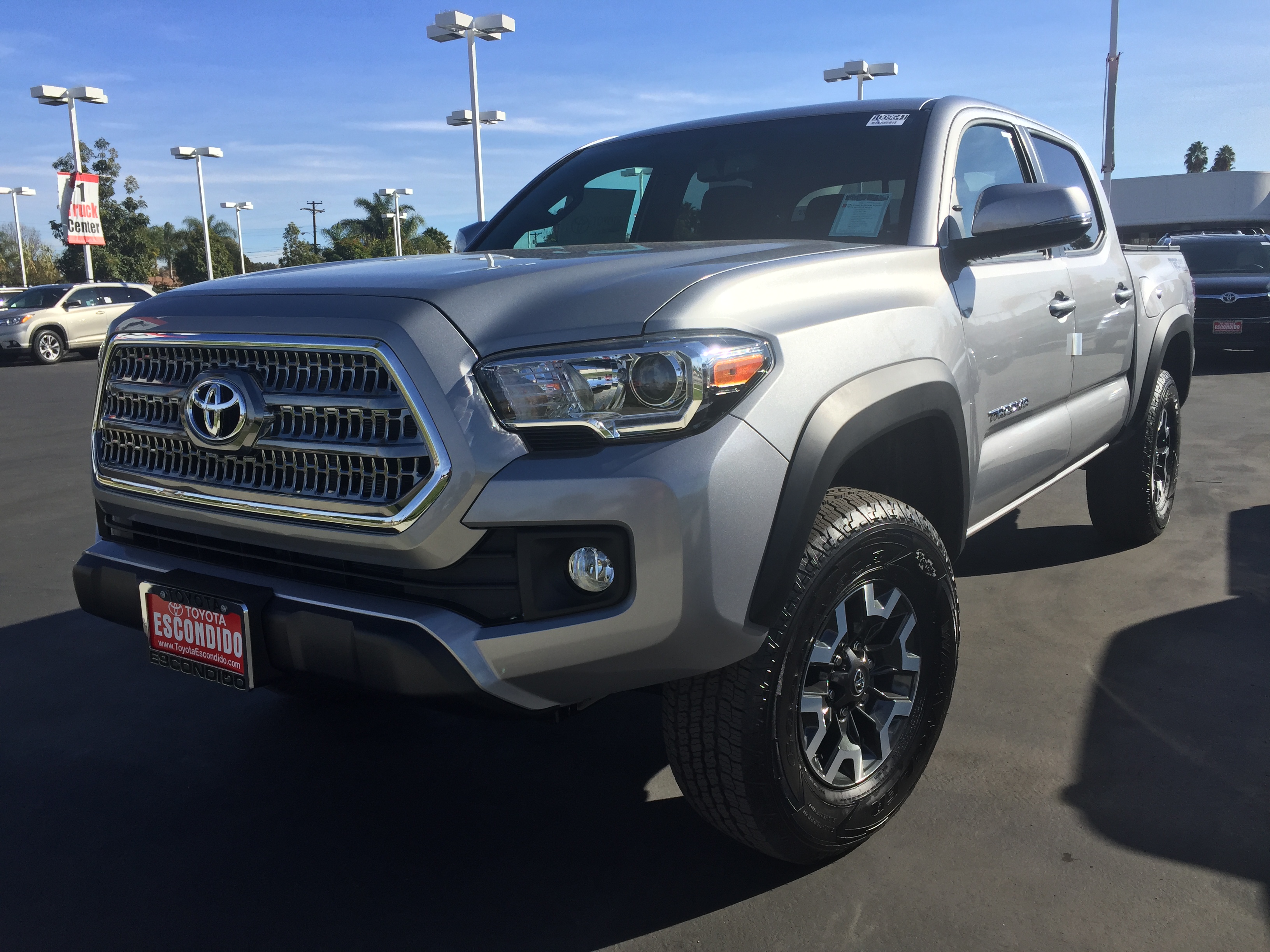
Toyota Tacoma
"[874.7s] But I just want to speak my mind on something with Toyota. [881.2s] I have a Tacoma, they have a Tundra. [885.8s] And my Tundra did not have a manual, like middle window I could open. [890.6s] My Tacoma has that little middle thing, but it has a button I can open."
The Toyota Tacoma is a popular pickup truck. Here they’re talking about the cab’s window setup—there’s a smaller middle window you can open, and they like that feature.
The Toyota Tacoma is a midsize pickup known for off-road capability and a wide range of cab/bed configurations. In this segment, the key detail is the Tacoma’s window design—specifically the “middle window” section that can be opened via a button.
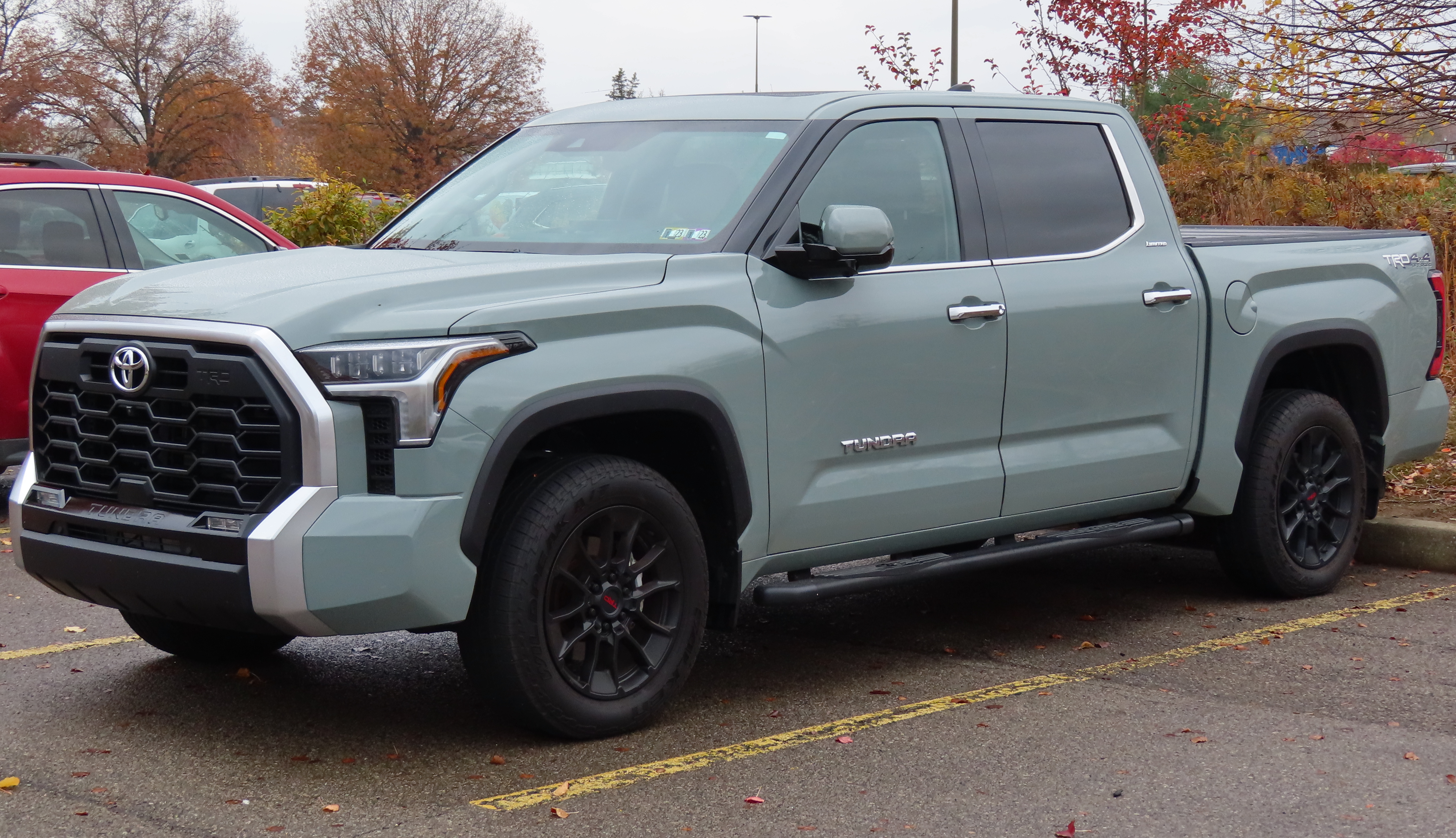
Toyota Tundra
"[881.2s] I have a Tacoma, they have a Tundra. [885.8s] And my Tundra did not have a manual, like middle window I could open. [890.6s] My Tacoma has that little middle thing, but it has a button I can open. [896.4s] And they, you know, redid the Tacoma with all this stuff."
The Toyota Tundra is a larger pickup truck. The caller is complaining that his Tundra doesn’t have the same kind of middle window you can open that his Tacoma does.
The Toyota Tundra is a full-size pickup, and in this segment the speaker is comparing its cab window design to the Tacoma. They specifically say their Tundra didn’t have a manually operable middle window section, which they prefer on the Tacoma.
shocks
"[896.4s] And they, you know, redid the Tacoma with all this stuff. [902.4s] You know, I got shocks in the heat and stuff. [905.5s] Literally the only thing I want in my Tacoma is I want a Tundra."
“Shocks” are the parts in the suspension that help smooth out bumps and keep the truck from bouncing too much. The caller is saying the suspension/shocks feel different in hot conditions.
“Shocks” are suspension dampers that control how the vehicle moves over bumps—helping keep the tires in contact with the ground and limiting bounce. The caller mentions “shocks in the heat,” implying suspension tuning/behavior changes with conditions.

Toyota Sequoia
"The Tundra and the Sequoia are the same, but the Sequoia window didn't go down."
The Toyota Sequoia is a large Toyota SUV. The speaker is comparing it to the Tundra and saying the Sequoia doesn’t have the same window behavior.
The Toyota Sequoia is a full-size SUV that shares a lot of underpinnings with the Toyota Tundra. In this segment, it’s used as a comparison point for a specific convenience feature: the Sequoia’s window “didn't go down” like the Tundra’s.

Toyota Prius
"... it only on the Tundra? They should put it on the Prius. They should put it on the fucking Corolla."
The Prius is a small car that uses a gas engine plus an electric motor to save fuel. It’s mainly meant for efficient city and highway driving. In the podcast, it’s mentioned because the speaker thinks it should get more options or updates.
The Toyota Prius is a compact hybrid car focused on fuel efficiency rather than off-road performance. It’s often discussed in terms of how widely hybrid technology has spread across Toyota’s lineup. Here, it’s mentioned because the speaker argues it should be offered with features or powertrains similar to other models.

Toyota Corolla
"...t on the Prius. They should put it on the fucking Corolla. They should put it on everything."
The Corolla is a small, everyday car from Toyota. It’s built to be affordable and efficient for regular driving. The speaker brings it up because they want certain features or improvements to be offered on more common models.
The Toyota Corolla is a compact car known for being practical, efficient, and widely available. It’s commonly referenced when people talk about putting certain technologies or upgrades into mainstream models. In this episode, it’s mentioned as part of the speaker’s point about expanding those ideas across Toyota’s lineup.
power rear window
"I know when I was buying my Tacoma, the power rear window option was there, and I was like, it's so small."
A power rear window is a rear window you can open with a button or switch. Instead of manually moving it, the truck uses a motor to do it for you.
A power rear window is a rear cab/bed-access window that can be opened or lowered using an electric motor and switch, rather than by hand. On some trucks it’s offered as an option, and it changes how quickly you can access the cargo area.
BMS
"there are LiPo battery packs for RCs that do have a BMS, like from Spectrum or Gens Ace."
BMS is a battery safety system. It helps keep the battery cells balanced and prevents the pack from being charged or drained too far.
BMS stands for Battery Management System. In RC LiPo packs, it monitors cell voltages and helps prevent unsafe conditions like overcharging or over-discharging, which can otherwise damage the battery or create a safety risk.
LiPo battery packs
"there are LiPo battery packs for RCs that do have a BMS, like from Spectrum or Gens Ace."
LiPo batteries are the lightweight, high-power batteries many RC cars use. They work great, but they need the right charger and careful handling to stay safe.
LiPo (lithium-polymer) battery packs are common in RC because they deliver high power for their size. They require careful charging and storage, and they’re often paired with a BMS to improve safety and protect the cells.
Gens Ace
"there are LiPo battery packs for RCs that do have a BMS, like from Spectrum or Gens Ace."
Gens Ace is a company that makes RC batteries. The point here is that their LiPo packs can include a BMS for extra protection.
Gens Ace is an RC battery brand. In this episode, it’s cited as an example of a LiPo pack that includes a BMS for safer cell management.
Spectrum
"there are LiPo battery packs for RCs that do have a BMS, like from Spectrum or Gens Ace."
Spectrum is a brand that makes RC gear. In this episode, it’s being referenced for LiPo battery packs with built-in battery protection.
Spectrum is an RC electronics and battery brand. Here it’s mentioned as a source for LiPo battery packs that include a BMS.
low voltage protection
"But none of them that I know of have a built-in low voltage protection. And the reason why is because the electronic speed controller almost always does."
Low voltage protection is a battery safety feature. It stops the RC from draining the battery too far, which can otherwise shorten battery life or cause damage.
Low voltage protection is a safety feature that prevents an RC battery from being discharged below a safe threshold. When it triggers, the ESC may cut power or refuse to operate until the battery voltage is brought back up, reducing the risk of damaging the battery cells.
electronic speed controller
"And the reason why is because the electronic speed controller almost always does. Vanquish uses a rebranded Hobbywing 1060 ESC and their H10 RTR."
In RC vehicles, the electronic speed controller is the box that controls how fast the motor runs. It also helps protect the battery by limiting how low the battery voltage is allowed to go.
An electronic speed controller (ESC) is the electronics that regulate how much power an RC motor gets based on your throttle input. It also commonly includes low-voltage protection so the battery isn’t discharged too far, which helps prevent battery damage.
Hobbywing
"Vanquish uses a rebranded Hobbywing 1060 ESC and their H10 RTR. So you can download the owner's manual from the Hobbywing website if you need some literature on it."
Hobbywing makes RC electronics, including the controller that runs the motor. The host says Vanquish uses a rebranded Hobbywing ESC, so it’s the same basic controller inside.
Hobbywing is an RC electronics brand known for components like electronic speed controllers (ESCs). In this segment, Vanquish is described as using a rebranded Hobbywing ESC, meaning the underlying controller is essentially the same hardware.
Vanquish
"Vanquish uses a rebranded Hobbywing 1060 ESC and their H10 RTR. So you can download the owner's manual from the Hobbywing website if you need some literature on it."
Vanquish is an RC brand that makes complete RC vehicles. In this segment, they’re mentioned because their H10 RTR uses a Hobbywing controller inside.
Vanquish is an RC brand that builds ready-to-run (RTR) vehicles and related components. Here, the host notes that Vanquish uses a rebranded Hobbywing ESC in their H10 RTR, which affects how the battery/low-voltage protection behavior works.

Aston Martin Vanquish
"almost always does. Vanquish uses a rebranded Hobbywing 1060 ESC and their H10..."
The Vanquish is a luxury sports car designed to go fast and feel smooth while doing it. In the podcast, it’s mentioned because the speaker is talking about the car’s electronic control parts. The point is about what kind of technology is used inside it.
The Aston Martin Vanquish is a high-performance grand tourer, built for fast road driving with a focus on power and refinement. In this podcast context, it’s referenced in relation to electronics/controls used in the car’s systems, specifically mentioning a “rebranded” Hobbywing ESC and an H10. That suggests the discussion is about how certain components or control strategies are applied in performance vehicles.
owner's manual
"So you can download the owner's manual from the Hobbywing website if you need some literature on it. The rebranded ESC is almost always functioning the exact same as the name brand one."
An owner’s manual is the instructions for a product. The host recommends the Hobbywing manual because the rebranded ESC works the same way as the original.
An owner’s manual is the manufacturer’s documentation that explains how to set up and operate an RC component. In this case, the host points listeners to the Hobbywing manual because the ESC is rebranded but functions like the original.
ESC cut off for low voltage
"but provided your ESC cut off for low voltage properly, it sounds like your cell voltage just dropped below what your battery charger is happy with and refused to charge it back up."
This means the RC’s controller stops the motor when the battery gets too low. If the battery is too depleted, the charger may not be able to restart charging until the voltage is corrected.
“ESC cut off for low voltage” refers to the ESC stopping or limiting power when the battery voltage drops too low. In the transcript, this is tied to the battery’s cell voltage falling below what the charger can detect or accept, so it won’t charge back up normally.
cell voltage
"it sounds like your cell voltage just dropped below what your battery charger is happy with and refused to charge it back up."
Cell voltage means the voltage of each individual battery cell inside the pack. RC batteries are often made of multiple cells, and one cell can be low even if the rest aren’t.
Cell voltage is the voltage of each individual cell inside a multi-cell RC battery pack (like many LiPo packs). Even if the overall pack voltage seems close, one weak cell can drop below safe levels, triggering low-voltage behavior and complicating charging.
storage charge
"Just remember to always put them on a storage charge after you're done with them."
A storage charge is how you charge an RC battery when you’re not going to use it for a while. It’s meant to keep the battery from aging as quickly while it sits.
A storage charge is charging an RC battery to a mid-level state intended for long-term holding rather than full charge. Storing batteries at the right voltage helps reduce battery wear and keeps them healthier for the next time you use them.
Anderson power poles
"I just took the connector off the vanquish out on there [1442.2s] and put Anderson power poles on [1443.4s] and then cut the connectors off the battery"
Anderson Power Poles are heavy-duty plug connectors. People use them on RC builds because they’re easy to connect and disconnect, especially when you’re swapping batteries often.
Anderson Power Poles are high-current electrical connectors known for being modular and easy to swap. In RC setups, switching to them can make battery changes faster and more reliable than using the stock battery connectors.
can-bus
"And I had it as an issue to talk about because something I see on the trail is a lot of jail who are disabled... And that's usually canbuffs. If you go behind the glove box on a JLJT, there's a thermal strip with a bunch of green connectors."
CAN bus is the car’s communication wiring that connects different computers. If something goes wrong, the car can light up lots of warning lights and different systems may act weird. The host is saying you can test by unplugging parts one at a time to find which computer/module is causing the problem.
CAN bus (controller area network) is the wiring network modern vehicles use to let electronic modules talk to each other. When a CAN bus fault happens, you can see multiple warning lights or modules acting up even if the engine itself seems fine. In this segment, the host describes checking CAN bus-related connections behind the glove box to isolate which module is affected.
thermal strip
"If you go behind the glove box on a JLJT, there's a thermal strip with a bunch of green connectors. Those are all the canbuffs to different modules, to your sway bars, to your transfer case, whatever."
A thermal strip here is basically a section behind the dash that holds wiring/connector points. The host is using it to point out where the plugs are so you can check which module might be causing the problem. It’s a location cue, not a performance part.
A thermal strip in this context appears to refer to a heat-related wiring/connector carrier or harness section behind the glove box. The host uses it as a physical reference point to locate multiple green connectors that feed different modules. It’s essentially a “where the connectors are” description for troubleshooting.
sway bars
"Those are all the canbuffs to different modules, to your sway bars, to your transfer case, whatever. If your vehicle won't start or won't run or won't do something, a quick dirty way to troubleshoot canbuffs is to unplug each one of those one at a time"
Sway bars help keep the vehicle from leaning too much when you turn. Here, the host is talking about sway bars in the context of troubleshooting electronics/modules, not just suspension feel. They mention damage to the sway bar can change how the system behaves.
Sway bars (also called anti-roll bars) help reduce body roll by linking the left and right suspension. In this segment, the host connects sway bars to the vehicle’s module network, implying there may be electronically controlled sway-bar functions or related control modules. They also mention that if the sway bar is smashed, the system may keep working even with certain faults.
transfer case
"Those are all the canbuffs to different modules, to your sway bars, to your transfer case, whatever. If your vehicle won't start or won't run or won't do something, a quick dirty way to troubleshoot canbuffs is to unplug each one of those one at a time"
The transfer case is the part that sends power to the front and rear wheels on a 4x4. If the car’s electronics or wiring network has a problem, the transfer case can be one of the systems that gets affected. That’s why it shows up in their troubleshooting list.
The transfer case is the drivetrain component that routes power to the front and rear axles in 4x4 vehicles. It’s often controlled by electronics on modern off-road trucks/SUVs, so a network fault can affect how the transfer case engages or behaves. The host lists it as one of the modules tied into the CAN-bus network.
ohms of resistance
"Take your meter out and check the two wires on there and you should see 120 ohms of resistance. Canbuffs is typically a line that runs down the vehicle"
Ohms are a way to measure how much resistance there is in an electrical circuit. The host is saying to use a multimeter and check the two wires, expecting a specific reading (about 120 ohms). That helps confirm whether the wiring/circuit looks healthy.
Ohms (Ω) measure electrical resistance. The host suggests using a meter to check the two wires and expects about 120 ohms, which is a way to verify whether the circuit/termination is behaving correctly. This kind of measurement is often used when diagnosing wiring or network faults.
120 ohms
"And you should see 120 ohms [1547.0s] because there's two 60 ohm resistors in parallel. [1550.6s] So then it turns into 120 ohms."
They’re checking the circuit with a meter and expecting a specific resistance number. If the number is off, it can mean something in the wiring or resistor isn’t connected right.
In this context, the speaker is using resistance (in ohms) as a diagnostic target. Seeing ~120 ohms indicates the circuit is behaving as expected rather than having an open or missing resistor.
two 60 ohm resistors in parallel
"because there's two 60 ohm resistors in parallel. [1550.6s] So then it turns into 120 ohms. [1554.1s] So if you don't see that,"
Parallel wiring means both paths are working at the same time. That usually makes the overall resistance lower than either single resistor, so the exact meter reading depends on how the circuit is set up.
“In parallel” means both resistors are connected across the same two points, so the circuit’s total resistance drops. Two 60-ohm resistors in parallel combine to about 30 ohms, which is why the speaker’s “120 ohms” target suggests either a different measurement setup or a transcription mismatch in the values.
multimeter
"you can get those wire piercing leads for your multimeter [1601.8s] and you can go through the jacket that way. [1604.7s] As long as you do it in the spot where it won't get wet."
A multimeter is a handheld tool that measures electricity. They’re using it to check readings on the wires so they can figure out what’s wrong.
A multimeter is a test tool used to measure electrical properties like voltage and resistance. Here, the speaker mentions using multimeter “wire piercing leads” to probe a circuit without fully disconnecting it.
wire piercing leads
"you can get those wire piercing leads for your multimeter [1601.8s] and you can go through the jacket that way. [1604.7s] As long as you do it in the spot where it won't get wet."
These are special meter probes that can poke through wire insulation to get a reading. You still have to be careful where you do it so moisture doesn’t cause problems later.
Wire piercing leads are multimeter probes designed to make contact by piercing the insulation. They’re used for quick circuit checks, but the speaker emphasizes doing it in a spot that won’t get wet to avoid corrosion or shorts.
injectors
"you've got voltage that goes to an injector, right? And then it grounds the other side on a switching thing in order to fire the injectors."
Fuel injectors are electronically controlled valves that spray fuel into the engine. The host explains that injector firing depends on proper electrical characteristics (like resistance) and the ECU’s switching/grounding behavior.
ECU
"The ECU grounds the injector to fire it, right? Okay, yeah."
The ECU is the engine computer. It decides when to send power/ground to the fuel injectors so the engine gets fuel at the right moments.
ECU (Engine Control Unit) is the car’s main computer for engine management. In this segment, the ECU controls injector firing by grounding the injector side at the right time.
OBD1 ports
"And they have an extra resistor in the older generation to it. That's that box that's right up next to the OBD1 ports."
OBD1 ports are older diagnostic connection points on the vehicle. The host is saying there’s a resistor box near those ports that changes how the car matches up with different injector types.
OBD1 ports refer to early on-board diagnostics connectors used on older vehicles. In this segment, the speaker points out a “resistor box” located near the OBD1 ports, which affects which injector resistance values the system expects.
resistor box
"Okay, the resistor box there. If you have that resistor box there, then you have the lower resistor injectors for the 22RE."
A resistor box is an extra electrical part that helps the car’s wiring “match” the fuel injectors. In this segment, whether that box is installed changes which injector resistance the system is set up for.
A resistor box is an added electrical component used to match the injector circuit to the correct resistance range. Here, the speaker says the presence or absence of the resistor box near the OBD1 ports determines whether the system uses lower- or higher-resistance injectors.
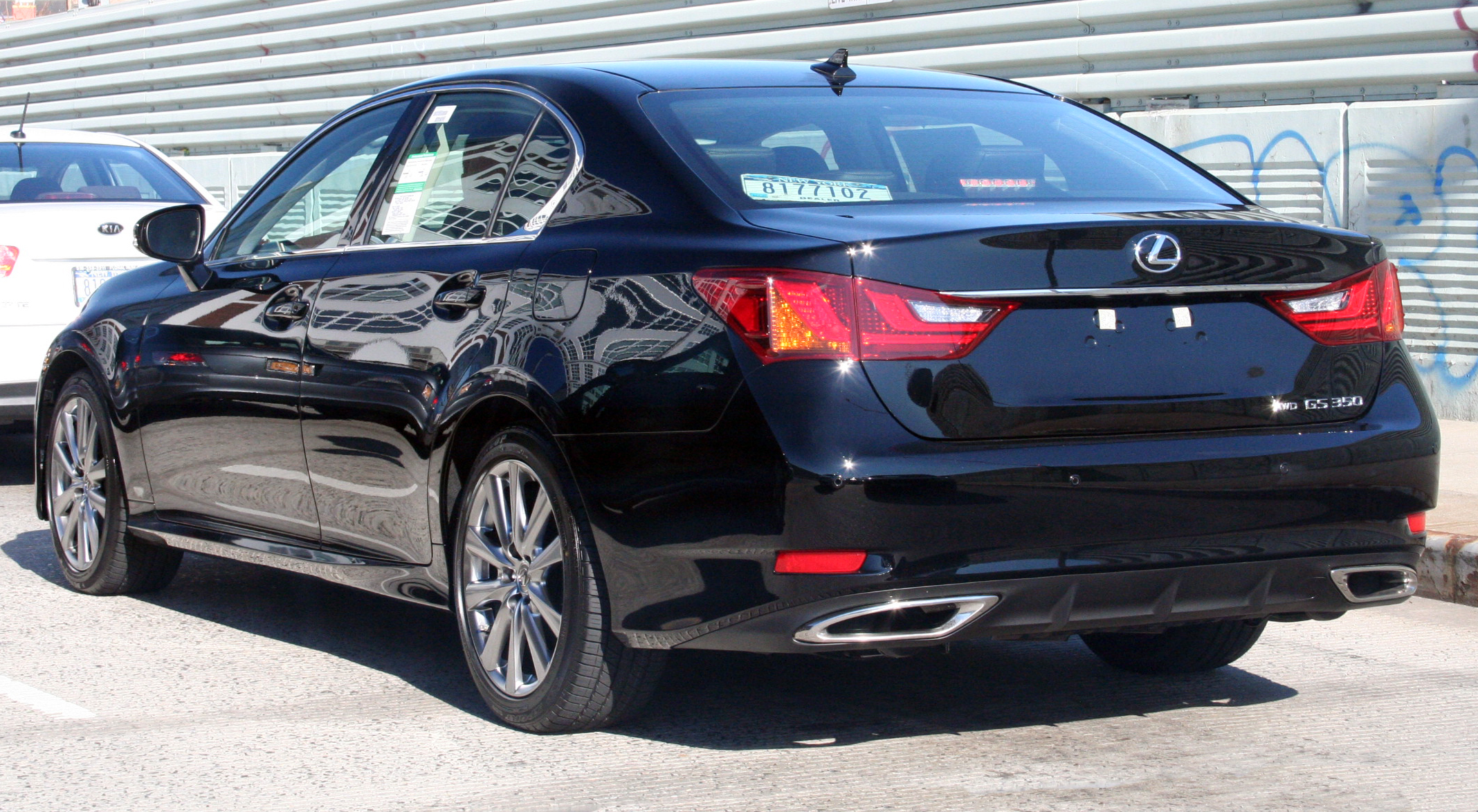
Lexus GS350
"I got a, well, a fancy Camry, also known as a Lexus GS350 and a 08 FJ Cruiser that's mostly stock."
The Lexus GS350 is a nicer, more upscale sedan made by Lexus. It’s known for having a V6 engine and for feeling more “driver-focused” than a typical family car.
The Lexus GS350 is a luxury sedan built by Lexus, Toyota’s upscale brand. In enthusiast circles, it’s often discussed for its V6 power and how it balances everyday comfort with a more engaging driving feel than many mainstream sedans.
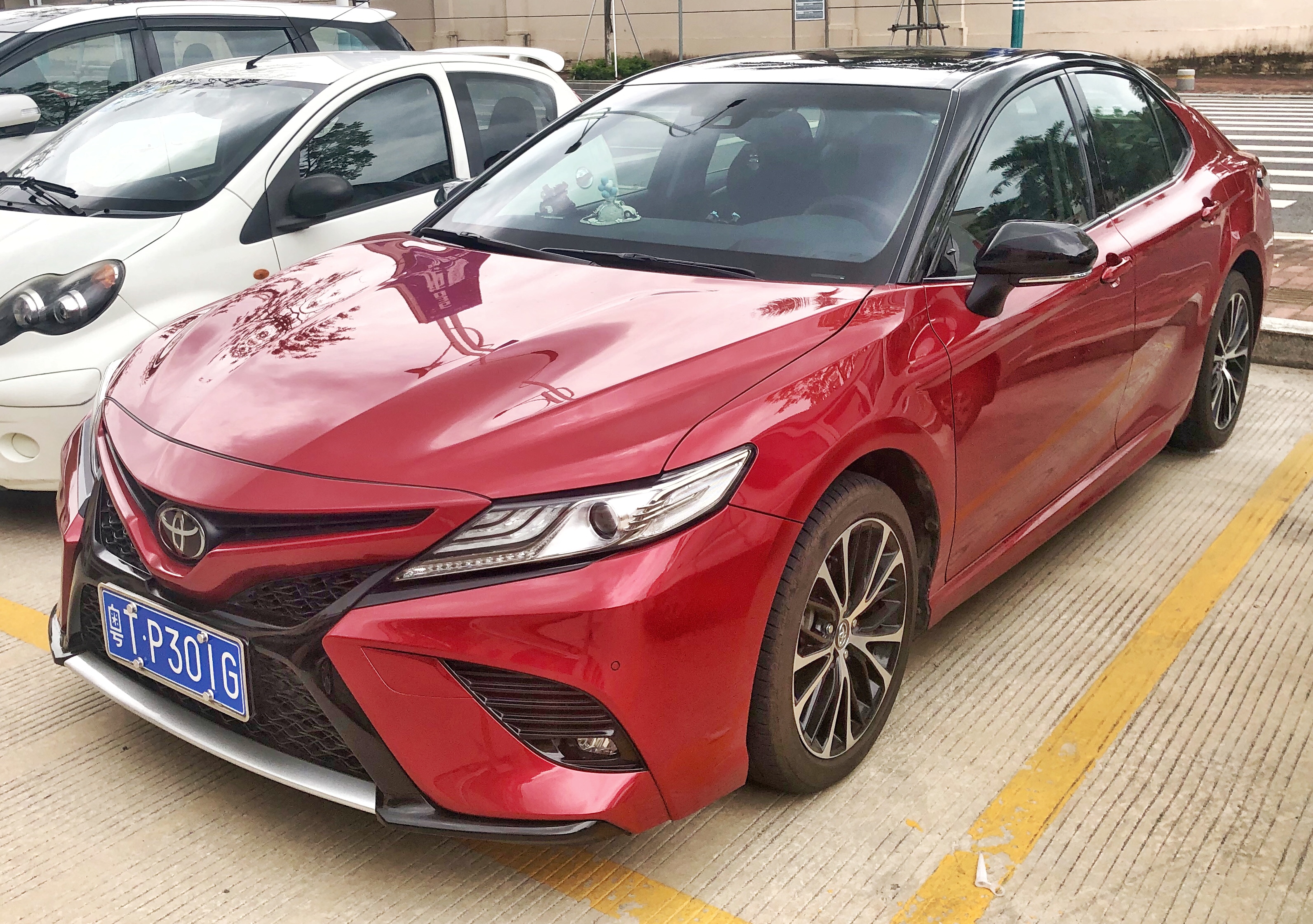
Toyota Camry
"I own a couple of Toyotas. I got a, well, a fancy Camry, also known as a Lexus GS350 and a 08 FJ Cruiser ..."
The Camry is a mid-size car from Toyota made for comfortable everyday driving. It’s usually picked for smooth rides and practical ownership. In the podcast, it’s mentioned because the speaker says they own one.
The Toyota Camry is a mid-size sedan that’s typically chosen for comfort, reliability, and long-distance usability. In the podcast context, it’s mentioned alongside other vehicles the speaker owns, including a “fancy Camry” described as a Lexus GS350. That indicates the Camry is part of the speaker’s personal Toyota ownership history.

Toyota FJ Cruiser
"08 FJ Cruiser that's mostly stock. [1848.3s] And I also own a, what, the four by four version of Clifford,"
The Toyota FJ Cruiser is a rugged Toyota SUV with a classic look. “Mostly stock” means it hasn’t been changed much with aftermarket off-road parts.
The Toyota FJ Cruiser is a body-on-frame SUV with a retro styling vibe and real off-road hardware. When someone says it’s “mostly stock,” they’re usually pointing out it hasn’t been heavily modified for crawling or trail use.
Power Stroke
"97 F350, four door, four by four power stroke, long bed. [1859.9s] I think it's on like six inches of lift and runs like 38 inch"
Power Stroke is Ford’s name for its diesel engine. Diesel trucks are often chosen because they can pull strongly, especially at lower speeds.
Power Stroke is Ford’s branding for its diesel engines used in many F-Series trucks. Diesel Power Stroke setups are popular for towing and off-road torque because diesel engines typically produce strong low-end pulling power.

Ford F350
"And I also own a, what, the four by four version of Clifford, [1852.8s] 97 F350, four door, four by four power stroke, long bed."
The Ford F-350 is a big, heavy-duty pickup truck. Here it’s described as a 4x4 diesel (Power Stroke) long-bed, which is the kind of setup people use for towing and tougher off-road driving.
The Ford F-350 is a heavy-duty pickup known for towing and off-road capability when properly set up. In this segment, the speaker specifies a 4x4 Power Stroke long-bed version, which points to a diesel truck platform commonly used for serious trail and work use.
lift
"I think it's on like six inches of lift and runs like 38 inch [1864.4s] Toyo MT's or something like that."
“Lift” means raising the truck’s suspension so it sits higher. That helps it clear rocks and ruts and can make room for bigger tires.
In off-roading, “lift” refers to raising the vehicle’s suspension to increase ground clearance. More lift typically helps with obstacle clearance and allows larger tires, but it can also affect ride quality and driveline angles.
Toyo MT's
"I think it's on like six inches of lift and runs like 38 inch [1864.4s] Toyo MT's or something like that."
“Toyo MT’s” are Toyo mud-terrain tires. They have a more aggressive tread pattern to grip better on dirt, mud, and rough trails.
“Toyo MT’s” refers to Toyo’s MT (mud-terrain) tire line, designed with aggressive tread for traction in mud, rocks, and loose surfaces. MT tires are a common choice for lifted 4x4s because the tread blocks help dig and maintain grip off pavement.
38 inch
"I think it's on like six inches of lift and runs like 38 inch [1864.4s] Toyo MT's or something like that."
“38 inch” is the size of the tires. Bigger tires can help the truck roll over obstacles, but they can also make the truck harder to steer and put more stress on components.
“38 inch” here describes the tire diameter, which is a major part of how a 4x4 is built for off-road. Larger tires can improve obstacle clearance and traction, but they also increase steering effort, drivetrain load, and can require lift/clearance work.
Request an Explanation
Heard something you'd like explained? We'll add it to this episode.
Sign in to request explanations for terms you heard.
Want to learn more?
Browse our glossary for plain-English explanations of automotive terms, jargon, and concepts.
Help improve this episode
See something that's not quite right? Our annotations are AI-generated and can sometimes miss the mark. Click the flag icon on any annotation to suggest a correction.