Four Wheel Underground sells off-road upgrade parts for 4x4 trucks and SUVs. Here they’re talking about making it easier to buy single suspension pieces instead of only full kits.
An a la carte system means you can buy just the specific parts you want. Instead of purchasing one big package, you can pick individual suspension pieces.
An upper frame bracket is a mounting piece that attaches suspension components to the vehicle’s frame. In lift/link suspension systems, the bracket location and strength matter because they control how loads are transferred during off-road articulation and impacts.
A bump stop is like a safety cushion for the suspension. If the suspension compresses too far, the bump stop helps slow it down so it doesn’t slam into the rest of the suspension.
A lower link bracket is the part that holds the lower suspension link to the frame. If it has an integrated bump stop, it also helps prevent the suspension from traveling too far and slamming into the end of its range.
Cartridge joints are sealed connection joints used in suspension links. They let the suspension move while trying to keep off-road dirt and water out of the wear surfaces.
Johnny joints are special suspension link connections that allow movement. “Rebuildable” means you can refresh the worn parts later instead of replacing the whole joint.
Hymes are spherical joints used in suspension links. They help the suspension move through angles, and they can wear over time depending on dirt, water, and how they’re maintained.
Offsets are small geometry changes in suspension parts. They’re used to adjust how the suspension sits and moves so it works better with your specific lift and tires.
Aluminum links are the metal bars in a link-style suspension, made from aluminum. They can help reduce weight, and in this case the host says they’re included without extra cost.
A link suspension kit is an upgrade that changes how the suspension is built. It uses link bars to help control how the wheels move over rough terrain.
The Wrangler is an off-road SUV made for driving on rough trails. The podcast mentions doing maintenance while using it on the Rubicon Trail, which is a sign that people rely on it for serious off-roading. It also has a lot of parts and support available, so owners can keep it running and improve it.
The Ford Mustang is a sporty car made by Ford, usually a coupe or convertible. People talk about it a lot online and in car meetups because it’s known for performance and customization. The podcast mentioned Mustang websites and forums, which is where owners share info and parts.
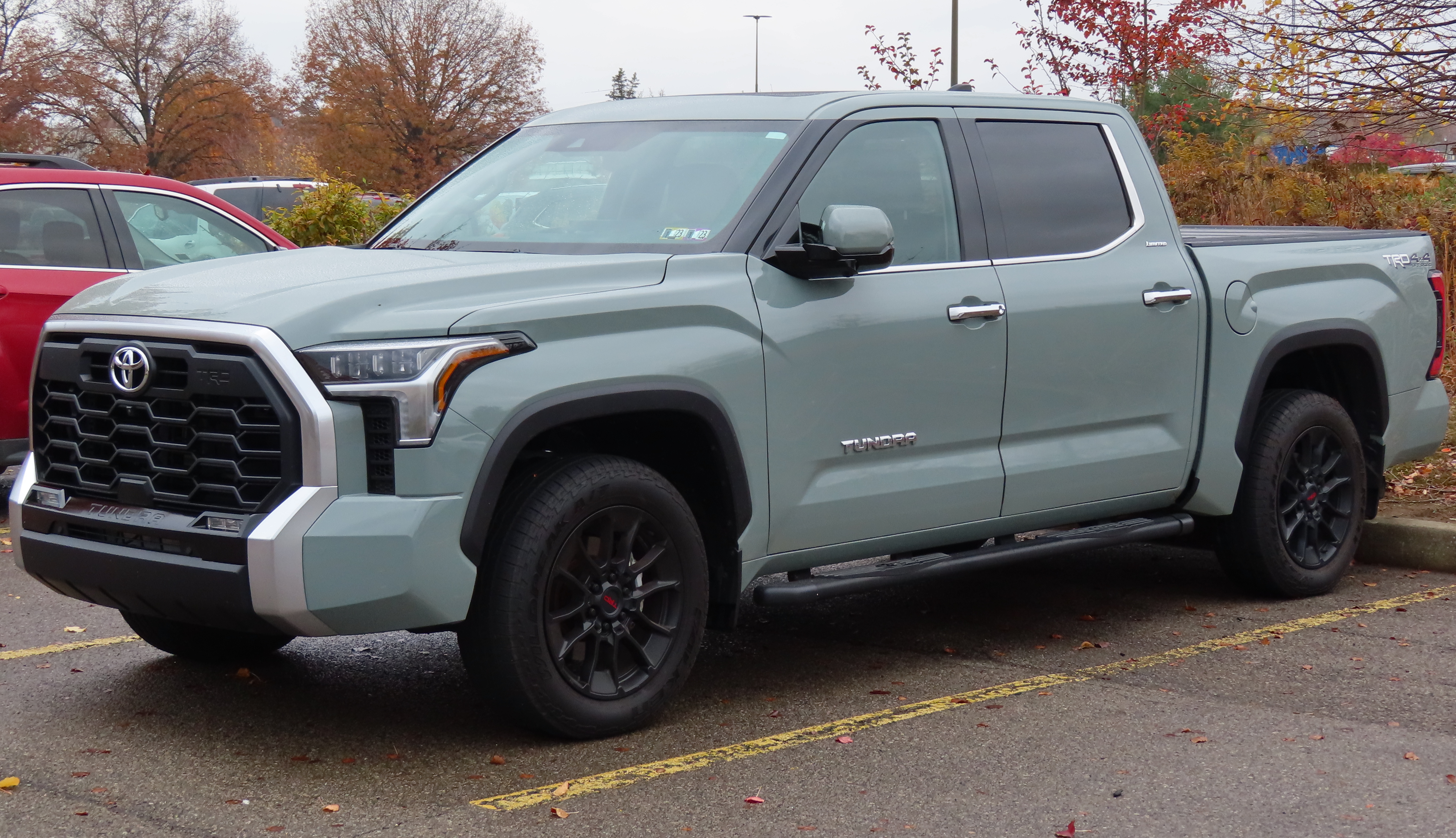
The Toyota Tundra is a large pickup truck. It’s meant for carrying things and towing, and some versions are set up to handle rough roads better. The podcast groups it with other “Trail” trucks, likely because they’re more stable and capable on tougher routes.
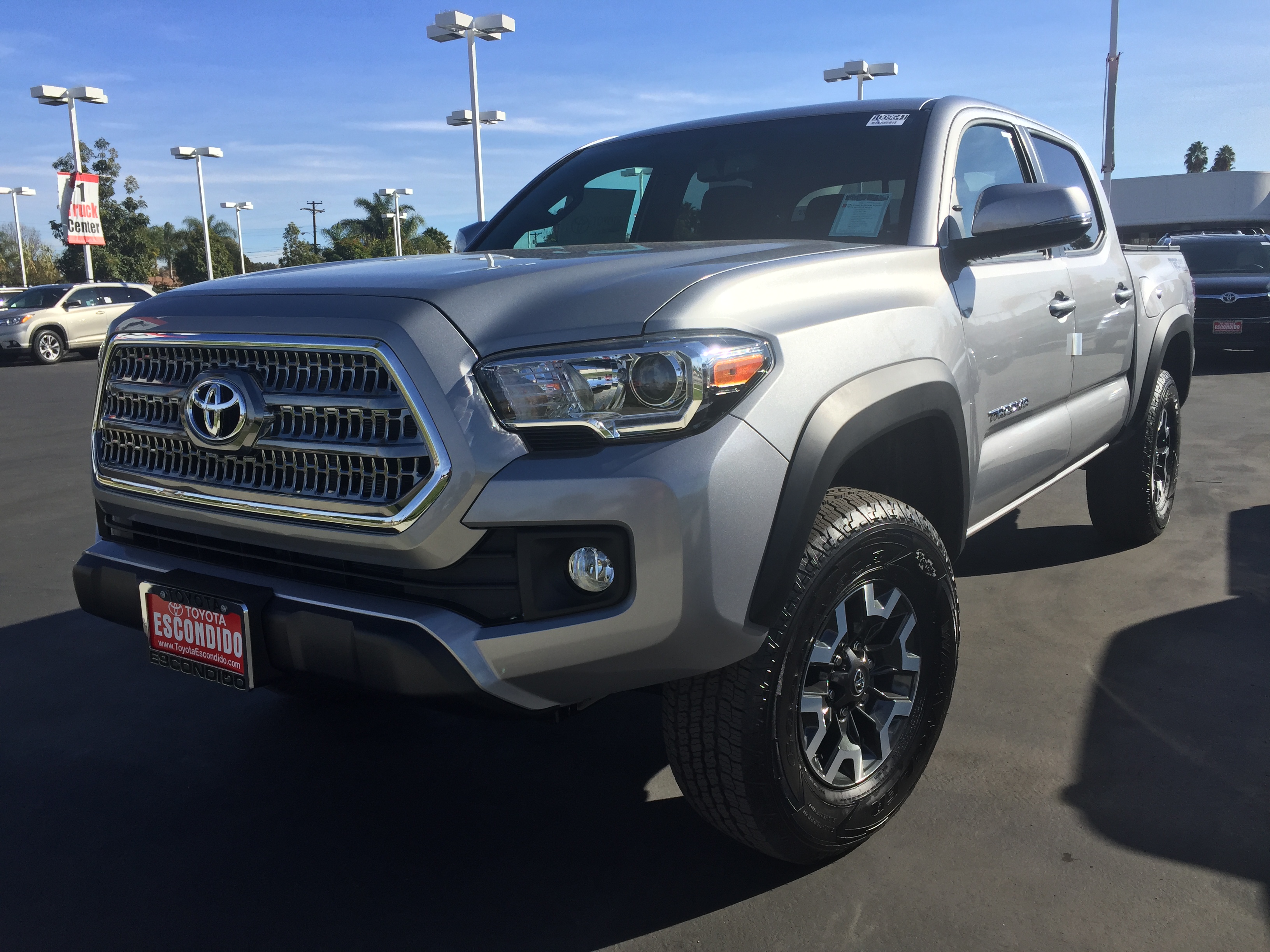
A Toyota Tacoma is a popular pickup truck. People often modify it for off-roading, and the hosts are saying that newer Tacomas can start to look alike when they’re built with similar off-road parts.
“Bolt-on kits” are off-road upgrades that attach using bolts and brackets instead of custom welding or major fabrication. The point here is that if lots of people use the same bolt-on parts, their trucks and SUVs start to look alike.
Rock sliders are heavy-duty bars along the sides of a truck or SUV. They help protect the doors and body if you scrape against rocks, and the hosts are saying that many builds use similar-looking sliders.
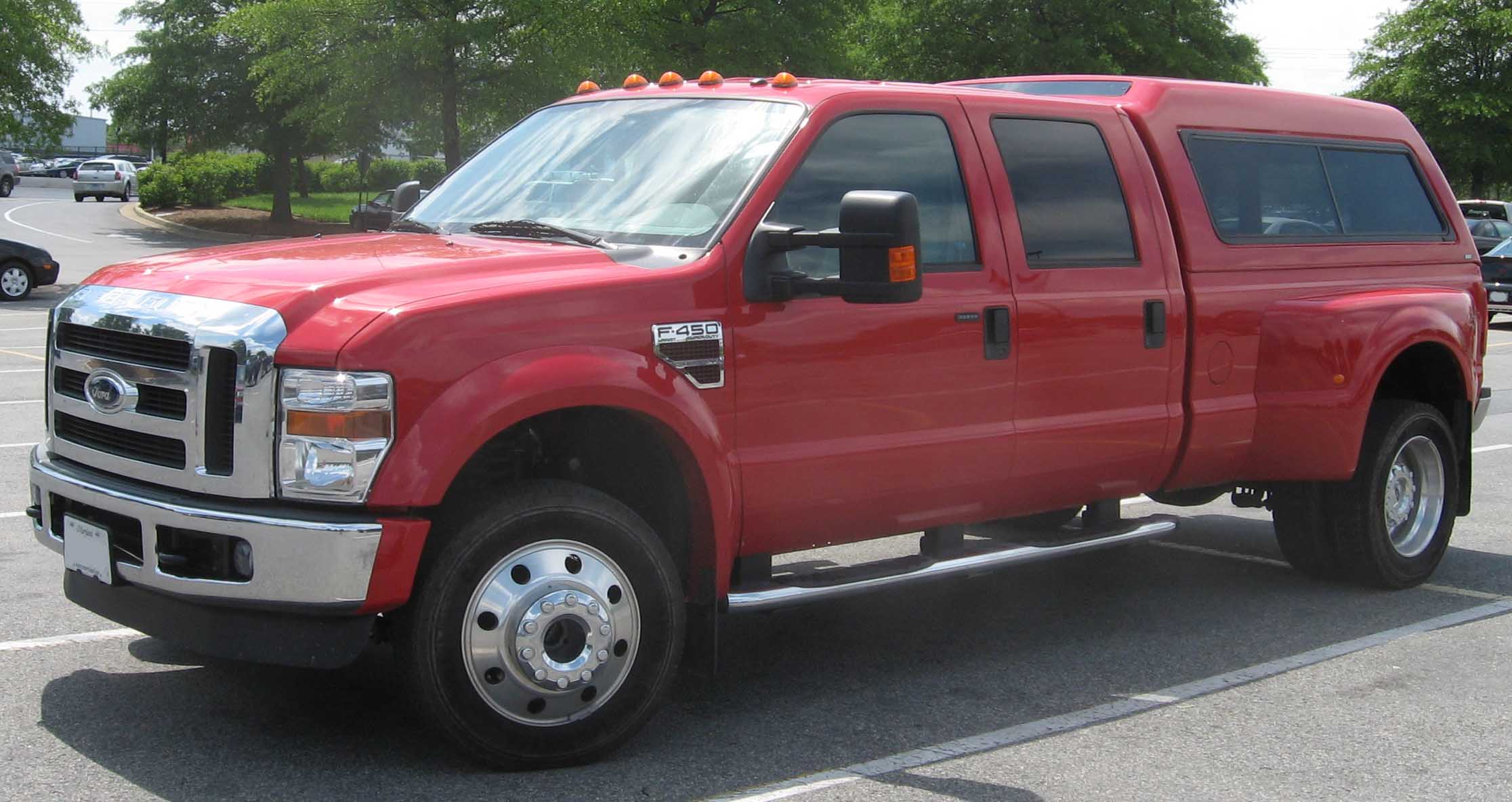
The Ford F-450 is a heavy-duty pickup truck built for big jobs like towing and carrying heavy loads. The podcast mentions one with a custom undercarriage, meaning the parts underneath were modified for protection and off-road use. That’s important because the undercarriage is what can get damaged on rocks and uneven trails.
Rear steer is a suspension/steering system where the rear wheels can turn, improving low-speed maneuverability and off-road turning. On custom 4x4 builds, it’s often paired with a carefully designed link/steering geometry to keep stability while articulating over obstacles.
Cantilevered suspension is a design where the wheel’s motion is controlled through a lever (cantilever) that transfers forces to the shock/links mounted elsewhere on the chassis. It’s common in high-travel off-road setups because it can package the suspension better and tune ride/handling characteristics.
“Forerunner” refers to the Toyota 4Runner, a body-on-frame SUV that’s popular as a base for off-road builds. Here it’s singled out because the host says it had a completely custom underside with a rear four-link setup, which is a major suspension change aimed at controlling wheel movement.
A rear four-link setup uses four suspension links to locate the rear axle, controlling how it moves under braking, acceleration, and bumps. “Triangulated” indicates the links are arranged in a geometry that improves axle control and reduces unwanted axle steer or lateral movement during articulation—common in serious off-road fabrication.
In off-road culture, a “buggy” typically means a purpose-built lightweight vehicle with an exposed or minimal body and a chassis designed for high suspension travel. It’s often used as a category label for tube-frame or heavily modified trail/rock-crawling machines rather than a stock SUV or pickup.
“Hot rod” is a broad term for a vehicle that’s been modified for more aggressive performance or a more extreme driving character. In off-road discussions, it can be used loosely to describe a highly customized build rather than a specific factory model.
Coilovers are suspension parts that help your truck handle bumps. They combine the spring and the shock in one unit, and they can be adjusted so the ride height and stiffness match what you’re doing off-road.
Here “tracks” likely means the vehicle uses a track system instead of (or in addition to) normal tires. Tracks help the vehicle stay on top of soft ground like mud or snow because they spread out the weight.
Metal Cloak is a company that makes off-road upgrade parts for trail vehicles. The host is basically saying they’re a fan of the brand, but they see a lot of them on the trails.
A locker is a traction device that makes both wheels on an axle work together. When one wheel starts slipping, the locker helps keep the other wheel from spinning freely.
Term
60
“60” is a common shorthand for a heavy-duty front axle used in many off-road trucks. It’s popular because it can handle rough terrain better than lighter axles.
Selectable means you can turn the traction help on when you need it and turn it off when you don’t. It’s like having two modes: normal driving and maximum grip for tough terrain.
“Detroit” is shorthand for a type of automatic locking differential. It helps when one wheel starts slipping by locking the axle so both wheels keep pulling.
A transfer case is what sends power to both the front and rear wheels. A “double” setup means there are two of them, usually to get much lower gearing for slow, controlled crawling over tough terrain.
Atlas is a popular transfer-case brand for off-road trucks. “Three to one” is a gearing ratio that makes the truck move slower but with more pulling power—great for crawling.
The pinion is part of the axle’s gear system that helps transfer power to the wheels. If it gets overheated or loses lubrication, the gears/bearings can seize and effectively lock up, which can stop the whole truck.
A “spool” is a way to lock the two drive wheels together inside the differential. It helps the truck keep pulling when traction is uneven, but it can make turning on the street feel awkward.
Term
locked
“Locked” means the differential is set up so both wheels on an axle turn together. Off-road, that can help you keep moving even if one wheel starts slipping.
A Panhard bar helps keep a solid rear or front axle from shifting side-to-side. If someone says the Panhard is the only problem, they’re talking about that bar or the parts holding it in place.
Jam nuts are extra nuts that “lock” an adjustment so it doesn’t move over time. They’re commonly used on suspension parts so vibration doesn’t loosen the setup.
An air chisel is a tool powered by compressed air that can break loose stuck metal parts. Here it sounds like it’s being used to deal with jam nuts that need to be reset.
“Dana 60” is the name of a rugged axle used on many off-road trucks. People like it because it’s strong and there are lots of parts available to upgrade the gears and differential.
The ring and pinion are the big gears inside the axle that determine the truck’s “gear ratio.” Getting them set up right helps the truck pull correctly and reduces drivetrain stress.
A “gear set” here means the axle’s main gears that change the final ratio. Different ratios can make the truck pull harder or run at lower RPM on the highway.
An “E locker” is a device that can lock the differential so both wheels on an axle turn together. It helps when you’re stuck or one tire is slipping, but it can feel different when turning.
Term
crush leave
“Crush leave” sounds like a “crush sleeve,” a small part used to set how tightly the axle’s bearings are squeezed. If it fails, the gears can start wearing badly or even break.
Loomis is a place in California mentioned as where the shop is located. It’s basically the location of the work being done on the vehicle.
Term
make bars
“Make bars” sounds like the metal bars being installed or rebuilt as part of the repair. The host is saying they’re getting the vehicle back together after fixing damage.
“Slop” means there’s extra looseness—like a delay or wiggle—before the vehicle responds. In a 4x4, too much slop can be a sign that parts in the rear are worn or not set correctly.
A crush sleeve is a small spacer that gets tightened down to the right tightness. If it gets crushed too much, the wheel bearings can end up loose or out of alignment, which causes wobble and wear.
Place
San
Hollow
“San Hollow” is an off-road desert area. When you drive hard over rough sand, any looseness in the vehicle—especially in the rear—can turn into bigger problems fast.
A Unimog is a special kind of off-road truck made by Mercedes-Benz. It’s designed to handle tough terrain and heavy work, so when you see one on the road it can look huge—especially with big off-road tires.
“35s” means the truck is running very large off-road tires—about 35 inches tall. Bigger tires help it roll over obstacles and get better grip off-road, but they can also make the truck harder to steer and may require extra clearance or suspension work.
KOH is an off-road event where people bring their trucks and rigs to show them off. The speaker is saying they liked the interviews that happened there.
The Bristol 406 is an older, classic luxury car from Bristol. The podcast is talking about how it compares to the Bristol 404, especially in terms of size. It’s mentioned because enthusiasts often compare these similar models to understand what’s different.
Bench testing is when you take a part out and test it on a table to see if it works. They tested the starter that way and it worked, so the issue is likely elsewhere in the wiring/electrical control.
Most cars use 12 volts. The problem described here is that the truck’s 24-volt power isn’t properly making it to the 12-volt side that controls the starter.
A push start button starts the vehicle electronically. In this Unimog, they’re saying that button also helps manage the electrical conversion from 24 volts down to 12 volts for starting.
They’re saying the start button isn’t just a switch—it also changes the electrical voltage. If that voltage conversion fails, the starter won’t receive the right power to crank.
They’re saying the button works like simple electrical contact pads. Over time those contacts can wear out or stop making good electrical contact, so the button may fail.
Aftermarket parts are replacements made by companies other than the car’s brand. They’re saying that for this specific older setup, aftermarket replacements don’t exist, so they need the original parts.
The Ford Expedition is a large SUV made for carrying people and gear, and it can also tow. In the podcast, it’s mentioned in the context of finding parts and getting help from a specialist. That usually means owners keep them running and sometimes modify them for tougher use.
The starter is the part that turns the engine over when you try to start the vehicle. They’re trying to get power to it so the engine will crank and they can test what’s going on next.
A compression test checks how well an engine’s cylinders are sealing and building pressure. It’s a way to see if the engine itself is healthy before they spend time rebuilding other systems.
The fuel system is how the vehicle gets fuel from the tank to the engine. They think they may have to take it apart, clean it thoroughly, and rebuild it if the problem isn’t just electrical.
Test driving is when you drive the vehicle after you make changes to see if everything feels right. It’s how you catch problems that you can’t notice just standing still.
LIVE
Four wheel underground is making some big changes.
They really are.
What's really cool about what they're doing right now is they're kind of changing the
way the business is set in the sense that you get to now buy things all a cart.
Absolutely.
So if you want the upper frame bracket, you can just buy that.
Yeah.
If you want the lower link bracket because it has the integrated bump stop and it's super
stout and it looks really good too.
You can get just those before you would have to buy the whole kit.
Now you're going to be like, that's the bracket I want.
He's also brought joints in-house.
So now you can buy those all a cart from cartridge joints, rebuildable Johnny joints,
hymes, offsets, all sorts of different ones.
Do you know what else he brought in-house?
Aluminum links.
Aluminum links.
That's pretty rad.
He found a way to source aluminum links so that there's no extra charge on the suspension
kits. They now all come standard with aluminum links.
I know I'm totally jealous.
And thanks to the a la carte system, you can also order aluminum links if that's all you
want.
So if you want to move your Toyota from Lee Springs to a link suspension kit, check out
four-wheel underground.
We want to check with you guys today about On-X Off-Road.
Definitely one of our favorite apps for off-roading.
Yeah. What's better is not only their software, but they also are doing a lot to be a part
of the off-roading community here in the country from the trail revival program, which
I actually got to be a part of and use to do some maintenance on the Rubicon Trail too.
They have an elite partnership.
So if you are an On-X Off-Road user, you can go to any of their 40 plus partners on
there and you get discounts with any of those partners.
So from bringing the people to the brands, to the listeners, to everybody involved, it
sounds like they really want to be a part of our community.
So let's be a part of theirs.
Go download On-X Off-Road from your favorite app store.
You have reached the snail trail four by four podcast voicemail.
If you want to leave some feedback about Toyotas, have questions about Toyotas, maybe
poke some fun at Toyotas, or let us know how your JL came with a Starbucks membership.
Then leave it all on the line and we'll get to it on the podcast.
Keep crawling.
What's up, everybody?
Welcome to Snail Mail, right here.
Right after lunch, Hillsbury Doughboy.
We got any guesses?
What did we leave off on last time?
I'm curious because I'm glad I've been tracking this because you always seem to ask
me now. Let's see.
It's a game. It's our new game.
I should have. Yeah, I should have never.
So we ended up 42.
That's where we're at right now.
Really?
Yeah, so nobody called.
We didn't get a single call?
Yeah.
Wow.
Because I was looking at the list and it has all those spam calls at the top.
Okay.
I was like, did they all call back again?
All at the same time.
I scrolled back.
There was no other ones.
I was like, hold on.
Did we end with 42 last time?
So anyway, I was curious.
We have a ghost in here.
Don't worry about that.
All right.
So we're going to kick it off today.
All right.
Who's number one?
Number one is the true number one.
Richard from Atlanta.
Awesome.
Love it.
Nick from Montana might argue.
Richard didn't call us at the start line of Trail Hero X.
Through that.
Come on, Richard.
All right.
Here we go.
Richard from Atlanta.
Jimmy Tyler.
What's up?
Richard from Atlanta.
I got some discussion topics.
So related.
And a cry out for an opinion.
Targeting that fellas from Montana.
One is a pending on something.
First thing, joined the discord server.
A lot of activity in there.
My wife gave me all kind of hell because she was like, oh,
that's a platform that kids, you know, chat on her.
People that are like, I didn't stuff, you know, whatever.
This is that.
I'm like, look, it's like snail trails.
I want the deep, deep shit.
We don't just get it.
So like, here you go.
You know, whatever.
So anyway, joined up reading through that, I guess.
So, you know, one big chat group that makes me think of,
and I hope both of you guys are old enough to remember this,
but like, you know, before the Facebook days,
you don't remember like the V bulletin based forms.
I had a lot of drag racing forms and car building forms.
And, you know, I guess, uh, what that's where what the original
fire at four by four was that, right?
I mean, I'm talking about back when like forms got going
and then developed and upgraded their software.
And there was local moderators.
And then it seemed like it hit a point in time.
I'm rambling on about this, but it seems like it hit a point
in time where like these larger conglomerates bought out the
rights or whatever and kind of consumed a lot of these
vehicles and boards and kind of made it their own and then
started throwing up all these pop-up advertisements and crap
like that.
That always bothered the shit out of me.
So there used to be a lot of great content out there when
you could just go to www, you know, pirate four by four dot com
or whatever it was.
I used to go to yellow bullet dot com and herbo mustangs
and, uh, you know, some local forms and all that.
And it was always a great, great way to meet people, see,
see, build pictures and all that stuff.
I need to move on to another different topic.
Um, man purses, Nick from Montana, maybe tell me what's up with
these guys.
I haven't seen them in Montana, but there's dudes around here
in Atlanta.
I'm talking about men, men, beards, men, not funny men, men
that walk around with these damn purses strapped to their
chest.
Like that's your wallet.
You carry that like it's your breath bone.
What the fuck is up with that?
Take that shit off your wife should be carrying that.
I want to hear about your opinion on that.
You seem like a rough and tumble guy, man.
I want to know what you're thinking of that.
Crap.
I'm going to have to call back in.
This three minute thing just sucks, y'all.
I'm hitting y'all back in just a minute.
Part one complete.
Here comes part two.
Hi.
Hi.
Uh, let's see.
I totally remember V bulletin board V forms a pirate 100%.
I like them a lot.
I thought they were great and they gave a lot on opportunity
for a random Joe Schmo to kind of talk about something specific
and to some level of detail.
Some of the problems with those things is one,
they get outdated and never get updated to people that post photos,
posted it somewhere and then they don't bucket.
Yeah, photo bucket and then they either don't continue to pay their
photo bucket or they the links got changed somehow and something
happened and now none of the photos that they're referencing
work and you don't get to see that information.
But I do feel that they end.
Well, and I think I was going to end with,
um, you don't know if the person is telling the truth or not.
And so I feel like forms like that, like pirate,
which was a wealth of information and still can be is almost a kind
of a lost art because now people have started blogs and blogs have
kind of become this new form where it's a specialist writing about
a specific topic that is uploading all their own content and photos
and everything onto their dedicated website.
And none of that stuff is going to go missing at any point unless
the website goes down.
And so I think blogs, like blog articles for example,
like Trail 4 Runner or Trail Tacoma, Trail Tundra,
those kind of things are, are more stable or more correct.
I don't know, or more precise.
I don't, I'm not quite sure the way to put it.
Like accurate, accurate, the way you're looking for.
Yeah. Um, there gets a, you know, the forum allows a lot of people to talk
and discuss a certain thing, but it's not the, for me,
it was never the easy way to find the answer and how to move forward.
It was like, I've got to filter through all these 55 pages to be able to find out
if this is the right bolt, you know, or you go find the blog where somebody's
writing about how to change your breaks and now you get the answer.
Yep. I agree.
Um, I, I used to do a lot of forums. We will be bulletin stuff. Um,
back in my high school and early college days,
I was big into a computer gaming with Starcraft. Oh yeah.
Um, and so I created and rolled a warcraft too. Um,
and so forums were how you communicated with everybody. Um,
I think, uh, uh, Facebook definitely was the main driver that started
eliminating forums and the corporate, like he said,
the corporatizing of forum boards where these major companies would buy them out
and just put added ads everywhere. And you couldn't even find the forums anymore.
You couldn't even read through the forums because the ads just took up so much space
or they bogged down the memory on your computer, um,
and your web browser because there's so much shit going on with the forum.
They were unusable. So, um, yeah, it was a, that was a good time.
Yeah, definitely. I think, um, I was trying to look it up here real quick,
but search for I rate four by four. Well, you can't search I rate four by four
because we referenced in everyone probably search Austin, um, uh,
in on the website and it'll search or it'll find the time that we talk about
when pirate four by four ended and when I rate four by four started.
And that's a good story. Austin breaks it down a lot of what happened to pirate four
by four and then why he started I rate four by four forum for that.
And just let your wife know there, Richard,
that the discord is pretty much an adult forum.
Yes. Exactly. Uh, man purses.
Merces. Yeah. What are your thoughts?
I have a wallet in my pocket. Okay.
I will, I will say be careful and be very cautious of anybody using a
Merse strapped across their chest. Sure. Yeah.
A lot of them have pistols in them. Yes.
So that Merse is, is kind of used to disarm you and make you think that
nothing is happening. Um, that they're very, um, what's the right word?
Uh, there being a push over, not a push over that they're, they're very
innocent. Sure. I guess, um, a lot of those men are using those nowadays for
their concealed carries. Yes. So, um, be cautious about approaching
anybody and telling them to take their Merse and shove it up their ass.
Um,
but I am curious what Nick from Montana has to say about that. Yeah.
Um, I think they're, I don't know. I don't, it's like, I have pockets,
which are great, but like I keep my phone, my wallet, my keys and a knife
on me at all times. Right. Yeah. Pretty much. Same.
And there's, sometimes I wish I could carry more keys because I have a
bunch of vehicles I have to play Tetris with. Um, and like having a little
bag strapped across your chest is kind of handy. I just hate that it always
has to rub on your neck. Like that's the part I just, I can't stand that.
You need one of those little backpacks. Fanny pack. Fanny pack.
Fanny pack. That's what I need. So I need a fanny pack.
Not this year, but the last time I went to King of the Hammers,
I won the Toyota fanny pack.
If you want it, I think I'm pretty sure it's still in the plastic bag
with some KOH dust on the plastic bag, but you know,
you take the fanny pack out of the plastic bag and still super clean.
You can have it if you want it.
I'm maybe I might, might go for that.
I could see you rocking a fanny pack and some neon green Wilson attire
and some short shorts and crocs. Yeah.
We're going to, that's one of the things we're actually launching this
year for more flight is neon green fanny packs. Perfect tactical neon
green fanny packs. Then you don't need my Toyota one.
I would just like to put a challenge out there for any of our Australian
listeners. Give us a call and leave us a voicemail and let us know what you
think a fanny pack is. You know why, right? Nope,
but I'm excited to hear the answers. Yes. Somebody from Australia has to call
in and let me know what you think a fanny pack is.
If I take the words literally, then I think I might know literally from
Australian, Australian lingo fanny pack. Well,
the fanny means something different to Australians than it does to
Americans. Okay. Then yes. Okay.
I know what a fanny is to Australians. I don't know if I know what it is to
Australians, but I know what I know another word for fanny. Okay.
What fanny might also mean. What is a fanny to Americans?
A but. Okay. That's not what it is. Okay. To Australians.
Australian listeners call in. We must know we need to share this information
with the world. All right. Next up, part two with Richard from Atlanta.
I think we just need to get Richard his own podcast. The fuck just happened?
Oh, somebody just now called in. That's funny. Literally. Yeah. Wow.
Like the, the, the, I had, I had Richard's voicemail open.
Everything just closed down and it was like one new voicemail. Okay.
Let's see who it is. We're gonna shout out Uncle weirdo. Just called
Uncle weirdo. You just called literally while we're recording this one.
Yeah. All right. So back to part two from Richard from Atlanta. Hi, Richard
from Atlanta. Again, this is part two. Sorry, Tyler knows how I always
apologize to you and not Jimmy for that. Jimmy's too busy driving
jeets and shit. Anyway, yeah, man purses. I can't stand that. Like get a
wallet. I don't care if it's a front pocket wallet, a rear pocket wallet,
carried cash with a rubber band in your pocket. Don't wear a fucking man
purse. Why are you wearing a man purse? You might as well have a fanny pack
and that looks an entirely different way, but both of them are kind of
in the same category to me. Anyway, that's my surly comment for man purses.
Third topic, kind of about the show. Discord server, YouTube channel.
And I know you guys are already thinking about this, but like I'm mainly
listening and I'm just, you know, I'm a peon right when it comes to this,
but like I listen to podcasts in the car. So a lot of times if y'all are
referencing something like up here on the screen or on the TV or whatever,
don't lose sight of that. A lot of people I believe still listen and don't call
in or whatever. They are on the show from an audible standpoint to listen while
they're on their commutes or while they're between or whatever. We just came
back from a family vacation about seven hours away. And guess what?
This guy did nearly the whole damn way home. I got caught up on y'all's podcast.
You know, wife is over there on Facebook, whatever the hell, the kids are on their
phones doing whatever or sleeping. I got to listen for a solid like five,
six hours of podcast. You know, so I'm not going home and booting up YouTube
and then like watching y'all. Not that occasionally I don't, but just
the other thing, this is a, Tyler, you're going to like this one, man.
I got to work with recently got a Jeep. It's the, what the color doesn't matter,
but the color of the Jeep. But I don't know, ma'am, I'm kind of thinking,
I'm trying to lean in your way title was something you said and that like Jeep
builds tend to be or could be all the same and the Toyota base build,
some of these other things usually end up being more unique looking.
And I'm kind of thinking you're right. I, I'm definitely still a Jeep guy.
Don't get me wrong. I like our Jeep and several other Gs, but like when I pass them
on the road is kind of like, oh fuck, what's this Cooper got going on?
Shit. Look at all the, you know, all the pavement pound and shit.
You know, like just the stupid customizations and I don't know.
You don't see that a lot in the Toyota world.
Like it's kind of like you're either getting greedy and working on that shit
and building a badass rig or, you know, just on fuel wheels or whatever.
And just a driver. Yeah, I'll keep crawling. All right. All right.
Merseys we covered. Yes.
What was the next thing?
What was the next thing it was?
Discord. Staying audio.
Yes. Yeah. We've talked about this a lot.
We are, we are a podcast first video second.
That's the way that we pretty much, we realize and we are people that listen
to podcasts that don't watch the videos.
We don't watch it.
It bugs me when podcasts reference videos or reference a picture image somewhere,
but then don't follow that up with like building a verbal imagery of what they're showing.
I'm like, well, I just lost all interest now and now I'm pissed.
Yeah. So we are, we're a hundred percent there.
Richard, we're a podcast first video second.
And then let me just say, and I can put, give a good example to that by the last three
or four podcasts that have come out.
Haven't, well, maybe five, no, maybe even farther than that.
All the, all the podcasts that came out that were takeovers did not have any video.
All the last, all the snail males didn't have any video for the last two weeks or more.
Our Trail Hero X video did not have a video last week because I had to get out of town
super fast.
I couldn't do any of the videos, but last night on Monday night, I did the video
for the portal pros because those are cool guys.
So the last few weeks haven't even had a video released.
So that's how much more audio focus that video we are.
Yep. Yeah, for sure.
That is something we're definitely very cognizant of.
And so yeah, if you catch us doing that, please let us know.
So give us a call us out on the phone number 916-345-4744.
Bingo. See what I did there.
And then last thing was all Jeeps look alike and Toyotas don't.
Although I would argue that a lot of late model Toyotas, like if you go to an
Overland Expo and see third gen, fourth gen Tacomas, fifth gen, four runners,
sixth gen, four runners.
Now they all look the same in my opinion.
For the most part. Yeah.
There are some standout vehicles, but same with Jeeps, right?
There are some standout Jeeps.
But I think once we got to the era of bolt on kits for sure.
Then everything started looking the same.
I agree.
There are different bumpers.
They're different rock sliders, but you know what?
A black rock slider is a black rock slider, right?
Like maybe it has a different flair or it has a different kick out or it has, you
know, a different, it's angled 10 degrees up instead of flat.
It has dimple dies versus tubes.
It's all fairly similar.
And you look at it and you're like, yep, I just, that truck is that one and that
one and that one.
And they're all somewhat the same.
So once you get to the bolt on kits, kits, setups, then yeah, I think a lot of
them start looking really similar.
And it's not to the people that, or I want to lean on the people that are
doing more independent things and building their vehicles to their, for
themselves and are more of the fabricators.
Those guys really make the vehicle stand out and be different.
That's one of the reasons why I love just hanging out on the Rubicon is
watching all the vehicles that come through.
You do definitely get the cookie cutter, JKs, JLs coming through more
gladiators nowadays, but there's, I would say it's, those are only 20%.
There may be 30% of the vehicles you see come on the trail.
Everything else has some really cool custom engineering thing going on with
them.
So it's fun to just kind of be hanging out in the springs and watching
vehicles drive by you.
Right.
Well, and that was, you know, Trail Hero X was kind of like that, right?
Yeah.
It was like, there was a bunch of Jeeps.
And then there was this F450 that had a completely custom undercarriage setup.
There was the,
No, that was a dodge.
Yeah.
Then there was the dot nut.
Was it a dodge?
It was a dodge.
All hoses was a dodge.
All hoses dodge, which had, you know, rear steer and cantilevered suspension.
And then there was your forerunner.
That's completely custom on the underside, you know, with a rear triangulated
four link setup.
And I'm pretty sure Glenn Plake called it a buggy at one point.
He called it a buggy at one point and then he called it a hot rod at
one point.
Yeah.
So that's pretty pretty.
And then there was a lot of JLs and JTs that I didn't really look
different than any of the other ones that are out there.
No, no offense.
Everybody all participants listening, but it was like there was a few vehicles
that were different.
And then there was all the ones that were the same though.
And I, and I would like to challenge people that are in that bandwagon to
make your vehicle different, make it stand out one way or another.
Because otherwise it's just another one of the vehicles.
Yep.
I agree.
I love, I love looking at weird vehicles and standout vehicles and the
decisions that people have made and why they did something that way.
I love having those conversations with people.
But if I look at it and you have no offense because they work awesome.
They're some of the best suspensions out there.
But if I see a four door JK pull up with a long arm metal cloak kit on it,
I'm like, eh, whatever.
Yeah.
I've seen a lot of those.
It's a great suspension.
It works awesome.
And then there's the argument to like, well, everybody's putting it on
because it works great, right?
Right.
Therefore there's very little work you have to do to put them on there.
They're fantastically made.
Yeah.
Or I can spend all this time to recreate what already works great.
Exactly.
So my, my thing is mate, like, yeah, get the metal cloak long arm kit because
it works great, but figure out another way to make your vehicle stand out.
I found, I saw a metal cloak long arm kit on a Toyota mini truck.
I like it.
It was, that was awesome.
I was like, I know those arms.
I know those joints.
I know those shocks, those coilovers.
I was like, well done sir.
Yeah.
Yeah.
Well, I still need to stretch Bobcat out and get my measurements of the rear
of how much tracks and then look at to talk to Will and Mike over there and talk
about getting in Danny and talk about getting the six packs for Bobcat.
Yeah.
They make awesome stuff.
I'm not, I'm not knocking metal cloak in any way, shape or form.
I love the company.
Love the guys.
Love their products.
I just see so much of their products out of the trails.
I'm like, that's another medical kit.
Well, and that's us too, right?
Because we're local.
We're like, yeah.
I mean, what are we like 20 miles away from them?
Yeah.
Literally from door to door almost.
And we are always up on the Rubicon on both, both families and companies, you
know, so yeah, it's, we're friends with them.
So, and we like to make fun of them when we see their products.
There you go.
Next up.
Yeah.
Brady.
Brady.
Son guys.
So, uh, Brady and, uh, Camacho, uh, what's his first name?
Uh, it's going to bug me now.
I'll have it before the end of this.
Here we go.
Hey, Tyler and Jimmy.
It's Brady.
Uh, Camacho Motorsports, the Nissan guys, uh, listen to six 98.
They do make lockers for Nissan's.
However, our older four car does not have any some axles.
Uh, the front today is 60 out of a super duty, the rear of the 14 bolt.
Uh, our first year we ran a school in the front and a selectable ARB in the rear.
Uh, the second year we decided the school went into hard of turn.
So we ran in Detroit upfront and stuck with the ARB selectable rear.
My personal choice is selectable front rear.
My trail rating is selectable front rear.
Uh, we did a 44 front and a 14 bolt rear in an O2 front here and I have a eight to
one in a double transfer case in that rig.
Our race truck on Atlas three to one.
But anyway, uh, Tyler, I sent you a picture of the race truck progress.
It is slow and steady right now.
We are still hoping to be on for 2027, but we'll see.
Talk to you guys later.
Sweet.
So thanks update, man.
Yeah.
And good to know that there's some backing for some sort of Nissan stuff.
Yeah.
Um, one year, I think it was their second year.
He said he was driving through town after tech, right before tech or something.
And the whole front end locked up and put the whole rig to complete stop.
Okay.
And when he said that he, uh, when they open up the diff cover that the
pinion was welded with bearings to the housing and everything.
And I don't remember if he remembers if there was oil or why it got welded.
And I wanted to know Brady, if you guys remember why your opinion welded
itself to the housing.
Interesting.
Yeah.
That would be good to know.
That would be good to know.
As I look at opinion right below the camera.
That it has welding on it.
Um, so cool.
Yeah.
I think selectable selectable is a great way to go.
Um, I think Detroit's are a good way to go.
Um, they just don't offer you as much options in a Detroit, but options
in terms of what you can do with it on a trail, not necessarily how many
Detroit's are out there.
Um, but it's a less to think about.
It's a, it's a simpler setup than a susceptible locker.
So sure.
Um, yeah, just what do you want to,
I'm also curious why you don't have a spool in the rear.
Yeah, that's an interesting selectable.
Like are you undoing the rear at any point during the race?
Yeah.
And why?
I mean, maybe you do for, maybe you want a non spool or non locked up
situation in the dunes and, um, going through sand and fast.
I don't know.
I mean, that's just a level.
That's a level of speed and mechanical, um, sympathy that I might
not understand.
Yeah.
Maybe, uh, all your races out there, Brady included, why run a selectable
in the river race car?
Yeah.
I would just firing minds.
Want to know.
I would do a spool with my uneducated experience primarily because it's
simple and strong it would work.
And I don't know why you would ever not need, um, locked, locked
suspension for an off-road race environment.
Good question.
Let me know.
I'm curious.
Uh, next up is Jason from OCD innovations.
Oh, Jason first time caller.
Long time friend.
Yeah.
He's the guy that put together Fiona back together in like 14 days.
Yeah.
Fucking crazy.
Record pace.
And so far, everything has been awesome on it except for the Panhard.
I need to, I need to air chisel those jam nuts back together, but, um,
everything's been awesome.
Uh, it's been holding up great.
So thank you, Jason again.
Um, let's see what Jason had to say.
Shall we?
What's going on?
Listen to the podcast and all this talk about the meal.
I figured I forgot about this voicemail chain.
It's currently, oh, I guess it's Friday morning, Thursday night before we got
to get the meal done.
This is Jason with OCD innovations.
We're getting, uh, getting the gears done on the day in the 50.
If you guys a real time one 37 in the morning update,
Dana 60 is about geared wrapped up.
Brexthor all done.
We got to do some paint.
Uh, we got to get to the rear end update on the rear ring pinion.
It's at a point where it's usable.
And the reason why we can't get the 538 gear says,
cause this is a shaved rear axle.
I actually have a 538 gear set sitting on the shelf,
but unfortunately we don't have the time to shave one.
And with Tyler wanting to go E locker,
it's better that we just change the bearings,
put it back together and get her down the road.
But the failure on the 10 and a half did actually come from a failed
crush leave, which is common and it is why we, uh,
change out the crush leave on these things.
So we've got a crush leave illuminator and a 49 inch,
which is the thing for a 10 to five gear set and a 10.5 sterling,
getting that wrapped up.
So Friday morning, um,
the crash out and get a couple of hours of sleep,
hopefully gets a rear end done,
front end done and get the coil overs back from getting rebuilt.
I had them checked over at Greg's shop at Rockhound off road in Loomis.
So with all that done,
I think we're on pretty good turns with the extensive,
all the damage that we had out of this thing.
So we're, we're pushing through make bars are done.
We're going to shoot some paint on this stuff.
So it doesn't rust in a couple of days and, uh,
keep going through it.
Found no more broken parts.
Everything's kind of slamming back together and figured I'd give a real
time live shop update for people that don't watch the stories,
even though I haven't really been posting on the Instagram much.
With that said, just remember no Chrysler.
Don't buy jeeps.
There you go folks.
I like it.
Well, that's good.
That's kind of fun to have a real time update about like a month later,
but that's cool.
Um, yeah.
He, we've talked about this before where the rear opinion was having
slop that he found, which was amazing because there,
none of the problems ever came from the rear end.
I never asked him to look over the rear end at all.
Yeah.
And he took it upon himself to start checking everything out.
And thank goodness he did.
Yup.
Because we've, you did find, or he found that the crush sleeve in the
rear had gone being crushed even more.
Yup.
And then the bearings and everything had been out of whack because of
that.
Can you imagine if we were ripping around the dunes at San
Hollow and two wheel drive with that much slop in the pigeon?
Yeah, that would have been,
What a broken two vehicle.
Well, no, we would have broken one,
but it would have been the other way around.
We would have broken our vehicle.
And the camera crew would have been pulling us out,
but yeah.
So I mean,
can't talk highly enough about Jason and, uh,
his methodical attention to detail that OCD attention,
his OCD attention, uh,
that was able to get this vehicle fixed back on the road and,
uh,
and solved problems that weren't even noticed at the time that
there was a really originally dropped off. So no, thank you.
I say thank you, Jason. Um, that was amazing. And, um, yeah,
I highly would suggest anybody that's in the Sacramento area,
if you need fab work done, go check out Jason OCD,
OCD innovations.
Yup.
Yup.
Anything else to add to that?
No, uh, huge shout out to Jason.
Yeah.
Um, he kicked some serious ass getting feeling back together.
So, um, I,
I'm going to be taking my dual cases to him here in a,
uh, I think tomorrow, maybe tomorrow, Thursday, we'll see,
but I got to go say hi to him. So yeah,
it did sound like you needed a nap though.
He did.
It was funny after he got done with everything,
put it all back together. Um,
he did a series of shots of like sitting out on, um,
a levy, um, having a cigar with the,
with Fiona just up on the highway down below.
And you could tell he was just like,
I need to breathe.
Yeah.
So yeah.
Yeah.
Thanks again, man.
And it's rockin road.
Yes.
From Greg, not rock hound.
Right.
Okay. Yeah.
Yeah.
Rockin road.
Rockin road.
Yeah.
That's what that 137 brain does after you've been working all day.
Yeah.
Yeah.
Good shout out.
Yup.
Uh, he called back.
Okay.
So let's see what he's got.
Wait, I forgot something.
We all got to give me and Tyler and everybody else have to give a
shout out to Ryan really quick.
Morph Lake Ryan.
That guy has worked every single day this week at Morph Lake left
came straight to this shop with me and helped me get caught up while
we've been playing with getting the meal kind of squeezed into the schedule
and the dude's been killing it.
Tyler's been killing it, getting the parts and everybody's just been
trying to pull together to get this thing together.
But Ryan is a thug on this entire process and I wanted to give him a
shout out later.
There you go.
Yeah.
Ryan was definitely, um, he's essentially doing double duty, right?
Yeah.
He was, I guess over here taking care of, he's the production manager
here at Morph Lake.
We still do in-house production on a lot of our gear.
Um, and so he was making sure all that stayed caught up and was
staying good.
And then leaving here and going over to Jason's and helping Jason
keep the shop clean, keep things straight while Jason's just tearing
everything apart under the car and throwing stuff around.
And, um, it was, uh, yeah, everybody that was involved was
freaking awesome.
Yeah.
Those two weeks.
I kept asking, like, when, when do you need me to come over?
When do you, when can I come and help?
What do you like, let me know when something needs done that I can help
you guys with.
And you're like, I think we're good.
Like, I think we're good.
I think we got it.
Like it sounded like the three of you primarily, there's probably more
other, other hands and brains involved, but you guys were just on a roll
and it was like, you know, I almost took it as stay out of my way.
I'm like, I can't stop kind of.
Yeah.
It was, it was kind of like that.
The vendors were awesome.
All the vendors are reached out to to get all the parts.
They were very, very good about making sure we got the parts quickly.
Um, so, and they didn't have to, uh, they, and really they didn't even
really know.
I never told them who I was.
I just, I was acting like a complete random customer asking for parts
and then just saying, I am on a timeline of hell.
Is there any way that's going to expedite?
They're like, yeah, no problem.
So it was pretty cool.
That's nice.
I appreciate everything.
So they were, that sounds more, that sounds better than the T-shirt
company that we used that I swear they forgot about order until I asked
them about it.
And then they're like, Oh, it'll be out in a matter of days.
And I'm like, anyway, that I can do expedited shipping.
And then I never heard from them again.
Like it's ridiculous.
Yeah.
Anyways, T-shirts are out.
You should guys should have your, your gift boxes by now.
All right.
Should we do one more?
Yeah.
Let's do one more.
Uh, Scott from Pine Grove.
Okay.
I haven't been to Pine Grove in a while.
Either way.
Let's go.
Here we go.
Hey guys, Scott from Pine Grove here.
Um, on my way to work just now, um, down highway 88.
And I see a big ass truck in the distance.
And I'm kind of slow as I come up to it.
And I see on the back, it's a Unimog.
Um, so, and I wasn't very, um, in tune with Unimog.
So when you said you acquired one, um, I had to look it up.
Didn't know what it was.
And, uh, I didn't realize they were that fucking big.
That's okay.
Well, maybe just the one that I saw.
It was huge.
Um, it was getting out.
It looked like it was on 35s.
Uh, didn't get a good look at it because I passed them.
But, um, yeah, it's a sweet, sweet rig.
Um, I am looking forward to what you guys store for that.
Um, hopefully everything with registration and all that stuff goes well.
I know you were talking about a few earlier episodes, but, um, yeah, I am excited to see
that.
Also, um, you guys will probably hear this after Trail Hero X, but, uh, Jimmy, when
you did the interviews during KOH, I enjoyed that episode.
Um, I know not every event you'll be able to do it.
Uh, Tyler.
More play.
Jimmy, I'm sure there's going to be events where you're going to be selling your
panels, but, um, I'm sure I'm not the only one that really enjoyed, uh, you know,
two to three minute, uh, interviews with all the vendors.
Uh, so yeah, it'd be cool to hear more of those.
Uh, that's all I got.
Uh, cheap stuff.
Sorry, uncle.
And keep calling.
So much G paid today.
I love it.
Yeah.
Yeah.
So Scott from Pine Grove used to be Scott from Lodi.
Oh, okay.
Yeah.
I took me a second to figure that one out.
Yeah.
Um, yeah, I didn't, uh, do any Nesset really any interviews down during Trail
Hero X, but we do have some fun plans for when the TV show comes out and, uh,
getting some of the participants and everything back online with us.
So that, that'll be a lot of fun once that happens.
And yeah, Unimar is a big, they make smaller ones.
I don't know what, which one you saw.
I'm assuming you saw a 404, which is 406 would be my guess.
It was huge.
Okay.
The 404 is the one I have.
Okay.
Yeah.
And then there's a four.
I know there's a 411, which is the axles that I used to have that I gave to
husband.
Um, and those were Toyota widths.
Okay.
Time.
Those are small.
Yeah.
Well, so the 406, I'm pretty sure was the one that like you'll see like full
RVs on the back of, right?
Okay.
Yeah.
I mean, I've only, I didn't know there was a 406.
I only knew there was 404s.
Gotcha.
Okay.
Yeah.
I don't think the 404 is a really big vehicle per se.
I mean, it's as wide as a full width, right?
I don't know.
I haven't measured it.
Okay.
Yeah.
We should do that sometime.
Yeah.
Yeah.
They're tall.
It's tall.
They're for sure tall.
Um, and that's part to do on the, the portals and everything.
My 404 is on 40 inch tires right now.
Um, not.
Yes, it is.
They're 39 fives.
I'm, aren't, no, I'm pretty sure they're 40s.
Yeah.
Just like, just like your, uh, first gen four runner.
That was actually on 39 five.
I'm pretty sure this tire says 40 inches on the side of it.
Okay.
Maybe I haven't looked.
I just assumed they were 39 fives and you keep saying 40.
Uh, yeah.
Um, so yeah, they're tall.
Um, and they can big, they can take big tires pretty easily.
Um,
And they look extra tall because of the ground clearance and everything.
Exactly.
Uh, but like if, I don't know what size he saw, but the,
the 404s in my opinion are tiny compared to the 406s.
Okay.
Yeah.
406 is a huge.
So those are the ones that have the big RVs on the back.
This is more like a troop carrier.
I would assume say this is more like a full size pickup range.
Yeah.
Yeah.
And then I put it like the size of an F two 50 short bed.
Yeah.
And then the four 11s are like little Toyota mini trucks.
Okay.
Yeah.
So the 406 is like,
Like a 35 foot RV kind of thing.
They're huge.
Um, so yeah, I'm curious which one you saw and what color was it?
Scott, if it was red, you might have seen Ron Tuttle.
Yeah.
If it had a camper on the back,
But he doesn't live out that way.
He could be going up to pine grove or something up 88.
I don't know.
Maybe.
Who knows?
Anyways, thanks for calling in Scott.
Good to hear from you again.
I'm glad you're enjoying the podcast and everything going on.
Tyler probably will talk about the game plan for the Unimog.
Once it's running.
Once we get around to it.
We're at a standstill right now.
Um, the engine turns over.
Um, the starter, we pulled the starter and bench tested it and it works.
So for some reason,
power is not getting from the 24 volt system into the 12 volt system to turn
the starter.
And with the 404 Unimogs, there's a specific button that is on the dash.
That's the push start button.
And supposedly that button all does a few different things.
Well,
one of the main things that takes the 24 volt system and next it down to a 12
volt system converts it with in that button and nobody has made a
replacement after market for these buttons.
And the buttons are known to go out because they're,
they're just contacts essentially pads from like the 1960s.
So yeah,
they're 60 years old now and they're just going out.
Um, and so because nobody's made a replacement after market part,
you have to get the original like buttons that were made from 1958
through 68, something like that from Mercedes for all the Unimogs in the
world.
Right.
And the number one guy that has all those is in Vallejo expedition imports.
So I need to contact him and get a new button to put that in and see if
that was all that it is before fires it up,
see if that at least gets the starter turning so that then we can start
doing compression tests and we got,
we're probably going to have to drop the whole fuel system and rebuild the
whole fuel system, clean it all out, everything.
But so far, everything we've checked on the motor says the motor is good.
Interesting.
So we just need to get electrical,
electrical,
to the starter to go further.
And we've just,
I've had everything held up with trail hero acts and everything.
So hopefully we'll get to it soon.
Fun.
Yeah.
Cool.
I want to be driving that thing before the end of the year.
All right.
I want to be driving around town and going to get groceries in it.
So
not on the freeway.
No,
it'll do maybe 45.
I bet it'll go faster than that.
You think 50,
55.
Yeah.
He's a fit.
It has 40s on it.
Gearing.
All right.
So I'm looking ahead really quick.
And we have another one from Jason at OCD,
the following day from when he did his updates.
Okay.
Do you want to do that one really quick or the same for next time?
Let's do it again.
Since we're all on that same mindset.
Okay.
All right.
Here we go.
What is it is April the 18th at 645 in the afternoon.
We are adjusting coil overs and test driving the meal today.
That is our update because I forgot to update you since the last saga.
We're in here.
Front end.
Everything's ready to go.
Ready for Tyler to pick up,
but I do need to test drive the ever 11 hell out of this thing.
So we're going to go hit the levy and see all fast.
She goes on a dirt road before the sun goes down later.
That's funny.
There you go.
I'm pretty sure I'll not love.
He is when he took the images and hanging out taking a breather.
Nice.
That's awesome.
What was the date on that?
He said April 18th, April 18th.
Yeah.
All right.
That sounds about right.
Yep.
That's about all the right timing.
So I think he got it April 4th, 5th, somewhere in that range.
Wow.
So that was a hell of a turnaround.
That's such a crazy timeline.
Good job, Jason and Ryan and everybody else.
So all right.
That should do it for today.
We're at 35.
Okay.
So mark that for next time.
I will.
Got it.
And I think that does it.
If you guys want to call in Lee with some voicemails,
we love hearing from y'all 391634
54744 is that phone number.
It's down in the show notes too.
That way you don't have to go back and listen to me try and say it
and write it down.
Same time.
Give us a call.
We do love interacting with you guys.
This is one of our favorite sections of the podcast and the
show here that we do weekly.
So yeah, sounds good.
Cool.
Have a great weekend everybody.
We will see you Monday.
Bye bye.
About this episode
The hosts and callers kick off with listener interaction, then circle back to the episode’s theme: making your rig stand out. They discuss how common “bolt on kits” can make vehicles look similar, and why custom fabrication and smarter differentiation matter. Along the way, they cover suspension and traction choices (coilovers, lockers, spools), plus real-world build and shop updates—like diagnosing drivetrain failures and sourcing hard-to-find parts. The show also leans into community and audio-first storytelling.
Caller 1/2: Richard from Atlanta talks about Forms and fanny packs
Caller 3: Brady Camancho Motorsports, tell us about e-lockers for Nissans
Caller 4: Jason OCD Innovations give a “live” update on Fiona
Caller 5: OCD Jason gives a shout out to MF’er Ryan
Caller 6: Scott from Pine Grove says that Unimogs are huge
Caller 7: OCD Jason gives another update about test driving Fiona
Join Our Discord: https://discord.gg/yFyFFkQbuy Come hang out with us on the SnailTrail4x4 Discord — it’s the easiest way to connect with Tyler and Jimmy directly, chat with fellow offroad enthusiasts, and get first access to Group Buys and Treasure Hunt token drops.
CALL US AND LEAVE US A VOICEMAIL!!!! We want to hear from you even more!!! You can call and say whatever you like! Ask a question, leave feedback, correct some information about welding, say how much you hate your Jeep, and wish you had a Toyota! We will air them all, live, on the podcast! +01-916-345-4744.
SnailTrail4x4 –SnailTrail15 for 15% off SnailTrail4x4 Merch MORRFlate – snailtraill4x4 to get 10% off MORRFlate Multi Tire Inflation Deflation™ Kits 4WheelUnderground – snailtrail 10% off Ironman 4×4 – snailtrail20 to get 20% off all Ironman 4×4 branded equipment! Sidetracked Offroad – snailtrail4x4 (lowercase) to get 15% off lights and recovery gear Spartan Rope – snailtrail4x4 to get 10% off sitewide Shock Surplus – SNAILTRAIL4x4 to get $25 off any order! Mob Armor – SNAILTRAIL4X4 for 15% off SummerShine Supply – ST4x4 for 10% Backpacker’s Pantry – Affiliate