A full-size spare is basically a normal-sized spare tire. That means it behaves more like your regular tire if you need it. It’s usually more convenient than a small temporary spare.
Term
T185
T185 is a code that describes the size of a compact spare tire. It’s basically telling you how small that spare is compared to your regular tires. The host is pointing out that the spare looks and feels different because it’s not the same size.
An air pump is what you use to put air back into a tire. The host says their spare was a little low, and the pump helped them fix it so they could keep going. It’s a practical tool to have in case of a flat.
The Chevrolet Blazer EV is an electric SUV. The podcast mentioned driving one, which usually means they’re talking about how it works in everyday use. Electric vehicles can also have different storage setups, including for things like spare tires.
“Weight-rated” and “speed-rated” describe the legal/engineering limits of a spare tire. They tell you the maximum load (weight) and maximum safe speed you should use the spare at, which matters because many spares are not meant to be driven like a normal tire.
An emergency kit is stuff you keep in your car in case something goes wrong. It can include items to help you stay safe and comfortable while you wait for help.
The Toyota Corolla is a small, everyday car. The podcast mentioned it because some versions don’t include a full-size spare tire in the trunk, or they store it differently. That matters if you want to know what you can use when you get a flat.
The host mentions the Jeep Cherokee as an example of a newer SUV where you might not get a normal spare tire. That can make a flat more of a hassle if you’re not near help.
A temporary spare is a smaller spare tire meant to help you drive a short distance to get the real tire fixed. It’s not usually meant for long trips or high speeds.
The Tesla Model Y is an electric SUV. The podcast talked about it because some electric cars may not have a traditional spare tire. That can affect what you do if you get a flat.
Run-flat tires are tires that can keep you rolling for a short distance even after they’re punctured. That way you don’t have to stop right away to change the tire.
It’s the small pump that lets you add air back into the tire after you’ve used sealant. It helps you get the tire inflated enough to drive safely to get it fixed.
A space-saver spare is a smaller spare tire meant just to get you by. It’s usually not for long-term driving and often has limits on how fast or how far you can go.
The Dodge Durango is a larger SUV that can fit more people. The podcast mentioned it because some Durangos include a full-size spare tire. Having a full-size spare can make a flat tire less of a problem.
The Chevrolet Tahoe is a big SUV. The host is saying that vehicles like the Tahoe often include a full-size spare tire, which can be more useful than a small spare or a repair kit.
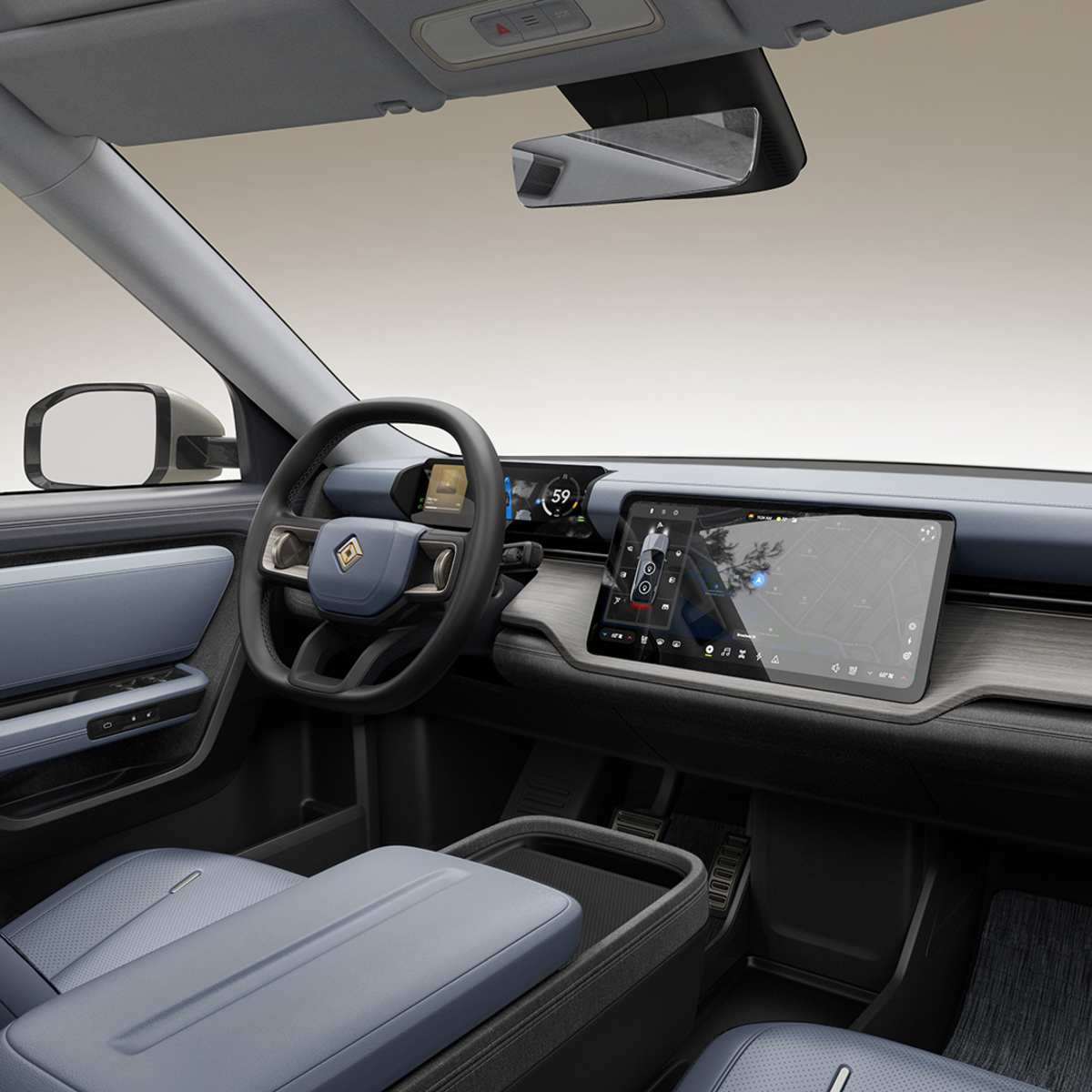
The Rivian R2 is an electric vehicle. The podcast said it has a place for a spare tire, but it may not work exactly like a normal spare. That matters if you want to know what you can rely on during a flat tire.
An inflatable spare is a small spare tire that you inflate when you need it. It’s usually only for getting you to a tire shop, not for long-term driving like a normal tire.
The point being made is that some automakers don’t include a spare because it saves money and because they think many buyers don’t care about having one. They may prefer to lower the price instead of bundling the spare.
PSI (pounds per square inch) is a unit of pressure used for tire inflation. The segment notes the spare was only at 35 PSI versus the usual ~60 PSI, which matters because underinflation can affect how the spare behaves and how safe it is to use.
A tire protection package is an optional add-on that can help cover costs if your tires get damaged. The host’s point here is that many new cars don’t include it automatically.
A “full size tire” is the same kind of tire your car normally uses. If your spare isn’t full size, the car may not handle the same, so you’re expected to drive more carefully and for a shorter distance.
The Jeep Grand Cherokee is a larger SUV that can handle both regular driving and rougher roads. The podcast mentioned it because some versions may include a full-size spare tire. That’s helpful because it can be easier to drive on than a smaller temporary spare.
When you use a temporary spare, you’re usually told not to drive farther than a certain number of miles and not faster than a certain speed. That’s because the spare isn’t built to handle normal driving conditions for long.
The host is pointing out that some Volkswagen models have used temporary inflatable spares. Those spares aren’t meant to drive like a normal tire, especially in bad weather.
The host is saying Audi has used temporary inflatable spares too. They’re designed for short-term use and can be worse in rain than a regular tire.
Brand
Alphas
“Alphas” here is the host’s shorthand for Alfa Romeo. They’re mentioned as another brand that has used inflatable temporary spares, which usually aren’t great for wet or long-distance driving.
Snow traction is how well a tire grips when roads are covered in snow. A temporary spare often doesn’t have the right tread for winter, so it can be harder to control the car.
It means the tire might wear out or break sooner than expected. The host is saying that if one tire behaves differently—like heating up faster—it can get damaged sooner, especially if you drive hard or for too long.
The differential is a drivetrain part that helps the two driven wheels spin at different speeds when you turn. If the tires don’t match well, it can make the differential work harder and run hotter, which can shorten its life.
Rear-wheel-drive cars put the driving power to the back wheels. The host is saying that if tires aren’t matched, it can matter more because the drivetrain is working through the rear wheels.
Tire rotation means swapping tire positions so they wear more evenly. The host is debating whether you should rotate the spare too, or keep it untouched as a backup.
A compact spare is a smaller spare tire you use just to get going until you can fix the real problem. It’s usually meant for short distances and lower speeds.
Tire rotation means swapping tires to different wheel positions so they wear more evenly. Some people don’t do it themselves because they don’t have the tools or space.
The Subaru Crosstrek is a small crossover. The host is saying that in some hybrid versions, the battery takes up the space where a spare tire would normally go, so you lose both the spare and the storage space.
The Honda CR-V is a common SUV. Here, the host is talking about a hybrid version where the battery takes up the space where a spare tire would normally go, so you lose that “backup tire” storage.
“Pancake-y” is the host’s description of a battery shape that’s designed to be thin and flat for packaging. The point is that if the battery is optimized to be low-profile in other vehicles, it may not fit in the spare-tire well of a different model without redesigning the battery or the vehicle’s layout.
Term
Corp pack
This refers to the hybrid battery pack design that automakers reuse across different models. The host is saying Subaru probably used a similar battery pack as Toyota, and that’s why it didn’t get packaged into the spare-tire area.
Car
Wilderness hybrid
This is Subaru’s more outdoorsy “Wilderness” style hybrid. The host’s complaint is that it’s marketed for taking on tougher trips, but it doesn’t include a spare tire, which can be a big deal if you get a flat away from help.
All-terrain tires are made to work on both regular roads and rougher surfaces like dirt or gravel. The host mentions them to emphasize that the car is meant for outdoor use, but it still doesn’t include a spare tire.
Self-reported data is what people say they did, not what someone measured. If different owners have different ideas of what “off-road” means, the results can be a bit fuzzy.
The Subaru Outback is a car that’s designed to handle rougher roads than a typical crossover. The hosts are saying Subaru owners tend to use their cars off-road more than some other brands.
The Subaru Forester is a crossover that’s meant to do more than just smooth city driving. The hosts are using it as an example of Subaru owners being more likely to drive off-road.
The Toyota RAV4 is one of the most popular compact SUVs. The hosts are talking about how much it can cost to replace a spare tire setup if you damage the compact spare.
Aftermarket parts are made by third-party companies instead of the car brand itself. In this case, aftermarket spare-tire kits can cost less than OEM parts.
OEM parts are the “factory” version of a replacement part. The hosts are saying OEM spare-tire parts usually cost more than cheaper aftermarket options.
“Fix flat” is sealant in a can that you put into a tire to plug a puncture. It’s temporary, and the can can expire—so it may not seal properly when you need it.
An air compressor is the pump that adds air back into the tire. If your car doesn’t include one, you may have a harder time reinflating a tire after using sealant.
A tire pressure sensor is what tells your car when a tire is losing air. Even if you use sealant, the sensor can still warn you if the tire pressure gets low.
A donut spare is the small temporary spare tire. It’s meant for short-term use, and driving on it—especially when it’s low on air—can be less stable and less safe than driving on a normal tire.
Term
emergency door handle releases
Emergency door handle releases are backup door-opening controls meant for urgent situations. The point is that you should understand how they work before you ever need them.
TPMS is a system in the car that watches your tire pressure and warns you if something’s low. It’s helpful for regular tires, but your spare tire still needs occasional checking.
The Toyota RAV4 Prime is mentioned because it can carry a full-size spare, but it may take up trunk space. Other versions of the RAV4 handle spare storage differently, which can affect cargo room.
The Toyota RAV4 hybrid is mentioned because its spare tire storage can be under the floor. If you put the full-size spare there, you may lose some of the extra storage space that normally lives under the floor.
The Chevrolet Traverse is mentioned because its spare tire storage area doesn’t have a lot of extra room. That can make it harder to fit a full-size spare compared with some other SUVs.
The Volkswagen Touareg is mentioned because the host says there wasn’t a good place to put the inflatable spare. It’s an example of how spare storage can be awkward depending on the vehicle’s layout.
Driven wheels are the tires that actually get power from the engine to move the car. The host is saying you usually don’t want to put the spare on the wheels that are doing the driving, because it can change how the car behaves.
The Ford Mustang is a sporty car designed for performance. The podcast mentioned it because if you use a spare tire, you may need to put it on a specific axle (front or rear) depending on which wheels are driven. This helps keep the car behaving normally.
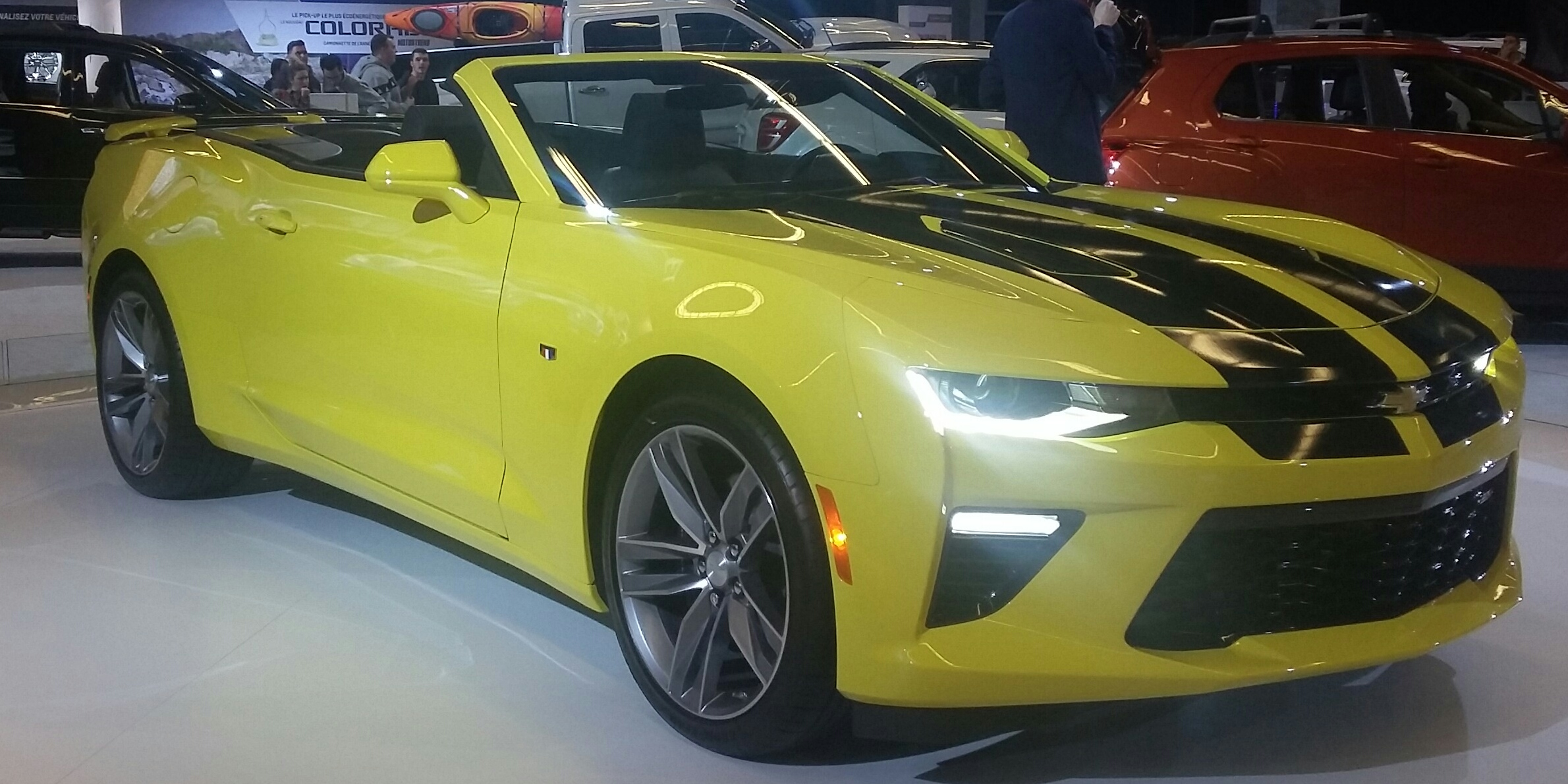
The Chevrolet Camaro is a sporty car built for performance. The podcast mentioned it because when you use a spare tire, you may need to install it on the right side of the car (front or rear) based on which wheels drive the car. This helps the car stay safer and more predictable.
The contact patch is the portion of the tire tread that’s actually touching the road. If you move a spare tire to the front (or otherwise change which tire is on which axle), you can reduce effective grip on that side, which affects braking and stability.
They’re saying the car might not handle safely if the spare tire is placed in the wrong spot. On slippery roads, braking can cause the car to slide instead of slowing straight.
They’re referring to the usual temporary-spare rule of thumb: don’t go far or fast. The spare tire is usually smaller/different, so it’s not meant for long, high-speed driving.
A spare tire can be a different size than your normal tires. That can make the car’s tires work harder than they should, causing extra heat and faster wear.
A “spare tire issue” means you might not have a spare you can rely on when you get a flat. The host is saying the problem can get worse if you keep driving, especially at higher speeds.
A universal kit is an aftermarket spare-tire setup meant to work on lots of different cars. Instead of buying everything through a dealer, you can often get a kit that’s easier to match to your vehicle.
The Chevrolet Blazer is a midsize SUV for regular driving. The podcast mentioned it while talking about spare tires and what you might find in the vehicle. That matters because it affects what you can do if you get a flat.
A slow leak means the tire is slowly losing air over time. The host mentions it to show why having a spare plan matters even when the tire isn’t totally flat yet.
Bolt pattern is the “layout” of the holes on the wheel that match your car’s wheel studs. If the spare’s layout doesn’t match, you may need extra parts so it can bolt on safely.
A tire bag is a cover/case that helps you carry and store the spare tire more neatly. It also helps prevent the tire from scuffing or damaging surfaces in your vehicle.
The Hyundai Venue is a small crossover SUV. The podcast talked about its spare tire being a temporary “donut” size and compared it to the regular tire size. That matters because temporary spares often have limits on speed or distance.
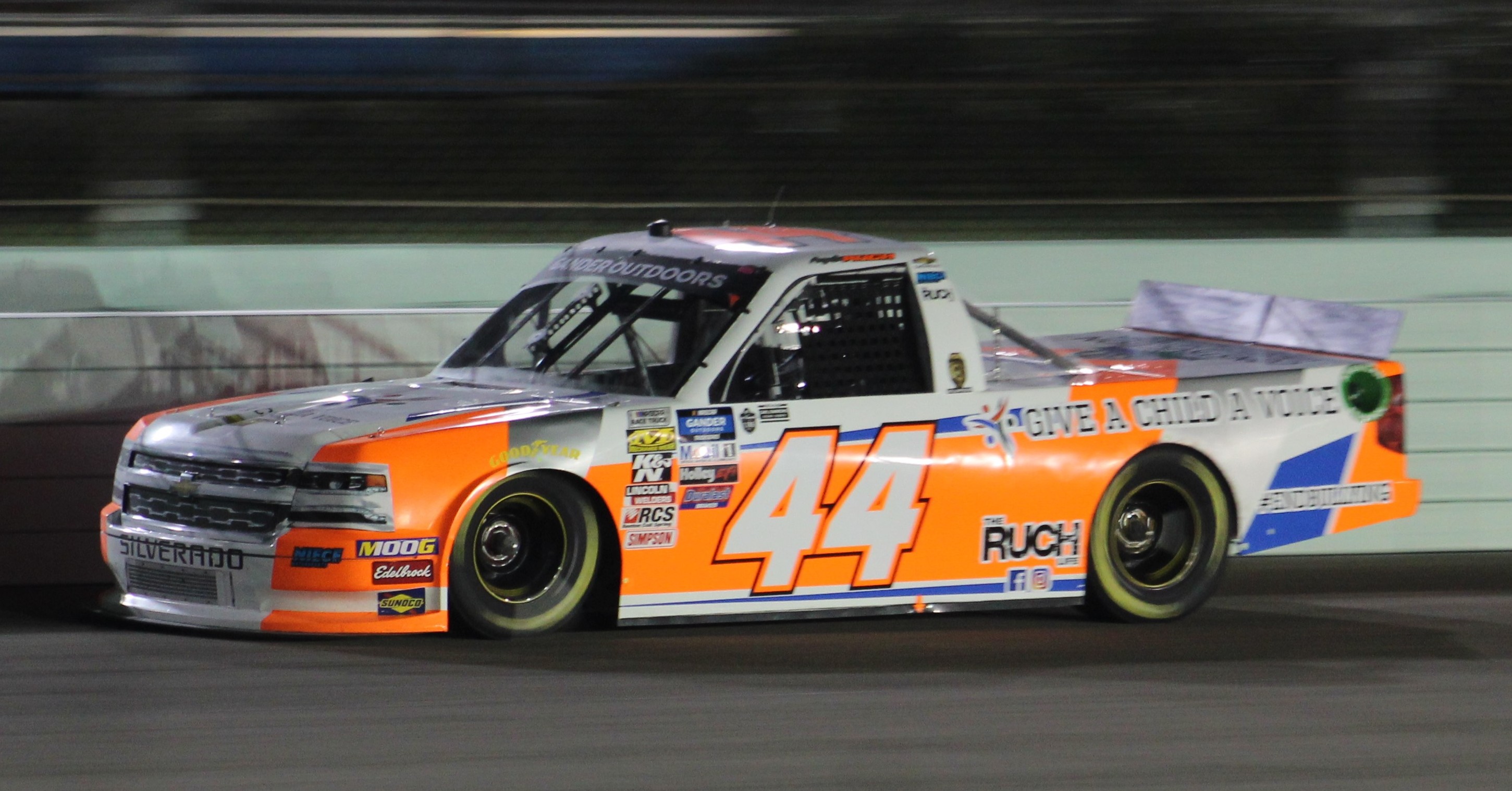
This is the next-generation Chevrolet Silverado pickup. The big question here is what kind of spare tire it will include—whether it’s a full-size spare like you’d want for real driving, or a smaller temporary spare.
A “refresh” means the automaker updated the current truck rather than starting over with a brand-new design. Expect changes like styling and interior updates, not a totally new truck.
Sheet metal is the outer metal body panels of the truck. When people say “tweaks” to sheet metal, they mean changes to the shape or design of those panels.
They’re saying the older V8 engines (around 5.3 liters and about 6 liters) are going away. Replacing them with different V8 sizes can change how the truck pulls and how efficiently it runs.
They’re talking about switching to bigger V8 engines (around 5.7 and 6.6 liters). Bigger engines often pull harder, but the host is also wondering how much fuel economy will change.
The Dodge Ram is a pickup truck. The podcast mentioned it because they were talking about engines and what’s available. Engine options can affect how the truck drives and what it’s like to own.
“Buick Model 27” is a Buick model-year reference mentioned in the podcast. They were talking about what engine options would be available, including a 392. Engine options can change how the car performs and what it’s like to own.
LIVE
Welcome to another episode of the Autobuyers Guide podcast.
Today we're talking about spare tires, not the one that I'm packing around my middle,
but we're also going to be talking about the new Silverado and some other fun upcoming news.
So Travis, I don't know what you did yesterday, but I was driving back from a 1,000 mile road trip
and I almost made it home without using my spare tire.
Mmm, almost. I mean, that's one of the things that very rarely does someone have to use a spare tire
and I guess closer to home is better than farther, but what happened?
It's funny, the two times I have put a spare tire on a Dodge Durango,
the last time was not my own Durango, it was actually Dodge's Durango,
but it was almost in the exact same spot.
And you'd think I would have learned my lesson and actually put the full-size spare tire
that I have for my Durango on said Durango, but no, I still had the donut in its spare tire well,
because I keep thinking to myself, yeah, I should probably put a new tire on that wheel
because it was an old wheel from something else.
Anyway, did not do that, so I had to limp home the last 50 miles with my donut on.
And for a car that comes with 295, 40R20s, a T185, whatever donut looks real stupid.
Not quite the same, huh?
Sort of changed the experience a bit.
Yeah, and it was also a little low on air, which fortunately I had an air pump with me
because I'm paranoid about that sort of thing, so of course I packed my air compressor.
But it occurred to me, this would have been a real bummer had I done what I was really torn
about doing, which was driving our Blazer EV down to San Diego and around there about,
and then back home. I'm kind of glad I didn't take the green option.
Well, in this case, because it of course does not have a spare tire, right?
Yeah, because it doesn't have a spare tire. I was really, really torn on that.
I thought, well, you know, we're stopping halfway for a day, so we totally could have charged.
We stopped in Solvang on the way down and then on the way up.
Cute little town, by the way, if anybody's ever going that way.
And I thought to myself, you know, I could do it in the EV. I'd still need to charge DC
charge in the middle. So, you know, one quick DC charge down to Solvang, get full,
and then another DC charge down to San Diego, etc. The Airbnb that our friends rented didn't
have any available charging though, and not even any plugs outside to use to have a bummer.
That would have been a bummer. But the spare tire, that was definitely a bummer. And that
got me thinking, is it actually important anymore? And what do other people actually do or not do
in these situations? So, we did a little digging and asked, of course, our Facebook folks to comment
on this. So, I guess let's just play our first voice comment.
Hey, this is John from Philadelphia, weighing in on the spare tire debate. I'm a big believer in
spare tires. In fact, two years ago, I bought my first car that did not come with a spare.
And one of the first things I did before we even took it to the in-laws for Easter was order a spare
from Modern Spare that included a weight-rated and speed-rated spare tire and a weight-rated jack
for the car. Because from my perspective, a flat tire, if you have a spare, could be a 30-minute
inconvenience. You're pulled over on the side of the road, you get the spare tire out from
underneath all your luggage or whatever, jack the car up, swap it out, put everything back in,
and you're on your way. But if you don't have a spare on board, that could be an overnight issue.
What if it's Easter Sunday, I'm driving out in rural Pennsylvania, we get a flat on an EV or a
Tesla with special size tires or something like that, and we can't get a rental car, we can't get
a tire repaired or anything until the next day. Do I really want to put my family in that situation?
So for me, it was a little bit pricey to drop, I don't know, four or 500 dollars in the
kit, but I looked at it as cheap insurance and I figured I could either take it with me to my next
car if it fits, or I could just sell it on Marketplace in a couple years if I move on from that car.
So that's why I'm a big believer in spares. And I also do check my spare tire pressure
for all the cars in my household, probably about twice a year. I do it in the spring
and in the fall to make sure we're all in good shape. Well, John, thanks for that. And we're
going to be talking about places to get spare tires here in a moment. But it is interesting that
there are definitely people of two minds on this. I don't ever want to think about it,
I want to call AAA and just have them fix it. And then there's the I must be prepared.
And I think the overlap there is regional as well, right? Because if you are somebody who,
you know, most people don't do 1000 mile road trips, it's not really on their list of things to do.
And in the make sure you have things, emergency kit means, you know, like a blanket and this
extra food, it doesn't necessarily mean make sure you can get out of an emergency. But I think the
folks who live more urban just don't think about it because of course they have cell service and
they can call AAA and off we go. But when you get more rural and things get really spread out,
that's when you want to be able to do it yourself. But again, by the numbers, population density,
you're getting more new cars in urban areas than you are in rural. So it does sort of explain what
we're about to talk about, which is sort of that why you don't see as much of this happening in new vehicles.
And you know, it kind of makes me wonder here, is this perhaps part of the reason why
at least anecdotally, the American car brands tend to be more popular in, you know, the aka
square states, the middle part of the US, where life is generally speaking a little bit more rural,
as far as the new car population goes. So is this maybe why we find more,
you know, Cadillacs and Lincoln's among the middle class, upper middle class and wealthy
people there versus some of the European popularity on the coasts, where they by and large,
not only don't have spare tires, and this maybe is the part that offends me a teeny bit,
they don't have spare tires, and they don't even have the ability to put one in if you wanted one.
So it's not like you open the trunk of your Kia or your Corolla, and there's like no spare tire in
there, or you know, what else we were in recent recently that, you know, the Jeep Cherokee didn't
have a spare tire in there, it's available as an option, apparently. But it's not that it's just
not there. It's that there is nowhere for it to go under that thing. There's just flat sheet metal,
it's not a not a spare tire well loaded in the back, take up all of your cargo volume. I mean,
the the funniest version of that is the Honda Passport, where it does have a temporary spare
option or a full size spare, and they've made considerations for both. But even that is exactly
even that one's over engineered to limit the impact that it has on on your cargo space. But
I wonder, and I think we had one or two comments that say, you know, basically no spare, no deal.
And I know there are going to be folks out there, but in this in the shopping list of what you're
looking for in a car, how many people have that in the make or break it section? I think it's going
to be a very, very small percentage. I think it's more of a, let's make sure we have it so we check
a box, and we can then check more boxes at this point, because I'll admit, I don't have a spare
tire in my vehicle, right? I have a Tesla Model 3. And a lot of EVs are kind of the first grouping
to say, yeah, we're not going to put a spare tire in there. But I have AAA, but my AAA is actually
more for my 94 Chevy pickup, which does have a full size spare. That's just in case it decides to
stop running. So sort of an interesting catch 22 there. But I don't think that many people need
their spare tire. Like in their head, we have to have a spare tire. I think they'd be happy to
say I have AAA and probably not considering when they would need it the most, which is when that
spare tire would come in handy. Yeah. And I wonder if that's because there, I don't know how common
this is, but there seems to be at least among some people, this thought that AAA is going to bring
you a tire. And I don't know where that came from. But this last weekend, we were with some friends
and when we got back, I let them know, I was like, Hey, you know, hey, they went well, they're asking
you, did you guys get homeless? Like, yeah, sure, we had a flat tire. And one of them asked, did
AAA bring you a tire? And I'm like, do you think that's a thing? Like, I'm serious, like, do you
think that's a thing? So if anybody has ever heard of this, let us know, call us, email us, because
I am super curious, just FYI, no, AAA does not bring you a spare tire. They will tow you to
somewhere where you can get your tire fixed, or they will change the tire for you if you have a
spare tire, or they'll operate your can of fix a flat, I guess, you know, if you want them to.
But this brings me to the data here, I guess. So let's dive and dive into the data first. This is
old mind you, because there isn't a lot of good stuff around this. We'll talk about the holes in
this data. But Consumer Reports in 2020 said that as of six years ago, 4% of new cars had nothing,
7% had run flats, which I personally hate. 34% have a can of fix a flat and a tire inflator kit,
as I like to call it, or the, what do they call that, the emergency puncture repair kit, or,
you know, whatever they call that thing. The Band-Aid. 46% have a space saver spare of some
kind, and then 9% have a full size spare. But I will tell you, these numbers on their face seem
wrong to me. And here's why 19% of new vehicles sold in 2020 and an even higher percentage in
2026 are full size trucks. And almost without exception, they have a full size spare. So I
think these numbers are off. The full size spare number probably is well over 20%, because the
midsize truck category also more often than not has a full size spare Honda Rage Line accepted,
and that adds another 7% to that. And then we have a decent number of American vehicles that
have full size spares. Your SUVs, your big SUVs, your Dodge Durango's of most descriptions, your
Tahoe's and Suburbans and all that jazz generally have full size spares. And then there are a few
vehicles out there that have compact spares that are large enough and full speed enough that they're
probably in this weird nebulous region. I'm just, I'm wondering, and I'm pretty sure you know the
answer, but is this based on volume or just vehicle percentage, right? So each model counts for
whatever small percentage. I assume this is based on volume. Yeah, percentage of sales.
So I would say that it actually may have gone down a little bit, right? I mean, we are seeing
less and less tires. And I mentioned that it was one of those, it was one of those things that,
oh my gosh, EVs don't have spare tires, which again, knowing their market, which is probably
going to be more urban and also knowing the customer, which is in a luxury segment, not the
I want to go do this myself customer. So we started that start to happen, but then we started
seeing it on hybrids, which again, I think we need towards that same sort of customer. But there
are other vehicles that are just regular vehicles that said, oh, we can, it's more about like, oh,
we can get away with that. We can just put that little kid in there and call it good. So I think
that number is shifting and we're seeing less and less. I was surprised. I was with Rivian last
week driving the R2 and there is a spot for a spare tire, but it doesn't come with one. And what
it, and the optional kit is 700 and something odd dollars here. Let's see. I've got 755.
Yep. But it's one of those, I mean, it's a very, very compact. So, you know, if your sidewall
starts here, it ends here and you go, oh boy, that is the inflatable spare tire that we have a video
on the channel of just plugging that one. So if you want to know what those look like,
a Verderstein ones, go check out that. I will say you've kind of hit on one of the problems here.
And this is the biggest reason apparently given by car companies for not having the spare is
not necessarily weight and efficiency, but that's a close second. It's actually cost and consumer
taste apparently. So it's that they'd rather have $700 off the car and they may not use it anyway,
which definitely seems to be a thing. This is an interesting comment from our Facebook
poster. We were asking about this. Rebecca Lynn says, just took a plastic shank to my
sidewall, which is never good at 20,000 miles on her new passport. The spare was harder than
hell to get out of the back and turned out to only be at 35 PSI, usually there around 60.
And obviously did not want to pay for the full size. So a donut on the passport looks real ghetto,
had to drive with it for nearly a week until my new set of four due to wear, because if your
tires are, we'll cover that in a bit, but if your tires are worn, you may have to get all four.
No tire wheel coverage on the new car. So double whammy. That's actually something I had
thought about it in a way is the lack of tire protection package, that, you know,
that sort of accidental damage thing that you get on tires when you go to the tire store,
as well, offer it, I should say. That does not generally seem to come with new cars. Sometimes
dealers will offer them and sometimes they won't, but that is an interesting one since in
situations with all wheel drive vehicles, if the tires too worn, you will often be required to
replace all of them. And unless they're brand new, then it's going to be all of them, which is
an expensive, people don't anticipate. Now I'm wary of buying extra protections at the dealership
at the time of purchase, because not all of those are the best deal that they seem they might
be. But, but yeah, it becomes an issue, right? And then you're driving a full week with limitations.
They should have limitations, right? If it is not a full size tire, then you are not supposed to
operate your vehicle quite as normal, right? I mean, basically, it's, it's, don't go more than 50
miles and don't go over 50 miles an hour, which is really limiting. So let's go over, I guess,
our categories here, so we can talk about these sort of, and their pros and cons in general here.
So compacts are perhaps the most common form of spare at the moment. And that means that it's a
tire that is not the same size as your other tires, generally speaking, although it insert
asterisk here, because we are starting to see a crop of full size spares in air quotes here
in some vehicles, like I believe Grand Cherokee has a full size spare that is not the same size as
the one on the car, but is actually a regular tire on some sort of cheaper regular rim that
could be driven at regular speeds, because the vast majority of these doughnut spares, as they're
often called, are limited to no more than 50 miles of driving and importantly, 50 miles an hour.
Now there's several reasons for this. The first one is if you take a look at the average spare tire,
let me just kick off a shoe, let me just say the tread pattern on my cross trainer is more exciting
than the tread pattern on most of the spares, especially the inflatable kind, the kinds that
you'll find in a lot of Volkswagen's and Audi's and some Alphas, etc. Where you have to pump them up
before you put them on the car. Those have tread patterns that are, I don't know, like van sneakers,
is practically a flat rubber bottom. Yeah, might as well be slicks. Right, might as well be slicks,
and they definitely feel like it in the winter. Ask me how I know. But the tire tread is not made
for long distance driving. The water evacuation ability of them is very limited. So in the rain,
this is definitely a problem. Snow traction, obviously, beg big bad problem, right? But then
they may or may not be the same diameter as the other tires in the car. They may be close, but not
exactly the same. So the tire itself will heat up faster than the other tires, just the way that's
deforming as you're driving along down the road with the extra weight. And that will cause premature
tire failure if you go too fast or too far. And then you can also heat up the differential in the
vehicle and really reduce the wear, the lifetime wear of this part, at least the fluid, if nothing
else, if you're driving quickly, which is definitely one of those things that you'll notice in in
rear wheel drive vehicles. For instance, if you, a classic rear wheel drive vehicle, if you pop one
back there and drive for any length of time, odd, the size tires. And that kind of brings us along to
sort of my top top 10 lists here, I guess, on on tire thoughts. Let's see how you feel about these
things. Full-size spare tires seem seem like the best option. But here's a question.
Are you the kind of person that has ever rotated your full-size spare in a five tire rotation?
I haven't gotten to it yet. So I have not put enough miles on to get to it.
But I would. And that's because I have the full-size and you want to keep things, well,
it really depends. It really depends. Because now you're doing so much more management, right? And I
would, but you're wearing those tires down each. So one tire or, you know, depending on where you're
at, multiple are going to be a little bit off, you know, every, if you're doing every 5,000 miles,
it's not an enormous difference. And I would say you are probably better off keeping your 4 where
they should be and having that 5th ready to go. Because again, you're looking at, you know,
broken up wear patterns at every point. So yeah, I would want to. That's my philosophy.
My dad was the kind of person who always rotated all five tires in with the nastrisk in that he
always did that to start. And then when it came time to replace the tires on the vehicle, he never
put a new spare, a new spare in the car. He just got like the best of the bunch was the one that
became the spare at that point. And then the other four stayed on the car and then rotated amongst
those four. The rest of the life of the car. So that's how that all goes down. I'll just say the
the way I would organize these is a full size spare is a ready to go replacement.
But you are still going to run into a where is to, right? But you can continue.
Yeah, exactly. You'll have all the capability you need and you're good. The compact is a stop gap
measure. And then obviously the inflator is a bandaid and the bandaid won't stop bleeding. It'll
just cover a boo boo. So I think you're okay not rotating five tires.
But going back to this one for a second, there's there there's also this thought of you leave
it for the emergency and then it's in there. But did you check its tire pressure? And that combined
with the other problem I see with full size spare sometimes, which is you forget about the problem.
And then you need another spare and you don't have any at all because you you never fixed the
one that was up there in your spare tire well. Right. Right. And this this is a back to the
consumer and the average consumer of a new vehicle doesn't want to deal with any of this. Now,
second, third, fourth owners again, just sort of a trying to extend the life of it going to keep
it longer than the initial period. Those are things that absolutely would come into play.
But yeah, of initial owner, they'll take it to the dealership because they have a compact and
they need to get it fixed anyway. And it's more of a let somebody else handle it. The other thing
is do you rotate your own tires or do you have someone do it because you at least need the
equipment, which is not a lot, but you need the equipment and you need the space. And that's where
I think a lot of people don't rural. Yes, urban. No. Yeah, and that kind of leads me to another
thought on this that I think you hit the nail on the head with, which is that second owner.
The first owner might not be as interested in a spare, but is statistically the second or third
owner more interested? I am curious on that front. I don't know the answer, but I am genuinely curious,
especially as we're starting to see a real rise in more mainstream high volume vehicles without
spares. And I'm looking mostly at Honda and now Subaru because Honda and Subaru both decided to
put their batteries in dumb places, in my opinion, in their SUVs. And the reason it's dumb is because
you probably still could put a spare tire physically in these vehicles. You just could never get it
out because the battery, the battery is not in the spare tire well in the CRV or in the
Forester or in the Crosstrek hybrids, these three hybrids at the moment, and we know they're more
coming soon from Subaru. The battery is not in the spare tire well. It's between the cargo area
and the spare tire well, making that whole area unusable for anything. No cargo, no spare tire,
nothing. And I was really flabbergasted at this with Honda. And I was just like, guys,
couldn't you at the very least have just put the battery in the spare tire well? Because it's
still there. And I can see it from here. Like, because I made the mistake of accidentally pulling
the cover off, which they were like, Oh, no, don't don't pull the cover off. There's nothing under
there. Don't look behind the curtain. And then, you know, immediately you're like, Oh my God,
that is completely wasted space. Right. There is nothing under there. Why? Why is there under
there? There's nothing under there. And when you actually look at the volumetric dimensions of the
battery, etc, it would fit there. The problem is they would have to redesign it because it's the
same battery they use in other vehicles that are meant to be sort of pancake-y. And they didn't want
to make a new battery for the CRV. That's the actual answer. Yeah. And it's one of those wait
till maybe the update. But that's gonna be a while. Yeah. And the answer on the Subaru side is
probably pretty similar, although they would not comment on this. It's probably because it is most
likely the same Corp pack that we find in Toyotas hybrids. Only it wasn't rearranged to fit there
in the Subaru. They probably just created some custom brackets and cooling ducts, etc. So it
just wasn't rearranged there. And I think that's extra vexing in the new wilderness hybrid,
which is supposed to be the outdoorsy one. And now you got an outdoorsy one with all-terrain tires
and no spare. See, and that's where I think it's sort of a perception thing, right? Is it more
egregious for Subaru to do it than Honda? No. Yes. But the... Not on paper, right? But to the owner,
they go, I want to be able to take this anywhere, anytime, do everything. And now there's a limitation
that there didn't used to be. And this is the first wilderness without a spare tire. And that's
kind of a big deal, right? Because you're like, oh, I can still take this thing anywhere, anytime.
And most of the time, people don't end up needing to use their spare tire, right? Of all the miles
driven. And this is a number I don't have. But how often, what percentage of people will use that
spare tire? And then who are the repeat offenders? Because that was also going to be important, right?
I would bet you, I'd bet you dollars, though, that Subaru's get more flat tires and get their
tires replaced by their owners more often than a CR-V. Because if you look at Subaru's data,
their vehicles are significantly more likely to go off-road than Honda's. Yes. Whatever that
definition of off-road means to the owner, self-reported data might do. But I mean, it is
light years away. The average Honda owner almost, it's like almost at the bottom of the list of
does your CR-V go off-road. And the outback, Forester and Crosstrek are up there with Jeep,
as far as their brand average being taken off-road, significantly more likely than RAV4, which,
you know, HintHit has a spare tire in the hybrid and the plug-in hybrid for other car companies
out there listening, it is possible. Which is weirdly shocking in this world. But yes, they
pick all those boxes. And how this Honda Subaru, you know, because, sorry, Toyota Subaru thing,
because Toyota owns 20% of Subaru, like, how did they not go, hey, guys, you might want to spare
in that thing. We did it in our hybrid, you can too. That is a little bit of a bizarre to me.
Well, our hybrid has this, but we're not as worried about your hybrid not having it. But,
yeah, if anybody ever wants proof that, you know, there is no direct, you know,
marionette style organization going on here with Toyota and Mazda or Subaru,
look no further than these things. But it is interesting. So there are definitely some flaws
there. Now let's go on to the cost here, because if you do more than 50 miles or 50 miles an hour,
any damage to your donut, they can be almost as expensive as a regular tire to replace around
100 to $125 plus mounting for the tire itself. And if you want a new compact spare wheel or
tire for your RAV4, because you totally destroyed it, bearing in mind, this is America's most
popular non-truck, then it could be $200 to $250, because fortunately, there are a bunch of
aftermarket companies making those kits. But if you want an OEM one, it's going to be more like
$350 to $400. And on the last side, the tire inflator kit, if you want a new one of those,
OEM kits are $100 to $200 to replace, but an aftermarket one with a brand new cat, a fix,
fix a flat slime, whatever you want to call it, only about 50 bucks. So in truth, the inflator kit
really is a lot cheaper. Well, and another sort of maintenance issue, those cans of fix flat are
not good forever, right? There are use, there are use dates on that. So that's another one of those.
If you're listening, and you haven't ever checked it, unless it's a brand new car, go check and
make sure your fix flat is still usable because that is the worst case scenario. You're going to
pull out a bandaid and it doesn't even stick. Yeah. Or like my spare tire pulled it out and it was at
30 psi. And I'm like, it's got to be at 60. Got to dig for the air compressor, which is way at the
back. And you know, fun fact, most cars with spare tires don't have air compressors. So this is one
of those ones where they don't need them because you've got the full size. Because you got the spare.
So this kind of makes me wonder, is that can of fix a flat in a way actually an okay compromise?
Because for some punctures, small ones, the can of fix flat will seal the flat. And you will have
the original air air pressure sensor, the tire pressure sensor in that tire still
to monitor its pressure. So should it get low, you can pull over and you can reinflate it. Hope
that some more of that slime sloshes around and actually plugs the hole. You know, if you're really
if the nail in your tire, by the way, is fully in, and it's not grinding on the pavement anymore,
it's up went up between a tread block, and you're going to do this slime thing. Don't pull the nail
out, it's going to seal more easily around the nail. And again, your tires being monitored for
pressure. So any kind of gentle leaks you would notice, get to the tire shop, get it fixed.
But you have at least this air pump to get around. And if you have that classic full size spare or
donut spare, I will say driving dynamics wise, driving on a low air pressure donut way worse
than driving on a low pressure regular tire, both for vehicle dynamics and safety, the safety of that
tire. Yeah. You know, it's an interesting one that again, is going to be really important when
you need it. But did we think about it? It's emergency door handle releases, right? It's really
important when you need it. But do you think in advance and how much is the manufacturer trying
to look out for you? Or again, trying to come in a little bit cheaper, I'm not going to say
they're necessarily cutting corners. Like again, this does not feel like an everyday use thing that
they're going to have to have. But again, for some people, it's going to be a big deal. I wonder
how long though, before we see them starting to be completely phased out, when does the compact
just become an inflator? When does the full size become a compact? And what sort of thing are
we looking at, you know, full size trucks, you know, things considered workhorses, those are
going to keep them because it does nothing to the vehicle to have that sitting there under the
bed, that sort of thing. But I think I think it's starting to go the way of the dodo.
How often do you check the air pressure in your spare tire?
Since it's been up there, I probably haven't.
Is there an under truck mounted one? You got a little written one.
Mine's an under truck mounted one. And I've only put, you know, 10,000 miles in my truck
in three years, something like that. So it's probably okay.
Probably dead. It's dead. It's funny because it really is a convenience and a location of
mounting thing for me. In our Grenadier, every time I connect a trailer to the Grenadier,
I check the spare and the trailer's tires because the trailer doesn't have TPMS.
So I check the trailer's tire, I check the trailer's spare because it's conveniently mounted. It's
right there by the front. And I check the spare on the Grenadier because it's immediately opposite
the trailer's spare, kind of looking at each other. But I check the Durango spare maybe once a year
because it is way up under there and that's a pain in the butt. You got a crawl on the ground to get
it. I do kind of like the spares that are just in the trunk because those are so much easier to check.
To get to, yeah. And it's one of those things that I've, again, my truck has been
mostly reliable, but it is older. And when things come up, things come up. And I've had battery
drain issues and whatnot. And I was looking for, hey, what's something I can leave in the truck
that is going to give me a jump if I need it and has an inflator if I need it and then has a light
or whatever and can charge my phone in emergency, right? Those things, well, that's an insurance,
right? That's a carry-on insurance. Can you find a spot for it that's not rolling around,
rattling around? You'd still have to maintain it, right? It's not going to hold this charge forever.
You have to make sure that it'll charge up, will work, has the juice that you used to,
will still inflate. But those are cheaper than dirt at this point. And you can get a pretty
quick and easy one. I started with a jump pack, which is just essentially a USB power bank that
is able to push out enough power. But bumping up to one with an inflator, not that much more
expensive. So I think Prime Day is coming up, not an official plug for Amazon, but those are going
to be a dime a dozen and probably worth having around. And they're so compact these days. It's
almost ridiculous. Just remember, of course, if you get one of those cordless ones, then you have
another thing to monitor. You have the battery in that thing to monitor. And if there's not enough
juice in it to inflate your tire, you're going to have to wait for it to charge that way you can
then inflate your car's bad tire, whatever. It is interesting. And you have to make sure you
can charge it off of your car, right? You need a cigarette plug to try and do that. This leads me
along to two things. The first one is, I don't know if you've ever experienced this, but it is a
royal pain in the booty when you have a car with a compact spare and then its tire gets a flat
and you put the compact spare tire on it and then you have nowhere to put the full size spare.
Because it is so much better. I obviously have not run into it, but I've only had one tire issue
luckily in my life. And I was close enough to a good old Les Schwab that I could roll
and the dead of night at five to 10 miles an hour with a carcass of a tire,
about six or seven blocks with someone behind me just as a buffer zone. So that's my
you know, extent of having to deal with that. But yeah, what do you do? Well, you might end up leaving
another side of the road. I would say this is a particular problem in the Rivians, all of them,
because they have spare tire options. Thank God they do, by the way, not a hit on them.
Just it's a space reality and Volkswagen's and Audi's, especially some of the Alphas, etc.
other vehicles that have these inflatable spare tires, because guess what's not the size of that?
It's the super compact. I mean, it gets the tire down to, you know, only an inch or so larger diameter
than the rim itself. So you really save a lot of space and a little bit of weight too. But they are
literally the size of the rim that then has a tire on it for your full size tire and you have nowhere
to put this other puppy. So if you're road tripping like I was, fortunately, the Durango has a place
to put the full size spare because it sucks up underneath the Durango like E oldy cars, right?
And it's not like you're putting it in a spare tire well in the trunk, which now it's a little taller
than or whatever, like in a RAV4 Prime, you could put a full size spare in but the floor would
all of a sudden be bumped up in a regular RAV4 hybrid, you could put a full size spare in under
the floor. But if you were using some of that underfloor storage space, all of a sudden it's not
going to be available anymore. That's not an insurmountable thing. Like, you know, bumping all
your cargo up two inches, probably not a big deal on a road trip. But in a Chevy Traverse, for instance,
where are you going to put that full size spare tire? Because the spare tire slot and well is a
little on the tight side. Or, you know, your Volkswagen Touareg from back in time when I had to do that
in that vehicle with the inflatable spare tire, nowhere for it to go in that one.
Never a few others actually. I do occasionally get flats oddly enough. And so maybe about once a
year in a press car, I've had a flat and you all of a sudden this whole world is unleashed to you,
like the where do you put this thing? Here's another question though for you and the audience,
where do you put your spare tire? Like so you've got a flat. Are you going to actually follow the
instructions about where you're supposed to put the spare? See, because nine times out of 10,
people are just going to replace that tire. But there is a better place to put it considering
what how well what what wheels drive your vehicle, because you probably don't want to put the spare
tire on the driven wheels, because those are already doing quite a bit of work. Although you
also don't necessarily want to put it on the front, because those are doing some of the most work
regardless of what's happening. So then it becomes a bit of an issue. And I'm guessing
most people don't think about it. It weather is fine. Not going to be the end of the world. You
just need to get home. It's a few miles away. You're going to go to the shop in the morning.
I wouldn't worry about it. But if you got a ways to go, it's a little something extra thinking you
should be doing. This might be a Nissan owner thing. I don't know not hitting anybody here,
but I do seem to see a lot of Nissan Altamas, the classic, you know, Nissan meme, right? See,
a lot of Nissan Altamas with with spare tires, the cut the donuts on the front. Yeah, just word
of word of wisdom here. Generally speaking, if you get a flat on the front of your vehicle,
nine out of 10 times, well, eight out of 10 times in the US, you should actually put
the spare tire on the back and move the back tire up to the front. The exceptions here would be
rear wheel drive only vehicles. Then you want to keep the spare tire on the non driven axle.
So if you're in a Mustang or a Camaro, you want to put the spare tire up front and drive real
cautious and real slow. Now the reason that it's a stability concern is because your contact patch
up front on one side has been dramatically reduced. So especially in rainy weather or on a slippery
surface, if you go to hit the brakes, your car can like skid off into the bushes because
you don't have the braking capability on that one front wheel. And remember, most of the braking
happens on the front axle. So putting a spare tire on the front of your front wheel drive car is,
in my opinion, at least worse than putting a spare tire on the rear axle of your rear wheel drive
vehicle, because that rear wheel drive vehicle still needs to stop, turn in
emergency maneuvers. And this can make the difference between hitting that kid at a crosswalk or not,
not hitting the kid, but skidding off into a bush and making your bad day really, really bad.
And with all wheel drive vehicles, generally speaking, the back isn't okay place to go, even
with all wheel drive vehicles that are rear wheel drive biased because of this reason. Now this goes
back to the 50 50 rule though with compacts, which is why the 50 miles and 50 miles an hour,
because you're now having a tire with a different diameter possibly on the car. Generally speaking,
spares are a little bit different diameter. And this can cause overheating and extra wear of your
differential. So, you know, the faster you go, the more of a problem this is. And that's also why
you don't want to do it for very long. So I don't have the time today to deal with my Durango and
its spare tire issue. So I drove it to the office, the last of its, you know, 50 miles or so. So,
yeah, we probably went over over the 50 miles, maybe 100 miles total. And I hit the,
but the cruise control to 55. So I was willing to break my 50 50 rule, but just by a little bit.
And I was, I was being passed by everybody. I think there was probably like an Alaskan Sledder
dog that goes faster than this thing was. And so that's, you know, consideration number one,
which brings us along to the upgrading because it was funny, John mentioned the modern spare.com.
And that's what I get ads served to for me an awful lot from that company. This episode's not
sponsored by them, but they are one of the few companies out there that will sell sort of universal
kits. Yeah. And because so many vehicles don't have it these days. And, and of course, you could go
to your dealer and they'd say, Oh, well, if you wanted a full size, it's this and they can sell it
to you. But even they're not necessarily equipped or maybe even want to sell just one wheel and
tire to you at a time. Now, obviously, consideration of this is you don't just need the tire because
you're going to need something to put the tire on. So you're going to also need a jack and a tire
iron set, which modern spare will also sell you. Interesting. For our EX 30, the Volvo EX 30, $509
to get a spare tire for it. I have thought about that. I wasn't going to get one for the Chevy
Blazer, even though currently it has a tire that is losing air a little bit. Speaking of spares and
all their various functions, it does have a slow leak in one tire. The EX 30, I've thought about
it because we plan on keeping it longer. And the blazer is going back in, I don't know, like two
weeks. So good luck to it. Yeah, if I wanted to go ahead and get a kit for and let's say
complete kit with carrying case, because a carrying case is nice to keep everything nice and clean.
I'm looking at 400 bucks for my Tesla, which honestly, that's not bad.
And the compact spares fit pretty easily. The one thing that is interesting about the modern
spares, in case anybody's asking, is they make a bunch of different wheels that are kind of universal
in air quotes. So they've got a whole bunch of different holes on the face of the wheel to try
and align to different bolt patterns and spacers. And they may include spacers that you have to
insert on the hub in order for the wheel to align properly, etc. So it's not going to be
that same sort of spare tire experience you get in a RAV4 or a CRV, a regular CRV or whatever,
that has a spare tire from the factory. And by the way, guys, I'm just saying RAV4 because it's
a the most popular thing. And it's the easy thing to say it's the modern can record cam
corridor today, right? So, you know, the spare tire just fits from the factory. And so for some of
these spares, the modern spare comm spares, they're trying to be universal. So there may be adapters
and other things that you also have to fiddle with, still going to be better than no spare at all,
in my opinion, though. Yeah, I mean, it is going to end up with a I'm going to end up with a 135
with tire for my Tesla, which is not quite going to be the performance that I was anticipating,
you know, what I would get from 135, you said 135. Yeah.
But but again, way better than nothing. And I would say if you're someone who
has a compact spare, you're listening to this episode, and you think, oh my gosh, what do I do,
right? You know, if you have an inflator kit, then there's not much you can do if there's room for
compact and you want to add that, maybe it's a consideration. But if you're if you're trying
to say, Hey, I want to make sure I'm good to go. I think I would add a tire bag, which is, you know,
the carrying case that I just mentioned for Martin's spare here, but get a tire bag and some straps.
And that means that whatever you have that cannot fit in your vehicle now goes on your vehicle,
not ideal, but really easy to keep compact and touch the way the paint. That's what the bag is for.
The bag is for the paint in a big way. Don't have roof rails anymore. I know that's why those very
1980s, the very 1980s like Osobio luggage rack thing that they used to have on the trunk.
I know those were four. But if you're looking for an option, that might be the option.
And if you're really, really, really worried about your paint pool noodles, that will help.
It is funny as silly as the donut looks on the Durango, the tire is almost exactly the same size
as the actual tires on a Hyundai venue, the donut.
Yeah, it's all relative. Let's shift gears and talk about the new 2027 Silverado,
which I can almost guarantee you is going to come with a full size spare tire in just about every trim.
The question is, will the ZR2 come with a ZR2 full size spare or just a regular one? But I
bet you that one will also be the matching wheel and tire combination.
It's going to be an option at least. Yeah, probably could be like an ugly steelie in the
base, but you know, but could be an option. But the tire will be there. The good news here is that
they have not gone any super, super radical direction. This is a Silverado like you expected
it to be. What I am impressed with is, and I think the big thing to talk about,
actually, I'm going to talk about the second thing to talk about, which is how it looks.
Trucks seem to be just getting bigger and bigger and bigger. And the answer to what do we do
on the front end is just add more front end. And in this case, it does not seem like we have just
decided to add more front end. They almost seem like getting a little bit sleeker or dialing back.
We figured out where that limit was. And if you don't love it, that's fine. But I appreciate
that we're not just getting more and more slab sided. This is a big front end. There's a little
bit more style built into it. So I will leave it there. But Alex, let's talk about engines.
Tiny, tiny bit. Yeah, I will say the front end is pretty true to the design rumors that we all got
due to that leaked patent filing. So the exterior wise, I should say, is pretty on to what we all
thought it would be. As are the engines. Now, unfortunately, we don't know pricing. We don't
know any engine specs, which I think is super duper sad, because that's all I really wanted to know
actually, because we all knew what it looked like to begin with. We knew how big it would be. We knew
general humidity. And here's the deal. It's exactly the same size as the current one,
because it is a refresh of the current one. So this is a heavy duty refresh inside and out,
new interior sheet metal, tweaky tweaks here and there are not major sheet metal tweaks,
big bumper tweaks, minor sheet metal tweaks, major interior tweaks, and big things going on under
the hood. So headline here is the 2.7 liter turbo is still kicking around. We don't have any details,
but we've been told by some sources that we should expect at least modest tweaks. Don't
know what that means, but modest tweaks. Also, though, the 2.7 liter turbo gets the 10 speed
automatic, which just proves, I think I have to say this, I was right, because at the launch of the
2.7 liter turbo Chevy was like, Oh, it's not cost based. Why we have the eight speed automatic. We
just think that eight speeds is a better number of gears for this engine. Bullshit. Anyway,
10 speed automatic. We don't know whether it's been updated. I don't know about you, but I think
that is the more concerning piece of news is that they did not say, Hey guys, this is a heavy duty
hardened version learned our lesson from the woes and concerns over the last generation 10 speed.
No common. So stick a pin in that one. And then the big news is that the 5.3 and six liter v8s,
which have hung on for a real long time, they're gone and they've been replaced by 5.7 and 6.6
liter v8s should say sorry, 6.2 liter v8 because it's been been a moment since we've had that
six point two in there, right? I believe it's a yeah, 62. Yeah. Yeah. Yeah. So, so it's interesting
here though, because I was just with Ram last week and I was talking about engines. And I said,
Ram has the largest range of what I would call, you know, what I'm gonna call ice engines, but
gasoline engines in that they've got a standard v6 and they've got the turbo inline sixes and
then they're bringing back the Hemi and then of course, next year we'll have for 27 model year,
we'll have the 392 in there and we'll have the Hellcat in that TRX and the rumble BSRT.
They definitely do. Definitely a broad range. But they don't necessarily have the widest range
of powertrain options. And I think it comes down to especially for the big three, is it Ford or
is it Chevy? Chevy's got the turbo for there at the base level. That's been a really good engine
for everyone who's been using it. If you need heavier duty, they're not getting rid of the v8s,
they're giving you bigger v8s, which does sort of speak to who that consumer is. And I'm really
curious about the numbers because yes, power should go up. I'm curious what efficiency does,
right? If you put lots of miles in your truck, efficiency matters. But we still have the three
liter diesel and that's you're not getting that anywhere else. So props to Chevy for kind of
leaning in the right direction. They've got a solid base engine that is atypical for a traditional
truck buyer. They've got the diesel, which is very typical. It's a small one, but it's still there
in the 1500. Now we're going bigger v8s, but I'm guessing they're not trying to do SRT v8s. They're
just going more capability, not a TRX competitor. Yeah, we don't know exactly, but I will say that
if I were to buy a truck today on the engine only, I would most likely get a GM because I think
all, even currently, all four of their engine choices, I think are just really well suited to
the truck and they all have a decent step up from one another. So you got the 2.7, which is a really
solid base engine. I know it's, a lot of people give it shit. If you don't like the turbo, don't
get the turbo. That's what the 5.3 is for. The 5.3 has always been kind of a weakling v8. It's okay,
it's a v8 and it's there for, I want a v8. There you go. But the fuel economy has always been pretty
good in that 5.3. So if you want v8 low end torque, you don't want to worry about a turbo and you
want decent fuel economy, the 5.3 actually is really good on the highway thanks to the cylinder
deactivation. Unfortunately GM's cylinder deactivation has been more problematic than Ram's, so we don't
know any details on that one, mind you, so stick a pin in that one too. And then we have the 3.0
liter diesel, which is sticking around because it is the only diesel in this segment that was ever
designed for a truck to start with. And it's also by far the most modern design. So it's totally
logical that it hung on because GM cooked it up from the beginning to be a thoroughly modern
truck diesel. And it's a fantastic diesel. It's probably the one I would get to be honest. The
diesel just saw segue in history here. The diesel that was in the Ram trucks, they kind of started
this whole thing. That actually was designed for a Cadillac. So way back when they contracted
an Italian company to design them a new engine for some Cadillac sedans in Europe. And then that
company was acquired by Fiat. Then GM went bankrupt. Then they decided no diesel Caddy is for Europe.
Then in the after wrath of the whole bankruptcy, etc., Chrysler got jammed into Fiat. Chrysler was
like, Hey, we'd like a diesel engine for our Ram truck, because we think that would be kind of cool.
And Fiat was like, sure, dig around in the closet. There's some engines back there. And they found
this diesel that was originally designed for Cadillac sedans, which is kind of why it was never
exactly a truck diesel. And it was also old by the time it got put in. So it was designed to meet
previous generation sort of emission standards. Then there was of course the emissions certification
drama where there were arguments nobody admitted fault. It was not a Volkswagen level of diesel
emissions drama. Definitely was not. But it kind of soured the market on that one. Also,
it needed major renovation in order to meet modern emission standards. So they were just like,
Nope, toss it back in the closet. Ford was really pushed on by Dodge in this. So what they did was
they grabbed a Land Rover diesel that was designed for Land Rover's and Range Rover's in Europe.
And Ford was like, Hey, in the fire sale, we sold Land Rover and Range Rover, but we didn't
sell all the engines. So we still own the rights to this puppy. Let's just renovate it and toss it
in an American truck. They encountered much the same sort of problems with it that Chrysler did.
So they killed it, leaving GM the only one who was last in the segment with the diesel, but had the
best diesel. I didn't have to say I saw a Escalade diesel the other day. And I went, that is a winner.
I mean, if you're looking for, you're looking for the fleet champion of the world. That's your
Escalade diesel right there. Sadly gone. Now, under the 57 and 66 we don't have any
numbers for these, but we can make some estimates. So my, my gut is that the 57 is probably
going to be in the 400 horsepower range. Most likely a very solid bump over the 53
The six point six is probably going to be nearly 500 horsepower. I wouldn't be surprised if it
actually hit 500. They're claiming it's best in segment naturally aspirated V eight power.
And some outlets incorrectly reported that to mean it would be just over 400 horsepower because
the RAM is the most powerful V eight currently in that segment. They were saying not true because
the 64 RAM is the most powerful in the segment now, but the rumble bee and they are saying
four 20 27. So that would mean they have to count for that. Right. They have to count for that. And
also it's logical because it's a much more modern engine design than the 64 Hemi and it's got
in a two tenths of a liter displacement on it. So I am intrigued to see what that actually does.
The last thing I would mention on the fuel economy front. So people are being surprised and
I saw one report like, Oh, is this because of the administration change and Trump is deleting fines
for cafe? I'm sure that has nothing to do with it because these engines have been in development
for a real long time, real, real long time GM does not just suddenly pop an engine out like a
chicken lays an egg that just occurred overnight. These engines have been been in the oven a real
long time and most likely meet all the modern emission standards that would have still been in
place if they had not been changed. So I would expect pretty aggressive cylinder deactivation
on that 6.6. I would also think that it's possible. No, no rumors at all pointing to this, but I would
not be surprised if some form of mild hybridization had been baked into thoughts on the 5766,
even if they're not being realized. I wouldn't be surprised if some accommodation for that in the
future was was baked into that design. It'd be a good idea. And I have to say that I mean, I'm a
huge fan of cylinder deactivation as a technology is just how is implemented. And, you know,
ideally there aren't any knock on effects, but there have been right. We've seen that over the
couple of years. And I think importantly, we are all getting this information all at once from
from Chevy. I cannot wait to drive these. And again, it's those new engines. Let's see what the
27 is like with that 10 speed. Let's see what the 57 and 66 can do. I want to see the real
world fuel economy. We're just going to wait a little bit longer for it and pricing again,
still not quite there, but still having the ZR2 is, is I think important. Obviously,
it's a huge segment for truck buyers these days. There's a trail boss, a custom trail boss.
Ram is just doing the same thing. They brought, you know, they've got the warlock and now they have
the Bat country, which is sort of your low and mid tier before you end up in something like a
rebel and an RHO and those sorts of things. So it does seem like, like Chevy knows what they're
doing, knows where they're at right now and is positioned really well. And although they haven't
said anything about a sport truck, I, they're, they're well positioned here because all three
cabs are returning. So the regular cab is still going to be refreshed along with the rest of this
line. And all of them are going to be getting the new screens. So 12.2 inch instrument cluster,
16.3 inch touchscreen in the middle, 11 and a half inch optional passenger screen.
And I will say we don't know whether there's going to be smartphone integration. Their, their
pictures didn't show any icons for car player, Android Auto. I think they would be insane if
they did not bring smartphone integration, but GM is known to do insane things. Mind you. So A,
there's that. But B, I would go out on a limb and say that this is probably going to be the best
passenger side screen in any of the American brands because A, that's a very low bar. But B,
I think the one in the Ram truck is just stupid. It does very little. There, it doesn't look great,
honestly, in the sunlight because of the way the prism's done. The photos we've seen, I hope they're
not digitally retouched. It appears to be a lot clearer in the Chevy, but importantly, it's also
running the same Android based operating system as the rest of it, hopefully with fast enough
processors. And they're showing things like the YouTube app and things like that on it that I
think would be a lot more useful than the somewhat limited media options that we get in the Chrysler
ones. And the last thing I will say on this one is that if they are planning a sport truck, if that
6.6 is making 500 horsepower or so, which I think is totally doable, you could have a really fun
sport truck. If you pop that in one of the smaller cab versions, that would really give the Rumble
be a run for its money, obviously not TRX territory, but it would certainly give that 6.4
Hemi a run for its money, depending on gearing, because the 6.4 Hemi in the Ram lineup is a little
slower than the one in the Durango because of gearing. They weren't that aggressive on gearing.
And the 10 speed has some really aggressive ratios. And GM does have a number of pretty aggressive
axles as well. So they could combine everything and, and, you know, make a really stupid truck.
It would be fun. What would be your priority to ramp up a higher performance off road truck or a
street truck? I have a feeling the street truck would not only grab the headlines, I think it
might actually sell better because we are, it's a it's a white space entry. There's not a lot there.
We have, you know, a Lobo F 150, which is like the least amount of effort they could put into a
sport truck. We have the Rumblebee, which is a pretty solid amount of effort to put in a sport
truck, but it's mostly old drive trains jammin' in there and a lot of raw, raw Hemi. And GM has
the opportunity here to give us a, a much more modern engine transmission combo in a sport truck
with that classic V8 sound. I mean, I have no basis for this, but I'm going to go ahead and say
the 6.6 is probably going to sound fantastic because kind of big V8 kind of sound fantastic. So
that's theirs to fuck up. Let's put it that way. The, if it sounds terrible, then, you know, they
did it wrong. And they do have some, some partners, you know, who know how to do exhaust work that
can probably slap a sport exhaust system on there. So even if it didn't come from the factory,
probably wouldn't be too hard to find. Yeah. And I do think sport trucks would sell better
because we're, you know, we're just at the point where so many trucks are just sedans. I mean,
that's what they're replacing in the world today. And I get that it's, you know, it's,
it's real cool to have your off-road truck, but, but it's, it can also be equally cool to have
your street truck. I mean, we just, we just kind of gotten away from that. It's been pretty one
dimensional, but I don't keep our eyes on Texas. Texas will tell us how this goes, I think, because,
you know, you drive around, hey, the state that buys the most trucks, most trucks,
one every six trucks is sold in Texas. Yeah. Large volume of trucks, most trucks per capita,
and also a trend setter for what trucks are. So when truck manufacturers are looking to see
what should we do from the factory for our truck, Texas has looked at frequently, what are people
doing? So there must be something in this sport truck that they're seeing there. But I think
if we see in the next year, lots of Rumblebee is on the streets of Austin, San Antonio, Houston,
and let's be totally honest with everybody out there, rural Texas buys trucks, but they're
not where most of the trucks go. Most of the trucks in Texas go to, you know, Houston, Austin,
Dallas, San Antonio, El Paso, et cetera. They go to the cities because that's where the people are.
So it really is the, the, the Texas Camry, if you will. And that's why I think that maybe this
street truck has, has some legs to it or possible legs because the majority of these truck buyers
are in cities and maybe they want to do, you know, maybe they want to go to the drag strip with their
truck. But it's actually strange to think. Yeah, I'm, yeah, no doubt. I mean, actually the only time
I've been on a drag strip wasn't a truck. It was an electric truck, but still, I rest my case.
And it's not that hard to get to the drag strip versus how far you may have to go to do your off-road
driving. But yeah, I guess to each their own. I wouldn't mind seeing it. Again, if we're going to see
all these trucks out here, I think I'd rather see a street truck than an off-road truck that's never
going to go off-road. At least the street truck will be where it was meant to be. And I just like,
I like the idea of at least Ram's street truck. And this is the one area where GM would need some
R&D that they don't appear to have done, which would be a new four-wheel drive system for their
truck. And this is, I think, the thing that makes the Rumblebee interesting is that Ram invested a
lot in the torque splitting transfer case that's been used in the Durango, in the Grand Cherokee,
in the TRX, and now in the Rumblebees, the right Rumblebees, I should say, the ability to vary the
torque front and rear and have a full-time setup in these vehicles makes the 700 horsepower truck
possible. Otherwise, it would just be just too insane, the really lightweight bed. Part of the
reason that they claimed the SRT-10 failed was, you know, it was a pain in the butt to drive in
in slippery weather. It was like viper levels of insanity, but only, you know, two feet taller.
And so that was a problem. But it's not really a problem with modern technology for, you know,
stability control and traction control, but also the ability to torque split this way. And it is
really helpful. And that's part of why I would rather tow in the Durango in a way rather than the
average full-size truck, because the average full-size truck does not have an active torque
split front and rear with, you know, traction control done this way. So your average half-ton
truck, you're not supposed to put it in four high unless you're off-road. But if you're in
tricky situations where, you know, you have a lot of transitions between pavement and gravel,
so like in my area, there are a lot of weird transitions between gravel road and asphalt road.
One that I drive on every day in a kind of a tricky corner with a trailer where you're
transitioning from asphalt to gravel in a really tight corner, you put it in four high, you've got
the binding, you're turning wider, which is already a problem and a really tight turn, etc. You're
putting extra stress on the components. It's just not made for that. And a four-auto setup solves that
problem, a true four-auto setup, not the one where we have in a lot of trucks now where it simply
engages or disengages that coupling and it's still a firm lock. That's one version of auto.
The version of auto we find in the Rumblebees and the TRX, etc., and it's a very limited number of
other trucks out there. It has the ability to split power 50-50 while also allowing them to
spin at different rates. So you don't have that axle binding, but you have the added traction
up front. It's just a really good combo for towing, for street things, not just for off-road things,
which is why I'm kind of happy they put that in the Rumblebees. And that's what I would love to
see in some GM trucks, but no comment on the four-wheel drive systems at all, they said, so no
additional info. Who knows, they may have cooked one up.
Hopefully we're not waiting too long to drive it. Yeah, and I'm sure there are going to be a few
drag strip videos of, I mean, even if it's not a street truck version, someone's going to get that
6-6 on the strip and we might have some of the people who do it. Put it up against the 6-4,
I would love to see it. I am eagerly waiting. And with that eager waiting, we will have to
all see you next week because we have just hit over an hour and this episode must end.
Indeed, it must. Don't forget to send us your questions, hay at AutobuyersGuide.com,
voice memos, text questions. You can also call us at 669-842-1947. We do really love hearing
your shining voices. And as always, give us a review on the Apple Podcasts app, something that
our own host Travis continually fails to do. It can't be perfect. If there's one constant,
it's that Travis will not follow directions. Hello and welcome to another episode of the
AutobuyersGuide Spodcast. The Spudcast. That's what we're talking about today. Let's try that again.
About this episode
Spare tires take center stage with real-world examples: a compact “donut” spare that left the host limping “the last 50 miles,” and the reminder that some EVs simply omit spares—“because it of course does not have a spare tire, right?” The discussion weighs temporary spares, sealant/inflator kits, and maintenance habits like checking pressure. It then pivots to the 2027 Silverado, where the hosts expect “a full size spare tire in just about every trim,” with a key question for the ZR2.
Spare tire or no spare tire? After limping the last 50 miles of a 1,000-mile road trip home on a donut, the crew digs into whether the spare still matters in 2026 — the Consumer Reports data behind what new cars actually carry, why Honda and Subaru hybrids bury the spare-tire well under a battery and waste the space entirely, what a replacement donut really costs, and the safety reasons you should almost always mount the spare on the rear axle. Along the way: a listener voicemail making the case for aftermarket modern-spare kits, the truth about whether AAA brings you a tire (spoiler — they don't), the right and wrong way to use fix-a-flat, and how often you should really be checking your spare's pressure. Then it's on to the 2027 Chevy Silverado refresh — the surviving 2.7L turbo now bolted to the 10-speed, the new 5.7L and 6.6L V8s replacing the old 5.3 and 6.2, a detour through the wild history of the segment's diesels (Cadillac, Fiat, and Land Rover all make an appearance), the new triple-screen interior, and why a GM sport truck could give the Ram Rumble Bee a real run for its money.
0:00 Intro: spare tires and what's ahead
0:22 Limping home on the donut after a 1,000-mile trip
1:50 Glad I skipped the Blazer EV (no spare)
3:00 Voicemail: John from Philly on modern-spare kits
5:44 Spare tires, regions, and brand culture
8:18 The AAA myth: do they bring you a tire?
9:14 The data: Consumer Reports spare-tire stats
14:27 Spare categories and donut limitations
16:47 The five-tire rotation philosophy
20:10 Honda & Subaru hybrids: batteries in dumb places
24:43 What a replacement spare actually costs
26:31 Is fix-a-flat an okay compromise?
28:31 Checking spare pressure & air compressors
31:20 Where do you even put the full-size spare?
34:55 Front vs. rear: mounting the spare safely
38:14 Upgrading: modern-spare universal kits
41:55 The 2027 Chevy Silverado refresh
44:01 Engines: 2.7L turbo, new V8s, and the 10-speed
48:19 Diesel history: Cadillac, Fiat & Land Rover
50:24 Power estimates for the 5.7L & 6.6L V8s
53:33 New triple screens & smartphone integration
55:12 Sport truck speculation vs. the Rumble Bee
59:11 Torque-split 4WD and why it matters
1:02:24 Wrap-up