
Special Edition - Live Q&A 23 April 2026
About this episode
A live Q&A with Alan and Andrew tackles Jaguar’s shaky future, arguing the brand’s rebrand chaos, reliability reputation, and EV-only pivot leave it exposed—especially with weak China positioning and a lack of clear target buyers. The hosts also explain how they pick weekly news topics, share behind-the-scenes live-stream setup tips, and debate which automakers are most vulnerable to Chinese competition. Personal “biggest disappointment” car stories spark debate (notably the Honda Civic Type R). They close with thoughts on Tesla’s FSD claims and why guest presenters are rare.
We held our first ever live Question and Answer session, where you the listener supplied the topics you wanted to hear us discuss. This is the audio of that conversation, as a result the audio has not been edited for content in order for our real reactions to be heard.
We hope you enjoy it and do let us know your feedback, what can we do to improve it, do you want this to be a regular thing, all respectful comments will be considered.
Jaguar
"...how concerned are you for the future of Jaguar? ...following the disastrous rebrand, the complete halt of car production and the move to an all-electric future."
Jaguar is a car company from the UK. The hosts are talking about why people worry about Jaguar’s future—especially if it stops making cars and changes its brand and powertrain plans.
Jaguar is a British automaker that has been reshaping its lineup and brand strategy in recent years. In this Q&A, the hosts discuss concerns tied to Jaguar’s production halt, a rebrand, and the shift toward an all-electric future.
all-electric future
"...the complete halt of car production and the move to an all-electric future."
“All-electric future” means the company wants to make only electric cars going forward. That’s a big change, because it can require a lot of new technology and new factories.
An “all-electric future” means a manufacturer plans to sell only battery-electric vehicles (and typically stop selling new internal-combustion cars). For legacy brands, this can be financially and operationally difficult because it requires new platforms, supply chains, and software expertise.
complete halt of car production
"It’s the complete halt of car production, I think scares me more than anything else."
A complete halt of car production is a major operational disruption that can quickly damage a brand’s momentum, dealer relationships, and customer confidence. It also often signals deeper issues—like product readiness, financial strain, or restructuring—rather than a short-term supply problem.
Bentley
"...the whole idea of moving Jaguar upmarket to Bentley and whatever..."
Bentley is a luxury car brand that makes very expensive, high-end cars. The hosts mention it to explain what kind of higher-end market Jaguar was trying to enter.
Bentley is a British luxury automaker known for high-end craftsmanship and pricing. In the transcript, Bentley is used as a benchmark for the “upmarket” direction Jaguar was trying to take.
BMW
"...be a direct competitor to BMW, Audi, Mercedes..."
BMW is a well-known German car brand. In this conversation, it’s used as an example of the kind of quality Jaguar was trying to match.
BMW is a German premium automaker and one of the reference points for the “German” quality benchmark mentioned in the discussion. The hosts compare Jaguar’s positioning and perceived quality against BMW’s strengths in materials, layout, and overall refinement.
Mercedes
"...be a direct competitor to BMW, Audi, Mercedes hadn’t necessarily worked."
Mercedes is a German luxury car brand. The hosts mention it as one of the top rivals Jaguar was trying to match.
Mercedes (Mercedes-Benz) is a German luxury automaker and another benchmark for premium quality in this discussion. The hosts frame Jaguar’s struggles as partly tied to how it was perceived relative to Mercedes.
Audi
"...be a direct competitor to BMW, Audi, Mercedes..."
Audi is a German luxury car brand. The hosts bring it up because they’re talking about how Jaguar was measured against German rivals for quality.
Audi is a German premium automaker often associated with strong interior design and perceived build quality. Here, it’s part of the comparison set Jaguar was trying to compete with, and later referenced again when discussing how perceptions changed.
perception of the mark
"...It didn’t not work because of the product itself... It didn’t really work because of the perception of the mark."
“Perception of the mark” is about how the brand is viewed by buyers and the media, which can strongly influence sales even if the cars are objectively improved. In this segment, the hosts suggest Jaguar’s reputation—especially around reliability—was a bigger barrier than the product’s design.
reliability is so awful
"...everybody looks at the product and goes, but it’s lovely and everything, but the reliability is so awful."
“Reliability” refers to how consistently a car performs without breakdowns or major defects over time. The transcript argues that Jaguar’s reputation for poor reliability undermined its attempt to compete with German premium brands, even when the product itself was described as good.
material finishes and the layout
"...it was like, well, yeah, it’s not quite up there with Audi, up there with BMW, up there, in terms of material finishes and the layout..."
This is about how nice the inside of the car feels and how the controls are arranged. The hosts are saying people compare Jaguar’s interior quality and design to German rivals.
“Material finishes and the layout” refers to the quality of interior surfaces (touchpoints, trims, fit/finish) and the arrangement of controls and ergonomics. The hosts use these as examples of what buyers expect from top German premium brands.
clean slate
"But that doesn't require an entire clean slate. That doesn't need an entire clean slate."
The hosts criticize the idea of a “clean slate,” meaning a strategy that tries to reset the brand or approach rather than fixing the core product issues. They argue that the better path is improving what already exists—especially reliability and the ownership experience.
moving up market
"I don't think the moving up market to come at Bentley and stuff, at Bentley prices, is actually the right way to go either."
Moving up market means trying to sell to richer customers with more expensive cars. The point here is that you can’t just change the target audience—you have to make the car good enough to earn that trust.
“Moving up market” means targeting a higher-end customer base—typically with higher prices, more prestige, and more demanding expectations. The hosts argue that simply aiming higher (e.g., at Bentley-level positioning) isn’t enough without the underlying product and reliability to match.
residuals
"I would have preferred that they had just improved and actually invested in the products they had and made them have better generations of those that were reliable, that came in a good monthly, so the residuals were higher and focused on all that."
Residuals are basically what the car is expected to be worth later. If a brand makes cars that are dependable and desirable, the resale value tends to stay higher, which makes the car easier to justify buying or leasing.
Residuals refer to the expected future value of a vehicle, which strongly influences leasing costs and overall buyer confidence. The hosts suggest that improving product quality and reliability would help residuals stay higher, making the brand more attractive financially.
ownership proposition
"I mean, some aspects were fantastic. I thought we thought they looked good. They always handled well, but the ownership proposition I think wasn't there."
They mean the whole experience of owning the car, not just how it drives. If it’s not dependable or the service/support isn’t great, the ownership proposition feels weak.
“Ownership proposition” is the overall package of what it’s like to live with the car—reliability, running costs, dealer support, and customer experience. The hosts argue that even with good looks and handling, the ownership proposition wasn’t strong enough.
dealer branding
"...rather than fancy branding of dealerships, rather than trying to wipe the slate clean and all of that, to do what they were doing right,"
The discussion mentions “fancy branding of dealerships,” implying that spending on presentation and retail image can’t replace improvements to the product and ownership experience. It’s a critique of prioritizing marketing over engineering and reliability.
shock for shock value
"The way that they went around the launch of the new identity felt very chaotic. There was no lead up to it, and it felt like it was shock for shock value."
This means the marketing is trying to get attention by being surprising or controversial. If it feels like they’re doing it just to get clicks, fans may not take the brand seriously.
“Shock for shock value” describes marketing that aims to create attention through controversy or surprise rather than through substance. In automotive terms, it can hurt brand trust if enthusiasts feel the messaging doesn’t match the actual product lineup or brand heritage.
rebrand and reinvent the brand
"Now, I can sort of understand that when they are trying to rebrand and reinvent the brand, that you want to make a big splash."
Rebranding is when a company tries to look and sound different to customers. If they do it without good planning or without showing real proof (like new cars or a clear plan), people can react negatively.
Rebranding is when a company changes its public image—often its logo, messaging, and overall identity. “Reinventing” implies a deeper shift in how the brand positions itself, which can backfire if the new story isn’t supported by product or clear communication.
heritage
"In their latest marketing, they are at least acknowledging they have a heritage. They are at least acknowledging that they have got cars in history."
Heritage is a brand’s history and legacy—its famous old cars and what it’s known for. The host is saying Jaguar should lean on that history because fans care about it.
In car marketing, “heritage” means the brand’s history—classic models, past designs, and long-standing identity. The speaker argues that Jaguar’s latest marketing is at least acknowledging heritage, which matters because enthusiasts expect continuity rather than pretending older cars never existed.
restoration/"older cars done up" to a fantastic specification
"Because to not do so is even more baffling because they've got a whole wing of their business, which is about paying lots of money to have their older cars done up to a fantastic specification, which brings money into the company."
They’re talking about paying to restore old cars so they look and perform like top-quality show cars. The host’s point is that if the company makes money restoring classics, it doesn’t make sense to act like those older cars “never existed.”
The segment describes a business model where a manufacturer (or its related operation) pays to restore older cars to a high standard, effectively monetizing the brand’s past. This is often tied to enthusiast demand for concours-level restorations and can be a meaningful revenue stream.

Land Rover Range Rover
"Just this week, I was stuck behind a brand new Range Rover and the tailgate wasn't even on straight. [752.0s] In 2026, that is ridiculous."
A Range Rover is a big, luxury SUV from Land Rover. The point here is that even a brand-new one can have quality-control issues, like a tailgate not fitting straight.
The Range Rover is Land Rover’s flagship SUV line, known for luxury, comfort, and off-road capability. In this segment, the hosts use a real-world example of a brand-new Range Rover with a misaligned tailgate to question build quality and reliability.
three year lease cars
"Joe Upway in the comments has pointed out that perfect three year lease cars. [761.4s] Wave it goodbye before it all goes wrong. And he had an XE and XF and an F-Pace and said they were all superb for three years."
A three-year lease is when you drive a car for about three years and then hand it back. If you return it before problems show up later, it can make the car seem more reliable than it might be long-term.
“Three year lease cars” refers to the strategy of leasing a vehicle for a short, fixed period and returning it before long-term issues show up. The host uses this to argue that reliability perceptions can be skewed because many problems occur after the warranty/early ownership window.

Jaguar XE
"Joe Upway in the comments has pointed out that perfect three year lease cars. [761.4s] Wave it goodbye before it all goes wrong. And he had an XE and XF and an F-Pace and said they were all superb for three years."
The Jaguar XE is a Jaguar sedan. The host is saying that, at least for one commenter’s experience, it held up well over a typical three-year lease period.
The Jaguar XE is a compact executive sedan from Jaguar, positioned as a more affordable entry point in the brand’s lineup. Here it’s mentioned in the context of lease ownership, with the claim that it was “superb for three years,” which is used to argue against blanket reliability concerns.

Jaguar XF
"Joe Upway in the comments has pointed out that perfect three year lease cars. [761.4s] Wave it goodbye before it all goes wrong. And he had an XE and XF and an F-Pace and said they were all superb for three years."
The Jaguar XF is a bigger Jaguar sedan than the XE. The discussion uses it as an example of a car that someone says was great during a typical three-year lease.
The Jaguar XF is Jaguar’s mid-size sedan, sitting above the XE in the brand’s hierarchy. In this segment it’s grouped with other Jaguars as examples of cars that were reportedly excellent for a three-year lease, suggesting reliability may be better in the short term than critics fear.

Jaguar Fpace
"And he had an XE and XF and an F-Pace and said they were all superb for three years. So, yeah. Yeah, yeah. No, I can see that."
The Jaguar F-Pace is Jaguar’s SUV. The host is using it as another example of a car that a commenter says was very good for the first few years of ownership.
The Jaguar F-Pace is Jaguar’s compact luxury SUV, one of the brand’s most visible models in recent years. It’s mentioned alongside the XE and XF to support the idea that some Jaguar products can be strong during the early ownership window (like a three-year lease).
EV only
"So in summary. No, but no, I know there's more because [778.7s] I'm not finished yet. Sorry. This is why I'm saying there's width and breadth. On top of everything else, they're going EV only at a time when the US has just gone, we hate EVs."
“EV only” means the company wants to sell only electric cars going forward. The discussion is about whether that decision is smart when different countries’ buyers are reacting differently to EVs.
“EV only” means a manufacturer plans to sell electric vehicles exclusively, without offering new internal-combustion models. The hosts debate the timing: the brand is making the shift while the US market is described as turning against EVs, and they compare that to Europe’s experience with expensive EVs.
100K plus EVs
"However, if you just look at Europe, [804.6s] the 100K plus EVs have all had problems and they are not selling in the quantities that everybody expected."
This is about very expensive electric cars—over about $100,000. The point is that, in Europe, buyers haven’t been buying them in the numbers people expected, so the business case may be weaker than planned.
“100K plus EVs” refers to electric vehicles priced above roughly $100,000, typically targeting higher-income buyers. The hosts claim that in Europe, these expensive EVs have had problems and aren’t selling in the volumes expected, which affects how viable the strategy is for brands trying to compete.
Western marks are at the lowest percentage they have been in... in the Chinese market
"...when today it was announced [826.0s] that Western marks are at the lowest percentage they have been in in the Chinese market for well over a decade, it's more closer to decades because of the local competition."
The hosts are saying Western car brands are selling a smaller share of cars in China than they have in a long time. That makes it tougher for any brand—like Jaguar—to win customers there.
This refers to Western automakers’ declining market share in China, driven by local competition and shifting consumer preferences. The hosts use it as a strategic warning: entering a market where Western brands are losing ground is harder, even with a “fresh product.”
CISO
"...there's a new CEO and there's already a new... They've had to get a new CISO. [935.0s] They've appointed someone as a strategist, again from Tata."
CISO means the person in charge of cybersecurity at a company. They help make sure the company’s computers and connected systems can’t be easily hacked.
CISO stands for Chief Information Security Officer. In automotive companies, this role is responsible for protecting internal systems and connected-vehicle/IT infrastructure from cyberattacks and data breaches.
Tata
"They've appointed someone as a strategist, again from Tata. [940.6s] So the new boss is restructuring the board..."
Tata is a big company group that has interests in many industries, including parts of automotive. Here, it’s mentioned because people from Tata are being brought in to help guide strategy.
Tata refers to Tata Group, a large Indian conglomerate with automotive and mobility interests. In this segment, the hosts mention leadership/strategy appointments coming from Tata, which can matter because it signals outside influence on corporate direction.
logistics hub consolidation
"...the consolidation of the logistics hub. In theory, in on paper, that was a brilliant idea. It absolutely was so hand fistedly done that it's caused a massive backlog in repairing vehicles."
Logistics hub consolidation is when a company centralizes warehousing, distribution, or repair operations into fewer locations. The hosts argue that doing it “in on paper” was a good idea, but the execution caused a backlog in repairing vehicles—showing how process design and capacity planning can make or break service outcomes.
supply chain issues
"And then... They've got continued supply chain issues. We were only talking about that the week or so ago because of... [1006.4s] It feels like they... Well, the whole car industry has not learned from the chip issue..."
Supply chain issues mean the parts and materials a company needs don’t show up when they should. That can slow production or delay repairs, especially when companies rely on a small number of suppliers.
Supply chain issues are disruptions that prevent parts, materials, or components from arriving on time or in the right quantities. The hosts connect this to broader industry lessons from the chip shortage and geopolitical events like the Ukraine war, plus the trend toward consolidating suppliers.
chip issue
"...the whole car industry has not learned from the chip issue, but also when the Ukraine war came and consolidating everything into single suppliers."
The chip issue was when computer chips used in cars were hard to get. Since cars need lots of chips for electronics, shortages can stop or slow down building vehicles.
The “chip issue” refers to the semiconductor shortages that disrupted vehicle production worldwide. Even after the initial shortage, the industry’s reliance on complex electronics supply chains can keep causing delays and shortages when demand or logistics shift.
single suppliers
"...when the Ukraine war came and consolidating everything into single suppliers."
Single suppliers means one company provides a key part. If anything goes wrong with that supplier, there’s no backup, so the whole operation can get stuck.
Relying on “single suppliers” means a company sources a critical part from only one vendor. The hosts imply this increases risk: if that supplier is disrupted (by war, logistics problems, or cyber incidents), production and repairs can stall.
backlog
"Since it's a podcast about current things, we can't have much of a backlog either. Shall we start with that last bit? Do you remember 10 years ago, we started a list of things we'll talk about when we don't have anything to cover?"
A backlog is just a pile of ideas or stories you plan to talk about later. For a news show, they’re trying to balance being current with having enough material to keep episodes going.
A “backlog” is a list of topics or stories you’ve saved for later instead of covering immediately. In a news-style podcast, having a backlog helps you keep publishing even when there isn’t enough fresh material, but too much backlog can make the content feel less timely.
new car news
"We do have, actually... We do have a few items that are backlogs that generally is new, new car news, because we tend to only cover three a week. And sometimes there's like this week coming, there's at least six cars that have been"
“New car news” means updates about cars that are newly coming out or just got announced. They’re saying that’s usually what they save for later when they need more to talk about.
“New car news” refers to announcements and updates about recently released or newly revealed vehicles. In this segment, the hosts explain that their backlog is mostly made up of upcoming car releases because they can’t always cover older stories.
Nissan
"Actually, David, when he wrote this, he went on and said, will we keep Nissan with all their trivias and the problems of Brexit?"
They’re talking about whether Nissan can keep doing well despite big competition, especially from Chinese brands. They also bring up how Brexit-related issues can make it harder for some companies.
The hosts mention Nissan in the context of whether certain “indigenous” automakers can survive under pressure from Chinese car makers. They also reference “trivias and the problems of Brexit,” implying market and regulatory headwinds affecting Nissan’s prospects.
Alfa Romeo
"He said, do you think about the DS for your Alfa Romeo, possibly many others?"
They’re talking about Alfa Romeo and whether it might survive as a brand. The host sounds concerned about the future of the company’s lineup.
Alfa Romeo is discussed as part of a question about whether the brand’s model lineup (including DS) will be kept or changed. The conversation frames Alfa Romeo as a brand the host worries about losing.
DS
"He said, do you think about the DS for your Alfa Romeo, possibly many others? I don't know. Well, there's an article next week that's tied to this..."
DS is a car brand (from the Stellantis group). They’re discussing whether DS has a clear future and whether it will be kept.
DS is referenced as a brand associated with Stellantis, and the hosts discuss it in the context of brand survival and strategy. The implication is that DS’s positioning and planning may be unclear, affecting whether it continues.
Lancia
"For me... Yeah, I mean, Lancia remains a niche product for example, to take an actual example of that, but it sells very well in Italy."
They bring up Lancia to show that a brand can be small but still do well in the right country. It’s an example of how “niche” doesn’t always mean “failing.”
Lancia is used as an example of a “niche” brand that still performs well in its home market (Italy). The hosts contrast UK success criteria with what works in Europe and abroad.
Stellantis
"Well, with the Stellantis thing, they are going to have to clean up. They do so much. Here's the same platform, change a few body panels."
They’re talking about Stellantis, the big company that owns many car brands. The debate is whether it should share the same underlying car designs or make each brand feel more unique.
Stellantis is discussed as the parent group managing multiple brands and platforms. The hosts mention a strategy of sharing platforms and changing body panels, while also noting that the design leadership wants brands to feel more individual.
same platform, change a few body panels
"Here's the same platform, change a few body panels. I know then we talked about this a couple of weeks ago, the new designer, the new head of the design for Stellantis has said, no, each of these brands need to be individual."
They’re describing a common cost-saving approach where different car brands use the same basic “bones,” but look different on the outside. The downside is the cars can start to feel less unique as brands.
This describes platform sharing: using the same underlying vehicle architecture across multiple brands, then differentiating mainly with exterior styling (body panels). The hosts suggest this can dilute brand identity, even if it helps reduce costs.
VW
"But if it had been probably 18 months ago, I would have said, they've done so well for VW that they can't afford to get rid of them."
They’re referencing VW as a real-world example of a company that has handled many brands without dropping them all. It’s used to support the idea that Stellantis can’t easily abandon brands.
Volkswagen (VW) is mentioned as an example of a group that has successfully managed multiple brands and kept them viable. The hosts use VW to argue that Stellantis may not be able to simply get rid of brands.
Cooper
"Yeah, and Cooper seems to have found itself a niche. I think that they actually are more relevant than Audi these days."
They’re saying “Cooper” has carved out a smaller but steadier audience. It’s being used as an example of a brand that still makes sense in the lineup.
“Cooper” is discussed as having “found itself a niche,” implying it has a more defined market position than some other brands. The context suggests the hosts are comparing brand relevance within the broader group strategy.
Vauxhall
"Alfa worries me. I don't want that to go. I don't want any of these to go. Alfa, Lancia, DS, Vauxhall?"
They mention Vauxhall as one of the brands they hope won’t be cut or shut down. It’s part of the conversation about which car brands should survive.
Vauxhall is listed among brands the host doesn’t want to disappear, alongside Alfa Romeo and Lancia and DS. The mention ties into the episode’s theme of brand survival and consolidation pressures.
model names
"The biggest problem is its model names. Just call it Opel."
The host argues that the biggest problem is “its model names,” suggesting that naming strategy can affect consumer clarity and brand perception. This is a marketing/positioning concept rather than a mechanical one.
Opel
"Just call it Opel. Have done with it. Forget the Vauxhall nonsense. Call it Opel. Yeah, move on from the Corsa and Astra Names as well..."
They’re talking about which brand name to use—Opel versus Vauxhall—and how that affects how people think about the cars. It’s more about branding than a specific car model.
The hosts discuss Opel as the brand name they want to use going forward. They’re contrasting it with Vauxhall and the way model names like Corsa and Astra create strong associations in people’s minds.
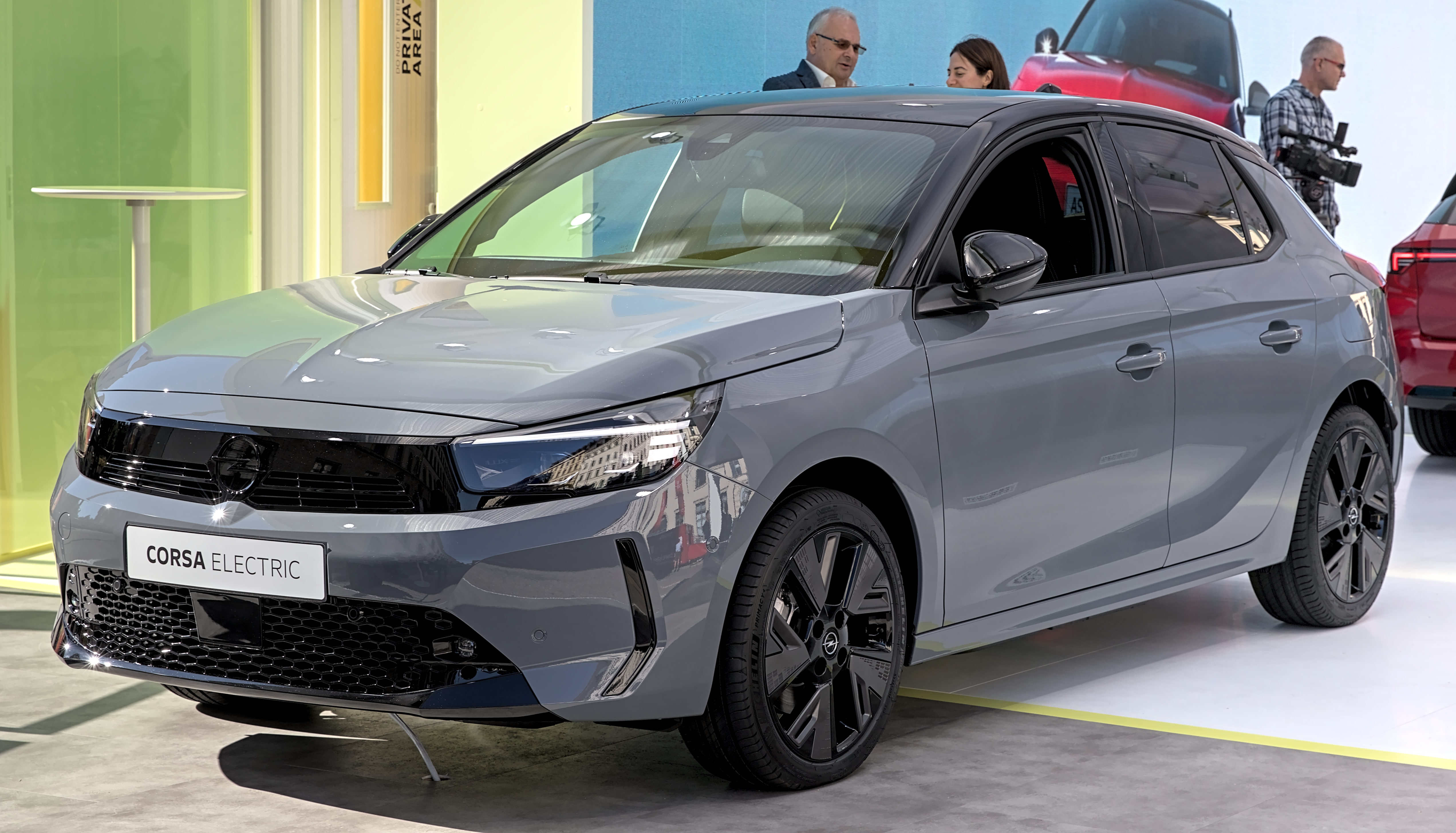
Corsa
"...move on from the Corsa and Astra Names as well, because they have such an immediate mental link for so many people."
They mention the Corsa because the name instantly makes people think of a certain kind of car. The point is that the name can shape expectations, for better or worse.
The Opel Corsa is referenced as an example of a model name that creates an immediate mental association for many people. The speaker argues those associations aren’t always positive and may not reflect the brand’s current products.

Opel Astra
"...move on from the Corsa and Astra Names as well, because they have such an immediate mental link for so many people."
They’re talking about the Astra name and how it makes people think of a particular type of car right away. The discussion is about branding and perception.
The Opel Astra is brought up alongside the Corsa as another model name with strong public associations. The hosts suggest that sticking with these names may not accurately represent what the products are like today.
Ford Europe
"...Ford is in trouble. Ford Europe is in big trouble. Now, Ford Europe, I can see... we're just going to be commercial vehicles..."
They’re saying Ford’s European business is struggling and might focus more on vans and commercial vehicles instead of regular passenger cars. That would be a major change in what Ford sells.
Ford Europe is discussed as being in “big trouble,” with the speaker suggesting it may pivot away from passenger cars toward commercial vehicles. That shift would change Ford’s product strategy and how the brand competes in Europe.
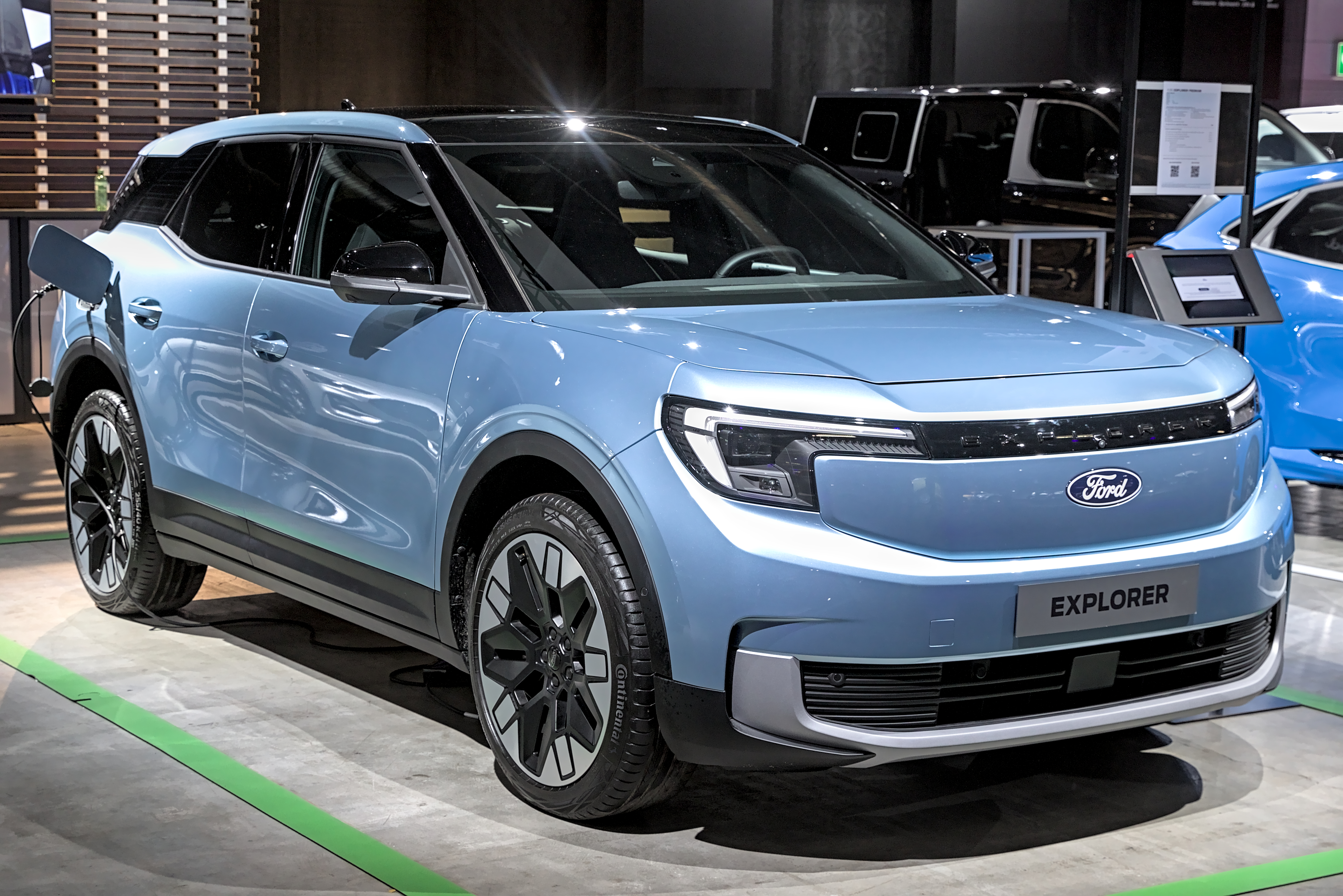
Ford Explorer
"...they... I saw today, they released pictures of an Explorer van version. I know, I know. It looks like the s..."
The Ford Explorer is a mid-size SUV made for everyday driving and carrying people. The podcast mentions a version that looks more like a van, which would be aimed at maximizing passenger space. It’s the same general vehicle idea, but with a layout meant for more people.
The Ford Explorer is a mid-size SUV known for being a practical family vehicle with available tech and comfort features. In the podcast context, it’s being discussed in relation to an Explorer “van version,” which suggests a more passenger-focused, people-hauling interpretation of the Explorer name. That kind of release is notable because it targets buyers who want SUV practicality with a van-like layout.
fleet buyers
"...I can see them wanting to sell that into fleet buyers. And that's where it goes."
Fleet buyers are businesses that buy lots of vehicles at once for work. The idea is that Ford might focus on selling to companies instead of individual drivers.
“Fleet buyers” refers to companies that purchase vehicles in bulk for business use, such as delivery, service, or company car programs. The speaker suggests Ford’s strategy may target these buyers because fleets are often driven by cost, availability, and total operating needs rather than personal preference.
VW Group
"There's plenty of car companies out there that are struggling. VW Group as well, we've talked about that many times."
They’re saying VW Group is also struggling. The broader point is that many big, mainstream brands are getting squeezed in today’s market.
Volkswagen Group (VW Group) is mentioned as another large automaker under strain. The hosts connect it to the broader theme that mid-market, high-volume brands are particularly exposed to competitive pressure, including from Chinese brands.
mid-market volume brands
"...it's those mid... And you'll notice it's pretty much all those kind of mid-market form of volume brands... at risk from the Chinese brands."
They’re saying the brands that sell a lot of everyday cars in the middle of the market are the ones most in danger. If people don’t care much about the badge, they’ll choose whoever offers the best deal.
The hosts describe “mid-market” and “volume” brands as being at risk. Their argument is that buyers who just want a car—without strong brand loyalty—are more likely to switch to alternatives, including Chinese brands, when pricing and product offerings improve.
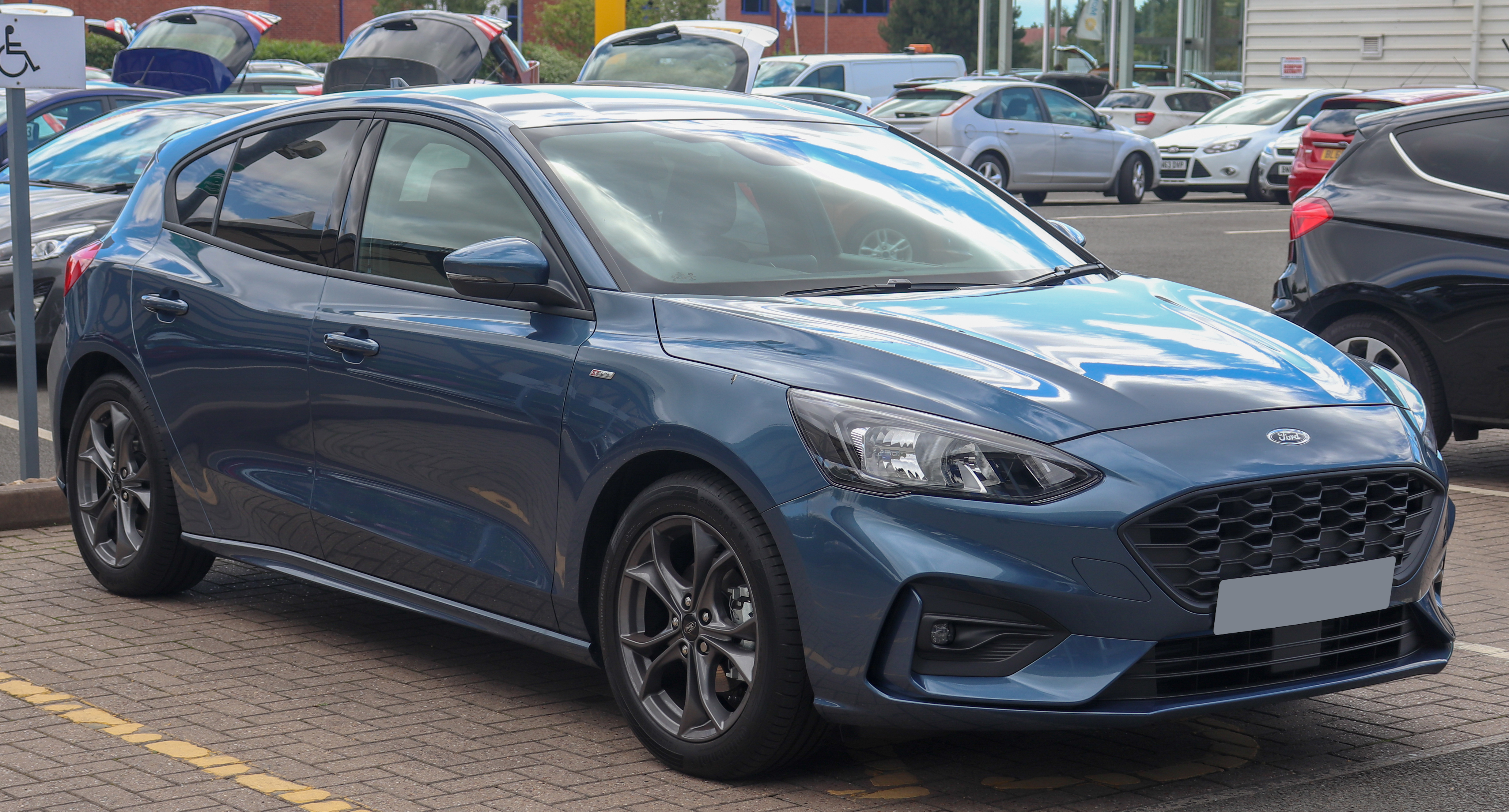
Focus
"...If you just need a car, you would have a focus or a fiesta and they've got rid of those two."
The Ford Focus is referenced as an example of a mainstream model that served buyers who “just need a car.” The speaker says Ford has “got rid of” it, framing that as part of Ford’s product planning challenges.

Ford Fiesta
"...If you just need a car, you would have a focus or a fiesta and they've got rid of those two."
They’re talking about the Ford Fiesta as another common everyday car. The host’s point is that Ford dropped it, and that’s part of why their product strategy is being questioned.
The Ford Fiesta is mentioned alongside the Focus as a former go-to option for buyers who simply need a car. The speaker claims Ford has “got rid of those two,” using it to illustrate how Ford’s lineup decisions may have hurt its position.
press cars
"...if it includes cars we have driven and we have tried driven and been really excited about its press cars and then hated with a passion..."
A “press car” is a car a company lends to journalists to test and review. It’s useful for learning how the car drives, but it might not feel exactly the same as owning one.
“Press cars” are vehicles provided to journalists and reviewers by manufacturers for evaluation before (or around) launch. Because they’re often driven hard in controlled conditions, they can reveal how a car behaves—but they can also differ from what a buyer experiences day-to-day.
hot hatch
"...then hated with a passion or just been so disappointed by, then I'm going to say the Honda Civic Type R where I've tried two of them and I've disliked it. And for the first one... I just found it so harsh..."
A hot hatch is a small hatchback that’s been made sporty and quick. Even if it’s supposed to be fun, this caller is saying the ride and day-to-day experience didn’t work for them.
A hot hatch is a compact hatchback tuned for performance, typically with a more aggressive engine tune and chassis setup than the regular model. The Civic Type R is a well-known example, and the discussion highlights how subjective factors—ride harshness and usability—can make or break the experience.
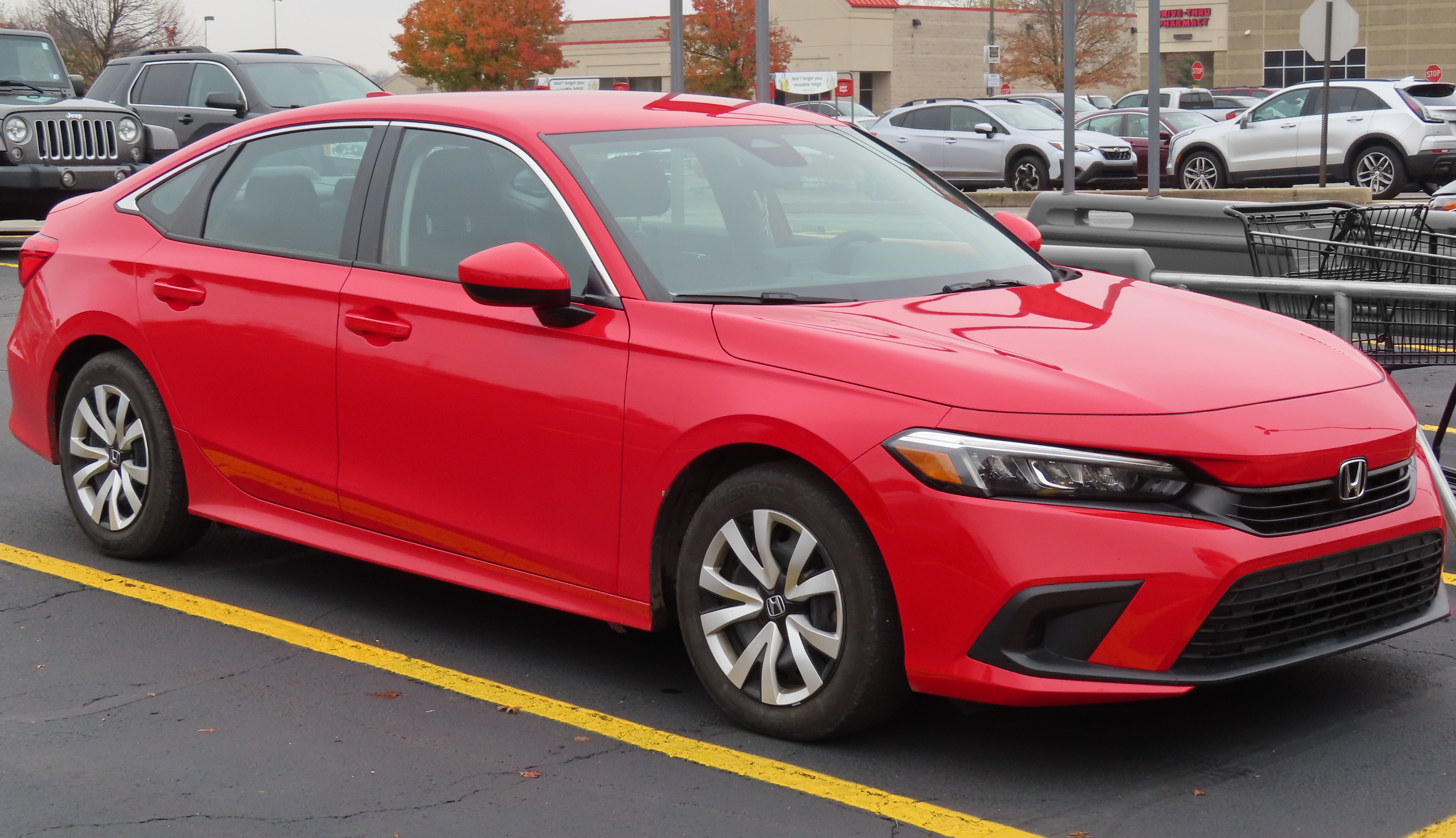
Honda Civic
"... disappointed by, then I'm going to say the Honda Civic Type R where I've tried two of them and I've dis..."
The Honda Civic is a compact car that’s built for normal everyday use. The Civic Type R is the sporty, high-performance version of that same model line. The podcast is referencing it because it’s the version people try when they want a more exciting drive.
The Honda Civic is a compact car line that’s widely known for being efficient and practical, with performance variants that attract enthusiasts. The podcast specifically brings up the Civic Type R, which is the high-performance version people often compare when discussing driving feel and disappointment versus expectations. It’s discussed because the Type R represents the Civic’s performance peak and is a common benchmark for “hot hatch” style cars.
Volvo EX40
"I'm probably the Volvo EX40 electric. Oh, yeah, that's true. I'd forgotten about that. Now, I have to say, caveats to this, it was January... on top of the shockingly bad efficiency... it lit the front tires up every time I pulled away from a junction... I cannot recommend this car unless you have a home charger."
This is Volvo’s electric SUV. The host is saying it didn’t feel efficient or easy to live with in bad winter weather, especially because they didn’t have a home charger.
The Volvo EX40 is Volvo’s electric compact SUV, and this segment focuses on real-world ownership experience. The host calls out poor efficiency in cold, wet weather and traction issues when pulling away, which can make an EV feel frustrating without the right charging setup.
efficiency
"...it was wet, it was miserable. Because on top of the shockingly bad efficiency, and the fact that it lit the front tires up every time I pulled away..."
In EV context, efficiency usually means how much energy the car uses to travel a given distance (often discussed as range per kWh or miles per kWh). Cold and wet conditions can reduce efficiency because heating, battery performance, and tire grip all change.
lit the front tires up
"...on top of the shockingly bad efficiency, and the fact that it lit the front tires up every time I pulled away from a junction, no matter how gentle I was... it just lit up the front wheels every time I pulled away..."
This means the tires were spinning instead of gripping the road. In slippery conditions, the car can put down too much power too quickly and the wheels lose traction.
“Lit the front tires up” describes wheelspin—when the tires lose traction and spin faster than the car can effectively move forward. On an EV, this can happen during hard or even gentle launches if traction is limited by wet/cold conditions or if torque delivery overwhelms grip.
home charger
"...I cannot recommend this car unless you have a home charger. To sit in it was lovely... And everything is just, the ownership side of it was grim for me because I didn't have a home charger."
A home charger lets you plug in and charge your electric car overnight. If you don’t have one, you may have to rely on public chargers, which can be slower and more annoying.
A home charger is the ability to charge an EV at your residence, usually overnight. Without it, daily range and convenience can suffer because you’re more dependent on public charging, which is often slower and less predictable.

Dodge Charger
"... it was grim for me because I didn't have a home charger. And I'm glad I didn't, because I wouldn't have k..."
The Dodge Charger is a car that’s built to feel sporty and powerful. The podcast mentions it in the context of charging at home, which matters if the Charger version being discussed needs electricity. If you don’t have a home charger, it can change how convenient it is to own.
The Dodge Charger is a performance-oriented sedan that’s often associated with strong power and a more aggressive driving character. In the podcast context, it’s mentioned alongside concerns about home charging, which points to a discussion about electrified versions and how charging access affects ownership. That makes it relevant because charging convenience can be a deciding factor for buyers considering an electric or hybrid Charger.
wrong car at the wrong time and the wrong job
"But not for the mileage I was doing at the time, not for the type of driving I was doing at a time. It's the wrong car at the wrong time and the wrong job."
They’re basically saying the car wasn’t right for what they needed at that moment. Even if it had good power, it didn’t match their driving style and daily routine.
This is a “fit-for-purpose” concept: even if a car is objectively good (like having enough power), it can feel wrong if it doesn’t match your typical driving, comfort needs, or usage pattern. The speaker ties it to mileage and driving type, not just performance.

RX8
"...when you've gone from the sort of smoothly relaxed sitting down this, then of the RX8, then it's very difficult to go to then the very upright, very stiff Panda."
The RX-8 is a Mazda sports car. In this conversation it’s being used as the “comfortable/relaxed” baseline, and the speaker says switching to the Panda felt much more upright and stiff.
“RX8” is shorthand for the Mazda RX-8, known for its sporty feel and rotary-engine character. Here it’s used as a comparison point: the speaker says going from the relaxed seating/stance of the RX-8 to the much more upright, stiff feel of the Panda was jarring.

MX5
"...which is why it didn't last very long and it got replaced by an MX5. But really, I really like the 100 horsepower, but I just couldn't."
The MX-5 is a small, sporty Mazda roadster. The speaker is saying they replaced the Panda with an MX-5 because it suited them better.
“MX5” refers to the Mazda MX-5 (Miata), a lightweight, driver-focused roadster. The speaker says the Panda got replaced by an MX-5, implying they moved to a car with a different driving feel and comfort profile.

equivalent Astra
"Oh my word. I mean, I during the time it came out, I drove the equivalent Astra. And that is the car that I hated the most because it made me put me in pain every time I drove it through my back and my knee."
They’re comparing to a Vauxhall Astra, which is a similar kind of everyday car. They’re saying they hated it because it made them uncomfortable and they still had to drive it a lot.
The “equivalent Astra” is a comparison to the Vauxhall Astra, another compact car in the same general class as the Ford Focus. The speaker says the Astra made them feel pain every time they drove it, and they had to cover many miles in it.
COVID
"What else? I was going to talk about COVID in there as well, actually. And there wasn't that much news during COVID, but we kept on doing it for our own sanity."
They’re talking about the COVID period and how it slowed down news. For cars, that kind of disruption can also slow down new releases and make it harder to get parts.
The hosts mention COVID as a period when there wasn’t much news, but they kept producing the show. In automotive media, COVID affected supply chains, production schedules, and the cadence of new model releases and industry updates.
guest presenter
"When Angus Deaton got sacked for Have I Got News For You for taking cocaine and paying sex workers, the show started using guest presenters. Now, I'm not suggesting that either of you are up to the same thing when one of you is absent..."
They’re discussing bringing in someone else to help host when one person can’t make it. It’s a common way to keep the show going.
A “guest presenter” is a substitute host brought in when someone is absent. In podcasting formats, this can help maintain consistency and audience engagement when regular hosts can’t record.

Tesla Model Y
"Tesla has stayed a remarkable comeback with the Model Y in Europe, taking in conjunction with the Netherlands approved FSD supervised. Is there any hope for mankind?"
The Tesla Model Y is an all-electric SUV from Tesla. In this segment, they’re talking about how well it’s selling in Europe and what might be driving that change.
The Tesla Model Y is Tesla’s compact electric SUV, and it’s being discussed here in the context of its sales performance in Europe. The hosts connect its “comeback” to Tesla’s software features and market dynamics rather than hardware changes.
FSD supervised
"Tesla has stayed a remarkable comeback with the Model Y in Europe, taking in conjunction with the Netherlands approved FSD supervised."
FSD supervised is a Tesla feature that helps the car drive more on its own, but you’re still responsible for watching the road. It’s not fully hands-off driving.
“FSD supervised” refers to Tesla’s Full Self-Driving capability when it’s operating under driver supervision. The idea is that the car can handle more driving tasks, but a human is still expected to monitor and be ready to take over.
fleet dumping
"I can only imagine this was fleet dumping on some level, which only leads me to believe it's people who didn't have a, hadn't had a fleet of Tesla in the past because pretty much everyone has been stung by that..."
Fleet dumping means companies with lots of cars sell them off quickly. That can make prices look unusually low because there are suddenly many cars for sale.
“Fleet dumping” is when large fleets sell off vehicles in bulk, often after leasing or contract cycles. That can temporarily flood the market with used inventory, pushing down prices and distorting “normal” sales comparisons.
autonomous vehicles
"It goes with the autonomous vehicles, it goes with connected cars, it goes with privacy, it goes with all these things that I'm going."
Autonomous vehicles are cars that try to drive themselves using sensors and computers. The host is questioning whether the current technology can really do what companies are promising.
Autonomous vehicles are cars that can drive with varying levels of automation, typically using sensors, cameras, and onboard computing. The host connects this to AI promises and argues that the real-world technology may not yet support the claims being made.
connected cars
"it goes with the autonomous vehicles, it goes with connected cars, it goes with privacy, it goes with all these things that I'm going."
Connected cars are cars that can communicate online—often for navigation, updates, and remote features. The host is linking that to AI and questioning how much is truly ready.
Connected cars are vehicles that use internet connectivity to exchange data with cloud services, other vehicles, or apps. In the segment, connected-car AI is part of a broader discussion about privacy and whether promised capabilities are real.
privacy
"it goes with connected cars, it goes with privacy, it goes with all these things that I'm going."
Privacy here means how much personal or driving data a connected car collects and shares. The host is saying this matters alongside AI and self-driving features.
Privacy is raised as a key concern for connected and AI-driven vehicles because they can collect and transmit driver and vehicle data. The host frames privacy as part of the same ecosystem as autonomy and connectivity.
AI
"saying, oh, AI is going to do all these great things for us. How much more evidence do you need to start going? Actually, the promises are not there."
AI is software that tries to “think” or make decisions based on data. The host is skeptical that today’s AI in cars can actually do everything companies are claiming.
AI (artificial intelligence) is discussed as the supposed driver of future vehicle capabilities, including autonomy and consumer-facing features. The host argues that the evidence and current technology don’t support the bold promises being made.
Microsoft
"the Stellantis has done a partnership with Microsoft and saying, oh, AI is going to do all these great things for us."
Microsoft is a major software and cloud company. In this discussion, it’s being used as an example of a tech partner that automakers team up with for AI features.
Microsoft is referenced as a technology partner to Stellantis for AI and connected-vehicle initiatives. The host’s point is that the promised capabilities may not match what the technology can actually deliver yet.
Tesla earnings call
"I think some of it's a carryover from the Tesla earnings call that took place last night when I was tucked up in my bed."
An earnings call is when a company like Tesla talks to investors about performance and future plans. The host is saying some of the claims about future car features came from that call.
The host references a Tesla earnings call as the source of recent promises and commentary about upcoming hardware and features. Earnings calls often influence market expectations, which can affect how owners interpret software/autonomy timelines.
next version of hardware
"promises and comments being made about, oh, it's definitely coming in this next version of hardware. And basically every sold Model 3, Model Y, S, whatever, it doesn't have that version of the hardware."
This means the car’s computer and sensors may need an upgrade before certain advanced features can work. The host is saying many owners bought cars that don’t have the upgraded parts, so the features can’t be enabled yet.
The “next version of hardware” refers to a future onboard computer/sensor configuration needed to run certain AI/autonomous features. The host’s criticism is that many customers bought cars without that hardware, so the promised functionality can’t run on their vehicles until the hardware requirement is met.

Tesla Model 3
"...ext version of hardware. And basically every sold Model 3, Model Y, S, whatever, it doesn't have that vers..."
The Tesla Model 3 is an electric car that runs on a battery instead of gasoline. The podcast is talking about differences in the car’s internal equipment, meaning some cars may have different capabilities. That matters because it can affect which features work or can be used.
The Tesla Model 3 is an all-electric compact sedan designed around battery power and software-driven features. The podcast context references “hardware” and suggests that not every sold Model 3 (and Model Y/S) has the same capability or equipment. That’s significant because it affects what features can be enabled or used later, depending on the car’s specific configuration.
Request an Explanation
Heard something you'd like explained? We'll add it to this episode.
Sign in to request explanations for terms you heard.
Want to learn more?
Browse our glossary for plain-English explanations of automotive terms, jargon, and concepts.
Help improve this episode
See something that's not quite right? Our annotations are AI-generated and can sometimes miss the mark. Click the flag icon on any annotation to suggest a correction.