The air intake is how the car brings air into the engine. If it’s positioned low, water from puddles can get sucked in or reach areas that aren’t meant to be wet.
The transmission is the car’s gearbox that helps transfer power from the engine to the wheels. If water gets inside it, it can cause serious damage because the inside parts aren’t meant to be submerged.
A diff (differential) is part of the drivetrain that helps the wheels turn at different speeds, especially when you’re turning. If water gets into it, it can ruin the fluid and damage the gears.
On many 4WD/AWD cars, the transfer case is the part that sends power to the front and rear wheels. If water gets into it, it can damage the internal gears and contaminate the fluid.
Over landing is like road-trip travel, but with off-road routes and extra vehicle prep. The idea here is that a normal stock car isn’t set up for the kind of water/terrain use over-landers plan for.
A DIY car wash is a self-serve place where you wash your car yourself. Here, it’s the situation where someone cleaned the engine area and the car wouldn’t start.
The Chevrolet Nova is an older American car that came in different versions over the years. Some versions were built to be more performance-oriented, while others were more focused on everyday driving. It’s mentioned because there are many different Novas people might have seen or collected.
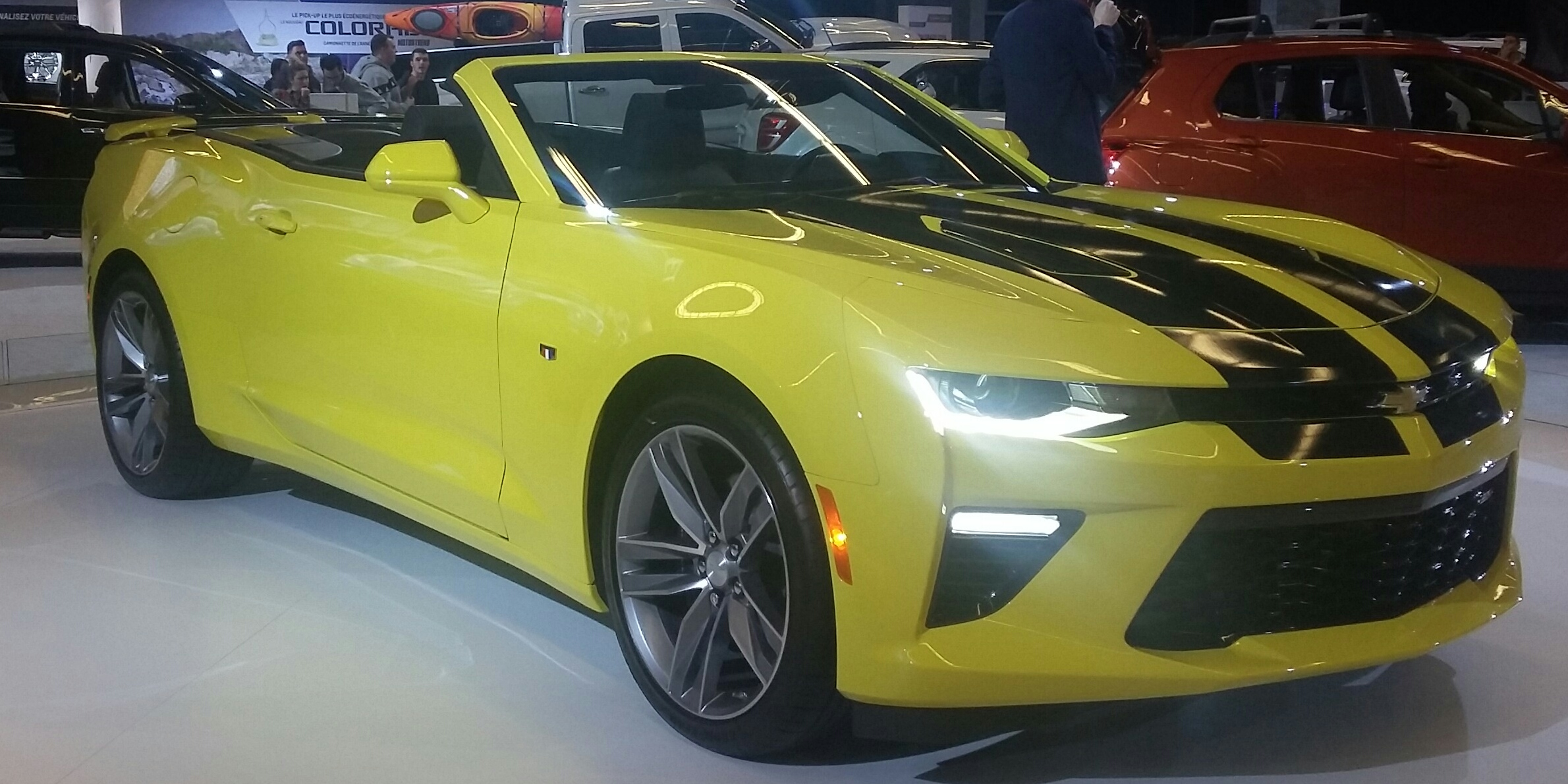
The Chevrolet Camaro is a sporty car made by Chevrolet, usually as a coupe or convertible. People talk about it a lot because it has been made for many years and in many different versions. That makes it a common car to mention when someone is collecting examples or comparing what they’ve seen.
“Self driving” here means a car feature that can help drive, but it still watches you. It uses sensors to see where your eyes and head are so it knows you’re paying attention.
This is a camera that tries to recognize a person’s face. The host is saying some cars use it to judge whether you’re paying attention, and people can try to fool it.
A workaround is a trick people use to get around a rule or safety feature. In this case, the idea is to fool the camera that’s watching your face and eyes.
An active highway work zone is a construction area on the road where workers are actually there. Speed rules and enforcement may only be in effect when the work crew is present.
An inflatable police car is a fake-looking police vehicle used to scare drivers into slowing down. It’s meant to make people think enforcement is close by.
A school crossing zone is an area near a school where cars are expected to drive slower. The goal is to keep kids and pedestrians safer when they’re crossing the road.
A speed camera is a device that checks how fast cars are going. If you’re going too fast, it can take a picture and help the government send you a ticket later.
Term
catch me mailing tickets
This is about getting a ticket by mail instead of being pulled over. A camera or system records the violation, and the ticket gets sent to you later.
These are traffic cameras that use smart software to spot when drivers break rules. If the system sees a violation, it can automatically send you a ticket.
It’s slang for not really stopping at a stop sign—just slowing down and rolling through. In this episode, they’re saying cameras could still treat that as a ticket-worthy offense.
A crosswalk is where pedestrians cross the road. The episode is saying that if a pedestrian steps into the crosswalk, drivers are supposed to stop so they can cross safely.
Right of way is who is legally allowed to go first in a traffic situation. If you fail to yield, you’re supposed to let others go before you—otherwise you can get a ticket.
It sounds like the camera system automatically charges a fixed fine when you’re going more than a certain amount over the posted limit. In this case, the threshold mentioned is 10+ miles per hour over.
Infrastructure costs are the expenses needed to build and maintain the systems that enable enforcement and road safety measures. In the segment, the speaker claims the initial portion of fines is used to cover these costs before other uses like safety funding.
A speed limiter is a car feature that stops you from going faster than a certain speed. Here, it’s described as checking the speed limit around you and then limiting how hard the gas pedal can make the car accelerate.
Throttle response is how the car reacts when you press the gas pedal. If something limits throttle response, the car won’t accelerate as much as you ask, even if you push the pedal.
A breathalyzer is a device that checks whether alcohol is in your breath. In cars, it’s commonly used so the car won’t start unless you pass a breath test.
Term
ignition interlock
An ignition interlock is a breath-test device tied to the car’s ability to start. If you don’t pass the test, the car may not be allowed to start.
DUI means driving while impaired by alcohol or drugs. In this discussion, it’s the situation that leads to installing a breath-testing device in the car.
This is the name of a Virginia program that the speaker says would be responsible for handling the breathalyzer-related requirements. They’re basically talking about who runs the system and manages the process.
SAP is an abbreviation for the Virginia Alcohol Safety Action Program. The speaker is saying it’s privately funded and is involved in handling the breathalyzer requirements.
Talk Cars Radio is sponsored in part by NAPA Car Care Centers, BDG Auto Group, by Liberty Transmissions in Virginia Beach, and by Bob Barnum and the Perfect House Team. Here's
the host, So Let's Talk Cars Radio. Dave Polage.
Speaker 2: Happy Saturday, America.
Speaker 3: You listen Let's Talk Cars Radio on w KQA Freedom Radio.
I'm your host, Big davp hangout camera, chaos and av B.
It is a great day for a radio show. Hopefully
it is a great day for a car show. And
weather is not in your area effect and everything. We've
had some crazy weather this week, so rainstorms, flash, floods, sinkholes with cars in them.
Speaker 2: I mean, you name it.
Speaker 4: You saw that, you saw somebody was like this. So
I don't know if you saw it, but you know how everybody talks about Norfolk and how it gets flooding.
Everything coming off the City Hall Avenue exit. Some cards
went into a sinkhole in the first comment was this gotta be AI And somebody was like, no, not this one and took a video.
Speaker 3: It looked like somebody took a fishing bobber and just put the car out there and it was just in the water, just bobbing nose first, and it looked pretty bad.
Speaker 4: I was just like, all right, well, I was like that's something.
Speaker 3: So yeah, hopefully you're not out there floating around. Because
you know, it's funny every time it rains crazy in our area, like we get like bad flash floods in the roads flood and I always say, I see all these news reports about all these cars that were ruined, and you've heard me say it before. I'm like, they
weren't ruined. That is somebody that wanted out of a car.
Note now I'm not talking about the one that fell in the sink hole. I'm just talking about in general,
the stories I see or cars. They're like and look
at these cars. All these cars are flooded. I'm like,
those streets flood every time it rains here. If you
parked your car on that street knowing rainstorm was coming, I have to assume you don't want your car, Like you just you're like me, you know what, it's time for a new car.
Speaker 4: You think they'll ever make like a for like the insurance where they'd be like if you park your car on this known street to flood, then we're not going to cover it.
Speaker 5: I guess they could, But then again you'd ask the state, you know, if it's such a big problem, why wn't we fixed it? And while we allowing people to still
park on streets that flood.
Speaker 3: Now, you guys, I think you first talked about the story.
So before we moved out of the country and we lived in the city, one of the streets was very close by us. Was was my kids entertainment growing up,
because it got at an intersection very close to our house.
It was it was about six feet deep. I mean,
if it rained hard enough the car, the water was up to the roof of the car. Like you just
it's what it did there. And they never tried to
fix it. And what the fifteen years we lived there,
they it just even.
Speaker 5: Which is so weird because even after repaving the road, you were saying, like, all right, we already tore the road up. Let's start leveling this out. Let's you know,
kind of stick on the problems. Not just it got worse, right, Yeah,
I mean, I mean you know it is.
Speaker 2: Right, it got worse.
Speaker 4: You always knew who did long care too, because the badgers start floating down the road.
Speaker 2: It was the same intersection.
Speaker 3: In the fifteen years that I lived in that house, and you could sit on my once the rain stopped, you could sit in my front. My house was elevated,
thank goodness, because I sat up on a hill. So
we're on the hill and you can look out to the intersection which sat lower, and it was it was a neighborhood. It wasn't stoplights or anything. It was just
a neighborhood. And that it got very deep there. But
you could sit in a lawn chair on my front, you know, lawn and just watch the excitement happened because everybody was going to try to go through it, including Nathaniel.
I think I tried tried to go through it in one of our cars.
Speaker 5: To be fair, it does when it is full, it does look like just a flat piece of it.
Speaker 3: Does hate it. It doesn't look like it's is deep.
But people forget Nathane is like, I think it's not deep enough. I can make it in one of our cars.
It was, oh you about sixteen, I think when that happened about six years ago, and he flowed at one of his art Now I was able to fix it and save it. But he did flood out of the
car stalled, and you thank god he was smart enough not to turn the ignition. So we were able to
get the car and I had to pull the plugs and all that kind of stuff, and it was fine.
We never had a problems through the water.
Speaker 4: We did, we did.
Speaker 3: It was at that point in time. It was waist
deep when we were out of the back of the car.
Speaker 2: It was just getting to the runners. It wasn't. It
was getting to the runners where it would slowly pull into the car the car not enough where like you know, picks the car up or water dumps into it. You
got you got the light for a second.
Speaker 3: We got a light one time off the car pick up and the tires didn't make contact with the pavement anymore.
That's when about time it died out and I went as well were And here's the thing, like you guys know, if you've ever had to go through a large puddle.
Once we were in it and I realized it was we were in it. It was deep, and he was
driving because he was sixteen, oul S teach minta drive and I's literally I said, I think you're gonna need to stop. By the time I got the word back up,
it was we were already in it.
Speaker 5: Yeah, And to be fair, I think you know when we were driving the Ultimate at the time, when I think in those you know they have the bottom filter. Yeah,
and you were trying to explain that to me, and I think that's why we died out.
Speaker 3: Yeah.
Speaker 4: Right.
Speaker 3: I was trying to explain him why we don't need to drive through that water puddle as he was getting as he went into the water and as soon as it dies, I go start it. He said, well, how
do we get out because the water's up on the doors.
I was like, it's already it was already coming in through the seals. I was like, it's already coming in
through the seals. We just need to get out and
get it out of the water.
Speaker 4: That's what's me not to go through the water was because I didn't know about the bottom air filters, you know, and that's what I have. Right, So I'm going away
from puddles this time.
Speaker 3: If I've never told you, I know, we've talked about this on the show. A lot of cars have the
way that they're set up. A lot of the air
intake systems sit down low in the car. Some cars,
they are transmissions vent at the bottom of the transmission, So when you go through a water puddle when everything's spitting, it just turns into a big shop back. It just
sucks the water right up in the transmission and just takes the car out. Now the car's junk. You need transmission.
A lot of people don't realize that the vents not all the cars that way, because like, well, I got a chavy truck, and I drive through rivers and stuff, and I always go, but you shouldn't. It will go
through it, and it is sealed differently, but you shouldn't.
I've never had a problem. I was like, well, have
you ever gone through a bunch of rivers on your back trail and then brought your car to a repair shop and or taken in your own shop and pulled the plugs. I guarantee there's moisture in there. I absolutely
guarantee that there is. Unless you've done something to correct
that problem. For what you're using. That vehicle a stock vehicle,
it won't take on moisture. I have people all the
time coming.
Speaker 2: I mean I went right through it.
Speaker 3: I had no problem. I'm like, let's pull your diff
plug real quick and we'll pull it.
Speaker 2: There's water in it.
Speaker 3: You guys that are car guys, go look at like Chris Fixed and all the different YouTube channels are out there where they're buying these cars from Copart and all differ stuff that are flood cars, and they pulled the plugs.
Transmission has got water because it was a flood car.
Transfers got water, and differentials got water. And I you know,
weird if it's all will drive front and weird differential both have water. And yeah, there they are potentially sealed,
but there's vents on everything. I mean for the most part,
unless you've rigged the vehicle to do over landing and stuff, that vehicle is not set up for what you're trying to do it and neither is the regular automotive car.
So yeah, it takes the water. Our youngest hunter had
his first rainstorm experience this week with driving his new car, and yes have you guys followed along one hundred to get his car and he was extremely excited, so that was pretty awesome, and but he got stuck a rainstorm and the road start to flood and him and I had a conversation. I'm like Hey, if you get to
anything's deep, that car is not designed to be driven through deep puddles. Don't do it. Just find a different route.
And then he called. He's like, hey, it was pouring
down rain. I'm like, you didn't go thro any big puddles.
He's like, no, I didn't. I'm like, all right, so
we're good. But like I said, a lot of you
guys don't think. You guys think as long as you
can keep the engine running, it's okay.
Speaker 2: Just here, just keep driving.
Speaker 3: It's like, well, as long as I keep my foot on the gas to a certain degree, is true, it.
Speaker 2: Won't break down. Should probably bring into the shop.
Speaker 3: Check it out to most likely take water into a component that you should not. Ask Cameron over there when
I told him about his car, and he's like, he'll be all right, and then I wasn't and the same thing.
He suck water up into it and we had to drain everything. Now and yeah, so it happens.
Speaker 4: I want to go get gas, and then my whole car became not Ay.
Speaker 2: When that happened, like twenty when that happened.
Speaker 4: Yeah, twenty years old when that happened. So I mean
it happens like you don't.
Speaker 3: I mean, look, guys, it's not about being a ranging.
It's like I said, a lot of people that listen to this show, you guys are not car people. You
guys listened before the entertainment portion of the show, the information, the funniness, whatever, And you guys say the message all the time, Like I didn't know that I'm not a car person. I just I listened to the show for
my own reasons whatever, and like so I can listen a bunch from the people tell me. But uh yeah,
I mean it's a lot some people just don't know.
Cars starts really aren't designed for that.
Speaker 4: Now.
Speaker 3: Back in the day, older cars, they were a little bit more resilient. They could take it a little bit
more than what we have now. We had less electronics
we you know, I mean everything you know, to be.
Speaker 5: Fair, it could still bog down and still drive all these things. New ones have all these computers. Once it
starts bogging, it just kills itself right.
Speaker 2: Right as soon as something as soon as something gets wet.
Speaker 3: I'll give you a perfect example. I just did it.
I know better, but I was in a hurry and I was powerwashing underneath the hood. The underneath the hood
of the car was dirty as can be. It was
driving me nuts. I hit it with some cleaner and
I hit it with the pressure washer, and I start pressure washing underneath the hood and the car cut off.
Speaker 2: I hit something.
Speaker 3: I don't know what I hit. I hit something electrical
that didn't like it, and I was using I wasn't using heavy pressure, guys, I was on low pressure. But
I just put some engine cleaner on it, let it sit, and then I was spraying off the engine cleaner. But
I hit some electric in the car instantly cut off, and then it didn't want to start, so I knew I got water on something. And everybody's like, what did
you bag everything? I laid stuff over the things that
I know. I'm not supposed to get wet. But something
got hit with water that didn't like it.
Speaker 5: And to be fair, you can't spray and carve me if I'm wrong, But you can't spray it as long as you know, you let it all dry out.
Speaker 3: What you can, what you should normally do is there's I have I have a lot of nice stuff practice get right, like bag everything up, seal it up. I
have a steamer that I like to use a lot.
I'll spray cleaner on it, and I'll go back and steam it and then I slightly rinse. The best way
really to do it that I can tell you, and an engine detail guy, I probably tell you a hundred different ways probably better do it. What I do is
I bag.
Speaker 5: Have you seen some of these detailed cleaners and they don't have a bag anything off, They're just power hose and they do it really. Some are pretty pretty good
at it, like cutting the corners and just cleaning where they need to be. They're pretty good at the ones.
I've done it for a little while.
Speaker 3: See I have like so I have the I have the steam right, I told you guys have really nice commercial steamer they usingderneath the hood. I have the little
brush that you take a you detail and everything hit it.
You put this ice spray cleaner and then hit with the detail brush. It breaks everything loose, and then I
go back and steam. Most of the stuff falls off. Like
I said, if I go if I have to go to the pressure washer, I put the lightest washing, but I don't have to really use too much of it because you can even use a garden hose. Really, because
I've already broken all the most of the grease off and then I go wipe it and then I use engine dressing and stuff because I like, you know, underneath to be detailed.
Speaker 4: That's just me.
Speaker 3: There's a lot of different ways do it.
Speaker 2: But I've watched.
Speaker 3: People just break the pressure washer out and just spray.
I see people all the time with the self car washes underneath the hood. I'm like, that's not going to start.
I'm like I'm watching what they're doing. I'm like that
there's no way that car is going to start when they're done. And sure enough, if like I have made
the gamble went, that thing's not gonna start. And then
when I come back through, like an hour and a half later, there's a tow truck towing that car out out of this do it yourself, Twittterly.
Speaker 4: You remind me, and I'm going to take you off track just real quick. Twittterly reminded me last time I
took you know how, I have the membership for the car. Yeah,
I'd like taking my mom's car and game watch. So
I go and drive and the guy's guiding me. I
should have known that it was his first day, and he guides me right off the track and he's like, went back up. It's the first time in twenty twenty
six years that I've ever backed out of a car wash to re align myself. But it was just something
that you said just made me think of like he was guiding me and then it like track yeah, okay, yeah, yeah, yeah, you know what it is. Yeah.
Speaker 3: I was like, I know, has some message, right yeah.
So but uh, it's like I said, I mean, when it comes to weather and cars and stuff like that, the guys, they're not boats. They're not made to float.
Be carefully. We're definitely getting ready to roll back in
that season here where we're gonna start seeing a lot of thunderstorms and then we're gonna go right in a hurricane season. Again, it's gonna come quick. This year is
flying by. I cannot believe we're getting ready to go
into July already. Is insane.
Speaker 2: We do have a bunch of car show.
Speaker 4: Stuff coming up.
Speaker 3: Just so you guys know in August put it on your guys calendar. I'll give you the exact all information.
We get a little bit closer. The team will actually
be out at the Shriner's Car Show this year. Again,
we were out there last year. Had a great time,
huge turnout for that event last year, so we're hoping to get a great turno again. So if you're in
the Hampton Roads area, we will be in Hampton Roads at the Shriner's Car Show. I know, we got some
other big shows to go. There's some invites for us
to head out of town again. We just kind of
take a look at some of the schedules. We've been busy,
as you guys know, you've seen me kind of here and then get always been off kind of doing their things.
Some commitments we've had, so we've been very very busy with the show, just trying to keep up with all the commitments. So i'logy you guys know.
Speaker 4: Yeah, yeah, did we spot you?
Speaker 3: If you guys haven't played the Diad, we spot a game, make sure you guys go on to our platform.
Speaker 2: Over're at Facebook.
Speaker 3: There's a bunch other what I think it is showing up on Instagram some other things that it's out there and look seek we spot you. When we're out car
shows and we're traveling, we take a lot of different pictures and stuff and then we post them. We played
the Dead, we spotchy game. People like playing. It gets
a lot of different people send me messages. Is good, so
go check it out. Hey, even if you're looking for
some really cool ideas for your project, maybe you see what somebody else has done. It inspires you to do
something for you.
Speaker 2: It's what it does for me.
Speaker 3: I have a somebody sent me a message. I got
a frog in my throat and said, hey, can you start compiling all the different like all the Camaros you've seen, or all the nova's you've seen, and start putting them together so we can so I can take a look at like twenty five different ideas, so I can come up with an idea for myself maybe. And I'm like, well,
I guess because I kind of do that too, Like I take this idea here, this idea there, and then you know, put it together.
Speaker 4: Maybe I'll get around and do that.
Speaker 2: I don't know.
Speaker 3: That's that sounds like a lot of time time consuming, I mean, but you know it's funny. I went and
took a look at all the cars that we've seen since we've done this show. I have a compile right
this second of it says more. It says twelve thousand plus.
Why I pull twelve thousand plus pictures of your guys's cars that we've taken all the different shows over the years.
So yeah, I probably have one of the biggest inventories of what people have done to their many different types of cars probably out there. So maybe I should do
something with it, put it on YouTube and put some music to it or something.
Speaker 2: I don't know, it would be pretty cool.
Speaker 3: Yeah, yeah, I mean, like I said, and then maybe and like just break up in a category. So if
you want to see all the novas and what people have done to me because you want to build one to get there, and maybe I don't know, maybe we'll do something with it. But yeah, keep your cars out
of the water, watch out for the weather. I got
some really cool stuff coming up for you guys. We're
going to jump into AI versus laziness. You guys are
gonna want to hear this. There's definitely some interesting new
AI stuff going on. Another top we're bringing hit this week,
is you guys hear about the banana car, Because if you had not heard about the banana car, it's kind of interesting.
Speaker 2: I don't know, I think to me, it's.
Speaker 3: A little of a rip off idea, but I'll tell you guys about it.
Speaker 2: Let me take quick commercial break.
Speaker 3: When we come back, we got some more for you, So you guys, hope tight and we'll be right back.
Speaker 1: You're listening to Dave Plash on Let's Talk Cars Radio.
Dave will be right back. Nobody remembers the name JF.
Witlow and Sons Incorporated until you need them. But when
you have a toilet problem, drains back up, pipes freeze, your heat or air conditioning stops working, then you remember JF.
Whitlow and Sons. Don't forget the phone number. Three nine
nine one seven one four. That's three nine nine one
seven one four. Air Conditioning and heating and all plumbing. JF.
Whitlow and Sons have been serving Hampton Roads since nineteen forty nine, residential and commercial. You could always count on JF.
Witlow and Sons to get to you fast and get the job done right the first time. Located in Portsmouth
and serving all of Hampton Roads, those who know called JF.
Witlow and Son Call them at three nine nine one seven one four. That's three nine nine one seven one four. JF.
Whitlow and Sons Incorporated.
Speaker 6: Something really cool happened in nineteen seventy five, and no, it wasn't the beginning of the Disco era Congress past the Magnuson Moss Act. So you don't have to take
your vehicle back to your dealer to keep your vehicle manufacturer's warranty and effect. Our NAPA Autocare Center uses the
proper replacement parts and procedures to keep that warranty valid.
Visit our independently owned NAPA Autocare Center today.
Speaker 3: Hey guys, you asked for it and I delivered. Check
out our all star team of automotive specialists at NAPA BDGHRVA dot com. That's NAPA BDGHRVA dot com.
Speaker 2: Talk to you soon.
Speaker 4: Hey, Dave, what?
Speaker 2: Hey, Dave what?
Speaker 4: I've got a secret?
Speaker 2: What are you? Twelve?
Speaker 7: No, I'm just excited to announce Celebrity Transmission.
Speaker 2: Is headed to the future m by a Dolorian.
Speaker 7: Did you Noh, but we did get a brand new building.
That's right, people, Liberty Transmission is moving to thirty forty one Holland Road to better serve the community. Check out
our website for updates or give us a call at seven five seven two three three thirty one thirty one.
That's right. Two three three thirty one thirty one. And
remember my name is on every transmission.
Speaker 1: There's no place like home. Home is where the heart is,
Home suite home, like every movie, book and song, every story as a beginning, and then let your story start today.
Call Bob Barnum today at the Perfect House Team with the Real Estate Group.
Speaker 8: Bob here from the Perfect House Team, from beginning to end.
I'm ready to help you write your story. Call me
today at seven five seven four sixty four one zero zero three. That's seven five seven four sixty four, one
thousand and three.
Speaker 1: Welcome back to Let's Talk Cars Radio. You're automotive specialist.
Now back to your host Dave Polach.
Speaker 4: Hey, guys, welcome back.
Speaker 3: You're listening Let's Talk Cars Radio, and I'm gonna jump into some of this stuff with you guys real quick, you're ready. So we're talking about AI in the last
couple of shows, right and how it's been kind of crazy and how it's been integrated. Well, here's the newest
one for you. Have you guys heard about the Dowal trick,
the dow doll like like a like a Barbie Dowell dowl trick.
Speaker 4: I guess, oh, oh, oh, oh yes, I have all right, is this the one where they sell those little mini figures that you can like? It goes upside down and
they put it right next to the Tesla camera and in the camera it shows it it's like a fake doll, but it makes the camera think that it's like a like a person. Right, Yeah, So that one the question
this week has.
Speaker 3: Been is this or is this creativeness? And it's AI
versus the lazy person? Right, So, if you guys don't
have and I know a lot of y'all don't have me yet, but if you don't have a self driving feature in your car, a lot of self driving features work on eye movement and the head placement and all that kind of stuff. So depending on what generation of
a of like AI self driving car stuff that you have and is depends on if this works I guess or not it won't. That doesn't work on mine because
mine's an older generation even though we have you know, we've talked about the one we have in our car, but some of the newer ones. It's tracking your head movement,
is tracking your eye movement, and the self driving feature only works if your I guess, if your heads forward and if it can read eye contact and stuff. Well,
the hack is people are getting dial heads and they're putting suction cups on them and they're putting them in front of the face recognition camera.
Speaker 2: I guess whatever.
Speaker 3: So all it sees is a head facing forward and the eyes not being distracted and moving so you can take your hands and turn your head and take it off the wheel and whatever. And it's the heck to
be able to car to self drive. I mean it's pretty.
Speaker 4: It's makes it like its like the person is like driving put their heads actually a doll head. So it's uh,
but it works, and I mean it just shows you that we keep on like putting all.
Speaker 3: These features into cars for more I guess for more safety.
That's I'm gonna say, more safety. And there's just workarounds.
It doesn't really matter what it is. There's a work around.
Speaker 4: I already saw how they're going to fix that and or like an idea of when we were talking about how they're gonna start scanning your eyes to see the emotions, you know, and start of recommending stuff. They're just gonna
implement that into are they blinking? Can are their eyes?
Actually that's this week as well, as it was in the news this week as well, where you know, Like so I was telling you just about one of the Senate bills that just came out. I pulled up some
information on it for you guys as well. So the
Juina Senate Bill eighty four is what they're calling it.
BIL eighty four goes into effect on July first. They're
now going to be taking AI cameras and tracking if you run crosswalks or stop signs, if you come like to a complete stop. Now they are doing it in
certain areas, I.
Speaker 3: Think high traffic areas.
Speaker 4: Some of the off rises zones are active highway work zones, which we did see that coming. We're talking from, Yeah,
you know where they were putting some of the cameras and work zones. And if you yeah, and so with
all the cameras, that's one thing. So an active highway
work zone enforceable only when highway workers are physically present on sites. Is that in the law. Do you see
the pictures today?
Speaker 3: Do you see the picture I sent you about the with the inflatable car. Was the inflatable police car? Yeah,
an inflatable police.
Speaker 4: Car had to be out of out of country, you know it No, it's somewhere in the United States.
Speaker 3: I want to say it was like ELLINOI or something like that that they would do.
Speaker 4: Yeah, because they do the fake cop car sign. Yeah yeah,
school crossing zones. Okay, there's another word and they're gonna
put it in. I'm do with that, which I'm okay
with that, you know, but is it only My question about it was and I couldn't find the information. Is
it only going to be active during school hours like the speed limit signs, or is it going to be active during the artest?
Speaker 3: So I told you we have one in our area that it's been turned on and turned off. There's been
a fight for it. But it is a speed camera
that issues you to send you a ticket, and it's in a school zone out by us. Now. I know
that there's been a lot of back and forth back and forth about it because it was on and then then I saw a report in the news that it got turned back off because somebody was fighting it, and I know they keep on fighting back and forth. First
of all, let me start by saying I'm not for speeding school zones. I don't like it. I don't like
when I see people speeding around school buses and stuff like that. But you can't have one without the other,
I guess is the idea of it, If that makes sense.
Speaker 4: I'm still the.
Speaker 3: One of the people of I'm on the fence with you got to catch me in the act. I don't believe.
I don't like the catch me mailing tickets. Now, if
I would have to weigh this out anyway at all and get anywhere on the side of the fence that they probably want me to be on, school zones would be the probably the one. I go, okay, that one
doesn't bother me. But the problem with it is you
crack the door open and then the government just literally just kicks that thing wide open and comes through it with everything else. That's what we always run into.
Speaker 4: One of the one of the by laws is they can put it in high pedestrian areas or what they consider high dangerous areas. So it's like kind of like
and you guys might not know it, but you know over there by burd Neeck, you know, and there's been a lot of accidents over there. I can see them
putting one right there, you know, because everybody's crossing over and stuff. Town center. I can see them putting another
one right there, and people will run those all the time.
Speaker 2: Oh yeah.
Speaker 4: So then I started pulling up like okay, well where's all this money go?
Speaker 2: You know one, that's the question you're ready to ask you.
Speaker 3: Yes, I'm like, so if you implement fines, right, you're gonna put these AI cameras out and they're gonna be fines for running a stop sign. Not stop light, guys,
stop sign.
Speaker 2: We're gonna put a camera.
Speaker 3: If there's a place and you don't and you do a California roll through a stop sign, you get a ticket.
If we're gonna put them at crosswalks, and if you didn't stop right because the pedestrion touched the crosswalk all the way over on the far side, I guarantee the tickets coming, because the law is written if anybody doesn't matter where they're at, if they step into the crosswalk and you don't come to a stop, even though it may be far. Let's just say you're all the way
over here and you're driving on this far side, but they stepped in over there. Technically, by the way the
world law's written, you're supposed to stop even though they're nowhere close to where you're at yet you're supposed to stop as soon as you see them in the crosswalk and wait for them to make it all the way across the crosswalk. So if you're gonna issue those fines
and stuff, my question is are we doing this for safety I know you have the answer, or are we doing this because it's gonna be a money generator? So
how much of that money is actually going to feedback through?
Speaker 4: Let me give you a guess. What do you think
how much do you think the charge is. Let's just
say you run a stop sign. How much you think
the charge is? Fifty dollars? Okay, yep, you're right on
the on the dot. How much do you think it
is if you fail to yield the right of way?
Speaker 3: One hundred dollars?
Speaker 4: No, it's just still fifty dollars. But what I thought
was interesting was a price chart they purposely list speeding.
They don't talk about that the law has speeding in it.
It's coming, but they put a fine in it that if you go over ten miles per hour or more over the post of speed limit in an authorized zone for the camera, it's an automatic one hundred dollars violation.
So why would you put that in the policy exactly unless you were playing it's going to be. So they
do kind of say, hey, uh, the first fifty dollars and one hundred dollars doesn't go to the city. They
have to pay for the infrastructure costs costs first.
Speaker 2: All right, for every citizen. So every citizen has to
pay for that cost of that. At some point they're
gonna make their money.
Speaker 4: So that was phase one. Phase two is when they
can then get after they pay their operation and maintenance costs out of those machines for them versation they can and it's going to sound familiar. It's gonna sound familiar.
Then they can then put it into a safety fund, and then the safety fund can be used for crosswalks, roadways, putting overhead crosswalks, for production.
Speaker 5: Curious how many taxes we need to fix the same stuff over and over again, Right.
Speaker 3: It's a broken system.
Speaker 4: I got even one better for you got that one was crazy. So then comes and this goes on July
first as well, comes Virginia code for six dot two dash five zero seven. That is where they it goes
into effect on July first, and it's going to establish the intellectic Assistance program. The program introducers mandates for drivers
that are reckless driving are has a lot of tickets and has a very high so might have balance.
Speaker 3: I knew this was coming, and I told you guys, we've talked about this for years in this show. We
knew speed limited stuff, and there's gonna be tickets for speeding.
And then what that was going to generate into. It's
now that bill he's talking about forty six point two DESH five zero seven will now integrate speedlimbers and.
Speaker 4: Cars and it's going to be a GPS tethered system.
So just like how we were talking about when you go into certain zones, that's almost just the start of it.
You know, it's going to track local speed limits in real time and physically govern the throttle response in the vehicle.
Crazy for you, preventing the driver from a seering beyond on the legal speed limit. Now you asked a great question.
Speaker 3: Of I want to know, So I I was reading up on this and then my question was really really simple.
I wanted to know. Okay, so when you get a dui, right,
a dui will cost you about twenty five thousand dollars nowadays, by the time you put the breathalyzer in your vehicle, you have to pay for what the monthly service for the breath of liser. You get to pay for the
cost of the breatha liser you put in your car, counselor to be installed. The counseling goes along with having
a breath lizer in your.
Speaker 2: Car, all those counseling for the counseling.
Speaker 3: For the counseling, right, all this stuff. Now, once again,
let me clarify, because I know how some of you love to beat up on me when I say things.
Speaker 2: I'm not for it, I'm not.
Speaker 5: But but I can tell a beat horse from a not a beat horse.
Speaker 3: I want to know when you start implementing stuff like this, because this is going to be just like a breathalyzer and the cost factor goes into it, how much of that money is going to be a monthly the install and then on top of that, how much is that being funneled back to the state. Do you have an
answer for handing?
Speaker 4: You make me laugh. Who do you think is gonna
be handling them the device? Just number question.
Speaker 3: It's gonna be a completely secondary party. Is gonna be
handling here?
Speaker 4: No, the Virginia Alcohol Safety Action Program is going to be.
Speaker 5: So you're you're going to go to a SAP or something, which is crazy. It's for those that don't know a
SAP is privately funded.
Speaker 4: It is.
Speaker 2: That's what I said. So I was right.
Speaker 3: It's gonna be somebody privately is going to be handling this, but the money. But the money is still gonna be
the city is or states're still gonna make money off.
Speaker 4: I have the food breakdown. I'd be a really deep
dive of fire. Hold on.
Speaker 3: I want the deep dive on because I knew it.
Speaker 2: I knew that this was coming.
Speaker 3: I talk about it, and I knew there's gonna be a channel back funnel for them to make money on it.
I want the breakdown, but I can take a quick person break when come back. We're going to the breakdown,
So hold tight, be right back.
Speaker 1: You're listening to Dave Palatch on Let's Talk Cars Radio. Dave.
We'll be right back.
Speaker 2: Hey Dave, what, Hey, Dave what?
Speaker 4: I've got a secret?
Speaker 2: What are you twelve?
Speaker 7: No, I'm just excited to announce Liberty Transmission.
Speaker 2: Is headed to the future.
Speaker 7: M by a Dolorian. Did you no? But we did
get a brand new building. That's right, people, Liberty Transmission
is moving to thirty forty one Holland Road to better serve the community. Check out our website for updates or
give us a call at seven five seven two three three thirty one thirty one. That's right, two three three
thirty one thirty one. And remember my name is on
every transmission.
Speaker 6: There's something special about NAPA Autocare Centers serve backed by the national strength of NAPA nationwide warranties, honored by thousands of locations.
Speaker 2: You know, that's NAPA know how.
Speaker 6: But more importantly, your NAPA Autocare center is independently owned and operated by neighborhoods who operate by a written code of ethics. Put your vehicle in the hands of ASC
certified technicians who will greet you with a smile you can trust. Visit us today.
Speaker 3: You heard me say it, and now here's your chance.
Now's the time to go find your auto garage. Don't
wait until it's too late. Go to NAPA BDGHRVA dot
com and find your all star carcare center today. That's
NAPA BDGHRVA dot com. Talk to you soon, Hey, guys.
Day from let's Talk Cars Radio. So for the last
two years, if you listen to the show, you've heard me talk about my dream house. It has been a
great experience buying land, building my house, even selling my old house. One thing I didn't tell you about was
the real estate agent that I used. I used Bobbartem
from the Perfect House Team in the real Estate Group.
It's been one of the best experiences I've ever had.
Bob has been there for us from beginning to end and treated us just like family. I'm telling you you've
heard me talk about this because it has been one of the truly best experiences that I've had. If I
did not thank us Bob, I don't think that I would have all the best things to say about building this house. So if you're looking to buy or sell
a home, definitely give Bob a call at the Perfect House Team in the real Estate Room. You can contact
Bob at seven five seven four six four one zero zero three. That's seven five seven four sixty four one
zero zero three.
Speaker 1: I'll talk to you soon. Nobody remembers the name JF.
Witlow and Sons Incorporated until you need them. But when
you have a toilet problem, drains back up pipes freeze your heat or air conditioning stops working. Then you remember JF.
Whitlow and Sons. Don't forget the phone number. Three nine
nine one seven one four. That's three nine nine one
seven one four. Air Conditioning and heating and all plumbing. JF.
Whitlow and Sons have been serving Hampton Road since nineteen forty nine, residential and commercial. You could always count on JF.
Witlow and Sons to get to you fast and get the job done right. The first time. Located in Portsmouth
and serving all of Hampton Roads. Those who know called JF.
Witlow and Sons. Call them at three nine nine one
seven one four. That's three nine nine one seven one four. JF.
Witlow and Sons Incorporated. Welcome back to Let's Talk Cars Radio,
your automotive specialist. Now back to your host, Dave Polach.
Speaker 3: Hey, guys, welcome back. So if you're falling along with us,
we are talking about the new program for speedliminers in your car, for habitual speeders, and the fact that you're now gonna have to put limiters in your car and stuff.
So the question I asked you when the commercial break, how does how tell me how this funnels back to it because I know it does.
Speaker 4: How does this tunnel back? Because we just left off.
I informed him that it is going to be the Virgin Alcohol Safety Action.
Speaker 3: So you're gonna have to go to the house for for habitual speed or something to you know it's coming.
Speaker 4: So right, So right when you get charged to fit and they go and say, hey, you need to go, you got gotta go get this device, okay one. It
has to be an approved device.
Speaker 3: Is going to be installed by that type of company who has the okay installed, just like having a breath.
Speaker 4: Lize in your car, yes, right, and it has to be installed to every single vehicle that is underneath your name.
Speaker 2: If you got the speeding to get you don't have to do that.
Speaker 3: Bataizer you do, you don't breathalyzer. You only have to
put now it used to be that way. Now you
only have to put it in your primary vehicle. You
can have more vehicles. You get to put it in
the primary. If you get caught driving that car that
you don't have one in, that's a whole other set of problems.
Speaker 4: Brought up that information too, So it had because I knew you were going to ask that question. It must
be installed in every vehicle the driver owns, every vehicle registered to the driver, and any vehicle the driver tends to operate. So that means that if they have four
vehicles in their name, they have to go get that right, and then if they intend to go drive the Missus vehicle and it's not under their name, then they have to go put one in theirs, right, right, right?
Speaker 3: Yeah, So what's the cost to have what's the cost of the device to be installed your cars? Or a
breakdown for that? Let me get it. I don't even
jump over.
Speaker 4: The driver must present the quick vehicle to a service provider station every sixty days, right, and it's all right sonor right yep. During these appointments, it is going to
go through all that electronic logging, just like the alcohol theme.
So now how much does it cost? The initial setup
fee is one hundred dollars per vehicle, okay, right, it's one hundred and thirty dollars per month for the monthly licensing and maintenance.
Speaker 2: And you're acquired it for a year, and you got to have it for six months or a year a.
Speaker 4: Year last last see I always like a year, but something else told me that if you can. If you're
going to get a three month suspension on your license, then you can enroll into a nine month course rather than the three months suspension of your license.
Speaker 2: I think you said you could have a three month or get the.
Speaker 4: Right for that's for other charges, the reckless driving if you go over one hundred. I don't know if I
said this, but if you go over one hundred miles per hour, it's an automatic Which.
Speaker 2: One are we talking about it that we're talking about the hundred.
Speaker 4: If you go over one hundred miles per hour, you automatically get the device. If you get charged for let's
say twenty miles over and it's not over one hundred, sometimes.
Speaker 2: They can still give you.
Speaker 4: They'll give you an optimatum. Do you want your license
suspended for three months where you have to walk to work?
Or do you want to speed a ner device in your car for the next nine months to prove to and show you that you don't.
Speaker 3: Spense Because it's gonna cost me five grand until I get out of this.
Speaker 4: So you have be expensive to get your license backed tailors per month for a state monitoring fee that's not fifty dollars per month.
Speaker 2: On top of Yeah, is that for like the inspection that's the.
Speaker 4: VASE SAPP Commission, the ASAPP commission.
Speaker 5: Yeah, okay, so that's why that's when they're checking your veil if you need to get their vehicle. I'm assuming
like when you do your two months inspection, that's.
Speaker 3: Gonna be a no, that's another inspection. Okay.
Speaker 4: That's just to be able to get the information over to the state. So you got to pay one thirty
to the person that's doing your inspection everything per a month to get all that log information over to the state monitoring.
Speaker 2: Company month everywhere two hard dollars.
Speaker 4: And then if your car needs to get that device taken out and transferred to another car, it's a seventy five dollars vehicle le fee.
Speaker 2: Yep, Well give you a discount if you get locked dollars.
Speaker 4: If you get locked out of the device, which the reason why about that because it happens all the time where people get locked out, it's fifty dollars per occurrence.
If you missed your appointment for your inspection, it's thirty five dollars per occurrence. And then if you tampered or
damage in the people.
Speaker 5: I realize people have like jobs, careers, flies, families.
Speaker 3: It's this is almost like when Kim was telling me about it, Like I said, I knew there was a fun back, but it's almost like any of you who were ever in the military and you ever had to either go to captain's mass or you had to take somebody to captain's mess like I did, and then the the captain would dock the sailors pay for doing something wrong.
Speaker 2: And then sometimes I have to take sailor.
Speaker 3: We go there with sailors because they were there because they didn't pay their bill, and what did they punished them with? They punished them with taking more money away
from them. And then of course they are there the
very next month because they didn't pay any bills. So
why didn't they pay the bills? Because they didn't pay
it the first time because they didn't have enough money.
They took money away from them, so now they really can't pay their bills.
Speaker 2: This is like that. It feels like that's.
Speaker 5: Pay to say, but it sounds like a captain Mashes wasn't the brightest guy around.
Speaker 2: It's just because like how do you how do you expect them to pay if they ain't got no more money.
Speaker 4: I don't know tell you that. They also, I know
that we're not a banking and finance podcast, but they think about that come July first, that now banks will have to automatically put a certain percentage of your money that's coming in before where it can be garnished for anything.
They just put that in. I saw it when I
was reading this. But let's go back to this topic.
How much do you think the state is going to get per out of all of that money?
Speaker 2: Yeah?
Speaker 3: Are we doing percentage wise? Are we doing amount? Okay,
dollar a dollar amount? So it's let me just make
sure it's one hundred and thirty dollars to have it monitored, right, yeah, and that's going to be okay, it's one hundred dollars to have it installed.
Speaker 4: Do you have to buy the device too, because one hundred dollars per vehicle that's installed. Yeah, that's just mental.
Speaker 3: Okay, but you have to buy you rent the device for one hundred dollars a month.
Speaker 4: Well, no, it's one hundred dollars per vehicle and installed monitoring fee.
Speaker 3: But there's like like for the device themselves, like certain states, the device you have to pay to have it installed, and then you have to pay for the device, to rent the device fifty dollars monitoring fee okay, different fee like okay or like breadliser. There is a installation fee
you have to pay the company who put it in a rental fee, or buy the device. Some will buy devices,
and then you pay the state a monitoring fee on top of that. So there's a rental fee, a monitoring fee,
and then you have what's talk about paperwork transfer fee for fifty dollars. So if you take all that, so
let's just say the average cost is five hundred dollars a month to have this in your car. Close I
got two because you have more than one car. I'm
just saying you have more than one car. So let's
say five hundred dollars a month is what your cost is. Right,
I'm gonna say they're taking fifty percent of that for themselves.
Speaker 4: They're going to take sixty dollars per month per enrolled driver.
It's fifty dollars from the driver paid monitoring fee okay, and then ten dollars kickback from every of the private vendor that has to pay their monthly This is a month leak I seen fee. Don't understand any of the
private device manufacturers that is an approved ICAP device must pay the state to uperate within the Virginia borders. This
includes a two hundred and fifty dollars annual contract fee to the state in an additional seventy five dollars inter review.
I'm so lost for the free physical facility. They operate
in common so they're going to make a fortunate Yeah, just some money.
Speaker 2: Once again.
Speaker 5: My frustration comes from the fact that so you're telling me that a state picket, especially ours, that we we don't have smart enough people to come up with their own community to set up these programs.
Speaker 2: We got to pay second with the paid once again.
Once again, the citizens are paying for somebody else to get rich.
Speaker 4: Don't worry if you lose your device or if it gets stoned out of your vehicle for some reason, you can pay eight dollars a month. Did you have a
protection plan? That same conversation, protection plan, same conversation with protection.
Speaker 3: Plan, same conversation, different conversation. Hold on, did you guys
see the thing I think it was at the beginning of the week about the paying the tolls for bridges, right, which I know is I don't want to get you riled up because I know you Cameron hates this conversation.
Speaker 4: I just paid three.
Speaker 9: Dollars just just I'm not trying to get you out of But did you see that I've told you guys that like for bridges and tolls and stuff like that, it's paid.
Speaker 3: It's never paid to the states, paid to a secondary monitoring company who's usually in a different state, not even the state that you're paying to. They did like a
back dive on it, and like two of the companies that they mentioned are owned by like foreigners in some other country, so they own the company that's collecting the money for the state for your toll fees that aren't like aren't paid like that, right, So you go through a toll, your tolling device didn't work, and they charge you.
The company that sends you the bill out to collect that money from you is not in your state. It's
in a different state. And it's not even owned by
somebody in that state. It's owned by some like one
of them, I think one of the guys lives in like Iraq or something like that, and he owns it.
That's crazy.
Speaker 2: So you going through all your tolls, I'm like you gotta be kids.
Speaker 5: To me, it just doesn't make any sense because you hear all the state people with higher you know, higher ups are always talking about, oh, we never have any money.
Speaker 2: We have to raise taxes to pay for this the money.
Speaker 5: I'm like, right, and I'm like, you're you literally take the citizens money and then you give it away. You're
literally not even putting it back into the same state, answer, here, country, whatever that you take it from it, so you're just sending it away to somebody else when you could literally we can literally using that money to prop up the cities well instead of tacking the citizens, you know more because you gave all that moneywaight.
Speaker 2: It doesn't make sense to me.
Speaker 3: So casinos, you know, people, One thing I like about casinos is a lot of the states, a lot of the states the casino. A lot of the states that
have casinos, the premium they charge those casinos they use for schools and roads and all that kind of stuff.
And I'm like, it's great. If you ever go to
people are gonna correct me a right now. If you
go to some of the states that are doing it right, they have the nicest roads, they have the nicest schools, and the casinos are paying for those if it's being done right, that's the reason I think that's a great idea.
I still think that that situation works with the tolls and the bridges and all that kind of stuff. If
it was structured right and handled right and came back home and stuff and came back home, you could use that money to do such great things in your own city.
So why do we keep farming this out and let people in other countries make all this money? I don't understand.
Speaker 5: And well, it doesn't even make any sense too, because you know, why are you fishing it out? You know,
people can easily do it at home, Like whoever bought it isn't doing anything special that somebody else here couldn't do it with.
Speaker 2: Advance as AI is right this second.
Speaker 3: You could probably build a program that would do it all for you and you wouldn't need anybody, and the government could retain all that money. Or you could let
people work from home and do it work from home and save a bunch of money and still keep it all in house. Tell them what you think, tell me
if I'm wrong. I don't think I am. I'm wrong
on a lot of things. It's okay if I'm wrong
on this one, but this just seems like a money grab to me. Guys, Once again, I'm not surprised anyway.
Speaker 4: Let me take quick comrci of break.
Speaker 3: We're gonna finish it up. Come back, I got some
funny stuff for your whole type. I'll be right back.
Speaker 1: You're listening to Dave Pilatch on Let's Talk Cars Radio. Dave,
We'll be right back.
Speaker 6: An ounce of prevention is worth a pound of cure. Well,
here's a pound of prevention from your NAPA Autocare Center.
We'll customize a preventive maintenance package for your vehicle that will save you time, money, and hassles now and down the road. We'll ask do you drive mainly in the
city or on the highway? Plan to keep your vehicle
how long and more? Preventive maintenance is a good thing
that prevents bad things. Build yours at your NAPA Autocare
Center today.
Speaker 3: Hey, guys, Dave Pillocks from Let's Talk Cars Radio, do you currently have a repair shop you trust? Having found
the time to go to a garage for all your automotive needs, check out the all star team at NAPA BDGHRVA dot com. That's NAPA BDGHRVA dot com. Let them
show you what it's like to work with the professionals and make a frind along the way.
Speaker 8: Talk to you soon so you're ready to make a move, whether buying or selling a home, you find you have more questions than answers. You're wondering if you're even asking
the right questions, or where do you go from here? Stop?
Take a deep breath, even count to three. Buying or
selling a home is one of the biggest decisions you'll ever make. Every house has a story. Let yours begin
now by calling me Bob Barnum with the perfect house team at the real estate group call me today at seven five seven four six four one zero zero three.
That's seven five seven four six four one thousand and three.
Speaker 1: Nobody remembers the name JF. Wilow and Sons Incorporated until
you need them. But when you have a toilet problem,
drains back up, pipes freeze, your heat, or air conditioning stops working, then you remember JF. Wilow and Sons. Don't
forget the phone number three nine nine one seven one four.
That's three nine nine one seven one four. Air Conditioning
and heating and all Plumbing. JF. Whitlow and Sons have
been serving Hampton Roads since nineteen forty nine, residential and commercial.
You could always count on JF. Whitlow and Sons to
get to you fast and get the job done right.
The first time. Located in Portsmouth and serving all of
Hampton Roads. Those who know called JF. Whitlow and Sons.
Call them at three nine nine one seven one four.
That's three nine nine one seven one four. JF. Witlow
and Sons Incorporated.
Speaker 3: Hey, Michelle, thanks for coming in.
Speaker 2: No problem.
Speaker 4: What is that?
Speaker 9: Oh?
Speaker 3: Curtis dropped that off earlier this week.
Speaker 2: He calls it the excitement button.
Speaker 3: Every time you see liberty, I'm supposed to push this button.
Liberty Yeah, Liberty ooh yeah, Liberty.
Speaker 4: Liberty Transmissions for the working Men.
Speaker 2: I don't know about this, Dave, you got it. It's
got a ring to it.
Speaker 1: Liberty Transmission two three three thirty one thirty one. That's
two three three thirty one thirty one. Better yet, visit
them today. Fifty one sixty Singleton Way in Virginia Beach
two three three three one three one. Liberty Transmission. Welcome
back to Let's Talk Cars Radio. You're automotive specialist. Now
back to your host, Dave Polach.
Speaker 4: Hey, guys, welcome back.
Speaker 3: So this is kind of crazy. I'm a little mind
blown because during commercial break we went deeper dive into this.
Speaker 4: Okay, so I told you we need new lawmakers.
Speaker 3: I told you other other countries like are making money off of like these tolls and stuff like that. So
camera's like, look it up real quick. So it's Spain
in Canada, people, somebody lives in Spain in Canada. The
people who are making the money off of.
Speaker 4: It Spain and Canada.
Speaker 3: Okay, so here's the thing, Like, what's mind blowing to me?
In especially so.
Speaker 4: We're talking about the Chesapeake Bay for already tolls like tolls all together right right, yeah, basically tolls throughout.
Speaker 3: America that other companies are are collecting the money on that versus us using it locally for our own city, state, whatever.
Speaker 2: We then cameras like, well here, I mind believe we we don't.
Speaker 3: Own the tunnels, hit the rights to travel with the tunnels.
We sold it in twenty twenty for like two billion dollars.
We sold the rights to it to like I think the first cap is like twenty fifty six, then it's twenty seventy, and then he's like, I'll tell you something.
We also sold a parkway to somebody that doesn't live in this country, that owns a parkway that gets money to like twenty.
Speaker 5: I just I understand. I don't understand how you can
physically sell something off or make an agreement for something that you're gonna be totally dead afterwards, like if we ever have a problem or like we want to go back, like we can't.
Speaker 3: Got our deal because we think it's horrible idea.
Speaker 5: I can't tell your phase it like you made a terrible decision and you you missed everybody right.
Speaker 2: It just doesn't make.
Speaker 5: It makes sense, guys, Like, it doesn't make It doesn't make any sense to me.
Speaker 2: You can sell something off and.
Speaker 5: Then you know, not worried about it because you're not gonna be alive to have to deal with any of those consequences before you.
Speaker 3: Guys know, I'm big into term limits on things, and I believe with term limits, the deals that you write during your term could only run to your term.
Speaker 2: I agree.
Speaker 3: I like, because if you're just a really bad deal maker and you make horrible decisions and you've made them in the interest of us, because you're supposed to be speaking for the person that you didn't speak for me.
Speaker 4: That's for sure.
Speaker 3: You definitely we.
Speaker 2: Did it for you. But I got a nice little
cozy suck of cash for it as well.
Speaker 3: And it needs to expire when your term expires, or at least expire when you expire.
Speaker 5: I mean like when the next guy gets in the position, he's gonna be like, why did.
Speaker 2: I where do we make this deal?
Speaker 4: I can't even do anything about it. It got retooled,
by the way, in twenty eleven, So we're gonna have tours until two thousand eleven. First of all, I.
Speaker 3: Want to know how in the world you sold what I.
Speaker 4: Helped pay for.
Speaker 2: Well, that was the crazy part. Cara Cameron liarly just
tore this.
Speaker 5: Oh so you know they got the money back in what like fifteen years is from from it from it being built, and then we took the tolls off and they were like, you.
Speaker 2: Know what, we're just gonna sell it.
Speaker 4: We're just gonna sell it off it.
Speaker 5: You know, it's making good money, right, we don't really need to keep all that money, do we.
Speaker 3: By the way, somebody, if you guys know anything about tolls, he ever done it. The only reason a tool exists
is to pay pay for the project, the roadway, whatever it is, and then the toll is supposed to go away, which really never does. But they did finally do it.
They took it away just to sell to somebody who put up a toll of charges to go through it.
But it was ours. You sold it, and now you're
charging me to use it. And this happens all over America.
Speaker 2: Well it's which looks I did it, Look at look can I get it?
Speaker 4: And I was telling say, so, we don't make money off of it, but we do get three point two million dollars every year. The maintenance on it.
Speaker 3: Got two billion dollars Scott spent. Well, no, the.
Speaker 4: Billion went to the other company.
Speaker 2: And then yeah, yeah, so like.
Speaker 4: Cameras, Yeah, Australia and Spain.
Speaker 5: So Camera said, you know when they paid the portion for for that tunnel, they also gave us a bunch of money, I guess money for projects that we did, which is great, right, But then you know you started to looking like, well, we the government, the main government did so we did, we did, we did bridges and we did.
Speaker 6: Uh.
Speaker 2: Originally you know infrastructure.
Speaker 3: Uh, with my money raise right in your money? Right?
Speaker 2: Why can we just done that?
Speaker 4: We bring in one hundred and thirty one hundred and forty million dollars a year and just those drivers, we could have paid for the bridge and ten years. Right, No,
we did it for eight years, right, right, thirty years wasn't good enough? No, no, no, no, you can say, okay,
I'm gonna I'm gonna do it for a fifteen year deal.
Speaker 2: Right, Let's try fifteen and we'll get back to you.
Speaker 4: We'll get back to no.
Speaker 3: No, no, let's just let's.
Speaker 2: Just assign here today one hundred years.
Speaker 3: I just we're dummies.
Speaker 5: We're dumb, We're we need we like you said, we need new lawmakers, and we need a term for some of these people.
Speaker 3: If you, like I said, if you make the deal, it's termed to the deal for you there. That's why
you do a term limit and all your deals and with your terms, so the next guy maybe a better negotiator.
We don't get stuck on your bad decisions.
Speaker 4: Did you guys know this was an ad for vote dot org.
Speaker 5: I always finding funny too, like when like when we made these big deals and they go on like press conferences and they give you.
Speaker 2: The big old grin.
Speaker 5: Ah, you know, we did great for so and so, and then like years later they're like, that guy did nothing.
Speaker 4: Well, there should be like always a guy just in the back, like do you remember this.
Speaker 3: The problem is that it's car people that aren't they're making They're not even car people. The people that make
these decisions have to do lots of the aren't even car people, right, so they don't even understand the function of the fact you turn the key and I drive it and that doesn't make any sense.
Speaker 5: Well, they do that so they have a good look for when they leave, they're like, oh, you know he did so well, you know he gave us this, but nobody looks at that the repercussions and everything that comes with it.
Speaker 3: All Right, well, you guys, tell me what you think.
I think we made horrible decisions. I want to talk
about another weird, horrible decision. I'm just gonna go a
complete decision making. Maybe this is a bad decision.
Speaker 4: I don't know.
Speaker 3: Do you hear about the banana car that got pulled over in Montana?
Speaker 4: What I was thinking about was a banana car. I think,
So you have to look it up.
Speaker 3: I think the banana car is just like the Wiener system mo. I was thinking, we're Oskar wienomobile. But it
just looks like banana right when you were like, but it got pull I think it looks like a big driving banana. I think is what it is, what gets
pulled over my montana. So everybody sees it and then
it goes viral with like every joke you could possibly think.
Speaker 4: That's what.
Speaker 3: Yeah, I knew it was what it was gonna be. Yeah, yeah,
it's just a big banana.
Speaker 4: Yeah. I can see how they stole that concept concept.
Speaker 3: But so somebody set me like all the little memes and like all the little comments and stuff like that that went with it. And I mean it was it
was from one end of the spectrum to the other.
Speaker 2: But they're someone are funny.
Speaker 3: I get They're like, did they get pulled over for peeling out?
Speaker 6: That work?
Speaker 4: Like that?
Speaker 2: That's a good joke.
Speaker 3: They're like, what end do you eat it from?
Speaker 4: I'm like what I would have probably said, when it rains, does it come slippery?
Speaker 10: Well?
Speaker 4: Yeah, I was like it was a slip on a on a banana peel. Yeah.
Speaker 10: They're like, was there a fruit cup driving Where's where's you? Yeah, yeah,
where's Mario? Because he's throw bananas exactly was going with it.
Speaker 4: So I don't know.
Speaker 3: I think they robbed the idea. I think I saw
the pictures. I mean it's different. I mean I'm into
different stuff. I don't know if I'm driving around a banana.
So I take you a whole other direction. We're talking
about self driving cars right this week it was posted about self driving cars becoming the new like rolling party, because you can get in an autonomous vehicle, there's no driver in it. The vehicle drives itself. You just get
in a vehicle with no driving. It drives you where
you want to go. Right for an like uber situations
stuff like Waymo has it. I think Waymo's doing a
lot of it right this second. Well people are now
turning that situation and just having a rolling party. They
got music playing, they've got drinks, they're hanging out the windows, and it's just a rolling party from one place to the other. And I'm like, wait a minute, Like, so
my question is the restriction what it right work? What
are the restrictions You're you're not driving the car because you've gotten into like like I.
Speaker 2: Don't know what it's I mean, if it's a wayno, there's somebody behind the wheel. No, No, there's people that
can take.
Speaker 3: Over the waymen, they can take over.
Speaker 5: So there's somebody, right, but they're supervising the ride, right They're like, So I feel like that's a little different when you have a like Tesla, like there is no supervisor right, like it just kind of does its own autopilot.
But the waymos, there is somebody behind there not controlling it, but they're test supervising that right now.
Speaker 3: So but like I said, so there's like that's concerned Like, okay, so if the car is driving, then people have gotten in with drinks and they're partying or whatever and stuff like that, are they technically and they're not drinking and driving because they're not driving the car. They never had
control of the car.
Speaker 2: From from and it's not their car.
Speaker 3: So like does it fall into like a limit? Like
so back in the day, limos all had bottles alcoholing and you got an liminit you sat and you could drink inside the car and it was okay, does that fall.
Speaker 2: Into that a little bit?
Speaker 4: Let me ask you, now, can you right now you can't do it a text just because I think it's their policy. I think as right now, it's probably still
on that person. And the only reason why I can
see that is because the steering will can still be ground.
Speaker 3: Look it up for me. Can you still drink in
the back of a limo?
Speaker 4: Like?
Speaker 3: Because I know, I see, I see them where they they have the capability of being able to sit back there and drink in it. But can you Is it
still legal? Like, I haven't been in a limo for well,
I take it back, I've been in some limos, but I'm not like a big drinker like that.
Speaker 2: So I and I assume they still can. They still
got the you can drink.
Speaker 4: A party buses, yes, because they're classified as commercial for higher vehicle.
Speaker 3: That's how they get away with it. So you technically
could be a rolling party broken.
Speaker 4: I see about like like other ones.
Speaker 3: All right, I'll be the last one because I know we gotta get out of here, right. So remember I
told you that there's commercials we're gonna be regular in cars.
They're gonna start doing them up on TVs like on your windows, and uh, your flat screen is going to start playing commercials. That's starting to happen. People are starting
to see it. People are complaining about it. I got
a bunch of stuff, uh media packages sent over this and now, like the joke for it all is going to be, well, you're gonna hit your button to roll down your window.
Speaker 2: Wait, you gotta watch a commercial first. Few, no doubt
that few are like, is this what's next? But think
about it.
Speaker 3: They have control of your car. You know how you're
trying to watch a video. Now, guys, you have to
hit you have to wait to hit the skip button to go past the commercials so you can finish watch the thing. You'd be the same thing. You have to
wait for the skip button to come up before you grow your window down. Then you're forced to watch whatever
commercial they're playing in your car that you paid for on your screen.
Speaker 4: This is they're gonna do that.
Speaker 3: But it's crazy when you think that they have the ability to be able to make you do that.
Speaker 4: Yeah.
Speaker 5: I always find it funny too, because you know, years ago we had the big commercial wars and everybody was complaining about there's just too many commercials to me. As
you know, there's that a big old campaign where all the cable companies had to kind of you know, lots of right now, everybody got commercials.
Speaker 4: Yeah, just a little bit of a little bit of more research on that real quick. So no, you can't
because they are operating under a ride share permanent I'm telling you boy. They say that if you technically get
pulled over, yeah, you'll get in trouble with Waymo. But
as long as it's in level four autonomously and you're not getting in trouble and it's proven by court a court case. This, guys, I.
Speaker 3: Don't know if I'm right for this new world that's coming, because it just seems like there's a whole lot of things that just make don't make any sense to me.
If I'm wrong, you guys tell me. I'm curious. I
gotta get out of here. That's the end of our show.
Hope you guys enjoyed the show. It is Saturday. Sunday
is right around the corner. As I tell you all
the time, unplug, spend some time with your kids. Playboard games,
build a car, whatever it is. Just spend time with them,
make memories. Why you can fire at the barbecue, hire
their cell phones and the couch cushions. That's my advice.
We're gonna get out of here and i'll talk to you soon.
About this episode
Flooding stories set up a broader theme of how modern systems (and modern risks) can fail fast—cars can stall when water gets in through seals, and drivetrain components can hold hidden moisture even after the engine seems fine. The conversation then pivots to enforcement tech: AI cameras, automated fines, and GPS-tethered speed limiters that can govern throttle response. They also break down device-monitoring costs and fees, and end with sponsor reads and event chatter.
On today's episode of Let's Talk Cars Radio, we tackle the crazy Norfolk sinkhole and the new Virginia traffic laws taking effect July 1st, including AI cameras and mandatory speed limiters. Plus, we share a few laughs over the viral "banana car" and wild autopilot hacks. Tune in to join the conversation!