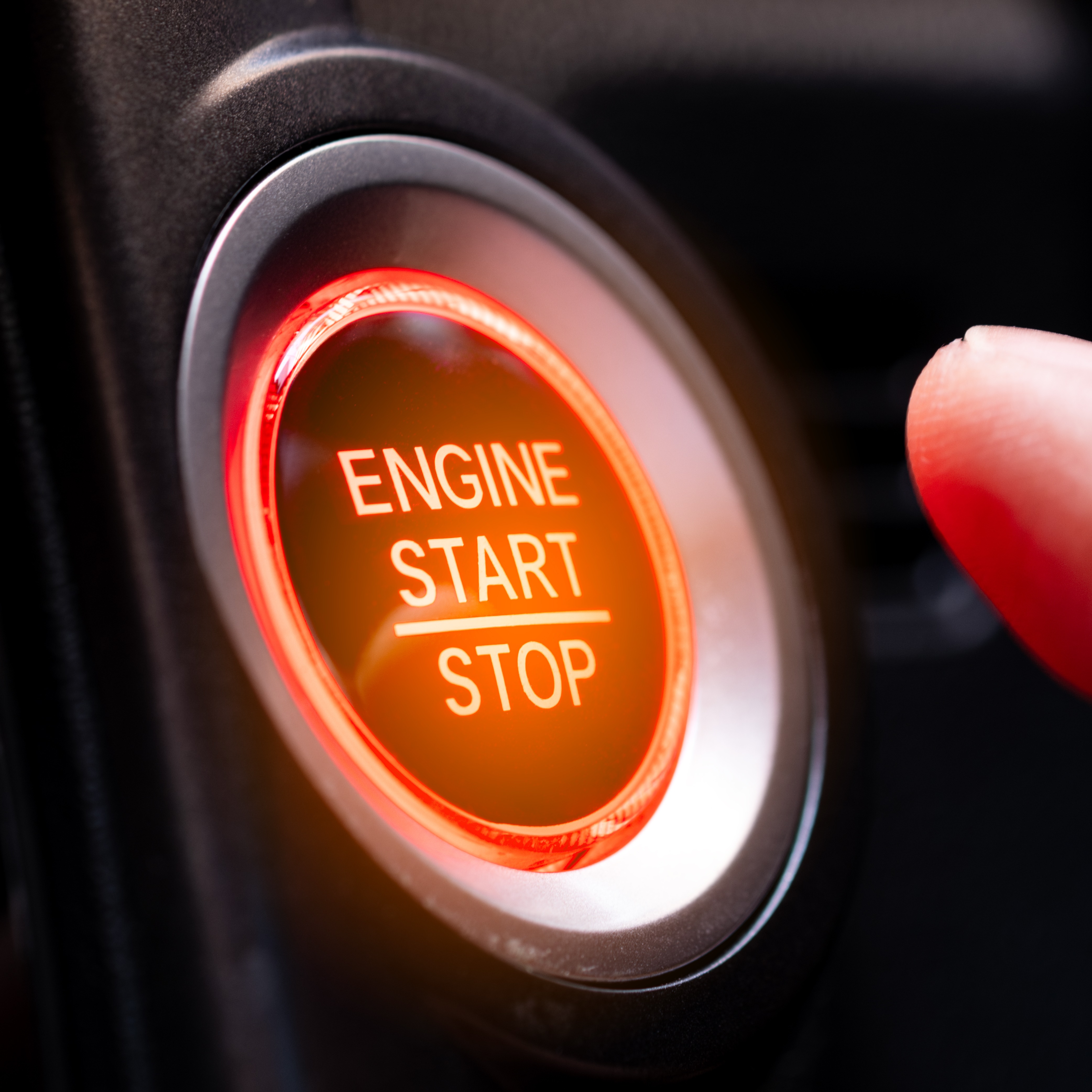
The stop-start feature turns off the engine when you're stopped, like at a red light, to save gas and reduce pollution. When you press the gas pedal again, the engine starts back up automatically.
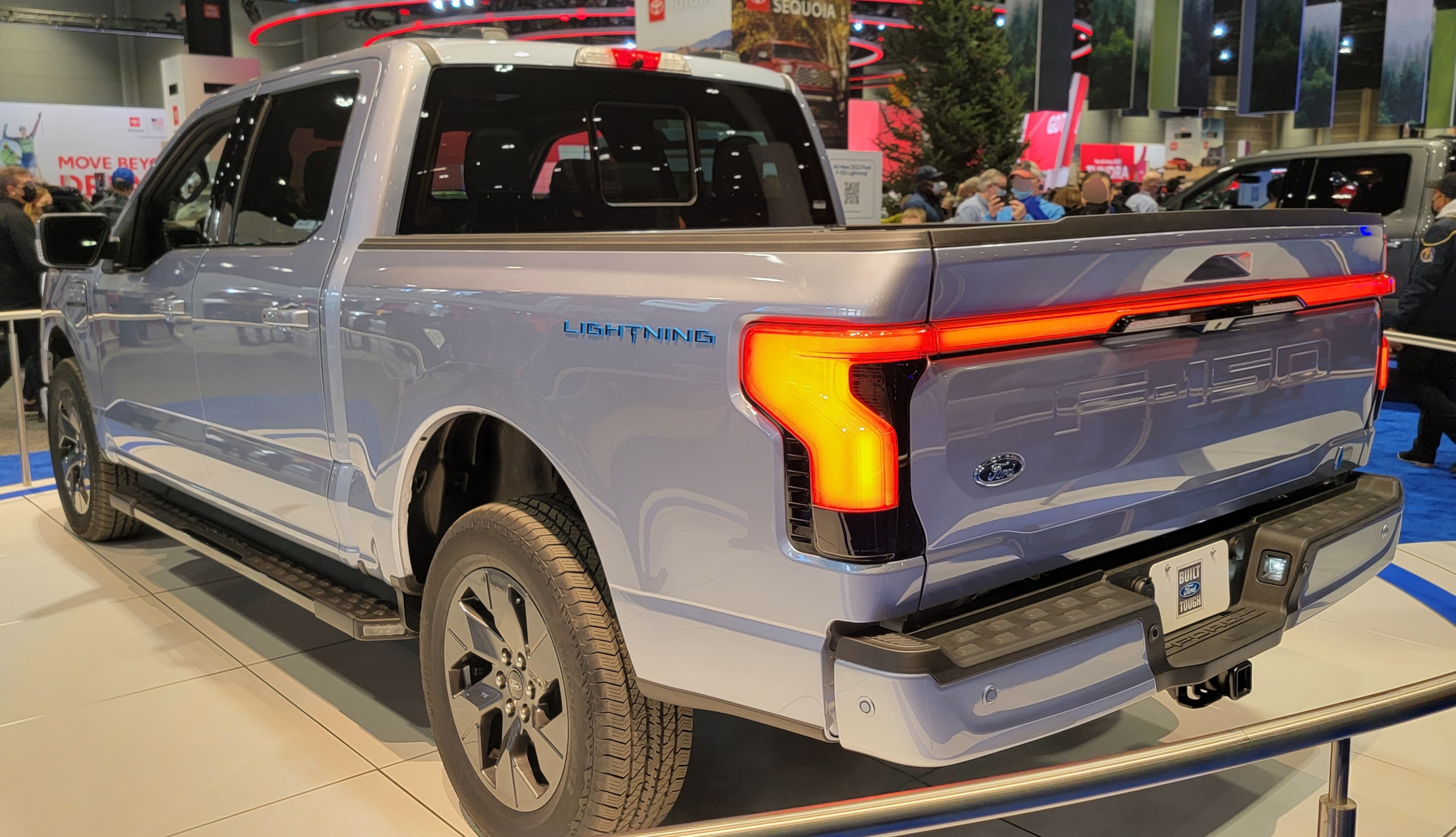
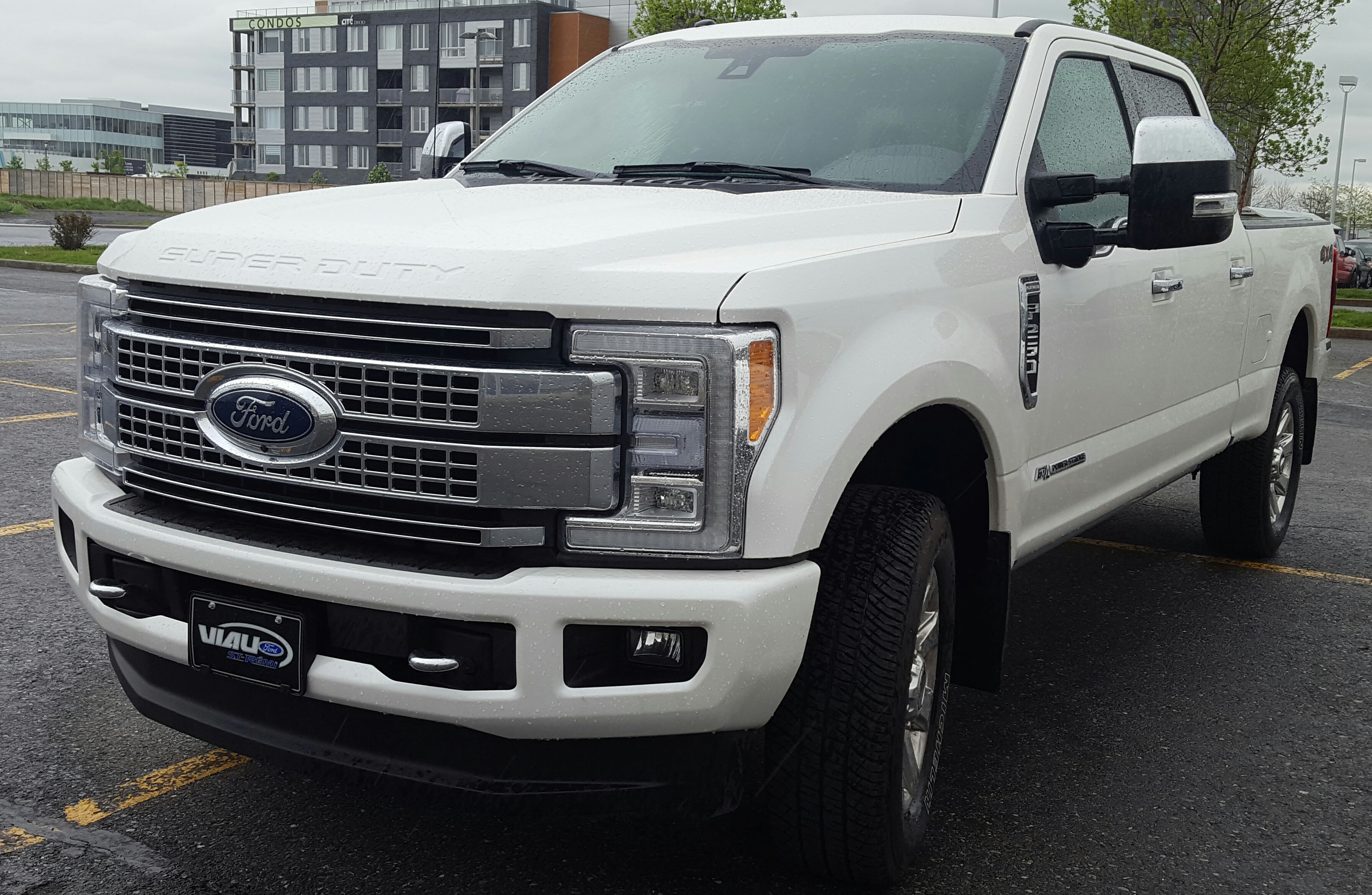
The Ford F-150 is a popular pickup truck that can handle tough jobs and off-road driving. The '4x4' means it can drive all four wheels for better grip on slippery surfaces.
A U-joint is a part that helps connect different parts of a car's drive system, allowing them to move together even if they are not perfectly aligned. It's important for transferring power from the engine to the wheels.
The suspension is the system in a car that helps it ride smoothly over bumps and keeps the tires on the ground. It includes parts like springs and shock absorbers.
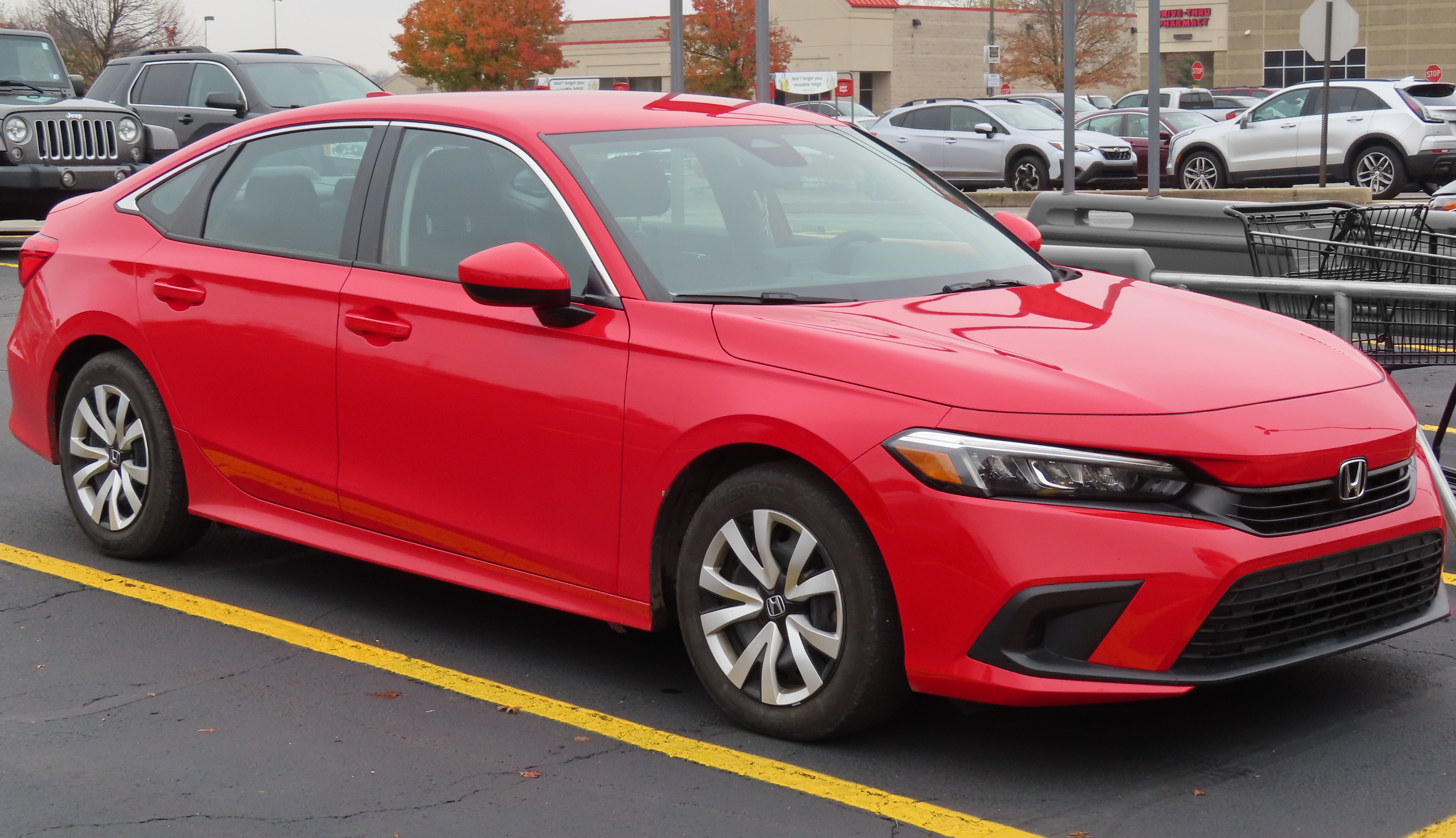
The 2017 Honda Civic is a small car that is popular for being dependable and good on gas. It comes with different engine options, including a turbocharged one that helps it perform well while saving fuel.
Direct injection means that fuel goes straight into the engine's combustion chamber instead of being mixed with air first. This helps the engine use fuel more efficiently and can improve power.
The air intake valve is a part of the engine that lets air in. Keeping it clean is important because dirt can build up and make the engine run less smoothly.
The power steering hose helps make it easier to turn the steering wheel. If it has a hole, it can cause problems with steering, so it needs to be fixed.
A braided high pressure hose is a strong type of hose that can handle a lot of pressure without breaking. It's often used in systems like power steering where the fluid needs to be moved quickly and safely.
The rack and pinion is a part of the steering system that helps turn the wheels when you turn the steering wheel. It makes steering easier and more precise.
A suction type hose is a hose that pulls fluid instead of pushing it. It's not as strong as high-pressure hoses and is used in parts of the car where the fluid doesn't need to be under a lot of pressure.
PSI means how much air pressure is in your tires. It's important to check this because the right amount of air keeps your tires safe and helps your car drive better.
The Chevrolet Equinox is a small SUV that is popular for its comfort and usefulness. The 2018 version has good fuel economy and comes with modern features that make driving easier and safer.
Start-stop technology helps save fuel by turning off the engine when the car is not moving, like at a stoplight. It turns the engine back on when you want to go again, which helps reduce pollution and save gas.
Winter wiper blades are special wipers made for cold weather. They are built to stop ice and snow from getting stuck in them, which helps them clean the windshield better in winter.
Two wheel drive means that only two of the vehicle's wheels are powered by the engine. This is usually more fuel-efficient but can make it harder to drive in bad weather or off-road.
Four wheel low is a special setting that helps the vehicle move slowly but with a lot of power. It's useful for driving over very rough terrain or when you need to pull something heavy.
Four wheel high is a setting that helps the vehicle drive better on slippery roads while still going fast. It's good for when the road is wet or when you're driving off-road.
LIVE
Here we are first Saturday of a brand new year and if you are having issues with your car,
your truck, your van, and you want to know what's ailing before you bring it in for service,
here's a guy that's going to give you a little analysis over the radio.
Nick Stoffel from Lloyd's Automotive in St. Paul. Happy new year, Nick. Good morning.
Good morning, Denny. So I think we're both dealing with like a lot of folks either allergies
or a minor cold issues, but I guess it's part of the drill here when we're inside so often,
but I hope you're feeling better. I was looking at, I saved a note from last year and last year.
Well, it was last year. Last week's show, like we like to do from time to time. By the way,
if you have any car care question, I'll give you our number. You can call and chat with Nick or
you can send Nick a text, whichever is easier. That number is 651461 9226. But keep in mind,
Nick will be taking his leave about 745, making a way for Ted Ferrell's wine chat. So don't wait.
If you have any kind of a car care question, we'd love to hear from you sooner rather than later.
Getting back to that text and I just made some notes here. It was something we talk about from
time to time. As far as a job as a certified mechanic, we have a lot of great trade schools,
as we mentioned from time to time around here. And a lot of folks, a lot of parents, grandparents
listen to the show and their grandchildren or children, considering maybe a career change,
maybe a different direction for college instead of again, trade school. It's a good job. It's a
are there jobs available right now as far as the technicians or mechanics?
Absolutely. There is. If you look online, you'll see a lot of help wanted a lot of growing shops
out there. And you mentioned the trade schools are a alternate path. And I think it's the only
path. Honestly, it's a much more affordable path in life. You know, it's a two year school program
for mechanic automotive repair. You get out with not as much debt as you could have going a different
route. And you get started right away and you become a journeyman for say, you have somebody
helping you out and showing you the way through the day and through the cars. And after a couple
years, you can be making a very livable wage, provide for your family and retirement. And
you get started a little bit earlier in life is another good angle too. Two years out of high
school, you could be fully employed full time with a bit of an education. Yeah, absolutely.
And it's I wonder how if someone is just thinking about it, what kind of an aptitude do you need?
I mean, you need to be some wizard math. You need to be able to take apart a Swiss watch.
You know what I'm saying? I mean, how does one know, you know, I might be able to do this?
What's the first step for somebody who's thinking about it? You know, reach out to one of the
schools, tour the schools. If you're a curious person, you like to work with your hands, you know,
I always say I work better with my hands than with my head. Partially true and partially a
combination of the two. Sure. But I think if you have that aptitude or that curiosity, it's the
first step. But reach out to one of the schools, take a tour, ask some questions, see what's going
on inside of those schools. You'll be surprised to learn, you know, we always had that portrayed
the grease monkey and everything's, you know, dirty and heavy and hard. And, you know, there's
some of that, but there's a lot more computerization, a lot more programming, a lot more technology in
cars these days. So it's, the trade has changed, not entirely, you still have to take apart and
fix things, but it's evolved with the technology and it's got a lot more, a lot more interesting.
You know, that's interesting. You put it that way because my many visits to Lloyd's Automotive
with all the bays there, it's a very neat place. You're right. Nobody's walking around with smudges
on their faces and all that. It's a very, granted, your crews get into, you know, the real work,
but it's a very neat and clean place, right? Oh yeah, it's definitely, definitely evolved on
that front. And the other piece, it's fired or two, you know, used to, it seemed like it used to
be so loud and obnoxious. And now it's, it's definitely changed, you know, cars have evolved,
technology, tools, you know, there's a lot more electrical, battery-powered tools and all the
loud air tools. So it's, it's always changing. I can tell you that. Yeah, absolutely. All right.
6514619226 for your phone, call or text, any kind of a care care question that's on your mind.
What is, I'm looking at the first text here, what is Nick's opinion, and we get this from time to
time, of the stop start feature on the new vehicles when it comes to a stop? What do you think of
that whole? I don't, I don't have it, but I don't know if I like it. I think a lot of us that have
a few more gray hairs don't like it. However, I think it's a really good feature. They've done
studies and they've realized that the excessive amount of emissions coming from the tailpipe are
at idle. So while we're sitting at a stoplight, we're emitting a lot of emissions of the atmosphere,
which isn't good for the atmosphere. And they figured if they can shut the vehicle off and
during those few moments of our drive, it saves a lot. So it can be frustrating. It can be kind
of annoying if you're not accustomed to it, but I promise to assure you that it's really good
for the environment. It's helping us to have cleaner running vehicles. Yeah, well, again, we do get
that from time to time. And it'd be interesting to hearing from folks who have that feature,
if they do indeed like it. A text wants to know, just you personally and be honest, they say,
how much do you warm up your vehicle if it's outside in cold weather? What is your routine with
the time? 30 seconds, three minutes, what would you honestly do yourself?
And you know, the truth is, my truck doesn't fit in my garage, so it is outside. Or if the
plow is on it, then it's really outside. I will remote start it, put my boots on, go out and
hop in and drive. So it's a minute or two at the most. You know, if there's snow or ice on it,
it takes a couple more minutes to clear that stuff. But I don't, and also I rarely wear a jacket,
as people probably know I'm always hot. So it's, I'm a little bit different than most. So I wouldn't
use me as your gauge, but I can, you know, start my vehicle hopping and be just fine.
Okay, well that's good to know. Again, 6514619226. Texter says, here's a 2017
F-150 4x4 has a rattle towards the back. It only happens under light acceleration around 1200 RPM.
Cannot find any loose exhaust parts. Could it be a U-joint? Any ideas? A rattle?
Yeah, my first thought was exhaust, because what we have is that you notice it under a load or
certain RPM. It's not the exhaust. I wonder something with a suspension. I don't think a U-joint would
really rattle, per se. You know, I guess if we had it in the shop, we would try to, you know,
put a little weight in the back of the vehicle, try to, you know, shift the weight, you know,
load on the vehicle, on the suspension a little bit, try to determine what that is.
It might take a couple people going, you know, maybe have to go through the parking lot. Somebody
sit in the back to try to determine the source of the noise. It'll take a little investigating,
but I think if you take it in, give them that exact information under this load, under this
circumstances, I notice it, and see if they can't get to the bottom of it for you.
You said an important thing we mentioned from time to time. The more information you can give
the repair person or the rider, service rider, whatever, the better. The more, yeah, don't
hold back anything. Whatever you can think of, tell that person. It may save a little time and
certainly a little money. Nick, hang on. We'll take a quick break. Be right back. I want to make
mention weather wise. We're pretty clear sailing today, 21, mostly cloudy, but tomorrow it could
be iffy for your Sunday. Freezing rain and sleet likely becoming all sleet after two in the afternoon
or so. The high will be around 28. Pretty good chance of this precipitation. They're saying
70 percent chance of freezing rain and sleet likely. So it could affect your drive tomorrow
and doubtful it will affect Monday, although mostly cloudy 33 is the high on Monday. Even warmer this
coming week. We'll talk details coming up the bottom of the hour with our forecast. Right now
on CCO, it's overcast 16 degrees on 830W CCO. Had a good Saturday morning to you. Welcome back
to CCO's Car Care Show. We are here thanks to Nick Stoffel from Lloyd's Automotive every Saturday
right after the seven o'clock news break. If you're having issues with your car, your truck,
your van and you want to know what could be Eileen Callis or Texas at 6514619226. We're talking
about that stop start feature on newer vehicles and I'm not sure this is true for all vehicles,
but a listener, we have so many smart ones. The stop start feature can be turned off, he or she
says, but it has to be turned off before each drive. Do most cars who have that feature feature
that one? Yeah, you can, I believe most you can disable it each drive cycle. So that means every
time you start the vehicle, you have to disable it. You know, it's in, I believe also it's in every
new vehicle or most new vehicles. And it's kind of annoying, but you have to adapt to it, adjust
to it. It'll be fine. It's, you know, I understand the frustration, you know, I'm of that vintage,
it's like, I don't like it. I want to know my car's running when I want it running. But
it's a good thing. It really helps with emissions. You know, like I said,
at large or a majority of the emissions coming from our vehicle are at idle, so we can minimize
those. That's good for everyone. And of course, we always get questions, a follow-up questions,
is it harder on the battery and starter and all that stuff?
You know, it's been around, I guess, long enough that I would say it doesn't affect the,
or has an effect to the starter for my knowledge. The battery, maybe to some extent,
but in that same breath, I would tell you that the batteries have changed the technology.
They have these glass matte batteries, which is a little different technology. It helps prolong.
They might cost a little bit more, but I think the trade-off is probably well worth it. I understand
we want to be wise with our pennies, but we need to be wise with the air tune. I think that's
probably a fair trade-off. Nick, we have always got new listeners, and we appreciate that, but
folks that who may need the help from Lloyd's Automotive always like to ask you, how do we
find you guys? Absolutely. And as you know, if you have a question, you don't have to bring the
car to us, but if you need a little information before you take it into your dealership or shop,
give us a call. We'll help you. 651-228-1316. And if you're in St. Paul, we're at 982 Grand Avenue.
It's two blocks east of Lexington Parkway on Grand and Chatsworth. If you're looking for more
information, you can find it on our website, which is LloydsAutomotive.net. And we'll give you that
info before Nick takes his leave, which is about 7.45 this morning. All right, we have texted some
folks to help out here, Nick. Here's 2017 Honda Civic, 1.5-liter direct injection, just yet 100,000
miles. How often should the air intake valve be cleaned to minimize carbon buildup? Done the spark
plugs with NGKs and do regular 4,000-mile oil changes. No issues at all. Thanks and happy new
year. Good for you. Happy new year to you. What about that? And what is this text you're talking
about? Air intake valve being cleaned. So, you know, there's always evolution and technology,
and they've learned that they can get better fuel economy, more power, more bane for your buck
if we have the fuel injectors directly ported into the combustion chamber. Port injection,
which is what we had for decades, is where that fuel injectors on the outside of the combustion
chamber located behind the intake valve. So, when the fuel injector would spray the gasoline,
that gasoline would hit the back of the valve, cleaning it from any carbon buildup over time.
The technology we have now, there's not that fuel injector on the back side of that valve
to keep it clean. So, over time, it does build some carbon. That carbon can get thick enough as
a buildup to restrict airflow, which can create some drivability issues. There isn't necessarily a
mileage that they're recommending to do that at. You know, there are products you can do as maintenance.
You know, 100,000 miles kind of sounds good. It's a big round number. If you're going for that
service interval where there's a bunch of other maintenance items to have done, talk with them.
It might be a good recommendation on your vehicle. Inquire to see if your vehicle has issues with
the carbon buildup, because it's not every brand or make and model. There's only some that do have
some issues with the drivability, with excessive buildups. So, do inquire. There is products out
there as maintenance can kind of help keep them clean. If your vehicle is having problems to the
extent where it's idling poorly, you have poor acceleration, that might involve some disassembly
and some repair. But if you're on the maintenance side, I think some of those products are very good.
Check with your dealership or your shop. But I do think that that 100,000 mile interval seems
like a good timeframe. All right. I'm looking at a text and I'm not sure if some folks are able to
just verbally speak in and then it sends a text or if they actually are typing this.
And maybe you can help me decipher this. All right. And maybe the listener can redo this. I'm
going to just read this as it is. And maybe you can help me decipher. All right. I have,
Texter says, a 2002 Ford F-150, that a power steering hose for your standing freezing rain
has a hole in it leaking. Can I just replace the rubber hose and put hose clamps on it
using sleep? Or is it a high pressure hose and should be totally replaced
by taking off the fittings and the whole hose? So, if you're trying to replace a power steering
hose and it's a pressure hose, it has to be a braided high pressure hose. The pressure hose would
go from like the pump to the rack and pinion. If it's the hose that's going from the reservoir
to the pump or just a feed, no pressure, just a gravity fed or a suction type hose,
it doesn't have to be that braided hose, which is obviously more cost effective.
You know, if you're doing it yourself or no problems there either, maybe you have to take it
in to identify what that hose is, you know, get the price on it. Do a little research on
your own to determine if it's a pressure hose. You absolutely have to use the right part or
right type of equipment to do that. And most of those are threaded on. It's not a hose clamp
type operation. So, if there's clamps on it makes me think it's a low pressure hose, not a fitting.
But I would be careful not to use the wrong product. And keeping that in mind too,
you know, depending on the type of material the hose is, sometimes oils and fluids don't
work well with them. They can deteriorate and cause them to leak or fail also. So,
do a little research. Don't just stick any hose on there. Make sure you know what you're working
with and you have the right tool and equipment. Makes sense. Thank you for that listener for
putting up with my trying to figure that out. A listener wants to know, and we talk about the
tires losing air in the cold winter time, especially if it's outside. But this listener
generally wants to know, how much can I overinflate looking at the cold, what do you call the cold
PSI? How much, basically they're saying, how much can I overinflate it or should I in the winter?
So, first determine that the recommended tire pressure inside your driver's door, in the jam
there, there's like a placard or a decal, that'll say max pressure, max pressure cold. Maybe it's
32 PSI, 34 PSI. That's what the tires are on a cold morning. As you drive the vehicle down the road,
hop on the highway, drive your way to work or wherever, with the heat created from that contact
with the road through the tire, your tires will actually inflate a little bit. Just a couple PSI,
two, three PSI. Add an additional air. I'm not against that, but it's also only a couple, two,
three PSI. I understand that maybe this text or listener is trying to avoid the tire pressure
getting just on that threshold where the tire light comes on. Yeah. And I'm on board with that.
Just, but I really do believe two, three PSI sufficient. Don't overinflate them 10 pounds
of pressure because now you start to affect the way the tire contacts the road. You affect how the
tire wears, you affect how the car rides. So just a couple pounds, I think it's sufficient and should
keep that light off and keep the ride and the quality of your drive the same. Yeah, very good.
Nick, hang on. We're going to take a break. We've got some weather to talk about. Let's do that.
Invite our listeners to join in. Keep in mind that Nick will be taking his leave about 7.45.
So he's got about another 15 minutes here to help our CCO listeners also.
Any kind of a car care question, let's hear from you. Either by phone or by text 6514619226.
From Newstalk 830W, CCOs, stay with us. Good morning. Welcome back to our car care show.
Denny Long here along with ASC certified technician from Lloyd's Automotive. Nick Stoffel answering
any kind of a car care question you may have. And Nick, we have a few before we let you go this
morning. Here's the next one. 2018 Chevy Equinox. I have, Texter says, the stop-start feature. I
found that if you gently touch the brake pedal before coming to a stop, it won't shut off.
It will shut off when pressing the pedal hard. Cannot be good for the starter all the on and off,
so this listener says. But that's a feature evidently, I don't know if it's particular with
this particular vehicle or not. So have you ever heard of that lightly touching the brake and it
won't shut off? I have not and I would use your brakes as intended to be careful. I mean,
you know, I get it. People, it's different. It's a change. We don't like it. It's hard on the starter.
It's all these things and, you know, yet to be proven starter motors have gotten a lot better.
The engines spin a lot freer. So there's just a lot of things in addition to the
stop technology that have evolved. So I don't, like I said, I get the frustration of the nights,
especially if you're a little bit older, you're like, I don't like it. And I'm kind of on that same
path myself, to be honest. But I also know for sure it's much better for the environment. It's
less emissions. It's something that we're just going to get used to and adapt to. And it'll be
fine. It will. Well, I'm looking at, I'm looking at another text that has, that wants to argue that.
And again, I have no idea if this is accurate information or not. But I'm just going to read
what this listener said. The auto on off feature has added complexity and cost to cars,
bigger batteries and starters. The data on improvement emission has shown no real benefit
for average drivers, but added costs. EPA has recently stated that this no longer approach
to reduce emissions. Okay, I again can't say that's a fact. I don't know. But that's just another
listener's maybe informed opinion. We can do a little more research ourselves before the next
show, maybe. Good morning. Texture says I have a 2025 Chevy Blazer and have that stop start feature.
And I believe it's a good feature to help save on fuel and emissions. I've had it on my last two
SUVs and have gotten used to it where I don't even notice it anymore. Love the show. Happy New Year.
Well, see, there's, there's the other side of the coin to another, another opinion. I think you're
right, though. I think it overall, you can get used to it, whether it affects the emissions that
much or not. I don't know. Well, and the batteries have evolved in, you know, the more expensive,
that's true. And a lot that has to do with the electronics and vehicles, you know, obviously
the start stop is a feature there. But everything's computerized. The batteries have evolved even
before we had start stop technology in our vehicle. So, you know, it's, it's probably a combination.
But I can promise you a vehicle that's sitting there idle, not running,
emits less emissions in the car sitting there running at idle. I mean, that's
pretty straightforward. And, you know, that, that texture probably has some good research and
information. And, you know, that might be true, you know, and I don't know. But I do know if the
car's not running, there's nothing coming out the tailpipe that's definitely cleaner than when the
car's sitting there at idle emitting the emissions. And even at that point, the emissions that come
out of a car today versus even five, 10 years ago is much cleaner. So I, you know, there's,
there's a compromise somewhere in there. But I think there's this technology in some capacity
probably going to be stuck with it. And I think adapting to it is probably the best path. And,
you know, it's not that it's not that bad. All right. We talk about, as you know, Nick,
from time to time about changing wiper blades, maybe more often than we should. I mean, we
should change it more often than we actually do. But this listener wants to buy, but as he or she
has, has read somewhere about winter wiper blades and wants to know what the heck is that?
Well, years ago, it used to be that our wiper blades were that skeletal metal framed with
that different touch points where they'd take the rubber blade itself and that touch point would
add a little pressure. So as I went across the windshield, they kept it trying to flat and,
you know, because our windshields aren't perfectly flat, they're kind of,
kind of, you know, concave a little bit, converse a little bit. So there's a bit of a pitch to them.
And so the wiper blade had to be flexible to make good contact. Well, they learned years ago at
those metal framed wipers that the snow and ice would get caught up in there. And then we would
have very good contacts, you'd have a part of the wiper blade not making good contact,
you'd have a big streak right where you're looking down through the windshield,
you have a big streak in the way. So they made these booties that became part of the wiper
blade to kind of secure them a little bit better or keep them cleaner, I should say,
free of ice and snow and such. And I think they did help. But that's been a long time now.
I think for the most part, wipers have changed. They're usually a lot more plastics,
a lot more like a beam blade, meaning it's one composite piece. So you don't have to worry about
that. And replacing wipers, as you mentioned, my truck's a little over a year old and I replaced
my wipers. I would tell anybody once a year is probably the right number because I was like,
you know, as you get older, you don't see as well as you know, Danny. And I would know anything
about that. You know, we've had a lot of snow, a lot of light white stuff come out of the sky as
of light and a lot of stuff kicking up off the highway. And I was like, boy, by windshield,
this isn't clear like it should. And of course, I own car shops. So maybe I should put some wipers
on. I did. And by golly, it worked. I could see much better. So if you're like, boy, I'm not seen
as well as I used to these roads or these this and that, put some wiper blades on, you'll have a
whole new perspective about the windshield. Yeah, that really makes it does make a difference.
Now, I got to ask you about the cost. Is it maybe it's not always true? Of course, not always.
But some of these blades that I replaced on my vehicles, they're not cheap. I mean, the good ones,
does cost make a difference? Yeah, I know. As I say, you get what you pay for. And I would,
I would agree with that. You know, if you put the OE quality or light quality wipers on,
they can be a bit costly. Those beam prices have come and have come down also. So I don't want to
make it seem like it's unaffordable. But you know, getting a set of wiper blades, you know,
once a year, once every 18 months, or depending on your drive cycles and your driving habits,
it's probably good maintenance, definitely worth the price of admission. And my advice is, you
know, you don't have to buy the very, very best, but don't buy the cheapest ones either. Maybe
somewhere in the middle is a good place to land on the press plate. Okay, I think we have time for
maybe one, maybe two more questions. Here's one 2006 Ford F-250. The truck has auto locking front
hubs and manual locking option. The auto function is working intermittently. They do work if I get
out and manually lock them. What could be wrong with the auto function? They ask. So what they're
referring to is on some vehicles or some trucks to put it into the four wheel drive, the hub. At
each wheel, there's a pivot or a pin that it's being rotated to engage that front axle to get
the four wheel drive working. And auto locking means there's a solenoid or an actuator. Sometimes
it's air operated or vacuum operated. So that might be a potential lead on a problem there.
But that automatic system engages the axle. It's just fine. If it's not, then you need to get out
of the vehicle and manually yourself, rotate that pivot point on the axle to get it into
four wheel drive. And as I think about this, I think it is vacuum operated on that vehicle,
take it into your shop, mention that intermittent it's not working. They can do little
investigating to see if there is a leak of vacuum or a hose or a fitting that has failed
that's causing that net to work properly. Before I let you go, one more question. We've talked
about it over the years occasionally. And it's something I have yet to do with some vehicles
like my wife's SUV, which is kind of a real truck. It's got a function where you can actually change
the four wheel drive system. It's not all wheel drive automatic stuff. You can actually change
it to low to high and you know what I'm talking about. Should that be exercised? I never change
it. It's always kind of on automatic. Should something be, you know, given a chance to work
before I really need it? Yeah, I think that that features mostly, you know, some older SUVs that
are more like a truck like, I know most pickup trucks still have like the two wheel drive,
four wheel high, four or low and sometimes auto, which I think mine actually my truck does.
I leave mine in two wheel drive most of the time. Obviously, I attach the plow to my truck
and it's in four wheel high. Rarely, if ever, should you ever need four wheel low, to be honest.
And then the auto feature is kind of nice if you just kind of set it and forget it.
But if I'm doing any real work, I'm worried about getting stuck or stranded or
hung up on something, I put it in the four high. And I do think exercising that like a lot of
the features, if we don't use them, how we know they're going to work when we need them, right?
So not that you need to do it every day. But if you think about it on any particular day,
try it out. You know, we talk about the door lock cylinders, some of these other features
that do need electrostats from time to time. All right, Nick, we're gonna have to run.
Happy New Year to you. And again, for those folks, we'll do this again next week.
But for the folks that need some help from Lloyd's automotive, how do we find the Lloyd's
on St. Paul? Yes, sir. If you do have a question, as always, don't be afraid to call, we'll help you
out. 651-228-1316. If you're in St. Paul, 982 Grand Avenue. If you need any more information,
you can always look at our website, which is LloydsAutomotive.net.
Thanks so much, Nick. Again, happy New Year to you and all the good folks at Lloyd's,
and we will talk one week from today. That sounds good, Danny. Thank you very much.
Thank you so much. Nick Stoffel from Lloyd's.
About this episode
Nick Stoffel from Lloyd's Automotive shares insights on various automotive topics, including the controversial stop/start feature in newer vehicles, which aims to reduce emissions but can be frustrating for some drivers. He discusses the importance of trade schools for aspiring mechanics and offers advice on tire pressure management during winter. Listeners also inquire about wiper blade maintenance and the functionality of auto-locking hubs in trucks. The episode is filled with practical tips and expert opinions that can help car owners better understand their vehicles.
Steps to take to become a mechanic. Opinions on the start/stop feature. Rattling noise nuisances. How often should air intake valves be cleaned? Should tires be over inflated in the winter? What to know about windshield wiper blades. Auto lock issues. Ask our car care expert Nick Stoffel of Lloyds Automotive. Visit lloydsautomotive.net 651-228-1316.