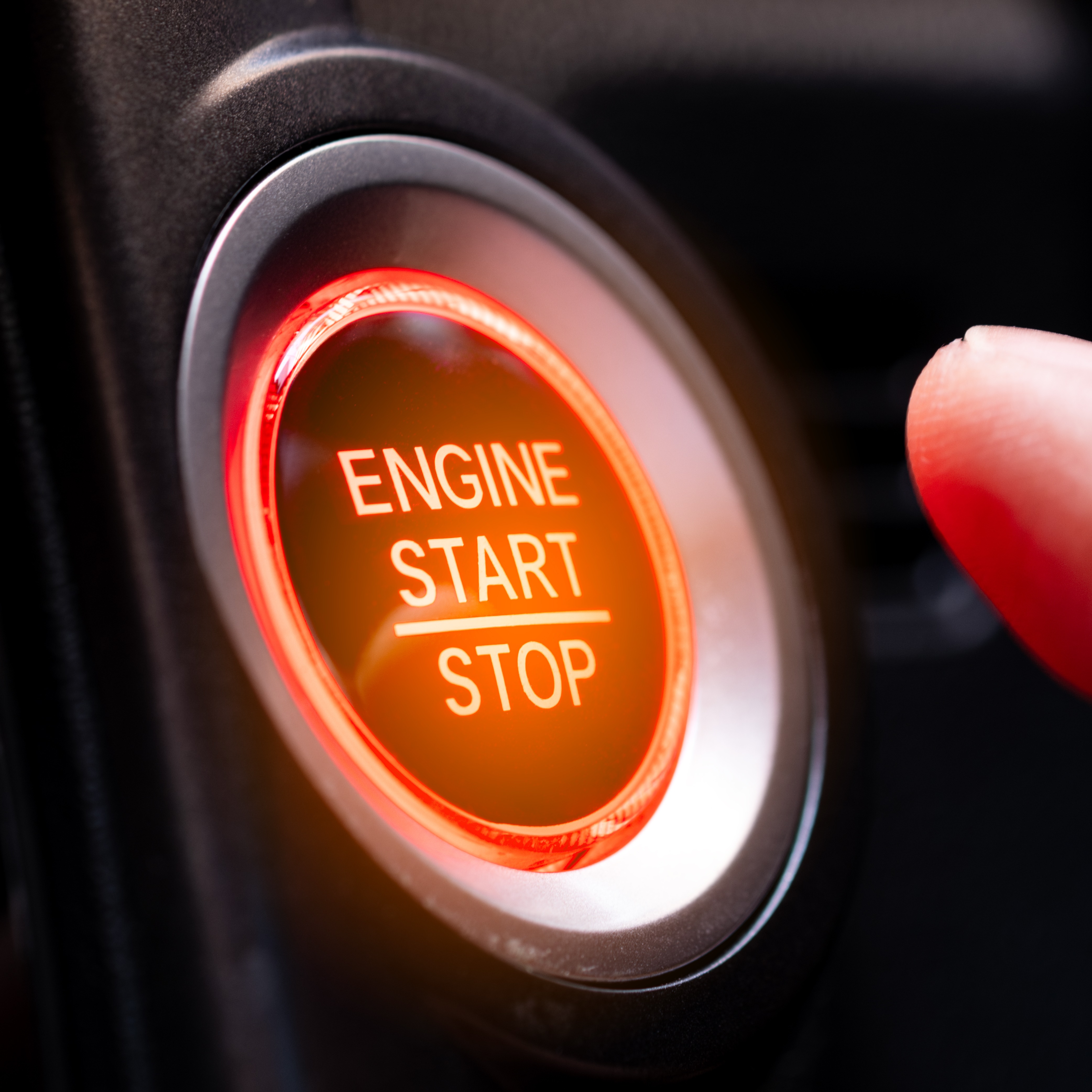
Start/stop Feature Facts, Proper PSI for Tires, Windshield Wiper Blade Basics
About this episode
Nick Stoffel from Lloyd's Automotive shares insights on various automotive topics, including the controversial stop/start feature in newer vehicles, which aims to reduce emissions but can be frustrating for some drivers. He discusses the importance of trade schools for aspiring mechanics and offers advice on tire pressure management during winter. Listeners also inquire about wiper blade maintenance and the functionality of auto-locking hubs in trucks. The episode is filled with practical tips and expert opinions that can help car owners better understand their vehicles.
stop-start feature
"...the stop start feature on the new vehicles when it comes to a stop? What do you think of that whole? I don't, I don't have it, but I don't know if I like it..."
The stop-start feature turns off the engine when you're stopped, like at a red light, to save gas and reduce pollution. When you press the gas pedal again, the engine starts back up automatically.
The stop-start feature automatically shuts off the engine when the vehicle is idling, such as at a stoplight, and restarts it when the driver releases the brake. This technology helps reduce fuel consumption and emissions by minimizing the time the engine runs while the vehicle is stationary.
emissions
"...they've done studies and they've realized that the excessive amount of emissions coming from the tailpipe are at idle..."
Emissions are the harmful gases that cars release into the air when they run. These gases can be bad for the environment and our health.
Emissions refer to the pollutants released into the atmosphere from vehicles, particularly from the exhaust system. These can include carbon dioxide (CO2), nitrogen oxides (NOx), and particulate matter, which contribute to air pollution and climate change.
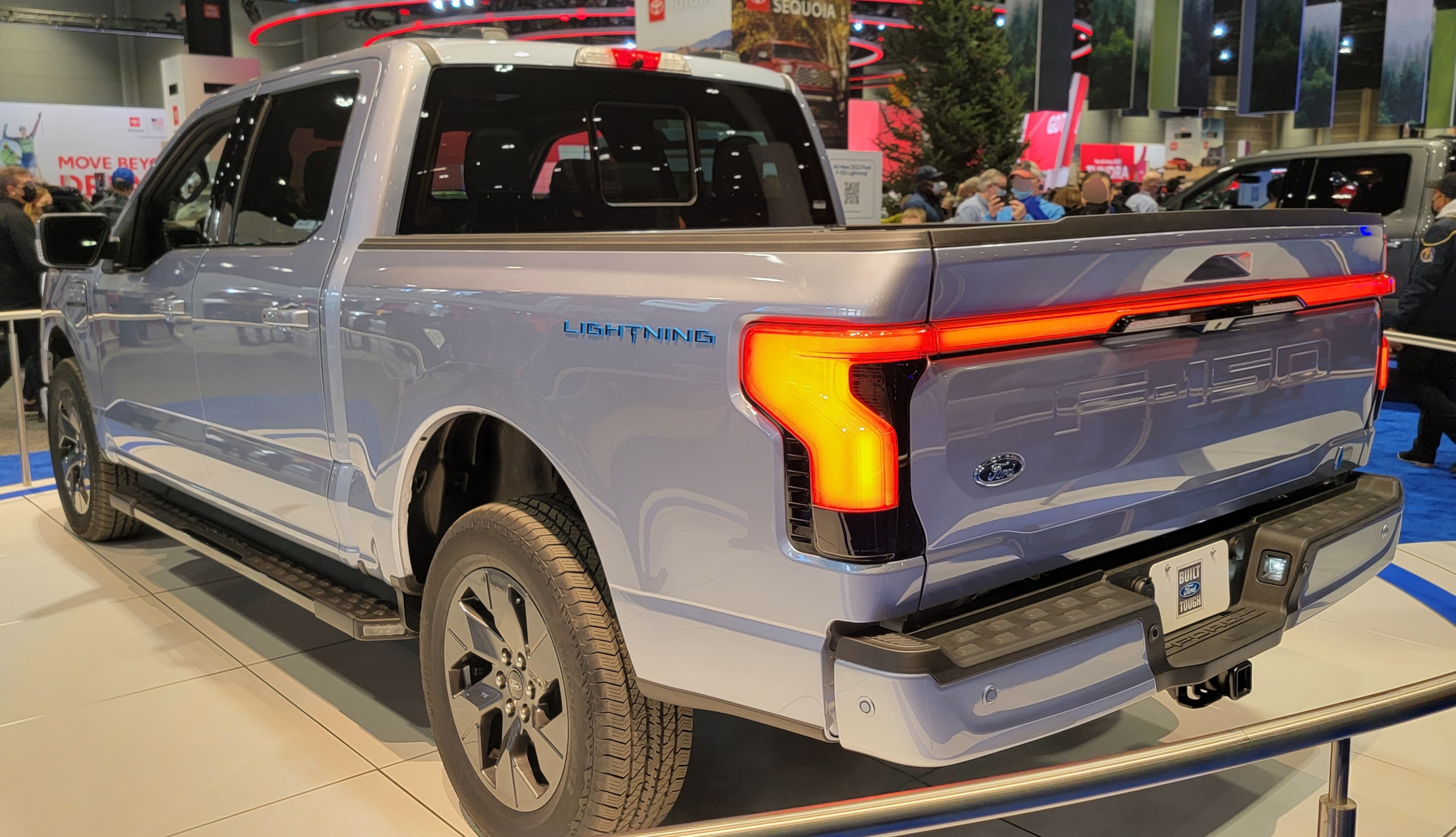
Ford F150
"F-150 4x4 has a rattle towards the back. It only happens under light acceleration around 1200 RPM. Cannot find any loose exhaust parts. Could it be a U-joint? Any ideas? A rattle?"
The Ford F-150 is a popular pickup truck that can handle tough jobs and off-road driving. The '4x4' means it can drive all four wheels for better grip on slippery surfaces.
The Ford F-150 is a full-size pickup truck known for its versatility and capability, especially in off-road and towing scenarios. The 4x4 designation indicates it has four-wheel drive, enhancing its traction and handling in various conditions.
U-joint
"Cannot find any loose exhaust parts. Could it be a U-joint? Any ideas? A rattle?"
A U-joint is a part that helps connect different parts of a car's drive system, allowing them to move together even if they are not perfectly aligned. It's important for transferring power from the engine to the wheels.
A U-joint, or universal joint, is a component that allows for the transmission of torque and rotation between two shafts that are not in a fixed alignment. It is commonly found in the driveshafts of vehicles.
suspension
"I wonder something with a suspension. I don't think a U-joint would really rattle, per se."
The suspension is the system in a car that helps it ride smoothly over bumps and keeps the tires on the ground. It includes parts like springs and shock absorbers.
The suspension system of a vehicle is designed to support the weight of the vehicle, absorb shocks from the road, and maintain tire contact with the road surface. It plays a crucial role in handling and ride comfort.
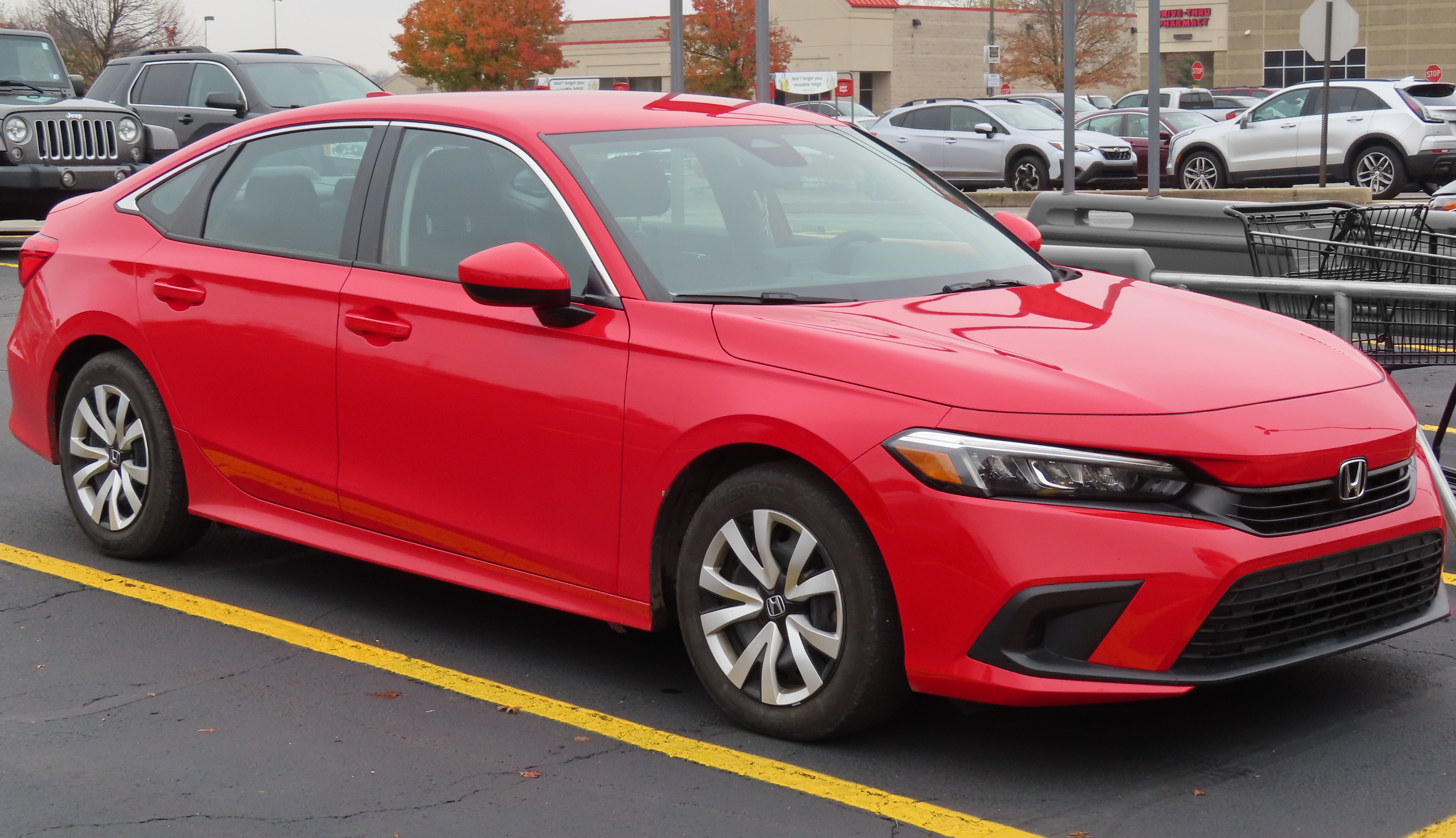
Honda Civic
"Here's 2017 Honda Civic, 1.5-liter direct injection, just yet 100,000 miles. How often should the air intake valve be cleaned to minimize carbon buildup?"
The 2017 Honda Civic is a small car that is popular for being dependable and good on gas. It comes with different engine options, including a turbocharged one that helps it perform well while saving fuel.
The 2017 Honda Civic is a compact car known for its reliability, fuel efficiency, and modern design. It features a range of engines, including a 1.5-liter turbocharged option, which offers a balance of performance and economy.
direct injection
"2017 Honda Civic, 1.5-liter direct injection, just yet 100,000 miles."
Direct injection means that fuel goes straight into the engine's combustion chamber instead of being mixed with air first. This helps the engine use fuel more efficiently and can improve power.
Direct injection is a fuel delivery system where fuel is injected directly into the combustion chamber, allowing for better fuel atomization and improved efficiency compared to traditional port injection.
air intake valve
"How often should the air intake valve be cleaned to minimize carbon buildup?"
The air intake valve is a part of the engine that lets air in. Keeping it clean is important because dirt can build up and make the engine run less smoothly.
The air intake valve is a component that controls the flow of air into the engine's combustion chamber. Cleaning it helps prevent carbon buildup, which can affect engine performance and efficiency.
fuel injector
"...there's not that fuel injector on the back side of that valve to keep it clean. So, over time, it does build some carbon."
A fuel injector is a part of the engine that sprays fuel into the engine so it can mix with air and burn. This helps the engine run smoothly.
A fuel injector is a component in an engine that delivers fuel into the combustion chamber. It atomizes the fuel, allowing for better mixing with air for combustion.
carbon buildup
"...to keep it clean. So, over time, it does build some carbon. That carbon can get thick enough as a buildup to restrict airflow, which can create some drivability issues."
Carbon buildup happens when carbon from the fuel sticks to parts of the engine. Over time, this can make it harder for the engine to work properly.
Carbon buildup refers to the accumulation of carbon deposits on engine components, particularly on intake valves and fuel injectors. This can restrict airflow and negatively impact engine performance and drivability.
power steering hose
"Texter says, a 2002 Ford F-150, that a power steering hose for your standing freezing rain has a hole in it leaking."
The power steering hose helps make it easier to turn the steering wheel. If it has a hole, it can cause problems with steering, so it needs to be fixed.
The power steering hose is a crucial component that carries hydraulic fluid from the power steering pump to the steering gear, allowing for easier steering. A leak in this hose can lead to steering difficulties and should be addressed promptly.
braided high pressure hose
"it has to be a braided high pressure hose. The pressure hose would go from like the pump to the rack and pinion."
A braided high pressure hose is a strong type of hose that can handle a lot of pressure without breaking. It's often used in systems like power steering where the fluid needs to be moved quickly and safely.
A braided high pressure hose is designed to withstand high levels of pressure and is often used in applications like power steering systems. The braided design provides added strength and durability, preventing leaks and failures under pressure.
rack and pinion
"The pressure hose would go from like the pump to the rack and pinion. If it's the hose that's going from the reservoir to the pump or just a feed, no pressure, just a gravity fed or a suction type hose,"
The rack and pinion is a part of the steering system that helps turn the wheels when you turn the steering wheel. It makes steering easier and more precise.
The rack and pinion is a type of steering mechanism that converts the rotational motion of the steering wheel into the linear motion needed to turn the wheels. It is a common system used in modern vehicles for its efficiency and responsiveness.
suction type hose
"If it's the hose that's going from the reservoir to the pump or just a feed, no pressure, just a gravity fed or a suction type hose, it doesn't have to be that braided hose, which is obviously more cost effective."
A suction type hose is a hose that pulls fluid instead of pushing it. It's not as strong as high-pressure hoses and is used in parts of the car where the fluid doesn't need to be under a lot of pressure.
A suction type hose is designed to carry fluids under low pressure or vacuum conditions. Unlike high-pressure hoses, these hoses are typically less robust and are used in applications where the fluid is drawn rather than pushed.
PSI
"...how much can I overinflate it or should I in the winter?"
PSI means how much air pressure is in your tires. It's important to check this because the right amount of air keeps your tires safe and helps your car drive better.
PSI stands for pounds per square inch, which is a unit of pressure commonly used to measure tire inflation. Proper PSI is crucial for vehicle safety and performance, especially in varying temperatures.
tire pressure
"...first determine that the recommended tire pressure inside your driver's door, in the jam there, there's like a placard or a decal..."
Tire pressure is how much air is in your tires, and it's important to keep it at the right level for safe driving and good fuel economy.
Tire pressure refers to the amount of air inside a tire, measured in PSI. Proper tire pressure is essential for vehicle safety, handling, and fuel efficiency.

Chevrolet Equinox
"Here's the next one. 2018 Chevy Equinox. I have, Texter says, the stop-start feature. I"
The Chevrolet Equinox is a small SUV that is popular for its comfort and usefulness. The 2018 version has good fuel economy and comes with modern features that make driving easier and safer.
The Chevrolet Equinox is a compact SUV known for its comfortable ride and practicality. The 2018 model features a range of efficient engines and modern technology, including options for advanced safety features.

Chevy Blazer
"...maybe. Good morning. Texture says I have a 2025 Chevy Blazer and have that stop start feature."
The Chevy Blazer is a type of SUV made by Chevrolet. The 2025 version has updated features and is designed for both style and utility.
The Chevy Blazer is a midsize SUV from Chevrolet that combines sporty styling with practical features. The 2025 model continues to offer modern technology and performance options.
start-stop technology
"...the start stop is a feature there. But everything's computerized. The batteries have evolved even before we had start stop technology in our vehicle..."
Start-stop technology helps save fuel by turning off the engine when the car is not moving, like at a stoplight. It turns the engine back on when you want to go again, which helps reduce pollution and save gas.
Start-stop technology is a feature in modern vehicles that automatically shuts off the engine when the vehicle is idling and restarts it when the driver is ready to move. This helps reduce fuel consumption and emissions, especially in stop-and-go traffic.
winter wiper blades
"...about winter wiper blades and wants to know what the heck is that? Well, years ago, it used to be that our wiper blades were that skeletal metal framed..."
Winter wiper blades are special wipers made for cold weather. They are built to stop ice and snow from getting stuck in them, which helps them clean the windshield better in winter.
Winter wiper blades are specifically designed to handle harsh winter conditions, featuring a more robust construction to prevent ice and snow buildup. They often have a rubber boot that covers the frame to keep snow out, ensuring better contact with the windshield.
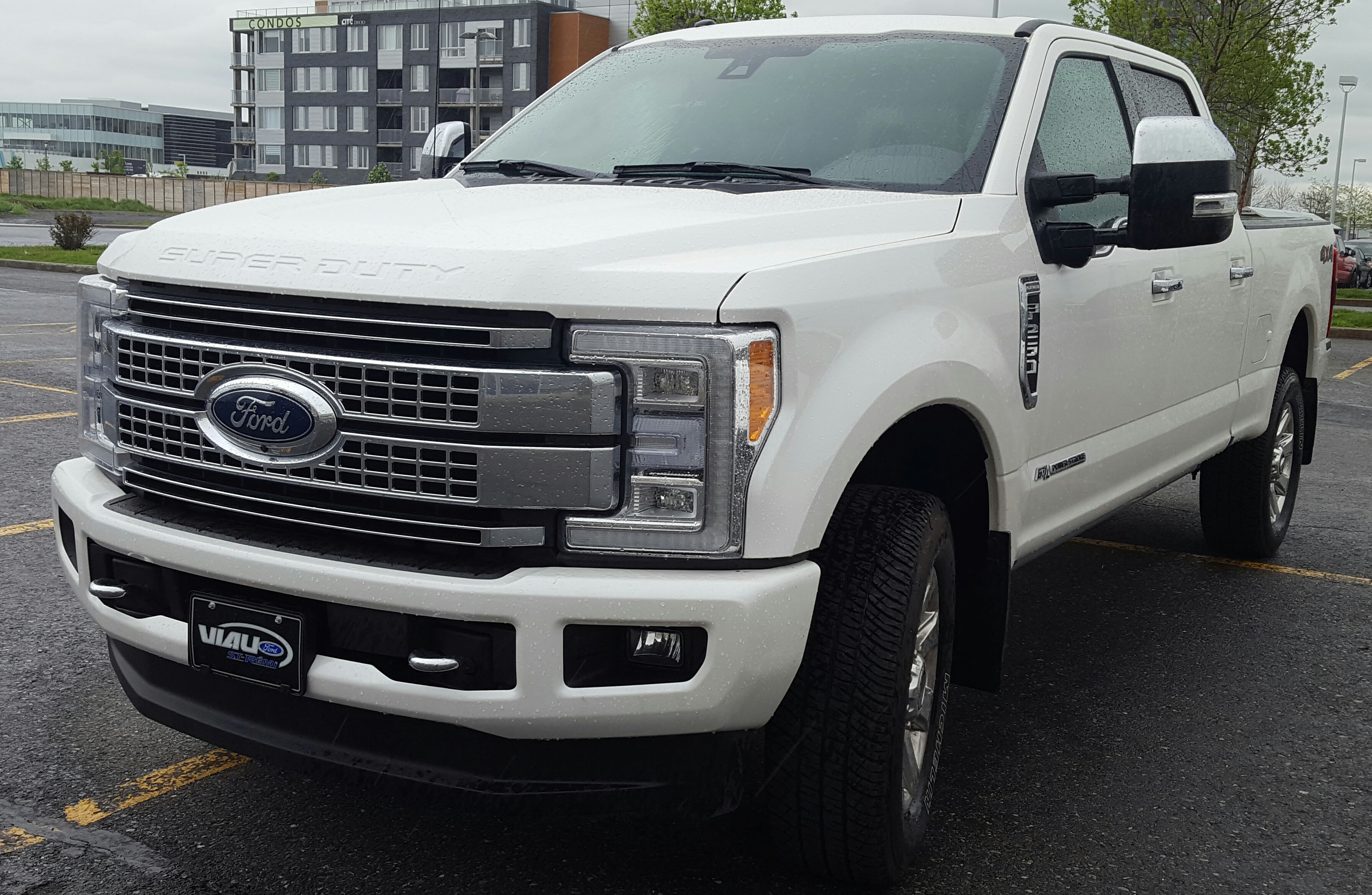
2006 Ford F-250
"Here's one 2006 Ford F-250. The truck has auto locking front hubs and manual locking option."
The 2006 Ford F-250 is a tough truck made by Ford. It's built to carry heavy loads and is great for work-related tasks.
The 2006 Ford F-250 is a heavy-duty pickup truck known for its towing capacity and durability. It's part of Ford's Super Duty lineup, which is designed for more demanding work than standard trucks.
four-wheel drive
"At each wheel, there's a pivot or a pin that it's being rotated to engage that front axle to get the four wheel drive working."
Four-wheel drive means that all four wheels of a vehicle can move at the same time, which helps it drive better on rough or slippery surfaces.
Four-wheel drive (4WD) is a drivetrain system that allows all four wheels of a vehicle to receive power from the engine simultaneously. This enhances traction and control, especially in off-road or slippery conditions.
vacuum operated
"...it's air operated or vacuum operated. So that might be a potential lead on a problem there. But that automatic system engages the axle..."
Vacuum operated means that the system uses air pressure created by the engine to work. If there's a leak, it might not function properly.
Vacuum operated systems use vacuum pressure, often created by the engine, to control various components, such as actuators for engaging four wheel drive. This type of system can be prone to leaks, which may cause malfunction.
intermittent
"...mention that intermittent it's not working. They can do little investigating to see if there is a leak of vacuum or a hose or a fitting that has failed..."
Intermittent means that something happens only sometimes, not all the time. For example, a car problem that comes and goes can be hard to figure out.
Intermittent refers to a problem that occurs sporadically rather than consistently. In automotive terms, it can describe issues that don't happen all the time, making diagnosis more challenging.
two wheel drive
"...most pickup trucks still have like the two wheel drive, four wheel high, four or low and sometimes auto, which I think mine actually my truck does. I leave mine in two wheel drive most of the time..."
Two wheel drive means that only two of the vehicle's wheels are powered by the engine. This is usually more fuel-efficient but can make it harder to drive in bad weather or off-road.
Two wheel drive (2WD) is a drivetrain configuration where only two wheels receive power from the engine, typically either the front or rear wheels. This is often more fuel-efficient than four wheel drive but offers less traction in challenging conditions.
four wheel low
"...if ever, should you ever need four wheel low, to be honest. And then the auto feature is kind of nice if you just kind of set it and forget it..."
Four wheel low is a special setting that helps the vehicle move slowly but with a lot of power. It's useful for driving over very rough terrain or when you need to pull something heavy.
Four wheel low (4L) is a setting in four wheel drive systems that provides maximum torque and traction at low speeds. It's typically used for extreme off-road conditions or when towing heavy loads.
four wheel high
"...if ever, should you ever need four wheel low, to be honest. And then the auto feature is kind of nice if you just kind of set it and forget it..."
Four wheel high is a setting that helps the vehicle drive better on slippery roads while still going fast. It's good for when the road is wet or when you're driving off-road.
Four wheel high (4H) is a setting in four wheel drive systems that allows for increased traction while maintaining higher speeds. It's suitable for driving on slippery roads or off-road conditions without sacrificing speed.
Request an Explanation
Heard something you'd like explained? We'll add it to this episode.
Sign in to request explanations for terms you heard.
Want to learn more?
Browse our glossary for plain-English explanations of automotive terms, jargon, and concepts.
Help improve this episode
See something that's not quite right? Our annotations are AI-generated and can sometimes miss the mark. Click the flag icon on any annotation to suggest a correction.