A burnout is when you spin the tires on purpose to make them smoke and heat up. People do it at car events to show off, but it can also wear tires quickly.
Topic
cruising for a cause
They’re talking about a car event where people drive together to raise money for a good cause. It’s basically a charity cruise connected to a car show.
The Plymouth Road Runner is a classic American muscle car that’s well-known among car fans. In this episode, it’s one of the cars the host might bring to the event.
A Dodge Charger is a famous American car, especially known for being powerful and having a classic muscle-car look. Here, it’s just one of the cars the host is deciding whether to bring to a cruise.
JDM means “Japanese Domestic Market.” It’s basically the version of a car that was made for sale in Japan, and it may have different features than the same model sold in other countries.
A Mini Cooper is a famous British small car. Here, they’re specifically talking about the early 1970s Mini, which is known for being surprisingly tiny—almost like a toy compared to most modern cars.
Rims are the wheel’s outer metal part. Ten-inch rims means the wheels are very small, which can make the car feel extra tiny and change how it rides compared with modern larger wheels.
Right-hand drive means the steering wheel is on the right side of the car. If you’re used to cars with the steering wheel on the left, it can feel awkward—especially in a tiny car like a classic Mini.
The pedal box is basically the “pedal area” inside the car. If it’s tight or poorly laid out, your feet can feel cramped and it’s harder to drive smoothly.
The steering column is the part that connects the steering wheel to the steering system. Here, the host is saying it takes up space near the pedals, so the driver’s foot area feels cramped.
Push-button start lets you start the car by pressing a button instead of turning a key. The host is saying you can add that kind of modern convenience to an older car.
The aftermarket is the “after the factory” parts market—things you buy to upgrade or modify a car. Here, it means steering-column upgrades and tech you can add to older vehicles.
Billet means the part is cut and shaped from a solid chunk of metal. It’s often used for car parts you can see because it can be made very clean and precise.
The Grand National is a famous Buick muscle car that’s known for being fast, especially because it uses a turbo V8. Here, the host mentions it as the first quick car he bought before getting deeper into performance builds.
A twin-turbo V8 is a V8 engine that uses two turbochargers to make more power. It’s more complicated than one turbo, so it usually takes more tuning and setup to make it work well.
EFI means the engine uses electronic fuel injection, controlled by a computer. It helps the engine run better across different driving conditions, but it also needs wiring and sensors to be set up correctly.
Term
wiring cars
In performance builds, “wiring cars” refers to integrating the engine management and electrical systems—running power/ground circuits, connecting sensors, and making sure the ECU communicates correctly. It’s a specialized skill because small wiring mistakes can cause drivability issues, sensor faults, or even damage.
Race cars are purpose-built or heavily modified vehicles optimized for track use, where reliability, repeatable performance, and electrical integration matter. In this context, the speaker is describing being paid to wire race cars and custom builds, implying engine management and systems reliability under stress.
“Plug-and-play” means you can install something by connecting it like a simple plug, without a lot of custom wiring or fabrication. It’s meant to be quicker and less error-prone than older, more DIY-style installs.
A wiring harness is like the car’s electrical “bundle of cables” that connects all the electronics together. It helps everything talk to each other and work reliably without messy, one-off wiring.
A restoration is when someone works to bring an older car back—either to look original again or to be improved while keeping it true to the car. The point here is that steering-related upgrades can get ignored even though they matter.
Tilt lets you change the angle of the steering wheel. That way you can set it so your arms and hands feel comfortable and you can steer more naturally.
A crushable steering column is built to give way in a crash instead of staying rigid. That can help protect you by reducing how much force reaches your body.
A bolt-on part is made to install with bolts and the existing mounting points. It usually means less cutting and welding than a custom fabrication job.
Term
electronic power
Electronic power here means the steering can be helped by an electric system. That can make steering easier and can also change the feel of the steering depending on the car’s settings.
Term
assistant stuff
“Assistant” means safety or convenience features that help you drive. In cars, these can be built into the steering/control system, but what they do depends on the specific setup.
Universal steering columns are aftermarket steering columns made to work in lots of different cars. Instead of being built for one specific model, they’re designed to be adapted.
The output shaft is the connection that carries your steering wheel movement to the steering mechanism. If it doesn’t match the car’s setup, the column won’t fit or work correctly.
Retrofit columns are steering columns made to fit a particular car more directly. They’re designed so you can install them with minimal changes to the vehicle.
Plug-and-play means the part is designed to install easily, with fewer custom modifications. You’re meant to connect it and have it work rather than build everything from scratch.
Electric power steering uses a motor to help you turn the wheel. When you retrofit parts, the steering column has to be set up to work with that electric assist system.
Lightweight aluminum means the part is made from a lighter metal. Using lighter materials can help the steering feel more responsive, especially in performance driving.
A restomod is an old car that gets updated with newer tech. It keeps the classic style, but adds modern features so it’s nicer and easier to live with.
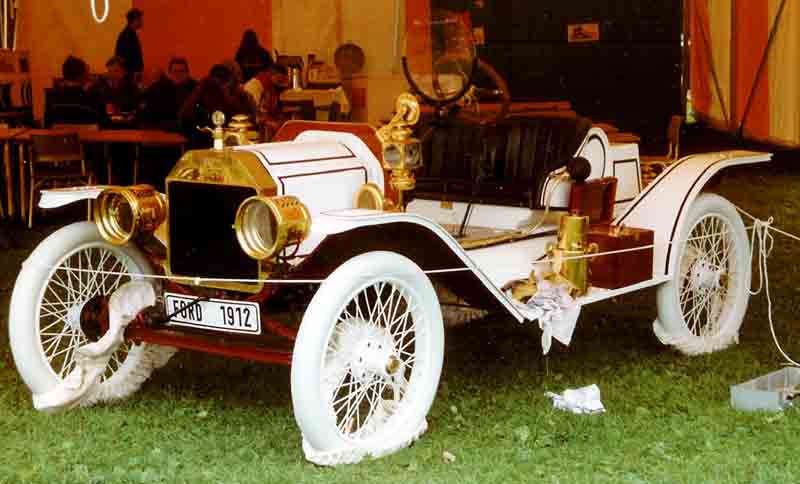
The Ford Model T is a very old car made in the early days of automobiles. It’s famous because it was one of the first cars that many people could afford. The podcast mentions it as a contrast to newer or more modern classic cars.
A clean sheet build means they start from zero and design it fresh. Instead of adapting an old part, they make a new custom setup to match your exact needs.
The firewall is the wall between the engine area and the inside of the car. If you reshape it for a cleaner look, you may need to adjust parts like the steering column to fit.
The turn signal stock is the lever/stalk you move to signal left or right. It’s usually mounted on the steering column, and some setups combine multiple controls in that same area.
A wiper relay is an electrical part that helps control the windshield wipers. It can be responsible for different speeds and for turning the wipers on reliably.
Term
cruise wipers
“Cruise wipers” means the wiper controls are tied into the same kind of column-mounted setup as cruise control. So instead of separate buttons everywhere, the truck uses the column switches to manage both.
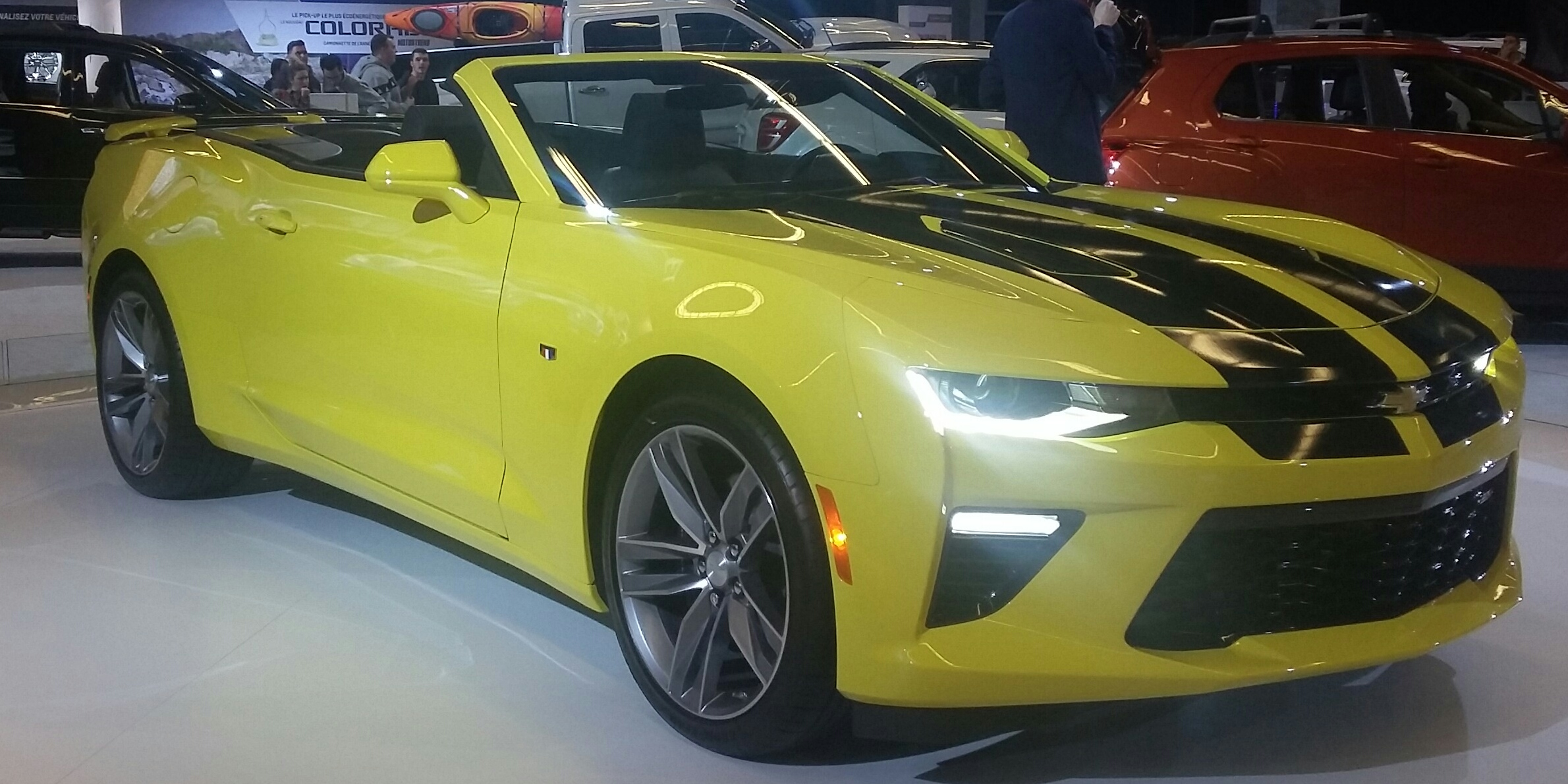
The Chevrolet Camaro is a sports car made by Chevrolet that’s designed to feel fast and exciting to drive. “Gen 3” means one particular generation of Camaro models. The podcast brings it up because people often compare which Camaro generations are most in demand.
“Drive-by-wire” means the car turns your steering input into signals electronically instead of using a purely mechanical connection. It’s a big reason modern cars can add advanced steering and safety features.
“Fox bodies” is a nickname for a generation of the Ford Mustang. People love them for customizing because there are lots of parts available and they’re a great base for upgrades.
“Square body” is a nickname for a boxy-era Chevy/GMC pickup truck. People build and collect them a lot because they’re popular, parts are available, and they have a classic look.
Barrett-Jackson is a famous car auction where collectors bid on classic cars and trucks. It’s the kind of place where rare or especially clean builds can sell for huge money.
They’re talking about Ford Broncos, a classic SUV that people love to collect and modify. Clean, low-mileage Broncos often sell for a lot because they’re in high demand.
“K5 Blazers” are classic Chevrolet full-size SUVs. People like them because they’re great for off-road builds and there are lots of parts and support for customizing.
A rag joint is a flexible connector in the steering system that helps smooth out vibration. Over many years it can get worn and loose, which makes the steering feel vague or even cause stiffness. Replacing it can make the steering feel tighter and more predictable.
A u-joint is a connector that lets two rotating parts turn even if they aren’t perfectly lined up. In steering, it can replace a worn flexible coupling to make steering more direct. The tradeoff is that it may pass through more vibration.
This is a steering connector designed to cut down on vibration. It uses a rubber section between metal pieces, so you get better steering feel than a worn flexible joint, but without as much shaking as a totally solid connection. It’s meant to balance comfort and precision.
Vulcanized rubber is rubber that’s been processed to be stronger and last longer. In this steering part, that rubber insert helps absorb vibration so the steering doesn’t feel overly shaky. It’s basically the “cushion” inside the connector.
Electric power steering uses a motor to help you turn the wheel. When people install or work on electric steering systems, they often have to adapt parts in the steering column area. That’s what they mean by “applications” in this context.
They’re saying the install is simple because it only needs a few connections: power, a ground, and a wire that turns on with the ignition. That’s what makes the system activate when you turn the key.
The steering box is the mechanical part that turns your steering wheel motion into the movement that actually steers the car. They’re installing the assist unit right before this part so it can help you turn.
Hydraulic power steering uses pressurized fluid to help turn the wheel. The pump and fluid behavior can mean the help isn’t as strong when the engine is idling compared with electric systems.
The Dodge Custom 880 is a classic Dodge car from the 1950s. It’s the kind of older car people collect because it has a recognizable vintage look. In the podcast, it’s mentioned in connection with a particular example and its standout features.
With manual steering, the car doesn’t help you turn the wheel. You have to use more strength, so older cars often used bigger wheels to give you leverage.
Term
E-pass unit
The E-pass unit sounds like an aftermarket gadget that adds power-assist steering help. Instead of installing a whole hydraulic system, you wire in the unit and then adjust how much help it gives.
“Parking lot mode” is a driving setting that makes steering easier when you’re moving slowly, like in a parking lot. It’s meant to reduce effort for tight turns, and then you can switch it back for a more “connected” feel.
A track day is an event where drivers take their cars onto a closed circuit for practice and fun, rather than commuting or street driving. It’s often used to test handling and steering feel at higher speeds than you’d see in normal driving.
“57 Chevy” means a 1957 Chevrolet. In this story, it’s being driven without power steering, so turning the wheel while parking takes a lot more strength.
“Flying cars” are vehicles that are supposed to drive like cars and also fly like small aircraft. The host is talking about the idea of buying one through dealerships, which is still far from normal today.
A Pontiac Firebird is a classic muscle car from the U.S. The “83” means the 1983 version. Trevor says it was his first car and that it needed work, especially inside, before he fixed it up.
The Ford Fairmont is a regular Ford model that people sometimes modify into a hot rod. Trevor says he rebuilt his and added a twin-turbo big engine setup to make it much faster.
A “big block” is a large V8 engine. It’s a popular choice for hot rods because it has a lot of engine size and can handle upgrades like turbocharging.
Concept
wide vans
This sounds like the speaker is talking about “wide tires” and the popular look/performance setup that comes with them. Wider tires can help the car grip the road better, but they need the right wheels and fitment.
LIVE
It is the two guys garage podcast. He is Kevin Bird. I'm Willie beat Kim. How we doing today man fired up
Fantastic man. The weather is just getting better and better the hot rods out ripping around doing burnouts the kids loving
I mean, what's not to love how about you? Yeah, bro?
I'm get ready to a cruising for a cause, you know
I like to do these cruises out in Denver, Colorado and I like to put together, you know some sort of cruise for a meeting
We're going we have our big Lincoln Tech car show kind of, you know, it's a big car show fires up the season
One of the bigger ones just this first week in June and we're doing a cruise. We got a buddy, you know, a listener
That's got cancer acute pancreatitis all this battle. He's been fighting fighting for about four years
So get a bunch of cars cruising down to that Lincoln Tech car show trying to get people to you know
Drop some money in the 5050 raffle and I'll all going for a good cause
So I'm all with you for the car shows the cruises and all the fun stuff
For me, it's like which car do you want to bring out? I got it
We know I got only a choice couple cars. I have tagged license insured
So it's not like I got choose from the you know, the showroom as I call it that what you seem like 15 cars
But there's a there's a few good ones. So I'm gonna pull something that hates asphalt
Just gonna pound on it for a minute and then and then probably, you know
Something like that then cruise out, you know, and be a part of it. It's that time. It's that time of year
And man, I'm happy for it. Yeah, you got you got first world problems, man. Like what car am I gonna take?
Such chop decisions
I got a roadrunner a charger
And let's see what else to have license actually two chargers a roadrunner
a
LSY BMW
And I just finished up that little
JDM Mini Cooper, bro. Let me tell you that car is there a cool
I got a Mini Cooper. That's the size of a matchbox car. I swear to God
It is the smallest car I've ever witnessed is on ten inch rims. It's the yeah original mini. Yeah, the original 1973
Japanese I was called Japanese deployment
Manufacturer something some of those lines, but JDM it with the Japan made in, you know, Britain
It this goofiest right-hand drive
tiniest car in the world and it's funny because we have our buddy Trevor on from I did it today talking columns and every
Cool feature component about that, you know a car that could definitely use a column upgrade is a
1973 Mini it is the goofiest column in the world, bro
And it's I swear on ten inch wheels. It's like driving a clown car
It's it's hysterical, but you never know what you're gonna see
That's what makes this hobby and sport so fun so entertaining and at the same time so enjoyable
Well, it's just so wild man. I still remember in high school
taking like a class trip to Germany and
We had like host families for a couple days when you get acclimated and you know the dude
I was hooking up with
He had one and we were just zipping around all the tiny streets
And you see the ones that we have here in the States right the more modern ones and they already look tiny
Right, we've had a couple on the show and you put you and me in there
I mean it looks funny, right? It does look like a counter and then you put that next to a real mini
Right in original and it's like even tinier. You wouldn't think you could get any smaller and still fit in there
But yeah, it is amazing and Trevor might as well bring you in early Trevor
He's the man of I did it when you think I did it
This is a guy the president of the company and to have have you ever set in one of those original like early 70 model minis?
I have not no, I'm I'm curious
What's the difference between the the JDM mini and like the UK mini because they're both right-hand drives, right?
Yeah, yeah, but it's a little different grill trim package
Okay, come a little different as same squeeze. Yeah, yeah same tight squeeze
Yeah, but it's it's goofy, man
It's such a weird car because you're so low to the ground
Everything is small, but you do have enough room in there to do it
It's just like if you ever driven a viper an early viper remember how the pedal box was so
Constricted this one is to the the break in the clutch are separated by a steering column
You know and it's just a weird little column anyway
And the pedals are about an inch by an inch, so it's really weird
I wear a 12 and a half triple D shoe so every time I'm massing matten the gas
I'm definitely clipping the brake. It's it's it's a goofy car, man
But you guys for that you make columns for everything you guys you wouldn't believe how that technology has changed
How it's developed what they feature nowadays that you can now have in your old car
You know if you want push-button start they can give it to you all kinds of cool stuff
We're gonna take a break man and dive into it with I did it. He's Kevin bird
I'm really be and this is the two guys rod
It is the two guys rod podcast he's Kevin bird I'm Willie B
We have Trevor on the company as I did it and if you know anything about
If you know anything about just the aftermarket world
This this company stands out in all things steering columns like you don't necessarily think steering column when you think of a hot rod
But when you when you start putting new technology
New aesthetics you start wanting some of this, you know creature comfort or you just want it original
Which some better technology in there or at least looking like that dude this company does it all man
They do so many cool retro sort of fit things classic fits. They have new columns
You can be blown away by some of the technology that's in it
Trevor eight welcome to the old podcast. Thanks for coming on with this man. Where are you at right now?
Hey guys, I'm in to come see Michigan right now. Oh, you know too far from a man kev up there in Detroit
That's right. That's right. It's just a little jot down there man cool little town
These guys kind of a fixture there. They do a huge car show
Which is really cool to go to anybody in that southeast Michigan or right probably north Ohio
That's a that's a really cool one to go to that's what August, right? Yeah August 22nd
We have a car show every year. I think one of the things that differentiates us. We make our own trophies
We make these billet a little aluminum trophies that people are
They kind of fight over you know, everybody wants one
But you only win them you only get one if you wouldn't win a prize in our car show
So good reason to take the trek over there. Yeah, man
It's the thing they bring to the memory and fast if you're his race wars the coveted trophy or whatever man
He can only go and win it one place now see you
Amen tell what made you get into steering columns kind of a story there because you've been you've been in this lifestyle
For a long time, bro, and the story of how you landed here is kind of unique
Yeah, it's not a really traditional trajectory here like I I was always a car guy ever since you know
You know my dad bought me kind of hot rod magazine subscription
I was probably ten years old and
Always always car guy always, you know, my dad was working on cars or whatever fixing them
I was always out there helping them trying to understand how things work handing up tools and
So I got my car and immediately started tearing apart putting it back together and trying to make it better
Modifying and make it faster
Whatever and that just led into I've had a lifelong love love for cars and then
You know every guy goes through that stage and normally that stays never ends, but you get something. It's pretty nice
Hey, what do you do? I got to make it better faster stronger than it was before. Yeah, I'm a man power my chest
Got a tear it apart make it better
Love it. I love it. Anyway, so you started doing it and tell us more. Yeah
So I I probably built my first, you know
I bought like a Grand National when I was probably like 21 22
Oh, and that was the first kind of quick quick car that I bought and then I had a buddy of mine
Mike Sitar had a twin turbo v8 that he had built. This is like
Mid-90s era early early mid-90s and nobody was doing that at that time because it was really hard to tune everything was carbonated and
So I bought a car with a plan and we were gonna build a twin turbo
and it had ended up being like a twin turbo big block with EFI and
You know with EFI you've got lots of wiring and so that was kind of my my
Crash course on how to wire cars and
Over the years. I just kept wiring cars making a better and friends would have me wire their cars and then you know, really
We found the guy. Yeah, that wiring guy because every project is like, oh god. Yeah, this wiring. Where's the guy?
Yeah, yeah, I got you on speed. I'm putting you on speed dial right here
So like a you know a decade and a half later
I started people start paying me to wire the race cars or or custom cars whatever rest of mods and
I did it. I was introduced to I did it because was developing some products at the time. This is like
You know 2017 2018 era
They had developed some products and they couldn't solve some electrical issues and it was just a friend of a friend
Dropped my my business card to them and I get a phone call and I went over and I helped them
solve some issues that they had and
At the time I was kind of a more of a business type guy. I was running a
Multi-billion dollar operation and the president at that time stepped away and I was introduced to the owners of I did it and
Lo and behold here. I am, you know, now. It's like I've been I've been there a little over eight years
As it is as as the president in this role
But it all started just because you know number one
My love of cars and number two because I had kind of developed this skill with with wiring and electrical stuff in automotive
So and you just saw you saw this massive need in this pivot that was happening
In where the industry was going not a lot of people were you know answering some of these problems like you were
So you took that opportunity to ran with it man. Wow, you guys grown and exploded over the last, you know, 10 plus years
Yeah, it's gonna crazy. Yeah, for sure. It's things are getting more complicated. They're not they're not getting simpler
They're getting more complicated and you know, we try to make things as simple as possible as plug-and-play as possible
It's really there's been a lot of changes since I've been there just with the advancement of our electrical packages and that wiring stuff
kind of directly derives from
My experience in that in that field. So in that while I mean, it's just so cool and we all you know, we all see it
We live it going back to what you point out Willie with you know, the kid thing that
You know teenager 20s whatever when you get that bug to start tearing stuff apart and rebuilding things and
Damn, if it doesn't lead to opportunities, especially if you're a car guy and getting into the car field, right?
I mean, definitely anybody out there that's you know, got that little itch to tinker
Just go just go and make mistakes and learn
Because that's the stuff that you leverage off of to just right have these happenstances and
Applying it towards an aspect of the car that not a lot of people were tackling
Steering columns aren't the sexiest part. It's not it's not rims wheels. You know, it's not suspension
Superchargers or right now, but man is it so needed and a necessity and when you have something that's able
You know to give you all these advances in technology all these, you know
Creature conference that they have in modern cars in an older car that just makes it so far above and beyond
What normal projects like that a sin to be it's so much better than what it normally is
When you're finished doing it when you have some of that, you know
Creature comfort technology of today's cars
Well, it may be one of the last things that people think about in a restoration
But all of a sudden you've kind of rebuilt redone repainted refinished all these
Aspects of your vehicle and you get in your steering columns all worn out, right and your steering's, you know sloppy and this and that you're like
Ah, I got to rebuild this thing. That's a whole nother project
But for really great price points, man
You can get into a brand new column and as you've been saying
With so many new features, right? So you can get the tilt, right? You can get the push button
Whatever kind of features that you want in there and then you get the safety, especially on the older cars that didn't have the crushable columns
So you can add a safety aspect to it and then
You know, I always think while I'm in there, they have so many bolt-on units
But if your car has an awkward seating position if it has a weird steering wheel position
I mean, not only can the tilt really help put that thing where you want if you add tilt
But you can go in there at that point in time and and maybe make some modifications
Maybe not just do a direct bolt-in or depending on what you're building
You can actually get in there and go, you know what?
This is my damn car, right? And you can set up your column depth height
Everything so it's yours like it fits you like a glove and man
There's there's nothing like driving around in your car and that thing fits you
It's like a tailored suit versus all right. I'm in here and I'm hanging on to this thing and I'm steering it
But I just feel disconnected. I don't feel him in the right place
Trevor you think that's as you guys go on I'm looking on your website
You guys really have an amazing number of skews. What do you think retrofit columns universal columns?
You know performance columns walk us through some of the differences and what you guys are designing what you guys are seeing
And how these things have changed over the last, you know eight to ten that you've been you've been running the company
And then you know the second block will get into some of the the electronic power and assistant stuff
Which is mind-blowing so walk us through some of the stuff that you're seeing you've done and
The need in the market because it's it's definitely changing. Yeah, for sure
that you know
I did it started out kind of in the hot rod industry and so where we started was really in the what we now call universal columns
that are kind of generic there, you know a tilt column with
kind of a
Standard output shaft but you can get them in a variety of links with no mounts on them
And then we have billet drop adapters that you can use to kind of fabricate or adapt them to any vehicle
Like hot rods or kit cars or like you're saying you want to make it exactly the way you want it
That's typically the type of application you would start with
Then we have our retrofit columns that are
Engineers specific to the application and so we engineer those to kind of bolt directly in
Using the factory mounts with no modifications. No or very little modifications the vehicle to get it to work
Try to make it as plug-as-play as possible
And then you go up and then we have our e-pass line which are again most of those are retrofit columns
But they're engineered to work with it electric power steering system
And then the kind of last segment we've really kind of been working develop is our racing line where we have a lot of lightweight
aluminum or
racing columns so
Very lightweight
Some of them are have safety features built in for class ability and and that type of thing
I and Trevor tell us about some of the technology because there's creature comforts that people will see in
In car in modern cars that you can now adapt over into some of these older muscle cars
I can imagine a muscle car with push button start. Come on. That's cool. It goes man
Yeah, we've got a some push button start systems that we offer that we can integrate into the column either whether they want to put it
In the column or they want to put it on the dash
You know really sophisticated stuff that uh, you know
You can program to act react as you walk towards the vehicle with the key tag in your pocket
And then the kind of disables the ignition unless you're sitting in the seat kind of you know very much the way a modern car does
You hear that can you go walk up to your 70 dollars charger and have it like
Unlocked for you exactly hit the LED lights dude more or those first world problem
Well, that's what you want out of your rest of mod first world problems. Heck. Yeah, man
That's awesome. Yeah, man. I mean, I guess you could have that flex on a Model T. It just be
But you know at the same time how cool would that be and this is all stuff that you know
You kind of think outside the box, but it really does put your your build above and beyond when you have some of this
Incorporated into some of this older, you know generation of cars, right, right?
We've got some other stuff that's maybe not as exotic
You know as as things as the vehicles age from the 70s the 80s and things move from the dash onto the steering column
wipers dimmers
Cruise control all those things we have all those options as well. We can add them to an existing column or
Have it added added to a man an existing column is being built. So yeah, that's some features
I didn't even realize yeah to add cruise control on the column. Yeah
Wow, wow, so somebody could call you up and you can custom design
Everything in their column for their you know, even their classic build
Yeah, they can order completely custom if it's something we've never built before we can do a clean sheet build
Figure out what the application is if it's custom length. They want the steering wheel to fit a certain way
You know, we've had people, you know, they want to smooth the firewall and that means the columns got to get short
Shortened we can take an existing column make it a couple inches shorter. So it fits just right the way they want it to
You know, there's a lot of high-end show cars that get get our columns
They they come to us because we're willing to do all those things now
You mentioned like the cruise control to the column
Do you have steering wheels that you can route through the wheel or is it just mounted on the column as part of a right now?
It's it's a it's on the colic on the turn signal stock is what what we offer
So it's kind of like a if you think about 80s vehicle. They had the the cruise on the on the turn signal stock
We have a wiper wiper option
we have a few different wiper options whether we have a kind of 11 touch button and we have a two-speed wiper
relay, I guess we call it and
We've got another another set up that we're coming out with with our square body and OBS columns as we launched those for the
84 to 80 it's an 84 to 87 a square body
that had cruise wipers and dimmer on the on the column and then we've got the OBS which is
Has cruise dimmer and wipers on the column. It's a 88 through 94
You know, it's funny. I just called my buddy today to get my old square body 79 pick up back from them
You know, it's funny you mentioned that those those trucks have blown up we'll get into it
We got we're up against the walls. We got to take a break
But what have you seen the big explosion and isn't Fox body mustangs?
Is it the gen 3 Camaro's?
Is it the OBS pickup trucks that you're seeing the big demand for we'll talk about that and some of these newer electronic
Assisted systems are are just amazing. We'll have a break one of those down for us here in just a second
The company's I did it. He's Kevin Byrd. I'm Willie B. We're back after the break
It is the two guys ride podcast he's Kevin Byrd, I'm Willie B
We have Trevor on from I did it if you guys need anything to do with steering column with a custom build
Something retrofit as he calls it. I like I like anything resto modded out nowadays. It seems to be I don't kind of a cool trend
Everybody's doing dude. They got some great applications for you
We'll get into the electric power steering applications here in just a second to see where that's going
Modern cars what what's going on modern cars to drive by wire stuff? Well, he's got answers for that. I wanted to ask you Trevor
You're kind of you got your your pulse
You know your finger right there on the pulse of hot riding on resto modding on what's gonna be the next trend
What are you know what you're seeing as the big builds out there?
In your opinion, where is hot riding going? Do you see it with modern cars?
You still see, you know newer applications. They're a big demand for Fox bodies. Jen three Camaro's is still muscle cars
This is still old-school cars. Tell us a little bit about where you see this industry going. Yeah, I the
The big movers for us the last year or two. I would say have been trucks is just it's just everybody wants to build trucks
Isn't that crazy? Yeah, I you know, it's been kind of like steam rolling over the years
And you think it would kind of taper off, you know, it seems like things, you know
They come in and out over the years
But trucks just keeps getting bigger and bigger and bigger, you know, the the GM's and now now they're starting to do forward trucks
You know, it was square body now they're going back and they're doing their earlier GM trucks, you know, the late 60s type stuff
I saw a square body at Barrett Jackson with like 26 miles on that road across the oxen block
The thing went for like a hundred grand
$126,000 it was like something insane and I'm like, alright, we've blown the top off of it
You know, square bodies are going for a 100000 Broncos have been there forever. Yeah
The old Jimmy's and the K5 Blazers
They've gone through the roof and and man, that was that's again probably a market that you saw several years ago
OBS trucks doing the same kind of thing now, right? Yeah now
It's now it's just kind of going to the next the next level up into the OBS stuff
So we've seen people put put our column in them, you know over the years, you know, they whether they customize a
Universal or maybe they took a kind of a square body column, which was close
But we've we're now coming up with our own version
But just to kind of address that so there's a direct fit bolt-in application that nobody has to do any modifications
Put it in there when you say direct fit both in I mean, I don't think most people realize like how easy that is
I mean at least on the older ones. There's typically like two bolts right under the dash. Yeah, and you know something around the
Floorboards where you're piercing through right? It's crazy
Crazy simple to to swap out to a new column, especially when they're direct fit, right? Yeah, it's very simple
Like you said usually two bolts at the top and maybe maybe there's a floor mount that it goes through but even on the
You know, I say later vehicles so, you know, 70s 80s 90s
They they're all collapsible so that that floor mount is very flexible very easy to take out
Move around and you know as long as you can get the shaft apart. It's very easy to take the old one out
Then you're putting the new one in
It could be 10 20 minutes and you you've almost got it all done
Very easy. Yeah, and I think a lot of people forget about what goes on after the firewall
Right, you've got you joints or rag joints that could get super tired and worn out and sloppy or tight binding and
You guys have all the double D and you know fit that stuff to make all that
Basically brand-new or essentially upgraded for some of the factory rag joints
Right. Yeah, we would always we always recommend that you would replace it with new not not reuse the factory stuff
Especially if it's you know, 50 plus years old in a lot of cases
And let's just set aside the engineering that was really in a rag joint you look at those and you go wait a minute
That's a little sketchy. I'm doing 130 140. That's a little sketchy. I gotta be honest, right?
You know, you can tighten it up. You can you can replace a rag joint with it with a u-joint or we have some
Kind of next step, which is a kind of a vibration reducing joint, which is still a u-joint type type
Mechanical joint, but it's got a
It's kind of a vulcanized rubber piece between two pieces of metal
So it takes a little bit of vibration out you'll get more feedback than you would with a rag joint
But it's a little less vibration than you get through a straight
Solid u-joint. That's a nice kind of middle-of-the-road approach. Yeah, but any upgrade is better
Especially when you're dealing with some components like that tell us a little bit about what's going on with you lecture electric power
steering applications you guys are really dive into now and this this I think is where
Where they really separate themselves from anybody and everybody? Yeah, we've we partner with a company called e-pass performance
they sell kind of I would say the private the
It's more OE quality components that they're that they're using in their systems and we've we develop our column to work
directly with their power units and so just with like, you know, three wires to hook up a power ground in a ignition wire
You install this unit between your steering column and the steering box and you've got power steering once you you know
You just you bump the key turn the ignition on and you have power steering
And it's a
Imagine that you guys hold on. He's just passing over as soon as you turn the key on
You have power steering. Yeah, I got a couple cars in the shop out here. They don't have power steering any in any former fashion
Have you ever tried to turn a car? You know how difficult it is
You got to have the car on in order to work get the power steering to turn to be able to turn that with a key
lifesaver for so many of us moving our cars around it really is yeah
I mean most even like a hydraulic power steering you can't even when a car is idling sure you can turn the wheel and it's it is power
Assist but with the electric power steering you can have a hundred percent assist at zero
You know at zero miles per hour
So you legit can just put your finger in and with your finger turn the steering wheel and it'll turn
Very easy very very effective. You know as the guys some guys are getting older and
You know they call us up and say hey, I can't I can't turn the the steering wheel on my t-bucket or whatever
And they're putting them in all kinds of applications
Yeah, man, did you had did you have a personal story? You had a personal story about somebody you knew or some they couldn't turn it anymore
Yeah, we it's it's all it's like every couple weeks
We we have a guy that will call us and say hey, you know, I I'm 80 years old and I can't turn my steering wheel
They've got a big block and I you know, whatever whether it's a tri-five or or whatever
And they're like I can't turn my steering wheel when I'm pulling into a parking spot and you know if you put a
Power steering or let hydraulic power steering. It's not the same like I said
You can be going zero miles an hour and turn the steering wheel with your finger if you have it
you know if you have the gain turned up that high and so
You know guys are doing that because it's making their car a lot easier drive as you know
Maybe their upper body strength isn't quite what it used to be
Well, I think there's two sides to the power steering. I mean just like you said just from you know
Ability and then comfort and enjoyment
You know and on on the other side of things
You know typically on a non power steering you have a bigger wheel
You know and you can't necessarily get the look that you want like it just gives you
Options to to dress out your car the way you want and not be hindered by I have no power steering
Yeah, man, you just reminded me of those big wheels from the 50s
I got a 58 a half Dodge custom Royal D 500
The steering wheel and that thing is honest to God. It's enormous, bro. It's it's massive
It takes up just an enormous amount of space. Yeah, you're like you're driving around on a school bus, you know
We'll hang around, you know, like yeah, man, they're massive, but again
Customize it to what you need and what what fits you and it changes the entire dynamic of the car
Yeah, I think a lot of times they're putting us maybe they're putting a smaller steering wheel on there than what they had before
And they lose a lot of levers that they would have had with the the big, you know, 18 inch, you know manual steering wheel or
You know if they're doing a late model LT swap or coyote swap those didn't come with power steering hydraulic power steering on them
so the provisions to
To add that is very expensive
Or you can just add an e-pass unit under the dash or the in the engine bay
And like I said three wires hook it up and and that's it and then you can adjust the game pretty simple
So you can change how much assist
Yep, it's just a little little reassert little little knob you turn you can you know dial it up to however much gain
You want how much assist you want or turn it down
And it's super simple. So you could almost have
Yeah, you could almost have yeah the
Parking lot mode where you just crank it up to really let you and then if you wanted to do a track day
And you really wanted to dial it down so you have a little bit more, you know feedback and effort at speeds and
Uh, man, you could just set that thing up for whatever you're doing
But it's so funny watching my wife try to back in the 57 Chevy with no power steering. It's almost laughable
I mean as long as there's no other cars around her. I like to watch her fight that battle every once in a while
Gives me hope
Yeah, man, what a cool way to you know, keep you in your car. That's what it's all about for a lot of these people
Uh having that you know that fun factor and you know the opportunity to go show off their ride be
Be a 75 85 or however old man. They still gotta do that. That's awesome
Uh and for sure great means to keep dad and pops out in the car shows
Uh, all right. What else is next for I did it?
Uh, we talked a little bit about what you what you guys are doing. What where do you see it going man?
What's uh, what's the next 10 years gonna gonna house for us in this this crazy car world?
You see where next year
China is going all in on flying cars
Like you'd be able to walk into a dealership next year and buy a flying car in china
I did not see that
I
That sounds scary, right? Yeah
I've seen a lot of chinese scooters on fire. Yeah
And those are on the ground
Yeah, man. Yeah, I don't think hot riding is ever going away though. I think there's a love and passion for it
It's cool to see younger kids
Get into some of the older cars and what they what they're doing with them now
I don't think that passion's ever gonna die out
I think as long as they can afford them, right? Whatever the generation is and so far, right?
We get certain older cars that are super popular and they get really expensive
And then you just move to the next not as expensive
Right, so as long as we got these things spitting out people can access them and uh, you know
I've got aftermarket like I did it that supports with parts and whatnot's then
I'm totally with you. There's no reason why we can't sail this thing out for for a long time
That'll doubt
All right, Trevor. How do people find out more about you guys?
Where do you go in social? Give us the rundown of how people keep in touch and plug in. Yeah, again, uh, reach us on
ididit.com
We uh, we have a full sales staff in the office. You can call us, you know, five days a week eight to five
We're on facebook. We're on instagram
We've got a live chat on our website during normal business hours
If you need anything just shoot us a message and we'll help you out our weekend
Uh, and after hours, it's a different live chat. It involves Kevin
It's a little saucy, so beware. It's column talk
Uh, no, seriously check out our show air weekends on Discovery Turbo
Check your local listings also available on Discovery plus and max
Thanks to our producer scoop our senior producer Justin Carter executive producer bob ecker. He is kevin bird
I'm willy b. My friends. This is the two guys garage podcast
Don't forget guys check out our website at two guys garage dot com all our social at two guys garage
And the two guys garage podcast is copyright 2026 print productions incorporated. All rights reserved
All right, man. Trevor real fast. What was your first hot rod? Uh, I had it my first car was a 83
I think 83 firebird
Oh
I was like, is he a fox buddy guy?
Brissia jen three camaro firebird guy
All right
Now it was firebird and it was like a you know, I bought it was like 10 years old and the car was 10 years old
It was just interiors roached out
Um, but it was my first car, you know, I I uh, I repainted it
Did a bunch of work to it that I you know, I took it to college and um, but uh
I think my next hot rod car was a ford fairmont
Um, and that was when I built it back back and I went to a twin turbo big block in that one
um
And then I I bought the great. No, I take it back. There's a great national
That was the first
Like root like fast car that I had was a great national and then I bought the fairmont
Um, my buddies were all ford guys
And so I had to buy a ford so I could hang out with them
Talk for talk ford stuff. Well, I gave you huge props for twin turbo and v8 back in that time frame. Yeah, that was uh,
That's different. Yeah, for sure. I bet you learned a lot man
And and now all these young punks that have twin turbos on everything. You're like, yeah, whatever been there done that
It's before youtube before youtube and before wide vans were uh cost effective, you know
It was a completely different time, right, you know, um, you know, you get together with there's there's only
There's not many guys that you're getting kind of reminisce about those days, you know, you you see guys at the track today
that are just putting uh
You know five techie advice this amount of with a wide band and it kind of programs itself
It's like it was that was not the case 20
30 years ago, you know, it was like
96 I think this was that I that I was doing this stuff
Um, it was crazy. It was you know, it blew up a lot. You know went through a lot of headgaps
A lot of trial and error, but you since you signed up with forward is a lot of errors
Awesome, man. All right, Kevin. Get us out of here. We will have you back on again, man
With any of the new scoop you guys have
Um, and for the rest of you guys, hopefully you had some fun with us
We'll catch you on the next two guys garage podcast. Take care
Two guys garage podcast is a production of britain productions for more episodes visit i heart radio apple podcast
Spotify or wherever you listen to your favorite shows
About this episode
Kevin Bird and Willie B kick off with talk of summer hot rods, cruising, and a “cruising for a cause” trip to a Lincoln Tech car show in Denver to support a listener battling acute pancreatitis and cancer. They debate which car to bring—Roadrunners, Chargers, and a freshly finished tiny right-hand-drive 1973 JDM Mini that’s comically cramped. The conversation then shifts to Trevor from iDidit, explaining how his background in wiring and electrical problem-solving led him into modern steering column tech, including plug-and-play upgrades that add comfort and features to older builds.
This week, the guys are talking OBS truck trends, Chinese flying cars, and why manual steering on a '57 Chevy is a workout no one asked for. Trevor Cornwell, President of Ididit, jumps on to share his journey from blowing up head gaskets on a twin-turbo Ford Fairmont before the era of self-tuning YouTube tutorials, to running the industry standard in custom, high-tech, American-made steering columns.