

Toyota Grand Highlander
The Toyota Grand Highlander is a bigger Toyota SUV with three rows of seats. It’s meant for families or anyone who needs more room for passengers.

Toyota Sienna
The Toyota Sienna is a minivan, usually chosen by families. Here they’re talking about features for passengers in the back seats, like entertainment for kids.
all-wheel drive
All-wheel drive means the car can send power to multiple wheels. That usually helps it stick to the road better when it’s slippery.
Stalantis
They mean Stellantis, a big car company that makes several brands. The episode is about which companies raised prices the most.
Ford
Ford is a major car brand. The hosts are comparing brands to see which ones increased prices the most over the past decade.
Kia
Kia is a car brand. The hosts are comparing brands to see which ones increased prices the most over the past decade.
Hyundai
Hyundai is a car brand. The episode is using data to compare how much different brands’ prices went up over time.
CarEdge.com
CarEdge.com is a website that helps you shop for cars and look for better deals. They’re promoting their tools and saying they help people save money.
negotiability
Negotiability means how much you might be able to talk the price down. The episode suggests some areas make it easier to get a better deal than others.
MapView
MapView is a map-based tool that helps you see where car deals might be better. They use it to point you toward states where the inventory situation could help you negotiate.

Ford Bronco Sport
They mention the Ford Bronco Sport as an example of a car you may be able to negotiate on. The point is that where you shop can change how much you can bargain.

Mazda Cx30
They’re using the Mazda CX-30 to show that car deals aren’t the same everywhere. Some states have more inventory or faster sales, which can affect what you pay.
price increases over the last decade
They’re comparing car brand prices over about 10 years. The goal is to see which brands increased prices the most, using data from 2015 to 2025.
average new car transaction price
This is the average price people really paid for brand-new cars. It’s a better picture than the advertised price because it reflects what deals and options actually cost.
CPI (Consumer Price Index)
CPI is a government number that tracks how fast everyday prices are rising. If car prices rise more than CPI, it means cars got more expensive faster than the overall cost of living.
US Medium Household Income
This is the typical (middle) household income in the U.S. If car prices rise faster than income, it can make buying a new car harder for many families.
Solantis
They’re talking about Stellantis (the big company behind brands like Chrysler, Dodge, Jeep, Ram, and Fiat). The point is that some companies raised prices faster than inflation.

Hyundai Genesis
Genesis is a brand made by Hyundai for nicer, more premium cars. The podcast mentions it because it’s grouped with other brands that behave differently than the rest. It’s part of a comparison list rather than a deep dive on one model.
Volkswagen
Volkswagen is mentioned as not raising prices more than inflation (or only slightly above it). This is used as a contrast against the brands described as bigger “outliers.”
General Motors
General Motors is mentioned as one of the brands whose price increases were closer to inflation than the biggest outliers. It’s used to show the story isn’t uniform across all automakers.
Nissan
Nissan is mentioned as a brand whose price increases were not as high as inflation. The hosts use it to show the pattern varies by company.
Honda
Honda is said to have increased prices slightly less than inflation. It’s part of the episode’s comparison of automakers’ pricing behavior.
Infinity
They likely mean Infiniti, Nissan’s luxury brand. It’s included in the list of brands whose prices didn’t rise faster than inflation.
Mitsubishi
Mitsubishi is mentioned as a brand that didn’t raise prices as much as inflation. It’s part of the hosts’ comparison across automakers.

Nissan Versa
The Nissan Versa is an affordable small car. The hosts say that even this kind of budget-friendly model cost far more by the end of the decade than it did in 2015.

Infiniti Q40
The Infiniti Q40 is a luxury-style sedan made by Infiniti. The podcast brings it up because it used to be one of the more affordable options in that category. It’s mentioned as part of a list of cars that were later discontinued.

Infiniti Q60
The Infiniti Q60 is a luxury car with a coupe-like shape. The podcast mentions it because it was considered one of the more affordable options in its group. It’s included in a discussion about cars that have been removed from the market.

Honda Fit
The Honda Fit is a small, practical hatchback. “LX Manual” means it was available with a manual gearbox, and the host is saying that kind of lower-priced option is gone now.

Mitsubishi Mirage
The Mitsubishi Mirage is a small, low-cost car. The podcast mentions it because it was one of the cheaper options you could buy. It’s used to compare how entry-level pricing has shifted over time.
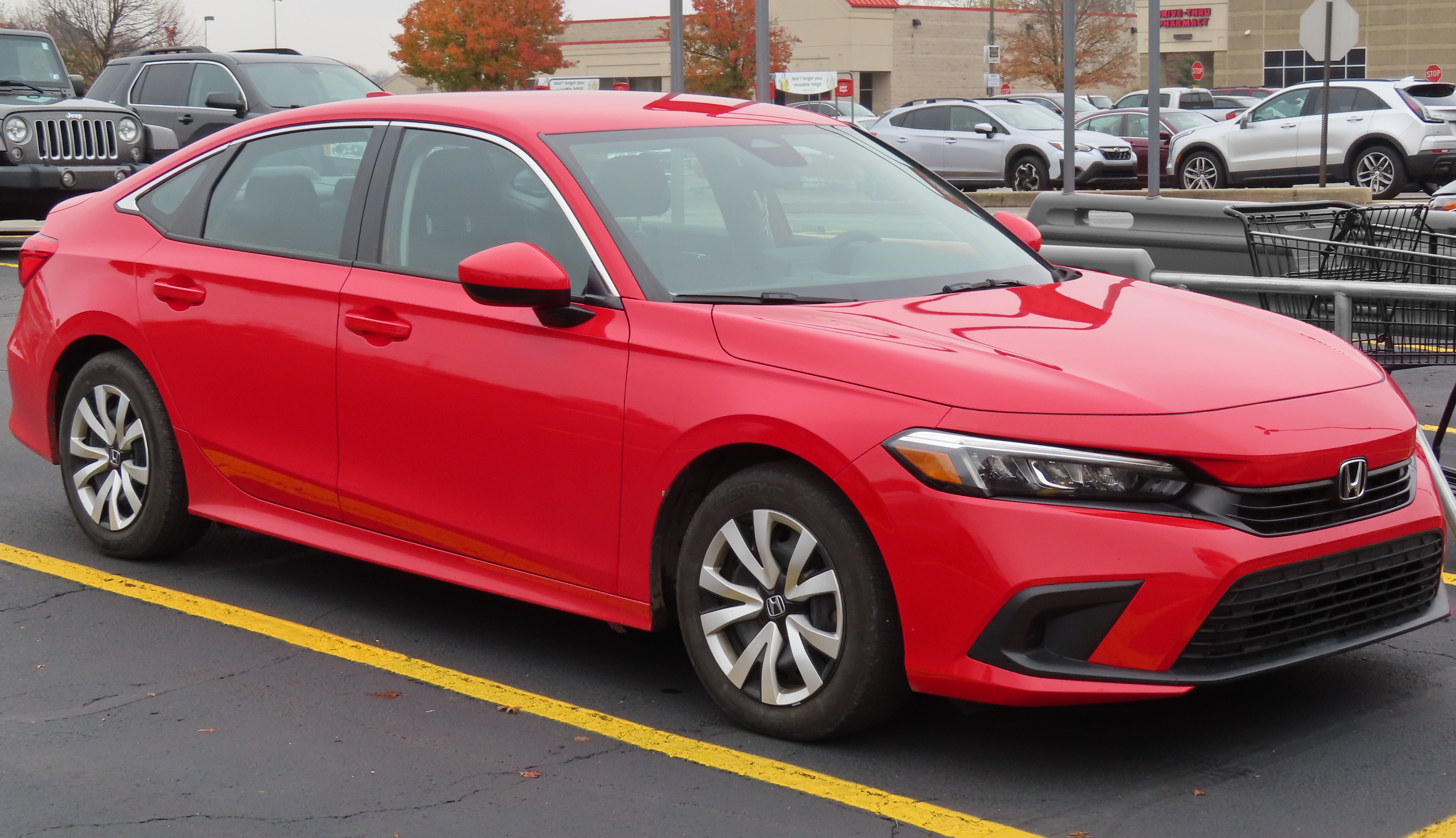
Honda Civic LX
The Honda Civic is a very common, everyday car. Here, “LX” is the basic trim, and the host is using it to show that the cheapest new Hondas cost a lot more than they used to.
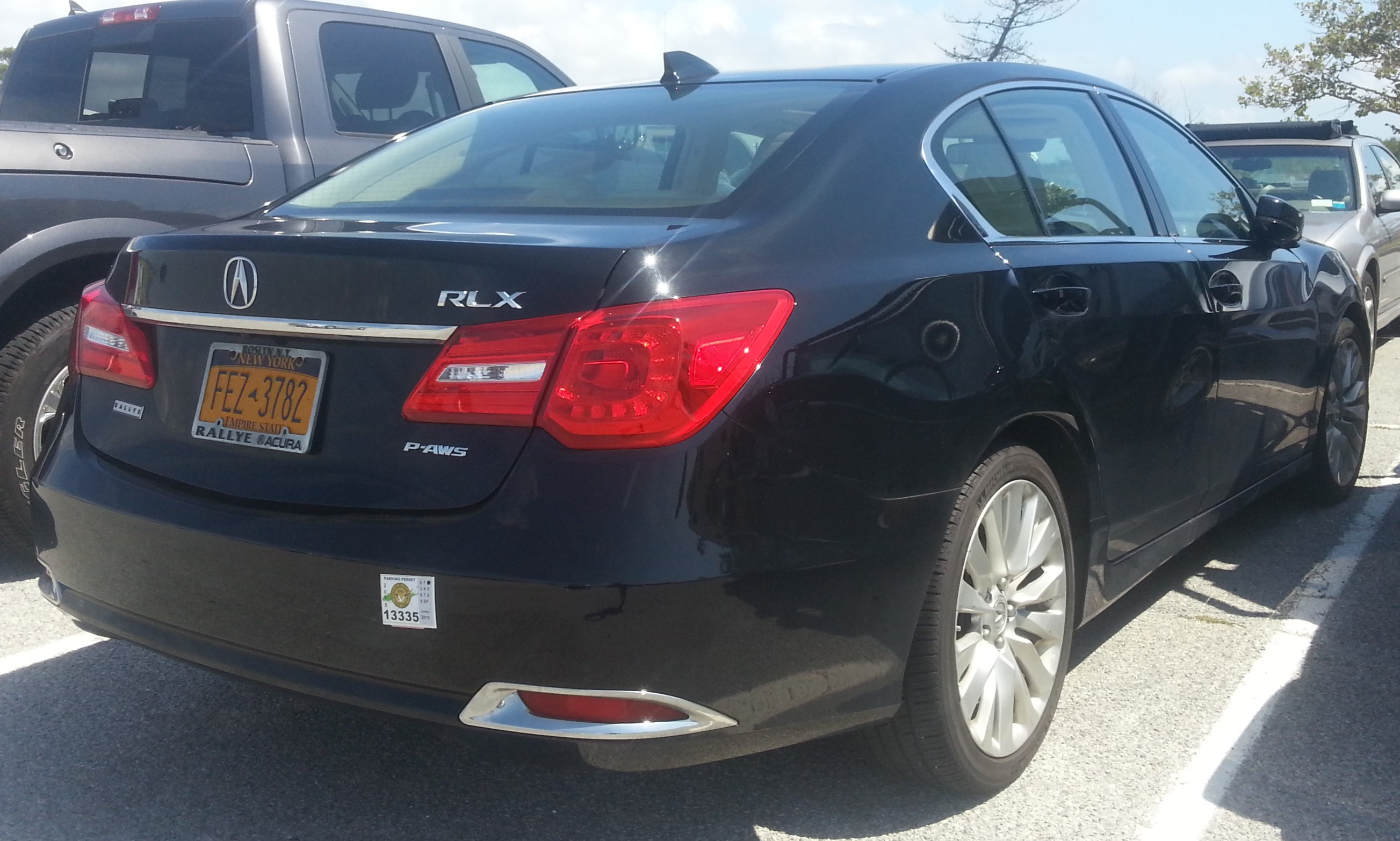
Acura RLX
The Acura RLX is a luxury sedan made by Acura. The podcast says Acura stopped selling it along with other models. It’s mentioned because it shows how Acura’s lineup has changed.

Acura ILX
The Acura ILX is a small luxury sedan made by Acura. The podcast says Acura stopped selling it. It’s mentioned because it’s part of a broader lineup change discussion.
discontinuation of least-expensive vehicles
The idea here is that car companies are stopping their cheapest models. When the lowest-priced cars disappear, the cheapest thing you can buy new costs more.

Toyota Corolla
The Toyota Corolla is one of Toyota’s most popular budget-friendly cars. The host is pointing out that even the Corolla’s starting price has climbed a lot since 2015.

Toyota Yaris
The Toyota Yaris was a small, cheaper Toyota option. The host is saying it’s gone from the market, so there are fewer truly low-cost Toyotas to choose from.
Scion
Scion was a Toyota brand that sold simpler, cheaper cars to younger buyers. The host is saying it disappeared, and that kind of brand shutdown removes low-cost options from the market.

Chevrolet Trax
The Chevy Trax is a small SUV that’s usually priced higher than the tiniest city cars. The host is saying that what used to be a $13,000 entry car is now closer to the $20,000+ range.

Chevrolet Impala
The Chevrolet Impala was a larger sedan. They’re listing it to show that sedans—especially cheaper ones—are disappearing from lineups.

Chevrolet Sonic
The Chevrolet Sonic was a smaller, lower-cost car. The hosts are using it as an example of models that got dropped as buyers moved to SUVs and pickups.

Chevrolet Cruze
The Chevrolet Cruze was a compact sedan. In this discussion, it’s mentioned to show that cheaper cars are being phased out.

Buick Verano
The Buick Verano is a small luxury-style sedan. The podcast mentions it because Buick stopped selling it. It’s included to show how some car models have been removed from the market.

Cadillac ATS
The Cadillac ATS was a smaller luxury sedan. It’s mentioned because Cadillac removed it from the lineup as the market shifted.

Cadillac CTS
The Cadillac CTS was a mid-size luxury sedan. They’re bringing it up as another example of a model that got cut.

Chevrolet Spark
The Chevrolet Spark is a small, cheaper car. The point here is that it doesn’t make as much profit for the company as bigger, more expensive vehicles do.
average transaction price
Average transaction price (ATP) is the typical selling price of a vehicle after discounts, incentives, and actual deal structures. The hosts use ATP to show how Volkswagen Group’s pricing increased over time, which helps explain why affordability worsened.

Volkswagen Jetta
The Volkswagen Jetta S is the basic version of the Jetta. They’re saying the cheapest Jetta used to be much cheaper, and today it starts higher—and the manual option is gone.
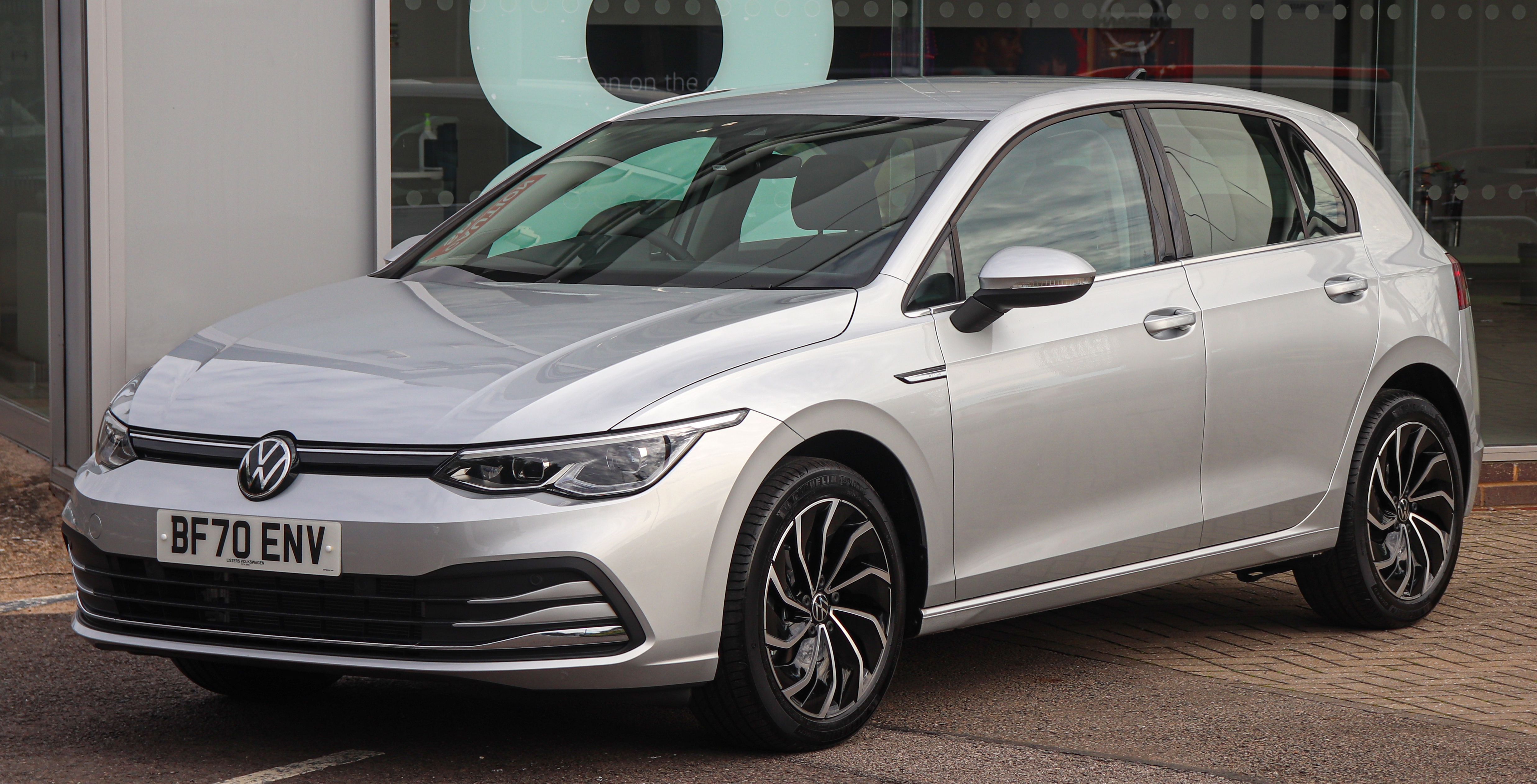
Volkswagen Golf
The Volkswagen Golf is a popular compact car. They’re mentioning that the non-GTI version was dropped, which supports the idea that cheaper options are disappearing.

Volkswagen Passat
The Volkswagen Passat is a mid-size sedan that Volkswagen discontinued in the U.S. market. The hosts include it in the list of models removed to show how fewer affordable sedans remain available.

Volkswagen Beetle
The Volkswagen Beetle is a compact, iconic hatchback that was discontinued. In this segment, it’s mentioned as part of Volkswagen’s lineup reductions that reduce the number of lower-cost choices.
Porsche
Porsche is one of the brands owned by Volkswagen Group, and it typically sells higher-priced vehicles than mainstream brands. The hosts mention Porsche to explain why the group’s average transaction price can be pulled upward.
Audi
Audi is another Volkswagen Group brand, and it generally occupies the mid-to-premium price tier. The hosts use Audi as an example of how including premium brands in the group affects the average transaction price.

Kia Rio LX
The Kia Rio LX is a small, budget-friendly Kia model they’re using as a reference point. They’re saying that Kia used to sell cars for under $15,000, but that kind of pricing is gone today.

Hyundai Venue
The Hyundai Venue is a small, lower-cost Hyundai they mention as a current example. The point is that even the cheapest Hyundai options cost more now than they used to.
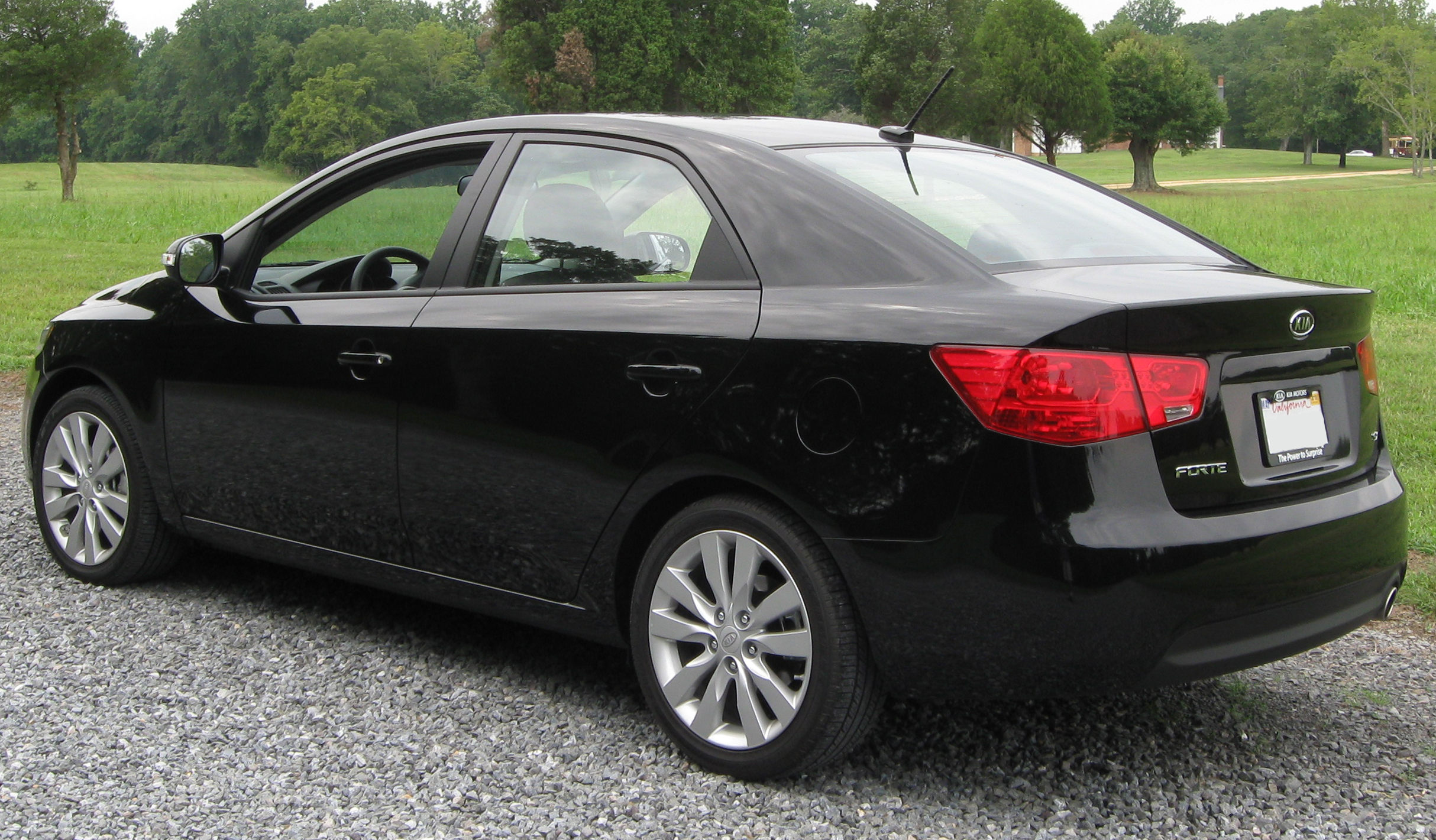
Kia Forte
The Kia Forte is a compact car Kia used to sell. The hosts are saying Kia stopped offering it, which helps explain why cheaper options are harder to find now.
upmarket
“Upmarket” means a brand is trying to sell more expensive, higher-end cars. The hosts are wondering how Hyundai and Kia managed to charge more and still keep customers buying.
record sales month after month
They’re saying sales have been extremely strong for a long time. The idea is that even though prices are higher, people are still buying, so the brands aren’t losing customers.

Ford Maverick XL Hybrid Super Crew
The Ford Maverick is Ford’s small pickup, and this one is the hybrid version. The hosts are using it to show that Ford’s “budget” choice today costs much more than Ford’s budget choice did years ago.
entry-level price point
Your “entry-level price point” is the cheapest car a brand offers. The hosts are saying Ford moved that cheapest option way up in price compared to the past.

Ford Fiesta
The Ford Fiesta S Sedan is an example of a cheaper Ford model that used to be available. The hosts are pointing out that Ford no longer offers something at that same low price level.
base market
A “base market” is the group of customers a brand is trying hardest to sell to, usually at certain price levels. The hosts are saying Ford has shifted away from the cheaper, everyday buyers.

Ford Mustang
The Ford Mustang is Ford’s well-known sports car. The hosts are saying Ford doesn’t offer many regular cars anymore—mostly trucks and SUVs instead.
Stellantis
Stellantis is the company that owns several car brands like Jeep and Dodge. The discussion is basically: they raised prices a lot, and customers didn’t stick around as much as they hoped.
Fiat
Fiat is a car brand owned by Stellantis. In this segment, it’s used as an example of a brand that used to offer cheaper cars but has fewer low-cost options now.

Fiat 500
They’re using the Fiat 500 as a reference point for how cheap Stellantis cars used to be. Then they compare it to what the cheapest Jeep is today to show prices have moved up.

Jeep Compass
They’re saying the cheapest Jeep they can point to now costs a lot more than the cheapest Stellantis car did in 2015. It’s an example of how entry-level pricing has gone up.

Chrysler 200
They’re talking about discontinued models. The Chrysler 200 is included to illustrate how Stellantis reduced the number of lower-cost cars it offers.

Patriot Jeep Patriot
The Jeep Patriot is a compact SUV. The podcast mentions it because it was one of the cheaper vehicles that’s no longer offered. It’s included to explain how fewer low-priced SUVs are available now.

Dodge Dart
They’re listing cars that Stellantis stopped selling. The Dodge Dart is one example used to show how fewer cheaper options are available now.

Dodge Ram
The Ram is a pickup truck line made by the Ram brand. Pickup trucks are usually built for hauling and towing. The podcast mentions Ram because its prices have moved up, leaving fewer cheap options.
market share
Market share means how much of the total car-buying pie a brand gets. If it goes down, it means fewer people are choosing that brand compared to competitors.
MSRP
MSRP is the sticker price the manufacturer puts on a car. They’re saying even if the sticker price drops a bit, the real-world deal can still be expensive.

Dodge Charger
They bring up the all-electric Charger Daytona and say sales are extremely low. The takeaway is that even well-known nameplates don’t automatically succeed in the EV market.
federal tax incentives ended on September 30th
Some EVs get a government tax credit that makes them cheaper to buy. If that credit ends, the car suddenly costs more, so fewer people want to purchase it.
battery electric vehicles
BEVs are cars that run only on electricity stored in a battery. The hosts are saying automakers expected BEVs to sell faster, but the market didn’t move as quickly as they planned.
took their lead from global governments
They’re saying governments pushed EVs through rules and incentives, and car companies followed that direction. The criticism is that policy doesn’t always translate into immediate consumer sales.
federal tax credits for electric vehicles
They’re talking about government incentives that can lower the cost of buying an electric car. The point is that if those credits aren’t available, fewer people are willing to buy an EV.
Car market desperation and dealer inventory pressure
This portion of the episode focuses on the idea that the car market is under stress, with dealers holding large amounts of unsold inventory. The hosts use specific lot-sitting examples to illustrate how that pressure can lead to more aggressive tactics.
inventory sitting on lots for hundreds of days
They’re pointing out that cars are staying on dealer lots for a very long time. That usually means sales are slow, so dealers may have to discount or run promotions to get people to buy.
Carvana
Carvana is a company that sells used cars online and also buys cars from customers. In this segment, they’re saying Carvana is growing its presence by adding more dealerships, which puts pressure on regular car dealers.
Chrysler Dodge Jeep Ram
Chrysler, Dodge, Jeep, and Ram are car brands that are grouped together under one parent company. The discussion is about how dealerships for these brands affect how car loans and prices work.
loan origination business
Loan origination just means making the car loan—deciding who gets approved and setting up the loan terms. The hosts are saying that financing can be where the real money is.
asset backed securities
Asset-backed securities are like bundles of loans that get turned into an investment. If you sell those loan payments to investors, it can help the lender make money faster.
transparency in pricing
Transparency in pricing means you can see the price up front and there’s less haggling or surprise fees. The hosts think that could make it easier for shoppers to compare deals.
separate rules for separate entities
The idea is that different companies can be held to different rules. That can change who’s allowed to buy dealerships and how quickly they can grow.
rear seat entertainment system
A rear seat entertainment system is basically screens and audio for the people sitting in the back. It’s meant to keep kids or passengers entertained during trips.

Toyota RAV4
The Toyota RAV4 is a compact SUV. The big point mentioned here is that it can be had with all-wheel drive for better grip when roads are slippery.