
Stellantis, Ford, Hyundai and Kia Ripped You Off THE MOST | Episode 1057
About this episode
Ray and Zach break down which automakers “ripped you off” most by comparing average transaction prices from 2015 to 2025 against inflation and wage growth. Stellantis (Fiat/Chrysler/Dodge/Jeep/Ram) leads with the biggest jump (+60.1%), followed by Ford (+57.7%) and Hyundai/Kia (+55.8%). The hosts argue the real issue is shrinking affordable trims—many sub-$20k models were discontinued—while record sales still roll in. They also connect Stellantis’ pricing push to weak EV demand and even note Carvana expanding into CDJR dealerships.

Toyota Grand Highlander
"Dear crew, it's Toyota with an adult-sized third row. Everyone's welcome in the Grand Highlander from sports fans to eco buffs and movie fans."
The Toyota Grand Highlander is a bigger Toyota SUV with three rows of seats. It’s meant for families or anyone who needs more room for passengers.
The Toyota Grand Highlander is a larger three-row SUV built to carry more passengers than the standard Highlander. It’s positioned as a family-friendly alternative when you want extra seating space without stepping up to a full-size SUV.

Toyota Sienna
"Seen back in the Sienna with an available rear seat entertainment system. Slip into the RAV4 with available all-wheel drive and let's go."
The Toyota Sienna is a minivan, usually chosen by families. Here they’re talking about features for passengers in the back seats, like entertainment for kids.
The Toyota Sienna is a minivan known for family-focused features and available technology. In this segment, it’s referenced for an available rear seat entertainment system, highlighting its role as a kid- and road-trip-friendly vehicle.
all-wheel drive
"Seen back in the Sienna with an available rear seat entertainment system. Slip into the RAV4 with available all-wheel drive and let's go."
All-wheel drive means the car can send power to multiple wheels. That usually helps it stick to the road better when it’s slippery.
All-wheel drive (AWD) sends power to more than just the front or rear wheels, helping the vehicle maintain traction. It’s commonly used to improve grip in rain, snow, or low-traction conditions.
Stalantis
"Today, we're going to be talking about Stalantis, Ford, Hyundai and Kia and they have ripped you off the most folks. We have data and notes and receipts and holy cow, can't wait to dig into it."
They mean Stellantis, a big car company that makes several brands. The episode is about which companies raised prices the most.
The host is referring to Stellantis, the large automaker formed from the merger of Fiat Chrysler Automobiles (FCA) and PSA Group. In this episode, they’re using Stellantis as one of the brands that allegedly raised prices the most over the last decade.
Ford
"Today, we're going to be talking about Stalantis, Ford, Hyundai and Kia and they have ripped you off the most folks. We have data and notes and receipts and holy cow, can't wait to dig into it."
Ford is a major car brand. The hosts are comparing brands to see which ones increased prices the most over the past decade.
Ford is one of the automakers included in the episode’s analysis of which brands raised prices the most from 2015 to 2025. The discussion frames Ford as part of the group that allegedly “ripped you off” via pricing.
Kia
"Today, we're going to be talking about Stalantis, Ford, Hyundai and Kia and they have ripped you off the most folks. We have data and notes and receipts and holy cow, can't wait to dig into it."
Kia is a car brand. The hosts are comparing brands to see which ones increased prices the most over the past decade.
Kia is included in the episode’s headline list of automakers whose pricing allegedly increased the most over the last decade. The hosts emphasize they’re using data from 2015 through 2025 to support the claim.
Hyundai
"Today, we're going to be talking about Stalantis, Ford, Hyundai and Kia and they have ripped you off the most folks. We have data and notes and receipts and holy cow, can't wait to dig into it."
Hyundai is a car brand. The episode is using data to compare how much different brands’ prices went up over time.
Hyundai is named as one of the brands in the episode’s “price increases” comparison. The hosts say they crunched data across a 10-year window to identify which brands raised prices the most.
CarEdge.com
"a friendly reminder, today's show is brought to you by CarEdge.com. Thank you to everyone who has helped us build our business, CarEdge.com, where we help you save $2,487 or more on your next car."
CarEdge.com is a website that helps you shop for cars and look for better deals. They’re promoting their tools and saying they help people save money.
CarEdge.com is the sponsor and the platform the hosts reference for car shopping tools and deal-finding. In this segment, they mention features like MapView and claim average savings for users.
negotiability
"we added MapView on the CarEdge car search so you can find states where you have the most negotiability for vehicles. Shocker, you want a Ford Bronco Sport? It's negotiable everywhere in the United States."
Negotiability means how much you might be able to talk the price down. The episode suggests some areas make it easier to get a better deal than others.
“Negotiability” here refers to how much room there is to bargain on a vehicle’s price depending on local market conditions. The host connects it to their MapView tool, implying some regions have more leverage for buyers than others.
MapView
"we added MapView on the CarEdge car search so you can find states where you have the most negotiability for vehicles. Shocker, you want a Ford Bronco Sport? It's negotiable everywhere in the United States. Let's change this around really quickly and now let's look at, you know"
MapView is a map-based tool that helps you see where car deals might be better. They use it to point you toward states where the inventory situation could help you negotiate.
MapView is described as a feature inside the CarEdge car search that shows which states have the most buyer leverage for a given vehicle. The host uses it to recommend where to buy a Mazda CX-30 based on inventory and how quickly cars are selling.

Ford Bronco Sport
"Shocker, you want a Ford Bronco Sport? It's negotiable everywhere in the United States. Let's change this around really quickly and now let's look at, you know"
They mention the Ford Bronco Sport as an example of a car you may be able to negotiate on. The point is that where you shop can change how much you can bargain.
The Ford Bronco Sport is used as an example of how negotiation can vary by location. The host claims it’s “negotiable everywhere” in the United States, tying the car to the episode’s broader theme of pricing and bargaining.

Mazda Cx30
"You drive a Mazda CX-30, so we're going to look at the Mazda CX-30. Wait for it, MapView, drumroll please. Don't buy one in North Dakota. They're selling fast."
They’re using the Mazda CX-30 to show that car deals aren’t the same everywhere. Some states have more inventory or faster sales, which can affect what you pay.
The Mazda CX-30 is the specific vehicle used to demonstrate how market conditions affect pricing and availability. The host uses MapView to suggest which states are better or worse for buying one, based on how quickly they’re selling and how many are sitting on lots.
price increases over the last decade
"Let's finally get over into today's show. Dad, we crunched the numbers on the car brands that raised prices the most over the last decade. I'm going to zoom in so that you can't see over there to the right what the answers are."
They’re comparing car brand prices over about 10 years. The goal is to see which brands increased prices the most, using data from 2015 to 2025.
The hosts frame the episode around a data-driven comparison of which automakers raised prices the most from the end of 2015 to the end of 2025. This is essentially a “10-year pricing trend” analysis rather than a single-model review.
average new car transaction price
"and here's how car prices have changed. The average new car transaction price has come from [291.1s] $34,428 at the end of 2015."
This is the average price people really paid for brand-new cars. It’s a better picture than the advertised price because it reflects what deals and options actually cost.
The “average new car transaction price” is the typical price actually paid for new vehicles in sales data (not the sticker price). Tracking it over time helps show how much prices are rising in the real market.
CPI (Consumer Price Index)
"The consumer price index, this is what the Bureau of Labor Statistics uses to measure inflation, went from $233 to [307.2s] $330.2, so up 41.3."
CPI is a government number that tracks how fast everyday prices are rising. If car prices rise more than CPI, it means cars got more expensive faster than the overall cost of living.
CPI is the Consumer Price Index, a widely used inflation measure published by the U.S. Bureau of Labor Statistics. When the podcast compares automaker price increases to CPI, it’s asking whether car prices rose faster than general inflation.
US Medium Household Income
"Then the US Medium Household Income, Dad, this came from the Census, went [313.4s] from $55,775 to $81,605."
This is the typical (middle) household income in the U.S. If car prices rise faster than income, it can make buying a new car harder for many families.
“Medium Household Income” refers to median household income from the U.S. Census. Comparing car price growth to income growth helps evaluate affordability—whether wages are keeping up with vehicle costs.
Solantis
"Here are the outliers. Here are the brands, and you see I named all of them. Solantis, Ford, and Hyundai, [332.5s] which is Hyundai and Kia, that they have increased their prices significantly more than CPI."
They’re talking about Stellantis (the big company behind brands like Chrysler, Dodge, Jeep, Ram, and Fiat). The point is that some companies raised prices faster than inflation.
“Solantis” appears to be a mis-transcription of Stellantis, the automaker formed from Fiat Chrysler Automobiles and PSA Group. The segment is using brand-level pricing changes to argue some manufacturers raised prices more than inflation.

Hyundai Genesis
"...eep, Ram, Fiat, Ford, Lincoln, Hyundai, Kia, and Genesis. These are the three outliers in terms of manufac..."
Genesis is a brand made by Hyundai for nicer, more premium cars. The podcast mentions it because it’s grouped with other brands that behave differently than the rest. It’s part of a comparison list rather than a deep dive on one model.
Hyundai Genesis refers to the Genesis brand, which has been Hyundai’s lineup for more upscale vehicles. In the podcast, it’s mentioned as one of the manufacturers that stands out in terms of manufacturing or lineup behavior compared with others. That’s why it appears in a list of “outliers.”
Volkswagen
"So let's let everyone know there were some brands that did not raise their prices more than inflation. You can see here Volkswagen, a little bit above, [390.6s] General Motors, right there a little bit above, but importantly Toyota is right at inflation,"
Volkswagen is mentioned as not raising prices more than inflation (or only slightly above it). This is used as a contrast against the brands described as bigger “outliers.”
General Motors
"You can see here Volkswagen, a little bit above, [390.6s] General Motors, right there a little bit above, but importantly Toyota is right at inflation,"
General Motors is mentioned as one of the brands whose price increases were closer to inflation than the biggest outliers. It’s used to show the story isn’t uniform across all automakers.
General Motors is included in the “not as much as inflation” group in the transcript. The episode uses these comparisons to argue that pricing behavior varies widely by automaker.
Nissan
"Honda is right below inflation, [395.6s] Nissan, with Nissan Infinity Mitsubishi below inflation."
Nissan is mentioned as a brand whose price increases were not as high as inflation. The hosts use it to show the pattern varies by company.
Nissan is grouped with other brands described as below inflation in the transcript. The episode uses this to argue that not every automaker raised prices faster than general inflation.
Honda
"Toyota is right at inflation, [395.6s] Honda is right below inflation, Nissan, with Nissan Infinity Mitsubishi below inflation."
Honda is said to have increased prices slightly less than inflation. It’s part of the episode’s comparison of automakers’ pricing behavior.
Honda is described as “right below inflation,” placing it among brands whose pricing rose roughly in step with CPI. The episode uses this to contrast with automakers that raised prices more aggressively.
Infinity
"Honda is right below inflation, [395.6s] Nissan, with Nissan Infinity Mitsubishi below inflation."
They likely mean Infiniti, Nissan’s luxury brand. It’s included in the list of brands whose prices didn’t rise faster than inflation.
“Infinity” appears to be a mis-transcription of Infiniti, Nissan’s luxury brand. The transcript is listing brands that rose less than inflation, including the Infiniti line.
Mitsubishi
"Nissan, with Nissan Infinity Mitsubishi below inflation."
Mitsubishi is mentioned as a brand that didn’t raise prices as much as inflation. It’s part of the hosts’ comparison across automakers.
Mitsubishi is mentioned as being below inflation in the episode’s pricing comparison. This supports the broader point that some automakers tracked closer to CPI than others.

Nissan Versa
"First, the Nissan Versa used to cost under $13,000 in 2015. Think about that for a second. [421.4s] Okay, well here, when I was a little boy in Philadelphia"
The Nissan Versa is an affordable small car. The hosts say that even this kind of budget-friendly model cost far more by the end of the decade than it did in 2015.
The Nissan Versa is used as an example of the “cheapest vehicles” category whose prices rose sharply from 2015 to 2025. The point is that even entry-level cars became much more expensive over the decade.

Infiniti Q40
"... rid of the Nissan Versa, the Cube, the Infinity Q40 and Q60, which were relatively affordable options..."
The Infiniti Q40 is a luxury-style sedan made by Infiniti. The podcast brings it up because it used to be one of the more affordable options in that category. It’s mentioned as part of a list of cars that were later discontinued.
The Infiniti Q40 is a compact luxury sedan that the podcast groups with other models that were relatively affordable. The mention is tied to the idea that some of these budget-friendly options have been removed from the market. That makes the Q40 relevant to discussions about shrinking choices at lower price points.

Infiniti Q60
"...the Nissan Versa, the Cube, the Infinity Q40 and Q60, which were relatively affordable options and Mit..."
The Infiniti Q60 is a luxury car with a coupe-like shape. The podcast mentions it because it was considered one of the more affordable options in its group. It’s included in a discussion about cars that have been removed from the market.
The Infiniti Q60 is a luxury coupe/fastback-style car mentioned alongside other models that were relatively affordable. In the episode, it’s brought up to illustrate how some lower-priced choices have been discontinued or replaced. That context makes it part of the broader affordability and lineup-change discussion.

Honda Fit
"Over at Honda, dad, the cheapest model back in 2015 was the Honda Fit LX Manual. You could use it."
The Honda Fit is a small, practical hatchback. “LX Manual” means it was available with a manual gearbox, and the host is saying that kind of lower-priced option is gone now.
The Honda Fit is a subcompact hatchback known for its practicality and interior space. “LX Manual” indicates the trim level and a manual transmission option, which typically helps keep the price lower; the host uses it as an example of a cheaper 2015 Honda that’s no longer offered.

Mitsubishi Mirage
"...ere relatively affordable options and Mitsubishi Mirage. Over at Honda, dad, the cheapest model back in 2..."
The Mitsubishi Mirage is a small, low-cost car. The podcast mentions it because it was one of the cheaper options you could buy. It’s used to compare how entry-level pricing has shifted over time.
The Mitsubishi Mirage is a very affordable subcompact car, and the podcast includes it as one of the relatively low-cost options that used to be available. It’s mentioned in the context of other brands’ cheapest models and how those entry-level prices have changed. That makes the Mirage relevant to the episode’s affordability comparison.
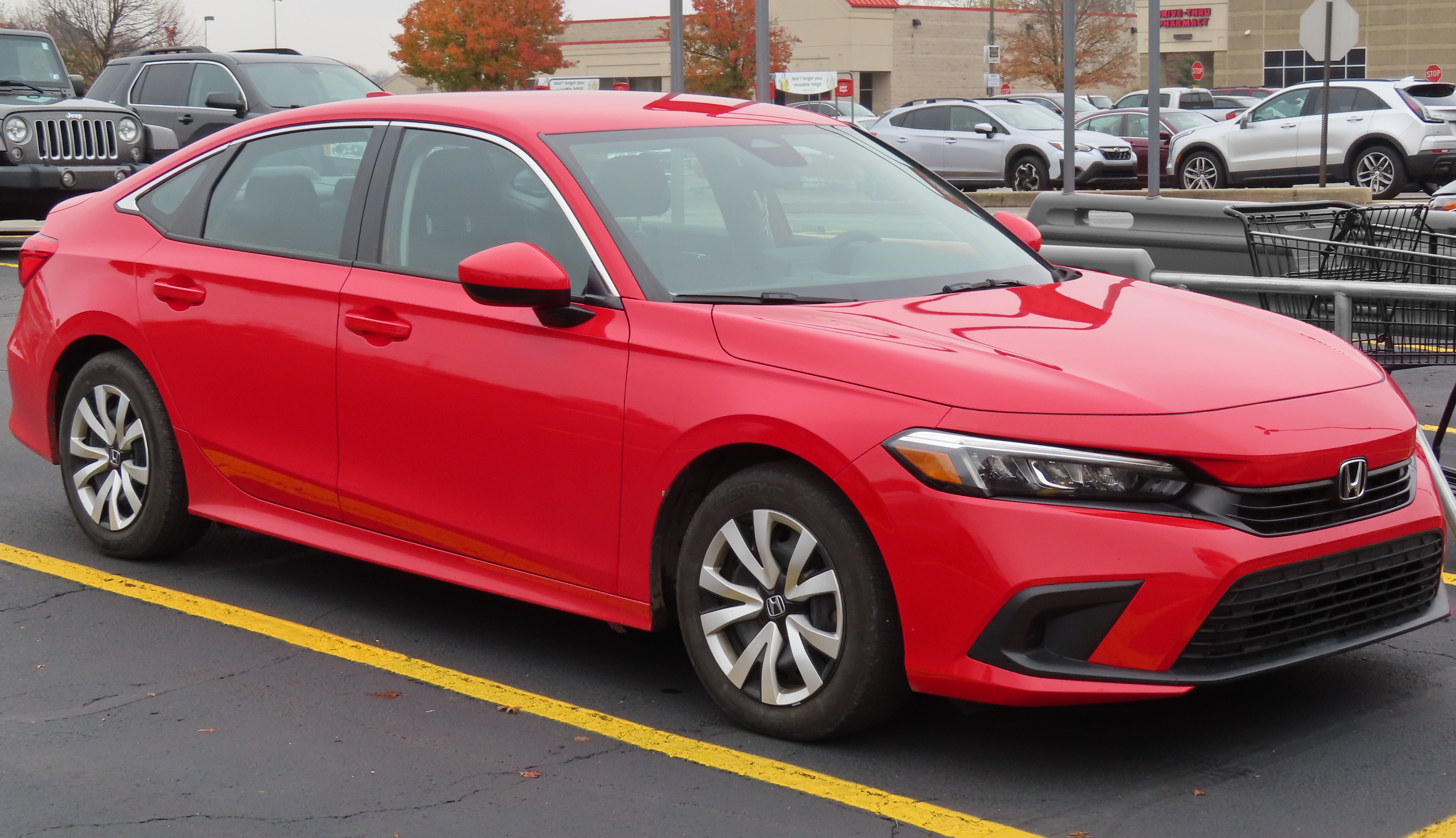
Honda Civic LX
"Now, dad, it's the Honda Civic LX, which is $25,400. And along the way, Honda got rid of the Fit, the Insight, Acura obviously got rid of the ILX and the RLX as well."
The Honda Civic is a very common, everyday car. Here, “LX” is the basic trim, and the host is using it to show that the cheapest new Hondas cost a lot more than they used to.
The Honda Civic is Honda’s mainstream compact car, and “LX” is typically the entry trim. The host contrasts the Civic LX’s current starting price with the much cheaper Honda Fit LX Manual from 2015 to illustrate how the “entry-level” price floor has risen.
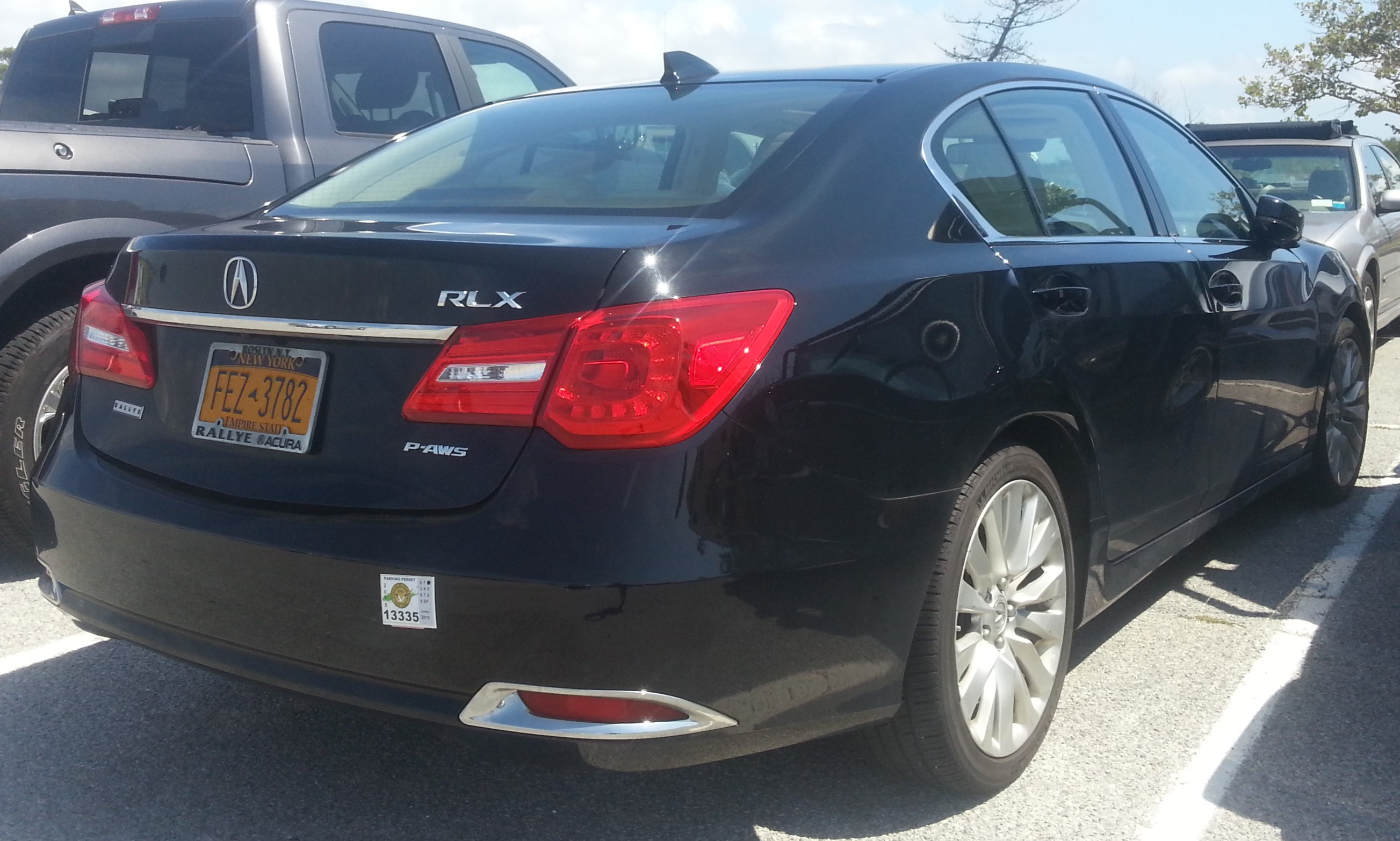
Acura RLX
"...sight, Acura obviously got rid of the ILX and the RLX as well. So Honda, although they haven't increas..."
The Acura RLX is a luxury sedan made by Acura. The podcast says Acura stopped selling it along with other models. It’s mentioned because it shows how Acura’s lineup has changed.
The Acura RLX is a luxury sedan from Acura, and the podcast notes that Acura got rid of the ILX and RLX. It’s mentioned to support the point that some brands have reduced their model lineups over time. That makes the RLX relevant to the episode’s theme of fewer choices and shifting pricing.

Acura ILX
"...Fit, the Insight, Acura obviously got rid of the ILX and the RLX as well. So Honda, although they hav..."
The Acura ILX is a small luxury sedan made by Acura. The podcast says Acura stopped selling it. It’s mentioned because it’s part of a broader lineup change discussion.
The Acura ILX is a compact luxury sedan, and the podcast notes that Acura got rid of it along with the RLX. It’s referenced to support the point that some brands have trimmed their model lineups. That connects to the episode’s larger theme of fewer options and changing affordability.
discontinuation of least-expensive vehicles
"Well, I think, I'm not 100% certain, but I think we're going to see a trend here. And I think the trend moving forward is that everybody was getting rid of their least expensive vehicles."
The idea here is that car companies are stopping their cheapest models. When the lowest-priced cars disappear, the cheapest thing you can buy new costs more.
The host argues that automakers are increasingly discontinuing their cheapest models, effectively raising the “price floor” for new vehicles. This is a market strategy and product-planning shift: fewer low-cost trims means consumers have fewer truly affordable options, even if demand exists.

Toyota Corolla
"Toyota, dad, back in 2015, you could get a sub $16,000 Toyota. Now, Toyota obviously still offers an affordable Corolla here at $23,860"
The Toyota Corolla is one of Toyota’s most popular budget-friendly cars. The host is pointing out that even the Corolla’s starting price has climbed a lot since 2015.
The Toyota Corolla is Toyota’s long-running compact car and one of the brand’s most affordable mainstream models. The segment uses the Corolla’s current price to show that even “affordable” Toyotas cost significantly more than they did a decade earlier.

Toyota Yaris
"but the Yaris, which no longer is available here, was the affordable option from Toyota."
The Toyota Yaris was a small, cheaper Toyota option. The host is saying it’s gone from the market, so there are fewer truly low-cost Toyotas to choose from.
The Toyota Yaris was Toyota’s smaller, lower-cost subcompact option in the U.S. market, and the host notes it’s no longer available there—removing another “cheap” choice from the lineup and contributing to higher entry-level pricing.
Scion
"Scion obviously used to have options here in the United States. They're no longer around, and the Toyota Avalon is no longer available. So it is interesting. Scion went by the wayside."
Scion was a Toyota brand that sold simpler, cheaper cars to younger buyers. The host is saying it disappeared, and that kind of brand shutdown removes low-cost options from the market.
Scion was Toyota’s youth-focused brand in the U.S., positioned around simpler, lower-priced models. The host uses Scion’s discontinuation to explain why consumers lost an affordable entry point—while still expecting “Toyota quality” at lower prices.

Chevrolet Trax
"Now, in 2025, the Chevy Trax, which you know sells relatively well, starts at $21,895. But think about that."
The Chevy Trax is a small SUV that’s usually priced higher than the tiniest city cars. The host is saying that what used to be a $13,000 entry car is now closer to the $20,000+ range.
The Chevrolet Trax is a subcompact crossover that Chevrolet positions as a mainstream, relatively affordable entry SUV. In the segment, the host compares its current starting price to the much cheaper Chevrolet Spark from 2015 to show how the “entry-level” category has shifted upward.

Chevrolet Impala
"They got rid of the Cruz. They got rid of the Impala."
The Chevrolet Impala was a larger sedan. They’re listing it to show that sedans—especially cheaper ones—are disappearing from lineups.
The Chevrolet Impala was a full-size sedan that GM discontinued as consumer demand shifted away from sedans. The segment lists it alongside other removed models to support the argument about shrinking “affordable” choices.

Chevrolet Sonic
"They got rid of the Spark. They got rid of the Sonic. They got rid of the Cruz."
The Chevrolet Sonic was a smaller, lower-cost car. The hosts are using it as an example of models that got dropped as buyers moved to SUVs and pickups.
The Chevrolet Sonic was a compact car that GM discontinued as the market shifted toward crossovers and trucks. In the segment, it’s part of a list of cheaper models that were removed from the lineup.

Chevrolet Cruze
"They got rid of the Sonic. They got rid of the Cruz. They got rid of the Impala."
The Chevrolet Cruze was a compact sedan. In this discussion, it’s mentioned to show that cheaper cars are being phased out.
The Chevrolet Cruze is a compact sedan that GM discontinued in favor of more profitable SUV and truck segments. The hosts mention it as part of a broader trend of automakers cutting lower-priced cars.

Buick Verano
"... They got rid of the Impala. They got rid of the Verano, the La Crosse. Cadillac got rid of the ATS and C..."
The Buick Verano is a small luxury-style sedan. The podcast mentions it because Buick stopped selling it. It’s included to show how some car models have been removed from the market.
The Buick Verano is a compact luxury sedan that the podcast says was discontinued, along with other models like the Impala and LaCrosse. It’s brought up as an example of brands removing cars from their lineups. That ties into the episode’s broader discussion about how fewer affordable models remain available.

Cadillac ATS
"Cadillac got rid of the ATS and CTS. I mean, it is quite the list of deletions here."
The Cadillac ATS was a smaller luxury sedan. It’s mentioned because Cadillac removed it from the lineup as the market shifted.
The Cadillac ATS was a compact luxury sedan that Cadillac discontinued. The hosts cite it (along with the CTS) as part of Cadillac’s lineup reductions tied to profitability and changing demand.

Cadillac CTS
"Cadillac got rid of the ATS and CTS. I mean, it is quite the list of deletions here."
The Cadillac CTS was a mid-size luxury sedan. They’re bringing it up as another example of a model that got cut.
The Cadillac CTS was a mid-size luxury sedan that Cadillac discontinued. In this segment, it’s included in the “deletions” list to illustrate how automakers reduce lower-volume, lower-profit cars.

Chevrolet Spark
"profit margin and building SUVs and pickup trucks was a hell of a lot greater than, say, building a Chevrolet Spark that retailed for $13,000."
The Chevrolet Spark is a small, cheaper car. The point here is that it doesn’t make as much profit for the company as bigger, more expensive vehicles do.
The Chevrolet Spark is a small, budget-focused subcompact car. In this segment, the hosts use it as an example of a low-price model that’s less profitable for automakers than higher-margin SUVs and pickup trucks.
average transaction price
"Volkswagen group prices have gone up 44.4% in the last decade. That means the average transaction price for a VW vehicle went from $40,461 in 2015 to $58,440."
Average transaction price (ATP) is the typical selling price of a vehicle after discounts, incentives, and actual deal structures. The hosts use ATP to show how Volkswagen Group’s pricing increased over time, which helps explain why affordability worsened.

Volkswagen Jetta
"back in 2015, the cheapest model they offered was the Jetta S manual at $18,145. They still offer the Jetta S today no longer in a manual and starts at $23,220."
The Volkswagen Jetta S is the basic version of the Jetta. They’re saying the cheapest Jetta used to be much cheaper, and today it starts higher—and the manual option is gone.
The Volkswagen Jetta S is the entry-level trim of the Jetta, and it’s used here to illustrate how the “cheapest” option in a lineup has risen significantly. The hosts also note that the manual transmission is no longer offered on the current Jetta S.
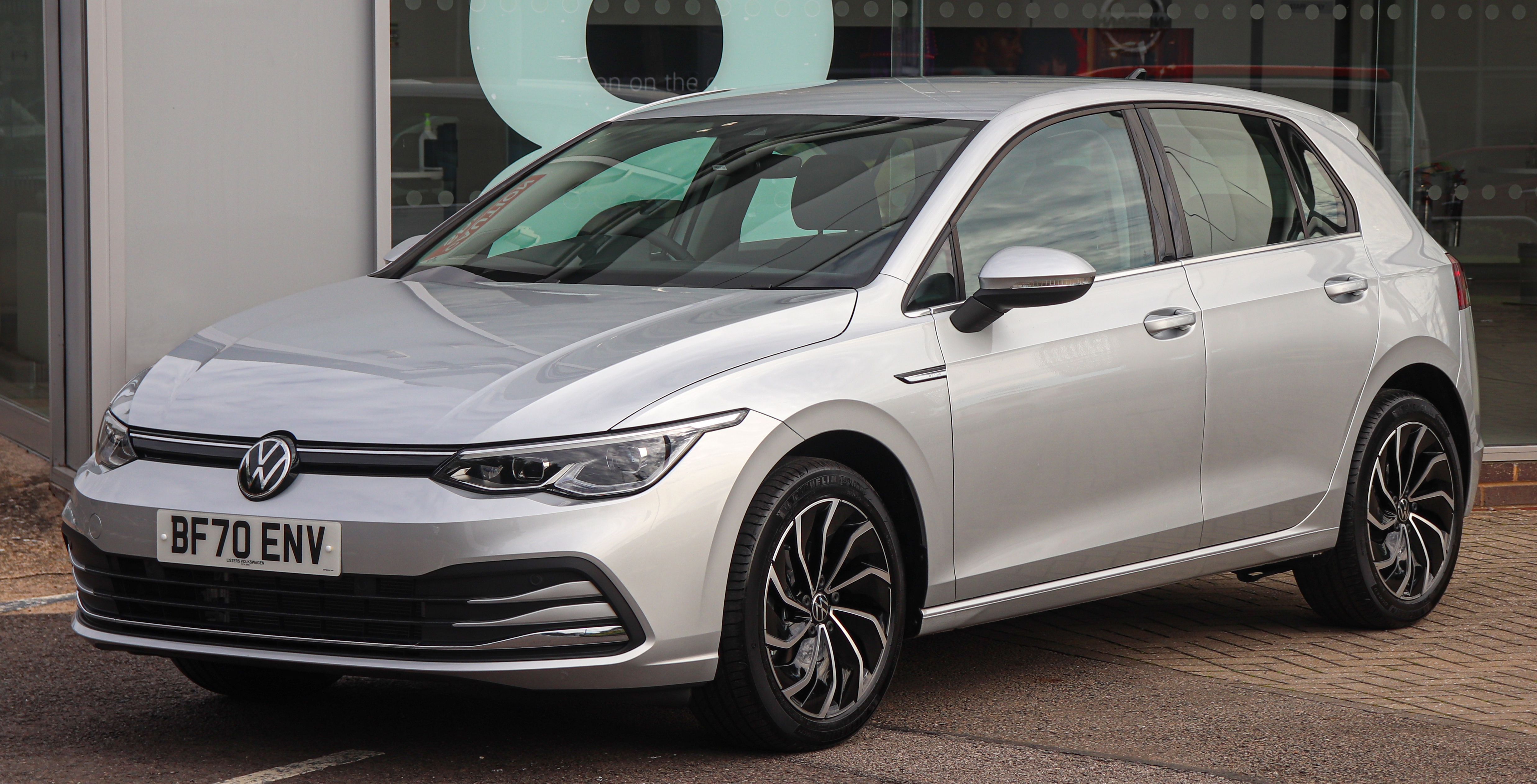
Volkswagen Golf
"They got rid of the Golf, non-GTI, the Passat, and the Beetle in that time."
The Volkswagen Golf is a popular compact car. They’re mentioning that the non-GTI version was dropped, which supports the idea that cheaper options are disappearing.
The Volkswagen Golf is a compact hatchback that the hosts say was removed from the lineup in a non-GTI form. This is part of their argument that automakers have reduced lower-priced variants as consumer demand shifted.

Volkswagen Passat
"They got rid of the Golf, non-GTI, the Passat, and the Beetle in that time."
The Volkswagen Passat is a mid-size sedan that Volkswagen discontinued in the U.S. market. The hosts include it in the list of models removed to show how fewer affordable sedans remain available.

Volkswagen Beetle
"They got rid of the Golf, non-GTI, the Passat, and the Beetle in that time."
The Volkswagen Beetle is a compact, iconic hatchback that was discontinued. In this segment, it’s mentioned as part of Volkswagen’s lineup reductions that reduce the number of lower-cost choices.
Porsche
"Yes. I mean, obviously you're talking about the Volkswagen group, and that includes Porsche, and that includes Audi, and those are going to artificially inflate..."
Porsche is one of the brands owned by Volkswagen Group, and it typically sells higher-priced vehicles than mainstream brands. The hosts mention Porsche to explain why the group’s average transaction price can be pulled upward.
Audi
"and that includes Porsche, and that includes Audi, and those are going to artificially inflate to a certain degree the average transaction prices."
Audi is another Volkswagen Group brand, and it generally occupies the mid-to-premium price tier. The hosts use Audi as an example of how including premium brands in the group affects the average transaction price.

Kia Rio LX
"Now, back in 2015, you could get a sub $15,000 Kia. This was the Kia Rio LX, which was $14,815."
The Kia Rio LX is a small, budget-friendly Kia model they’re using as a reference point. They’re saying that Kia used to sell cars for under $15,000, but that kind of pricing is gone today.
The Kia Rio LX is referenced as an example of Kia’s older, entry-level pricing. The hosts use it to illustrate how the brand has moved away from sub-$15,000 offerings, which supports their broader “price increase” argument.

Hyundai Venue
"Now, today, you could get a Hyundai venue for $20,550, which again is still a very affordable price point."
The Hyundai Venue is a small, lower-cost Hyundai they mention as a current example. The point is that even the cheapest Hyundai options cost more now than they used to.
The Hyundai Venue is cited as today’s more affordable option, with a stated price around $20,550. The hosts use the Venue to show how the “entry-level” price floor has risen compared with older sub-$15,000 models.
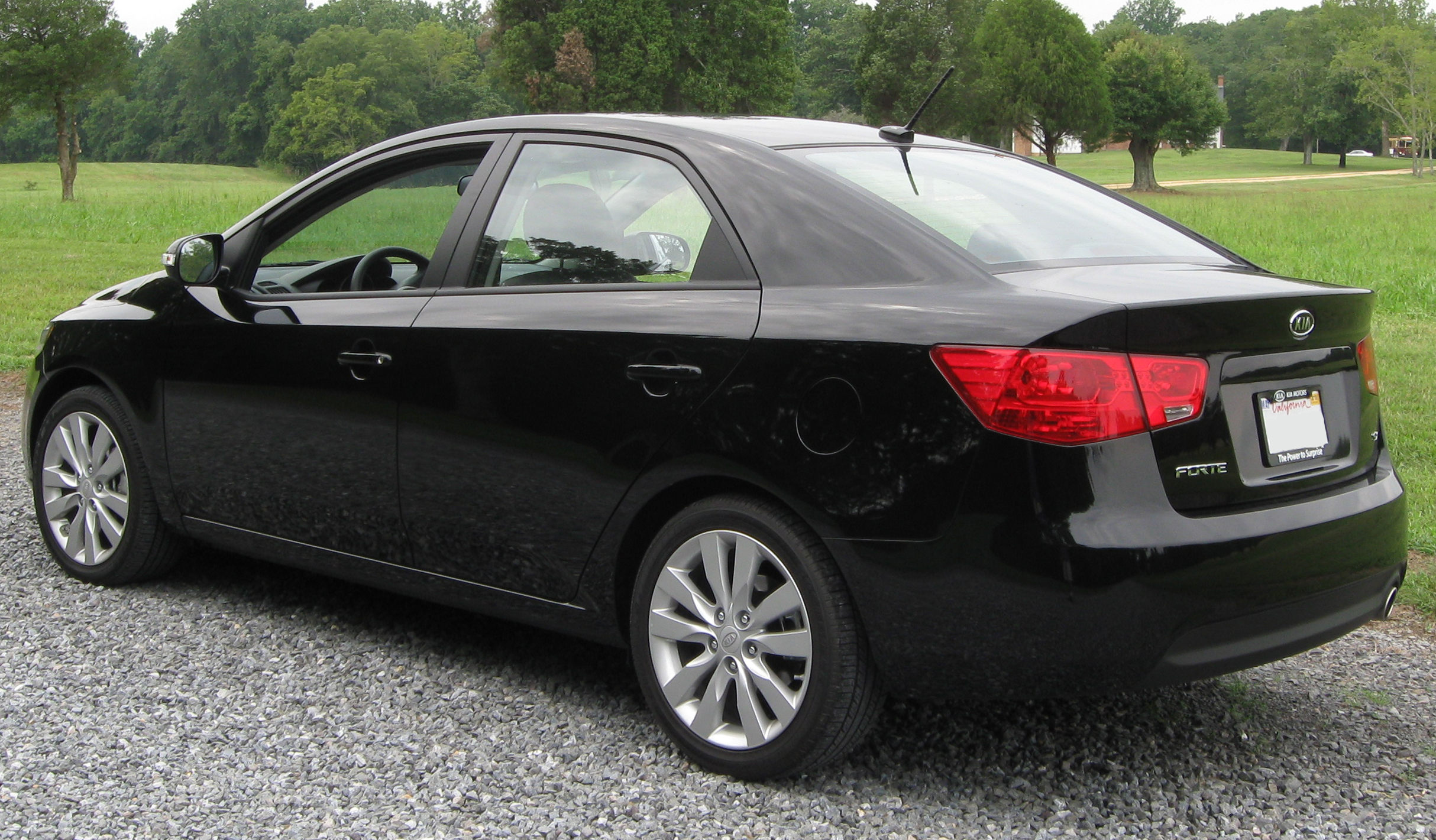
Kia Forte
"...but Hyundai and Kia have gotten rid of the Rio and the Forte, and Genesis is now a very distinguished and separate brand."
The Kia Forte is a compact car Kia used to sell. The hosts are saying Kia stopped offering it, which helps explain why cheaper options are harder to find now.
The Kia Forte is mentioned as one of the models Kia has “gotten rid of,” implying the brand has reduced its lower-cost lineup. In the context of this episode, that supports the argument that Kia and Hyundai have shifted toward higher pricing tiers.
upmarket
"And so one has to wonder what it is that they have done that has allowed them to go as upmarket as they have and continue to bring customers in."
“Upmarket” means a brand is trying to sell more expensive, higher-end cars. The hosts are wondering how Hyundai and Kia managed to charge more and still keep customers buying.
“Upmarket” means moving a brand’s positioning toward higher-end products and higher prices. The hosts question what Hyundai Motor Group has done to attract customers at these higher price points and whether it left earlier, more budget-focused buyers behind.
record sales month after month
"They are hitting record sales month after month after month, even though they are one of the most egregious when it comes to raising prices in regards to inflation."
They’re saying sales have been extremely strong for a long time. The idea is that even though prices are higher, people are still buying, so the brands aren’t losing customers.
The hosts point to record sales as evidence that higher pricing hasn’t reduced demand for these brands. In pricing discussions, sustained strong sales can indicate that buyers are still willing to pay more, even if the market feels “ripped off.”

Ford Maverick XL Hybrid Super Crew
"In 2015, Ford offered the Fiesta S Sedan at $15,405. Today, the cheapest option you can get from Ford is the Maverick XL Hybrid Super Crew at almost double the price, $28,145."
The Ford Maverick is Ford’s small pickup, and this one is the hybrid version. The hosts are using it to show that Ford’s “budget” choice today costs much more than Ford’s budget choice did years ago.
The Ford Maverick XL Hybrid Super Crew is a compact pickup truck configured with a hybrid powertrain and a larger cab (“Super Crew”). In this discussion, it’s used as Ford’s current cheapest option, highlighting how Ford has shifted its lineup away from lower-priced cars.
entry-level price point
"In 2015, Ford offered the Fiesta S Sedan at $15,405. Today, the cheapest option you can get from Ford is the Maverick XL Hybrid Super Crew at almost double the price, $28,145. Now, that's egregious and that's concerning."
Your “entry-level price point” is the cheapest car a brand offers. The hosts are saying Ford moved that cheapest option way up in price compared to the past.
An entry-level price point is the lowest-priced version of a brand’s lineup that a typical buyer can purchase. The segment argues Ford raised its entry point substantially, reducing access to cheaper vehicles and pushing more customers into higher-priced categories.

Ford Fiesta
"In 2015, Ford offered the Fiesta S Sedan at $15,405. Today, the cheapest option you can get from Ford is the Maverick XL Hybrid Super Crew at almost double the price, $28,145."
The Ford Fiesta S Sedan is an example of a cheaper Ford model that used to be available. The hosts are pointing out that Ford no longer offers something at that same low price level.
The Ford Fiesta S Sedan is referenced as Ford’s low-cost entry point in 2015. The segment uses it to illustrate how Ford’s cheapest offerings have moved up dramatically in price over time.
base market
"Yeah, it appears as if no manufacturer has abandoned their base market more than Ford has. And nobody has said to their customers, you want something other than a pickup truck or an SUV?"
A “base market” is the group of customers a brand is trying hardest to sell to, usually at certain price levels. The hosts are saying Ford has shifted away from the cheaper, everyday buyers.
A base market is the main group of buyers and price tiers a brand targets—often including entry-level models. The hosts claim Ford has abandoned parts of its base market by reducing affordable passenger-car options and focusing on higher-margin trucks and SUVs.

Ford Mustang
"You're going to have to go elsewhere because they don't have... I mean, what's the only car they have? A Mustang? Yeah, a Mustang."
The Ford Mustang is Ford’s well-known sports car. The hosts are saying Ford doesn’t offer many regular cars anymore—mostly trucks and SUVs instead.
The Ford Mustang is Ford’s remaining mainstream passenger car in this segment’s framing. The hosts use it to argue that Ford has largely exited the car market and focuses more on trucks and SUVs.
Stellantis
"Number one, the brand that has increased their prices the most over the last decade, Stellantis. This would be Fiat, Chrysler, Dodge, Jeep, etc... They've increased their prices 60.1% over the last decade... Conversely, they have lost more market share..."
Stellantis is the company that owns several car brands like Jeep and Dodge. The discussion is basically: they raised prices a lot, and customers didn’t stick around as much as they hoped.
Stellantis is the parent company behind brands like Fiat, Chrysler, Dodge, Jeep, and Ram. The hosts argue Stellantis has raised prices the most over the last decade while also losing market share, especially after 2021 as it tried to move upmarket.
Fiat
"Number one, the brand that has increased their prices the most over the last decade, Stellantis. This would be Fiat, Chrysler, Dodge, Jeep, etc... The cheapest model back in 2015 was the Fiat 500 hatchback..."
Fiat is a car brand owned by Stellantis. In this segment, it’s used as an example of a brand that used to offer cheaper cars but has fewer low-cost options now.
Fiat is one of the brands grouped under Stellantis in the segment. The hosts mention Fiat’s lineup shrinking in the cheaper price tiers, using the Fiat 500 as an example of an affordable model that’s been discontinued.

Fiat 500
"The cheapest model back in 2015 was the Fiat 500 hatchback, $16,845. The cheapest model today is the Jeep Compass Sport, $27,495."
They’re using the Fiat 500 as a reference point for how cheap Stellantis cars used to be. Then they compare it to what the cheapest Jeep is today to show prices have moved up.
The Fiat 500 hatchback is used as the example of Stellantis’ cheapest model in 2015. The hosts contrast its low price with today’s cheapest Stellantis offering, highlighting how the company exited lower price tiers.

Jeep Compass
"The cheapest model today is the Jeep Compass Sport, $27,495. In that time, Stellantis have killed off many affordable options..."
They’re saying the cheapest Jeep they can point to now costs a lot more than the cheapest Stellantis car did in 2015. It’s an example of how entry-level pricing has gone up.
The Jeep Compass Sport is cited as Stellantis’ cheapest model “today” in the segment. It’s part of the argument that Stellantis has moved away from sub-$25,000 pricing and eliminated many entry-level options.

Chrysler 200
"In that time, Stellantis have killed off many affordable options, the Dodge Dart, Chrysler 200, Dodge Abender, Jeep Patriot, Fiat 500 hatch."
They’re talking about discontinued models. The Chrysler 200 is included to illustrate how Stellantis reduced the number of lower-cost cars it offers.
The Chrysler 200 is cited among the models Stellantis “killed off” as it moved away from affordable pricing. In the segment’s logic, removing these cars helped push the brand group out of the sub-$20,000 and sub-$25,000 markets.

Patriot Jeep Patriot
"...ns, the Dodge Dart, Chrysler 200, Dodge Abender, Jeep Patriot, Fiat 500 hatch. They've entirely exited the $20..."
The Jeep Patriot is a compact SUV. The podcast mentions it because it was one of the cheaper vehicles that’s no longer offered. It’s included to explain how fewer low-priced SUVs are available now.
The Jeep Patriot is a compact SUV that the podcast lists among models that have been discontinued as brands exited lower price segments. It’s mentioned in the context of leaving the sub-$20,000 market and moving away from cheaper offerings. That makes it relevant to the episode’s focus on how entry-level choices have shrunk.

Dodge Dart
"In that time, Stellantis have killed off many affordable options, the Dodge Dart, Chrysler 200, Dodge Abender, Jeep Patriot, Fiat 500 hatch."
They’re listing cars that Stellantis stopped selling. The Dodge Dart is one example used to show how fewer cheaper options are available now.
The Dodge Dart is mentioned as one of the affordable models Stellantis discontinued. It supports the hosts’ point that Stellantis exited lower price segments by killing off budget-friendly nameplates.

Dodge Ram
"exited the $20,000, sub-$20,000 market and no longer have any vehicles at a sub-$25,000 price point. Jeep, Chrysler, Dodge, Ram, that whole group, this is your brand that have increased prices the most over the last decade. Conversely, they have lost more market"
The Ram is a pickup truck line made by the Ram brand. Pickup trucks are usually built for hauling and towing. The podcast mentions Ram because its prices have moved up, leaving fewer cheap options.
The Dodge Ram (Ram pickup trucks) is part of the Stellantis “Ram” brand and is known for full-size truck capability. The podcast mentions it in the context of brands exiting lower price tiers and raising prices across the lineup. That’s why Ram is brought up as one of the remaining brands in the group that has increased pricing.
market share
"Conversely, they have lost more market share over that same timeframe than any other manufacturer out there. The loss of market share has been exacerbated since COVID..."
Market share means how much of the total car-buying pie a brand gets. If it goes down, it means fewer people are choosing that brand compared to competitors.
Market share is the percentage of total sales in a market that a manufacturer captures. The hosts claim Stellantis lost more market share than any other automaker over the same timeframe, which they connect to its pricing and “go upmarket” strategy.
MSRP
"Yeah, which to be clear, I mean, Stellantis MSRP's have actually decreased year over year on some"
MSRP is the sticker price the manufacturer puts on a car. They’re saying even if the sticker price drops a bit, the real-world deal can still be expensive.
MSRP (Manufacturer’s Suggested Retail Price) is the list price a manufacturer sets for a vehicle. The hosts note that Stellantis’ MSRP has decreased year over year on some models, implying that list prices alone don’t tell the whole story compared with what buyers actually pay.

Dodge Charger
"First quarter US sales, total just 175 for the wagon ERS and 240 for the all electric charger Daytona. Think about that for a second, Dad."
They bring up the all-electric Charger Daytona and say sales are extremely low. The takeaway is that even well-known nameplates don’t automatically succeed in the EV market.
The transcript mentions the all-electric Charger Daytona as part of Stellantis’ EV lineup and cites very low first-quarter sales. It’s presented as evidence that Stellantis’ EV strategy isn’t resonating with buyers.
federal tax incentives ended on September 30th
"Ever since federal tax incentives ended on September 30th of last year, their sales have dropped to nothing. I mean, literally just about nothing."
Some EVs get a government tax credit that makes them cheaper to buy. If that credit ends, the car suddenly costs more, so fewer people want to purchase it.
The U.S. federal EV tax credits have eligibility rules and phase-outs. When incentives end or stop applying to certain models, demand can drop quickly because buyers lose a major price offset.
battery electric vehicles
"Yeah, they made a bet, like a lot of manufacturers made a bet for battery electric vehicles and the market has changed."
BEVs are cars that run only on electricity stored in a battery. The hosts are saying automakers expected BEVs to sell faster, but the market didn’t move as quickly as they planned.
Battery electric vehicles (BEVs) rely on large battery packs and electric drivetrains, and they require charging infrastructure and different cost structures than gas cars. The speaker argues that many automakers “bet” on BEVs, but demand shifted faster than expected.
took their lead from global governments
"...speaks volumes to how I guess so many of them took their lead from global governments, whether it been the government here in the United States or other governments in Europe..."
They’re saying governments pushed EVs through rules and incentives, and car companies followed that direction. The criticism is that policy doesn’t always translate into immediate consumer sales.
The speaker suggests automakers followed policy pressure from governments—especially in Europe and the U.S.—that emphasized battery-electric adoption. This can lead to product plans that don’t perfectly match real-world consumer demand.
federal tax credits for electric vehicles
"...the consensus seems to be when there's no federal tax credits available that about 5% of the population is willing to buy an electric vehicle."
They’re talking about government incentives that can lower the cost of buying an electric car. The point is that if those credits aren’t available, fewer people are willing to buy an EV.
The hosts connect EV sales willingness to whether federal tax credits are available, suggesting that without them only a small share of consumers are willing to buy an EV. This is an example of how incentives can materially change consumer demand and dealer sales velocity.
Car market desperation and dealer inventory pressure
"So, look at this, just pulling it up, some of the desperation going on in the car market right now... they need to do something dramatic to relieve themselves of that inventory."
This portion of the episode focuses on the idea that the car market is under stress, with dealers holding large amounts of unsold inventory. The hosts use specific lot-sitting examples to illustrate how that pressure can lead to more aggressive tactics.
inventory sitting on lots for hundreds of days
"...you've got one 2025 Jeep Wagon Air S launch edition for $72,790 that's been sitting for 260 days... all well over 300 days... they need to do something dramatic to relieve themselves of that inventory."
They’re pointing out that cars are staying on dealer lots for a very long time. That usually means sales are slow, so dealers may have to discount or run promotions to get people to buy.
The segment emphasizes how long certain vehicles have been sitting on dealer lots—260 days, 387 days, and other figures over 300 days. In car-market terms, “days in inventory” is a practical indicator of demand softness and/or pricing pressure, because dealers need to move units to free up cash and floor space.
Carvana
"Dad, Carvana, did you see this? ... They added a seven franchise dealership... Carvana, for those of you that don't know, used to be just a used car dealer... They’ve now bought in under a year seven new car dealerships."
Carvana is a company that sells used cars online and also buys cars from customers. In this segment, they’re saying Carvana is growing its presence by adding more dealerships, which puts pressure on regular car dealers.
Carvana is discussed as expanding by adding new dealership franchises, positioning itself as a major player in both buying and selling vehicles. The hosts frame it as a competitive threat to traditional dealer networks, especially when inventory is piling up.
Chrysler Dodge Jeep Ram
"and they're all Chrysler Dodge Jeep Ram stores... what we're talking about has to do with Chrysler Dodge, Jeep and Ram Stellantis."
Chrysler, Dodge, Jeep, and Ram are car brands that are grouped together under one parent company. The discussion is about how dealerships for these brands affect how car loans and prices work.
Chrysler, Dodge, Jeep, and Ram are the major brand names under the Stellantis umbrella. The segment focuses on how dealership ownership and brand mix can influence financing outcomes and pricing power.
loan origination business
"because as we know, Carvana wants to be in the loan origination business, and there's no better customer that fits their parameters than the customers at those dealerships."
Loan origination just means making the car loan—deciding who gets approved and setting up the loan terms. The hosts are saying that financing can be where the real money is.
Loan origination is the process of creating and approving auto loans for customers. The hosts connect it to dealership acquisitions, suggesting Carvana profits not just from selling cars, but from the financing it structures and approves.
asset backed securities
"because they turn around and sell them as asset backed securities. So yeah, it is the perfect brand mix, in my opinion."
Asset-backed securities are like bundles of loans that get turned into an investment. If you sell those loan payments to investors, it can help the lender make money faster.
Asset-backed securities (ABS) are financial products that are backed by cash flows from assets—here, likely auto loan payments. The hosts imply Carvana can package loans and sell them as ABS, which changes how profitable financing can be.
transparency in pricing
"if they operate their CDJR dealerships the same way as they operate their used car facilities, there's a certain level of transparency involved. You know, the price, there's no real arguing about the price, it is what it is."
Transparency in pricing means you can see the price up front and there’s less haggling or surprise fees. The hosts think that could make it easier for shoppers to compare deals.
In retail auto, “transparency” usually means the listed price is the real price with fewer negotiations, add-on surprises, or variable dealer markups. The hosts suggest Carvana’s approach at used-car facilities could carry over to CDJR stores and make shopping easier.
separate rules for separate entities
"whatever, the rules, the rules apply to the, but not me, you know. Yes, separate rules for separate entities."
The idea is that different companies can be held to different rules. That can change who’s allowed to buy dealerships and how quickly they can grow.
The hosts are arguing that different companies may face different regulatory or contractual limits, even when they operate in the same market. In dealership/financing contexts, this can affect how aggressively a buyer like Carvana can expand compared with other competitors.
rear seat entertainment system
"Seen back in the Sienna with an available rear seat entertainment system."
A rear seat entertainment system is basically screens and audio for the people sitting in the back. It’s meant to keep kids or passengers entertained during trips.
A rear seat entertainment system is a set of screens and audio outputs designed to keep passengers in the back occupied. It’s a common family-focused option in minivans and larger vehicles, reducing boredom on long drives.

Toyota RAV4
"Slip into the RAV4 with available all wheel drive and let's go."
The Toyota RAV4 is a compact SUV. The big point mentioned here is that it can be had with all-wheel drive for better grip when roads are slippery.
The Toyota RAV4 is Toyota’s compact crossover SUV, commonly offered with multiple drivetrain options. Here, it’s highlighted for available all-wheel drive, which improves traction in rain, snow, and uneven conditions.
Request an Explanation
Heard something you'd like explained? We'll add it to this episode.
Sign in to request explanations for terms you heard.
Want to learn more?
Browse our glossary for plain-English explanations of automotive terms, jargon, and concepts.
Help improve this episode
See something that's not quite right? Our annotations are AI-generated and can sometimes miss the mark. Click the flag icon on any annotation to suggest a correction.