
General Motors Just Got CAUGHT | Episode 1113
About this episode
GM’s latest results become the backdrop for a broader affordability debate: the hosts say “Their transaction prices are going up” while “GM's profits jump 43% in Q2.” They argue GM’s money is “at the upper end of the market,” pointing to higher-priced vehicle mix, inventory management, and incentives that help financing. They also track how “$20,000 and below cars have disappeared,” then widen the discussion to whether Chinese competition could act as a “safety valve” on U.S. pricing.
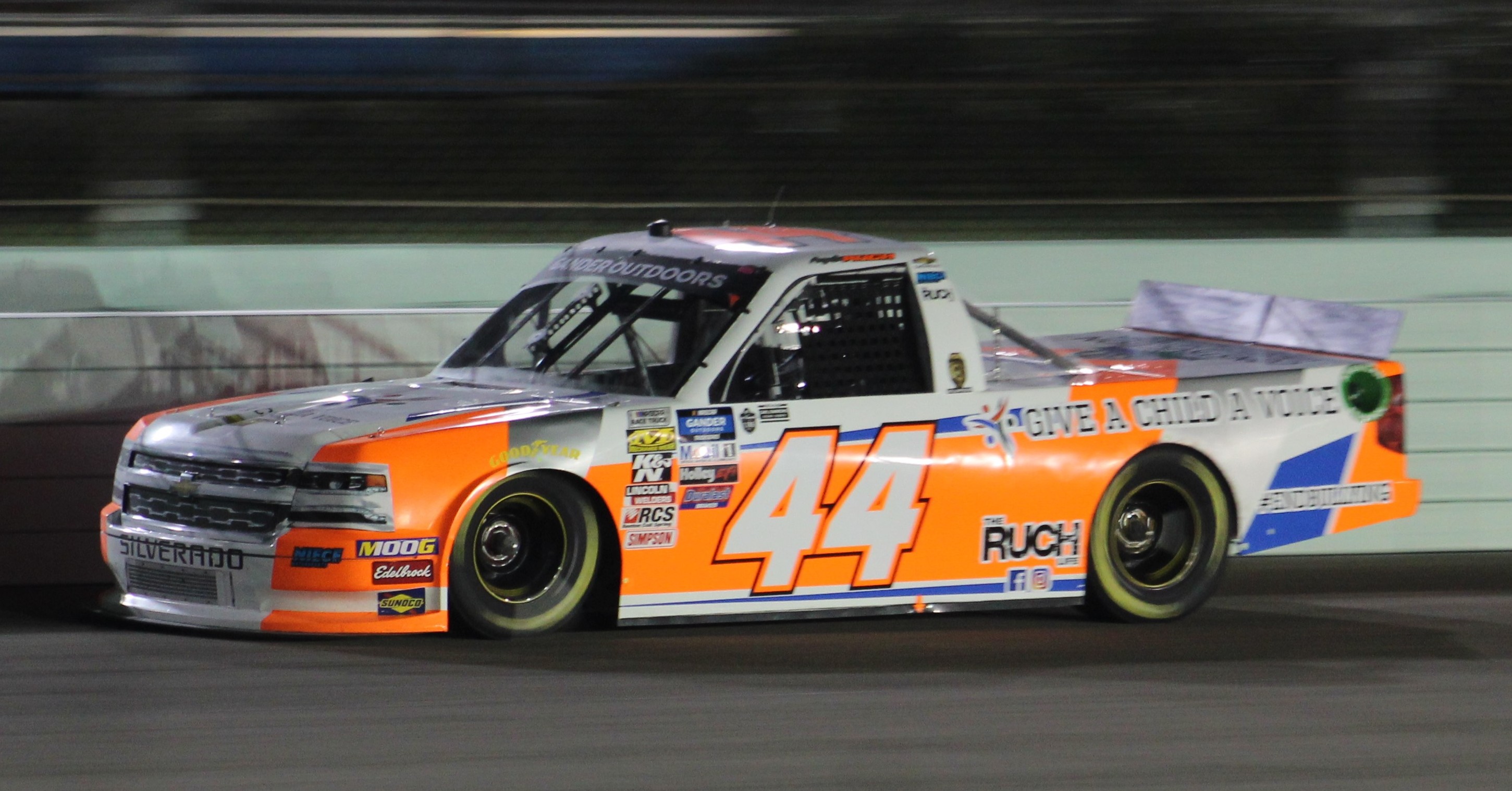
Chevrolet Silverado
"...M's top selling and most profitable vehicles, the Silverado and the Sierra should further boost profits."
The Chevrolet Silverado is a large truck designed for work and everyday driving. People buy it when they need to tow or haul things, but it can also be used like a normal vehicle. It’s mentioned a lot because it sells in high numbers and helps the company make money.
The Chevrolet Silverado is a full-size pickup truck built for heavy-duty everyday use, from hauling and towing to commuting. It’s significant in the market because it’s one of the top-selling and most profitable vehicles for its brand, which is why it often comes up in business-focused automotive discussions. In a podcast, it’s typically referenced as a key driver of sales volume and profit.
days supply of inventory
"This chart shows you the day supply of inventory broken down by brand. We talked about this ad nauseam yesterday, but it is compelling and interesting."
It’s basically a “how many days of cars we have on hand” number. If it’s high, the company has more cars sitting around than it can sell quickly; if it’s low, cars are selling faster than they’re being stocked.
“Days supply of inventory” is a measure of how long a dealership or automaker’s current vehicle stock would last if sales continue at the same pace. It’s commonly used to spot whether inventory is tight (lower days) or bloated (higher days).
GMC
"Look at the left Chevrolet has a 76 days supply of inventory right now. GMC is at 88."
GMC is a car brand that’s part of General Motors. In this chart, it’s used to show how many days of cars it has available compared with other brands.
GMC is another General Motors brand, and the segment uses it as a comparison point in the “days supply of inventory” chart. The host cites GMC’s higher figure to show it’s relatively more stocked than some competitors.
Ford
"Obviously, Ford with 93 is higher than we mentioned the other brands a second ago. They're super high Buick is their one exception here."
Ford is another major automaker brand being compared in the chart. The point is that Ford’s inventory-days number is higher than some of the other brands discussed.
Ford is used here as a benchmark brand in the inventory-days comparison. The host notes Ford’s “93” days supply relative to other brands mentioned, implying Ford’s inventory situation differs from the rest of the group.
Buick
"They're super high Buick is their one exception here. You can see it already in the chat for a second. Buick has 129 days supply of inventory."
Buick is a General Motors brand. The hosts highlight it because its inventory-days number is much higher than the others, meaning it likely has more cars sitting than it can sell quickly.
Buick is a General Motors brand, and the segment calls it out as an exception because it has the highest “days supply of inventory” figure mentioned (129 days). That suggests Buick’s inventory is relatively more overstocked than the other brands in the comparison.
General Motors
"So General Motors is making, again, to reiterate for those of you that are just joining us, their profits went up 30% year over year. They went from making $3.45 billion to $3.94 billion during a time where we've seen for many months this year, car sales are flat."
General Motors is the big car company behind brands like Chevrolet and Buick. In this segment, they’re talking about GM making more profit and managing its car stock better than some rivals.
General Motors (GM) is the automaker being discussed in terms of financial performance and inventory management. The hosts connect GM’s profit increase to how effectively it’s managing inventory while broader car sales are described as flat.
MSRP
"You could probably walk into a Buick dealership right now and get yourself a heck of a deal off of MSRP."
MSRP is the price on the car’s window sticker that the manufacturer suggests. Dealers can sell for less than that, and that’s the “deal off of MSRP” they’re talking about.
MSRP (Manufacturer’s Suggested Retail Price) is the sticker price automakers publish as a starting point for negotiations. Dealers often sell below MSRP using incentives and discounts, which is what the hosts are referencing when they talk about “a deal off of MSRP.”
incentives
"And not having to incentivize them as much as they have in the past. ... We know incentives as a percentage of the transaction prices on average, nationally, are about 7%..."
Incentives are discounts or special financing offers that make a car cheaper or easier to buy. The hosts are saying the amount of these deals can be smaller or bigger depending on the type of car and who’s buying it.
Incentives are manufacturer- or dealer-funded price reductions or financing offers used to stimulate sales. The hosts quantify them as a percentage of the transaction price, explaining how incentive levels can change depending on which customer segment is being targeted.
transaction price
"We know incentives as a percentage of the transaction prices on average, nationally, are about 7%... incentives ran between 11% and 12% of the average transaction price."
Transaction price is the final price you end up paying for the car after any discounts. They’re comparing incentives to that final price to show how large the discounts really are.
Transaction price is the actual negotiated price paid for the vehicle, typically after discounts and incentives. The segment uses it as the denominator for “incentives as a percentage,” meaning the hosts are comparing how big the deals are relative to what the buyer actually pays.
customer segments
"they have to pay more on the affordable cars to get the people to buy them than they do on their high priced vehicles. Because the high priced vehicles, those customers are going to buy them incentives or not, where the bottom rung customers, they're the ones that need the incentives..."
Customer segments are different groups of buyers. The idea here is that some people will buy expensive cars even without big discounts, but other buyers need incentives to make the deal work.
Customer segments are groups of buyers with different buying power and price sensitivity. The hosts argue that higher-priced vehicles sell even without heavy incentives, while “bottom rung” buyers need incentives to overcome the affordability barrier.
down payment
"Especially catch incentives that will allow them to perhaps show some down payment so that the bank will find it easier to approve them for a loan."
A down payment is the money you pay upfront when you buy a car. The hosts are saying incentives can help buyers put down less money, which may make it easier to get approved for a loan.
A down payment is the upfront cash portion of a vehicle purchase, with the remainder financed. The hosts connect incentives to down payment support, suggesting that lowering the buyer’s upfront cost can improve loan approval odds.
loan approval
"so that the bank will find it easier to approve them for a loan."
Loan approval is the lender saying “yes” to financing your car purchase. They’re suggesting that incentives can help buyers qualify by making the deal look safer to the bank.
Loan approval refers to whether a lender agrees to finance the vehicle based on creditworthiness and the deal structure. In this segment, the hosts imply that incentives that help with a down payment can make approval more likely.
Chevy Silverado 1500
"So we're headed to Milwaukee and we're searching for Chevy Silverado 1500s. So let's get a sense here for a second."
The Chevy Silverado 1500 is a full-size pickup truck from Chevrolet. Here, they’re looking at listings and talking about how much they cost and how many are available in the area.
The Chevrolet Silverado 1500 is GM’s full-size pickup truck line, and “1500” refers to the half-ton class. In this segment, the hosts are shopping specific Silverado 1500 trims and discussing local pricing and dealer inventory.
ZR2
"But these are RST, ZR2's, 83,000, 68,000, 67,000. What I'm very curious to add is we'll click into one of these."
ZR2 is a Silverado trim focused on off-road capability. It generally pairs with more aggressive off-road hardware (like suspension tuning and underbody protection) compared with standard trims.
RST
"But these are RST, ZR2's, 83,000, 68,000, 67,000. What I'm very curious to add is we'll click into one of these. So we'll click into this 1500 RST."
RST is a trim level on the Silverado, meaning it’s a specific package of features and styling. It’s not just a generic “model name”—it tells you what equipment the truck includes.
RST is a Silverado trim designation used by Chevrolet. It typically indicates a specific equipment package (appearance and features) rather than a different engine or drivetrain architecture.
day's supply inventory
"One is what is the day supply inventory in this area? So we'll click into this 1500 RST. So the day supply of inventory is only a 59 day supply."
“Day supply inventory” is a way to estimate how long the current stock of cars will last. If it’s low, it means cars are selling faster than they’re arriving, which can make them harder to find.
“Day supply inventory” is a sales/market metric that estimates how many days it would take to sell the current inventory at the current sales pace. A lower number (like 59 days) usually suggests tighter supply and can influence pricing and availability.
pickup truck pricing vs inventory tightness
"I mean, this is a $63,000 MSRP Silverado 1500, [834.4s] but no wonder they're selling these vehicles and no wonder the day's supply [837.5s] is so low."
They’re basically saying: pickups cost a lot, and there aren’t many sitting around on lots. That combination helps explain why sales stay strong and prices don’t drop quickly.
The hosts connect high pickup pricing (using MSRP and transaction price) to low inventory levels (“day’s supply”). This frames why demand and pricing can stay elevated even when buyers feel sticker shock.
Ram Trucks
"driving home and we were talking to somebody from Ram Trucks, an executive. ...That's when Ram came out with the Tungsten Edition 1500..."
Ram Trucks is the company that makes Ram pickup trucks. In this part of the episode, the hosts talk to a Ram Trucks executive and then discuss a particular Ram truck version.
Ram Trucks is the truck-focused brand within Stellantis, known for models like the Ram 1500. Here, the hosts reference a Ram Trucks executive and then discuss a specific Ram truck trim, using the brand as the source of the pricing example.
Ram Trucks Tungsten Edition 1500
"That's when Ram came out with the Tungsten Edition 1500, and my dad and I, ...someone on LinkedIn, one of the executives at Ram reached out to us. We were talking about the Tungsten Edition and how crazy it is."
This is a fancy, top-level version of the Ram 1500 pickup truck. The hosts bring it up to show that trucks are getting very expensive, and they’re debating how high prices can go before people stop buying.
The Ram Trucks Tungsten Edition 1500 is a high-trim version of the Ram 1500 pickup, positioned as a premium, heavily optioned truck. In this segment, the hosts use it as an example of how expensive new trucks have become, discussing what price “ceiling” buyers will still pay.

Dodge Ram
"Yes. Ram 1500 Tungsten Edition. Yes."
The Ram 1500 is a large pickup truck, and the “Tungsten Edition” is a more equipped version of that truck. People choose it when they want more features than the basic models. The podcast mentions it because it’s a specific trim level being highlighted.
“Dodge Ram” refers to the Ram 1500 line of full-size pickup trucks, with the Ram name being used for the truck brand. The podcast specifically calls out the Ram 1500 Tungsten Edition, which is a higher-trim version aimed at buyers wanting more features and a more upscale setup. It’s discussed because special editions can attract attention and differentiate the model in a crowded truck market.
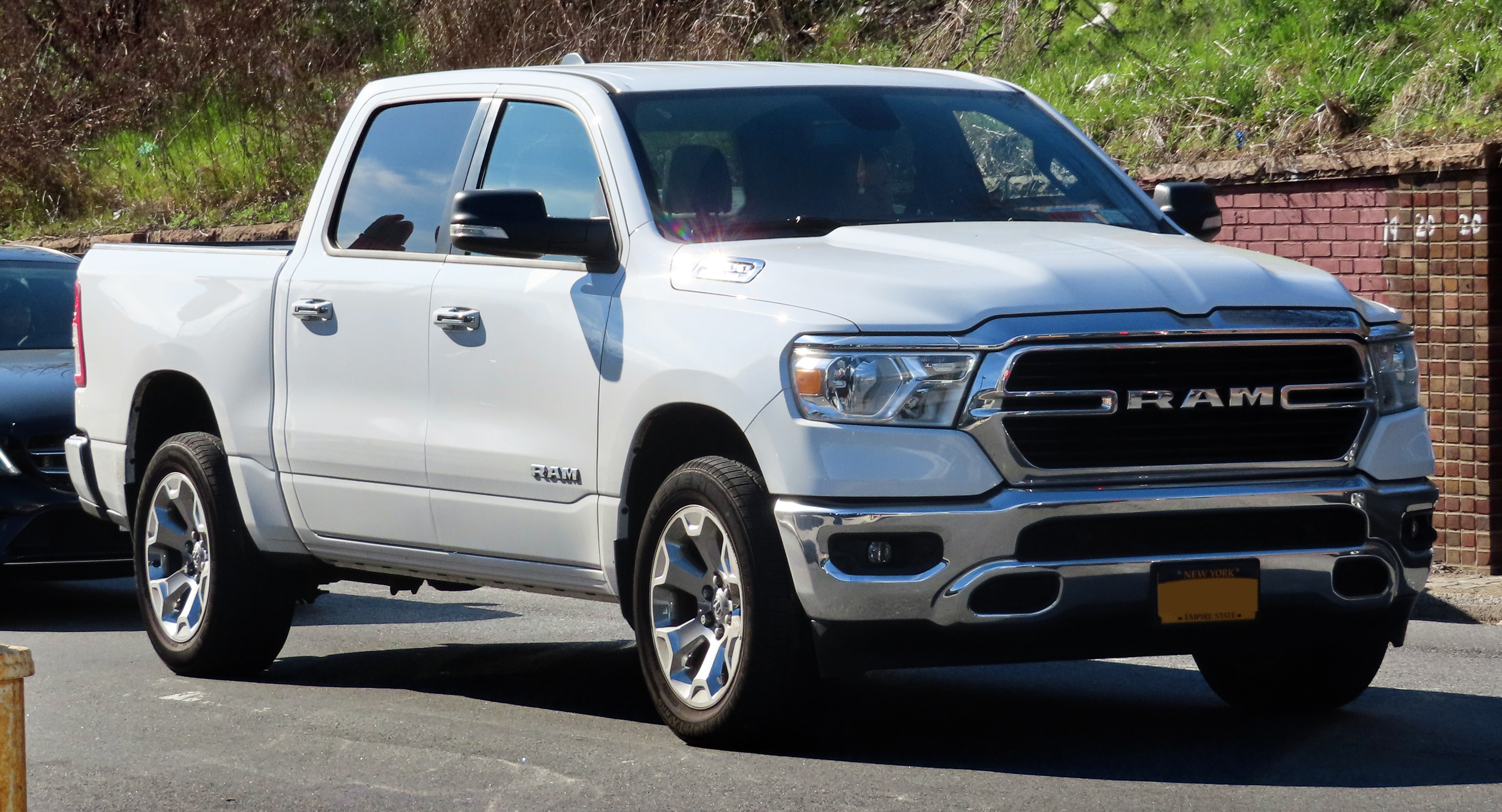
2026 Ram 1500 Tungsten
"we're looking at three 2026 Ram 1500 Tungsten to cross the board here. $92,955 MSRP, $94,575 MSRP, and $95,170 MSRP."
This is a specific version of the Ram 1500 pickup truck for 2026. “Tungsten” is the higher trim level, and the discussion here is mainly about the sticker price and the discounts being advertised.
The Ram 1500 is a full-size pickup truck, and the “Tungsten” is a specific high-trim package for the 2026 model year. In this segment, the hosts focus on how the 2026 Ram 1500 Tungsten is being priced and discounted in the current market.
dealer discounts
"With dealer discounts as advertised anywhere from $19,329 to $24,936. forgive me, Dad, I want to go to the dealer website and actually look at this."
Dealer discounts are price reductions offered by the dealership to lower the transaction price from the listed MSRP. In the segment, the hosts cite a wide advertised range, emphasizing how much the “real” price can vary by dealer.
manufacturer is giving
"They're offering an $11,000 dealer discount plus Ram. The manufacturer is giving $14,186 off."
That’s money the car company itself is offering to reduce the price. They’re separating it from the dealer’s discount so you can see where the savings come from.
This refers to incentives funded by the automaker (the manufacturer) rather than the dealership. The hosts break out the manufacturer’s contribution separately from the dealer discount to show how the total discount is built.
customers stop buying
"So the manufacturers are going to find the ceiling eventually because what happens is customers stop buying."
The idea is that if people stop buying at a certain price, the seller has to lower prices or offer bigger deals. They’re saying that demand eventually forces pricing to come down.
This is a market-demand concept: if discounts don’t move enough units, automakers and dealers may have to adjust pricing further. The hosts frame it as how manufacturers eventually “find the ceiling” on pricing when sales slow.
GM
"What you're acknowledging here is in GM's most recent earnings... making more money than they've ever made before because... people haven't stopped buying the expensive vehicles."
GM is General Motors, one of the big car companies. They’re talking about GM’s recent financial results and how strong sales of higher-priced vehicles are affecting profits.
GM refers to General Motors, the automaker being discussed in relation to earnings and pricing power. The hosts claim GM’s recent earnings show it’s making more money than ever, tied to continued demand for expensive vehicles.
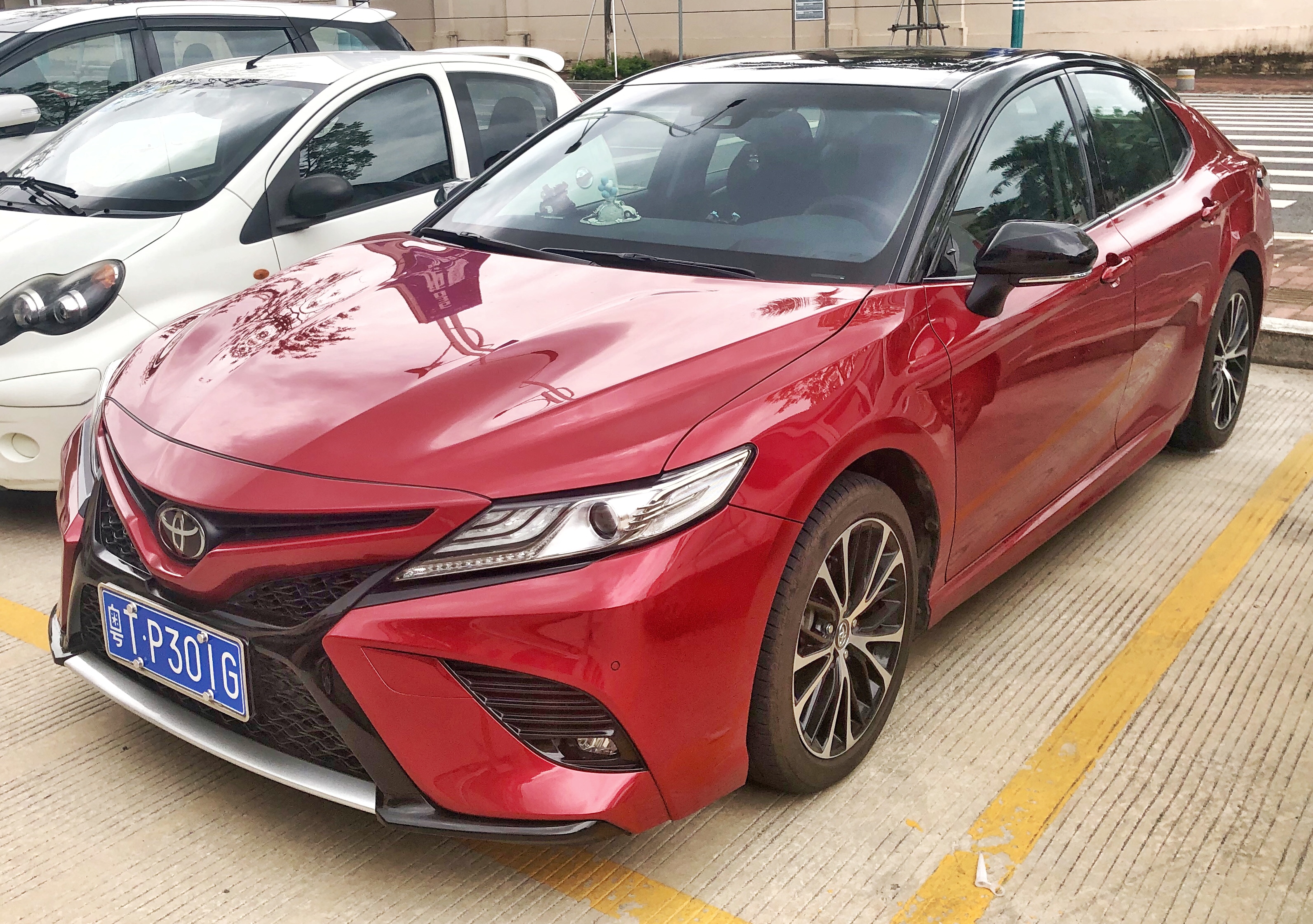
Toyota Camry
"...89% interest for 48 months on the highly-desirous Camry, 4.89%, at 0%. Oh, and only for four years, which..."
The Toyota Camry is a regular passenger car (a mid-size sedan) meant for daily driving. It’s popular with buyers who want a comfortable, dependable car. The podcast mentions it because there was a special financing offer for people buying one.
The Toyota Camry is a mid-size sedan known for being practical, comfortable, and widely purchased. It often shows up in sales and financing discussions because it’s a high-demand model, and the podcast context highlights a specific promotional financing offer. That kind of deal can make the Camry more affordable for buyers, which is why it’s frequently referenced.
Request an Explanation
Heard something you'd like explained? We'll add it to this episode.
Sign in to request explanations for terms you heard.
Want to learn more?
Browse our glossary for plain-English explanations of automotive terms, jargon, and concepts.
Help improve this episode
See something that's not quite right? Our annotations are AI-generated and can sometimes miss the mark. Click the flag icon on any annotation to suggest a correction.