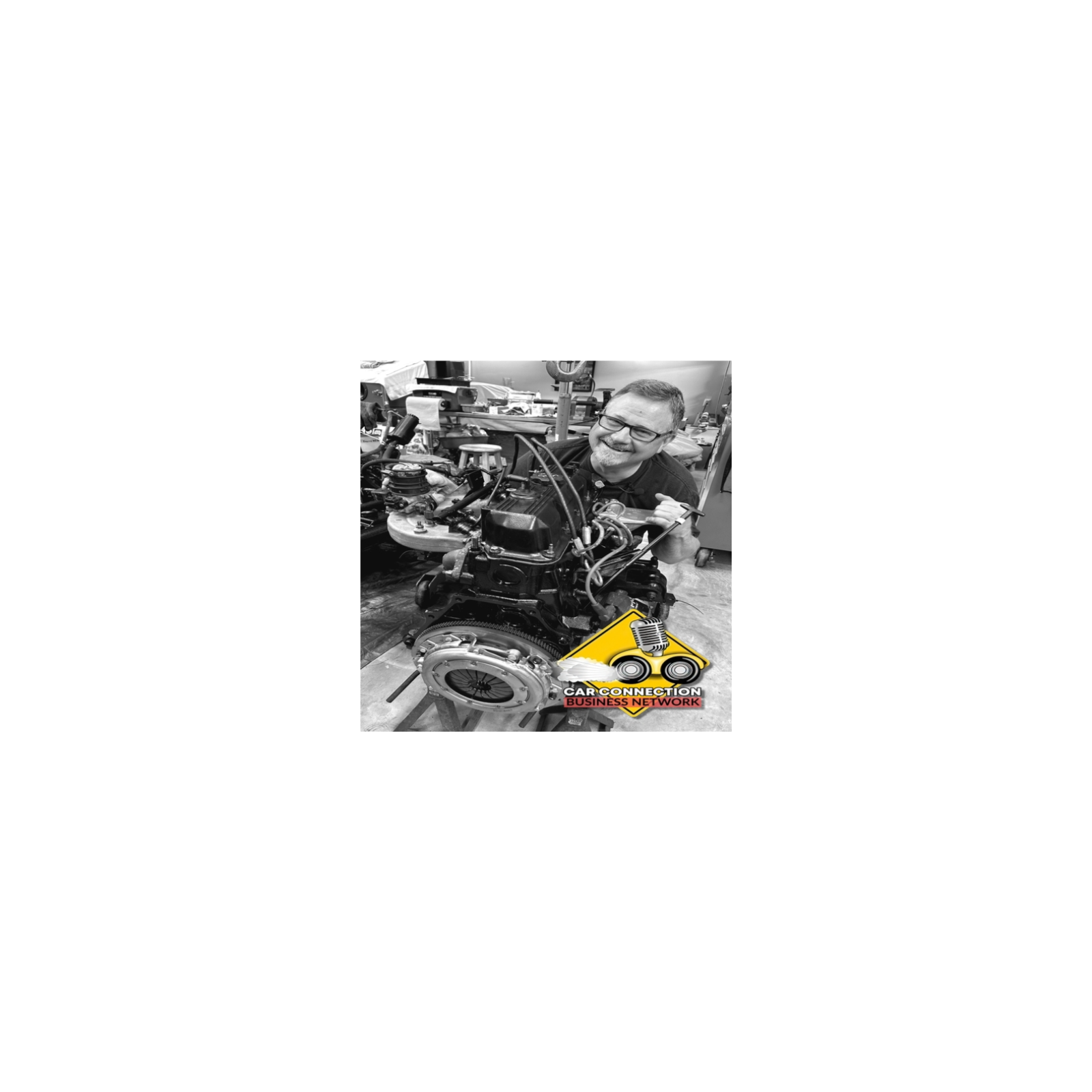
They’re talking about a Toyota FJ Cruiser. It’s a rugged Toyota SUV, and the host is using this “FJ day” to fix problems they found while working on the engine area.
The power steering reservoir is where the fluid for your power steering lives. If it looks dirty or the fluid level is hard to see, you can’t tell if the system has enough fluid or if something is going wrong.
Power steering fluid is what makes it easier to turn the wheel. If fluid suddenly sprays out when they start the car or turn the wheel, that usually means there’s a leak somewhere in the power steering system.
They’re talking about replacing a power steering fluid tube/line with a stainless one. Stainless is chosen because it resists rust and tends to last longer.
They’re cleaning the reservoir using mineral spirits before putting everything back together. That helps remove leftover grime so the power steering system works properly after the repair.
If a problem comes and goes, it’s harder for a mechanic to catch it while it’s happening. That can lead to replacing parts that don’t fix it, which costs a lot more money.
It means guessing and swapping parts instead of figuring out what’s really wrong. When the problem is random or intermittent, guessing usually costs more and fixes nothing.
Concept
replace parts vs diagnose
The episode’s theme is that “throwing parts at a car” without proper diagnosis is costly—especially with intermittent issues. A better approach is to gather evidence, confirm symptoms, and verify the root cause before replacing components.
A flatbed is a tow truck where the vehicle is loaded onto a platform. It’s used when the car isn’t safe to tow normally.
Term
EV disaster
The host is saying EVs can still have serious problems that get expensive. Even though they’re different from gas cars, you still have to stay on top of maintenance and get issues diagnosed correctly.
Concept
EV challenge
Owning an EV can be tough if something breaks and it takes a long time to fix. The point is to catch problems early and don’t just guess at what part is bad.
If the oil filter gets clogged, the engine may not get enough clean oil. Without oil, parts can overheat and wear out fast—sometimes causing major engine damage.
A blow-off valve helps control pressure in turbo engines when you lift off the gas. If the system isn’t set up right, pressure can build up and cause big problems.
The oil filter housing is the part that holds the oil filter in place and channels oil through it. If the filter clogs or pressure gets weird, it can cause leaks or even damage the filter setup.
Term
engine protection
They’re saying using the right filter helps keep the engine safe from dirt and debris. A cheap or wrong filter can let contaminants through and cause damage over time.
Term
EVs bursting into flames
They’re talking about electric cars that catch fire. When the battery gets too hot, it can keep worsening fast, so it’s important to get people out immediately.
Volvo is mentioned as one of the automakers whose EVs are included in the discussion about battery fire risk. The point is that no brand is immune to the underlying battery safety challenges.
Thermal runaway is when an EV battery starts overheating in a way that can’t easily be stopped. Once it begins, it can spread inside the battery and the fire can grow very quickly.
Concept
battery fire escape window
They’re talking about how fast an EV fire can get serious. The important idea is to get people out right away, not to focus on the car.
BYD is a company that makes EV batteries. The host says BYD had a fire at a plant where test vehicles were stored, which is part of why they’re talking about battery safety.
Thermal takeoff is when an EV battery starts overheating in a way that keeps getting worse. If it can’t be controlled, it can lead to a serious fire, which is why the hosts are warning people about parking and insurance.
An EV battery is built from many smaller battery units (“cells”). If those cells start failing, the battery can overheat and become unsafe.
Term
foil inside the battery
They’re saying there’s a thin insulating material inside the battery (“foil”) that’s supposed to keep parts from touching. If it’s folded wrong, it could contribute to a short or overheating.
Concept
EVs and containers on the container ship
They’re connecting a past cargo-ship fire to EVs being shipped in containers. The point is that once a battery fire starts, it can be hard for responders to put out quickly.
Insurance underwriting is how an insurance company decides if they’ll cover you and what rules they’ll require. The hosts are saying insurers may restrict where EVs can be parked if they think the fire risk is too high.
Underwritten means the insurance company is deciding the risk and setting the rules for your coverage. The hosts imply EVs with safety concerns may come with stricter parking or coverage conditions.
NHTSA is a U.S. government agency that looks into car safety problems. If they investigate and find an issue, it can lead to recalls. It’s a sign the problem may be taken seriously beyond just a complaint.
Concept
recalls / safety investigations
The transcript implies that safety investigations by regulators and scrutiny by insurers can escalate when problems are widespread. In practice, this often leads to recalls, warranty extensions, or legal pressure on manufacturers. For owners, it changes what’s covered and how quickly issues get resolved.
General Motors is one of the big car companies. The speaker is saying GM vehicles have been having reliability problems. If you own one, it’s worth checking recall and service history.
Term
C4 injection pump
An injection pump is part of the diesel fuel system that pressurizes and delivers fuel to the engine. The host is warning that this particular pump can fail in a very destructive way. If it breaks apart, it can damage the rest of the engine too.
“Replacement batteries” refers to the cost and availability of swapping out a failed battery pack, which is a major factor for electric vehicles. If a manufacturer doesn’t have a clear replacement-battery supply plan, owners can face long waits or high costs. This also ties into how quickly a safety or defect issue can be corrected.
Q&A means the host takes questions from listeners and answers them. It’s usually where you get practical advice for real car problems. If you’re dealing with a weird, on-and-off issue, this is the kind of segment where you can ask for next steps.
They’re talking about a specific used-car dealership and why they trust it. The point is that you should be able to buy a used car there without getting tricked.
A “mysterious noise” refers to an unexplained sound that may be hard to reproduce and may have multiple possible causes (suspension, brakes, driveline, body mounts, etc.). The host emphasizes that these are especially challenging because you need to identify the exact moment and conditions when the noise occurs.
A road test with the customer is a diagnostic technique where the owner helps reproduce the symptom while the technician listens and observes. This improves accuracy for noises and intermittent issues because the technician can correlate the sound with driving conditions and timing.
A Dodge Grand Caravan is a minivan. The point here is that when a weird noise shows up, the best way to fix it is to hear it for yourself during a drive, not guess from the symptoms alone.
“No start” is when your car won’t turn on. If it happens only sometimes, it can be extra confusing for the mechanic because it may work fine when they try it.
They’re describing a problem that changes depending on the situation—like after a short trip it won’t start, but later it does. That usually means it’s not a simple “always broken” part, so the mechanic has to test it under the same conditions.
“Towed in” means the car was too broken to drive and had to be hauled to the shop. Sometimes the car starts once it’s there, even though it wouldn’t start before, which makes it harder to find the cause.
They’re talking about a real example: a 2009 Hyundai Accent that wouldn’t start sometimes. The point is that intermittent problems can be tricky because the car might act normal when the mechanic tries it.
When you turn the key, the fuel pump usually makes a short buzzing sound. If you don’t hear it, the car may not be getting fuel, which can prevent starting.
The fuel pump relay is like a power “gate” for the fuel pump. When it works, it lets electricity reach the pump so the car can start. If it’s bad, the pump won’t run, and the car may crank but not start.
The relay box (often called the fuse/relay center) is where multiple relays are packaged together for different systems. Because many relays are the same type, technicians can swap a suspected relay with an identical one to test quickly. This reduces diagnostic time when dealing with intermittent or no-start issues.
“Power and ground” testing checks whether the circuit has the correct voltage supply (power) and a proper electrical return path (ground). Many no-start issues come down to missing power, a bad ground, or a corroded connector. Verifying both helps isolate whether the problem is upstream (wiring/relay) or downstream (the component).
Sometimes animals chew on car wires. When they do, the wires can stop carrying electricity correctly, and the car may not start. It can be intermittent, meaning it might work sometimes and fail other times.
A “parts cannon” is when someone guesses and just replaces parts hoping it fixes the problem. With intermittent problems, that usually wastes money because the real cause might be something else.
Term
no win
Sometimes the shop can’t reproduce the problem, so it looks like nothing is wrong. That can make it feel like nobody can win—because you can’t prove the fault while it’s acting up.
If the mechanic can’t get the problem to happen while the car is there, it’s harder to know what to fix. In that situation, they may need more info from you about when it happens and do targeted checks instead of guessing.
These are problems that don’t happen every time you check the car. They can be frustrating because the mechanic can’t always make the problem show up during a test.
Structural integrity means the car’s main body/frame is still strong. If that’s good, you can usually repair other problems; if it’s not, the car may not be worth fixing.
People assume high mileage automatically means a car is worn out. The point here is that maintenance matters more than the number on the odometer.
Concept
GM's blunders
They’re talking about General Motors having some bad decisions or problems with certain vehicles. The takeaway is that some older cars may be more reliable because their issues are already known and fixed.
Fleet maintenance is how companies keep lots of vehicles in good shape. Instead of waiting for problems, they check and service cars on a schedule so they don’t fail unexpectedly.
Concept
prevention vs reaction (maintenance mindset)
The idea is to keep up with maintenance so problems don’t keep happening. It’s better than waiting for something to break and then trying random fixes.
LIVE
Good morning Niagara, you're tuned to Car Connection where the coffee is hot, the tools
are ready and the talk is always tuned up.
I'm your host Niall Motormouth Jenkins coming to you straight from the Car Connection Workshop,
where we mix a little humor, a little know-how and a whole lot of horsepower.
Here it's not just about fixing cars, it's about keeping you rolling, saving you money,
giving you the confidence to understand what's under that hood.
From the classics, to the commuters, the weird noises, to the what, the hack moments,
we've got you covered.
So grab your coffee, sit back, join the crew, because this is Car Connection,
your Monday through Saturday morning pit stop for story smarts, a few good laughs,
and I'm Niall Motormouth Jenkins and we're shifting into drive on this Wednesday morning,
and I'm thinking, I'd be thinking it's going to be a wet Wednesday morning, so stick around,
we'll have the daily weather for you, we'll have our morning swiggy if you're joining
us for the very first time, welcome aboard, thank you for letting us into your world as
we let you into mine, which is quite interesting all the time, so therapy is good, yeah, it's
good if you hang out with us full time.
Get your 16 pack of Crayola crayons and your Car Connection flap top, we call it, it's
been nicknamed now the flap top leaf bag, so you got lots of room to take notes, draw pictures,
do a little doodle art, and while you're driving, no, that's for your co-pilot to take notes,
but if you need to listen and re-listen to our podcast, we have, well today is officially
episode 151 and season 2, we're going to be wrapping up season 2 in just a little while,
and heading into season 3, so all our episodes are now populating, exporting, is it importing or
exporting, you know what, am I the only one that messes that up, it's just the podcast land into
our YouTube channel, so I guess that would be exporting, they export from our iHeart Radio RSS
feed directly once they're scheduled and they go public, they land in our YouTube channel,
so I'll be working on thumbnails for those almost 200 podcasts to make things a little
more interesting for you on our YouTube channel, so homepage of our Car Connection Business Network
dot com website, we are rebuilding that after all this time and putting the pieces together,
our marketing tools are almost ready so I can meet with some companies and begin building it back
after the COVID disaster, we'll just pull over and leave that parked right on the side of the
road near the swamp where the Gators are, everything we talk about lives at our website,
it's the biggest drawer in our toolbox, so I make it easy for you to find me, too many choices,
that's what causes a lot of confusion, so I've always thought you know what, don't give too many
choices and make it simple for people to connect and not get frustrated, how many of you are like
myself, I get into a website, I can't navigate it, I jump out of it, it's that simple, it's like you
know what, I just, I don't have time for this, exactly, so our homepage of our website is where
you'll find everything you need to follow, like, share, subscribe, join part of our Car Connection
community on Facebook, Instagram, on the local website that our videographer created to bring
the local businesses in Stevensville and the community of Stevensville together,
she has us posted as expert there and we put articles up, that's where you'll find all the
goofy stuff, so if you're looking for bloopers, outtakes and reels, you gotta keep an eye on
Facebook, Instagram and Stevensville, Stevensville, no Stevensville on the web.ca, that's where our
iHeart logo is, where the podcasts are on all the major, Spotify, Apple, Amazon, Podbean
and the like, so wherever you're pulling your podcasts from, Car Connection Workshop and the
search bar, we have our online merch store, so you get MotorMouth, Car Connection merch, proceeds,
completely go to Total Freedom Addiction campuses, Canada and USA, USA, that's where a new life awaits
those who have made that decision to break free of their addiction for good, that's where it all
happens, so when you buy merch, 100% goes right to Total Freedom Addiction campuses, that's the way
Skippy and I want it to be, we will beg, borrow and steal for a cup of coffee if we have to,
not maybe not the steal part, but it does happen here when there's more than a few people around,
you put your coffee down, gone, do anybody see my coffee, no, and my cup, no, don't even know what
it looks like, well it looks like the one you're holding in your hand, oh I'm sorry about that,
that was really good, that's how the coffee gets stolen around here, if it doesn't have,
if it's not freezing cold and got a skin on the top, it's gone, yeah so you got, don't,
don't put your cup down, yeah it's a good thing, all our program partners are on our home page and
we are so thankful and grateful for them that they migrated over once we jumped out of radio
back in November of 2025, 31 years in, so now we have more ways for you to watch and listen
and engage, and remember cars don't break when it's convenient, they break when it hurts,
yep, experiencing that now, but today, do you know what today is? Today is Toyota FJ day,
today is the day when we get everything back, I get everything back in under the hood that's
missing because I took it out and everything's all serviced and putting it back in and then I
decided wait, wait, and one more thing, the power steering reservoir looks kind of tardy inside,
it's dark and kind of tarnished, so it's very difficult to read the depth of the power steering
fluid, so I'm going to knock that off, take it out, pull the hoses off before I put the new
stainless line in there and that was an extra, it just happened, I thought you know what, I'm
going to just take a look at the power steering while I'm in here, the front of the engine,
it's sitting right in the open and the line that I put in had to replace it, puke at the dollar
store, what is it with the dollar store, that's like three rounds for me at the dollar store,
it came out, fired it up, nothing, yeah, battery just died, then two years before that came out,
fired it up, turned the steering wheel and all I heard was, what was that and I look and there's
this big stream of power steering fluid spewed across the parking lot, going well, we have a leak,
so anyways that's an x-tree today that I will take care of is take the reservoir off,
flush it out with some mineral spirits, clean it all up, put it back on and then we can build it
back better, at lightning speeds, where have I heard that before, all right so join it,
thanks for joining us this morning, I don't want to digress, it is hump day, so if you're
scooting through the drive through, double check your order, flip dip will check it, make sure you're
not disappointed as you're five miles down the road already and discover that you have t instead of
a latte, not that that's happened before but anyways be gentle, it is hump day, we're the
middle of the week, we're almost at the weekend, a big reminder by Friday noon I need your automotive
questions in to motormouth.jankins at gmail.com or nyle at ccbusnet.com and I've gotten into the
habit of putting the email addresses at the very bottom of the description boxes for youtube videos
and our podcasts, so if you go to any podcast you'll see title, description,
in their episode and season, I do all that myself so you can teach a rough dog new tricks,
you sure can't, absolutely you gotta be open-minded, you know as my professor would say
the mind motormouth is like a parachute, I go okay, yeah it only works when it's open,
ah I got that, yeah so I share that with you this morning, remember that, the mind
is like a parachute, it only works when it's open, so lots to get through this morning and lots going
on in the automotive world that we haven't even touched on yet but we will be touching on a number
of items that are coming up, the number of engines and transmissions that are going down on general
motors products, that's embarrassing, it is embarrassing actually very much so and people
that have been proud, I feel sorry for the product loyal people but when you're paying
you know $80,000, $100,000 for a Denali, whatever that is, is that like a ice cream bar,
Denali, I think that would the flavor would be really good, yeah can I have a Denali bar please,
I'm a number of people would like to you know do construction or deconstruction to their Denali's
$100,000 third motor, only 7,000 miles on it, like this is the stuff going on, the silver
rattles are breaking down, the 5.3 liter v8 Chevy motor, the what's the other one, the 6.2,
just a bag, a hammer, so folks if you're not doing your own homework, here's the best way I
can help you is just stay away from that stuff right now, even if you find an older one in good
shape with a 5.3 or 6.2 liter gasser in there, don't touch it, it's a world of hurt right now,
you gotta go back and I am hearing so much from the channels that I do watch and I respect the
folks that have the channel, they do their homework and I respect that, saying the same thing I am,
stick with the old stuff, it's better than the new stuff, picture yourself, you know engines down,
transmissions down and you're making payments on it and they're battling with you, the manufacturer,
the dealership's not going to pay for the repairs, leaves you where, standing by the side of the road,
getting a ticket for the 52 seater or is it a 46 seater, I think they added a few seats so we can
no longer say the 46 seater, the bus, yeah that's shameful, it's a mess right now, it is a big mess
for a lot of folks that have bought the product, loyal to the product and the things are going
south, like not once, not twice, last night I watched the YouTube channel that I watched,
he does all the legwork for me and he does a great job at it too, I gotta say he gets facts,
articles and factual information and also information from people going through it,
so receiving emails saying this is what I'm going through, 700 and something, I think the lowest
one was like less than a thousand miles, third motor, there it is being loaded up on a flatbed,
almost a hundred thousand dollar vehicle, are you kidding me, you gotta be kidding me in this day
and age, so you might want to take a secondary, I say all that to say this and now you got the EV
disaster that I knew was coming but I hadn't sounded the alarm bell because I was hoping it
wasn't going to happen but it's happening, so if you have an EV it's gonna be a challenge for you,
I'm just saying this is the issue folks that I've talked about and this is the lane I've been carving
out and have been carving out for over 40 years, when it comes to the automobile you gotta learn
how to play the car game, honey you gotta learn how to play it, I'm a good player, that's why I
have older vehicles and they are reliable because I follow my own car connection fleet
maintenance system and what do I do next, I just rotate the pattern, start it over again
and keep it, keep care of it and keep an eye on it and don't drive it like you stole it
and don't pack miles on and see how far you can go before that $3 oil filter plugs up because it
doesn't have a blow off valve and blows the filter right off the oil filter housing and blows the
motor, yeah just simple stuff like that and that's not a story, that is absolutely true, so that's
why when I say go buy that $3 filter, yeah that'll take your motor out pal in no time, it's a piece
of junk with it nicely painted with lettering on it, you need a real filter on there, yeah and
then you're gonna pay down for it but it's okay, it's cheap form of maintenance to protect your
engine, so here we are folks, the lid is off Pandora's box with these EVs bursting into flames
and there's nobody excluded, it's Volvo, it's BMW, it's Mercedes, it's Ford with their Maki,
thank goodness we only have one in the neighborhood here and it's way down near the lake, yeah but
you only have three seconds once it bursts into flames to get it into the lake to shut it down,
yeah it's just it's crazy, yeah you go online you will find real life videos where when one of
these EVs bursts into flames you literally have, the firefighters say you literally have three
minutes to get out, when you see that happen, oh my goodness, I think immediately of single mom got
a kid in the back or you know mom's in the front, kid's in the child's seat in the back, the thing
goes on fire, you got three seconds to get out, you're gonna be able to get the kid out of the
car seat and get out of the car, it's gonna be completely engulfed, it's scary, like this is the
stuff that they were, this is the quiet part they weren't saying but what I'm gonna talk about in the
series that I've been studying for on these things, on these EVs, I'm not even gonna be talking about
the cars themselves, I've gone digging deep into the quiet part that no one's saying anywhere, not
one ounce of media, paid media are saying the quiet part, so I'm gonna say the quiet part,
I might be popular for a while in the wrong way but it's okay somebody has to put the truth
on the table and it's out there, I'm not anyone special so we will tip off that series but right
now I knew this part was coming because these batteries are made by a company in China called
BYD, they're still trying to put out a fire at their plant where they stored all their test EVs
in the robot stacks them like five or six high like cards and there's thousands of them there
and they're burning, they've been burning for over a month but the fire got started by a contractor
caught some insulation on fire, oh haven't heard that excuse before, oh okay these are test vehicles
parked, parked that caught fire, yeah so the company's BYD, the problem with all these EVs,
I can just mention the Mach E, so Ford's got issues, Mercedes, Volvo and then your Domestics
but it's, I'm not the message, I'm the messenger, NITSA, that's what we call it, National Highway
Traffic Safety Act has impounded these vehicles because of the, just launched themselves into
thermal takeoff and what that means is the cells and the batteries are failing because of foil
inside the battery, it's supposed to insulate the cells of the battery are folded over,
so the batteries are defective, so we want to bring 84,000 of these vehicles created by BYD
into Canada, that's a great idea don't you think, man that had to be a really good latte to come
up with that decision, so these batteries in these vehicles are built by who, China BYD
is the company, hmm so now we got parking lots that are closed to EVs, they don't want EVs in
supermarkets, this thing is going to take off like a wild horse, what do you call them,
the can't, I call them sea can, that's the name for it is the shipping lanes that have the cargo
boxes, remember the fire on the ship, do you know what caused that, EVs and containers on the
container ship, so that was the quiet part that never got said, how did the fire start, remember
hearing that in the news, how did that, how does that fire get started and how's it going to burn
out, they couldn't put it out, you know why, because the fire departments can't put out EVs
either, they can only just monitor the fire, so now insurance companies jumping on this with
policy underwriting that just wait for it, you're going to get a letter that says you can't park,
well the NHTSA doesn't want any of these vehicles from any of the companies who ever made it parked
in your garage under your carport near your home, insurance companies are going to jump on that and
I've said this for a long time now, it's going to be underwritten if these things can't behave and
they burst into thermal takeoff, your insurance company is going to give you a notification of
the EV they're insuring for you that it better not be within 50 feet of the house, because when
they burn in your garage takes the whole house down, they can't get the fires out, so before I
go off too far, but it needs to be said be careful out there, make sure pay attention to what's going
on folks, because if you listen to the talking heads, you're not playing the car game very well,
yeah, because they don't tell you the truth, am I the only one that noticed that, my mind works
like an inside of a clock 24-7, it might have a mechanical mind, I take stuff apart in my mind
and I know how it works and how to put it back together and how to take it apart, and I look at
the truth and I feel sorry for every single one of you that stepped into that ring of fire and
purchased an EV, way before these things have really truly proved themselves and now you're
going to be hung out to dry, that's what's going to happen, as people are already phoning the selling
dealer, you sold me an unsafe vehicle because NHTSA is involved now, the National Highway Traffic
Safety Act has been watching very closely what's been going on with these things and so has the
insurance companies, so get ready, it's a family show, so I'll say the poop storm is coming,
the poop storm is coming, you're not even going to be allowed on ferries, that's already happened,
no EVs on ferry ships, it's going to get ugly and I'm praying for you, I really am, but when I say
that you don't know what you don't know, you've got to do your homework to play the car game
really really well, so right now with all the vehicles that engines are dropping like flies
on domestics, especially I'm particularly, particularly general motors, they should be
absolutely shameful what's going on to people and they're making payments on vehicles that have been
down for months and months and months and months, so and you know I could talk about diesel engines
but not all of you drive diesels but there's you know the diesel owners, the diesel pickup owners,
the C4 pumps, you better do your homework on the C4 pumps on the Fords you guys because that's a
$6,000 disaster waiting for you, so there's a tip for you this morning, the C4 injection pump
explodes, detonates and puts shrapnel throughout the entire workings of your diesel engine and that
means it's what, it's over, it's done, if it detonates and blows itself apart every piece of
your diesel engine is going to be showered in metal particles top to bottom, it's over and it's not
covered, if you're outside of warranty it's going to be your ticket mister, so lots of stuff going on
it's incredible, so let's jump back in this morning, let's have our morning swingy together and get
back on track but I really wanted to put that stuff out there because it's real, it's real,
it's happening and my best advice to all of you is get doing your own homework and don't listen
anymore talking heads, political left-wing media, paid media with our beautiful tax dollars we all
work hard for, let's not go down that hole, don't listen to any of them, lies, lies and more lies,
they lie worse than carpet, yeah or rug or a rug, don't listen to them, it's over, the truth is out
there and the lies that have been covering this whole stinking thing up is now, you know what,
the cat's out of the bag and now they're not going to be able to put it back in because once the
n-h-t-s-a gets old of it, you're done, you're done as a car manufacturer because here's the problem,
here's the biggest problem friends, just those vehicles and you know what, fact check me, I
flip-dipple dog dare you to fact check me on this, you go right ahead because you know what,
I'm as honest as the day is long, I'd rather be telling the truth no matter how good, bad or
ugly it is all day long than have to remember your lies, that's exhausting, my my nana would always
say you can catch a thief but it's very tough to catch a liar but the truth's out and there's no fix
that's the bottom line, they they don't have a fix because the batteries built by China
and their BYD factory and Google that BYD China you'll then you'll catch up
they don't have replacement batteries ding ding ding
man use that all right okay let's have our swiggy on a nicer note it's Wednesday we're halfway
through the week we've almost made it to the weekend reminder fun Friday coming up we'll probably
talk about some of that stuff on a lighter side I'll try and bring some lighter things to the
table for you Saturday is Q&A one hour of Q&A I usually have time to cover three questions in
total and break them down for you and give you enough information so that you you know you're
you're armed and dangerous at that point with knowledge with knowledge this is the thing is you
in high school if you copied your briniac friends homework all the time and then you got into
a three hour exam and you can't copy their answers because they're sitting on the other side of the
room how well are you gonna do not too good I'm just saying I wouldn't know anything about that
no nothing nothing at all I'll tell you when I sat down to write the automotive exam four and a half
hours in downtown Toronto you don't have much brain left to even find your car in a parking lot
across the street when you're done you either know it you either know what what you should know
or you don't in that exam will weed the weed out the wheat from the chaff thank you to uh
our good friends at Niagara Block 5000 Montrose Road Niagara Falls for Building Canada since 1931
with quality building supplies and materials from metal angle irons rebar the whole nine yards
and designer block from plain old cinder blocks to designer building blocks they make them all
on site they have everything you need to create that outdoor uh hardscape landscaping space that
you can call your little oasis and it's worth it connect with the Grimo family that's Kathy and
Dave husband and wife team and his brother Dan doing a great job out there at Niagara Block if
you need a contractor uh referral just talk to Kathy Grimo she's in the front office there she'll
be more than happy to point you in the right direction of a contractor that can estimate your
project accurately start the project finish the project and you're gonna love it so create that
get busy create that outdoor space that you've always wanted and you know what enjoy it because
I know I do it's not super glamorous but it's you know what it's very nice it's nice nice it's
a nice place here to hang out well let's have our our morning swiggy and get that out of the way
and uh kind of move towards the brighter side but folks again do your homework get hard after it
because I'll tell you they're gonna hang out to dry I can see it coming
because it's all about M-O-N-E-Y yeah they're gonna put the onus on you and that's the sad part
that is the sad part but you know safety's number one it really is in fire it can be our friend or
it can be a disaster an absolute disaster so raise your favorite cup of beverage this morning
and on three two one we enjoy a swiggy together you ready three two one
I put a little extra local honey in here yeah mmm it's I just picked it up on the weekend actually
thank you to my friend Angus he's a firefighter
and he's a he's like a miniature farmer they have everything yeah it's good to have connections
you know what I'm saying it's great to have great referral businesses to work with and great
connections you send me an email I'll tell you where you can get you know farm fresh honey
and you gotta get there before it runs out that's the deal yeah so sometimes they have extra fresh
eggs um all depends on how the hands are laying they should be pumping them out right now like
chicklets yeah oh I love I love fresh farm eggs I'm not a store I grew up working on dairy chicken
beef farm and I really loved it and I learned a lot at like age 12 13 through 16 driving tractors
at age 13 with wiggle wagons on all the different things we did every day but I learned a lot about
from the field to the table I learned a lot about that and I will take a dozen farm fresh
uh hen eggs anytime over what's in the store shelf any day of the week because I won't tell you
the story about that you might want not want to eat them yeah just that they've been hanging
those eggs have been hanging around for quite a while before they hit the shelf so that's all
I'm going to tell you I won't tell you how long so thank you to City Auto Sales and leasing Earl
Louise Grant the husband and wife team out there in greater Toronto areas pre-owned
premier pre-owned auto store you'll always get a low mileage quality vehicle at a fair price there
Earl Louise have spent almost 25 years they have the right resources to find that specific vehicle
you're looking for if they don't have it they have in-house leasing and financing friends they are
absolutely worth your while to go and meet Earl Louise Grant you won't want to leave there that's
your second family and you're safe to buy a vehicle there they don't sell any junk so you're not
going to get a skunk and a mink coat or lipstick on a pig let me tell you you're going to get a
low mileage quality vehicle at fair prices you'll be able you're able to buy with confidence
and be treated with nothing less than honesty and integrity that's why City Auto Sales and leasing
has been a part of car connection for many years now I wasn't a fan for a long time bringing
car lots on board I tried it and you know what hard to find an honest one but in City Auto Sales
and leasing that's the one that's the one for me so if you got to drive two days to get there and
take your toothbrush your mouthwash and your jammies is worth it to be able to come away with
what I call a goodie a goodie so thank you to Earl Louise Grant for bringing us Wednesday's
weather report let's have a look see here it is well we might as well get the bad part over
right away precipitation yes here in the in the Niagara region uh expect just a little over a half
an inch of rain 0.6 0.6 of an inch 52 degrees right now and cloudy wind is making it feel cooler
about 49 degrees rainy conditions expected around noon today take your take your Nellie
your Umbrelli Nellie today's temperature range will be from 43 to 55 degrees
it's going to feel a little more like 38 to 53 so we might see a 55 today overnight low 43
yesterday we actually hit 61 it did rain in the morning but uh you know it was cloudy and then
things uh the sun came out late in the afternoon apparently that's what I was told I've been busy
editing and stuff so and that takes time it's a huge commitment youtube and shorts and thumbnails and
all that kind of thing it's uh it's a commitment and anything in life is a commitment no matter what
and uh your automobile it's a full-time commitment it really really is if you find yourself living
in a shotgun shack I'm a music guy I'm sorry but music plays in my head from the time I wake up
to the end of the day it's just it my friend Rob is like that too and his wife says you know
Rob has music in his head all day long well he's a music teacher check out Fort Erie School of
Music sometime on our website those are my good friends Rob and Tracy Rolston own uh Fort Erie
School of Music and let me tell you they have worked their high knees off to put that school
together and they do an amazing job with all age groups they really do they should have another
cantata coming up I think in the spring I look forward to that if you have questions regarding
a portfolio investment portfolio and you have a portfolio with the bank you got to get the
heck out of dodge you got to get out of there because you're not making any money and I can say
that truthfully because I have steered friends to Tony Mele and Larry Tito and they've never been happier
why because they're certified financial planning professionals they deal with debt
estate planning mortgages life insurance critical illness insurance and a whole lot more tax planning
you name it because it's not what we make folks it's what you get to keep and what you get to keep
if you've got that invested with a bank you're making pittance on your money it's not working for
it it's not they sell investment products you get the same as the next guy the next guy the next
guy the next guy the next guy the next guy that's how it works you need someone who knows how to do
that for you a fiduciary that understands the world markets and can get that money working hard for
you 24 7 so when you look in the morning there's more that's how you want it to work folks so get
that hour in a coffee discovery meeting booked in if you're drowning in debt get that discovery
meeting booked in I've known Tony and Larry over 20 plus years they've been my planners for over 20
plus years these guys are two of the best in all of Canada and you wouldn't know it they're very humble
so put your wallet away put your purse away call them today connect with them through our
website but get that discovery meeting set up whether you meet with them they meet with you
you do it by zoom by phone call in a box with a fox in the board room in a coffee shop but the bottom
line is it's our hurting world right now and a lot of people are in tough shape and you think it's
over and the lady's singing get that discovery meeting get these fellas on your side whether you
choose to work with Larry or Tony choose and do remember the do does and the did is done and
it's that simple so thank you to Tony and Larry for being a big part of car connection from 2007
till now they're there for you they're not there to sell you anything they're there to listen
and do so take advantage of that honestly you'll feel a whole lot better afterwards
well what are we talking about today well we touched on some of the emergency stuff going on
out there and I might I'm considering we might have to do kind of like a little daily news report
what's going on now in the automotive world but there's so much I mean every day I just
I do research every day to stay ahead of the curve to find out what's really going on I do
not listen to the talking heads I do don't read newspapers I don't touch any of that I go to
my resources where I know I can get the truth because it's just a waste of time they're just
they're just you know reporters aren't reporters anymore they're storytellers put them in the
right category and leave them there that's what I say shame on you yeah shame on you
stand up I'm a big advocate for that stand up and be your person and you know agree to disagree
that's it simple keep it simple if you you know in the shop when I'm teaching apprentices I go I
don't care if you change the headlight with your left hand and the other tech changes the
headlight with the right hand as long as the job gets done and it's done well and it's finished
and it's right and tight doesn't matter agree to disagree what the heck is going on out there
is that we're just not we're listening to the wrong people
I'm your peeps when it comes to automobiles let me tell you I I'm not in the corner of the
manufacturer I've been tried to be that I they've attempted to buy me off many times and I won't do
it I won't do it simple as that I could have been doing extremely well with some of the big
corporations but I am not willing to sell myself out to push stuff that I don't believe in
actually works period I got us I like to sleep straight at night so we're going to be talking
about a problem that does come up and it doesn't matter what year maker model and this goes for
everything you know there's good and bad in all manufacturers and but if you're not if you're not
caregiving properly it doesn't matter what you have you're going to kill it it's like some people
with some people have green thumbs and some don't let them babysit your plants when you're away
because they're they're going to be dead when you come back they're going to wipe them out
that's just the way it is and you know my mom was like that I'd get her flowers she goes
don't let me touch it because I'll finish it off yeah and that's the way some people are they're
not green thumbed and they're not really good at taking care of their automobile either so you go
through them like socks and that's expensive that's an expensive pattern but sometimes we
as techs we get into an area where we feel we're a bit packed in the corner when we have a mysterious
noise or an intermittent problem with an automobile those are the two pet peeves that I have as well
I would much rather uh if I could go for a road test with the customer and we you know
the the client can point out the noise and it's there to hear it and it's continuous
that I like because I know we can nail it I know so because we just did it on the 2010
dodge grand caravan yeah it was thumping and banging in the right rear so you have to watch
that video I'm in the back of the van skippy's driving and I'm working the camera it's it's a
video you gotta watch because you'll just yeah make sure you go to the bathroom before so you
don't pee your pants or have a hot beverage in your hand but we nailed it it took you know first
you gotta do the road test and we're out there on the and it's raining I mean the rain's coming
down sideways hitting every pothole we could find and I'm bouncing around the back of the van
trying to hold the camera trying to get the sound recorded so you could be there with us but we
nailed it we did get the sound and then uh the second video we shot was let's go after it and
see what it is so we nailed it we did but that's what it takes when the noise is consistent
so and it and it was once we started hitting the right potholes the noise was there continuously
so I could get it recorded and generally figure out from being in the back of the very back of
the van back in the bus boy and that's where I was getting tossed like a salad but we nailed it
but that doesn't always happen and this is the thing if you've got a noise that's annoying you
in your vehicle the best thing I can do for me for in my sanity and for you is we got a road test
together so that I'm on the same track with you with regards to a noise if you drop it off vehicle
makes noise uh and you say well I think it's in the left front it could be in the right rear
it could be sometimes it's very difficult to nail these things down so it works out better
if we go for road test with you and you can point the sound out that is of concern to you
that way we can tune in on to that sound and locate it find out what's going on
the flip side of that coin is an intermittent no start is enough to put any service tech
in some kind of treatment plan therapy facility because if you drop the vehicle off
in the day before it was a no start and you were rushing to get home to get to the kids because
they're getting off the bus in a moment and it wouldn't start come out of work and it wouldn't
start come out of the grocery store it wouldn't start but when you started in the morning it
fired right up and you got your daily chores going until you went to the supermarket I think some
vehicles are I think there might be a bit of a reaction to supermarkets for no starts I'm just
saying it just seems like that's where it happens or the bank it happens at the bank or the dollar store
like me three times same vehicle I just gotta get that out of the way three times same vehicle
without warning and it happens it happens to me it happens to you but don't lose your patience
because just imagine having one of those newer vehicles today and you can't drive it but you're
making payments and paying insurance but it's car down for who knows how long because they don't
have a fix you have an older vehicle their parts available and you can get them we can get them
relatively quickly a day or two is probably the most we've waited for something but for the most
part vehicles aren't held up too long so the old you know find yourself an older vehicle
five to ten years old I would even go probably I'd probably go eight to 15 years old personally
but that's just me something older stay away from the 20 somethings I would say
2022 and up stay away from that stuff right now it's just not proving itself to be
a viable project or suspect so when we get an intermittent no start if the vehicles at the
shop you it got towed in we go out to check it and it fires up nothing is worse than having to
phone you and say you know the tow truck dropped it off it's been here about a half hour we went out
to do some checks on it and put the key in the ignition and it fired right up
what do we look for all we can really do for you is because we don't want to get the parts
counted out and this is the thing be patient with your tech be patient with the car we will nail it
but we don't want to just start throwing parts on it because that costs you money it costs you time
and money the time you got to work to pay for the parts that we threw on it because we you make
us feel obligated to come up with an answer and I just went through this you can watch the video
the 2009 Hyundai Accent it's called the J-Beam short for jelly bean kind of looks like a jelly bean
the shape of it so that's how it got the name J-Beam so that was last summer it was an intermittent
no start automobile I get a call it's broken down it's out by the lake blah blah blah
I'm at at a friend's house she picked me up the car's there keys under the mat
so I I had out on a service call I get there I turn the key I don't hear the fuel pump buzz
so then I turn it back I turn it forward I still don't hear the fuel pump buzzing
so I checked the relay under the hood and you have to watch the video on that one because you
can cheat a little bit and I did a little sneaky Pete to make sure that if it's a fuel pump relay
I can test that and verify it in less than two minutes so I head into the relay box
and there's usually relays that are exactly the same that run something else so I take it
from the something else and pull the fuel pump relay out and put in the same exact relay that
runs something else on the vehicle that doesn't really matter at that moment push it in
and see if the pump runs if it doesn't then I know instantly it's not the relay
so now I need to know is it the wiring so I pull the back seat this all happened like within
wasn't even 20 minutes pop the back seat flipped it over got it out of my way
pops the lid I popped the lid that covers up the fuel pump it's great you can get to a fuel pump
from inside the car without having to dismantle the car to get to the fuel pump or to even get to
the wiring brilliant and there are some car manufacturers that have thought about that
it's a great idea so I get to the electrical connectors I test I got power I got ground I
turn the key the car starts you know what I'm saying I tell you that example because that's
exactly how it happens we get the the vehicles being towed in customer calls us it's a no start
this morning girlfriend from work picked me up and brought me in it's dead in the driveway
keys under the mat so tow truck driver picks it up brings it in drops it off it sits for a little
while we go out we put the key in it we go to crank it it fires right up great now why all we
can really do at that point is just preliminary checking but unfortunately we're gonna need if we
if if you're willing and being wanting to be a very nice friendly participant we can get the parts
cannon out and say well it could be this but it's a possibility it could be that but what if it's
none of that and it's just a wiring problem a little rodent has caused a a nibble through because
wiring now has soybean in it so guess what that's why they eat the wiring is that brilliant
let's change the insulation compound on vehicle wiring to a menu that rodents like to eat because
it tastes good so we put soy in the insulation on the wiring on your automobile now isn't that brilliant
that's like saying big flashing lights come and eat at joes your cars on the menu so it could be
that's the problem the wiring's not totally all the way through and i can't tell you a number of
times we found that and it takes it takes patience with the customer patience with the car and patience
with yourself that you don't get caught up in the emotion of well i can't have the car doing this
you know it's not reliable well you know i can't help that what i can do is when we have all the
all the holes in the swiss cheese line up then we're going to get somewhere but until then
we're not so if it gets dropped off again as a no start and we hop in it and it fires up what are
we fixing today how much money would you like me to throw at it in parts with the parts cannon
and if it doesn't work somebody's not going to be happy jerry that's right you you're not going to
be happy with me and you're going to be going well why did you do that it's a no win yeah it's like
it's like you're your spouse or your girlfriend saying does this dress make me look fat
it is is that the time yeah you just you can't if you answer you're going to bury yourself you
know insert feet all the way up to the hips yeah you can't win that one so i wanted to just say
share that with you today because the bottom line is if a car is making a noise
or it's a no start or it's running it's not running right and then we get it it's running
right i hate that i really do the thing's running like a champ what do you fix if we can't duplicate
the issue i'm not going to spend your money my what i am going to say is look this is going to
be a challenge and explain it out to you just like i did i'd much rather not touch it then throw
parts on it and it hasn't solved anything because the next moment it doesn't i'm not the hero i'm the
zero but if you drive it for three four days in a row and it doesn't do it i'm a hero but that
moment it does i'm a zero and my phone rings and my ear gets larger yeah and i need a hearing aid
because you blew out my eardrum you know this is the reality of intermittent whether the noise is
there well yesterday it was there today it doesn't seem to be there or it it didn't start twice last
week but it seems to be fine right now there's no sense in dropping it off what i want is
it's dead on arrival and it's dead when i go out there to test it because instead of just assuming
we got to push it into the shop it's worth a shot put the key in see if it starts then all we can
do at that point really is put our engine analyzer on there take a look if there's
any clues whatsoever pointing us towards a possible suspect that is the causal component
but if we can't find something that says okay this is the area that it's pointing us to and
the vehicle doesn't start or this is the noise and yep i heard it got it to do it and we're on it
and we can nail it and discover you know there's the concern the cause the correction the confirmation
those are the four c's the concern cause correction road test for get the confirmation the vehicle's
fixed i had a vehicle one time the lady just said you know what i got another car i don't drive it a
lot i'll take that to work keep it and drive it give me permission to drive it so that i had all
my test gear in fact i at that point we were both frustrated with this car i had all my all
my test equipment all set up on this car to determine is it spark is it fuel what's going away
at that moment when it doesn't start so this vehicle looked like a laboratory test monkey
and it was okay i even had a a snitch light that i created so that the lights flashing
i know that that's the problem area so this vehicle was all set up and i drove it like that
so i could monitor fuel pressure i could see on my screen on my on my laptop what's going on with
all the sensors and controls and devices and computers so that when that moment came where
the thing just shut off while you're driving i could see what vital sign disappeared so then i would
i could at least determine is it fuel is it electrical is it computer what is it so find
the category that where the problem exists to narrow it down and we did we did nail it and it
was wiring that had been eaten through under the back seat in behind the carpet rodent
ronet damage that's what it was so i just thought we talked about that a little bit this morning is
it's just as frustrating for you as it is for us as techs that we tear our hair out when we get
intermittent issues with automobiles that when the vehicles they're dropped off force we cannot
get it to duplicate the situation and we're not making it up as i said i would not
want somebody to spend my money frivolously to try and make correction i'm not going to do the same
for you i absolutely not so this is what we know and remember that there's two ways to own a car
living in the unknown or living in the know and one creates a lot of stress the other gives you
a lot of peace of mind and freedom so let's pull over and park and leave that one there i hope that
shed a little light on i hope i made you laugh a little bit this morning on your drive in
into work or if you're heading for home owning an automobile can be a very stressful thing
when things aren't going right but when things are clicking and things are going right you can
own any any automobile you want and keep it as long as you want as long as the structural
integrity is solid on the vehicle everything else can be reworked serviced repaired and cared for
and you can pack the mileage that you want on that vehicle because it doesn't matter mileage
does not matter whatsoever it doesn't uh the fj is uh heading for 400 000 k and i've already
got people going 400 000 k and yesterday i'll leave you with this the one fellow i watch on youtube
that doesn't is following the story on uh gm's blunders with their product line they're not the
only one in the in the soup trust me and uh it was it was an interesting i thought it was a very
interesting conversation that uh he brought to the table was go get yourself something older
that's more reliable that's how he finished off and i go that's pretty much it and he and he said
you know those vehicles if they weren't breaking down for that kind of money you should be able
to put 150 200 000 miles on it i'm thinking for that kind of money that thing better out freaking
live me if i'm spending $100 000 which i never would on a vehicle in the first place
and make payments and interest on that if that's all i can get out of that product is 100 to 150
000 miles i don't want that thing absolutely not i'm thinking half a million miles and then some
you know if truck drivers can put a million miles on a truck engine and driveline there
should be no reason why we can't follow suit once we understand the power behind fleet the fleet
maintenance system once you get it and the light switch goes on folks you'll now be winning the car
game for the rest of your life you will not be making car payments you won't pay for it and keep it
and keep it going and love on it and appreciate it respect it and be thankful and grateful for
that automobile and treat it like it were a pet exactly so till tomorrow thank you to all of you
who have put your first and good foot forward to help crystal ridge dream center serving men
women children meals love and hope changing lives one at a time in the entire nine region
they have their big um beef dinner fundraiser coming up so check them out make sure if you
haven't gotten a ticket i got mine i'm ready i'm good to go uh it's a fundraiser so there's gift
baskets silent auction 50 50 all kinds of things going on the meal is to die for let me tell you
and the desserts they also have a vintage record uh fundraiser coming up that's in
june i believe beginning of june but that's all on their website click on their logo on our home page
and click your way through to their uh website and all the information is there support them
any way you can they're a nonprofit faith-based organization that counts on people like you and
me small business owners and businesses in and around the the entire nine region they're feeding
and then again on friday so uh they're they're feeling the crunch so if there's anything you
can do to help them uh i thank you personally for doing that you're a good person thank you so much
so till tomorrow morning we'll see you again for uh motor mouse morning drive at eight a.m make it a
great day keep it under a hundred and watch out for the other guy happy healthy motoring peace
patience and kindness always we'll see you tomorrow morning bye for now
About this episode
A lively workshop-style show that mixes weather, community shout-outs, and a deep dive into real-world car problems. The main focus is on why intermittent faults are so hard to diagnose and why “throwing parts” at a vehicle wastes time and money. The host also warns about widespread reliability issues in newer GM vehicles, diesel injection pump failures, and serious concerns about EV battery fires, insurance, and safety. Practical maintenance and doing your own homework are recurring themes.
Ever brought your car into the shop for a noise...and suddenly it disappears?
In this episode of the Motormouth Morning Drive Podcast, we break down one of the mlost frustrating realities in the automotive world-
intermittent problems. Noises that come and go, random no-starts, issues that refuse to show themselves when it matters most.
Here's the truth:
👍 If we can't duplicate the problem, we can't diagnose it properly
👍 And if we can't diagnose it, we're NOT throwing parts at your vehicle.
We dig into:
1) Why intermittent issues are so difficult to fix
2) The danger of the "parts cannon" approach
3) Why patience between technician and customer matters
4) Real talk about modern vehicle quality ( especially domestic vs. older platforms )
5) Current concern in the auto industry, including EV battery safety discussions NHTSA
This is the side of automotive repair most people never hear - until it costs them money.
If you've ever said, " It was just making that noise yesterday!"...this one's for you.
#CarRepair. #AutoDiagnostics #Motormouth
Motormouth Merch Available in our online store at (ccbusnet.com) proceeds to Total Freedom Addiction Campuses Canada & USA Where a New Life Awaits those ready to kick their addiction for good! ❤️ Your Support Is Amazing Friends Skippy & Motormouth.
👍 "95% of you watching aren't subscribed-don't miss out.
Hit LIKE,SUBSCRIBE, ring the bell so you don't miss the next rescue, real-world repair, and no -BS car advice."
More Episodes and.... project Details & Links are available at Car Connection Business Network .com (ccbusnet.com) you'll find everything on our home page if you'd like to follow the build & Repair work & connect with our program partners. Appreciate your support of our sponsors friends, Nile Motormouth Jenkins.