Karl Brauer from iSeeCars joins John Paul to discuss the latest trends in the automotive market, focusing on reliable vehicles and optimal buying times. They delve into studies highlighting the most reliable new cars for the money, emphasizing small cars like the Honda Civic and Toyota Corolla for their longevity and lower ownership costs. The conversation also covers the best times to buy cars, revealing that winter months often yield better deals compared to summer. Additionally, they touch on popular used cars and EVs, showcasing consumer preferences and market shifts.
We are talking with iSeeCars.com executive analyst Karl Brauer. Todays topic - Most Reliable New Cars for the Money and America's 10 best-selling used cars & EVs in 2025. Tune in live every Sunday at 11a on 95.9 WATD FM or tell your wicked smart speaker you want to listen to WATD.
"With us on the phone is Kyle Brower. He is the iccars.com executive analyst. They've done a bunch of studies lately including most reliable new cars for the money and America's 10 best selling used cars and EVs for last year."
icars.com is a website where you can buy or sell cars. It helps you find cars near you or anywhere in the country.
icars.com is an online marketplace that provides resources for car buyers and sellers, offering tools to filter listings based on location and other criteria.
"...I know you're not selling many cars. And I know you can't seem to sell this car. So let's talk to Mr. dealer man and you negotiate."
New car incentives are special deals that car companies give to help sell cars. They might offer cash back or lower monthly payments to make it easier for people to buy a car, especially when sales are slow.
New car incentives are promotions offered by manufacturers or dealers to encourage buyers to purchase vehicles, often during specific times of the year. These incentives can include cash rebates, low-interest financing, or special lease offers, and are typically more prevalent during slower sales periods, such as winter months.
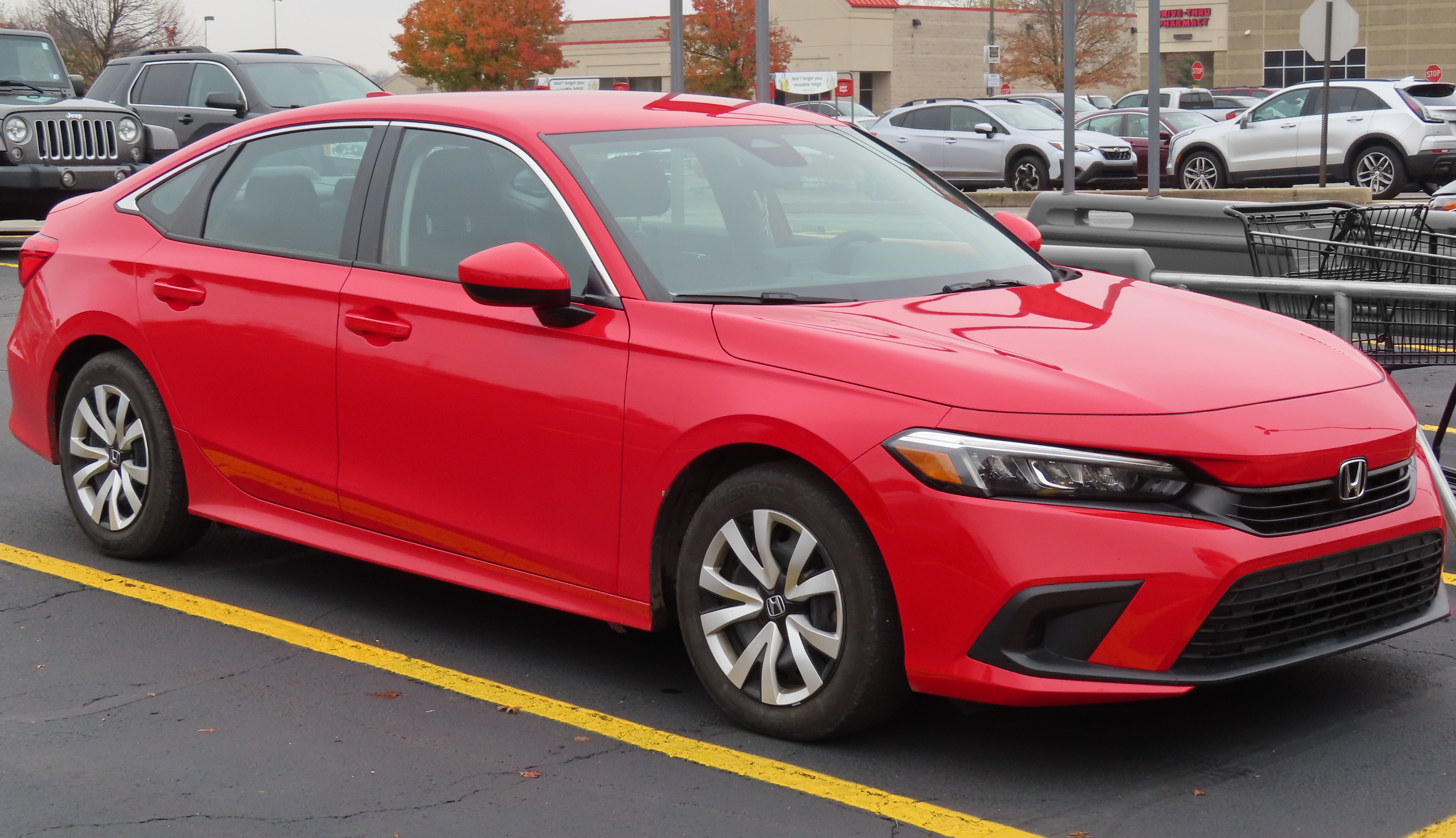
"For instance, the Honda Civic has a 13 and a half year lifespan, so it's longer than the average car and it costs on average $27,000..."
The Honda Civic is a compact car that many people trust because it lasts a long time and doesn't cost much to own each year.
The Honda Civic is known for its reliability and longevity, often lasting over a decade. It has a lower annual cost compared to the average new car, making it a popular choice for budget-conscious buyers.
"Toyota Corolla, another one, 11.3 year lifespan, still a little more than the average car and 25,000..."
The Toyota Corolla is a small car that is very reliable and cheap to maintain, making it a good choice for many drivers.
The Toyota Corolla is another compact car known for its reliability and affordability. With a lifespan slightly above average, it offers a low annual cost of ownership.
"... So it results in a $2,258 annual per year cost. Mazda 3, $2,300 per year, Volkswagen Jetta 2313 and the H..."
Mazda is a car company from Japan that makes cars known for being fun to drive and looking good. The Mazda3 is one of their popular models, and people often talk about Mazdas because they are enjoyable and efficient.
Mazda is a Japanese automaker known for its sporty and fun-to-drive vehicles, particularly the Mazda3 and MX-5 Miata. The brand emphasizes innovative engineering, such as its Skyactiv technology, which enhances fuel efficiency and performance. Mazda cars are often discussed for their engaging driving dynamics and stylish designs.
"...they get the advantage on ownership costs, they get the advantage on fuel efficiency..."
Ownership costs are all the money you spend on a car after you buy it. This includes things like gas, insurance, and repairs.
Ownership costs refer to all expenses associated with owning a vehicle, including purchase price, insurance, maintenance, fuel, and depreciation. Understanding these costs helps buyers make informed decisions.
"...if you were looking at reliability, predicted lifespan..."
Reliability means how well a car works over time without having problems. A reliable car is one that you can count on to run well and not need a lot of repairs.
Reliability refers to how consistently a vehicle performs without issues over time. A reliable car is less likely to break down and usually requires less maintenance, making it a preferred choice for many buyers.
"...ou know, they go out and they buy, you know, Ford Expedition and you're like, well, that wasn't the advice we ..."
The Ford Expedition is a large SUV that can fit a lot of people and stuff, making it great for families. It's also strong enough to tow trailers, which is why many people like it for road trips.
The Ford Expedition is a full-size SUV that offers spacious seating and strong towing capabilities, making it ideal for families and those needing extra cargo space. It features advanced technology and safety options, contributing to its popularity in the SUV market. The Expedition is often discussed for its balance of utility and comfort.
"You know, what was, what was that study like? What, what did, you know, what do we see for 2025? What were people buying? So, most popular used cars for 25, you know, you saw what you expect F-150s and Silverados and Rams in terms of just overall. But then when we broke it out by EVs, you know, you just see the cars that have the most market value."
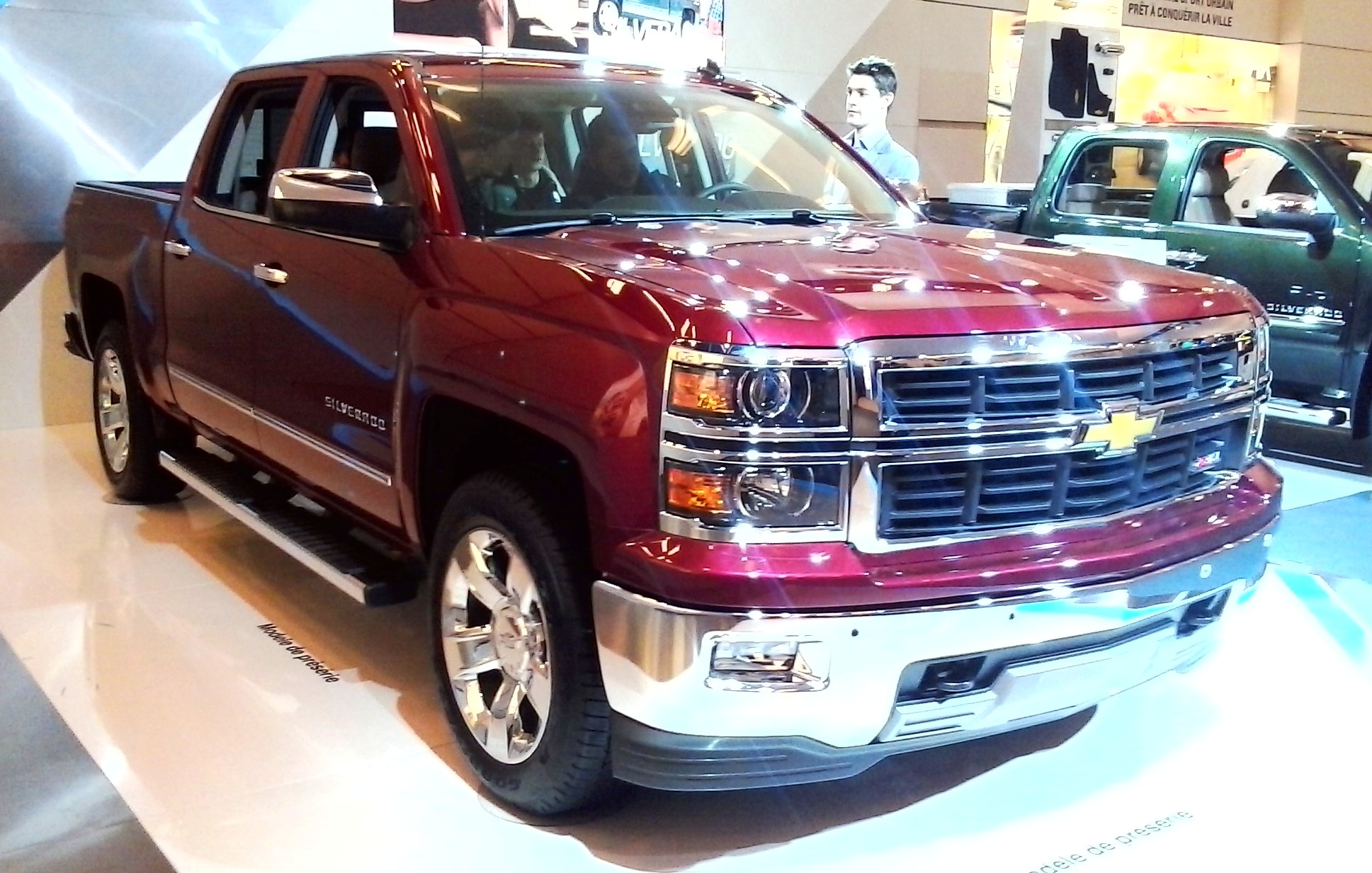
"... 25, you know, you saw what you expect F-150s and Silverados and Rams in terms of just overall. But then when..."
The Chevrolet Silverado is a big truck that people use for work and everyday driving. It's known for being strong and able to carry heavy loads, which makes it a favorite among truck buyers.
The Chevrolet Silverado is a full-size pickup truck that is highly regarded for its strong performance, towing capacity, and versatility. It competes with other major trucks like the Ford F-150 and Ram 1500, making it a popular choice among truck enthusiasts and those needing a reliable work vehicle. Its significance in the market stems from its balance of capability and comfort.
"...r market, just like new. Passenger cars, Camrys, Malibu, which just got canceled as we know. Corolla, Ul..."
The Chevrolet Malibu is a comfortable car that is good for families and daily driving. It has a nice amount of space inside and is known for being fuel-efficient, but it's being discontinued because more people are buying SUVs instead.
The Chevrolet Malibu is a mid-size sedan that has been a staple in the Chevrolet lineup for decades. It is known for its comfortable ride, spacious interior, and good fuel economy, making it a popular choice for families and commuters. The recent cancellation of the Malibu highlights the shift in consumer preferences towards SUVs and crossovers.
"...they use sort of a, they use a 18 inch wheel and it's on a 15590 tire. So, it has the same rolling diameter as..."
Wheel size is how big the wheel is on your car, measured in inches. It affects how your car drives and what size tires you can use.
Wheel size refers to the diameter of the wheel itself, typically measured in inches. It impacts the vehicle's handling, ride comfort, and the size of the tires that can be fitted.
"...they use sort of a, they use a 18 inch wheel and it's on a 15590 tire. So, it has the same rolling diameter as..."
Tire size tells you how big a tire is. It includes how wide it is and how tall it is compared to its width. For example, a tire size of 155/90 means it's 155 mm wide.
Tire size is typically expressed in a format that includes the width, aspect ratio, and diameter of the tire. For example, a tire size of 155/90 means it is 155 mm wide and has an aspect ratio of 90%.
"...it has the same rolling diameter as, you know, whether it's a 17, 19, 20 or 21 inch wheel. So, it has the same overall diameter."
Rolling diameter is how big a tire is when it's on a car. It matters because it can change how fast your speedometer shows you're going and how your car drives.
Rolling diameter refers to the overall diameter of a tire when it is mounted on a wheel and inflated. It affects the vehicle's speedometer accuracy, handling, and overall ride quality.
"...but we just said people buy with their heart, not their brain. So, you can tell someone all day long why they're supposed to buy an EV and then when they go see a really cool internal combustion vehicle, they go buy it."
An internal combustion vehicle is a car that runs on gas or diesel, using an engine that burns fuel to make it go. This is the traditional type of car most people are familiar with.
An internal combustion vehicle is one that uses an internal combustion engine (ICE) to convert fuel into mechanical energy. This type of engine burns fuel to create power, which is then used to drive the vehicle, as opposed to electric vehicles that rely on electric motors.
"But if you buy a hybrid or even better, a plug-in hybrid, now you're using it like an electric vehicle for, depending on what you're doing and how far you drive, some percentage, maybe even a very high percentage time."
A plug-in hybrid is a car that can use both electricity and gasoline. You can charge it by plugging it into a power outlet, which lets you drive on electricity for a while before it uses gas.
A plug-in hybrid is a type of hybrid vehicle that can be recharged from an external power source, allowing it to operate on electric power alone for a certain distance before switching to gasoline. This reduces fuel consumption and emissions compared to traditional vehicles.
"...at least until we get to battery technology that charges in 10 minutes, which they're talking about, and goes hundreds and hundreds of miles and also an infrastructure that can support that."
Battery technology is about how batteries are made and improved. Better batteries can charge faster and let electric cars drive longer distances without needing to recharge.
Battery technology refers to the advancements and innovations in the design and functionality of batteries, particularly in electric vehicles. Improvements in battery technology can lead to faster charging times, longer ranges, and better overall performance of electric vehicles.
"...eyond the radius of your house where your level 2 charger is, then the market will go to electric vehicles..."
The Dodge Charger is a big car that looks sporty and can go really fast. It's popular because it has a lot of room inside and is fun to drive, making it a good choice for people who like powerful cars.
The Dodge Charger is a full-size sedan that combines muscle car performance with everyday practicality. Known for its powerful engine options and aggressive styling, the Charger appeals to those who want a sporty driving experience without sacrificing space or comfort. It often comes up in discussions about performance sedans and American automotive culture.
"beyond the radius of your house where your level 2 charger is, then the market will go to electric vehicles."
A level 2 charger is a special plug that charges electric cars faster than a regular home outlet. It helps you charge your car in just a few hours instead of overnight.
A level 2 charger is a type of electric vehicle charging station that provides faster charging compared to a standard household outlet. It typically requires a 240-volt power supply and can charge an EV in a few hours.
"...the ID buzz, which was, you know, the cutest EV on the market, I suppose, and that's going away..."
The ID. Buzz is a new electric car from Volkswagen that looks like the old VW bus. It's designed to be fun and eco-friendly, but it hasn't sold as well as expected.
The Volkswagen ID. Buzz is an electric vehicle that pays homage to the classic Volkswagen Microbus. It features a retro design and modern electric technology, aiming to attract both nostalgic customers and new EV buyers.
"...the ID buzz, which was, you know, the cutest EV on the market, I suppose..."
An EV is a car that runs on electricity instead of gas. They are better for the environment because they don't produce exhaust fumes.
EV stands for electric vehicle, which is a car that runs on electricity instead of gasoline or diesel. EVs are often seen as more environmentally friendly due to lower emissions.
"...Volkswagen's closed its first domestic assembly plant in the history of the company in the past six months..."
A domestic assembly plant is a factory in a country where cars are put together. If a car company closes one, it usually means they're having money problems or changing how they do business.
A domestic assembly plant is a factory located within a country where vehicles are assembled from parts, often to meet local market demands. The closure of such plants can indicate significant shifts in a company's strategy or financial health.
Car
Lamborghini Temarario
"...I just had a Lamborghini Temarario and that's going to be up there soon."
The Lamborghini Temarario is a fancy sports car made by Lamborghini. It's known for being very fast and having a cool design, which makes it popular with car lovers.
The Lamborghini Temarario is a high-performance supercar known for its striking design and powerful engine. It represents Lamborghini's commitment to luxury and speed, making it a desirable model among car enthusiasts.
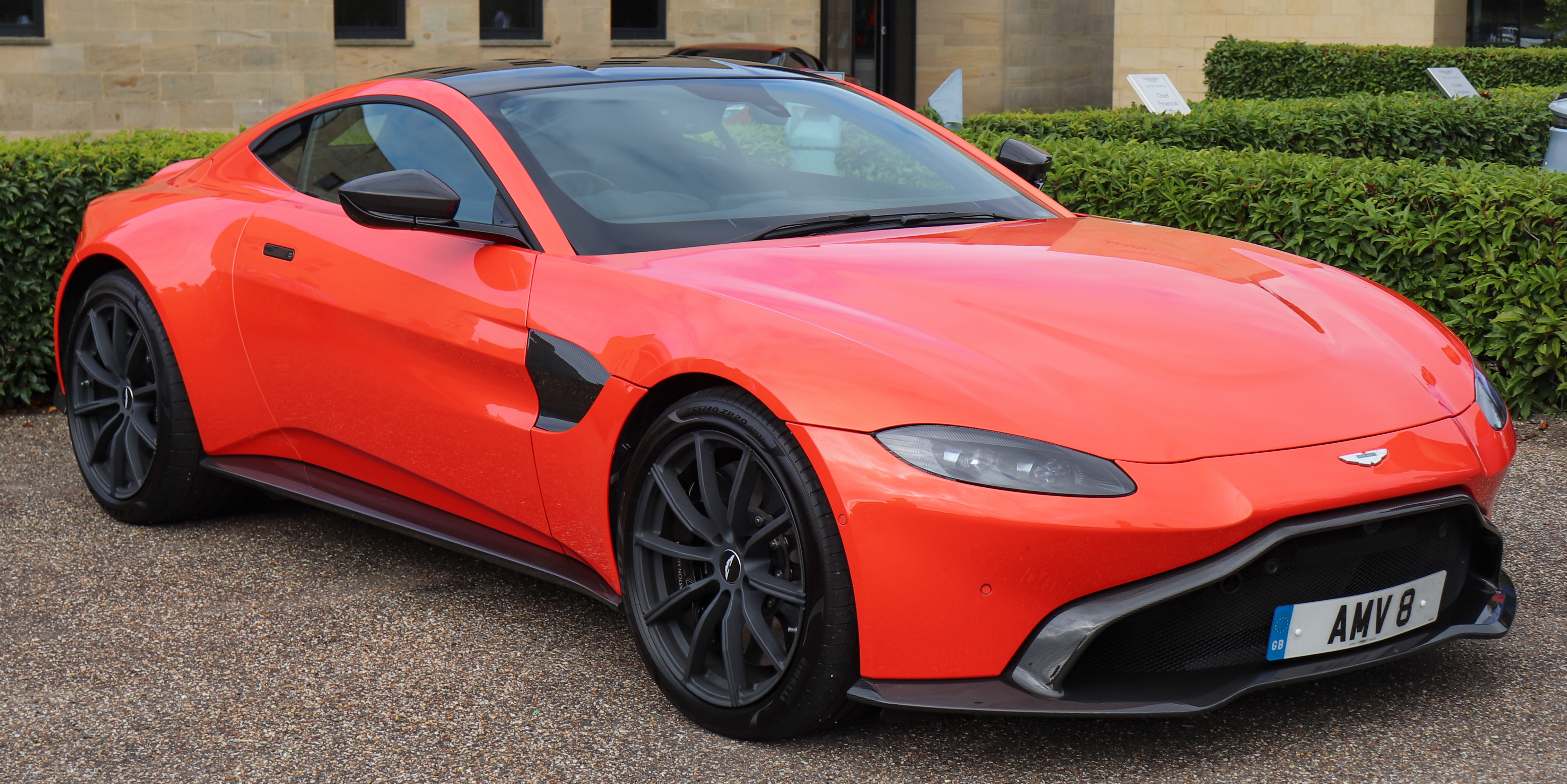
"...I'll be an Aston Martin Vantage S. So a lot of fun cars going up on there too."
The Aston Martin Vantage S is a luxurious sports car that looks great and drives really well. It's known for being fast and stylish, appealing to people who love high-end cars.
The Aston Martin Vantage S is a luxury sports car that combines elegant design with impressive performance. It features a powerful engine and is known for its handling and driving dynamics, making it a favorite among enthusiasts.
"The dealership service center guy said they are from brake dust coming from other cars on the road..."
Brake dust is tiny bits of material that come off brake pads when you use the brakes. It can stick to your car's wheels and paint, and if it builds up, it can be hard to clean off.
Brake dust is the fine particles that are produced when brake pads wear down during braking. This dust can accumulate on wheels and paint, potentially causing damage if not cleaned regularly.
"I suspect and I don't know this because I don't know how this vehicle is transported, but it sounds like rail dust..."
Rail dust is tiny pieces of metal that come from trains and can land on cars. If you don't clean it off, it can hurt the paint and cause rust.
Rail dust refers to tiny particles of metal that can come from trains and settle on vehicles. This dust can be particularly damaging to paint if not removed, as it can cause rust and corrosion.
"I have two questions. I recently purchased a Honda CR-V Hybrid 2026 and it doesn't come with a spare tire, which I have a level of concern about. It just comes with the run-flat tires and then a kit that you use."
The Honda CR-V is a popular SUV that is great for families because it has a lot of space and is known for being dependable. It also comes in a hybrid version, which is better for the environment.
The Honda CR-V is a compact SUV that is known for its reliability, spacious interior, and fuel efficiency. It has been a top seller in its class for many years, appealing to families and individuals alike. The introduction of hybrid variants has also made it a topic of interest in discussions about eco-friendly vehicles.
"... was probably the first electric vehicle, but the Prius was really the first one that worked well. It's ..."
The Toyota Prius is a car that uses both gas and electricity to drive, making it very good on fuel. It's known for being one of the first hybrid cars and is popular among people who want to save money on gas and help the environment.
The Toyota Prius is a pioneering hybrid vehicle that has become synonymous with fuel efficiency and environmental consciousness. Launched in the late 1990s, it was one of the first mass-produced hybrids and has influenced the automotive industry towards more eco-friendly technologies. Its significance lies in its role in popularizing hybrid technology and reducing emissions.
Select text to request an explanation
W-A-T-D presents John Paul, the car doctor. All things automotive. Have questions? Call or text 7-8-1-837-4900.
Now, here's John Paul, the car doctor.
Good Sunday morning everyone and welcome to another edition of the car doctor program on 959 W-A-T-D.
My name is John Paul, the car doctor here to help you with your car problems on this chilly snowy Sunday morning.
Hopefully you're putting up with it okay. Sitting inside having a cup of hot cocoa or hot chocolate or tea or coffee or whatever it is that makes you warm.
Just look at the snow from inside the house. Best thing to do.
It's New England so it snows. I am not in New England. People know I'm not in New England. Just to let you know it's cold where I am relatively speaking but not as cold as back up north.
Anyway, that'll be up there soon enough. Our little press association, New England Motor Press Association is also getting ready for something that I've always enjoyed which is the official winter vehicle of New England testing where we look at a bunch of different vehicles and see how they do in New England winter.
And this winter we've had a lot of winter so a lot of snow. I remember doing this one time and it was a beautiful like 70 degree weird February day but not this time.
So that's coming up. Always enjoy that too.
With us on the phone is Kyle Brower. He is the iccars.com executive analyst. They've done a bunch of studies lately including most reliable new cars for the money and America's 10 best selling used cars and EVs for last year.
Kyle, good morning and welcome back to the show.
Hey, what's going on John Paul. Great to be on with you.
First off, let's start. Let's remind people what iccars is all about. It is a giant marketplace for both buyers and dreamers, right?
Yeah, it's a great online resource for anyone who's shopping for a car or newer used and you can do the filtration on 20 miles around your house or nationwide as far as how far you want to look and then all the other
research and consumer guidance that we provide there too. We are big fans of data. We like to see what trends are going on and we like to craft that data into helpful stories and guidelines for consumers who are looking for their next vehicle
or just wondering what's going on in the car market in general if they're planning to buy in the next two weeks or the next two years.
I mean, just looking at the site and it's a little off topic, but I was just kind of going through some of the studies and one of them that always comes up is, you know, one of your studies is high supply of leftover inventory signals the best new cars for year
end deals. What happens to the cars that are left over?
Well, mostly with rare exception, they're pricing and value keeps dropping. And if you are ready to buy at the end of the year, which a lot of people aren't, so that adds further to your leveraging and your negotiating power, then you can usually get a better deal on those cars.
So, you know, we do our best time a year to buy study every year. And we always consistently see that somewhere between mid November and end of March is usually the best time to buy with peaks at given holidays, for instance, New Year's Eve, New Year's
in the winter, because it's hard to get people on the lot. So they typically offer better deals. So that's, that's like universal. Now you combine that with it's December 31 or even January 10. And there's a 2025 model on the lot, which is now technically old, because the calendar has flipped to 26.
And you go in there and you're like, I know you're not selling many cars. And I know you can't seem to sell this car. So let's talk to Mr. dealer man and you negotiate.
Yeah, no, it makes sense. And President's Day or Washington's birthday was always kind of a hyped up car sales day, but mostly myth and not truth, right?
Um, I mean, it's, it's, they'll, they'll use that as another, you know, blast out, hey, come on the lot and buy some cars that they'll certainly do that for haul it for President's Day.
But you can get good deals really generally speaking between say November 1 and March 31. And President's Day is in the middle of that and February. So yeah, you can, you can negotiate as well or better on President's Day than you would.
And by the way, the flip side is true too. July 4, Father's Day, these are, these are generally speaking not good times to buy cars because middle of the summer, everyone's thinking road trip.
Everyone wants to go out and enjoy the outside and take cars and do, do trips and see the world. And they rush off to buy new cars. Dealers know it. So they don't offer nearly as many compelling deals in the summers they do in the winter.
So can you explain why it's also a good time to buy a mattress?
There you go. There you go. So most reliable new cars for the money. What are they?
So you start to figure out what's the least per year you're going to pay, right? So if you just make it easy, if you had a car with a five year lifespan and it costs $25,000, it cost you $5,000 a year to have that car, obviously.
When we look at the entire fleet out there, the average car has an 11 year lifespan and costs about $4,200, $4,251. So that's, that's average because the average new car is about 46, 40, between like $47 and $50,000.
So you're talking around a four plus thousand dollar annual cost for each car per year for its lifespan. Well, that's average. There's cars that do much better than that, John Paul.
For instance, the Honda Civic has a 13 and a half year lifespan, so it's longer than the average car and it costs on average $27,000, not $47,000.
So it's per year cost is 2058 or less than half of the average new cars per year cost based on its upfront price and how long it lasts.
That's a pretty good deal. You know, if you can get more, more life and have half the annual cost to get that additional life.
Toyota Corolla, another one, 11.3 year lifespan, still a little more than the average car and 25,000, even less expensive than the Civic.
So it results in a $2,258 annual per year cost. Mazda 3, $2,300 per year, Volkswagen Jetta 2313 and the Honda Accord 2489.
So those are the top five. We've got all 25 on our site ranked, but you can obviously see a trend here. What are we seeing here?
We're seeing mostly cars, mostly small cars. Well, not surprisingly, you know, small cars, they don't have as much flexibility and as wide a use case as like a big three row SUV,
and they just cost us to make it. There's less material in them, so you can get them for cheaper, but they don't necessarily have a shorter lifespan.
So you're just paying less upfront, but you're still getting in the long lifespan like you would get out of a larger vehicle.
So obviously they end up having a natural advantage on these rankings.
You know, we look at this and kind of look at, you know, Civic Corolla, Mazda 3, Jetta, even Accord on the list.
And, you know, people say, well, nobody's buying, you know, sedans anymore, but these are probably the best values out there.
When you look at both this study and kind of in general and how these vehicles also hold their value, right?
Right, and ownership costs too, don't forget. Cars are generally less expensive to ensure than trucks and SUVs.
They get better mileage than trucks or SUVs. You know, usually their taxation and registration costs, plus the lower purchase price obviously adds to less on that side.
So you're exactly right, John Paul. We just looked at a single metric. What do these cars cost and what's their predicted lifespan?
And these cars get the advantage. Truth is, they get the advantage on ownership costs, they get the advantage on fuel efficiency.
They have a lot of advantages over most cars.
Yeah, no, it really is. You know, when you kind of look at it, you go, well, wouldn't it make sense that, you know, if you were trying to get,
if you were looking at reliability, predicted lifespan, which is reliability, overall cost, overall cost of maintenance and service in general,
these would be the, your top three there would be the cars you want to buy.
Yes, that's exactly right. And it's ironic, like you said, because they're dying, you know, I mean, the Civic's probably safe because it sells enough Corolla too.
But, you know, the Jetta, you know, these are cars that are being canceled, you know, because they just can't sell enough of them and stuff.
And we have a lot of small cars that existed two, three, five years ago that don't, you can't buy anymore. They're not in the market anymore.
Yeah, it is sort of, you know, you look at that and sometimes, you know, people will say to you, well, look at something reliable.
I'm looking for this. And next thing you know, they go out and they buy, you know, Ford Expedition and you're like, well, that wasn't the advice we were talking about.
So, yeah. And how about, you know, looking, looking back a couple of months ago, 10 best selling used cars and EVs.
You know, what was, what was that study like? What, what did, you know, what do we see for 2025? What were people buying?
So, most popular used cars for 25, you know, you saw what you expect F-150s and Silverados and Rams in terms of just overall.
But then when we broke it out by EVs, you know, you just see the cars that have the most market value.
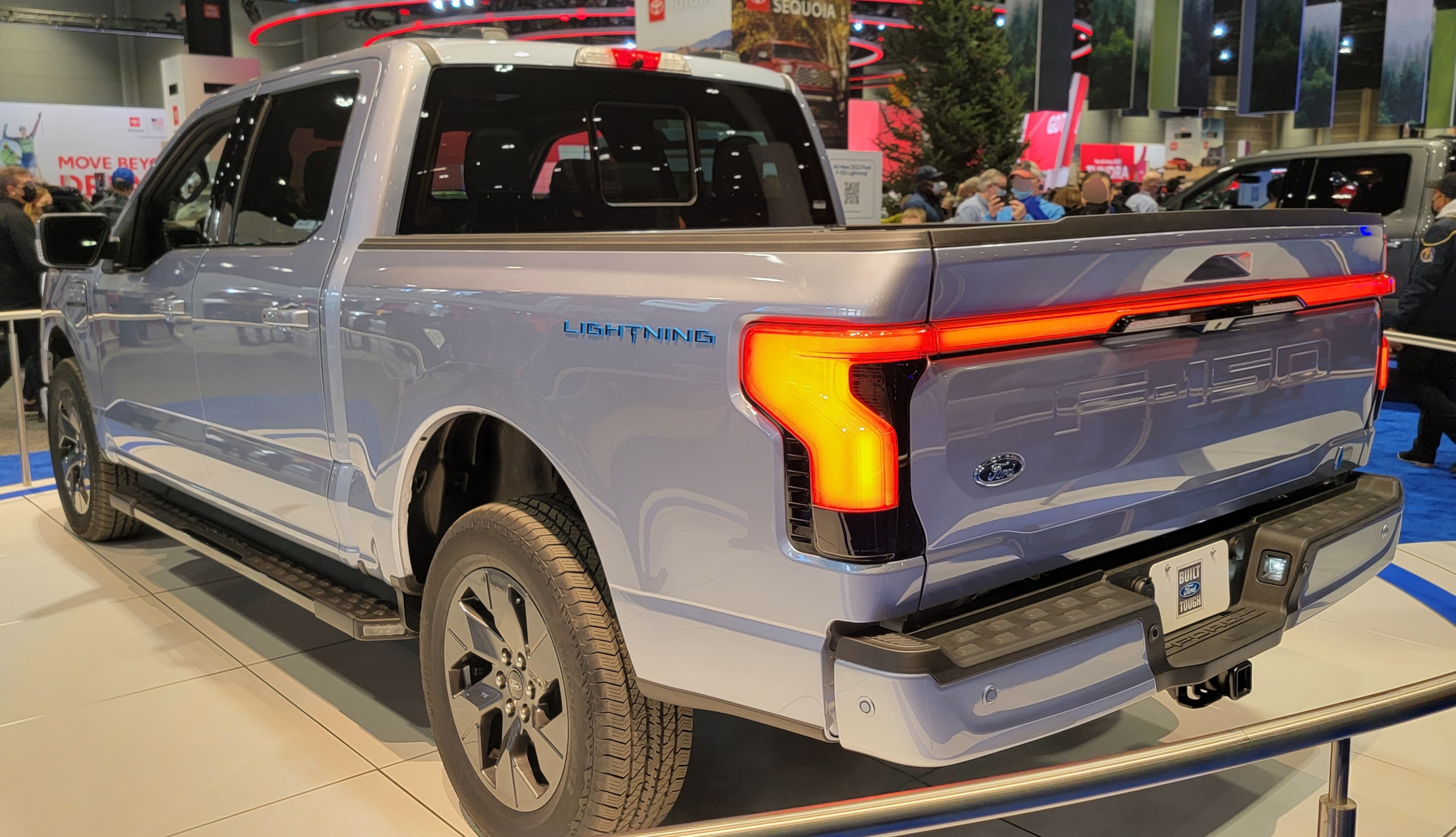
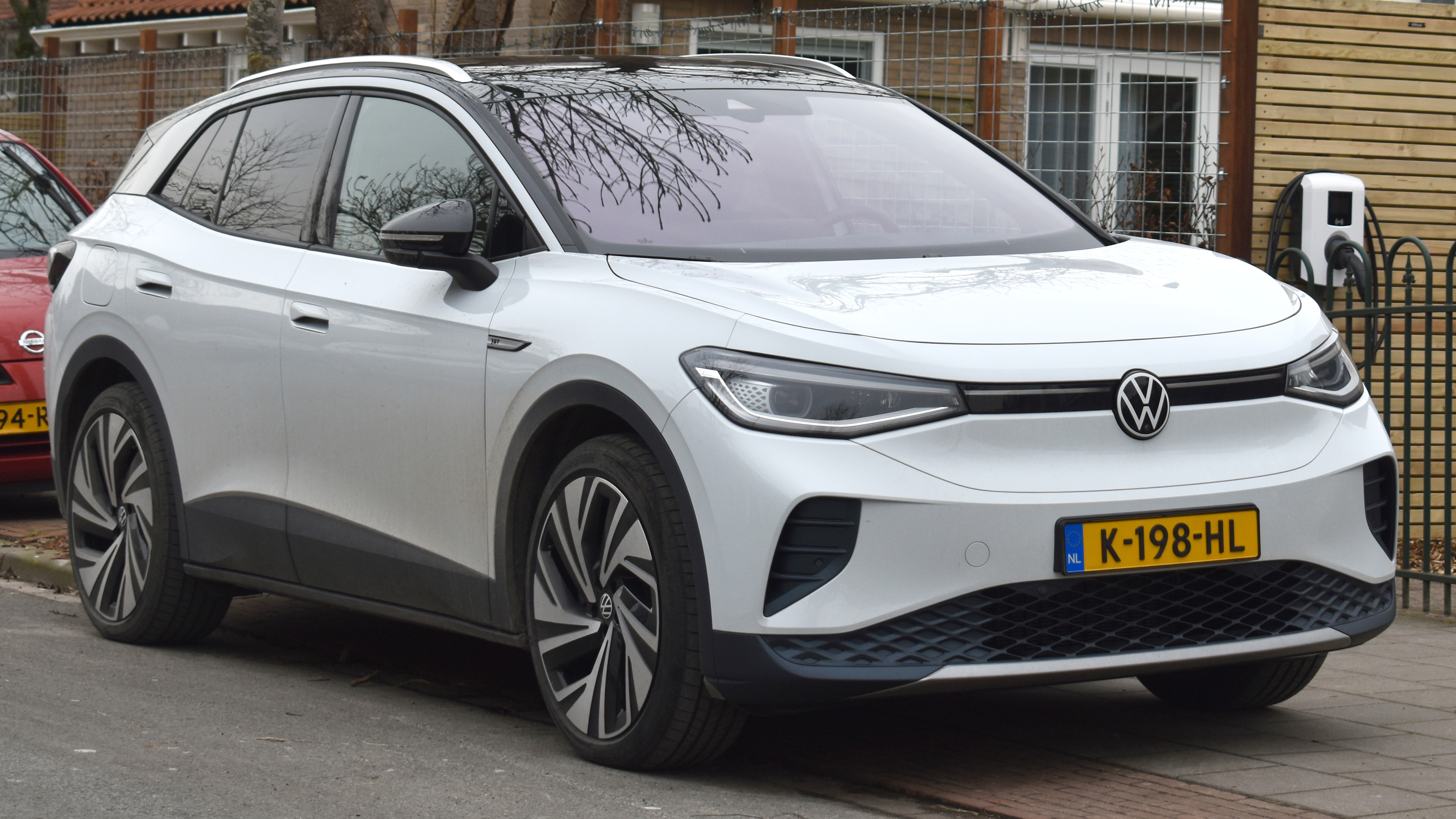
So you've got Tesla Model 3 and Model Y, Mustang Mach-E, Volkswagen ID-4.
And it's interesting because they have, you know, a lot of share within that category.
But of course, they don't have much share across the total car realm.
You know, they just, they're just, you know, slivers of the total amount of cars that are sold in the used car market on a given year.
But yeah, the trucks remain popular on the, even on the used car market, just like new.
Passenger cars, Camrys, Malibu, which just got canceled as we know.
Corolla, Ultimate Civic, those are the top five on the sedan side.
You know, it's just...
Yeah, it is sort of interesting. Like the study we just looked at really kind of look at consumers and say,
this is what you should be getting if you want to try to, you know, save yourself some money, save yourself ownership costs,
get something super reliable, and then people go out and buy an F-150 or a Silverado.
Well, spoken like the true car guy in his social circles, right, John Paul?
How many of us tell the story where someone comes to us and they're like, I need a car.
Well, what kind of car? You can't just tell me you need a car. Tell me what you need to do.
Well, I need this and this and this. Oh, well, this would be your car and this would be a smart thing.
And then, you know, two days, two weeks later, you get the call out of the blue, hey, I just bought a such-and-such.
That's nothing like the car you said you needed. Yeah, but, you know, I went to the dealer a lot.
I just fell in love with it, you know. Yeah, I just bought a five-year-old Jaguar.
I thought it would be perfect. Yeah. Exactly.
I think that's a car that's going to cost you nothing to own. Absolutely.
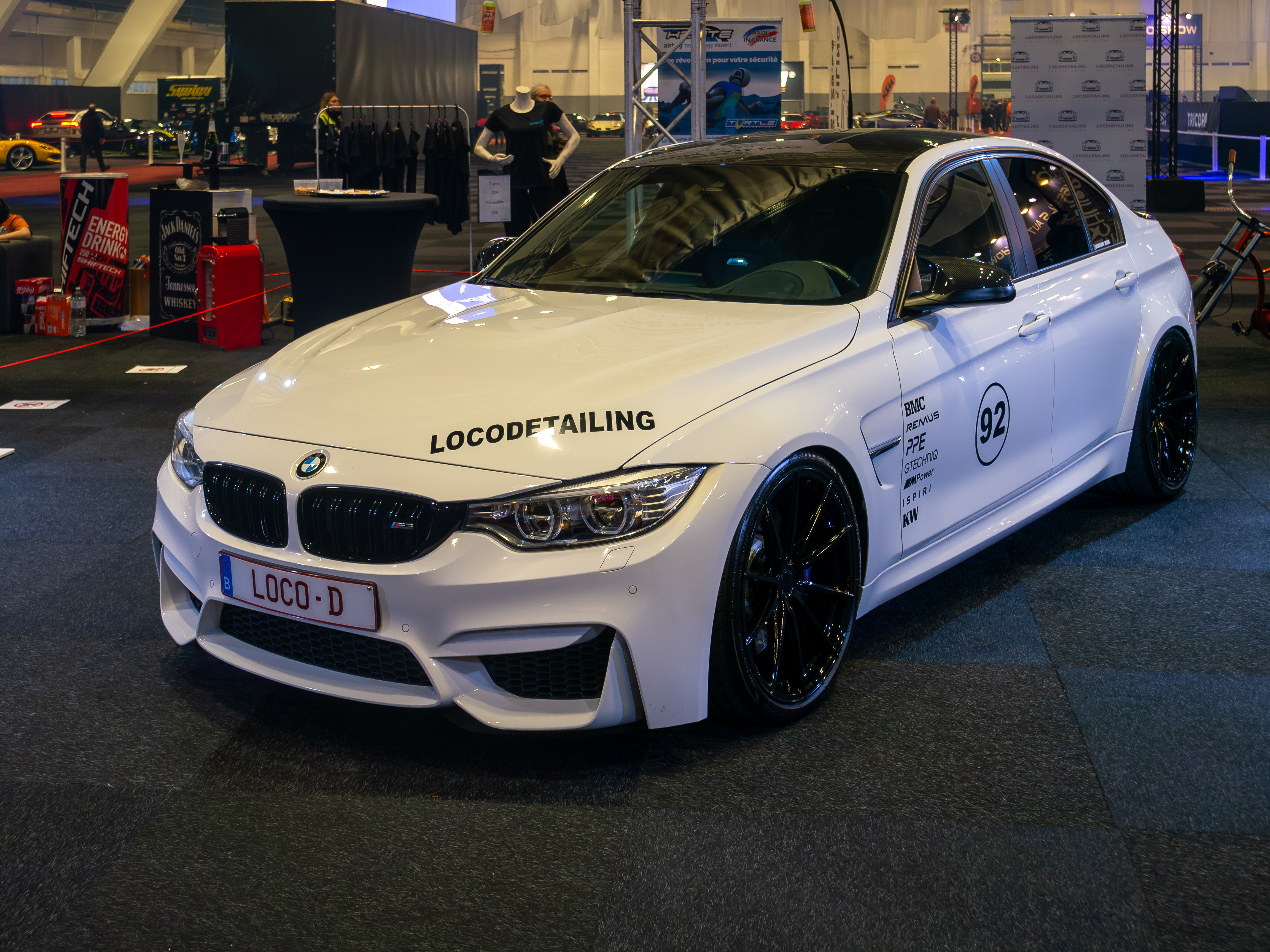
Yeah. I always wanted that M3 convertible. Right.
Yeah. Yeah. No, it is, it is, you know, sort of, you're right.
You try to help people with the best advice sometimes and people, you know, it sounds awfully trite and weird to say,
but, you know, too many people buy with their heart and not with their head when it comes to all kinds of things.
And they look at it and they, you're absolutely right. They just fall in love with whatever it is and you're like, yeah, well, you know.
And everybody's been guilty of it. So, you know, really kids. Cars are an emotional purchase, John, aren't they?
I mean, they are an emotional purchase, so people don't often think with their brain, you know, they think with their heart.
Yeah, exactly. So, you know, you're out a lot all over the place.
You know, we've seen electric vehicles, you know, really popular with, you know, early adopters.
Then they got, you know, where you are out in California, you know, Tesla was and probably maybe still is some of the best selling new vehicles out there.
And now EVs are kind of going, losing favor to plug-in hybrids. Kind of, what do you, what do you see?
Where do you think all of this is going to go?
Well, I think I'm a person who believes that the most sustainable way to sell something is to sell it in a way that the market supports.
And I don't think that the market supported the level of EV sales that a lot of the regulators wanted.
And we can talk about why you should be buying EVs, but we just said people buy with their heart, not their brain.
So, you can tell someone all day long why they're supposed to buy an EV and then when they go see a really cool internal combustion vehicle, they go buy it.
And range anxiety remains a big problem for electric vehicles.
But if you buy a hybrid or even better, a plug-in hybrid, now you're using it like an electric vehicle for, depending on what you're doing and how far you drive,
some percentage, maybe even a very high percentage time.
But there's no range anxiety and you can still go where you need to go without having to worry about the charging infrastructure not being up to par with gasoline and gas stations.
And I'm a big believer in, you know, you pick a diet that you can stick to, you pick a workout regimen that you'll follow.
You sell cars that are supposed to reduce carbon footprint that you can sell to more than, well, 8%, give or take 8% of the population with incentives in place,
and about half that when they go away, as we've seen over the last six months.
And if you sold a whole bunch of hybrids and plug-in hybrids to a whole bunch of people, you'd end up cutting the carbon footprint of our car fleet much more than selling electric vehicles only to 4% or 5% or 6% of the population.
So I think plug-in hybrids and hybrids have a lot more promised long term for sales, at least until we get to battery technology that charges in 10 minutes, which they're talking about,
and goes hundreds and hundreds of miles and also an infrastructure that can support that.
Yeah, no, it is, and I still feel that right now, we're sort of in the, you know, the second golden age of the automobile.
I think right now consumers have more choice than they've ever had.
If they want an EV, go buy an EV. If they want a plug-in hybrid, go in and buy a plug-in hybrid.
They want to buy, you know, something with a big gas engine in it, it's available for them.
So there is, I think for consumers now, we're in a time of really good choice, right?
100%. And that's why, you know, it's going to be much more sustainable if we let the market decide and we let people buy,
and if electric vehicles can keep getting more compelling in terms of range and cost and charge time,
and the infrastructure can keep getting more supportive in terms of travel, you know, beyond the radius of your house where your level 2 charger is,
then the market will go to electric vehicles. You know, they do have a really quiet, refined drive.
They're very torquey and quick, and they have fewer parts to break.
So in theory, they are the more long-term, advantageous vehicle, but the reality is that they aren't right now.
Yeah, and, you know, when you see things like, you know, the ID buzz, which was, you know, the cutest EV on the market, I suppose,
and that's going away, you know, the idea is, you know, that as, you know, the Volkswagen meeting van was so iconic,
and everybody, you know, looks at them and gas when they see one, but it didn't sell.
Right. And isn't that kind of, you know, the bottom line, right?
We can sit around bemoaning why this car should sell better and that car shouldn't sell as well as it does,
and then we can face the market reality and demand from consumers, and it'd be great if car companies didn't have to make money
and they could sell what we're supposed to buy or at least push what we're supposed to buy indefinitely,
but, you know, Volkswagen's closed its first domestic assembly plant in the history of the company in the past six months
because they were in such financial dire straits, and of course the Chinese are storming a lot of the global markets with their cars.
They've got all the resources for rare earth metals tied up, meaning they can produce batteries far cheaper than any other country,
and that gives them a massive cost advantage on electric vehicles, and not to mention some of their other policies in that country
that gives them some advantages that I don't think we'd like in this country if we were supposed to try to compete.
So when everybody hears someone say, why aren't we competing with China? I want to tell them it's like, because if we did,
you wouldn't like this country very well, you know? I'm betting you don't want to lose labor unions,
and you don't want to lose minimum wage, you don't want to lose medical coverage, and you don't want to lose overtime,
because those things don't really exist in China, so keep that in mind.
Yeah, I mean, I try not to talk politics, but you kind of have to look at, you know, Canada's not bringing a ton of Chinese cars to market,
like 50,000 a year or some Chinese EVs. I think it'll be nice if you're up in sort of the northern states,
you might get to see a Chinese electric car you've never seen before, which is always kind of fun.
Yeah, and now they can get a taste for them and see how good they are or not, and see how well they hold up over time or not.
You know, there's still a lot of questions. We still don't know things like long-term durability of Chinese cars.
We know that because they haven't been around long enough to know that, so there's still some questions there.
And again, you know, I was just saying how I'm a big free market guy, and a lot of people would say, you know,
well, if Chinese cars are cheaper and better, then the free market says we should be buying them.
Well, it's not really a free market the way they're producing them in China.
The government is totally aligned with all the car industry over there. Again, they've locked up all the resources to produce batteries globally and stuff.
So it's not really a free market when they're coming in with cars that cost $40,000 that would be costing us, you know, $80,000 to recreate.
Yeah, absolutely. So people want to learn more, iccars.com. Go to the research section. You want to do some shopping.
You can shop around. You have the VIN app as well.
So you can look up a little bit more history about the vehicles and look at some of the things that you and your folks have all put together,
a lot of these studies. They're interesting. And if people want to find out a little bit more about you, you're doing your podcasting now, right?
Yeah, so now I'm doing the drive with Lauren and Carl. We were fortunate enough to kind of transition into a radio show that's been around since the early 90s.
It was the drive with Alan Taylor.
Yeah, we're on 80 radio stations across the country. Plus our YouTube channel recreates the same thing and you can see us as well as listen to us.
And then they all go into a podcast form. So then I've got my personal YouTube site, YouTube channel Carl Brower Cars, where I just had a Lamborghini Temarario and that's going to be up there soon.
You know, just put up, or this Monday I'll be an Aston Martin Vantage S. So a lot of fun cars going up on there too.
Well, it sounds like you're still having a good time, although it sounds like you're working a lot more though.
I spent Saturday yesterday editing that Aston Martin Vantage story and producing the Forbes tech story to go with it.
So you have to love what you do, or at least I do, because I have to do it probably six to seven days a week minimum.
All right. Hey, always a pleasure, Carl, talking with you, finding out what's up with the market and kind of learning about things and for our listeners.
Well, you know, go listen to the podcast, go with the YouTube channel, but still keep listening to the car doctor program on 959WATD.
Absolutely.
Carl, always a pleasure. Thanks for taking some time out of your Sunday morning and joining us on the car doctor program.
John Paul, always fun talking to you and talking cars. You guys take care.
All right. All right. Take care. Why don't we take a break, pay some bills. My name is John Paul. This is a car doctor program.
You're listening on 959WATD. When we come back, we'll talk about some of the questions that came in this week.
I've got some really interesting ones. And if you want to talk to us, our phone number is 7183749007818374900.
Phone lines are open. Give us a call and we'll talk to you about your car, your car problems. We'll be right back.
All right. This next part of the car doctor is brought to you by the South Shore YMCA. Get out of the house and get active.
The South Shore YMCA has mental and physical wellness plans for all ages and abilities. Start your wellness journey today at SSYMCA.org.
Start the new year at the South Shore YMCA. The something for everyone place. Whether you're there to lift, stretch, swim or simply connect, you'll find more than just a gym. You'll find a community.
Parents can recharge while kids dive into swim lessons, sports and activities. Young adults can build strength in group classes or with personal training.
An older adult can stay active and engaged in a welcoming space.
At the South Shore Y, you'll find a fitness center that feels like home. People that keep you moving. An onsite babysitting that gives you time to focus.
From individual goals to shared experiences, the South Shore Y is where friendships form, routine stick and wellness grows. And it's all waiting for you to get started.
Make the South Shore YMCA your place for fitness, friendship and fresh starts. Become a South Shore YMCA member today. Check out their virtual tours at SSYMCA.org.
Get ready for the South Shore's best dad and daughter duo in the building business. The Bethany Builders podcast on WATD.
Each week, the Bethany Builders crew, Chris Bethany, Steve Burton, Christian Fourier and Sophia Bethany discuss ongoing building and remodeling projects.
Sports, fun and more. Listen live or watch them on the Bethany Builders YouTube or Facebook page.
The Bethany Builders podcast is sponsored by Bethany Builders of Duxbury, Coopman Lumber and Trek's Decking Tuesday nights at 7 on 959 WATD.
Honored with a Lifetime Achievement Award from the National Highway Traffic Safety Administration, he's John Paul, the car doctor on 959 WATD.
And welcome back to the car doctor program, our phone number again is 7183749.
Let's talk to Tom and Kingston. Tom. Good morning. Good morning. You're missing all the fun up here, but you're getting a little taste of it down.
You know, it's, you know, it, you know, the heat's been on a lot down here, and I can't wait to see my electric bill should be fantastic.
And, you know, we, we, we don't fully shut down our little place up north. So the gas bill has been pretty high too. So, yeah, getting hit getting hit with utility bills on both ends here.
So I get a phone call from my neighbor across the way. Well, back in 2015, you know, feels like 20,000 years ago, we had the very bad snowstorms and everything else and we lost power a lot.
So I said, you know what, enough is enough. I invested in a generator. You get the Generac generator to do the whole, the whole house one. Yeah. Oh yeah, sure.
So the days are going out there, getting gasoline, putting it in the portable and pulling the cord and get the wires out.
I said, you know what, I'm going to splurge. We were taught always to save, save, save for retirement. And somebody said to me, well, you know what, you're at the retirement age.
It's okay to spend it now. It's like, huh, good point. You know, they say, well, we're supposed to leave it for our kids.
And they said to me, how much does your parents leave you? So you think of things like that. So my neighbor calls up the other day and he says, my generator went to do the once a week.
You know how it starts up and really all the moisture and stuff like that recharges the battery is shut off after one minute.
And he found out why is because the air vents were blocked.
Oh, okay.
No, I guess if it doesn't get enough oxygen, it shuts down.
Makes sense.
Yeah.
Yeah.
So we went outside and checked our generator because mine comes on on Tuesday. His comes on Monday. So Tuesday in the morning.
My neighbor next to me is comes on at two o'clock in the afternoon. Mine's at 10 o'clock in the morning. So we went out there and cleared that away.
So think of other things besides our cars, you know, as far as starting up.
Yeah, I mean, I mean, it's a good point because I was looking at someone's generator in a, I don't know, it was probably a five year old Ram Chassis.
Like one of those small motorhome things and it wouldn't run correctly.
And it was sort of the same thing. Whoever, whoever had it prior, use the generator cabinet for storage and they had something stuck in there and it was blocking some of the airflow.
And it would start up, but it would start up and sort of run weird and thought at first it was going to need a carburetor.
So if you block an airflow, yeah, it's not going to, it's not going to work right. So whether it, you have one of those very efficient furnaces or water heaters or in your case, a generator, you want to make sure all the intakes and exhausts are clear so it can operate the way it's supposed to.
Yeah, you don't want to find out what, if you lose power, you want that sucker to kick in.
Right.
You don't want to go out there in the storm and say, wonder why it's not working.
Yeah.
No, especially if, especially if you're, you know, looking at, you know, it's one thing to say in the winter time, it's not so much of an issue, but, you know, you're like, oh, my refrigerator is not working, but it's not the thing to be cold.
So, you know, having, you know, having, you know, having, having a little bit of heat in the house or the ability to run some heat.
Yeah, heaven.
I can see why people have generators.
Absolutely.
I know both here and up north.
Yeah, I'm seeing more and more generators like the ones you described showing up in people's property.
And just for that reason, they want to, they want the security of knowing if the power goes out, they're going to be all set.
I went to WATD's website to look up the podcast for your show and it came up error 404.
I don't know whose end that is.
Well, that could be, well, I'm not sure what that's pointing to and I actually don't know, and maybe Jesse knows, Jesse, do you know who takes care of the links on the website?
That I don't know.
You don't know.
Because I changed podcast hosts now.
You can still find the podcast if you, you know, search Spotify or iTunes.
I was going to hear last week's show.
Yeah.
Find it.
Yeah, you would just go to iTunes or Spotify and look for car doctor radio.
And, and the latest one is a.
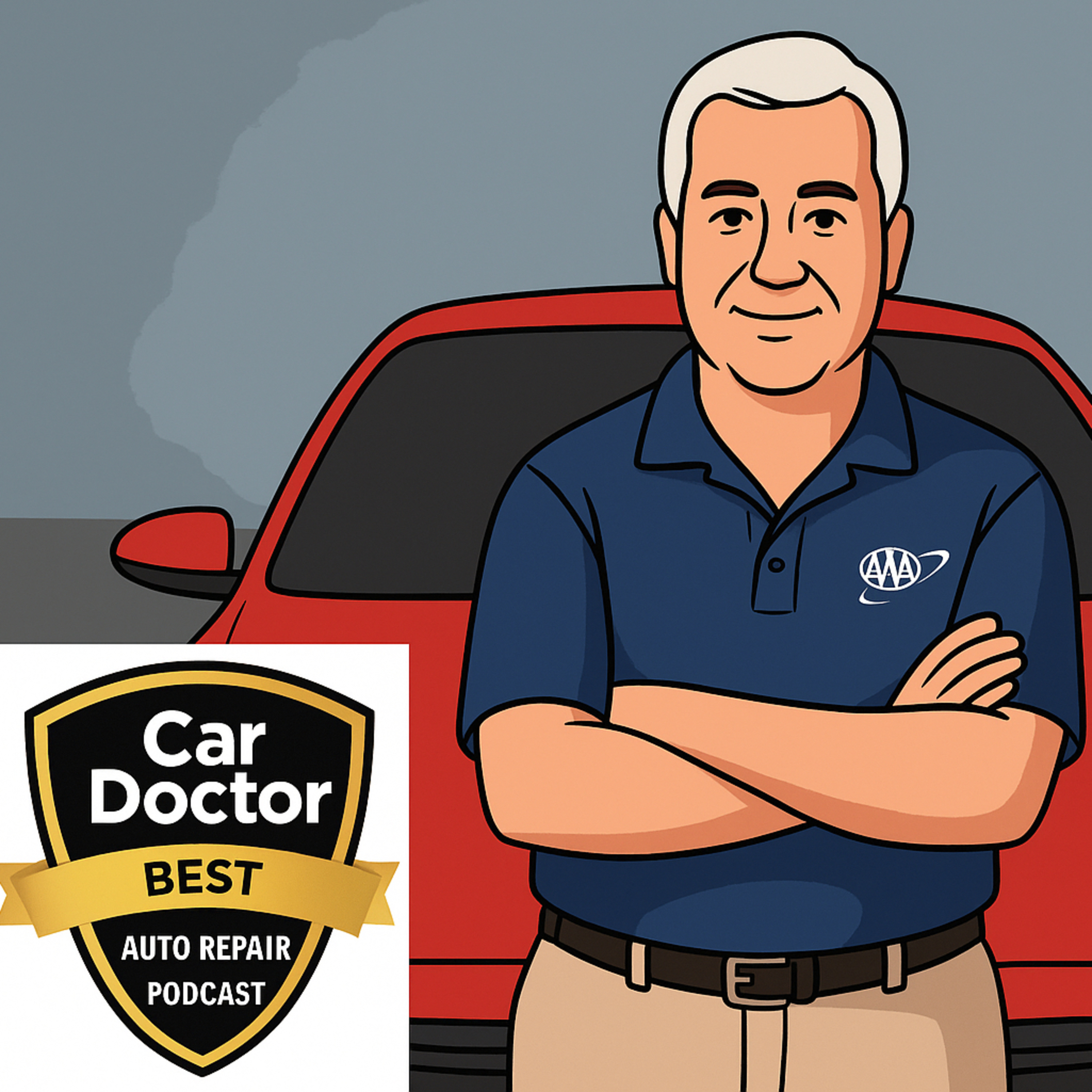
If you're looking for the episodes, it's a cartoon version of me, I guess, instead of an actual picture of me, because that was the only way I could identify what happened.
This is kind of way in the weeds, but I used a storage site called pod bean, and it was fine.
It worked good.
But I had trouble renewing it.
They wouldn't take a credit card, whatever.
So Spotify has a free hosting site.
So now it's on Spotify and it should, it should end up on all the normal sites.
Like I said, iTunes and all that stuff.
I'll repost on my Facebook page too, just so people know.
But yeah, it shouldn't, you know, if you normally look on iTunes or any of those major podcast sites, you should be able to find it.
Look for a cartoon version of me.
And that's, that's the latest, that's the latest version.
So there you go.
Wow.
This way I could have the kids watch at the same time.
Well, you could other than, you know, the cartoon doesn't listen to have a great.
All right.
All right.
Thanks, Tom.
Take care.
Bye-bye.
Phone number 7818374900.
7818374900.
Like I said, I got some sort of interesting emails from readers and listeners this week.
And one of them had to do with a car that I guess I have driven it once upon a time.
And the person, it's an Alfa Romeo and it's a hybrid and they happen to have a 2024 and she says, I'm a car geek, but only in that I love all things powered by motors or engines, I suppose.
Just witnessing and reading about them as in your column, not building or maintaining them.
I'm leasing a 2024 Alfa Romeo.
So Tanali Veloss hybrid, my first luxury car ever and I love it.
I see that it has very small, hardly discernible orange spots all over the body, only visible because the car is white.
I buffed them out until they were gone a few weeks or maybe months later.
They were back again.
The dealership service center guy said they are from brake dust coming from other cars on the road and recommended iron X or a clay bar, but the spots cannot be removed permanently.
Any thoughts on this?
The idea that coming from brake dust from other cars sounds weird.
I suspect and I don't know this because I don't know how this vehicle is transported, but it sounds like rail dust and rail dust is just what it sounds like.
You know, train wheels or iron or steel or whatever they're made out of and they're on an iron track and little pieces of rusty dust, which is also quite hot.
Flake off and end up on the vehicle.
So unless this Alfa is transported inside a enclosed car or rail car or not stored near a railway station or freight yard.
It sounds like this could be hot metal dust that's sort of impregnated into the paint.
I remember seeing this with Toyota vehicles years ago when I was at Toyota Arbiter and people would come in with white Toyota and Lexus vehicles and they would have these little fine dust spots.
And you can get some cleaners.
There's a company called Sonax S-O-N-A-X iron and fallout remover and it does a pretty good job of getting rid of it.
It impregnates into the clear coat.
The iron does.
There's something else called iron X which can work.
I've seen other cases where it was enough where the car actually had to be sanded down and reclear coated to get rid of the dust.
Again, the idea that it's coming from brake dust from other vehicles, then why don't all white cars have it?
So that doesn't make sense to me.
I suspect it has something to do with when this vehicle was originally transported and when you clean it up, it doesn't remove it, but it removes the oxidation.
So now it's not rusty anymore and it looks like just metallic part of the paint.
And then over time, the paint gets rusty looking again.
That's my thought on it.
I don't know, but I've seen rail dust cause some weird stuff and that's one of them.
My husband and I are having a disagreement about gasoline.
Is there a difference, as he claims, between top-tier brands of gasoline and lower-tier as he calls them?
I feel all brands are the same and I will stop at any station and fill the tank.
So who will you side with?
Yeah, there is a difference.
Top-tier fuel and non-top-tier fuel.
Top-tier fuel has, which is in all grades, it's not just premium.
It's 87 on up, has more additives and it keeps the engine combustion chambers clean and free of carbon buildup.
Top-tier fuel has a overall cleaning effect.
So even if you don't use it all the time, it has a benefit.
As an example, I don't go to top-tier stations all the time because there's not one that's super convenient to me, but I go to where the cheap gas is.
But then once a month or so, when I need to fill up again, Sitco, as an example near me, has top-tier gas.
So I go over there and fill up with top-tier.
So in that case, it does help keep the engine clean.
So it looks like I am siding with your husband.
Hope that doesn't cause an issue.
Let's go to Doug and Weymouth.
Doug, good morning.
Good morning.
I have two questions.
Sure.
Pretty good yourself, John.
I'm doing good.
I have two questions.
I recently purchased a Honda CR-V Hybrid 2026 and it doesn't come with a spare tire, which I have a level of concern about.
It just comes with the run-flat tires and then a kit that you use.
So I was given some consideration to perhaps purchasing at a junkyard or salvage yard.
A spare tire is keeping it in the event for a long trip or something, but obviously it occupies space.
In a perfect world, they would have allowed for it, but I know it's given to mileage issues as well as the space occupied by the hybrid components and whatnot.
So what's your opinion on that?
Well, I got to tell you.
I'm sort of in the same camp as you.
I like having a spare tire, even if it's a mini-spare.
You know, something that if I'm out driving around and I hit a pothole and I blow out a tire or put a big gas in a tire, well, the spare tire inflation kit isn't going to do anything for me.
Now, it's where it is handy.
And I'll use either me and my wife, you know, if she came out of a store or I came out of a store and I noticed the tire was almost flat and you could go to the spare tire kit and you could air up that tire.
You know, maybe not even use the sealant that comes in that kit, but just use a little compressor to air it up and then you could have a fully inflated tire and head over to a tire store to get it repaired.
That's a whole lot easier than jacking up the car or taking the spare out.
But in the worst case, when you do hit something or you hit a big piece of metal in the road or whatever the case is and the tires ruined.
Well, now you got nothing.
You don't have a spare.
Getting a used, getting a spare tire, jack and lug wrench from a junkyard can make sense.
A lot of people have told me about a company called modern's modern spare dot com.
It's M O D E R N spare dot com.
And it is they sell complete spare tire kits and they're sort of skinnier lighter weight spares and even on something like your all wheel drive SUV.
It's fine as a temporary replacement.
Now they're not cheap.
I mean, you're going to spend, I don't know, probably $500 or something for it.
I was just going to say that.
But it's but it doesn't take up quite as much room.
And some of these, you know, some of these vehicles that don't have spares.
Once you take out all the Styrofoam and stuff that back there like where you would expect the spare to be, some of them actually have enough room to put a spirit.
So yeah, it's generally most every electric vehicle I've ever been in and a lot of hybrids don't have spare tires.
And if I was taking a long trip, that would worry me.
Now, if you think back of, you know, if you kind of look back on your life and you go, how many times have I really had a flat tire out in the road that couldn't be fixed?
You know, it probably isn't that often.
So if you think of that and you think of, you know, what what are the part in your car other than the fuse box actually has a spare anything?
Nothing really.
I mean, you know, your fuel pump can go bad, your battery can go bad, you know, there's all kinds of stuff can go bad.
But I still like the idea of a spare tire.
I mean, maybe that's just me being old fashioned.
Yeah, I mean, Murphy's Law, you know, you could take it to the bank that if it happened, it's probably going to happen on a Sunday or, you know, a holiday where, you know, there's no, you know, help available in on a timely basis.
Anyway, you know, and so you're kind of, you know, like a fish out of water with respect to that.
And finally, just one last question, if I could, with respect to given the technology and, you know, the sophistication, the infotainment systems in these new vehicles and everything.
I know that ordinarily most folks poo poo extended warranties.
But what's your opinion now of, you know, these extended warranties through the met, you know, not third party through the respective whether it be Toyota or you know,
if, and this is, this is where I always feel a smidge uncomfortable because AAA actually sells extended warranties.
But if I was going to buy an extended warranty, I would buy it from the factory, you know, you know, Honda Toyota, whatever the case is, because you always know they're going to be around.
I would also only buy one from AAA because I know I've been there for 40 odd years and we have gone through a couple of warranty companies, but we always stand behind it.
If the company wanted a business, I worry about these other ones where, you know, I see, you know, celebrities hawking warranties.
And I'm like, well, first off, that costs a lot to do that.
And I don't know that if I saw, you know, Danica Patrick telling me I should have an extended warranty, I don't think she really needs to worry about that.
You know, it's like, so yeah, if I was going to get one, and it really depends on the vehicle, like where your vehicles brand new, I would sort of let it go through the three years factory warranty.
Probably your engine is five years, maybe.
And see what the car is like.
If the car has been solid for the time you've had it, I don't know that I spend the money on an extended warranty.
If it's not feeling that way, if it's like, you know, there's a lot of technology and sophistication in this car.
I've had to bring it back because the infotainment system got weird or the, you know, the climate control is not working the way it should.
Yeah, then maybe it might make some sense because right now, kind of across the country, I'm seeing labor rates in dealerships up to $265 an hour.
So your money can go pretty fast at a dealership.
Right.
Yeah.
You know, and, you know, it's funny, you know, they trumpet, you know, the reliability and dependability of these vehicles, you know, when you're going through the, you know, purchase consideration process.
And then, ultimately, once you pull the trigger and, you know, make the decision, and then they start telling you, well, Jesus, you know, these, these parts aren't made by Honda or Toyota and everything.
And, you know, these things are extremely complex and to repair them and diagnose them, you know, at the, you know, at cost, if this goes and that goes.
So it's kind of, it's kind of, you know, you feel caught between a rock and a hard place and, you know, it's kind of, you know, and I don't know how they can, you know, on one hand, you know, these cars stake their reputation.
A lot of them, whether it be the, you know, like you mentioned with your prior guest there, the Toyota Corolla and the Honda Civic, I mean, on their reliability.
And then yet, you know, they push these extended warranties, but you're right, the dealership labor rates are astronomical.
And, you know, to get, you know, your spark plugs changed now or, you know, just even an oil change now, the cost of oil and everything.
It's not like it used to be, you know.
Yeah.
You know, I don't know.
Yeah, I don't know what happened to the $60 car battery or the $3 spark plug, because, you know, car batteries are $200 to $400, it seems like.
And spark plugs, you know, last spark plug I bought was, I think it was $17.
You know, so, you know, those things are even going up.
Well, we were talking, I looked up your spare tire on this modern spare kit.
Again, I don't know anything about them other than people have told me they're pretty good.
They're fully outfitted thing that comes with a jack, a high torque lug wrench, it says here, custom carrying case, which is also good for storage.
It says, yeah, it's $500.
So, you know, with $500, spending $500 make you feel better on a long trip, maybe, I don't know.
And it's a, if you are junkyard shopping, it appears as if it's the same wheel pattern for 2020 through 2026.
So, and the CRV and the CRV hybrid use the same wheel.
So, you might be able to go out and find a wheel and a jack and a lug wrench or, you know, some parts of all of those in that five year range, five or six year range.
So, you might be able to do a little bit cheaper.
You know, I don't know, $75 for spare tire out of a junkyard maybe.
So, you could probably do it.
Right, because, you know, the way I kind of view it and equate it is, you know, that $500 is probably the cost of two full size tires, you know, exceeds the cost, you know, that's the reality.
The only thing I will say about this company, and again, I'm not talking the company here, they use sort of a, they use a 18 inch wheel and it's on a 15590 tire.
So, it has the same rolling diameter as, you know, whether it's a 17, 19, 20 or 21 inch wheel.
It's basically the same overall diameter.
So, whether it's, whether it's, whether your car is whatever wheel size theirs is going to fit.
But in theory, you should be able to use any one of those because it's going to be the 17 inch wheel is going to just have more tire, the 21 inch wheel is going to have more wheel and less tire, but they're all going to be the same height.
So, they're all going to work.
So, just something to think about.
Well, it certainly, yeah, it is.
And I said to myself, even if ultimately, say, if you were local, you say, well, geez, I keep it in, you know, my basement, garage, and then you could have, you know, your wife bring it to you in the event that you did break down.
But on a long trip, you'd certainly want to have it with the vehicle.
And a lot of these SUVs, you know, you have the option of, you know, putting down the back seats and, you know, to kind of compensate for what you lose.
No, I mean, these, you know, the companies that have done away with spare tires have done away with them for cost.
They've done away with them because it's an easy 50 to 75 pounds of weight savings and they've done away with for space.
So, you know, could they have, you know, built the cargo compartment in that a little bit taller so you could squish a spare tire under there?
Sure, they could have.
You know, but on the other hand, if you're trying to maximize fuel economy and you go, what can we get rid of this heavy?
Oh, let's get rid of the spare tire.
You know, it's easy and it saves us money at the same time.
So, yeah.
Sure.
Well, thank you very much.
I appreciate your insight.
All right.
Thanks for calling in.
All right.
All right, take care.
Take care.
781-837-4900 is our number.
Let's go to John and Marshfield and then we'll take a break.
John, good morning.
Good morning.
Yeah.
Hi.
I have a question.
I'm interested in electrification, but like millions of others, I'm looking at hybrid because of the range of anxiety and practicality.
And I know that Lexus Toyota has, like, you know, bulletproof reliability, but what do you think of the, like, Lexus sedan, the new one, the 2026 ES hybrid?
For someone with those concerns, I'm wondering, do you think that that's a safe bet, a good bet?
You know, it's kind of funny.
Like, Kyle was saying with IC cars earlier in the program, you know, if you want the ability to get, you know, better fuel economy, if you care about things like the environment, you want to lower your carbon footprint, yeah, a hybrid or plug-in hybrid is going to do all those things for you.
You know, the pure EV makers are going to say, well, that's a dumb idea because now you have the complexity of a gasoline engine combined with the somewhat simplicity of an electric engine, electric motor.
But, you know, and, you know, an electric motor isn't as simple when you have to run a bunch of, you know, controllers through it as well as battery management systems, but you're also kind of doubling up on that.
But yeah, if I was looking at a hybrid or a plug-in hybrid, would I look at a, would I look at a Lexus? Yeah, absolutely.
Because you're getting an engine that's been well tested in other vehicles combined with, you know, their electric motor technology, which, you know, they've been, you know, Honda technically, you know, if you look at recent years,
Honda technically with the Insight was probably the first electric vehicle, but the Prius was really the first one that worked well.
It's interesting that both Toyota and Lexus are basically moving in a situation where you're not going to be able to get ICE vehicles.
The Camry is now hybrid, the Lexus, the one I'm looking at right now, your choice is hybrid or electric, full electric.
I guess the complexity is what concerns me. When I see what this thing does every time you stop and start, I just see something that more complexity is a more chance of a problem.
Is that, is that unreasonable?
You know, as I was, as I was yelling at my laptop this morning.
Yeah.
Yeah, I mean, yeah, whenever you, whenever you add layers of technology on top of each other,
it's going to be an issue. For the first seven to 10 years, it's going to be an issue, probably not.
But you know how I was, I was talking about.
So that's the power train warranty is very good. Like for example, a hybrid, if you go a Hyundai, it's 10 years.
So it's not that like, I don't want to be bringing this thing back and forth.
The thing that's underrated is go back and forth to the dealers, not a lot of fun, even if it's covered, right?
No, no. And, and you know, I, I, I was yesterday, I was talking to a guy who happened to be outside and he pulled up in a 1979 Ford F 100 pickup truck.
And the idea that that thing, six cylinder, three speed manual on the column, it's his everyday driving car.
And, and you look at that and you're like, you know, that, that vehicle is 47 years old, you know, will a 47 year old Lexus ES hybrid.
How will that perform?
I won't be going near.
Yeah, exactly.
I discovered it. I'd be curious if this is consistent with what you believe and know.
You talked about the China market and our market.
Do you realize that with Lexus, which by the way is now the, has the oldest demographic of the luxury brands, and is very concerned that its audience is dying.
They're coming with a radically new design that doesn't even look like a Lexus to what I'm talking about the 2026 of which there's no ice version.
And here's what I found out.
They said, well, why would they do that when people love the Lexus design?
And they said, because that's what China wants.
And I'm like, these are cars you're building for sale, your main brand in the United States because China likes it.
And you're thinking that can't be.
Well, guess what?
The Lexus ES sells 35,000 units in the United States.
It sells 100,000 units in China.
What China wants is what they're going to sell for us.
Yep.
I find that kind of interesting.
Yeah, it is.
Hey, John, we got to get going.
We got to take a break.
But thanks.
Very insightful.
Okay, great.
All right. Take care.
Bye-bye.
We did take another break.
You'll see in the car doc program on 959 WATD.
We'll be right back.
All right.
All right.
All right.
All right.
Meet live raptors, join a guided walk on sanctuary trails, warm up by the fire pit with s'mores,
and so much more.
Get the details and register at massautobahn.org slash North River Winterfest.
Have a question for our host miss last week's show or just want to share a great sports
story.
You can find us on Twitter at SE on WATD, but remember, mark your calendar folks and
we'll see you Sunday night at five for the sports exchange on 959 WATD honored with a
lifetime achievement award from the national highway traffic safety administration.
He's John Paul, but car doctor on 959 WATD.
And welcome back to the car doctor program.
I want to thank Kyle Brower from iccars.com.
Check out his, just Google his name, it's spelled with a K, K-A-R-L.
Next week we'll be talking Alex Quanton from US World News Report.
Week after we're going to be talking to a guy who has a company that sells online information
for your vehicle at a very reasonable price, so a lot of good stuff.
Till next week, make sure you wear your seatbelts, drive safely, be good to your car, and if
you do see an emergency vehicle by the side of the road, slow down or move over.
It saves lives.
Talk to y'all next week.
Bye bye.
Request an explanation for:
21 cars
Scroll for more
21 cars featured
Request an Explanation
Heard something you'd like explained? We'll add it to this episode.
Sign in to request explanations for terms you heard.
Want to learn more?
Browse our glossary for plain-English explanations of automotive terms, jargon, and concepts.
See something that's not quite right? Our annotations are AI-generated and can sometimes miss the mark.
Click the flag icon on any annotation to suggest a correction.