Tesla's recent delivery record of 497,000 units in Q3 is a highlight, showcasing its dominance in the EV market despite a messy landscape in the U.S. The episode discusses the implications of the end of tax credits, Rivian's delivery numbers, and the unveiling of the new Chevy Bolt. The hosts also dive into the launch of Tesla's V4 Supercharger, capable of 500 kW, and the revival of Tesla's solar business. Insights into Ford's next-gen vehicle strategy and the competitive EV market dynamics are also explored.
In the Electrek Podcast, we discuss the most popular news in the world of sustainable transport and energy. In this week’s episode, we discuss Tesla's delivery record, V4 Superchargers, a messy US EV market, and more.
As a reminder, we’ll have an accompanying post, like this one, on the site with an embedded link to the live stream. Head to the YouTube channel to get your questions and comments in.
After the show ends at around 5 p.m. ET, the video will be archived on YouTube and the audio on all your favorite podcast apps:
We now have a Patreon if you want to help us avoid more ads and invest more in our content. We have some awesome gifts for our Patreons and more coming.
Here are a few of the articles that we will discuss during the podcast:
"...the Rivian delivery numbers. We have the Supercharger V4s."
Supercharger V4 is a new type of charging station made by Tesla that allows their electric cars to charge faster. This helps drivers recharge quickly when they're on long trips.
Supercharger V4 refers to the latest generation of fast-charging stations developed by Tesla, designed to provide quicker charging times for Tesla vehicles. These stations are strategically placed to facilitate long-distance travel for electric vehicle owners.
"...about the new Chevy Bolt that we get to see a little bit ahead of the unveiling next week."
The Chevy Bolt is a fully electric car made by Chevrolet. It's popular because it's affordable and has a good driving range, making it a practical choice for many drivers.
The Chevy Bolt is an all-electric hatchback produced by Chevrolet, known for its affordability and practicality in the EV market. It has gained popularity for its range and features, making it a competitive option among electric vehicles.
"...with the end of the tax credit in the US, then being pulled forward into Q3, it was going to..."
A tax credit is money that the government gives back to you when you buy certain things, like electric cars. It helps lower the price you pay for the car.
A tax credit is a financial incentive provided by the government to encourage the purchase of electric vehicles. In the U.S., these credits can significantly reduce the overall cost of an EV, making them more accessible to consumers.
"Still Model 3 Model Y dominating deliveries by a wide margin, basically just 16,000 deliveries between Model SX and the Cybertruck."
The Tesla Model Y is a compact electric SUV that is similar to the Model 3 but offers more space and utility. It's popular for families and those needing extra room.
The Tesla Model Y is a compact electric SUV that shares many components with the Model 3. It has quickly become one of Tesla's best-selling vehicles due to its spacious interior and versatility.
"So the Cybertruck is still basically a 5,000 units, a quarter vehicle program."
The Tesla Cybertruck is an electric pickup truck that looks very different from traditional trucks. It's designed to be tough and has unique features that set it apart from other vehicles.
The Tesla Cybertruck is an all-electric pickup truck known for its distinctive angular design and high performance. It aims to compete in the pickup market with unique features and capabilities.
"Energy storage, also a big upswing at 12.5 gigawatt hour deployed during Q3 2025 compared to 6.9 in Q3 of last year."
A gigawatt hour is a way to measure a large amount of electricity. It tells us how much energy is produced or used over time, often used for things like power plants or batteries.
A gigawatt hour (GWh) is a unit of energy equivalent to one billion watt hours. It is commonly used to measure large-scale energy production and consumption, especially in the context of electricity generation and storage.
"...most people in North America leases their EVs, they would keep the same down payment and monthly premiums as they would if the tax credit..."
Leasing a car means you pay to use it for a few years, but you don't own it. When the lease is up, you can give the car back or buy it if you want.
Leasing is a method of financing a vehicle where the consumer pays to use the car for a set period, typically 2-3 years, without owning it. At the end of the lease, the consumer can either return the car or buy it at a predetermined price.
"you can go with the equinox, like you can go with the ionic five at that price. There's be less of a stripped down vehicle."
The Hyundai Ioniq 5 is a new electric SUV that looks modern and has lots of space. It can charge quickly and has many tech features to help you drive.
The Hyundai Ioniq 5 is an all-electric compact SUV known for its innovative design, spacious interior, and advanced technology, including fast charging capabilities.
"...we knew that Tesla bi-directional charging has been possible on Tesla vehicle for quite some times..."
Bi-directional charging means that an electric car can not only take in power to charge its battery but can also send power out to other things, like your home or another device.
Bi-directional charging allows an electric vehicle to both receive and send electricity back to the grid or to other devices, enabling functionalities like powering a home or charging other electric devices.
"...that has like the CCS protocol capabilities..."
CCS protocol is a way for electric cars to charge their batteries quickly at charging stations. It helps different car brands use the same charging spots.
The CCS (Combined Charging System) protocol is a standard for charging electric vehicles that allows for both AC and DC charging, enabling faster charging times and compatibility with various charging stations.
"And you were able to get 10 kilowatts out of that?"
A kilowatt is a way to measure how much power something uses or produces. It's equal to 1,000 watts.
A kilowatt (kW) is a unit of power equal to 1,000 watts. It is commonly used to measure the power output of electric vehicles and the rate at which energy is consumed or produced.
"...technically v4 superchargers Tesla has announced like deploying them for a few years..."
The v4 supercharger is the newest version of Tesla's fast charging stations, which help charge electric cars more quickly than older versions.
The v4 supercharger is Tesla's latest generation of fast charging stations, designed to provide quicker charging times for electric vehicles. It represents an advancement in Tesla's charging technology, allowing for higher power delivery to vehicles.
"with that stall was just a longer charging cable. Some of them had the credit card payment system and everything but the charging cable was the really the biggest change."
A charging cable is what you use to plug in an electric car to charge its battery. A longer cable makes it easier to reach the charging station from different angles.
A charging cable is used to connect electric vehicles to charging stations, allowing them to recharge their batteries. Longer charging cables provide more flexibility in positioning the vehicle relative to the charging station.
"...for non Tesla vehicles that have the charging connector that's charging port being located at different locations than that on the Tesla vehicle."
The charging port is the spot on an electric car where you plug in the charging cable to recharge the battery. It can be located in different places on different cars.
The charging port is the interface on an electric vehicle where the charging cable connects to recharge the vehicle's battery. Different vehicles may have different locations for their charging ports, which can affect the ease of charging.
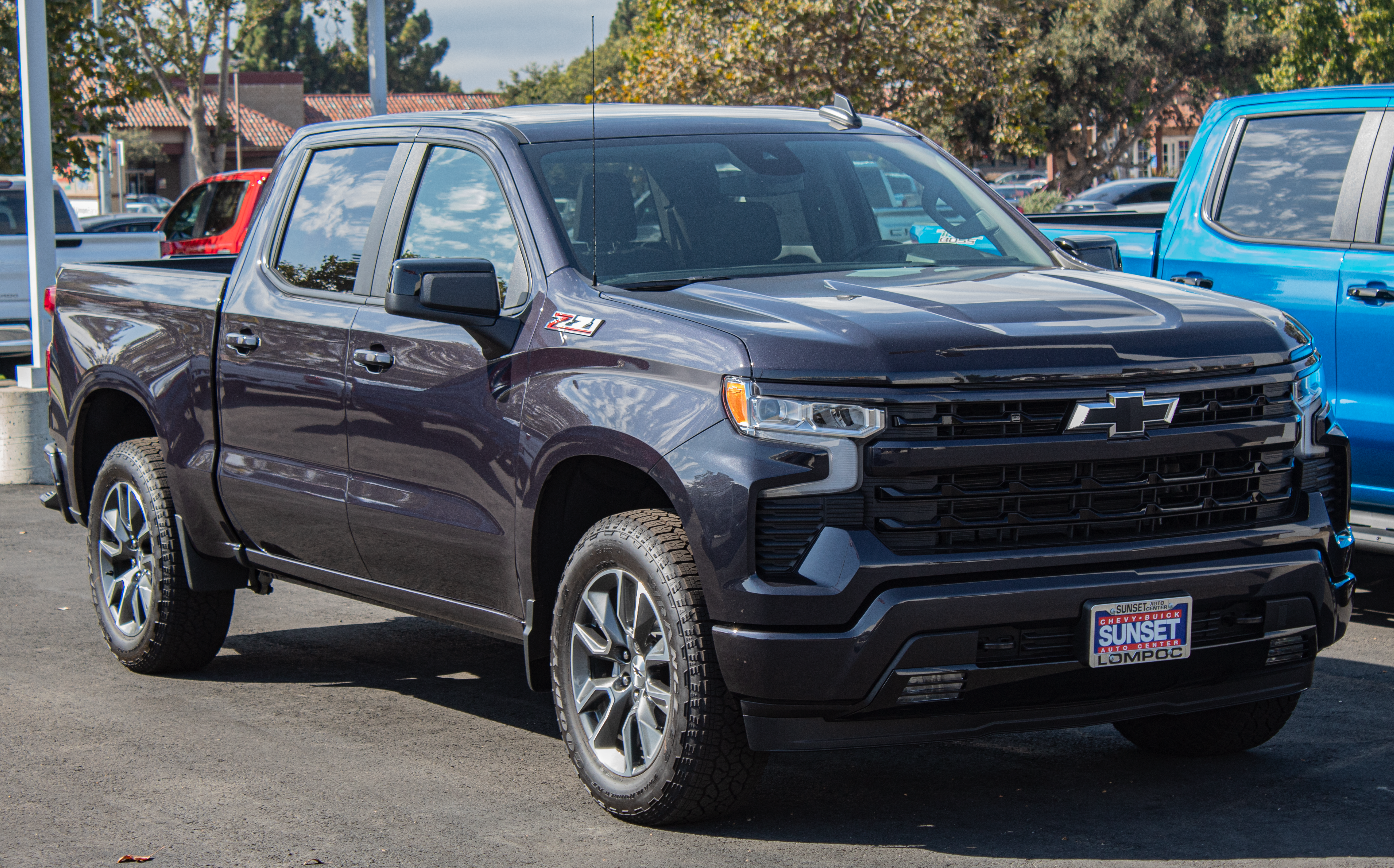
"Yeah, especially like the big, you know, GM Silverado types. Yeah, exactly. That's going to"
The Silverado is a big truck made by Chevrolet. It's popular for carrying heavy loads and is often used for work or towing.
The Chevrolet Silverado is a full-size pickup truck known for its capability, durability, and range of configurations. It competes with other trucks in the market and has a strong reputation among consumers.
"So Rivian, Rivian announced that the delivered. Where's the delivery numbers It produced 10,700 vehicles during Q3 and it delivered 13,201, which was just over the"
Rivian is a company that makes electric vehicles, like trucks and SUVs. They are known for their focus on outdoor adventures and environmentally friendly technology.
Rivian is an American electric vehicle manufacturer known for its all-electric trucks and SUVs, particularly the R1T pickup and R1S SUV. The company focuses on adventure-oriented vehicles and has gained attention for its innovative technology and sustainability efforts.
"We have some numbers from Honda. The prologue is still doing quite well in North America"
The Honda Prologue is a new electric SUV that Honda is making. It’s important because it shows that Honda is starting to make more electric cars, which are better for the environment.
The Honda Prologue is an upcoming electric SUV that marks Honda's entry into the electric vehicle market. It is significant as part of Honda's strategy to expand its electric offerings and compete in the growing EV segment.
"...I mean, they're both Chevy Blazer as that air blazer is with with carplay..."
The Chevrolet Blazer is a type of SUV made by Chevy. It's known for being stylish and having features that help you connect your phone to the car's system.
The Chevrolet Blazer is a mid-size SUV that has been popular for its sporty design and versatility. It offers features like Apple CarPlay for enhanced connectivity.
"...But we want to carplay. So that's the same thing."
CarPlay is a feature that lets you connect your iPhone to your car, so you can use apps like maps and music directly on the car's screen.
CarPlay is a smart device integration system developed by Apple that allows users to connect their iPhones to their car's infotainment system for navigation, music, and communication.
"Oh, we have some Cadillac numbers with the OPTIQ the Q three seven thousand"
The Cadillac Optiq is a new electric car from Cadillac that focuses on luxury and high-tech features. It’s important because it shows how Cadillac is moving towards making more electric cars.
The Cadillac Optiq is a new electric vehicle that aims to blend luxury with advanced electric technology. It is significant as part of Cadillac's push towards electrification and represents the brand's commitment to innovation in the automotive industry.
"So how closely does it compare to the Equinox? This is probably going to"
The Chevrolet Equinox is a type of car called an SUV, which means it’s bigger than a regular car and can hold more people and stuff. It's popular because it's comfortable to drive and has a lot of space inside, making it a good choice for families.
The Chevrolet Equinox is a compact SUV that has gained popularity for its spacious interior, comfortable ride, and fuel efficiency. It is significant in the market as a family-friendly vehicle that competes with other compact SUVs, making it a common choice for buyers looking for versatility and practicality.
"...Ford has been heavily investing in the last few years in making a new cheap electric vehicle platform inspired by Chinese EV automakers."
An electric vehicle platform is the base that electric cars are built on. It includes important parts like the battery and motor, and helps make the car work better and cheaper to produce.
An electric vehicle platform is the underlying structure and technology that supports electric vehicles, including the battery, electric motor, and other components. It is designed to optimize performance, efficiency, and production costs for electric vehicles.
"...that's going to be enabled by LFP battery cells that they plan to make with the..."
LFP battery cells are a kind of battery used in electric cars. They are known for being safe and lasting a long time, making them a popular choice for manufacturers.
LFP stands for Lithium Iron Phosphate, a type of battery chemistry known for its safety, thermal stability, and long cycle life. These batteries are increasingly used in electric vehicles due to their lower cost and environmental impact compared to other lithium-ion chemistries.
"I was thinking more like El Camino or something."
The Chevrolet El Camino is a vehicle that looks like a car in the front but has a truck bed in the back. It's a mix between a car and a pickup truck, making it useful for carrying things while still being comfortable to drive.
The Chevrolet El Camino is a unique vehicle that combines the features of a car and a pickup truck, often referred to as a 'car-truck'. It was produced from 1959 to 1987 and is known for its versatility and distinctive styling.
"Yeah, I mean, imagine a maverick but like a little, you know, with less truckie and more station wagon. Yeah, I was I was driving the other day on the highway and I caught up to a maverick in my model three..."
The Ford Maverick is a small truck that is easy to drive and park, making it great for city living. It's designed to be practical and fuel-efficient.
The Ford Maverick is a compact pickup truck that was reintroduced in 2021, designed for urban use with a focus on efficiency and practicality.
"which includes basically nothing except the Hummer EV. Um, did you think?"
The GMC Hummer EV is a new electric truck that looks like the old Hummer but runs on electricity instead of gas. It's important because it shows that big, tough vehicles can also be environmentally friendly.
The GMC Hummer EV is an all-electric version of the iconic Hummer, known for its rugged design and off-road capabilities. It represents a significant shift towards electric vehicles in the truck segment, combining sustainability with the traditional Hummer's bold aesthetics and performance.
"with the with the Cadillac Escalade. Yeah, I barely ever needed to charge it."
The Cadillac Escalade is a large, fancy SUV that is very comfortable and has a lot of high-tech features. People talk about it because it’s seen as a luxury vehicle, often driven by those who want a stylish and spacious ride.
The Cadillac Escalade is a full-size luxury SUV known for its opulence, advanced technology, and powerful performance. It is often discussed for its status as a symbol of luxury and its role in the premium SUV market, appealing to those seeking a high-end driving experience.
"All right. Ford should use the F 100 name plate for this first vehicle."
The Ford F 100 is an older model of a pickup truck that many people loved for its strength and usefulness. It’s part of a famous line of trucks that Ford makes, and it’s remembered fondly by truck enthusiasts.
The Ford F 100 is a classic pickup truck that was produced from the 1950s to the 1980s, known for its durability and versatility. It holds a significant place in automotive history as part of Ford's F-Series, which has been one of the best-selling vehicle lines in the United States.
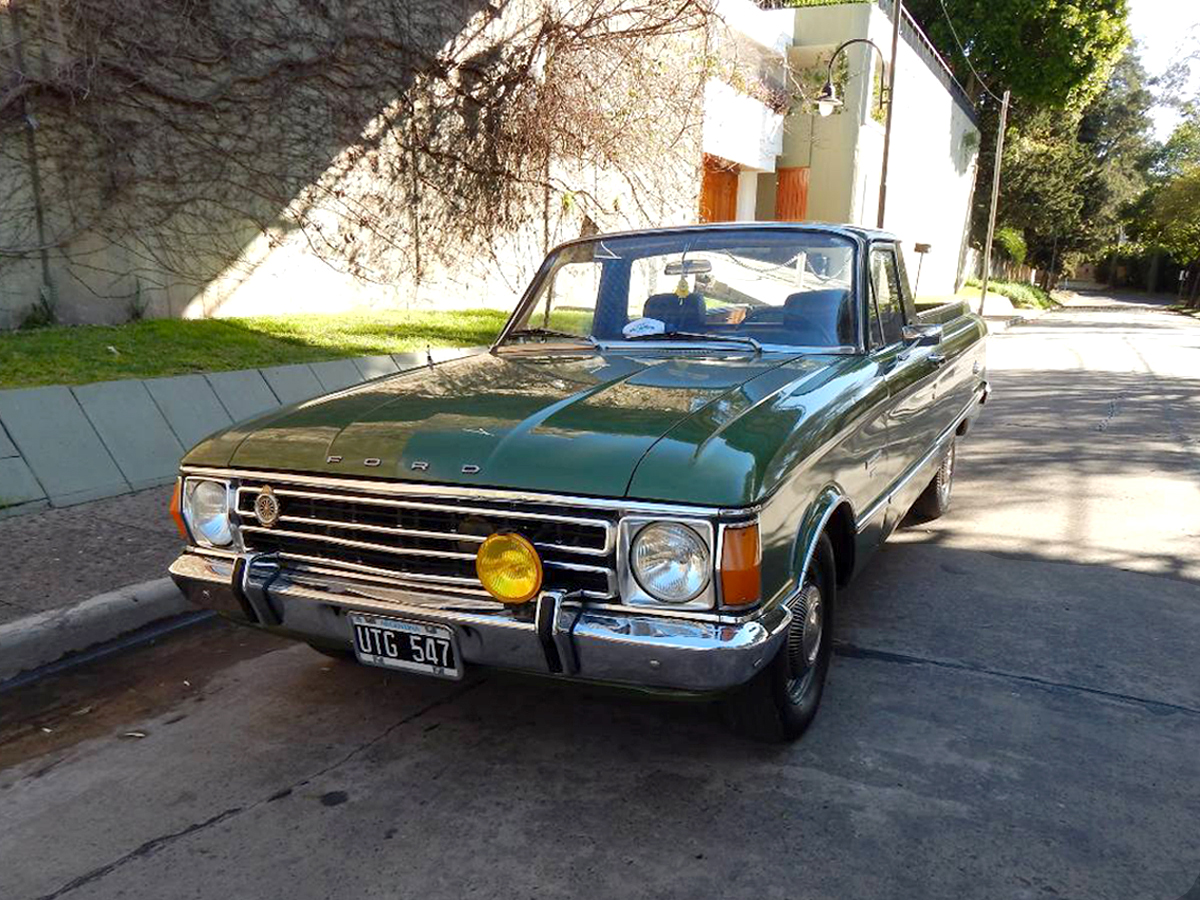
"...s that GM can be working on. All right, Carl says Ranchero is a ute. Okay."
The Ford Ranchero is a special kind of vehicle that looks like a car in the front but has a truck bed in the back. It’s popular because it can carry things like a truck but is also comfortable to drive like a regular car.
The Ford Ranchero is a unique vehicle that combines features of a car and a pickup truck, known as a 'ute' or utility vehicle. Produced from the 1950s to the 1970s, it is significant for its innovative design and appeal to buyers looking for both passenger comfort and cargo capability.
Select text to request an explanation
We are live on the episode of the Electric Podcast. I am Fred Lambert, your host, and as
usual, I'm joined by the publisher extraordinaire, Seth Wintra. How are you doing this week, Seth?
I'm good.
All right. I hope you are, because we are playing news. A lot of tests and news this week, but
a lot of good testing news. The stock doesn't reflect it, but good testing news to
the degree. Probably on some of the last good tests, we're going to get for a little bit,
because the US market is going to get tough, and we're going to talk about that, about
the messy US heavy market that's starting this week, basically, as a Q4. We have also
the Rivian delivery numbers. We have the Supercharger V4s. We have, I would talk
about the new Chevy Bolt that we get to see a little bit ahead of the unveiling next
week. Ford gives us a little bit more details about the next-gen $30,000 supposedly pickup
truck, though we're going to have a little bit more to say about that later.
Let's start with the test of delivery numbers. Still the biggest EV makers in North America,
second biggest in the world after BYD, a very important company still, and just
got a new quarterly delivery record with 497,000 deliveries in Q3. We anticipated
that this would return to growth in Q3 after a few quarters of being down quite
severely, about 13% in the first half of the year deliveries, but with the end
of the tax credit in the US, then being pulled forward into Q3, it was going to
be a good quarter. Now, it is a beat. It is more than anyone expected, but the entire
estimate situation was very confusing. So technically, that's a release. It's usual
company Compile Analyst consensus at 443,000 units, but that was very wrong
and no one expected that. A lot of these analysts hadn't updated their estimates
for months. So they were completely inaccurate. If my own Analyst consensus
Compile consensus estimate of delivery estimates, most of them were between
460,000 and 490,000, with some of the more accurate ones being closer to
480,000. Now, Tesla announced 497,000. So it's still a beat on that, but not
as crazy as the beat as Tesla insulated with their own company Compile Analyst
consensus. So production was as far as 47,000 versus 497,000 deliveries. So
basically Tesla delivered an extra 50,000 units, which it badly needed to
because that's basically what it had in inventory just for the first half of
the year. So now Tesla has managed to lower its inventory back to the same
level as the beginning of the year, which is a big deal. Still Model 3 Model Y
dominating deliveries by a wide margin, basically just 16,000 deliveries
between Model SX and the Cybertruck. So the Cybertruck is still basically
a 5,000 units, a quarter vehicle program. Energy storage, also a big
upswing at 12.5 gigawatt hour deployed during Q3 2025 compared to 6.9 in Q3 of
last year. So that's almost doubling the capacity in just a year. So that's
great news, but obviously this great news needs to be put in the context of
why Tesla is getting a big boost. Most of the boost is coming from the
U.S. coming from that demanding pull forward. So Q4 is most likely they're not
going to be a lot harder. In short, Tesla, like a lot of other automakers in
the U.S., I think Q4 is going to have to make a choice between revenue,
delivery volumes and earnings because technically you could keep things
going just by reducing prices. And we already seeing a lot of that, which
is why we say that the U.S. A V market is getting is getting messy right now is
that you have a lot of automakers that say that they are extending the tax
credit. So the way that they are doing that is like, obviously there's no
tax credit anymore. It's like some of some people can still get it if they
locked in an order with a binding contract with a deposit before the
end of the quarter. We talked about that extensively. A lot of automakers,
including Tesla, promoted that quite a bit. However, for anyone that didn't do
that in Q3, and they are looking to buy a car in Q4, there's other incentive in
place, which are mostly automakers saying that they are extending the tax
credit, whether they are compensating the owner at the purchase price right
away, or they are applying it the same advantage that they would put on the
lease, for example, because most people in North America leases their EVs, they
would keep the same down payment and monthly premiums as they would if the
tax credit that the automaker gets normally was getting when someone would
lease a car, they would just pass that along. So they would absorb the
$7500 difference. You're seeing a lot of that. We're going to talk about some
of them later on. Tesla has not done that just yet. They actually have passed
on the cost of their leases to the buyers, to the leases, and they haven't
changed their prices, their straight up prices for financing and cash
purchase. I would expect some things going on in the coming weeks,
because right now, Tesla is probably enjoying the fact that they locked in a
bunch of orders in Q3 with the tax credit. So they're going to deliver that in
the coming weeks. But I would doubt that they have more than a few weeks worth
of order for that. And then it's going to be back to trying to find
ways to get people to order lighter cars. All right, moving on from
that, we had the new affordable strip down Malawi that was spotted for the
first time on camouflage, or mostly on camouflage. So you see here, cheaper
or cheaper looking, I should say, aerial wheels. The front light bar has
been replaced with just the headlights. The glass roof looks like it can look
like a glass roof on top, but there's no glass roof anymore. Here is it in real
life rather than rendering. So does it look bad from the outside? Looks maybe a
little bit more like bubble-like in the front than without the light bar?
It kind of looks a little bit more like the Model 3. At least in the
front. So it looks like a light bar in the back, but I think they're
no light bar either. I'm not 100% sure on that. And what do we know about
SPACs and what do we think about SPACs here? So there was a leak this week that
claimed that Tesla had some more. We already talked last week about some
of the features that's been removed, like the textile seats now, a lot of
cheaper material in the inside, remove all of the some of the ambient
lighting, the rear passenger screen, a lot of that has been removed. But in
third, the biggest unknown really at this point is going to be the range and
sorry, and the price. Now the leak this week was supposedly within this
Tesla's configurator firmware, which if true would point to Tesla
launching this vehicle very soon, including the fact that it was spot on
the road mostly on camouflage. And that would make sense honestly, because I
expected Tesla to be waiting for Q4 to launch that vehicle because Q3 was
going to be no diamond issues that was clear. So Q4, a lot more diamond
issues, a cheaper vehicle, obviously making all that sense. Now the leak
was talking about a 40,000 based on the configurator, $40,000 starting
price, which I think is too high. I mean, it might be it might be through like
they just quickly removed it. But we've seen sometimes they're so just
throwing placeholder numbers on that configurator update. So it's not
confirmed. If it is 40,000, I think I don't think it's going to sell very
well. I don't think it's going to be similar to the situation we've
seen with the Cybertruck when Tesla launched that stripped down
rear wheel drive Cybertruck and for a $10,000 less than the already paying
48 or whatever. Yeah, you know, 45, you can get like a decent way more
decent version. So and then you have the equinox, like you can go with
equinox, you can go with the ionic five at that price. There's
other options that will have more features than this. It's going to
be less of a stripped down vehicle. I think Tesla needs to aim closer to
like 35, 30, 36, 37, 37 max. I think that's that that will start
making a bigger difference like when you're closer to $10,000
difference. You think it's possible that they do this on
purpose? So everybody's like, Oh, it's gonna be 40,000. And then
they come in with like 33 or 34 or something like that.
Yeah, it's possible. But at the end of the day, I think I think
this vehicle will mostly cannibalize this as well as Y cells. So
that that's the main thing here. So I don't I think so every
kind of every thousand dollars or so that they can move it will
make a difference between like, just how much more demand you
can have versus how much more we're just like cutting into our
own margins by stealing cells from a little bit more
profitable version. So it I don't think I think the bigger
impact would be, for example, in China, I think in China, that's
going to be a bigger impact from that. But even then, not as
big as I think some of the Tesla shareholders would hope
because the competition in that price range is huge in China.
Speaking of with the Tesla numbers. Tesla was still down 8%
roughly 8% in Q4 in China in deliveries. So you know, the US
market is really what's driving Tesla right now. Europe is down
though a little bit less on Q3 than in previous quarters. So
that's good on that. But still down. And Tesla the downfall
in China is accelerating. So I think this new model is going
to slow things down in Q4. Also the model YL being available
a little bit longer. You know, there was just like four weeks I
think of deliveries in Q3 for the model YL. That's going to
help Tesla a little bit. But the competition is so ferocious in
China, it's going to be super hard. It's really
interesting, like the Chinese EVs, like you look at them,
you know, China is the most competitive market by far, then
you go to Europe, which is the second most competitive market
because there are some Chinese vehicles available there and the
half tariff zone. So it balance things out a little bit. But
it's the second most competitive market. And Tesla is doing
poorly there. And then North America is the least competitive
market by far thanks to 100% tariffs on Chinese EVs. And just
you know, American automakers being less inclined towards
electric vehicles in general, in average, let's say. And that's
where Tesla is doing the best. So let's just send a message to
the market. Clear message. This week, Tesla also launched
the model Y performance in the US literally hours before the
end of the tax credit. And Tesla said that the tax
that applied on it. So we already knew pretty much
everything about the model Y performance from the European
launch last month. The price was the amazing link here. And
it's 57500. But like I said, when Tesla launched it, they said
that the tax credit will apply. So I think what happened here
is that Tesla tried to take as much advantage as possible as
boost the Q4 numbers a little bit to get people to rush to
order the performance model Y with an order in a binding
deposit, number fundamental deposit, which is what Tesla
has right now. It could technically qualify for the
tax credit. So Tesla probably got a few, I would assume a few
thousand orders from that, which managed to get a few
millions dollars from the federal government again. So
that's, that was the move here. That was a very smart
move. Tesla is pretty good optimizing for instance. Let's
be honest. But then we got we learned a tiny little bit of
information that's pretty interesting about the model Y
after right after the launch, this the confirm that for the
performance version, it does support bad directional
charging. So that's, that's interesting news there. This
said that vehicle to load is right now available through
adapters. So this the launch this little adapter outlet
thing earlier this year for the Cybertruck. Now it sounds
like it's going to be available going to work also for
the model Y performance only. And then with software updates
later on in Q4 currently, vehicle to home and more vehicle
to load capabilities are going to be unlocked. So we're
going to be waiting for that. But that's interesting. Now
again, we knew that Tesla bi-directional charging has
been possible on Tesla vehicle for quite some times
basically for every vehicle that has like the CCS protocol
capabilities. Just in August, I went to my friend, Sylvain, we
has the SIG Energy bi-directional charger. And I was able to
discharge from Tesla model Y 2023. So even before the
refresh. So the onboard charger is capable of bi-directional
charging is just that Tesla is not making it easy to to
access it to per party system.
And you were able to get 10 kilowatts out of that?
Yeah, yeah, basically the full onboard charging capacity
almost. So
So it can go both ways 10 kilowatts?
Yeah, it didn't go long though it it because the protocol is
just like it detects it does the end shake and it works but
probably like the Tesla system is like what's happening why you're
discharging so after like maybe two or three minutes, it
was like, nah, it doesn't work. But the capability is 100%
there like it works. We did get some energy out of it 10
kilowatts for, you know, a few minutes. And depending on the
vehicle, like it works very well, like you have like the Ford
vehicle work great. We tried the the the Daytona charger it
worked great. So with that system, most vehicles actually
work pretty well. Tesla is just, you know, making it a
little bit more difficult because they want to sell their
power sure system a lot like GM actually GM also does makes it
a little bit more difficult.
Yeah, proprietary doesn't seem like the way to go in this case.
Nah, you have to you have to make it like just the regular
standard protocol. Yeah, yeah, it exists in 2022. It's pretty
easy to dop like just do it. I know that some automakers are
like, yeah, we're like, how does it work with their
warranty now because our warranty is mileage based and
everything is like, you have to update that you have to do
it like, with a cycle with a mix of discharging and
mileage is not that complicated. Still on the Tesla
charging front, we have the launch of the first v4
supercharger station with 500 kilowatt capacity this week.
So that's big news. And it's a bit confusing for other
people because technically v4 superchargers Tesla has
announced like deploying them for for a few years, not
this point. But it was a confusing rollout because
while the v4 post the charging stall has been
installed and launched for years. The main difference
with that stall was just a longer charging cable. Some of
them had the credit card payment system and everything
but the charging cable was the really the biggest change.
It's much longer, which is a lot easier for non Tesla
vehicles that have the charging connector that's
charging port being located at different locations than
that on the Tesla vehicle. But at the time with v4
Tesla has announced that it would be a 500 kilowatt
system. And that wasn't the case because for for the
higher power output, you needed the cabinet. So the
the way that the picture here, so that that's a
charging post the v4 charging post, but that's not
where the power comes from. The powers come from
the cabinet, which is here it's installed a little
bit further out than the post. So that's where
you have all the different chargers linked together
that takes the AC power and converts it to DC
to send it to the post and through your your car
battery system. Did I see that you have the Elon
tweet where he said, what are you referring to a
toy? Yeah. So so finally, like this is what almost
10 years later, almost almost 10 years in 2016
when Tesla started talking about the v3 super
chargers that was deploying v2 at the time. So v1
I think lasted less than a year or a year or
something. Tesla quickly went to v2 v2 was 150
kilowatts and everything. And then v3 was started
to be talked about in 2016 to be launched in
2017. And then I casually asked you on what are
you aiming for in terms of power output for v3?
And I mentioned 350 kilowatts because some other
companies were starting to deploy 350 kilowatts
at the time. I think charge point was the
first one to do so and everything. And Elon
sensor was a mere 350 kilowatts. Whether you
referring to a children's toy. So this this makes
it clear. All right, v3 is going to be a lot
more than 350. And then it wasn't v3 was was
capped at 250 for the longest time, a good 100
kilowatts below. And and then v4 when v4
station like v4 with v3 cabinets came out just
earlier this year to slow boost the capacity
to 350 kilowatts for or three. No, sorry, 325
kilowatts that they boosted it. Again, just
so so the the thing to get into the context
is important here is like Tesla is limitation or
at the core level. So a lot why the other
operator went with higher peak charging
capacity is because a lot of non Tesla vehicles
are capable of over 250 kilowatts charging, 400
kilowatt charging we've seen with some vehicles. So
they had to deploy the capacity. Tesla had
nothing. Then they had a Cybertruck with the
said was able to do 500 kilowatt charge. At
one point they said it was able to do one
megawatt charging. We've never seen that. But
you know, 500 kilowatt then after that. But
the Tesla didn't have anything to to do it
didn't have the chargers to do it. So v4
was supposed to be that. And this week in
Redwood City, California, Tesla deployed the
first full before supercharger stall and
cabinet. And they showed the
Cybertruck charging at 500 kilowatts. It was
literally at zero miles. It had a completely
completely depleted battery pack. And it
was able to charge at 500 kilowatts. That's
that's awesome. That's very impressive. It
now says a 35 minutes zero to 80% charge. So
that's that's really good. Probably means
there's something like a I guess like a 30
minutes 10 to 80 because zero to 80 is not
really a useful metric because you will
really, you know, ideally you're not that
zero percent. Yeah, it's not good. But yeah,
I read the station. So yeah, it's not the
idea. But we need to see a full obviously
charging session. But you know, 30 minutes
10 to 80 is excellent. It's very good. And
and now it's going to be mostly useful for
non Tesla EVs that did the supercharger
before because most of us, all other
Tesla vehicles are going to be capped at
250. And
and the Cybertruck is, you know, there's
not that many Cybertrucks out there. So
it's mainly good news for non Tesla
EV owners for now. Yeah, especially
like the big, you know, GM Silverado
types. Yeah, exactly. That's going to
be very useful for them. We'll
see though with the adapters, though, how
does it work exactly in term of cap
capacity, but with the new Nax version
coming out next year. And so that's, I
think that's going to be that Tesla is
going to be like, I think this is best
product right now. And going forward
is going to be a supercharger network.
Like Tesla is going to be a big, you
know, seller of electricity in North
America. I think that's going to be
you know, we're seeing, we're seeing
the EV cells going down. Well, not
this quarter. Again, the last quarter,
I should say, but in the future, I
think it's going to keep going. But
Tesla keeps delivering a ton of energy
to a supercharger network. They have
their make up their energy storage
products are doing very well. And
the next news is Tesla is reviving
its solar business of all things.
So for the people that haven't been
following, we've reported on that
extensively. But you know, this
is our, I want to give an important
context here, because Tesla acquired
its solar business through Solar
City, which was a controversial move
because, you know, the company was
failing and Elon, the home was the
biggest shareholder in the company.
His families were in charge, like
his cousins were in charge of the
companies, his cousins were really
invested in the company. And, you
know, it was failing as a company
and Tesla bought it overpriced
a lot of people think, and Tesla
shareholders sued Elon and Tesla
over that. And, and in 2024, the
lawsuits with them, okay, later the
lawsuit was resolved. And, and Elon
won. And Elon won on the main point
one point, like many everything is
like, his argument was the
acquisition of solar city was
critical to Tesla because solar is
critical to Tesla's mission. And,
and sure enough, you know, Tesla
continued to deploy solar after
the acquisition of solar city, just
they just integrated solar city
steam and continue to deploy
solar and there was a solar roof,
which was, you know, a flop.
Unfortunately, it didn't work out
like it was supposed to. But
still, there was, there was the
integration of residential solar
with Powerwall, which had, you
know, some success of what over
time, Tesla's solar deployment
kept going down. And Tesla
mostly sell Powerwalls through
other installers that install
other system and not this is on
solar installations. And that
kept going for a while. Still
Tesla did a few things like the
revamped the solar leasing. So
solar city was a solar installer,
but was also mainly a financial
company that was, you know,
finding financial products to
basically offset the upfront cost of
installing solar. And one of
them was what people call
solar leasing, which Tesla later
rebranded as solar subscription
or solar rental, where basically
Tesla owns the system on the
customer's home, they installed it
for free or with a small down
payment. And but they own
these solar panels on your roof
and then sell you monthly the
electricity that comes out of it
at the lower rate than your
local electricity from the grid.
So it's a way basically to
reduce your electricity bill
without or with very little
upfront costs. And then at the
end of the contract, Tesla, you
know, uninstall them or and, you
know, fix your roof. And that's
it, basically. So that that
Tesla launched that in 2019, but
then killed it in 2021. And as
we reported electric, the Tesla
went basically mostly with
third party installers started
winding down their own solar
installation other than solar
roof. And that too, also
later on, and power was
installation, basically. And then
in 2024, right after Elon
Winslow's lawsuit that claimed
that solar is a very important
part of Tesla. So that justified
the solar city acquisition and
the price they paid for. Tesla
sees reporting its quarterly
solar deployment all together.
They're like, yeah, solar is
like none part of the business
anymore that. So I think
that's important context, because
you know, I think I think
it's it's I think it's clear
why Tesla bought solar city
and what happened next is
clearly straightforward. But
now out of nowhere, this
revived the solar business with
launching a new solar leasing
program, very similar to the
last one. So if it's solar
plus powerwall, you can also have
powerwall only. It's a 25 year
contract, which is pretty
crazy. 3% escalation of price.
So it price goes up with time.
So you're not completely out of
inflation of the higher cost
electricity. However, if you
look at the grid cost of what
you see in the US right now, it's
high rocketing a lot faster than
3%. And some people anticipate
that it's going to accelerate
even more with AI, the
demand for electricity that
comes from AI. There's a $600
upfront cost. So taking me for
$600, you can have
solar on your home. And then
after that, you just pay
Tesla for the electricity that
sells you every month, which
is going to be cheaper in most
cases, then the electricity
get from the grid. And then at
the end of the contract is to
remove the system, there's a
removal cost, removal cost
applied. That wasn't the case
before. But that's that's a
lot of good deal. And if you
have to pay to remove it at
25 years, that's
yeah, like the upfront
cost like here, here, I put
I put a system on it here
with like $300 a month.
Electricity cost Tesla came in
at $198. So you would save
like $100 a month. So within
a few months, technically, you
would start literally saving
money because after the $600
installation cost at the
beginning, you would start
saving money within six
months. And you know, this
says $86,000 of electricity
fixing over 25 years, like,
okay, potentially, I will
need to look into the exact
like cost of electricity that
they assume that was in
California too, by the way.
So you can still buy the system
on the right to that's still
available. So that's with one
Powerwall 9.8 kilowatts of
solar for basically $27,000.
Is it discounts being plowed?
Not sure why. But
yeah, that's the system is
$37,000 and you pay
$198 a month. But that's for
the electricity for the system.
It's like normally buying the
system out right away and
financing it that if you can get
low interest rates, you it's
going to be more valuable for
you because then it's added to
the value of the house.
Panels can last longer than
the RRNT too. You can still
get some decent power out of
it after the fact Tesla is the
one that owns the panels after
the fact. So the the
advantage of that. So there
is a it's an option.
But no, I think I think
there's all plenty of other
options out there. The most
interesting question I think
is like, why is Tesla
coming back now? And a bit
to what we were talking about
earlier with Tesla is being
very savvy about taking
advantage of the incentives
for electric vehicles. I think
it's the same thing. So Tesla
saw the big boost in these
cells that they got in Q3
with the end of the tax
credit. And the solar
incentives are also being
phased out over the next
year. A bunch of different
incentives are going away.
So Tesla is like, oh,
probably is going to be a big
boost and solar from that
might as well take advantage
of that also. And with the
solar leasing, it's Tesla
getting advantage of that
because they own the system
that they deploy, they get
the credit from that. And then
it gives them a big boost
ahead of time. And then
after that, they just need to
maintain the system and sell
you the electricity over time.
So obviously, I think
Tesla is just trying to get
more incentive.
They seem to be so two
observations. One is
whenever they don't want to
like whenever something's in
bad shape, they start
stop reporting on it.
For instance, how many
cyber trucks do they sell
last quarter? No idea.
No, we have a pretty good
idea. But I mean, not from
Tesla. And also, it's
awful, right? Yeah.
Same here. And then the
other thing is like
when there's incentives to
be had.
That's a little show up.
Yeah.
Yeah, look, we are not
against incentives.
Like we we're not pro
incentive either.
We I don't like track our
position. I was always been
clear and used to be in on
some position back in the
day, too, is that
we are free market people.
But the free markets only
works if you account for
the external cost of things.
And when it comes to
air pollution, climate
change emissions, these
things are real. I said
a lot about you, but it's
25 Celsius this weekend
in October in Quebec.
That's like, I don't know,
it's like it's over 70, like
or over 80 Fahrenheit.
It makes no sense.
This is this is very real
and it's happening.
And then there's a giant cost
of that on the population, on
humanity. So it makes sense
that if you're releasing
polluting products, you would
have to compensate for
that. And a carbon tax
is the only way we know to do it,
but it's super hard to implement
politically and to
especially make one that makes
sense for actually accounts
for the cost.
So meanwhile, if we cannot do
that, then the second best
thing is those incentives.
But those incentives
are often more than not
like just been taken advantage
of. So it's whoever is
like the best at taking it
out of the tension of that is
going to succeed. And Tesla is
incredible at it.
Let's be honest.
All right, moving on, we have
some Rivian
numbers. Oh, by the way, we have
like five or five more news
articles that we're going to
discuss. And then we're going to
jump into the comments section.
So if you have questions for
us, you can put them in the
comments section right now
where they're on your YouTube
on X on LinkedIn
on Facebook, we're live
everywhere. You can put your
comments with your questions
about any of the topics we're
discussing. Do they are any
tougher topics in the
EV renewable energy world that
you want to take on and we're
going to get to it in about
10 minutes, 15 minutes.
So Rivian, Rivian announced
that the
delivered.
Where's the delivery numbers
here?
It produced 10,700 vehicles
during Q3
and it delivered 13,201,
which was just over the
expectation of 13,000.
Basically, they needed by 200
something vehicles.
And it basically narrowed the
range now, which is just Q4
left that they think is going to
deliver 41,500
to 43,500 vehicles
in Q in 2025
as a whole.
Which is down from 2024,
by the way. But we expected
that there's a big there's
been a lot of changes at the
production level
at at Rivian right now
because we're waiting for this
thing here that's being
set up at a normal
in Illinois for the factory to
production next year.
We're talking about the R2,
obviously, coming in the first
half of 2026.
So the lot of focus is on that
right now.
And I think Rivian is one of the
other one that are,
you know, putting discounts now
that the tax
rate at Q3 is gone.
I think they are reducing the EPR
the interest rates on their
financing by a few percentage
points. So they're already the
discounts coming in with Rivian
couple of things that
you know, the typical Rivian
currently are one buyer is
maybe a lot.
A lot of them are outside of the
$7,500 tax credit
range already.
But also it's interesting to
note that the stock didn't
go up too much with
the expectations on numbers
because every Rivian
they sell, they're losing
money on right now.
Like you kind of want to see
Rivian say, hey, it
costs us the same amount to
build one as it costs.
That would be that would be the
kind of news that would shoot
Rivian right up.
Yeah. But even then, like none
of that at this point would have
a big impact because I think
at this point, all eyes on
are on the next generation.
The R2 and everything is that's
that's where they actually have
a good shot at achieving the
volumes where profitability
comes into play.
Yep.
We have some numbers from Honda.
The prologue is still doing
quite well in North America
and the US.
So.
They deliver the record
or four thousand five hundred in
September alone.
Now they had thirty six thousand
five hundred fifty three.
So they already outpays the
twenty twenty four number with a
full quarter left.
Obviously, quarter is expected to
be a lot tougher.
But still.
It's a good news for for
Honda with the prologue.
But on the is also waiting
for their next gen vehicles
there with the accuracy.
Did they come this accuracy
action? No.
Is it the RTX or the CDX?
What which one is like?
I mean, they're both Chevy
Blazer as that air blazer
is with with carplay.
You know, it's not returning
next year to.
It's it's interesting because
like if you talk to a lot of
the owners of these vehicles,
they're like, yeah, we were
going to buy a blazer.
But we want to carplay.
So that's the same thing.
It's the only reason.
Yeah, the cars are extremely
similar otherwise.
And for the prologue, it's the
equinox that is equivalent.
And now we have some numbers
with equinox.
Gem is now the second best
selling aviota makers
behind Tesla in the US.
They sold.
Sixty six thousand five hundred
EVs last quarter.
Now they are at one hundred
forty four thousand six hundred
sixty eight.
No, this is double over
last year, same period last
year. It's it's crazy
because it's really it's really
a bummer that the tax
rate is going away right now
because GM is really
was really getting into its
groove. It felt like this year
like we've bolts come in
with the bolt coming also
and a hundred and like
almost one hundred and fifty
thousand. They could I got two
hundred thousand almost around
that. Maybe probably we have
over two hundred thousand EVs
in twenty twenty five
if they could so over a hundred
percent more than doubling
year over year.
I mean, they're not about to
catch Tesla by any means, but
you know, they're a third of
the way there.
Yeah, it's real volumes.
Like I remember just a few
years ago, like, you know,
twenty thousand like forty
thousand for a year at GM
was was huge for the BVs.
Like now we're like deep
in the six and then the six
digits and it was
real momentum on top of it.
You know, Cadillac having a
full full lineup now
like Chevy having a great
lineup, you know, they
have a bunch of pickup
trucks like the things were
going well and now it's
going to slow everything down
a bit.
Do we have like some specific
models here that were the
Equinox?
Twenty five thousand Equinox
last quarter. It's pretty
good.
Almost fifty three thousand
in the first nine months
of the year.
And we don't have the other
numbers here.
Oh, we have some Cadillac
numbers with the OPTIQ
the Q three seven thousand
three hundred lyrics four hundred
and eighty four thousand eight
hundred optics and just short
of four thousand vistic.
Yeah, those are selling very well.
Yeah, Calix is going to be a
majority EV car maker
next year.
Yeah.
Well, we'll see.
We'll see.
We'll see how the market holds up.
And then they have the bolt
coming.
And it was spotted at
just a supercharger in L.A.
last week earlier this week.
There you go.
It's giving EUV vibes.
You have an export.
So that's good.
Interesting.
You're the resident.
Yeah, I wish they made the EV
like they should like
nobody has a good hatchback.
EV, there's a million.
You know, small SUV EVs,
but you know, GM's got the number
like they have the sheets of what
sells and what doesn't.
So I guess they said.
Although if I look around,
I mean, the EV sold for many more
years than the EUV did.
But I see way more
EVs around than the EUVs.
So I don't know.
This here gives me giving me some
bolt vibes, though, the EV vibes.
Yeah.
So, you know, it's the higher back
here like so a little bit more EUV,
but.
Yeah.
The pricing is going to be a big one
with this one like we need to see
how the how they're going to price
that and spec it to
like we want we need to see the
range and everything. But how is
it going to compare to the Equinox?
Because like you said, now they
went with, you know, a little bit
more crossover SUV format.
So how closely does it compare to
the Equinox?
This is probably going to
analyze some of those cells.
And then we have some new comments
from Ford CEO Jim Farley
on the highly anticipated.
Next Gen pickup truck,
though now it sounds like it might
not be exactly a pickup truck,
the first vehicle on the next
gen platform. So Ford has been
heavily investing in the last few
years in making a new
cheap electric vehicle platform
inspired by Chinese EV automakers.
They build the whole theme around
this.
Hire a ton of tech people.
I heard former Tesla people
like Darkfield, also from
Mahapal, executive
and they've been spending a lot of
money on this.
And now at
was the context of this
on the decoder podcast.
Doug Ford made a few new
comments. He said, well,
he radically reduced the cost of
the complexity of the vehicle.
We already knew that was the goal.
So
his Ford is returning to Henry Ford's
original concept of a universal car.
OK.
So that's he's slowly linking us
towards the fact that it might not
be a pickup truck.
According to the CEO said, the EV
pickup is really not a pickup
and said they will debut with a new
silhouette.
And that's just a story.
I don't think there were many more
comments. Oh, I said it's going to be
very fast.
It's a real drive, super fun
to drive and has a digital experience
that no one has seen even in China.
Not sure what do you mean by that?
A digital experience never seen
before.
We know that's going to be enabled
by LFP battery cells
that they plan to make with the
text from Seattle CETL
out of Michigan.
I don't know what to make of that.
It's not going to be a pickup truck.
I don't know. I'm thinking tello,
right?
Like the truck we talked about last
week. That's what I'm thinking about.
I was thinking more like El Camino
or something.
Wow, that'd be something.
Yeah, I mean, imagine a maverick
but like a little, you know,
with less truckie and more
station wagon.
Yeah, I was I was driving the other
day on the highway and I caught up
to a maverick in my model three
and passed by and I was like,
it's it's so low like it's
makes makes big difference.
Like it's it's still like you
have a decent sized bed.
You have a full cab in there,
but it's low to the ground.
Electric, it would probably be able
to tow like pretty good also.
A lot of torque.
Yeah, like something around
the maverick, I think would be.
Yeah, the maverick hybrid ones,
I think they get 50 or no,
40 something miles per gallon.
So there's it's not.
It's efficient.
Yeah, it's efficient.
Yeah, but the knowledge of powertrain
in there with, you know, some of the
latest LFP cells that are, you know,
as close like basically last
years and MC kind of energy
density they're at now.
So.
It's it's very, very possible,
I think to get something
$30,000 range that it would
it would make current impact.
Now, that that thing is still coming
not it's not coming next year.
I think it's going to be on bill
late next year and then 207.
When it enters production.
All right, let's look a little bit
at the comments here.
You have a good 1015 minutes.
All right, I snuck another post in there.
Oh, I missed it.
Hit refresh.
Is it is it your?
Yeah, it's a trail boss.
Oh, I guess I wasn't sure if
I want to talk about it this way
because of time.
We talked about it last week a little bit, right?
Yeah.
Yeah, well, I don't know.
I just well, you didn't you didn't have
like you were straight from the
the airport didn't have all your.
Well, I guess that's in place.
Just like as far as off
roading vehicles with 205
kilowatt hour batteries,
which includes basically nothing
except the Hummer EV.
Um, did you think?
Yeah, maybe not.
Anyway, I thought I didn't
and refreshed it, but it might not
be in the refresh yet.
Anyway, so not now it's there.
Silverado.
So it was nice to be brought us out
to San Diego and the mountains
just outside of the city.
And I was like, oh, wow,
this is going to be cool.
And unfortunately, like the experience
was just like, we're going to go
very slow over this next bump.
And, you know, we're going to
like there was a lead vehicle
and they were very, very, very
cautious about everything,
which is unfortunate because the
vehicle seemed like it could do a lot
more stuff.
And we went over some, you know,
very hilly, very, you know,
the back wheels up off the ground
stuff, which is fine.
But it just like, you know,
when you want to go off
roading, you kind of want to go
fast and have some fun.
I mean, this is an example
like not very fast, but like
you're getting wheels up off
the ground and stuff.
So I would say like pretty
steep hill, though.
Oh, that one. Yeah.
This was this was for sure part
of the more intricate stuff.
I guess maybe, you know,
a little spoiled by Rivian events
because, you know, those
events you're going all out,
you're going fast, you're doing,
you know, I mean,
last one I was on, they did the
tank turns or what a kick turns
now.
And this one was, you know,
it was fun.
Like it was certainly a great
venue, but like it would have
been nice if we could have just
gone like speed that we felt
safe at.
Anyway, that's that being said,
205 kilowatt hour battery puts
this all all GM trucks
in kind of a class of their own.
You can tow for much further.
You know, a lot more.
Just all those all those things
that are nice about the Silver
Autos and then the trail boss
version can go off road.
That's a two inch lift,
35 inch tires.
The interior has one option.
It's black with red trim,
very similar to the Blazer SS,
which is fine.
Like it's definitely an aesthetic
like if you're looking for,
you know, a white version or
whatever inside, maybe not.
So, yeah, I mean, overall,
it's a fantastic vehicle.
I really enjoy like riding around
in those things, even though
it seems like a guilty pleasure.
Supercruise is on there.
You can trailer with Supercruise,
which is, you know,
trailing with that thing is also
kind of insane because you forget
that you have a trailer,
which actually becomes a hazard
because like, you know,
you just cruise around
whatever feels like nothing.
Then all of a sudden you make
too sharp a turn and you're
running your trailer over
like a fire hydrant or something.
Mm hmm.
So, oh, and the other thing
that was nice is like on these
events, you hardly ever do
any charging, but they took us
to a Tesla supercharger
and this one doesn't have
a native Naxport, but, you know,
get out the old adapter,
throw it in.
And with an 86% state of charge,
this thing was charging
at 120 kilowatts, which is pretty good.
Until you think about it,
it's like two, two, two 100 watt
hour water packs.
And if if each one of those
is charging at 60 kilowatt,
that's kind of what you're seeing here.
So not quite as impressive
in that context, but.
Yeah, but you don't need to
stop and charge that often
when you have to do it
in five kilowatt batteries.
That was my experience
with the with the Cadillac
Escalade. Yeah, I barely ever
needed to charge it.
And if I, I would know
I was doing a road trip.
So, you know, it was getting
to one place to another.
And I didn't even I wasn't
the one planning all the
air beans and beans and stuff.
So normally I would plan
around like having charging
overnight, but I didn't in this case.
And so I had to charge
like twice basically over 10 days
of traveling in 1000 kilometers.
So it's a different
kind of with those batteries,
so like charging, like even on a,
you know, if you have a home
charger, 40 amp, you know, like
but 9.6 kilowatt charger,
that's going to take 20 hours
at least to charge.
Yeah, that was big battery packs
take forever to charge.
And on even fast charging,
it takes some serious time.
So, you know, for instance,
if you were at 100 kilowatt
charger, for instance,
it would take two hours
to fully charge that.
And that's not with the,
you know, the the wind down at the end.
So correct.
Yeah, it's no joke.
By the same time, there's
though, it's also like a big buffer on this.
This is other advantages.
Yeah. And, you know,
this also has a 10 kilowatt output.
So you're talking about having 200.
I mean, you have like what?
Five and power walls worth
of battery there.
So yeah, nice to have.
Absolutely.
All right, let's move to the comments.
William Pesano says,
I think Tesla did what GM and Ford did with lease deals
before the $7,500 ended.
Purchased the remaining stock of cars to lease out.
That sounds right.
What do you think?
That they purchased the remaining stock,
of course, to lease out.
So.
That they bought, they bought their,
their own inventory.
Yeah, somehow.
I mean, accounting wise,
you can just say, oh, yeah,
we bought all the cars
right before the $7,500 tax ended.
And we're going to distribute them
via lease as if,
you know, we're a leasing company.
In Q4, like after the, after the court?
Well, they, they did it theoretically
at the last day of Q3
so that they would get the $7,500 tax credit
and they can distribute them
through the third quarter, fourth quarter.
Maybe it's a possible thing.
Yep, you all did say they would have a good quarter.
To be fair, it was even better than,
like I was seeing like 480, 485.
There's a, there's a few.
Market that are harder to predict
that they're getting like decent size
like South Korea, for example.
So 497 was still better than I expected.
Right, William Bassano says
you can still lease in stock.
They currently have the poor GM
with the $7,500 probably for the next three months.
It's it'll be interesting to see if they do,
you know, they have these like
one payment leases
and basically they're just selling it to you.
And it, it's just accounting.
Carl says, I think the real question is
who are all these uninformed people buying Teslas
in the face of Elon's ex and Doge behavior?
It's baffling that people just don't know.
They're fueling problems.
Not everyone is political.
I think, I think that's something important
to keep in mind.
Carl, you sound like someone that's very political
but a lot of people, you just,
you don't care about any of that.
You just, you talk about to them
of all it is like, what are you talking about?
Yeah, and if you're going to go into the politics
of the leaders of other companies,
like I'm sure Mary Barra is not like a liberal, you know,
like I'm sure there's, there's some problems
with like Ford's founder, you know, like.
Yeah, with specific in the context of the time,
you had a lot of problems with Henry Ford.
Right. So, yeah.
William Pisano, there was a leak of 39, 999
for model Y base, but I will be honest,
the Tesla wants a new market share.
They need a price model Y three for 35 to 37
because you have a leaf bold equinox in that price range.
Yeah, I think we kind of talked about that.
Yeah, we touched that. It's a little bit too high,
but 35 made more sense.
In China, they are 30 K model Y three.
Tesla is losing money because of competition.
Europe has 17,180 miles range EV brand new.
I think those are Chinese.
All right, Marco question with incentive is in Croatia,
cheapest EV is BYD Dolphin surf starts at $16,000.
Crazy, but correct.
11,000 without 25% tax fees.
Without incentive is 23 K.
Would EV like that with price like that be popular in USA?
So, in the U.S., without incentive, it's 18,000.
So, in the U.S., we do before tax, it would be 18,000.
And I assume that he converted all those prices
to U.S., that's what I assume here.
Yeah, I mean, the Dolphin surf still gets
over 200 miles of range, I think,
like 180 to 100 miles of range, something like that.
I think it would be super popular city EV.
That makes sense.
At some point, I remember a time where like,
everyone was buying like Yaris and things like that,
like the Hyundai, when I was a kid,
like your first new car you would get as a young adult.
In your 20s, and before that,
you would get like a used car, of course,
but then it would be cars in that price range
that would cost like $15,000.
And the Dolphin surf is way better car than those
back in the days.
So yeah, I think it would be popular.
All right, moving on.
Carl, ChargePoint operation has been a losing business
for everyone except Tesla.
Is Tesla vertical production of superchargers
the reason they're profitable?
Or is it just a lying creative accounting?
No, I think, you know, no one is,
you get economies of scale with scale.
And no one is making more supercharger,
no one is making more charging station than Tesla,
but also no one is making more power electronics period
than Tesla has been great.
And like the inverter system that takes the
DC to DC system in the superchargers are either the same one
or inspired from the one in the Powerwalls,
inspired from the one in the Tesla vehicles,
onboard chargers, so they all share the same system,
where a lot of the development costs
and then a lot of the economies of scale
from building them.
So I think it makes sense that Tesla
is a lot cheaper building the supercharger station.
And then they install them,
they are in charge of the installation process,
to a certain degree,
they work with local installer, obviously,
ethical companies, but they work closely with them
and they see like, okay, why is it so expensive
to deploy them?
And they'll tell you for this, for this, for that.
All right, let's make one that's like preassemble
at the factory and then deploy that faster.
So this has had a lot of innovation on that front
that it's true innovation, like you cannot deny that.
And you see it now that's deploying,
like a terawatt hour quarter
through the supercharger network,
something like that, it's absolutely incredible.
Yeah, and as you said,
they came up with some like really good innovation.
Like for instance, electrify America stations
have to be able to work with,
there's a screen involved,
there's credit card machines,
there's all kinds of things that can break,
they're huge, the cables are really long,
Tesla's are just like little square with little cable
and everything is done on the back end.
You don't have to push buttons or,
so I think that's, that was smart on their part.
I mean, superchargers are game changers.
Yeah, they did a really good job.
It's arguably this is best product ever.
All right, it's the range in the United States
is the problem for EV 300 miles of range so well
where there's place like Texas to be drive a thousand miles,
you're still in Texas.
Yeah, yeah, but at the same time,
there are people that just drive in their cities,
like I know, like my girlfriend is a city person
and all our friends are city people
and a lot of our friends are like,
they'll drive in Montreal,
they will like, they have their own car
or they use the Comminoto that's called,
it's just like a service,
like public cars that you can rent out
like that are just in the city
and they will drive in the city and they're like,
nah, I don't drive on the highway,
I don't get out of the city,
like they're not comfortable with that
because they're just always driving the city.
There's millions of people like that in the US too
and shorter range vehicles will make sense for them too.
All right, for comparison in Croatia,
the cheapest Tesla Model 3 starts at 48, yeah.
We were talking about the Dolphin.
Why is the electric so negative on Tesla, right?
Why?
Well, we're realists on Tesla.
I mean, there is some resentment for sure about Tesla,
like I think the main one being like,
a lot of people feel, or myself included,
that Elon kind of betrayed the mission of Tesla
with the backing of Trump with,
Trump, it's not,
yeah, I understand, I'm sure that Elon in his head
justifies it or like he thinks that the world mind virus
and all these cultural war issues
are more important in climate change.
I think that's how he approaches his backing of Trump,
but I don't see it like that.
I think the cultural wars are purely a distraction
and Elon just fell into that
and backed someone that campaign against such vehicles,
campaign against renewable energy.
And I think that's a betrayal of Tesla's mission
for stupid personal reason that he had.
And that basically deluded Tesla
into what it is now,
which is kind of the stock is the main product.
And it's, the community is being led
by degenerate gamblers that are,
the way I see it, like now Tesla is like
some kind of parlay, like it's a gamble.
It's a parlay where autonomy needs to work.
Humanity with robots needs to work
and Tesla needs to lead in those two sector.
And that's not what Tesla used to be.
It used to be just let's drive electrification
of transport super fast
so that when, at the same time,
when renewable energy improves,
you have an incredible impact
on accelerating the world to a sustainable economy,
which we need to do badly.
And you just steer Tesla completely away from that.
So it's not, I think that's a net negative for humanity.
So I'm not negative, like if Tesla can go back to that,
I'm positively reporting on that.
And like this quarter is technically great for that.
Like they deploy the record number of electric vehicles.
I'm super happy for them.
It's just that it's hard to be super excited about that
when you know what's coming around the corner,
which is-
Yeah, and I would say, I would add to that.
Like, you know, we spend all this money with Tesla,
like on cars and whatever.
And that money goes to making Elon wealthier.
And what does he do?
He spends his money on the most climate negative person
and gets that person elected.
Like, hey, that doesn't feel great.
Yeah.
Like I'm here for the saving of the climate
and some of the other nice things about electric vehicles.
And I'm not a Elon fan or heater or whatever,
but like dude kind of did us dirty, you know?
That's fair.
He did us dirty.
Because I thought, if anything,
if he was going to sell Tesla at one point,
or like, you know, I don't mean sell the company as a whole,
but like divest from it or, you know,
take some profit basically.
I thought it would be to bring us to Mars
that that's what he kept saying all the time.
Like he's like, all right,
we need to be a multisplanatory species and like,
and I'm not against that.
I'm actually a big fan of SpaceX and a lot of what they do.
But that's not what he did.
He bought Twitter and then,
and now it's all about, you know,
the culture wars on Twitter
and then the degradation of the discourse in the US
through social media, misinformation,
and all that AI slop with XAI,
the, you know, the Annie robot, like the AI girlfriend
and all that stuff.
I think it's just a complete net negative for humanity.
Even if it's a step toward
the super lizardly AI God that, you know,
Sam Altman and Elon are trying to bring on,
it's the road there doesn't have to be this dirty.
I feel like.
Right.
Yeah.
All right.
Carl says Australia youth market has always thrived
despite it being focused on them.
I think.
What makes a youth versus a pickup truck?
I think it's smaller, right?
Like.
Is it smaller?
Really?
I don't know.
Right.
Yeah.
Well, let's call can explain it to us.
So youth is an Australian aberration for a utility vehicle
or car based vehicle with a separate cargo bed at the rear.
It's a pickup truck.
Reminding the comfort of passenger car with a utility.
Okay.
So it can.
Okay.
So the idea is I see pictures that are like Camino style
vehicles and I see some like regular pickup trucks,
but like more with a separate bed,
like more like a box truck in the back
and just a platform where you can,
you can do a bunch of things.
All right.
Yeah.
All right.
Ford should use the F 100 name plate
for this first vehicle.
Maybe.
That could be cool.
Or E, I don't know, whatever.
Dan is listening by working too hard
on a bathroom model to chat of our darn.
See you next time, Dan.
James Whittingham.
Seth, what would you like to see
in the upcoming Bolt EV?
Glad you asked.
Well, first of all, I would like it to have been Bolt EV,
but so charging speed obviously should be much faster.
GM hasn't told us, but the fact that it's Altium means
it likely will be, although it's going to be,
it's not going to be lithium ion battery.
It's going to be phosphate one.
So.
Yeah, LFP.
LFP.
So we're not like expecting 300 kilowatts.
We're probably expecting like 150 or something to charge.
Yeah, maybe closer to 200, 180.
Yeah.
I know this won't happen, but all wheel drive
would have been super cool.
I mean, even rear wheel drive would have been
much better than the front wheel drive.
What else?
I did actually add an article about like
what the next bolt should have.
Trying to think of other things.
The charging speed is the biggest one probably.
Like it's going to make the biggest difference.
Where would you like the range to settle?
So like it was, where did the bolt doge
or bolt cap at like 260 or something?
The original one was 239, then they upgraded the battery
about halfway through the cycle.
It went to 259.
Yeah, I think 250 is enough,
especially if they're honest about the range.
You know, that's fine.
Yeah, I don't see why they...
I think they're going to try to beat it a little bit.
Yeah.
Maybe, maybe, well, that was the EV.
The EV was a little bit shorter range.
Yeah, a couple of miles shorter.
Yeah, not that much though.
So if they can get like the new one,
which is a little bit bigger than the original EV,
I don't know if it's going to be going to go EUV.
Probably just going to call it the bolt EV, I think.
Or just the bolt, I don't know.
But I would like to see like 260 miles of range
between 260 to 80, 180 kilowatt charging.
And then a base price that's competitive with the leaf,
maybe a little bit more than leaf,
not too much, a few thousand dollar more.
Yeah, and it would be nice to see stuff
like vehicle to grid or whatever.
And it would, you know, maybe a towing option
which I know is not going to happen.
But, you know, just nice to have a place to put a bike rack.
You know, if I can get, you know, like cam mode would be nice.
If you can fit in that thing.
A lot of things that GM can be working on.
All right, Carl says Ranchero is a ute.
Okay.
Ranchero is like, I think it's like an El Camino type.
Yeah, Brad.
Brad the Brad, yeah, I remember the Brad.
No, I think there's room for that.
I think.
For sure.
And that's that you might be on to something
with what the Barley said this week.
I think, like you said, the El Camino UT ute,
what do you call that?
I think we might be heading that direction.
It would be great.
I think the market stagnates a lot
where not a lot of people are bold about things.
I mean, there's a Cybertruck out there.
And it didn't work out exactly,
but it didn't, I don't think the Cybertruck didn't work out
because it looks like the Cybertruck.
I think it didn't work out purely from the spectrum
and price situations, especially the disappointment
from people that prices shouldn't,
with also the context of Elon, you know,
losing a lot of fans at the same time.
But, you know, if they launched a next gen Cybertruck
like a year that has a closer than the specs
originally announced with more range
and a little bit lower price,
I think it could come back and still be a success.
So I would like to see other filmmakers
not being discouraged by that and be bold
and try to bring like new form factor,
just like Tello, obviously Tello, capital issues,
probably, but there's hope.
Like you can be bold out there,
you can do something new.
I'd like to see that.
All right, well, that's it for us this week.
I'm going to Italy next week to check out something.
Hopefully, I'll be back in Quebec,
it's just a quick trip,
so I'll be back before Friday,
so I'll be in Quebec, maybe not here,
but I'm not sure.
I don't know, I don't have the embargo's information
just yet, so I don't know if I'm gonna be able
to talk about what I'm gonna see next week in Italy,
but it's gonna be quite exciting.
And yeah, that's it for this week.
I hope you guys have a good weekend.
Be safe out there, bye-bye.
Request an explanation for:
17 cars
Scroll for more
17 cars featured
Request an Explanation
Heard something you'd like explained? We'll add it to this episode.
Sign in to request explanations for terms you heard.
Want to learn more?
Browse our glossary for plain-English explanations of automotive terms, jargon, and concepts.
See something that's not quite right? Our annotations are AI-generated and can sometimes miss the mark.
Click the flag icon on any annotation to suggest a correction.