
symmetrical all-wheel drive
This is Subaru’s type of all-wheel drive that’s set up in a balanced way front-to-rear. The goal is better grip and more predictable handling when the road is slippery.
flat boxer engine
A flat boxer engine is a special engine shape where the cylinders sit sideways. Subaru uses it because it can help the car sit lower and feel more balanced.
EV
EV means the car runs on electricity from a battery. The host is pointing out that an EV doesn’t have the usual gas-engine setup, so there’s no boxer engine here.
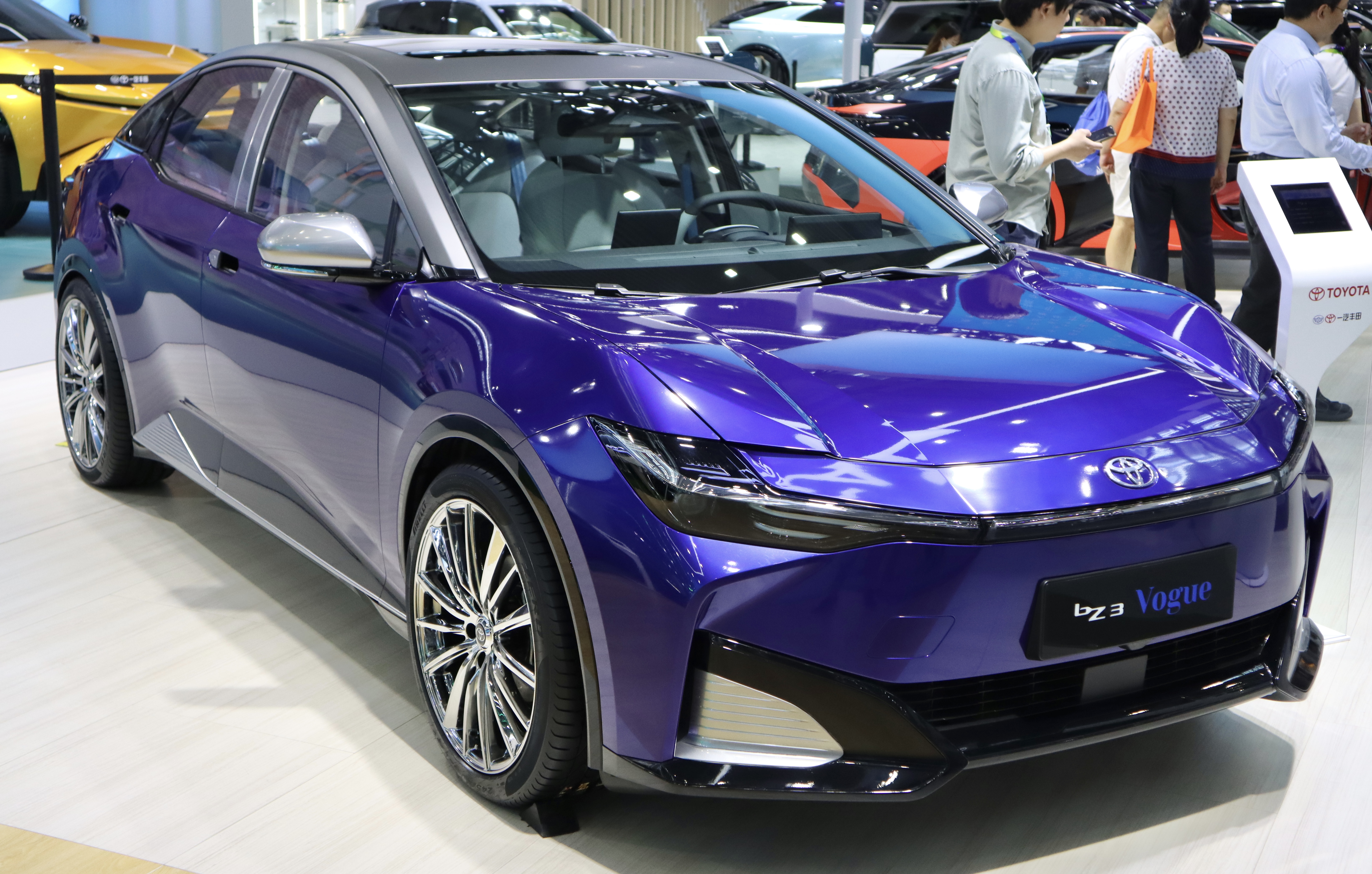
Toyota BZ Woodland
The Toyota BZ Woodland is brought up because it’s very closely related to the Subaru Trailseeker. The host says they share the main EV “bones” and powertrain layout, which is why they feel similar.

Subaru Outback
The host uses the Subaru Outback as a comparison point for money and styling. They say the Trailseeker’s price is similar to an Outback, but the Outback has moved away from a wagon look.
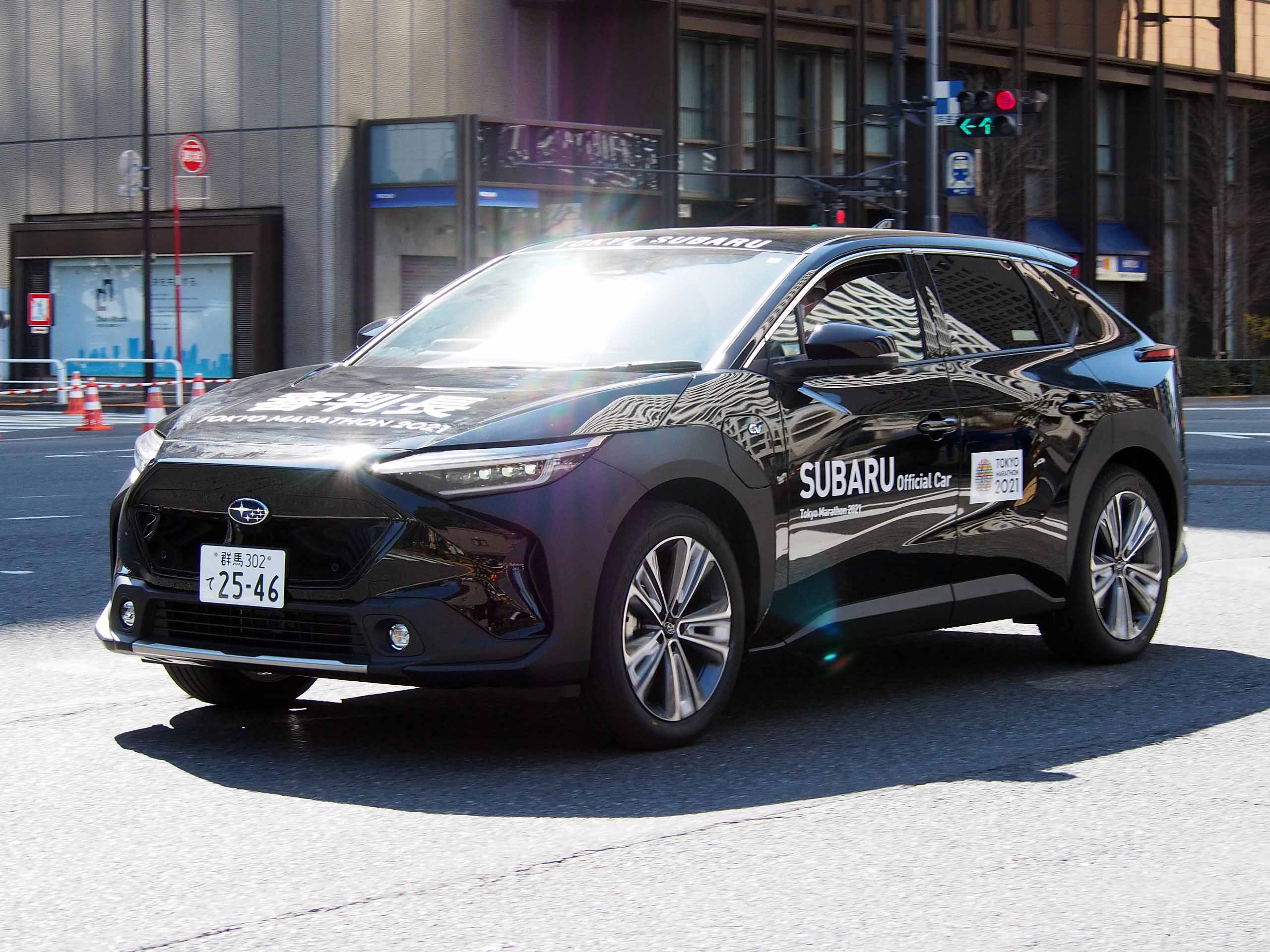
Subaru Solterra
The Subaru Solterra is an all-electric SUV. The podcast is comparing its size to a related Subaru EV and explaining how the extra space is used for cargo. In simple terms, it’s about how much stuff you can carry.
wheelbase
Wheelbase is the length of the car between the front and rear wheels. A longer wheelbase usually means more space inside and/or more room for cargo.
panoramic glass roof
A panoramic glass roof is a large roof section made of glass that spans much of the cabin. It’s typically used to increase natural light and give passengers a more open, airy feel.
pound-feet of torque
Torque is the twisting force that helps the car move. “Pound-feet” is just the unit used to measure how strong that force is.
frunk
A “frunk” is a storage compartment in the front of some EVs. It’s like a trunk, but it’s up front instead of in the back.
one-speed transmission selector
Many EVs don’t use a traditional multi-gear gearbox. Instead, they use one main gear ratio, and the selector is just how you choose forward or reverse.
drive modes
Drive modes are different settings that change how the car feels while you’re driving. They can adjust things like how quickly it responds when you press the pedal.
X mode
“X mode” is a special Subaru driving setting meant for slippery or messy roads. It’s designed to help the car get through conditions that are harder than normal driving.
regeneration drag
Regeneration drag is the slowing you feel in an EV when you take your foot off the accelerator. It comes from the car recharging the battery while it slows down, and you can adjust how strong that slowing feels.
74.7 kilowatt hour lithium ion pack
That 74.7 kWh number is how big the electric battery is. A bigger battery usually means you can drive farther before needing to recharge, but driving conditions still matter.
charge port
The charge port is where you plug the car in to charge it. The faster the charger you use, the quicker you can add energy back to the battery.
150 kilowatts
150 kilowatts is how fast the car can charge at a fast charger. Higher numbers usually mean you can add energy more quickly.
zero to 60 benchmark
Zero to 60 is a test of how fast the car speeds up from a stop to 60 mph. It’s a quick way to compare acceleration between vehicles.
uncontrolled intersections
An uncontrolled intersection is one without traffic lights or stop signs. You have to judge when it’s safe to go, and the car’s traction and acceleration help you move through.
4,500 pounds
That 4,500-pound number is how heavy the SUV is. Heavier cars usually take more energy to move, so it’s notable when an EV still feels quick.
Max towing is 3,500 pounds
Max towing is the highest trailer weight the car is allowed to pull. Pulling a trailer usually uses a lot more battery power in an EV, so range drops.
a lot of aerodynamic drag
Aerodynamic drag is the “air resistance” that slows you down. If you add stuff on the roof, it can increase that resistance and make the EV use more battery.
eyesight suite
Eyesight is Subaru’s set of safety features that help the car avoid crashes and assist with highway driving. In this segment it includes emergency braking and lane/spacing help.
automatic emergency braking
Automatic emergency braking is a safety feature that can brake by itself if the car thinks a crash is about to happen. It’s meant to help prevent or reduce collisions.
adaptive cruise control
Adaptive cruise control is like regular cruise control, but it also slows down or speeds up to keep distance from the car in front. It helps on highways, especially in traffic.
lane keeping
Lane keeping helps the car stay in its lane. It can gently steer if you start drifting, and it works best when lane lines are clear.
Supercruise
Supercruise is a feature that can help drive the car more automatically, including steering, in certain situations. The host is saying the Trailseeker doesn’t do that hands-free.
camera-based system
A camera-based driver-assistance system uses cameras to “see” the road and help with features like staying in the lane. The host is saying this car isn’t using Subaru’s usual camera setup.
compliant suspension
A compliant suspension is set up to soak up road bumps instead of feeling stiff. The tradeoff is that when you take a hard corner, the car may lean a bit more.
body roll
Body roll is the car leaning outward when you turn. If it leans a lot, it can feel less “planted” in corners.
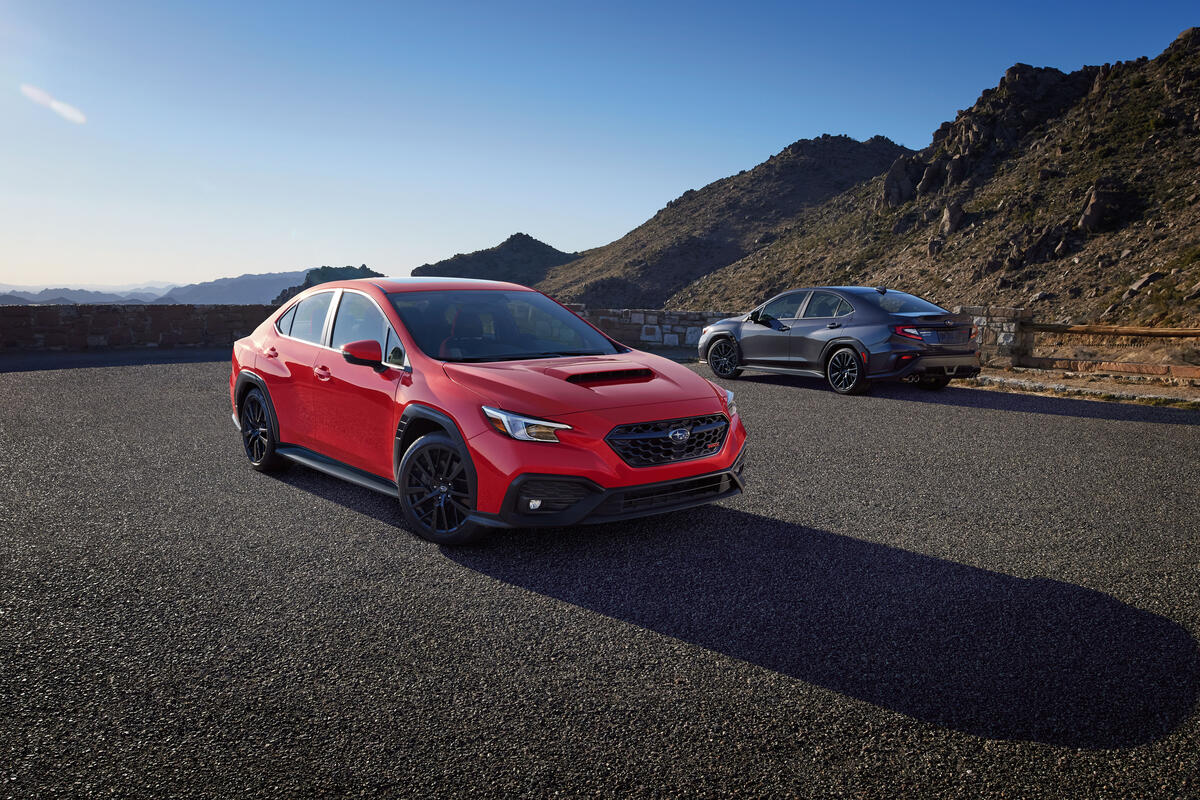
WRX STI
The WRX STI is Subaru’s performance-focused rally-bred model known for sharper steering feel and more aggressive handling tuning. The host says the Trailseeker is not that kind of car, implying it’s tuned more for comfort than for driver feedback and hard-cornering response.
gauge cluster
The gauge cluster is the screen or panel the driver looks at for important info like speed and battery level. The host is saying the steering wheel design makes it easier to see.
squircle wheel
A squircle wheel is a steering wheel with a rounded-square shape instead of a perfect circle. The host says it helps you see the dashboard information more easily.
head-up display
A head-up display shows key driving info on the windshield. The host is saying this car’s screen placement makes a HUD less necessary.
recuperation
Recuperation is how an electric car “recharges” a bit when you slow down. Instead of wasting energy as heat, it turns some of that slowing motion back into electricity for the battery.
one-pedal driving
One-pedal driving means you can slow down mostly by lifting off the accelerator. It can make driving easier, but if it’s set too strong, it may be harder to keep a smooth, constant speed.
modulation
Brake modulation is how smoothly and controllably the brakes respond to how hard you press. Good modulation makes it easier to slow down gently instead of abruptly.

Tesla Model Y
The Tesla Model Y is an electric SUV made by Tesla. It’s designed for everyday driving, but some people are talking about whether the way it drives can make passengers feel sick. The podcast is suggesting testing it with real ride-share drivers to see how it affects riders.
EV range vs real-world driving
They’re comparing the EV’s advertised range to what it really does in everyday driving. They also explain how that affects how often you need to charge.
EPA rates
“EPA rates” means the government’s testing estimate for how far an EV can go on one charge. Real life can be different, especially in cold weather.
juice up
“Juice up” just means charging the EV battery. They’re saying when they start needing to plug in again.
ground clearance
Ground clearance is how much space there is between the bottom of the car and the ground. More clearance helps when the road has bumps, ruts, or rocks.
rock crawling
Rock crawling is very serious off-roading where you carefully drive over rocks and obstacles at low speed. The host is saying this EV isn’t built for that kind of extreme trail driving.
forward camera system
A forward camera system is a camera view that shows what’s in front of the car. It helps you spot obstacles when the trail gets rough.
invisible car view
“Invisible car view” is a camera display that makes it easier to see what’s right in front of the car. It helps you avoid rocks and other obstacles because you can better see the ground.
plug-and-charge
Plug-and-charge means you plug the EV in and it starts charging automatically. You don’t have to open an app or swipe a card at the charger.
Supercharger network
The Supercharger network is a big set of fast charging stations. If your EV can use it, road trips are easier because you can find fast chargers more reliably.
charge curve
The charge curve is how fast the car charges over the whole charging session, not just the peak speed. A smoother curve can make charging feel more predictable and efficient.
DC fast charge rate
DC fast charging is the quick-charging style you usually find at public stations. The fast charge rate is basically how quickly the car can take power in those moments—useful mostly when you road trip.
120-volt charging
120-volt charging is the normal wall-plug way to charge an EV. It’s slower, but if you drive a short distance each day and charge overnight, it can work fine.
native route charge planning
Native route charge planning is the car’s built-in feature that helps plan charging stops on a trip. If it’s not available, you may have to use an app to figure out where to charge.
heated seats
Heated seats use electric heating elements to warm the seat cushions and/or backrests. They’re a comfort feature that can reduce how quickly you feel cold in cooler weather, especially before the cabin warms up.
ventilation
Seat ventilation uses airflow to keep you cooler. It’s helpful in hot weather, unlike heated seats which warm you up.
radiant leg warmers
Radiant leg warmers are heaters aimed at warming your legs. They can make you feel comfortable faster in cold weather because they warm you directly.
surround view camera
It’s a set of cameras around the car that shows you a “bird’s-eye” view. That makes it easier to park and avoid hitting curbs, poles, or other cars.
automatic parking feature
This is a parking assist that can steer the car into a spot for you. You still have to supervise and control speed, but it reduces the effort.
data plan
It’s the paid cellular service that lets the car stay connected to the internet. After a free trial, you may need to pay to keep features working.
natural noise commands
Instead of pressing lots of menus, you can talk to the car in normal language. The car tries to understand what you mean and does the task for you.
trip range
It’s the car’s estimate of how many miles you can drive before it runs out of energy. The number can go up or down depending on how you’re driving and conditions.
charge pad
A charge pad is a spot in the car where you can place your phone to charge it without plugging in a cable. The host is saying it reduces arguments about who gets to charge first.
Android Auto
Android Auto is a way to connect your Android phone to the car so you can use certain apps on the car’s screen. It’s meant to make navigation and music easier while driving.
Apple CarPlay
Apple CarPlay lets you connect an iPhone to the car and use certain apps on the car’s screen. It’s designed to keep things like maps and music accessible while driving.

Chevrolet Blazer
The host brings up the Chevy Blazer to compare tech features. They’re saying it doesn’t support Android Auto or Apple CarPlay, so it may be harder to use your phone apps through the car screen.
separate climate zone
A separate climate zone means different parts of the car can have different temperature settings. The host is saying this vehicle doesn’t do that, so it’s more “one temperature for everyone.”
directional vents
Directional vents are vents you can aim to blow air where you want it. The host is saying it helps even though the car doesn’t let different passengers set different temperatures.
USB ports
USB ports are the charging/data connections inside the car. More ports means fewer arguments about who can plug in their phone.
outboard passengers
Outboard passengers are the people sitting on the left and right ends of the back seat. The host is saying those seats get the heated-seat feature.
flat as a pancake
They’re saying the back floor is very flat. That makes it easier to put your feet comfortably in the back seat, especially compared with cars that have a hump or raised floor.

2026 Subaru Trailseeker
The 2026 Subaru Trailseeker is a Subaru made for people who want to carry gear and still have a comfortable, usable interior. The host is basically saying it’s laid out well for trips—lots of room for stuff and smart storage, plus a more rugged-looking exterior.
Solterra Soltera
The Solterra is Subaru’s electric SUV. The podcast is comparing it to another EV model by talking about how the other one is shorter. This helps explain how the different sizes can change what the vehicles are like to live with.
28 cubic foot cargo space
“Cubic feet of cargo space” tells you how much stuff the car can hold. It’s like measuring the size of the trunk or cargo area, so you can compare how practical each model is.
34 cubic feet
This “34 cubic feet” number is how much space the car’s cargo area has. Bigger number generally means you can fit more gear for road trips or outdoor activities.
wilderness exploring
The host is saying this car is meant for people who take trips outdoors and need to bring gear. The cargo space and storage are the features that support that lifestyle.
repair kit
Instead of a spare tire, this car uses a repair kit. It’s meant to help you get back on the road after a flat, but it’s usually a temporary fix rather than a full replacement tire.
space saver
A “space saver” is a smaller spare tire meant to take up less room. It’s usually not meant for long-distance driving like a normal spare, but it can help you get to a tire shop.
dual level floor
A dual level floor means the cargo floor can be adjusted to different heights. That can change how much space you have and what storage items can fit underneath.
security shade
A security shade is a cover that hides what’s in the trunk/cargo area. It helps keep things out of sight, and this car stores it neatly under the floor when not in use.
40-20-40 split seats
“40-20-40 split seats” means the back seat is split into three parts. You can fold one side or just part of the middle to make more room for cargo while still leaving some seats usable.
Max cargo space is 74 cubic feet
This is the biggest amount of space the car can offer for luggage or gear. The host is highlighting that the Trailseeker can hold a lot when you set it up for maximum cargo.
