
The Audi Supercar NOBODY Saw Coming
About this episode
Rivian’s smaller R2 takes center stage: the hosts drove it in snowy Utah, compare its footprint and dual-motor output to Model Y and R1S, and break down range differences by tire choice. Pricing and lease estimates follow, then the conversation pivots to Audi’s Valari—an alleged mid-engine, V8-plus-electric hybrid—sparking debate over whether it’s truly Audi or basically a rebadged Lamborghini. The episode also touches on Porsche “halo” rumors and a few high-end option/pricing tangents.
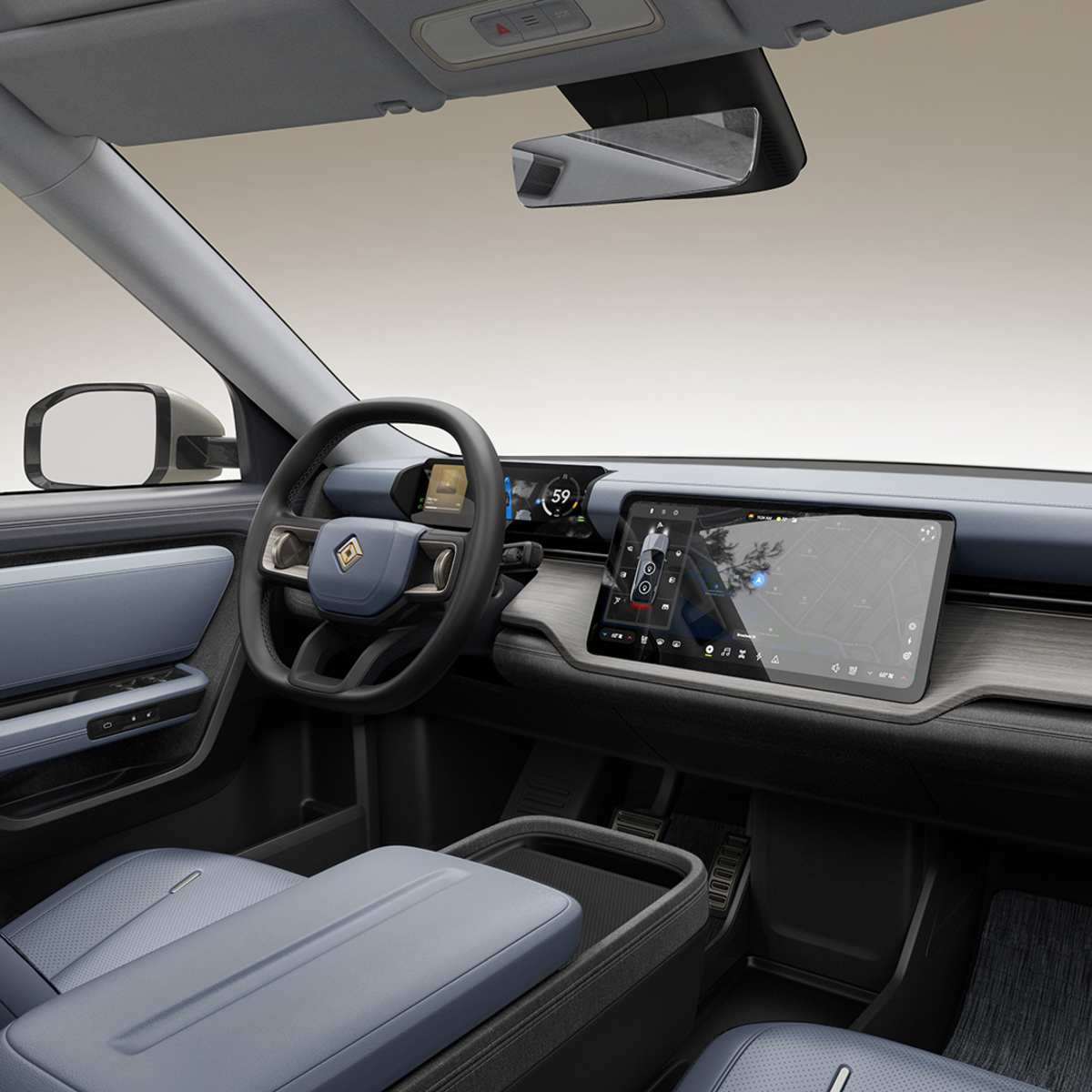
Rivian R2
"I drove the new Rivian R2, which we'll talk about. Well, we can talk about that right now."
The Rivian R2 is an electric SUV from Rivian. The host is saying it’s a smaller, highly expected new model that you can buy soon.
Rivian R2 is Rivian’s smaller, more mainstream electric vehicle compared with its larger R1 lineup. In this segment, the host frames it as a much-anticipated model that’s arriving as an SUV-only offering before any other body styles.
SUV only
"Right now it's an SUV only. But they're not out yet, right?"
“SUV only” means the new model is being sold only as an SUV at first. You won’t see other body styles under the same name right away.
“SUV only” means the initial lineup for that model nameplate is limited to the sport-utility-vehicle body style, not a sedan, wagon, or pickup. Automakers often launch a new platform with one body style first to simplify production and marketing.
Park City
"So this was this is Utah, still has snow. We're outside of Park City."
Park City is in Utah. The host is using it to explain that it was still snowy there when they drove.
Park City is a city in Utah, known for winter weather and ski areas. Mentioning it “still has snow” sets the scene for cold-weather conditions during the drive, which can matter for EV range and tire grip.

Rivian R1S
"And yeah, so basically, you know, the Rivian R1 SUV, the R1S, you know, it's 7000 pounds."
The Rivian R1 SUV is an electric SUV. It’s heavy, but it’s also designed to handle tough terrain, not just city driving.
The Rivian R1 SUV (R1S) is an electric SUV built around a large battery and dual-motor all-wheel-drive layout. The host highlights its weight and capability, framing it as a big, capable EV that can tackle serious off-road terrain.

Wrangler Rubicon
"...he R1S, you know, it's 7000 pounds. It can do the Rubicon Trail stock, but it's just over engineered, overb..."
The Wrangler is an off-road SUV built to handle rough trails. The podcast says it can do the Rubicon Trail even without special upgrades. That’s why it’s mentioned—because it’s made for off-road driving.
The Wrangler is a rugged off-road SUV designed for trail driving and durability. The podcast mentions it in the context of the Rubicon Trail and notes it can do the trail “stock,” which highlights its off-road capability without major modifications. It’s discussed because it’s a go-to platform for serious off-road use.
Rubicon Trail
"It can do the Rubicon Trail stock, but it's just over engineered, overbuilt, blah, blah, blah."
The Rubicon Trail is a well-known tough off-road trail in California. Saying a vehicle can do it “stock” means it’s capable even without special upgrades.
The Rubicon Trail is a famous off-road route in California’s Sierra Nevada region, known for steep climbs, rocky sections, and deep ruts. When the host says the Rivian can do it “stock,” they mean it can attempt the trail without major off-road modifications.

Tesla Model Y
"This is now basically the footprint of a Tesla Model Y. It's 2,000 pounds lighter."
The Tesla Model Y is a popular electric SUV/crossover. The host uses it as a comparison so you can picture the Rivian’s size and weight.
The Tesla Model Y is a mainstream electric crossover used here as a size-and-weight reference point. The host compares the Rivian’s footprint and mass to the Model Y to explain how the newer Rivian is “smaller” while still targeting high performance.
two motors
"It's about 5,000 pounds, two motors, 556 horsepower, sorry, 656 horsepower, 609 pound feet of torque."
“Two motors” means the electric car has a motor on more than one axle. That helps the car grip better and accelerate strongly.
“Two motors” usually means a dual-motor EV setup, commonly one motor driving each axle for all-wheel drive. This can improve traction and acceleration because the car can distribute torque between the front and rear wheels.
rear drive only
"There'll be a one motor, so rear drive only. Yeah."
“Rear drive only” means the car sends power to the back wheels only. It’s usually simpler and cheaper than all-wheel drive.
“Rear drive only” indicates a rear-wheel-drive (RWD) configuration, meaning power goes to the rear axle instead of all four wheels. The host contrasts this with dual-motor versions, implying the one-motor variant will be cheaper and likely less traction-capable than AWD.
average transaction price
"Because like, you know, the average transaction price of an R1 is probably like $85,000."
It means the typical price people really pay for a car, not the sticker price. Dealers and analysts use it to compare how expensive different cars are in the real world.
In car retail, “average transaction price” is the typical selling price actually paid by customers, after discounts and deals. It’s a market metric used to compare pricing across models and trim levels.
lease
"If you want to lease one of these, do you know what a monthly payment will be? ... So, you know, what is that to lease, like 800 a month, something like that?"
A lease is like renting a car for a few years with a monthly payment. You usually give it back at the end, and the payment is based on how much the car is expected to be worth later.
A lease is a financing arrangement where you pay to use the car for a set term, then return it (or sometimes buy it at the end). Monthly payments depend on the car’s price, expected depreciation, and fees.
launch edition
"Well, again, there's a 50. This is a launch edition, like 57, 58,000."
A “launch edition” is the special early version of a new model when it first comes out. It’s often limited and can cost more than later versions.
A “launch edition” is an early production or first-offering trim/package meant to mark the model’s debut. These editions often have limited availability and can carry a price premium versus later, more widely sold versions.
destination fee
"This is a launch edition, like 57, 58,000. ... but you have to pay a $1,500 destination fee."
A destination fee is the extra charge for getting the car from the factory to the dealership. It’s usually added on top of the base price, so it affects what you actually pay.
A destination fee is a charge added to the car’s price to cover shipping the vehicle from the factory to the dealer. It’s typically a fixed amount and can noticeably change the “out-the-door” cost.
interest rate
"It depends on what interest rate is. [220.1s] Interest rates are and that factors into whether it is going to, you know,"
An interest rate is the price you pay for borrowing money to buy or finance a car. If it’s higher, the car usually costs more over time, which can change how popular it is.
In car buying and leasing, the interest rate is the cost of borrowing money, expressed as a percentage. Higher interest rates generally make monthly payments and total financing cost higher, which can affect demand for a vehicle or brand.
pack
"But I think what you're telling me is that it's a winning package. [230.7s] If the price it's a killer pack right every month, it's a killer package."
In EV talk, a “pack” usually means the battery pack. The host is saying the battery offering is so good it’s a strong deal.
In EV discussions, “pack” usually refers to the battery pack—the set of battery cells that stores energy for the vehicle. The speaker’s “killer pack” phrasing suggests the battery offering (and/or its value) is strong enough to win buyers.
street tires
"330 miles of range on the street tires. [245.7s] Fantastic. But then on the these these are the street tire."
“Street tires” are tires optimized for pavement grip and everyday efficiency, usually with a tread pattern and rubber compound that prioritize low rolling resistance. Because rolling resistance affects energy use, they typically allow more EV range than more aggressive off-road tires.
off road tires
"But it's 330 on the street and then it's not a big hit to go to the off road [253.7s] tires. So it's 310 miles on the off road tires."
Off-road tires are made for dirt and rough surfaces. They often reduce EV range because they create more drag as the tire rolls.
“Off road tires” are designed for traction on loose surfaces like dirt, gravel, or mud, often using deeper tread and a more rugged construction. That tread typically increases rolling resistance, which can reduce EV range compared with street tires.
design language
"So you think, you know, looking at Rivian right now with respect to where [265.6s] Tesla was in their design language, are they hopefully now thinking ahead"
“Design language” means the recognizable style a brand uses across its cars. The host is wondering if Rivian will update its look over time.
“Design language” is a brand’s recognizable visual style—shapes, proportions, and signature details that make its cars look like they belong together. The host is asking whether Rivian will evolve that look the way Tesla did.
front fascia
"and going, we've got some new enhancements for the next line, the dot twos, [276.5s] the dot threes, or are we always going to have the kind of Pillsbury, [279.6s] Doughboy, front fascia?"
The front fascia is the car’s front styling area—basically the parts you see up front like the bumper and grille area. It’s where a lot of the brand’s “face” design shows up.
Front fascia is the front-end bodywork area of a car, including components like the grille surround, bumper, and styling surfaces. It’s often where manufacturers place signature styling elements that define a car’s look.
headlights
"Well, they call that I mean, you're always going to have those headlights. [284.1s] That's their stadium headlights."
Headlights are the lights at the front of the car. Here, the host is also talking about them as a recognizable styling feature.
Headlights are the vehicle’s forward lighting units, but in modern styling discussions they’re also a signature design element. The speaker notes that the brand’s “stadium headlights” are a consistent visual cue.
body on frame
"But the R1 is body on frame, just super overbuilt for off-roading. This is a unibody."
“Body-on-frame” means the car has a strong base frame underneath, and the body sits on top of it. It’s a common design for trucks and off-road vehicles because it’s built to take a beating.
Body-on-frame is a vehicle construction method where a separate ladder-like frame carries the loads, and the body is mounted on top. It’s often chosen for trucks and off-road vehicles because it can handle rough terrain and heavy-duty use better than some unibody designs.
unibody
"This is a unibody. This is a more normal construction."
A unibody car doesn’t have a separate frame. The body itself acts like the structure, which can make the vehicle lighter and more efficient.
Unibody is a construction where the body and frame are integrated into one structure. Compared with body-on-frame, unibody designs are typically lighter and can improve packaging and ride/handling, but they’re usually less “truck-like” in how they absorb severe off-road impacts.
Enduro motors
"But like it's so this has what's called they call the Maximus motors. So like the the second gen R1s have what are called the Enduro motors."
“Enduro motors” is the name being used for a newer generation of Rivian’s electric motors. The host is basically saying the later R1 versions use a different motor setup than the first ones.
“Enduro motors” appears to be Rivian’s internal/marketing name for a second-generation motor setup used in later versions of the R1. The host is distinguishing these from the earlier “Maximus motors,” implying a hardware evolution in the drivetrain.
torquey
"[349.0s] And they're really, really great motors, but they're super torquey [351.9s] because you do truck stuff with the R1, you tow and all that."
“Torquey” means the car has strong twisting force. That’s what helps it launch and accelerate quickly, especially from slower speeds.
“Torquey” describes an engine or drivetrain that produces strong torque, especially at low speeds. Torque is the twisting force that helps a vehicle accelerate quickly, and electric cars often feel torquey because they can deliver torque immediately.
acceleration curve
"[364.4s] Like it's it's it's so it like the acceleration curve seems to ramp up [369.5s] when you get to 70. It's very excited about it."
An acceleration curve describes how a car’s speed (or acceleration) changes over time or across a speed range. When the host says it “ramps up” after 70 mph, they mean the car’s acceleration gets stronger as you continue accelerating rather than staying flat.
mid-engine
"[392.5s] The new mid-engine supercar boasting nearly 1000 horsepower. [397.3s] And they want us to keep in mind it's not an Audi R8 replacement."
“Mid-engine” means the engine sits closer to the middle of the car. That usually helps the car feel more balanced and easier to steer quickly.
A mid-engine layout places the engine near the center of the car, typically behind the driver but ahead of the rear axle. This helps balance weight distribution and can improve handling and turn-in compared with front- or rear-engine layouts.

Audi R8
"[392.5s] The new mid-engine supercar boasting nearly 1000 horsepower. [397.3s] And they want us to keep in mind it's not an Audi R8 replacement. [401.9s] Except it just except it is except it isn't 700 grand."
The Audi R8 is Audi’s famous supercar. The host is saying the new Valari isn’t just a direct replacement for the R8—it’s a separate idea.
The Audi R8 is Audi’s well-known mid-engine supercar, and the host uses it as the reference point for what the Valari is (and isn’t) replacing. Mentioning the R8 signals that Audi is aiming at the same enthusiast “supercar” space, but with a different product positioning.
twin turbo
"Specs are scarce, but four liter twin turbo V eight sits in the middle"
“Twin turbo” means there are two turbochargers on the engine. They help the engine make more power by pushing extra air into the cylinders.
“Twin turbo” means the engine uses two turbochargers to force more air into the cylinders. That typically helps the V8 make more power than a naturally aspirated version of the same displacement, especially across a wider rev range.
axial flux electric motors
"aided by three axial flux electric motors that combined output 900 and 87 horsepower"
Axial flux electric motors are a type of electric motor. They’re designed to be efficient and compact, which can help fit more electric power into a performance car.
Axial flux electric motors are a motor design where the magnetic flux travels parallel to the motor’s axis, often allowing a flatter, more compact package. In EV and hybrid drivetrains, they’re used when designers want high power density and efficient packaging for performance applications.
red line
"and a stratospheric 10000 RPM red line."
The red line is the highest RPM the engine is meant to reach safely. If it’s high—like 10,000 RPM—it usually means the engine is built to rev fast.
A red line is the maximum safe engine speed (RPM) where the manufacturer recommends you avoid exceeding it. A “10,000 RPM red line” implies the V8 is designed to rev very freely, which is typical of performance-focused engines.
renderings
"Because I don't. These are renderings. Everyone is on person said it's really nice."
Renderings are digital pictures of a car concept. They’re useful for getting a vibe, but they can look different from the real car.
Renderings are computer-generated images used to show what a car might look like before it’s built or fully revealed. Because they’re not the real vehicle, details like proportions, lighting, and surface texture can differ from the final production design.
three motors
"It has the same three motors. They're just tuned up."
“Three motors” means the car uses multiple electric motors to help drive it. The idea here is that the same basic hybrid setup is used, but it’s adjusted to make more power.
“Three motors” implies a multi-motor hybrid or electric-assist setup where more than one electric motor contributes to propulsion. The host is using it to argue that the powertrain hardware is shared, then “tuned up” to produce a different output.
tuned up
"They're just tuned up. So instead of 900 and seven horsepower, it makes 987"
“Tuned up” means the car’s settings are adjusted to make it produce more power. Even if the hardware is similar, the software and calibration can change the final horsepower.
“Tuned up” means calibrating the engine and/or hybrid system settings to produce more output—often by changing software parameters, boost/torque targets, and power delivery. Here, it’s used to explain why the same underlying hardware can make different horsepower numbers.
tuned differently
"[573.0s] They're going to be tuned differently. [574.7s] The weights will be different. [577.2s] Obviously, this one visibility is going to be different."
“Tuned differently” means the car is set up to feel different when you drive it. It can change things like how quickly it responds to the gas and how it steers.
“Tuned differently” means the car’s calibration—how the engine, transmission, steering, and suspension are set up to respond—is adjusted for a different driving feel. Even with similar hardware, different tuning can change throttle response, steering weight, and how the car behaves in corners.
weights will be different
"[574.7s] The weights will be different. [577.2s] Obviously, this one visibility is going to be different. [580.6s] As you were through your gun slit."
This means the car’s mass changes between versions. A heavier or differently balanced car can feel different in acceleration, braking, and cornering.
“Weights will be different” refers to changes in curb weight and/or weight distribution between versions. In handling terms, weight affects acceleration, braking, and cornering balance, while distribution influences steering feel and how the car loads its tires.
visibility
"The weights will be different. [577.2s] Obviously, this one visibility is going to be different. [580.6s] As you were through your gun slit."
Here “visibility” means how well the driver can see outside the car. Supercars often sit low and have thick bodywork, so visibility can be worse than in normal cars.
In supercar design talk, “visibility” usually refers to how easy it is for the driver to see around the car—through the windshield, mirrors, and over the hood. Low visibility can affect confidence in traffic, parking, and lane changes, especially in cars with low seating positions and wide bodywork.
gun slit
"[580.6s] As you were through your gun slit. [582.5s] Kind of the same. [583.3s] If you take a look at that."
A “gun slit” here means a very narrow window opening. The host is describing how the car’s shape can limit what you can see out the side.
A “gun slit” is a narrow viewing opening—often used to describe how some cars’ side windows or roofline shape can make the driver’s side view feel like a thin “slot.” It’s a design/ergonomics description rather than a mechanical part.
Porsche Halo car
"We've heard that the Porsche Halo car will be a hybrid V eight. [590.0s] So is that is that their new Halo car going to end up looking like a third version of this?"
A “halo car” is the brand’s headline supercar—the one meant to show off what the company can do. Here, the host says Porsche’s rumored halo car might use a hybrid V8.
The “Porsche Halo car” refers to Porsche’s top, flagship “halo” model—an image-defining supercar meant to showcase the brand’s technology and performance. The host specifically claims it’s been rumored to use a hybrid V8, which would be a major powertrain direction for Porsche’s flagship.
hybrid V eight
"We've heard that the Porsche Halo car will be a hybrid V eight. [590.0s] So is that is that their new Halo car going to end up looking like a third version of this?"
A hybrid V8 is a car that combines a V8 gas engine with an electric motor. The electric part can help the car move smoothly and quickly, especially from a stop or at low speeds.
A “hybrid V8” means a car that uses a V8 engine plus an electric motor/generator system. The hybrid setup can change how the car delivers torque and how it behaves at low speeds and during acceleration compared with a non-hybrid V8.
Lambo
"Yeah. So if free money, I'll tell you this. [613.4s] When I went on the launch of the Tamarario, [616.6s] Reuvenmoors, who before he got the real big corporate job used to be known as Dr. [620.7s] Crazy official, but he was at Lambo, went back to Audi, Lambo, [624.9s] went back to Audi."
“Lambo” just means Lamborghini. The host is talking about someone who worked at Lamborghini and then moved to other brands.
“Lambo” is a casual reference to Lamborghini, used here to describe where a person worked and how that might relate to the rumored powertrain choices. It’s brand identity/context, not a specific Lamborghini model.
horsepower per liter
"And he said, yeah, you know, we're making about 200 horsepower per liter [633.3s] with the V eight in the Tamarario and the new Laura here."
It’s a way to measure how strong an engine is compared to how big it is. If two engines have the same size, the one with higher horsepower per liter is making more power for its size.
“Horsepower per liter” is a specific-output metric: it compares engine power to its displacement (how much volume the cylinders move). Higher numbers generally mean the engine is making more power from each unit of size, often due to tuning, boost, or efficiency improvements.
mission X
"I think I think they really thought the mission X was like the way to go. [657.7s] Yeah, yeah. Nobody wanted it."
“Mission X” sounds like a planned idea for a car that the company wanted to build. The speaker is saying people didn’t really want it, so they changed course.
“Mission X” here is being treated as a specific product concept or program—an intended direction for a future car—rather than a generic feature. The speaker’s point is that the market didn’t respond to it, so the company shifted strategy.
Jaguar
"By the way, to me, it doesn't look so different than that Jaguar rendering. [673.4s] Yeah, no, that's a good one."
Jaguar is the car brand being used for a comparison. They’re saying the new design looks similar to something Jaguar has shown in a concept or preview image.
Jaguar is referenced as a comparison point for a “rendering,” meaning a computer-generated design preview. The speaker is using Jaguar’s visual direction to argue that the new car’s styling doesn’t look as different as claimed.
Tazio Suckerman
"Give me some quick facts about Tazio. [677.0s] Suckerman. I remember him driving crazy auto union cars."
They’re talking about a historical racing driver named “Tazio Suckerman.” The point is that he drove famous, extremely powerful Auto Union race cars.
The speaker credits “Tazio Suckerman” with driving “crazy Auto Union cars,” linking the name to early Grand Prix/Grand Touring racing history. The mention is used to justify why the new car’s name is meaningful.
Auto Union
"Suckerman. I remember him driving crazy auto union cars. [682.8s] The silver bullets that were silver silver arrow that were super high [687.0s] powered three World War Two and people really die driving."
Auto Union is a historic German racing brand. The speaker is referencing the old race cars that were known for being brutally fast and hard to drive.
Auto Union is the racing marque associated with the legendary German Grand Prix cars from the 1930s. Those cars are often remembered for their extreme power and danger, which is why the speaker compares them to the modern naming/attitude.
silver arrow
"The silver bullets that were silver silver arrow that were super high [687.0s] powered three World War Two and people really die driving."
“Silver Arrow” is a nickname for famous old German race cars. They were known for being extremely quick and competitive in the 1930s.
“Silver Arrow” refers to the famous German racing cars from the 1930s, most associated with Mercedes-Benz and Auto Union. The nickname comes from the cars’ silver-painted appearance and their dominance in that era.
vehicle roller
"Race deck can handle vehicle roller. It's a 80 thousand pounds."
A “vehicle roller” is basically a heavy-duty platform that lets you move or position a car for work. The speaker is using it to explain the garage floor system’s load capacity.
A “vehicle roller” is a test or handling platform used to support a vehicle so it can be moved, positioned, or worked on without lifting the whole car. In this context, it’s being used to describe how much weight the garage setup can handle.
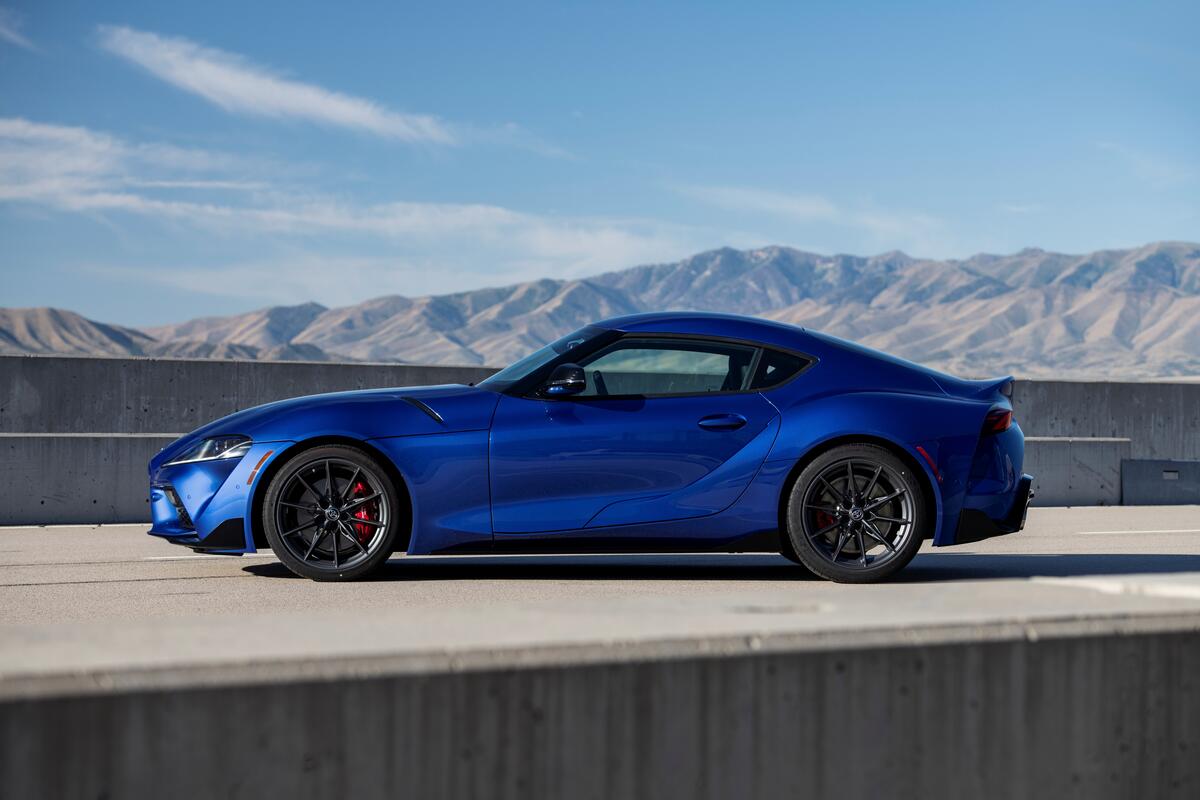
Toyota A80
"Race deck can handle vehicle roller. It's a 80 thousand pounds. So we could put 16 of them on our race deck."
The Toyota Supra is a sports car made for fast driving. In the podcast, it’s brought up because it can be loaded and transported on a race setup. That’s about moving the car for an event, not about its normal street use.
The Toyota Supra is a sports coupe known for strong performance and a big enthusiast following. In the podcast context, it’s mentioned as a vehicle that can be handled on a heavy-duty race deck, highlighting its role as a track-capable car. That kind of mention usually comes up when discussing transport, staging, or loading for racing events.
Verde Mercurious
"You know, yes, it's called Verde Mercurious. Ah, yes, because they are Mercurious on how much money you'll spend."
This is the name of the car’s paint color. Some car brands give special names to their colors, and those can sometimes be more expensive than standard colors.
“Verde Mercurious” is presented as a specific paint color name for the Lamborghini. Automakers often use branded color names for bespoke shades, and these can be tied to option pricing and availability.
flat plane crank
"Wow, yeah, flat plane crank. Wow."
A flat-plane crank is a special crankshaft layout inside the engine. It’s one reason some engines can rev very high and feel more “eager,” and it can also change the engine’s sound.
A flat-plane crankshaft is a crankshaft design where the crankpins are arranged to create a firing order that tends to feel sharper and rev more eagerly. It’s commonly associated with high-revving engines and often gives a distinctive sound compared with cross-plane V8s.
system outputs
"one in the transmission, one on each front wheel, total system outputs [843.2s] nine oh seven and the front wheels are doing a lot of torque vectoring."
System outputs means the total combined power from all the motors working together. Instead of looking at one motor alone, you add up what the whole drivetrain can do. That’s what the host is doing when they give the total numbers.
System outputs refers to the total combined power/torque the whole powertrain delivers, especially in multi-motor setups. In this segment, the host lists multiple motors (one in the transmission and one on each front wheel) and then sums them into a total output figure. That’s how you describe the car’s overall capability rather than each motor individually.
torque vectoring
"nine oh seven and the front wheels are doing a lot of torque vectoring. [846.2s] So a lot of the steering feel."
Torque vectoring means the car can send different amounts of power to left and right wheels. That helps the car rotate and turn more easily. The host is saying this system is a big reason the steering feels good.
Torque vectoring is a drivetrain/traction technique where the car actively varies how much drive force each wheel gets. By sending more torque to one front wheel than the other, it can help the car turn in and feel more responsive. In this segment, the host says the front wheels are doing a lot of it, which is why steering feel improves.
gasoline powered car
"This is the quickest gasoline powered car that motor train ever tested. [852.3s] And I think that might be slightly at a date because of 01 X in the zinger."
The host is saying this is a fast car that still uses gasoline (even if it also has electric help). They’re comparing it to other super-fast cars, but specifically within the gasoline-powered group. It’s a way to set expectations about what kind of powertrain it is.
“Gasoline powered car” here is used to distinguish the vehicle’s primary propulsion from fully electric cars. The host is emphasizing that, despite the hybrid system, it’s still fundamentally a gasoline-based performance car. That framing matters because many of the fastest modern performance EVs exist, so claiming “quickest gasoline powered” is a specific comparison category.
quarter mile
"But right 062 point two seconds, quarter mile, [859.2s] quarter mile, nine point six seconds at 100 and 48 point three"
A quarter mile is a standard drag-racing distance—about 400 meters. Racers and reviewers use it to compare how quickly cars accelerate. The time and speed numbers tell you how strong the car is over that stretch.
A quarter mile is a common drag-racing distance (0.25 miles / about 402 meters) used to compare acceleration performance. The host pairs it with elapsed time (9.6 seconds) and trap speed (100 and 48.3), which are typical drag metrics. It’s a standardized way to talk about how fast a car accelerates in a straight line.
liquid metallic
"Porsche, there was that liquid metallic silver. This is a liquid metallic."
“Liquid metallic” is a fancy way of describing a metallic paint color that looks shiny and changes slightly as you move around the car. It’s usually an extra-cost option compared to basic paint.
“Liquid metallic” is a marketing-style description for a metallic paint effect that uses fine metallic pigments to create a deep, shimmering look. It’s typically offered as a premium paint option and can vary widely in cost depending on the brand and the specific color.
livery
"Livery with color accent in Rosso. So I think it just means the red."
A livery is the car’s “look” package—like stripes or graphics and accent colors. It’s mostly about styling, not how the car drives.
In car context, livery means the car’s graphics/paint scheme—stripes, accents, and decorative patterns—often inspired by motorsport. Here it’s discussed alongside a color accent in Rosso, implying a specific visual package rather than a mechanical change.
Rosso
"Livery with color accent in Rosso. So I think it just means the red."
Rosso is an Italian word used by automakers (notably Porsche and others) to name a red paint color. When the host says “color accent in Rosso,” they’re referring to a specific factory red shade used for trim/graphics accents.
carbon fiber doors
"You said, oh, well, this is an 84000 dollar option where you get these cool carbon fiber doors. OK, that's a good one."
Carbon fiber is a super-light material used in some high-end cars. Making parts like doors out of it can help the car weigh less and feel more solid.
Carbon fiber is a lightweight composite material made from carbon strands. Using it for doors can reduce mass and sometimes improve stiffness, which helps the car feel more responsive and can support performance-focused packaging.
Allegretta
"Aluminium? Allegretta, however you say it. The lightweight package."
“Allegretta” sounds like a name for a specific option or package on the car. The host seems unsure how to say it, so it may be a brand name tied to the lightweight parts.
“Allegretta” appears to be the name of a specific lightweight/option package or material-related branding mentioned by the host. Because the transcript shows uncertainty in pronunciation, it’s likely a proper name tied to the car’s options rather than a generic automotive term.
splitter
"like the splitter up front and the sill and then the duct tail on the back. That's all part of that package."
A splitter is a flat piece on the front of the car that helps the air flow in a controlled way. That can push the car down onto the road so it sticks better when you’re driving fast.
A splitter is an aerodynamic panel mounted at the front of a car, usually extending forward from the bumper. Its job is to manage airflow under the car and help generate downforce, which improves grip at speed.
duct tail
"like the splitter up front and the sill and then the duct tail on the back. That's all part of that package."
A duct tail is a rear design with openings or channels meant to move air in a specific way. It can help with cooling and also with how the car stays planted at speed.
A duct tail is a rear body feature that uses ducting to channel airflow, typically around or through openings in the rear fascia. Depending on design, it can cool components and/or help manage aerodynamics for stability and downforce.
sill
"like the splitter up front and the sill and then the duct tail on the back. That's all part of that package."
A sill is the lower side panel area of the car. On performance cars it’s often shaped to help air move better around the wheels and underbody.
A sill (in this context) refers to the side bodywork along the lower edge of the doors, often shaped to improve aerodynamics. Performance sills help smooth airflow and can reduce drag while supporting downforce.

Bugatti Veyron
"... like, you know, this is this is more better than Veyron performance, you know, like, and it's for only ha..."
The Bugatti Veyron is a very expensive, extremely fast sports car. In the podcast, it’s mentioned as a reference point for performance. The point is that it’s in the top tier of speed and power.
The Bugatti Veyron is an ultra-rare, ultra-high-performance hypercar known for extreme top-end speed and power. The podcast references “Veyron performance,” using it as a performance benchmark. It’s discussed because it represents the peak of hypercar-era engineering and is widely recognized even outside car circles.
hexagonal daytime running lights
"Hard to hard to hate. [1144.9s] I don't like those the hexagonal daytime running lights,"
Daytime running lights are the lights a car uses in the daytime so other drivers can see it better. “Hexagonal” just means the light design has a six-sided shape.
Daytime running lights (DRLs) are lights that are designed to make the car more visible in daylight, without needing the headlights fully on. When the host says “hexagonal,” they’re describing a specific geometric styling of the DRL housings/shape, which can be a distinctive design cue on certain supercars.
break vent
"[1151.2s] it's that's a break vent so that air gets sucked in. [1153.8s] I'm going blind right now. [1155.1s] The air gets sucked in."
This is a vent that moves air into a specific area of the car. The goal is usually to keep important parts from overheating.
A “break vent” here is an airflow vent designed to pull air in and help cool something behind it. In supercars, these vents are often used to manage heat for brakes, radiators, or engine bay components by increasing airflow where it matters.
Apple CarPlay
"[1174.9s] Like there will be the performante version, [1176.5s] which will probably be 1200 horsepower. [1178.3s] And so Apple CarPlay, et cetera, blah, blah, blah. [1181.7s] Doesn't have CarPlay."
Apple CarPlay is a feature that connects your iPhone to the car’s screen. It shows apps like maps and music so you can control them while driving.
Apple CarPlay is a smartphone integration system that mirrors certain iPhone apps and controls onto the car’s infotainment screen. It lets you use navigation, calls, and music through the car’s interface, but some exotic cars omit it.

Lamborghini Huracan
"[1181.7s] Doesn't have CarPlay. [1182.9s] I don't think it looks like a Huracan still. [1186.1s] But yeah, I mean, it's a Lamborghini design."
The Lamborghini Huracán is a famous Lamborghini supercar with a sporty, mid-engine layout. The host is basically saying the new car’s design reminds them of the Huracán.
The Lamborghini Huracán is a mid-engine supercar known for its aggressive styling and track-focused driving feel. In this segment, the host compares the design cues of the Audi supercar they’re discussing to the Huracán’s recognizable look.
matte carbon
"[1186.1s] But yeah, I mean, it's a Lamborghini design. [1189.1s] The the the vents in matte carbon, I forget. [1193.1s] They're like 17000 for the air vent, which is pretty good."
Matte carbon is carbon-fiber trim that doesn’t shine like a glossy finish. It’s a common look on performance cars because it looks high-end and sporty.
“Matte carbon” refers to carbon-fiber trim finished with a non-gloss (matte) clear coat. It’s popular on supercars because it looks more understated than glossy carbon while still showing the lightweight, high-tech material.
electronics
"Because, you know, these electronics are coming from Audi. And, you know, it's it's it's just they give them a daily usability and a daily drivability that just wasn't there before."
“Electronics” here means the car’s computers and sensors that control how the car behaves. The point is that better electronics can make a supercar feel smoother and more manageable in everyday driving.
In modern cars, “electronics” usually refers to the computer-controlled systems that manage things like engine behavior, transmission logic, stability/traction control, and driver-assist features. The host is arguing that Audi-sourced electronics make the Huracán feel more predictable and easier to use day to day.
daily drivability
"And, you know, it's it's it's just they give them a daily usability and a daily drivability that just wasn't there before."
“Daily drivability” means how comfortable and easy the car is to drive on normal days, like errands or commuting. The speaker is saying newer tech makes the car less tiring and more user-friendly.
“Daily drivability” describes how easy a car is to live with and drive regularly—things like smoothness at low speeds, predictable throttle response, and manageable behavior in traffic. The host contrasts this with older supercars that could feel more demanding or less refined for everyday use.
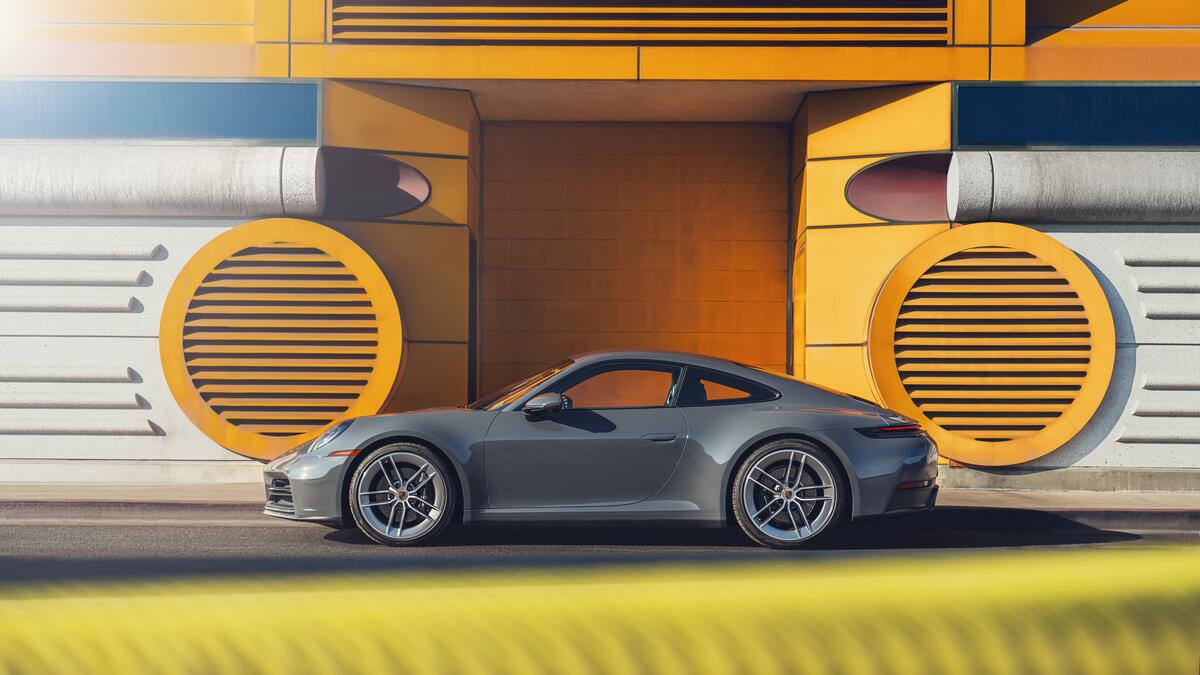
Porsche 911
"...ou get the third month free with promo code Spike 911. That's promo code Spike911."
The Porsche 911 is a famous sports car model from Porsche. In the podcast, it’s mentioned as part of a promo code, meaning it’s being used as a recognizable name. It’s known for being a performance-focused car.
The Porsche 911 is an iconic sports car line known for its rear-engine layout and long-running performance heritage. The podcast references it in a promotional code context (“Spike 911”), which suggests it’s being used as a recognizable brand hook. It’s often discussed because it represents a benchmark for sports-car performance and engineering.
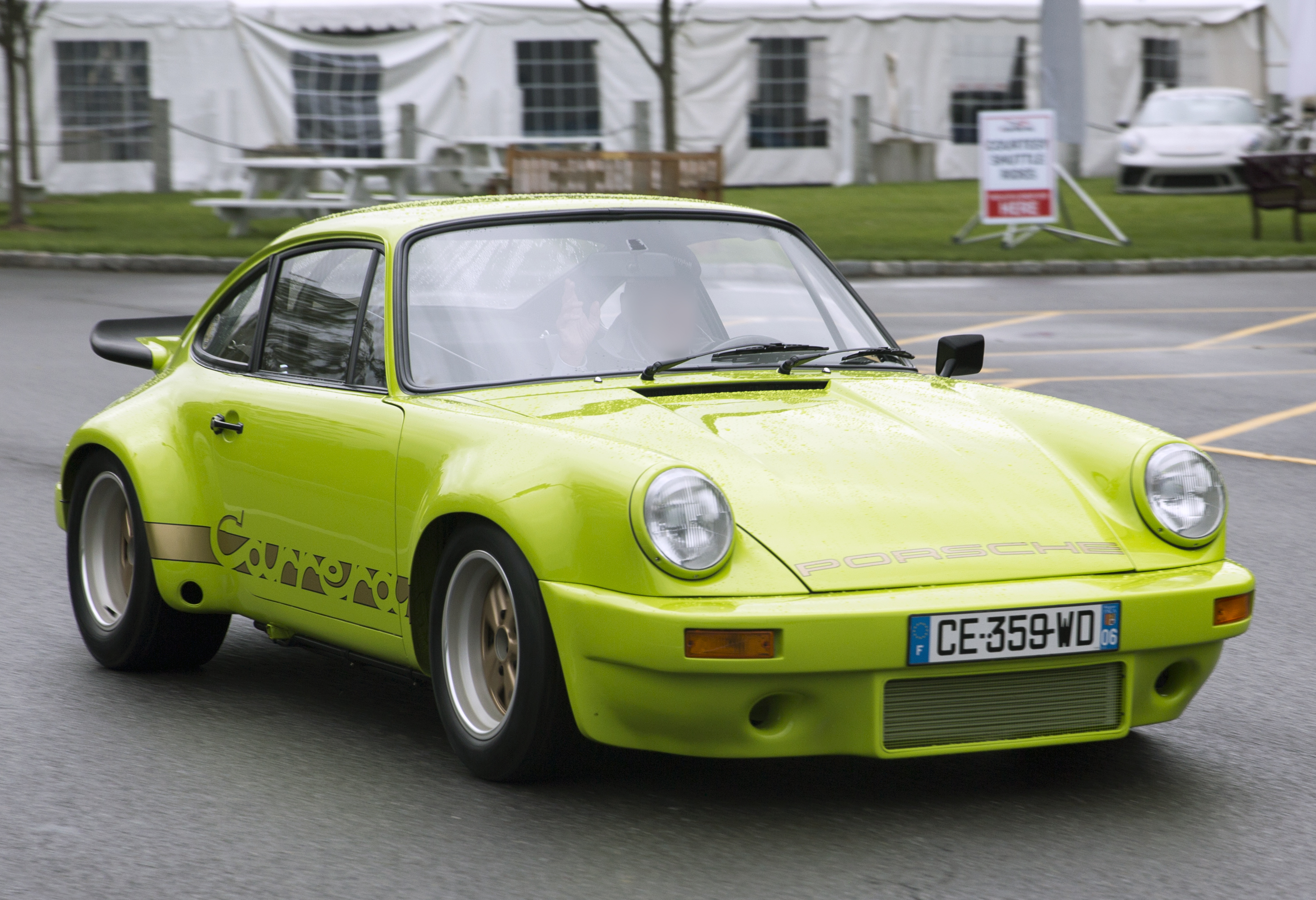
Porsche Carrera
"...against loud exhausts by going after a guy with a Porsche Carrera GT, a C8 Corvette, and a Z06. The police say they..."
The Porsche Carrera RS is a high-performance version of a Porsche 911. In the podcast, it’s mentioned in a story about loud exhausts and police attention. It’s brought up because it’s the kind of car that can sound and perform very aggressively.
The Porsche Carrera RS is a performance-focused variant of the 911 line, known for being stripped down and tuned for driving feel. In the podcast, it’s mentioned in the same “loud exhausts” and police-related context as other high-performance cars. That suggests it’s being used to illustrate the kind of attention these cars can draw when driven hard.

Porsche Carrera GT
"Now many car enthusiasts consider the whale of the V10 and the Porsche Carrera GT to be one of the greatest sounds in automotive history. We're like that."
The Porsche Carrera GT is a rare, high-end Porsche supercar famous for its V10 engine. People love how it sounds when it revs, and the episode is joking about police trying to stop that noise.
The Porsche Carrera GT is a supercar known for its naturally aspirated V10 engine and its reputation for an extremely distinctive, high-revving sound. In this segment, the hosts reference it as having one of the greatest exhaust notes in automotive history, which is why it becomes the target of the “noise crackdown” discussion.
V10
"Now many car enthusiasts consider the whale of the V10 and the Porsche Carrera GT to be one of the greatest sounds in automotive history. We're like that."
A V10 is an engine configuration with ten cylinders arranged in a “V” shape. In performance cars, V10s are often chosen for their smooth power delivery and high-revving character, which is why the hosts connect the V10 “whale” sound to the Porsche Carrera GT’s reputation.
Beverly Hills
"But according to the police, it's too much for the poor citizens of Beverly Hills, who whose life is tough, Zuckerman."
Beverly Hills is a city in Los Angeles County, California, known for affluence and strict local rules. In the segment, it’s the setting for a humorous “noise crackdown” narrative where police allegedly pull over high-end sports cars for being too loud.
stock exhaust
"Well, if it's a stock exhaust, it's not that loud. The police apparently believe that this noise crackdown is one"
A stock exhaust is the factory-installed exhaust system that comes with the car when it’s new. The speaker argues that if the car still has its stock exhaust, it shouldn’t be as loud—contrasting with louder aftermarket setups that can trigger noise complaints.

C8
"Well, I can tell you, Mr. Police Officer, we're OK with the C8, the Corvette crackdown and even a Lamborghini crackdown. But leave our Carrera GTs alone."
The “C8” refers to the Chevrolet Corvette C8, which is the Corvette generation that moved to a mid-engine layout. Here, it’s mentioned as part of a broader “crackdown” on loud sports cars, with the speaker saying they’re okay with the Corvette crackdown but want the Carrera GT left alone.

Porsche 918 Spyder
"...guys, you can take down. But the 908, I mean, the 918, the Carrera GT. What other cars do we want to ge..."
The Porsche 918 Spyder is a supercar that uses both electricity and a gasoline engine. The podcast mentions it along with other rare Porsche cars, likely to compare which exotic cars are involved. It’s brought up because it’s a special, high-performance model.
The Porsche 918 Spyder is a plug-in hybrid supercar known for combining electric drive with a high-revving performance engine. The podcast groups it with other rare Porsche models (“908…918…Carrera GT”), suggesting a comparison of exotic, high-performance cars. It’s mentioned because it’s a standout technical and performance machine.
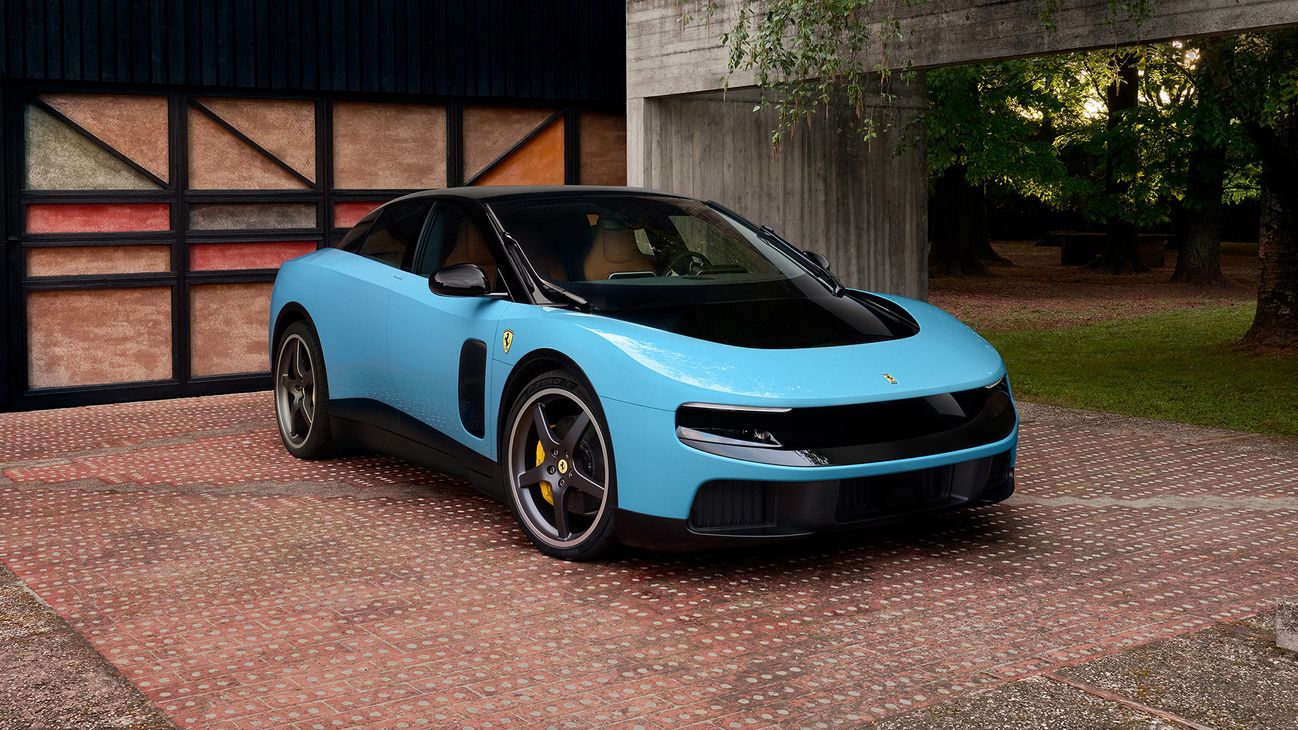
Ferrari Luce
"the Ferrari Fredo. What are they called? The Luce, right? Before that, we had the Jaguar"
The podcast mentions a Ferrari called “Luce,” but there isn’t enough detail in the snippet to say what it is exactly. It sounds like they’re just naming a Ferrari model while talking about cars. If you can share more of the segment, I can explain it more clearly.
The Ferrari Luce is mentioned in the podcast as “the Ferrari Fredo… the Luce,” but the transcript doesn’t provide enough detail to accurately identify the specific model or its context. Without clearer information, the safest takeaway is that it’s being referenced as a Ferrari model name within the episode’s car discussion. If you share more of the surrounding segment, a more precise explanation can be made.

Cayenne Ev
"It's just I don't know. Cayenne EV, Portrait Cayenne EV. But yeah, the stats on it."
The Cayenne is Porsche’s SUV model. In the podcast, they mention an electric version (“Cayenne EV”). That’s why it’s discussed—because it’s about an EV SUV version of the Cayenne.
The Cayenne is Porsche’s luxury SUV line, and the podcast specifically references “Cayenne EV” and “Portrait Cayenne EV,” pointing to an electric version discussion. That kind of mention usually relates to specs, stats, or how the EV model fits into the Cayenne lineup. It’s brought up because it’s a major platform for Porsche’s SUV strategy.
active error
"[1998.8s] It's got active error where it literally has like things [2001.6s] that shoot out of the rear."
An “active” system is something in the car that watches what’s happening and then automatically does something to help. Here, it sounds like the car can deploy parts from the rear when certain conditions are met.
“Active” systems use sensors and actuators to react in real time to driving conditions. In this context, “active error” sounds like the host is describing an active safety/handling feature that deploys hardware automatically when needed.
electric architecture
"[2016.8s] But yeah, this is a new electric architecture. [2018.9s] EVs have less hard to fix problems than gas cars do, you know, [2024.4s] and the software is updatable and all that."
“Electric architecture” is basically how the car’s electrical system is planned and built. A newer design can make it easier to update the software and fix problems.
“Electric architecture” refers to how a vehicle’s electrical systems are designed and laid out—things like the power distribution, battery integration, and control modules. A newer electric architecture often makes software updates and diagnostics easier than older designs.
software is updatable
"[2018.9s] EVs have less hard to fix problems than gas cars do, you know, [2024.4s] and the software is updatable and all that."
Many modern EVs use over-the-air (OTA) updates or dealer updates to change vehicle software after purchase. That can improve features, fix bugs, and sometimes adjust vehicle behavior without replacing major hardware.

Bentley Bentayga
"...all hated because it's an SUV. Everyone hated the Bentayga. It's the best selling Bentley."
The Bentley Bentayga is a luxury SUV made by Bentley. The podcast says some people didn’t like it because it’s an SUV, but it’s also described as Bentley’s best-selling model. It’s mentioned because it’s a major, popular vehicle in Bentley’s lineup.
The Bentley Bentayga is a luxury SUV known for combining high-end comfort with strong performance. The podcast notes it was “hated because it’s an SUV” but also calls it the “best selling Bentley,” which frames it as a mainstream success within the brand. It’s discussed because it represents how Bentley’s lineup includes a popular SUV model.
Porsche Cayenne
"[2040.7s] Everyone hated the original Cayenne. [2042.5s] It was the best selling Porsche before the Macon came out, [2044.6s] which became the best selling Porsche."
The Porsche Cayenne is Porsche’s SUV. The point is that some people didn’t like Porsche making an SUV, but it ended up selling very well.
The Porsche Cayenne is Porsche’s SUV that helped broaden the brand’s customer base beyond traditional sports-car buyers. The host notes that people criticized the original Cayenne, but it still became a sales success.

Tesla Model X
"... the assembly lines that make the model S and the model X and they are installed. They're there robot line ..."
The Tesla Model X is an electric SUV, so it runs on electricity instead of gasoline. The podcast talks about how the Model S and Model X are made, including assembly lines. That’s why it’s mentioned—because it’s one of Tesla’s key electric vehicles.
The Tesla Model X is an all-electric luxury SUV known for its tech features and distinctive design. The podcast references production/assembly lines for the Model S and Model X, which places it in a manufacturing discussion. It’s mentioned because the Model X is a major part of Tesla’s electric vehicle lineup.

Tesla Model S
"...rally ripped out the assembly lines that make the model S and the model X and they are installed. They're t..."
The Tesla Model S is an electric car, meaning it runs on electricity instead of gasoline. The podcast talks about production/assembly lines for the Model S and Model X. That’s why it’s mentioned—because it’s a key car in Tesla’s manufacturing.
The Tesla Model S is an all-electric luxury sedan known for its long-range capability and advanced technology. The podcast mentions “rally ripped out the assembly lines” for the Model S and Model X, which frames it as part of a manufacturing or production discussion. That’s why it comes up—because it’s a central, high-volume platform in Tesla’s lineup.

Dodge Charger
"...'m happy to take them for rides in my 300 and 392 charger. And my mom's here for this story."
The Dodge Charger is a car that’s built for strong acceleration and a sporty feel. In the podcast, they mention different versions of the Charger, like the 300 and 392. It’s brought up because it’s a performance-focused model people like to drive.
The Dodge Charger is a muscle-car style sedan known for powerful engines and a strong performance culture. In the podcast, it’s mentioned as “300 and 392 charger,” indicating different engine options within the Charger lineup. It’s discussed because it’s a popular choice for spirited driving and car enthusiasts.
Request an Explanation
Heard something you'd like explained? We'll add it to this episode.
Sign in to request explanations for terms you heard.
Want to learn more?
Browse our glossary for plain-English explanations of automotive terms, jargon, and concepts.
Help improve this episode
See something that's not quite right? Our annotations are AI-generated and can sometimes miss the mark. Click the flag icon on any annotation to suggest a correction.