FSD stands for “Full Self-Driving.” It’s software that tries to help the car drive more on its own, like staying in the lane and handling parts of the route. Even with FSD, the driver usually still has to pay attention and be ready to take over.
The Hyundai Palisade is a family SUV with three rows of seats. The hosts mention it because there was a reported accident involving a power-folding seat, which raises safety questions about how that feature works in real life.
A power folding seat is a seat that folds or changes position using an electric motor and control system rather than manual hinges. Because it moves automatically, it depends on correct sensing, control logic, and safety interlocks to prevent pinch/crush hazards.
Term
connected car type platform
A connected-car platform is the system inside a car that lets it communicate with apps, networks, or services. The idea is that companies can share that “tech base” so they can focus on other parts of the car.
Bosch is a company that supplies parts to many car brands. The host is saying that because the industry is changing, suppliers may need to merge or team up to survive.
Topic
Chinese auto industry competition and U.S. threat
They discuss whether Chinese car companies could become a major threat in the U.S. and what that would mean for prices and EV adoption. They also talk about how charging and infrastructure affect whether people buy EVs.
Term
OEM legacies
OEM legacies means the long-time big car companies and how they’ve traditionally operated. The point is that newer competitors can squeeze them on price and costs.
Battery plants are factories that make EV batteries. The host is saying some of these factories are shutting down, which affects how quickly EV supply can grow.
Term
over leverage
Over leverage means companies borrowed or committed to too much financial risk. If sales or funding don’t go as planned, they can’t keep paying for big projects.
Range anxiety means worrying your electric car won’t have enough charge to get where you’re going. If chargers are hard to find or busy, that worry gets worse.
The EV sector is the part of the auto industry focused on electric cars. The point being made is that EVs can change how many service workers are needed and what they work on.
Brand
REO
REO is mentioned as a truck company that’s making a new modular vehicle concept. The transcript doesn’t clearly identify which real-world brand it is, so it’s hard to pin down.
Tariffs are taxes a government places on imported goods. In the segment, tariffs are discussed as a policy lever that could raise the price of Chinese vehicles, affecting how competitive they are versus domestic automakers.
A lithium-ion battery is a rechargeable power pack. It stores energy using tiny charged particles (lithium ions) that move back and forth when you charge and use the battery.
Graphite is a material inside many lithium-ion batteries. It helps store lithium when the battery charges, which is why getting enough graphite matters.
Solid-state batteries are a newer type of battery that uses a solid material instead of a liquid inside. People think it could be safer and hold more energy, but it’s hard to make cheaply in large quantities.
Hydrogen can be used as a fuel to make electricity in the car. In many hydrogen systems, the main exhaust product is water vapor, but the hard part is making it affordable and widely available.
Term
hydrosyn cell
This sounds like “hydrogen fuel cell,” which is a device that turns hydrogen into electricity. That electricity can then power the car’s electric motor.
EV incentives are government or manufacturer programs that reduce the effective purchase cost of electric vehicles. The speaker describes how incentives were necessary to move inventory, implying demand can be highly sensitive to pricing support.
Term
quality standards
Quality standards are formal requirements that products must meet before they can be sold or put into service. In the transcript, they’re framed as constraints that can raise costs and slow down how quickly cheaper vehicle technologies reach the market.
Term
robot waiter
A robot waiter is a robot that brings things to customers instead of a person. The point here is whether that kind of automation really saves time enough to justify the expense.
Term
robot cleaning the floors
These are cleaning robots that drive around and clean floors by themselves. The discussion is about whether they meaningfully improve day-to-day operations in real businesses.
“Remote control” means someone drives or operates the robot from far away instead of letting it do everything by itself. The idea being discussed is using people to take over when the robot gets confused.
Waymo is a company that works on self-driving cars. In this segment, it’s used as an example of how you might manage a robot with remote help when it can’t handle something on its own.
FTC means a U.S. government agency that polices unfair or misleading business practices. The hosts are saying car dealers have to follow these rules, especially in advertising online and on social media.
CFPB is the Consumer Financial Protection Bureau, another U.S. agency focused on consumer financial products and related advertising/servicing. The speaker argues that even without CFPB, existing laws can still be enforced—here, by the FTC—against dealer marketing and related practices.
Here, “social media” means posts on platforms like Instagram or TikTok. The hosts are saying even normal, unpaid posts can still count as advertising and can get dealers in trouble if they’re misleading.
Here “identifiers” means things like tags, names, or labels that connect a social post to a dealership or salesperson. The claim is that once you make it clearly tied to the dealership, the dealership can be held responsible for the post.
Peter Smith is the guest on the show. He’s explaining how car dealers can get in trouble with the FTC over things like social media posts and pricing accuracy.
“Misleading pricing” means showing a car price in a way that isn’t really what the customer will end up dealing with. The hosts are saying this can trigger FTC trouble and big penalties for dealers.
A “ghost car” is basically a car listing that looks real online but isn’t actually available the way the ad suggests. The point here is that this kind of listing can get dealers into legal trouble.
“Compliance standards” are the rules a business follows to stay within the law. The idea here is that dealers may need a clear guide for employees so posts and promotions don’t accidentally break the rules.
“Liability exposure” means how likely it is that a business could get blamed or sued because of something it did (or something its employees posted). The hosts are saying the risk grows quickly when many people post many times.
A floor plan is a loan dealers use to buy cars for their lot. They pay interest while the cars are waiting to be sold, so if sales slow down or interest rates rise, it gets expensive fast.
In dealership operations, inventory refers to vehicles and parts sitting on hand that tie up money. The discussion frames inventory efficiency as critical because holding too much (or moving it too slowly) hurts margins.
NADA margin refers to profit-margin benchmarks published by NADA (National Automobile Dealers Association). The host uses it to argue that inefficiency can quickly erase thin dealership margins.
The interest rate is the cost of borrowing money, and in this context it affects consumer auto loans and dealer financing costs. Higher rates raise monthly payments, which can reduce demand and stress dealership cash flow.
Right to repair is the idea that independent mechanics should be allowed to fix cars using the same kinds of information and parts that dealerships use. It can keep older cars running longer.
ADAS are the car’s driver-assist features—systems that help with things like staying in the lane or controlling speed. Newer cars have more of these systems.
A kill switch is an anti-theft device that stops a car from starting or running if someone tries to steal it. The speaker is saying it’s becoming a popular trend.
When you lease a car, the payment is based on a “starting price” number. That number is called the capitalized cost, and it’s what the lease company uses to figure out your monthly payment.
The Honda Civic is a very common, long-lasting car. Here it’s being used as an example of an older car that can still be a good deal because it keeps running and doesn’t necessarily cost as much to maintain as people expect.
Depreciation is how much a car loses value as it gets older. The point here is that an older, cheaper car may not lose much more value, while a new car can drop a lot early on.
The Ford F-150 is a large pickup truck. It’s designed to carry cargo and tow things, but it can also be used like a regular vehicle for daily driving. The podcast is likely bringing it up as an example of a vehicle people buy when they’re thinking about major life expenses.
A manufacturer buyback is when the car company requires the dealer to take certain returned cars back. The dealer then has to resell them, often at prices influenced by that guaranteed return deal.
A subvented rate is a discounted loan/lease interest rate that the car company helps pay for. It can make monthly payments lower than they otherwise would be.
When you lease a car, the contract usually guesses what the car will be worth at the end. If that guessed value is high, your monthly lease payment can be lower. That’s what they mean by “residuals.”
A lease has a financing cost, kind of like interest on a loan. “Money factor” is the way leases express that cost, and it changes how expensive the monthly payment is.
Lease penetration just means how often people choose leasing instead of buying for a certain brand. If a brand has high lease penetration, more shoppers are leasing those cars.
The Mercedes-Benz S-Class is Mercedes’ top luxury car. They’re talking about how, in the U.S., you could lease one for a surprisingly low monthly cost for a short lease period.
“AI fatigue” means people get tired of AI tools that don’t feel helpful or that produce annoying, low-quality results. The point is that AI needs to be set up well so people actually want to use it.
They’re talking about a risk where too much of a dealership’s work depends on one main computer system or vendor. If that vendor has problems, the whole dealership can get stuck.
LIVE
IgniteUps.ai: All right, welcome back everybody. This is Automotive Informants. have a special guest here. And Zach is joining us this week. I know was a little MIA last week. But welcome back, Zach. Peter, if you could give us a minute or two intro, the audience know who you are and a little bit about your background.
Peter Smith - Lion Partnership: Sure. Thanks for having me. First of all, my name is Peter Smith. I am the founding partner, managing partner, whatever you want to call me, chief cook and bottle washer at Lion partnership. We're a collective of 45 automotive experts across various verticals to help dealerships actually provide the best experience for their customers. So. You name it, we look after it and we have an opportunity for you to grow.
IgniteUps.ai: Awesome. Yeah, you know, and I connected with you. been some time now and it's it. Yeah, it's it's a but you know, I always love what you see you doing and you know as active as you are the community and looking at you know, ⁓ I should get on Clubhouse often. I just you know that early morning is usually my gym time and you it's you gotta quit making excuses and jump there, but.
Peter Smith - Lion Partnership: Yep. I think it was in book three.
IgniteUps.ai: Welcome to the show. We do have several headlines that we want to discuss and definitely want to get your opinion. So we'll just started. This one's kind of a like a soft tee up to you. It's nothing too too, ⁓ you know, controversial, I know some of of us, you know, do like this information.
Some of us don't, but Tesla. It's not even has to do anything about Tesla. All it has to do about Hyundai Hyundai is going all in on FSD. They're going to. I mean, they've already been testing it, seen some viral videos, basically kind of mirroring what Tesla's done with their FSD.
In addition to that, they just made a major acquisition, Robotics. So are they now following the same playbook? They got the robots, Tesla's coming out with the robots next year. Or I think they even might even start delivering some at end of this year.
I don't remember exactly when, but. Now with this acquisition with Boston Robotics, are they taking that same and are other OEMs you think may follow suit?
Peter Smith - Lion Partnership: Well, all realism there, Chris, what we really have to go back to is how diversified OEMs actually are. And most people don't realize it. Most people think that an OEM just makes cars and that's so far from the truth.
So when we look at the evolution business, especially when ⁓ you're taking as complicated as a car, Robotics just makes sense for any of the OEMs to get into because the next stage. We're looking at automated cars, we're looking at connected cars, we're looking at so much that is involved.
IgniteUps.ai: do you think Zach is it is this something that you know everybody's going to be doing in the next 10 years five years
Zach Fritz: Absolutely, I mean, it's, can't change it, okay? Robots are coming, as we discussed earlier, but I think the interesting part for me here is it's Hyundai. Now, Hyundai is going to now say, we're going to make this major investment, know, go all in on robots and automation here and focus on FSD, ⁓ automate everything.
However, ⁓ If I'm correct, a few months ago wasn't there a case out of California where a two-year-old girl got crushed to death from the power folding seat on a Hyundai Palisade? So they can't even make a seat correctly, but they're gonna go all in on this.
It just sounds like a bad plot to a sequel to iRobot. Just my opinion.
IgniteUps.ai: Well, there's that. mean, that was an unfortunate event for sure. ⁓ But they're not building the robots. They've acquired the company that will build the robots. And Boston Robotics, you their background, they've been doing this for quite some time. I know. think, for me personally, when I at the robot company that just came out that has that with Reynolds and Reynolds, or I don't know if they bought ⁓ Reynolds and Reynolds or who bought them, but they have.
IgniteUps.ai: a parts delivery robot in some stores today that are helping dealers with their, you know, just during internally just delivering parts for the technician. So that may be one angle. I think there's other angles for these robot robots a big scale, not only specifically for automotive, but even outside automotive. you know, Peter, did mention that some OEMs do do a lot of other things outside of just creating
IgniteUps.ai: making cars like Mitsubishi with their TVs and things like that. So see that. But.
Peter Smith - Lion Partnership: Well, you also got to look at it. most people look at Hyundai as a car company. They're not just a car company. They're one of the large, they're probably in the top 20, 30 to largest companies in the world. They're a huge conglomerate that, that didn't actually get started in the car business. It wasn't their first, first rodeo was the car business. That was way down, ⁓ down, downstream they got into the car business.
IgniteUps.ai: Really? What were they doing prior? I really enlightened me. haven't.
Peter Smith - Lion Partnership: They were shipping cranes, you name it. They were like Mitsubishi. Mitsubishi was so diversified that Mitsubishi heavy industries, people didn't recognize that the business only accounted for like 1 % their global income. ⁓
IgniteUps.ai: That's right. Yeah, I've seen some of those cranes and big work type vehicles, like or I don't know what you call them, but yeah.
Peter Smith - Lion Partnership: Yeah. Shipping, you name it. Hyundai is majorly into shipping. we such closed mind when we look at things globally that ⁓ we understand how see it. My wife says it best.
Our perception is how see things. It's not always right. It's just how we see things. ⁓ Like no one would imagine that Mercedes-Benz is, largest shareholders are Chinese. They own over 25 % of Mercedes-Benz.
And you would never know that. And people would go, are you kidding me? That the first car company in the world is owned by the Chinese?
IgniteUps.ai: Yeah, well, and then you've got that, you know, could tie into several other recent articles, But for me, what I was thinking, there was a comment that was made this morning on that post I did.
one of the, runs a very large Toyota store and he said, look, he said, I don't know this personally, but I get the feeling because Japan. ⁓ they're all the CEOs or one of the CEOs announced that they're they are trying to see how they can all work together.
Toyota, you know, all the different Japanese manufacturers to have some kind of connected car type, you know, platform don't you know, they can, you know, engineer other things, but like, the things that don't need to be, you know, batteries, things like that to be engineered.
What he was saying was that they may be looking at kind of partnership with Apple or ⁓ something where they're all on platform that they could really give the Chinese a run their money. I don't know you think about that.
Peter Smith - Lion Partnership: ⁓ absolutely. Think about the other thing that was announced that Mazda, and Subaru are getting together to design engines. Like, the only way forward...
IgniteUps.ai: Well, they've actually done so. mean, Subaru and Mazda have had some Toyota parts in their vehicles for many years, for sure.
Peter Smith - Lion Partnership: Yeah. So if we look at it and we look at some, let's just take Bosch for example, Bosch supplies huge amount of percentage of parts to the automotive industry ⁓ right across brands, right across brands. The only way we can become successful in and survivable is through consolidation. And the smart companies are aligning right now to who ⁓ is is the best to move forward. you see it regardless of what project it is, it's there.
IgniteUps.ai: Yeah, you know, think, know, there's a lot that you can expand on this conversation specifically, because the minute you start going into the Chinese conversation, you know, they're, you know, as you know, moving into Canada, they, you ⁓ based on current that they have, they could be a real threat here in US. And, you know, do you see them at some point coming into the United States?
Peter Smith - Lion Partnership: He Well, good, good question there. I was at a soda con and I, I pushed back on it against the Chinese. There a breakout session with a number of big players, in that break.
pushed back against People don't understand the actual Chinese auto industry and what they're doing and why they're doing it. ⁓ It's, ⁓ it's it's global economic play to wipe out the, the legacies.
Look at what's happening in Germany. They allowed the Chinese market to come into play. And because the Chinese market controls the mining industry, it's not the car industry, it's the mining industry.
And because the mining industry is controlled by the Chinese, the OEM legacies cannot compete because they have to buy from the 15%, not the 85 % of the Chinese. And therefore they're costs are exorbitant and therefore the pricing off ⁓ the can come in, wipe out the market, force the manufacturers to get into that game and when they force them to get into that game, they over leverage themselves.
⁓ Look all the battery plants are closing right across North America and because over leverage, can't fund. Geely, or not Geely, just had a massive scare. Their prices dropped over 55 % in an hour because someone said they were going bankrupt and in massive trouble right now.
And so what you going to do? How do you compete in that marketplace? Now you allow the Chinese to come in. People go, great. There's a cheap car, cheap transportation, affordable transportation. That magic $20,000 number that everyone talks about.
Well, what are they going to buy? They don't care. It's point eight to point B for them.
IgniteUps.ai: Yeah, you know, I'll think my only argument to that is you still run into what every dealer had problems with is the range anxiety. They don't have the infrastructure that yes, they could try to plug into Tesla.
But, you know, when was the last time you went to a Tesla charger? I always see those things packed. I have a Tesla myself. And every now and then you go and there's not one stall that's available. for you to charge your vehicle and gotta wait 30 minutes to charge.
and then ⁓ wanna your opinion on this, Zach, what does that do for all the techs, right? Cause they don't need as many techs if you've got, you know, fewer parts.
Zach Fritz: even think it's the EV sector, right? So I don't know if you've seen it, but REO, right, the old truck manufacturer, somebody, don't know if it's the same owners or if they got bought up or whatever the case is.
They're finally doing what Slate and Amazon should have done. And they're producing a small gas truck SUV concept where it's all modular and it's priced at the exact same price as a Slate. So no range anxiety, no issues there, and it's a small gas vehicle.
If the Chinese start doing that, it's game over. However, I'll play the devil's advocate here. We talk about, well, all these cars coming in from China and the tariffs, it's gonna drive the price up, and that's how we remain competitive from a lobbyist perspective, whatever.
But we did that to ourselves because we wanna cut back on all of our mining and all of our production here so we can then cut cost and raise our margins, but you can't have one and then bitch about the other.
So I think it's a rip the bandaid off situation for automakers. It's not going to get done through policy, through tariffs, through lobbying and saying, ⁓ well, the Chinese are going to screw us over.
Well, invest in manufacturing here. Make it easier on yourself. Invest in mining. Do what they're doing because right now they've kind of got you by the hair.
IgniteUps.ai: Well, you know, and then other argument is, yes, have a manufacturing here, but you still can't compete with Chinese labor, right? Like, you know, that's like, there's no way to compete with that. I think we brought this up, ⁓ maybe, don't know, a couple months ago, where we, know, how much they pay for Chinese versus US labor. And it's not even on I mean, you're talking like a of what they spend in China versus what
Peter Smith - Lion Partnership: Absolutely. I just before I decided to come back to the crazy thing called the automobile business, I was in the mining business. I was in it for, for 10 plus years owning graphite mines all over the world.
And those graphite is the number one component for a lithium lithium ion battery. It's 11 parts graphite to one part lithium. And so therefore that is the, that is the true the true backbone of that battery.
Well, in Canada, we have more graphite in Canada than anywhere else in the world. It's kind of it's kind of like the oil reserves in North America. We have more oil in North America than anywhere else.
However, it's getting to it. And got it down to mining down 20 or $2,000 a ton. Soon as we got it down to that investment came. But as soon as we did that, the Chinese lowered the price to $800 a ton.
so they basically decimated the opportunity for us to mine here and they keep doing that. And because allowed that to happen and allowed Chinese to buy up all the graphite mines all over the world and the cobalt mines and the molybdenum mines and every other critical earth out there, we can't build the chemistry to build these batteries.
The only hope for us is solid state solid state will be a game changer if it can be produced at scale.
IgniteUps.ai: What is a what's know that that leads me into the other? Is it hydrogen? mean, what's Toyota doing? They you they were one of the few or actually the only OEM that said yeah, this AV thing is nuts.
We're not gonna do it and they look came out like heroes. I know they got a lot of you know pushback, but their hybrid technology has been you know phenomenal and they can't even keep up with the demand at this point, but They also for the longest time have been talking about hydrogen, hydrosyn cell type driving.
Peter Smith - Lion Partnership: Well, hydrogen kind of the elephant in the room by meaning that you have, what was the semi-company, Nikola, that went after hydrogen and was big Ponzi thing in the United States or so to say. Now that person's getting pardoned and brought back to life and well, is ⁓
IgniteUps.ai: Well, even General Motors had like a big investment on that. And I mean, that was just terrible. I mean, I don't know if you remember, you know, the semi they had to push down the road and that they said, yeah, it's, it's working.
Peter Smith - Lion Partnership: Yeah. Yeah. It's, like, it's almost, it reminded me of, and you and I are both of the same age where Volvo put seven cars on top of each other and said the roofs were crush proof.
But for the ad, they, they put two, steel I beams in the bottom car, to hold up the roof and then got caught doing it. And it's like, you just desecrated your whole, your whole image. But it's, one of those things.
And they said, we didn't have to do it. We just did it just in case. And, with the, the, the semi yes, it didn't but does hydrogen work? Can it work? Yes, it can. There's, there's, there's always been talk of that, that elusive sports car over in Europe that runs on hydrogen that has performance numbers that are just.
astronomical. There's what's it emitting? It's emitting water vapor. great. Yeah the the holy grail. It's the ⁓ the mile carburetor. It's it's it's this of things and that's it's automotive folklore until it can be produced and we're way off.
IgniteUps.ai: No, think as much as they've been talking about it by now, you'd see it, you know, ⁓ and it would just, but at the end of the day, it still comes down to cost and similar to what we saw with these, you know, EVs and, know, I was running a store that We were just getting crushed on EVs, couldn't sell them.
The only way we sold them is with ⁓ incentives. And as a dealer, we had to take big losses to move the inventory. At the end of the day, that's what it comes down to. And I like that you brought that up, Zach, about what you said, REO?
⁓ so that's going to be interesting, especially I think this new administration basically cut back some of the
Zach Fritz: Yeah, that's a really interesting one.
IgniteUps.ai: quality issues that needed to happen to get those to market because there's so many different quality standards that we've put on these that don't allow them to make a really inexpensive vehicle and as a result of these some these measures that the government's in place they've scaled back that is going to help with some of cheaper technologies for vehicles to help them into market cheaper.
I know. I think it's going be interesting. But Zach, before we move on to the next what do you think about these? When I about the robotics, I just wanted to touch base specifically on that robot that's in the stores in the parts department.
IgniteUps.ai: in different areas in the back of the house.
Zach Fritz: As far as what, from a usefulness perspective or I mean, just feel like it's solving a problem that doesn't really exist as much as we would like to say it does. know, every dealer that I ever worked in, the parts counter really wasn't that far. You go up to the parts counter, they pull the part, 90 % of the time they got to order it or O'Reilly's or Napa or somebody drops it off, which is another interesting thing to talk about. But...
Zach Fritz: It's like the restaurants that have the little robot waiter that brings your food. It's like, is that really saving time in the grand scheme of things for, you know, a $10,000, $20,000 robot to, that's gonna be in the way, to, I just, why?
IgniteUps.ai: Well, I'll tell you, I see those robots in quick trip now everywhere. When I go into those stores and they, you, before they brought those robots in, you'd always see some guy pushing the, you know, mopping, know, thing, whatever they call it to clean the floors. And now you go in there and now you just see this robot all the time, just kind of going through the whole facility, just cleaning the you know, ⁓ basically.
Peter Smith - Lion Partnership: So yeah, well, we're, went out of business. Room was out of business now. They filed for bankruptcy, but how, let's, let's just look at a couple of things with this, Chris. Um, yeah. Can, can we have something running around our businesses cleaning up? Uh, like, like, uh, a robot cleaning the floors. Yeah, absolutely. Will people move out of the way for that? Yes, they will. But.
Peter Smith - Lion Partnership: I was in Beaux Art Beaux Art had the robots running around Beaux Art delivering parts because they have 99 service base that's a significant size operation. But ⁓ if look at how it works, they put lines down on the floor where the robots going to run through.
If someone drops something into line edge area, the robot stops. It can't go around it. can't understand it. It's like two way most coming down, coming down the street and seeing each other. They get confused and it's challenge and a person, a part runner cannot, does not get challenged.
So if you, for the cost of the robot versus the cost of a part runner, yeah, take the part runner all day long.
Zach Fritz: You mentioned Waymo. I have the perfect solution for the parts robot. Instead of the lines on the floor, they can just follow the Waymo model and have a bunch of people in Indio just remote control the thing and not tell anybody. It's perfect. Nobody will ever know.
IgniteUps.ai: Well, yeah, that'd be fun. Well, jump to the next one. So the FTC has been a hot topic recently. it's a big one. A lot people, lot of auto groups have been getting sued, lot of scrutiny.
Apparently, people were when you didn't hear about as often. lo and behold, they're just leaning on the laws that were already there. Like apparently we didn't really need CFPB because we already had some laws that we could reinforce or enforce.
And that's what's happening with the FTC. So this article that Automotive News just came out with, basically said that TikTok, Instagram, do dealers need to worry about that since that's if you get employees running around doing these types of ads or these little self-promotions to get customers and they'd last on their social media for years, how much trouble do you think that, or what kind of exposure does that give the dealer?
Peter Smith - Lion Partnership: Well, I will say 100 % exposure knowing what, the actuality of it is. The, the challenge, the massive challenge here is identifiers. Soon as you put identifiers in, in your, your social media, you're liable.
So, Hey, I just got this new black ZR one X in stock. Um, call me for a press. Well, If that car, that car is going to sell within a week. And if you don't take it down, you're in trouble. Now the average salesperson probably has five social media is to brand themselves because we turned around and said, Hey, brand yourself, brand yourself.
You are responsible for, for outgoing. You have to, you have to, pitch in now to be successful. And if, if you don't then. Then there's the door. Don't let it hit you on the way out. that's the mentality of the dealer today.
So now you have some big stores having over a hundred salespeople, a hundred salespeople times five, five media. That's 500 social media is you're going to have to police. And ⁓ that every instance of a ghost car of misleading pricing anything that's not kosher as the FTC says, you're in a position of a $53,000 fine plus.
You could, I looked at a large group in Scottsdale and just on their pricing, on their cars, every single car was out of compliance, both online and offline, both ways. It was over a billion dollars in fines if the FTC wanted to come into that campus.
Just on pricing. Never mind social media. Never mind their F &I. Never mind their asinine pay plans which reward and penalize reviews. Like we are the...
IgniteUps.ai: That's, that's another tough, that's a comp like, man, I posted that one and some people were like, how is that even possible? That's not fair. this, like, man, I'm just telling you what I just read, you know? So.
Peter Smith - Lion Partnership: that does with commerce, the FTC has a rollover. Period. It doesn't matter. It's commerce.
IgniteUps.ai: Well, what do you think? Do you think that the dealer needs to have a playbook so that salespeople have a way to market, similar to how the gives these compliance standards for their marketing departments? ⁓
Peter Smith - Lion Partnership: Well, two, two sides of that. One big dealer group I know has put a moratorium on their social media. their employees cannot advertise on social media. ⁓ a immediate dismissal.
that's ⁓ one dealer group that was their solution. Another group in Texas that I know of has a social media manager that is, is personally maintaining everyone's social media ⁓ are responsible for inventory changes ⁓ compliance.
It going to be a nightmare. If the should actually comply to what the FTC ruling is, they're going to have to employ a lot AI, new people, bring in whole department of compliance. training is gonna be immense everybody coming on board.
The onboarding is gonna change. We're finally gonna get true onboarding into our industry because they're gonna have to understand is expose dealership to liability, what those liability costs are. And because just, As a salesperson, I could go out and post on five social medias.
And if we have $300, 300 cars in stock, I can post 300 different times, but 1500 posts, 1500 posts times 53,000. Look at the liability I just caused for the dealership. If I do it, I can take them out of business, literally take them out of business.
IgniteUps.ai: Now, what I find, I think it's interesting because it's not like, they're not paying, they're not paid ads, but they are organic ads and that still can the same weight. That's what's interesting.
Peter Smith - Lion Partnership: It's not me you're it's not- absolutely. Think, think about this in, in, in under, here's next side of there's two more sides to it. You're a salesperson. You, you get rocked three or four times a week by the dealership down the street that you knows is nefariously on the internet. know that they're doing it. How long is it going to be as a salesperson until you pick up the phone and call the FTC yourself?
IgniteUps.ai: I think that's coming. I think we're going to see more of that for sure.
Peter Smith - Lion Partnership: Yeah. And then think about once, once these things start coming through, like the Lindsay's and in Maryland and, hate to say it auto nation or auto Canada slash leader in Chicago.
What's all these things start coming through? How long is it till the camp Lejeune lawyers get a taste of the chum in the water and park a truck across the street from your dealership saying. Hey, have you bought a car here?
Come see us. We can, we can, we can force a settlement and they can, they will be able to class action it to death. Once they get three and certify the class action, they can subpoena as much as they want.
And what? Every single pushes the envelope every single time. And that's because. 100 % the customers, 100 % of the time, 100 % of the products. We push it. We have these mandates that we talk about all the time and will force the issue in because we want instantaneous gratification because the turnover, they want paid.
IgniteUps.ai: Well, that's the thing, right? mean, turnover so huge. Zach's used to seeing it on the, on the service side of things, but on the variable side, you know, there's definitely some turnover. And when you think about, you know, some of these ads I've seen salespeople do about leasing things like that. And with no proper disclosure, those are the ones that are like, you know, ⁓ that's a deal.
Peter Smith - Lion Partnership: Ooh. Yeah. And turnover is massive in our industry. So we got the, the industry's under a huge overhaul coming and it's, I was at women automotive summit in Detroit two months ago and was a global summit.
for every, pretty much everyone in the world, they came to Detroit and the head of Daimler came in and said, The next three years will define the next 30 in the car business. Speed of technology will allow this to happen.
we're going to see a dramatic change in how we operate the business holistically in every ⁓ of what we do. It is going to go from, and I saying this, and we're to, the car lot to the car industry. It is, we're not going to be able to operate as a lot anymore.
We have to operate as one in five employed industry and globalization. is
IgniteUps.ai: Well, what does this do? What does this do for independence? mean, there's, you know, 47,000 of those. Like, what do you think? What happens there?
Peter Smith - Lion Partnership: Oh, I think it's going to really take the independents out because all the independents and the average independent, if they get fined once $53,000, it could put them in financial turmoil.
IgniteUps.ai: Well, I've already heard, you know, from friends of mine, independents that have already been pushed out just because of the, the high costs of floor plans. mean, that those, those numbers are just astronomical. mean, the last store I was running, we went from getting credits to spending 200 grand a month. You know what I'm saying? Like that's, that's real.
Peter Smith - Lion Partnership: ⁓ yeah. Well, think about it. Think about it any way we look at it. We have to be ultra efficient. If we're not ultra efficient in our floor plan, we're not ultra efficient in our inventories, we're not ultra efficient in our used car operations, we're not ultra efficient selling inventory in our ops, be it either in service or in parts, that's still inventory.
If we're not ultra efficient, That is going to eat away at the 2.2 % margin that we hold typically as per the NADA. It's going to crush us. We can't afford it. And this interest rate boom that is going on right now, meaning that the average interest rate to a consumer is over 10%.
It's just disastrous. It's disastrous. will not, it cannot be sustained for too much longer. Otherwise it's going to cause a, not a recession, but a depression because we can't, we can't handle it. How does someone at handle the average new car price or payment is $776 with 25 % of the payments over a thousand dollars a month.
IgniteUps.ai: Yeah, that's a big deal. even wrote, I wrote an article about it just recently about, you know, Bain and associates came out saying that, you know, there's going to be a cliff, the automotive going off a cliff where there's going to be 2 million less buyers by 2040. and it, yeah. Yeah. I think with the of new cars that, I mean, let's, let's be real.
Peter Smith - Lion Partnership: But that's garbage. That's garbage, Chris.
IgniteUps.ai: How many, from the dropping, I mean, what's it at? 16 million right now? Where was it once?
Peter Smith - Lion Partnership: It's 16 drop 15.5, 15.8 or 15.7. It's, but that's, that's, that's, that's media play that six, 2016 was the best year ever for the car business. we sold 16.8 million dollars or 17.1 million cars or something like that.
Since, 2016 to 2026. We've never come close to those numbers. Never once. And we've actually produced and sold over or less than 18 million cars over that time period. So that's 1.8 million cars. So if we take the 17 million cars that they projected, take it 1.8 out of it, you're at 15 million cars.
We're right in line with the average for the last 10 years. We're not, it's a media frenzy just trying to blow up our industry and say, how bad it is. bad sells.
IgniteUps.ai: Well, I mean, I mean, it's, it basically goes hand in hand with what you just said. I mean, new car prices are as high as they are rates. ⁓ site you know, them coming down. And if they do come down, what does that do to the market? I mean, Zach, you bought a car recently. Like you saw what these prices were going for. I mean, Toyota can't get hands on certain vehicles. know some OEMs have more inventory than others, but what do you think?
Zach Fritz: Thank Hmm. I struggle with this topic because I have a vastly different opinion. Now, know, for example, I sold one of my cars this week, got title this week on two So I'm in the boat where I'm not buying right now.
Everything I own is what I own. If I do come across something, it's normally a cash deal. I'm not financing because the rates are absolutely atrocious. And I think the automotive industry is sitting at the same precipice that housing.
is sitting out right now where you have, it's controversial, but have you heard the concept of the silver tsunami coming down the pipeline and housing where all these homes where people think that their value is just astronomically high are dying off because nobody's buying them.
And then they're hitting the market super dirt cheap. The same thing is going to happen with cars. talk about 2016 being the best year. Well, where are those cars at? They're either held and being maintained and kept on the road by these independent shops and that's how they're making their money since right to repair is kind of keeping them out of all these OEM, ADAS stuff and newer stuff.
But then you look at these cars, they're all flooding the used market as these people age out and people are leaning towards these less complicated cars. I mean the big social media trend this week is the kill switches being installed.
Nobody wants this new crap. because it doesn't last, it's expensive to repair, and the cost to buy it outright is so expensive that nobody can afford it. So think that's where our industry sits right now.
IgniteUps.ai: I'll tell you, I, you know, think, think about the hyperinflation, how we've, we've seen this, how expensive things got pretty quickly. I mean, did that happened Venezuela now? I mean, do you see new cars there?
They are, everyone keeps the same cars. What do you think would happen to Cuba? Cuba has like 1950s cars that they've been maintaining forever. Do you think that happens? And you know, know, 2030 years, I don't know, like, I'm just saying that because the way the current markets been with the amount of new car prices have continued to creep up.
I don't know, it's it's it's different times for sure. And those are probably extreme cases, but it of lines up with what you're saying.
Zach Fritz: I do. Yeah. Yeah. But look at what the administration's doing, right? Like we talked about a few minutes ago with reducing the regulations surrounding the complexity and then the standards to which cars are built, hence making them a little bit more dumbed down, such as what they may have been a decade or two ago.
Look at the K truck or kite truck, whatever the hell you wanna call it. The simple vehicles that are closer to a slate or an REO what's being pushed by companies like Amazon, who I would imagine probably has a significant amount of data to back this before they make this investment.
That tells me that people don't want these complex cars. Now, sure, there are people who do, but I think for the vast majority of people just getting from point A to point B to go slave away at a job they hate, which is most people, I think they just need a $20,000 to $30,000 car that isn't complex.
that they don't have to worry about what's going on.
Peter Smith - Lion Partnership: So I'll push on to this one. I'll push onto this one. Let's, let's look at that for example, and we'll talk about affordability and I agree 100 % on the affordability side of this.
We look at the magic number and we're always looking at the magic number of capitalized costs. But let, let's look at a $10,000 car. know that's, that's the magic unicorn that no one has. Uh, but look at a $10,000 car that that still running and a 15 or 18 year old Honda Civic, but that's what you're paying for.
And, and running in, three years time, is that $10,000 car worth? And what is the cost of depreciation of that car and maintenance over that car, even though you're buying it at 10,000 now in the U S leasing is not prevalent.
It's 18.6 % or 18.7 % as a national penetration. In Canada, during COVID it dropped to 56 % and the dealers were running around here saying the sky is falling at 56%. That's three times as much penetration as you have nationally right now.
But if you look at, I can go out and I can buy a Ford extended cab, four wheel drive, or four wheel drive, I'm not saying extended, crew cab. uh, FX four, 2006 or 26 and put down a thousand dollars and mine monthly payment on it over 24 months is less than 500 bucks.
IgniteUps.ai: Yeah. Well, there that's that's actually a pretty good argument because you know, I've been hearing you just and I just looking at the economics today, you know, most buyers today, our home buyers are there's this really, there's none out there as it used to be, there's more renters in this market than there's ever been.
And that's why you see more and more apartment buildings going up and more. I think about you know, my daughter, she's gonna be 30 this year. And, you know, looking at, you know, when I was her age and actually younger at 25, I already had my first home, but for her to try to buy a home in the same neighborhood that I bought 20 years ago, it just doesn't exist.
Like you'd have to go even, you know, into a different completely to even try to get something. And, and even then it'd be hard to try to even qualify or get a proof for that type of home. So the same thing happening in automotive.
Peter Smith - Lion Partnership: My niece who's 20, I think she's 26 or 27 years old, just bought her first home, $1.1 million. And that is the average in Ontario. It's ridiculous. I bought my first home 20, 25 years ago and it was a custom build and it was only $350,000. an acre lot in the same area. it and hers is is a 70 year old house war home at that needs a million dollars worth of renovation.
Zach Fritz: And I think the crazy part because then my question becomes even in a rental situation or a lease situation, what happens to that F-150 when you're done with it? It hits those used car lots.
It hits that secondary market. Now, the other, I issue that we have is, you know, if you look at depreciation on a new car versus, you know, that $10,000 Honda Civic, that $10,000 Honda Civic, it's kind of already at its floor.
I mean, it's, what are you gonna lose? 10 grand on the car? That's a thousand dollar a month car payment over the course of 10 months. I've, don't care what value it loses, you know, I've already, own it.
Peter Smith - Lion Partnership: Exactly. But here's, here's the challenge. What's the cost of maintenance on that car as you move forward, you're going through, you could potentially be into clutches. could be into transmissions, engine jobs. you don't, you, you're set your situation with a timing belt. ⁓ rolling the dice on that and you could literally lose value of that car with one repair. ⁓ And, and that's the risk.
Peter Smith - Lion Partnership: risk on running cars like that, the challenge that I look at it in of biggest issues ⁓ in the business is acquisition of quality used cars. In a leasing and I know in to run subvented rates with the dealership, you are mandated by the manufacturer through their financial wing to buy a certain percentage of those vehicles back and it can be anywhere from 30 to 60 % of those vehicles must come back through the dealership.
And at that point, it also holds a higher resale value for those who are buying or even having equity into the vehicles because they're coming back at a mandated price. And at that mandated price, Guess what?
That means I have to buy it for, say I'm buying a three C series BMW. I'm buying it at $45,000, even though that the market supply says they're, they're $30,000. Well, I'm paying $45,000. Well, guess what?
The market artificially starts growing to that $45,000 number. So it's, it's good and bad for the industry, but we look at the industry in Canada.
Peter Smith - Lion Partnership: It's not as cyclical as it is in the United States. United States is up and down like a yo-yo where in Canada it's a level 4 % growth year over year in the automobile industry. And, and that's
IgniteUps.ai: Well, you know, I'll tell you, I don't know how they do it. But when I look at some of these lease buybacks, those residuals are astronomical. When I was at Mercedes, times I couldn't buy those cars because I'm going to go and I'm going to spend eight grand more than what it's worth.
It just didn't make any sense. So I don't know how they're doing that in Canada, which ⁓ God them, they're able to do it. In addition to that, you know, some of these money factors, know, some of these, you know, Mercedes was always pretty high lease penetration.
But during these last couple years, customers that had a $500 payment or $600 payment, coming in here with some of these incentives and they're leaving in a thousand dollar payment, same car. So, you know, I don't know what the money factors are in Canada, but I'll tell you in the U S the money factors, the residuals have just been good.
And, know, with, with the exception of like Toyota, maybe Nissan, but outside of that, it's just terrible.
Peter Smith - Lion Partnership: I just... I just heard, was in New Jersey and was at this Italian restaurant. We're outside and everyone's smoking cigars and we're talking car business and that, and ⁓ a of old guys that are Jersey guys that have places in Florida.
And they had their Bentley's and everything out outside of the restaurant. And they were telling me about Mercedes right now in the States running He said 14 month leases on S classes. And it was the price that you told me you could get an S class for on a 14 month lease was just insane.
It reminded me back of 2015 when I looked at a, spur for my wife and it was $10,000 down 999, $999 a month.
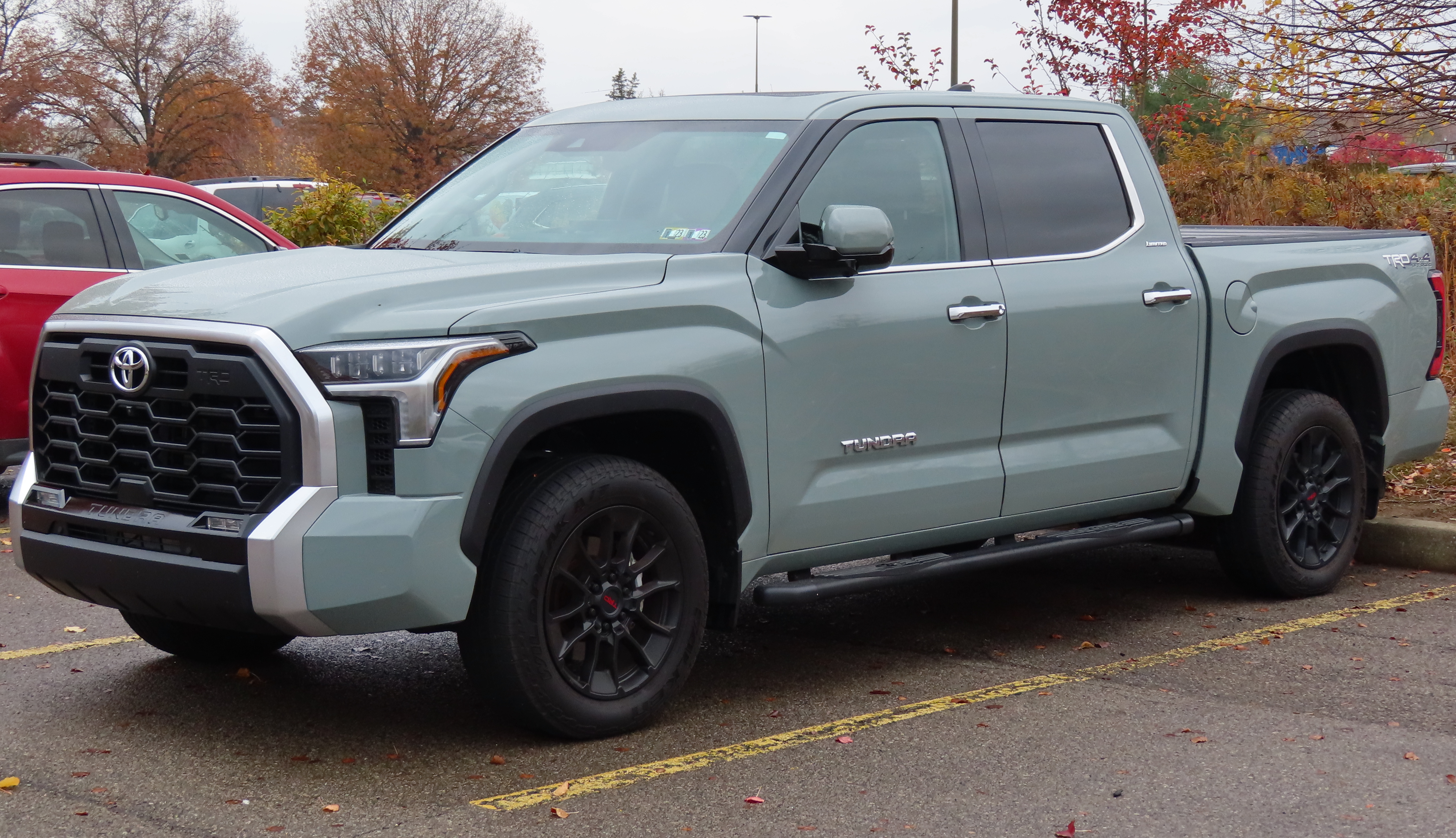
IgniteUps.ai: Yeah, every now and then you get those pretty exceptional leases. know Toyota, when I was there, we had some pretty amazing leases on the Tundras. mean, people were like, employees were like, man, I can get one for 300 bucks. I'm in. So yeah, it happens from time to time. a big deal.
Peter Smith - Lion Partnership: And... $99 on BZs I need $9 on BZ, so.
IgniteUps.ai: Well, you know, I hate to do this. We have such a, we actually had more topics to discuss, but we're running short on time. But before we go, you know, this has been a lot of great information that your insights, Peter, been pretty tremendous.
Zach, as always, ⁓ you bring, you know, on the, on the very, or the, service side of things always kind of gives me an extra perspective that I always appreciate. But before we go, we always like to leave and that we can help dealers get better.
so based on some of these headlines, we talked about robotics, talked about FTC, we talked about quite a number of things. Peter, ⁓ how the dealer apply or learn some these things and apply it in their business today?
Peter Smith - Lion Partnership: Well, whole focus with dealers is one stop with blinders. run as a dealership that this is how we were trained. We're trained by two and three generation old owners to run operations in a specific way.
The world has changed. Start, the thing I can say to is get or nominate a champion within the dealership to start looking at new technology, new vendors. There's over 5,000 automotive vendors out there, but if you ask the average dealer, they could only name probably 100.
IgniteUps.ai: And as you know, there's more and more built every day.
Peter Smith - Lion Partnership: Exactly. So start investigating where you could actually get benefit. And second to that is devise a playbook your implementation. So AI is coming. We all know it, but most people don't understand AI and they don't know how to onboard in the dealership. is ways to onboard AI into the dealership properly ⁓ so you can get success. Most people even go that far. They just throw it at the wall and hope it works.
IgniteUps.ai: Good, great information to leave with dealers. Zach, what are your thoughts and how can we help the dealer ⁓ learn from our session today?
Zach Fritz: I think Peter nailed it. Absolutely. I is coming. It's not changing, but implementation here is key, right? We've all seen the AI fatigue and the AI slop out there. think nobody likes it, appreciates that.
So I think definitely a champion or somebody ⁓ drive your forward right now in this industry and all the turmoil and drama going on is a key thing. And if you know how to do that, then Follow the Automotive Informants podcast or reach out to my friend Peter here.
Peter Smith - Lion Partnership: Absolutely. have, as they said, the six million dollar man, we have the technology.
IgniteUps.ai: That's great insight. Real quick, before we go, how I feel about this, today, the dealers that are going to win aren't going to try to consolidate all of these different tools into one. And I hear a lot of dealers, I feel like they make that mistake where they like, ⁓ I just want the one tool.
And if you go to any good technician, not going to sit there with a big toolbox behind them and say, the only tool I use is a wrench. You know what saying? They have tools for everything you can think of.
And the dealers that understand that are going to get the tool for the right job. And they got to quit thinking that, hey, this one solution does everything because ⁓ just not in ⁓ space anymore. And don't know that we've ever really been in that space in automotive, but don't be afraid to do specialized tools out there to help grow your business.
Peter Smith - Lion Partnership: just add on to that because I find it comical. Everywhere go, they say one throat to choke. Well, look back to June of 2024 with CDK and what happened when we had one throat to choke.
IgniteUps.ai: Yeah, agree. All right. Well, I appreciate that. That's great. I liked that saying too, one stroke to choke. you know, when I think about the technicians, you know, there are some technicians probably that just use one ⁓ wrench the time and they say, hey, this is what I'm going to use.
And they strip things and you know, bless them. But thank you guys for joining us today. Until next week, just subscribe, do all the things that you guys got to do to keep listening in. but Peter, where can they catch you before we leave?
Peter Smith - Lion Partnership: Sure, you can catch me at any time at peter at lionpartnership.com. That's my direct email. My cell phone number is 905-466-2786. Again, 905-466-2786. And obviously lionpartnership.com is our website and it'll display all 45 partners.
IgniteUps.ai: Perfect. I appreciate it. Thank you guys. Until next time, we'll see you.
About this episode
Hyundai’s push toward FSD-like automation and robotics is weighed against real-world safety concerns, while Chinese EV competition and charging constraints pressure U.S. automakers. Battery supply chains, solid-state hopes, and hydrogen’s cost/hype gaps set the tech backdrop. The conversation then turns to dealership reality: thin margins, rising floor-plan pressure, and FTC scrutiny of marketing—especially employee social posts. Leasing economics, mandated buybacks, and AI implementation strategies (plus vendor concentration risk) shape what’s next for dealers.
The conversation covers a range of topics including the diversification of automotive OEMs into robotics and automation, the impact of the Chinese auto industry on global competition, the development of hydrogen and alternative fuel technologies, and the challenges of FTC compliance and social media marketing for dealerships. The conversation covers the impact of social media on dealership liability, the industry's overhaul and technological advancements, affordability and market trends, AI implementation in dealership operations, and the use of specialized tools for dealership growth.
Takeaways
Automotive OEMs are diversifying into robotics and automation.
The impact of Chinese auto industry on global competition. Impact of social media on dealership liability
Industry overhaul and technological advancements
Affordability and market trends
AI implementation and dealership operations
Specialized tools for dealership growth
Chapters
00:00 Automotive OEMs Diversification
03:02 Chinese Auto Industry Impact
15:58 Hydrogen and Alternative Fuel Technologies
24:04 FTC Compliance and Social Media Marketing
28:42 Social Media Liability
30:23 Industry Overhaul and Technological Advancements