The Tesla Semi is a large electric truck used to move cargo. Instead of using diesel fuel, it runs on electricity stored in batteries. The podcast mentions it in the context of a semi truck yard, which is where damaged or retired trucks might end up.
Supercross is a motorcycle racing series, and the championship race is the last big race that decides who wins the season title. Here, the title was so close that the riders basically just needed to beat each other by one spot.
In racing, riders earn championship points based on where they finish each round, and the overall title is determined by total points. When the points gap is extremely small going into the final, the championship can hinge on a single finishing position rather than winning the race outright.
In supercross, riders race in different classes. The 250 class is one of those groups, and it’s based on the bike’s engine size—so the championship is decided within that class.
The 250 class is organized into two regions—East and West. Riders compete within their region, so the championship story isn’t just one single race track schedule.
Supercross events use heats (short races) to decide who gets into the main race. The East and West groups race separately at first, but the big bragging-rights moment comes from who ends up winning on each side.
A rhythm section is a part of the track with multiple jumps close together. Riders have to keep a steady “beat” so they don’t slow down too much between jumps.
A “preferred line” is the best path through a tricky part of the track. It helps riders go faster because it sets them up better for the next jump or turn.
Concept
250 vs 450
“250” and “450” refer to supercross motocross engine displacement classes (250cc vs 450cc). The hosts discuss how 250s can be quicker to rev and respond, while 450s have more power—yet on a tight, technical track the advantage can shift depending on traction, cornering, and rider size/age.
Qualifying time is the lap/heat performance used to set starting positions for the main race. In supercross, the transcript highlights that the fastest 250s were about a full second quicker in qualifying than in the race context they’re discussing, showing how track conditions and setup can change.
A “triple” means you hit three jumps back-to-back in that tight section. Riders pick whether to do one, two, or three depending on the line and timing.
KTM is a motorcycle brand known for off-road and racing bikes, including Supercross mounts. In this segment, KTM is mentioned as the manufacturer Eli Tomac rides for during the 450 class.
A finish line jump is a specific jump placed right near the end of a Supercross lap, often used to create a dramatic “last section” moment. Because it’s so close to the finish, riders may be more aggressive—but it still requires correct speed and landing setup to avoid mistakes.
“Scrubbing” is a way riders manage their speed and control on a jump. Instead of going as high as possible, they use the bike’s position to stay more controlled and set up the next landing.
Electric bikes run on a battery and electric motor instead of gas. In this race, the bikes are basically the same, so the kid who’s most practiced tends to do better.
Even if a bike could go faster, the rider might not feel safe or confident enough to push it. So the “limit” is often the rider’s comfort, not just the bike’s ability.
Suzuki is a motorcycle brand. The point here is that the rider was on a Suzuki, and the hosts are comparing the stock showroom bike to what a race team can build from it.
Concept
showroom vs race-prepped bike
The “showroom” bike refers to the production motorcycle you can buy off the floor, while a race-prepped bike is modified by a team to improve speed, handling, and reliability under racing loads. In supercross, teams often change parts and tuning so the bike performs far beyond what the stock version suggests.
Motorcycles have gears, and “neutral” is the position where the bike isn’t in any gear. Riders sometimes need to get it into neutral to start or reset the bike.
A “whole shot” means you win the start and are in front as you hit the first turn. It’s a big advantage because you can set the pace and avoid getting stuck behind other riders.
A side cramp is a sudden painful spasm, usually in your side or abdomen. When it hits during a race, it can make it hard to breathe and keep your body steady, so you may have to back off.
That means he was behind in the season standings by 31 points. In Supercross, you can make up that kind of gap by finishing ahead of the people you’re chasing.
The Suzuki Samurai is a small SUV built for off-road driving. It’s popular because it’s tough and can handle rough terrain. The podcast mentions it in an off-road setting, like driving on a beach.
A wheelie is when you ride a motorcycle with the front wheel up in the air. It takes balance and control, and it can be dangerous if you do it on regular roads.
A reckless driving ticket is a serious kind of ticket for dangerous driving. It usually costs more and can make insurance harder or more expensive later.
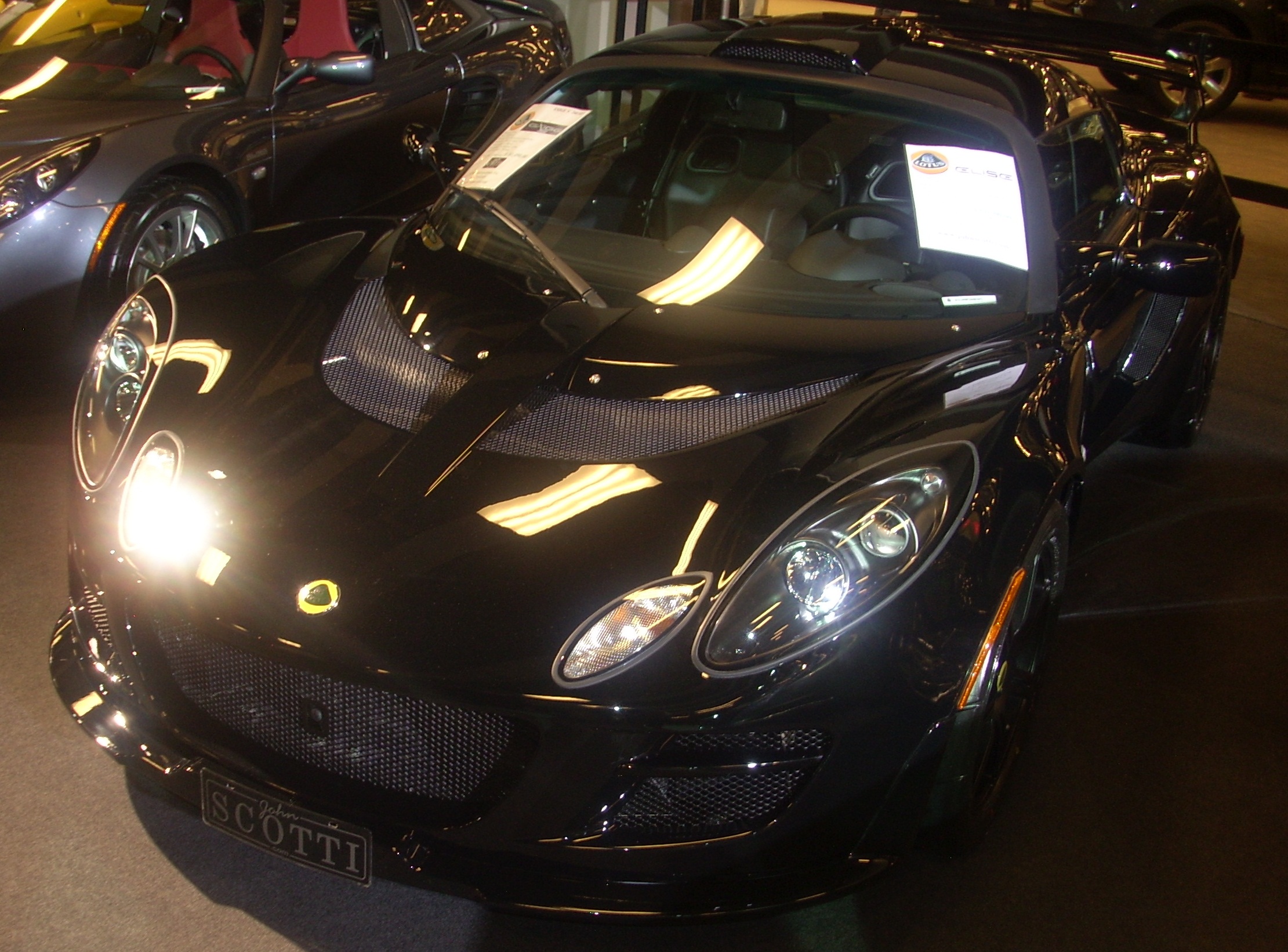
The Lotus Elise is a small, lightweight sports car that’s built to feel nimble and fun to drive. People like it because it’s not just about speed—it’s about how it handles.
“Totaled” means the insurance company decides it’s not worth fixing the car. The damage is usually too expensive to repair compared to the car’s value.
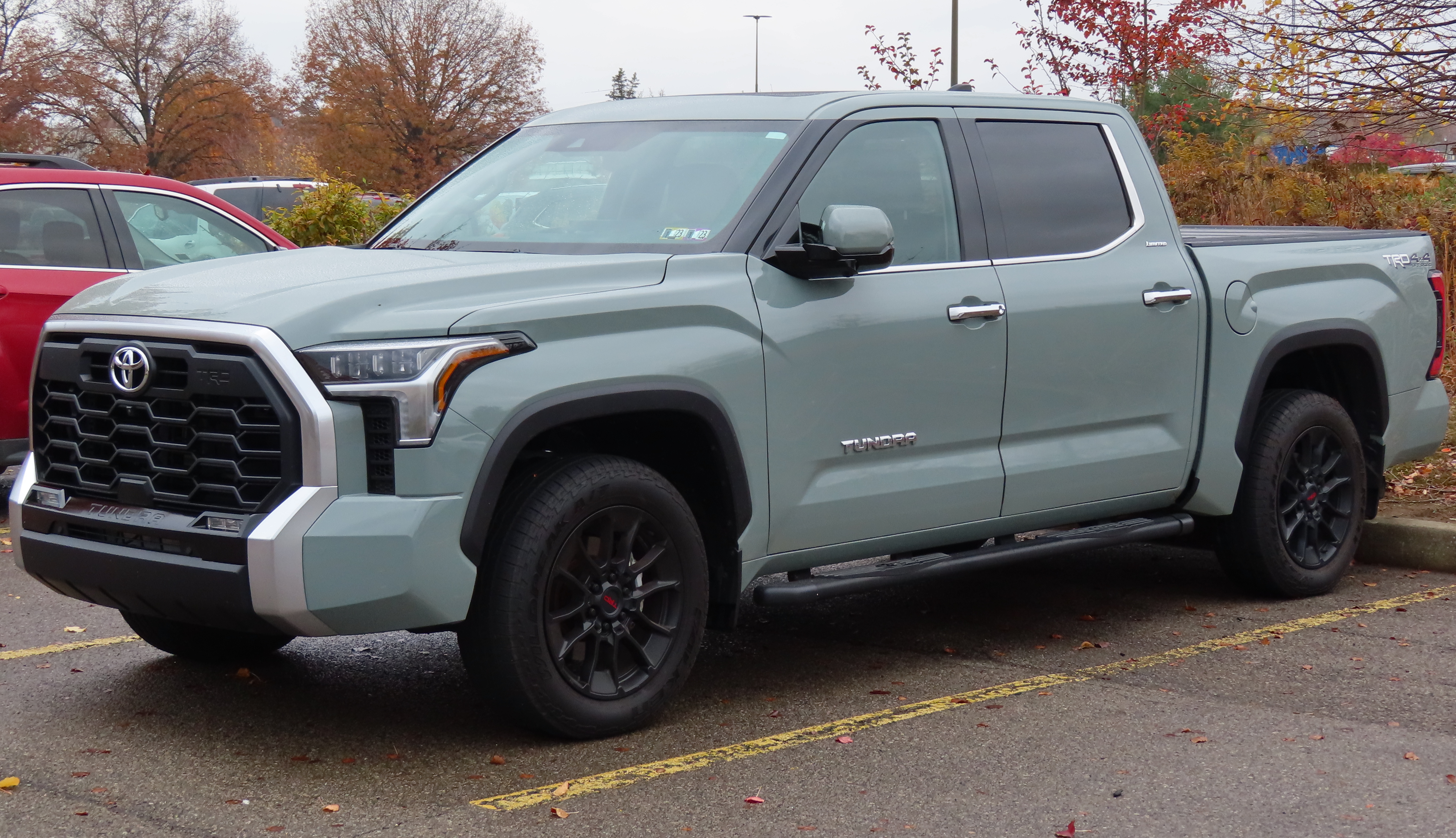
The Toyota Tundra is a large pickup truck made for carrying things and towing trailers. It’s commonly discussed because its size and towing ability can feel different from bigger “one-ton” trucks. In the conversation, it’s being used as an example of a truck that’s still different from the larger class.
A bent frame means the vehicle’s structural rails or underbody structure have been deformed in a crash. Even if the cabin seems okay, frame damage can compromise alignment and safety, and it often drives repair costs toward a total-loss outcome.
Salt flats are large, flat, hard surfaces (often made of salt crust) used for high-speed and traction-focused driving/riding. The surface can be very abrasive, which affects tire wear and traction consistency.
Term
stark swapped
A “Stark swap” means replacing the bike’s original electric parts with Stark electric components. It’s not just plug-and-play—you often have to rework wiring and power delivery.
A hot-swappable battery is one you can swap without fully shutting everything down. If it’s not hot-swappable, you usually have to power down and handle the battery more carefully.
The controller is the electronics that tells the motor how much power to use. If you change the battery or motor, the controller wiring and settings have to work correctly too.
Concept
electric power electrically
They’re basically saying that making an electric setup produce more power usually costs a lot. You may need bigger batteries and upgraded electronics, not just one part.
“Tunable” means you can adjust the bike’s settings so it behaves differently. For example, you can make it feel smoother or give more power depending on the situation.
“Three modes” means the bike has different settings you can switch between. Each mode changes how much power it gives and how it responds when you twist the throttle.
Concept
hill climbing events
Hill climb events are timed climbs where traction and power delivery matter, but the run may be short enough that riders can tolerate brief high-output operation. The hosts argue that if you’re only “blasting it” for ~10 seconds, you may accept more stress or component wear because the next race is later.
Term
bypassing something
In this context, “bypassing something” likely refers to circumventing software limits or protections that cap power output. The hosts connect it to riders claiming higher horsepower for hill climb events, implying the bike’s controller is being altered to allow more output than stock settings.
A “custom battery” means replacing or modifying the battery pack to change available voltage/current and therefore how much power the motor can draw. Higher power claims often require battery and controller capacity to support sustained current without voltage sag or overheating.
A “warranty” is the manufacturer’s coverage for repairs. If you change the bike’s software in a way the company doesn’t approve, they may refuse to pay for failures.
Term
100 horsepower
The episode is debating claimed peak output versus what’s sustainable for short bursts. On electric bikes, “horsepower” is often used as a shorthand for motor/controller output, but real-world performance depends on how long the system can hold high power without overheating or stressing components.
They’re comparing “max power for a moment” versus “power you can keep for a short time.” The bike may be able to push hard briefly, but after that it has to protect itself from overheating or damage.
LIVE
Welcome to the sent and bent podcast episode 77. We have a banger today because Ethan
just got back from his first time seeing super cross, a bachelor party, and I have a brand
new life goal. I'm just not sure if it's worth getting arrested or not.
Well, the goodness is getting arrested is one of your life goals. So I mean, I know with
one bird, right?
More specific, I think he wants to get arrested on a small little motorcycle doing a wheelie
or something.
Is that one of the ways he's talking idea has graduated slightly. Okay. But we should
do Ethan first because his more exciting.
I don't know. I mean, you're sounds pretty exciting. But yeah, no, I just got back yesterday
afternoon from a quick trip to Salt Lake City flew down there on Friday. It was our good
recently, the MTV trip video. He was there for us with us for that whole trip. Anyway,
helped out so much on that trip. And Justin's just a really, really cool dude, been a friend
of ours for as long as we've known each other. Anyway, he, uh, yeah, he's getting married
next month. So and he's, he's, you know, he grew up racing dirt bikes and doing motor
crossing stuff. So he's just, he's super into super cross. And, uh, it happened to work
out that the, um, season, the, the championship race for this season was happening in Salt
Lake. So he had the bachelor party down there. We all got this. Yeah. We got a, uh, his dad
found this, uh, his dad was part of the bachelor party too, which was kind of cool.
That is cool. Yeah. And, uh, so his dad found this Airbnb. It was the weirdest Airbnb I've
ever seen. So if you're familiar with Salt Lake city, um, there's like that big, uh,
gravel pit on one side of the freeway and the like oil refinery on the other side of
the freeway. And it's a weird city. Yeah. It's a very industrial zone of Salt Lake.
It's super close to downtown, but it's incredibly industrial. So this Airbnb is in the middle
of that. Like, really? Yes. On all sides, it's like construction company yards full
of excavators. Like, um, there's like a semi truck wrecking yard on one side of it. Like
you drive there and you feel like you're going somewhere extremely shady. And the access
to the parking is down like a quarter mile of alley. Like it's kind of like the perfect
place for a bachelor party. You can be as loud as you want. You get there and the house
was super nice. Like it was a three story house. They had a pool table on the top floor.
They had foosball. They had ski ball. They had, but every room was decorated completely
differently. Like the living room had giant, like 60 by 80 canvas prints of like Utah scenery,
you know, basic, like delicate arch, you know, the narrows of Zion. Anyway, and then the
upstairs where the pool table was, it was like a little mezzanine area. There's some
bedrooms and whatnot. Um, was entirely baseball. Just the whole walls were covered with baseball
you know, memorabilia and one picture of Mike Tyson, the walls completely covered
baseball, one corner, one picture of Mike Tyson. Man, Mike's got to get his own room, man. He's
one of the bathrooms was entirely basketball themed. Um, the downstairs was like heavily
Star Wars, but just generally movie themed. You know what this is? This is a guy in Salt Lake
city that got a divorce, built the dream house man cave, found another lady, then had to move
out because there's no way she's living there. There's no way she would live there because
right next to it is, um, hang on, uh, right next to it is cowboy Joe's dog boarding. What
is that? It's it's just a dog boarding place. What do you do? It's a doggy hotel for when
you go on vacation? How do you not? Geez, dog boarding sounds so much more aggressive. It's
a boarding house for dogs. Yeah. I was like, that doesn't even sound legal. But it's cowboy Joe's
cowboy Joe's. So whoever's sleeping on the top floor. Oh, just here's barking dogs all night
long. Um, so, so point being it's a atrocious neighborhood, but a really nice Airbnb and
perfect for a bachelor party. Oh, and the garage entirely Batman. Oh, it's a bat cave. Yes, it
literally is. It says bat cave on the wall and there's a bunch of like bats. Wow. Um, but yeah,
there's like a little like plexiglass box with like an old school Batman, like figurine and
Batmobile in it, like weirdest place ever. Wow, man. The cleaners of the Airbnb probably need
to check all the the stuff and make sure that no one steals anything. And there are no less than
four signs that say do not move the pool table. If you move it, there'll be a $400 fine. Oh,
because yeah, they can't move it back on their own. No, they the problem is it messes up the
legs or whatever, but they have it in a very specific spot on this mezzanine probably also
because if they move it, it's like going to go through the floor of the top floor. But
there's all these different signs that like and one of them, two of them are in bathrooms
that say don't move them. So we were joking. We're like, what if they do come and find the
pool table in the bathroom one time? Yeah, but I mean it does seem like they're marketing towards
bachelor parties. Absolutely. Sure. Stranger things have happened, but the number of signs
they're like, if you move the pool table, it costs $400. So they probably also have it somewhere
where it's like actually perfectly. Exactly. And they have to re level it. And you know, I get
but it's just funny how many signs there were. So that was that was where we were staying.
We're only a couple miles from the stadium where the supercross was happening.
And for those of you that don't know, it was the championship race. And apparently I learned all
of this at the race. It was an extremely historic race. It was the closest the points have been
between two riders in like 30 years going into the championship race, because usually
it's pretty well decided before the race. Like unless somebody completely and utterly like
crashes out there, they're just barely have enough points to win this one. There was two guys and
neither of them had to win. Neither of them even had to podium. All they had to do was finish one
position ahead of each other. Like whoever finished one position ahead, won the championship.
Wow. And so it was very close. And everybody's all like, you know, super
lit about it. But also the 250 class was Hayden Deegan. So they have the 250 class. Again,
I learned all of this two days ago, but the 250 class is split into East and West coast divisions.
And so the champ for as far as the championships concerned, those are already decided. They
already know who's winning East coast, who's winning West coast. That's already been figured
out. This is just like a for bragging rights and entertainment showdown between them. So it's
all of the riders from East coast, all of the riders from West coast, they have a bunch of
heats to determine who goes to the main event, but qualifying. But then at the end of the day,
it's functionally a race between East and West. Well, but it's basically a race between two people,
the guy who won East and the guy who won West. And it was Hayden Deegan who for the West.
Yep. Brian Deegan's son, you know, the son of a very famous motocross rider legend. Yep. So
and then I'm trying to remember the other guy's name. I don't follow this. So I don't remember,
but everybody who knows super cross will know who he is the guy from the East coast one.
And they've had last season, they had some major beef at a race because Hayden Deegan
is bringing back his dad's aggression, aggression. Yeah. So he just knocked the other guy off the
course last year. But this time there was no points at stake really. So like they were just
out there having fun. So they were just kind of bashing into each other back and forth the whole
race for largely to entertain people. But the other guy got Deegan back and knocked him out. And
Deegan was riding way too aggressively trying to get his place back and crash two more times,
like back to back. So Deegan didn't even come close to the podium. But the other guy got his
vengeance and they were all like good natured about it. But it was pretty funny. That's probably
pretty entertaining. It was very entertaining. And then the 450 class was the big dramatic one
in real life. Like I imagine this just from, you know, watching it online and YouTube. Yeah,
things breaking it down. But like do does he ride like a class ahead of I guess he wasn't
competing, but like in his well in qualifying, it wasn't because people don't like he probably
didn't really care where he qualified. He wasn't pushing it. But in the race, yeah, it in the
race against the other guy, they were obviously equal because they're got the guy, you know,
that he had the beef with. He started behind him, passed him and then like kept him out of the race.
So he like they're they're pretty equal. Okay. But aside from that, yeah, I mean in the heat
before the main event, Deegan was like half a lap ahead of everybody else. Yeah, because I see videos
of him just like gapping like an entire jump or two further than like the rest of the pack. So
there wasn't an opportunity for him to be doing that on this track. It was a very tight, very
technical track and the rhythm section where you would be like there was in qualifying.
There was a lot of variance because people were trying different things. But in the race, unless
you messed up, everybody was doing the exact same set of jumps all the everybody anywhere in the
top half of the field. They're like is a preferred line. There was just a line that was objectively
better. So, um, so yeah, he wasn't really, you know, like, yeah, he was way faster, but there wasn't
a noticeable like obvious difference in what he was doing on course. And the interesting thing is
this course was so tight and technical. The two fifties were faster by a second than the four
fifties. Really? Yeah. Really? Yes. Wow. The fastest 250 was a full second faster than the in
qualifying. I don't know what the actual race times were, but just cause they can lean in more
just more nimble. Yeah. And the four fifties didn't have an opportunity to use their power.
Yeah. Like the pound for pound difference between a 250 and 450 is very little. I mean,
you're talking like eight pounds or something difference, but they rev up faster. They can
respond faster and the riders are also younger and smaller and, you know, like they're just
anyway. So for all those reasons, yeah, no fear, right? Feel pain a little differently
in qualifying the fastest. Yeah. The fastest qualifying time was a full second faster on
the two fifties, which was really interesting. But, um, but yeah, also seeing it in person to
like Justin was commenting on this as somebody who watches every single race. He said that like
when you're watching on TV, you're like, Oh, they have so much room. Like there's, you know,
all this space over here and over there. No, it is an insanely tight course. I'm like,
they're so close together and like the, the landing into the corner is just like, that's
what I don't understand is how they slow down for the corners is insane. Like no time. Yep.
They're just like into the corner. We were sitting like four rows up from the bottom,
right in front of the rhythm section. So it was really good. And we were at the end of the
rhythm section. So at the beginning it's like, I mean, there's probably like, I don't know,
10 jumps in a row or something, but people are like, it's usually like double, triple, triple,
you know, that to get through it in the best time. But the last, the landing for the, well,
the landing for all of them, I mean, the trough between one jump and the next it's literally
one bike length down, half a bike length across one bike length up. That's it. You have no room
for error. Like, and they're, the guys at the top are hitting, like you watch their tire,
it's within an inch of the same spot every single time, unless they like got, you know,
like every once in a while, they'll break out of that, but it is a crazy amount of control though.
The precision is insane. I haven't followed it very much, but Justin was sending me some videos
that day and I was like, whoa, that's probably intense. And so, but then the landing for it
is like the size of this table, like lengthwise, like from that end to that end is your landing
zone. And then at the end of that landing zone is a 93 corner. Yeah. Like, so you're not the jumps
are so tight. You're not going that fast on them. Like, like, and they're not even the last one
isn't even that. Well, if you triple it, it's pretty big. If you single or double it, depending
on which land one you landed in, it's not that big at all. And every once in a while, somebody
would land in the trough and jump the last one. Instead of using it as a landing, they jump it
and they jump through the corner. So they think on purpose or like they messed up only during
qualifying. Was it on purpose? They were just trying different lines. Oh, like Eli Tomak,
who's one of the oldest guys in the 450 class. He rides for KTM. He was for a couple laps during
qualifying. He was trying out that line. So he'd triple a different set in the rhythm,
land in the trough and then he jump over the corner. So he'd land in that trough and then
hard right and jump through the corner basically and he was able to be pretty quick, but it wasn't
better. So anyway, that was all super cool seeing the incredible like precision of the jumps. Yeah,
the control that they have. Oh yeah. Yeah. I don't know what percent tile of a rider you need to be
to even like do that course with the right line. You know, it's an interesting question. I don't
know. Seeing the difference between the top and the bottom of the field was pretty intense though.
Like the bottom end of the field was like, I was like, Oh, that's like, you know, you kind of expect
if they made it this far to the championship, they're probably like pretty well all kind of,
no, like the guy at the back is like getting lapped by everybody else. And I was like,
I was kind of surprised to see that because I would have assumed if you're that much slower
and you know, maybe his bike had a problem. I'm not saying he's a terrible rider. Like I could
never keep up with them in a million years, but compared to everybody else, he was so much
slower. I was like, that's, I was surprised. So he's doing the same line, but still just
significantly slower or he'd hit the same line less, you know, less frequently. He'd, he'd
mess up and hit a different set. It's not as perfect. So, so how many laps do they have to do?
It's never a set number of laps. It's always time plus one. So like in qualifying and stuff,
it would be or qualifying wasn't time plus one. It was just time because it's just the fastest
lap you can do in that time is what you get for your qualifying time. But in the heats, it was
like six minutes plus one lap or something. And the main event, I think was like 15 minutes
plus one or something. So, so how many, how many laps did they do in six minutes? Well,
the laps were 49, like the fastest laps were 49 seconds. So it's just under a minute a lap.
But, but yeah, like I, it would be cool to ride a track like that sometime and mess around,
but I know for a fact I could never do the rhythm section is anything other than singles.
I'm not built for doubles, especially when you have to land and then take off again in 10 feet
of distance. And the finish line second control and the finish line jump is a 20 foot wall.
Like looking at it, you have a little kicker right in front of it. So you can't hit it with
too much speed and then you land that little, it's just like a little speed bump. Really
you land that and it's just straight up through the finish line. It like
it's like, no, I'm not hitting that. No, Deegan's most recent YouTube video is
breaking in a new track. It's so cool because it's like,
it's like super grassy field. I don't know if it's, it's not moss. It's maybe like clovers.
Yeah. It's like a clover field in this clearing of trees. There's really tall trees all around.
It's like a clear cut in this field and there's these grass and clovers on like all the jumps,
except for the track and there's this huge, huge tabletop. Like one of those that you could send
like 40 feet further or like 40 feet less. The landing is so big and he was, he's ripping around
the track and it like does all these slow mo ramps when he's like doing his tricks and stuff.
And this last giant tabletop, he hits and he whips so hard and like the sun is setting behind
them. It's like the craziest jump and like at least the way they filmed it, it made it seem
like it was like kind of his first few laps ever on that. They've changed it or whatever.
And the filmers are losing their minds. Like the cameras start shaking and they're like,
that was nuts. And then Hayden comes back, turns around and he was like, guys, guys set up. I could
do it way bigger. And they're like, what? And then he goes and he does it way bigger and whips
way harder and stays backwards even longer. And it's like already enough to make the
cameraman who film him every time freak out and he goes even harder. That's awesome. Yeah. His
YouTube channel is actually really sick. But nice. Some of those guys, like I don't even understand
the physics of some of the whips. I don't really have written a dirt bike for like most of my life.
I don't understand. I mean, I've never done motocross like all the way backwards and then
unwind it with no insane. It's some bizarre physics. That's for sure. But yeah. So then
must feel really weird to learn. Like I get that you just go progressively more. But
I'm sure when you're learning, there's a point where you're just like, oh no. Yeah. How the
heck is this going to come back around? Totally. And there's got to be just some bailing on those
every once in a while. But bailing if you're jumping hard enough to whip is like
serious. No matter how you fall. Yeah. But you can whip off of a way smaller jump. I mean,
yeah, like just like starting like just seeing how small of like some of these guys are like
doing a small whip on like the rhythm section where it's like a 20 foot jump to stay lower. Yeah.
So like, I mean, obviously they're the best, but anyway, they call that scrubbing. Yeah.
Well, you gotta realize these guys have been on bikes since they were in diapers. Oh, I know.
And those kids were there too. That was actually kind of cool. They had a little class of KTM
E 50s or whatever they call them, but they're the electric little tiny kids motocross bikes
and they're just shredding. Yeah. They had they had their own little race. They
they raced around the same track. They just the giant jumps. They just rolled over it. So they
hit the trough like the finish line gap because finish was a massive gap like like 15 feet from
the top of the jumps to the trough down and so they just roll over it. Yeah. I actually have a
video of my on my phone of the kid that won and that talk about a field ahead. Dude was like
half a lap ahead of the next rest of the like really he was so far. They're all exactly the
identical bikes. You couldn't tell them the difference aside from the number plates. They
all had the same jersey, the same helmet, the same goggles, the same bike, the same rap.
Everything was a dad probably have like binoculars. Yeah, but some of those kids are just amazing.
This little kid. I mean, he's like, I don't know, eight or something or seven like tiny
little bike, a tiny kid and he goes across the he comes around. He gets gets to the
finish line jump and as he's going up the jump, he's like doing this with his left hand. He's
like, yeah, yeah, you're wrapping up the crowd and then he hits the jump and he just like kicks
his legs out as he goes over the little lip. He just like. How old are these kids? I don't know,
but like probably eight maybe at the most like they're real small and they only weigh 50 pounds.
Yeah. So that that was pretty cool to see, but for electric bikes, all the same exact spec,
being a little bit lighter for your age group is probably a pretty big advantage. I think 99%
of it is just who has the most time on the bike and knows the limit better as like who's who's
willing to push it harder because like they're still not even come close to the limit of what
the bike is capable of. Yeah, they're just at the limit of what they're comfortable with,
which obviously you don't want them to push that because they're little kids, you know,
get hurt, but, but whoever's winning is just the kid who's like willing to try harder.
It's crazy to be like eight in this like stadium.
Like how many people were there? 50,000. Well, I don't know exactly, but the stadium can hold 50k
and it was mostly packed. Yeah. So at least 40,000, a lot more spectators than I would have thought.
Yeah, it was. But yeah, so the main event was crazy because
so the two guys that are tied again, I don't remember. I look, maybe it'll come to me. Davey's
maybe was the second was the guy that, um, so the main guy that everybody wanted to win is Ken
Roxson and he's been, he's, uh, 32, I think. So he's pretty old for the, for, for super cross.
Like he's, he's one of the oldest and he's been racing since he was a little kid and he's been
trying for the super cross championship for forever and he got really close a couple of times
and then had a bad crash, got injured and, you know, couldn't finish the season. So like,
he was a crowd favorite for that reason just already because people love him because they've
been watching him for years and he's always been an excellent rider and he's always just been,
you know, one step away from winning the championship. So this year, um, he gets to the
championship race and is basically like functionally one point or like basically tied
dead even pretty much with the other guy, like close enough that all they have to do is
all he has to do is finish ahead of this, the other guy and, um, the craziest thing
is he's on a Suzuki, which is still kickstart. It's the only bike still made that's kickstart.
Nice. And it is not the top of the line. Like no one, he's the only Suzuki at the entire event.
Wow. Like not in any, any class was the only falling behind that much. Yeah. Wow. Think
of the Pastrana days as a different story, but like now they're, they're, they're, they're way
off the top. So I mean, granted his team took that bike and they made it into one of the best
bikes out there. He wouldn't be winning. Yeah. But like if you go to the factor, if you go to
the showroom and you buy a bike, the Suzuki is just like, it's the bottom of it. Like it's not
even talked about as like people are like, Oh, who's best this year? Kawasaki, Yamaha, KTM. Yeah.
No one even mentioned Suzuki. They don't even talk about it as an option for the top of the line.
Like a CF moto might be better. They call him, they call him kickstart Kenny because he's the
only guy out there kickstarting his bike. Yeah. Like he must be really good at finding neutral
while he's crashing into the dirt, right? I mean, yeah, but anyway, well, he's a real small guy too.
No, he's not. No. Roxton's tall. Like he's taller than, and then a lot of the other guys,
I don't know what his, but like, he's not that small. I thought he was a small guy. I mean,
they're all kind of small, but no, I don't, he's not shorter than any of the rest of them. That's
for sure. I mean, if to me, to me, he looked taller, but so what, what brand were most of the
bikes out there? Yamaha was dominating. Yeah. Yeah. Yeah. No Yamaha in the 250 class. Let's go
in the 250 class. It was like blue, blue, blue, green, green, blue,
blue, green, red. Really? Yeah. There was also a couple Ducati's out there, which was cool to see
in the 450 class and they were doing pretty good. They weren't winning, but they were up in the top
five. So that's kind of cool. It's cool to see a new and Triumph sponsored was one of the big
sponsors of the event and they have a 450 now. I don't, they must just not have gotten a team
together yet, but yeah, but anyway, yeah, so this, I guess technically last year, but right.
So anyway, Roxson, like because of his career and how many times he's been injured,
like he had a heart. I'm, you know, some of this is from other people speculating about it. Some
of it's me speculating, but anyway, he had a hard time getting one of the big brands to sponsor him,
you know, to be part of their team because they know he's older and he's in, he's been injured
a lot. So like he's just not a safe bet for, so that's why he ended up with Suzuki being,
you know, his, his brand, but obviously he had a good set of sponsors and a great team
because, you know, he got to that point, but so like the entire stadium was cheering for him.
Like everybody, I'm sure there's many fans for the other guy out there, but like when he passed
in the main of like, he started out in the main event and he probably got like,
he didn't get the whole shot. So he was probably like third or fourth coming around the first
corner and stuff, but within a couple laps he got into first place and the whole stadium
would just lost their minds. And then he held first place for like 90% of the race. And then
the guy that he needed to beat crashed bad enough that he was back like six places.
So by the towards the end, like he was pushing really hard to stay in first place for most of
the race. And at the very end, um, I forget which, uh, I think Sexton was the guy that passed him
first. Anyway, whoever was in second place passed him towards the end of the race,
but, and then he just eased up and he was like, all right, I'm like six places ahead of the guy
I need to be ahead of. I just need to finish this. So he like, he eased up. He was, he was in a lot
of pain. He had like a major side cramp. Like when he, when he got over the finish line, he just
like sat there just like, you know, like not talking, not breathe. Like just like trying to
breathe because he just had to anyway. So he eased off and let a few people pass him, but he
still finished like five places ahead of the guy he needed to finish ahead of and won the championship
and everybody was just like losing their minds. Um, but it was just cool to see because this is
like what a race for your first super. Yeah. It's his first championship and he's like,
he says like, Oh yeah, like I like before this season, he was like, yeah, I'm just not a championship
rider anymore. Like I, you know, too old, too injured, like don't have the team.
And then he came back from that and he also, he was 31 points behind at some point in the,
and then came back from that to win. Well, that's pretty impressive. Yeah. So he, yeah, he was a
lot of ketchup. Yeah. And, but yeah, it was, it was cool to see because he was just like,
he just, you know, he deserved it. He's somebody like everybody was like, you deserve this man.
Like even, you know, even the people he beat were like, yep, good for you.
Man, I was lucky recently and our first NASCAR race was that champion. Yeah, it was literally
the same story almost except for he lost. But yeah, yeah, it was, was a really cool
race to watch. Um, and it was just fun being there with, you know, the guys because like,
obviously I love dirt bikes, but I've never followed supercross. So it's cool being there
with people, with people who care that much. And like Justin's dad, like Justin grew up racing.
So obviously his dad was, you know, into that as well. His dad actually did desert racing for a
bit. Um, I didn't know that. Yeah. So he also did like, um, like Baja and stuff in, in cars as
well as heck. Yeah. And he did a couple races of motocross because apparently motocross being
outdoor version, um, they allow amateurs to race. You just race the day before the pros
supercross. They are just no amateur class. I don't really know how you get into the pro
class then, but I'm not, but anyway, like, so he had, he had Justin both raced, um, motocross a
bit when Justin was younger. So, um, so he was super into it. He knows all the history because
he's been watching it for, you know, 40 years or whatever. Yeah. And so it was just cool to,
you know, be there with the guys that are that stoked about it and like know all the history
it's crazy how big of a sport dirt biking is, especially now that like
urban areas are getting more and more into it with electric bikes too, like on and off road,
legal and not legal. But like, right. It's so crazy how big it is because dirt bikes are like
just the sketchiest thing ever, but everybody loves it so much. And I love that. Oh yeah.
Like there isn't a sport as popular. That's as dangerous. I really don't think so.
I don't know. I mean, I guess it, well, certainly motor sport. Yeah. Cause like
I would argue that like snow sports like skiing and snowboarding are pretty up there on the
danger level and think compared to a dirt bike. Yeah. I can vouch for that. I think so. I mean,
I think they're pretty close. Yeah. Just because of what these people are hitting now. Like it's
not even, not even that, but just like it's so easy to just do what Chris did to his knee,
you know, I guess like you can go really fast either way, but yeah. And I don't know. I feel
like learning a dirt bike is like just less approachable than learning how to snowboard or
ski, but maybe that's just in my head. I learned both when I could hardly even walk. Yeah. So
it was just the first thing that came to mind to me that I feel like more people do.
And is in the neighborhood of as dangerous or can be. Yeah. I think that's the thing is like
as you progress through the levels, like you can get up to a similar level. The same thing is true
of a dirt bike. Like you can just putz around a trail and have almost no chance of like injury
all day long on a dirt bike. If that's like once you're decent though. Yeah. But the same
true of skiing. Like you just go down a black diamond your first day and have no idea what
you're doing. Yeah. Sure. Somebody's going to tell you not to, but if you do it, yeah, resort
skiing to like, even if you're being like cool and controlled, you can be hit by someone who's
not way more likely than on a dirt bike, 100% because on a dirt bike, even single track, like
if you're going a half decent speed, whoever's coming up behind you is going to be able to
slow around or go around you. Yeah. Unless they're coming the other way than you're fine. Yeah. It's
getting more and more popular. I mean, on my way home from the other side this weekend,
over half the pickups had one dirt bike in them and a lot of them had two. Yeah. Yeah. And a lot
of those trailers, like you see some with like, you can tell they have like 10 kids and the whole
back is like just mountain bikes. Yeah. I've been seeing more and more just like flat trailers full
of like big dirt bikes, little dirt bikes all the way down to the little pink four wheeler. And I'm
like, hell yeah, that family likes to party. Yeah. That's mom's quad. But it is really,
yeah, it's really cool how popular, you know, that it is still is as a sport. Like, yeah. So,
because I think it's, I mean, it's gone through ebbs and flows just since I've been into it.
Like when I was a kid, it was like the, it was the center of action sports and then it kind of
like fell off. And now I feel like it's gaining popularity. And I think it's because people
like Deegan are like kind of making it cool again. Right. Like, because things,
all sports have gotten like so clean PR trained down. Yeah. Sponsor safe is probably the best way
to say it. There's reasons for it, but it makes it way less exciting. I've probably only been
watching formula one for like six years, six or seven. And it's just gotten progressively less
interesting as like the drivers can say not at all what they actually mean. Yeah. And like,
I think that's kind of true of even supercross. Like they're all doing their post race interviews
and stuff. And I'm just like, no one's out there like, screw that guy. He kicked me out of my
line. They're just like, well, you know, he got ahead of me and you know, and like that's the
more mature thing to do. But at the same time, like you could just say, I'm pissed off. I wanted
to win. There should be battles within the sports, even if like, if your team totally messes up your
suspension set up, you should be allowed to be mad about that. Right. You should be like,
we've been here for three days and my suspension just wasn't working right. And I'm pissed off.
Yeah. That's so much more fun to watch. Yeah. But it's like, I don't know. I guess brands
just want to put the big money behind people who are like the cleanest, safest and it's so lame.
But who knows who that doesn't like super follow supercross knows anyone's name other than Deegan
exactly because no one does things. He's the only name that anyone knows if you don't follow
the sport. He has viral tick talks about getting arrested for street racing. Like it's awesome
not that I'm condoning that, but like I am. I guess there's a reason I'm never going to be a dad.
Yeah. That's almost the perfect segue into what you opened us up with. Oh yeah. Yeah. Yeah.
Well, that's kind of about dirt bikes too. I actually have some other stuff to talk about
a lot of in really cool in real life stuff happened recently and it made me realize that I've been
way too online recently because I've put a lot of time and energy into
grind hard recently of course and on my weekends I'm working on my theme park and your personal
channel and I'm largely live streaming when I work on my theme park too. So I've just been online,
online and like I'm trying to get too much screen time Ed when I do too much screen time.
It's kind of the opposite though in a way. It's too much on screen time. Yeah. Right.
Yeah. It's not spending the time. I mean it is spending time in front of the screen, but it's
spending time. Yeah. Being on the screen too. Yeah. Like I mean total screen time is like
you know how in the movie Inception. Yeah. Chris have you seen Inception? No. Oh shoot.
Oh it's a good one. You got to watch. Just continue on with the story. We'll we'll fill
them in later. You know how like there's symbols. They have tokens I think they call them or totems
that prove that they're in the real world. Right. One of them is a top that spins and if it falls
then it you know there's a weighted dice piece. Yeah. And Leo's is his is the top. Leo's is
the top. Yeah. If he's in the if dream it spins forever. If he's in the real
world it falls over. Yeah. I think that's how it works. So well I guess I've always been like
superstitious isn't the word susceptible to believing in questionable things. Yeah I guess.
So trying to keep your top up. Well do you guys have anything like that in real life
like a totem. No I do not because I don't Steven. I mean like not really but like
I'll know I'm in a dream if my Rubik's cubes are like weird and messed up. I know I'm in
a dream because it doesn't follow any of the rules of this universe. Okay. My dreams are so far
removed. Yeah. It's not even like I've never like sometimes I'll have a dream so intense that I
wake up from it. I'm like wow I'm glad that was a dream you know like that type of thing but I never
Yeah. My dreams are outrageous. Well I don't need to get too trippy on a motocross podcast
but I do have something that is my like grounding token and the only person I've shared it with
is him because I've had the fortune of surviving a lot of kind of near death experiences in my
life or things that could have gone a lot worse and I always feel like maybe I'm just
on a different reality a different timeline after one of those things happens like something very
dramatic and just in case I have a thing because anyways that's not really like the point but like
she's the other way you're going here with this. If I do my thing and I'm the one that
observes it and I forget it or something then does that really matter your your your observation
is fallible exactly because if you're the only one that knows about it there's no one to check
your information. So I have it with him who's the most logical smart person I know and then
it helps also very superstitious though. So yeah yeah I did see her googling something about astrology
the other day. I mean I'm not saying she's not logical and extremely intelligent but
she also believes in things that are not particularly provable. So you might think
about having someone else you know be like a third backup. You know how Steven's thing is
always joking about like oh Mars is probably in retrograde. Oh yeah I saw her I was searching
something on her phone and one of her recent searches was is something retrograde like literally
and I was like oh no I was like what's going on today but but anyways the the point I was
trying to make is I've clearly been too online and like I've probably spent more time in the
on camera on screen world than in the real world right and so
one of these examples is really cool. So there's this kid at the local super one
that's a huge fan of Grindhard and Steven and I live by super one so we go there all the time
yep and we've just befriended him talked to him like multiple times a week we all signed a hat
for him because he was moving yeah and so Steven and I've been a friend to him for like
probably two years oh at least yeah at least and like just chatting all the time and like
and I was right not to interject but that store is falling apart now that he's gone
yeah like for the first time ever they didn't let me go through self-checkout because I had
more than 12 items yeah yeah I've never been to a store where that's a rule a lot of stores
with self-checkout they have like a small sign but no one really enforces me especially when
there's only two clerks but anyways he ran the show he was a really good guy
and I don't know we just you know he's a big fan of the show and he'd ask us things about what
we're working on and stuff and we'd chat and it was cool the farther the story goes the less I
understand where you're going all right trying to figure that out where we're going here all right
you're losing us this is where we're going with this this is real life things that made me feel
good that happened this week okay there's three of them this is one of them so uh
Im's boxing coach Don is moving and on his last day in Sampoint because he's like one of our
neighbors uh he said thank you uh like you know it's been cool having you in the community and
thanks for being so kind to Tyler turns out he's our boxing coach's son oh really yeah that's cool
oh cool yeah that's super cool he's never said anything he never like you know asked us for
anything or anything that's cool it just turns out like full circle like you know yeah I mean
that's an interesting coincidence yeah yeah small world yeah but it was cool because like to him it
meant it meant something yeah because like he thinks that we're cool and people aren't always nice to
like people with jobs like that totally like I think a lot of people are pretty mean to people
with jobs like that normally yeah so I don't know that made me feel good because like I've like
have wanted to participate in real life more right and I was like well there's something
that I've been participating in real life that has made someone else's life better right yeah
so that was pretty cool as far as going with that one okay the next one's even cooler so
I was I got the the cheapest electric dirt bike from walmart like of like pit bike size yeah
right below that it goes straight to like children's bike racer toys basically yeah so it was 1200
dollars and I thought it'd be cool to set it up in the walmart parking lot and then film myself
doing wheelies around the walmart parking lot and telling people that I bought this bike at walmart
until I get kicked out right even though they don't sell it at the actual store it's online but
yeah yeah exactly yeah yeah so I thought it'd be funny like the guy's pushing the carts and
stuff I thought I'd like get their attention and be like hey like did you know that you could get
these online right but at walmart right and because just you know if I said it wasn't it
wouldn't be anything right but if it's at walmart it's funny no one cared I was there for a lot
hours no one was even looking at me weird trying to kick me out or anything you know I'm not super
surprised in the sense that like everybody who works at walmart has I don't know just far more
important things to worry about yeah I guess so I guess it's not like you were hitting cars and stuff
maybe no I wasn't being reckless or doing burnouts even I was just doing wheelies and like yeah I don't
know but so I wasn't planning on this part of it at all I was just planning on I'll set it up at
walmart and then it's close enough to my garage where I'll just ride it to my garage do some wheelies
talk about how fast the bike is right you know on the video or whatever because I was filming and I
was also live streaming too which made it even hilarious more funny because when we it's like
with the road trip when chats on the speakers and they say ridiculous stuff right right like
there's someone who walked by my truck and they're like help help he has our parents locked in his
basement oh my god and I was like that's a little borderline yeah it was a little borderline
and this lady looks at me and I'm like oh yeah my car has this like AI thing that likes to joke
with me since I work alone a lot and she was like okay I don't feel like that was the best way you
could have described that either no actually describing what is really happening you could have
said yeah I don't know there's live streaming and there's people saying things yeah because they
think it's funny yeah well well when I said that was funny as then chat said we are your AI
overlord get back to work okay that's actually funny yeah yeah but anyways like I was just
going to ride it home afterwards that was my only plan but there's no one you know the burger king
parking lot is in the same parking lot and I was like oh like I'll do some wheelies through the
drive-thru in order like a drink or something and so I get to the drive-thru and I wasn't planning
this at all and I was like hey did you know that they sell pit bikes at Walmart because I'd been
asking everyone in the Walmart parking lot and he was like really no that's cool like I've been
trying like I've been thinking of getting me one of those and I was like oh yeah well I'll give you
this one and he was like oh no like he's like I'm broke from working here is what he said which
was that was kind of funny yeah that is hilarious it's like a solid Chris joke I could say Chrissy
saying something like that about but uh so yeah um so I was like no I'm serious
and he's like oh my girl would kill me in this and that and I was like well you'll see it when I come
around and so I came around and I'll do it so we was in front of the window and I was like I'm
serious you want it I was like it's free and he's like I might need to take you up on that man
so I got his number and I'm wearing uh really dark goggles because it was super sunny
and my helmet the whole time right and so I go to the garage finish my video come back to give
him the bike and I text him I'm like hey like because he was working really late he was working
he said he got there at like I forget how early and he was working till midnight but he was doing
like a 14 at Burger King that's rough yeah and so uh what's cool is is like so I'm still wearing
my helmet because I just got back he met me in the parking lot he took his break and he was like I
can't believe this this is so awesome like I've always wanted to like win something but I've
never entered like a giveaway or anything yeah and he was like man your voice you sound just like
these guys from Canada that build all this cool stuff but he's like but it's no way it's you
because they're from Canada and I was or he's like Canada or Tennessee or something like that he said
and I was like oh what what do they build because like it could be me it could also be somebody
else yeah totally and he was like oh like I can't think of the name right now but I watch him like
every week like they build like all these crazy trucks and stuff and I was like yeah like uh
Barbie Jeeps with 450 motors in them and he's like yeah those guys are my favorite they're
awesome and I was like that's why you recognize my voice that's me I'm Edwin and he's like no way
and then I took off my helmet and he was like no way and it was like what's crazy is this is a
$1,200 bike and I have like literally 30 of them yeah but like it was such a big deal for him just
to like to win something to be part of something like he was so excited and he said it was extra
special coming from us because like he's a fan of the show and I was like wow that's like
so crazy how much joy I could bring this guy and then like his manager came out and they're like
wow really like that's crazy I think you just solved your too many bikes problem just go ride
him around town and give him to the first person that's stoked about them they're cool yeah because
like but you can't sit outside the grade school Edwin no that would be bad in a
lot of ways but and I do get a lot of messages from kids that are like hey give me a bike and
like I've thought about it but I'm like I don't think a legal advisor would I think if you if
you gave it to the parents yeah yeah but that would be complicated so I have an idea along those
lines that I want to try and do but it's also kind of hard to get like a kid's parents phone number
yeah I like I don't know I'm trying to think of the the the least creepy way to do that kind of
thing right and the most legal way to do that kind of thing totally that kind of is hard but
this one just like the cards fell into place yeah I don't know this really cool real moment that I
like really appreciated and like I extra valued it because of how online I've been feeling recently
makes sense yeah my only question is how does your totem come to any of this because that was a
huge part of yeah you went off on that tangent for a long time oh well I was just kind of curious
if you guys had anything like that because I've had one set up for a long time oh I just thought
that was baked into these stories somehow and I was like well that's just an example of an extreme
reason why I feel like I'm too okay right now I I get what you're saying yeah and I guess part of
that I was gonna say too is like if I'm watching like a youtube video you know how you kind of
feel like you're there hanging out mm-hmm like and that's cool and that makes you feel good but
like you still need like to hang out with real humans and stuff and like going up on the mountain
the other day was really cool right and I brought all the stuff to live stream and that's part of
the reason why I didn't like yeah we could have I had all the stuff and I even had it set up and
then as I was thinking about doing it I was like I kind of just want to be here and like dig some
dirt and cut down some trees and yeah and live streaming is is cool but it does take that away
that is not there when you have the live stream like you're on the live stream you're entertaining
the live stream yeah you can't be in the moment just doing what you're doing and I think there's a
healthy way to amount that you could do it but just recently but sometimes sometimes you need to
yeah totally yeah and that was really nice and really cool yeah so in other words what you're
saying is that you're a screen addict no I'm not even saying that because I think I'm actually
actively seeking non-screen things more well that's therapy yeah well and and cutting down
trees in the mountains and stuff I think is very therapeutic absolutely yeah for sure I had a lot
of fun on this recent trip too because like at some point the shots started getting repetitive and
I was just able to help you with that pit bike track and like actually use a shovel and stuff
again and that was pretty fun yeah we're washing each other's hands in the sink before getting back
to the camera yeah yeah because our cameras do have a short lifespan and we do try to do our best
to keep them clean but let me clarify something because that sounded incredibly weird washing
each other's hands there was an era that while we were up there where the sink wasn't working
so one had to pour water from a jug for someone to wash their hands because saying
washing each other's hands in the sink is just a confusing statement otherwise we have a finite
amount of water so one person pours you soap and then they pour again and then use turns and also
that was at that moment the the faucet was the switch for the faucet was broken the pump was
broken so couldn't just use the faucet just thought I just clarified that so that's a needed
not online so there you go yeah I guess that's why they call it off grid to answer your question
earlier about the totem thing I was thinking about a little bit because you were like oh do you guys
have that yeah no I don't because aside from that blue light story that I've mentioned that we've
told on the podcast from you know 25 years ago aside from that which doesn't even quite make me
question what reality I live in it's just an event that can't be explained I've never once had reason
to question the reality I live in so why would I need a totem to confirm what reality I live in
if I've never had a single reason to question it well and it's more just out of curiosity like
even if you're weaving in and out of multiple realities but there's no way of ever knowing
so it ultimately does not matter yes because you your totem might you you might think it's
proof but it might be consistent throughout all these different like you might just like you know
because and once like if there is a day where my totem doesn't work and I am somehow aware of that
that'll be trippy but it still doesn't necessarily mean it doesn't prove anything at all yeah
absolutely yeah so but yeah but that's that's part of it and then the the last one was
is really cool is my wife starting her own yoga studio and we did a lot of painting this
week at it like kind of preparing it and like you know how like in life there's a lot of like
oh yeah come over anytime oh yeah like I'll let you know if we do this and like
like it's nice a nice gesture but like there isn't a lot of like
follow through like people are busy and like I don't blame anyone or anything it's more of a
gesture though it's like oh yeah I'll see you next time yeah whenever you want like if you don't
do these people really care right you know it's like something you could think
well when we did this with her classes she just like invited people to to help her paint because
she thought it'd be cool if like everyone who's going to be part of it like at least had the
opportunity to like really feel part of it like physically paint on the walls fill some holes
uh and and we're having someone else do the floors but like paint is something that like
anyone yeah you don't need to be like a contractor or have a you know you don't want
a bunch of random yogis with saws to be honest so I was I was doing a lot of like that part of it
and then like but what's really cool is um we invited like 20 people that we thought would
like to be part of it and 20 people showed up that's pretty cool that's rare and they're
very rare even for like a party that's not for work yeah this Saturday too which was the nicest
day of the year so far and certainly the nicest weekend of the year so far a warm sunny the lake
is full enough to where you could take your kids to the beach like so nice and mother's days on
sunday but everyone showed up and people like stayed and like worked hard like I did not know
we were because because we work like 12 hours but some other people did too they were just there
helping us and it was just so cool like there's so much uh like support in our community for that
kind of thing like in our community is exceptionally cool um but I do think that there's just like
really good people and cool people like that kind of everywhere and I just like saw like
and like I know that but it's like some physical proof that I saw and like I thought that was
really cool nice yeah well I think a lot of it comes with the area too you know it's been like
up for years years and years when I first moved here it was like that like people helping each
other out yeah yeah well this this um the road we live on here that very much that one not so much
anymore because so many people have moved in and out it's you know it's new people that haven't
but like it used to very much be like a a little community of itself where yeah we all have we
have days where we all get together and we you know work on one section of the road or we pick up
all the garbage off the road or there was there was a you know people used to just have barbecues
and like everybody on the road would just show up and that probably still really is alive and well
in the farming community I imagine because oh yeah for sure there's so many specialty tools
it's like hey bro if you buy a bulldozer and then I buy the other thing and then we help each other
out like I'm sure there's still a lot of that yeah and they you know a lot of farmers ganged
together with their tractors and they go in and they'll do this farmers fields and these farmers
fields like if they have four or five tractors going in there they can do it you know makes a whole
lot of sense yeah like people need the food it's not like you're competing right exactly the food
has a buyer exactly well yeah yeah yeah that's super cool I like that and I just like I don't know
had been too online for too long yeah like ever since our road trip I have been so busy and like
trying to figure like a bunch of stuff out to make Reinhardt better and doing my stuff and doing
moving and I don't know I've just been very online so it's cool yeah really cool week all these
things happening in one week I'm like that's pretty sweet well I so the takeaway from this
podcast is quit listening to podcasts and go do something in real life
it's like what Chris said I learned something yeah I think I might be wearing that shirt today
oh let's go yeah we need to make another one of the first one on the top of the stack yeah I see
that a lot with the kids these days they get so addicted to the screen time yeah and so addicted
and you know but there is huge movements away from it like a lot of the dating apps are doing
really poor with the Gen Z Gen Z is like trying to meet people in real life that's but they're
also not drinking so they're having a hard time with it way less Gen Z drink and they're also
trying to meet people in real life so it's like not like the last yeah the last thousand years how
you meet people in real life is go drink together yeah break down some social barriers and but also
there's like a lot of things like well like pickleball is a good example that like young people
are getting into now too because it's a thing that they can go do that's healthy outside active and
with their friends yeah like this golf is coming back like pretty strong I feel like coming back I
mean back from what like it's like no one really talked about it for a while though it's been around
it's like for quite a while yeah I mean a couple decades but like what I mean is it's a relatively
new sport in the first place I feel like it hit really hard like went viral fell off a little
bit and is gaining again I guess I get that because when I go by the disc golf course like or on the
way you know up towards your place I know it's always pretty always packed now and even when I
first moved to Sandpoint there was almost never buddy yeah anybody there Justin's dad you know at
the bachelor party he's super into disc golf and he was like watching like there's a tour now
like a professional there's there's yeah like the golf tour there's disc golf tour professional
levels professionals yeah there's professional this I mean I'm it's probably not like if you're
a professional disc golfer you're probably not rich and you probably have a different job as well
but yeah there is like a professional like for you to compete at a high level yeah I want a 450 disc
what is that he's making stuff up oh no we were talking about dirt bike 450 so I want a 450 disc
I know that's what I mean you're making stuff up it's not a that's not how they're rated at all
like you put it you get a 450 super moto with like a with a launching thing and you throw the disc
in there at full rpm just a disc cannon you could do long range disc golf boy some of those guys are
really competition the distances they can throw is insane it's incredible you probably beat them
with your 450 machine yeah accuracy might be a different story but yeah but it would get hit
hard very quick now you could guarantee so my thing um that I talked about at first
died it is possible it would be legendary status if you were to pull it off but it is
very much not legal oh the thing that you're not sure if it's worth being arrested for all right
well let's hear it so when you get I would like to get a stark vark and they have a road legal one
that I think would be cool to set up as a super moto but they do come with the regular moto
tires still but like every brand new dirt bike comes with the street legal version of the dirt
bike tires yeah and so what I was thinking is it'd be so amazing to go through the rear tire
and still have the nipples on the front
because you've done like 90% wheeling to wear down the rear but barely touch the front
before I converted it to super I mean that's easy just do a really big burnout but I yeah
that'd be cheating if you specify with wheelies yeah because it would be like a lot of miles but
like an insane amount because it is a nubby but it's still be thousands of miles yeah so
thousands of miles of wheelies you have to be like that explaining that mission to the officer
like uh you can't be doing wheelies or you're like I'm just trying to wear out my tire well
there's certain because because there's certain points where like you know like if there's like
just on our commute there's like two places that you really wouldn't want to do it but
if you did it like for a whole summer I feel like you could get it worn out enough in the rear
without wearing out the front enough to have like a very noticeable difference and like it's just
such a cool like yep when I got this motorcycle when I was in my 30s I was a little rambunctious
and I wore out the rear with a brand new front on a brand new dirt bike before I converted it to a
super moto that's like one of the more games pretty things you could say yeah well you need to
keep practicing on those wheelies edwin I know you really do that's because for that to be true
like you'd have to barely touch exactly and every time you come down from a wheelie especially on
an electric bike where you have you can go really fast in a wheelie because you don't have to shift
years yeah every time you come down your front tire is not spinning and it hits the road which is
going past at 40 miles an hour yeah it's going to wear it down I mean not not as fast as the rear
but like every time you come down from a wheelie it's going to wear noticeably and when you're
stopping with both tires on the ground you're wearing your front faster than your rear on a
motorcycle so I need to get really good at going past 12 and doing drag stops and just like coming
down at the stop sign you'd get really good really quick especially on something like a varg
we have endless power to like keep it up yep well I do a kid when when we had group and he worked
there for us and that kid can wheelie for miles on a dirt bike yeah I mean it's like riding a
unicycle basically yeah my record is a lot harder than riding a unicycle I have to tell you that for
sure well I mean you know the same concept of there's one wheel on the ground yes but that's
where the similarity ends yes so one wheel on the ground but I will tell you that wheeling a dirt
bike for miles is a thousand times harder to learn than riding a unicycle yeah unicycles
they're a really unique thing because they look impossible and the first time you try one it's
going to feel like something that no human could ever do but as soon as you figure it out it could
be 10 times trying it could be a week as soon as you figure it out it's the easiest thing in the
world as soon as your body gets used to how to balance whereas wheeling a dirt bike is not quite
the same because you do find that balance point you figure it out but you're still constantly
fighting for it it's constant adjustment constant fine tuning unicycling the bumps in the road
right for example bumps in the road yeah way like a unicycle you just go right through it it's not
that but having all this weight that you're like yeah you hit the bump and you technically need to
be further forward and then on the way out of the bump you need to be way further back yeah and it's
hard one of the simplest reasons that it's so different I mean aside from the hundreds of other
reasons but with a unicycle because it's direct drive you constantly have a direct one to one
feedback to change your balance and you can go backwards that's what I mean it's one to one
so if you need to slow down a little bit or if you need to lean forward or back it takes there's
zero lag and it's a hundred percent the exact amount of energy you put in is what you get out
you just need to do it a one wheel does yourself right yeah but on a motorcycle you have coasting
the delay in like how quickly the engine drops rpms if you're using engine braking you know you
have the time it takes you to think I need to slow down and then reach to the brake and then
grab the brake or push it with your foot whatever doing it mostly on the street you also have other
traffic yeah and yeah so physically it's just way more complicated than unicycling yeah
yeah I think the furthest I've ever gone I was having a really good wheelie day like one of the
last rides on my the surround that I like super went to town with and put like three times the
value of the bike into it yeah I did I should go back and see exactly how far it is but it's
probably around 1.2 miles was my best ever nice and that was on a gravel road kind of by the
Scotchman's trailhead if you've been up there Chris yeah but you know that gravel road that's
just straight as day there's a few curves in the beginning with those are really easy
because it was like right after it was graded so I was like I could do the corners pretty well
and then once it got straight I just went it might have been more than 1.2 but my dad was behind me on
a side by side and he was like I didn't know you got that good son and I was like I didn't either
I was like that's probably like the first one I've done like more than like five or six blocks
yeah I think I I never tried to measure it but when I was when I had my electric bike down in
in Texas when Kylie was in the army there there was there was some times where I was
like out in the because her house was right next to the edge of town so there's just
empty desert yeah and there's like power line roads and stuff out there and there was some of
those where like I didn't have a reference point to know how far it was but I was like I went until
my arms couldn't hold it anymore I was like this is probably like a mile I don't think I was ever
close to two miles okay but like it was still like this is a very long way yeah I think it'd be
super cool like where we were uh with the samurai's on the beach in Oregon oh yeah just we like a
Varga 450 or whatever just wheeling down the because it's perfectly flat perfectly consistent
you're not going to have anyone else in the way legal and if you crash there it's not going to be
that painful yeah I mean it'll hurt it always hurts to crash but yeah you're in relatively soft
sand that's all smooth instead of like gravel that'll just embed in unless you do the Edmund
special and you find the one stump that's like that's right well you know on gravel you roll
on sand you stop instantly just grabs well not so much the we're talking like the hard pack part
of the beach there you would you would roll a little bit like the soft light sand yeah you just
stop but and I imagine that's actually really hard to wheelie in because once you lose your balance
point for whatever reason like every little bit you let off the throttle the resistance must be
oh the resistance is soft sand compared to like a gravel road or even mud like I used to ride the
beach down in Mexico a lot with my 650 and man as soon as you let off that bike was so heavy
you know you dive forward oh man I mean yeah from a wheelie or just riding no just riding you know
were you ever a wheelie boy I I did some wheelies in my time but yeah I know I wasn't a wheelie boy
you're never like stuntin on the seat or anything like that no it's not too late for him to learn
you know after I hurt my leg I was pretty I milled out quite a bit yeah because yeah I couldn't
afford to do it again yeah yeah that's true yeah but yeah I had a lot of something I got to do
while I'm young so you agree that I should get a motorcycle and wear out the rear before the front
because I commute by wheelie I mean it'd be entertaining to try either way if that's your
goal yeah well I think the problem is it depends on if because eventually you're going to get caught
if you're going to do it this consistently but if you do it in certain places like no one's gonna
care yeah like you're on the road on the way up here and that's what I was kind of running to law
enforcement I highly doubt they'll even stop you because I wouldn't be speed you're not over the
speed limit you're just cruising down the road doing a wheelie very responsible yeah so you'd
have to just do it kind of exclusively on back roads but that poses the problem how do you get
to those roads to do the wheelie exactly if you're just wheeling down the highway yeah you're going
to get pulled over real quick yeah or in town and traffic like and it would change how much my
insurance costs for a very long time yes oh yeah regardless of that ticket potentially getting
arrested potentially having to go to court no but it's a reckless driving ticket would add a lot
to your insurance uh-huh and it would make it really hard to ensure cars that I would like to
obtain in the future mm-hmm if you had a reckless driving it'd be substantially more if say you were
to buy like a fd or something like that any sort of sports car they would be like oh this guy who
is doing a wheelie uh on the street which to us maybe doesn't sound that crazy but to like normal
people or an insurance company that's like really that's as bad as it gets pretty much oh yeah we
get to charge you the highest premium we have yep so what you need to do edwin is just figure out
make a lot of parts for lotus elises anymore and I'd really like to have one of those someday
yeah what you would you uh insurance if you've got a reckless driving ticket like last year
yeah and they're like oh here's a car that's uh fiberglass uh what a monocoque what do they
call them yeah that they don't make anymore it's like basically if you do anything it's totaled
and you got arrested doing wheelies this year they might just not even ensure you I don't know how
that I don't know why I'm honest but I mean I don't think that would be that bad because that car is
like relatively speaking in the is not that valuable it's not like a Lamborghini or something
crazy yeah yeah it's cheaper than a new truck really oh yeah a new dodge truck you know but
it is much less replaceable and easier to total than a dodge truck totally but you could break
anything on your truck they'll throw a new frame on it before they total it out yeah well sometimes
I don't know that yeah it depends my truck that took tundra I mean it's different than a one ton
but still those things total really easily really because they're so complicated and there's so
much like plastic well yeah I mean the plastics part of it the plastics are the parts that are easy
to replace there's just so much there's so much electronics and so many sensors you
know maybe probably like labor costs yeah a lot of that too like and so by the time you replace all
of the cameras and all of the sensors and all of the body and the windshield and the turbos and
whatever else like those trucks are really easy to turbo or to total my truck the appraised value
was 19 000 when I got t-boned by that guy that went through the red light
which was kind of a crazy situation because there was a jeep parked at the red light
and a u-haul hit this jeep so hard the jeep hit me in two lanes from where the jeep was
my light was green I was going the speed limit and all of a sudden we got hit so hard we were
spinning complete 180s down the road oh jeez it was in uh it was one of those 45 zones like
to like rath drum from the highway you know and I feel really bad because the guy who got hit was
pretty hurt yeah no doubt that's a serious whiplash lane and I were together in my truck and we were
fine but my frame was bent but since I got hit from the back they only had to replace the frame
and the truck bed and the appraised value of my truck at the time was 19 000 and the repairing
was 17 000 and they still opted to do the repair that's kind of insane that's impressive I asked
them to total it out because I was like you know you can't resell a truck like that really like
if someone looks at the car style you have a new frame and yeah but I mean my frame wasn't rusty
and a lot of trucks from that era had yeah but no I I mean I sold it for like so here's what you
need to do for your wheelie thing Edwin you just need to figure out um like a trip or like a vacation
or or some sort of situation where you can be in a spot yeah that you can just wheelie
legally and safely for like three days straight legally I don't know where could you do legally
a drag strip uh oh airport like for example but that's not as cool the so I'm just saying if you
want to do it legally the salt flats they're also very abrasive you could do like a
30 mile straight wheelie turn around 30 miles you wouldn't even have to turn around you could
just do wheelie loops that are like 30 miles in diameter I mean that'd still be pretty cool that's
a cool story that's pretty cool yeah I was thinking maybe like road trip through yellow stone
that's the worst place you could do it dude it's a national park yeah they're so strict about
everything in national parks you go to jail for sure there's there's no way you're going to get
away with that in a national park well I just really want you to get one of those bikes because it
fit in so well with the rest of your fleet that's very much like it you know exactly I just wonder
how long it would last around here and Ethan's like you know this could really use a stark
fog motor and battery I've never done that to anyone else's property the only one I've ever
done that to is my own and I never would do it to anybody else's so
there have been comments about wanting a stark swapped Chang Lee so when you're done with it you
could it would be very cool but it's not really a good one to swap because there's no reverse and
there's no easy way to add reverse and the the wires from the controller to the battery since
it's not a hot swappable battery are very short and it's not hard to extend but you have to do it
perfectly to get the right amount of power yeah and also on top of all that it's the most expensive
way you could possibly get that much power electrically yeah like going with an electron
code kit you could you could stack like four of their whatever 28 kilowatt motors for that twice
the power and for less money you know like it would just be the silliest way you could possibly
get that power in Chang Lee and that's probably way more programmable too right well yeah it's
way more tunable because you can chain you know forward reverse all these other things
the Starks tunable as a motorcycle but not as anything else and really I I thought like through
the app directly the only way you can do it is kind of tuning it like down right because you
have your three modes or whatever and like Alec for example his top mode is still not even the
80 horsepower because he does so much like trials these stuff he wants like different modes with
less power right right so but he did say I saw him yesterday and he said that he's seen people
with 100 horsepower vargs they're like bypassing something that do the hill climb events huh so
I really wonder if they're putting in a custom battery or like I wonder how they're getting the
extra power like I imagine they have to be on their own software yeah because there's no way
like you can keep your warranty and like no definitely not otherwise it advertise these are
100 well I mean obviously it's a just like you know have a credit card buy it type of bike
you can just go do a dealership or whatever and get a stark so they have to have a huge margin
in their claimed numbers for it to be able to not just explode every time someone pushes it too
hard and if you're hill climbing you're only blasting it for like 10 seconds and also as long
as you get to the top you don't really care if you have to replace some component before the next
race it's probably still cheaper than some of the other options for hill climbing right so yeah
I'm sure that if you just find somebody that can hack the software avoid your warranty then yeah
there's no doubt 100 horsepower worth of power available because a 20 percent margin isn't even
that much between what its absolute maximum peak sustainable for 30 seconds power is versus
sustainable to be able to sell to anyone yeah yeah so yeah well I could keep talking about dirt
bikes we did go kind of long today yeah we'll be back we gotta go do stuff in real life at oh
we do cool let's do it we'll see you next week on the sent bent podcast thanks for watching
there's only two weeks left to enter the K truck giveaway something like that so go to
grindheartpollinco.com get something and get entered to win we'll see you next week
About this episode
Ethan’s first Supercross trip kicks off with a bachelor-party stop in Salt Lake City, plus a Batman-themed Airbnb that’s next to barking dogs. The hosts then break down what makes Supercross so tense: time-plus-one racing, East vs West bragging rights, and a title race decided by “one position ahead.” They dig into rhythm-section precision, why 250s can be faster than 450s on a technical track, and how riders’ lines and comfort matter as much as the bikes.