
The Bachelor Party and Ethans first Supercross - Sent and Bent #77
About this episode
Ethan’s first Supercross trip kicks off with a bachelor-party stop in Salt Lake City, plus a Batman-themed Airbnb that’s next to barking dogs. The hosts then break down what makes Supercross so tense: time-plus-one racing, East vs West bragging rights, and a title race decided by “one position ahead.” They dig into rhythm-section precision, why 250s can be faster than 450s on a technical track, and how riders’ lines and comfort matter as much as the bikes.

Tesla Semi
"...ards full of excavators. Like, um, there's like a semi truck wrecking yard on one side of it. Like you d..."
The Tesla Semi is a large electric truck used to move cargo. Instead of using diesel fuel, it runs on electricity stored in batteries. The podcast mentions it in the context of a semi truck yard, which is where damaged or retired trucks might end up.
The Tesla Semi is an all-electric semi truck designed for long-haul freight. It’s significant because it represents a shift from diesel trucking to battery-electric power, which changes how fleets plan routes and charging. It may be discussed in your podcast because the conversation references a semi truck wrecking yard and the presence of a Semi in that kind of setting.
Supercross championship race
"We're only a couple miles from the stadium where the supercross was happening. [347.8s] And for those of you that don't know, it was the championship race. And apparently I learned all of this at the race."
Supercross is a motorcycle racing series, and the championship race is the last big race that decides who wins the season title. Here, the title was so close that the riders basically just needed to beat each other by one spot.
A supercross championship race is the final points-deciding event in the season, where riders can win the overall title based on their finishing positions. In this segment, the hosts describe a title fight where the championship came down to finishing one position ahead of a rival.
points have been closest between two riders in 30 years
"It was an extremely historic race. It was the closest the points have been between two riders in like 30 years going into the championship race, because usually it's pretty well decided before the race."
In racing, riders earn championship points based on where they finish each round, and the overall title is determined by total points. When the points gap is extremely small going into the final, the championship can hinge on a single finishing position rather than winning the race outright.
250 class
"But also the 250 class was Hayden Deegan. So they have the 250 class. Again, I learned all of this two days ago, but the 250 class is split into East and West coast divisions."
In supercross, riders race in different classes. The 250 class is one of those groups, and it’s based on the bike’s engine size—so the championship is decided within that class.
The 250 class is a motorcycle racing category in supercross that’s defined by engine displacement (typically 250cc). Riders compete within that class for their own championship, separate from the higher-displacement premier class.
East and West coast divisions
"But also the 250 class was Hayden Deegan. So they have the 250 class. Again, I learned all of this two days ago, but the 250 class is split into East and West coast divisions."
The 250 class is organized into two regions—East and West. Riders compete within their region, so the championship story isn’t just one single race track schedule.
Some supercross championships split the 250 class into regional divisions (East and West), meaning riders compete for regional titles as well as overall points. This structure can make the season feel like multiple parallel races within the same class.
Supercross qualifying heats → main event
"they have a bunch of heats to determine who goes to the main event, but qualifying. But then at the end of the day, it's functionally a race between East and West."
Supercross events use heats (short races) to decide who gets into the main race. The East and West groups race separately at first, but the big bragging-rights moment comes from who ends up winning on each side.
In Supercross, riders run qualifying heats to earn spots in the main event. Even though the format is split by East vs. West, the end result is effectively a head-to-head showdown between the top riders from each side.
450 class
"And then the 450 class was the big dramatic one in real life."
In Supercross, the “450 class” is the top bike category, usually with 450cc engines. It’s where the biggest, most intense racing happens.
The “450 class” is the premier Supercross class, typically featuring 450cc four-stroke motocross bikes. It’s usually the most competitive and dramatic category because the riders are the top-tier pros.
gapping
"Yeah, because I see videos of him just like gapping like an entire jump or two further than like the rest of the pack."
“Gapping” means pulling ahead by enough time that the other riders can’t stay right with you. It’s basically creating a clear lead.
In racing, “gapping” means building a noticeable time advantage over the rest of the field. When a rider “gaps an entire jump or two,” they’re effectively landing and accelerating through the section faster enough to create a growing lead.
rhythm section
"It was a very tight, very technical track and the rhythm section where you would be like there was in qualifying."
A rhythm section is a part of the track with multiple jumps close together. Riders have to keep a steady “beat” so they don’t slow down too much between jumps.
A rhythm section is a series of closely spaced jumps or rollers designed to be ridden with a consistent cadence. Riders try to match their speed and suspension timing so they don’t lose momentum between hits.
preferred line
"They're like is a preferred line. There was just a line that was objectively better."
A “preferred line” is the best path through a tricky part of the track. It helps riders go faster because it sets them up better for the next jump or turn.
In motocross/supercross, a “preferred line” is the specific path through a section (like a corner or jump sequence) that consistently produces better speed or traction. Even when riders use the same jumps, the exact landing and corner entry points can make one line objectively faster.
250 vs 450
"The two fifties were faster by a second than the four fifties... the pound for pound difference between a 250 and 450 is very little... They rev up faster. They can respond faster"
“250” and “450” refer to supercross motocross engine displacement classes (250cc vs 450cc). The hosts discuss how 250s can be quicker to rev and respond, while 450s have more power—yet on a tight, technical track the advantage can shift depending on traction, cornering, and rider size/age.
qualifying time
"The fastest 250 was a full second faster than the in qualifying... The fastest qualifying time was a full second faster on the two fifties"
Qualifying time is the lap/heat performance used to set starting positions for the main race. In supercross, the transcript highlights that the fastest 250s were about a full second quicker in qualifying than in the race context they’re discussing, showing how track conditions and setup can change.
triple
"there's probably like, I mean, there's probably like, I don't know, 10 jumps in a row or something, but people are like, it's usually like double, triple, triple, you know, that to get through it in the best time."
A “triple” means you hit three jumps back-to-back in that tight section. Riders pick whether to do one, two, or three depending on the line and timing.
In Supercross, “triple” refers to taking three jumps in sequence through a rhythm section without skipping. Riders choose single/double/triple options based on line choice, speed, and how they want to set up the next corner or landing.
KTM
"Oh, like Eli Tomak, who's one of the oldest guys in the 450 class. He rides for KTM."
KTM is a motorcycle brand known for off-road and racing bikes, including Supercross mounts. In this segment, KTM is mentioned as the manufacturer Eli Tomac rides for during the 450 class.
time plus one
"It's never a set number of laps. It's always time plus one. So like in qualifying and stuff, it would be or qualifying wasn't time plus one."
Supercross races can be timed, but they don’t end exactly when the timer hits zero. Instead, they finish one extra lap after the time runs out.
In Supercross, races are often run on a time limit with an additional “plus one” lap. That means the checkered flag comes after the clock expires and then one more lap is completed, rather than stopping immediately at the time cutoff.
singles
"I know for a fact I could never do the rhythm section is anything other than singles. I'm not built for doubles, especially when you have to land and then take off again in 10 feet of distance."
“Singles” means you jump one jump at a time, instead of trying to link two jumps together in the same flow.
In Supercross jump terminology, “singles” means taking each jump individually rather than combining multiple jumps in one continuous line. Riders choose singles when they can’t (or don’t want to) hit the more demanding “doubles” spacing and timing.
doubles
"I'm not built for doubles, especially when you have to land and then take off again in 10 feet of distance."
“Doubles” means you hit two jumps in a row with almost no space between them. You have to land and then get ready for the next takeoff immediately.
“Doubles” are back-to-back jumps in the rhythm section that require landing and immediately setting up for the next takeoff with very little distance. They demand precise throttle control, suspension timing, and body position because the bike has to be perfectly organized for the second jump.
finish line jump
"And the finish line second control and the finish line jump is a 20 foot wall. Like looking at it, you have a little kicker right in front of it."
A finish line jump is a specific jump placed right near the end of a Supercross lap, often used to create a dramatic “last section” moment. Because it’s so close to the finish, riders may be more aggressive—but it still requires correct speed and landing setup to avoid mistakes.
kicker
"Like looking at it, you have a little kicker right in front of it. So you can't hit it with too much speed and then you land that little, it's just like a little speed bump."
A “kicker” is a small ramp that helps you get airborne. It affects how you launch, so if you hit it wrong, the next landing can feel off.
A “kicker” is a small ramp or bump that helps launch the rider onto the next feature. In Supercross, kickers are used to shape takeoff angle and timing—hit it wrong and you’ll arrive at the landing with the wrong speed or suspension compression.
scrubbing
"So like, I mean, obviously they're the best, but anyway, they call that scrubbing. Yeah."
“Scrubbing” is a way riders manage their speed and control on a jump. Instead of going as high as possible, they use the bike’s position to stay more controlled and set up the next landing.
In motocross, “scrubbing” refers to a technique where the rider reduces speed or changes the bike’s attitude while crossing a jump, often by using the bike’s contact/angle to bleed off momentum. It’s commonly used to stay lower and control landing or rhythm through a section.
electric bikes
"but they're the electric little tiny kids motocross bikes and they're just shredding. Yeah. They had they had their own little race."
Electric bikes run on a battery and electric motor instead of gas. In this race, the bikes are basically the same, so the kid who’s most practiced tends to do better.
Electric motocross bikes use an electric motor instead of a combustion engine. In youth racing, the hosts suggest that having identical-spec electric bikes means rider skill and time-on-bike matter more than engine differences.
being at the limit of what the rider is comfortable with
"because like they're still not even come close to the limit of what the bike is capable of. Yeah, they're just at the limit of what they're comfortable with,"
Even if a bike could go faster, the rider might not feel safe or confident enough to push it. So the “limit” is often the rider’s comfort, not just the bike’s ability.
The hosts are describing a common racing reality: riders often don’t reach the bike’s true performance ceiling because their own confidence and comfort set the practical limit. Even if the machine has more capability, the rider’s willingness to push determines lap-to-lap speed.
kickstart
"he's on a Suzuki, which is still kickstart. It's the only bike still made that's kickstart."
Kickstart means starting the motorcycle by using a lever to spin the engine. It’s less common now because many bikes start with a button.
Kickstart is the starting method where the rider uses a lever to spin the engine by hand before riding. In modern motocross/supercross, most bikes use electric starters, so a kickstart-only bike is notable.
Suzuki
"he's on a Suzuki, which is still kickstart... if you go to the factor, if you go to the showroom and you buy a bike, the Suzuki is just like, it's the bottom of it"
Suzuki is a motorcycle brand. The point here is that the rider was on a Suzuki, and the hosts are comparing the stock showroom bike to what a race team can build from it.
Suzuki is a motorcycle brand, and here the hosts are talking about a Suzuki used by Ken Roxson in supercross. They contrast the showroom (production) version with a race-prepped bike their team modified for competition.
showroom vs race-prepped bike
"So I mean, granted his team took that bike and they made it into one of the best bikes out there... if you go to the showroom and you buy a bike, the Suzuki is just like, it's the bottom of it"
The “showroom” bike refers to the production motorcycle you can buy off the floor, while a race-prepped bike is modified by a team to improve speed, handling, and reliability under racing loads. In supercross, teams often change parts and tuning so the bike performs far beyond what the stock version suggests.
Yamaha
"Yamaha was dominating. Yeah. Yeah. Yeah. No Yamaha in the 250 class. Let's go in the 250 class."
Yamaha is a motorcycle brand that competes in Supercross. The hosts are discussing how often Yamaha showed up and how dominant it looked.
Yamaha is a leading Supercross brand, known for strong factory support and competitive bikes across multiple classes. In this segment, the hosts say Yamaha was “dominating” visually in the 250 class, even while noting Yamaha wasn’t present in that class’s top mix.
Kawasaki
"even talked about as like people are like, Oh, who's best this year? Kawasaki, Yamaha, KTM."
Kawasaki is a motorcycle company that makes race bikes for Supercross. The hosts are saying it’s one of the brands people expect to do well.
Kawasaki is one of the major motorcycle brands competing in Supercross, with factory-backed teams and race bikes in the top classes. When the hosts list “Kawasaki, Yamaha, KTM,” they’re talking about the brands most associated with front-running performance.
CF moto
"Like a CF moto might be better. They call him, they call him kickstart Kenny..."
CF Moto is a motorcycle brand. In this conversation it’s brought up as a “maybe” option, not the main focus of the race talk.
CF Moto is a motorcycle brand that’s often discussed in the context of value-oriented bikes, including off-road models. Here it’s mentioned as a hypothetical alternative to the current rider’s situation, not as a confirmed top Supercross contender.
finding neutral
"Yeah. Like he must be really good at finding neutral while he's crashing into the dirt, right?"
Motorcycles have gears, and “neutral” is the position where the bike isn’t in any gear. Riders sometimes need to get it into neutral to start or reset the bike.
“Finding neutral” refers to selecting the gearbox’s neutral position so the bike isn’t in gear. In racing, getting the bike into neutral can matter for starting, restarting, or dealing with a stall—though doing it while crashing is obviously difficult.
Ducati
"There was also a couple Ducati's out there, which was cool to see in the 450 class and they were doing pretty good."
Ducati is a well-known motorcycle brand. The hosts are pointing out that Ducati riders were present in the 450 class and doing well.
Ducati is an Italian motorcycle brand best known for performance road bikes, but it also shows up in off-road racing discussions. The hosts note “a couple Ducati’s” in the 450 class and say they were running near the front group (top five) even if not winning.
Triumph
"It's cool to see a new and Triumph sponsored was one of the big sponsors of the event and they have a 450 now."
Triumph is a motorcycle brand. Here they say Triumph sponsored the event and is now involved with a 450-class bike.
Triumph is a British motorcycle brand, and in this segment it’s described as a major event sponsor. The hosts also mention Triumph “has a 450 now,” implying the brand is entering or expanding into the 450cc Supercross space.
whole shot
"he didn't get the whole shot. So he was probably like third or fourth coming around the first [1461.4s] corner and stuff, but within a couple laps he got into first place and the whole stadium"
A “whole shot” means you win the start and are in front as you hit the first turn. It’s a big advantage because you can set the pace and avoid getting stuck behind other riders.
In Supercross, the “whole shot” is the rider who gets to the first corner in the lead right after the start. Getting the whole shot is valuable because it helps you control the early pace and avoid traffic.
side cramp
"He was, he was in a lot [1503.9s] of pain. He had like a major side cramp. Like when he, when he got over the finish line, he just [1509.2s] like sat there just like, you know, like not talking, not breathe."
A side cramp is a sudden painful spasm, usually in your side or abdomen. When it hits during a race, it can make it hard to breathe and keep your body steady, so you may have to back off.
A “side cramp” is a painful muscle spasm (often in the abdominal area) that can happen during intense exertion. In racing, it can force a rider to slow down or change how they ride because breathing and core control become difficult.
31 points behind
"And then he came back from that and he also, he was 31 points behind at some point in the, [1550.8s] and then came back from that to win."
That means he was behind in the season standings by 31 points. In Supercross, you can make up that kind of gap by finishing ahead of the people you’re chasing.
“31 points behind” refers to being down in the season standings by a specific points margin. In series like Supercross, that gap can be overcome if you outperform the riders ahead of you in later races.

Suzuki Samurai
"close to two miles okay but like it was still like this is a very long way yeah I think it'd be super cool like where we were uh with the samurai's on the beach in Oregon oh yeah just we like a Varga 450 or whatever just wheeling down the because it's perfectly flat perfectly consistent"
The Suzuki Samurai is a small SUV built for off-road driving. It’s popular because it’s tough and can handle rough terrain. The podcast mentions it in an off-road setting, like driving on a beach.
The Suzuki Samurai is a compact off-road-oriented SUV known for its simple, rugged design and strong aftermarket support. It’s often discussed by enthusiasts because it’s relatively lightweight and can be fun to modify for off-road use. In your podcast, it’s mentioned in a “Samurai’s on the beach in Oregon” kind of scenario, highlighting its off-road character.
wheelie
"you dive forward oh man I mean yeah from a wheelie or just riding no just riding you know were you ever a wheelie boy"
A wheelie is when you ride a motorcycle with the front wheel up in the air. It takes balance and control, and it can be dangerous if you do it on regular roads.
A wheelie is when a motorcycle is ridden with the front wheel lifted off the ground, usually by applying throttle and managing balance. It’s a stunt maneuver, but it also changes traction and stability, which is why it’s risky on public roads.
reckless driving ticket
"regardless of that ticket potentially getting arrested potentially having to go to court no but yeah it's a reckless driving ticket would add a lot to your insurance"
A reckless driving ticket is a serious kind of ticket for dangerous driving. It usually costs more and can make insurance harder or more expensive later.
A reckless driving ticket is a serious traffic citation issued when authorities believe your driving behavior shows a willful disregard for safety. Compared with minor speeding tickets, it can have bigger consequences for insurance rates and future insurability.
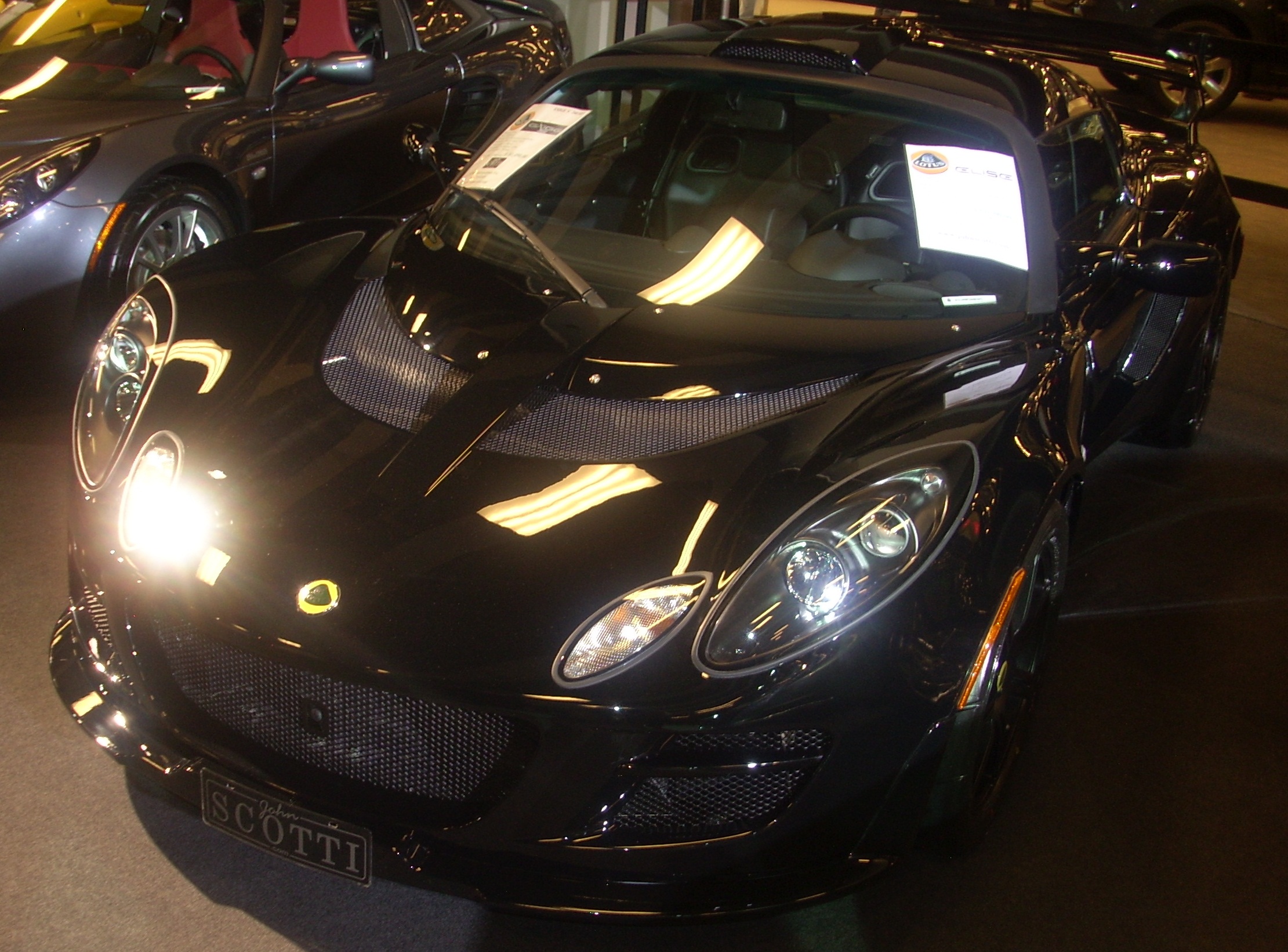
Lotus Elise
"what you need to do edwin is just figure out make a lot of parts for lotus elises anymore and I'd really like to have one of those someday"
The Lotus Elise is a small, lightweight sports car that’s built to feel nimble and fun to drive. People like it because it’s not just about speed—it’s about how it handles.
The Lotus Elise is a lightweight, driver-focused sports car known for its agile handling and minimalist design. It’s a popular “enthusiast” car partly because it’s relatively simple and rewards good driving rather than just raw power.
monocoque
"[4011.0s] yeah and they're like oh here's a car that's uh fiberglass uh what a monocoque what do they [4019.4s] call them yeah that they don't make anymore it's like basically if you do anything it's totaled"
A monocoque is a car design where the body is the main strength of the vehicle. If that structure gets damaged, repairs can be costly.
A monocoque is a vehicle body structure where the outer shell carries most of the load, rather than relying on a separate frame. In practice, that can make crash damage more expensive because the structure itself is the “frame.”
totaled
"[4019.4s] call them yeah that they don't make anymore it's like basically if you do anything it's totaled [4025.0s] and you got arrested doing wheelies this year they might just not even ensure you I don't know how"
“Totaled” means the insurance company decides it’s not worth fixing the car. The damage is usually too expensive to repair compared to the car’s value.
When an insurer says a car is “totaled,” it means the estimated repair cost is high enough that replacing the vehicle is cheaper. That’s why severe structural damage (like frame or monocoque damage) often leads to a total-loss decision.
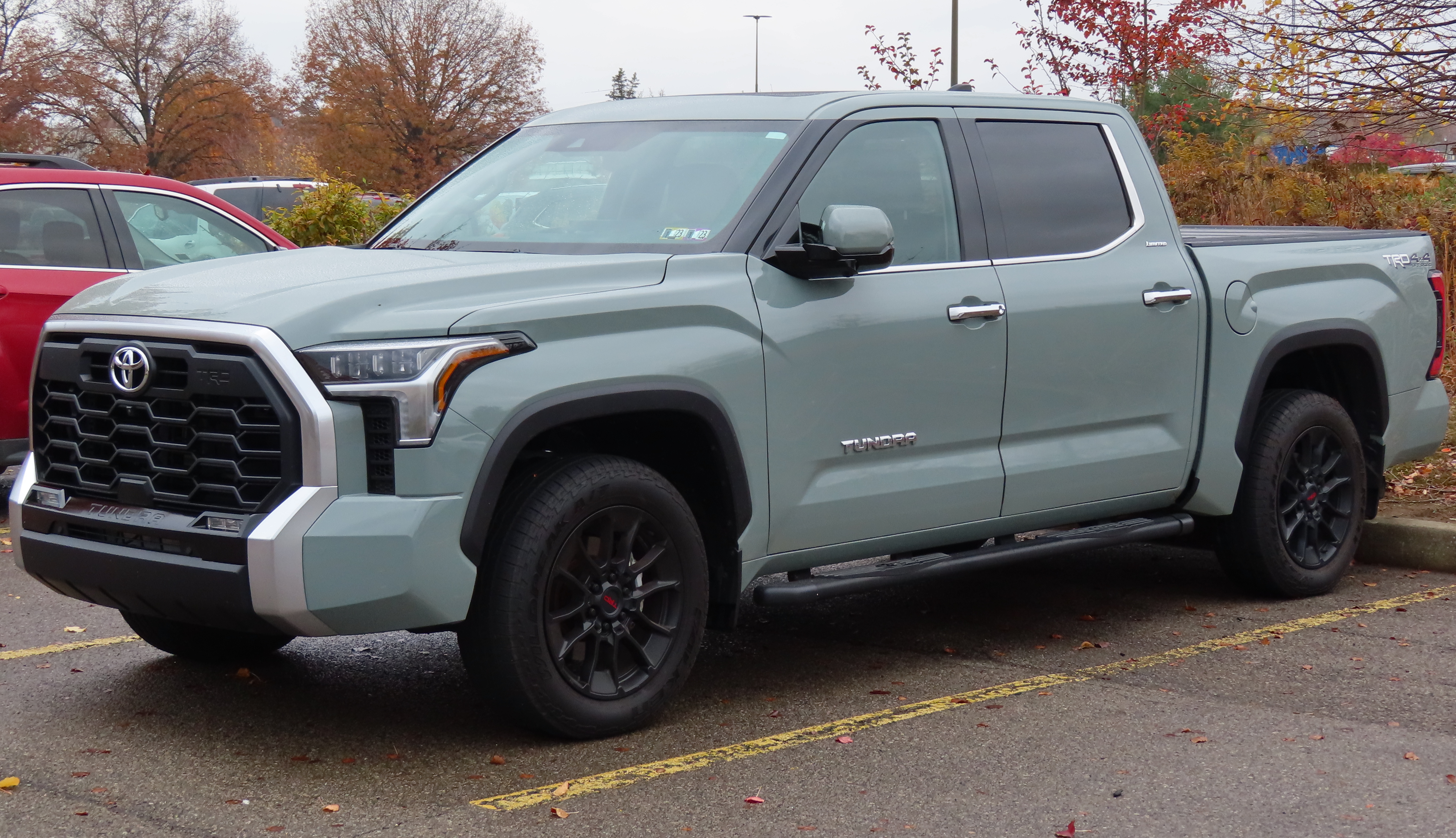
Toyota Tundra
"...on't know that yeah it depends my truck that took tundra I mean it's different than a one ton but still th..."
The Toyota Tundra is a large pickup truck made for carrying things and towing trailers. It’s commonly discussed because its size and towing ability can feel different from bigger “one-ton” trucks. In the conversation, it’s being used as an example of a truck that’s still different from the larger class.
The Toyota Tundra is a full-size pickup truck built for towing, hauling, and everyday driving. It often comes up in discussions because people compare how different truck sizes and configurations handle work and load, especially when talking about towing capability. In your podcast context, it sounds like the Tundra is being referenced as a “truck” baseline even when comparing it to larger one-ton class vehicles.
sensors
"[4065.4s] much like plastic well yeah I mean the plastics part of it the plastics are the parts that are easy [4070.3s] to replace there's just so much there's so much electronics and so many sensors you [4075.1s] know maybe probably like labor costs yeah a lot of that too"
Sensors are electronic parts that help the car “sense” what’s happening. If they’re damaged in a crash, repairs can get more expensive.
In modern vehicles, sensors are electronic devices that monitor things like speed, wheel position, and driver/vehicle inputs. After a crash, damaged sensors can require recalibration or replacement, which increases repair cost.
turbos
"[4075.1s] know maybe probably like labor costs yeah a lot of that too like and so by the time you replace all [4080.1s] of the cameras and all of the sensors and all of the body and the windshield and the turbos and [4084.7s] whatever else like those trucks are really easy to turbo or to total"
A turbo is a device that helps the engine make more power by forcing extra air in. If it’s damaged, it can be harder and more expensive to repair.
A turbocharger (“turbo”) is a forced-induction device that uses exhaust gas to spin a turbine and pressurize the intake air. That can make repairs more complex because turbo systems are integrated with sensors, plumbing, and engine controls.
t-boned
"[4084.7s] whatever else like those trucks are really easy to turbo or to total my truck the appraised value [4091.3s] was 19 000 when I got t-boned by that guy that went through the red light [4096.6s] which was kind of a crazy situation because there was a jeep parked at the red light"
A T-bone crash is when one car hits another from the side. Side impacts can damage the car’s structure a lot.
A “T-bone” collision is when one vehicle hits another broadside, forming a T shape. These crashes often cause major structural damage because the side structure is designed to protect occupants differently than the front or rear.
appraised value
"[4084.7s] whatever else like those trucks are really easy to turbo or to total my truck the appraised value [4091.3s] was 19 000 when I got t-boned by that guy that went through the red light"
Appraised value is the estimated worth of your car. Insurance uses it to decide whether it’s cheaper to fix the car or replace it.
Appraised value is an estimate of what the vehicle is worth, typically used by insurers to decide whether repairs exceed the car’s value. In total-loss situations, that number heavily affects the payout.
whiplash
"[4114.6s] spinning complete 180s down the road oh jeez it was in uh it was one of those 45 zones like [4121.6s] to like rath drum from the highway you know and I feel really bad because the guy who got hit was [4127.8s] pretty hurt yeah no doubt that's a serious whiplash lane and I were together in my truck and we were"
Whiplash is a neck injury from a sudden jolt, like in a rear-end crash. It can happen even if the person looks okay right after the impact.
Whiplash is a neck injury caused by a sudden back-and-forth motion of the head, commonly from rear-end collisions. It’s mentioned because the severity of injuries can influence how serious a crash is, even when the vehicles can be repaired.
frame was bent
"[4127.8s] pretty hurt yeah no doubt that's a serious whiplash lane and I were together in my truck and we were [4132.9s] fine but my frame was bent but since I got hit from the back they only had to replace the frame [4138.1s] and the truck bed"
A bent frame means the vehicle’s structural rails or underbody structure have been deformed in a crash. Even if the cabin seems okay, frame damage can compromise alignment and safety, and it often drives repair costs toward a total-loss outcome.
salt flats
"“...the salt flats they're also very abrasive you could do like a 30 mile straight wheelie...”"
Salt flats are large, flat, hard surfaces (often made of salt crust) used for high-speed and traction-focused driving/riding. The surface can be very abrasive, which affects tire wear and traction consistency.
stark swapped
"“...there have been comments about wanting a stark swapped Chang Lee so when you're done with it...”"
A “Stark swap” means replacing the bike’s original electric parts with Stark electric components. It’s not just plug-and-play—you often have to rework wiring and power delivery.
“Stark swapped” refers to converting a bike to use a Stark electric power system (motor/controller/battery) instead of the original setup. These swaps are complex because the electrical architecture must match, and components like battery type and wiring length can limit what’s practical.
hot swappable battery
"“...it's not a hot swappable battery are very short and it's not hard to extend but you have to do it perfectly...”"
A hot-swappable battery is one you can swap without fully shutting everything down. If it’s not hot-swappable, you usually have to power down and handle the battery more carefully.
A hot swappable battery is designed to be removed and replaced while the system is powered (or with minimal downtime) using connectors intended for safe live swapping. If a battery isn’t hot-swappable, you typically can’t easily change it without shutting down and dealing with more involved wiring and control-system constraints.
controller
"“...the wires from the controller to the battery since it's not a hot swappable battery...”"
The controller is the electronics that tells the motor how much power to use. If you change the battery or motor, the controller wiring and settings have to work correctly too.
In an electric vehicle, the controller manages power delivery from the battery to the motor by regulating current and throttle response. When doing an electric swap, the controller’s wiring and compatibility with the battery/motor setup are critical.
electric power electrically
"“...it's the most expensive way you could possibly get that much power electrically yeah like going with an electron...”"
They’re basically saying that making an electric setup produce more power usually costs a lot. You may need bigger batteries and upgraded electronics, not just one part.
The discussion contrasts “getting power electrically” with other ways to increase performance, emphasizing that electric power upgrades can be expensive. In practice, higher power often requires more capable battery packs, controllers, and wiring—driving up cost.
tunable
"the Starks tunable as a motorcycle but not as anything else and really I I thought like through [4314.9s] the app directly the only way you can do it is kind of tuning it like down right because you [4321.1s] have your three modes or whatever"
“Tunable” means you can adjust the bike’s settings so it behaves differently. For example, you can make it feel smoother or give more power depending on the situation.
In EV and e-motor setups, “tunable” means the controller software can be adjusted to change how the motor responds—like power delivery, throttle mapping, and behavior in different modes. More tunability usually means you can tailor performance to the rider’s needs (e.g., trials vs hill climb).
three modes
"the app directly the only way you can do it is kind of tuning it like down right because you [4321.1s] have your three modes or whatever and like Alec for example his top mode is still not even the [4327.8s] 80 horsepower"
“Three modes” means the bike has different settings you can switch between. Each mode changes how much power it gives and how it responds when you twist the throttle.
“Three modes” refers to selectable ride settings that change the bike’s power output and/or throttle response. On electric bikes, modes are typically implemented in the motor controller software, so each mode can cap power and change how aggressively the bike accelerates.
hill climbing events
"he said that he's seen people [4343.2s] with 100 horsepower vargs they're like bypassing something that do the hill climb events huh so [4350.4s] I really wonder if they're putting in a custom battery"
Hill climb events are timed climbs where traction and power delivery matter, but the run may be short enough that riders can tolerate brief high-output operation. The hosts argue that if you’re only “blasting it” for ~10 seconds, you may accept more stress or component wear because the next race is later.
bypassing something
"he said that he's seen people [4343.2s] with 100 horsepower vargs they're like bypassing something that do the hill climb events huh so [4350.4s] I really wonder if they're putting in a custom battery"
In this context, “bypassing something” likely refers to circumventing software limits or protections that cap power output. The hosts connect it to riders claiming higher horsepower for hill climb events, implying the bike’s controller is being altered to allow more output than stock settings.
custom battery
"I really wonder if they're putting in a custom battery or like I wonder how they're getting the [4356.1s] extra power like I imagine they have to be on their own software"
A “custom battery” means replacing or modifying the battery pack to change available voltage/current and therefore how much power the motor can draw. Higher power claims often require battery and controller capacity to support sustained current without voltage sag or overheating.
warranty
"like you can keep your warranty and like no definitely not otherwise it advertise these are [4365.1s] 100 well I mean obviously it's a just like you know have a credit card buy it type of bike"
A “warranty” is the manufacturer’s coverage for repairs. If you change the bike’s software in a way the company doesn’t approve, they may refuse to pay for failures.
Here, “warranty” is the manufacturer’s promise to cover repairs if something fails under normal use. The hosts are discussing how modifying software (or bypassing protections) can void warranty coverage, which is a major risk when chasing higher power.
100 horsepower
"it advertise these are [4365.1s] 100 well I mean obviously it's a just like you know have a credit card buy it type of bike [4372.0s] you can just go do a dealership or whatever and get a stark"
The episode is debating claimed peak output versus what’s sustainable for short bursts. On electric bikes, “horsepower” is often used as a shorthand for motor/controller output, but real-world performance depends on how long the system can hold high power without overheating or stressing components.
peak sustainable for 30 seconds power
"there's no doubt 100 horsepower worth of power available because a 20 percent margin isn't even [4402.9s] that much between what its absolute maximum peak sustainable for 30 seconds power is versus [4408.8s] sustainable to be able to sell to anyone"
They’re comparing “max power for a moment” versus “power you can keep for a short time.” The bike may be able to push hard briefly, but after that it has to protect itself from overheating or damage.
This phrase distinguishes short-term peak output from sustained power. In high-output electric systems, manufacturers and tuners think in terms of how much power can be held for a specific time window (like ~30 seconds) before thermal limits or component stress force the system to reduce output.
Request an Explanation
Heard something you'd like explained? We'll add it to this episode.
Sign in to request explanations for terms you heard.
Want to learn more?
Browse our glossary for plain-English explanations of automotive terms, jargon, and concepts.
Help improve this episode
See something that's not quite right? Our annotations are AI-generated and can sometimes miss the mark. Click the flag icon on any annotation to suggest a correction.