That’s the name of the A/C refrigerant in newer cars. It’s the stuff that gets pumped through the system to cool the cabin, and it’s expensive if you have to refill it.
They’re talking about the chemical fluid that makes your car’s A/C cold. If the system leaks and you lose that fluid, the shop has to refill it, and that refill can cost a lot.
That’s an older type of A/C refrigerant used in many cars. The point here is that newer cars use a different refrigerant that costs more, so AC repairs can be pricier.
A vacuum test is an A/C service step where the system is evacuated to remove air and moisture, then monitored to confirm it holds vacuum. If it doesn’t hold, that suggests a leak or improper seal before refrigerant is added.
If the system “holds vacuum,” it means it isn’t leaking. That’s important before adding refrigerant so you don’t just refill a system that will leak it right back out.
A slow leak means the A/C cooling chemical is escaping a little bit at a time. The A/C might work for a while, then gets weaker until it stops working.
A black light is used to “reveal” the special dye that leaked out. It helps the mechanic find the exact spot where the A/C system is losing refrigerant.
Term
fluor us and die
They use a special fluorescent dye that shows up under a black light. That makes it easier to see where the A/C refrigerant is escaping.
This means adding refrigerant back into the A/C system. If there’s still a leak, it will just run out again.
Term
AC
“AC” here means the car’s air-conditioning. They’re describing how they add refrigerant and why it can stop cooling again if the system is still leaking.
The condenser is part of the car’s AC that helps turn refrigerant into a form that can cool the cabin. If it leaks, the AC won’t stay charged and may stop working again.
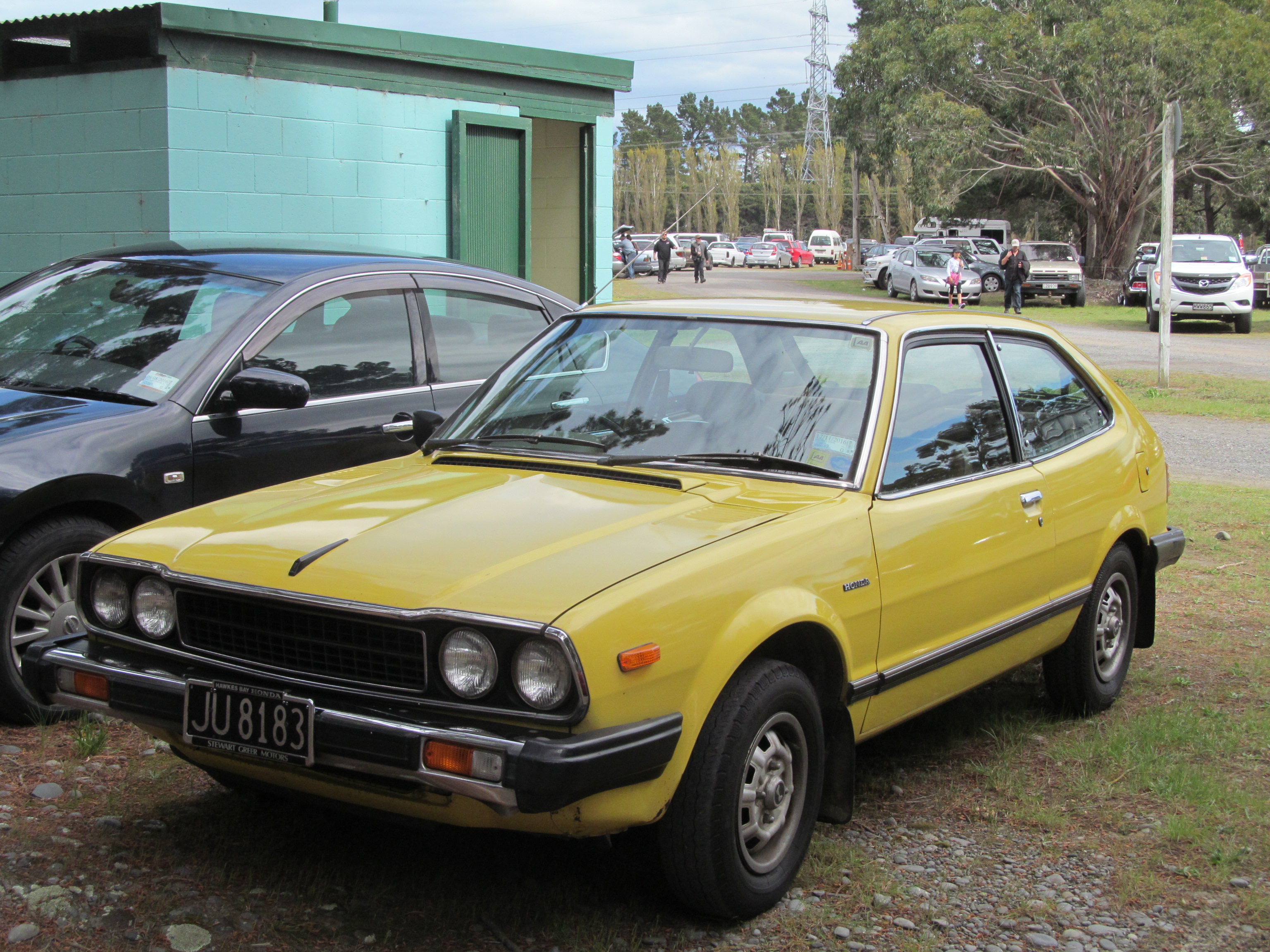
The Honda CR-V is an SUV. This caller is trying to figure out what’s causing a vibration, and they’re being guided to check the drive shaft instead of assuming it’s the transmission.
The drive shaft is the rotating part that sends power from the transmission to the wheels. If it’s damaged or not balanced, it can cause shaking or vibration while driving.
Road-force balancing is a more detailed way to balance your tires and wheels. It helps reduce shaking that can happen if the tire doesn’t sit perfectly or has uneven stiffness.
Tie-rod ends are steering parts that help connect the steering system to the wheels. If they wear out, the car can feel off and can contribute to vibration or instability.
Two-wheel drive means only one set of wheels gets power. That can change which drivetrain parts are used compared to all-wheel drive.
Term
alan rinch bolts
They’re talking about small bolts that hold a drive-shaft connection together. If those bolts aren’t tight, the joint can loosen and cause problems while driving.
Car air conditioning is a sealed system that uses a special fluid (refrigerant) to cool the cabin. If it slowly leaks, the system can stop cooling even if other parts are fine.
Seals and gaskets are the “watertight” (actually refrigerant-tight) parts that keep the AC system from leaking. With age, they can wear out and let the cooling fluid escape slowly.
Term
AC networking
“AC networking” here appears to mean the diagnostic/scan-tool workflow for the car’s air-conditioning controls and sensors. The speaker is saying they can’t confirm compressor operation without checking the system inputs and conditions.
The pressure switch is a sensor that checks how much refrigerant pressure the AC system has. If it thinks the pressure is wrong, it can prevent the compressor from turning on.
The water pump moves coolant through the engine so it doesn’t overheat. If it fails, the engine can run too hot. The takeaway here is to replace it when needed, not automatically on a schedule.
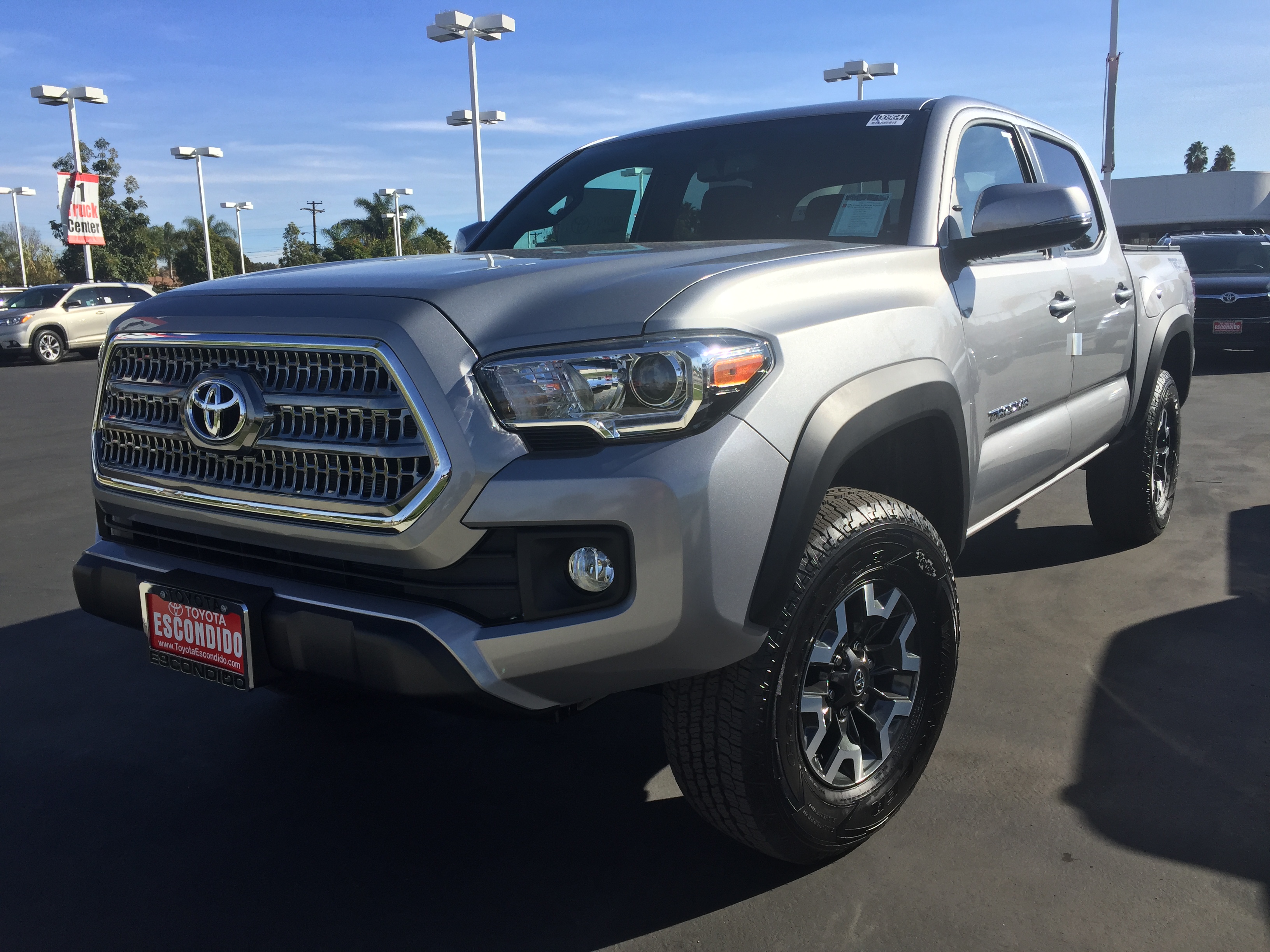
The Toyota Tacoma is a popular pickup truck. Here they’re talking about how to keep one running well and what kinds of fluids and drivetrain parts matter. They also mention whether it’s set up for four-wheel drive.
Transmission fluid is the fluid that helps your gearbox work smoothly. If it gets old or low, shifting can feel rough and the transmission can wear faster. They’re saying to keep it maintained as part of preventing problems.
The rear differential is a part that helps the rear wheels turn at different speeds when you’re turning. It also helps deliver power to the rear axle. They’re saying to make sure the fluid for it gets maintained.
The front differential helps the front wheels turn at different speeds, especially when cornering. On four-wheel-drive trucks, it’s part of how power gets to the front wheels. They’re including it in the “keep fluids up to date” advice.
Four-wheel drive sends power to both the front and back wheels. That helps with traction on slippery or rough surfaces. The host is saying that if your truck has 4WD, you need to keep more drivetrain fluids maintained.
A spark plug is a tiny part that makes the engine’s fuel ignite at the right moment. When it gets worn out, the engine can start running rough or misfiring.
A drain-and-fill means you drain out some of the old transmission fluid and add new fluid back. Doing it a few times gradually can be gentler than trying to replace everything at once.
Some transmissions have a screen or filter that catches dirt in the fluid. The host is saying Toyota designs may use a different approach, so you shouldn’t be too aggressive when changing fluid.
A flush tries to replace the transmission fluid more aggressively, often by pushing fluid through the system. On older transmissions with lots of buildup, that can sometimes cause problems by moving debris around.
Term
drain intil
This sounds like they meant “drain and fill,” not a full flush. The point is to replace the fluid gradually instead of forcing everything out at once.
A “wet belt” is a belt inside the engine that runs in oil instead of running dry in the open. The oil helps it last and can make it quieter, but it’s still something you’d want to understand for long-term maintenance.
A serpentine belt is the main belt that runs several car accessories at once. It’s usually a dry belt, so it’s not the same idea as a belt that runs in oil inside the engine.
A timing belt is part of the engine that keeps the valve timing in sync with the rest of the engine. If it breaks, the engine can get out of sync and can be badly damaged.
The kick panel is the plastic/trim panel by your feet near the floor. If water gets into the car from a sunroof, it can run down and show up around that area.
This is a local company in Cincinnati that fixes car water leaks. The host is saying they’re good at finding where the water is getting in and fixing it.
LIVE
My pappy said, son, you're gonna drive me to drinking if you don't stop driving out hot Rod Lincoln.
Where's rocking all the ready?
Pretty easy down the road at go, just keep checking.
Good afternoon, and welcome to the car show. Fifty five
cars they talk station.
Sorry, I was trying to clean up this uh this room, man, it's just a little a little disorganized, you know.
I kind of like a clean space.
So taking your car questions, then I'm gonna call five one three seven fifty five hundred. That again, five one
three seven nine fifty five hundred. It's a gorgeous Saturday afternoon.
I mean it's almost picture perfect. There's no humidity, there's
no you know, just nothing but sun and blue sky.
So perfect day to be out and uh, you know, getting underneath that hood, checking the you know, checking the tire pressure, checking you know, your fluids, which we.
Talk about all the time on this show.
But uh, I have a it's been a busy day and I barely made it here.
I got to hear it.
I got here at right about one o'clock. And Tony
Bender loves when I show up late, and so but.
Yeah he does.
That's that's correct. He does, just like when I show up,
but you know it's it's uh, it was. It's been
a busy day already, and my son's in a golf tournament, and uh, we have a fundraiser tonight for where I went to high school, Percell, Mary in high school. It's
called the Grand Event, and we sponsored it and my dad will you know, my dad sponsored it and said I can't go, see if Dane wants to go. So
I graduated in two thousand and three from Purcell. My
dad was in nineteen eighty and then my grandfather, I can't remember, I'm sorry, I don't remember what year he graduated.
But when I went to Purcell, it was three generations and unfortunately, gonna break that trend with my oldest he's going to Moeler. They're at All Saints just up the
street here. And but again we you know, at Donovans,
we still continue to support the school. But yeah, three
generations of there was a lot of Donovans that went through Purcell.
So good school and uh, gonna go this afternoon.
I think it starts at six thirty and uh, yeah, have a good time and maybe run into some uh maybe some old classmates or and again a lot of Parcell's a pretty well knit community. I mean, you know,
you don't realize it, but uh, it's a it's a good time.
So but.
You know, again it's it's always good to I haven't been back in a while. I just unfortunately just been
you know, busy with life, you know, and that's what happens.
But you know, working on cars, talking to you on the radio, trying to help you fix your cars.
Right.
So earlier this morning, I did get a I did go and get.
My hair cut.
I want to give a shout out to Gills Barbershop in pleasant Ridge.
My boy Dennis cut my hair.
I wanted to make sure I looked somewhat presentable at the fundraiser tonight, and so he he hooked me up.
And you know, Donovan's in pleasant Ridge has been in business again sixty that were celebrating sixty nine years. And Gills,
I do believe has been there longer than us, or equivalent to sixty nine years. So Ewers, Donovan's and Gills
have been the three. And I could be staying, you know,
I could be wrong, but I think we're the three oldest businesses and pleasant Ridge so been going there my whole life. So I want to give out to a
shout out to Dennis and Gills Barbershop And if you guys want to get a good haircut, Gills Barbershop right there in the heart of pleasant Ridge and they'll do a.
Great job for you. So already again taking your phone numbers.
The number to call five one three seven four nine fifty five hundred, that number gain five one, three seven four nine fifty five hundred. You know, again, we talk
about I talk about this all the time on the show.
I just want to put something in the back of your mind. There's no need to panic or anything like that.
But you know, earlier this week, I spoke with my oil supplier and he said, we're going to run out of oil here pretty soon. And I said, you think,
he goes, I don't think.
I know.
We're you know, orders are already getting back filled because because of the supply. So I talk about it all
the time on the show. You guys know this. I
beat this, I could. You know, it's like just continue
to kick a dead horse. But I want to put
this in the back of your mind. No need to
go panic and rush the stores. But we do need
to think ahead in the sense of, if we do have a supply issue and I and he swears by it that it's coming, we need to think about that.
We need to think ahead.
Maybe if you change your own oil at home, maybe stock up a little bit, not a little bit, you know, maybe a month or two, you know, just just in case.
Something to just think about. Okay, we all know that
gas prices are through the roof. We know that, you know,
oil's an issue, and it's just something to think about.
Because he was pretty adamant that something was that we were gonna have a difficulty trying to get oil in the future. So don't think about don't again, let's not
run the stores and you know, take every bottle of oil you can find. But it's something to think about, because,
right we want to make sure that we protect our cars.
We want to make sure that our cars continue to stay running on the roads. And how do we do that.
We do that but making sure that the car has oil in it. And again we talk about that all
the time. So something to think about the other thing is,
you know, it's a nice day out today. It's one
of those days where you can roll down the windows and leave the ac off. But you understand that in Cincinnati,
if you don't like the weather, wait ten minutes. You know,
it was thirty degrees the other day, and before you know, it's gonna be in the nineties. Right, So there's going
to be a run on batteries, on alternators, on air conditioning, right.
And it's something to just start thinking about. Now.
If you're in the car now and you're listening to me, turn on the air conditioning, just see if it works, right, because we usually get a massive influx as soon as it hits like eighty eighty five. I mean, people are
just like they're just dying, right because you get in your car and it's over one hundred degrees and they're they're like, hey, it's not keeping up.
So something to think about.
The other thing that I want to put on your radar is understand that a lot of these new cars, okay, have a free on it. It's called one two, three, four
YF and it is very expensive. Now it has come
down in price a little bit since it first came out.
But it is very expensive. Uh.
You know, a standard if you have a if you have R one thirty four, you know it's typically dependent upon how much free on.
You you need.
You know, it's anywhere between one hundred and twenty five to one hundred and fifty bucks.
Right, if you have.
One two three four yf you're looking at at least three hundred and fifty dollars, right, and the and it can it can add up really really quickly.
So if if somebody, if you.
You know, have a newer vehicle, their air conditioning's not working and you go to your mechanic and he's like, hey, it's going to be three hundred, three hundred and fifty dollars and you're like, wait a minute, it used to be one hundred and twenty five. Well you have the
new free on and is it is a lot more expensive.
So something to think about as well. And you know,
the these vehicles, you shouldn't neet the AC recharged, you know, in the in two or three years. But I'm seeing it.
I'm seeing these cars coming in with you know, two three years old and the AC needs to be recharged and again free on as a gas. Right, so when
it leaks out, we don't know where it leaked out at, so we you have to spend that three hundred and fifty dollars to fill it back up. We put a
dye in there, but then potentially, you know, six months later or six weeks later, you're out of free on again and we're putting hopefully with us putting the die in there, we're able to find the leak, but that's not always the case, right, and then unfortunately we're charging it up again for three hundred.
And fifty dollars. And it's just because of the product.
The product is is the is so expensive and it's just something to think about. And again we're it's gonna then,
you know, I hate to say it, but the nineties are gonna hit us here in just probably a couple of weeks. And uh, turning on that ac turn it on.
If you're going most of us, you know, we're getting into We're we're close to getting into May. All the
kids are gonna get out of school. We're going on
summer breaks, We're we're going on vacations. You want to
make sure that that car is ready to go, and now's the time to do it. Okay, the number call
five one, three, seven, four, nine fifty five hundred. The
phone lines are wide open. Love to hear from you,
give me a call again. The number to call five
one three seven four nine fifty five hundred. You're listening
to the car show on fifty five krc D talk station.
This is fifty five KARC and iHeartRadio station.
Your car isn't just a machine, it's your daily partner, and with new cars becoming more expensive than ever, smart maintenance for your current vehicle just makes sense. Hi, I'm
Dane Donovan, third generation owner at Donovan's Auto entire Center.
That's why at.
Donovan's we give you everything you need and nothing you don't.
Honest expert service to keep your car running longer. Donovan's
Auto entire Center Cincinnati's honest choice for auto repairs. That's
nineteen fifty eight three locations in Blue Ash, pleasant Ridge.
In our new location near Xavier, Donovan's Auto form find yours at donovantire dot com.
It's Glenn Beck weekday mornings at nine oh six on fifty five KRC the talkstation.
Taking your phone calls and number to call five one three seven four nine fifty five one hundred. Again, It's
Dane Donovan from Donovan's Auto entire Center. I mean, I
know it's a great Saturday, but I mean, come on, everybody has car problems.
Man.
The phone lines are they're just uh, it's just crickets.
And you got you got a like a cricket. There
we go. That's awesome.
Took me a second to find it. Yeah, that was
pretty quick.
So uh, again, the phone lines are wide open five one, three, seven, five hundred.
Again the the thing I wanted.
You know again, we talked about oil all the time on the show, and it's important. Uh, but again I
want to we'll delve into air conditioning and how it works simply because this time of year, there's a lot of confusion as to how it works.
Right, So.
Air conditioning, so there's a lot of confusion as to cool in, Like, uh, there's coolant, there's free on.
Right.
Coolant keeps the engine cool. Freeon keeps the air conditioning cold.
Right, So free on is a gas Okay.
So there's no way that I can just look at look at a you know, a tank and look at it and go oh yeah, it's fool and you know, we have to hook that up to a system, suck it down to find out what what freeon was in the system, right, do a vacuum test to make sure that the system is holding vacuum right, because the gas is pressurized, it's always under pressure. Even if you're not using your car
sitting in your garage right now, that ac system, the free on is still under pressure, right.
And then.
We suck it down, make sure we've got good vacuum.
If it passes that test, then we fill it back up.
We find out what every car is different. Now I
would recommend now you can't stop at a gas station or something like that and get a can of a free on. I would not recommend that because you've got
to make sure that you put the right amount. And
if you put too much free on in the system, it won't work. If you don't put enough free on
in the system, it won't work. You have to have
the right amount of free on. So you really have
to have a system and a machine that does that. Okay,
So once we've done that, we fill it back up, make verify whether or not you've got the proper levels in there. We'll put it in there and then we'll
test the system. Then we can check to see if
the compressor is doing what it needs to. We're checking
to make sure we don't see any major leaks. And
then a lot of times they're always slow leaks, right, So we put a dye in there to verify and make sure that you know, if there is a leak, we can find it with a black light, try to figure out where it's come from. And sometimes that might
take one or two or three visits before we can find it. And whether you bring it to Donovans or
any repair shop, you got to make sure that. Unfortunately,
it's a long process sometimes and it can be frustrating.
I get that, but understand kind of how the system works and how on the mechanical side, on our side, what we have to do in order to try to find that leak, right, because freeon doesn't just evaporate, just doesn't go away. If your AC is not working and
there's no free on in the system, you've got a leak.
And again with it being a gas, we don't know where it went, right, So we got to fill it back up, put a die in there and hopefully that leak shows itself with the green dye that we put in fluor us and die that we put in there with a black light and try to find it and it can. Again, it can be stressful and it can
absolutely with the new stuff absolutely be expensive. So just
always try to be patient and understand the process. And again,
if you're going to your mechanic, you know it may see's not working. You know, do your homework as well
in the sense of just ask questions like, hey, why isn't it working?
What was wrong with it? And you know, just you know,
try to educate yourself on it.
So you know, a lot of times when people don't know, we tend to and again, I don't know if I if I go to the dentist or the doctor and I don't know, what do we tend to do? We
tend to just get angry because we don't know, right, So just ask those questions, hey, why isn't my air conditioning working? What caused it to not work? What potentially
could fix the problem? Right, and just educating and knowing
what you now and knowing the process, because again, it can be frustrating if you don't know and you come to Donovan's or you come to your mechanic and you know, I charge you three hundred and fifty dollars or your mechanic cards is three hundred and fifty dollars and six weeks later or two weeks later, AC's not working again.
You're gonna be mad. I just spent three hundred and
fifty dollars to fix my AC. No, we didn't fix anything.
We filled it back up. It's just like an inner tube, right,
if you've got an inner tube or a you know, an inflatable pool toy at home, right, and you air it up and then two days later or three days later, it's empty. Well, we don't know where that air went.
We don't know where that air went, right, So what do we have to do. We have to fill it
back up to try to find where it leaked out at.
Right.
That's the process, and again it can be frustrating. I
get it, but you know, just ask those questions. We
always at Donovan's try to educate when we do this type of stuff, to educate and make sure that you know, our customers understand the process and what we're doing, right, because a lot of times we'll charge that AC and you know, they call back three weeks later, or maybe they come back year and're like, hey, you guys fixed my AC last year and now it's not working again.
Well, we didn't fix anything.
We filled it back up, and we we had to fill it back up because we didn't know where it leaked out at. Now there's a dye. But the problem
is if it goes an entire year. So let's say
the condenser's leaking, which is in front of the radiator, in front of the bumper. You know, that's that thing's
taking rocks and you know, potentially if the dye leaked out there, but you've you've got rain, you know, salt water, you know, uh, snow, all that stuff, it could just wash away, that die and then we've got to start the process all over again.
Right, So that's why.
We always tell our customers after we've charged inn Ac to bring it back in two weeks and then let's bring it you know, you know, and a lot of people go, well, I haven't been using it. It doesn't matter.
It's under it's under pressure all the time. If it's
gonna leak or when it leaks, it's leaking all the time, whether you're using it or not, whether it's been parked for two weeks or not, it's still gonna leak out.
So understand that. So all right, again the number call
five on three seven, four nine, five hundred. Let's go
to the phones.
We have Jack. Hey Jack, Welcome to the car show.
How can I help Dane?
This is a pertaining to a call you had last week.
Okay, you were talking to a gentleman and he had a on the CRV and he was chasing a vibration m and he was thinking it was possibly into transmission.
You guys discussed everything except for the drive shaft. If
that thing's all well drive, you know, it's got a drive shaft and h my high The only reason I know this is because my eyelander did the exact same thing Dane. I did new tires, made sure they were
road force balanced, went ahead and replaced the tyrod ends, you know, made sure it was lined up correctly, would not go away and ended up being my drive shaft.
And there was no leakage or nothing from that little carrier bearing in the middle of the draft shaft. It
warn it had worn out. Wasn't making noise, it wasn't grinding,
it wasn't linked, but it was vibrating.
Yeah, you're I mean, you're absolutely right. I can't. I'll
be honest with you. I'll be honest with you. I
can't remember. Did he say it was all wheel drive? Yeah?
Did he say it was all wheel drive.
Okay, no, it wasn't even making well.
And some of them, yeah, but some of them are just two wheel drive. But you're right. I didn't ask that. Yeah,
I should have asked that.
But you will drive, uh could well, which I don't understand, but welcome.
Yeah, and you're right, you're absolutely right. I did not
ask that. But uh, the other thing is the you
joints in those drive shafts go bad, and those the you to do. Yeah, and those and those drive shafts
are not uh serviceable. You have to replace the entire
drive shaft. So you're right, that was I should have
asked that.
Yeah, you're a smart man. They are not serviceable. You're
a very smart man. I went ahead and bought one,
and I got lucky. I got a good one. But
the little alan rinch bolts that go towards the end, that last little flames that connects, they were loose. And
they were loose from the factory. Really and that's enough. Yeah,
that's nothing that you touched during installation to removal. You
know this. They're they're from the factory and they were loose.
And I got so lucky because when I replaced it.
I backed down the driveway and one of the bolts fell out. My wife said, go back, go back, the
bolt's going to be laying there, and sure enough it was.
Wow.
So yeah, those were loose from the factory. So I
went and torked them to the spec. But I put
a little dab of lock tight on that to make sure.
Yeah, the red locked tight.
But if he does have a drive, chef, sir, that could.
Be You're right, You're right, absolutely, And that's a great point sometimes, you know, you know, I didn't ask that, And and again.
To co host, I will co host, I will come.
In with you, buddy.
Well, I appreciate that.
Overback, and then a quick question. I know you're busy,
but was Overbuck ever connected to this show? Was it
originally Steve Overbeck?
Uh? Yes it was.
And then in two thousand and eight, Uh, there was a uh I think they I you know, I believe that there was a discrepancy and they let him go.
And then somebody who used to work at this station then contacted my father and was like, hey, they need they need somebody to do a radio show. And my
dad was actually pretty hesitant to do it. And uh,
I'm glad he did.
That's good.
Yeah, you're so good.
Yeah, but you're good too.
You're listenable, interesting when you speak, You're you're interesting to listen to.
Well, I appreciate that. I mean, my wife doesn't. My
wife doesn't like to.
Like, if you decided to go political or something, Man, I'm telling you, you could get a podcast and you would go crazy because you're interesting to listen to, and that's rare for a lot of people.
Well, I appreciate that.
I appreciate you and your dad, who was awesome as well.
But you're just a little more You let people a little bit more in and then that makes this one listen to you, because then he starts feeling like a friend.
You're kind of like, go cunning him as far as that goes.
Yeah, I'm not smart, I'm not as smart as him, but wow, that was wow. I don't think I've ever
got a I've got a lot of compliments in them, but that was that was that was. I appreciate that, Jack,
I really do, because you know, I'm here every Saturday to take care of customers and take care of people, and you know, I am young, I feel old. I'm
forty one, but you know I've been doing this. I've
been in the industry for twenty six years. I've seen
a lot. Doesn't mean I know everything, but I tend
to think that I know more than the average person.
But you know, trying to run business and work on cars can be challenging. But Jack, I appreciate that comment.
That's that's one of the nicest things that you know.
Haven't got one in a while, so appreciate it.
You know, in.
Today's world, we don't We usually always hear what we do wrong, not what we do right. So thanks again,
So again the phone number to call the five one three seven four nine fifty five hundred. That number gain
five one three seven four nine fifty five hundred coming up.
We have Jerry, Jeff, Raymond, and Larry. You're listening to
the Car Show on fifty five krc D talk station.
Do you have a truck, camper, r V or trailer that needs body repair? If so, call Frank's Heavy Truck
Collision Repair located just All five seventy five or Route sixty three.
It's convenient to both Cincinnati and Dayton.
With over thirty years of experience including insurance work and fleetwork, Franks knows the most important things are quality work and customer satisfaction. Frank's Heavy Truck Collision Repair prides themselves in
doing the job right and get into your vehicle back on the road. Call five one, three eight two nine
ninety eight to nine ninety thirty.
Place for Brian Thomas in the morning. Fifty five KRC
the talk station.
Taking your car questions and number to call five one, three, seven four nine fifty five hundred. Man, We've got We've
got tons of college. I really do appreciate it. So
let's go back to the phones we have Jerry aj Welcome to the car show.
How can I help?
Good afternoon, mister Dane.
Three man.
I used to live on Kincaid, right around the corner from your dad. So are your grandfather's old shop?
Okay, all right, do you still live on Kincaid?
I did when your grandfather in the bay windows with the black and white checkerboard tile in the.
Front, Yes, sir, you've got a You've got a heck of a memory.
Yeah, yeah, I do.
Yeah, tires in there. I have a female friend. She
has a twenty fourteen twenty fifteen Honda Cord five speed.
She she only drives about ten minutes to work. She
likes to wear high heels to work and she doesn't want to wear sneakers. She's got a problem with the
clutch pedal floor where she's worn through the carpet into the jute down to the floorboard. It's I know, it's
a very it's a non unusual question. Obviously you don't
want to rip up the jute. And is there or
do you know? I'll listen next week. Do you know
any customers? I use weather Tech, mats Whebber, she uses
chits a Honda so she can use factory. But do
you know obviously outside of having to tear everything apart, put about how do not go Fred Flintstone and make a goalway through? That's my fear of it becomes a
weather going through the floorboard issue. If you know what
I'm saying, I know you can. You can think about
it this week and you port. I'm sure other people
have had this problem. But I was like the fuddled
by it because.
Yeah, I mean yeah, I mean you know you had mentioned too.
I think that the cheapest solution to your problem is correct.
I would it would be the weather Tech, but I don't I don't know.
I don't know.
If you you know, get a thin piece of thin.
Piece or something, I don't know, glue it at the.
Bottom of that weather I do weather Tech. That's what
I would do. I would do the weather Tech match.
I have them in all my vehicles. I like the
product other than over time they start they start rolling up and so. But I really like the fitment. But
you know, I don't know like that area, you know, I don't know.
Okay, I'll say I'll let other people, but I'm going to think about It's a very unique problem that I did not have an answer to. Ok maybe someone you
work with at the shop and I've used your shop down unridged by.
The railroad check.
Well, thank you very much, thank you having the weekend.
You too, take care bye bye. Yeah. That that that
is a unique situation.
Somebody who wears heels every day and puts a hole all the way down to the metal of the car, and he did. He did reference for friends Fred Flintstone.
So all right, let's go back to the phones. We
have Jeff. Hey, Jeff, welcome to the car show. How
can I help?
Hey, how's it going?
Okay? But I had an original question but that air
conditioning one brought up an additional one for me.
To ask you real quick.
Uh, let's say there aren't any leaks, aren't any problems, but.
The the stuff whatever, the three on eventually oozes out naturally anyhow at some point, right, I.
Mean in theory, Yeah, in theory, it's not so. Yeah,
in theory, it's not supposed to go anywhere. But again,
the seals and the gaskets in the AC system will then allow because again it's a pressurized system, it will eventually allow the the the you know, the gas to you know, sneak out of those seals or whatnot. And
so it's not in theory supposed to but over over time and age, just like your oil pain gasket or your valve cover gasket or your transmission you know, those gaskets eventually give way and they allow fluid to get past them. So but it's just a lot of people
get frustrated because it, you know, you.
Bring it to me.
With the AC networking, I can't diagnose the AC system, find out if the compressor is working or not, if it doesn't, if I don't know if there's free on it, if there's a pressure switch on the compressor. If there
isn't free on in the system, then the pressure switch is going to allow the compressor to kick on, and then it's useless. So I have to spend that I'm
amount of time and money to start there, you know.
And again with it being a gas, we don't.
Know where it leaked out at, so we do, you know, put an oil and a dye in there. So in
two weeks when you bring back, hopefully that you know that that leak has presented itself, and then we can figure out what we need to do in order to take those steps. But again the analogy I used, it's
just like if if you've got a hole in an inner tube, you don't know where that hole is until you fill it with up, fill it up with air, and then try to find it.
And that's the essentially the process.
But people don't know that, so they just get frustrated and they're like, you know, you fix my AC and now it doesn't work again.
It's like, no, we didn't fix it. We just filled
it back up.
And we always try to tell our customers that, but sometimes they, you know, take it in a different fashion and manage. So I just wanted all the listeners to
understand kind of how the process works.
Got it? Okay.
My primary question that I called about was I had the thought you had the model of my truck down there.
I guess, uh so it's getting to be one twenty one thirty on the mile. It's it's it's ran wonderfully.
So now.
It is there a point to where maybe some things should be replaced before they go bad, for instance, a compressor or an alternator, or a water pump or other things before they go bad.
Uh No, that's a great question.
So it says here you have a twenty seventeen Toyota Ta Coma.
Yeah, it's in the star. I don't think it's it's
not a full like there's no two back seats, but if there's a storage compartment behind the driver and passage a side ice drug.
Is it a four cylinder?
Yes?
Okay? Manual automatic? Automatic? Automatic? Okay, I mean, now.
I would I wouldn't recommend replacing alternator, compressor or anything like that before it goes bad. I I you know,
it's kind of one of those things where it's like you know, you know, hey, you know, going to your doctor and going hey, look, you know, in about you know when I turned sixty. Is it a good idea
to replace my replace both my hips and my knees.
Is that a good idea? Yeah?
I would, I would, I would recommend. No, I wouldn't
recommend doing that.
I would.
You know, just making sure.
Again and I talk about it all the time, but you know, making sure that you know the oil change regular, making sure all the fluids. You know, you've got transmission fluid,
you're coolant, your powasteering fluid, rear differential, front differential, if it's.
Four wheel drive. You know, just making sure that stuff's done.
You know.
Again, you mentioned one hundred and twenty thousand miles. Have
you Have you replaced the spark plug yet?
Yes?
Okay, what about the cool I do?
I do all the all the standard stuff as well. Okay,
one thing I didn't do, but I fortunately your show suggested I neglected the transmission uh like the transmission fluid, and you recommended to just do a drain and fill two or three times for the next two or three oil changes to make up for that. I did not change.
I didn't do the.
Drain until until at one hundred and ten thousand.
Okay, before that, I had.
Never seen anything.
One hundred ten is not too bad. I mean I've
seen worse.
But yeah, and again you don't want to do like anything because toyotas typically have screens, they don't have filters, right, so you don't want to be too abrasive. So you know,
just doing a drain and fill driving it and then you know, slowly introducing that fluid so you know, we're not shocking that transmission. And I use you know, I
say all the time, it's like you know, over time, transmission fluid will break down or get real thin like water, right, and then you go and you try to change all the fluid in it and it's like trying to swim in a pool of jello. The transmission can't handle it, right,
So you want to slowly introduce that so you don't you know, you get some of the particles, some of the dirt, some of the debris out, but not all of it because it's just too it's just too hard on it.
So no, you're doing a great job.
But well, okay, finally before you let me go, the proper term to ask the garage guy is a drain intil as opposed to a flush.
Correct? Okay, yes, thank you training Phil. Yes, sir, you're welcome,
Thank you so much.
All right again, taking your phone calls and I'mberall five one, three, seven four nine, fifty five hundred.
Coming up.
We have Larry Raymond and Bill. You're listening to car
show on fifty five KRC, the talk station. Way back
in nineteen fifty eight, my grandfather opened Donovan's Auto entire Center right here in Cincinnati. A lot has changed since then,
but our commitment to honest auto repair hasn't. We believe
in making sure your vehicle gets everything it needs and nothing it doesn't. Because as a family owned business with
our name on the wall, integrity matters. From nineteen fifty
eight to today, Donovan's Auto entire Center is still Cincinnati's honest choice for auto repair, and we're proud to keep this city moving. Three area locations. Find yours at donovantire
dot com.
This is fifty five KRC and iHeartRadio station.
Taking your car questions. I neber to call five one,
three fifty. We're slowly running out of time here that
it goes fast, and I want to try to make I want to make sure I can get to everybody.
So let's go back to the phones we have Larry. Hey, Larry,
welcome to the car show.
How can help Hey, I was just a general question here for you, and it'll be quick. I was just
reading General Motor. Chevrolet the past two years has been
using a motor that has a wet belt in it for the Chevy tracks. I just didn't know if you
I've never heard of that before. I know it's encased
in the oil. I didn't know if you knew anything
about those engines, if they're long, you know, longevity is good, or you know why a belt not moversus a chain?
You know.
I I'll be honest with you.
You said it's a wet belt.
Yeah, I've never heard of it either, and I was reading it. I just googled because I was wondering if
they were still using uh, serpentine belt, god belt, so to speak. But yeah, it's called a wet belt. And
it's like I have any change. It's enclosed in the
engine and it's it's enclosed with oil, but it's rubber.
What I have never Yeah, well you got I got one for you. Yeah, I just if you.
Could google it and look it up. Apparently it's been
for the past two years only twenty four through twenty six they started using that engine. I don't know anything
about the engine. I'm like you, I've never heard of
it before.
I wow, No, I have never ever I've never seen it.
Yeah, I just said GM introduced it two years ago.
I've never seen one. That's interesting.
I wouldn't want to change the belt. That's the sorry
you got. It's just like a timing belt. You got
to go in there and take everything apart.
He look, it looks like Conda has them too well.
It said that the oil maintenance is very critical to the how long they can last. So you want to.
I mean to me, it just sounds like a recipe for disaster soaking a belt and oil?
Are you a rubber belt and oil? Are you kidding me?
Yeah?
I'm going to call it a wet belt.
I've never you know, again, I mentioned it earlier in the show. I'm like, hey, look, I've been doing this
for twenty six years. But the the you know, it's
always this, This industry is always changing. I know a lot,
but I don't know everything. But never, never, never, ever
seen a wet belt. That's interesting. So I'm gonna I'm
going to read up on that.
No, I appreciated that. I've never seen that.
All right, thanks a lot. Maybe one of your callers
have maybe don't, all.
Right, take care a wet belt. Never I claim to
know a lot man. I've just never seen that. That's interesting.
I don't know why you want to soak a rubber belt and oil. That doesn't make any sense to me.
Uh chain, sure, not a belt. I'm gonna look into this.
This is wild. All right, let's go back to the phones.
We have Raymond A Raymond, Welcome to the car show.
How can I help?
Yeah, I got a two thousand and five Jackuire and I'm having a conversation problem inside the car. It does
have a sun roof, it's not leacoing. My carpet is soaked.
This is the back last October November. Even doing the
dry spot, I thought maybe the sun roof was leaking.
And I don't know what's I mean. I look in
there and the morning I see grip drops of water coming down.
I'm from the headliner or a pillar B pillar.
Yeah, I'm telling them that it's on the skylight and everything I says, I gets so air tight that it's not and cars is soaked and wet.
So is it on the driver side or passenger side.
It's the whole car.
Oh, the whole car. Oka?
Okay, all right, so here's well most likely nine at it.
Nine out of ten times when there is water intrusion in a vehicle, it is due to the sunroof.
Okay.
Now, your sunroof has drains, okay, tubes that run down the A pillars and the B pillars, not necessarily B pillars, but they run down the A pillars and then they run down down to the firewall or near the firewall and empty out on the ground.
Okay.
What happens is debris, dirt, soot get into those drains.
Not necessary that the sunroof itself. Yeah, okay, but sunroofs
are designed to have drains, and then those tubes get clogged or a lot of times the product that they use for the drains will over time and age will shrink right and contract and then disconnect itself from either the the sunroof itself or down by kind of what we call the kick panel.
Okay.
Now, again, nine out of ten times, if there's water intrusion vehicle, it's coming from the sun roof or the panoramic sunroof. What I would recommend you? What part are
you in Sinsey?
Yes, sins and censor. I just looked down. Sorry.
There's a gentleman okay, and uh I want, I want.
It's called it's water doctor. Just type in water doctor Cincinnati. Okay,
gentleman that owns his Jerry Okay. He fixes all of
my water leaks.
Okay.
So typically and he normally what he'll do is he'll he'll find a repair so he's mobile, right, but he'll have you take it to a repair shop. He usually
doesn't come to you or to your business. He'll have
you either bring it to one of my shops. He's
the best guy in the city, the only guy in the city that fixes these water leaks. Fixes them fast, efficient,
guarantees them, and he's very very reasonable. Usually usually most
of the leaks are usually a couple hundred bucks.
Okay. Oh yeah.
He also has a deodorizing business as well, so a lot of times you know you're gonna get with that moisture in there, you can get mold and stuff like that.
So he'll even take care of that as well. But
you need to call Jerry water Doctor Cincinnati. He'll come out,
he'll bring it. You know, you bring it to me
or or a local shop that he works with, he'll fix it and he'll guarantee his work. And that's that's
how that's what we need to do. Okay, okay, hey,
you have a great weekend. All right, take care bye bye.
All right, real quick, we're running out of time. We've
got Bill.
Hey, Bill, welcome to the car show. How can I help?
Uh?
Yeah, I just had an idea with a previous caller about his lady friend going through the floor with their shoes.
Yeah.
My sister when I was younger, she would always have driving shoes. She would just leave the shoes in the car,
their flat, flat shoes. Then once you get out, she
put her heels on.
M hm.
And I'm a simple little fix like that.
But probably yeah, she could put just some slip ons or some sandals or something like that. Yeah, okay, well.
Yeah, we're just some flat shoes. Yeah, I said, what
are you doing? Those are our driving shoes.
There you go.
That's not a bad idea. Real quick, all right, Bill, Well,
thank you for the call. You have a great weekend,
all right, man. Bye, Hey, I really do appreciate all
the phone calls today. Man, great show, but again, think
about uh. I started the show with, hey, just think
about you know, they're my oil supplier saying that we're gonna probably run out of oil or have a supply issue.
So think about that with your vehicle. If you're gonna
go on a vacation this summer, you want to make sure your car is ready to go to hit the road.
Make sure your tires are properly inflated and you have good you know, you know, tread, and make sure that car is ready to go. I know in July we
are going down to Florida, so uh, we're gonna make sure our car is ready go. I actually just had
to put new tires on my car as well, So you know, you think about these things.
I know, before you know it, it's gonna pop up. Okay.
So I really do appreciate all the phone calls, and I'll be back next Saturday to answer all of your car questions.
Again.
I'm Dane Donovan from Donovan's Auto entire Center here every Saturday to answer your car questions. And again, thank you
to all the callers and all the listeners. Everybody have
a great weekend. UH treat everybody with kindness. Let's uh
all get along and and uh just you know, enjoy the rest of our weekend. So you're listening to the
Car Show on fifty five krc D talk.
Station, and then.
And then and then lo and then And
About this episode
A sunny, call-in-focused episode blends practical pre-trip advice with deeper shop-style explanations. The hosts kick off with routine under-hood checks, then tackle an oil supply warning and how to prepare without panic. A big thread covers A/C service: why R-1234yf is costly, the need for vacuum testing, and how slow leaks are found with dye and black lights—plus why recharging alone doesn’t last. Later, they troubleshoot driveline vibration (drive shaft joints) and field questions on floor wear, transmission drain-and-fill, wet belts, and sunroof-caused water intrusion.