
The Car Show with Dane Donovan - 5/30/2026
About this episode
A sunny, call-in-focused episode blends practical pre-trip advice with deeper shop-style explanations. The hosts kick off with routine under-hood checks, then tackle an oil supply warning and how to prepare without panic. A big thread covers A/C service: why R-1234yf is costly, the need for vacuum testing, and how slow leaks are found with dye and black lights—plus why recharging alone doesn’t last. Later, they troubleshoot driveline vibration (drive shaft joints) and field questions on floor wear, transmission drain-and-fill, wet belts, and sunroof-caused water intrusion.
See omnystudio.com/listener for privacy information.
alternators
"to be a run on batteries, on alternators, on air conditioning, right. And it's something to just start thinking about. Now."
The alternator is what keeps your car’s battery charged while you drive. If it’s not working well, other systems that rely on electricity can act up.
An alternator is the engine-driven generator that powers the car’s electrical system and recharges the battery. The host mentions it alongside A/C and batteries to suggest that multiple systems can be stressed when the car is hot or when electrical output isn’t keeping up.
one two, three, four YF
"The other thing that I want to put on your radar is understand that a lot of these new cars, okay, have a free on it. It's called one two, three, four YF and it is very expensive."
That’s the name of the A/C refrigerant in newer cars. It’s the stuff that gets pumped through the system to cool the cabin, and it’s expensive if you have to refill it.
“One two, three, four YF” refers to R-1234yf, a refrigerant used in many newer cars’ air conditioning systems. It’s designed to be more environmentally friendly than older refrigerants, but it’s also costly, so recharge and leak-finding can add up quickly.
free on
"The other thing that I want to put on your radar is understand that a lot of these new cars, okay, have a free on it. It's called one two, three, four YF and it is very expensive."
They’re talking about the chemical fluid that makes your car’s A/C cold. If the system leaks and you lose that fluid, the shop has to refill it, and that refill can cost a lot.
“Free on” is the way many people refer to refrigerant used in a car’s air conditioning system. In modern systems, the refrigerant is typically R-134a or R-1234yf, and it’s expensive—so leaks can turn an AC repair into a costly recharge.
R one thirty four
"Uh. You know, a standard if you have a if you have R one thirty four, you know it's typically dependent upon how much free on."
That’s an older type of A/C refrigerant used in many cars. The point here is that newer cars use a different refrigerant that costs more, so AC repairs can be pricier.
“R one thirty four” is R-134a, an older refrigerant commonly found in many earlier vehicles’ air conditioning systems. The host contrasts it with R-1234yf to explain why AC recharge costs can be much higher on newer cars.
AC recharged
"And you know, the these vehicles, you shouldn't neet the AC recharged, you know, in the in two or three years. But I'm seeing it."
Recharging the A/C means adding refrigerant back into the system. If there’s a leak, it can run out again, so you may need leak repair too.
“AC recharged” means refilling the air conditioning system with refrigerant after it’s been lost due to a leak or service. If the refrigerant is leaking, recharging alone may not fix the problem—so shops often try to locate the leak.
coolant
"Right, So uh, again, the phone lines are wide open five one, three, seven, five hundred. Again the the thing I wanted. You know again, we talked about oil all the time on the show, and it's important. Uh, but again I want to we'll delve into air conditioning and how it works simply because this time of year, there's a lot of confusion as to how it works. Right, So. Air conditioning, so there's a lot of confusion as to cool in, Like, uh, there's coolant, there's free on."
Coolant is the fluid that helps keep the engine from overheating. It’s different from the A/C refrigerant that cools the air inside the car.
Coolant is the liquid used to carry heat away from an engine. In this segment, the host contrasts it with refrigerant (“freon”), which is used by the A/C system to cool the cabin air.
vacuum test
"So there's no way that I can just look at look at a you know, a tank and look at it and go oh yeah, it's fool and you know, we have to hook that up to a system, suck it down to find out what what freeon was in the system, right, do a vacuum test to make sure that the system is holding vacuum right, because the gas is pressurized, it's always under pressure."
A vacuum test is an A/C service step where the system is evacuated to remove air and moisture, then monitored to confirm it holds vacuum. If it doesn’t hold, that suggests a leak or improper seal before refrigerant is added.
holding vacuum
"do a vacuum test to make sure that the system is holding vacuum right, because the gas is pressurized, it's always under pressure. Even if you're not using your car right now, that ac system, the free on is still under pressure, right."
If the system “holds vacuum,” it means it isn’t leaking. That’s important before adding refrigerant so you don’t just refill a system that will leak it right back out.
“Holding vacuum” means the A/C system maintains the vacuum level during the test period. That indicates the system is likely leak-free and ready for proper refrigerant charging.
proper levels
"If it passes that test, then we fill it back up. We find out what every car is different. Now I would recommend now you can't stop at a gas station or something like that and get a can of a free on. I would not recommend that because you've got to make sure that you put the right amount. And if you put too much free on in the system, it won't work. If you don't put enough free on in the system, it won't work. You have to have the right amount of free on."
Your A/C needs the right amount of refrigerant. If there’s too much or too little, the system won’t work properly.
“Proper levels” refers to charging the A/C system with the correct refrigerant quantity specified for that vehicle. Too much or too little refrigerant can prevent the system from cooling correctly and can stress components.
compressor
"Then we can check to see if the compressor is doing what it needs to. We're checking to make sure we don't see any major leaks."
Your car’s A/C has a pump called the compressor. It’s responsible for moving the cooling chemical through the system so the air can get cold.
In an automotive A/C system, the compressor is the pump that pressurizes the refrigerant so it can move heat out of the cabin. If the compressor isn’t working correctly, the A/C may not cool even if other parts are fine.
slow leaks
"And then a lot of times they're always slow leaks, right, So we put a dye in there to verify and make sure that you know, if there is a leak, we can find it with a black light, try to figure out where it's come from."
A slow leak means the A/C cooling chemical is escaping a little bit at a time. The A/C might work for a while, then gets weaker until it stops working.
A slow leak is a refrigerant leak that releases small amounts over time rather than all at once. Because the system can still cool briefly, slow leaks often show up as intermittent or gradually worsening A/C performance.
dye
"So we put a dye in there to verify and make sure that you know, if there is a leak, we can find it with a black light, try to figure out where it's come from."
Technicians can add a special dye to your A/C system. Later, they use a black light to see where the dye leaked out, which shows where the problem is.
A refrigerant leak-detection dye is added to the A/C system so the leak can be visually confirmed. Technicians then use a black light to spot where the dye has escaped, helping pinpoint the leak location.
black light
"So we put a dye in there to verify and make sure that you know, if there is a leak, we can find it with a black light, try to figure out where it's come from."
A black light is used to “reveal” the special dye that leaked out. It helps the mechanic find the exact spot where the A/C system is losing refrigerant.
A black light (UV light) is used to make the leak-detection dye fluoresce. This is a common method for locating refrigerant leaks that aren’t obvious during normal inspection.
fluor us and die
"So we got to fill it back up, put a die in there and hopefully that leak shows itself with the green dye that we put in fluor us and die that we put in there with a black light and try to find it"
They use a special fluorescent dye that shows up under a black light. That makes it easier to see where the A/C refrigerant is escaping.
This refers to fluorescent dye used for refrigerant leak detection—typically a UV-reactive compound that glows under black light. The goal is to confirm the leak path after the system is recharged.
fill it back up
"So we got to fill it back up, put a die in there and hopefully that leak shows itself with the green dye... We filled it back up. It's just like an inner tube, right,"
This means adding refrigerant back into the A/C system. If there’s still a leak, it will just run out again.
“Fill it back up” means recharging the A/C system with refrigerant after diagnosing a leak. Recharging alone often doesn’t solve the underlying issue if the leak isn’t repaired.
AC
"We [1000.8s] always at Donovan's try to educate when we do this type of stuff, to educate and make sure that you know, our customers understand the process and what we're doing, right, because a lot of times we'll charge that AC and you know, they call back three weeks later, or maybe they come back year and're like, hey, you guys fixed my AC last year and now it's not working again."
“AC” here means the car’s air-conditioning. They’re describing how they add refrigerant and why it can stop cooling again if the system is still leaking.
In this context, “AC” means the car’s air-conditioning system. They’re talking about charging it with refrigerant and diagnosing why it stops working again after a prior repair.
condenser
"So let's say [1034.3s] the condenser's leaking, which is in front of the radiator, in front of the bumper. You know, that's that thing's [1039.3s] taking rocks and you know, potentially if the dye leaked out there, but you've you've got rain, you know, salt water, you know, uh, snow, all that stuff, it could just wash away, that die and then we've got to start the process all over again."
The condenser is part of the car’s AC that helps turn refrigerant into a form that can cool the cabin. If it leaks, the AC won’t stay charged and may stop working again.
The condenser is a key part of the car’s air-conditioning system located in front of the radiator. If it’s leaking, refrigerant can escape, and the system may need recharging repeatedly until the leak is found and repaired.

Honda Crv
"Okay, you were talking to a gentleman and he had a on the CRV and he was chasing a vibration m and he was thinking it was possibly into transmission."
The Honda CR-V is an SUV. This caller is trying to figure out what’s causing a vibration, and they’re being guided to check the drive shaft instead of assuming it’s the transmission.
The Honda CR-V is a compact SUV that can develop driveline vibrations that owners sometimes misdiagnose as transmission-related. In this call, the discussion centers on chasing a vibration and considering the drive shaft as a likely source.
drive shaft
"You guys discussed everything except for the drive shaft. If [1105.5s] that thing's all well drive, you know, it's got a drive shaft and h my high The only reason I know this is because my eyelander did the exact same thing Dane."
The drive shaft is the rotating part that sends power from the transmission to the wheels. If it’s damaged or not balanced, it can cause shaking or vibration while driving.
A drive shaft (propshaft) transfers rotational power from the transmission to the differential/axles in vehicles with a driveline. If it’s out of balance, worn, or has issues at its support points, it can cause vibration that may feel like it’s coming from the drivetrain.
road force balanced
"I did new tires, made sure they were [1119.6s] road force balanced, went ahead and replaced the tyrod ends, you know, made sure it was lined up correctly, would not go away and ended up being my drive shaft."
Road-force balancing is a more detailed way to balance your tires and wheels. It helps reduce shaking that can happen if the tire doesn’t sit perfectly or has uneven stiffness.
Road-force balancing is a wheel/tire balancing method that accounts for how the tire actually loads against the road surface. It’s used to reduce vibration that can persist even after basic balancing if the tire has uneven stiffness or a mismatch with the wheel.
tyrod ends
"road force balanced, went ahead and replaced the tyrod ends, you know, made sure it was lined up correctly, would not go away and ended up being my drive shaft."
Tie-rod ends are steering parts that help connect the steering system to the wheels. If they wear out, the car can feel off and can contribute to vibration or instability.
“Tyrod ends” is almost certainly “tie-rod ends,” which are steering linkage components that connect the steering rack to the steering knuckles. Worn tie-rod ends can cause steering play and vibration-like symptoms, so they’re part of a vibration troubleshooting path.
carrier bearing
"and ended up being my drive shaft. [1130.6s] And there was no leakage or nothing from that little carrier bearing in the middle of the draft shaft. It"
The carrier bearing is a support for the drive shaft. If it’s worn out, the drive shaft can vibrate more than it should.
A carrier bearing supports the drive shaft at a midpoint so it stays aligned and doesn’t vibrate excessively. If the bearing is worn or failing, it can contribute to driveline vibration and noise.
all wheel drive
"Did he say it was all wheel drive? Yeah? [1152.4s] Did he say it was all wheel drive. [1153.8s] Okay, no, it wasn't even making well."
All-wheel drive means power goes to all four wheels instead of just two. That changes how the drivetrain is built, including parts like drive shafts.
All-wheel drive (AWD) sends power to all four wheels, typically using a center differential or transfer case to manage how torque is split. The drivetrain layout affects which components (like drive shafts and joints) are involved and how failures show up.
two wheel drive
"And some of them, yeah, but some of them are just two wheel drive. But you're right. I didn't ask that."
Two-wheel drive means only one set of wheels gets power. That can change which drivetrain parts are used compared to all-wheel drive.
Two-wheel drive (2WD) sends power to only one axle—either the front or the rear—rather than all four wheels. Compared with AWD, the number and routing of drivetrain components (including drive shafts) can be different.
alan rinch bolts
"But uh, the little alan rinch bolts that go towards the end, that last little flames that connects, they were loose."
They’re talking about small bolts that hold a drive-shaft connection together. If those bolts aren’t tight, the joint can loosen and cause problems while driving.
The speaker is referring to small fasteners (bolts) near the end of the drive-shaft connection. If those bolts are loose, the connection can fail or come apart, which can lead to vibration or a more serious driveline problem.
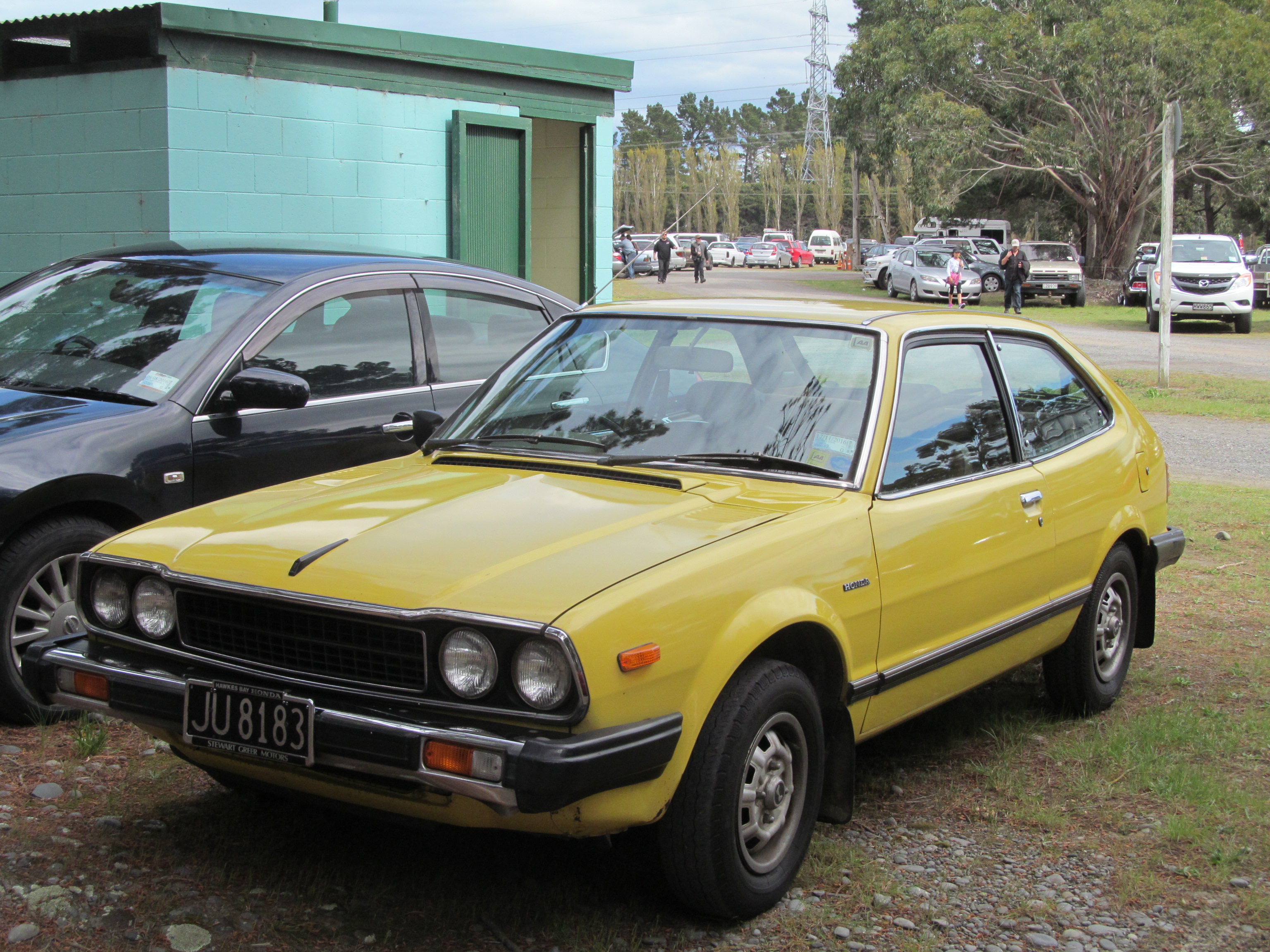
Honda Cord
"... friend. She has a twenty fourteen twenty fifteen Honda Cord five speed. She she only drives about ten minutes..."
air conditioning
"Okay? But I had an original question but that air conditioning one brought up an additional one for me."
Car air conditioning is a sealed system that uses a special fluid (refrigerant) to cool the cabin. If it slowly leaks, the system can stop cooling even if other parts are fine.
“Air conditioning” in a car refers to the refrigerant-based system that removes heat from the cabin. It relies on sealed components—like the compressor, condenser, and hoses—so small leaks can slowly reduce refrigerant over time.
pressurized system
"But again, the seals and the gaskets in the AC system will then allow because again it's a pressurized system, it will eventually allow the the the you know, the gas to you know, sneak out of those seals or whatnot."
The AC system runs with refrigerant under pressure. If it leaks, the pressure drops and the system can’t cool properly.
A car AC system is pressurized because refrigerant must circulate under controlled pressure to change states and move heat. That pressure is why small seal/gasket leaks can gradually reduce refrigerant charge and eventually prevent normal operation.
seals and the gaskets
"But again, the seals and the gaskets in the AC system will then allow because again it's a pressurized system, it will eventually allow the the the you know, the gas to you know, sneak out of those seals or whatnot."
Seals and gaskets are the “watertight” (actually refrigerant-tight) parts that keep the AC system from leaking. With age, they can wear out and let the cooling fluid escape slowly.
In an AC system, seals and gaskets are the rubber/metal interfaces that keep refrigerant from escaping. Over time, aging and heat cycles can cause them to harden or shrink, allowing refrigerant to “sneak out” even if there’s no obvious failure at first.
AC networking
"Bring it to me. With the AC networking, I can't diagnose the AC system, find out if the compressor is working or not, if it doesn't, if I don't know if there's free on it, if there's a pressure switch on the compressor."
“AC networking” here appears to mean the diagnostic/scan-tool workflow for the car’s air-conditioning controls and sensors. The speaker is saying they can’t confirm compressor operation without checking the system inputs and conditions.
pressure switch
"With the AC networking, I can't diagnose the AC system, find out if the compressor is working or not, if it doesn't, if I don't know if there's free on it, if there's a pressure switch on the compressor."
The pressure switch is a sensor that checks how much refrigerant pressure the AC system has. If it thinks the pressure is wrong, it can prevent the compressor from turning on.
An AC pressure switch monitors refrigerant pressure and helps control when the compressor is allowed to run. If the system is low on refrigerant or the switch isn’t reading correctly, the compressor may not engage when it should.
water pump
"It is there a point to where maybe some things should be replaced before they go bad, for instance, a compressor or an alternator, or a water pump or other things before they go bad."
The water pump moves coolant through the engine so it doesn’t overheat. If it fails, the engine can run too hot. The takeaway here is to replace it when needed, not automatically on a schedule.
The water pump circulates coolant through the engine to keep temperatures in a safe range. A failing water pump can lead to overheating and potential engine damage. The host advises against replacing it early without symptoms, emphasizing maintenance instead.

Toyota Ta Coma
"So it says here you have a twenty seventeen Toyota Ta Coma. [1827.2s] Yeah, it's in the star."
The Toyota Tacoma is a popular pickup truck. Here they’re talking about how to keep one running well and what kinds of fluids and drivetrain parts matter. They also mention whether it’s set up for four-wheel drive.
The Toyota Tacoma is a midsize pickup known for its durability and strong off-road/utility reputation. In this segment, the host is discussing a specific Tacoma configuration and maintenance planning for it. The mention also ties into drivetrain details like differentials and whether it’s four-wheel drive.
transmission fluid
"just making sure that you know the oil change regular, making sure all the fluids. You know, you've got transmission fluid,"
Transmission fluid is the fluid that helps your gearbox work smoothly. If it gets old or low, shifting can feel rough and the transmission can wear faster. They’re saying to keep it maintained as part of preventing problems.
Transmission fluid lubricates and helps transfer hydraulic pressure inside an automatic transmission (and many manual transmissions too). Over time it can break down, leading to harsher shifting or transmission wear. The host’s maintenance checklist includes keeping transmission fluid serviced on schedule.
rear differential
"you're coolant, your powasteering fluid, rear differential, front differential, if it's. [1890.0s] Four wheel drive."
The rear differential is a part that helps the rear wheels turn at different speeds when you’re turning. It also helps deliver power to the rear axle. They’re saying to make sure the fluid for it gets maintained.
A differential is a gear assembly that allows wheels to rotate at different speeds while still delivering power. The rear differential handles that function for the rear axle, which is especially relevant on four-wheel-drive and off-road use. The host includes it in the fluid-check list, implying it should be serviced when applicable.
front differential
"your powasteering fluid, rear differential, front differential, if it's. [1890.0s] Four wheel drive."
The front differential helps the front wheels turn at different speeds, especially when cornering. On four-wheel-drive trucks, it’s part of how power gets to the front wheels. They’re including it in the “keep fluids up to date” advice.
The front differential performs the same job as the rear differential, but for the front axle—allowing front wheels to rotate at different speeds. On four-wheel-drive trucks, it’s an important component because it’s part of how power is distributed to the front wheels. The host’s point is to keep its fluid serviced as part of regular maintenance.
four wheel drive
"rear differential, front differential, if it's. [1890.0s] Four wheel drive. You know, just making sure that stuff's done."
Four-wheel drive sends power to both the front and back wheels. That helps with traction on slippery or rough surfaces. The host is saying that if your truck has 4WD, you need to keep more drivetrain fluids maintained.
Four-wheel drive (4WD) is a drivetrain setup that can send power to both the front and rear axles for better traction. Because it adds more drivetrain components, it also means there are additional fluids (like front and rear differential fluids) that need periodic service. The host ties this directly to their maintenance checklist.
spark plug
"Again, you mentioned one hundred and twenty thousand miles. Have you Have you replaced the spark plug yet?"
A spark plug is a tiny part that makes the engine’s fuel ignite at the right moment. When it gets worn out, the engine can start running rough or misfiring.
A spark plug is the small ignition component in a gasoline engine that creates the spark to ignite the air-fuel mixture in each cylinder. If it wears out, misfires can happen and the engine may run less smoothly or less efficiently.
drain and fill
"...you recommended to just do a drain and fill two or three times for the next two or three oil changes to make up for that. I did not change. I didn't do the. Drain until until at one hundred and ten thousand."
A drain-and-fill means you drain out some of the old transmission fluid and add new fluid back. Doing it a few times gradually can be gentler than trying to replace everything at once.
A drain-and-fill service removes some of the old transmission fluid and replaces it with fresh fluid, typically without forcing fluid through the system under high pressure. Doing it multiple times over several oil change intervals can gradually refresh the fluid while reducing the risk of dislodging heavy buildup all at once.
filters
"But yeah, and again you don't want to do like anything because toyotas typically have screens, they don't have filters, right, so you don't want to be too abrasive."
Some transmissions have a screen or filter that catches dirt in the fluid. The host is saying Toyota designs may use a different approach, so you shouldn’t be too aggressive when changing fluid.
In many transmissions, there are internal fluid filters or screens that help trap debris. The speaker’s point is that some Toyota setups may rely more on screens than replaceable filters, which affects how you think about fluid service and how aggressive you should be.
flush
"Finally before you let me go, the proper term to ask the garage guy is a drain intil as opposed to a flush."
A flush tries to replace the transmission fluid more aggressively, often by pushing fluid through the system. On older transmissions with lots of buildup, that can sometimes cause problems by moving debris around.
A transmission flush is a service that attempts to replace most or all of the old fluid by pushing new fluid through the transmission, often using specialized equipment. Compared with a drain-and-fill, flushes can be more likely to stir up sludge and debris in neglected transmissions, which is why some shops recommend drain-and-fill instead.
drain intil
"Finally before you let me go, the proper term to ask the garage guy is a drain intil as opposed to a flush."
This sounds like they meant “drain and fill,” not a full flush. The point is to replace the fluid gradually instead of forcing everything out at once.
“Drain intil” appears to be a mis-transcription of “drain until,” but in context the host is emphasizing asking for a drain-and-fill rather than a flush. The key idea is partial replacement rather than a full system purge.
wet belt
"I was just reading General Motor. Chevrolet the past two years has been using a motor that has a wet belt in it for the Chevy tracks. I just didn't know if you I've never heard of that before. I know it's encased in the oil."
A “wet belt” is a belt inside the engine that runs in oil instead of running dry in the open. The oil helps it last and can make it quieter, but it’s still something you’d want to understand for long-term maintenance.
A “wet belt” is a belt drive (often used for timing/cam drive in some designs) that runs inside the engine and is lubricated by oil. The oil environment is meant to reduce noise and wear compared with a dry belt, but it also introduces questions about oil contamination and long-term durability.
General Motor. Chevrolet
"I was just a general question here for you, and it'll be quick. I was just reading General Motor. Chevrolet the past two years has been using a motor that has a wet belt in it for the Chevy tracks."
They’re talking about Chevrolet—part of General Motors—and a rumor/reading about a newer engine design that uses a “wet belt.”
The host is referring to Chevrolet (a brand under General Motors) and claims about recent engines using a “wet belt.” Even without naming a specific model, this is a brand-level reference tied to engine design choices.
serpentine belt
"I just googled because I was wondering if they were still using uh, serpentine belt, god belt, so to speak."
A serpentine belt is the main belt that runs several car accessories at once. It’s usually a dry belt, so it’s not the same idea as a belt that runs in oil inside the engine.
A serpentine belt is the long, single accessory drive belt that powers multiple engine accessories (like the alternator and power steering pump) using pulleys. It’s typically a dry belt outside the engine’s oil-filled areas, so it’s different from a “wet belt” concept where the belt is lubricated by oil.
timing belt
"I wouldn't want to change the belt. That's the sorry you got. It's just like a timing belt. You got to go in there and take everything apart."
A timing belt is part of the engine that keeps the valve timing in sync with the rest of the engine. If it breaks, the engine can get out of sync and can be badly damaged.
A timing belt is a belt that synchronizes the engine’s crankshaft and camshaft so the valves open at the correct time. If it fails, the timing can be thrown off quickly, which can cause serious engine damage.
sunroof drains
"are designed to have drains, and then those tubes get clogged or a lot of times the product that they use for the drains will over time and age will shrink"
A sunroof has little drain paths that carry rainwater out of the car. If those drains get clogged, water can back up and start leaking inside.
Many sunroofs use small drain channels to route water away from the cabin. If the drains clog, water can overflow and leak into interior areas instead of exiting the car normally.
kick panel
"disconnect itself from either the the sunroof itself or down by kind of what we call the kick panel."
The kick panel is the plastic/trim panel by your feet near the floor. If water gets into the car from a sunroof, it can run down and show up around that area.
The kick panel is the interior trim panel near the driver or passenger footwell. Water leaks from sunroof drainage can travel down into areas like the kick panel before you notice them.
panoramic sunroof
"if there's water intrusion vehicle, it's coming from the sun roof or the panoramic sunroof."
A panoramic sunroof is the big glass roof opening that lets in a lot of light. If its drainage system clogs, rainwater can leak into the cabin.
A panoramic sunroof is a large glass roof opening that typically covers more of the roof than a standard sunroof. Because it’s bigger and has more drainage paths, leaks from clogged drains can be more noticeable and more likely to cause interior water intrusion.
water intrusion
"Now, again, nine out of ten times, if there's water intrusion vehicle, it's coming from the sun roof"
Water intrusion is when water gets into the car where it shouldn’t. It can lead to smells, mold, and damage over time.
Water intrusion means unwanted water getting into the vehicle’s interior or body cavities. It’s a common cause of musty odors, mold risk, and interior damage after rain or car washes.
water doctor Cincinnati
"It's called it's water doctor. Just type in water doctor Cincinnati."
This is a local company in Cincinnati that fixes car water leaks. The host is saying they’re good at finding where the water is getting in and fixing it.
This refers to a local service business in Cincinnati that specializes in diagnosing and fixing vehicle water leaks. The host is recommending them as a practical resource when sunroof-related leaks cause interior moisture.
Request an Explanation
Heard something you'd like explained? We'll add it to this episode.
Sign in to request explanations for terms you heard.
Want to learn more?
Browse our glossary for plain-English explanations of automotive terms, jargon, and concepts.
Help improve this episode
See something that's not quite right? Our annotations are AI-generated and can sometimes miss the mark. Click the flag icon on any annotation to suggest a correction.