
The Car Show with Dane Donovan - 6/27/2026
About this episode
Dane Donovan brings family into the studio, joking about kids pushing buttons and locking truck controls so “They can't roll the windows down.” The conversation then shifts to Father’s Day at the racetrack (Belterra, once River Downs, plus Keeneland), and to summer AC realities: sudden heat drives breakdowns, weak cooling is often “low on freon,” and AC is expected to run “20 degrees below the ambient air temperature.” Later, they trade diesel and heavy-duty truck reliability takes, including DEF, turbo downsides, and advice on choosing vans like the Mercedes Sprinter over the Transit.
See omnystudio.com/listener for privacy information.
diesels
"Yeah, great, so listen, I haven't, they, Mercedes, I mean, if you were like talking about late 80s, early 90s, diesels, those things were like just on, I mean, those things were just bulletproof."
A diesel engine runs differently than a gas engine. It can be known for lasting a long time, and the host is saying older diesel cars from that era have tended to keep going.
Diesel engines use compression ignition instead of spark plugs, which changes how they burn fuel and how they behave over time. In the late 1980s/early 1990s context, the host is talking about diesel models they’ve seen as long-lasting and common on the road.
Mercedes
"Yeah, great, so listen, I haven't, they, Mercedes, I mean, if you were like talking about late 80s, early 90s, diesels... I've never had a diesel Mercedes come into my store that I've ever had any issues with..."
Mercedes is a luxury car brand. The host is saying that, based on their shop experience, they don’t usually see Mercedes diesels come in with problems.
Mercedes-Benz is the luxury automaker the host is discussing in terms of diesel durability and repair frequency. The key point here is that the host claims they rarely see diesel Mercedes with issues, especially compared with other luxury brands they work on.
Lexus
"I still think as far as a luxury brand goes, Lexus is top notch. I never, never, ever have problems with Lexus, ever, ever."
Lexus is Toyota’s luxury brand. The host is saying they almost never see Lexus cars with problems, at least in their shop.
Lexus is Toyota’s luxury brand, and the host is using it as a benchmark for low trouble rates. They claim they “never” have problems with Lexus, framing it as top-tier reliability among luxury brands in their experience.
Jetta diesel
"Do you like any diesel, well, I mean, it doesn't sound like you hate diesel, but do you prefer one? ... maybe a Jetta diesel, would you prefer one?"
The Jetta is a Volkswagen model, and the host is talking about the diesel version. They’re saying they wouldn’t recommend it and would steer you away from it.
The Volkswagen Jetta is being referenced specifically in the context of diesel power. The host’s stance is that they would avoid a Jetta diesel and would rather see someone in a Mercedes diesel instead.

Volkswagen Jetta
"...hate diesel, but do you prefer any, like, maybe a Jetta diesel, would you prefer one? No, I would, no, I ..."
The Volkswagen Jetta is a smaller car (a sedan) meant for daily driving. Some Jettas have been sold with diesel engines, which are different from regular gas engines. The question in the podcast is basically whether someone would choose the diesel version or skip diesel altogether.
The Volkswagen Jetta is a compact sedan known for being practical and fuel-focused, including versions that have been offered with diesel power in some markets/years. It comes up in conversations when people debate diesel versus gasoline choices and whether a diesel Jetta is worth considering. The podcast context suggests the discussion is about preferences around diesel engines.
Volkswagen or Audi diesel product
"I would stay away from any, I'm sorry, but I'd stay away from any Volkswagen or Audi diesel product. They are, they're just not reliable."
Volkswagen and Audi are car brands. The host is saying that, in their experience, the diesel versions from these brands haven’t been reliable.
Volkswagen and Audi are being grouped here because the host is criticizing their diesel products for reliability. The important takeaway is the host’s shop-based claim that these diesel offerings “are just not reliable,” which is a buying/ownership consideration for diesel shoppers.
Ram
"I like diesel, and I mean, I was kind of disappointed when Ram quieted their trucks down, I mean, if I buy a diesel truck, I want it loud."
Ram is a truck brand. The host is saying Ram made their trucks quieter, likely by changing exhaust or engine settings.
Ram is the pickup-truck brand within Stellantis, known for its heavy-duty and diesel options. Here, the host says Ram “quieted their trucks down,” implying changes that reduced loud exhaust/engine noise.
loud and smelly
"Yeah, well, I know, well, it's funny you say that. Loud and smelly, loud and smelly. Yeah, yeah, well, the government doesn't like that, but."
They’re talking about the kind of diesel truck that sounds loud and has a noticeable exhaust smell. They mention that government rules can limit that kind of exhaust behavior.
This phrase is describing the characteristic noise and odor some people associate with older or less-restricted diesel exhaust. The host contrasts that with regulations that limit emissions and can reduce the “loud” and “smelly” feel.
three quarter ton
"I'm gonna let you go, I mean, do you have a particular three quarter ton that you like a lot? I mean, I'm gonna let you go, just didn't know your opinion on, you know, like a Dodge or a Silverado or a Ford, I mean, all of them about the same."
“Three-quarter ton” is a way Americans talk about how big a pickup truck is. It roughly means a truck in the 2500-size class, which is meant for heavier hauling than smaller pickups.
“Three-quarter ton” is a U.S. truck class reference based on payload capacity, commonly used for 2500-series pickups. It’s a way to compare truck sizes and towing/hauling capability without naming a specific model.
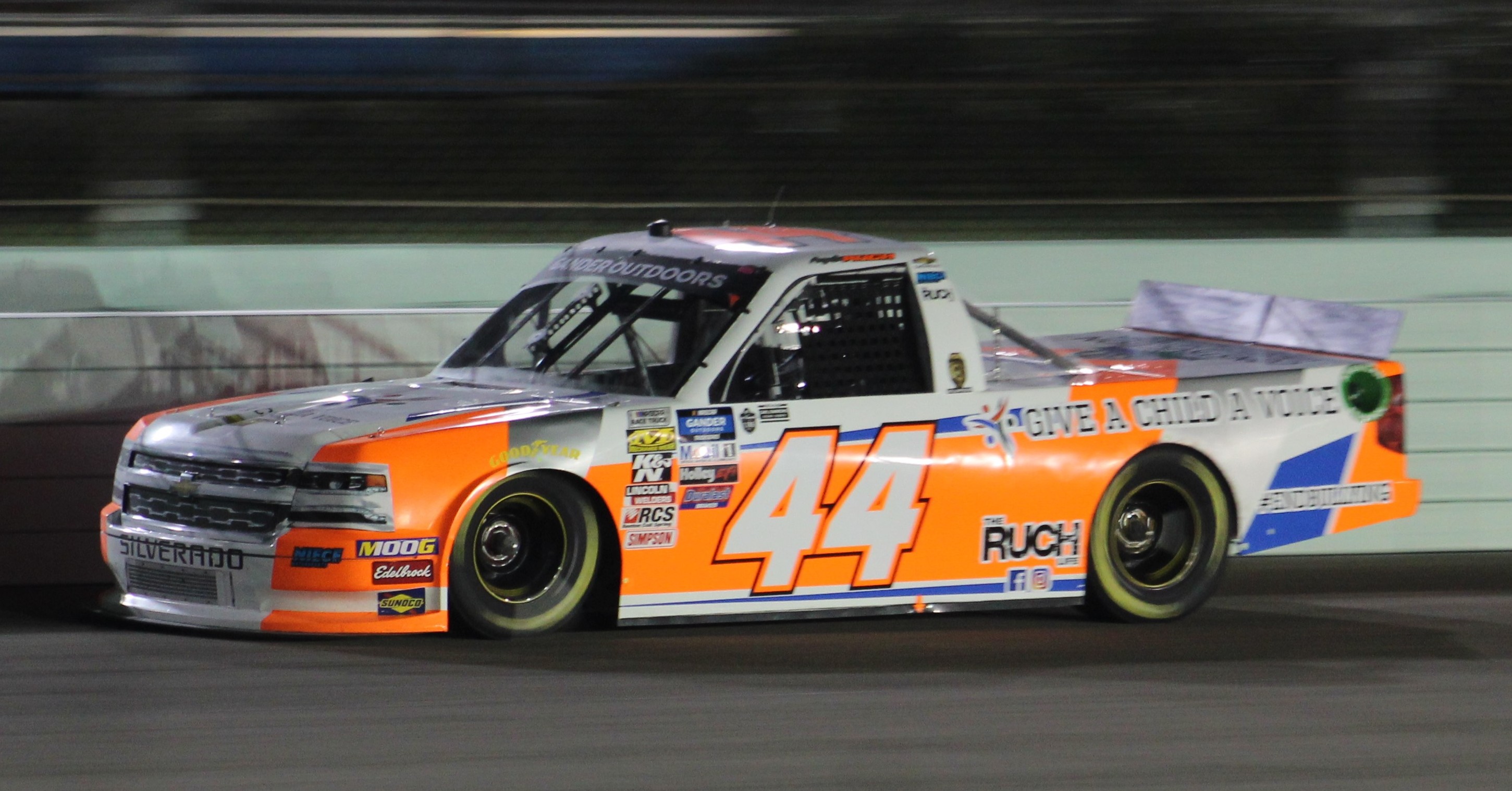
Chevrolet Silverado
"...know your opinion on, you know, like a Dodge or a Silverado or a Ford, I mean, all of them about the same. So..."
The Chevrolet Silverado is a large pickup truck. People use it for work like hauling or towing, but it can also be a normal daily vehicle. It’s commonly talked about because it’s widely available and comes in many versions.
The Chevrolet Silverado is a full-size pickup truck built for towing, hauling, and everyday driving. It often comes up in discussions because it’s a mainstream choice in the truck market, with many engine and trim options. In a podcast, it may be mentioned alongside other popular pickups when comparing what people like or dislike about the big-truck experience.
Ford
"like a Dodge or a Silverado or a Ford, I mean, all of them about the same. So, well, I mean. You have a particular one you like."
Ford is a car brand. Here it’s mentioned as another big pickup-truck choice in the same general category.
Ford is a major U.S. automaker, and in this context it’s referenced as a pickup-truck option. The host groups Ford with Dodge and Silverado while discussing “three-quarter ton” diesel preferences.
Dodge
"I'm gonna let you go, I mean, do you have a particular three quarter ton that you like a lot? I mean, I'm gonna let you go, just didn't know your opinion on, you know, like a Dodge or a Silverado or a Ford, I mean, all of them about the same."
Dodge is a car brand. Here it’s mentioned as one of the pickup-truck choices the host is comparing.
Dodge is a U.S. automotive brand known for performance cars and, in this context, pickup trucks. The host lists Dodge alongside Silverado and Ford as comparable options in the “three-quarter ton” discussion.

F-250 diesel
"I mean, I have, I have a F-250 diesel myself, so."
The Ford F-250 is a big, heavy-duty pickup truck. When someone says “diesel,” they mean the engine runs on diesel fuel, which is commonly used in trucks that tow or haul a lot.
A Ford F-250 is a heavy-duty pickup truck, and the speaker specifically calls out the diesel version. Diesel trucks are often chosen for towing and long-distance hauling because the engine makes strong low-end torque and is built for sustained work.

Dodge Cummins diesels
"I do like the Cummins diesels, Dodge Cummins diesels. I heard they ride the best, though."
They mean a Dodge truck that has a Cummins diesel engine. That’s a common combo in the “heavy-duty diesel” world, and people often choose it for towing and durability.
The speaker is talking about Dodge trucks equipped with Cummins diesel engines. In the heavy-duty market, this pairing is a well-known enthusiast preference because it combines Dodge’s truck platform with Cummins’ diesel power.
dualies
"I heard Dodge, one-tons, dualies, they ride like Cadillac, that's just what I heard."
“Dualies” means the truck has two tires on the back axle instead of one. That helps the truck handle heavier loads and towing more safely.
“Dualies” refers to dual rear wheels on a pickup or truck, commonly seen on heavy-duty “one-ton” models. Dual rear tires help spread load and improve stability when towing or hauling heavy weight.
one-tons
"I heard Dodge, one-tons, dualies, they ride like Cadillac, that's just what I heard."
“One-tons” is truck slang for the biggest, most heavy-duty pickups. It generally means the truck is built to tow and carry a lot more than a regular half-ton.
“One-tons” is shorthand for heavy-duty pickup trucks in the 1-ton class, typically used to describe models designed for high payload and towing. The term is common in North America and usually correlates with stronger frames, brakes, and drivetrain components.
city of Cincinnati
"I kind of live in the outskirts of the city of Cincinnati, so I gotta be careful on what I get as far as size, so."
They’re talking about where they live—Cincinnati—and how that affects what kind of truck they can comfortably drive. Big trucks can be tougher in city traffic and parking.
Cincinnati is referenced as the speaker’s local area, and the discussion is about choosing a vehicle size that fits city driving. This is a practical ownership consideration: heavy-duty trucks can be harder to maneuver and park in dense urban streets.
front end
"I won't be driving around with a front end like a lot of the cars in the city that drive."
They’re talking about the front of the vehicle—how it looks or how big it is. The point is that they don’t want a big truck front-end in tight city conditions.
In this context, “front end” is being used to mean the truck’s front portion/appearance and how it looks or fits in city streets. It’s not a specific mechanical component here, but it’s a common automotive phrase for the front of the vehicle.
EPA
"But they're, you know, with the EPA, we have a lot of regulations and a lot of rules and so they're trying to make our air quality better. ... but the EPA really doesn't like that. They don't want, they want to get those cars off the road as soon as they can, but I like them."
The EPA is the U.S. agency that makes rules about air pollution. Here, it’s why newer diesel trucks have systems that help reduce smoke and other exhaust pollution.
The EPA (Environmental Protection Agency) sets U.S. emissions rules that automakers must follow. In this context, those regulations push diesel vehicles toward emission-control systems that reduce visible smoke and other pollutants.
diesel exhaust fluid
"And like my truck, you know, all these newer diesels now have what's called death fluid, diesel exhaust fluid that's introduced that lowers the emissions on these diesels. You know, if you're ever behind a big semi or a big truck and you see it just, you know, blowing out black smoke, that's a, that's just an older diesel, right?"
Diesel exhaust fluid is a special additive for many newer diesel trucks and cars. It gets sprayed into the exhaust so the vehicle can pollute less, especially by reducing the smoky soot you might see from older diesels.
Diesel exhaust fluid (often called DEF) is a liquid added to many modern diesel vehicles to reduce harmful emissions. It’s injected into the exhaust system to help convert soot-forming pollutants into less harmful compounds before they leave the tailpipe.
black smoke
"You know, if you're ever behind a big semi or a big truck and you see it just, you know, blowing out black smoke, that's a, that's just an older diesel, right? All these newer diesels have the death fluid and you, you have to add it."
When a diesel truck is producing black smoke, it often means it’s burning fuel inefficiently and sending soot out the tailpipe. Newer diesels are designed to reduce that, so heavy black smoke is more common on older ones.
“Black smoke” from a diesel usually indicates unburned fuel/soot being expelled through the exhaust. Older diesels (and diesels with emission controls not working properly) are more likely to produce visible smoke under load.

Tesla Semi
"...now, if you ever see, if you're ever behind a big semi or a big truck and you see it just, you know, blo..."
The Tesla Semi is a large electric truck used to move freight. Instead of using diesel fuel, it runs on electricity stored in batteries. The podcast mentions it in the context of seeing or being near big trucks on the road.
The Tesla Semi is an electric heavy-duty truck intended for long-haul freight. It’s a notable topic because it represents a shift from diesel-powered trucking to battery-electric power, which changes how fleets think about energy, charging, and operating costs. The podcast context suggests they’re discussing what it’s like to be around a large truck, likely in relation to visibility and behavior on the road.
digital voltmeter
"they did about the digital voltmeter. [1614.5s] So yeah, I know I got that question."
A digital voltmeter is a tool that measures how much electrical “push” (voltage) is in a circuit. Mechanics use it to help figure out if a battery or charging system is working correctly.
A digital voltmeter is an electronic meter that measures electrical voltage and displays the reading numerically. In automotive contexts, it’s often used to diagnose charging-system and battery issues, or to measure signals in electrical circuits.
test strips
"we just use the coolant strips. [1646.7s] You know, when I got into this business, you would, you know, get the little pump [1652.0s] and and you would it would tell you, you know, it's freezing point. [1655.4s] But now we just have these guys are just dunking little test strips in and it'll [1659.7s] tell you, you know, whether or not it needs to be replaced."
Coolant test strips are small chemical strips you dip into coolant. They change color to tell you if the coolant is still in good shape or needs to be replaced.
Coolant test strips are chemical strips used to check the condition of engine coolant. They change color based on properties like pH or corrosion inhibitors, helping you decide whether the coolant needs replacement.
freezing point
"you would, you know, get the little pump [1652.0s] and and you would it would tell you, you know, it's freezing point. [1655.4s] But now we just have these guys are just dunking little test strips in"
The freezing point is the temperature where coolant would start to freeze. Testing it helps make sure the antifreeze mix is strong enough to protect the engine during cold snaps.
The freezing point is the temperature at which a liquid turns to ice. For engine coolant, checking freezing point helps confirm the antifreeze concentration is high enough to protect the engine in cold weather.
carburetors
"Everybody that works for me doesn't mess with carburetors anymore. So it's just kind of one of those dinosaurs that we don't mess with."
A carburetor is an older way of feeding fuel into an engine by mixing fuel and air before combustion. The host is basically saying they don’t deal with carburetors anymore because modern cars use newer systems.
Carburetors are fuel-delivery devices that mix air and fuel before it enters the engine, using mechanical/airflow principles rather than electronic fuel injection. The host calls them “dinosaurs” and says they no longer work on them, reflecting how most modern cars moved away from carburetors.
CVT transmissions
"You know, most of these manufacturers nowadays, they all have CVT transmissions. I'm sorry, but there, there isn't a single manufacturer out there that can build a CVT tarantulas and that's worth, worth the, worth the dang."
CVT means “continuously variable transmission.” It’s an automatic-style gearbox that can change ratios smoothly rather than shifting between set gears. In this segment, the point is that CVTs are common now and are handled differently than older transmission designs.
CVT stands for continuously variable transmission, a type of automatic gearbox that can smoothly change gear ratios instead of using fixed “gears.” The host is emphasizing that modern manufacturers commonly use CVTs and that they’re treated differently from traditional manual/automatic transmissions.
remanufactured
"It's $6,000. You know, and you can only get a reman, remanufactured or a new one."
A remanufactured part is a used part that gets rebuilt to work like new. The host is saying that for CVTs, you typically replace with a remanufactured or new unit rather than doing a custom rebuild.
A remanufactured part is rebuilt to like-new specifications using a used core plus new components where needed. The host contrasts remanufactured options with new ones when talking about CVTs, implying that rebuilding in the traditional sense isn’t practical for them.
planned obsolescence
"So, all right, planned obsolescence, I guess. That's why I tell people all the time on the show."
Planned obsolescence is the idea that a product is designed so it won’t last forever, pushing you toward replacing it. The host connects it to CVTs by arguing that they’re hard to rebuild, so replacement becomes the default.
Planned obsolescence is the idea that products are designed to wear out or become outdated on purpose, so they’ll need replacement rather than long-term repair. Here, it’s used to explain why CVTs are often replaced instead of rebuilt, and why that replacement can be expensive relative to the car’s value.
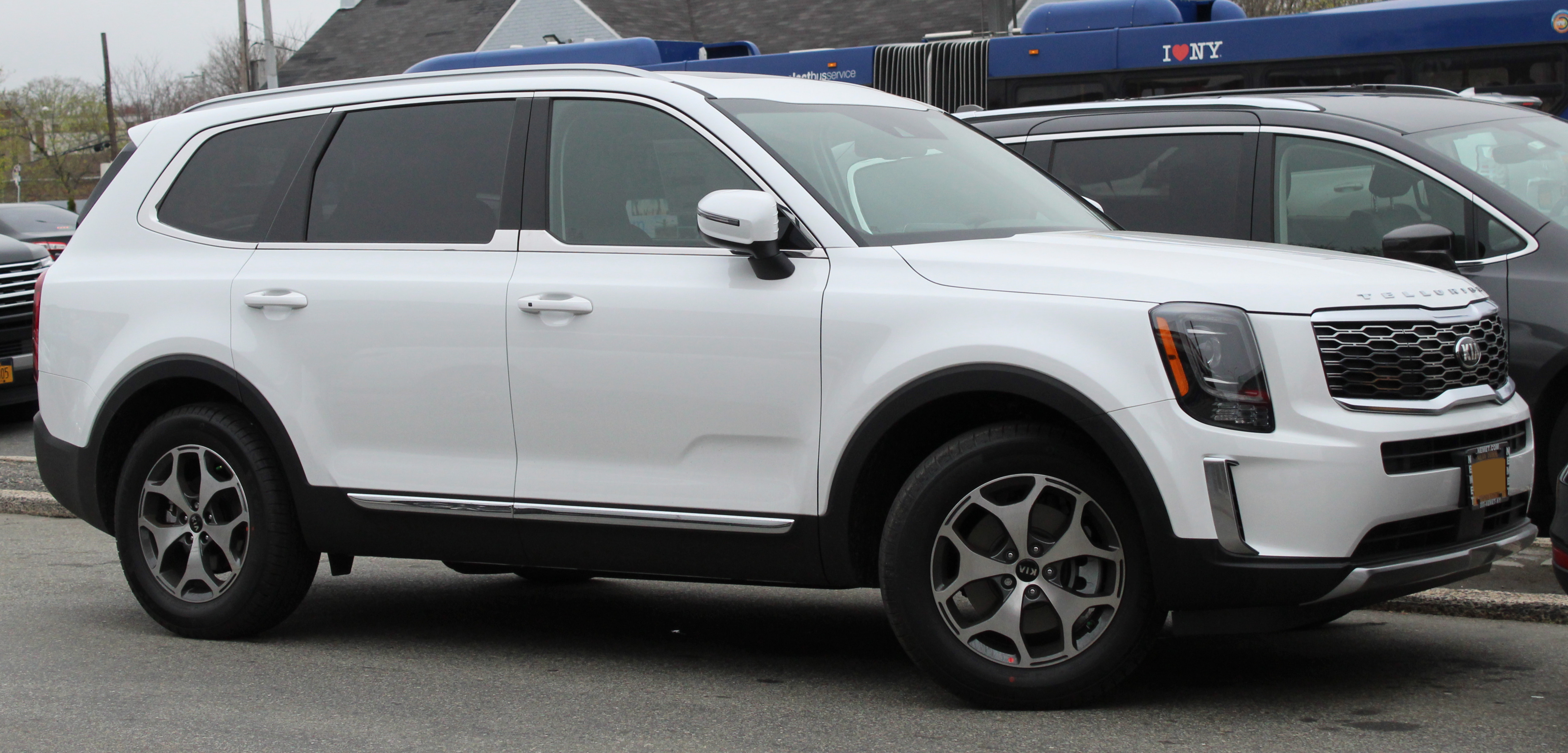
2021 Kia Telluride
"Hey, Dan. Hey, I'm currently driving a 2021 Kia Telluride, and based on some of the things you've said about Kia and other mechanics, I'm going to switch gears."
The Kia Telluride is a family SUV with three rows of seats. Here, the caller says they’re driving a 2021 Telluride before deciding whether to switch to a Toyota Grand Highlander.
The Kia Telluride is a midsize three-row SUV, and the 2021 model is a common family hauler. In this segment, it’s mentioned as the caller’s current vehicle while they discuss switching to a Toyota Grand Highlander.

Toyota Grand Highlander
"And I'm looking at a Toyota Grand Highlander, but I'm between the one that has a turbo and not. And once again, it's a hybrid. I was just wanting to know your thoughts on the turbo."
The Toyota Grand Highlander is a big family SUV with three rows. In this segment, they’re deciding between a turbo engine and a non-turbo (naturally aspirated) engine.
The Toyota Grand Highlander is a larger three-row SUV positioned above the regular Highlander. The caller is weighing the turbo version versus the naturally aspirated version, and the host discusses how that choice affects complexity and fuel/engine behavior.
turbo
"And I'm looking at a Toyota Grand Highlander, but I'm between the one that has a turbo and not. And once again, it's a hybrid. I was just wanting to know your thoughts on the turbo."
A turbo is a device that uses the engine’s exhaust to spin a fan that pushes more air into the engine. More air can mean better power and efficiency, but it adds extra parts that can be more complex than a non-turbo engine.
A turbo (turbocharger) uses exhaust gases to spin a turbine that forces more air into the engine. That can improve efficiency and power, but it also adds extra hardware and plumbing compared with a naturally aspirated setup.
naturally aspirated
"Yes. I would do the naturally aspirated, which is the non-turbo. I would do non-turbo."
A naturally aspirated engine doesn’t use a turbo. It pulls air in normally, and in this segment the host is saying that can be simpler than dealing with turbo hardware.
Naturally aspirated engines don’t use a turbo or supercharger; they rely on atmospheric pressure for air intake. In this discussion, the host prefers naturally aspirated because it avoids the added turbo-related systems and complexity.
coolant feed lines
"A lot of them have coolant feed lines that go to them. They've got oil feed lines that go to them."
Coolant feed lines are the tubes that carry engine coolant to parts that get hot. Turbo systems often need coolant to keep the turbo from overheating.
Coolant feed lines are hoses/pipes that route engine coolant to components that need temperature control. Turbos typically require coolant flow to manage heat and protect seals and bearings.
oil feed lines
"A lot of them have coolant feed lines that go to them. They've got oil feed lines that go to them."
Oil feed lines are the tubes that bring engine oil to important moving parts. A turbo needs oil to lubricate it, so it usually has oil lines going to it.
Oil feed lines deliver pressurized engine oil to lubricate and cool components that need it. Turbochargers use oil to lubricate their bearings, so they commonly require dedicated oil feed plumbing.
O-rings
"The O-rings, the Banjo O-rings go bad. The feed lines go bad."
O-rings are small rubber seals that stop leaks. If they wear out, oil can start leaking from the engine area and cause smoke or mess.
O-rings are rubber seals used to prevent fluid leaks at joints and fittings. When the O-rings in a turbo/engine oil or coolant line fail, they can allow oil to escape and cause smoke or other problems.

Toyota 4Runner
"Yeah, I would agree. I had a Toyota 4Runner for 17 years. It had 235,000 miles on it."
The Toyota 4Runner is a rugged SUV that’s built to last. The host is using it as an example of a vehicle he owned for a long time with very high mileage.
The Toyota 4Runner is a body-on-frame SUV known for durability and long-term ownership. In this segment, the host cites having one for 17 years with 235,000 miles, using it as an example of a more straightforward, non-turbo approach.
cylinder smaller
"So, yeah, if you ever, I mean, most of these manufacturers, what they're doing is they're making the cylinder smaller, you know, they're making them two liters, 1.3 liters, they're making them, heck, even Chevy at one point was making three cylinders."
Car makers are shrinking engines to use less fuel. To keep the power up, they often add a turbo so the smaller engine can still feel strong.
Making the cylinder count or displacement smaller is part of “downsizing,” where automakers use turbocharging and engine tuning to keep power while reducing engine size. The speaker connects this trend to using turbos to maintain output from smaller engines.
Chevy
"making them, heck, even Chevy at one point was making three cylinders. You know, they're doing everything they can to make these engines smaller."
Chevy is short for Chevrolet, a car brand. The host is using it as an example of how some brands have made smaller engines to save fuel.
Chevy is the consumer-facing brand name for Chevrolet. Here it’s referenced as an example of a manufacturer that has used very small, multi-cylinder engine designs (including three-cylinder setups) as part of downsizing.

Toyota Sienna
"when you get a Honda Odyssey or a Toyota Sienna van,"
The Toyota Sienna is a family minivan. The host brings it up to make a point that turbos can be more expensive to deal with if something goes wrong.
The Toyota Sienna is a minivan that’s often chosen for family use and day-to-day practicality. Here it’s mentioned alongside the Odyssey as an example of a van where turbocharged engines can introduce additional failure points compared with naturally aspirated setups.

Honda Odyssey
"It's just like, you know, when you get a Honda Odyssey or a Toyota Sienna van,"
The Honda Odyssey is a family minivan. The host mentions it to compare how different engine setups (like turbo vs non-turbo) can change what it costs to own.
The Honda Odyssey is a minivan from Honda known for family-friendly features and practicality. In this segment, it’s used as an example of a common van type where powertrain choices (turbo vs non-turbo) can affect cost and maintenance.
power sliding doors
"Man, those power sliding doors, when you have young kids, just game changer, right?"
Power sliding doors are the automatic sliding doors on some minivans. They’re great for kids and groceries, but if the motor or sensors break, fixing them can get expensive.
Power sliding doors are electronically controlled doors that automatically slide open and closed, usually with a button or sensor. They’re convenient for families, but when the mechanism or control components fail, repairs can be costly.

Highlanders
"So, if you can avoid getting a vehicle or if you have the option of two highlanders,"
The Toyota Highlander is a family SUV. The host is saying that if you have a choice between a turbo and a non-turbo version, they’d pick the non-turbo to avoid extra turbo problems and possibly get better fuel economy.
The Toyota Highlander is a midsize SUV that can be bought with different engine options. In this segment, the host recommends choosing the naturally aspirated (non-turbo) version over the turbo version to reduce the chance of turbo-related issues and to improve real-world efficiency.
I-75
"Located just off I-75 at Route 63, it's convenient to both Cincinnati and Dayton."
I-75 is a big highway in the U.S. The ad uses it to tell you where the repair shop is located.
I-75 is a major interstate highway in the United States. In the ad, it’s used as a geographic reference point for where Frank's Heavy Truck Collision Repair is located.

Chevrolet Express
"...'ve got a 20-year-old, actually 22-year-old Chevy Express. It's rusting out the frame, and I'm having a har..."
The Chevrolet Express is a large van that can be used to carry people or goods. The podcast mentions an older one that’s rusting, which can become a serious problem over time. Rust can affect the frame and make the vehicle less safe.
The Chevrolet Express is a full-size van used for passenger transport or cargo, often chosen for its practicality and capacity. In the podcast, it’s specifically referenced as an older vehicle that’s experiencing rust issues, which is a common concern for long-lived vans. That makes it relevant to discussions about ownership costs and what to watch for on aging examples.

Nissan NV200
"... a smaller one. I was looking at maybe the Nissan NV200 if I was going to go smaller, but I wanted to kin..."
The Nissan NV200 is a small van meant for carrying cargo or people, depending on the setup. It’s often considered when someone wants something smaller than a full-size van. The podcast is basically weighing whether a smaller van like this makes more sense.
The Nissan NV200 is a compact cargo van (and in some configurations, a passenger van) designed for smaller-scale hauling and urban-friendly use. It comes up when someone is considering downsizing from a larger vehicle to something easier to manage. In the podcast context, it’s mentioned as a potential option if the buyer wants a smaller van.

Mercedes Sprinter
"My recommendation, if you're going to go with some type of cargo van... would be the Mercedes Sprinter... the Mercedes Sprinter, especially if it's a diesel, those things are pretty nice."
The Mercedes Sprinter is a popular work van. The host is saying that if you’re shopping for a cargo van, the diesel Sprinter is a good choice because it’s enjoyable to drive and works well for everyday use.
The Mercedes Sprinter is a cargo van platform known for being practical, widely available, and offered in multiple powertrains. In this segment, the host specifically highlights the diesel versions as being especially “pretty nice,” implying strong real-world drivability and efficiency for van use.

Ford Transit
"But my next step down would be the Ford Transit. Now, if you get a smaller base model one,"
The Ford Transit is a common work van that competes with the Mercedes Sprinter. In this part, they’re saying it’s the cheaper option they’d consider next.
The Ford Transit is another mainstream commercial van, often cross-shopped with the Mercedes-Benz Sprinter for similar roles like deliveries and trades. The host frames it as the “next step down,” implying a cheaper alternative, and then pivots to a specific brake-job complaint on certain Transit configurations.
rear brakes
"I mean, whoever engineered that... Those rear brakes on that thing are... It should be fired."
Rear brakes are the brakes on the back wheels. The host is saying that on some vans, getting them serviced is a pain and costs a lot.
“Rear brakes” are the braking components on the back axle of a vehicle. The host is criticizing the design because servicing them is expensive and involved, which they connect to a costly brake job and additional labor steps.
brake job
"I mean, the brake job's like $2,500. I mean, you got to put new bolts in."
A “brake job” means getting the brakes serviced, usually replacing worn parts. They’re saying it can be very expensive on this setup—around $2,500.
A “brake job” is shop shorthand for brake service—typically replacing wear items like pads and rotors and performing related labor. Here, the host estimates the brake job cost at about $2,500, emphasizing how the design makes the work more difficult.
pull the axles
"I mean, you got to put new bolts in. You got to pull the axles."
“Pull the axles” means taking out the axle shafts to get access to parts. They’re saying the brake repair requires that extra work, which drives up the cost.
“Pull the axles” refers to removing the axle shafts to access components deeper in the drivetrain/suspension area. The host claims this is required for the brake work, which is why the job is labor-intensive and costly.
higher mileage
"had about 100,000 miles on it and it didn't have that setup, but it was pretty small and it depends on... Should I be afraid of those with higher mileage?"
“Higher mileage” just means the van has been driven a lot. The host is wondering if that makes the brake problem more likely or more expensive to deal with.
“Higher mileage” is a practical ownership concern because wear items and maintenance needs generally increase as a vehicle accumulates miles. The host asks whether they should be afraid of vans with higher mileage, after noting they looked at one around 100,000 miles that didn’t have the problematic brake setup.
cylinder deactivation
"The thing about the V8's is they have that silly cylinder deactivation. Fine now."
Cylinder deactivation is a feature that turns off some cylinders when you don’t need much power, to save gas. When you press harder, it turns those cylinders back on.
Cylinder deactivation is a fuel-saving system that temporarily shuts off some cylinders under light-load driving, then restarts them when more power is needed. It can change how the engine feels (smoothness, vibration, and response) compared with a non-deactivated setup.
lifters collapse
"and it's not a matter of if. [2411.3s] It's a matter of when, when those lifters collapse [2414.3s] and you're tearing apart the whole engine."
Lifters are parts inside the engine that help open and close the valves correctly. If they “collapse,” the engine can’t control the valves right, and that can turn into a big, expensive repair.
“Lifters collapse” refers to a failure where the valve lifters (components that transfer camshaft motion to the engine’s valves) lose their ability to maintain proper operation. In some engines—especially those with cylinder deactivation—this can lead to serious internal damage and may require major engine teardown.
Request an Explanation
Heard something you'd like explained? We'll add it to this episode.
Sign in to request explanations for terms you heard.
Want to learn more?
Browse our glossary for plain-English explanations of automotive terms, jargon, and concepts.
Help improve this episode
See something that's not quite right? Our annotations are AI-generated and can sometimes miss the mark. Click the flag icon on any annotation to suggest a correction.