A diesel engine runs differently than a gas engine. It can be known for lasting a long time, and the host is saying older diesel cars from that era have tended to keep going.
Mercedes is a luxury car brand. The host is saying that, based on their shop experience, they don’t usually see Mercedes diesels come in with problems.
The Jetta is a Volkswagen model, and the host is talking about the diesel version. They’re saying they wouldn’t recommend it and would steer you away from it.
The Volkswagen Jetta is a smaller car (a sedan) meant for daily driving. Some Jettas have been sold with diesel engines, which are different from regular gas engines. The question in the podcast is basically whether someone would choose the diesel version or skip diesel altogether.
They’re talking about the kind of diesel truck that sounds loud and has a noticeable exhaust smell. They mention that government rules can limit that kind of exhaust behavior.
“Three-quarter ton” is a way Americans talk about how big a pickup truck is. It roughly means a truck in the 2500-size class, which is meant for heavier hauling than smaller pickups.
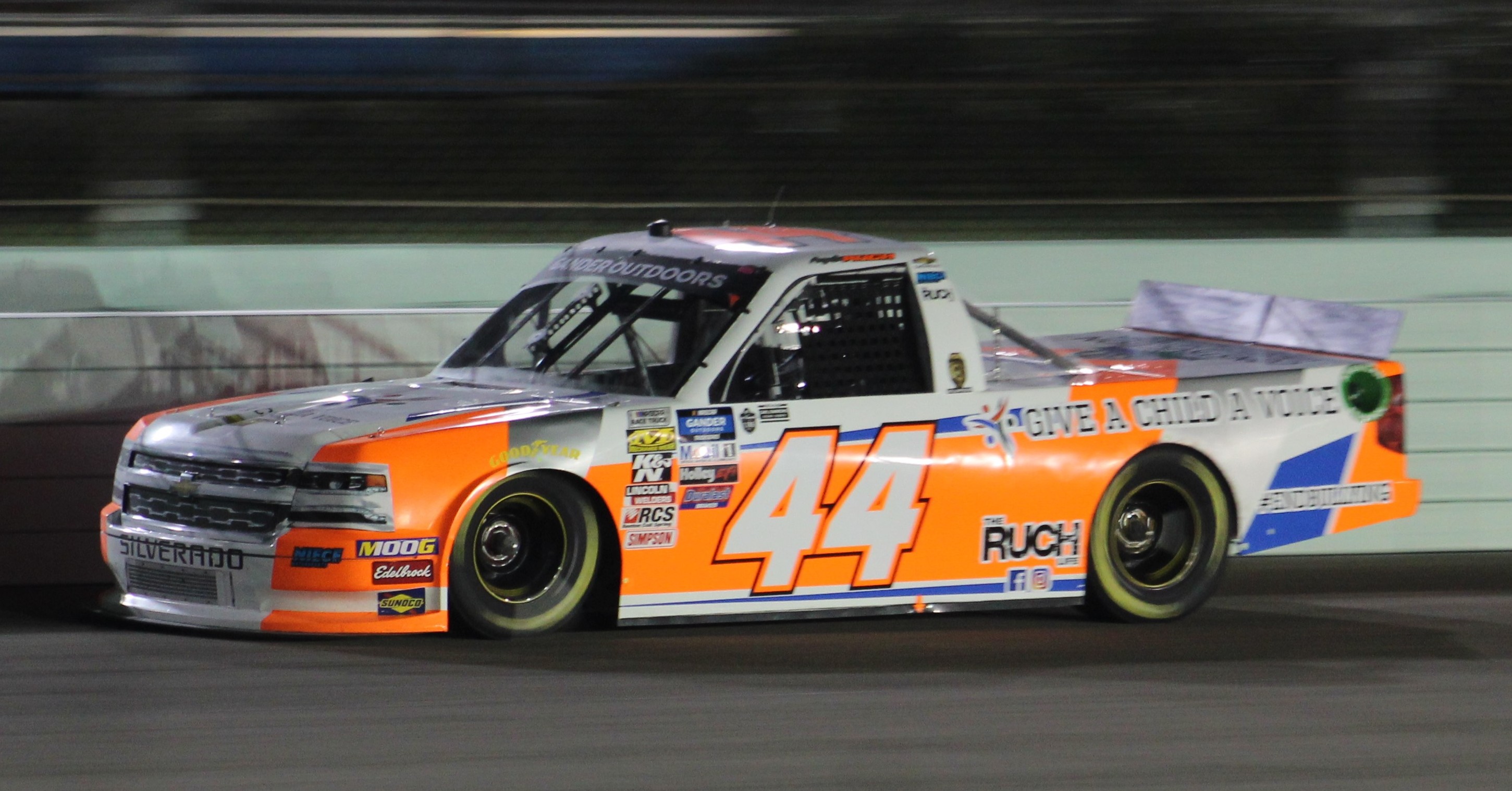
The Chevrolet Silverado is a large pickup truck. People use it for work like hauling or towing, but it can also be a normal daily vehicle. It’s commonly talked about because it’s widely available and comes in many versions.
The Ford F-250 is a big, heavy-duty pickup truck. When someone says “diesel,” they mean the engine runs on diesel fuel, which is commonly used in trucks that tow or haul a lot.
They mean a Dodge truck that has a Cummins diesel engine. That’s a common combo in the “heavy-duty diesel” world, and people often choose it for towing and durability.
“One-tons” is truck slang for the biggest, most heavy-duty pickups. It generally means the truck is built to tow and carry a lot more than a regular half-ton.
They’re talking about where they live—Cincinnati—and how that affects what kind of truck they can comfortably drive. Big trucks can be tougher in city traffic and parking.
They’re talking about the front of the vehicle—how it looks or how big it is. The point is that they don’t want a big truck front-end in tight city conditions.
The EPA is the U.S. agency that makes rules about air pollution. Here, it’s why newer diesel trucks have systems that help reduce smoke and other exhaust pollution.
Diesel exhaust fluid is a special additive for many newer diesel trucks and cars. It gets sprayed into the exhaust so the vehicle can pollute less, especially by reducing the smoky soot you might see from older diesels.
When a diesel truck is producing black smoke, it often means it’s burning fuel inefficiently and sending soot out the tailpipe. Newer diesels are designed to reduce that, so heavy black smoke is more common on older ones.
The Tesla Semi is a large electric truck used to move freight. Instead of using diesel fuel, it runs on electricity stored in batteries. The podcast mentions it in the context of seeing or being near big trucks on the road.
A digital voltmeter is a tool that measures how much electrical “push” (voltage) is in a circuit. Mechanics use it to help figure out if a battery or charging system is working correctly.
Coolant test strips are small chemical strips you dip into coolant. They change color to tell you if the coolant is still in good shape or needs to be replaced.
The freezing point is the temperature where coolant would start to freeze. Testing it helps make sure the antifreeze mix is strong enough to protect the engine during cold snaps.
A carburetor is an older way of feeding fuel into an engine by mixing fuel and air before combustion. The host is basically saying they don’t deal with carburetors anymore because modern cars use newer systems.
CVT means “continuously variable transmission.” It’s an automatic-style gearbox that can change ratios smoothly rather than shifting between set gears. In this segment, the point is that CVTs are common now and are handled differently than older transmission designs.
A remanufactured part is a used part that gets rebuilt to work like new. The host is saying that for CVTs, you typically replace with a remanufactured or new unit rather than doing a custom rebuild.
Planned obsolescence is the idea that a product is designed so it won’t last forever, pushing you toward replacing it. The host connects it to CVTs by arguing that they’re hard to rebuild, so replacement becomes the default.
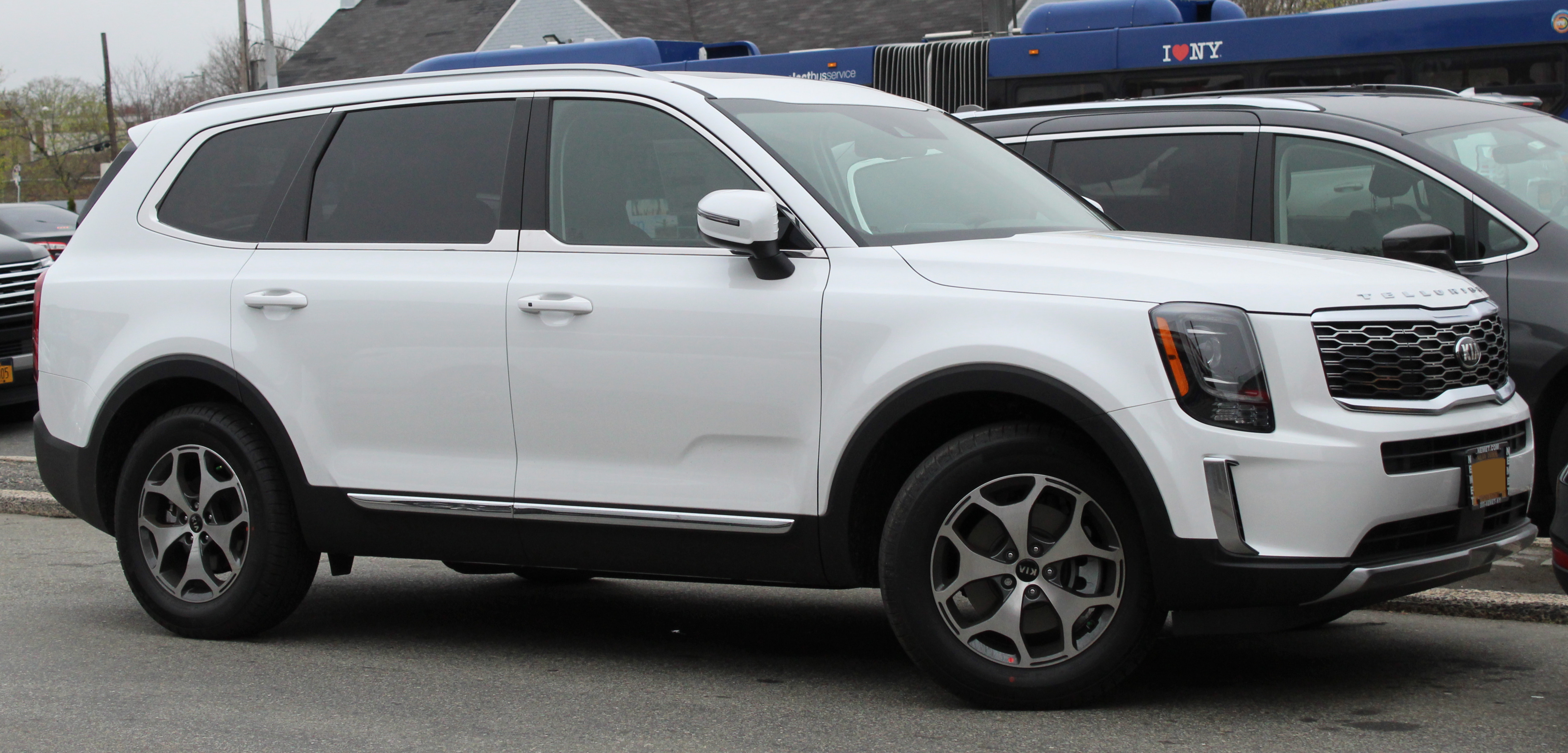
The Kia Telluride is a family SUV with three rows of seats. Here, the caller says they’re driving a 2021 Telluride before deciding whether to switch to a Toyota Grand Highlander.
The Toyota Grand Highlander is a big family SUV with three rows. In this segment, they’re deciding between a turbo engine and a non-turbo (naturally aspirated) engine.
A turbo is a device that uses the engine’s exhaust to spin a fan that pushes more air into the engine. More air can mean better power and efficiency, but it adds extra parts that can be more complex than a non-turbo engine.
A naturally aspirated engine doesn’t use a turbo. It pulls air in normally, and in this segment the host is saying that can be simpler than dealing with turbo hardware.
Oil feed lines are the tubes that bring engine oil to important moving parts. A turbo needs oil to lubricate it, so it usually has oil lines going to it.
The Toyota 4Runner is a rugged SUV that’s built to last. The host is using it as an example of a vehicle he owned for a long time with very high mileage.
Term
cylinder smaller
Car makers are shrinking engines to use less fuel. To keep the power up, they often add a turbo so the smaller engine can still feel strong.
The Honda Odyssey is a family minivan. The host mentions it to compare how different engine setups (like turbo vs non-turbo) can change what it costs to own.
Power sliding doors are the automatic sliding doors on some minivans. They’re great for kids and groceries, but if the motor or sensors break, fixing them can get expensive.
The Toyota Highlander is a family SUV. The host is saying that if you have a choice between a turbo and a non-turbo version, they’d pick the non-turbo to avoid extra turbo problems and possibly get better fuel economy.
The Chevrolet Express is a large van that can be used to carry people or goods. The podcast mentions an older one that’s rusting, which can become a serious problem over time. Rust can affect the frame and make the vehicle less safe.
The Nissan NV200 is a small van meant for carrying cargo or people, depending on the setup. It’s often considered when someone wants something smaller than a full-size van. The podcast is basically weighing whether a smaller van like this makes more sense.
The Mercedes Sprinter is a popular work van. The host is saying that if you’re shopping for a cargo van, the diesel Sprinter is a good choice because it’s enjoyable to drive and works well for everyday use.
The Ford Transit is a common work van that competes with the Mercedes Sprinter. In this part, they’re saying it’s the cheaper option they’d consider next.
“Pull the axles” means taking out the axle shafts to get access to parts. They’re saying the brake repair requires that extra work, which drives up the cost.
“Higher mileage” just means the van has been driven a lot. The host is wondering if that makes the brake problem more likely or more expensive to deal with.
Cylinder deactivation is a feature that turns off some cylinders when you don’t need much power, to save gas. When you press harder, it turns those cylinders back on.
Lifters are parts inside the engine that help open and close the valves correctly. If they “collapse,” the engine can’t control the valves right, and that can turn into a big, expensive repair.
LIVE
Good afternoon and welcome to the car show 55KRC, the talk station.
I'm Dane Donovan taking your car questions.
Love to hear from you.
The number to call 513-749-5500, that number again, 513-749-5500.
Hope everybody had a great Father's Day.
We were at Donovan's.
We were, it was a very busy week.
I do have my oldest son Aiden in studio with me.
He was already pushing buttons.
If any of you out there that have kids, especially younger kids, I mean,
he's a teenager now, but especially boy, I don't know if I can't speak for girls.
I have three boys, but boys like to push buttons and I'm not talking about their
mother's buttons.
I'm talking about just buttons in general.
So I have him in studio and he just starts pushing buttons.
I'm like, stop pushing stuff.
So that's why like in my truck, when we get into, I lock everything.
They can't roll the windows down.
I mean, I remember growing up or not growing up when they were growing up.
It was always lock unlock, lock unlock, window up, window down, down.
I mean, when I bought my, again, I had the opportunity in the to buy a new truck
and I'm like, listen, there's one rule in this.
Well, two rules in my truck.
One, you don't eat in it and two, you don't push buttons.
And my middle son, Nolan, he is phenomenal at pushing buttons.
I tell you what, for his mother and the buttons in my truck, I'm like, don't touch
anything in my truck.
Just leave it, just leave it alone.
There's like, this is my space.
Okay.
Let's keep this clean.
And so, but Aiden's in studio.
He's going to, he's going to go play some golf and so after here, we're going to,
we're going to go drop him off.
So, well, listen, again, the number to call 513-749-5500.
Again, hope everybody had a good Father's Day.
We went down to the racetrack.
So down at Belterra and is actually shocking.
So many, I mentioned that that everybody said, hey, how was your Father's Day?
And we went down to the racetrack.
They're like, they're still racing horses.
I'm like, absolutely.
I grew up on that.
My, my grandmother, we used to go all the time.
We'd go down to River Downs at the time.
It's now Belterra, but I'm always going to call it River Downs and go down to Keeneland.
If you ever, man, if you ever get an opportunity to go see some horse racing, obviously, you
can go down to River Downs, you know, down there by the Old Coney Island.
But if you're in the tri-state area, if you ever get the opportunity to go down to Keeneland,
it's, it's a great time.
And they only run two months out of the year.
So you got to make sure, I can't remember.
I think it's like, like April and September or May and something like that.
So you got to look it up.
But really cool, neat, you know, you go down there and dress up nice and, you know, pick
a horse and bet two bucks and, you know, it's just, it's a good time.
It was a lot of fun.
So we, we did that Father's Day and got some pizza and it was, it was great.
So, all right.
Again, the number to call 513-749-5500, I want to talk about as if you're in the tri-state
area, I mean, pretty much the whole Midwest, we're going to get a massive heat blast next
week.
And I mean, I think Monday it starts at like, I think our heat, it's, it's going to be
92, but it's going to, it's going to be, we're going to feel like we're in double digits
for the next week.
Now, again, I, I've mentioned and I've been kind of prepping everybody that this was
going to come, you know, in Cincinnati, if you don't like the weather, wait 15 minutes
and it'll change.
And we've been in the 70s, 80s.
And I'm telling you, once we get that snap like that, that's when everybody breaks down
and goes, I can't deal with this heat.
I need you to fix my air conditioning.
So if you're listening to this now, I'd highly recommend that you get in as soon as you can
because we want to make sure that we can service everybody's vehicle.
But unfortunately, we can't, we can't do them all at once, right?
So just think about it.
If you're listening to the show right now, whether you're listening in Cincinnati, the
I don't know what the temperature is in Arkansas currently, but you know, it's something that
you need to think about, turn it on.
If you're listening, if you're in your car, turn it on, make sure it's working.
Just make sure it can keep up.
Now, again, understand that a lot of the times we have vehicles and customers bring their
car in and they're like, Hey, it's just not cool and it's not working anymore.
And then we can't find a problem, right?
Reason for that.
Now, you know, a lot of times they can hope most of the time they are low on freon and
they just can't keep up.
Okay.
However, some of the times people, you know, they get in the car and they're like, Hey,
my something's wrong with my AC.
It's just not as cold as my wife's AC, right?
And again, understand with air conditioning and we can talk later in the next segment
about how it works.
And we talk about this all the time because there's, we have these conversations all the
time because it is, it is a bit confusing, but I want you to understand how it operates,
right?
We air conditioning went out my house and just got it fixed luckily, but the unit itself
was from 1992.
So I got my money's worth, right?
I know how it works, but they're like, Hey, look, we can fix it for X amount of dollars,
but really you need a whole new unit.
And I'm like, Well, let's just go ahead and just replace the whole unit.
I'm not going anywhere.
I'm not moving.
So, but, you know, far too often you have to understand if you get into your car, park
your car and it's, you know, you've been in, you know, been at work all day, you get in
there and it's, you know, 66 30, and it might be 150 degrees in that car.
Could be more, could be less, right?
And then people go, Hey, by the time I got home, I'm like, it's not cool and it's not
cool and understand that the way that the air conditioning works is it's supposed to
be 20 degrees below the ambient air temperature.
That's typically how it operates.
Now, of course, a lot of people are like, Hey, well, in the morning, you know, when
it's 73 degrees air conditioning is cool.
But when I get come home from work, it won't keep up.
Well, it's, you know, understand that there are ways that you can, you know, if you have
the opportunity to park it in a parking garage, like here at 55, you know, we have a parking
garage, park it in a parking garage.
If you have that, you might not have that.
You know, there's a lot of things that you can do to try to keep that dissipate that
heat as well.
You know, get one of those sun visors for your front windshield, right?
Maybe park it under a tree.
That would help too.
But a lot, not a lot, but there are some times where we cannot duplicate, cannot find any
problems.
Of course, full, free on AC compressor is working.
Everything's doing like it's supposed to do.
Now, again, it might just be one of those situations where, you know, if you only live
three and a half miles away, you know, I live three and a half miles away from work, right?
A lot of times I'm almost home by the time it's really starting to cool down, right?
And it's like, oh, there's something wrong with the air conditioning.
It's not.
It's just, it's, you know, it's trying to keep up because of the heat, you know, and
make sure a lot of these vehicles nowadays, the older vehicles, especially like the older
Honda's, older Ford's, in order to get the max AC, you have to put the recirculation
button on, right?
So instead of bringing the 95 degree heat or air into your vehicle, you need to make
sure that you put that recirculation button on so that it continues to cool the air that's
in the car, right?
A lot of times people don't realize that and, but most of these cars now have automatic
or auto AC and so on and so forth, but there is a lot of things that involve and a lot
of components that involve, you know, your air conditioning and your vehicle.
But again, I'm telling you right now, this week is going to be, especially with us going
into the 4th of July, right?
So next Saturday, a week from today, it's going to be the 4th of July.
A lot of us are going to be traveling.
A lot of us are going to want to make sure that we're, you know, we have the opportunity
to potentially go to, you know, some friend of ours, Lakehouse and hang out.
So we're going to be traveling as well, right?
So you want to make sure that you can try to get it in.
If you're in your vehicle currently, you know, turn it on.
Let's see if it works.
We'd like to get to everybody at Donovan's, but even if you're not in the tri-state area,
turn it on and, you know, get it to make sure that it's working properly.
So I'm going to get into exactly how it operates as well, just so you have an understanding.
But phone lines are wide open.
Love to hear from you.
The number to call 513-749-5500, that number again, 513-749-5500, again, phone lines wide
open.
Love to hear from you.
You'll listen to the car show on 55KRC, the Talk Station.
This is 55KRC, an iHeart radio station.
Do you have a truck, camper, RV, or a trailer that needs body repair?
If so, call Frank's Heavy Truck Collision Repair, located just off I-75 at Route 63.
It's convenient to both Cincinnati and Dayton.
With over 30 years of experience, including insurance work and fleet work, Frank's knows
the most important things are quality work and customer satisfaction.
Frank's Heavy Truck Collision Repair prides themselves in doing the job right and getting
your vehicle back on the road.
Call 513-829-9030, 829-9030.
Station.
Welcome back, taking your car questions, the number to call 513-749-5500, that number
again, 513-749-5500, Dane Donovan from Donovan's Auto and Tire Center, also in studio, my oldest
picture PGA player, that's his golf, so I'm going to drop him off, and he's going to play
some golf.
Typically, when I go out and play golf, I'm going to steal this from the Happy Gilmore
movie, but I'm just the golf ball whacker guy.
I'm an average golfer, but I don't get to play enough, too busy toting all these boys
around and to all their, my youngest this morning was like, I didn't even get a high
dad or good morning or nothing, he just goes, Dad, can we go fishing?
It's like, well, it's supposed to rain all day, I'm like, maybe we could do that.
It's so funny that, I mean, my oldest is absolutely just loves golf, and then the middle
son Nolan, we're still trying, he's actually going over to Nana's house today, and he's
going to pressure washer, he wants to start his own pressure washing business, and once
go over there and pressure washer walkway, he did ours, and he actually, I actually brought
him to work this week, and he'd pressure wash for us at Donovan's, and then the youngest,
he just loves animals and loves going fishing, the boy could fish all day long.
I can count on one hand how many times I've gone fishing, it's just not, but it's funny
how different their hobbies are, so again, the number to call 513-749-5500.
Let's go to the phones, we have Larry.
Hey, Larry, welcome to the car show, how can I help?
Hey, yeah, thank you.
I just was wondering your thoughts or recommendations, years, Mercedes, two-wheel drive, sedan, diesel.
What are your thoughts on those automobiles?
What year is it?
Well, I mean, that's what I'm still thinking about.
I mean, I would like to just, you know, about 10 or 12 grand, so probably in the 2010, 2010
area, 2010 maybe, or a little over that, or a little under that.
Well, I'll be- I'm just looking for a car, I mean, right, back when I was saying, I didn't
know what you thought about Subaru, so that's only two really basic questions on head.
Yeah, great, so listen, I haven't, they, Mercedes, I mean, if you were like talking
about late 80s, early 90s, diesels, those things were like just on, I mean, those things were
just bulletproof.
Right, yeah, they're still on the road.
And they're still on the road, but yeah, 300,000 miles, about a lot of those things.
2010 and up, you know, I'll be honest with you, we don't see a ton of them, because,
I mean, Mercedes doesn't make a ton of them, so I'll be honest with you, I've never seen,
I've never had a diesel Mercedes come into my store that I've ever had any issues with,
but I'll be honest with you, I really don't have a ton of problems with Mercedes.
Man, I tell you what, it's kind of, when it comes to luxury, now there might be a Mercedes
mechanic that's listening to me or people that have Mercedes, but in my, as many cars as we
work on and we work on everything, I mean, yes, when a Mercedes breaks, it's expensive,
however, for a luxury brand, man, we never see those things.
I mean, we hardly see them at all.
I mean, I still think as far as a luxury brand goes, Lexus is top notch.
I never, never, ever have problems with Lexus, ever, ever.
But as far as, like, Mercedes diesel, I just, I'll be honest with you, I don't know that I've
ever seen one come in that-
Do you like any diesel, well, I mean, it doesn't sound like you hate diesel, but do you prefer
any, like, maybe a Jetta diesel, would you prefer one?
No, I would, no, I would not do it, no, I'd rather see you in a Mercedes diesel.
I would stay away from any, I'm sorry, but I'd stay away from any Volkswagen or Audi diesel
product. They are, they're just not reliable.
Now, what, now, we get to Subaru, love Suvers, what, what, what type of year-making model
you're looking on the Subaru?
The Foster, the Foster, I mean, you know, 2010, maybe, 15 or so.
I mean, I gotta keep the price down a little bit, so.
Understand, as far as the Mercedes diesel, I'm perfectly fine with that.
I haven't seen one that, I haven't seen any of them that-
I just don't know about the maintenance, I always heard that, you know,
maintenance are a little higher on diesels, and American people just never taken a
license to them, obviously, so.
Right, yeah.
And I never did figure out why.
I don't know, I think it's just a cultural thing, I don't know, I mean, you, I mean,
just, you know, you go over to Europe, just about everything over there's diesel.
I like diesel, and I mean, I was kind of disappointed when Ram quieted their
trucks down, I mean, if I buy a diesel truck, I want it loud.
Yeah, well, I know, well, it's funny you say that.
Loud and smelly, loud and smelly.
Yeah, yeah, well, the government doesn't like that, but.
No, I mean, I-
I'm gonna let you go, I mean, do you have a particular three quarter ton that you like
a lot? I mean, I'm gonna let you go, I just didn't know your opinion on, you know,
like a Dodge or a Silverado or a Ford, I mean, all of them about the same.
So, well, I mean.
You have a particular one you like.
Well, are you talking about diesel?
Yeah, yeah, yeah.
I mean, I have, I have a F-250 diesel myself, so.
Okay.
But it's extremely quiet, I mean, you can't even, I mean, but it's new,
I had the opportunity to buy my first new car, but if I was gonna buy a diesel,
you know, truck, it would be a Ford, hands down.
Then, and that's, and again, I think, I think just because they've proven themselves,
I do like the Cummins diesels, Dodge Cummins diesels.
I heard they ride the best, though.
I heard Dodge, one-tons, dualies, they ride like Cadillac, that's just what I heard.
I never rode one, but I've never driven one.
Yeah, I, but when it comes to Chevy, stay away from that.
I do not like them.
I kind of live in the outskirts of the city of Cincinnati, so I gotta be careful
on what I get as far as size, so.
Right, yeah.
I won't be driving around with a front end like a lot of the cars in the city that drive.
Yeah, oh my, yeah, I mean, yeah, my trucks, yeah.
Mine's an F-250, like I said, and I'll tell you what, it'll rattle your teeth at your end.
What do you need?
I mean, really, in the city of Cincinnati, you need a Jeep or you need a heavy duty truck.
I'll tell you the way they drive, but that's another story.
But hey, thank you for your time and you have a good day.
All right, you too.
Take care.
Oh, bye.
Bye-bye.
Taking your car question number to call 513-749-5500.
You know, that's, you know, when it comes to gasoline or diesel,
I really do think that it's personal preference.
And I don't necessarily have any problem with either one.
I think, again, it's just personal preference.
But as he had stated, here in America, we just really haven't really,
diesels are obviously readily available, but it's not like overseas over in Europe,
just about those older Mercedes and Land Rovers, those things just run forever.
Are they?
But they're, you know, with the EPA, we have a lot of regulations and a lot of rules and
so they're trying to make our air quality better.
So I get it.
And like my truck, you know, all these newer diesels now have what's called death fluid,
diesel exhaust fluid that's introduced that lowers the emissions on these diesels.
You know, if you ever see, if you're ever behind a big semi or a big truck and you see it just,
you know, blowing out black smoke, that's a, that's just an older diesel, right?
All these newer diesels have the death fluid and you, you have to add it.
I have to add it like every other month and it's inexpensive.
I think I pay like $12 for two and a half gallons of it or something like that.
And you just add it, it's right next to the tank and it goes right into the exhaust
to lower the emissions on these, these newer vehicles.
So I think if you're going to buy an older one like that gentleman had mentioned, he wants it
loud and he wants it to be blowing black smoke, but the EPA really doesn't like that.
They don't want, they want to get those cars off the road as soon as they can, but I like them.
But I mean, again, it's personal preference.
Gasoline engines have proven themselves over time and diesels have as well.
It's just one of those things if you, what your preference is and what you like.
So I, you know, he kind of, he started out with the Mercedes diesel,
then wanted to know about a Subaru and then got into diesel trucks.
So he was kind of a little bit over the map, all over the map.
So I didn't, I don't know what he, I don't know if he's necessary.
I think he's still thinking and looking and trying to figure it out.
So, all right, again, taking your phone call.
So number to call 513-749-5500.
That number again, 513-749-5500.
Phone lines are wide open.
Coming up, we have Willie.
You're listening to the Car Show on 55KRC, the Talk Station.
Way back in 1958, my grandfather opened Donovan's Auto Entire Center right here in Cincinnati.
A lot has changed since then, but our commitment to honest auto repair hasn't.
We believe in making sure your vehicle gets everything it needs and nothing it doesn't.
Because as a family owned business, with our name on the wall, integrity matters.
From 1958 to today, Donovan's Auto Entire Center is still
Cincinnati's honest choice for auto repair, and we're proud to keep this city moving.
Three area locations.
Find yours at DonovanTire.com.
Taking your car questions to number to call 513-749-5500.
Hope everybody's preparing for that heat.
Make sure you got that AC working, especially in your car and at your house.
Like I stated earlier in the show, luckily I just got mine back up and running.
It's important, and otherwise you're going to have to invest in a bunch of fans.
My boys are 14, 12, and almost 9.
When I was growing up, we didn't have air conditioning.
You had the windows down, and that's how you dealt with it.
My boys will get it.
They'll jump in.
I mean, they're yanking on the handle before I even unlock the door, right?
And I'm like, quit yanking on the handle.
Hold on. Let me unlock the door.
And they jump in the car in my truck.
And they go, Dad, turn on the air.
Turn on the air.
I'm like, hold on.
I'm not even in the truck yet.
Let me start the vehicle.
Raising a bunch of softies.
I make them work, though.
So we'll see.
They got to learn, you know, life's not all about luxuries.
It's also about suffering a little bit, right, son?
Yep.
So all right.
Go ahead and take your phone calls.
And I'm going to call 513-749-5500.
We have Willie.
Willie, welcome to the car show.
How can I help?
Am I on?
Yes, sir.
I called you about eight months ago.
I was the guy who called about checking your antifreeze with a digital voltmeter.
Yeah.
Remember that?
I do.
Anyway, you had some callers calling to answer.
Now my question is, I got a BMW at 2002.
And every time you stop, it stops on a red light.
The engine quits.
And I don't like it.
And I know you don't like it.
And I always turn it off.
But I was reading in a magazine one time.
It said that not all engines are used in the starter to restart it.
It said, it has a computer.
And the computer knows what piston is ready to fire again.
And as soon as you step on the gas, it somehow ignites it.
And Lambo, the piston goes down, starts the car.
In fact, even when, as far as I say, that probably in the near future,
we won't even need starters.
Have you heard anything like that?
I have never heard anything like that.
No, I haven't heard that.
Or did they indicate what manufacturer is doing that?
No, I thought they said the more expensive car is what I think.
It makes sense.
But I thought, well, I'll call you up sometime and see if you ever heard of it.
Because maybe it's something in the future they're trying to do.
Maybe your listeners might have heard of it.
So basically, they're developing, they're supposedly developing this.
Did they go into, I'm going to have to look into this.
Did they go into how it ignites it?
I mean, I understand the concept, but what are they using to?
Well, that's not the part I don't know.
How are you injecting air and fuel and then igniting it to make it work?
But I don't know.
But they said, in the future, we may not even have starters.
This would be better.
So I was just wondering, maybe if you heard of it,
or some of your listeners might know something about it.
Well, no, I have not heard anything.
That's actually really interesting.
It makes sense that with technology, they could probably do something like that.
No, it's just like, I mean, yeah, I would think,
I mean, it's a little different.
But back in the day when you had a prop plane,
you'd spin the propeller to get it going, or an old tractor,
you'd start cranking it over.
So but it's just a modern way of being able to turn that engine over.
But I'd be interested in seeing it.
I'm going to Google that.
I have not seen or heard of that.
Where did you where did you see that?
I was in a doctor's office, wait for my time to go in and they had magazines
and I was reading it wasn't a real long article.
But family, this sounds interesting because I used to work on cars many, many years ago.
So I read it.
It just said it was more expensive cars might have had.
I don't know.
It's been six months since I read it.
Was it was it a car magazine or just like a popular
mechanics or consumer reports or a magazine?
Just a magazine is in the doctor's office.
They had just articles in it.
And I think, well, this sounds interesting.
I'll read it.
Well, wait, it made sense.
Well, they could probably do that.
But I don't know.
Yeah, I wonder who's developing that.
I'm wondering who's developing that if that's truly the case or maybe maybe it was a
concept.
It's probably it could be a concept, but maybe one of your listeners might know
they did about the digital voltmeter.
So yeah, I know I got that question.
Same.
When you I got that question, I don't know, probably years ago.
Like, hey, you know, the test, the coolant use a voltmeter.
And I'm like, man, I've never and believe it or not, I have a gentleman that works
for me and that's he does that.
And I'm like, and I'm like, the only reason I knew that was because a listener call
or a listener called in and I'm like, never see, you know, we, you know, we today,
you know, we just use the coolant strips.
You know, when I got into this business, you would, you know, you get the little pump
and and you would it would tell you, you know, it's freezing point.
But now we just have these guys are just dunking little test strips in and it'll
tell you, you know, whether or not it needs to be replaced.
But that's the voltmeter to test the coolant is that's old school.
But I learned that not too long ago.
And I think it was from you or maybe I mean, was it how long ago did you call me on that?
It might have been it a year ago.
Yep. I think it was.
Yeah. That's about when I had learned about it because I was like, I have never,
you know, hell, when I got into this, when I got in this business,
carburetors were already extinct, right?
So people call, you know, I, I mean, I understand the concept of one,
but you want me to do anything.
I mean, we don't work on anything like that.
I mean, everybody that works for me doesn't mess with carburetors anymore.
So it's just kind of one of those dinosaurs that we don't mess with.
Right. When I, when I worked on cars that carburetors are in,
you'll inject it with just coming in.
So then I got out of it.
So it's been a long time, but they always come out with new stuff.
I thought, well, maybe that's possible to do it without a starter could be possible.
Yeah. I mean, you know, some things are great.
Some things I'm like, why do you mess with it?
You know, most of these manufacturers nowadays, they all have CVT transmissions.
I'm sorry, but there, there isn't a single manufacturer out there that can build a CVT
tarantulas and that's worth, worth the, worth the dang.
I mean, there's, man, they just, I understand the concept, but man, those things,
and you can't rebuild them.
You just have to replace them.
So, you know, they're base, you know, you get your base model Nissan Centra or Ultima.
It's $6,000.
You know, and you can only get a reman, remanufactured or a new one.
And, you know, by the time that car needs a transmission, it's worth that, you know?
So, all right, planned obsolescence, I guess.
That's why I tell people all the time on the show.
Oh, maybe somebody after knows something.
Okay. Yeah. Absolutely.
Yeah. If anybody listening knows anything about it, I am going to look into that because
I have not heard that.
I have not heard of that.
So, all right, let's go back to the phones.
We have Joe.
Hey, Joe, welcome to the car show.
How can I help?
Hey, Dan.
Hey, I'm currently driving a 2021 Kia Telluride, and based on some of the things you've said
about Kia and other mechanics, I'm going to switch gears.
And I'm looking at a Toyota Grand Highlander, but I'm between the one that has a turbo and not.
And once again, it's a hybrid.
I was just wanting to know your thoughts on the turbo.
Yes. I would do the naturally aspirated, which is the non-turbo.
I would do non-turbo.
Listen, just about all of these manufacturers, I mean, I get the concept.
It's a better engine, better fuel economy.
Toyota just recently got into putting turbos in their vehicles.
I like Toyota as a product.
I think you'd be fine.
But, man, if you can get one that's available that's just naturally aspirated
and you cut that whole turbo nonsense out, I would recommend it.
A lot of them have coolant feed lines that go to them.
They've got oil feed lines that go to them.
The O-rings, the Banjo O-rings go bad.
The feed lines go bad.
The turbos fail internally and then you're blowing out oil out.
That's just, if you can avoid it, I would.
Now, if that's your only option, then, but you're buying a Toyota,
I much rather see you in a Toyota than the Telluride.
Yeah, I would agree.
I had a Toyota 4Runner for 17 years.
It had 235,000 miles on it.
And a gentleman that I sold it to three years ago, he still loves the cars.
It's great cars Toyota's are.
If you could get away from it and get the naturally aspirated, I would do that.
That would be my recommendation.
Okay, and it's about 10 miles to the gallon better, too, by not having the turbo.
Oh, it's 10 miles better to the gallon?
Yeah, the turbo hybrid.
Uh-oh.
Shoot, Joe, sorry, I lost you.
If you want to call back, that's fine.
I apologize, but yeah, we dropped the call.
So, yeah, if you ever, I mean, most of these manufacturers, what they're doing is they're
making the cylinder smaller, you know, they're making them two liters, 1.3 liters, they're
making them, heck, even Chevy at one point was making three cylinders.
You know, they're doing everything they can to make these engines smaller.
In order to get the power, they're turbo and everything.
Now, turbos are great, but however, they do fail and it does add another component.
It's just like, you know, when you get a Honda Odyssey or a Toyota Sienna van,
I'm not picking on them, just you get those vans, right?
Man, those power sliding doors, when you have young kids, just game changer, right?
Because my kids love just taking that door and just swinging it open and, you know,
so it's great, right?
It's a great feature, but what happens is when it breaks, it's very expensive.
It's just one of those tools.
So, if you can avoid getting a vehicle or if you have the option of two highlanders,
one has a turbo, one doesn't, I would recommend not buying the vehicle with the turbo.
And like that gentleman just mentioned, the naturally aspirated non-turbo engine got better
gas mileage.
So, all right, again, taking your phone calls to number to call 513-749-5500.
Coming up, we have Ronnie.
You're listening to The Car Show on 55KRC, the talkstation.
Do you have a truck, camper, RV, or a trailer that needs body repair?
If so, call Frank's Heavy Truck Collision Repair.
Located just off I-75 at Route 63, it's convenient to both Cincinnati and Dayton.
With over 30 years of experience, including insurance work and fleet work,
Frank's knows the most important things are quality work and customer satisfaction.
Frank's Heavy Truck Collision Repair prides themselves in doing the job right
and getting your vehicle back on the road.
Call 513-829-9030.
829-9030.
Welcome back.
Taking your car questions to the number to call 513-749-5500.
Let's go to the phones.
We have Ryan.
Ryan, welcome to The Car Show.
How can I help?
What's up, brother?
Hey, I just got a quick question for you.
I'm having a hard time deciding on a cargo van for my business,
and I just wanted to get your opinion on what's the most reliable,
what's the one you see the least in your shop as mechanical issues
and what engines to avoid and such.
I've got a 20-year-old, actually 22-year-old Chevy Express.
It's rusting out the frame, and I'm having a hard time deciding
because these vans are not cheap anymore.
So, I mean, how big do you want to go?
I mean, do you want to stay about that size?
Yeah, I would like to stay this size.
I was actually looking if I was going to do a smaller one.
I was looking at maybe the Nissan NV200 if I was going to go smaller,
but I wanted to kind of get your opinion on that one also.
But that's pretty much it.
So, I was looking, trying to narrow it down to a transit,
but there's so many engine options,
and I've seen four stories about the rear end brakes on those.
Yep.
Yep.
So, and I'm pretty mechanically inclined,
but I don't want to any downtime.
So, my recommendation...
Do you have the radio on?
I'm getting some feedback.
Okay.
Yeah, I just turned it off.
I was getting some feedback, sorry.
My recommendation, if you're going to go with some type of cargo van,
if I was going to buy one, would be the Mercedes Sprinter.
Oh, man, okay.
Now, I mean, I've driven a lot of...
They have options, okay?
My second, if you can't get one that's in your price range or whatnot,
the Mercedes Sprinter, especially if it's a diesel,
those things are pretty nice.
And we don't have...
Those are four-cylinder ones?
Yeah.
Okay.
Yeah.
Okay.
Well, I'm like at like $22,000 I want to spend.
I'm not going to buy a new one.
Yeah.
If it was me, and what you're looking for, Mercedes Sprinter, okay?
If you can find one in your price point.
But my next step down would be the Ford Transit.
Now, if you get a smaller base model one,
I don't believe the smaller version,
the smallest version has that stupid brake...
I mean, whoever engineered that...
Those rear brakes on that thing are...
It should be fired.
Yeah, should be fired.
It is a...
I mean, the brake job's like $2,500.
I mean, you got to put new bolts in.
You got to pull the axles.
I don't know who...
Oh, man, it's just dumb.
It's a terrible design.
Terrible design.
But I think if you get the smaller version, it depends on how big you want like...
I actually was looking at one because I was looking at one,
had about 100,000 miles on it and it didn't have that setup,
but it was pretty small and it depends on...
I mean, but...
Should I be afraid of those with higher mileage?
No.
No, okay.
What engine combo on that Transit then?
I mean, I'll be honest with you.
Yeah, I really don't have...
I haven't seen any issues with any of them.
I really haven't.
Obviously, they're all turbos.
I don't have issues with the turbos.
Yeah, there are, but I'd rather...
The last...
My last choice would be a Nissan.
I would stay...
Those are probably one of the worst vehicles out on the road
and I'm talking about all of them across the board.
They are just god-awful.
So, but if you can find one in your price point,
I would do the Sprinter.
Otherwise, on the Ford Transit, that's...
I'd go there.
And I know it's kind of one of those things where your hands are tied
because most of the bigger ones, you just have to do it.
And it's an expensive rear brake job.
It's just, man, I don't know.
I like Ford as a product.
I really do.
I have several myself, but that was the dumbest design
I have ever seen them do.
I don't know who was...
Somebody must have been sick or something.
Somebody's like, oh, let's do this.
Right.
Yeah, absolutely.
Let me ask you this.
The Chevrolet van has been very...
My van is very reliable.
If it was a Rustin, I wouldn't even be looking for one.
But is the Chevy the V6 2500 Express Vans junker?
No, they're fine.
No, they're fine.
The only thing, what size engine is in those?
I don't know off the top of my head.
Do you know?
They got the 4.3 V6 for the V6.
And then they got the 4.8 and the 6.0 liter.
I don't know enough about the V6,
but I know the V8's like the back of my hand.
The thing about the V8's is they have that silly cylinder deactivation.
Fine now.
So, I mean, if you could go with the V6, that's fine.
On the V8, if you get one with the cylinder deactivation,
just make sure that you can buy...
There's something that you can buy on Amazon
that basically disables that cylinder deactivation,
because my wife has had three GMs,
and it's not a matter of if.
It's a matter of when, when those lifters collapse
and you're tearing apart the whole engine.
So, I'm okay with the Chevy.
If I were you, Sprinter, Ford, Chevy,
and then my absolute last resort would be the Nissan.
I know they're cheaper,
but man, they've got...
They have the CVT, and they're just...
Bad transmission.
Yeah, I don't want that.
That is my least favorite brand car on the road today.
Yeah.
Okay.
Well, I appreciate the information.
And let me know what you decide.
Start, keep looking.
All right, buddy.
Thank you for your time.
Take care.
Bye-bye.
Bye-bye.
Everybody, all right.
Thank you so much.
Thank you for the callers.
You're listening to the car show on 55KRC, The Talkstation.
About this episode
Dane Donovan brings family into the studio, joking about kids pushing buttons and locking truck controls so “They can't roll the windows down.” The conversation then shifts to Father’s Day at the racetrack (Belterra, once River Downs, plus Keeneland), and to summer AC realities: sudden heat drives breakdowns, weak cooling is often “low on freon,” and AC is expected to run “20 degrees below the ambient air temperature.” Later, they trade diesel and heavy-duty truck reliability takes, including DEF, turbo downsides, and advice on choosing vans like the Mercedes Sprinter over the Transit.